
Free visual inspection and a written scope of work before any mitigation begins - photos, moisture readings, and drying logs go in your claim file
The scope we write is the scope we bill. Anything new gets shown to you, in writing, before we touch it.
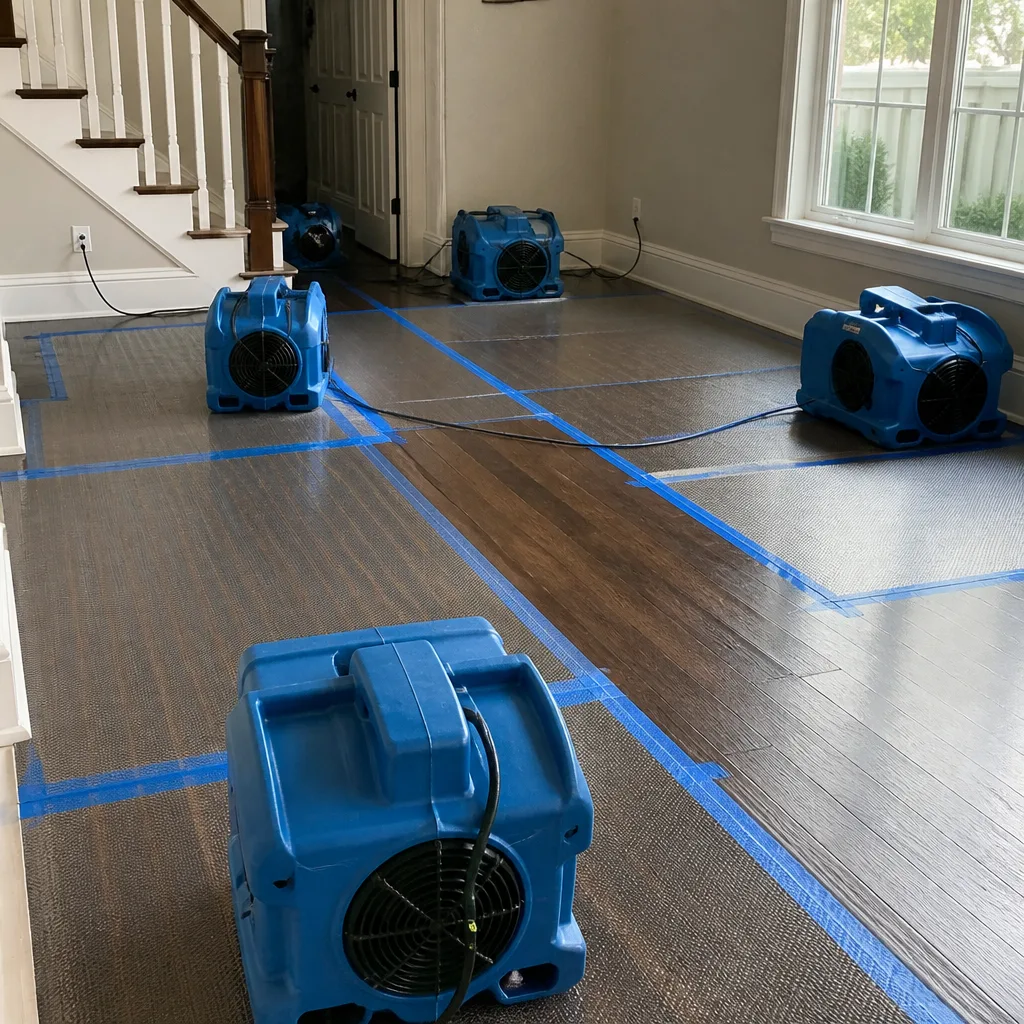
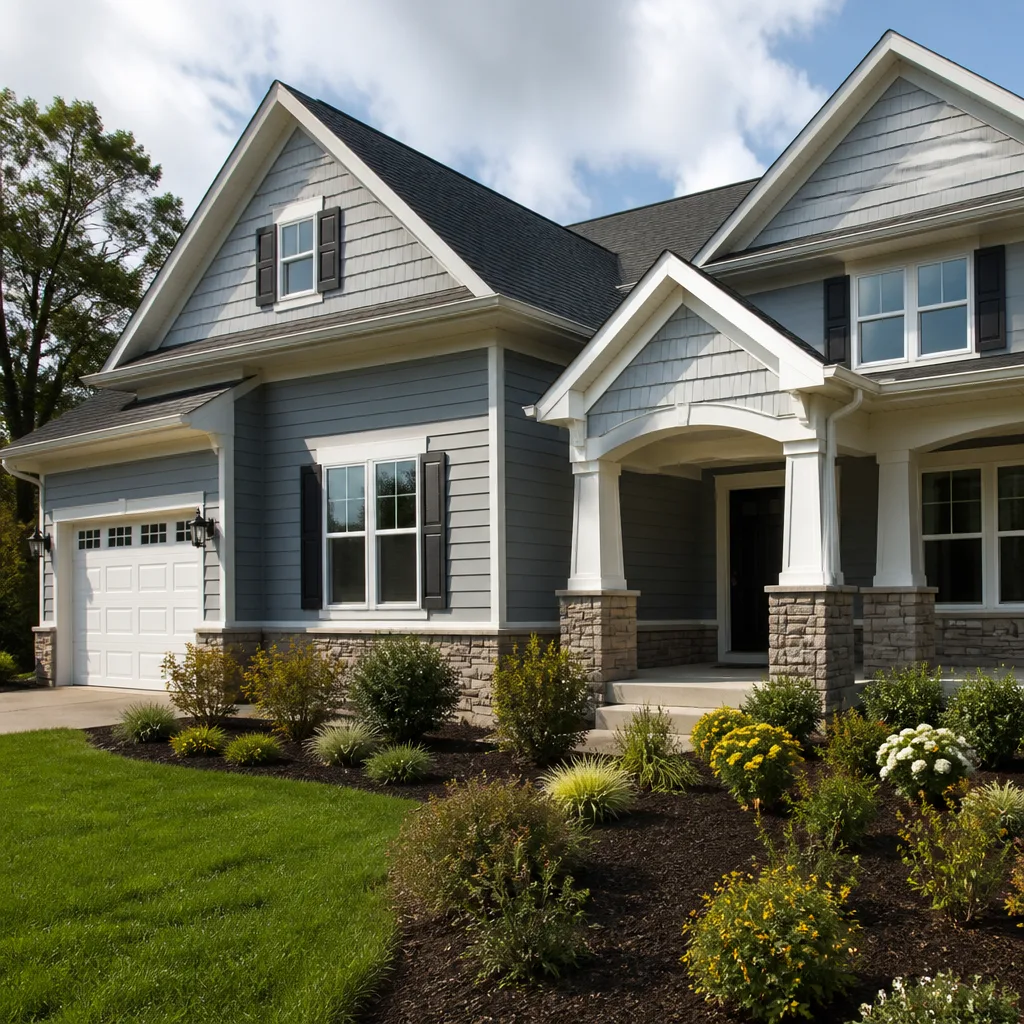
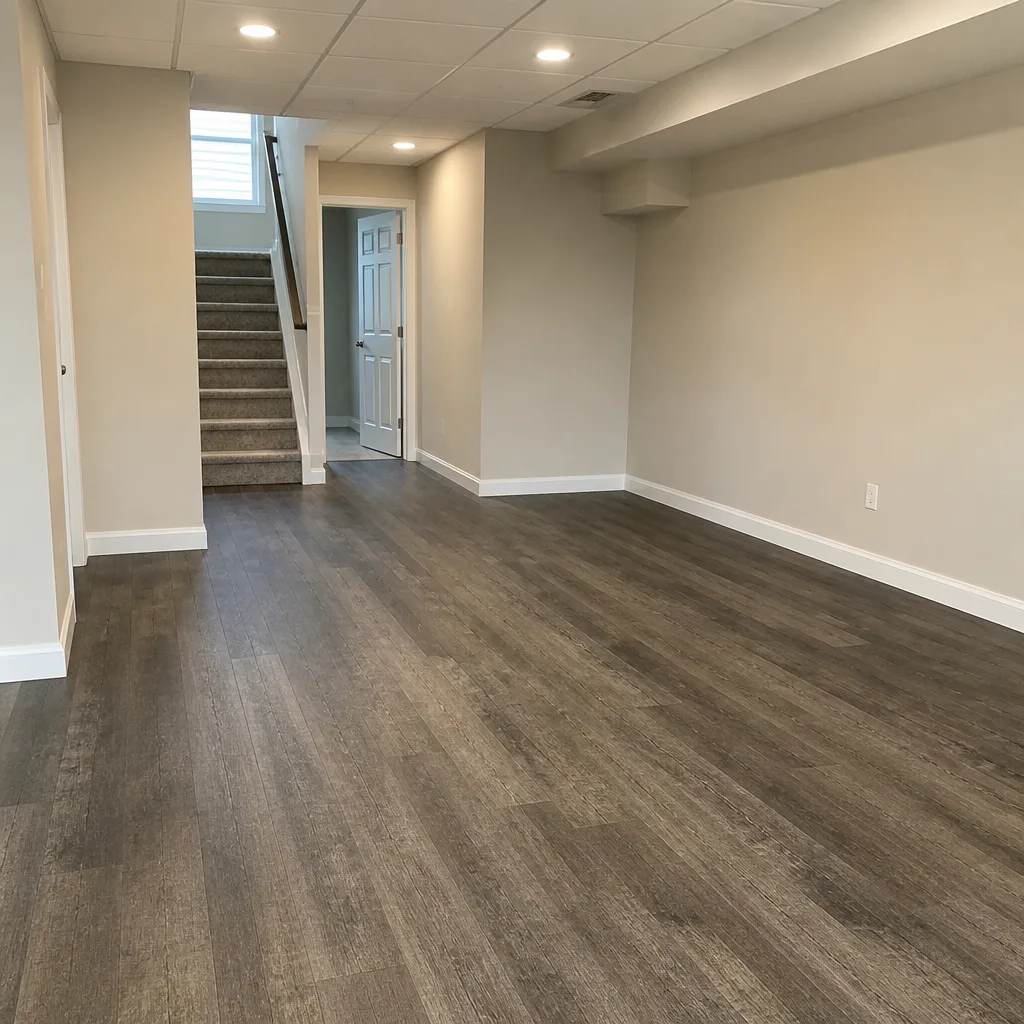
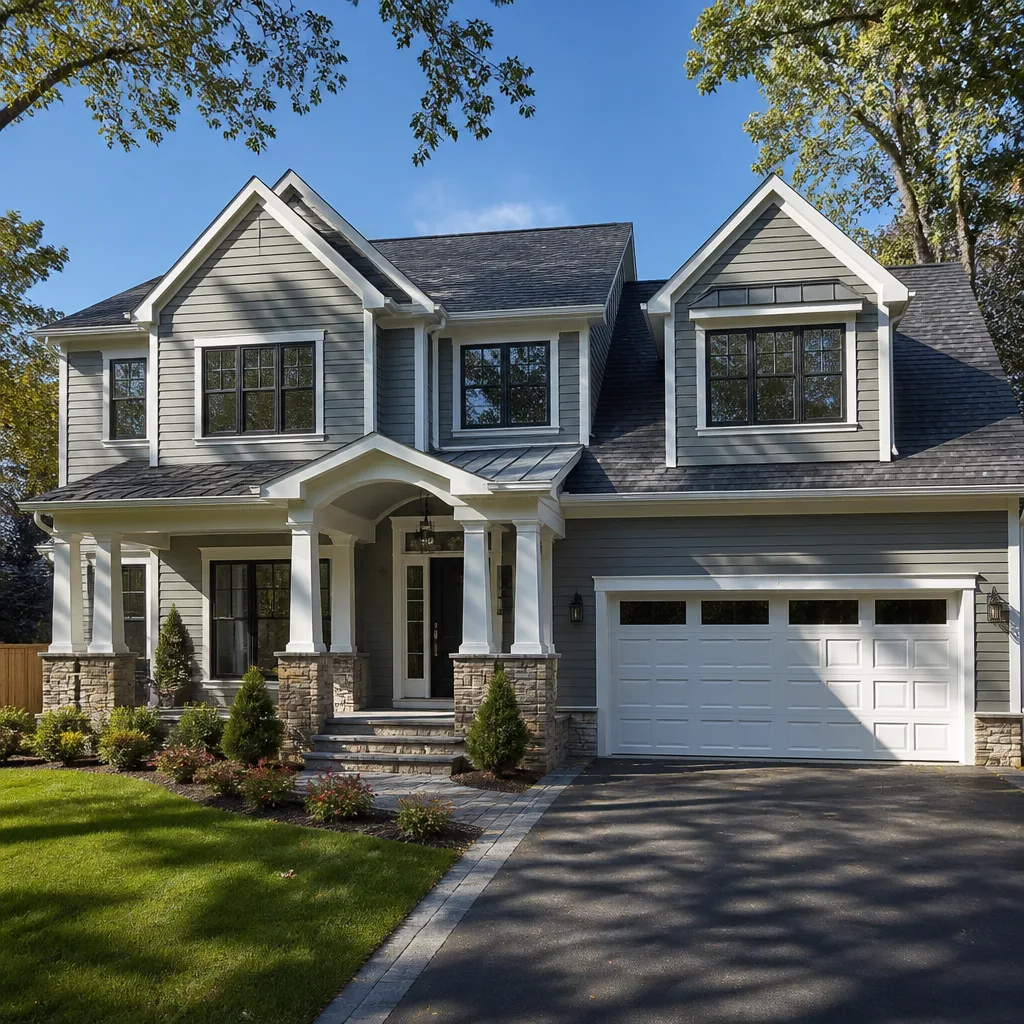
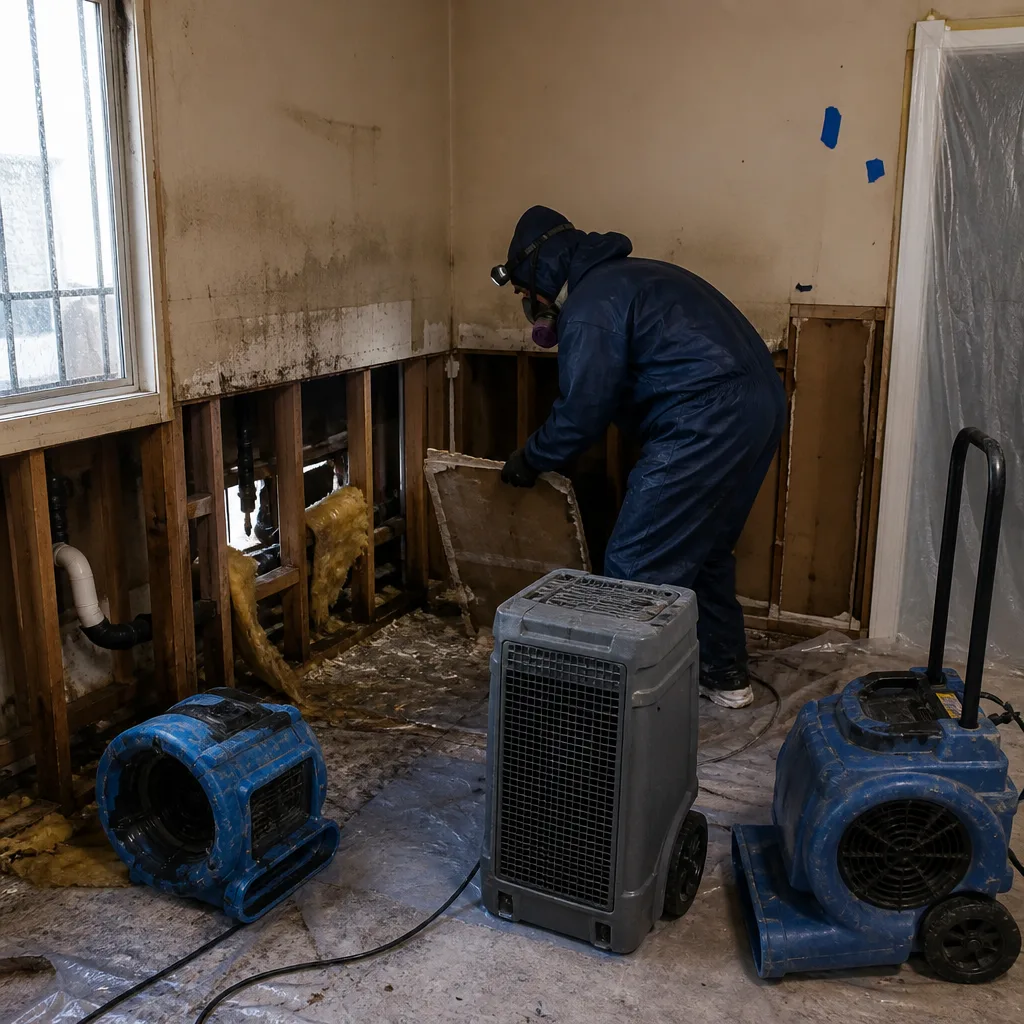 Before
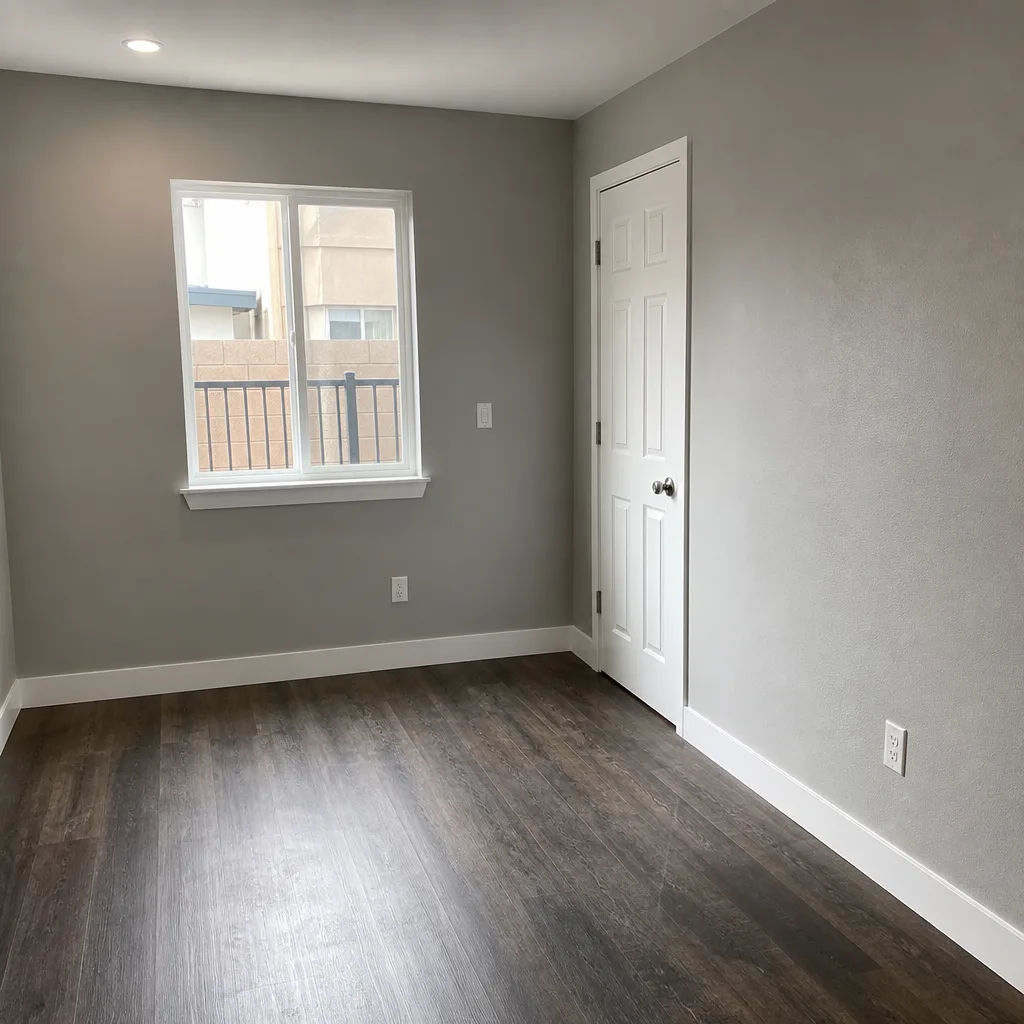 After
After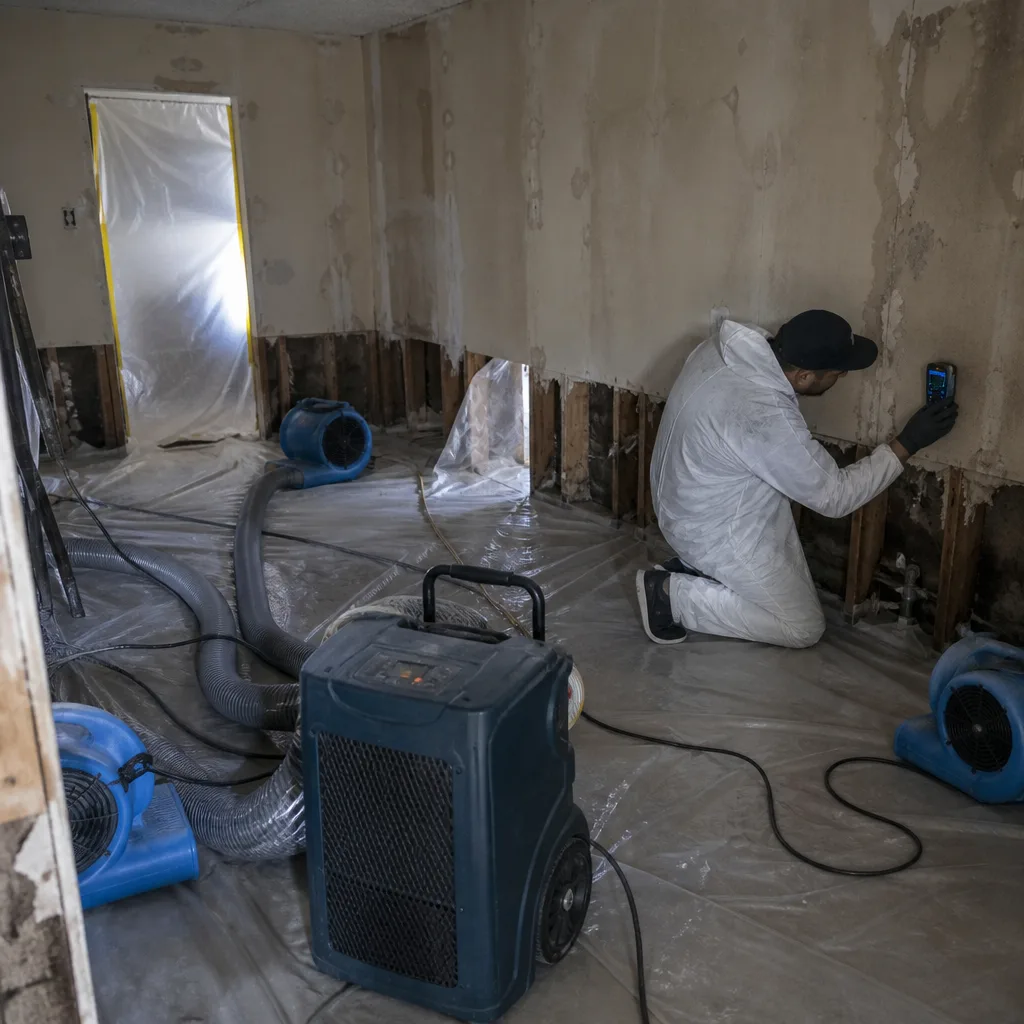 Before
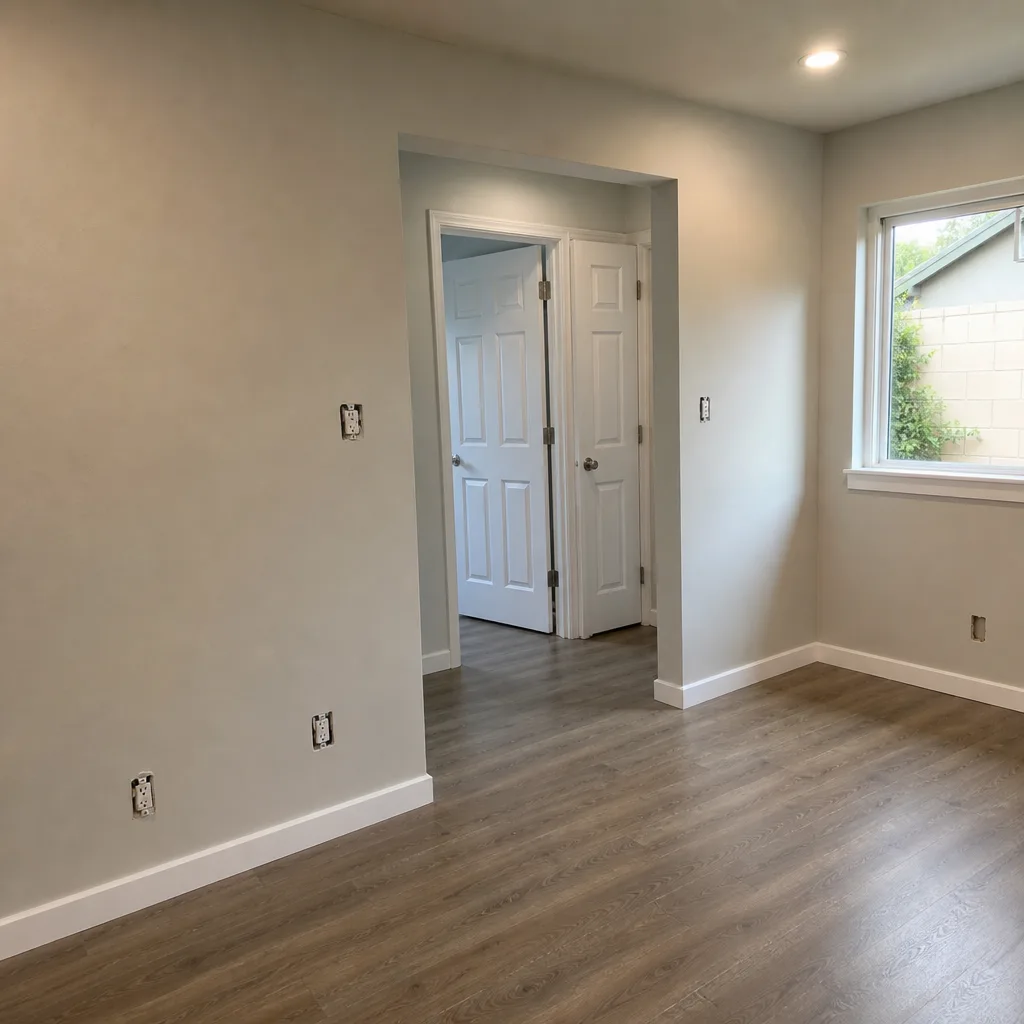 After
After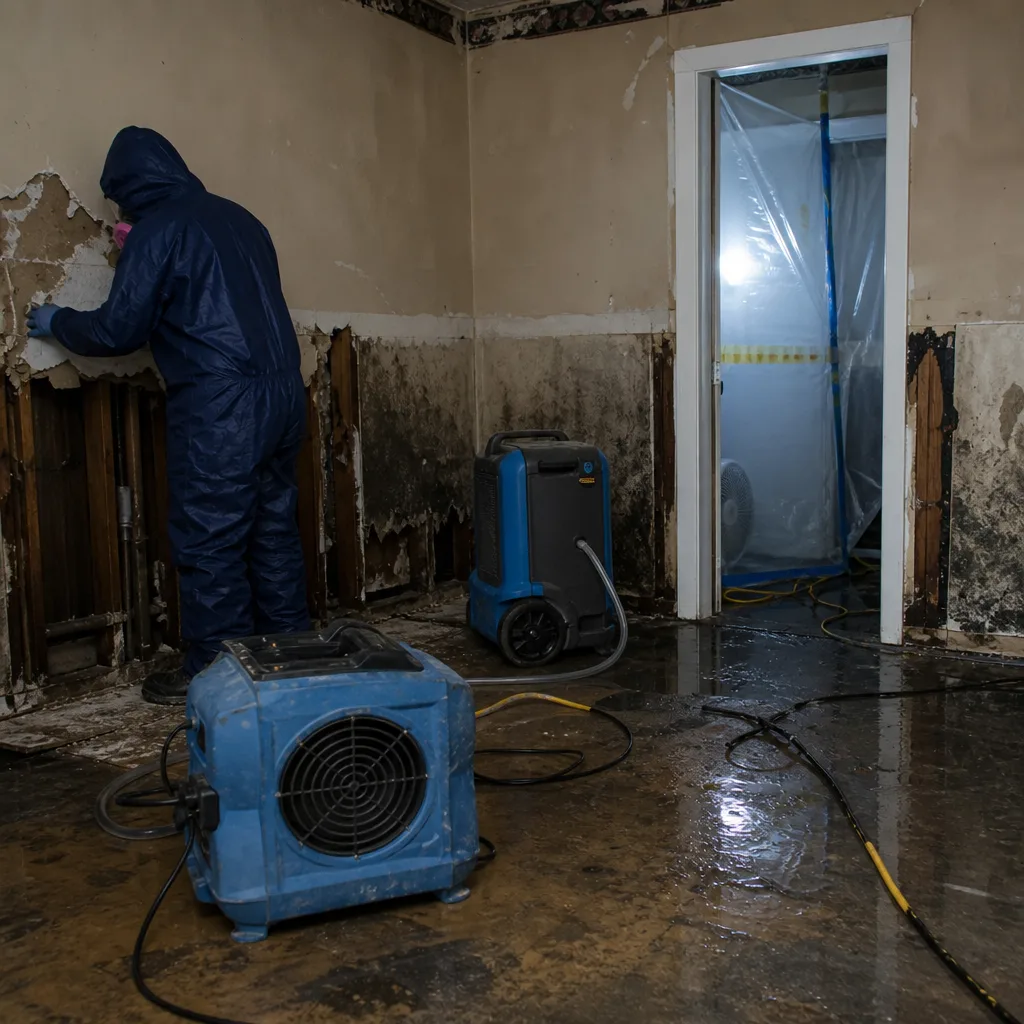 Before
 After
After24/7 Emergency Fire & Smoke Damage Restoration in Manhattan Beach
Fire damage in Manhattan Beach typically requires same-day board-up and smoke mitigation to prevent secondary corrosion and odor lock-in, with full restoration costs running $4,200-$18,500 depending on the structure and affected square footage. Our crews answer live at (628) 226-1011, 24 hours a day, with no voicemail trees or next-business-day callbacks while smoke is still settling into your walls. We dispatch to the Sand Section, the Hill Section, and the Tree Section from our Los Angeles office, and we arrive with a written scope in hand after our free visual inspection - Haven Standard, Clause 1.
The first hour after a fire determines how much of your structure is salvageable. Smoke migrates through wall cavities, HVAC ducts, and electrical chases faster in Manhattan Beach’s tight Sand Section lots where homes share zero side-yard clearance with their neighbors. Marine-layer humidity already keeps wall cavities moist year-round; add smoke particulates and you’ve got acidic residue bonding to every surface within hours. We document everything from arrival - photos, moisture readings, atmospheric readings - so your adjuster sees what we saw, not what we remember.
Understanding Fire & Smoke Damage Restoration Severity in Manhattan Beach Properties
Fire damage breaks into three categories that dictate our response: light smoke damage (superficial soot on surfaces, limited to one room, typically $4,200-$7,800 to restore), moderate fire and smoke damage (structural charring in the fire room plus smoke migration to adjacent spaces, $8,500-$14,000), and heavy fire damage (compromised framing, roof or floor system involvement, widespread smoke and water damage from suppression, $14,000-$18,500+). The distinction matters because Manhattan Beach’s housing stock amplifies certain failure modes.
Sand Section cottages built in the 1940s-1960s carry original galvanized plumbing and minimal wall insulation. When a kitchen fire triggers the sprinkler or FD suppression, that water hits corroded supply lines and fasteners that salt air has already compromised. We map moisture in every cavity with thermal imaging and pinless meters, not because the fire demanded it, but because Manhattan Beach’s climate already did. Hill Section ranch homes from the 1950s-1970s present different challenges: intact but aging mechanical systems, larger floor plates, and more attic space where smoke can migrate undetected until odor complaints surface weeks later.
Soot residue types drive our cleaning protocol. Dry soot (fast-burning, high-heat fires) responds to HEPA vacuuming and dry sponging. Wet soot (slow-burning, oxygen-starved fires) requires solvent-based cleaning and often abrasive blasting on masonry. Protein residue (kitchen fires) is nearly invisible but intensely pungent, demanding enzyme treatments and thermal fogging. We identify the residue type on-site and document it in your scope before any work begins.
Why Manhattan Beach Property Owners Choose DryMark Restoration Compton
- 45-minute response commitment to Manhattan Beach addresses - our crews know the Sepulveda corridor and Highland Avenue routes by heart.
- 24/7 live answer: a real person picks up every call, never an automated system or voicemail tree, because fire damage doesn’t wait for business hours.
- IICRC-certified crews holding FSRT (Fire and Smoke Restoration Technician) and WRT (Water Damage Restoration Technician) credentials, with license numbers documented on every job file.
- Free visual inspection with a written price before any work starts - Haven Standard, Clause 1, no exceptions.
- Direct insurance billing with photo-documented estimates that adjusters recognize and pay without dispute.
- One team from board-up through reconstruction: no handoffs to subcontractors who weren’t on the first call and don’t know what the walls looked like before demo.
BeforeAfterOur Fire & Smoke Damage Restoration Process
1. Inspection & Assessment
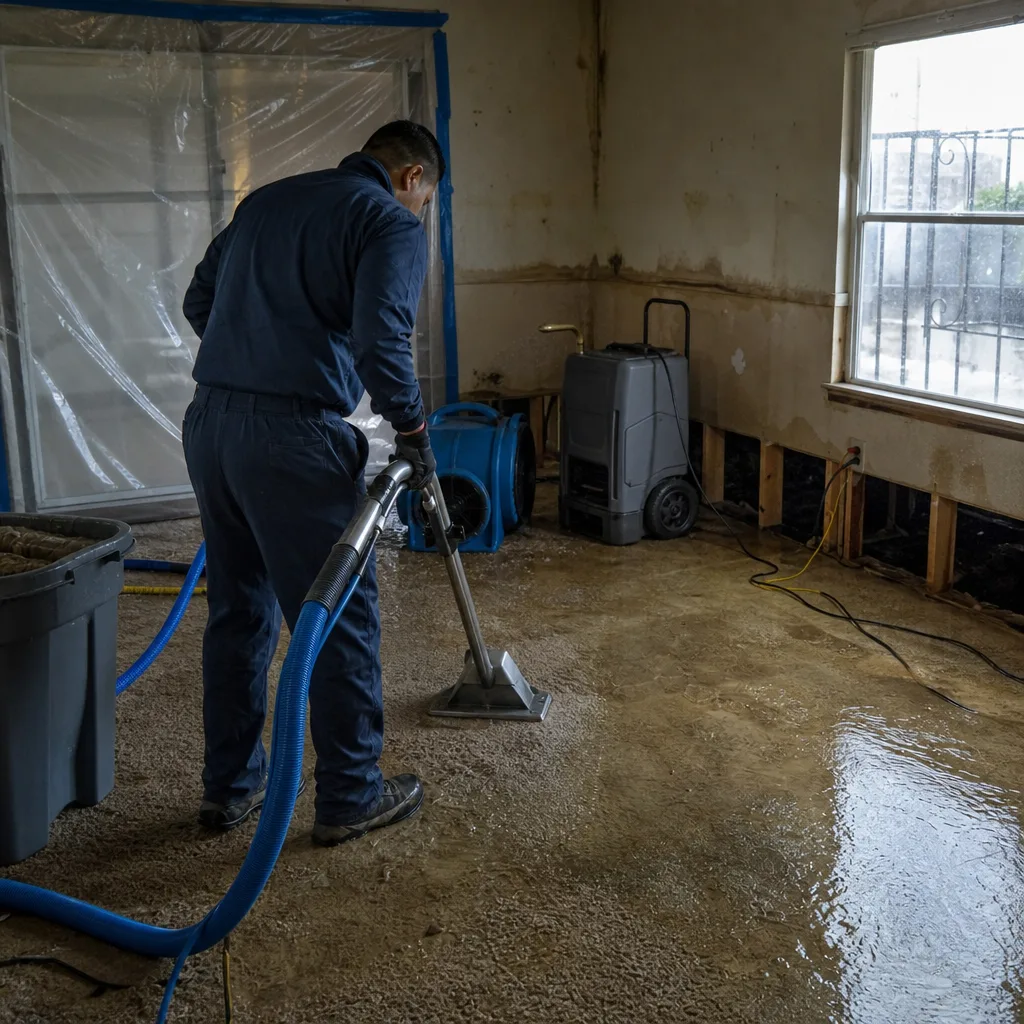
We arrive with thermal imaging cameras, hygrometers, and moisture meters to map the fire, smoke, and water damage from suppression. In Manhattan Beach’s Sand Section, we also inspect for salt-air corrosion on galvanized plumbing and fasteners behind the walls - damage that predates the fire but now compromises the structure. Every reading is logged to IICRC standards and photographed.
2. Emergency Board-Up & Stabilization
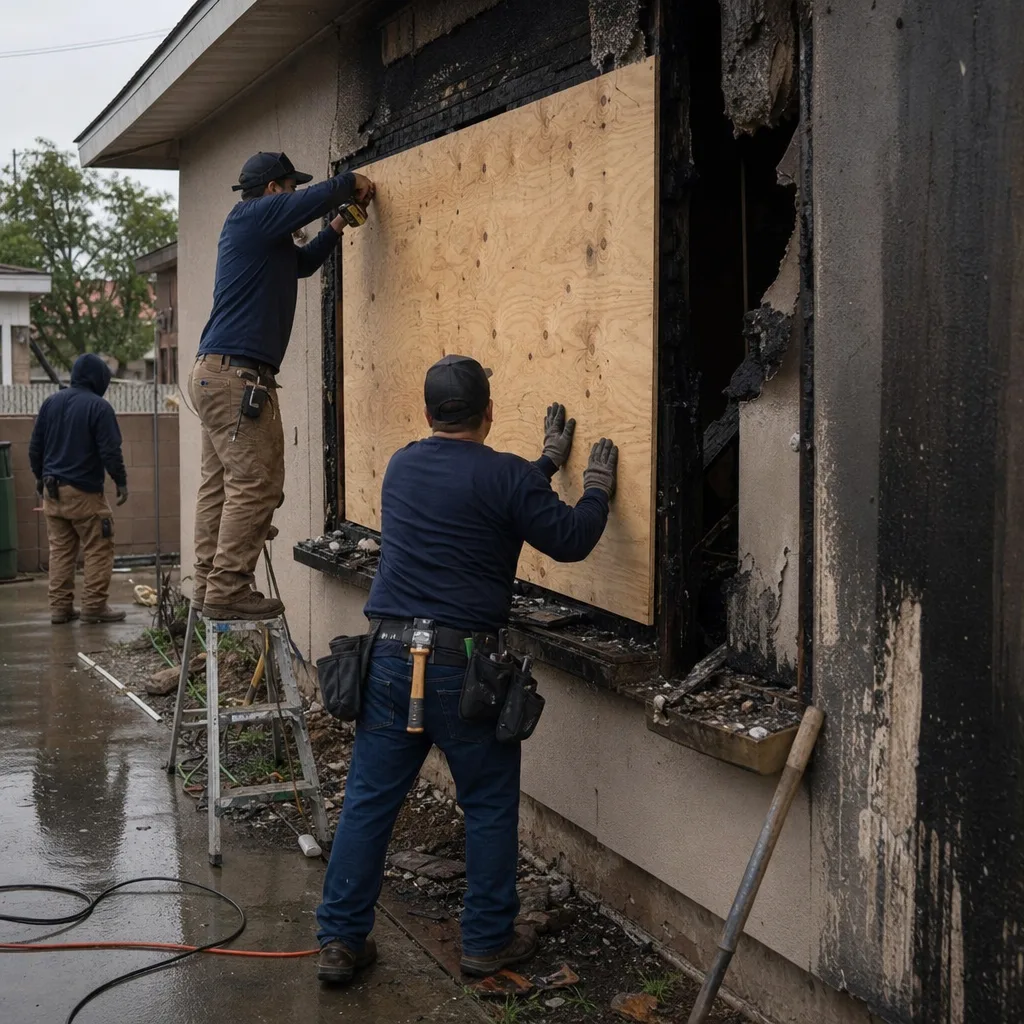
We secure compromised windows, doors, and roof sections with fire-rated plywood and weatherproof tarping. On Sand Section lots with zero side-yard clearance, all materials come through the front door - no exterior staging possible. We protect finished floors with Masonite runners before anything enters.
3. Smoke & Soot Removal
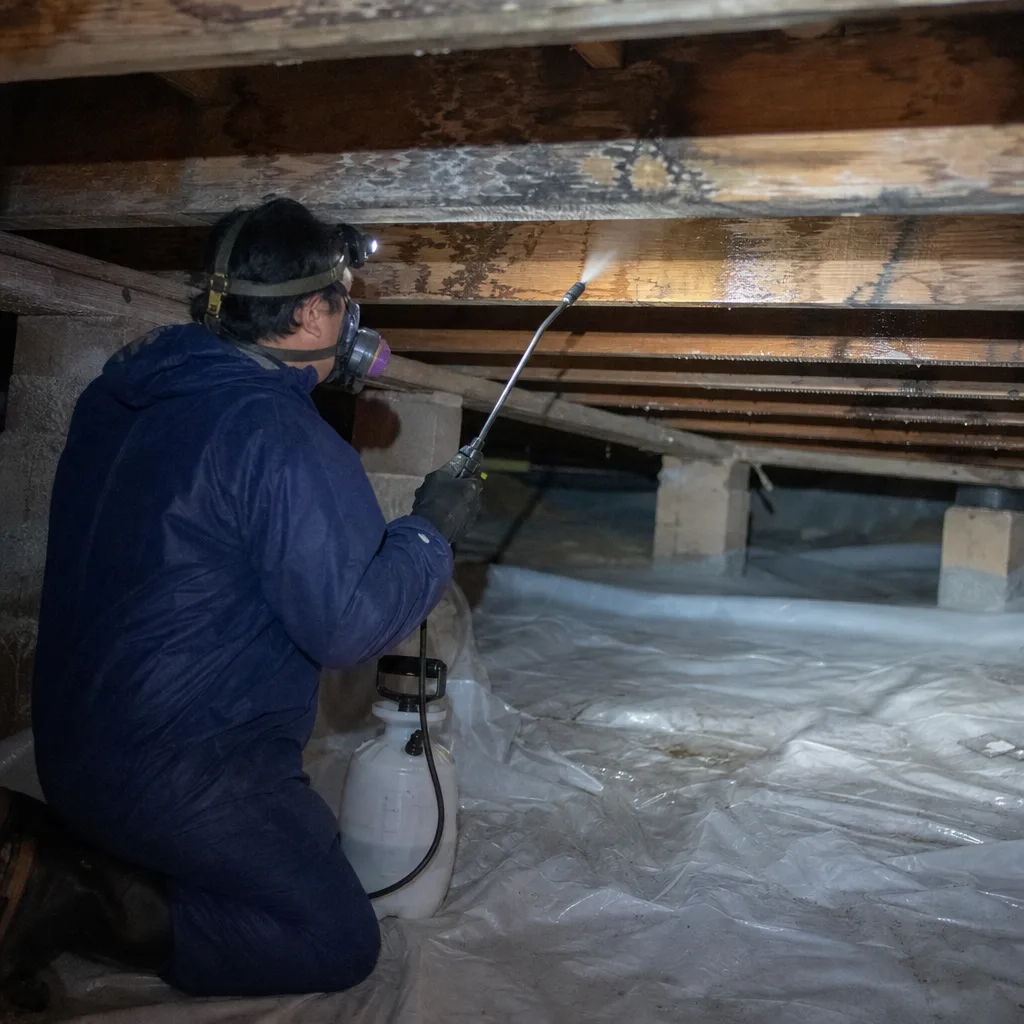
Our crews deploy HEPA air scrubbers and negative air machines to capture airborne particulates before they resettle. Dry soot gets HEPA vacuuming and chemical sponging; wet soot demands solvent cleaning; protein residues require enzyme digesters. We clean from top to bottom, structural cavities to finished surfaces, because smoke migrates upward and inward.
4. Deodorization & Air Quality Control
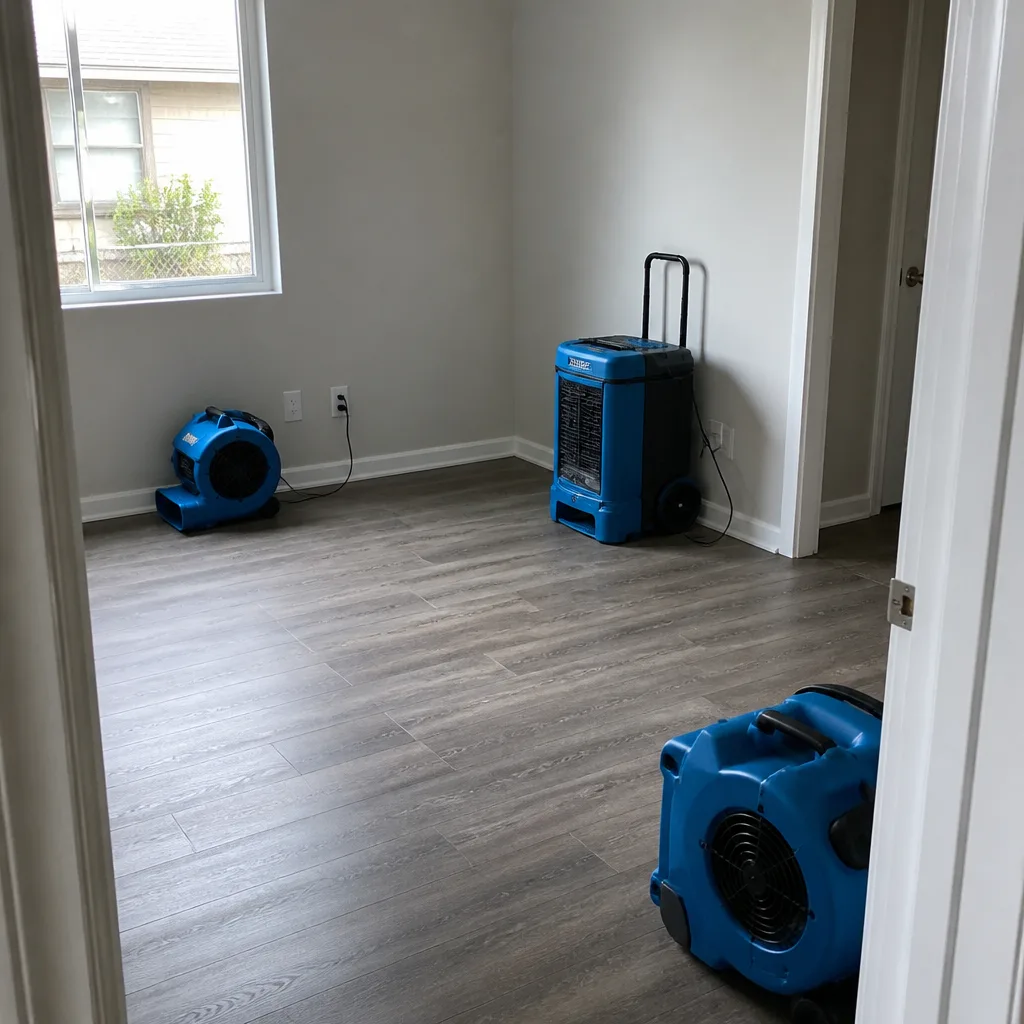
Smoke odor lingers in Manhattan Beach homes because marine-layer humidity keeps porous materials - uninsulated stud bays, original plaster, aged drywall - perpetually receptive to odor absorption. We size dehumidification to coastal conditions, not inland drying charts, and deploy thermal fogging, ozone treatment, or hydroxyl generators based on the contamination level and occupancy status.
5. Contents Cleaning & Pack-Out
Salvageable contents are inventoried, photographed, and transported to our cleaning facility for ultrasonic, immersion, or dry-cleaning restoration. Non-salvageable items are documented for your insurance claim with replacement cost research. In Sand Section homes where every square foot matters, pack-outs free interior space for structural work.
6. Structural Repairs & Restoration
Charred framing, sheathing, and finish materials are removed and replaced. Because Sand Section exterior walls can’t be accessed from outside, we cut and replace sheathing from the interior, then reinsulate and finish to match. Final clearance includes atmospheric testing and a written 365-Day Done Right Promise under The Haven Standard.
Need Emergency Fire & Smoke Damage Restoration in Manhattan Beach Now?
Crews minutes away, answering live 24 hours a day. The sooner we start, the less it costs.
Working With Your Insurance Company
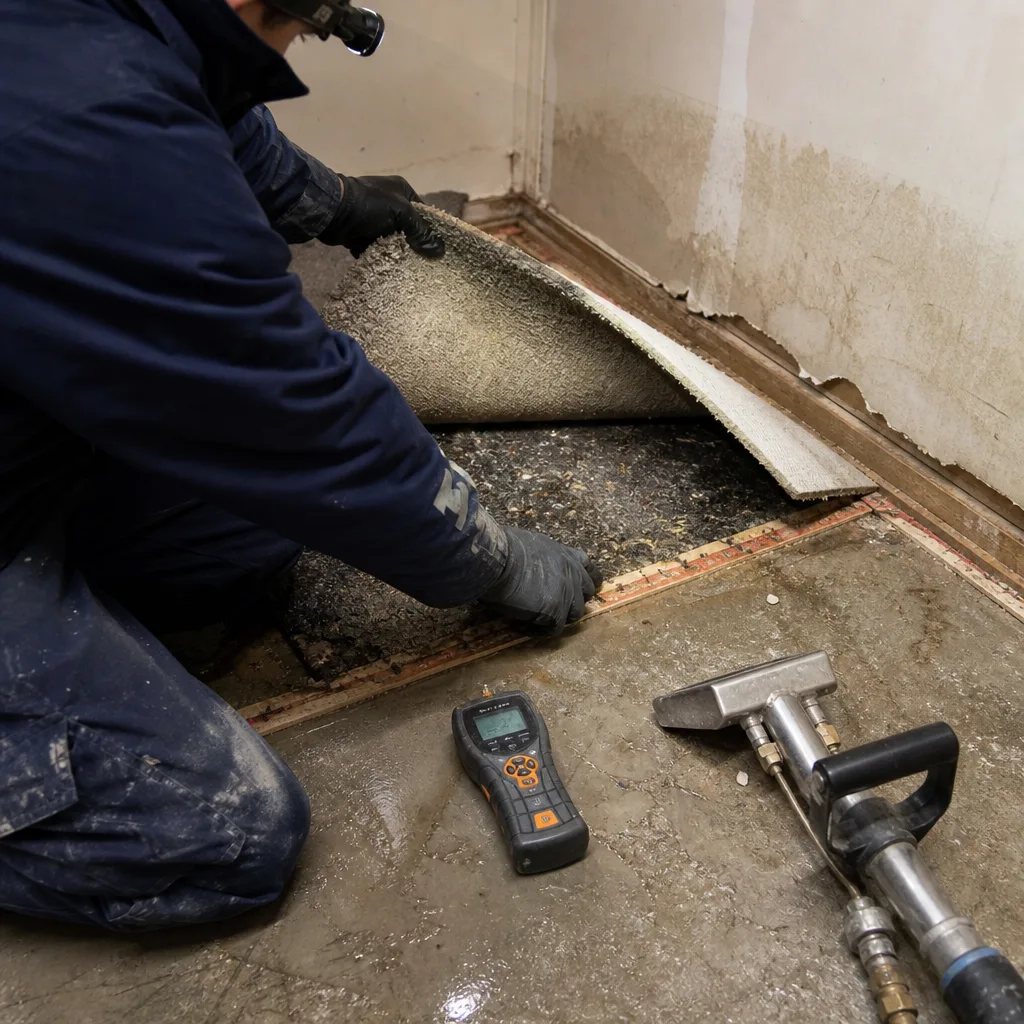
Fire claims live or die on documentation. Adjusters see hundreds of estimates; they pay the ones that match their field guides and contain the evidence they need to defend the payment. We build your file from hour one - photos of every room, moisture readings with psychrometric data (temperature, relative humidity, vapor pressure differential, the atmospheric conditions that determine whether materials are actually dry), and a line-item scope written to Xactimate standards.
Our Fire & Smoke Damage Restoration team coordinates directly with your adjuster, not through you as a messenger. We explain why Sand Section staging constraints added labor hours, why salt-air corrosion required plumbing inspection beyond the fire scope, and why coastal humidity demanded oversized dehumidification. The photo record on every visit is included as standard, never sold as an upsell. Your written price arrives before work begins - Haven Standard, Clause 1 - so there are no scope-creep additions once our crew is inside your home.
What We Provide Your Insurer
- Thorough documentation of the loss with date-stamped photos
- Photos of all damage, room by room, with directional indicators
- Moisture readings and drying logs to IICRC S500 standards
- A detailed, line-item scope of work in Xactimate format
- Direct coordination with your carrier’s field adjuster
Built for Manhattan Beach’s Loss Calendar
Manhattan Beach’s fire risk doesn’t follow a neat seasonal pattern, but the consequences do shift through the year. Winter holiday cooking fires spike in December and January - turkey fryer incidents, oven overflows, candle fires in homes packed with guests. The Sand Section’s tight quarters mean one kitchen fire affects the whole structure fast. Spring brings Santa Ana wind events that dry vegetation and accelerate exterior fire spread; homes on the Hill Section’s western slopes face elevated exposure. Summer beach traffic congests Highland Avenue and Sepulveda, slowing response times if crews don’t know the alternate routes through residential streets.
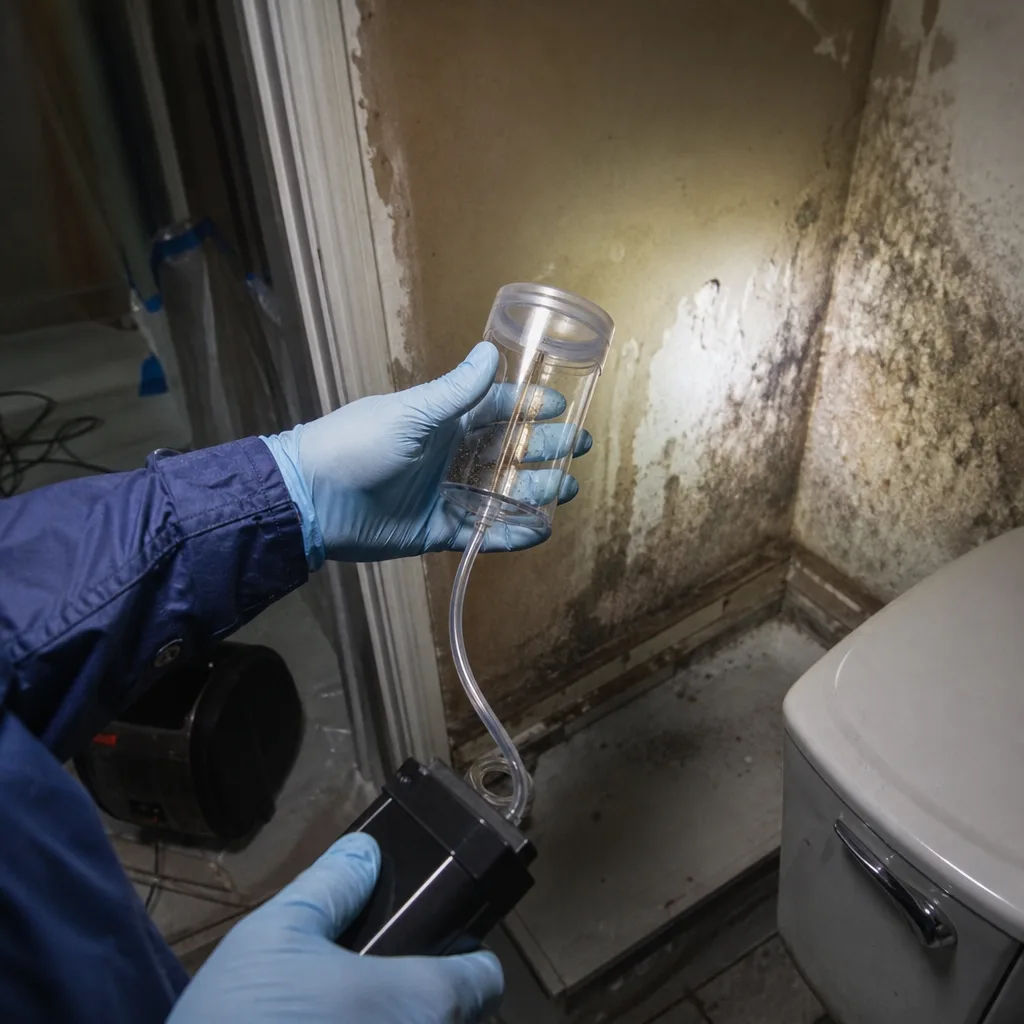
Year-round, marine-layer humidity is the silent factor. It keeps smoke odor locked in porous materials, corrodes electrical connections that can spark secondary fires, and sustains mold growth in water-damaged cavities before the fire restoration is complete - which is why we coordinate Mold Remediation in Manhattan Beach when needed. We size every dehumidification plan for coastal RH baselines, not the drier inland conditions most franchise templates assume.
Fire & Smoke Damage Restoration Across Manhattan Beach’s Neighborhoods
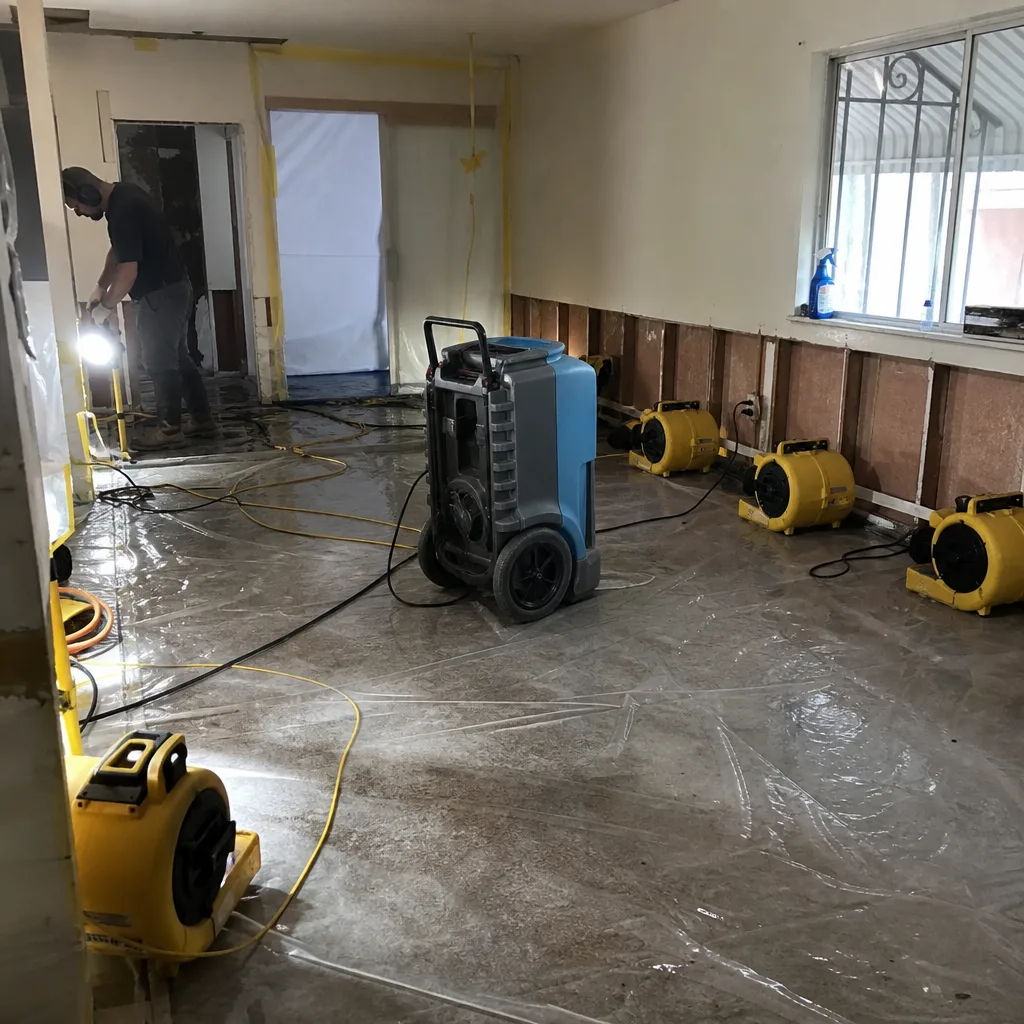
The Sand Section west of Sepulveda is where our most complex fire losses occur. Those 27-foot-wide lots built to the property line leave no exterior access - our crews carry every air mover, HEPA scrubber, and demolition bag through the front door. We were called to a 1952 beach cottage on 22nd Street after a kitchen fire sent smoke through the whole structure. Salt air had already corroded the original galvanized supply lines and structural fasteners behind the walls, so our tech had to build containment and run equipment entirely from inside the living space. We used an Injectidry wall cavity drying system to pull embedded smoke odor out of the uninsulated stud bays, completed a full pack-out, and logged drying readings daily until the structure passed.
The Hill Section east of Sepulveda offers more conventional access but presents its own challenges: larger ranch homes from the 1950s-1970s with intact original systems that have aged past their service life. Electrical panel fires and HVAC motor overheating are common ignition sources. Smoke migrates through attic spaces and downlight penetrations, so our inspection always includes attic access and thermal imaging of ceiling assemblies.
The Tree Section and El Porto north of 45th Street mix older cottages with newer construction. Newer homes have better compartmentalization but also synthetic materials that burn hotter and produce more toxic smoke. We adjust our respiratory protection and air scrubbing capacity accordingly. Manhattan Beach‘s variety demands crews who read the building, not the script.
Specialized Fire & Smoke Damage Restoration Services We Offer in Manhattan Beach
Smoke & Soot Removal
Smoke migrates through wall cavities, ductwork, and electrical chases in patterns that don’t follow visible fire damage. In Sand Section homes with no exterior access, we clean from the interior using HEPA containment, negative air pressure, and specialized sponges matched to the soot type - dry, wet, or protein. Every surface is tested before and after with ATP meters to verify particulate removal.
Odor Removal & Deodorization
Manhattan Beach’s persistent marine-layer humidity means smoke odor doesn’t simply dissipate; it bonds with moist porous materials and becomes part of the structure. We deploy thermal fogging for heavy contamination, hydroxyl generators for occupied spaces, and ozone treatment for vacant properties, always sized to the cubic footage and the actual relative humidity we’re fighting.
Contents Cleaning & Pack-Out
When every square foot of a Sand Section home is needed for structural work, pack-out isn’t optional - it’s logistical necessity. We inventory, photograph, and transport salvageable contents to our facility for ultrasonic cleaning, immersion washing, or specialized dry cleaning. Non-salvageable items are documented with replacement research for your claim.
Emergency Board-Up & Tarping
Fire-damaged openings are secured with fire-rated plywood and weatherproof membrane to prevent weather intrusion and unauthorized entry. On zero-clearance Sand Section lots, we stage all materials from the street through the front door, protecting floors and finishes throughout.
What happens when you call
- 1
A real person answersNo phone trees - you reach a local pro.
- 2
You get an upfront price rangeHonest numbers before anyone is dispatched.
- 3
A background-checked tech heads outLicensed & insured, dispatched right away.
- 4
You approve before work beginsNothing starts until you say go.
Fire & Smoke Damage Restoration Costs in Manhattan Beach, CA
Light smoke damage limited to one room in a Manhattan Beach home typically runs $4,200-$7,800, including HEPA cleaning, surface restoration, and deodorization. Moderate fire and smoke damage with structural charring and multi-room smoke migration runs $8,500-$14,000. Heavy fire damage involving compromised framing, roof systems, or widespread water damage from suppression runs $14,000-$18,500 and up, depending on the square footage and the access constraints.
Sand Section properties with zero side-yard clearance add 15-25% to labor costs because all equipment and debris must move through the interior. Salt-air corrosion discovered during inspection can extend the scope to include plumbing and fastener replacement. Insurance typically covers direct fire and smoke damage plus water damage from suppression; our written scope identifies every line item so your adjuster sees the full picture. We offer a free second opinion on any competitor’s written estimate - bring their scope and we’ll review it at no charge.
We Also Serve Cities Near Manhattan Beach
Our crews respond daily to Manhattan Beach and the surrounding South Bay: Lawndale to the north, Hawthorne and Inglewood inland, and Redondo Beach along the coast. Each city has its own building stock, access patterns, and loss characteristics, and we adjust our response accordingly.
Serving Manhattan Beach, CA - Our Local Coverage Area
We’re based in the Manhattan Beach area and know this community well. Use the map below to see our service coverage - if you’re nearby, we can almost certainly help.
Manhattan Beach Fire & Smoke Damage Restoration Questions, Answered
How does Manhattan Beach’s Sand Section layout change how you handle a fire loss?
Sand Section homes are built to the property line on both sides with zero side-yard clearance, so every piece of equipment, every bag of debris, and every replacement material must come through the front door.
We protect finished floors with Masonite runners, stage equipment in sequence to minimize interior congestion, and cut replacement sheathing from inside the living space rather than outside. Crews that don’t plan for this constraint blow their schedule and damage floors. Our Manhattan Beach crews have handled dozens of Sand Section fires and build the access plan into the first scope. Call (628) 226-1011 for a free inspection.
Why does smoke odor linger in older Manhattan Beach beach cottages?
Marine-layer humidity keeps wall cavities, uninsulated stud bays, and original plaster perpetually moist and receptive to odor absorption.
Salt-air corrosion also opens micro-pathways in finishes that would be tighter inland. Smoke particulates penetrate these pathways and bond with moisture. Standard deodorization fails because it doesn’t address the humidity baseline. We size dehumidification to coastal conditions and use Injectidry cavity drying to pull odor from inside walls, not just surface cleaning. The drying log proves when readings are actually stable, not just when the smell fades. Call (628) 226-1011 to discuss your property.
Can you clean my contents after a fire, or do I need to replace everything?
Most contents are salvageable with proper cleaning if they’re addressed within the first 48-72 hours before acidic soot causes permanent etching.
We inventory and photograph every item, then clean salvageable pieces at our facility using ultrasonic, immersion, or dry-cleaning methods matched to the material. Non-salvageable items are documented with replacement cost research for your insurance claim. In Sand Section homes where interior space is limited, pack-out also frees room for structural work. Haven Standard, Clause 1: your written scope includes the contents plan before any work begins. Call (628) 226-1011 for an assessment.
How fast does mold become an issue after a fire in a Manhattan Beach home?
Mold can establish visible colonies in 48-72 hours in Manhattan Beach’s humid coastal conditions, faster than the 72-96 hour window typical inland.
Fire suppression water plus marine-layer humidity creates ideal conditions inside wall cavities. We map moisture with thermal imaging and pinless meters during the initial inspection, not as an afterthought. Drying goals are set for coastal RH baselines, and daily logs track progress. If mold is present, containment and air scrubbing are deployed before any structural work continues. The photo record documents every stage for your adjuster. Call (628) 226-1011 for immediate response.
What does the fire damage restoration process look like for a Manhattan Beach property?
It starts with a free visual inspection, thermal imaging, and moisture mapping, followed by a written scope and price before any work begins - Haven Standard, Clause 1.
We then board up and stabilize, remove smoke and soot with HEPA containment, deodorize to coastal humidity standards, clean or pack out contents, and complete structural repairs. For Sand Section homes, all staging is interior, and salt-air corrosion checks are standard. Daily drying logs and photo documentation go to your adjuster. The 365-Day Done Right Promise covers everything. Call (628) 226-1011 to schedule.
Will my insurance cover fire damage restoration in Manhattan Beach?
Homeowners insurance typically covers direct fire damage, smoke damage, and water damage from fire department suppression efforts.
Coverage disputes usually arise from scope documentation, not from the damage itself. Our estimates are written to Xactimate standards with room-by-room photos, moisture readings, and line-item scopes that adjusters recognize and pay. We coordinate directly with your carrier and provide the documentation they need to approve the claim. If you’ve received a competitor’s estimate, we offer a free second opinion - bring their written scope. Call (628) 226-1011 to discuss your claim.
How long does fire damage restoration take in Manhattan Beach?
Light smoke damage typically takes 3-5 days, moderate fire and smoke damage 1-2 weeks, and heavy structural damage 3-6 weeks or more.
Manhattan Beach’s marine-layer humidity can extend drying phases if dehumidification isn’t sized correctly. Sand Section access constraints add time for material handling. We don’t guess at completion; daily moisture logs and atmospheric readings tell us when the structure is actually stable. Your written scope includes a projected timeline based on your specific damage, not a template. Call (628) 226-1011 for a firm estimate.
Can we stay in our home during fire damage restoration?
Occupancy depends on the damage extent, air quality, and whether structural stabilization is complete.
Light smoke damage in a single room may allow occupancy with HEPA air scrubbing running. Moderate or heavy damage, or any compromised structural element, requires relocation for safety and to allow proper containment and equipment staging. In Sand Section homes where interior space is already limited, temporary relocation is more common. We test atmospheric conditions and document safe re-entry criteria in your scope. Call (628) 226-1011 to discuss your situation.
Fire damage in Manhattan Beach demands crews who understand coastal humidity, salt-air corrosion, and the physical constraints of zero-clearance beach lots. Our documentation-first approach - written price before work, photo record on every visit, daily drying logs - turns restoration invoices into claims that get paid. The 365-Day Done Right Promise under The Haven Standard means if it’s not done right, we make it right.
Call (628) 226-1011 now. We answer live, 24 hours a day, and we’ll be on our way.
Written by Alicia Brennan, Owner at Back to Dry Restoration, serving Manhattan Beach since 2011.