
Free visual inspection and a written scope of work before any mitigation begins - photos, moisture readings, and drying logs go in your claim file
The scope we write is the scope we bill. Anything new gets shown to you, in writing, before we touch it.
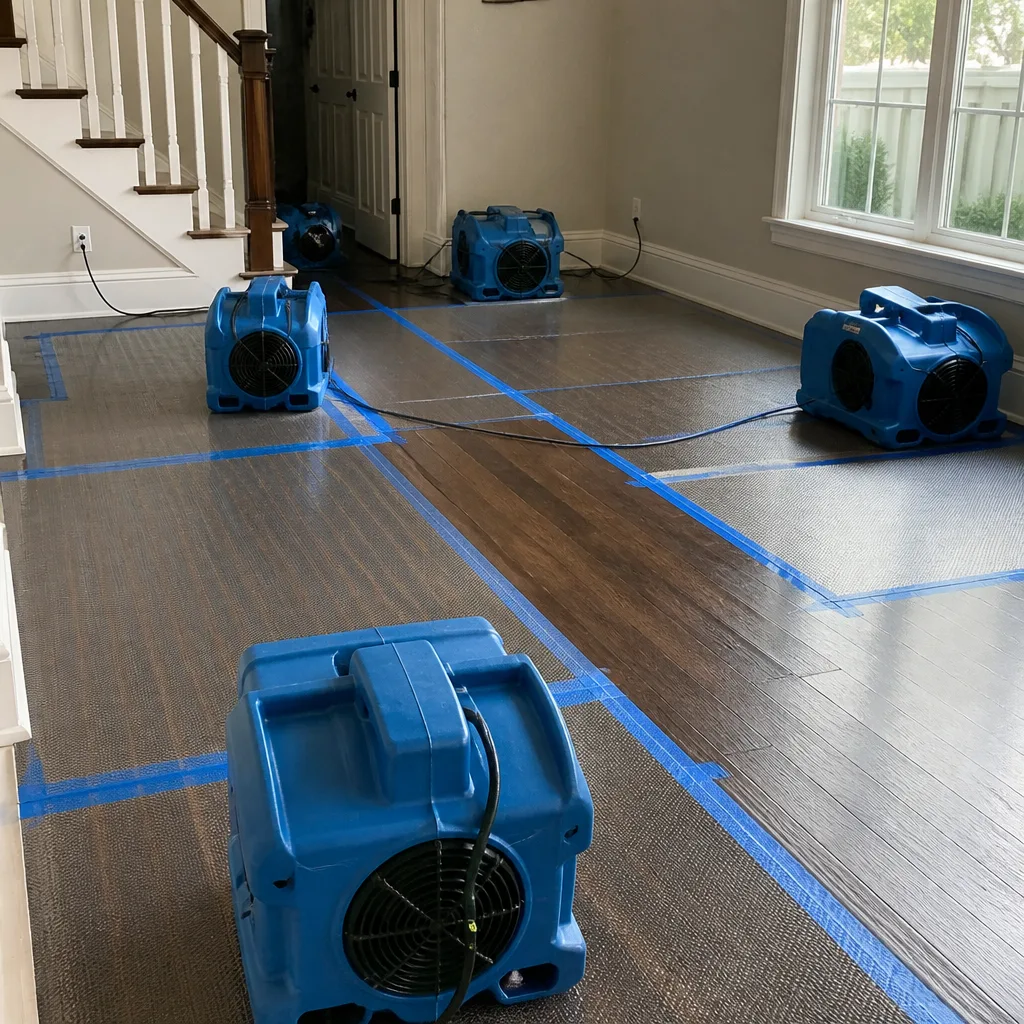
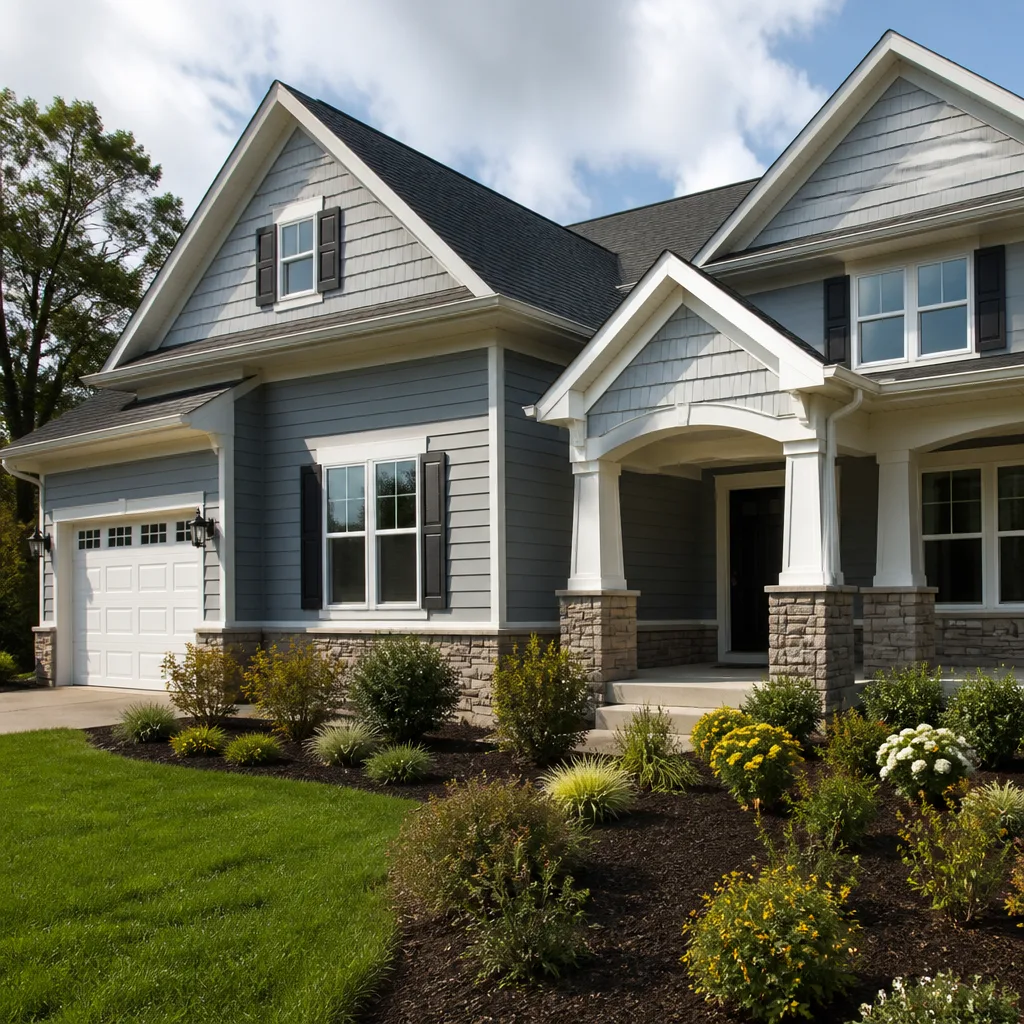
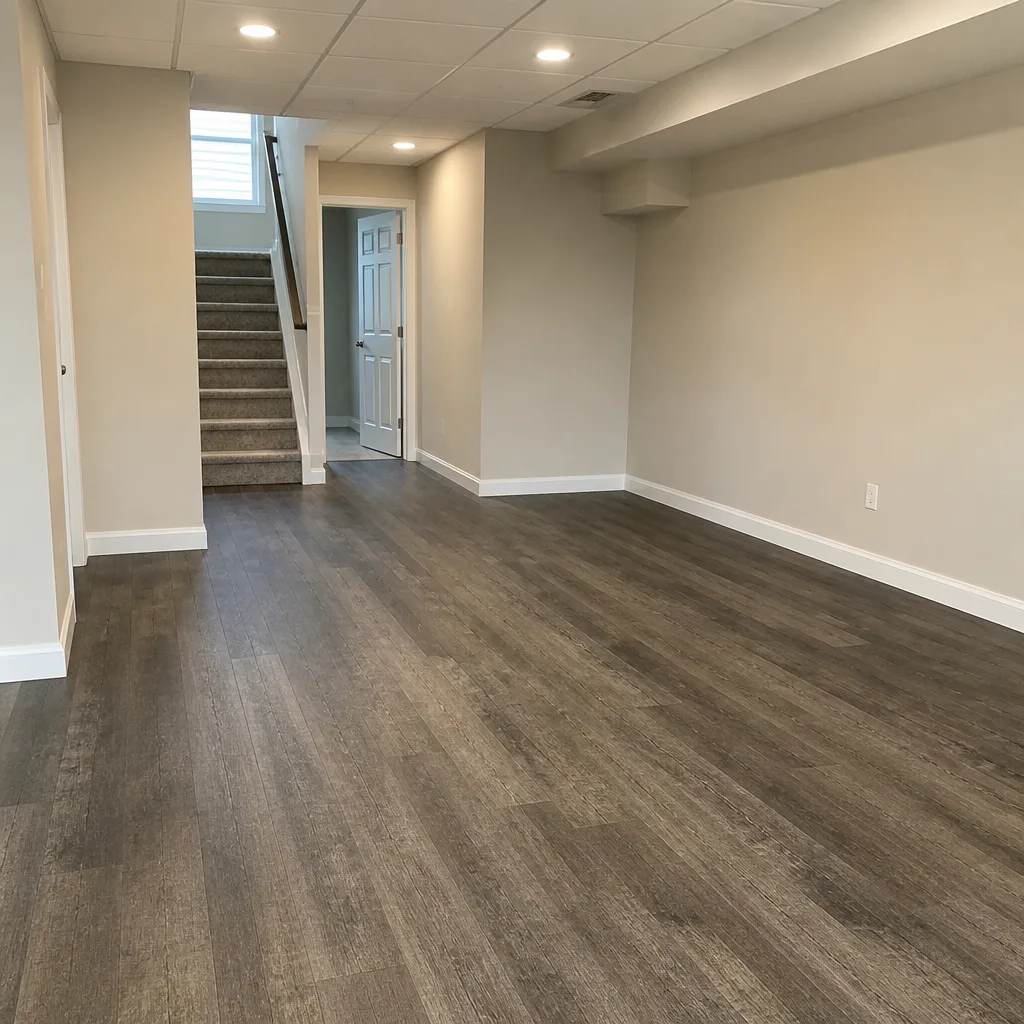
 Before
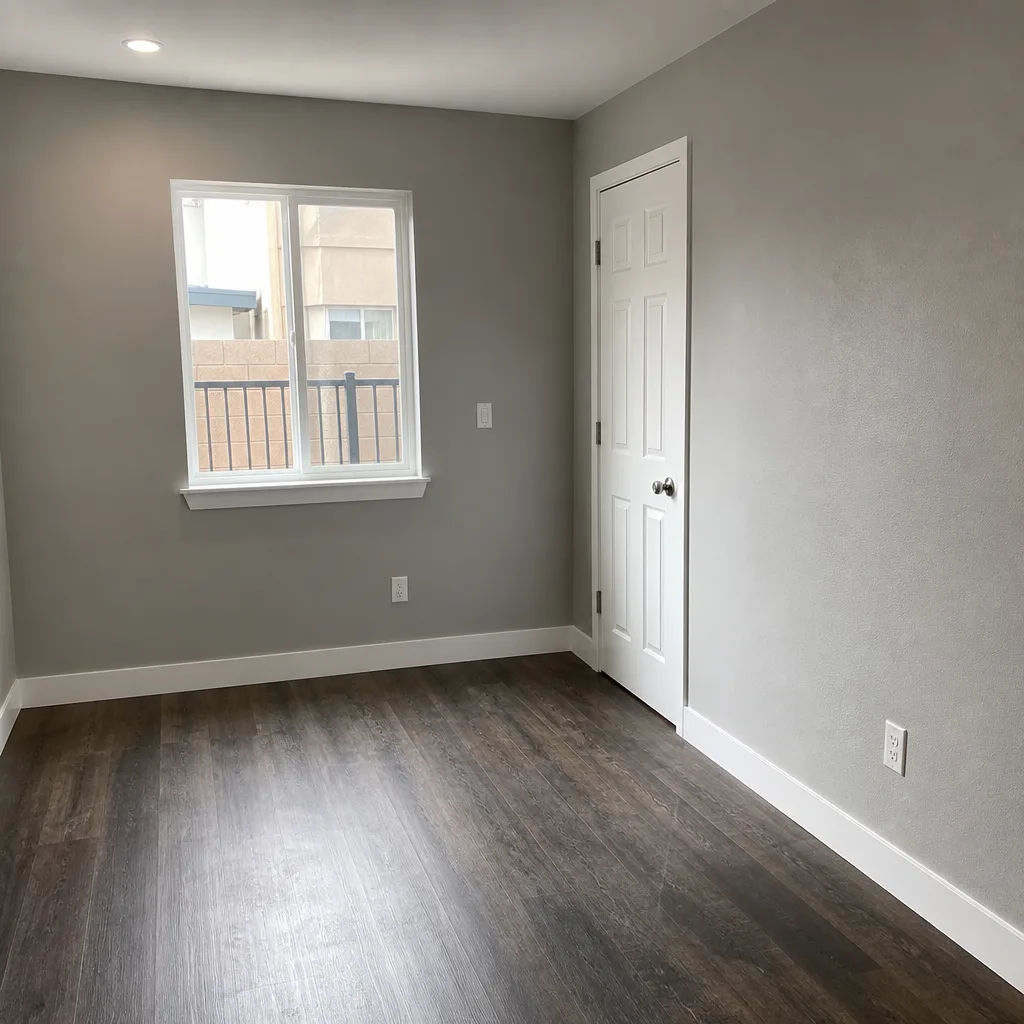 After
After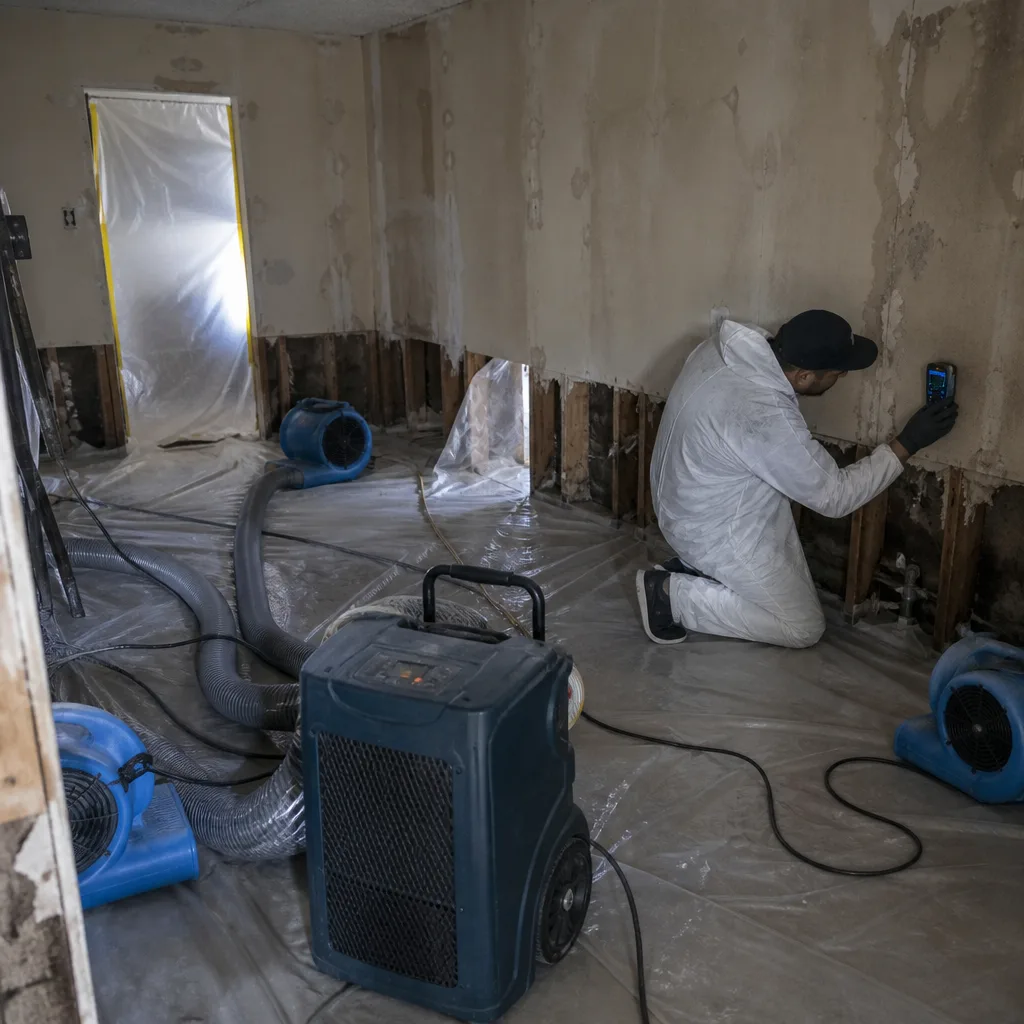 Before
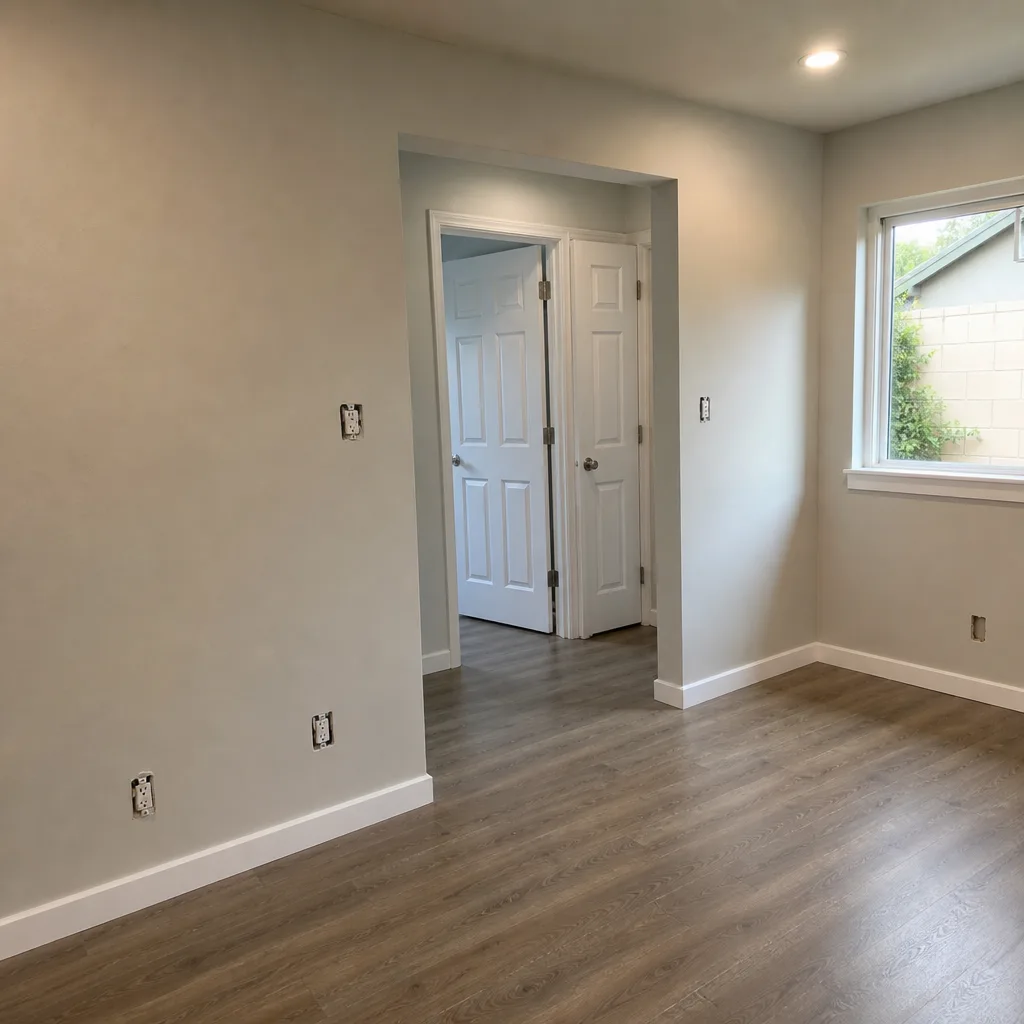 After
After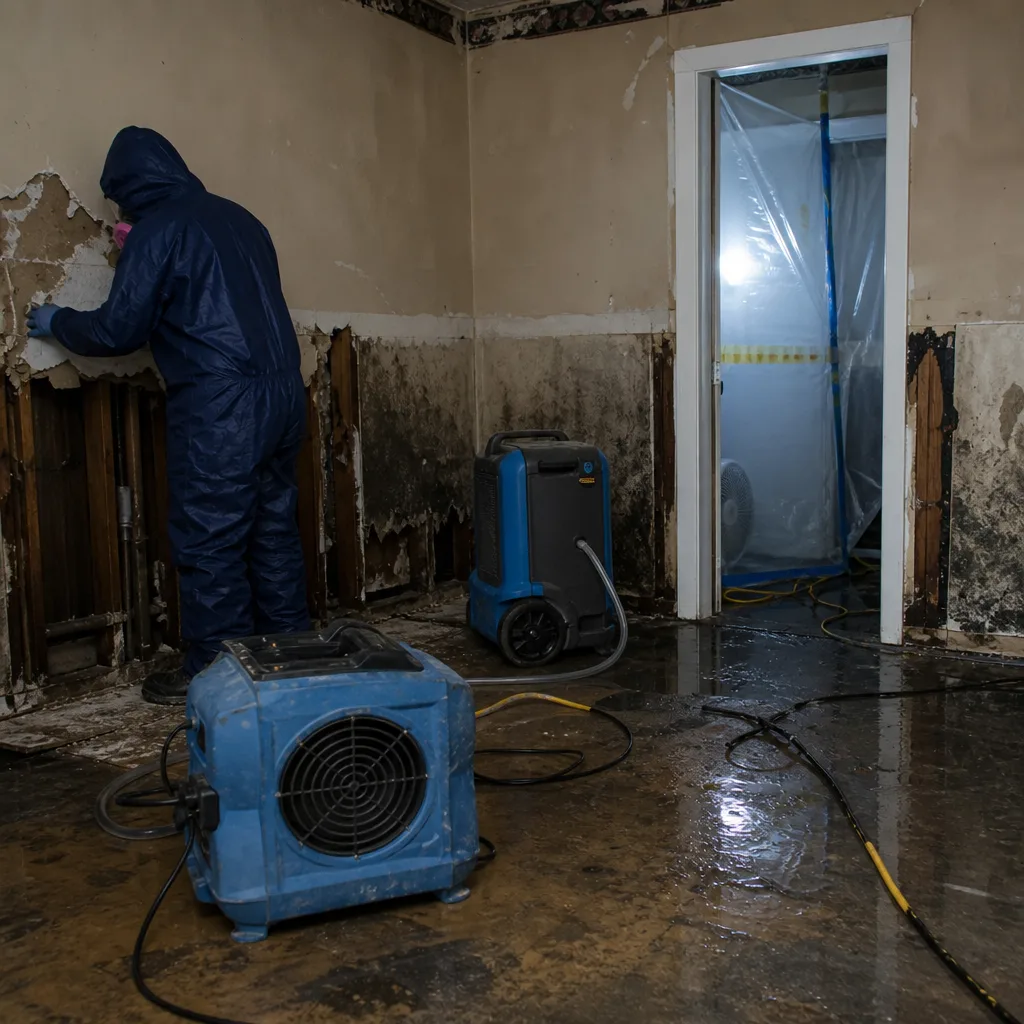 Before
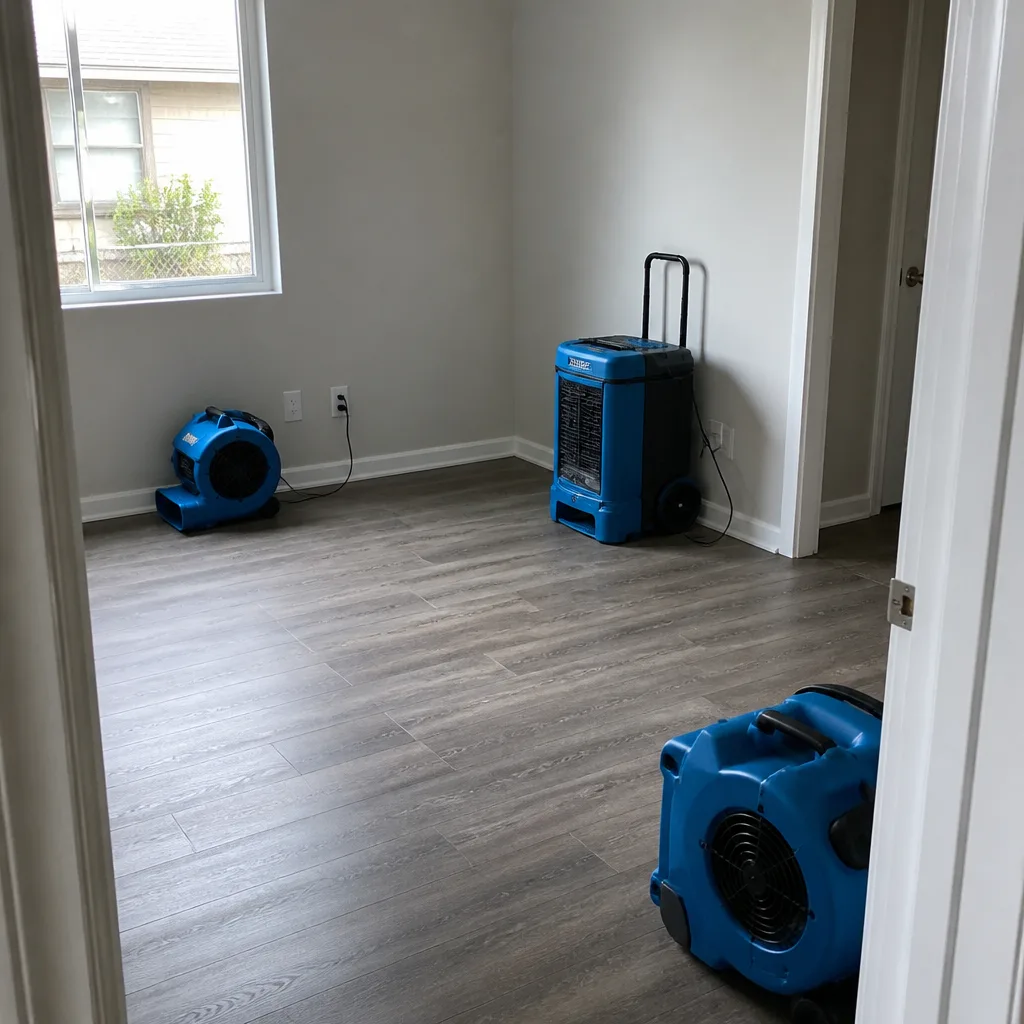 After
AfterTrusted Mold Remediation for Compton Homeowners
Compton Mold Remediation typically costs $1,200-$4,500 for most residential jobs, with smaller contained projects starting around $800 and whole-home treatments with HVAC contamination reaching $7,000 or more. We usually complete initial containment and air scrubbing within 24 hours of your call, with full remediation timelines depending on the square footage affected and the materials involved. Call (628) 226-1011 and a live person will pick up, any hour, to schedule your free written estimate.
We’ve restored more than 12,000 homes since 2011, and the pattern we see in Compton is specific: the combination of older post-war construction, coastal humidity pushing inland from Long Beach, and slab-on-grade foundations in neighborhoods like Richland Farms and Sunny Cove creates conditions where mold colonizes slowly and spreads before homeowners notice. Alicia Brennan founded Back to Dry Restoration after working as a claims adjuster and watching too many Compton homeowners lose coverage fights because the restoration company they hired failed to document moisture readings, failed to photograph the progression, and failed to produce a written scope that an insurer could evaluate. Our home page explains our full service range, but this page is specific to mold: how we find it, how we remove it, and how we document every step so your claim proceeds without dispute.
Our technicians are background-checked, uniformed, and licensed. They arrive with professional-grade equipment from Dri-Eaz, Phoenix, and XPOWER, and they leave with a photo record of every room, every moisture reading, and every material removed. Haven Standard, Clause 1: a written price before any work starts. No exceptions. If you’ve received another company’s written estimate, we’ll review it free under our Second Opinion policy.
What Our Mold Remediation Service Includes
Mold Inspection & Testing
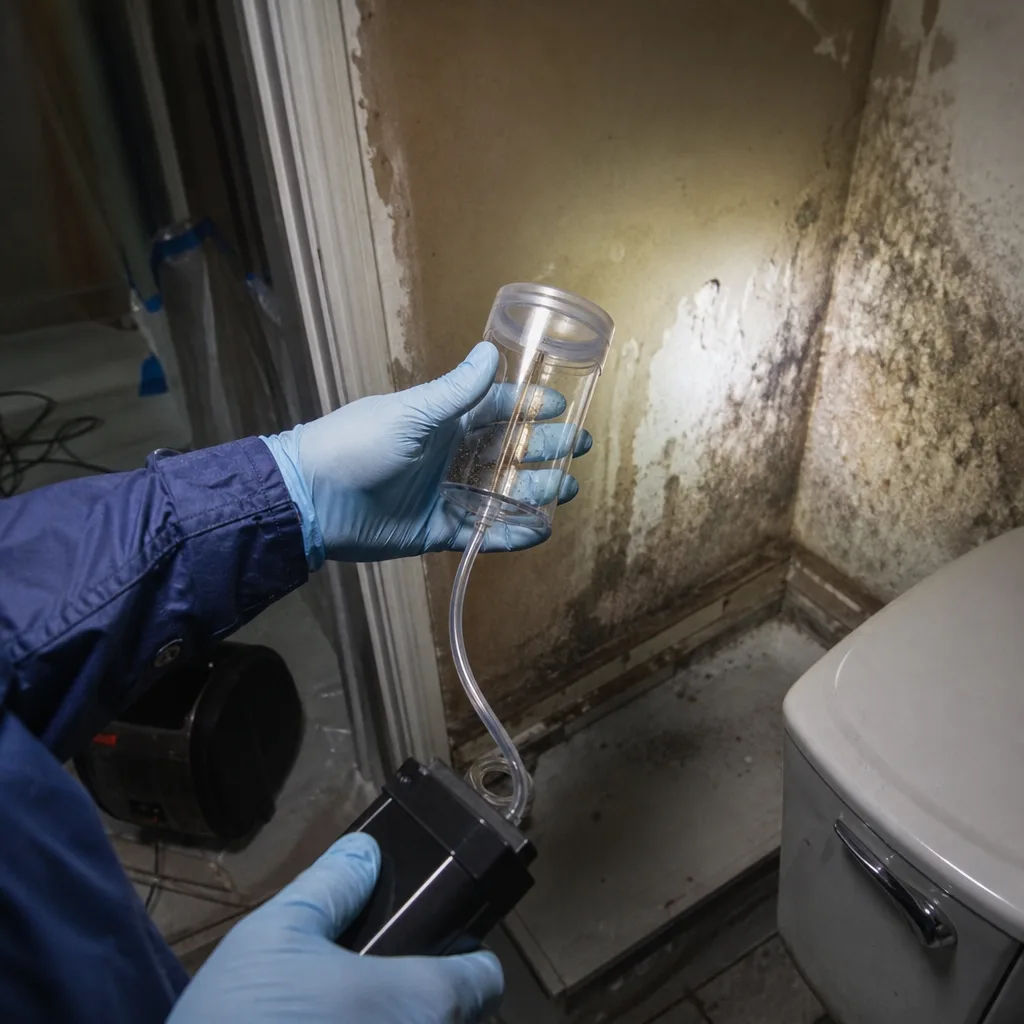
You need Mold Inspection & Testing when you smell mustiness but cannot locate the source, or when your insurer requires documented proof of mold presence before authorizing remediation coverage. In Compton, we regularly find hidden colonization behind the original lath-and-plaster walls in homes north of Rosecrans Avenue, where slow plumbing leaks wick moisture into wall cavities for months before surfacing as visible growth. Our inspection includes moisture mapping with calibrated pin and pinless meters, thermal imaging to identify temperature differentials indicating wet insulation, and air sampling with spore trap cassettes analyzed by an independent AIHA-accredited laboratory. You receive the lab report, the moisture readings by room, and a written scope with photography before any remediation begins.
Mold Removal
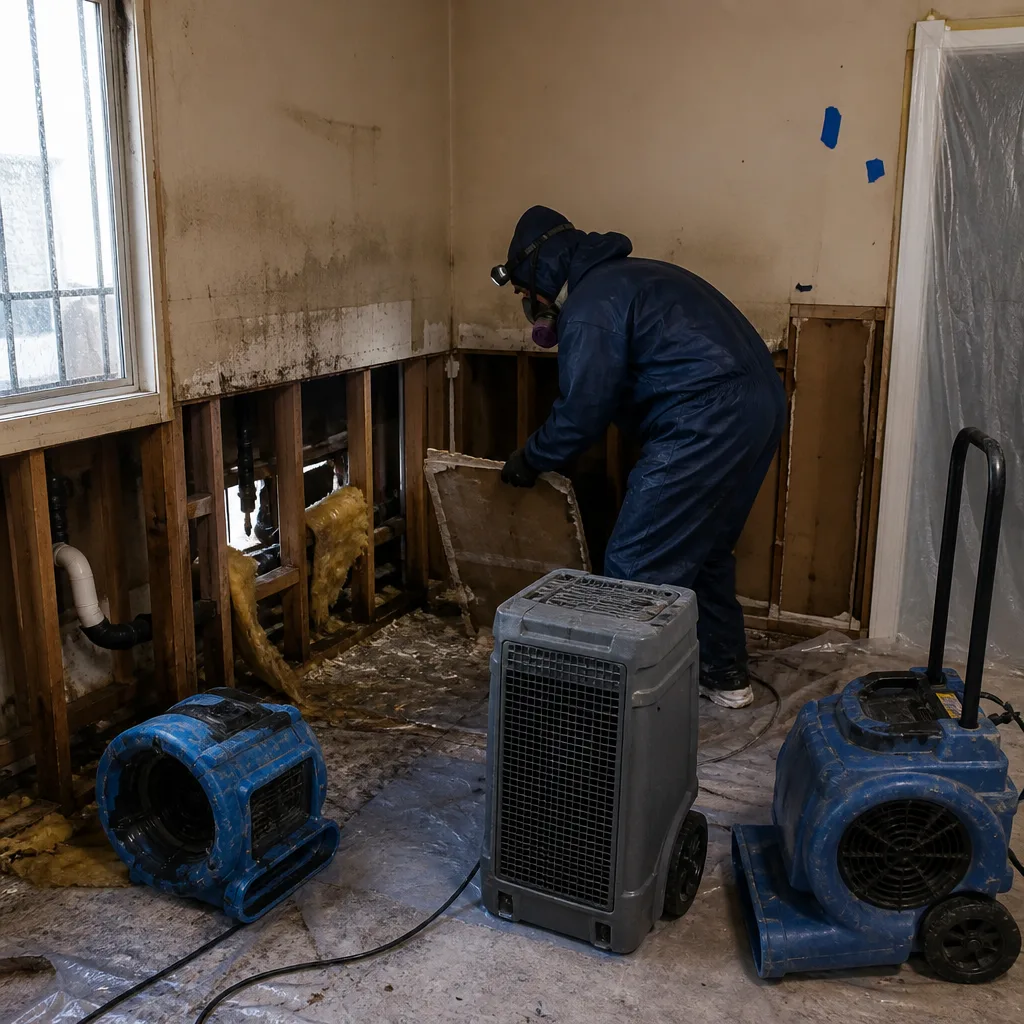
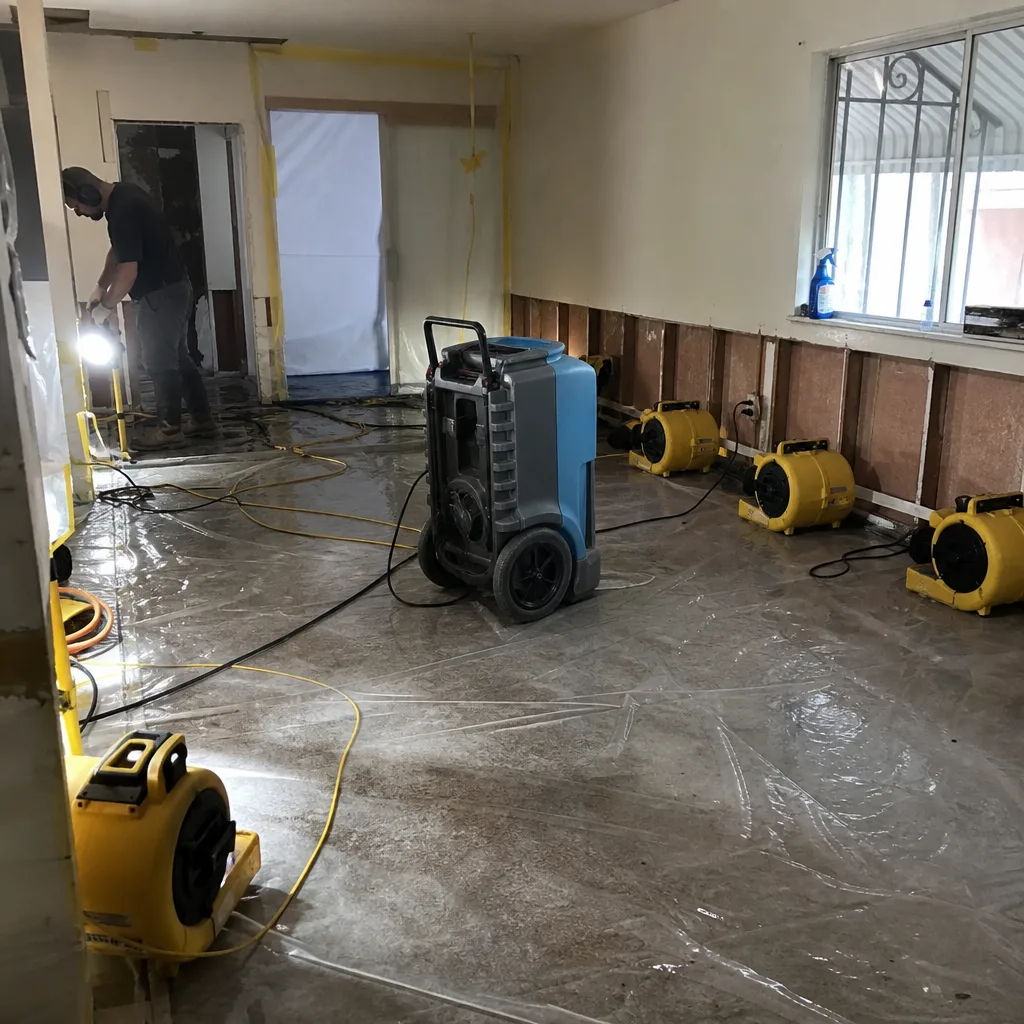
Mold Removal is the physical extraction of colonized materials: drywall, insulation, carpet pad, subfloor, or framing members that cannot be cleaned in place. In Compton’s 1950s ranch-style homes, we commonly remove 4-8 feet of drywall from baseboards upward after bathroom or kitchen supply line failures, because mold penetrates paper facings and gypsum core faster than surface cleaning can address. Our crews establish negative air containment with HEPA-filtered air scrubbers, seal HVAC returns to prevent cross-contamination, and bag removed materials on-site for proper disposal as Category 3 waste. Every bag is photographed, every square foot of removed material is logged, and the drying log begins immediately.
Black Mold Remediation
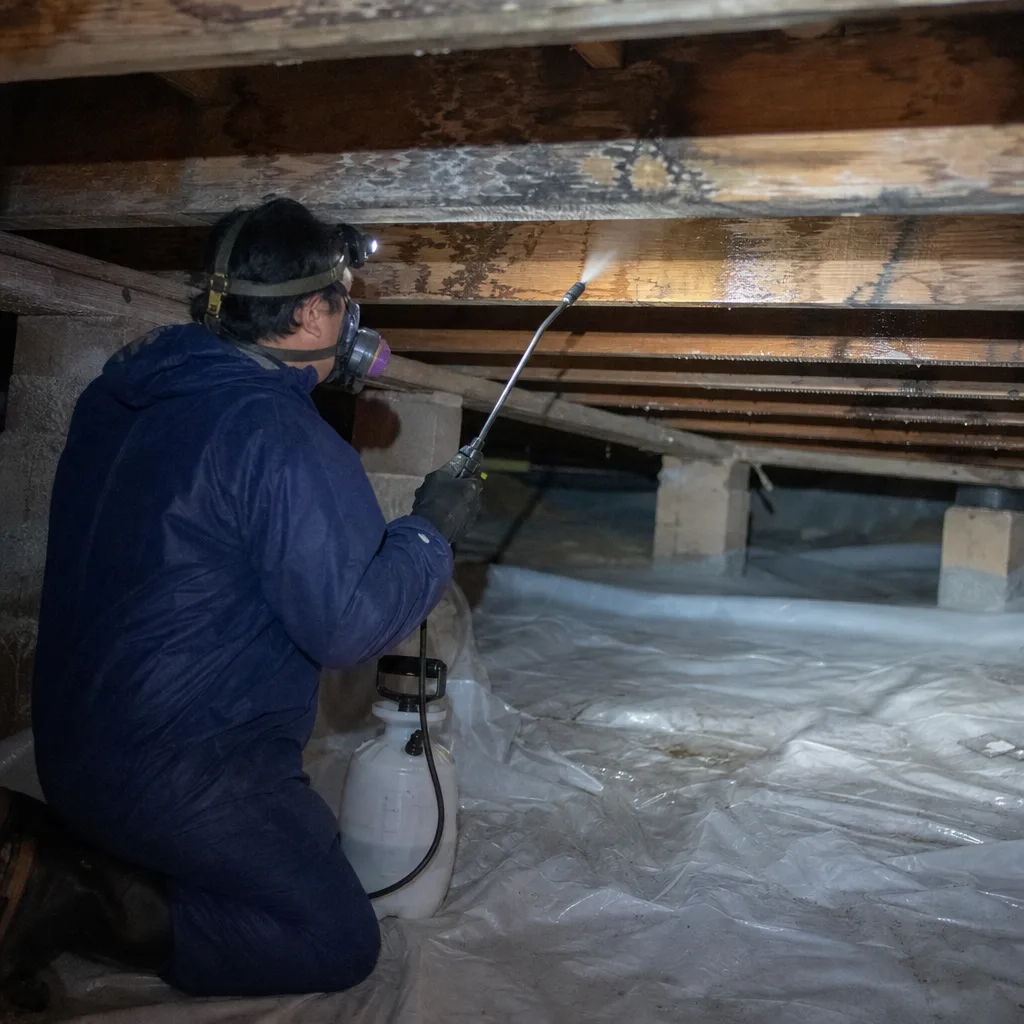
Stachybotrys chartarum and other toxigenic species require enhanced containment protocols because their spores carry mycotoxins that standard remediation may aerosolize. You need this when visible growth is dark, slimy, or associated with chronic water intrusion rather than a single event. In Compton’s flood-prone zones near Compton Creek, we’ve treated black mold in crawl spaces where seasonal groundwater rise keeps sill plates above 20% moisture content year-round. Our protocol adds full-face respirators with P100 filters for technicians, double-layer containment with decontamination chambers, and 48-hour post-remediation air clearance testing before we remove equipment. The clearance report becomes part of your documentation package.
Air Quality Restoration
This addresses airborne spores and mycotoxins that remain after visible mold is removed, particularly in homes with forced-air HVAC systems that circulated contamination before the problem was identified. You need this when occupants report persistent respiratory symptoms, headaches, or fatigue despite visible remediation, or when pre-remediation air samples showed elevated spore counts in multiple rooms. We deploy HEPA air scrubbers at 6-8 air changes per hour, replace contaminated HVAC filters and clean evaporator coils with antimicrobial agents, and in some Compton installations apply supplemental photocatalytic oxidation to address volatile organic compounds. Post-treatment air samples compare to outdoor baseline levels; we don’t declare the job complete until indoor counts fall below that threshold.
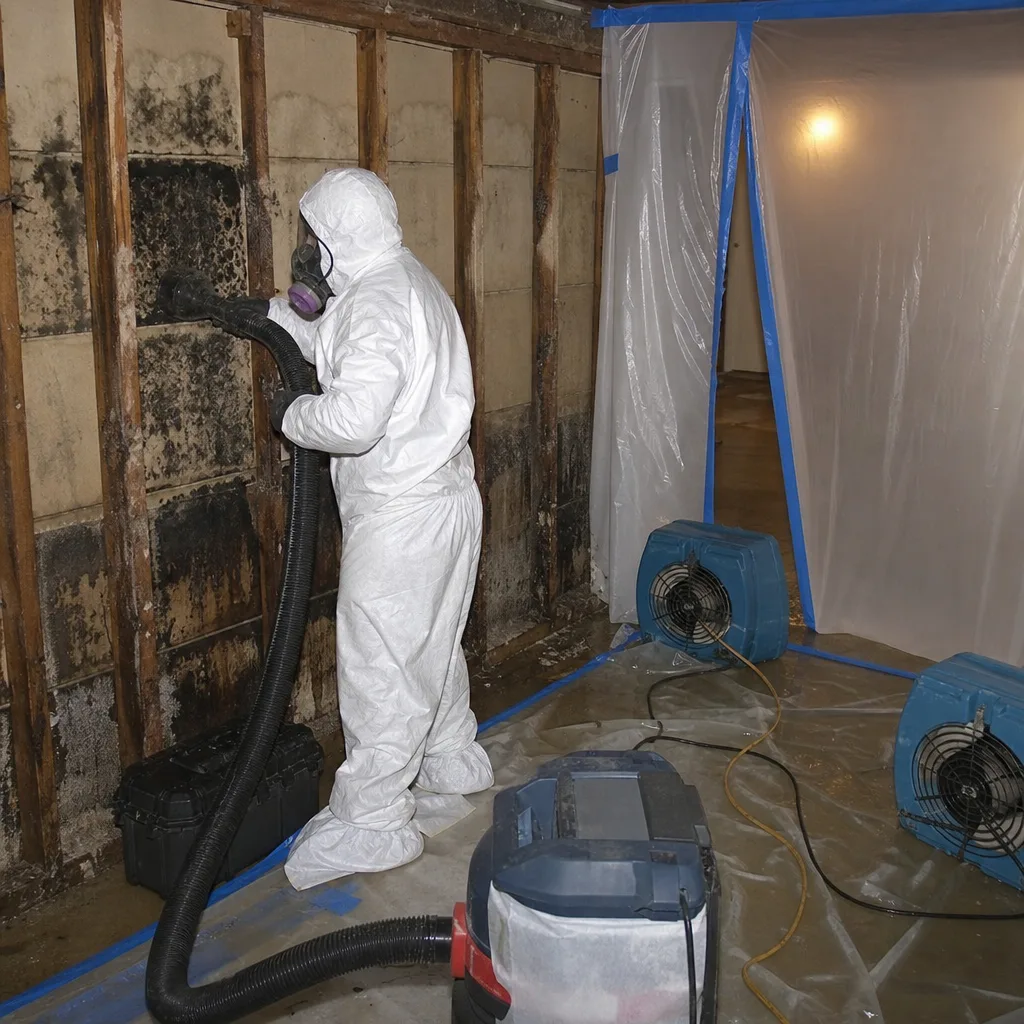
Crawl Space Treatment
Compton’s clay-heavy soils and minimal foundation ventilation in mid-century construction create crawl spaces where relative humidity stays above 70% for months, supporting mold on joists, subflooring, and insulation batts. You need this when floorboards feel springy, when first-floor rooms smell musty despite dry walls, or when your energy bills spike because wet insulation has lost its R-value. Our treatment includes removal of contaminated vapor barriers and insulation, HEPA vacuuming of all framing surfaces, application of EPA-registered antimicrobial to remaining structural members, and installation of new 6-mil polyethylene vapor barriers sealed to foundation walls. Where groundwater intrusion is chronic, we specify sump pump or perimeter drainage solutions in the written scope before any remediation starts.
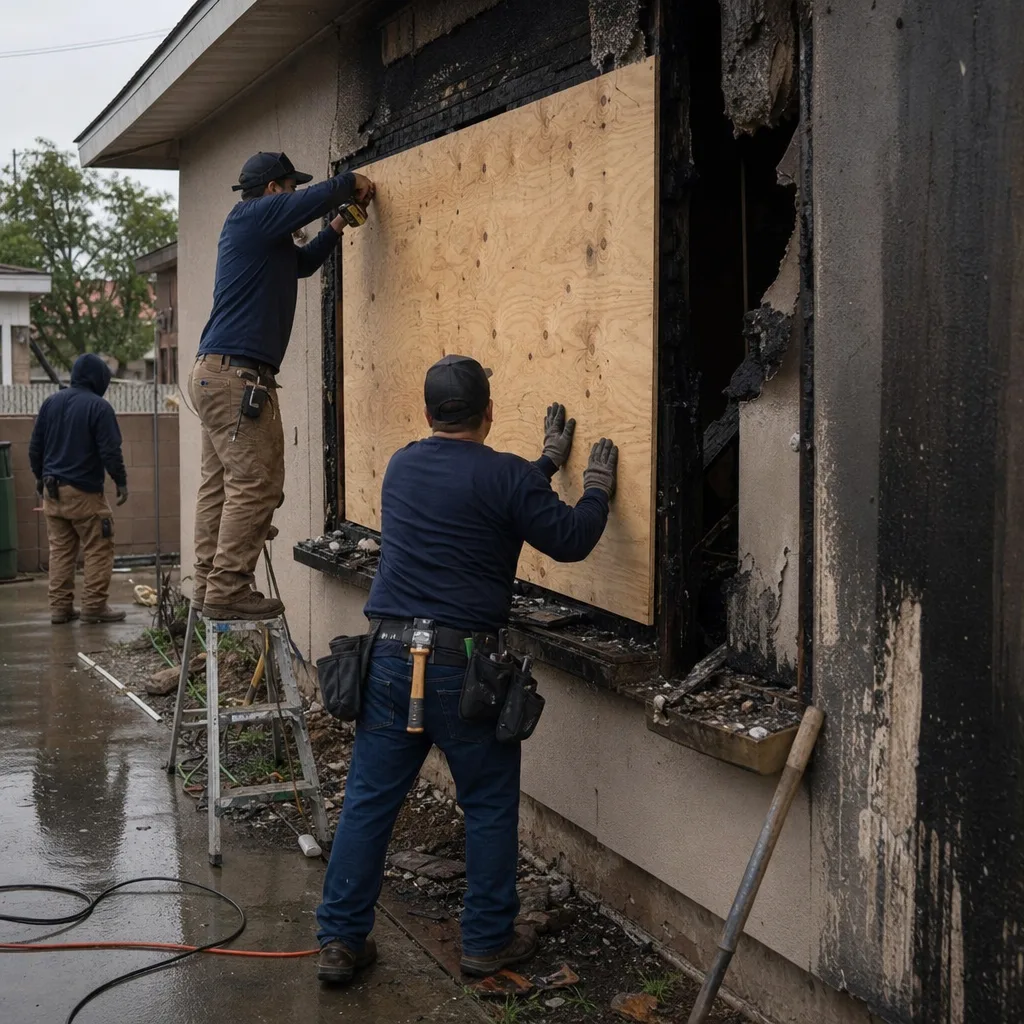
Moisture & Humidity Control
This is the preventive layer that stops recurrence: without it, mold returns. You need this when remediation has completed but the underlying moisture source, whether a foundation leak, inadequate ventilation, or HVAC imbalance, remains unaddressed. In Compton’s climate, where morning marine layer humidity regularly exceeds 80% from May through October, we specify dehumidification strategies sized to each home’s cubic footage and air leakage rate. Our technicians calculate vapor pressure differential, the measurable force that drives moisture from wet areas to dry ones, and specify equipment placement and runtime schedules that maintain relative humidity below 60%. You receive the psychrometric data, the equipment specifications, and a maintenance schedule as part of your closing documentation.
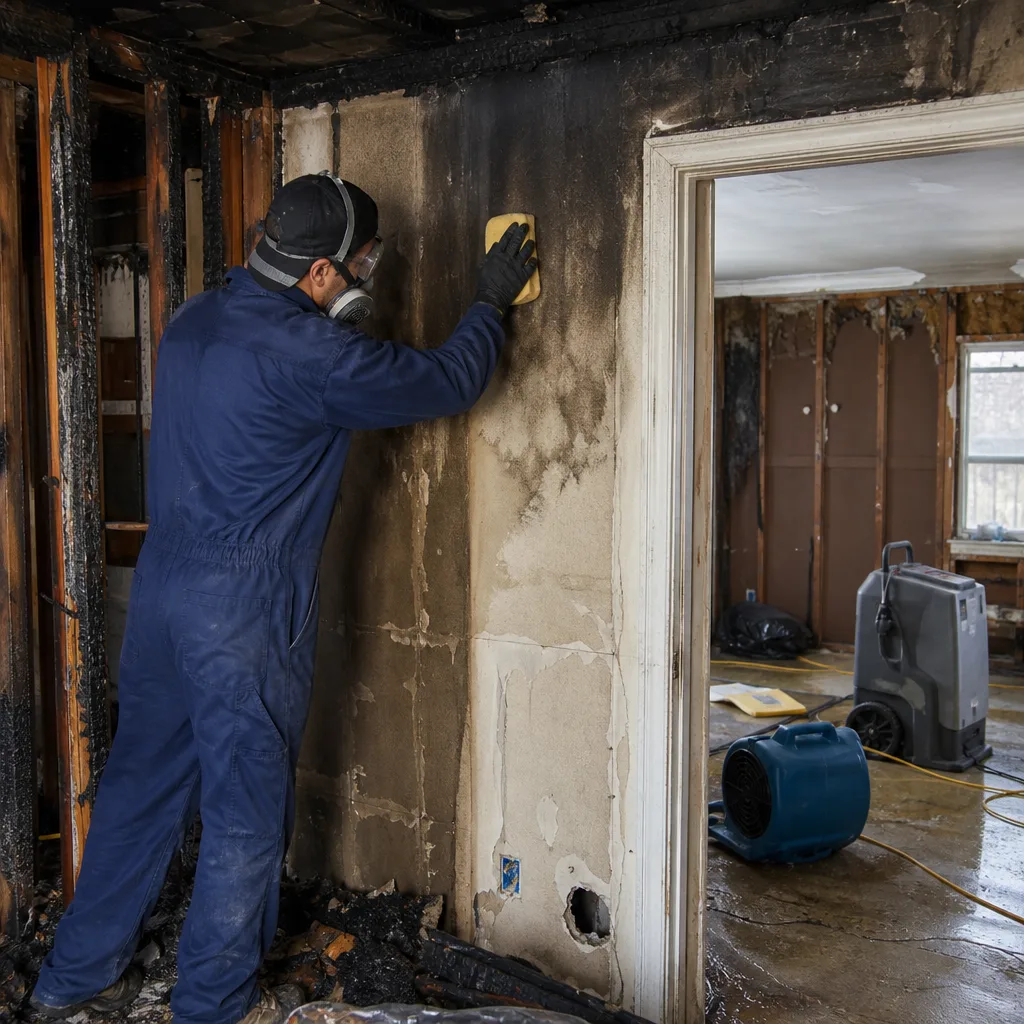
What happens when you call
- 1
A real person answersNo phone trees - you reach a local pro.
- 2
You get an upfront price rangeHonest numbers before anyone is dispatched.
- 3
A background-checked tech heads outLicensed & insured, dispatched right away.
- 4
You approve before work beginsNothing starts until you say go.
Signs You Need Mold Remediation Right Now
- A persistent musty odor that air fresheners cannot mask. This indicates active microbial volatile organic compound (MVOC) production, which occurs only when mold is actively growing and metabolizing. In Compton homes with original hardwood floors, we often trace this odor to subfloor mold where previous owners laid vinyl or laminate without addressing prior water damage. The smell means the colony is established and producing spores; surface cleaning will not reach the source.
- Visible discoloration on walls, ceilings, or baseboards that spreads or darkens over weeks. Mold colonies expand radially from moisture sources, and color changes from light spotting to dark patches indicate maturation and increased spore production. We see this pattern frequently in Compton’s bathroom renovations where new tile was installed over water-damaged drywall without proper remediation. If you can wipe it and it returns within days, the growth extends behind the surface.
- Recent water damage that was dried without professional documentation. A burst pipe, overflowing appliance, or roof leak that was handled with household fans and towels almost certainly left moisture in wall cavities or subflooring. Our moisture meters regularly find 18-22% wood moisture content in Compton homes where owners believed they “dried it out themselves.” At 16% moisture content, mold germinates within 48-72 hours on cellulose materials.
- Occupants experiencing unexplained respiratory symptoms, headaches, or fatigue that improve when away from home. This pattern, called “building-related illness,” correlates with elevated indoor spore counts or mycotoxin exposure even when visible mold is minimal. In Compton’s older homes with original ductwork, we frequently find that HVAC systems have distributed contamination from a single water-damaged area throughout the house. Medical consultation is appropriate; our air sampling can identify whether your home environment is the contributing factor.
- Sagging or warped flooring, particularly near exterior walls or plumbing fixtures. This indicates structural moisture that has compromised wood subflooring or joists, and where wood moisture exceeds 20% for sustained periods, mold colonization is certain. In Compton’s slab-on-grade construction, we find this most often where slab cracks allow groundwater wicking, or where washing machine drain lines have leaked slowly into the wall cavity behind the box. The flooring damage is the visible symptom; the mold is the hidden problem that will continue to spread.
BeforeAfterOur Mold Remediation Process - Step by Step
- 1
Containment and isolation. Before any disturbance of moldy materials, we seal the work area with 6-mil polyethylene sheeting and establish negative air pressure using HEPA-filtered air scrubbers exhausting to the exterior. This prevents spore migration to unaffected areas of your Compton home. We photograph the containment setup, seal HVAC vents, and install a decontamination chamber if the job scale warrants. The containment remains active until post-remediation air clearance is achieved.
- 2
Moisture source identification and documentation. Using thermal imaging cameras, pin-type and pinless moisture meters, and psychrometric data loggers, we map the full extent of water damage that enabled mold growth. In Compton’s climate, we regularly find secondary moisture sources the homeowner missed: condensation on uninsulated ductwork in attics, capillary rise through foundation cracks, or failed shower pan membranes. Every reading is logged with location, date, time, and instrument calibration date. This log becomes evidence in your insurance file.
- 3
Removal of contaminated materials. We extract and bag all non-salvageable materials: drywall, insulation, carpet pad, baseboards, and in severe cases, structural framing members. Salvageable materials are HEPA-vacuumed and treated with EPA-registered antimicrobial agents. Our crews work methodically from the contamination perimeter inward, bagging materials before they leave the containment, and photographing every stage. You receive the photo record, material inventory, and disposal receipts as standard deliverables, not upsells.
- 4
HEPA cleaning and antimicrobial treatment. All surfaces within the containment, including structural members that remain, receive sequential HEPA vacuuming and wet cleaning with antimicrobial solutions. We use B-Air and XPOWER air movers to accelerate drying of treated surfaces, with moisture readings taken every 24 hours until wood moisture content falls below 12% and relative humidity stabilizes below 60%. The drying log documents each reading, each equipment adjustment, and each technician signature.
- 5
Post-remediation verification and documentation package. We do not remove containment until independent or in-house air sampling confirms spore counts at or below outdoor baseline levels, and until moisture readings demonstrate the environment will not support recurrence. You receive: the written scope of work performed, the photo record of every visit, the moisture and drying log, the air clearance report, and the 365-Day Done Right Promise under The Haven Standard. If mold returns to the treated area within 365 days, we return at no charge to identify why and correct it.
How Much Does Mold Remediation Cost in Compton?
Mold remediation pricing in Compton follows the scope of contamination, not a flat rate, and we deliver that scope in writing before any work begins. See our Mold Remediation cost guide for typical ranges. Haven Standard, Clause 1. Here is what typical projects run in this market:
| Project Type | Typical Range in Compton | Primary Cost Drivers |
|---|---|---|
| Small contained area (bathroom, closet, under sink) | $800 - $1,800 | Square footage, material removal depth, HVAC isolation needed |
| Moderate room-level remediation (single bedroom, kitchen) | $1,800 - $3,500 | Wall cavity access, insulation type, flooring layers |
| Multi-room or whole-area with HVAC contamination | $3,500 - $7,500 | Duct cleaning scope, air scrubber days, clearance testing rounds |
| Crawl space or attic with structural involvement | $4,000 - $8,500 | Confined space access, vapor barrier replacement, structural drying time |
| Black mold / toxigenic species with enhanced containment | Add 25-40% to base scope | Decon chambers, PPE upgrade, extended air scrubbing, clearance testing |
Several factors push Compton projects toward the higher end of these ranges. Homes built before 1960 often contain lath-and-plaster walls that require more laborious removal and produce more debris than modern drywall. The city’s proximity to the Port of Long Beach means some neighborhoods experience higher ambient particulate loads, which can complicate air clearance testing. And where prior DIY remediation attempts have disturbed mold without proper containment, we often find spore migration to adjacent rooms that expands the treatment area beyond the originally visible problem.
To avoid overpaying, demand a written scope that specifies: the square footage of containment, the number of air scrubbers and their CFM ratings, the materials to be removed versus cleaned in place, the number of post-remediation air samples and who performs them, and the warranty terms in writing. A verbal estimate or “we’ll see once we start” approach exposes you to scope creep. Our Second Opinion service reviews any competitor’s written estimate at no charge; bring it to us and we’ll identify what’s specified, what’s omitted, and whether the pricing aligns with the documented scope.
Insurance coverage for mold remediation varies by policy and cause of loss. Where mold results from a covered water damage event that was reported promptly, many policies include some remediation coverage subject to sublimits. Where mold results from long-term maintenance neglect, coverage is typically excluded. We photograph every stage of our work and produce documentation formatted for adjuster review, and we coordinate directly with your insurance company when you authorize us to do so. Call (628) 226-1011 for an exact quote on your specific situation - estimates are free, written, and delivered before any commitment.
Mold Remediation Near Compton - Our Service Area
We maintain active response capability throughout the Gateway Cities and South Bay, with typical arrival times of 45-90 minutes to Mold Remediation in Carson, Mold Remediation in Gardena, Bellflower, Lakewood, Signal Hill, Long Beach, Hawthorne, Lawndale, Torrance, Inglewood, and Harbor City. Our crews are staged to reach Compton’s central neighborhoods including Richland Farms, Sunny Cove, and the Compton Creek corridor without the dispatch delays common to companies operating from Orange County or the San Fernando Valley. If you’re uncertain whether your address falls within our standard response zone, call (628) 226-1011 and we’ll confirm arrival time before scheduling.
Serving Compton, CA - Our Local Coverage Area
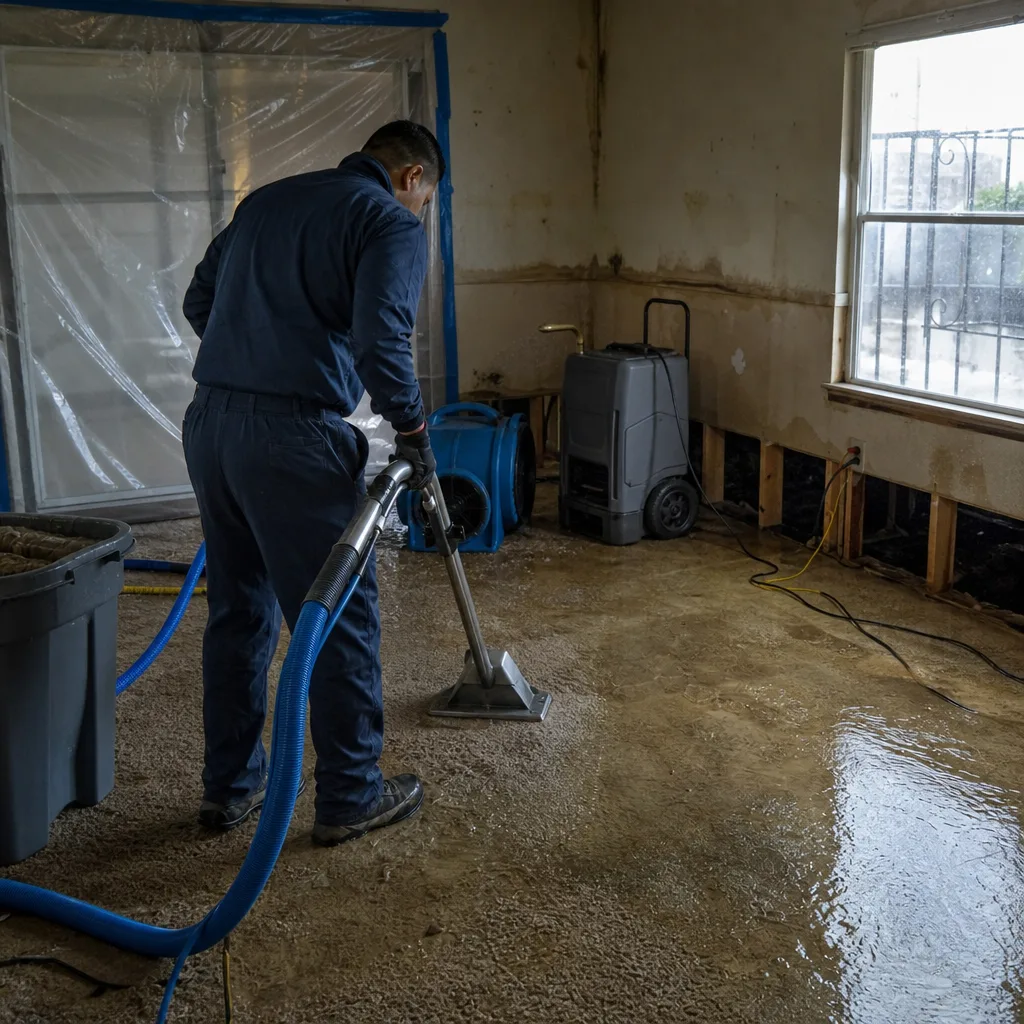
We’re based in the Compton area and know this community well. Use the map below to see our service coverage - if you’re nearby, we can almost certainly help.
Frequently Asked Questions - Mold Remediation in Compton
Mold remediation is the complete process of containing, removing, and verifying the elimination of mold contamination, including the moisture source that enabled growth. Mold cleaning, by contrast, typically addresses only visible surface growth without containment, source removal, or documentation. We provide full remediation with written scopes, photo records, and air clearance verification that satisfies insurance and real estate transaction requirements.
Most residential projects require 3-7 days from containment setup to final air clearance, with small contained areas sometimes completing in 2 days and complex whole-home projects extending to 10-14 days. The timeline depends on the square footage affected, the materials involved, and how quickly drying targets are achieved in Compton’s humidity. We provide a written timeline with the scope before work begins, and we update you daily with moisture log progress.
Typical residential mold remediation in Compton ranges from $800 for small contained areas to $7,500 or more for multi-room projects with HVAC contamination, with crawl space and structural cases reaching $8,500. Every job is priced individually based on documented moisture mapping and scope of removal. Call (628) 226-1011 for a free written estimate with no obligation - Haven Standard, Clause 1 applies to every assessment we perform.
Yes, we regularly integrate with existing drying equipment from XPOWER and B-Air when homeowners or prior contractors have begun moisture control. We evaluate whether that equipment is properly sized and positioned for the current job, document its performance with our moisture readings, and supplement or replace as needed to meet IICRC drying standards. Whether you have XPOWER, B-Air, or any other make, we can assess and incorporate or upgrade as the scope requires.
Active mold growth that is spreading or affecting occupied spaces warrants prompt response, though it does not require the same immediate dispatch as water damage mitigation where water is still moving. We typically schedule mold assessments within 24 hours in Compton, with emergency containment available same day for toxigenic species or situations where HVAC distribution is actively spreading contamination. Call (628) 226-1011 and a live person will answer to evaluate urgency and schedule appropriately.
Every mold remediation job is covered by our 365-Day Done Right Promise under The Haven Standard: if mold returns to the treated area within 365 days, we return at no charge to identify the cause and correct it. This is a written guarantee, not a verbal assurance, and it is stamped on every job file. The warranty requires that the underlying moisture source identified in our scope has been addressed; if new water intrusion occurs, it is treated as a separate event with a separate assessment.
Gather any documentation of the water event or moisture problem that preceded the mold, including photos, repair receipts, and insurance claim numbers if filed. Ensure access to the affected area, including crawl spaces or attics, and note any health symptoms experienced by occupants. We will perform our own moisture mapping and photography during the assessment; your preparation simply accelerates our understanding of the history. Call (628) 226-1011 to schedule - estimates are free, written, and delivered before any work begins.
Schedule Your Mold Remediation Service in Compton Today
Call (628) 226-1011 now and a live person will answer, 24 hours a day, 7 days a week. We’ll schedule your free written estimate, review any competitor’s quote at no charge through our Second Opinion service, and if you proceed, you’ll receive a documented scope, a photo record on every visit, and the 365-Day Done Right Promise under The Haven Standard. No voicemail trees. No scope creep. Just evidence you can use.
Written by Alicia Brennan, Owner at Back to Dry Restoration, serving Compton since 2011.