
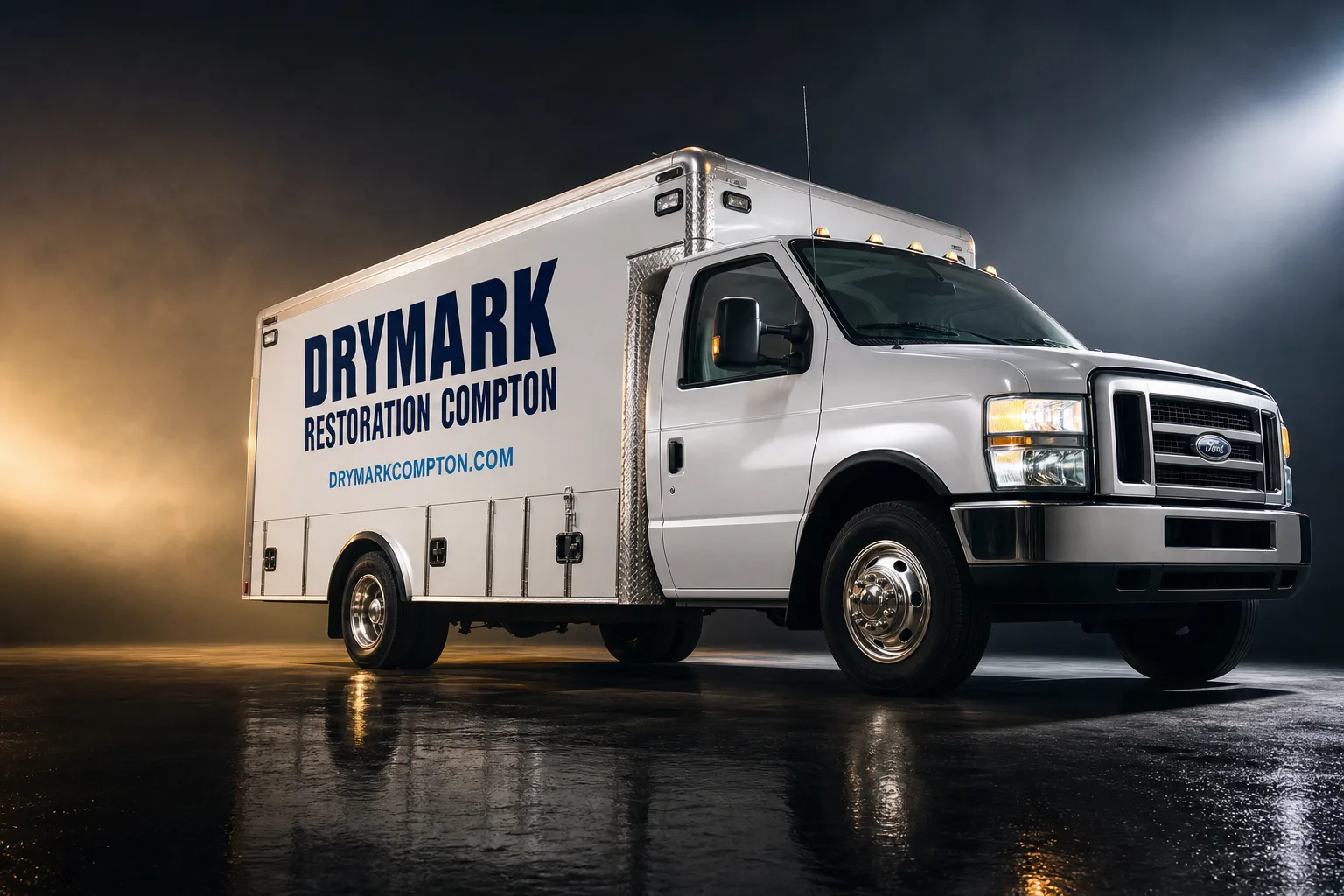
Free visual inspection and a written scope of work before any mitigation begins - photos, moisture readings, and drying logs go in your claim file
The scope we write is the scope we bill. Anything new gets shown to you, in writing, before we touch it.
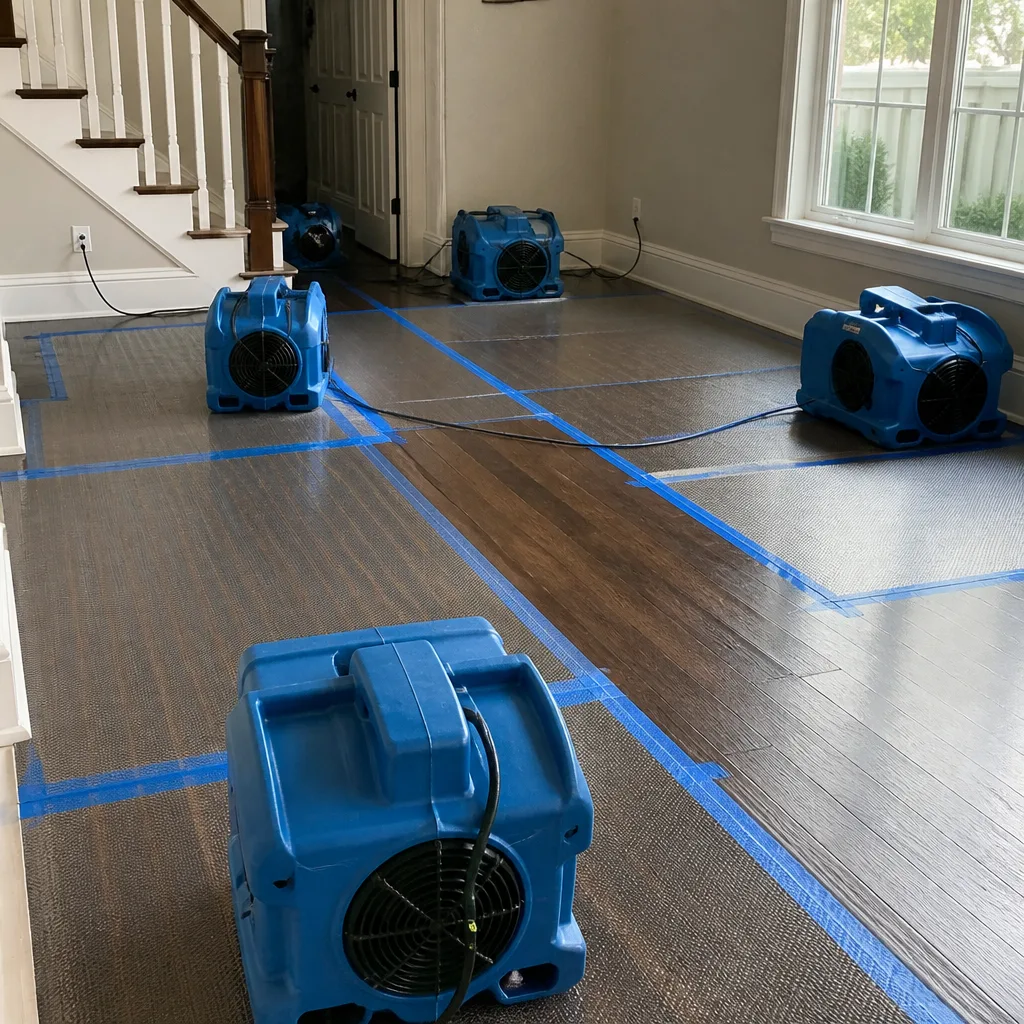
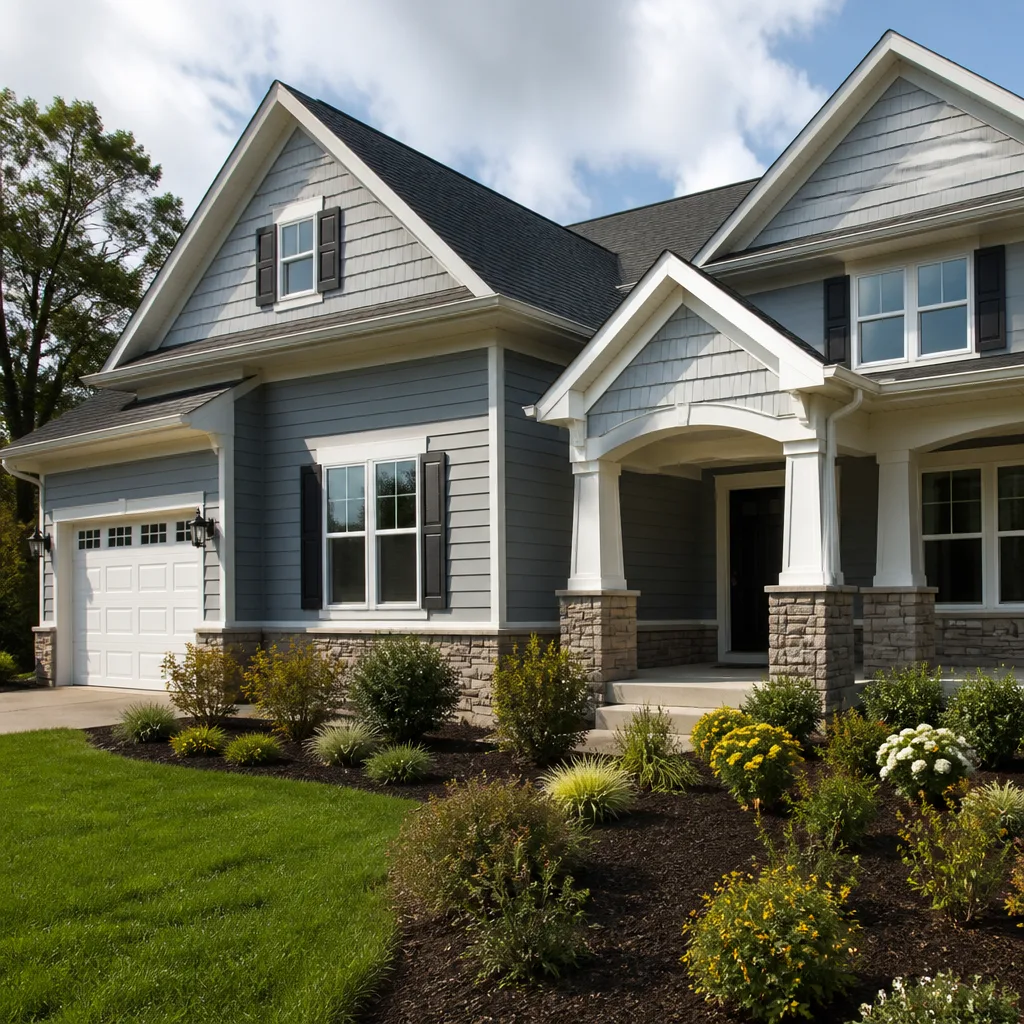
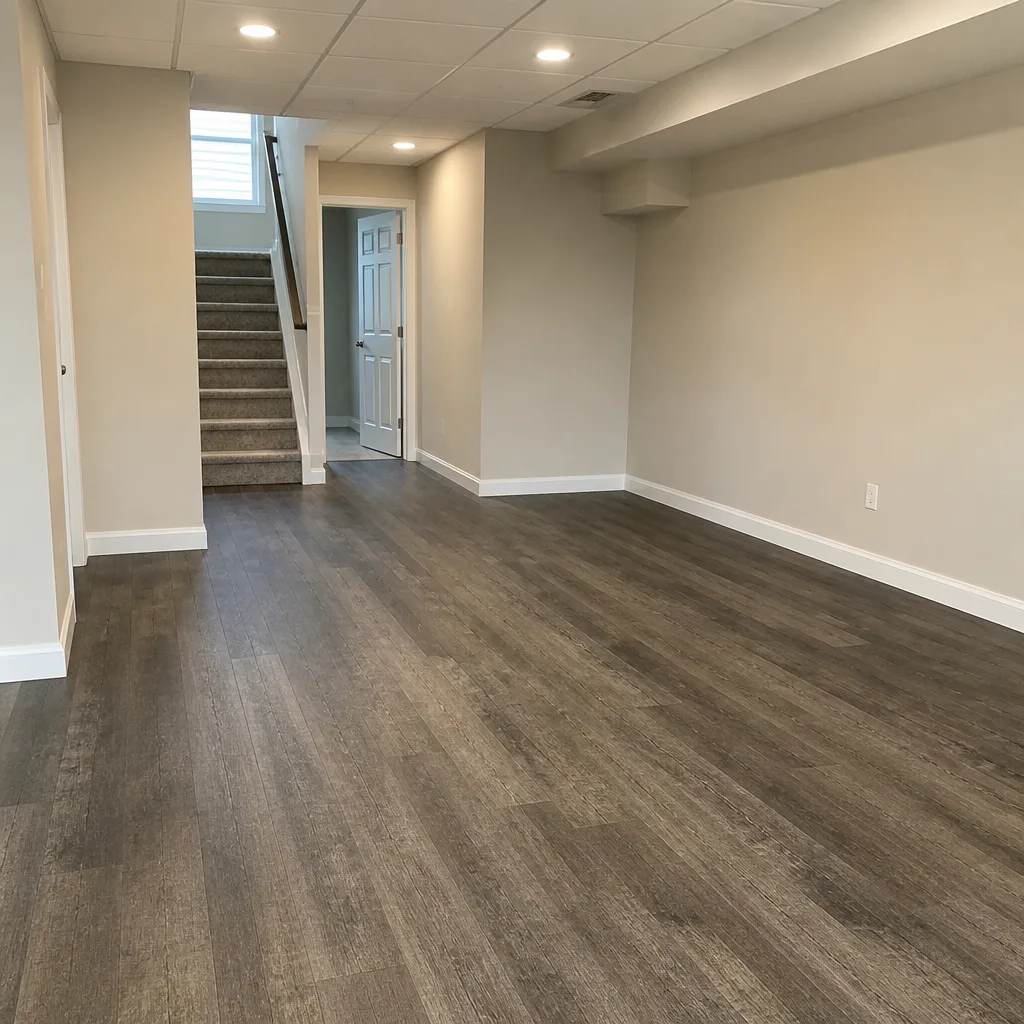
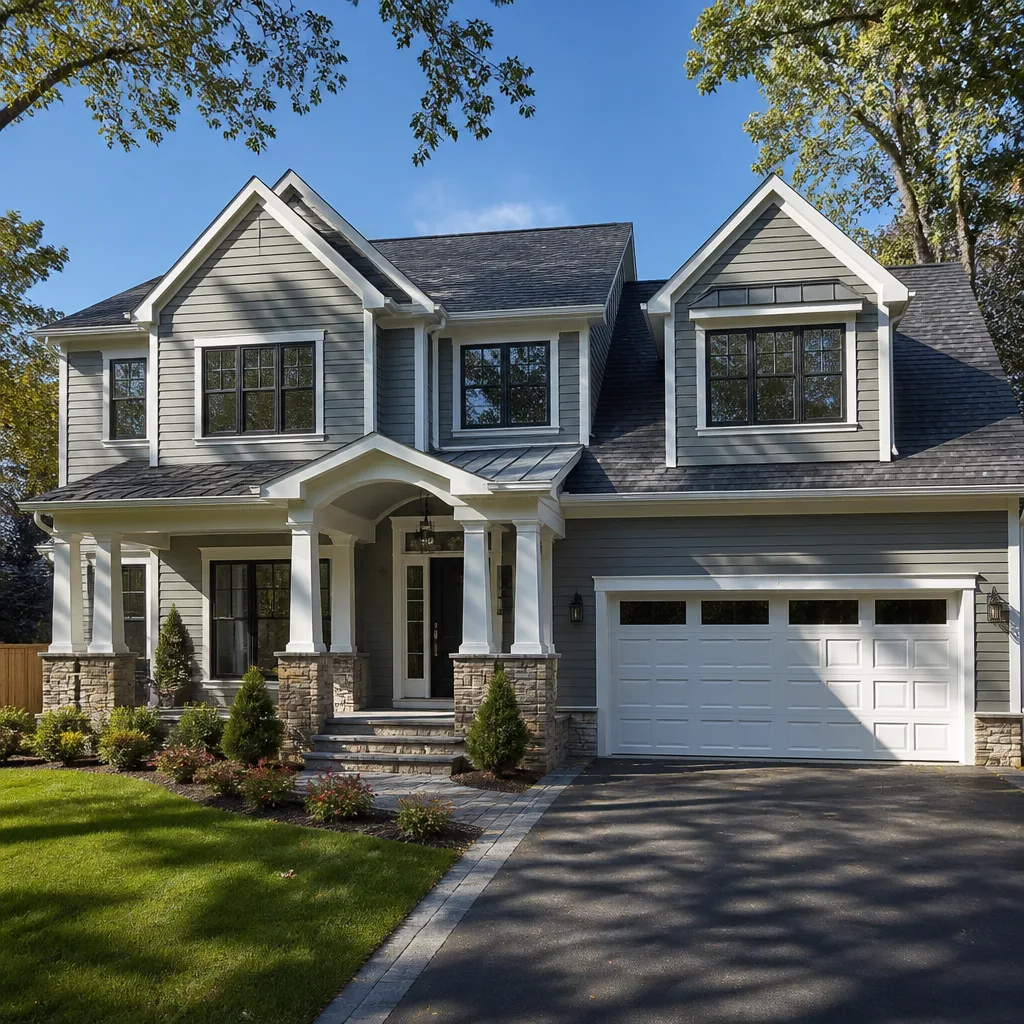
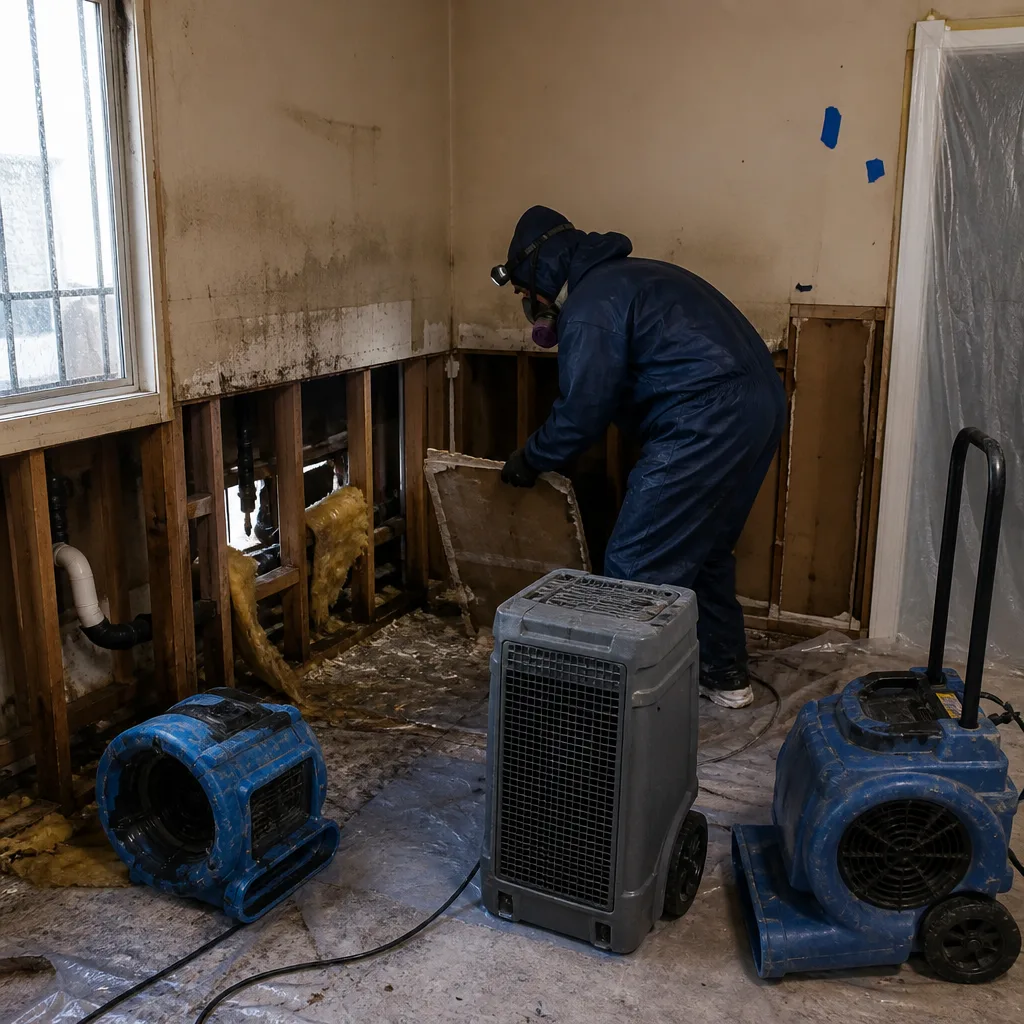 Before
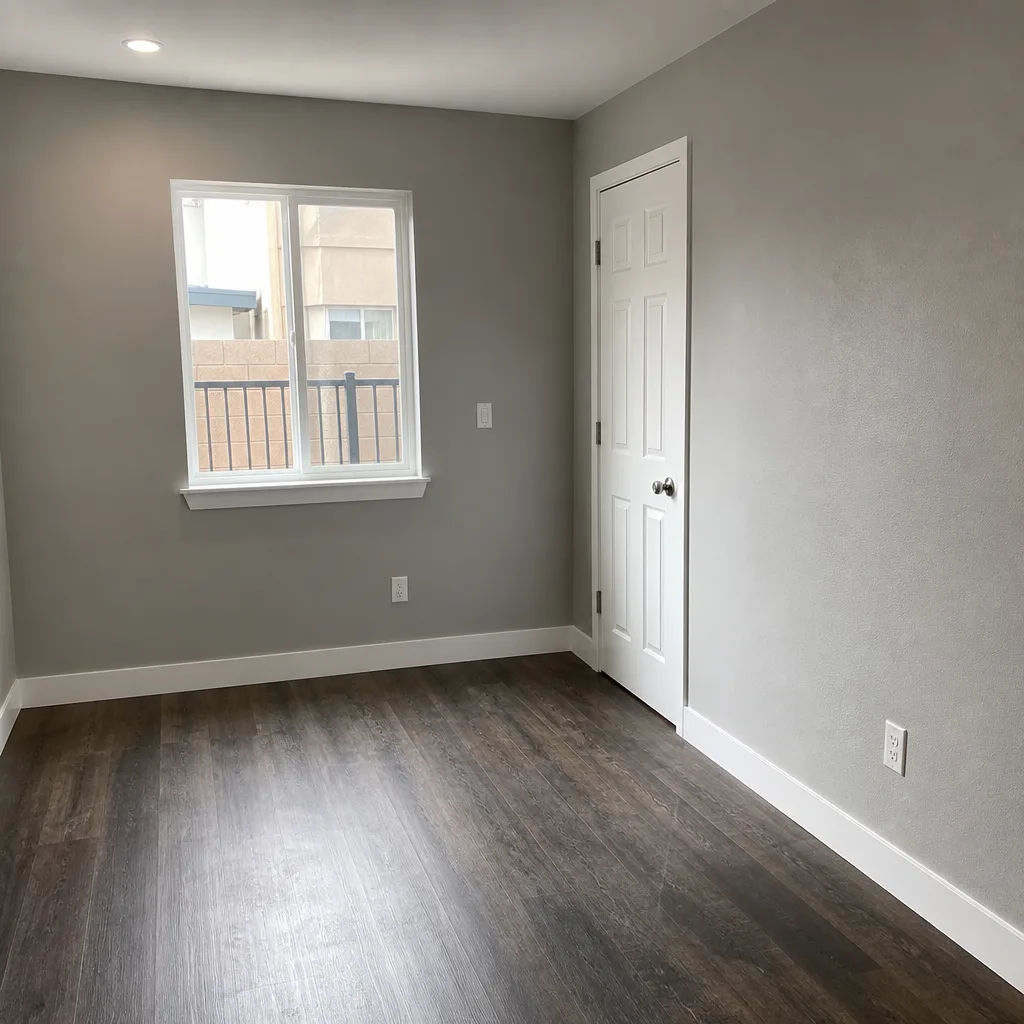 After
After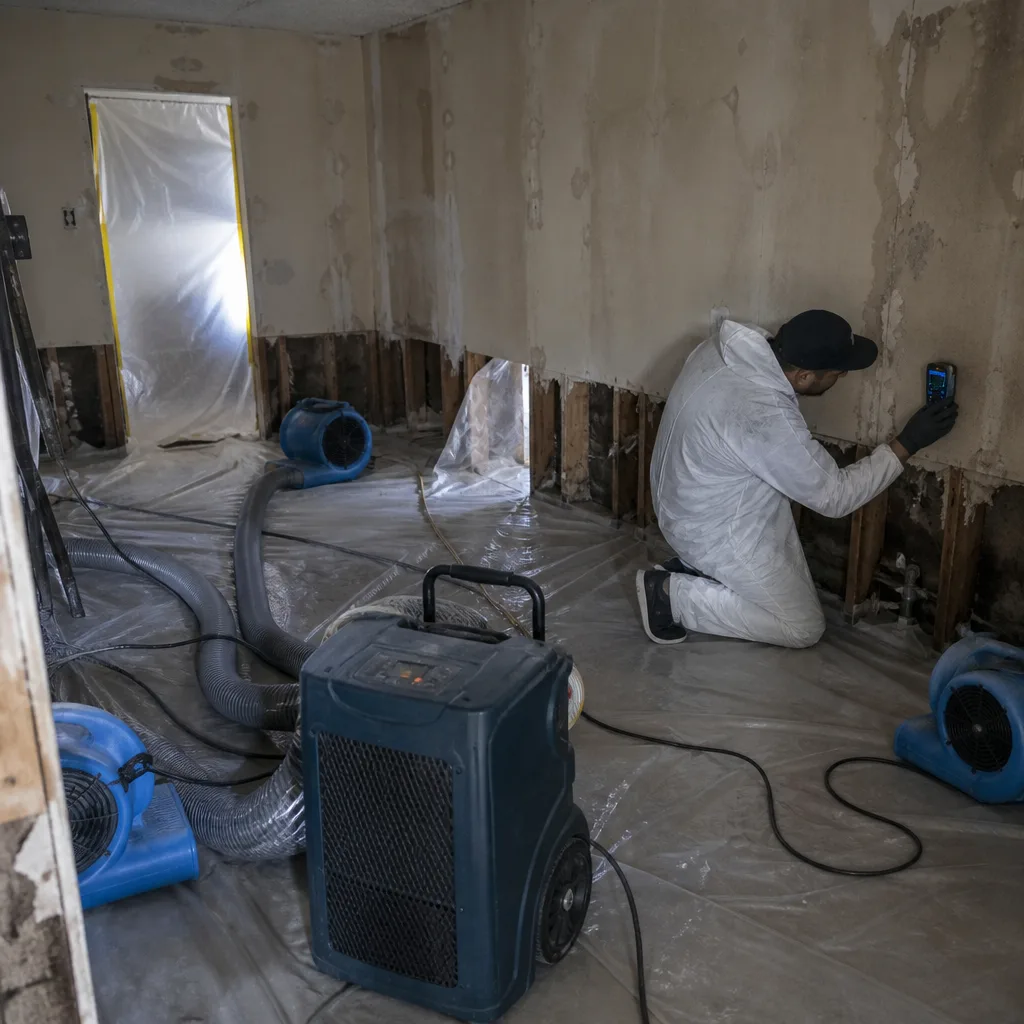 Before
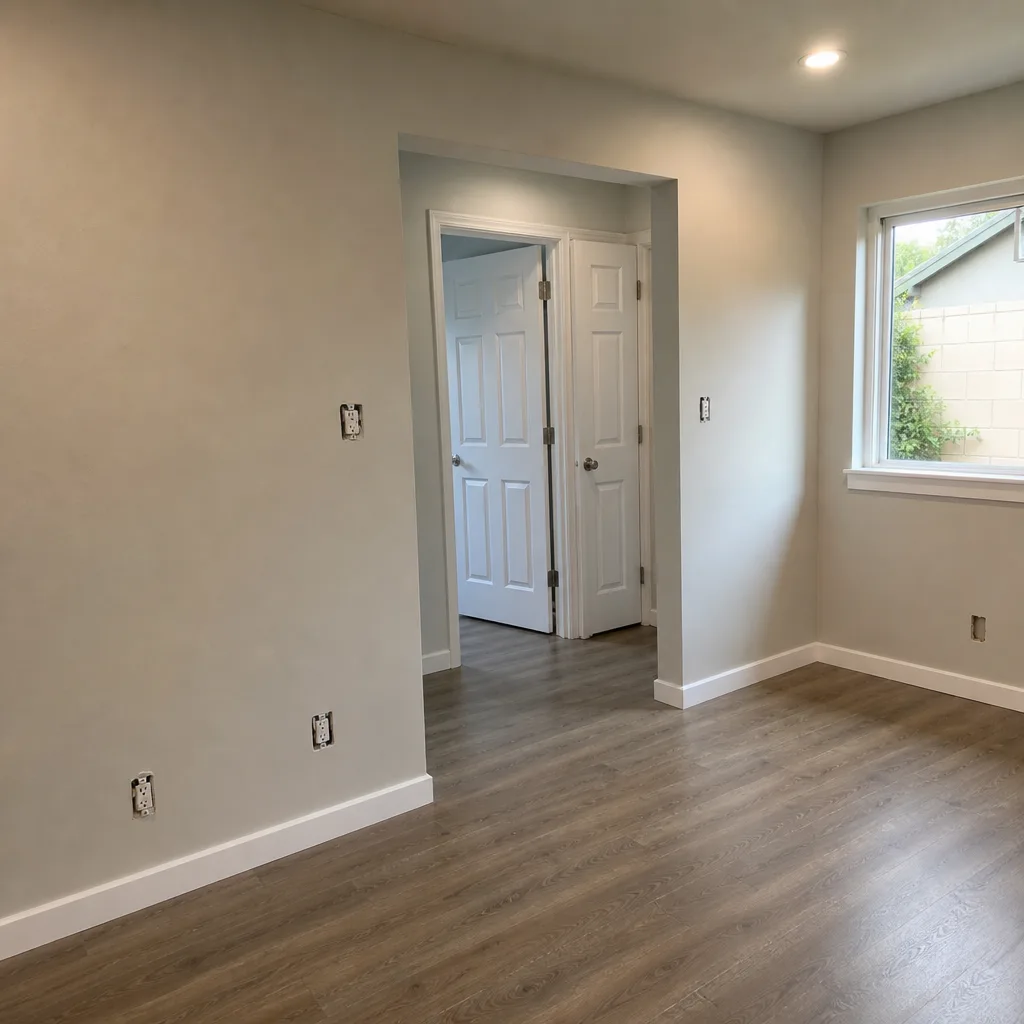 After
After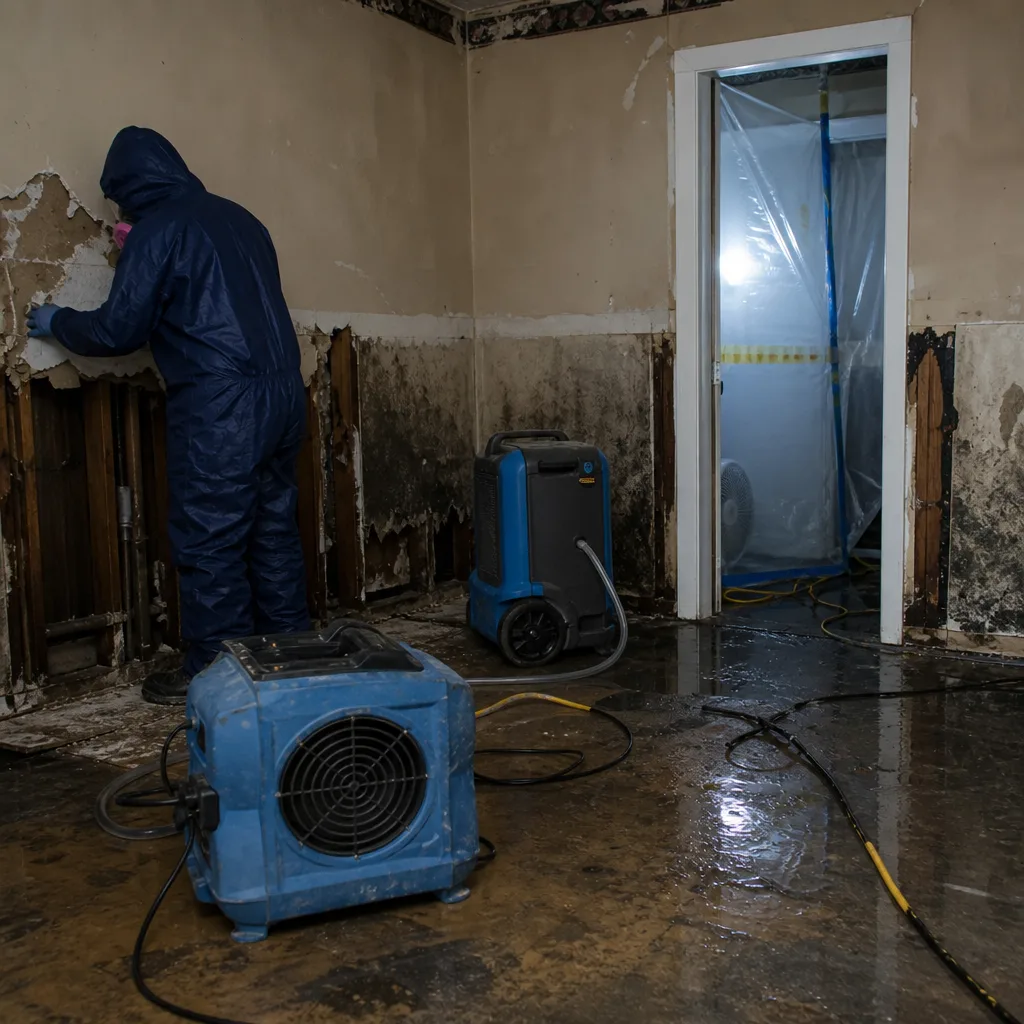 Before
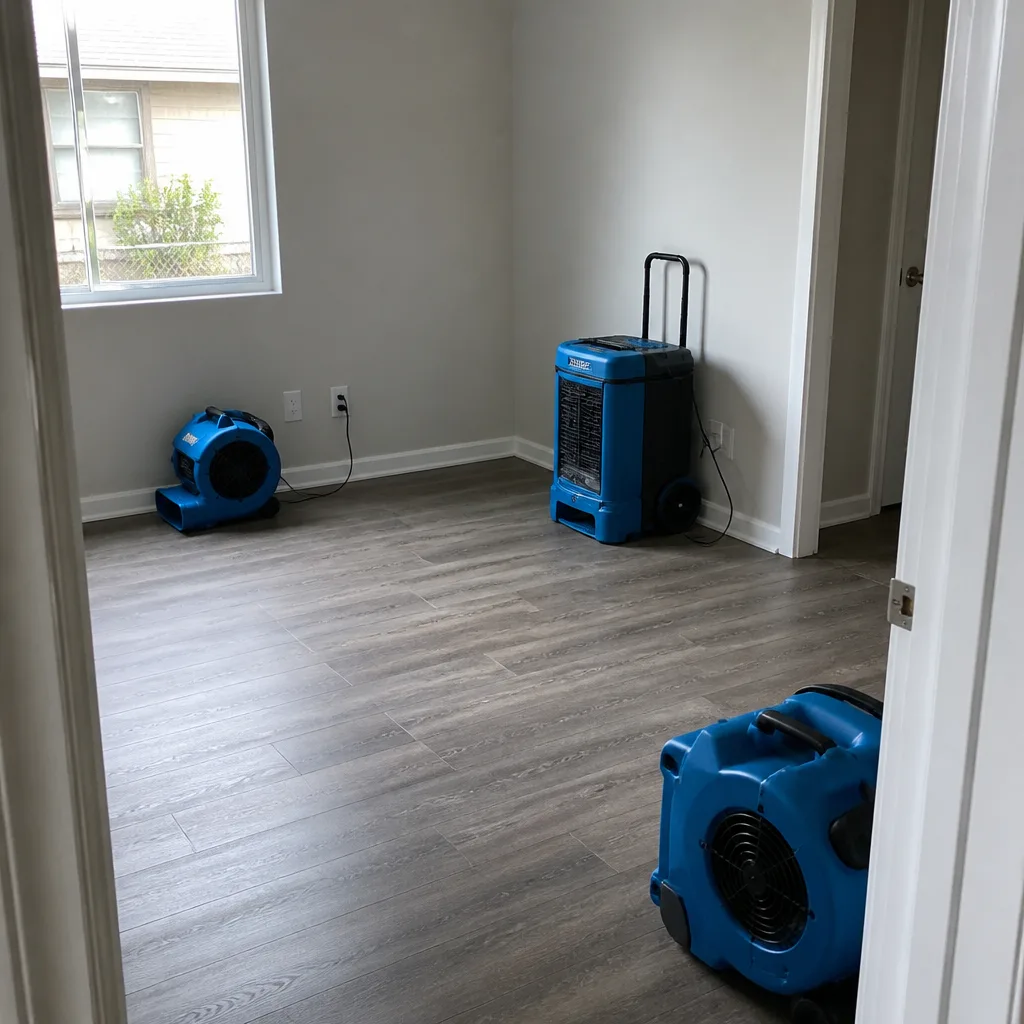 After
After24/7 Emergency Mold Remediation in Long Beach
Mold remediation in Long Beach typically costs $1,800-$6,500 depending on affected square footage and whether the source is a one-time leak or a recurring subsidence issue. Most containment and removal projects begin same-day once a written scope is agreed. Call (628) 226-1011 and a live person will answer, 24 hours a day, 7 days a week - no voicemail, no callback queue while spores keep spreading.
The first hours matter because mold amplifies exponentially once moisture readings exceed 16% wood moisture equivalent. In Long Beach’s harbor-adjacent neighborhoods, salt-laden marine air already elevates baseline humidity, so water-damaged structures hit that threshold faster than inland properties. Our crews dispatch from the Los Angeles office with thermal imaging, moisture meters, and HEPA containment gear pre-loaded. We document every reading from arrival, because the photo record and drying log we produce are what turn your restoration invoice into a claim your insurer pays without dispute.
We offer a free visual inspection to establish affected area, moisture source, and containment strategy. Then we deliver a written price before any work begins - Haven Standard, Clause 1. No exceptions.
Understanding Mold Remediation Severity in Long Beach Properties
Mold damage in Long Beach sorts into three practical categories based on contamination extent, substrate type, and whether the moisture source is controlled or recurring. Category 1 contamination covers limited surface growth on non-porous materials - typically drywall or tile in a single bathroom with a resolved supply-line leak. Category 2 involves porous materials: carpet, insulation, or the lath-and-plaster walls common in 1920s-1940s Craftsman bungalows throughout California Heights, Wrigley, and Bixby Knolls. Category 3 indicates widespread colonization, HVAC contamination, or hidden cavity saturation behind original plaster - the pattern we see when galvanized supply lines or cast-iron drains fail inside walls that have never been opened.
Containment strategy scales with category. Category 1 may need only localized negative-air isolation with a single HEPA scrubber. Category 2 requires full room containment, air scrubbing at 4-6 air changes per hour, and removal of compromised porous materials. Category 3 demands whole-area isolation, multiple scrubbers, and often duct sealing to prevent cross-contamination. In Long Beach’s soft-story dingbat apartments - the 1950s-1960s buildings concentrated along corridors like Pacific Coast Highway and Anaheim Street - we also evaluate whether structural settlement has compromised the envelope, because cosmetic mold treatment fails when the building keeps moving.
Air quality restoration follows removal. We run clearance testing with spore trap samples and indoor-outdoor comparisons, documented to IICRC S520 and RIA guidelines. No area is signed off until third-party or internal lab confirmation shows spore counts at or below outdoor baseline.
Why Long Beach Property Owners Choose DryMark Restoration Compton
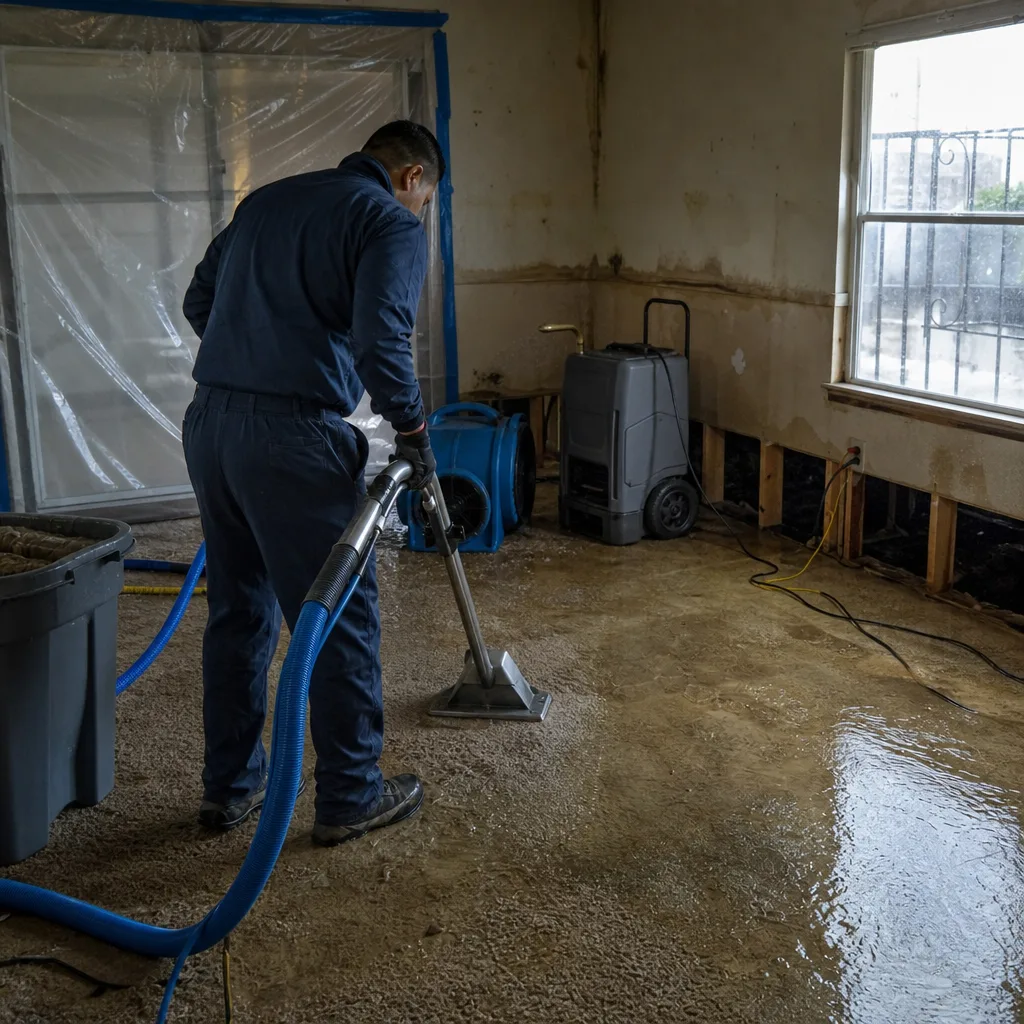
- 45-minute response commitment to Long Beach addresses during active emergencies - we load gear before we know your street name.
- 24/7 live answer by a real person, never an automated system or voicemail tree; your call reaches dispatch directly.
- IICRC-certified crews holding WRT (Water Damage Restoration Technician), AMRT (Applied Microbial Remediation Technician), and FSRT (Fire & Smoke Restoration Technician) credentials where the loss type requires cross-training.
- Free visual inspection with moisture mapping and thermal imaging - no charge, no obligation, documented with photos.
- Direct insurance billing with adjuster coordination from first notice of loss through final payment.
- One team from microbial remediation through reconstruction - no handoff to unknown subcontractors mid-project.
BeforeAfterOur Mold Remediation Process
1. Inspection & Assessment
We moisture-map every affected surface with thermal imaging and penetrating hygrometers, then identify the moisture source. In Long Beach’s subsidence zone, we specifically check for slab cracks and sewer lateral offsets that competitors miss - because treating mold without stopping the water is temporary work.
2. Containment & Air Filtration
We establish negative-pressure containment with 6-mil polyethylene barriers and HEPA air scrubbers running at manufacturer-specified CFM. For harbor and Naples canal properties, we upsize dehumidification capacity to offset elevated ambient humidity from salt-laden marine air.
3. Source Elimination & Stabilization
Plumbing repairs use flexible couplings in subsidence-affected zones rather than rigid joints that re-crack with the next micro-settlement. We document the repair with photos and note substrate conditions for the drying log.
4. Removal & Cleaning
Non-salvageable porous materials come out. Remaining hard surfaces receive HEPA vacuuming and antimicrobial treatment per IICRC S520. In historic Craftsman lath-and-plaster walls, we treat cavities with specialized biocides that penetrate behind intact plaster without requiring full demolition.
5. Drying & Dehumidification
We deploy commercial dehumidifiers - Dri-Eaz and Phoenix units sized to the cubic footage - plus targeted air movers from B-Air and Injectidry cavity-drying systems for enclosed wall voids. Daily psychrometric readings track specific humidity, temperature, and vapor pressure differential until materials return to dry standard.
6. Clearance Testing & Documentation
Post-remediation verification includes spore trap sampling and moisture confirmation. You receive the complete photo record, drying log, lab results, and our 365-Day Done Right Promise under The Haven Standard - if it’s not done right, we make it right.
Need Emergency Mold Remediation in Long Beach Now?
Crews minutes away, answering live 24 hours a day. The sooner we start, the less it costs.
Working With Your Insurance Company
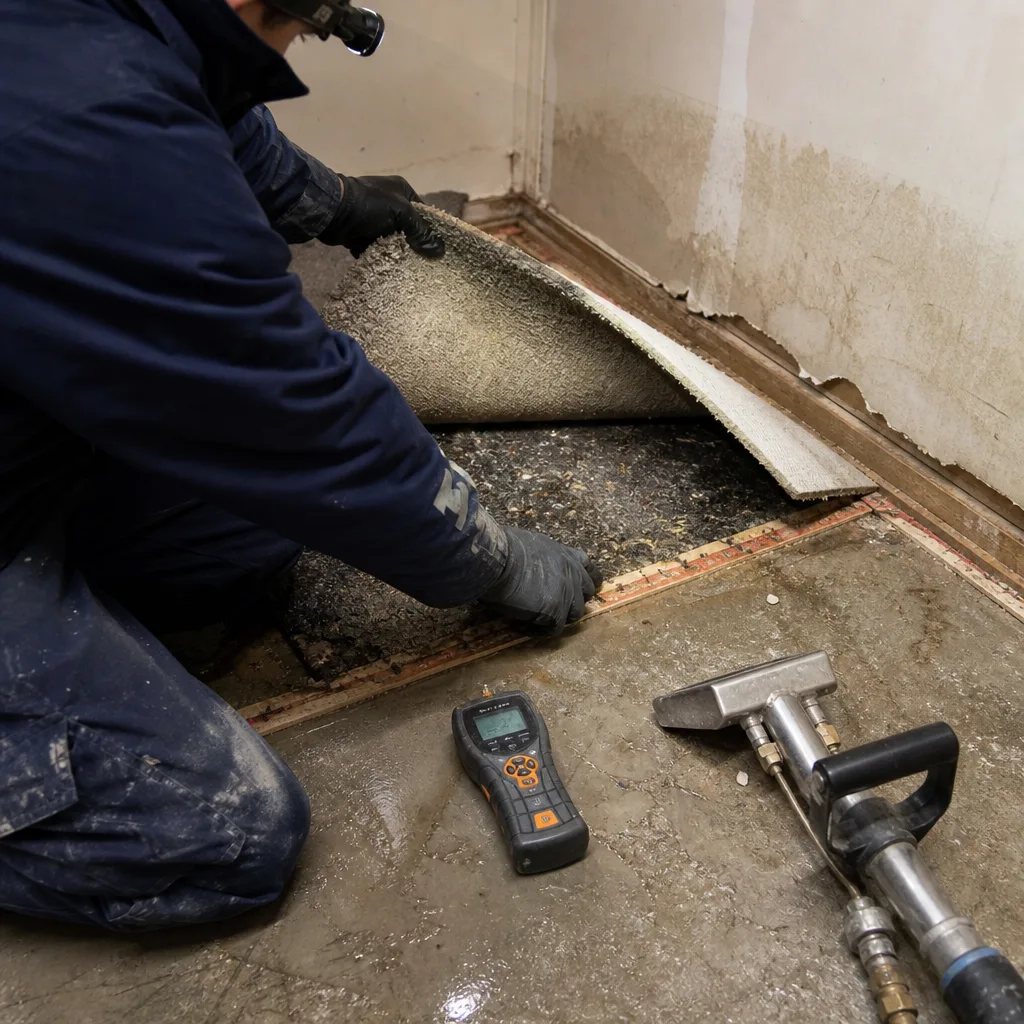
Insurance claims for mold damage succeed or fail on documentation density. From our first hour on site, we photograph every affected surface, record moisture percentages room by room, and maintain daily drying logs that trace the restoration timeline. Our estimates follow Xactimate or comparable industry-standard pricing, and we communicate directly with your adjuster rather than handing you a bill to explain alone.
The Haven Standard requires this documentation not as an upsell but as a baseline deliverable. Alicia Brennan founded Back to Dry Restoration in 2011 after seeing how many homeowner claims were denied for insufficient records. Every one of the 12,000+ homes we’ve restored since then left with a written price agreed before work started and a documented record when the crew departed.
We also provide free second opinions on any competitor’s written estimate - bring their scope and we’ll review it at no charge.
What We Provide Your Insurer
- Thorough documentation of the loss
- Photos of all damage, room by room
- Moisture readings and drying logs
- A detailed, line-item scope of work
- Direct coordination with your carrier
Built for Long Beach’s Loss Calendar
Long Beach’s mold season runs counter to what inland residents expect. Winter brings the heaviest rain, and low-lying areas near the concrete-channeled LA River on the eastern boundary see stormwater back through older combined sewer infrastructure into residential slabs and crawlspaces. January through March, we respond to crawl space saturation in neighborhoods like Zaferia and Cambodia Town where the drainage gradient fails.
Spring shifts to supply-line and drain failures. The 1920s-1940s Craftsman stock in California Heights and Wrigley reaches critical corrosion age for original galvanized supply and cast-iron drainage. Summer adds thermal expansion stress to already-fatigued pipes. Then fall marine layer thickens - September through November - and harbor-adjacent properties without adequate vapor barriers see condensation-driven mold on cool slab edges and in unventilated crawl spaces.
The constant factor beneath this calendar is subsidence. In the zone roughly bounded by the harbor, downtown, and the 710 corridor, micro-settlement continues decades after oil extraction ended. A pipe repair that holds in Carson or Lakewood fails here in 8-14 months as the slab shifts again. Our Mold Remediation teams scope for this explicitly.
Mold Remediation Across Long Beach’s Neighborhoods
California Heights and Wrigley present the tight-access, historic-stock challenge. Original lath-and-plaster walls, narrow setbacks, and alley-loaded parking mean our crews work with compact containment systems and HEPA scrubbers sized for confined spaces. We moisture-map every cavity because hidden plaster voids hold moisture the eye cannot see. Bixby Knolls adds similar vintage with higher property values and more insurance scrutiny - documentation standards are correspondingly strict.
The harbor and Naples canal neighborhoods demand marine-air protocols. Baseline humidity runs 10-15% higher than inland LA County, and salt accelerates corrosion of exposed nail plates, HVAC coils, and dehumidifier components. We shorten drying timelines and increase dehumidifier capacity accordingly. A standard 3-day dry in Lakewood becomes a 4-5 day monitored cycle here.
Downtown and the 710 corridor sit in the core subsidence zone. Our techs carry flexible coupling inventory as standard, and we scope sewer laterals with camera inspection when recurrence is suspected. Signal Hill, technically separate but functionally contiguous, shares some subsidence characteristics but sits on more stable uplifted terrain - the failure patterns differ block by block.
East Long Beach near the LA River floodplain sees the opposite problem: not settlement but inundation. Crawl spaces in this zone require vapor barrier installation and sump evaluation as part of any remediation, or mold returns with the next heavy rain.
Specialized Mold Remediation Services We Offer in Long Beach
Mold Inspection & Testing
We start with moisture mapping, thermal imaging, and air sampling - not guesswork. In Long Beach’s historic districts, we specifically inspect behind lath-and-plaster for cavity moisture that surface readings miss. Lab turnaround is typically 24-48 hours for spore identification.
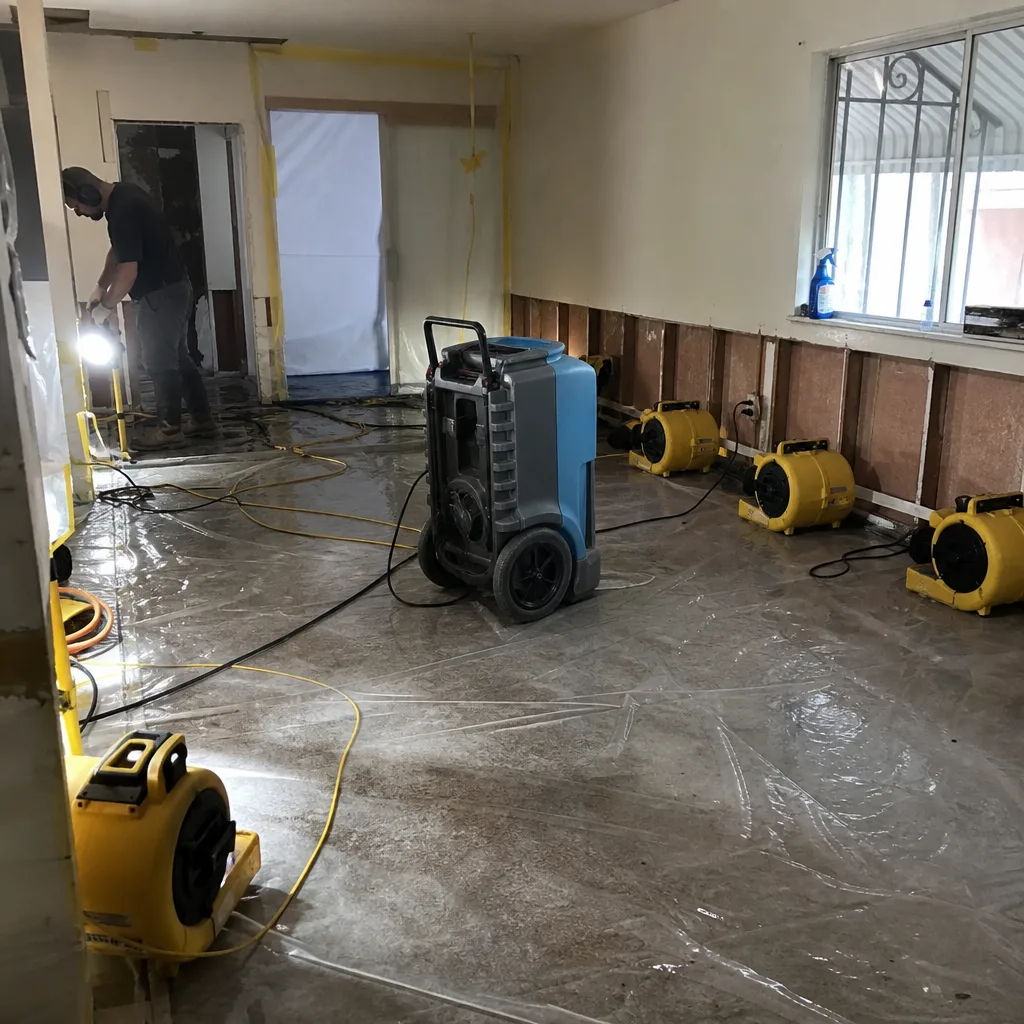
Mold Removal
Containment, HEPA filtration, and controlled demolition of non-salvageable materials per IICRC S520. In subsidence-affected zones, removal is paired with source elimination - usually a flexible plumbing repair - to prevent recurrence.
Black Mold Remediation
Stachybotrys and other toxigenic species require enhanced containment, full-face respirator protocols, and extended air scrubbing. We document every phase for insurance and health department requirements where applicable.
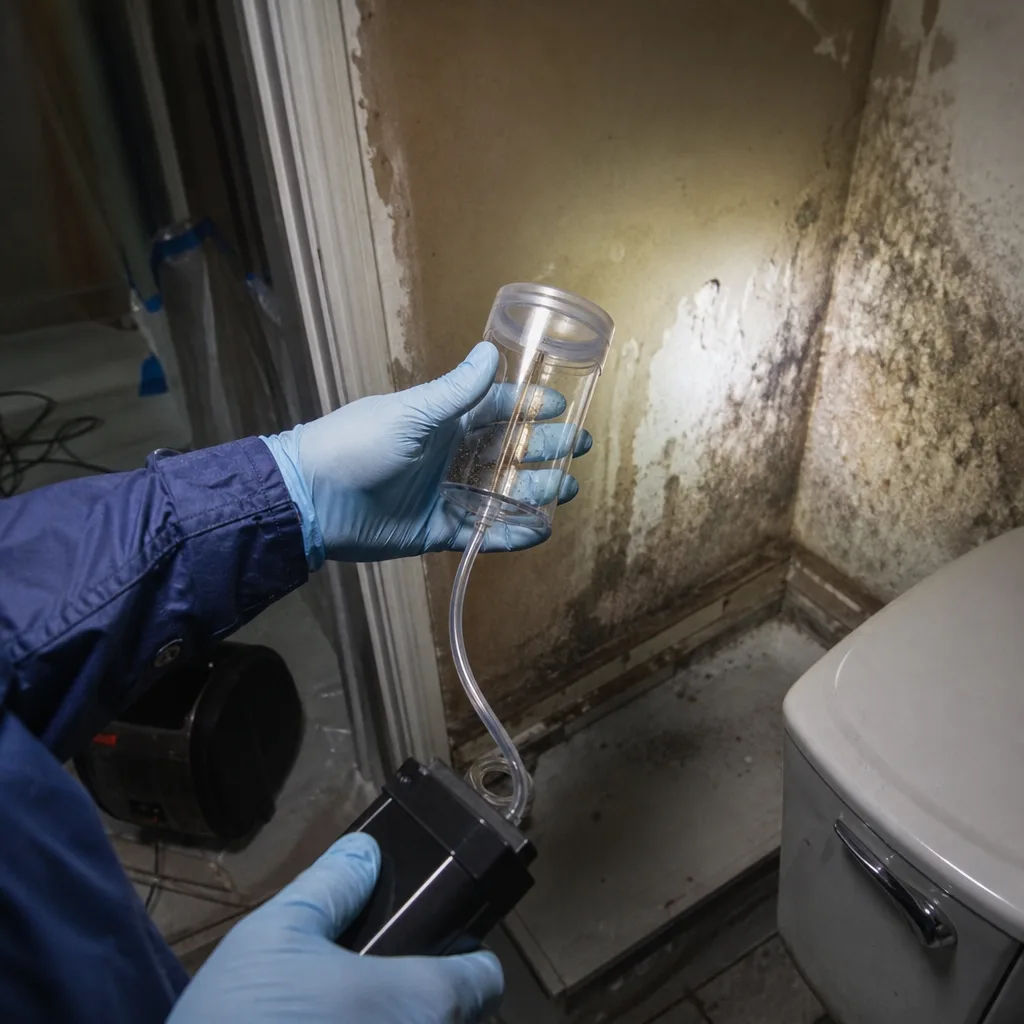
Air Quality Restoration
Post-remediation, we restore HVAC systems and indoor environments to confirmed safe levels. Spore trap clearance testing compares indoor counts to outdoor baseline - no sign-off until the numbers match.
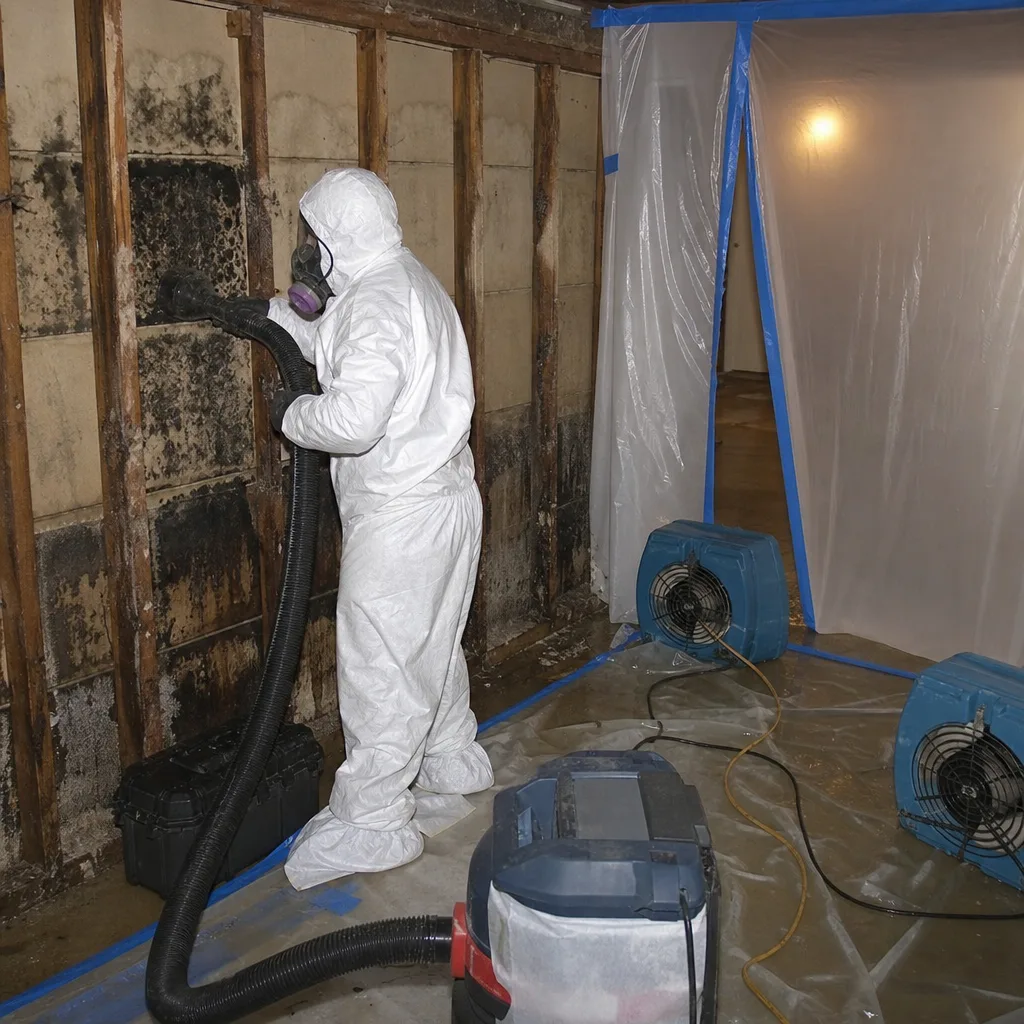
Crawl Space Treatment
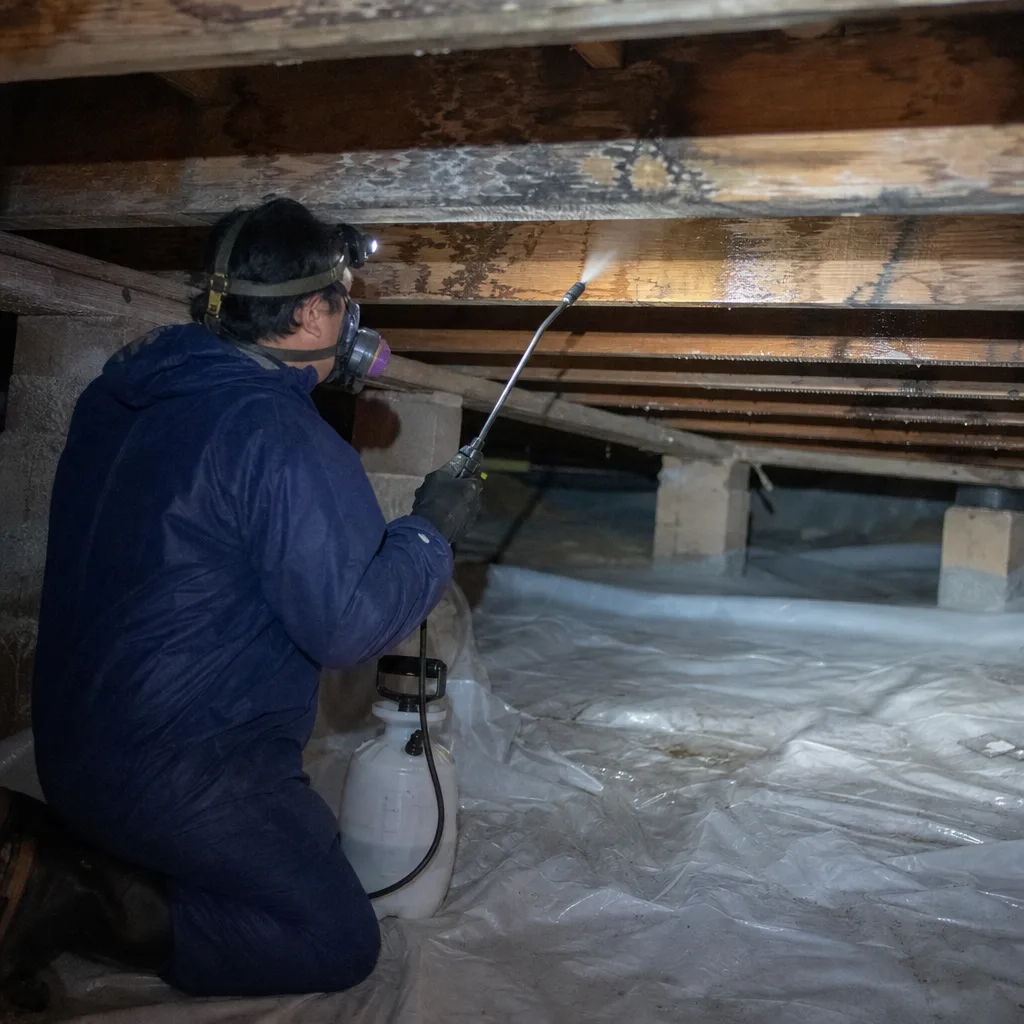
Long Beach’s low-lying eastern neighborhoods and subsidence-zone properties have disproportionate crawl space mold loads. We install vapor barriers, evaluate drainage, and treat floor joist systems with antimicrobial formulations rated for sustained damp conditions.
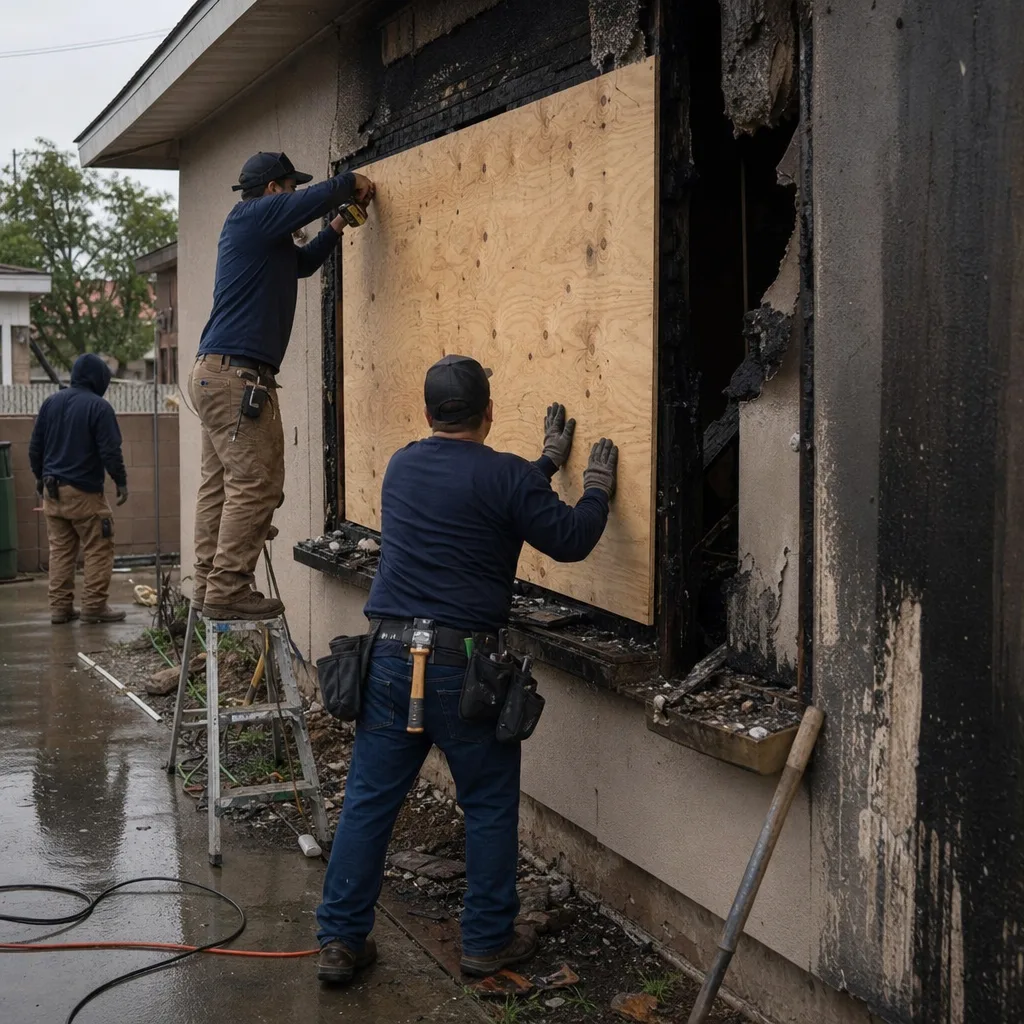
Moisture & Humidity Control
Marine air makes dehumidification a year-round concern in harbor and Naples canal homes. We specify and install permanent dehumidification systems with humidity monitoring, not temporary rental units.
What happens when you call
- 1
A real person answersNo phone trees - you reach a local pro.
- 2
You get an upfront price rangeHonest numbers before anyone is dispatched.
- 3
A background-checked tech heads outLicensed & insured, dispatched right away.
- 4
You approve before work beginsNothing starts until you say go.
Mold Remediation Costs in Long Beach, CA
A typical mold inspection with moisture mapping and air sampling in Long Beach runs $250-$450. Containment and removal for a contained bathroom or single-room colonization ranges $1,800-$3,200. Whole-room remediation with cavity work in historic lath-and-plaster walls: $3,500-$6,500. Extensive multi-room or HVAC-contaminated properties: $7,000-$15,000+.
What moves the price: affected square footage, substrate type (drywall vs. plaster vs. structural wood), whether the moisture source requires plumbing repair, and whether clearance testing requires third-party lab analysis. Recurring subsidence-zone jobs cost more upfront because we fix the source with flexible couplings rather than applying temporary patches.
Insurance coverage varies by policy and loss cause. Sudden, accidental water damage with resulting mold is typically covered; long-term maintenance neglect often is not. We document the loss cause from arrival to support your claim, and we coordinate directly with adjusters. Out-of-pocket scenarios receive the same written scope and fixed price before work begins - Haven Standard, Clause 1.
Call (628) 226-1011 for a free visual inspection and exact written estimate.
We Also Serve Cities Near Long Beach
Our crews respond throughout the immediate metro area. We regularly treat properties in Long Beach plus Signal Hill, Wilmington, Carson, and Lakewood - each with distinct soil conditions, building ages, and mold patterns that inform how we scope and price the work.
Serving Long Beach, CA - Our Local Coverage Area
We’re based in the Long Beach area and know this community well. Use the map below to see our service coverage - if you’re nearby, we can almost certainly help.
Long Beach Mold Remediation Questions, Answered
Why does mold keep coming back in my Long Beach home even after previous remediation?
Recurring mold almost always means the moisture source was never fully stabilized. In Long Beach’s subsidence zone - roughly the harbor, downtown, and 710 corridor - slab micro-settlement re-cracks rigid plumbing repairs within months, reintroducing moisture that new mold colonizes. Standard remediation treats visible growth without addressing this underlying dynamic. We use flexible couplings on repaired joints and moisture-map to confirm the source is truly stopped, not just temporarily dry. Call (628) 226-1011 for a free inspection if you’re on your second or third recurrence.
How does Long Beach’s marine air affect mold remediation timelines in Naples and the harbor?
Salt-laden marine air in harbor and Naples canal neighborhoods elevates baseline indoor humidity 10-15% above inland LA County norms, which shortens the time between water intrusion and active mold amplification. It also corrodes exposed metal components faster. Our drying timelines run longer - typically 4-5 days versus 3 days inland - with upsized dehumidification and more aggressive vapor pressure management. The equipment specification matters as much as the removal technique.
What should I expect during mold remediation in a 1920s Craftsman bungalow in California Heights or Wrigley?
Expect careful containment around lath-and-plaster walls that hold hidden cavity moisture surface readings cannot detect. We use penetrating hygrometers and thermal imaging to map void saturation, then treat cavities with biocides formulated for plaster substrates rather than defaulting to full demolition. Access is often tight; our crews work with compact HEPA systems sized for narrow setbacks and alley-loaded properties. Written scope before work begins, photo record throughout, clearance testing after.
How does Long Beach’s subsidence zone affect mold remediation near the 710 corridor?
The Wilmington Oil Field subsidence legacy left cracked slabs and offset sewer laterals throughout the harbor-downtown-710 zone. Mold calls here are frequently the third or fourth recurrence of a “new” leak because rigid P-trap repairs re-crack with ongoing micro-settlement. We scope sewer laterals with camera inspection when recurrence is suspected, specify flexible couplings rather than rigid joints, and document substrate movement history for your insurer. Remediation without this source analysis is temporary by definition.
Do you treat crawl spaces differently in Long Beach’s low-lying areas near the LA River?
Yes. Properties near the concrete-channeled LA River on Long Beach’s eastern boundary experience periodic stormwater intrusion through older combined infrastructure, leaving crawl spaces with sustained damp conditions rather than single-event saturation. We evaluate drainage gradient, install or repair vapor barriers, and specify antimicrobial treatments rated for chronic moisture exposure - not the quick-dry protocols appropriate for one-time supply-line failures.
How fast can DryMark Restoration Compton actually get to my Long Beach property?
We commit to 45-minute response for active emergencies in the Long Beach area, with crews dispatched from our Los Angeles office. Calls answer live 24/7 - no voicemail, no next-business-day callback while spores spread. For non-emergency inspections, we typically schedule within 24 hours. Call (628) 226-1011 and a real person will confirm current availability.
Will my insurance cover mold remediation, and how do you handle the claim?
Coverage depends on cause and policy language. Sudden, accidental water damage with resulting mold is generally covered; long-term neglect or maintenance issues typically are not. We document cause from first arrival with photos, moisture readings, and written scope - the density of record that turns restoration invoices into payable claims. We coordinate directly with your adjuster and provide the line-item documentation carriers require. Free second opinions on competitor estimates are also available.
Can my family stay in the home during mold remediation?
For contained Category 1 remediation in a single room, often yes with isolation barriers and air scrubbers running. For Category 2-3 contamination, multi-room work, or toxigenic species, temporary relocation is recommended and sometimes required by containment protocol. We specify occupancy status in the written scope before work begins - no surprises once the crew is inside. Your adjuster may cover temporary housing costs under additional living expenses; we document the necessity to support that claim.
Written by Alicia Brennan, Owner at Back to Dry Restoration, serving Long Beach since 2011.
Mold Remediation in Nearby Areas