Free visual inspection and a written scope of work before any mitigation begins - photos, moisture readings, and drying logs go in your claim file
The scope we write is the scope we bill. Anything new gets shown to you, in writing, before we touch it.
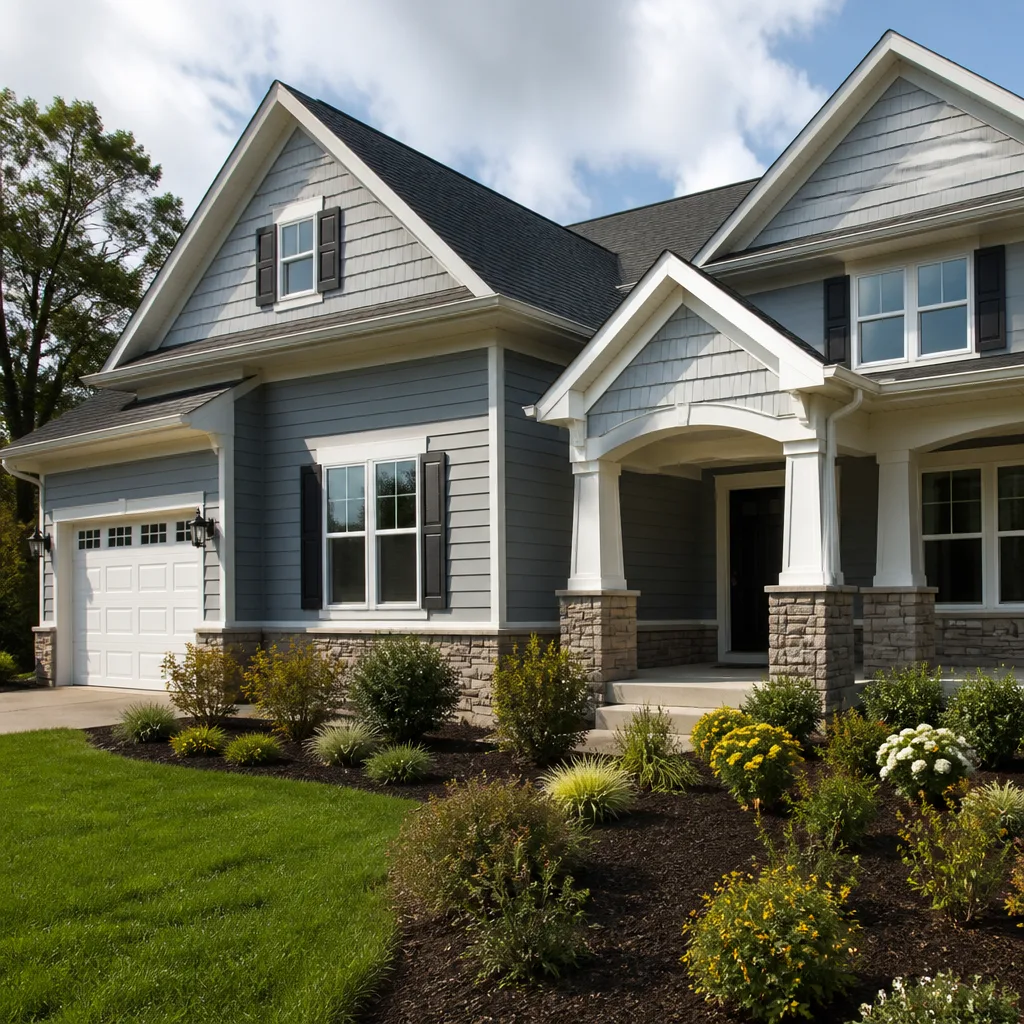
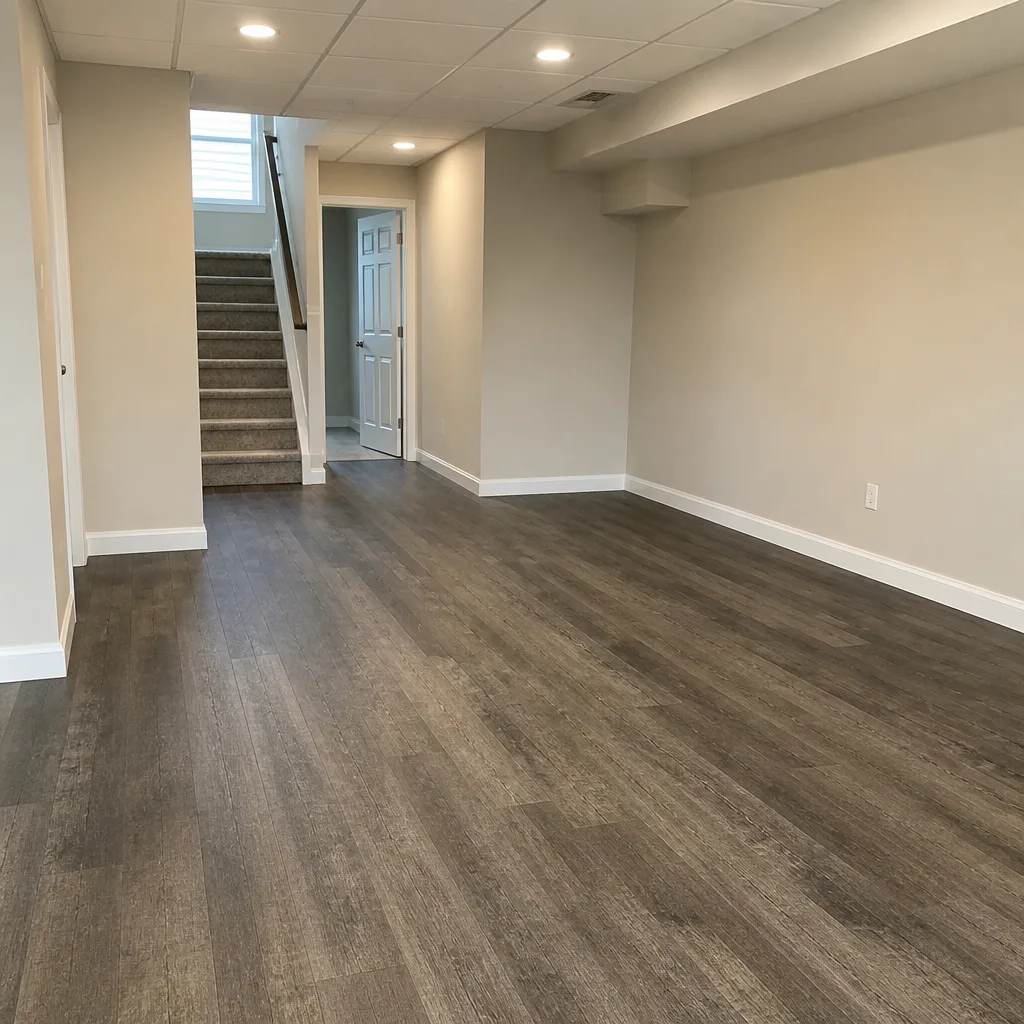
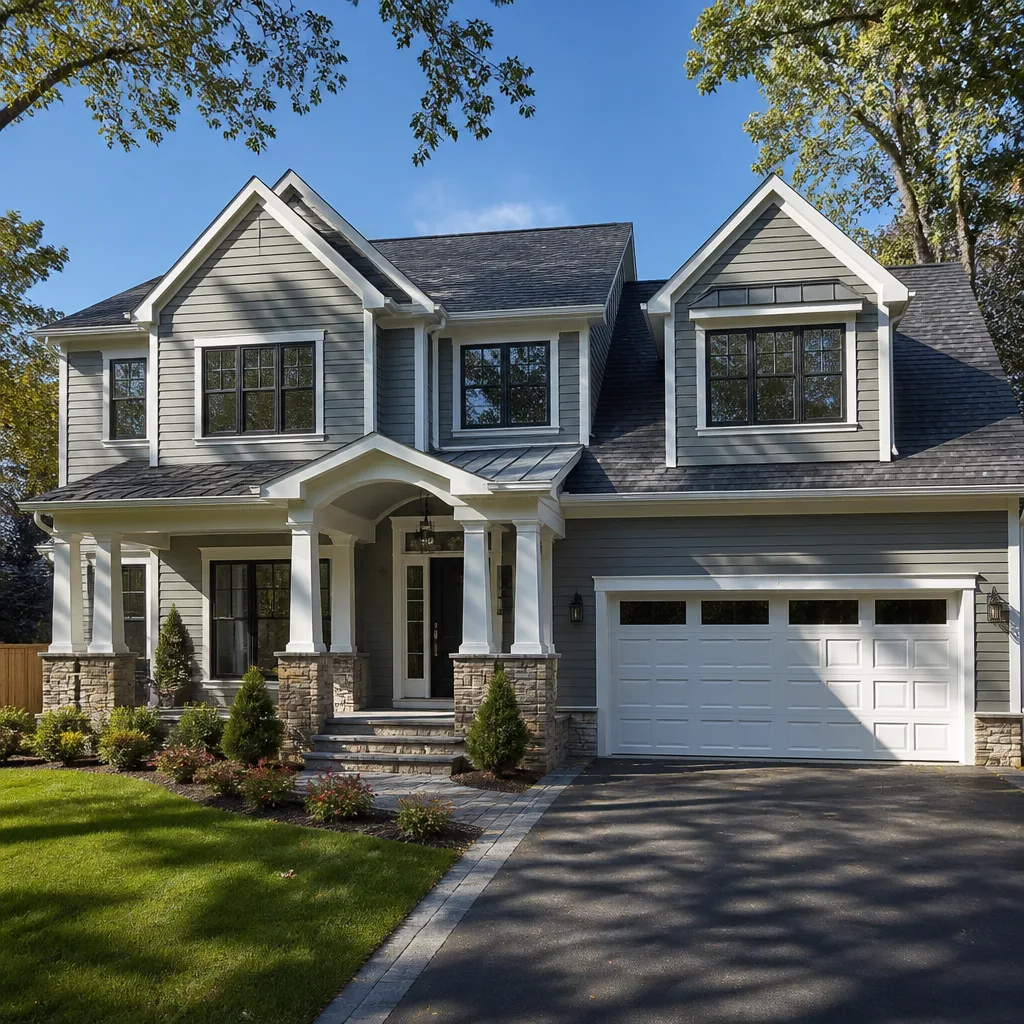
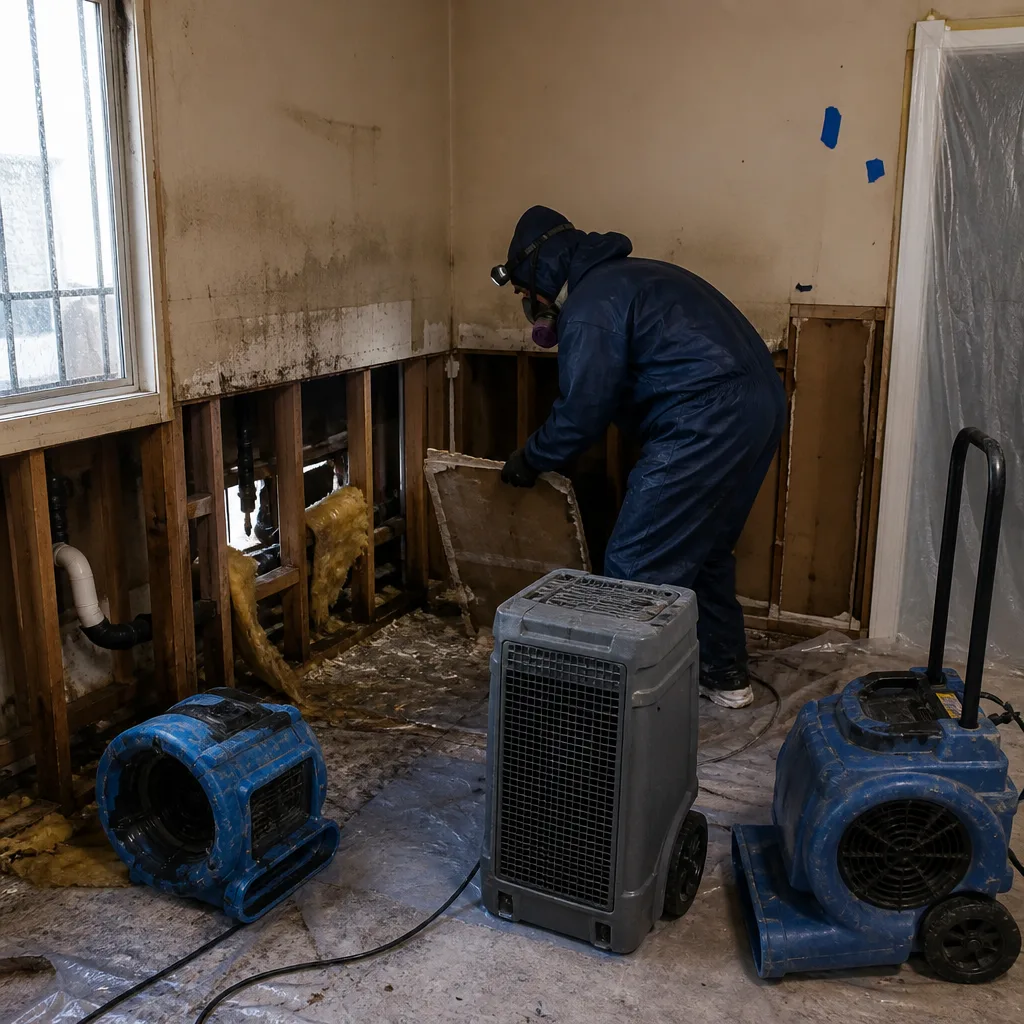 Before
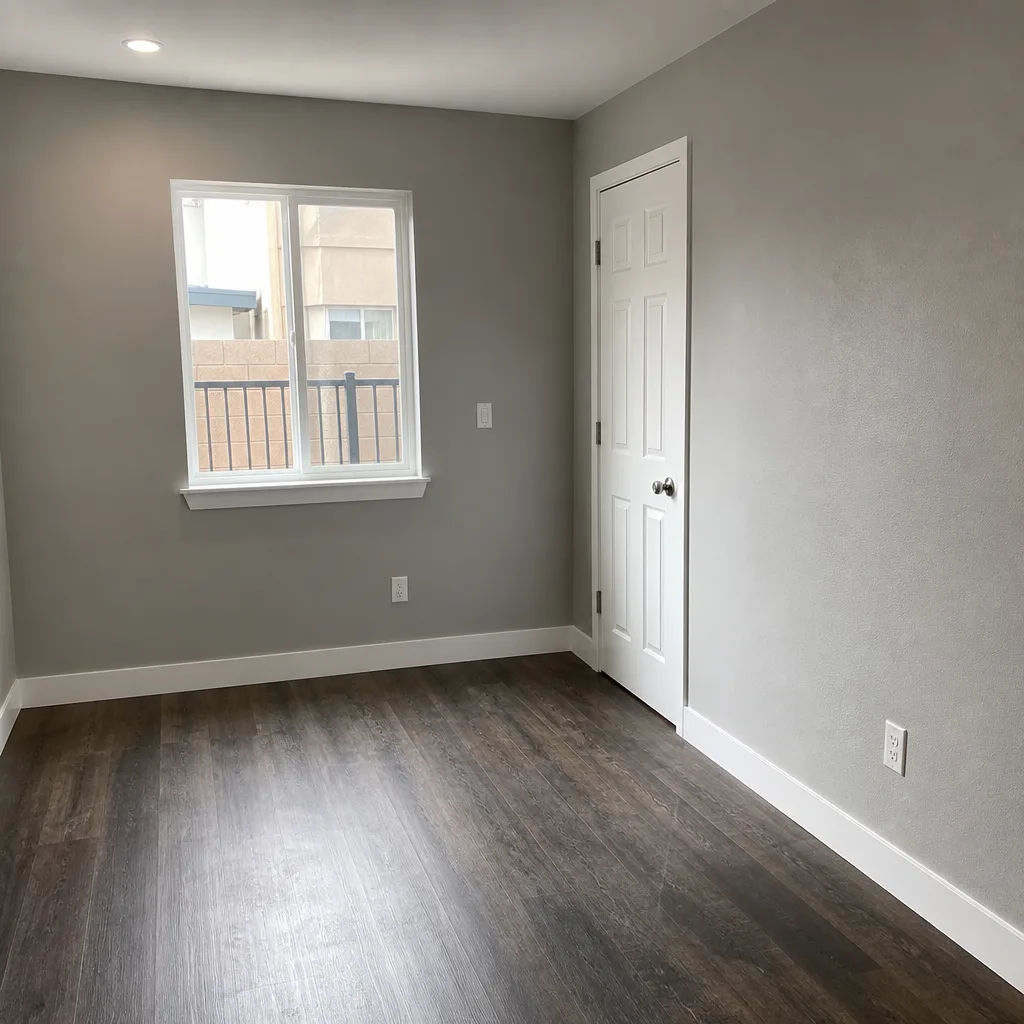 After
After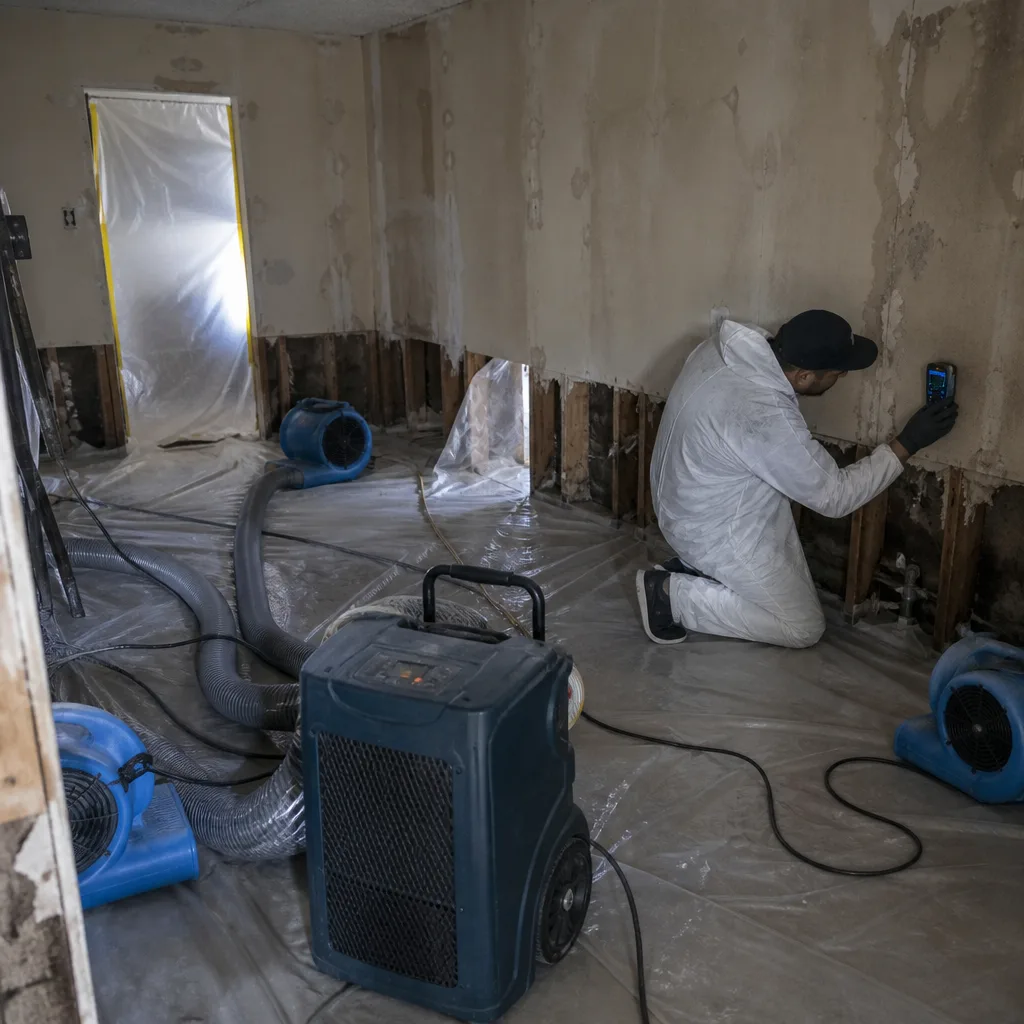 Before
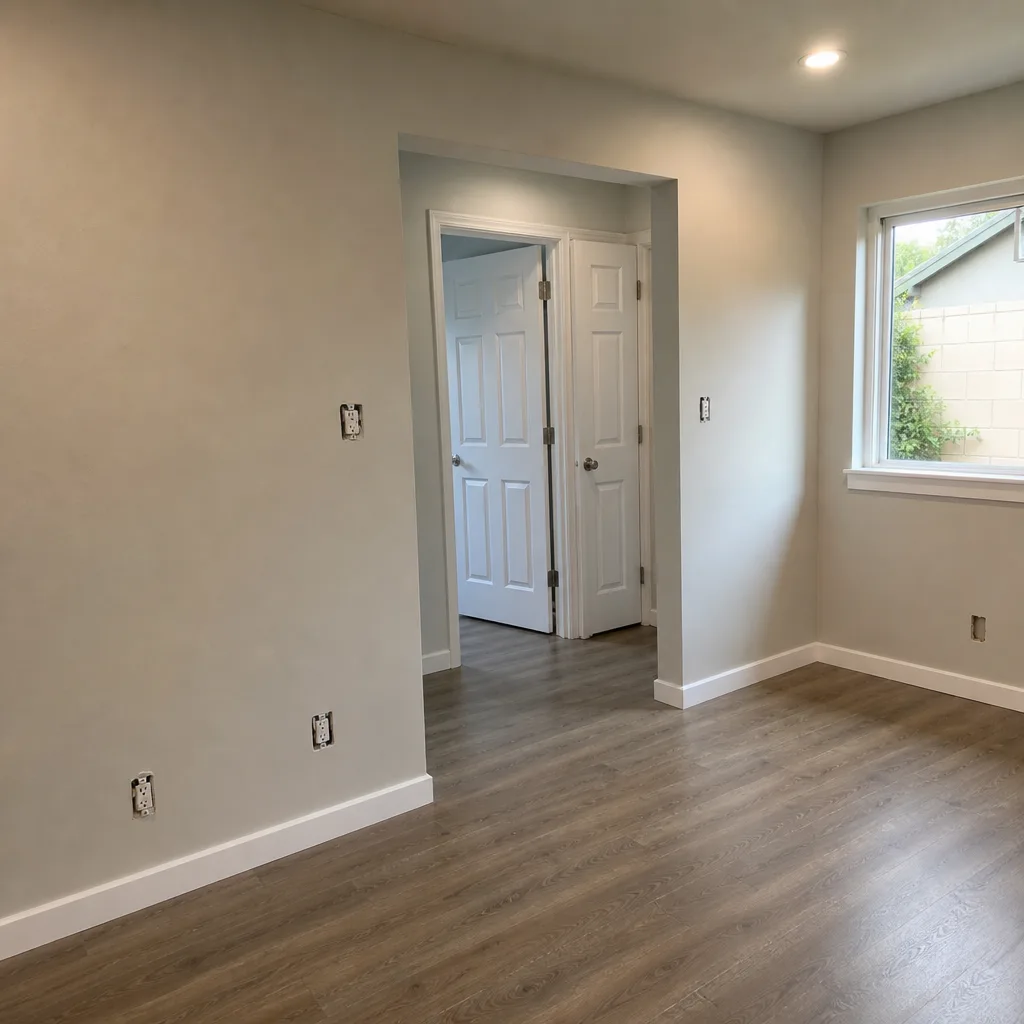 After
After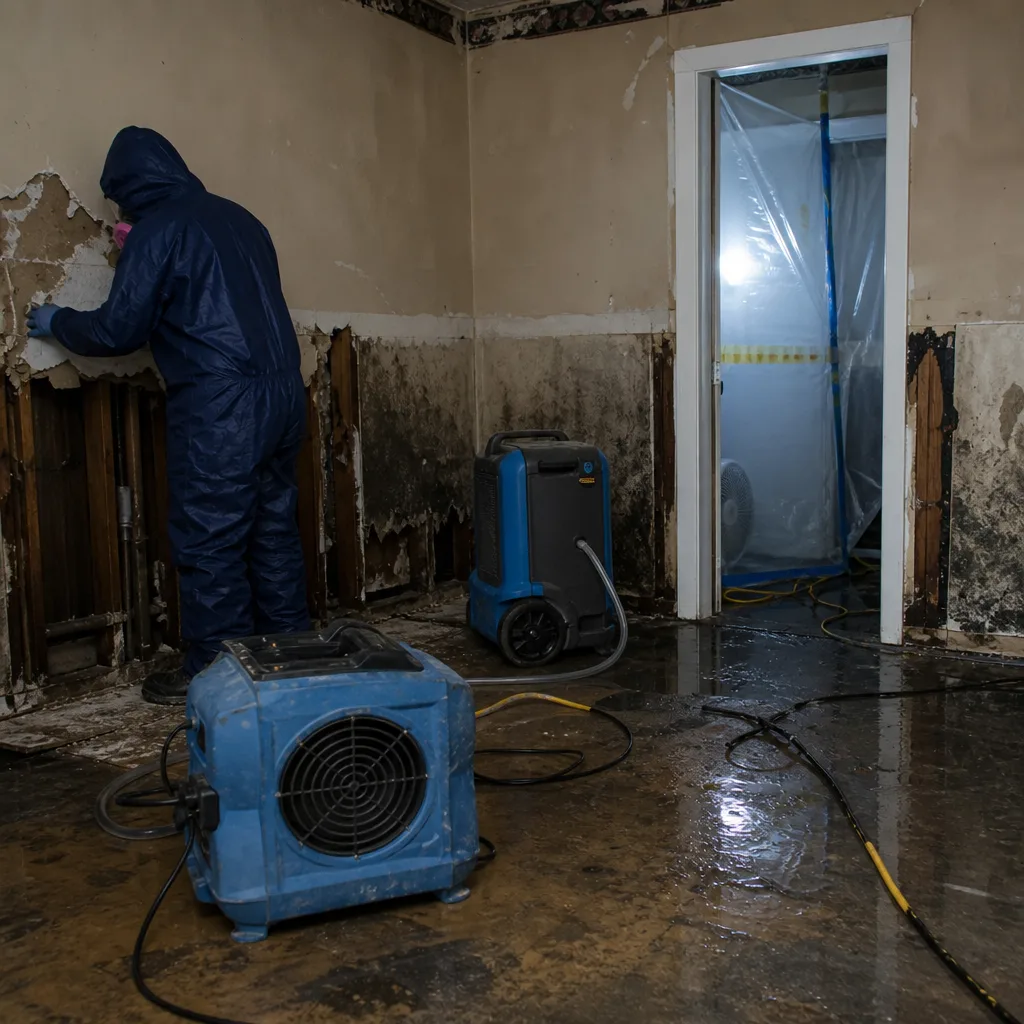 Before
 After
After24/7 Emergency Mold Remediation in Bellflower
Mold remediation in Bellflower typically costs $1,800-$6,500 depending on affected square footage and whether the source is a contained leak or slab-level lateral migration. Most Bellflower jobs start with a free visual inspection, and crews can be on-site within 45 minutes when mold follows a fresh water loss. Call (628) 226-1011 now - a live person answers, 24 hours a day, no voicemail trees.
The first hour matters because mold on Bellflower’s concrete slab foundations doesn’t stay where it starts. Water from a failed galvanized supply line wicks laterally under flooring, colonizing wall plates and sub-surface materials in rooms far from the original leak. By the time you smell it, the colony has likely spread. Our Mold Remediation team maps moisture with thermal imaging and penetrating meters before cutting anything, so we don’t chase symptoms while missing the source.
Understanding Mold Remediation Severity in Bellflower Properties
Mold severity in Bellflower falls into three practical categories, each tied to how water arrived and how long it sat. Category 1 sources - a washing machine supply line, a tank water heater relief valve - produce clean water that becomes a mold risk after 24-72 hours of contact with organic material. Category 2, or gray water, carries chemical or biological load: dishwasher discharge, sump pump failure, or the standing water that pools in eastern Bellflower blocks when atmospheric river events overwhelm storm drains near the San Gabriel River channel. Category 3, black water, means sewage intrusion or floodwater carrying silt and pathogens; post-storm calls from the 605 corridor often require this protocol.
Bellflower’s housing stock makes every category worse. The 1950s-1970s ranch homes, nearly all slab-on-grade with no raised subfloor, trap water against the concrete. There’s no crawl space to ventilate, no basement to drain into. Moisture readings at the slab edge often read 30-40% higher than the visible stain three feet away. Tertiary drying - the final phase where vapor pressure differential drives bound moisture out of dense materials - takes longer here than in raised-foundation cities like Long Beach. Our crews document psychrometric data daily: specific humidity, grain depression, and equilibrium moisture content of the slab itself. Without that log, an adjuster has no basis to approve extended drying.
Why Bellflower Property Owners Choose DryMark Restoration Compton
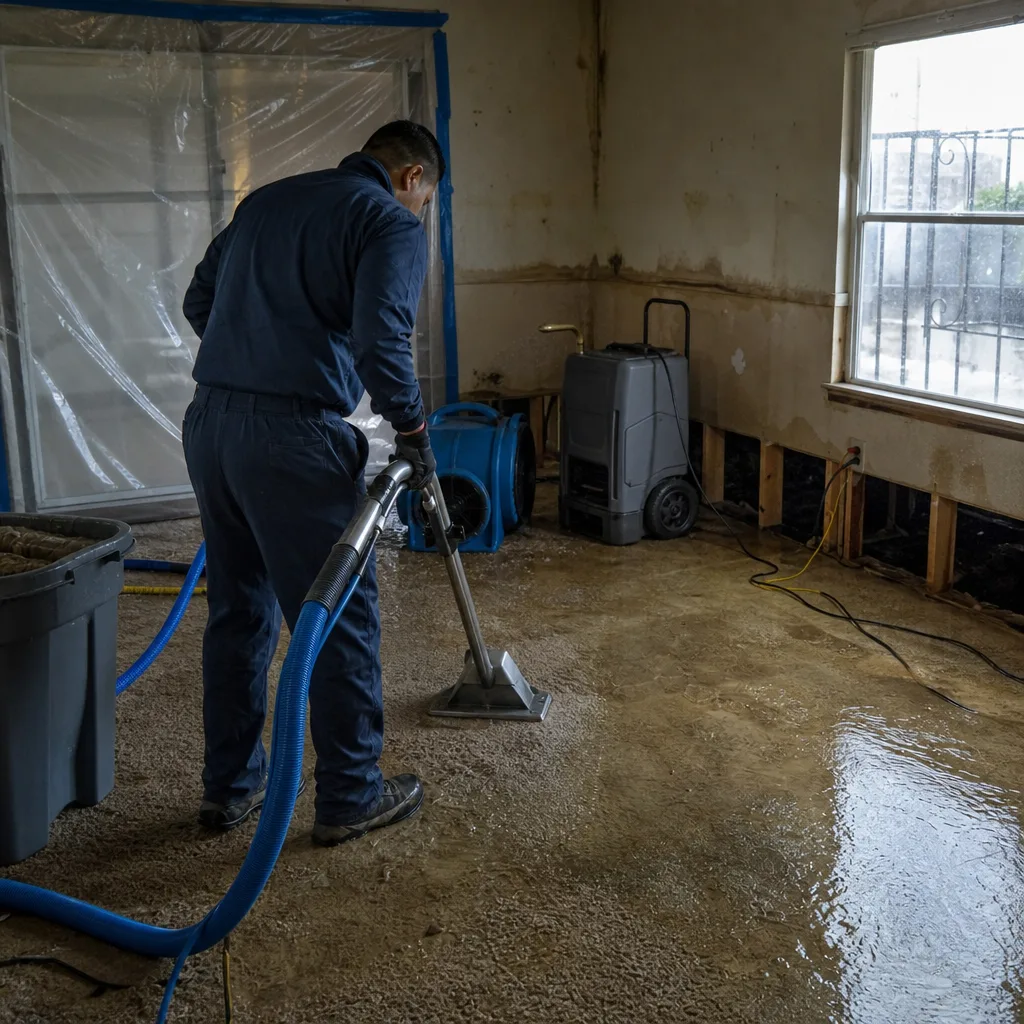
- 45-minute response commitment to Bellflower addresses, with dispatch coordinated from our Los Angeles office and crews already staged in the metro area.
- 24/7 live answer - a real person, never an automated system or next-business-day callback while water keeps moving under your slab.
- IICRC-certified crews: WRT (Water Damage Restoration Technician), AMRT (Applied Microbial Remediation Technician), and FSRT (Fire & Smoke Restoration Technician) where fire-loss mold is involved.
- Free visual inspection with moisture mapping and thermal imaging before any work is proposed.
- Direct insurance billing with photo-documented estimates formatted to carrier standards.
- One team from containment to clearance testing - no handoffs between remediation and reconstruction crews.
BeforeAfterOur Mold Remediation Process
1. Inspection & Assessment
We arrive with penetrating moisture meters, thermal imaging, and hygrometers to map the full extent of water migration under your slab. In Bellflower, the visible stain is rarely the whole story. We classify the water source by IICRC standards and photograph every affected surface before anything is disturbed.
2. Containment & Air Filtration
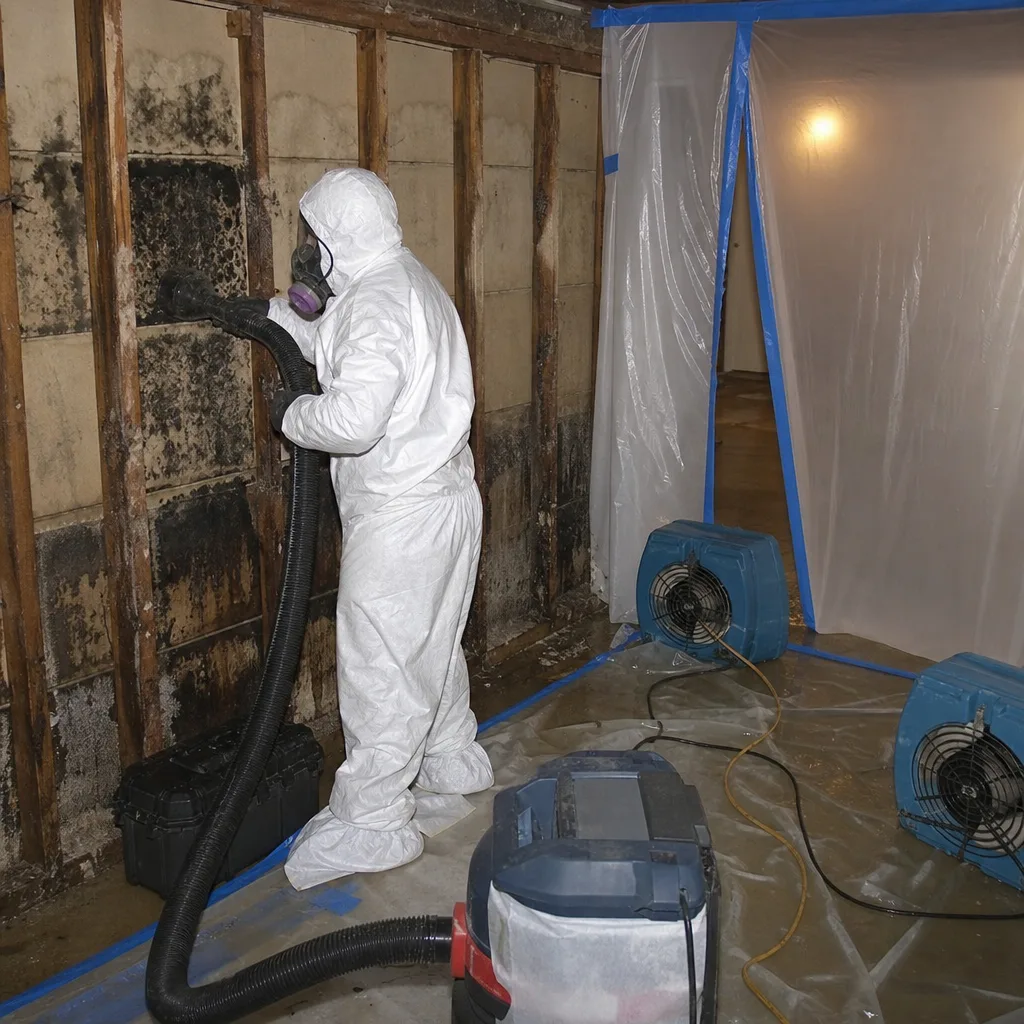
Polyethylene containment barriers isolate the work zone. HEPA air scrubbers run continuously during remediation, creating negative pressure that prevents spore migration to clean rooms. For Category 3 losses in eastern Bellflower, we add sealed egress protocols and PPE documentation for your insurer.
3. Drying & Dehumidification
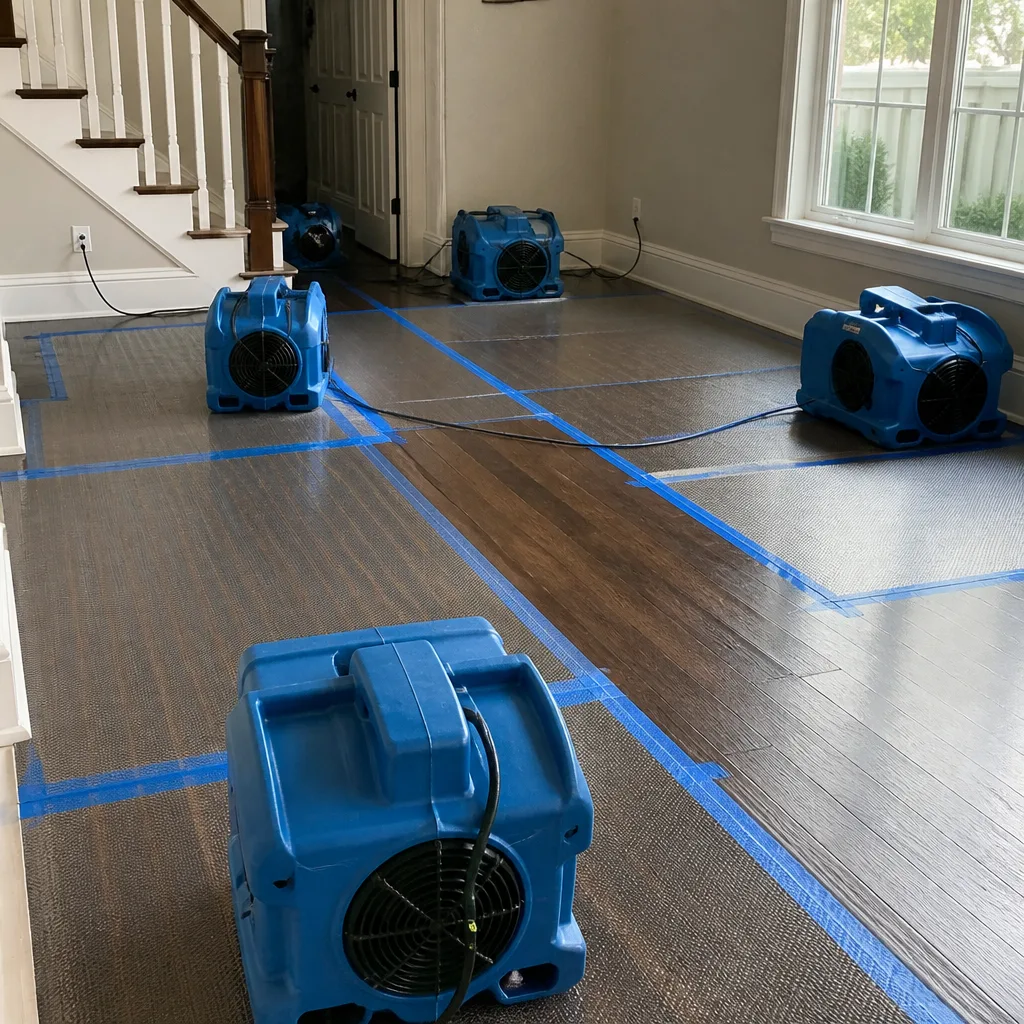
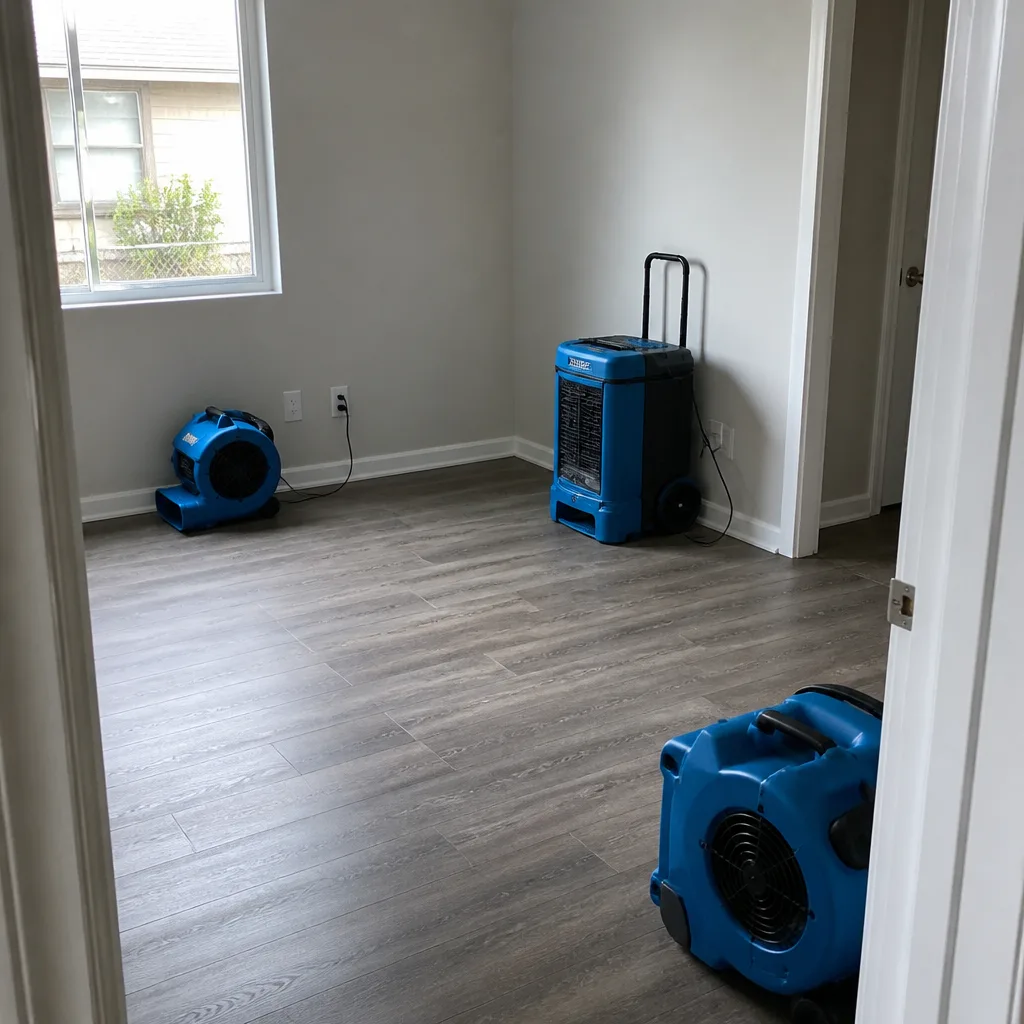
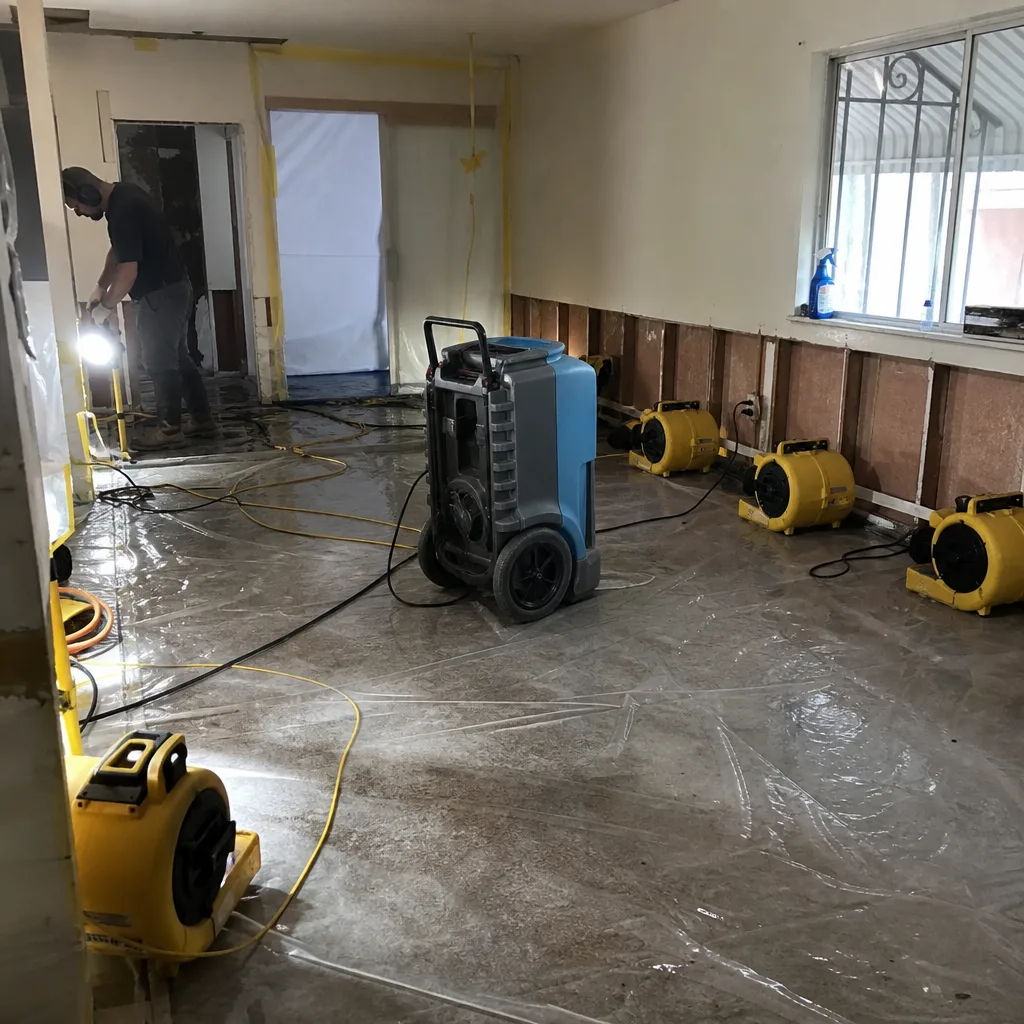
XPOWER air movers and Phoenix dehumidifiers are sized to the cubic footage and amperage available - critical on Bellflower ranch lots where detached workshops and long hose runs demand pre-planned power distribution. We log specific humidity and grain depression daily until materials reach dry standard.
4. Cleaning & Sanitization
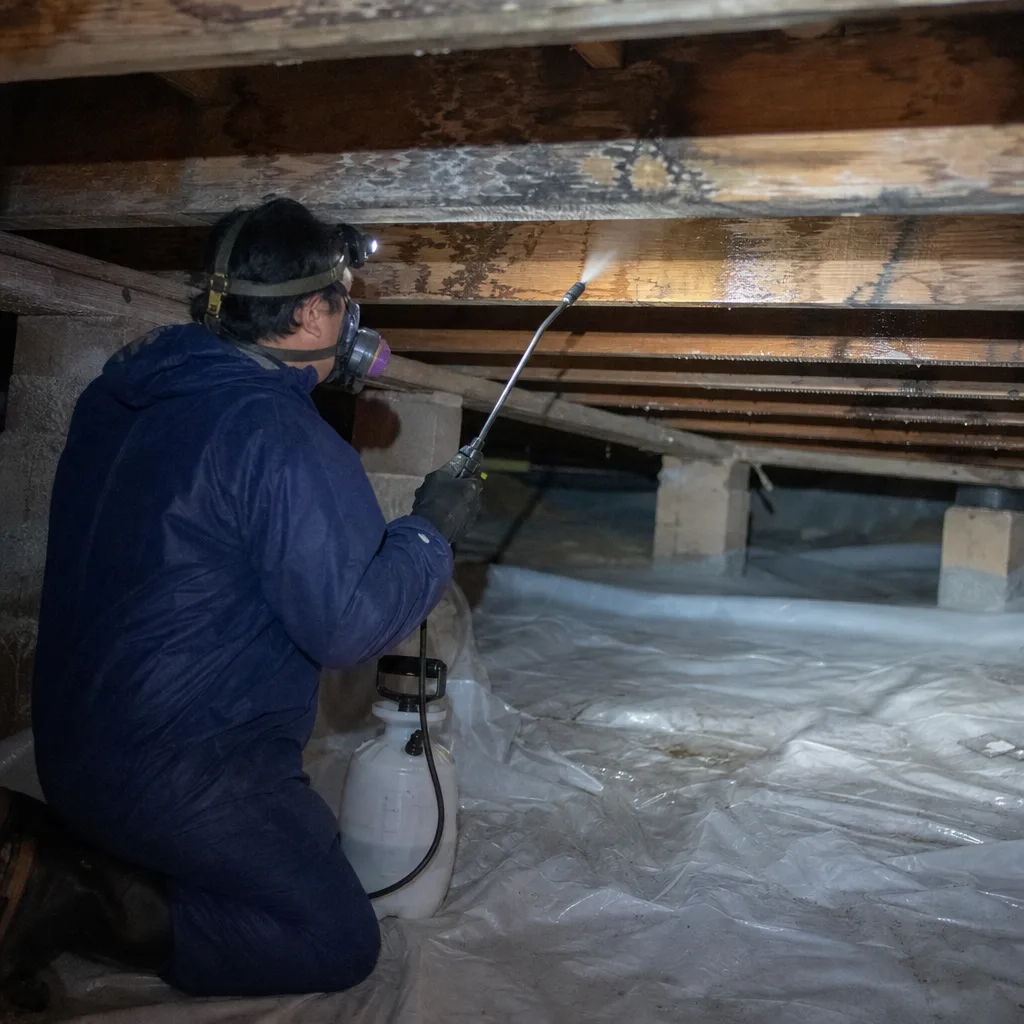
Antimicrobial treatment targets remaining spores on framing, slab edges, and wall plates. We use EPA-registered products appropriate to the material classification: porous drywall versus semi-porous wood framing versus non-porous concrete. Every application is noted in the job file.
5. Mold-Specific Treatment & Clearance
Post-remediation verification includes air sampling and surface swabs analyzed by an independent laboratory. Clearance testing confirms spore counts at or below outdoor baseline. No reconstruction begins until we have written clearance - Haven Standard, Clause 4.
6. Repairs & Restoration
Our crew replaces removed drywall, flooring, and trim to match existing finishes. Because we handled the remediation, we know exactly what was wet and what was merely adjacent - no unnecessary tearout, no missed pockets that would require a second visit.
Need Emergency Mold Remediation in Bellflower Now?
Crews minutes away, answering live 24 hours a day. The sooner we start, the less it costs.
Working With Your Insurance Company
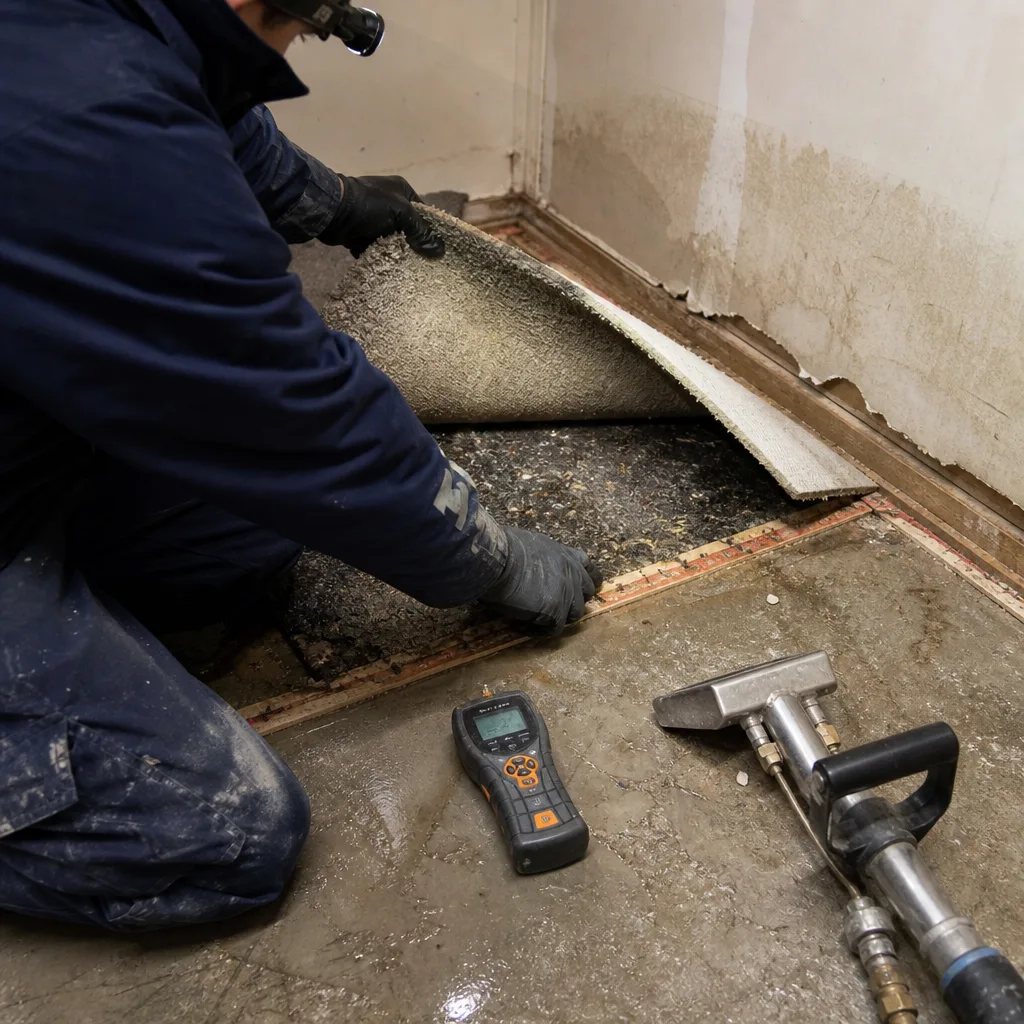
Insurance claims fail for two reasons: incomplete documentation and scope disputes. We prevent both. From the first hour on your Bellflower property, we photograph every affected room, record moisture readings at multiple depths, and maintain a daily drying log that tracks specific humidity, temperature, and equipment placement. That log becomes the evidence your adjuster needs to approve extended drying time - which slab-on-grade homes in Bellflower often require.
Our estimates follow industry-standard Xactimate pricing with line-item detail. We coordinate directly with your carrier’s adjuster, providing the photo record and written scope before reconstruction begins. Haven Standard, Clause 1: the written price arrives before any work starts. No scope-creep additions once the crew is inside.
What We Provide Your Insurer
- Thorough documentation of the loss
- Photos of all damage, room by room
- Moisture readings and drying logs
- A detailed, line-item scope of work
- Direct coordination with your carrier
Built for Bellflower’s Loss Calendar
January through March brings atmospheric river events to Southern California. In Bellflower, the critical factor isn’t total rainfall - it’s intensity over hours. The San Gabriel River flood control channel along the eastern city boundary can handle sustained flow, but localized storm-drain backups in blocks just west of the 605 produce sudden Category 3 flooding that neighboring Cerritos, at slightly higher elevation, avoids entirely. Our crews know which streets flood first and which stay dry; post-storm triage in Bellflower is block-by-block work.
April through June, the near-zero humidity that follows winter rains creates a deceptive drying environment. Surface materials feel dry while bound moisture remains trapped in slab-adjacent wall plates. This is when we see the most callbacks from DIY remediation attempts - homeowners who dried the visible zone but missed the lateral migration.
July through October, imported Metropolitan Water District water continues its decades-long corrosion of Bellflower’s aging galvanized supply lines. Pinhole leaks under slabs spike during this period. The damage is slow and hidden: a bathroom vanity shows no water, but the bedroom closet three walls away develops mold because water wicked laterally with nowhere to drain.
November through December, cooling temperatures slow evaporation even further. Extended drying protocols become necessary. Our daily logs document why, so your insurer understands the timeline.
Mold Remediation Across Bellflower’s Neighborhoods
Rose Street and the blocks near the San Gabriel River channel represent Bellflower’s highest-risk zone for storm-event mold. Our tech got called to a 1958 ranch on Rose Street after an atmospheric river event backed up the storm drain; the homeowner had already run a shop vac, but the moisture readings told the real story - Category 2 water had wicked six feet under the slab-adjacent laminate. We set up containment, ran XPOWER air movers and a Phoenix dehumidifier off a single 20-amp circuit, and finished structural drying in three days with antimicrobial treatment on the affected wall plate. The homeowner’s detached workshop out back needed the same treatment after our drying logs showed trapped humidity behind the heavy-duty workbench.
The central neighborhoods along Bellflower Boulevard, with their slightly higher grade and 1960s-era slab homes, see more supply-line failure than flooding. Mold here follows the lateral migration pattern: the colony appears in a hallway or bedroom, while the actual leak sits under a bathroom or kitchen slab. Moisture mapping has to cover the whole footprint, not just the visible stain.
West Bellflower, approaching the Long Beach border, includes some of the city’s newer 1970s construction with copper repipes. These homes still sit on slab, but the water source shifts to appliance failures and window leaks during wind events. Remediation is typically more contained, though we still verify slab-edge moisture before declaring dry standard.
The Somerset Ranch area and similar post-war tracts south of Alondra Boulevard feature the original galvanized plumbing at its most corroded age. We treat these as high-probability slab-leak zones even when the visible damage seems minor. One moisture reading at the slab perimeter tells us whether we’re looking at a 50-square-foot remediation or 500.
Specialized Mold Remediation Services We Offer in Bellflower
Mold Inspection & Testing
Every Bellflower inspection starts with thermal imaging and penetrating moisture meters, not guesswork. Because slab foundations hide lateral water migration, we map the full footprint before proposing any scope. Air and surface sampling goes to independent labs; we don’t use in-house testing that creates conflict of interest. The written report includes moisture readings, photos, and a remediation plan with fixed pricing - Haven Standard, Clause 1.
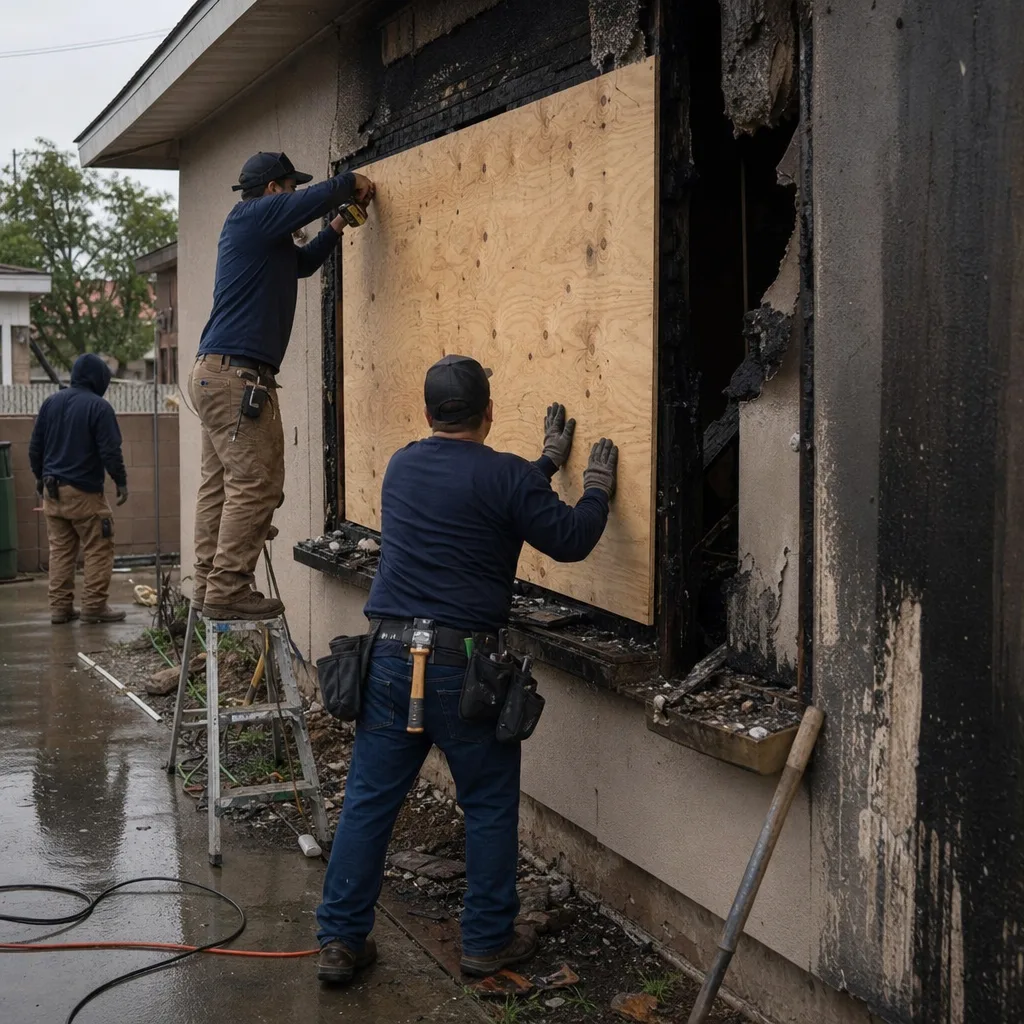
Mold Removal
Removal in Bellflower means addressing the source, not just the symptom. We see too many competitors cut out visible mold while leaving the slab leak that fed it. Our crews locate the water origin, document it, and include source repair in the written scope. Containment, HEPA air scrubbing, and proper disposal follow IICRC S520 standards for microbial remediation.
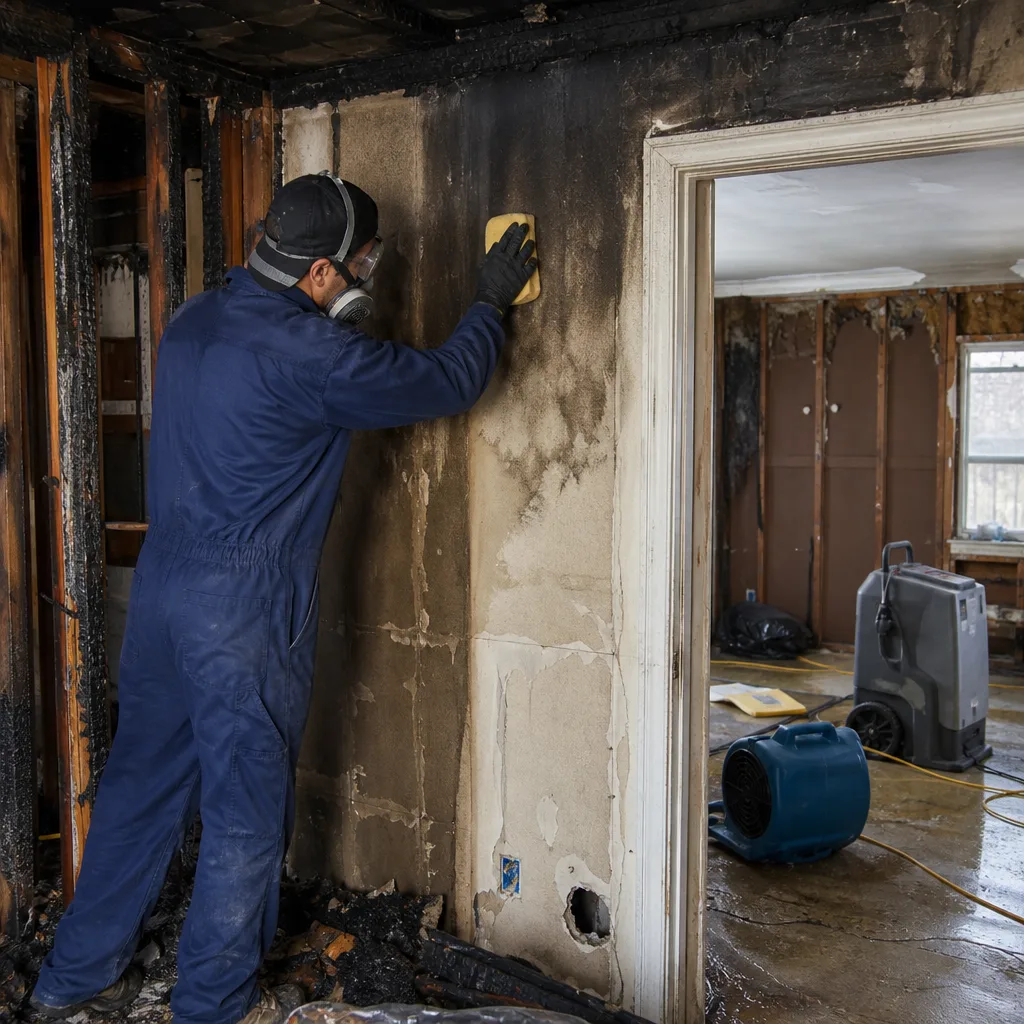
Black Mold Remediation
Stachybotrys and other toxigenic species require enhanced containment and PPE protocols. In Bellflower’s slab homes, black mold often indicates extended water contact - typically weeks, not days - which means the source has been active longer than the homeowner realized. We treat these as full-structure assessments, not spot removals.
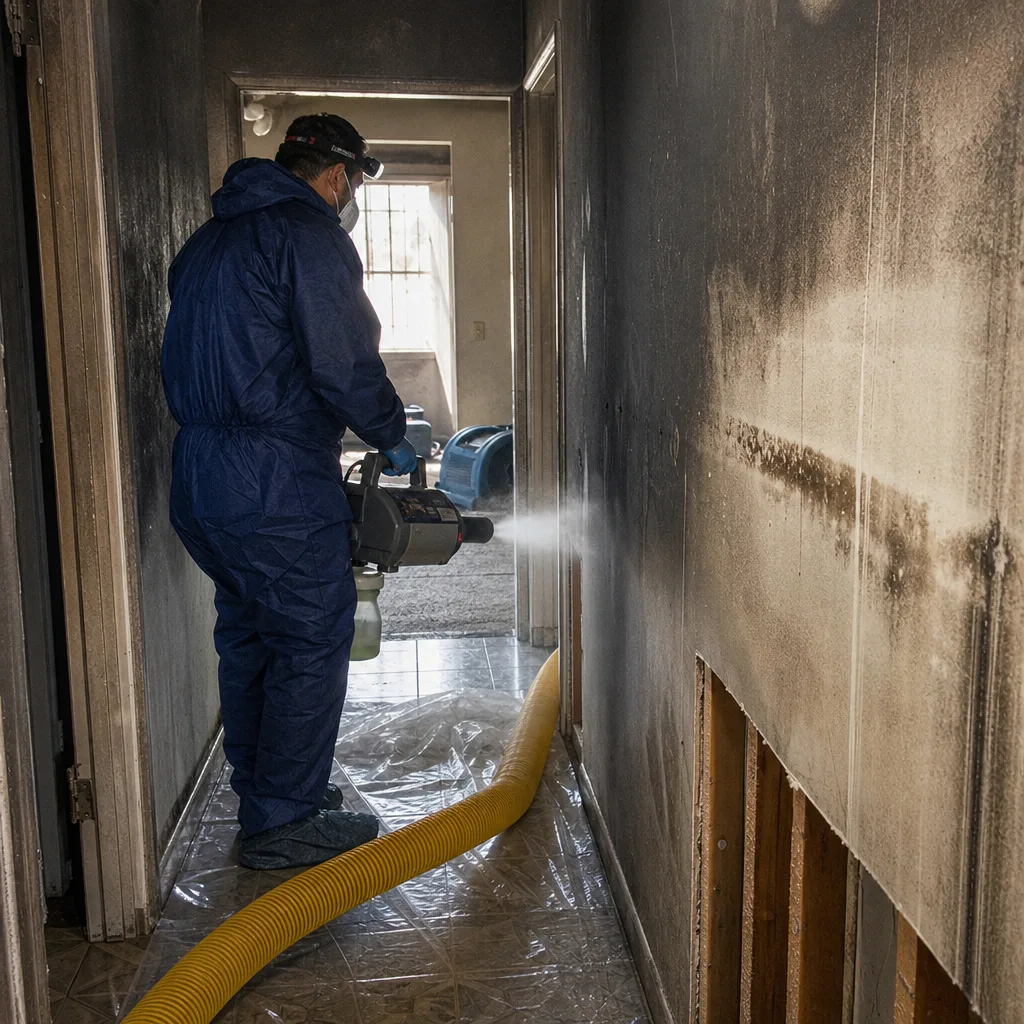
Air Quality Restoration
Post-remediation air scrubbing runs until independent clearance testing confirms spore counts at or below outdoor baseline. In Bellflower’s dry climate, homeowners sometimes assume open windows suffice. They don’t. HEPA filtration and controlled negative pressure are what actually remove airborne spores from the contained zone.
Crawl Space Treatment
True crawl spaces are rare in Bellflower, but some 1970s additions and detached structures have limited access. Where they exist, we apply the same moisture-mapping rigor: vapor barriers, dehumidification, and antimicrobial treatment to prevent recurrence. Most Bellflower “crawl space” calls turn out to be slab-edge moisture problems requiring a different approach.
Moisture & Humidity Control
Humidity control in Bellflower is about isolated pockets, not whole-house conditions. A slab leak creates a microclimate inside a wall cavity that reads 80% relative humidity while the living room shows 35%. We use hygrometers and thermal imaging to find these pockets, then target them with directed drying rather than whole-house solutions that miss the problem.
What happens when you call
- 1
A real person answersNo phone trees - you reach a local pro.
- 2
You get an upfront price rangeHonest numbers before anyone is dispatched.
- 3
A background-checked tech heads outLicensed & insured, dispatched right away.
- 4
You approve before work beginsNothing starts until you say go.
Mold Remediation Costs in Bellflower, CA
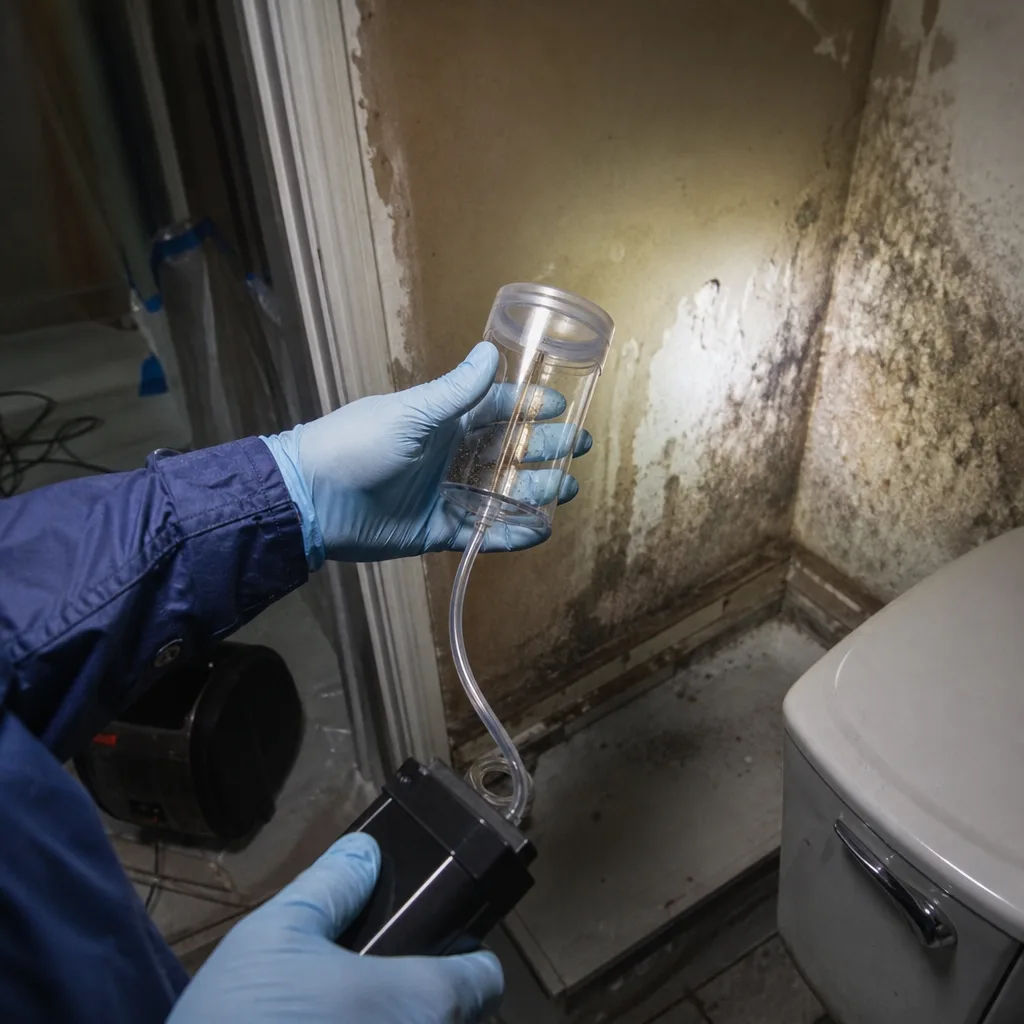
Mold inspection and testing in Bellflower runs $350-$650 for a typical single-story ranch, including thermal imaging, moisture mapping, and independent lab analysis. Contained mold removal in one room, with the source already stopped, typically ranges $1,800-$3,200. Moderate remediation involving multiple rooms, slab-edge drying, and reconstruction of removed drywall runs $3,500-$6,500. Extensive whole-structure cases with Category 3 water, detached workshop involvement, or significant reconstruction can exceed $8,000.
What moves the price: affected square footage, material classification (porous drywall versus semi-porous framing), whether the source is stopped or still active, and whether Category 3 protocols apply. Insurance typically covers mold remediation when it results from a sudden, documented water loss - a burst pipe, appliance failure, or storm intrusion. Long-term maintenance issues - the slow slab leak that went unaddressed for months - may fall to the homeowner. We review your policy and document the loss origin to support your claim. Free inspection. Written price before work begins. Call (628) 226-1011.
We Also Serve Cities Near Bellflower
Our crews respond daily to mold remediation calls in Cerritos, where raised foundations change the drying protocol entirely; Signal Hill, with its hillside drainage patterns; Compton, with similar post-war stock but different flood risk profiles; and Long Beach, where coastal humidity and older pier-and-beam construction create mold environments Bellflower homeowners don’t face. We adjust our approach to each city’s actual conditions, not a one-size-fits-all template. Mold Remediation in Bellflower remains our core service, with these neighboring cities covered by the same crew rotation and documentation standards.
Serving Bellflower, CA - Our Local Coverage Area
We’re based in the Bellflower area and know this community well. Use the map below to see our service coverage - if you’re nearby, we can almost certainly help.
Bellflower Mold Remediation Questions, Answered
Why does mold keep coming back in my Bellflower ranch home even after we dried it?
Because water on a slab foundation wicks laterally under flooring, the visible wet zone is rarely the whole problem. Homeowners who dry the surface stain while missing the slab-edge moisture six feet away see mold return in 30-60 days when humidity trapped in the wall plate reactivates spores. Our moisture mapping finds the full extent before remediation starts. Call (628) 226-1011 for a free inspection with thermal imaging.
My Bellflower home has no raised subfloor - does that change how you remediate mold?
Yes. Slab-on-grade construction means water has no air gap to drain into, so it spreads horizontally through base plates and under flooring rather than downward. Drying takes longer, equipment must be sized for the full affected footprint, and we verify slab moisture content separately from wall materials. Tertiary drying - the final phase where bound moisture leaves dense materials - is often the longest stage in Bellflower homes.
Do I need mold inspection and testing if I can already see black mold on my Bellflower wall?
Yes. Visible mold confirms a problem exists, but testing identifies the species and guides the remediation protocol. More critically, inspection maps the moisture source and full extent. In Bellflower, we’ve seen black mold on a bedroom wall that originated from a slab leak under the kitchen three rooms away - without inspection, that source stays hidden and the mold returns. The inspection is free; the written scope includes fixed pricing before any work starts.
Why did my neighbor three blocks away not flood when my Bellflower street did?
Elevation differences of just a few inches determine flood risk in Bellflower. Blocks just west of the 605 near the San Gabriel River channel sit inches above floodplain grade and back up during intense storm events, while streets three blocks west or north, at slightly higher elevation, stay dry. Our crews know these micro-patterns and adjust response accordingly - the neighborhood determines whether Category 1, 2, or 3 protocols apply. Call (628) 226-1011 and we’ll assess your specific location.
Does my Bellflower detached workshop or oversized garage need separate mold treatment from the house?
Often yes. Detached structures on Bellflower ranch lots frequently share the same water source - a slab leak that saturated soil between buildings, or storm runoff that pooled against both structures - but they have separate airspace and may need independent containment and drying. Our moisture logs on the main house flagged the workshop humidity in the Rose Street job; we treated both to prevent cross-contamination. We assess every outbuilding during the initial inspection.
How fast can DryMark Restoration Compton actually get to my Bellflower property?
We commit to 45 minutes from call to on-site for active water losses with mold risk, 24 hours a day. Dispatch is coordinated from our Los Angeles office with crews already staged in the metro area. For non-emergency mold concerns, we schedule inspections within 24 hours, often same-day. Live person answers every call - no voicemail, no callback queues. Call (628) 226-1011 now.
Will my insurance cover mold remediation in Bellflower?
Insurance covers mold remediation when it results from a sudden, documented water loss - burst pipe, appliance failure, storm intrusion - that you reported promptly. Slow leaks that went unaddressed for months may be excluded as maintenance issues. We document the loss origin, photograph the damage, and format estimates to carrier standards to support your claim. Direct adjuster coordination is included. Free inspection and written scope help you understand coverage before committing.
What should I do in the first 30 minutes after discovering mold in my Bellflower home?
Stop the water source if you can identify it safely. Don’t disturb the mold - disturbing a colony releases spores into the air. Take photos for documentation. Then call (628) 226-1011. We’ll guide you through immediate steps while a crew is dispatched. Don’t run household fans, which can spread spores, and don’t attempt DIY removal on areas larger than a few square feet - improper handling creates bigger contamination and complicates insurance coverage.
Written by Alicia Brennan, Owner at DryMark Restoration Compton, serving Bellflower since 2011.
Mold Remediation in Nearby Areas