Free visual inspection and a written scope of work before any mitigation begins - photos, moisture readings, and drying logs go in your claim file
The scope we write is the scope we bill. Anything new gets shown to you, in writing, before we touch it.
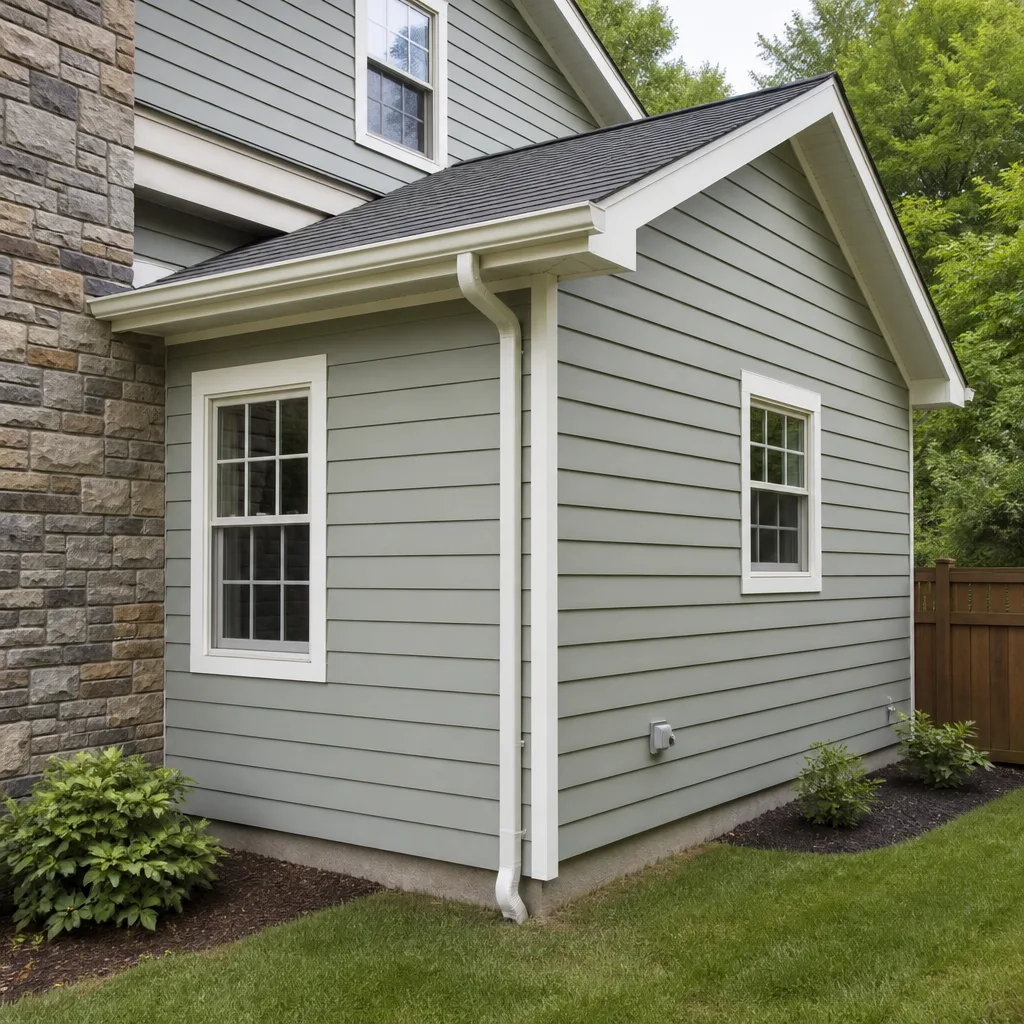
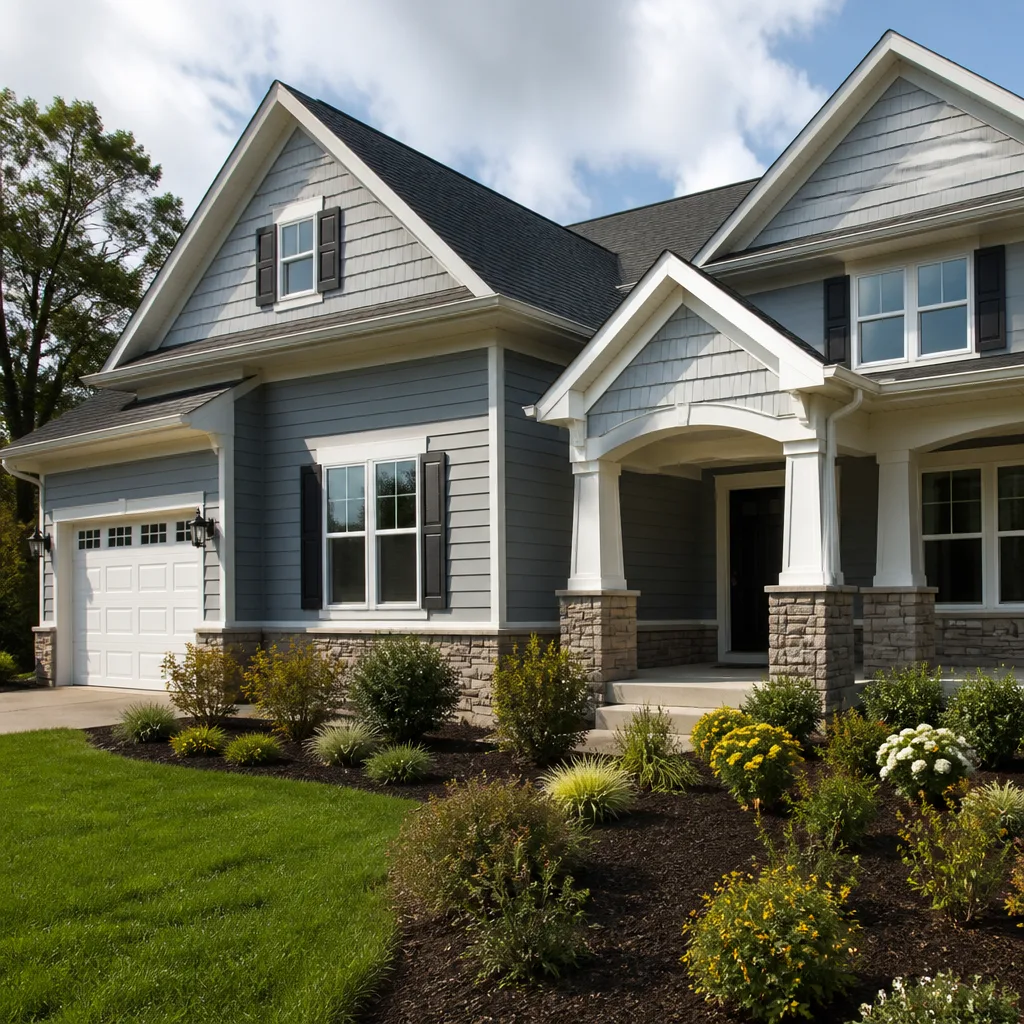
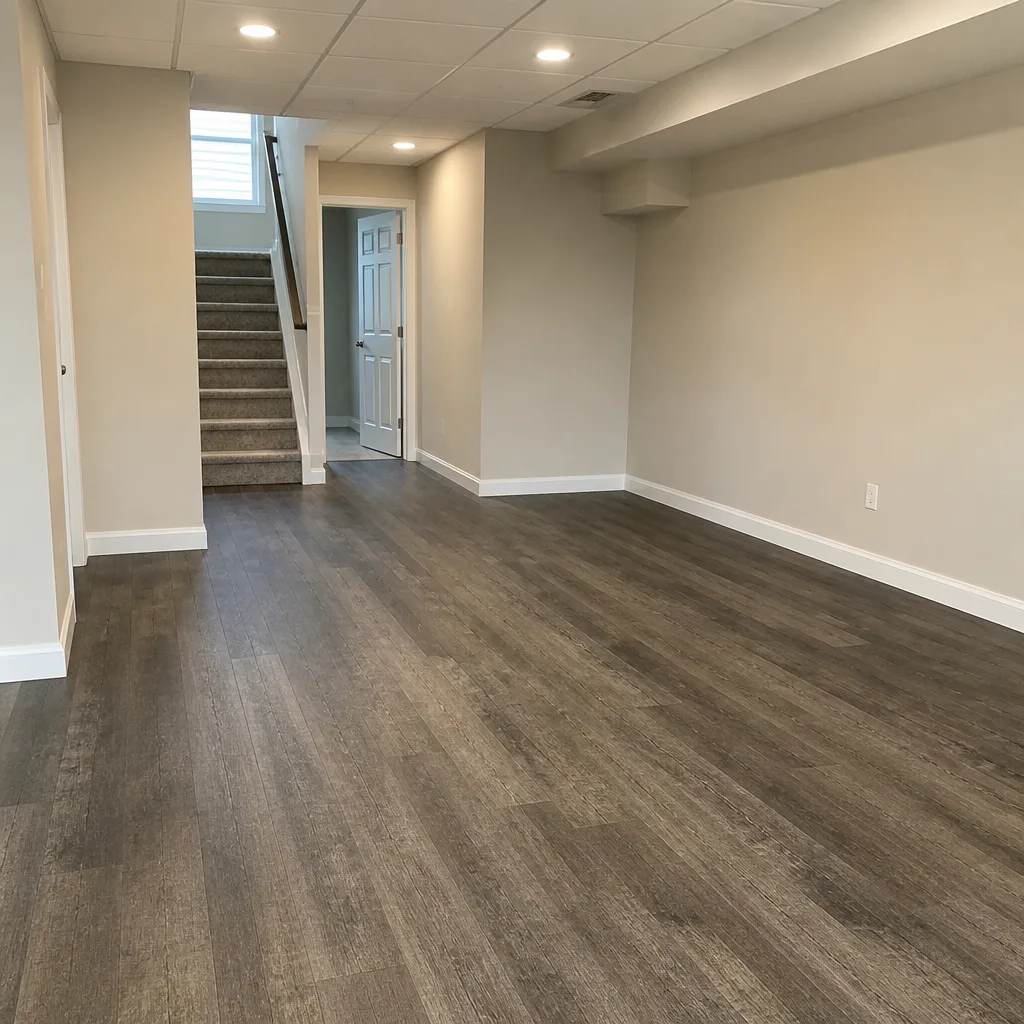
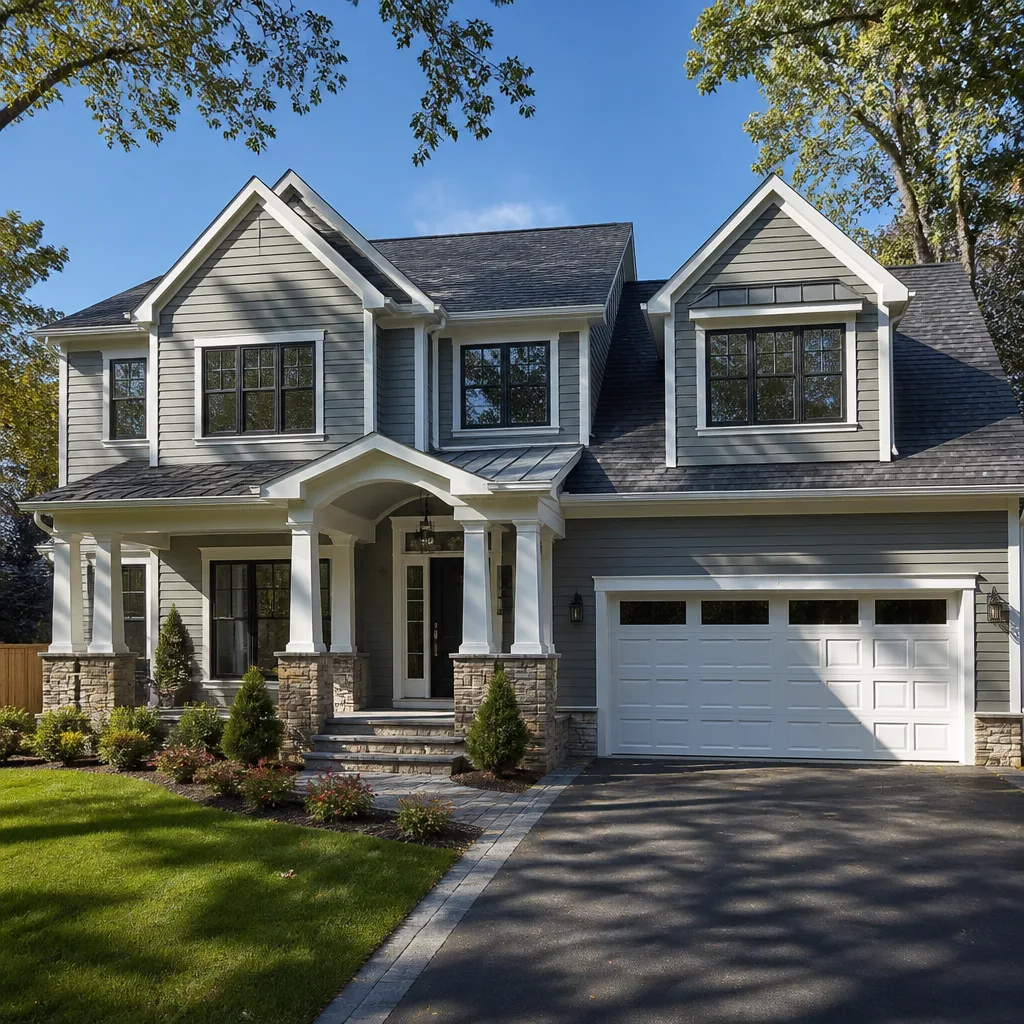
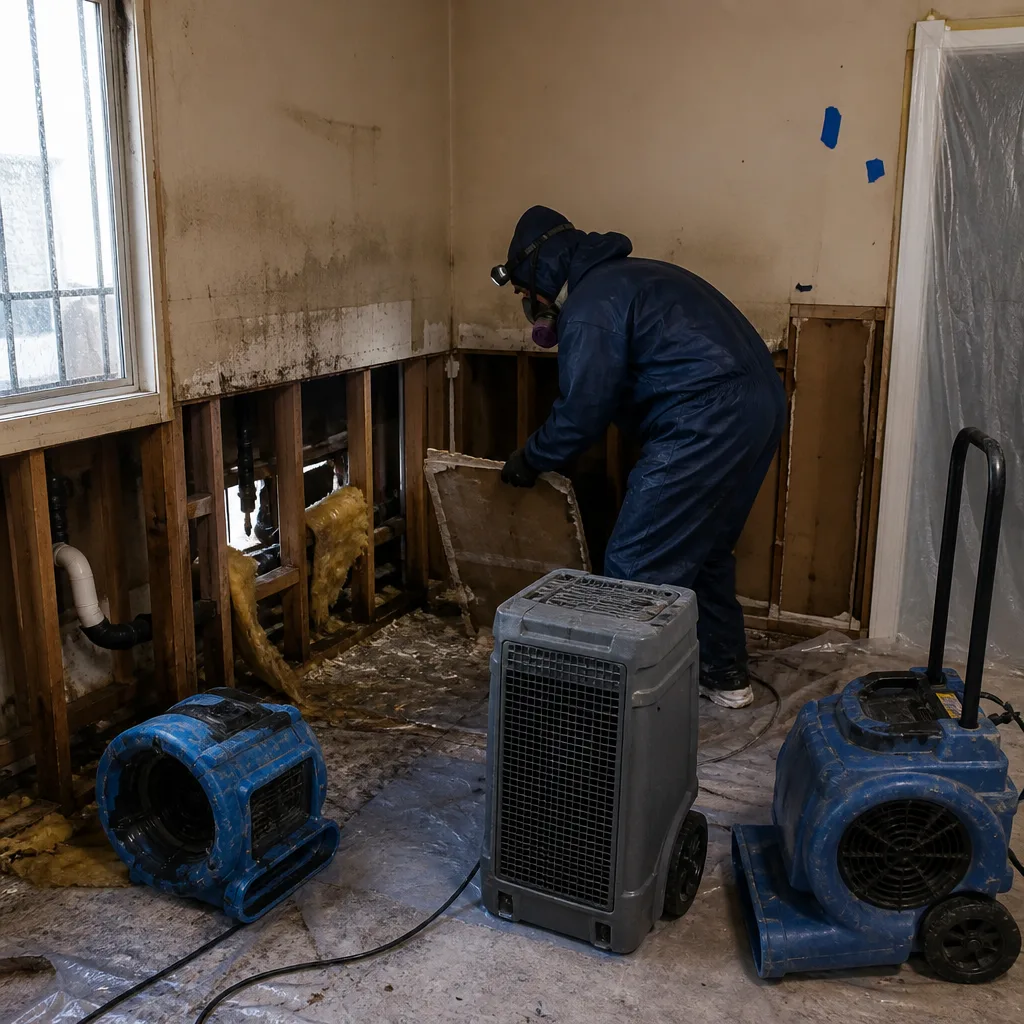 Before
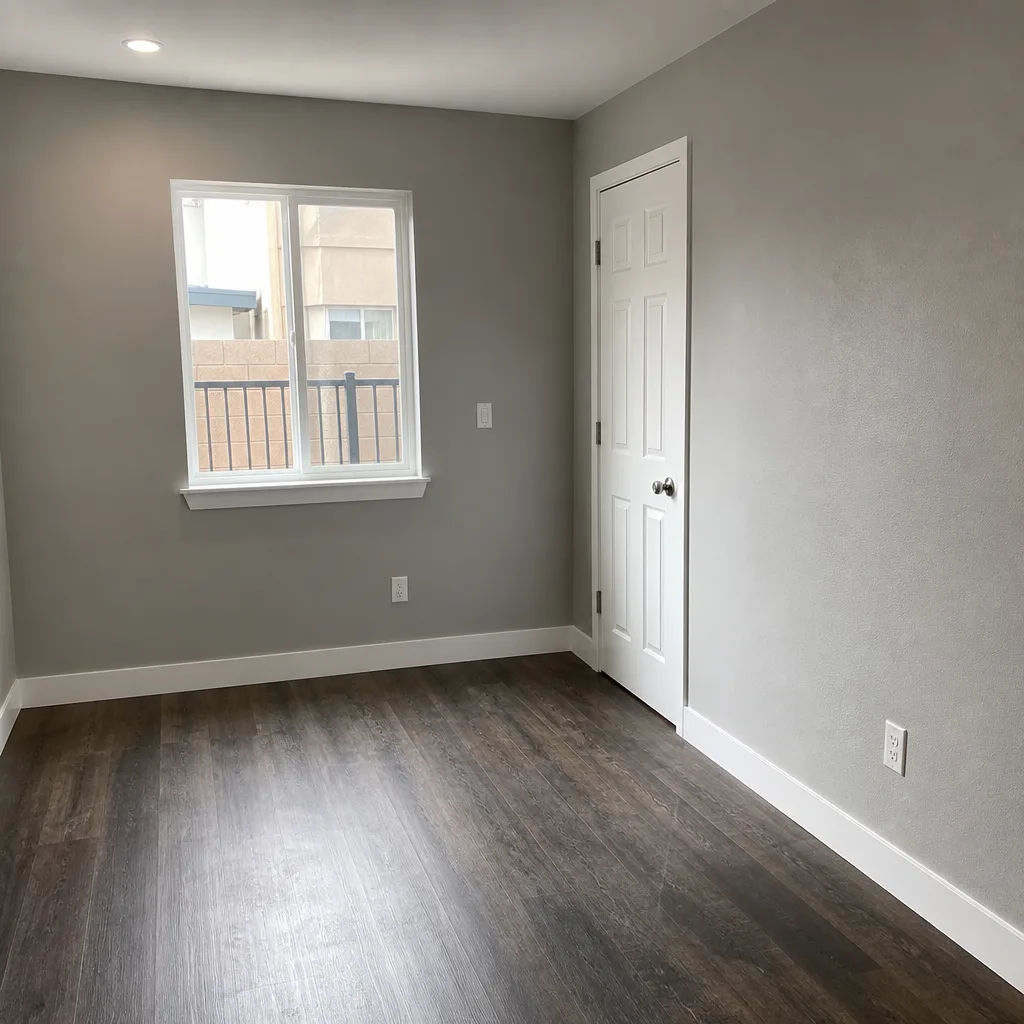 After
After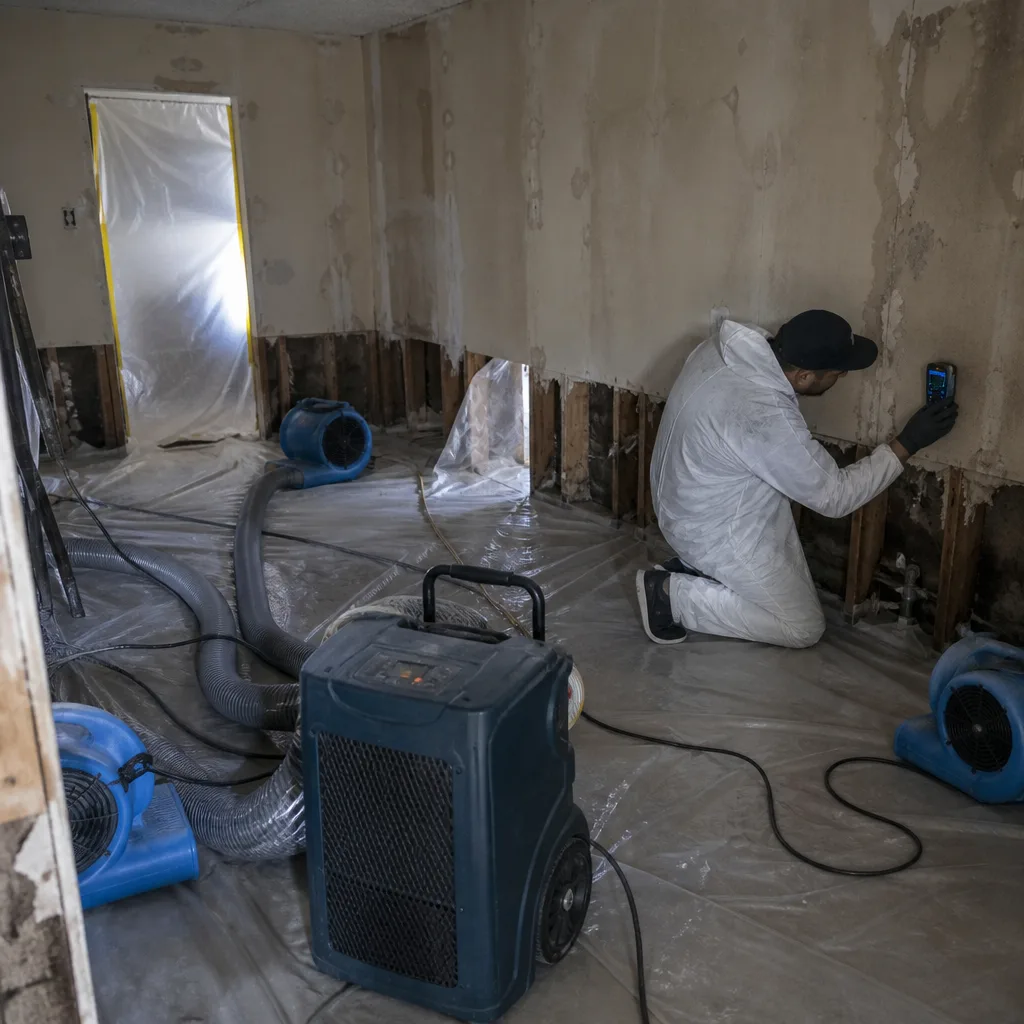 Before
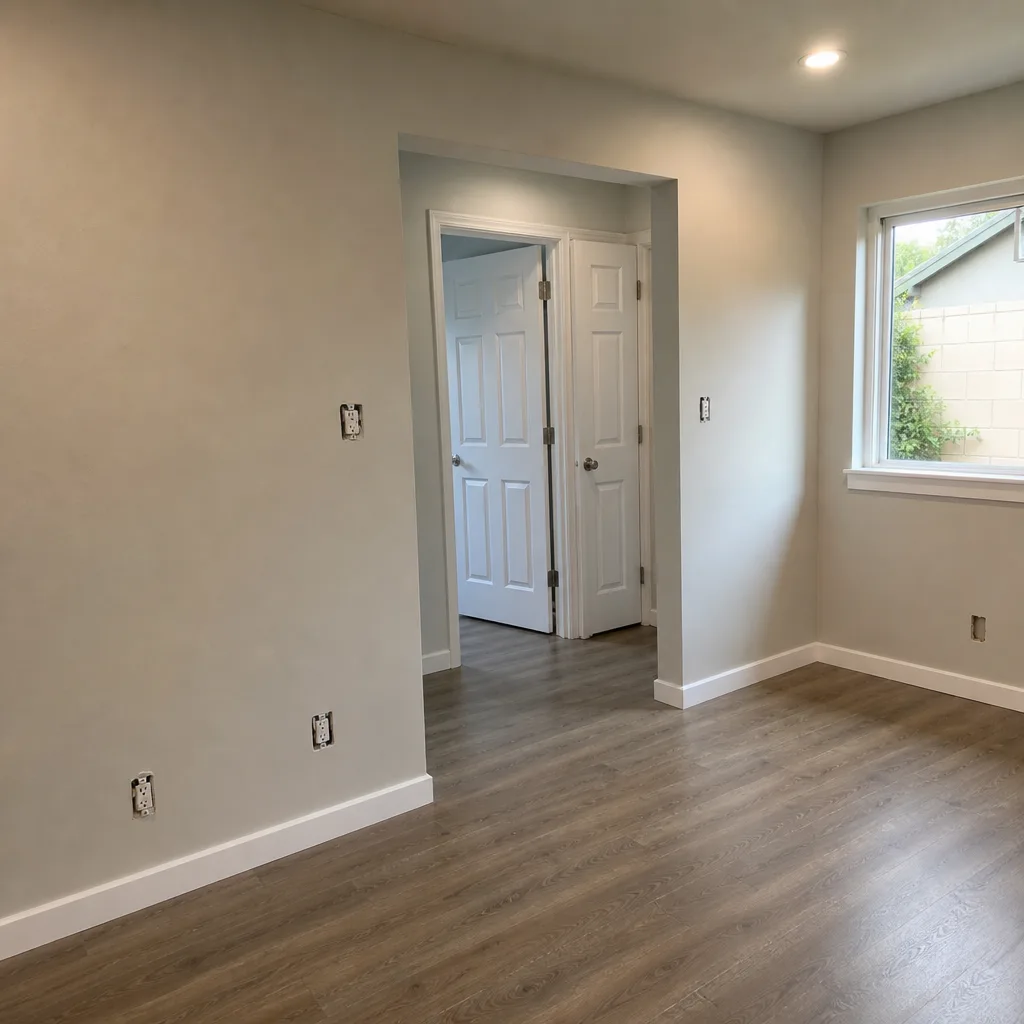 After
After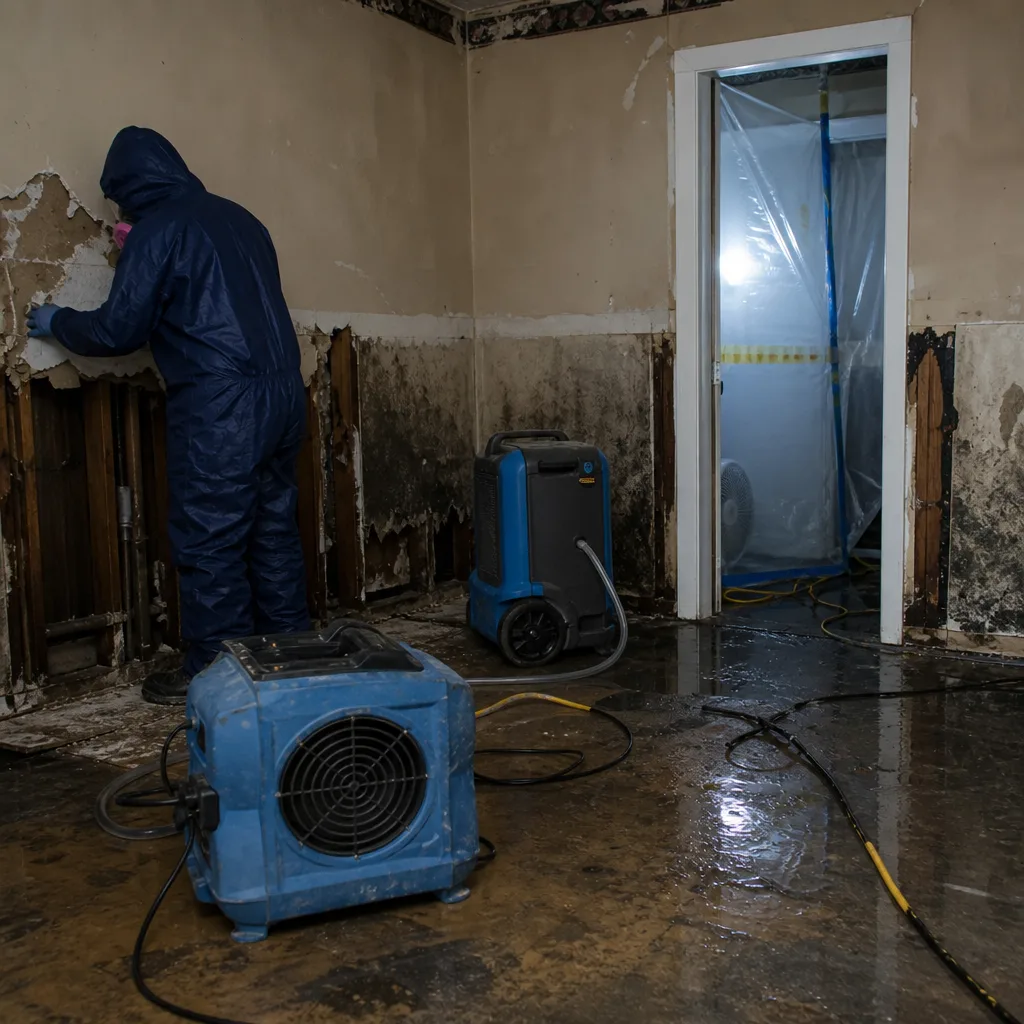 Before
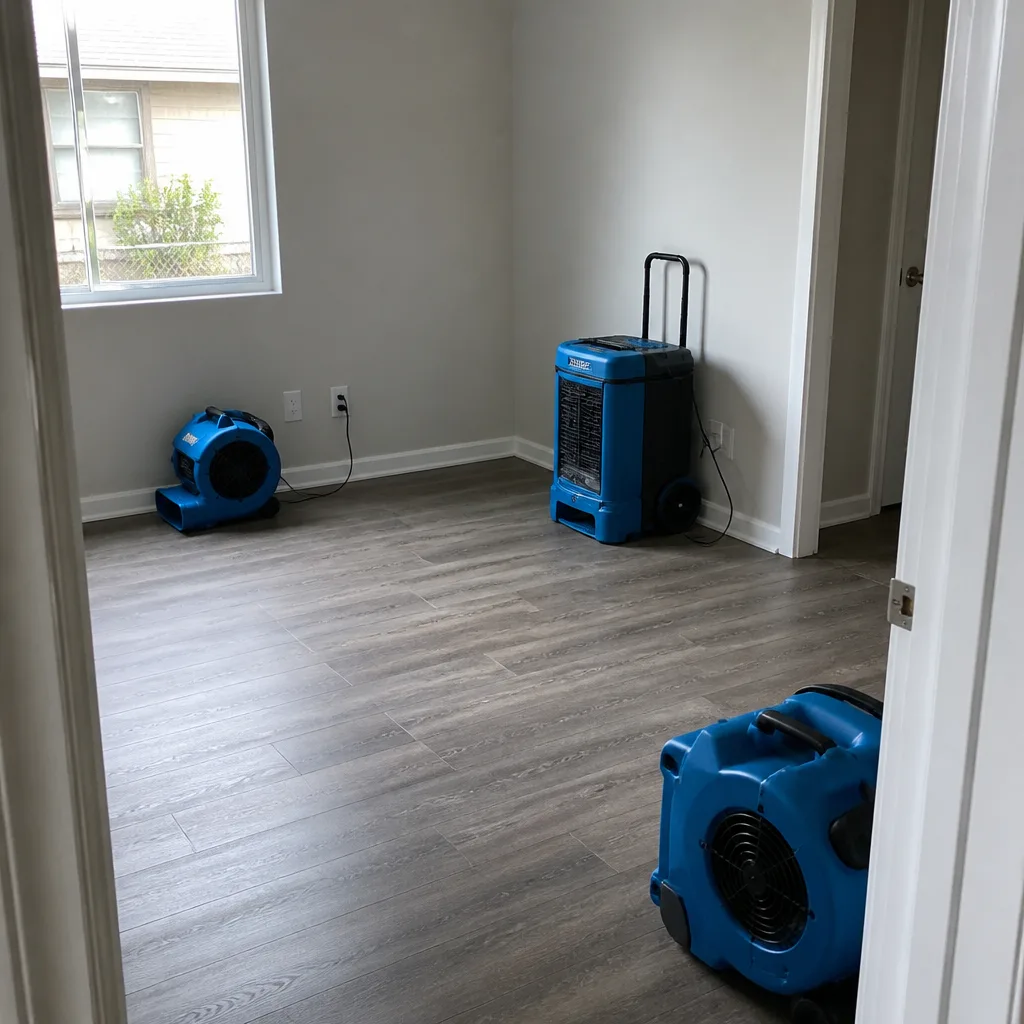 After
After24/7 Emergency Mold Remediation in Gardena
Call (628) 226-1011 now and a live person will answer, 24 hours a day, 7 days a week. No voicemail trees, no callbacks tomorrow. Our crews are dispatched from the Los Angeles office and serve Gardena properties directly, typically arriving within 45 minutes of your call. We provide a free visual inspection on arrival, and we begin documenting moisture readings and damage photos from the first hour because mold spreads through porous materials exponentially once active colonization starts. The first hour determines whether we’re containing a contained problem or remediating a structure-wide issue.
Understanding Mold Remediation Severity in Gardena Properties
Mold severity in Gardena is graded by affected square footage, material porosity, and the category of water that initiated growth. Category 1 (clean water) losses that dry within 24-48 hours may require only surface treatment on non-porous materials. Category 2 (gray water) and Category 3 (black water, including ground moisture wicking through dirt crawl spaces) demand full containment, negative air pressure, HEPA filtration, and removal of porous substrates.
Gardena’s housing stock amplifies these distinctions. The 1940s-1960s wood-frame tract homes on raised dirt foundations dominate residential blocks from Vermont Avenue to Normandie, and their original or early-generation plumbing, layered composition roofing, and unventilated crawl spaces create compound moisture paths. A roofline leak from degraded valley flashing introduces Category 2 water into ceiling assemblies, while the same home’s dirt crawl space wicks ground moisture upward as functionally Category 3. Tertiary drying, the final phase of structural drying where vapor pressure differential is monitored between the affected assembly and ambient air, cannot be declared complete in Gardena until both paths are resolved. Psychrometric data, the temperature-and-humidity measurements that define drying progress, must be collected separately for the roofline assembly and the crawl-space environment because they operate as independent moisture systems.
Why Gardena Property Owners Choose DryMark Restoration Compton
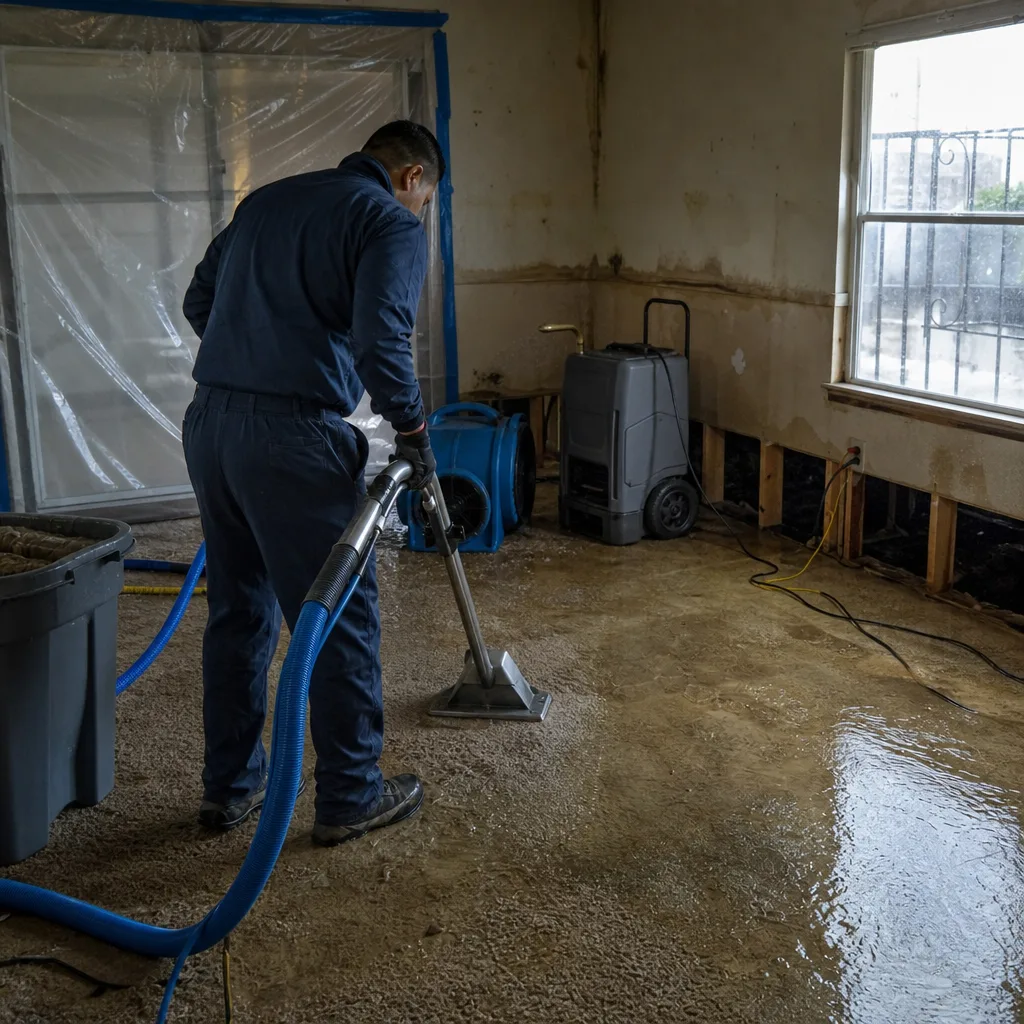
- 45-minute response commitment to Gardena addresses, confirmed at dispatch.
- 24/7 live answer by a real person, never an automated system or voicemail queue.
- IICRC-certified crews holding WRT (Water Damage Restoration Technician), AMRT (Applied Microbial Remediation Technician), and FSRT (Fire & Smoke Restoration Technician) credentials.
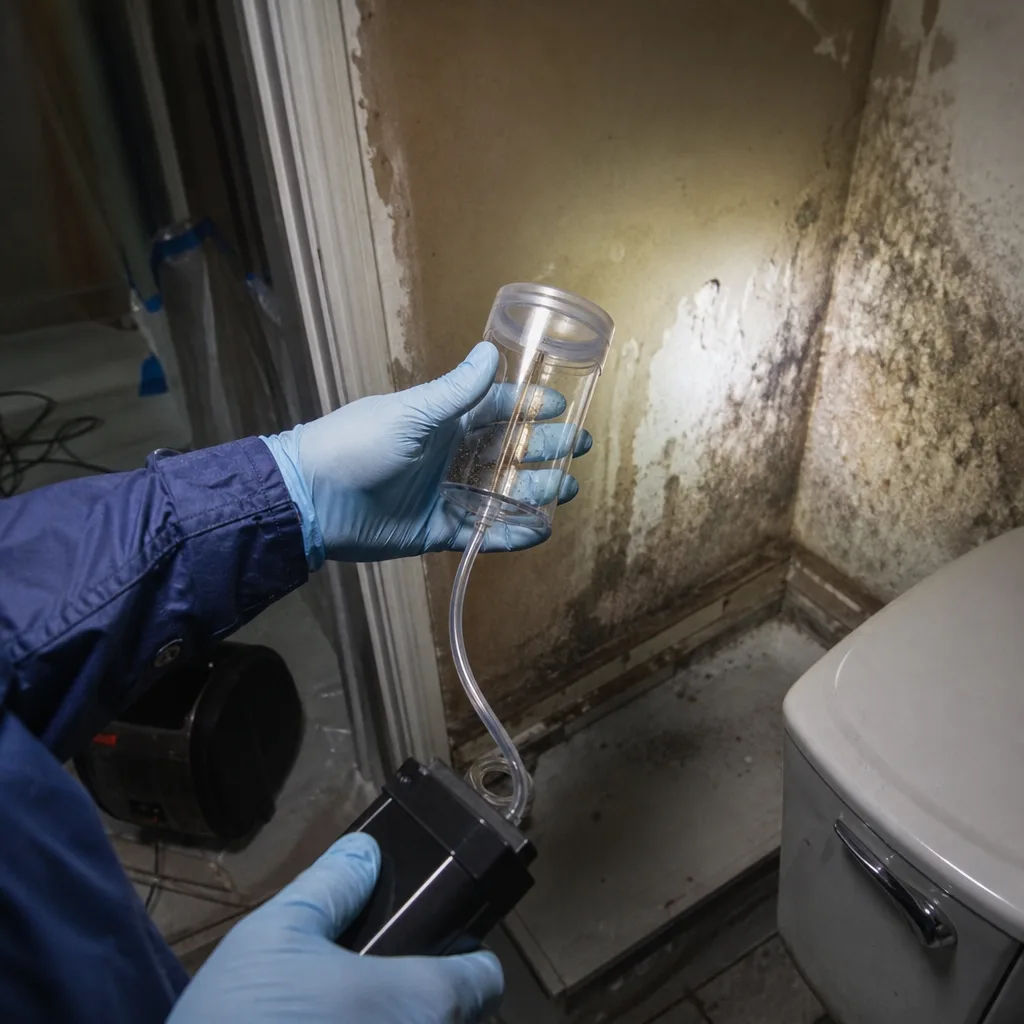
- Free visual inspection with moisture mapping and photo documentation on every visit.
- Direct insurance billing with adjuster coordination included as standard.
- One team from containment through reconstruction, no handoffs between subcontractors.
BeforeAfterOur Mold Remediation Process
Inspection & Assessment
We map moisture across the full structure using thermal imaging, pinless and pin-type moisture meters, and hygrometers placed in the crawl space, living areas, and attic. In Gardena’s raised-foundation homes, we always inspect both the roofline assembly and the crawl-space environment because the moisture sandwich produces dual-source colonization that single-point inspection misses.
Containment & Air Filtration
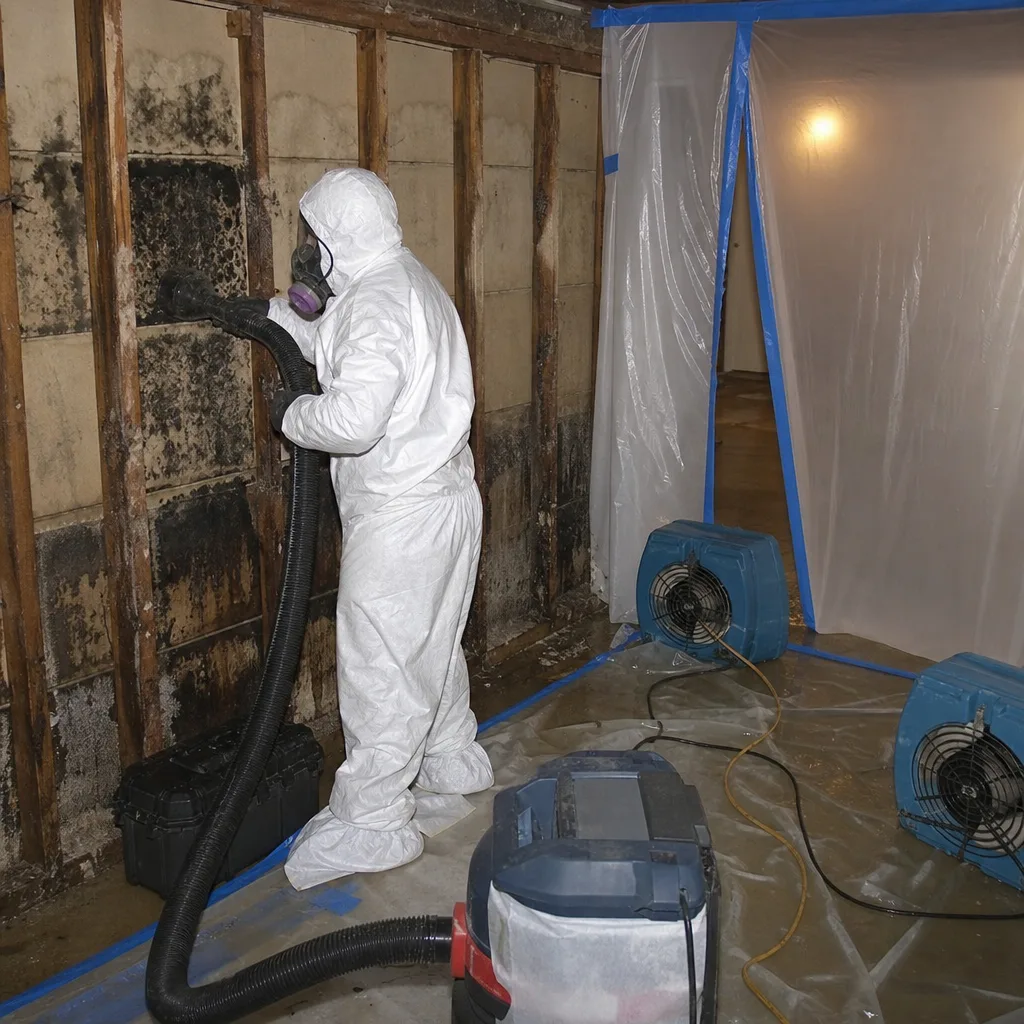
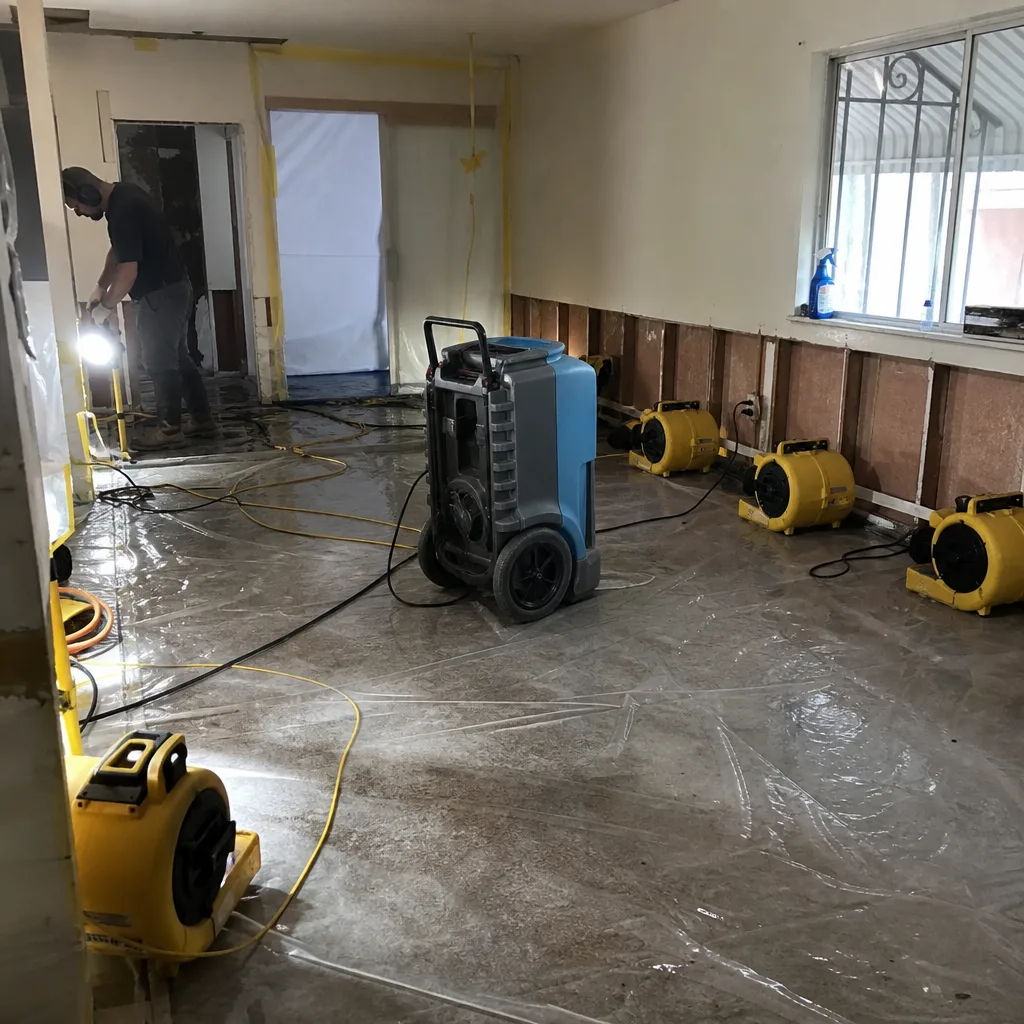
Polyethylene containment barriers seal affected areas from clean spaces. Negative air machines with HEPA filtration maintain outward pressure, preventing spore migration. Air scrubbers run continuously during active remediation, with particle counts logged to establish pre- and post-remediation baselines.
Drying & Dehumidification
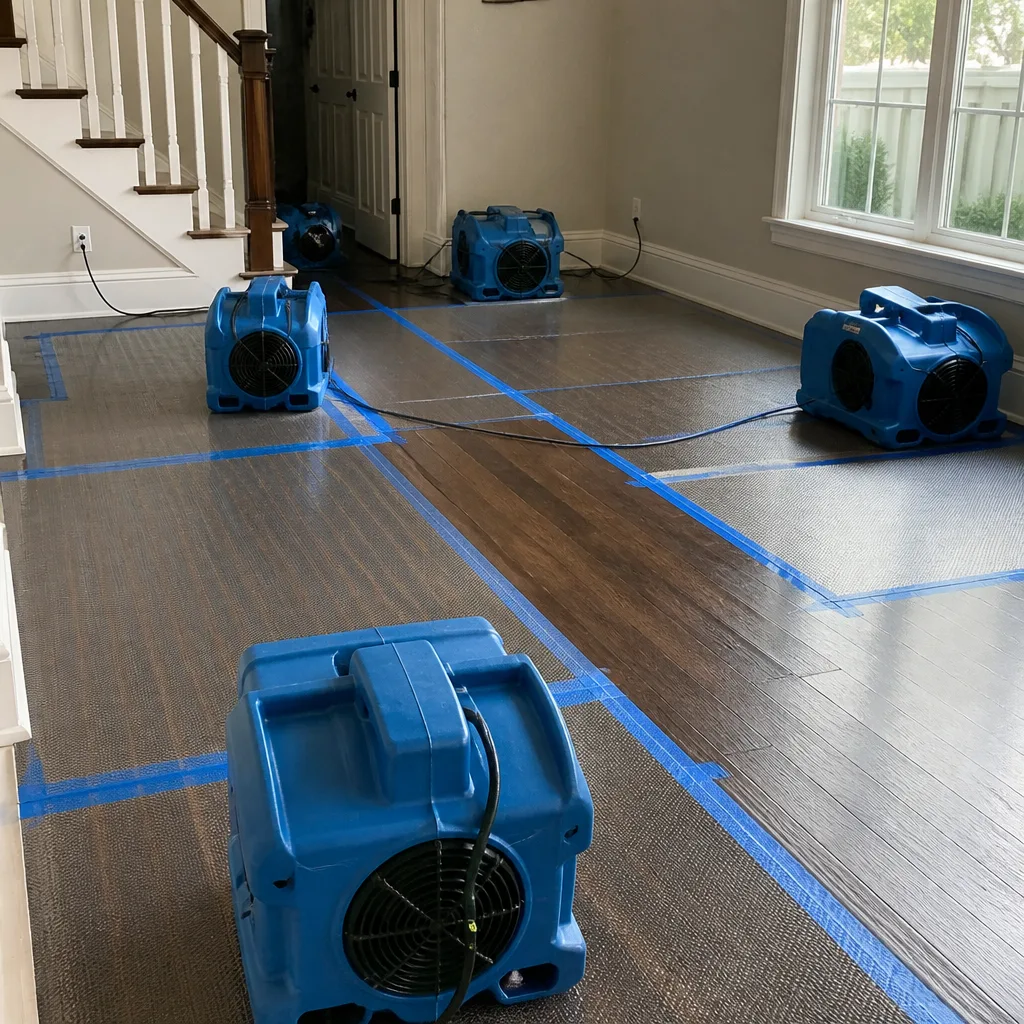
We deploy Dri-Eaz and Phoenix dehumidifiers sized to the cubic footage of affected assemblies, paired with XPOWER air movers to accelerate evaporation. Injectidry mat systems dry subfloors from the crawl side without removing finished flooring when structurally viable. Drying logs record temperature, relative humidity, and specific humidity at set intervals.
Cleaning & Antimicrobial Treatment
Non-porous materials receive HEPA vacuuming and antimicrobial application to remaining substrates. Porous materials that test above acceptable spore counts are removed and disposed of per California mold remediation regulations. We document every removed square foot with photos and moisture readings.
Crawl Space Encapsulation & Moisture Control
Gardena’s dirt crawl spaces require vapor barrier installation, dehumidification, or full encapsulation to close the bottom half of the moisture sandwich. We install sealed vapor barriers over dirt floors, seal foundation vents, and size permanent dehumidification to the crawl-space volume and seasonal humidity load.
Repairs & Post-Remediation Verification
Reconstruction returns affected areas to pre-loss condition. Post-remediation verification includes third-party air sampling or our internal clearance protocol with documented moisture readings below 16% wood moisture equivalent and airborne spore counts at or below outdoor baseline. The 365-Day Done Right Promise applies to all completed work.
Need Emergency Mold Remediation in Gardena Now?
Crews minutes away, answering live 24 hours a day. The sooner we start, the less it costs.
Working With Your Insurance Company
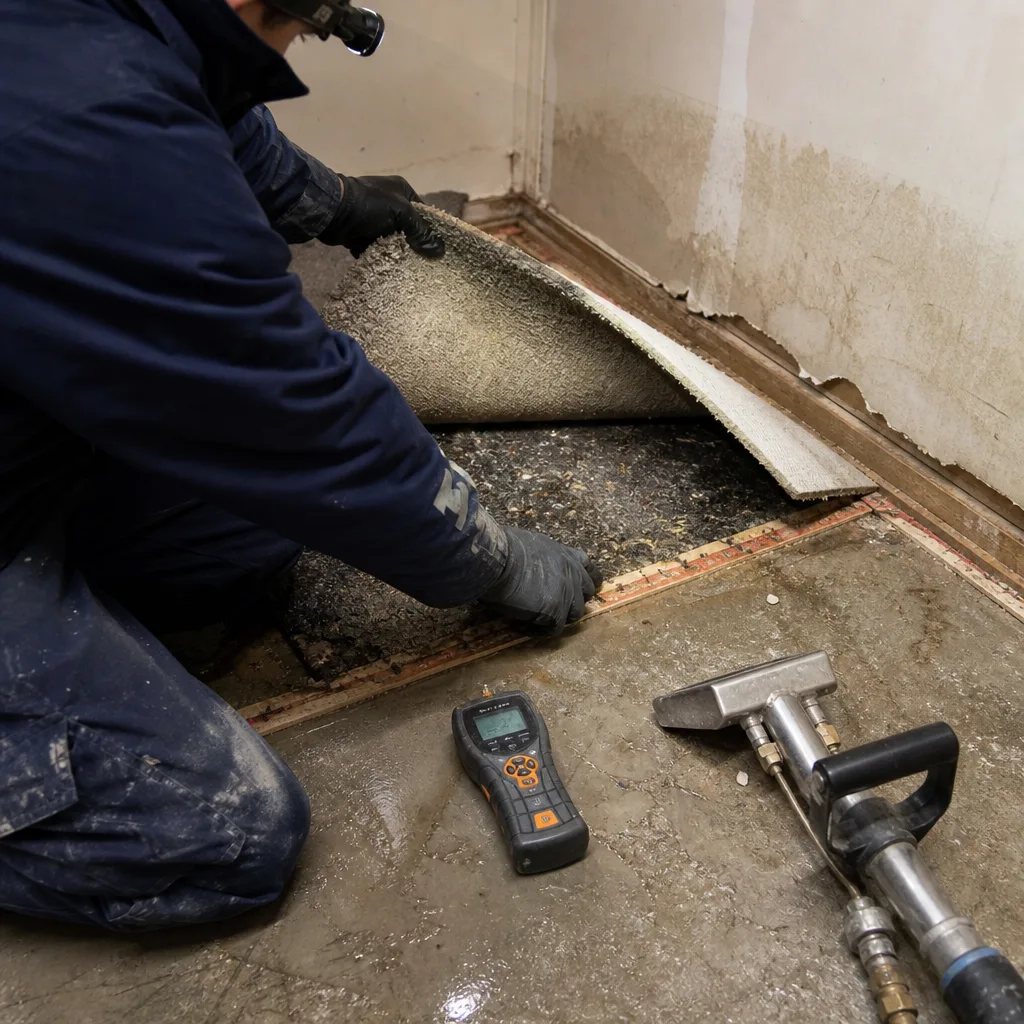
Insurance claims succeed or fail on documentation. We begin building your file from the first hour with dated photos, moisture readings, and a written narrative of the loss sequence. Our estimates follow industry-standard pricing databases, and we coordinate directly with your adjuster to resolve scope questions before work proceeds. Haven Standard, Clause 1: a written price before any work starts, every time, with no exceptions. This eliminates the mid-job re-scope that delays payment and leaves homeowners covering gaps.
What We Provide Your Insurer
- Thorough documentation of the loss
- Photos of all damage, room by room
- Moisture readings and drying logs
- A detailed, line-item scope of work
- Direct coordination with your carrier
Built for Gardena’s Loss Calendar
January through March, the South Bay marine layer sits heaviest on Gardena’s flat coastal basin, sustaining overnight relative humidity above 70% for weeks. Crawl spaces without vapor barriers or mechanical dehumidification hit saturation during this period, and dormant mold colonies activate. April through June, El Niño-driven atmospheric rivers deliver concentrated rainfall; the city’s negligible slope means storm drains back up, surface water ponds against foundations, and first-floor intrusion compounds crawl-space moisture in the oldest residential blocks near Gardena Boulevard. July through October brings dry heat, but attic temperatures in unventilated 1950s roof assemblies spike, accelerating degradation of layered composition roofing and flashing. November through December returns the marine layer, and the cycle repeats. We schedule preventive crawl-space inspections in September and March, the seasonal pivot points when humidity shifts trigger new colonization.
Mold Remediation Across Gardena’s Neighborhoods
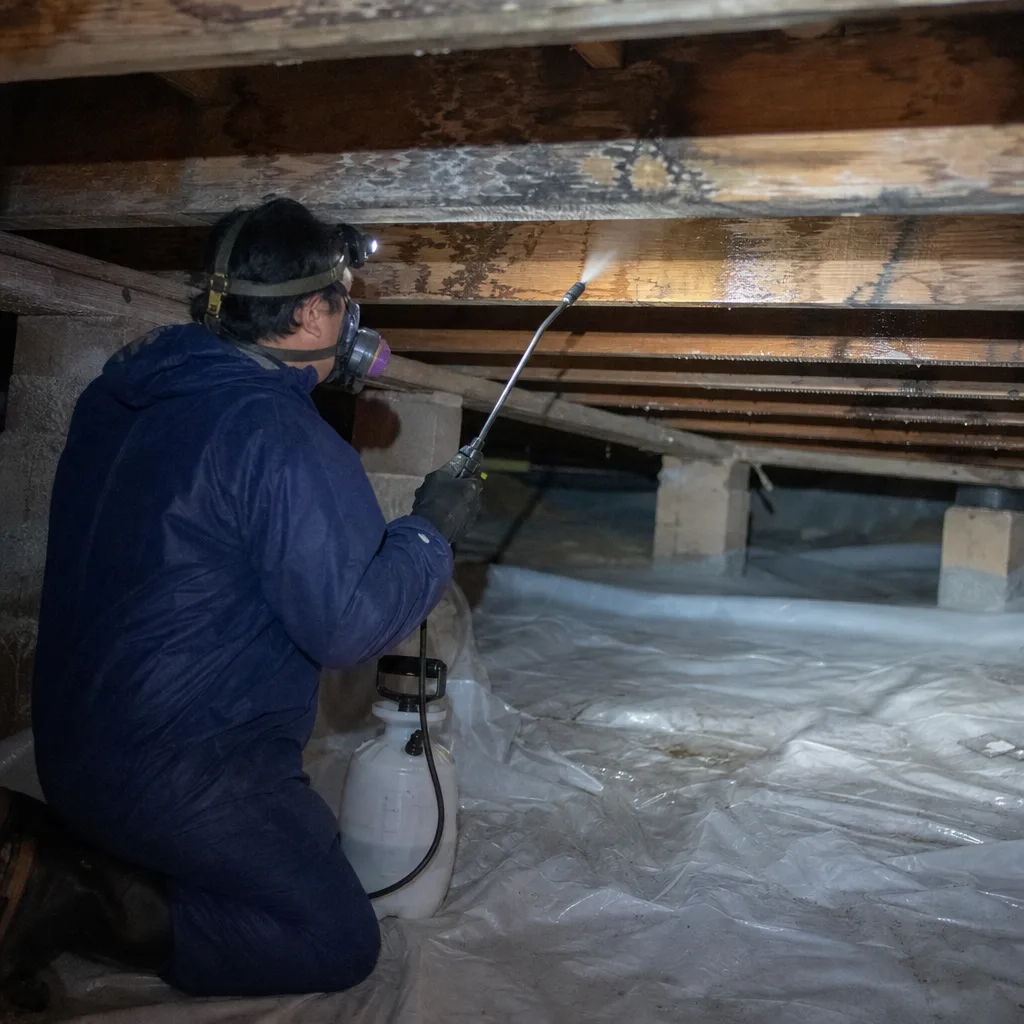
The residential blocks east of Vermont Avenue, between Artesia Boulevard and Redondo Beach Boulevard, hold some of Gardena’s densest concentrations of 1940s-1950s wood-frame tracts. These homes share original plumbing, layered roofing, and unventilated dirt crawl spaces. We respond here frequently for the full moisture sandwich: roofline leaks from degraded flashing plus ground moisture wicking upward. The scope always requires simultaneous top-and-bottom drying.
West of Normandie Avenue, closer to the Harbor Freeway corridor, the housing stock mixes 1960s ranches with light-industrial and commercial buildings from the same era. Restoration here demands hazmat screening before demolition because asbestos-containing floor tile, pipe insulation, and roofing materials are predictable discoveries. Our crews carry dual certification for mold remediation and asbestos abatement to avoid the mid-job stop-work order that fragments the schedule and inflates costs.
The blocks near Gardena Memorial Hospital and along Van Ness Avenue see repeated crawl-space moisture issues in converted or aging residential structures where foundation drainage was never upgraded from original 1950s standards. Surface ponding during atmospheric-river events is common here.
South of Rosecrans Avenue toward Alondra Park, the transition zone into Hawthorne, slab foundations begin appearing alongside the older raised foundations. We verify foundation type before scoping because slab homes eliminate the bottom half of the moisture sandwich entirely, changing equipment and labor allocation.
Specialized Mold Remediation Services We Offer in Gardena
Mold Inspection & Testing
Our inspections include thermal imaging, moisture mapping, and air sampling where visible colonization is ambiguous. In Gardena’s older homes, we always inspect the crawl space and attic even when the complaint is a living-area odor, because the moisture sandwich hides active colonization in assemblies that don’t share air with occupied spaces.
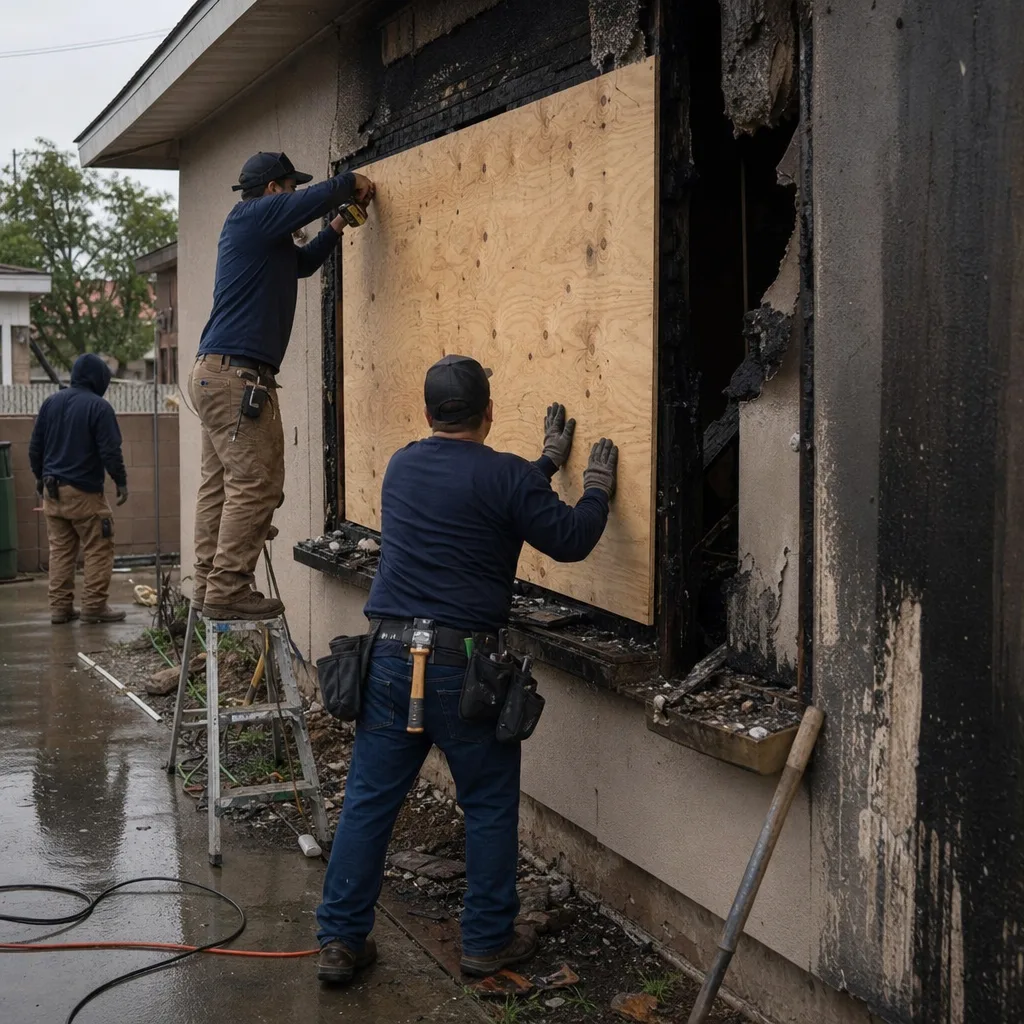
Mold Removal
Removal follows IICRC S520 standards for containment, engineering controls, and disposal. In Gardena, removal scopes must account for the dual-source moisture path: treating only the visible ceiling or wall mold without addressing the crawl-space source guarantees recurrence within weeks.
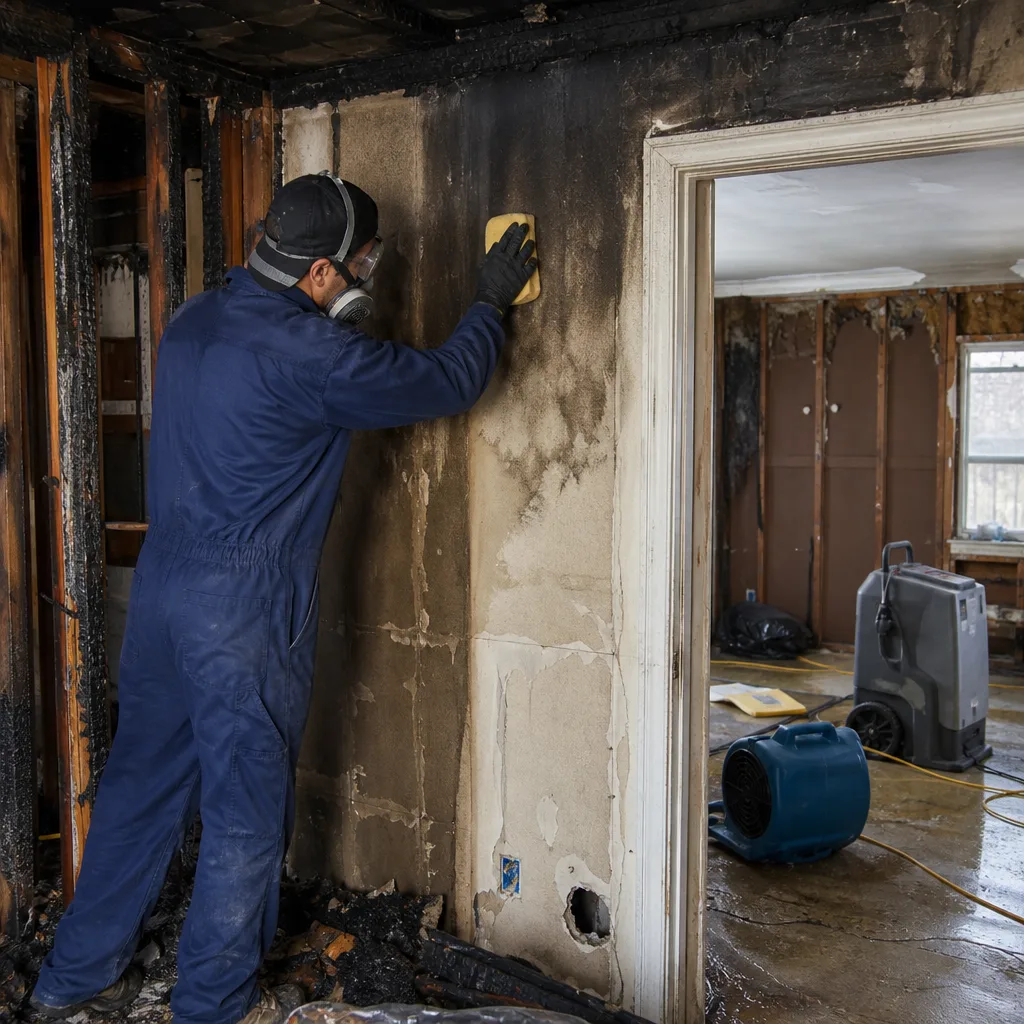
Black Mold Remediation
Stachybotrys chartarum and other toxigenic species require full containment with negative air pressure, HEPA filtration, and removal of porous substrates. We do not attempt to “kill” black mold on drywall or insulation; we remove it, document the removal, and verify clearance before reconstruction begins.
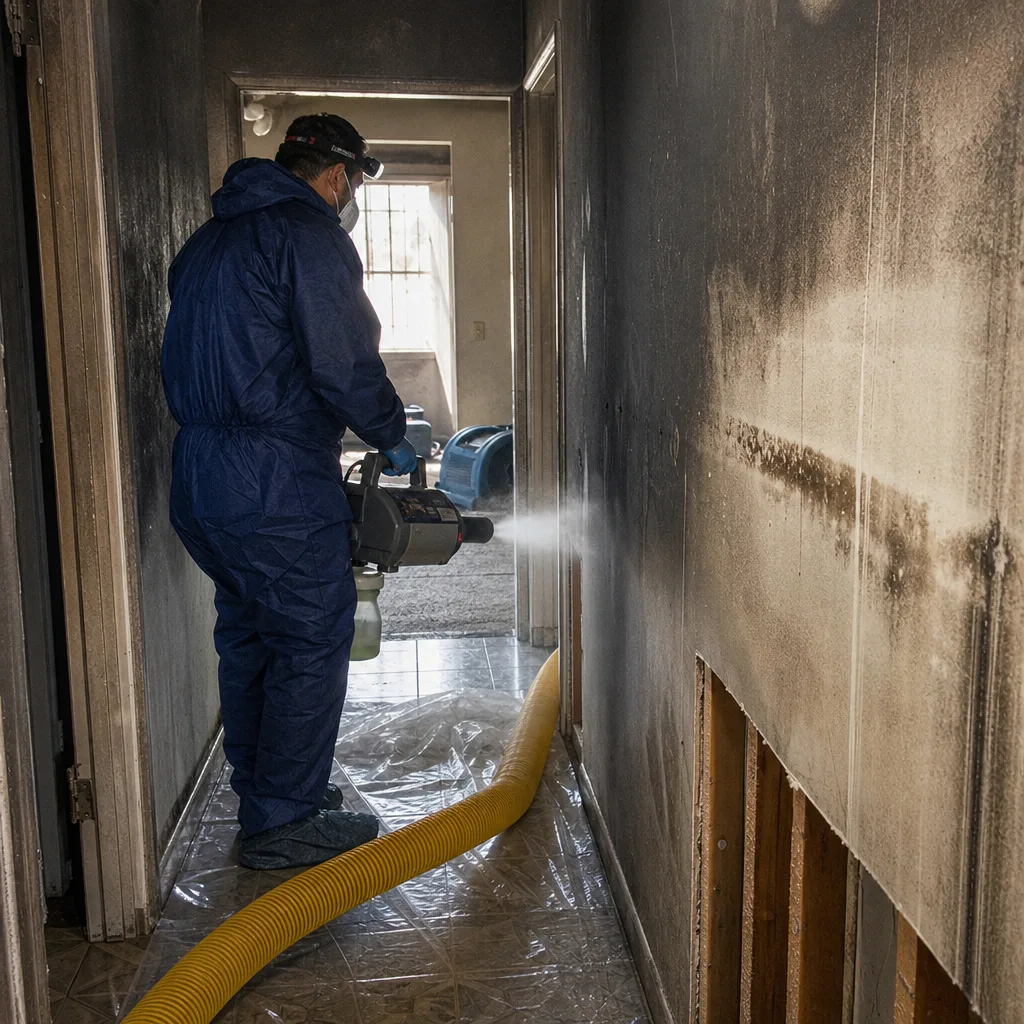
Air Quality Restoration
Post-remediation air scrubbing and filtration return indoor spore counts to acceptable levels. In Gardena’s tightly sealed older homes with original windows and minimal mechanical ventilation, this phase runs longer than in newer construction with whole-house air exchange systems.
Crawl Space Treatment
This is the critical sub-service for Gardena. We treat dirt crawl spaces with vapor barrier installation, dehumidification, and encapsulation. Without this, the bottom half of the moisture sandwich remains active. Our field data from Gardena jobs shows crawl-space relative humidity dropping from 85%+ to sustained 55% or below after encapsulation, eliminating the moisture driver for recurring mold.
What happens when you call
- 1
A real person answersNo phone trees - you reach a local pro.
- 2
You get an upfront price rangeHonest numbers before anyone is dispatched.
- 3
A background-checked tech heads outLicensed & insured, dispatched right away.
- 4
You approve before work beginsNothing starts until you say go.
Mold Remediation Costs in Gardena, CA
A typical mold inspection with moisture mapping in Gardena runs $150-$350. Contained, single-room mold removal with surface treatment on non-porous materials ranges $1,200-$2,800. Full crawl-space mold remediation with vapor barrier installation and encapsulation in a 1,200-square-foot raised-foundation home runs $3,500-$7,500. Whole-house remediation addressing the moisture sandwich in roofline and crawl-space assemblies simultaneously ranges $8,000-$18,000 depending on affected square footage, material removal requirements, and whether asbestos-containing materials require abatement.
Insurance typically covers mold remediation when the mold results from a covered water loss, such as sudden pipe rupture or storm intrusion. Long-term maintenance issues, gradual leaks, and unresolved crawl-space humidity are often excluded. We review your policy language, document the loss origin, and coordinate with your adjuster to establish coverage before work begins. Haven Standard, Clause 1: the written price you receive before work starts is the price you pay. Call (628) 226-1011 for a free visual inspection and firm scope.
We Also Serve Cities Near Gardena
Our crews respond throughout the South Bay from the Los Angeles office, including Mold Remediation in Gardena and neighboring Lawndale, Hawthorne, Compton, and Torrance. Foundation type, housing age, and moisture patterns vary significantly across this service area, and we scope accordingly.
Serving Gardena, CA - Our Local Coverage Area
We’re based in the Gardena area and know this community well. Use the map below to see our service coverage - if you’re nearby, we can almost certainly help.
Gardena Mold Remediation Questions, Answered
Why do Gardena homes get mold in the crawl space even when the roof isn’t leaking?
Gardena’s flat coastal-basin position holds the South Bay marine layer inland longer than Torrance or Hawthorne, sustaining elevated humidity year-round in unventilated dirt crawl spaces. Ground moisture wicks upward through the dirt floor and foundation walls without any roof leak required, creating active mold colonization on joists and subflooring that homeowners don’t discover until musty odors migrate upward or floor systems begin sagging. Call (628) 226-1011 for a free crawl-space inspection with moisture readings.
Our 1950s Gardena ranch has a roof leak and a damp crawl space - does that change the remediation scope?
Yes. Dual-source moisture requires simultaneous top-and-bottom drying protocols rather than sequential or single-source treatment. We contain and dry the roofline assembly with Injectidry mats and dehumidifiers while running separate equipment in the crawl space, then verify both environments independently before declaring the job complete. Treating only one source guarantees recurrence. Call (628) 226-1011 for a written scope addressing both assemblies.
When you open a subfloor in an older Gardena home, what unexpected materials can you run into?
Asbestos-containing floor tile, pipe insulation, and roofing materials are common in Gardena’s 1940s-1960s residential and light-industrial stock. Demolition without hazmat screening triggers stop-work orders and re-scoping. Our crews carry dual certification and test before opening assemblies, avoiding the delay and cost of mid-job abatement. Call (628) 226-1011 and we’ll review the pre-demolition screening protocol for your property.
How do you know whether crawl-space moisture is Category 1 or Category 3 before you dry it?
We test: visual inspection for sewage or organic contamination, ATP bioluminescence screening for bacterial load, and material history. Gardena dirt crawl spaces with decades of ground contact, rodent activity, and wicking through soil are functionally Category 3 regardless of the original water source. Category 3 determination means porous materials come out, they don’t get dried in place. Call (628) 226-1011 for testing and a written category determination.
What does the ‘moisture sandwich’ mean for a Gardena home versus a slab-foundation house in Torrance?
The moisture sandwich is the simultaneous top-down roofline leak and bottom-up crawl-space wicking unique to Gardena’s raised-foundation housing stock. Torrance’s slab foundations eliminate the bottom half; moisture there has one entry point and one drying protocol. Gardena remediation requires dual containment zones, independent equipment sets, and verification of both assemblies. Our Mold Remediation team scopes this difference on every Gardena raised-foundation job. Call (628) 226-1011 to discuss your foundation type.
How fast can your crew actually get to my Gardena address?
We commit to 45 minutes from dispatch confirmation, with crews staged from the Los Angeles office for Gardena response. Live answer 24/7, no voicemail. The first hour of active mold colonization can expand the affected square footage by 30% or more in porous materials, so dispatch speed directly controls final scope and cost. Call (628) 226-1011 now.
Will my insurance cover mold remediation in Gardena?
Coverage depends on causation: sudden and accidental water losses are typically covered; long-term maintenance issues and gradual leaks are often excluded. We document the loss origin with photos, moisture readings, and a written narrative, then coordinate directly with your adjuster to establish coverage before work begins. Our documentation package is built for claim approval. Call (628) 226-1011 for a free inspection and coverage review.
Can my family stay in the home during mold remediation?
It depends on colonization extent, species identification, and containment feasibility. Limited, contained remediation in a single non-occupied area may allow occupancy with isolation protocols. Whole-house or toxigenic-species remediation typically requires temporary relocation until clearance verification is complete. We discuss this explicitly in the written scope before work starts. Call (628) 226-1011 for a site-specific assessment.
Written by Alicia Brennan, Owner at Back to Dry Restoration, serving Gardena since 2011.
Mold Remediation in Nearby Areas