

Free visual inspection and a written scope of work before any mitigation begins - photos, moisture readings, and drying logs go in your claim file
The scope we write is the scope we bill. Anything new gets shown to you, in writing, before we touch it.
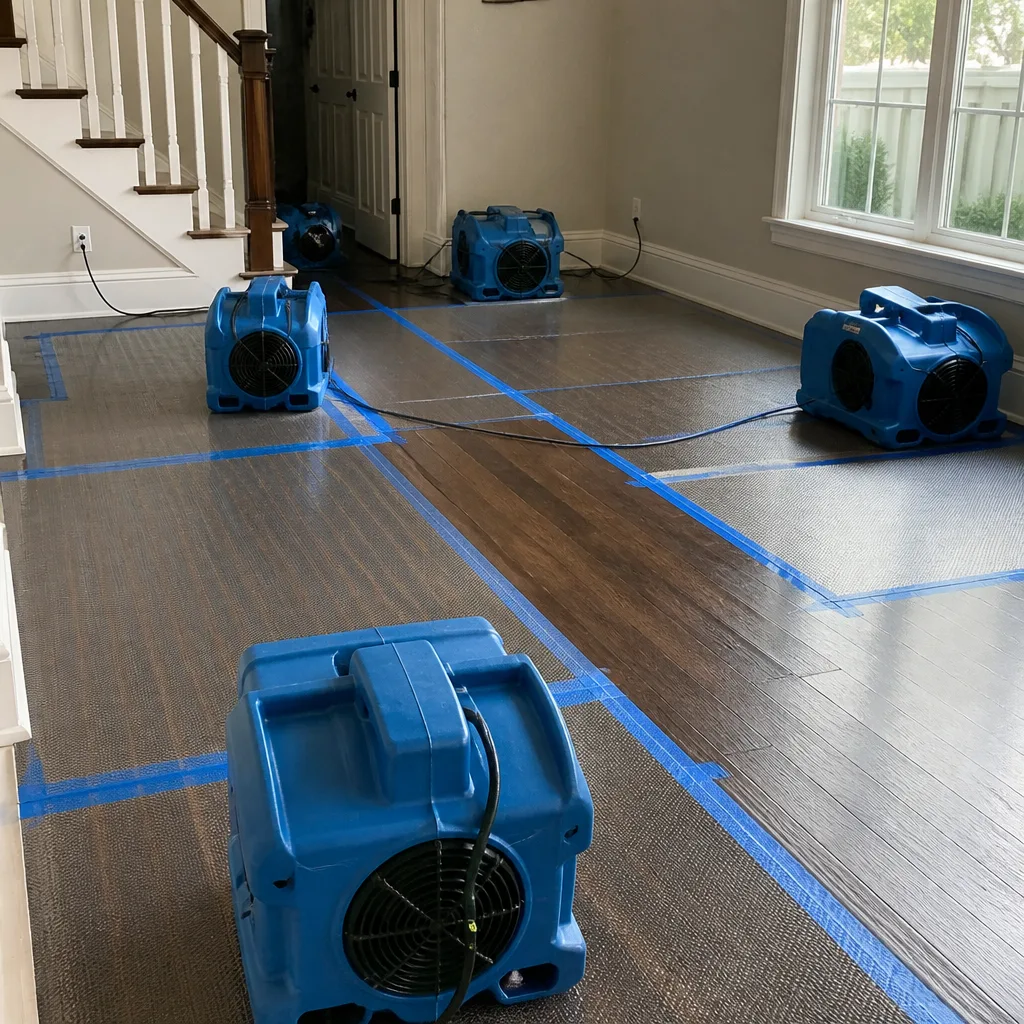
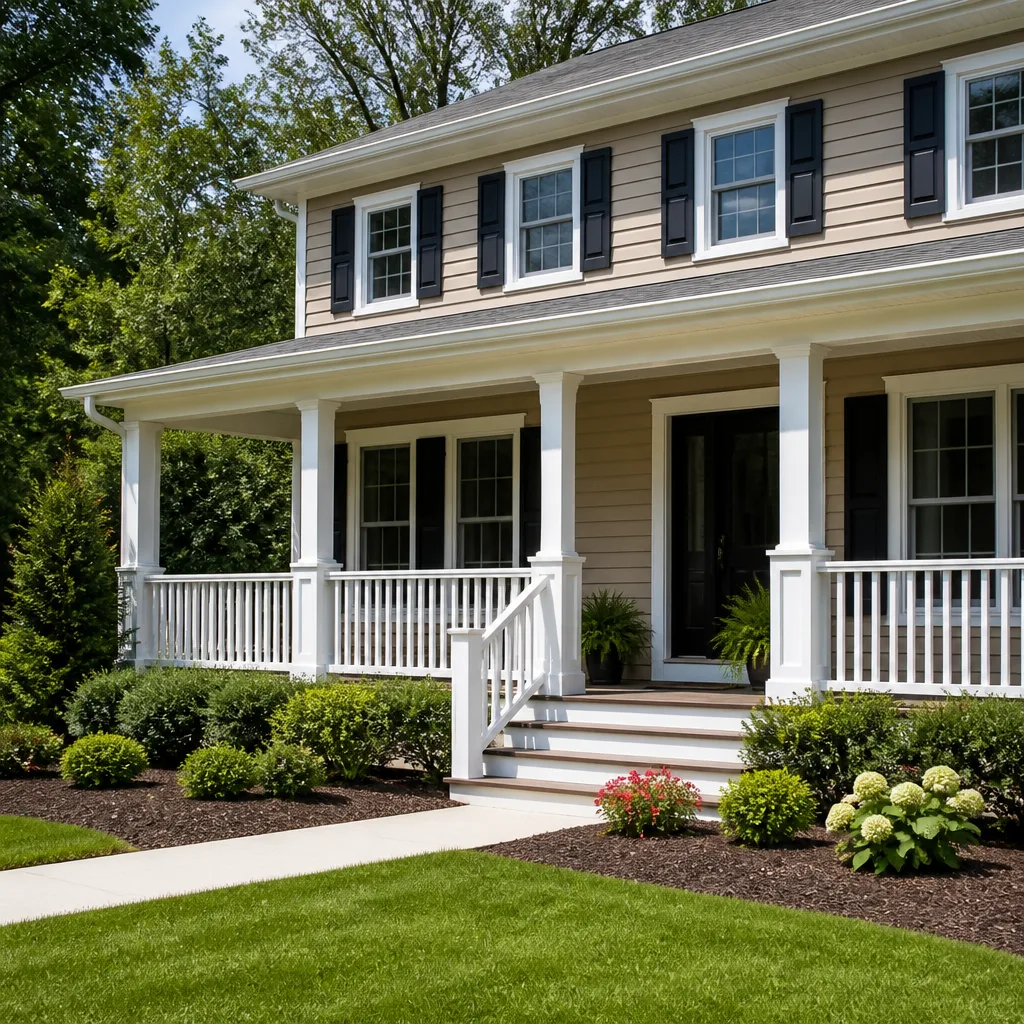
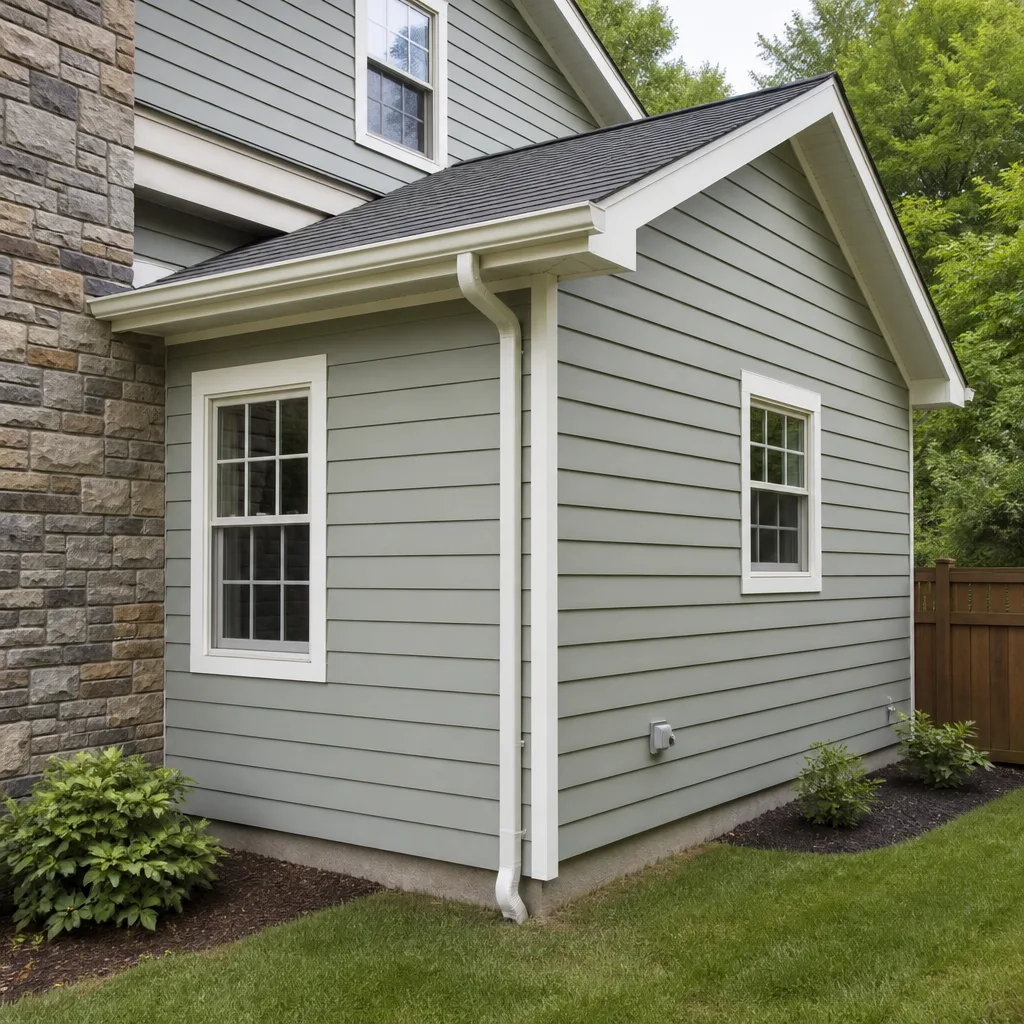
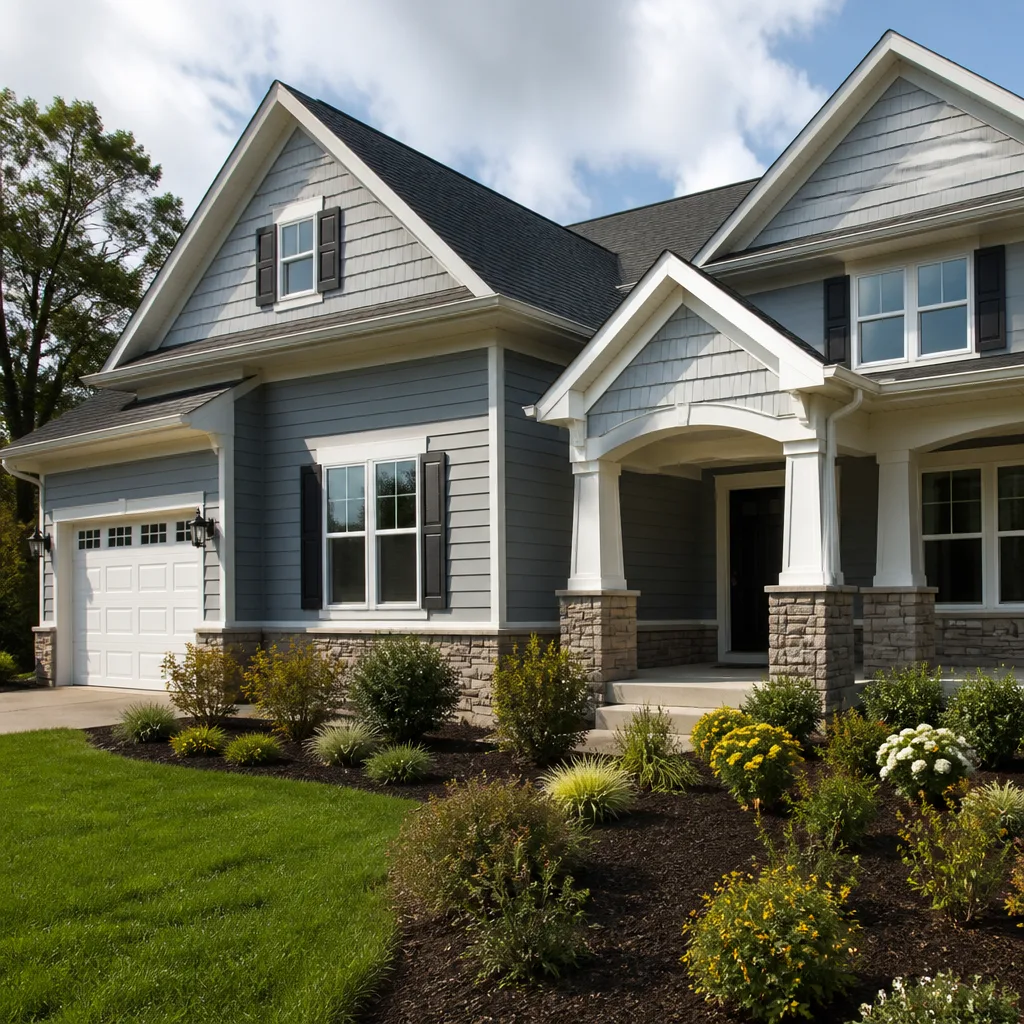
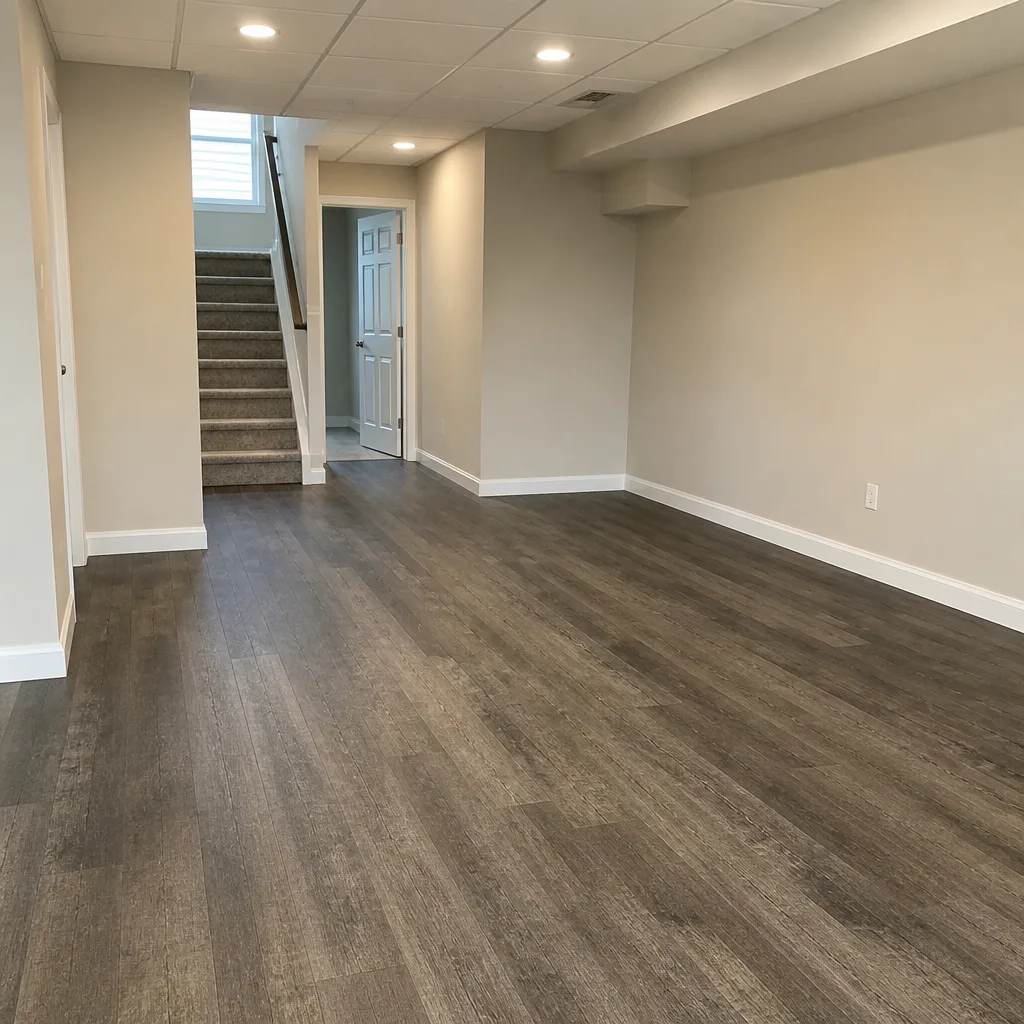
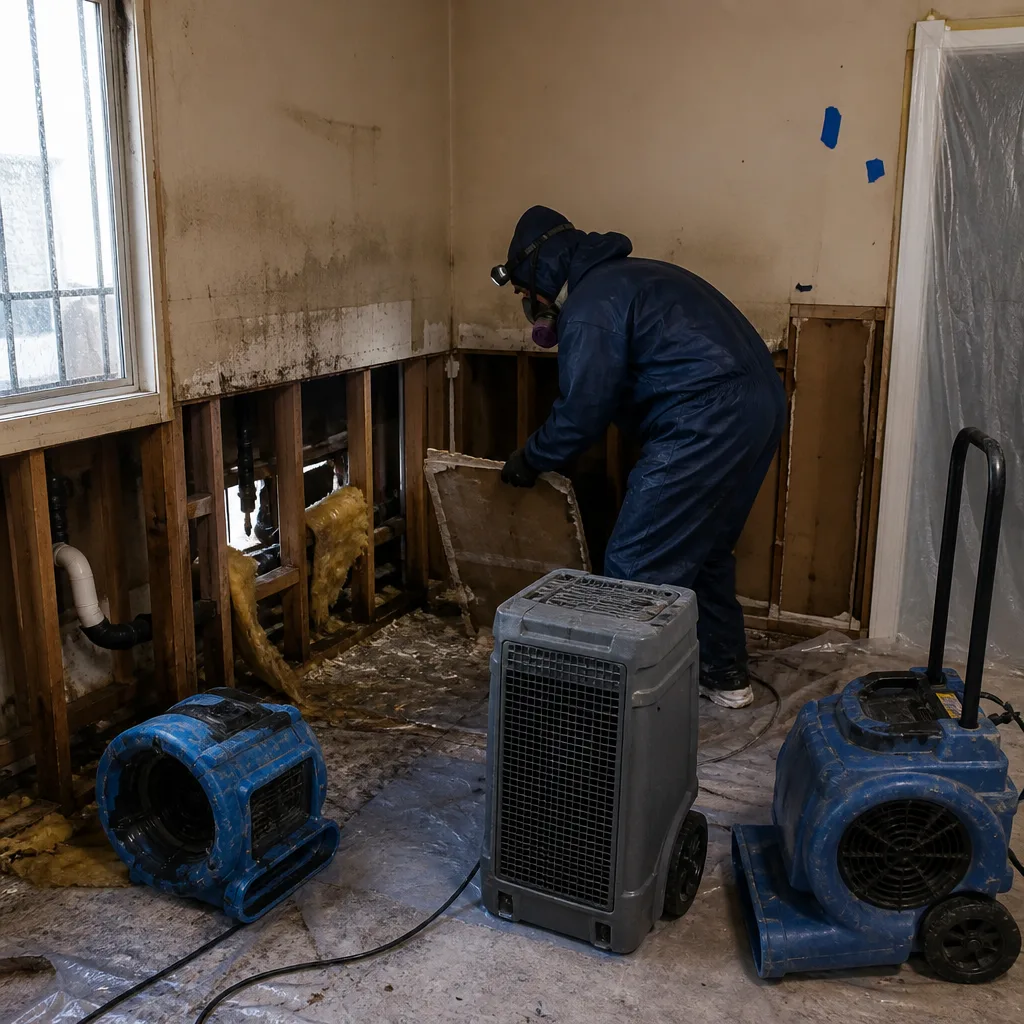 Before
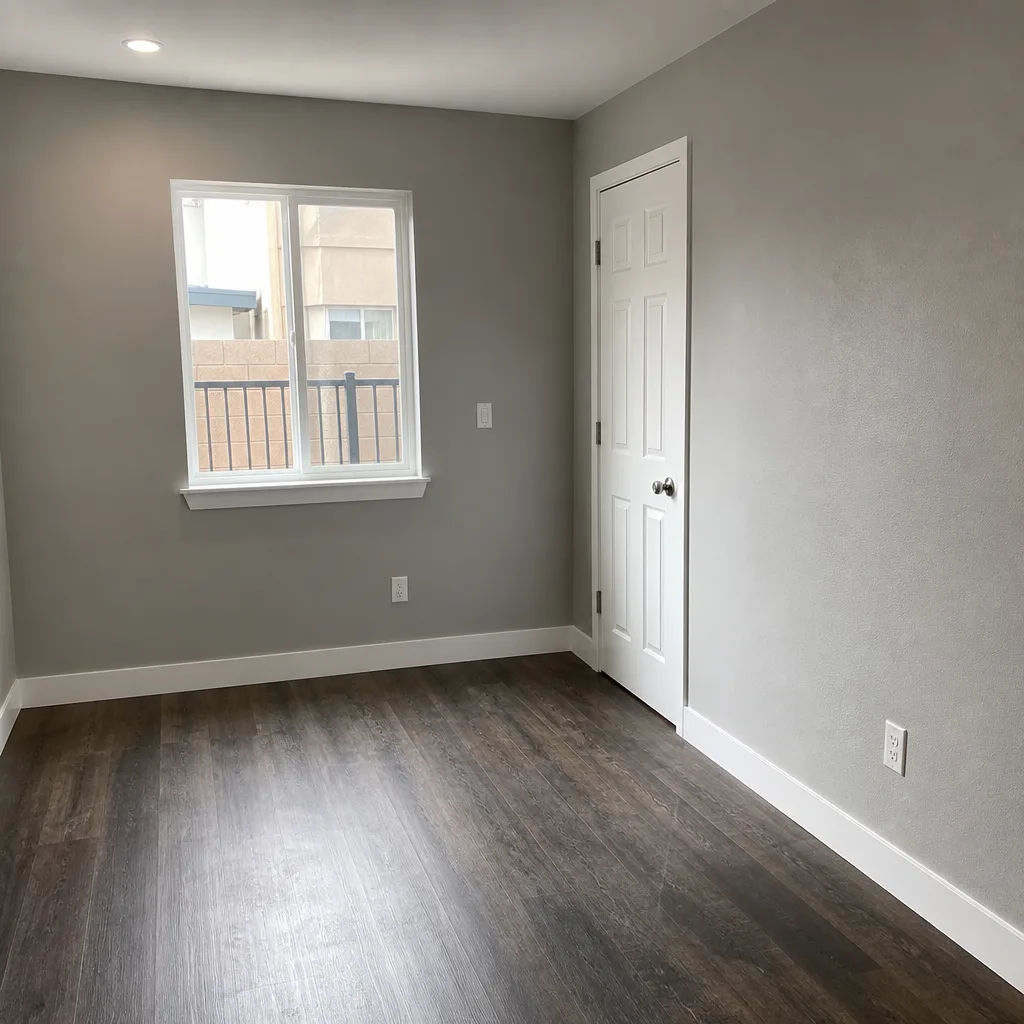 After
After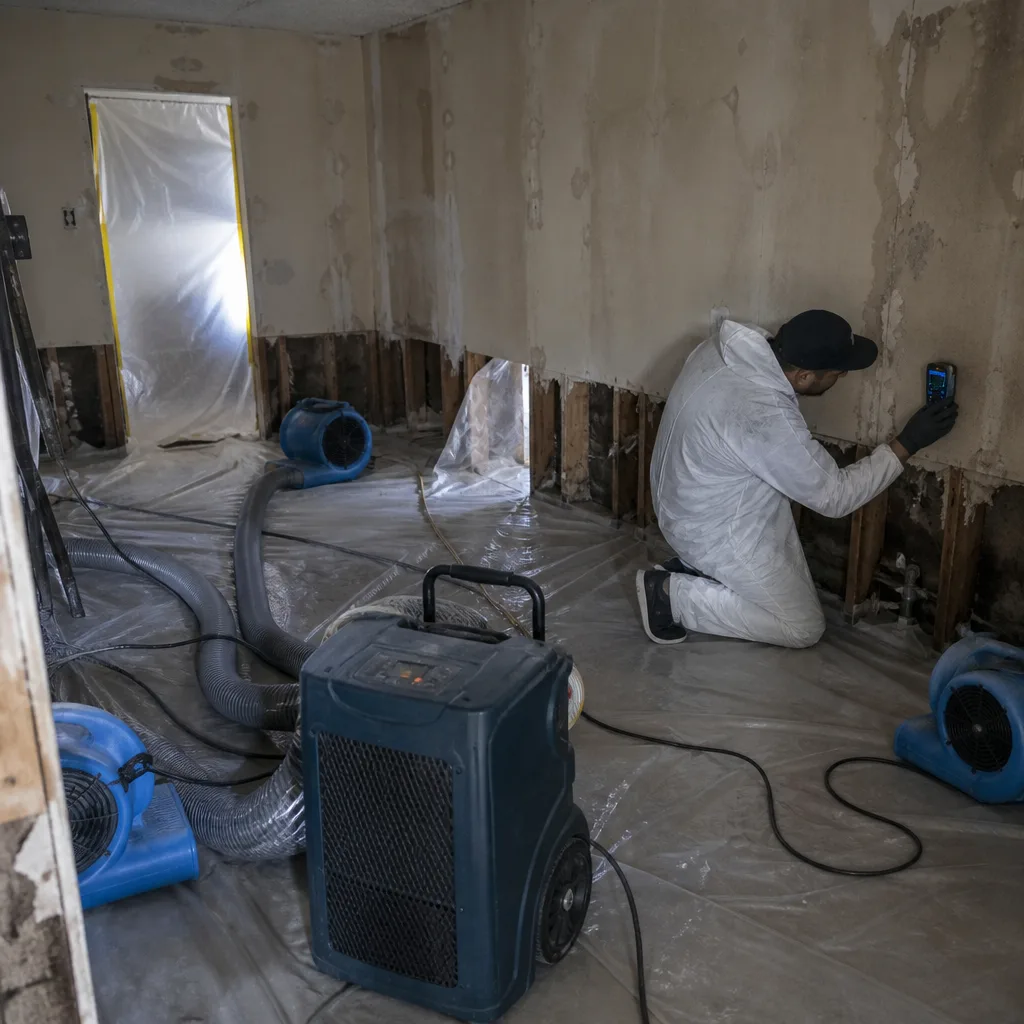 Before
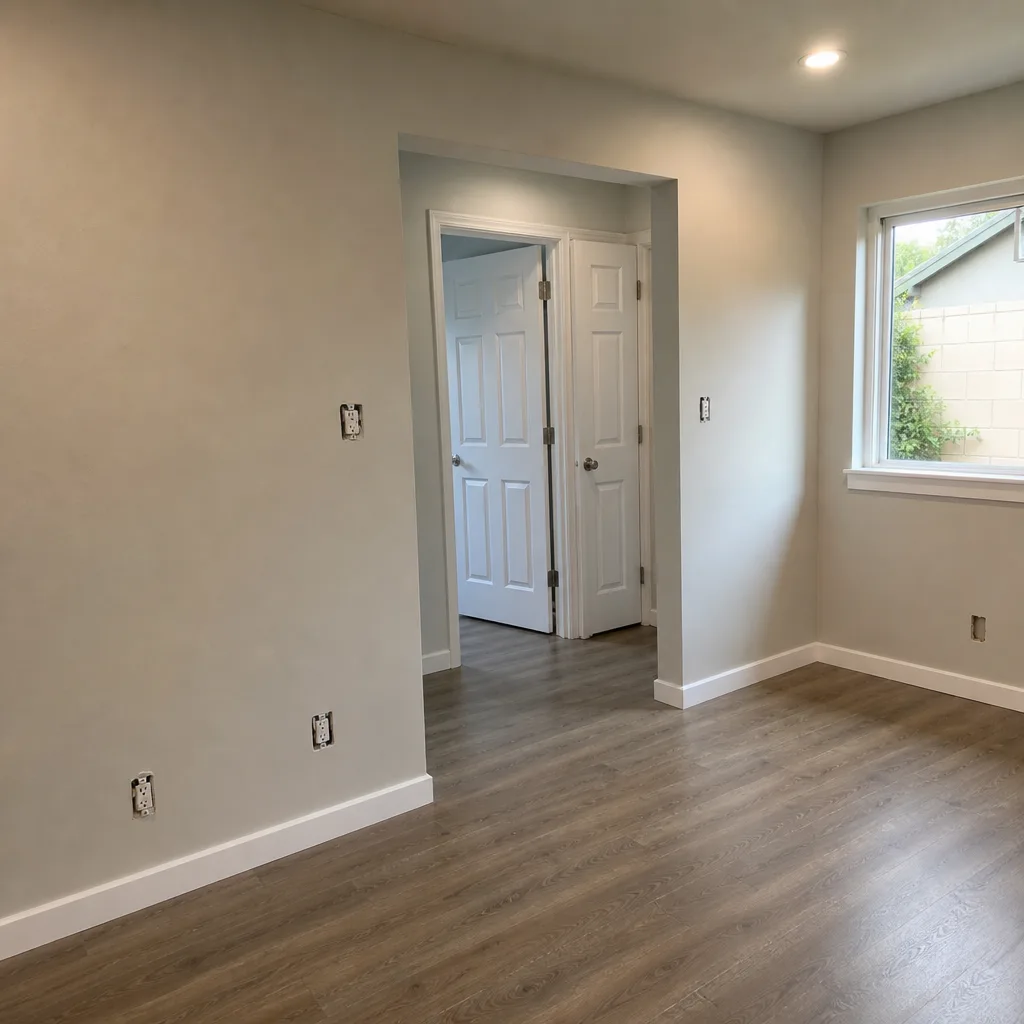 After
After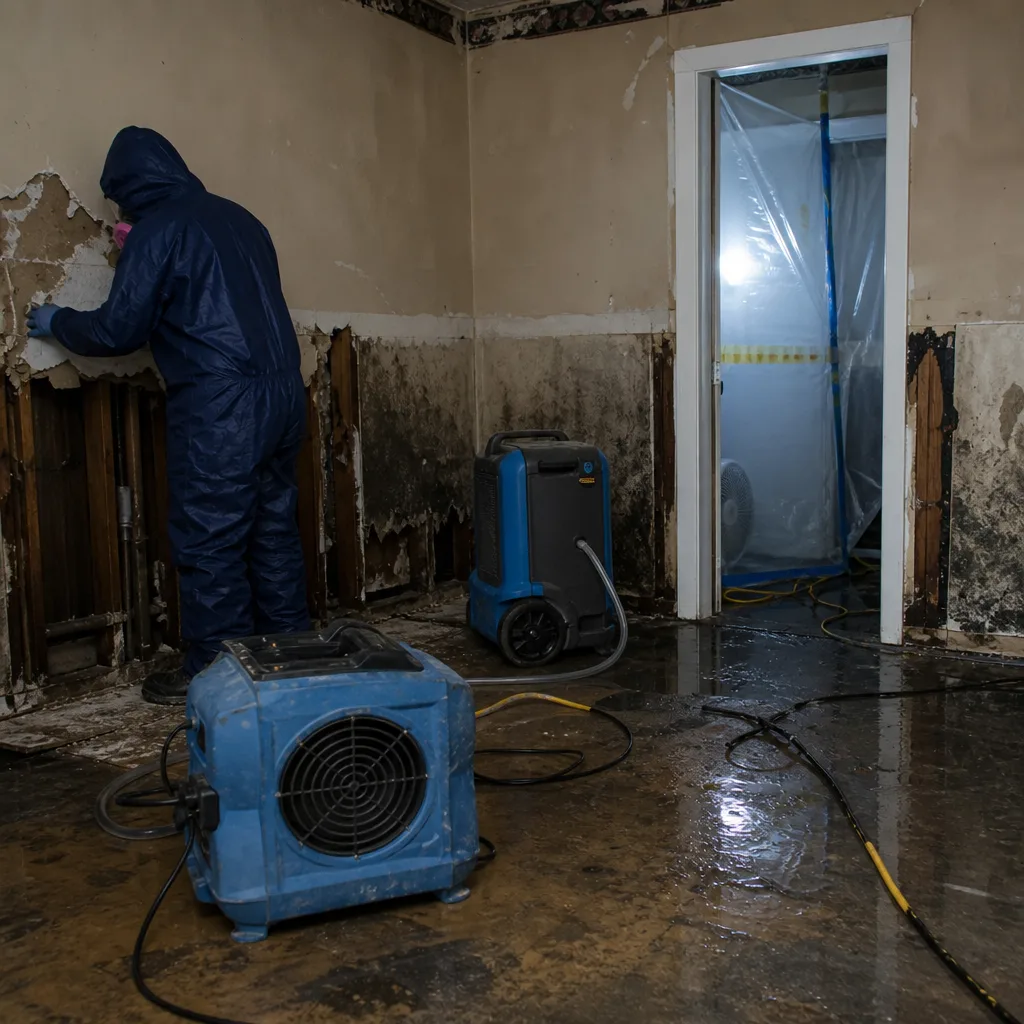 Before
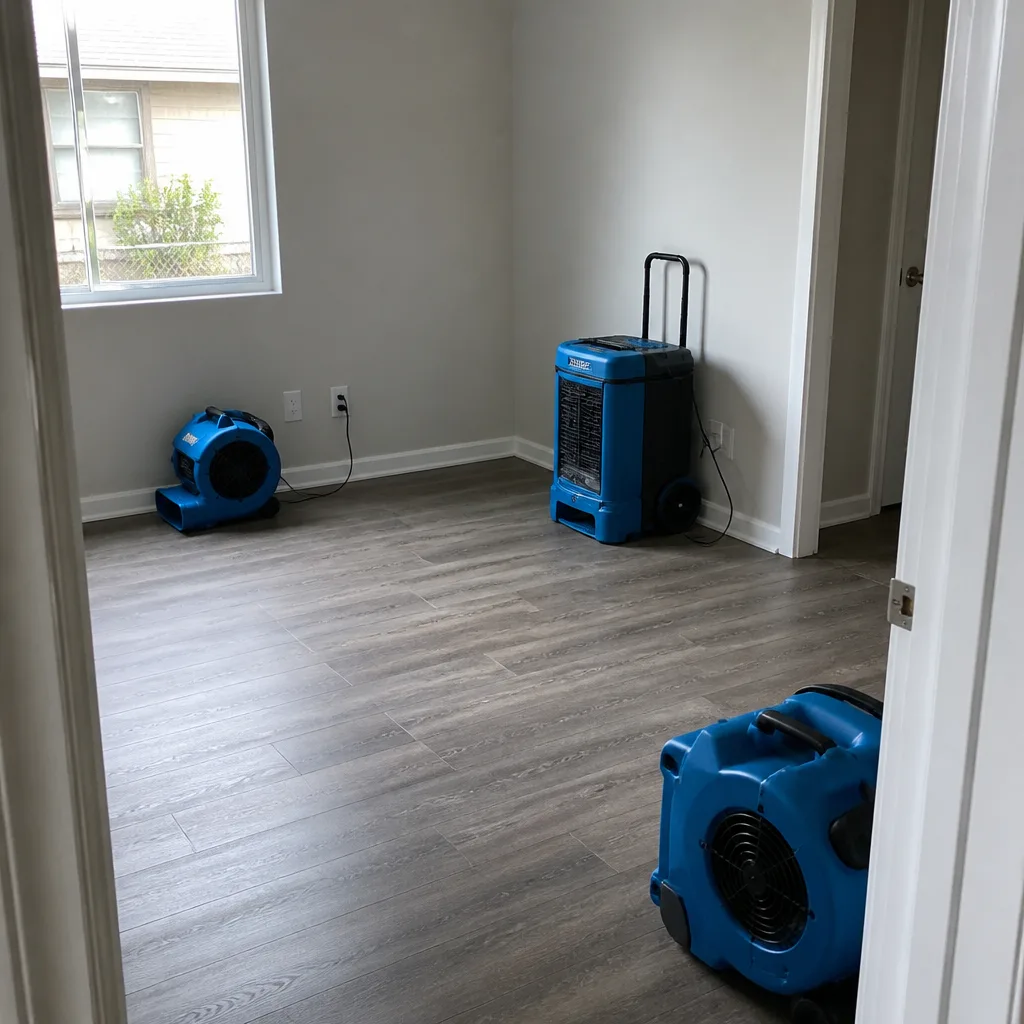 After
After24/7 Emergency Mold Remediation in Lakewood
Mold remediation in Lakewood typically costs $1,800-$6,500 depending on affected square footage and material removal needs, with containment and air-scrubbing setup possible same-day. Call (628) 226-1011 now - we answer live, 24 hours a day, with crews dispatched across the Lakewood area. The first 24-48 hours after water intrusion determine whether mold colonizes behind your stucco or stays manageable. Our Mold Remediation team provides a free visual inspection, documents moisture readings with thermal imaging, and delivers a written scope before any containment goes up. In Lakewood’s persistent marine-layer humidity, wall cavities that read “dry” to the touch often hold 18-20% moisture content - well above the 16% threshold where aspergillus and penicillium begin spreading through paper-faced drywall.
Understanding Mold Remediation Severity in Lakewood Properties
We classify mold contamination by square footage, material porosity, and whether the growth is contained to a single room or has migrated through HVAC systems. A Category 1 mold job in Lakewood - under 10 square feet on a non-porous surface like ceramic tile - may require only HEPA vacuuming and antimicrobial wipe-down. Category 2, 10-100 square feet on porous materials like drywall or carpet, demands full containment with 6-mil polyethylene sheeting, negative air pressure with HEPA scrubbers, and controlled demolition. Category 3, anything over 100 square feet or involving HVAC contamination, triggers full-area isolation, air-quality testing, and third-party clearance sampling before we release containment.
Lakewood’s housing stock forces a fourth variable: hazmat protocol. Those 1950-1953 tract homes nearly universally contain asbestos-era vinyl floor tiles (often called “VAT,” vinyl asbestos tile) and popcorn or textured ceilings. When a galvanized supply line weeps inside a wall, Category 2 water wicks into these materials. Disturbing them without proper abatement violates California OSHA and IICRC S520 standards. We test suspect materials before cutting, document the chain of custody, and build abatement into the scope when needed - not as an afterthought that stalls your job and your claim.
Why Lakewood Property Owners Choose DryMark Restoration Compton
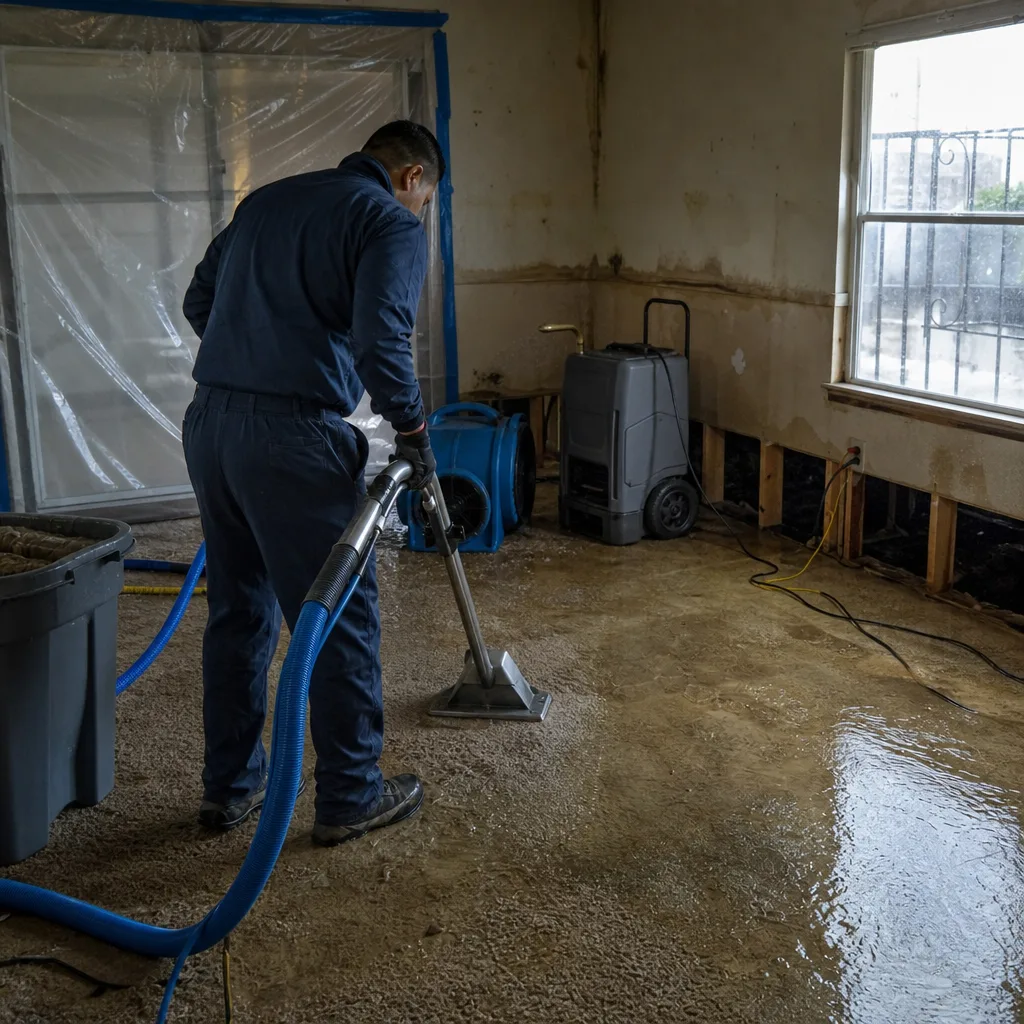
- 45-minute response commitment to Lakewood addresses - our crews stage from the Los Angeles office and know the Del Amo Boulevard corridor by route memory.
- 24/7 live answer, a real person, never an automated system - no voicemail trees while water keeps moving through your wall cavity.
- IICRC-certified crews holding WRT (Water Damage Restoration Technician), AMRT (Applied Microbial Remediation Technician), and FSRT (Fire & Smoke Restoration Technician) credentials - license numbers provided on request.
- Free visual inspection with documented moisture readings, thermal imaging, and a written scope delivered before any work begins - Haven Standard, Clause 1.
- Direct insurance billing with photo-documented daily drying logs that turn restoration invoices into payable claims - we speak adjuster because our founder was one.
- One team from containment to reconstruction - no handoffs that lose your file, your photos, or your warranty chain.
BeforeAfterOur Mold Remediation Process
1. Inspection & Assessment
We arrive with thermal imaging cameras, penetrating and non-penetrating moisture meters, and hygrometers to map the full extent of water migration. In Lakewood’s slab-on-grade construction, we pay particular attention to the slab edge and wall bottom plates where marine-layer humidity keeps readings elevated year-round. Every finding is photographed and logged.
2. Containment & Air Filtration
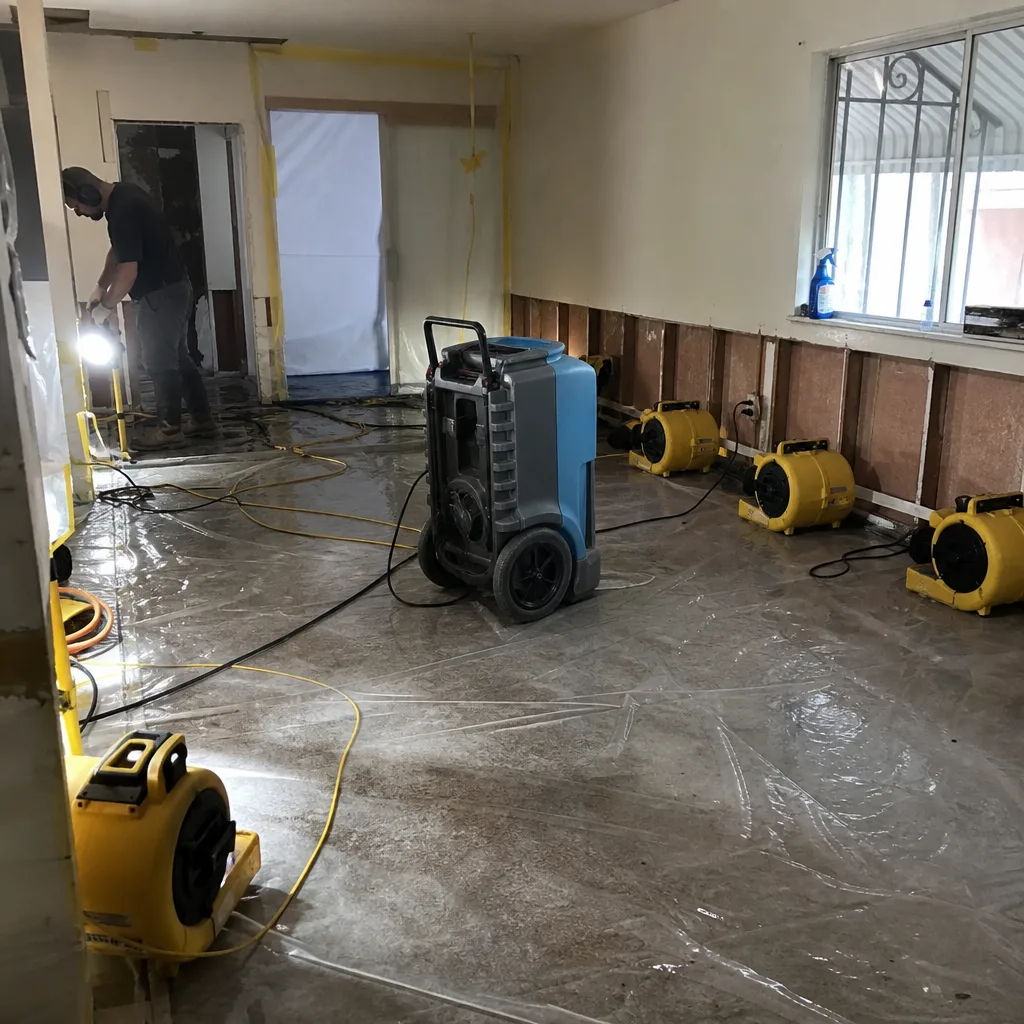
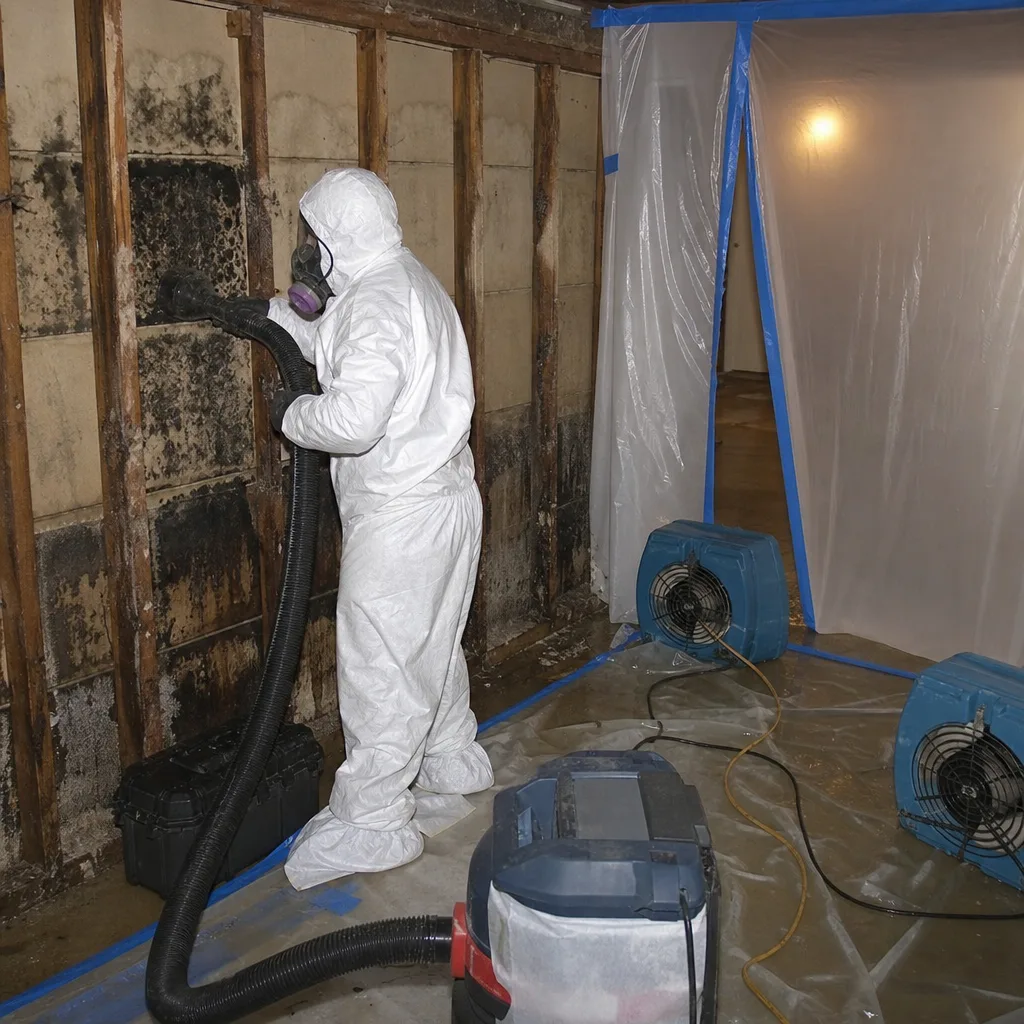
We establish critical barriers with 6-mil poly sheeting and maintain negative air pressure using HEPA air scrubbers - typically Dri-Eaz HEPA 500 units - to prevent spore migration to unaffected areas. Airborne particle counts are logged before, during, and after.
3. Controlled Demolition & Material Removal
Affected drywall, insulation, and flooring come out in sealed bags. Where Lakewood’s asbestos-era vinyl tile or popcorn ceiling is involved, we pause for certified abatement coordination - documented, permitted, and scheduled into the drying timeline so your job doesn’t stall.
4. Structural Drying & Dehumidification
We deploy Dri-Eaz and Phoenix LGR dehumidifiers alongside XPOWER and B-Air air movers, calculating equipment placement on psychrometric data - temperature, relative humidity, and vapor pressure differential - to drive moisture out of framing and concrete rather than just the air. Daily moisture logs track every room to pre-loss equilibrium.
5. Antimicrobial Treatment & Air Quality Restoration
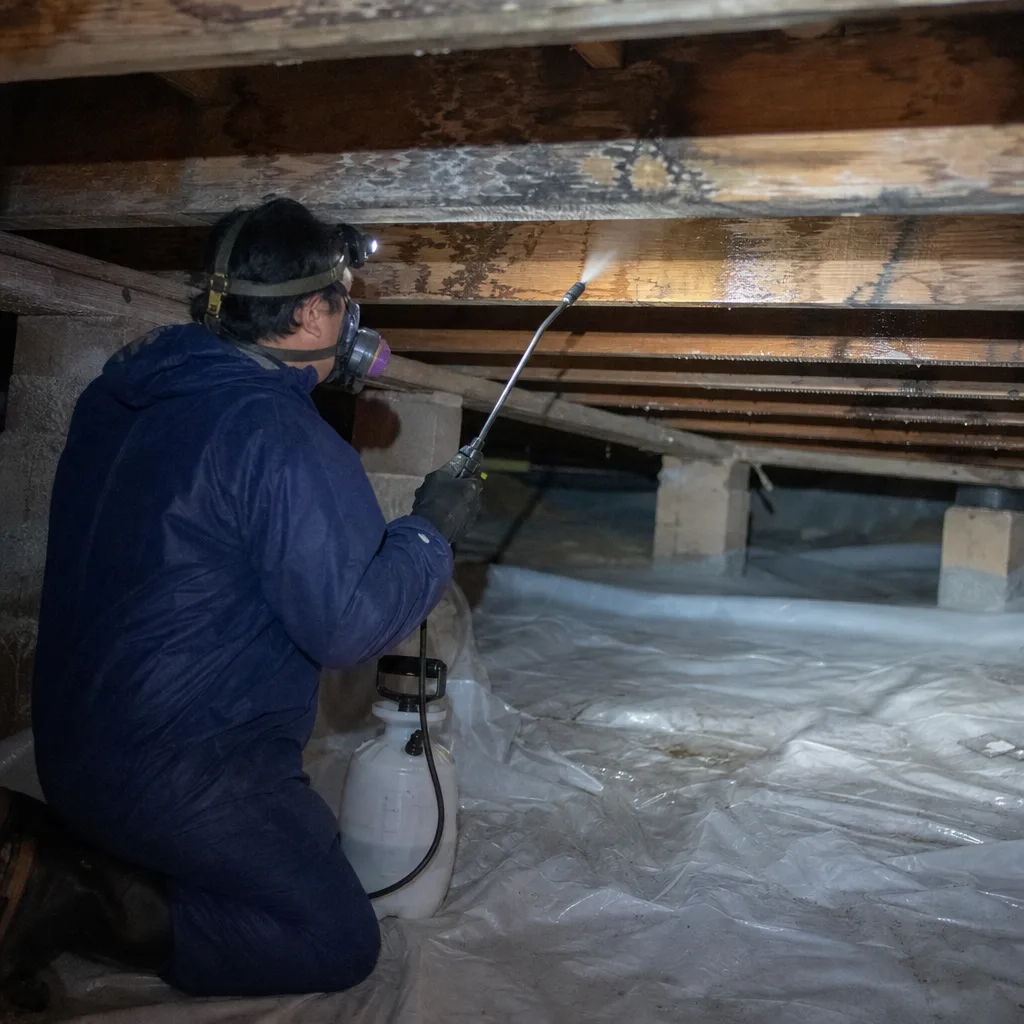
HEPA vacuuming precedes EPA-registered antimicrobial application on all exposed framing and subfloors. We run HEPA scrubbers continuously during this phase, then conduct post-remediation verification - either through third-party lab analysis or our own documented clearance protocol - before any rebuild begins.
6. Repairs & Restoration
Our reconstruction crew reinstalls drywall, insulation, flooring, and finish materials to match existing conditions. The 365-Day Done Right Promise, stamped under The Haven Standard, covers this work - if it’s not right, we make it right, documented in writing, not promised over the phone.
Need Emergency Mold Remediation in Lakewood Now?
Crews minutes away, answering live 24 hours a day. The sooner we start, the less it costs.
Working With Your Insurance Company
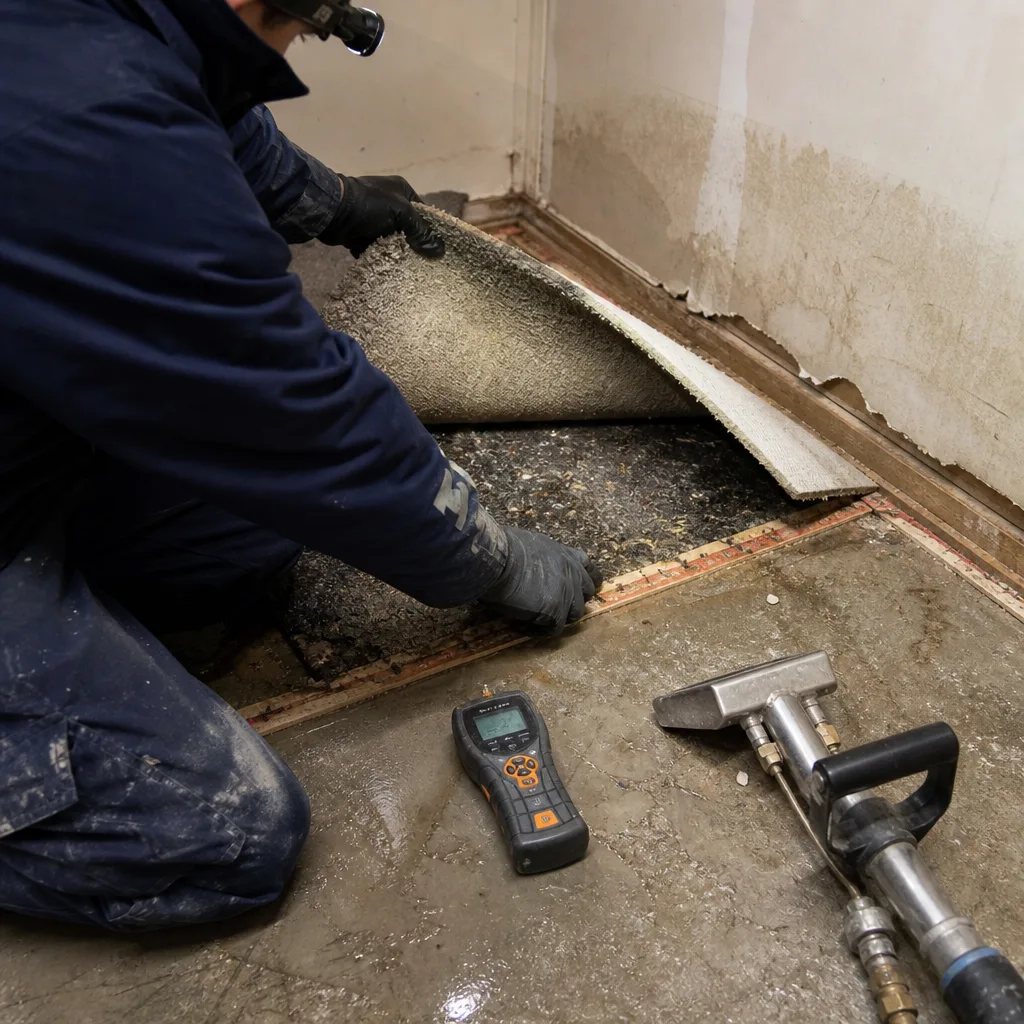
We document from the first hour because our founder built this company in 2011 around the documentation gap that costs homeowners their claims. Every Lakewood job produces a room-by-room photo record, moisture readings with equipment serial numbers, daily drying logs with psychrometric calculations, and a detailed line-item scope formatted to Xactimate standards - the estimating platform most major carriers use. We coordinate directly with your adjuster, provide supplemental documentation when the initial estimate under-scopes hidden damage, and never ask you to pay out-of-pocket and wait for reimbursement on covered losses.
What We Provide Your Insurer
- Thorough documentation of the loss
- Photos of all damage, room by room
- Moisture readings and drying logs
- A detailed, line-item scope of work
- Direct coordination with your carrier
Built for Lakewood’s Loss Calendar
January through March brings the heaviest rain events to the Los Angeles Basin, and Lakewood’s flat topography - draining east toward the San Gabriel River - leaves storm drains overwhelmed during intense downpours. Surface flooding seeps through slab edges and foundation joints, raising subfloor moisture for weeks. April and May see the marine layer thicken, keeping attic and wall cavity humidity elevated even without active leaks. June through October’s dry heat can actually mask problems: homeowners shut off HVAC systems, stop air circulation, and miss slow leaks behind stucco that only reveal themselves when fall humidity returns and mold blooms across ceiling drywall. November and December bring the second rain peak, often catching the deferred maintenance from summer - corroded galvanized supply lines that held through the dry months fail under pressure changes. We schedule more moisture-mapping appointments in Lakewood during October and November than any other two-month window. Property owners are discovering summer damage too late.
Mold Remediation Across Lakewood’s Neighborhoods
In Lakewood Village, the original 1950-1953 core, we see the most concentrated slab-leak and supply-line failure patterns. The galvanized pipe generation is failing in clusters here - one moisture-mapping job on a cul-de-sac off Del Amo Boulevard often predicts two or three more calls from the same street within a month. Lakewood Country Club and the areas near the golf course feature slightly larger lots and some mid-century additions, but the original plumbing infrastructure remains the same vintage, and the mature landscaping creates irrigation-related foundation moisture that compounds any supply-line leak. Mayfair Park and the neighborhoods along Hardwick Street share the same stucco-clad, slab-foundation DNA, though some 1960s infill brings different rooflines and the occasional crawl space - rare in Lakewood - that demands modified containment strategy. Near San Gabriel River Parkway, the lowest-lying eastern edge of the city, surface flooding during storm events is the primary driver of mold calls, with water wicking through slab perimeters and staying trapped behind baseboards for weeks before odor or visible growth alerts the homeowner.
Specialized Mold Remediation Services We Offer in Lakewood
Mold Inspection & Testing
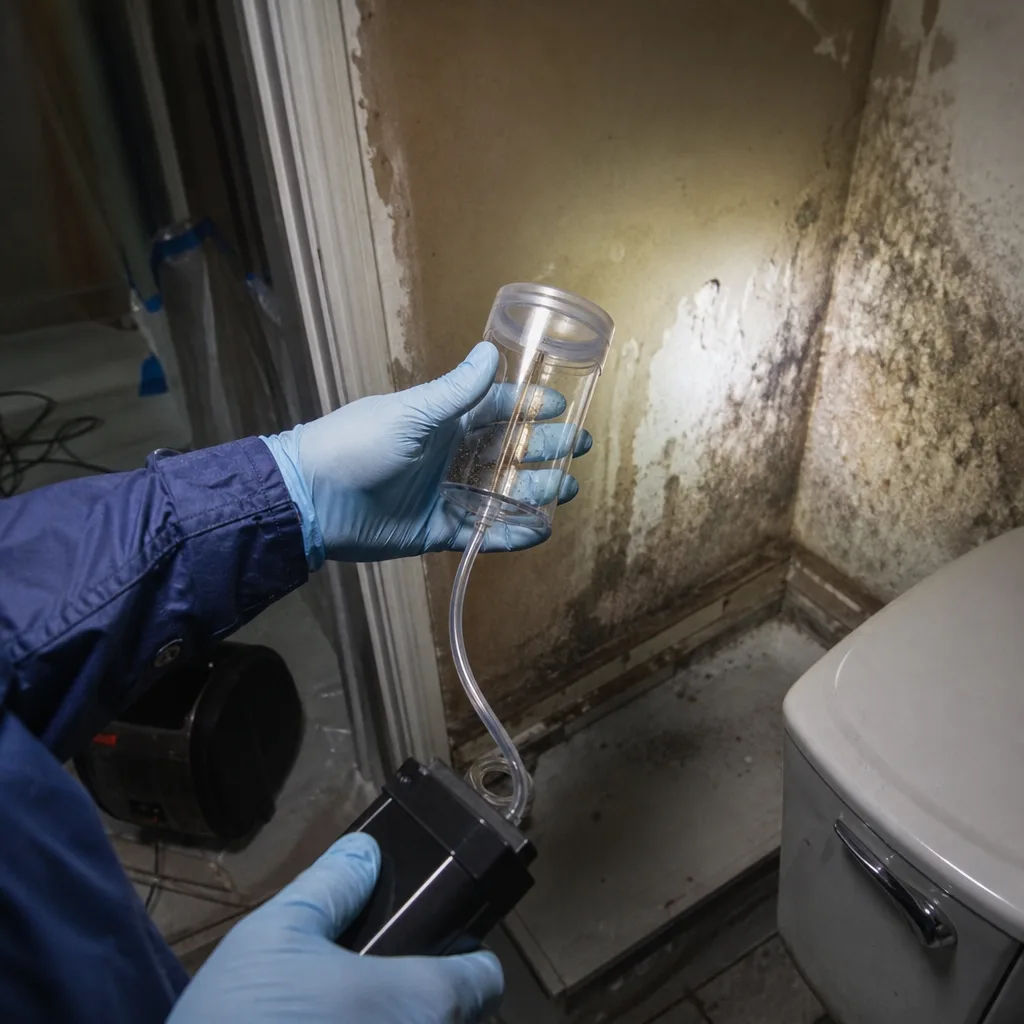
We start with a visual assessment, moisture mapping, and thermal imaging - not a sales pitch. When air-quality sampling is warranted (HVAC contamination, health-compromised occupants, or dispute with a landlord or insurer), we collect samples with third-party lab analysis, chain of custody intact. In Lakewood’s uniform housing stock, we know which wall cavities to suspect before we cut.
Mold Removal
Removal means controlled demolition of affected materials, not painting over them. We remove drywall to two feet beyond visible growth, treat framing with antimicrobial, and verify dryness with penetrating meters before any rebuild. In Lakewood’s 70-year-old homes, we test for asbestos-containing materials before the saw comes out.
Black Mold Remediation
Stachybotrys chartarum - the “black mold” of media attention - requires the same containment and air-scrubbing protocol as any Category 3 mold job, with particular attention to mycotoxin exposure pathways. We don’t dramatize it. We contain it, remove it, verify clearance, and document every step for your insurer and your records.
Air Quality Restoration
Post-remediation, we run HEPA scrubbers to capture airborne spores, measure particle counts with laser photometers, and compare against outdoor baseline readings. For Lakewood homes with forced-air heating (common in the original 1950s build-out), we inspect ductwork for cross-contamination and recommend cleaning or sealing where spore deposition is confirmed.
Crawl Space Treatment
True crawl spaces are uncommon in Lakewood’s slab-on-grade construction, but where additions or rare raised foundations exist, we install vapor barriers, dehumidification, and sealed ventilation to interrupt the moisture cycle that feeds mold. Moisture readings in these spaces are logged to the same daily standard as above-grade work.
Moisture & Humidity Control
This is where Lakewood jobs often fail: the visible wall gets dry, but the cavity behind stucco stays elevated in our persistent marine-layer humidity. We use Injectidry systems and targeted air injection to force dry air into wall cavities, with monitored dehumidification running until the wood moisture content drops below 12% - the threshold where mold cannot sustain growth.
What happens when you call
- 1
A real person answersNo phone trees - you reach a local pro.
- 2
You get an upfront price rangeHonest numbers before anyone is dispatched.
- 3
A background-checked tech heads outLicensed & insured, dispatched right away.
- 4
You approve before work beginsNothing starts until you say go.
Mold Remediation Costs in Lakewood, CA
A typical mold inspection with moisture mapping in Lakewood runs $0-$350 - free when we proceed with remediation. Small, contained jobs (under 10 square feet, non-porous surfaces) typically range $1,800-$3,200. Moderate jobs requiring containment, air scrubbing, and limited drywall removal run $3,500-$6,500. Extensive whole-room or multi-room remediation with asbestos abatement coordination can reach $8,000-$15,000. What moves the price: affected square footage, whether asbestos-era materials require abatement, the category of water that caused the mold (Category 3 requires more extensive protocol), and whether HVAC systems are involved.
Insurance typically covers mold remediation when the underlying cause is a sudden, accidental water loss - burst pipe, appliance failure, storm intrusion. Long-term maintenance issues - slow leaks ignored for months, failed ventilation in a bathroom - may be excluded. We review your policy language, document the loss origin, and build the claim file accordingly. Haven Standard, Clause 1: your written price before work begins, every time, with no scope-creep additions once the crew is inside. Call (628) 226-1011 for your free inspection and firm scope.
We Also Serve Cities Near Lakewood
Our crews respond throughout the South Bay and Harbor Area. We regularly perform Mold Remediation in Lakewood and surrounding communities including Harbor City, where elevated groundwater affects foundation moisture; Lomita, with its mix of mid-century and 1970s construction; Wilmington, where industrial proximity creates unique air-quality concerns; and Torrance, with its broader housing variety but similar marine-layer humidity patterns. Dispatch and scheduling are coordinated from our Los Angeles office; crews serve each city locally.
Serving Lakewood, CA - Our Local Coverage Area
We’re based in the Lakewood area and know this community well. Use the map below to see our service coverage - if you’re nearby, we can almost certainly help.
Lakewood Mold Remediation Questions, Answered
Why does mold show up so fast after a slab or supply-line leak in a Lakewood tract home?
Because nearly all of Lakewood’s ~17,000 single-family homes went up in the same compressed 1950-1953 window with the same galvanized supply-line spec, slab leaks and pipe failures - the water events that feed hidden mold - arrive in neighborhood clusters, so a moisture-mapping job on one block often predicts two or three more on the same street within a month. The original paper-faced drywall, minimal insulation, and persistent marine-layer humidity mean wall cavities hit 16% moisture content - the mold growth threshold - within 24-48 hours of a leak starting. By the time you smell mustiness, the colony is established behind your stucco. Call (628) 226-1011 for moisture mapping before visible growth appears.
Does the original 1950s building material in Lakewood change how you remediate mold?
Yes - asbestos-era vinyl floor tile and popcorn ceiling are nearly universal in Lakewood’s original build-out, and disturbing them without proper abatement violates California OSHA and IICRC S520. We test suspect materials before cutting, build abatement into the scope when needed, and document chain of custody. This isn’t optional add-on work; it’s legally required protocol that protects your health and your property value. The written scope includes material testing and any abatement before demolition begins - Haven Standard, Clause 1.
Can you tell whether a leak in my 1951 Lakewood home is Category 1, 2, or 3 water?
We classify water category at the source and may reclassify after it travels through your building. A fresh supply-line break starts as Category 1, but by the time it migrates through 70-year-old galvanized pipe, past sediment and corrosion, and into a moisture-soaked wall cavity with possible asbestos debris, we often reclassify to Category 2 or 3 before setting the scope. This matters because category determines antimicrobial protocol, PPE requirements, and whether materials can be dried in place or must be removed. We document the classification with photos and moisture readings, and we explain the reasoning in writing before work begins.
Why do my neighbors keep having the same water damage within the same month?
Because every block was essentially built the same year with the same galvanized pipe specification, slab leaks and supply-line failures tend to ripple through a neighborhood in clusters. A restoration tech who finishes a water-damage job on one home can reasonably expect calls from two or three neighbors within the same month as the same corroded pipe generation gives out across the street. If you’ve had one failure, your neighbors should consider proactive moisture mapping - and you should inspect any wall that shared the same supply branch. We offer neighborhood assessment scheduling when clusters emerge. Call (628) 226-1011 to discuss.
How do you confirm a wall cavity is actually dry behind stucco in Lakewood’s humidity?
We use penetrating moisture meters on exposed framing, non-penetrating meters on intact stucco, and thermal imaging to identify temperature differentials that indicate remaining moisture. For critical cavities, we deploy Injectidry systems that inject dry, conditioned air directly into the wall void, with humidity sensors monitoring exhaust air until it matches outdoor ambient. Daily drying logs track every reading, and we don’t release equipment until wood moisture content holds below 12% for 48 hours. Surface dryness means nothing in Lakewood’s marine-layer climate - we verify cavity dryness with data.
How fast can you actually get to my Lakewood home?
We commit to 45-minute response to Lakewood addresses, with crews staging from our Los Angeles office and running the San Gabriel River Parkway / Del Amo Boulevard corridor daily. Live answer, 24 hours a day - no voicemail. Emergency containment and air-scrubbing setup can begin same-day; full remediation scope follows the free inspection and written estimate. For active water feeding mold growth, speed of containment matters more than speed of demolition. Call (628) 226-1011 now.
Will my insurance cover mold remediation in Lakewood?
Insurance covers mold remediation when the underlying cause is sudden and accidental - burst pipe, appliance failure, storm intrusion - and when the mold is addressed promptly. Long-term leaks, maintenance neglect, or pre-existing conditions may be excluded. We document the loss origin with photos, moisture readings, and a detailed timeline; format estimates to Xactimate standards; and coordinate directly with your adjuster. Our daily drying logs and photo records are built specifically to turn restoration invoices into payable claims. Bring any competitor’s written estimate for our Free Second Opinion - we’ll review coverage strategy at no charge.
Can my family stay in the home during mold remediation?
For Category 1 jobs under 10 square feet with no HVAC involvement, often yes. For Category 2 or 3 jobs, or any containment involving multiple rooms, we typically recommend temporary relocation - especially for infants, elderly residents, or anyone with respiratory conditions. We explain the containment plan, air-scrubber placement, and expected duration in your written scope before work begins, so you can make an informed decision. Your safety documentation is part of our standard deliverable, never an upsell. Call (628) 226-1011 to discuss your specific situation.
Written by Alicia Brennan, Owner at Back to Dry Restoration, serving Lakewood since 2011 under The Haven Standard.
Mold Remediation in Nearby Areas