
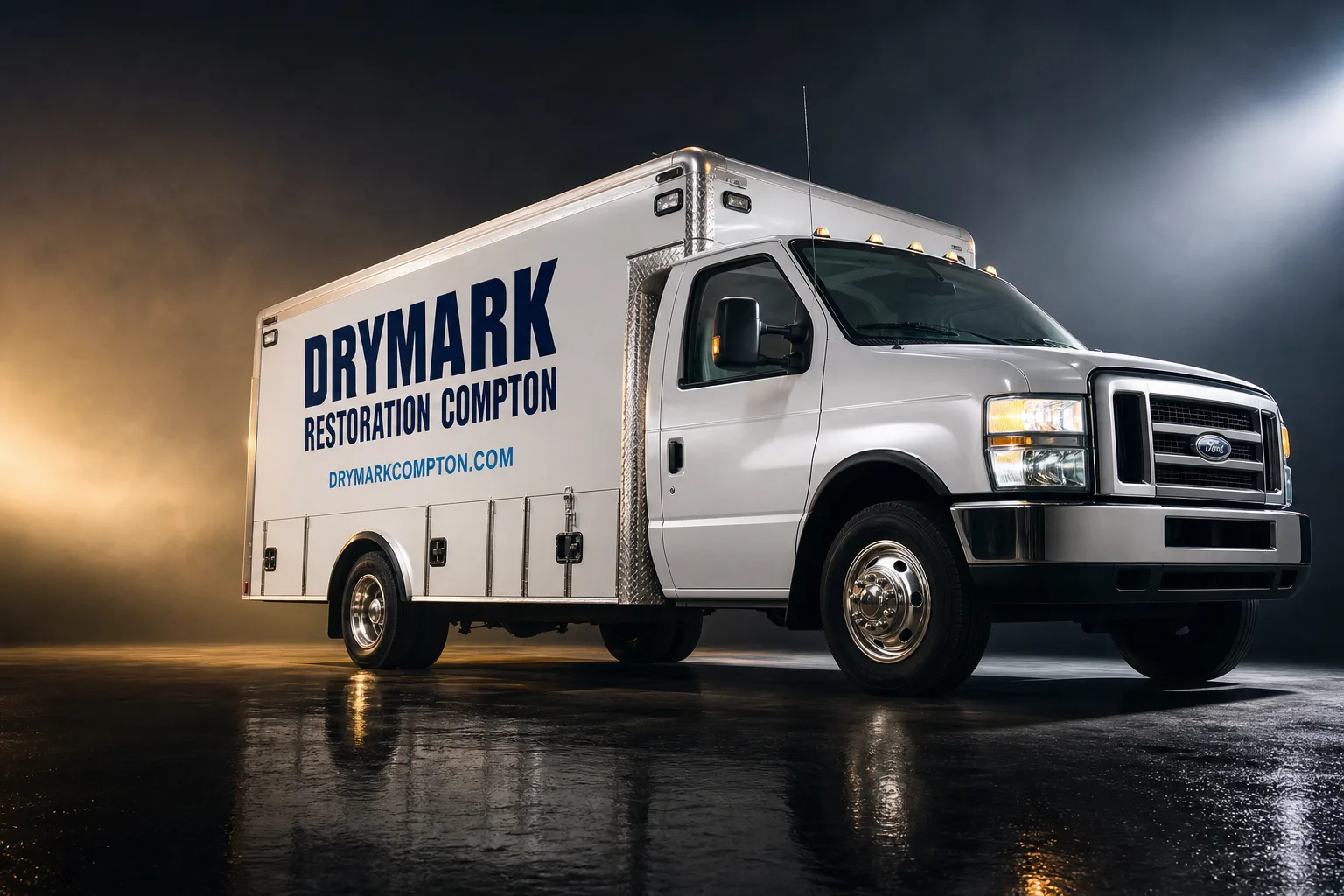
Free visual inspection and a written scope of work before any mitigation begins - photos, moisture readings, and drying logs go in your claim file
The scope we write is the scope we bill. Anything new gets shown to you, in writing, before we touch it.
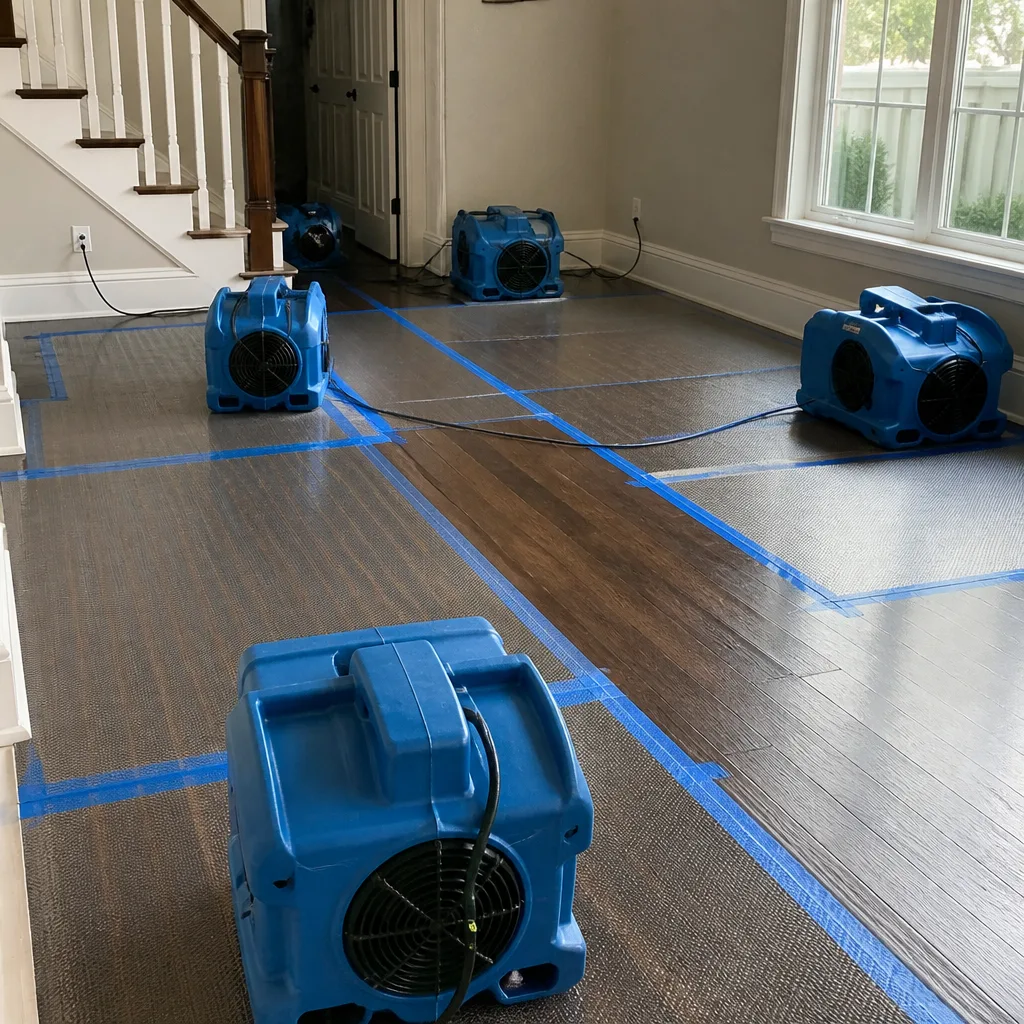
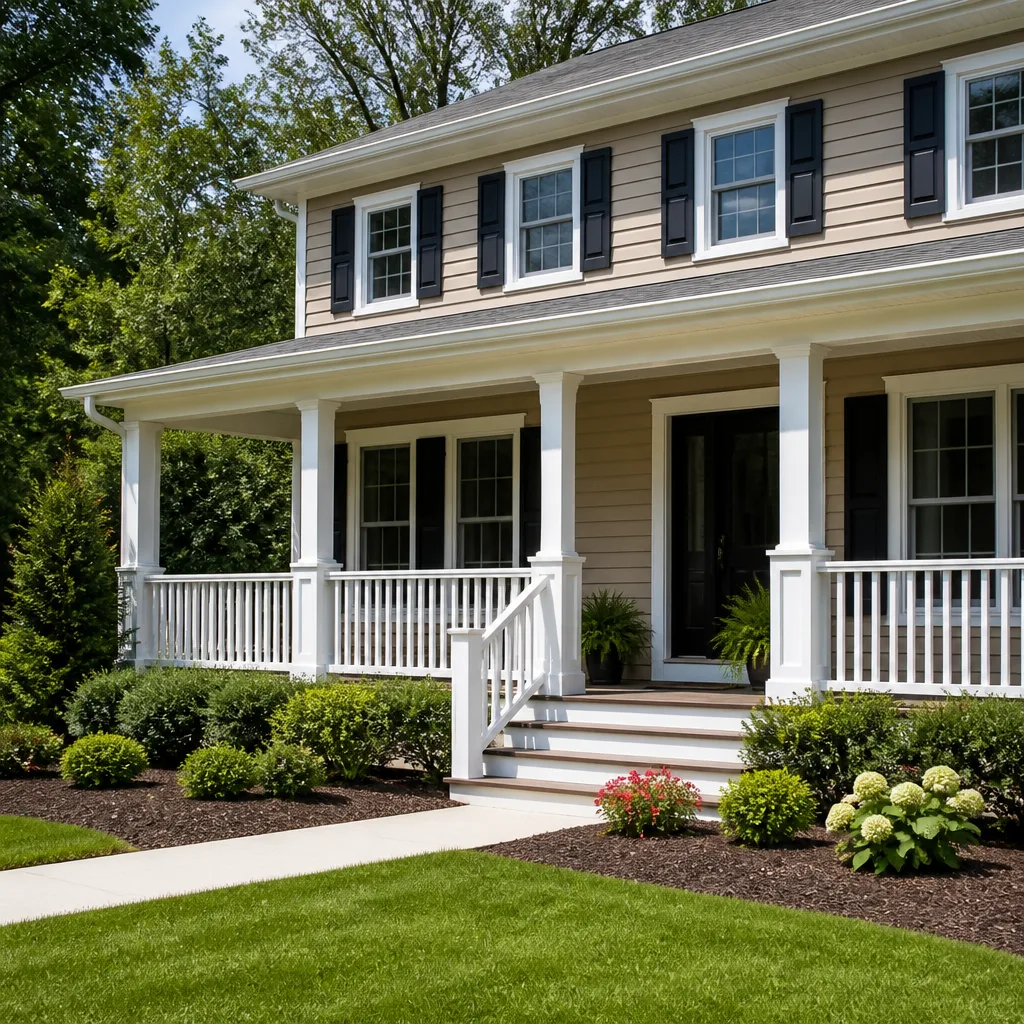
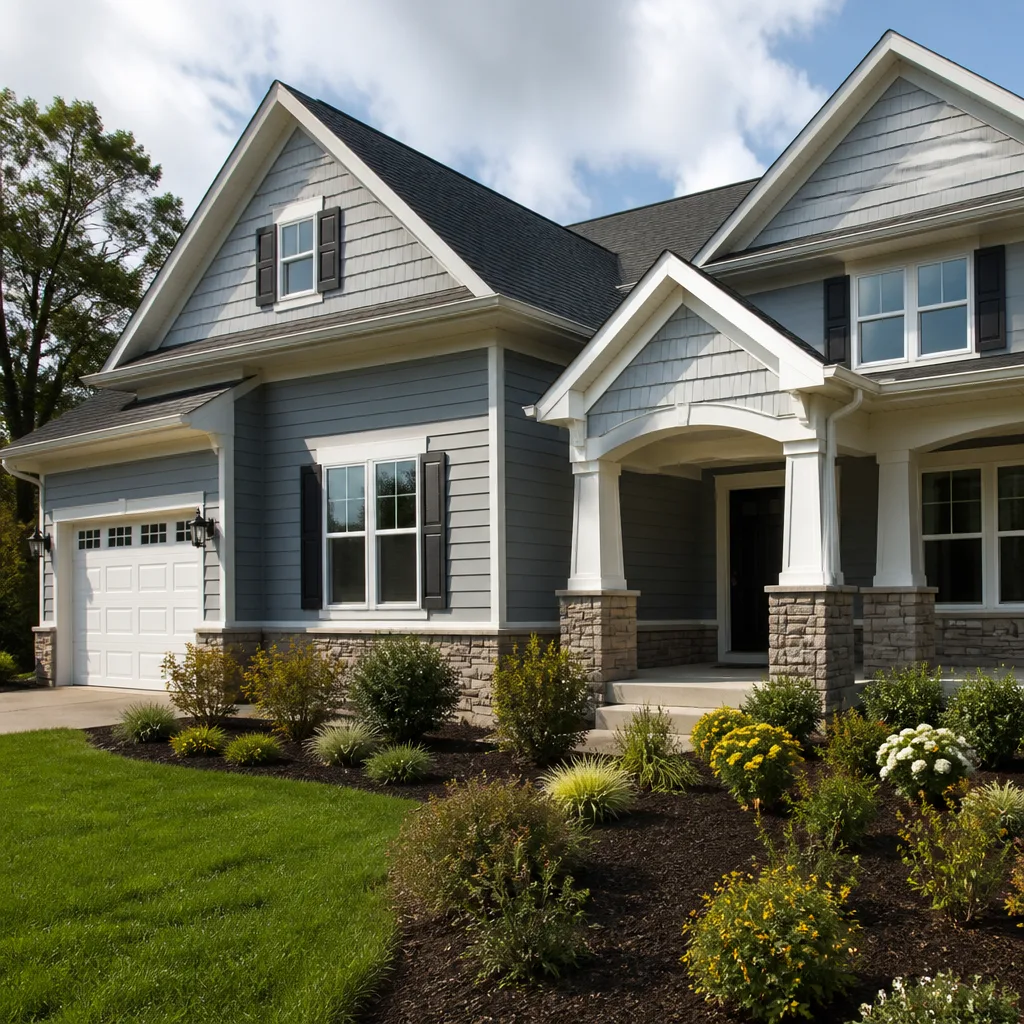
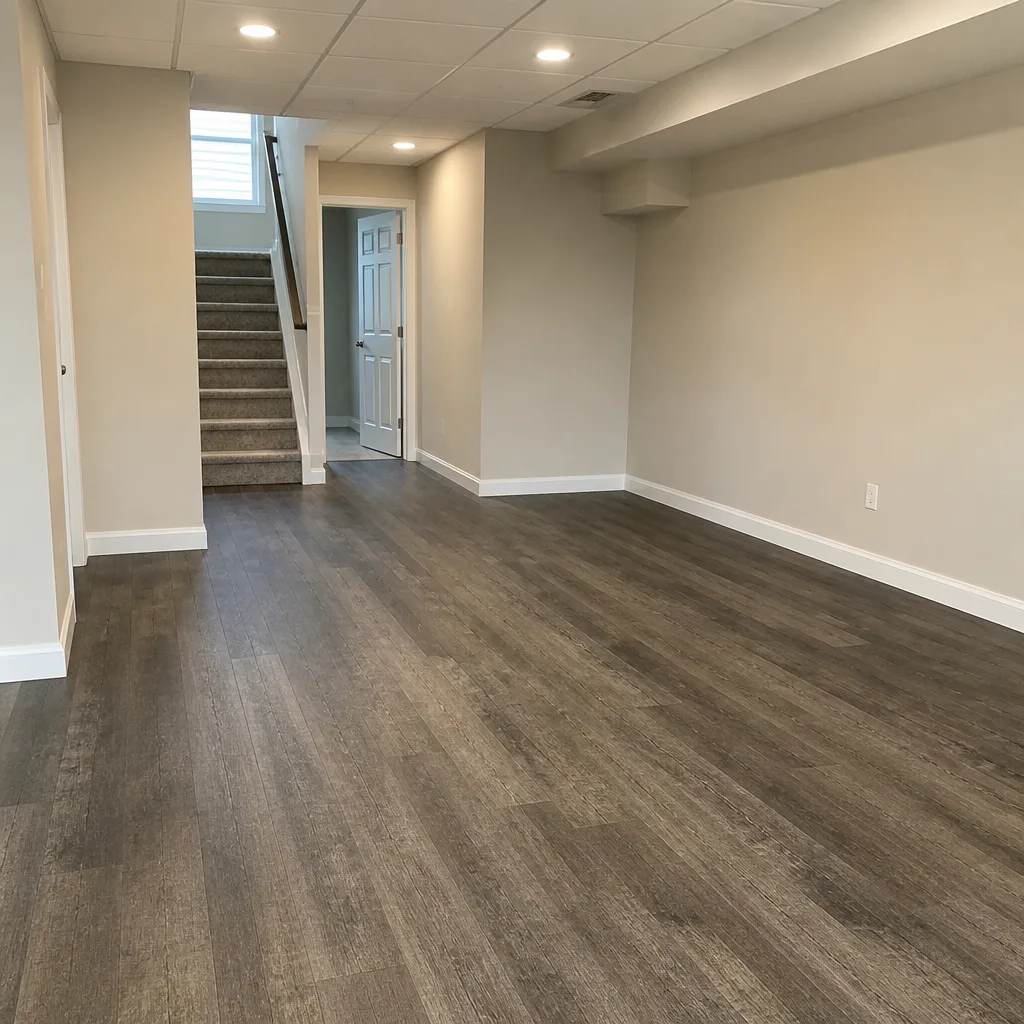
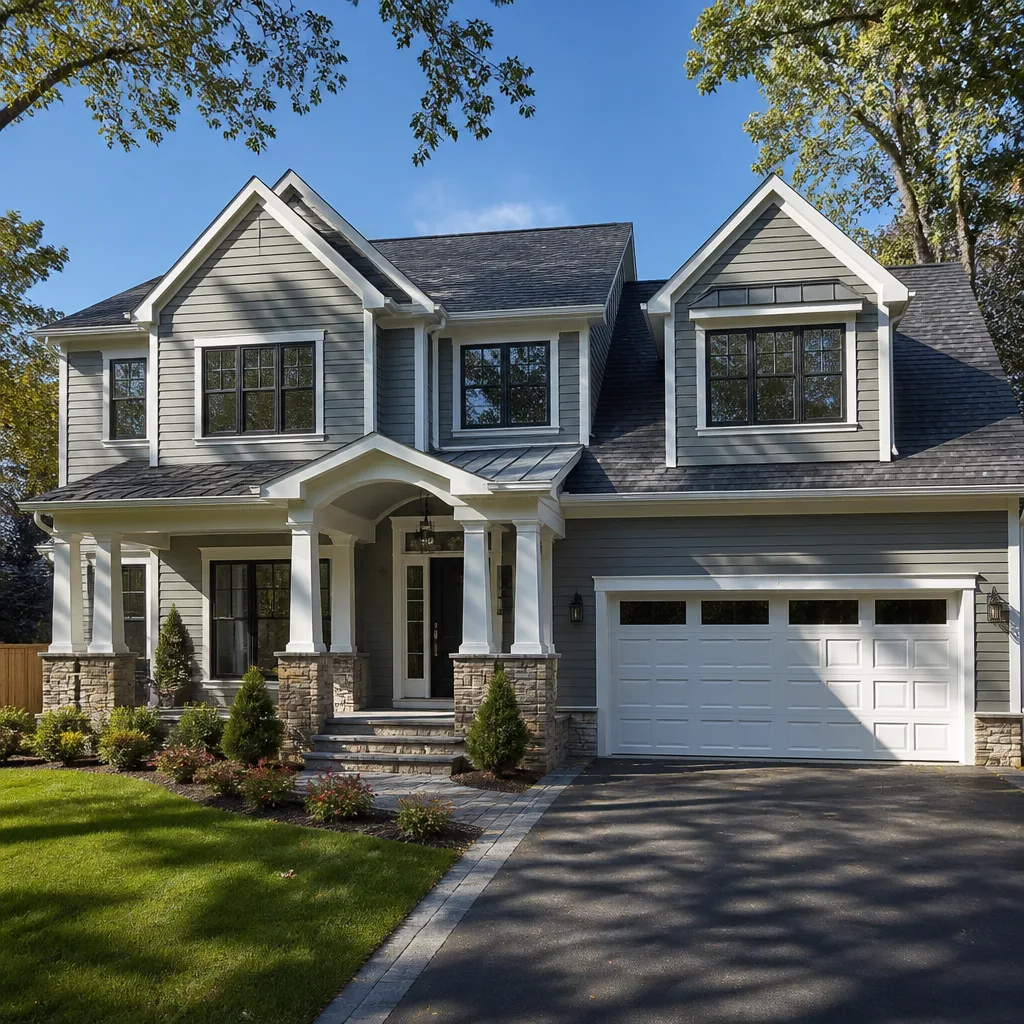
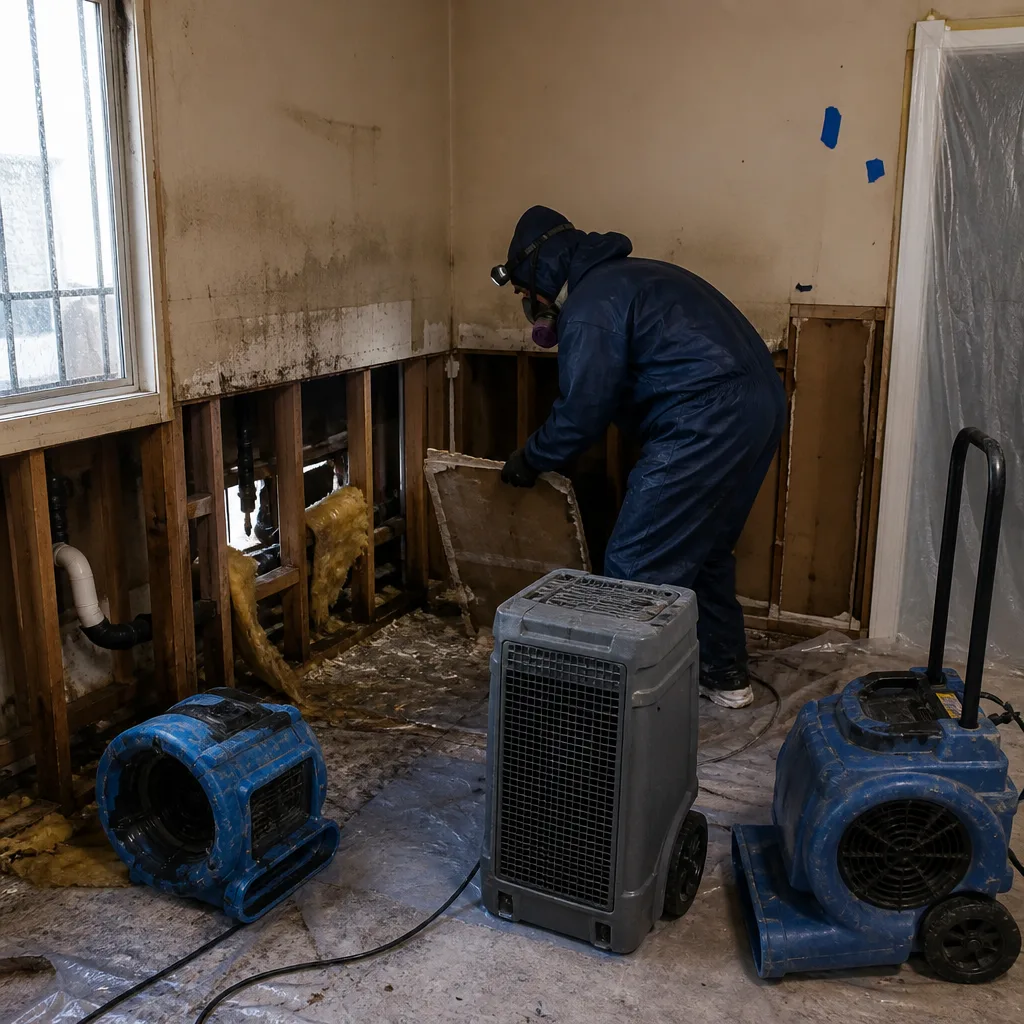 Before
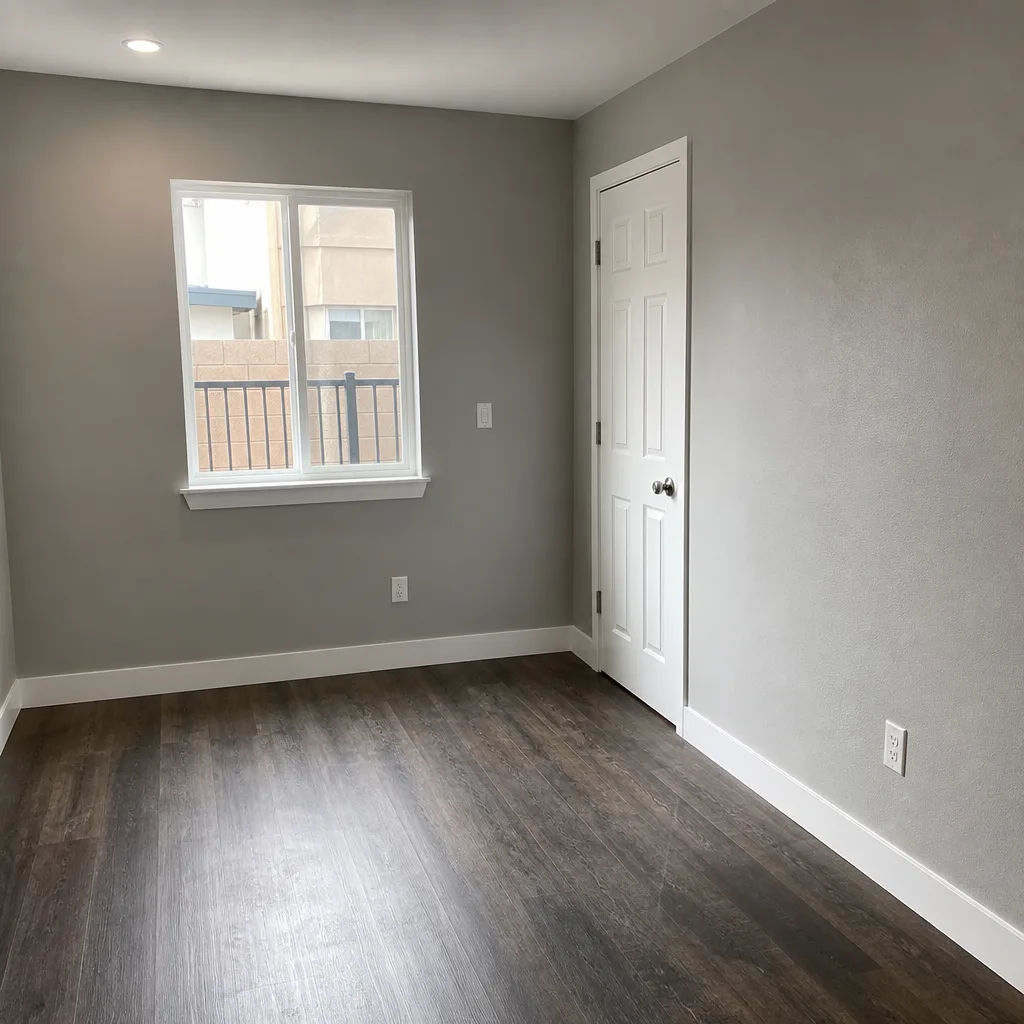 After
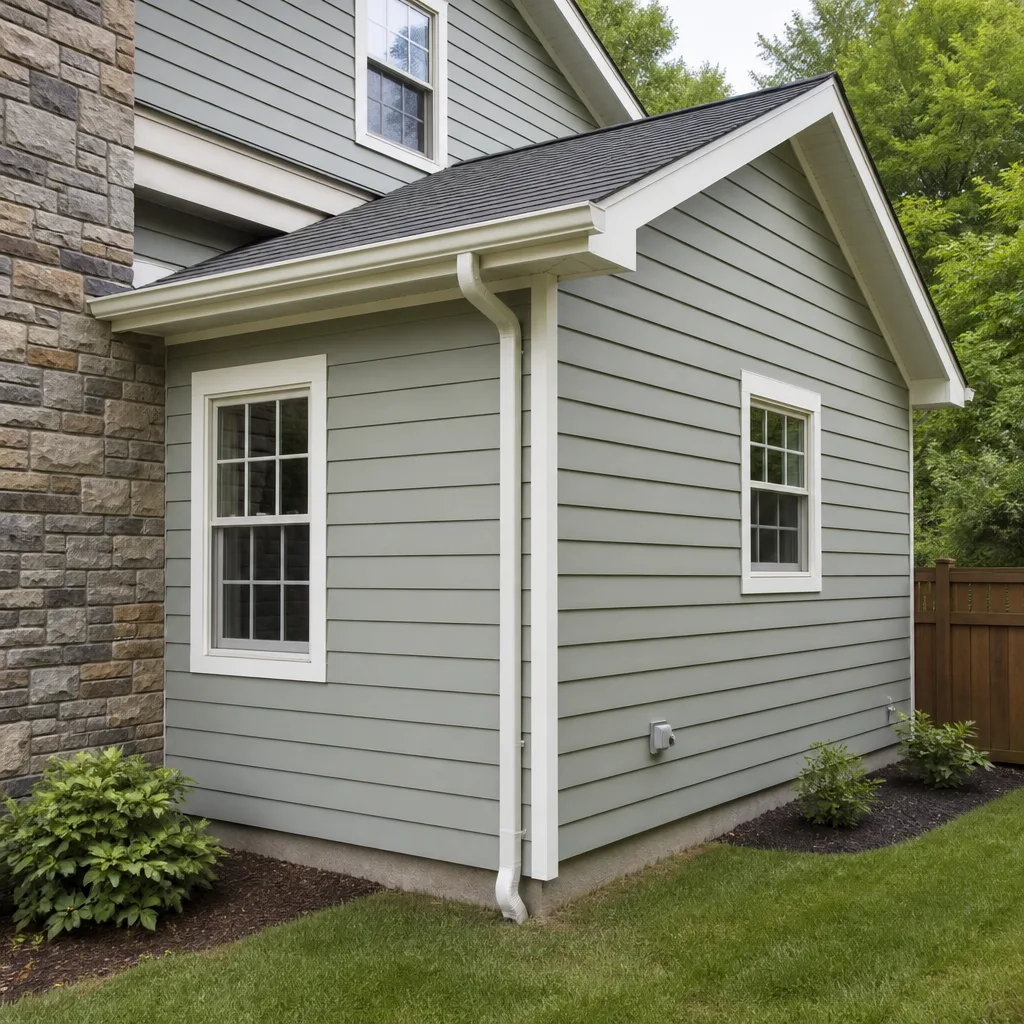
After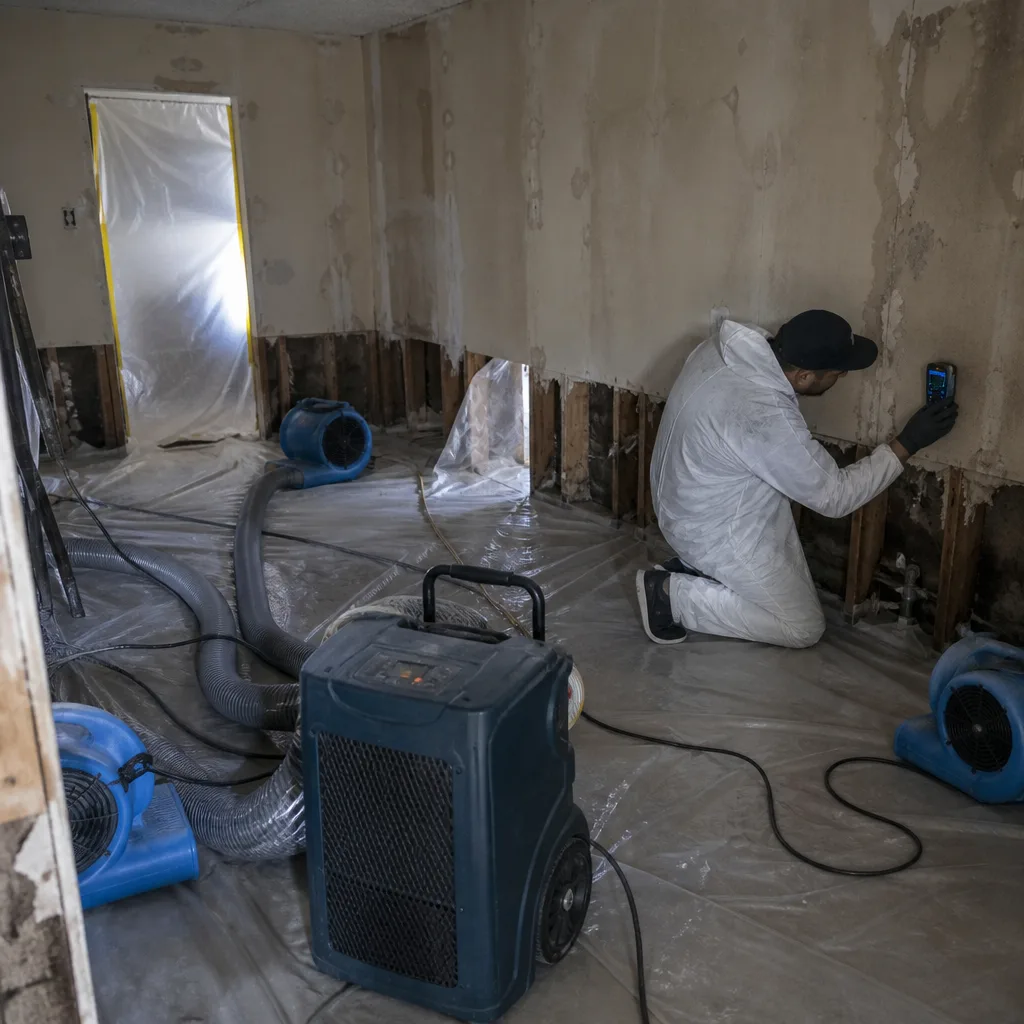 Before
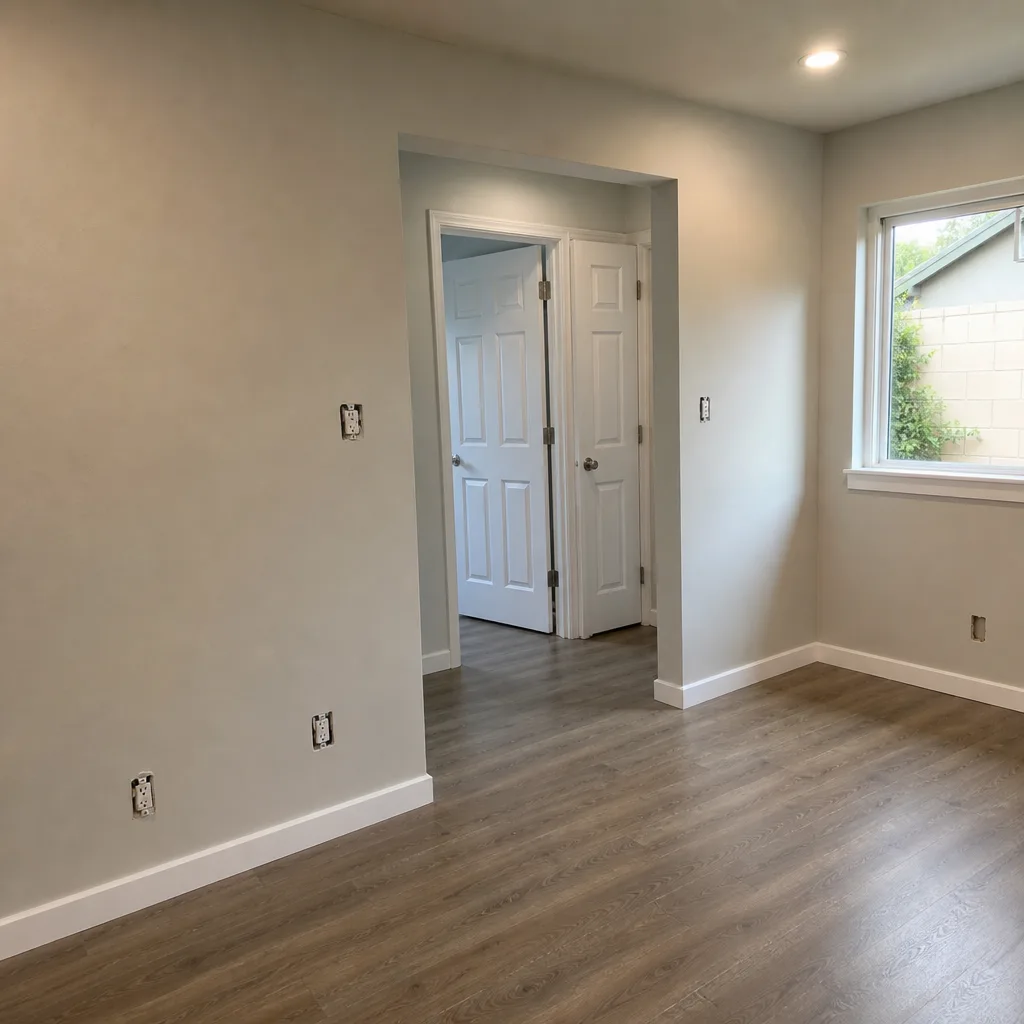 After
After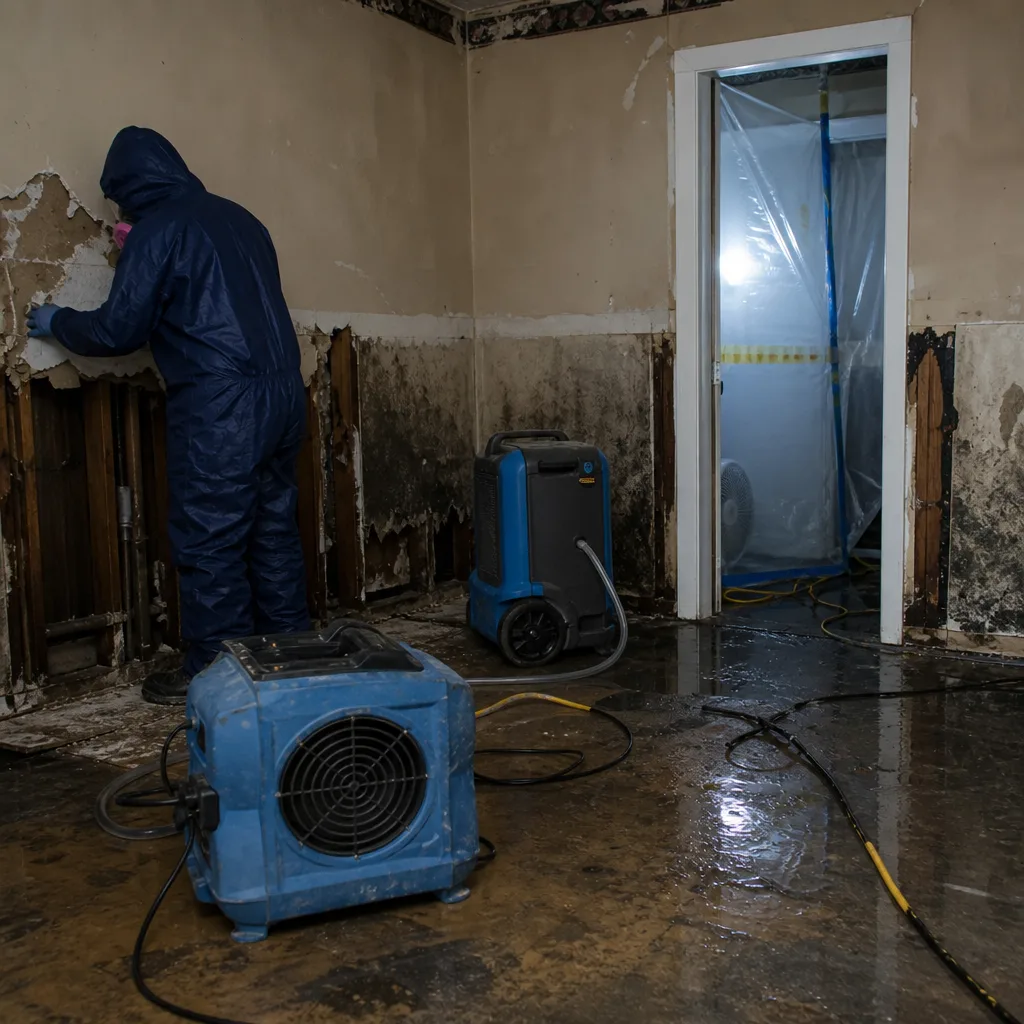 Before
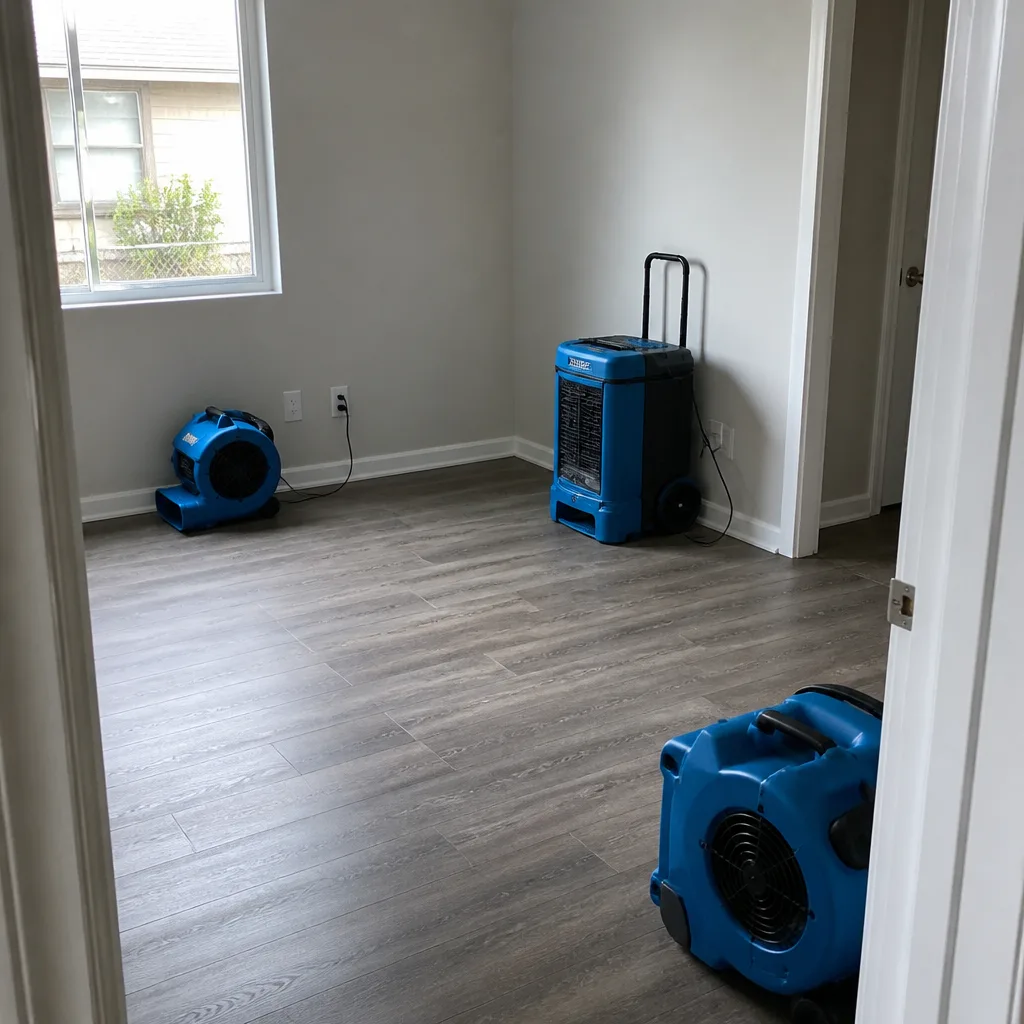 After
After24/7 Emergency Water Damage Restoration in Gardena
Water damage restoration in Gardena typically runs $2,800-$6,500 for a standard residential loss, with emergency extraction and stabilization usually underway within 45 minutes of your call. Call (628) 226-1011 now - a live person answers, 24 hours a day, no voicemail trees, and crews are already positioned across the South Bay for Gardena dispatch.
The first hour determines whether you’re looking at drying and repair or full gut-and-rebuild. Water moves fast through Gardena’s post-war wood-frame construction, especially the 1940s-1960s tract homes with original oak flooring and raised dirt crawl spaces that pull moisture like a wick. Our Water Damage Restoration team arrives with moisture meters, thermal imaging, and extraction equipment to stop the migration before it reaches wall cavities and subfloors. We provide a free visual inspection, document everything with photos, and deliver a written price before any work begins - Haven Standard, Clause 1.
Understanding Water Damage Restoration Severity in Gardena Properties
Water damage classification follows three categories set by IICRC standards. Category 1 is clean water from a broken supply line or overflowing sink - common in Gardena’s original copper or galvanized plumbing. Category 2 carries significant contamination, typical when a dishwasher drain backs up or a washing machine hose fails. Category 3 is grossly contaminated: sewage intrusion, ground water flooding through crawl-space vents, or water that has sat long enough to breed bacteria. Gardena’s flat coastal-plain position means storm runoff ponds quickly during atmospheric-river events, and that standing surface water often carries Category 3 classification by the time it breaches a door or foundation vent.
Severity also depends on material classification. Class 1 affects minimal porous material - perhaps a concrete slab with surface water. Class 2 involves significant absorption into walls, carpet, and cushion. Class 3 means water has wicked up walls or saturated ceiling cavities, common when layered re-roofs hide valley failures that dump water into attic spaces. Class 4 requires specialty drying: hardwood floors, plaster, or the dense subfloor assemblies found in Gardena’s older construction. Our crews map moisture content in every affected material, set drying goals by psychrometric data - temperature, relative humidity, and vapor pressure differential - and don’t call a job complete until readings return to pre-loss dry standards documented in your file.
Why Gardena Property Owners Choose DryMark Restoration Compton
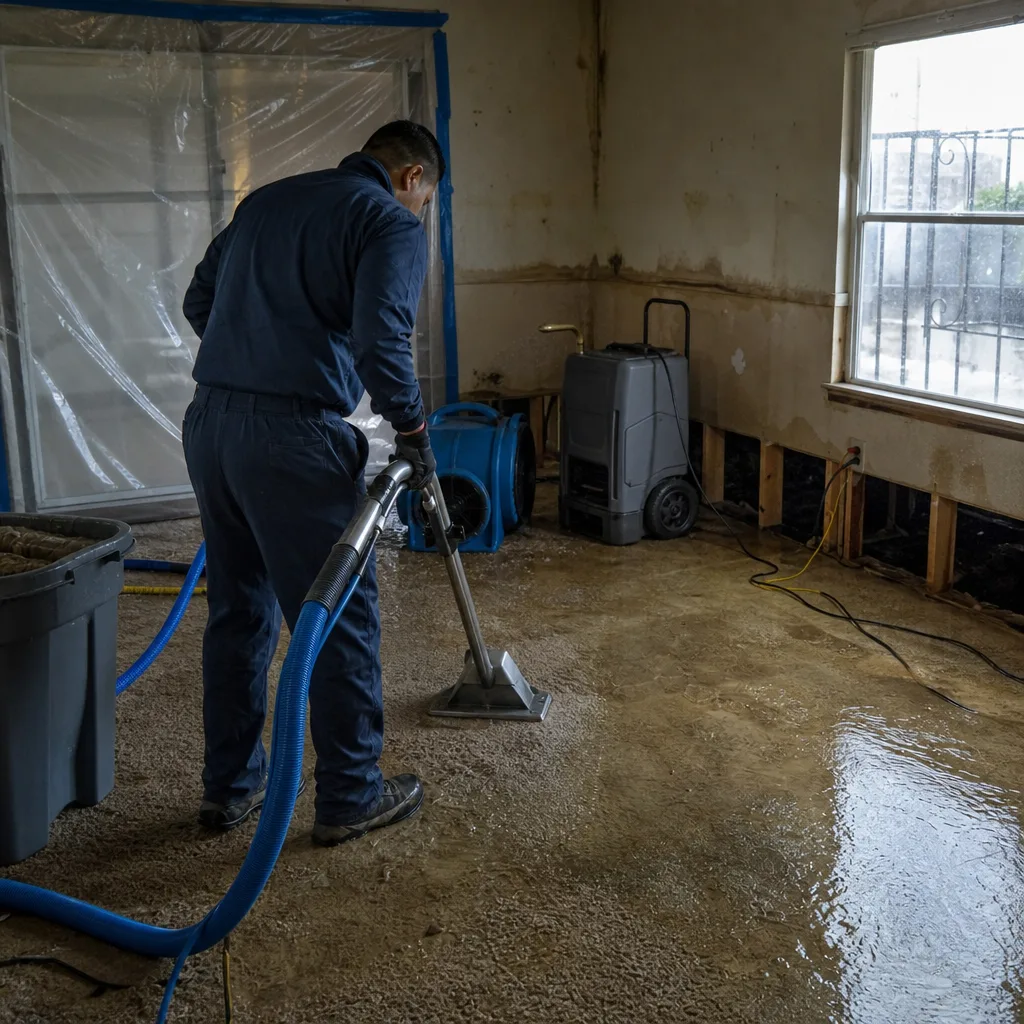
- 45-minute response commitment to Gardena addresses, with crews staged across the South Bay corridor for immediate dispatch.
- 24/7 live answer - a real person, never an automated system or voicemail tree, picks up every emergency call within three rings.
- IICRC-certified crews holding WRT (Water Damage Restoration Technician), FSRT (Fire & Smoke Restoration Technician), and AMRT (Applied Microbial Remediation Technician) credentials, with license numbers provided on request.
- Free visual inspection and moisture assessment before any commitment, with a written scope and price delivered on-site.
- Direct insurance billing and adjuster coordination, including photo-documented loss records that keep claims moving without dispute.
- One team from extraction to reconstruction - no handoffs to unknown subcontractors, no gaps in documentation.
BeforeAfterOur Water Damage Restoration Process
1. Inspection & Assessment
We arrive with thermal imaging cameras, penetrating and non-penetrating moisture meters, and hygrometers to map the full extent of water migration. In Gardena’s raised-foundation homes, this means checking not just visible surfaces but crawl-space joists, attic sheathing, and wall cavities - the moisture sandwich demands top-to-bottom documentation before any equipment is placed.
2. Extraction & Stabilization
Standing water comes out first. Truck-mounted extraction units handle deep carpet and pad, while portable units access tight spaces in Gardena’s older homes with narrow hallways and original built-ins. We remove unsalvageable materials, establish containment if Category 2 or 3 contamination exists, and take initial moisture readings for the drying log.
3. Structural Drying & Dehumidification
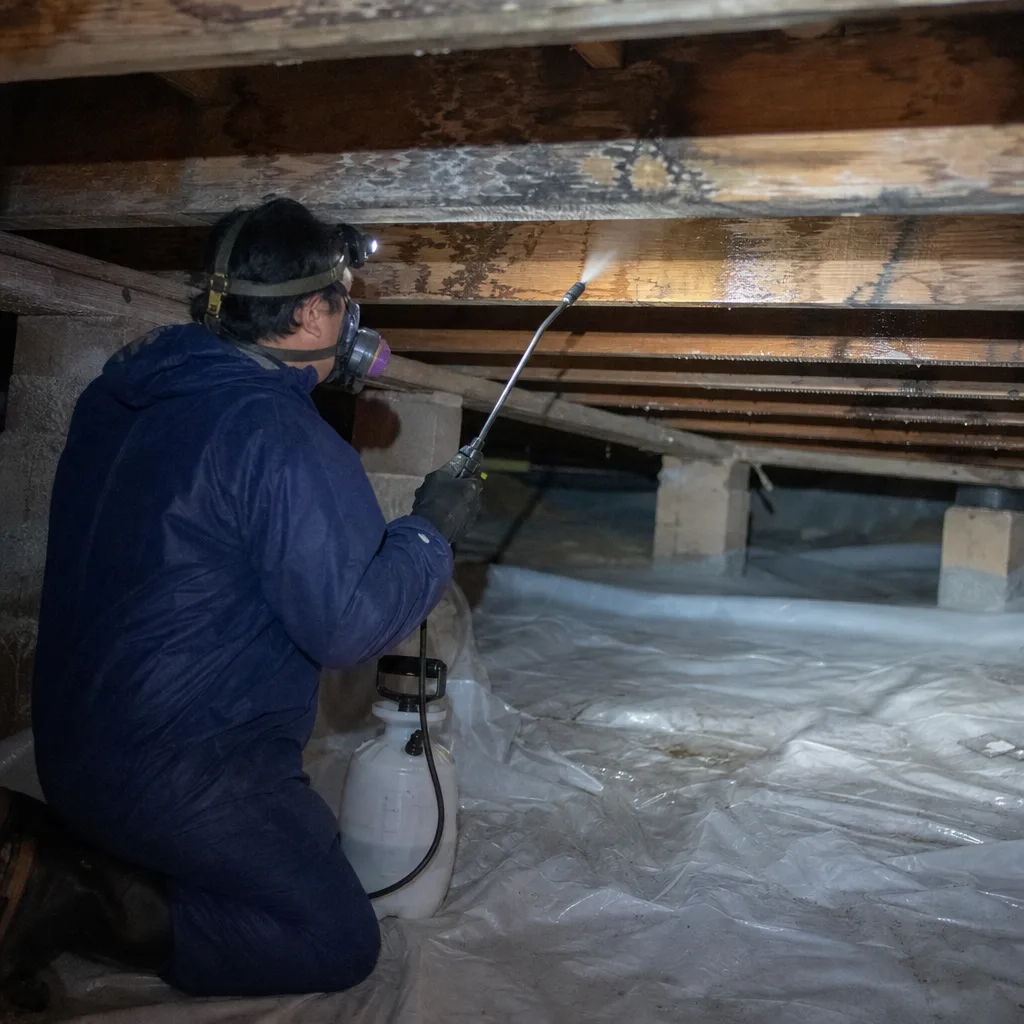
We deploy Dri-Eaz and Phoenix LGR dehumidifiers, XPOWER and B-Air air movers, and Injectidry floor-drying systems to deliver controlled airflow and vapor pressure reduction. In Gardena crawl spaces, this means sealed dehumidification or negative-air drying with HEPA filtration - not just blowing air around damp dirt. Daily moisture readings track progress until materials hit dry standard.
4. Cleaning & Sanitization
Category 2 and 3 losses receive antimicrobial treatment on all affected surfaces. We use EPA-registered products applied to IICRC standards, with documentation of product, concentration, and application method for your insurance file. Odor treatment follows if organic contamination has begun.
5. Asbestos Screening & Hazardous Material Assessment
Gardena’s 1940s-1960s housing and light-industrial stock means asbestos-containing floor tiles, pipe insulation, and ceiling materials are a predictable discovery. Before any demolition that opens walls or subfloors, we screen for hazardous materials per RIA and IFA protocols. If asbestos is present, containment and abatement proceed under separate hazmat scope - never skipped, never hidden.
6. Repairs & Restoration
Once drying is verified and any hazardous materials properly addressed, our reconstruction team rebuilds to pre-loss condition - flooring, drywall, trim, cabinetry, and paint. The same crew that documented the loss now documents the restoration, with before-and-after photos and a final moisture verification signed under our 365-Day Done Right Promise.
Need Emergency Water Damage Restoration in Gardena Now?
Crews minutes away, answering live 24 hours a day. The sooner we start, the less it costs.
Working With Your Insurance Company
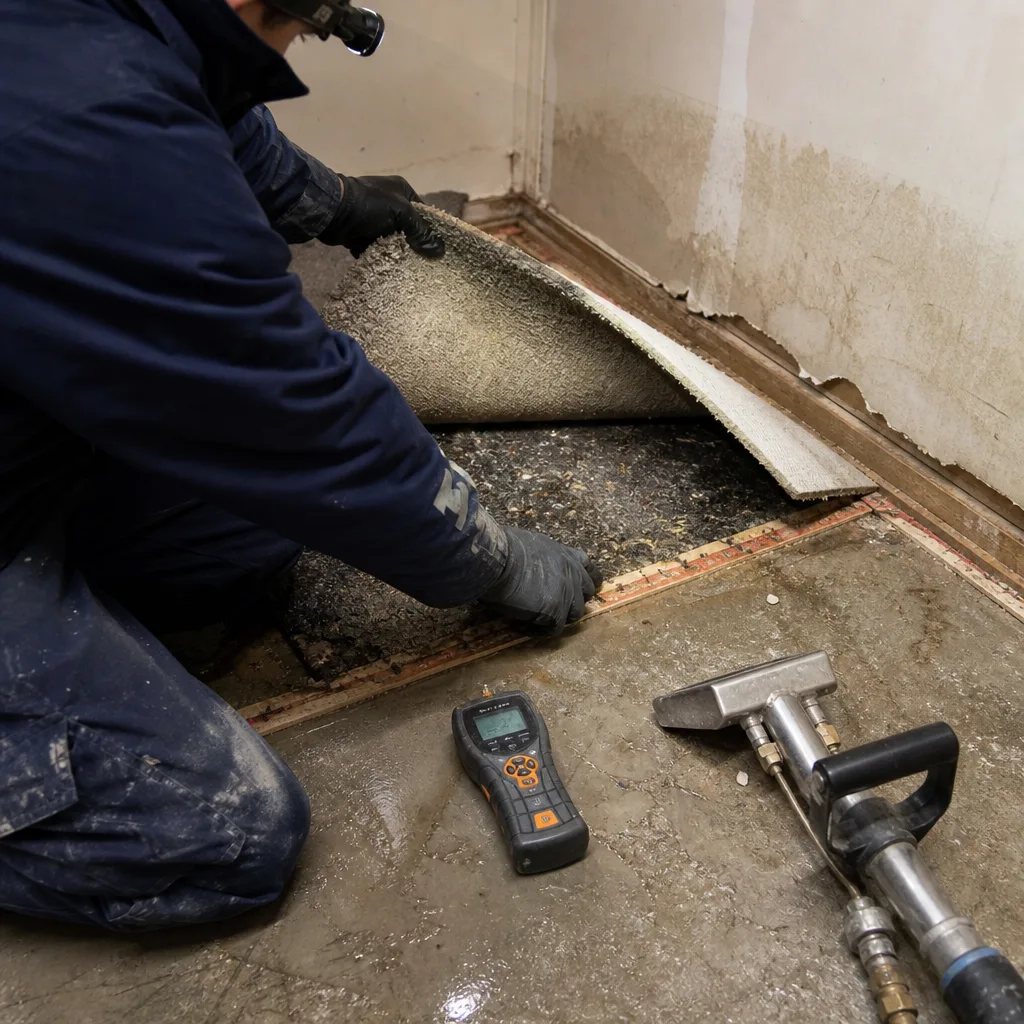
Insurance claims succeed or fail on documentation. We know this because DryMark Restoration Compton was built by a former claims adjuster who watched homeowners lose coverage over missing photos, incomplete moisture logs, and scopes that didn’t match the damage. From the first hour on your Gardena property, we build a file that answers the adjuster’s questions before they ask them.
Our team photographs every room, every angle, every material classification. We record moisture content readings at set intervals, produce daily drying logs with psychrometric data, and deliver a line-item scope tied to industry-standard pricing. Direct adjuster communication is standard - we conference-call with carriers, respond to supplement requests with additional documentation, and never ask you to fight your own claim. The written price you receive before work begins becomes the baseline for insurance negotiation, with no scope-creep additions once the crew is inside - Haven Standard, Clause 1.
What We Provide Your Insurer
- Thorough documentation of the loss
- Photos of all damage, room by room
- Moisture readings and drying logs
- A detailed, line-item scope of work
- Direct coordination with your carrier
Built for Gardena’s Loss Calendar
Gardena’s water damage calendar follows the marine layer and the storm track, not the seasons most people imagine. January through March brings atmospheric-river events that overwhelm the flat coastal plain’s drainage - surface ponding breaches door thresholds and crawl-space vents in the oldest residential blocks near Vermont Avenue and Artesia Boulevard before the storm system can clear. April through June, the persistent marine layer sustains 70%+ relative humidity overnight, keeping crawl-space moisture elevated and turning small leaks into mold jobs.
July and August see spike failures in original galvanized supply lines as thermal expansion stresses aging joints - the 1950s-era plumbing in neighborhoods near Rowley Park and Gardena Memorial Hospital is particularly susceptible. September through November is peak fire-sprinkler accidental discharge season in the city’s commercial corridors along Western Avenue and Redondo Beach Boulevard, where aging light-industrial systems trigger water losses that cross into asbestos abatement when demolition opens 1960s-era construction. December brings the next storm cycle, and with it the callbacks: homes that were “dried” by competitors who never checked the crawl space, now showing mold and wood rot that restarted the clock.
Water Damage Restoration Across Gardena’s Neighborhoods
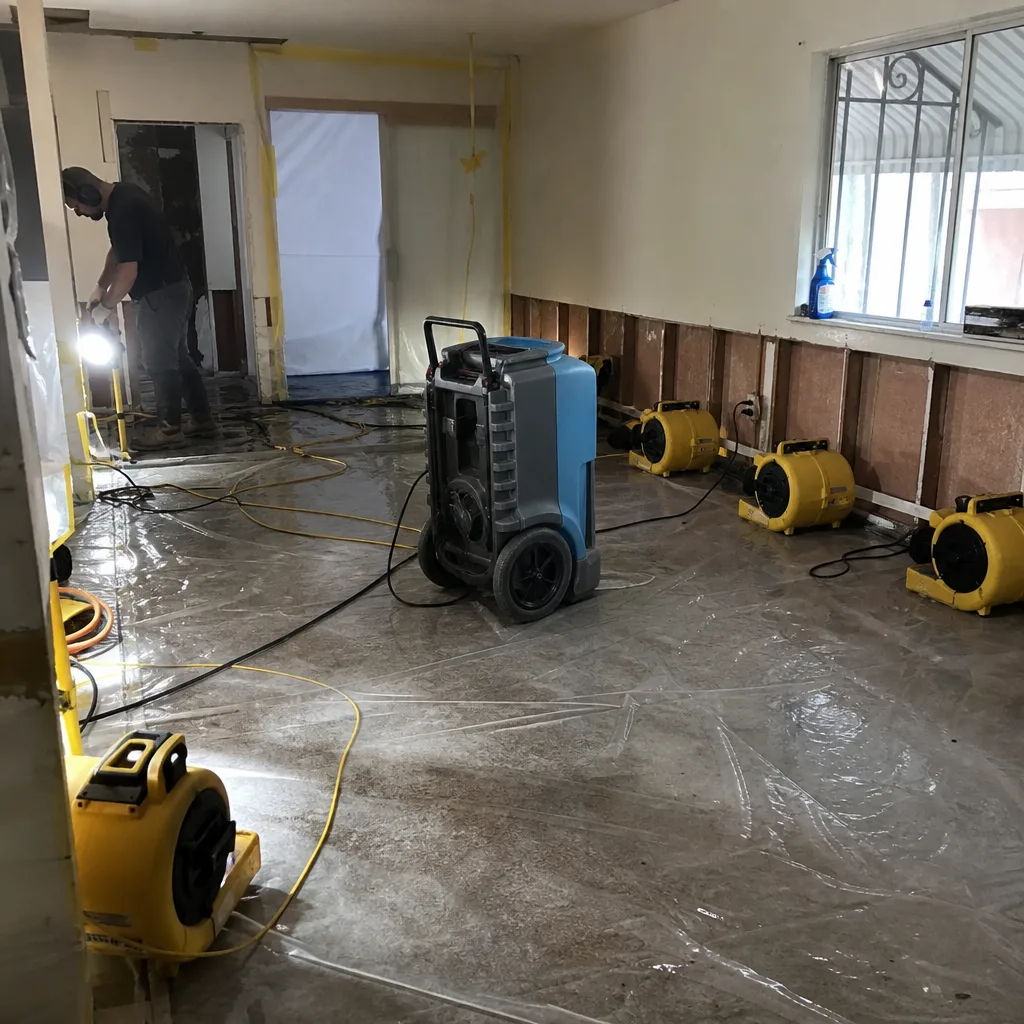
We respond across Gardena’s full residential and commercial fabric, and the loss pattern changes by block. Near Rowley Park and the streets radiating off Western Avenue, the 1940s-1950s wood-frame tracts dominate - original oak floors, raised dirt crawl spaces, layered composition roofs. Here we see the moisture sandwich repeatedly: roof valley failure sending water into attic insulation while crawl-space humidity degrades joists from below. Our crews arrive with both attic and crawl-space drying capability, because treating only one plane guarantees a callback.
The corridors along Vermont Avenue and Artesia Boulevard mix post-war residential with light-industrial and commercial buildings from the same era - machine shops, wholesale suppliers, mid-century office buildings. Water losses here almost always trigger asbestos screening before demolition; floor tiles, pipe insulation, and spray-applied ceiling textures are common. We carry hazmat-abatement capacity specifically for this mixed fabric, so a water job doesn’t stall for weeks waiting for a separate contractor.
Near Gardena Memorial Hospital and the denser residential blocks south of Redondo Beach Boulevard, tighter lot lines and alley-loaded garages create access challenges. Our equipment footprint is sized for these constraints - portable extraction, compact dehumidification stacks, and drying mats that work under furniture when whole-room displacement isn’t possible. The Gardena properties near Torrance Boulevard’s commercial edge see more fire-sprinkler and HVAC condensate losses, with the added complexity of tenant coordination and after-hours containment to maintain business operations.
Specialized Water Damage Restoration Services We Offer in Gardena
Emergency Water Extraction
Standing water is the enemy of structure and the ally of mold. Our truck-mounted and portable extraction systems remove water from carpet, pad, hardwood, tile, and concrete - whatever the substrate found in your Gardena property. We were called to a 1952 wood-frame home off Western Ave near Rowley Park after a supply-line failure under the kitchen sink sent Category 2 water across original oak flooring and through the subfloor into an unventilated dirt crawl space. Our tech ran moisture mapping and found readings in the 30%+ range on crawl-space joists while ceiling moisture readings stayed elevated from an old layered roof valley - a classic Gardena moisture sandwich. We set containment, pulled standing water with water extraction, ran Injectidry mats on the hardwood while simultaneously deploying Phoenix dehumidifiers and air movers in the crawl space with antimicrobial treatment on the joists, and documented every moisture reading in drying logs for the homeowner’s pre-loss condition record.
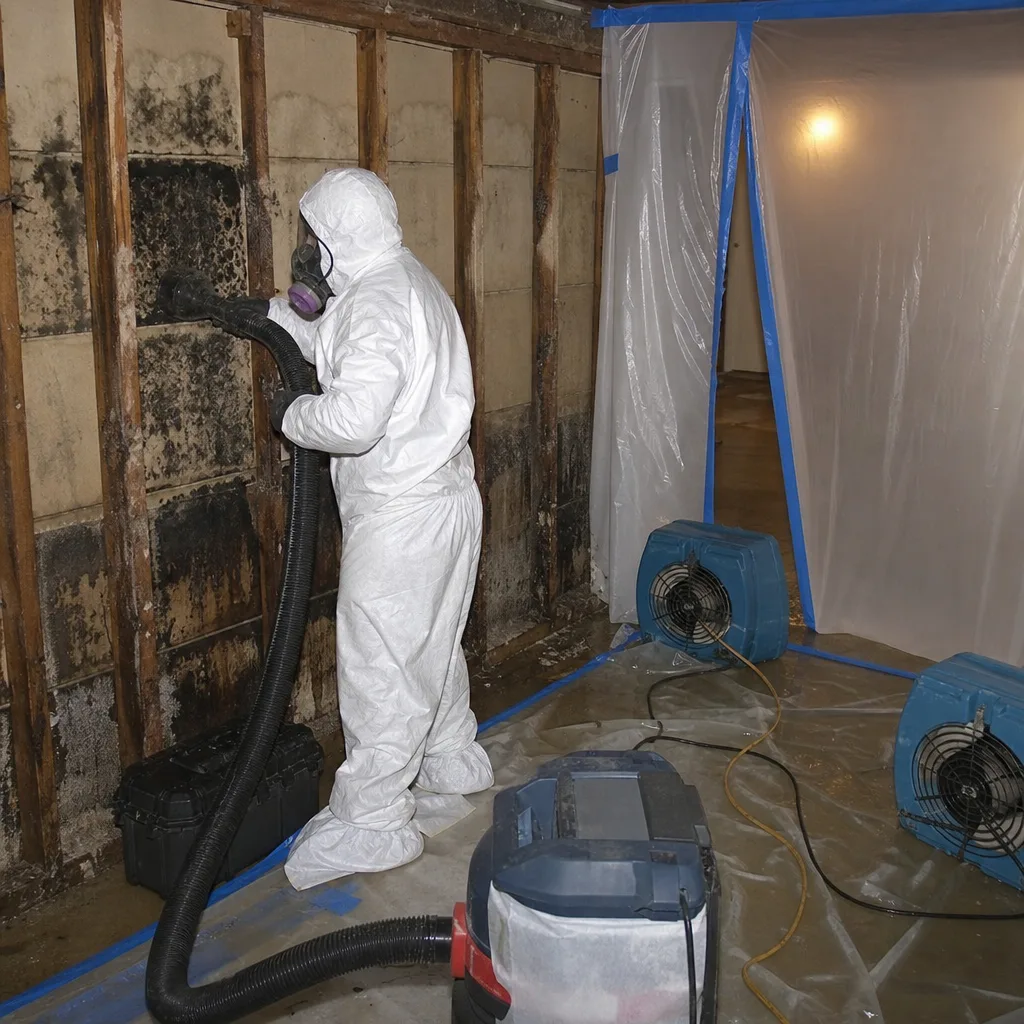
Structural Drying & Dehumidification
This is where Gardena properties differ from slab-foundation cities. Raised dirt crawl spaces require sealed dehumidification or negative-air drying, not just passive ventilation. We deploy Phoenix and Dri-Eaz LGR units with remote monitoring, set drying goals by material type and moisture content, and don’t remove equipment until readings hold steady at pre-loss dry standard. The marine layer’s persistent humidity means we often run longer drying cycles here than inland markets - documented, justified, and communicated to your adjuster.
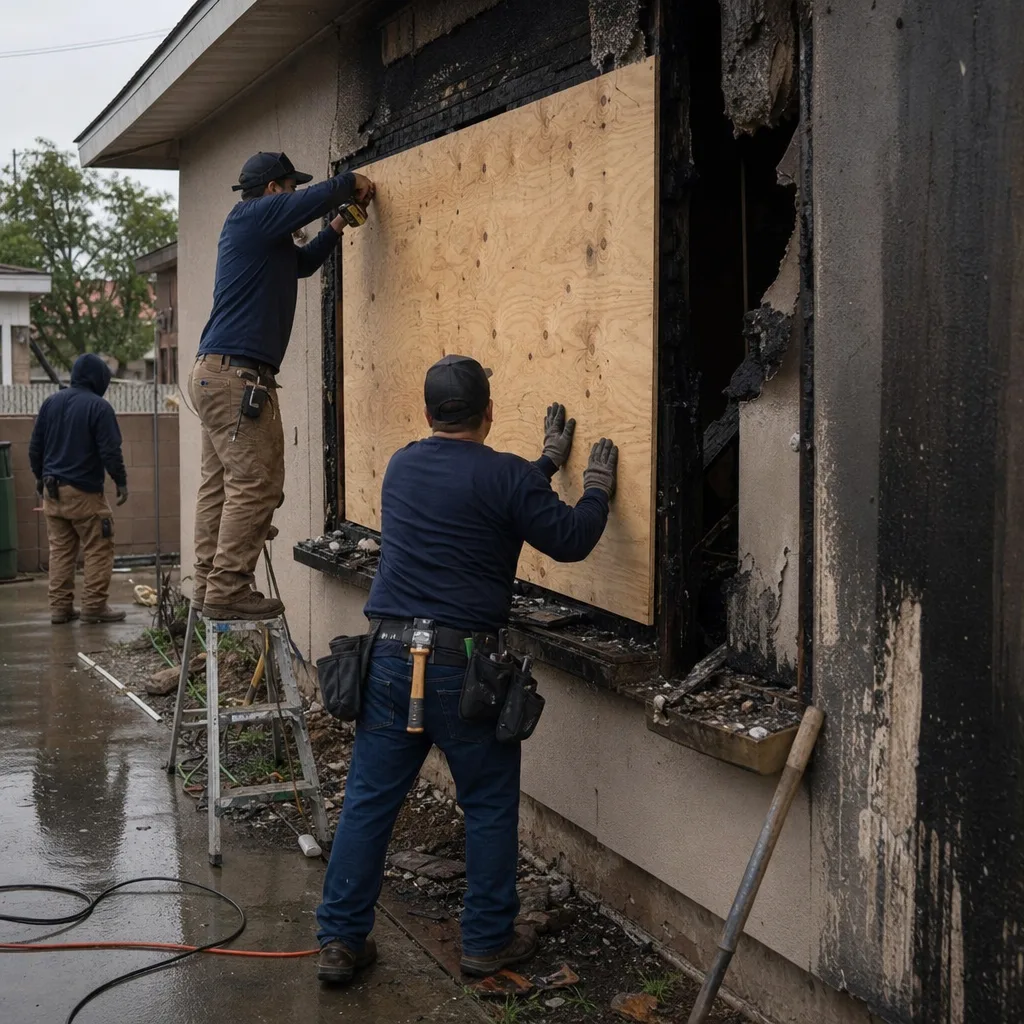
Ceiling & Roof Leak Water Damage
Gardena’s layered re-roofs hide valley and flashing failures that let water migrate across attic sheathing before ever showing as a ceiling stain. We inspect with thermal imaging from the interior and physical assessment from the roof when safe access allows, trace the full water path, and dry both the visible ceiling cavity and the hidden attic assembly. Skipping the overhead source is the most common cause of restoration callbacks in this city.
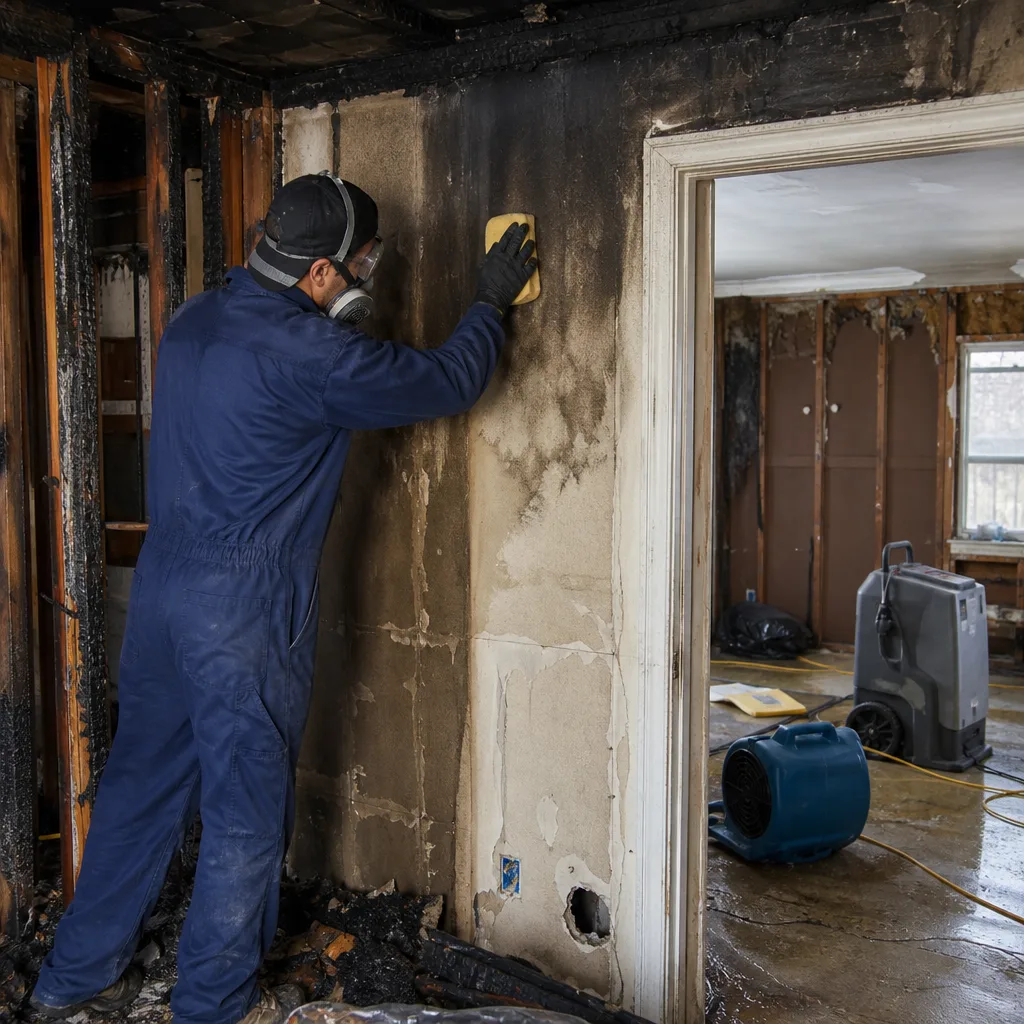
Flood Cleanup
Surface flooding from storm ponding or street backup brings Category 3 contamination by definition. We extract, remove porous materials that cannot be sanitized, apply antimicrobial treatment to structural elements, and document contamination classification for your insurance file. Gardena’s flat terrain means flood water sits longer and carries more debris than in graded communities.
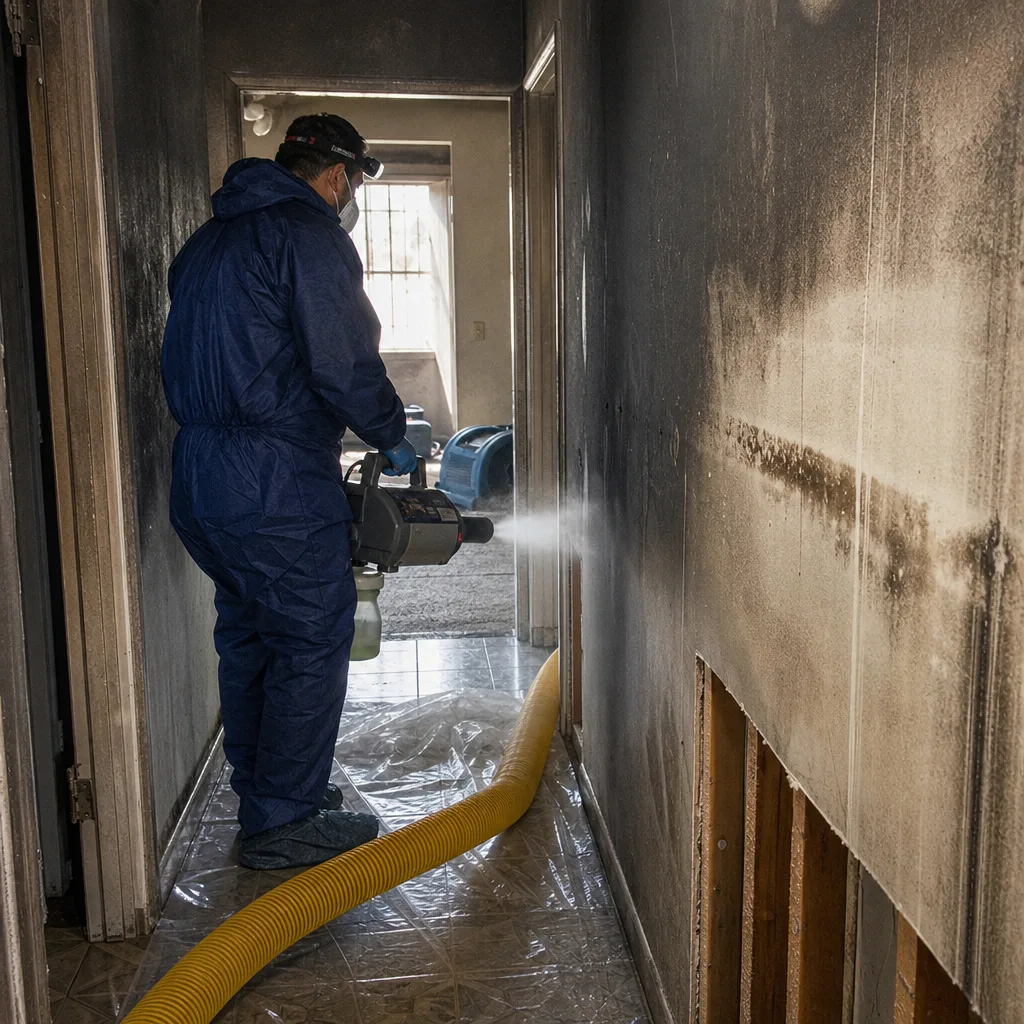
Burst Pipe Restoration
Original galvanized and early copper in Gardena’s post-war housing fails at joints, elbows, and where pipes pass through framing. We extract the water, dry the assembly, and coordinate with licensed plumbers for repair - then restore walls, flooring, and finishes to match. The full scope is written before reconstruction begins.
Basement Water Removal
True basements are rare in Gardena’s coastal-plain construction, but partial daylight basements and converted crawl spaces exist in some 1950s tracts. These present unique access and drying challenges that our compact equipment and flexible hose runs are built to handle.
What happens when you call
- 1
A real person answersNo phone trees - you reach a local pro.
- 2
You get an upfront price rangeHonest numbers before anyone is dispatched.
- 3
A background-checked tech heads outLicensed & insured, dispatched right away.
- 4
You approve before work beginsNothing starts until you say go.
Water Damage Restoration Costs in Gardena, CA
Here’s what water damage restoration actually costs in Gardena’s market, based on the loss types we handle most often:
| Service | Typical Range in Gardena |
|---|---|
| Emergency water extraction (initial visit) | $450-$850 |
| Structural drying & dehumidification (3-5 day standard) | $1,800-$3,200 |
| Crawl-space drying with encapsulation prep | $2,400-$4,500 |
| Category 3 flood cleanup with sanitization | $3,500-$7,000 |
| Hardwood floor drying with Injectidry mat system | $2,200-$4,000 |
| Asbestos screening and abatement (when required) | $1,500-$5,000+ |
| Full reconstruction (drywall, flooring, paint, trim) | $4,000-$15,000+ |
What moves the price: the water category (Category 1 vs. 3 changes labor and material cost significantly), the square footage affected, whether the crawl space requires simultaneous drying, and whether hazardous materials are discovered. Insurance typically covers sudden and accidental water damage from plumbing failures; long-term leaks and maintenance-related deterioration are usually excluded. We provide a free visual inspection, deliver a written price before any work begins, and offer a Free Second Opinion on any competitor’s written estimate - bring their scope and we’ll review it at no charge. Call (628) 226-1011 for your exact quote.
We Also Serve Cities Near Gardena
Our crews respond throughout the South Bay corridor, including Lawndale to the north with its similar post-war housing stock, Hawthorne and its denser residential blocks near the 405, Compton with its mix of historic and mid-century construction, and Torrance to the south where slab-foundation tracts and hillside homes present different drying challenges than Gardena’s raised-foundation standard. Dispatch and scheduling are coordinated from our Los Angeles office; crews serve each city locally with equipment configured for that market’s building types.
Serving Gardena, CA - Our Local Coverage Area
We’re based in the Gardena area and know this community well. Use the map below to see our service coverage - if you’re nearby, we can almost certainly help.
Gardena Water Damage Restoration Questions, Answered
Why does water damage take longer to dry in Gardena than in neighboring cities like Torrance?
Gardena’s raised-foundation 1940s-1960s homes sit over unventilated dirt crawl spaces, and the persistent South Bay marine layer keeps ambient humidity elevated year-round - a combination that requires simultaneous top-and-bottom drying protocols Torrance’s slab-foundation properties rarely need. Our crews typically run 4-7 day drying cycles in Gardena versus 3-5 days in drier, slab-built markets, with daily moisture logs documenting the justification for your adjuster. Call (628) 226-1011 for a free inspection and timeline estimate.
Do you screen for asbestos when doing water damage restoration in Gardena?
Yes, whenever demolition opens walls, ceilings, or subfloors in Gardena’s 1940s-1960s housing and light-industrial stock. Floor tiles, pipe insulation, spray-applied ceiling textures, and roofing materials from this era commonly contain asbestos, and uncontained disturbance escalates a water job into a hazmat violation. We screen per RIA and IFA protocols before demolition begins, with abatement handled under separate scope if needed - never skipped, never hidden from your insurance file. Call (628) 226-1011 to discuss your property’s specific risks.
How fast do you respond to water damage in Gardena and what happens first?
We commit to 45-minute response to Gardena addresses, with a live person answering your call 24 hours a day. First arrival means moisture mapping with thermal imaging and meters, extraction of standing water, containment if contamination exists, and a written scope with price before any further work - Haven Standard, Clause 1. The crew documents everything with photos for your insurance file from hour one. Call (628) 226-1011 now to dispatch.
What is the ‘moisture sandwich’ that Gardena restoration techs talk about?
It’s the pattern we find in Gardena’s older raised-foundation homes: water infiltrates through aging, layered re-roofs and degraded flashing at the top while ground moisture wicks upward through unventilated dirt crawl spaces at the bottom. The floor assembly sits between two moisture sources, requiring simultaneous attic and crawl-space drying that slab-foundation cities rarely need. Treating only the visible interior while ignoring either plane guarantees saturated joists, mold growth, and a callback. Our standard protocol addresses both from day one, documented in daily drying logs. Call (628) 226-1011 for a free moisture assessment.
What water category is a typical Gardena flood or pipe leak, and does it change the work?
Supply-line breaks and sink overflows start as Category 1 (clean) or Category 2 (gray) depending on source and dwell time. Gardena’s flat terrain means storm flooding and crawl-space intrusion often arrive as Category 3 (black water) due to ground contamination and debris. Category changes the extraction approach, the sanitization protocol, the materials that must be removed versus dried, and the documentation required for insurance. We classify on arrival, explain the implications in writing, and adjust scope accordingly - with your approval and your adjuster’s, documented. Call (628) 226-1011 for immediate classification and response.
Will my insurance cover water damage restoration in Gardena?
Sudden and accidental water damage from plumbing failures, appliance malfunctions, and storm intrusion is typically covered under standard homeowners policies. Long-term leaks, maintenance neglect, and groundwater seepage are usually excluded. We document the loss origin, classify the water category, and produce the line-item scope and moisture logs that keep claims moving. Direct adjuster coordination is standard - we don’t hand you a bill and wish you luck. Call (628) 226-1011 and we’ll review your coverage path during the free inspection.
How long does structural drying take in a typical Gardena home?
Standard residential drying runs 4-7 days in Gardena’s raised-foundation homes with marine-layer humidity, compared to 3-5 days in drier, slab-built markets. Hardwood floors, plaster, and dense subfloor assemblies may extend to 10-14 days. We don’t guess - we set daily moisture readings, track psychrometric data, and remove equipment only when materials hold at pre-loss dry standard for 24 hours. The drying log becomes part of your insurance documentation. Call (628) 226-1011 for a timeline based on your specific loss.
Can we stay in our home during water damage restoration?
Often yes for Category 1 and 2 losses confined to non-sleeping areas, provided power and HVAC remain functional and no hazardous materials are disturbed. Category 3 contamination, extensive demolition, or asbestos abatement typically requires temporary relocation. We assess habitability on arrival, explain the factors in writing, and coordinate with your insurance for additional living expense documentation when displacement is necessary. Your safety and the drying protocol’s integrity guide the decision - not convenience. Call (628) 226-1011 to discuss your situation.
Water damage in Gardena doesn’t resolve itself, and partial drying only borrows trouble. Call (628) 226-1011 now - a live person answers, crews are minutes away, and your written price arrives before any work begins. The 365-Day Done Right Promise backs every job we complete.
Written by Alicia Brennan, Owner at DryMark Restoration Compton, serving Gardena and the South Bay since 2011.
Water Damage Restoration in Nearby Areas