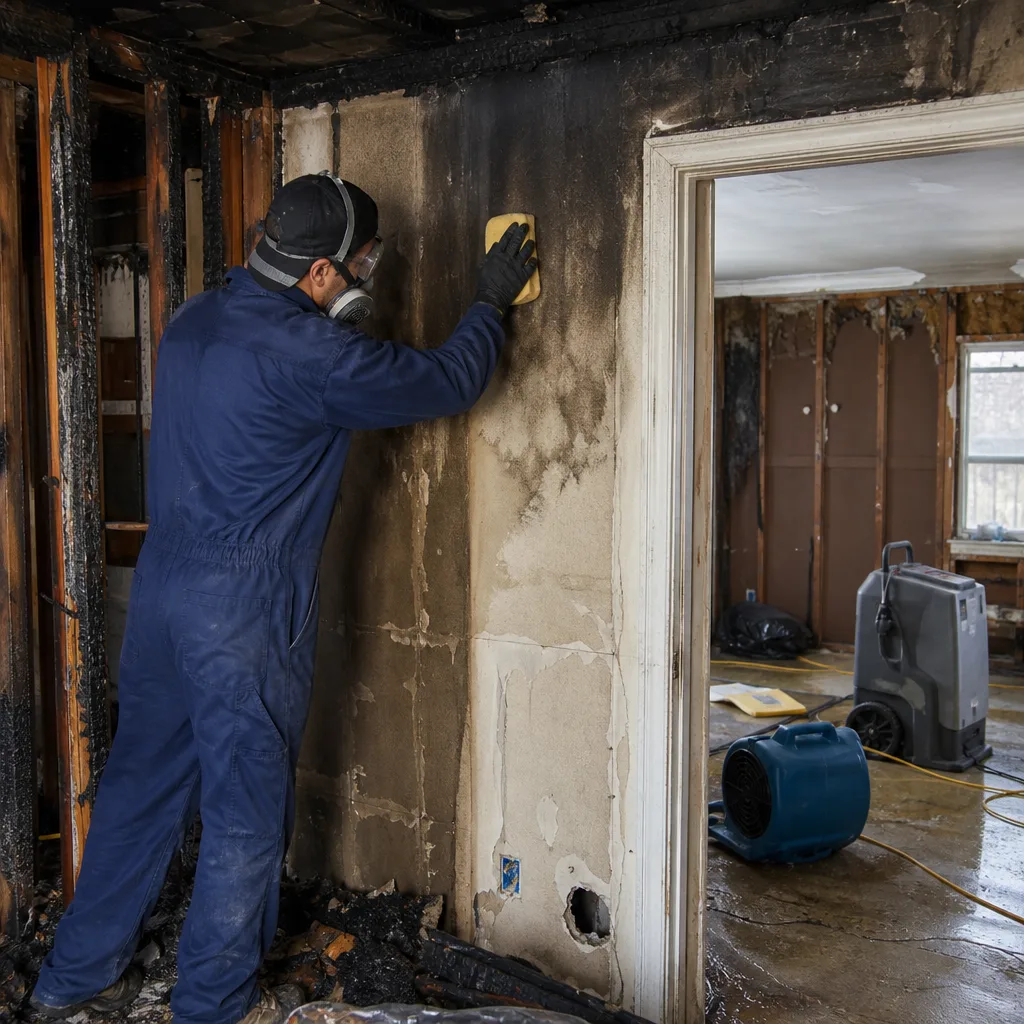
Free visual inspection and a written scope of work before any mitigation begins - photos, moisture readings, and drying logs go in your claim file
The scope we write is the scope we bill. Anything new gets shown to you, in writing, before we touch it.
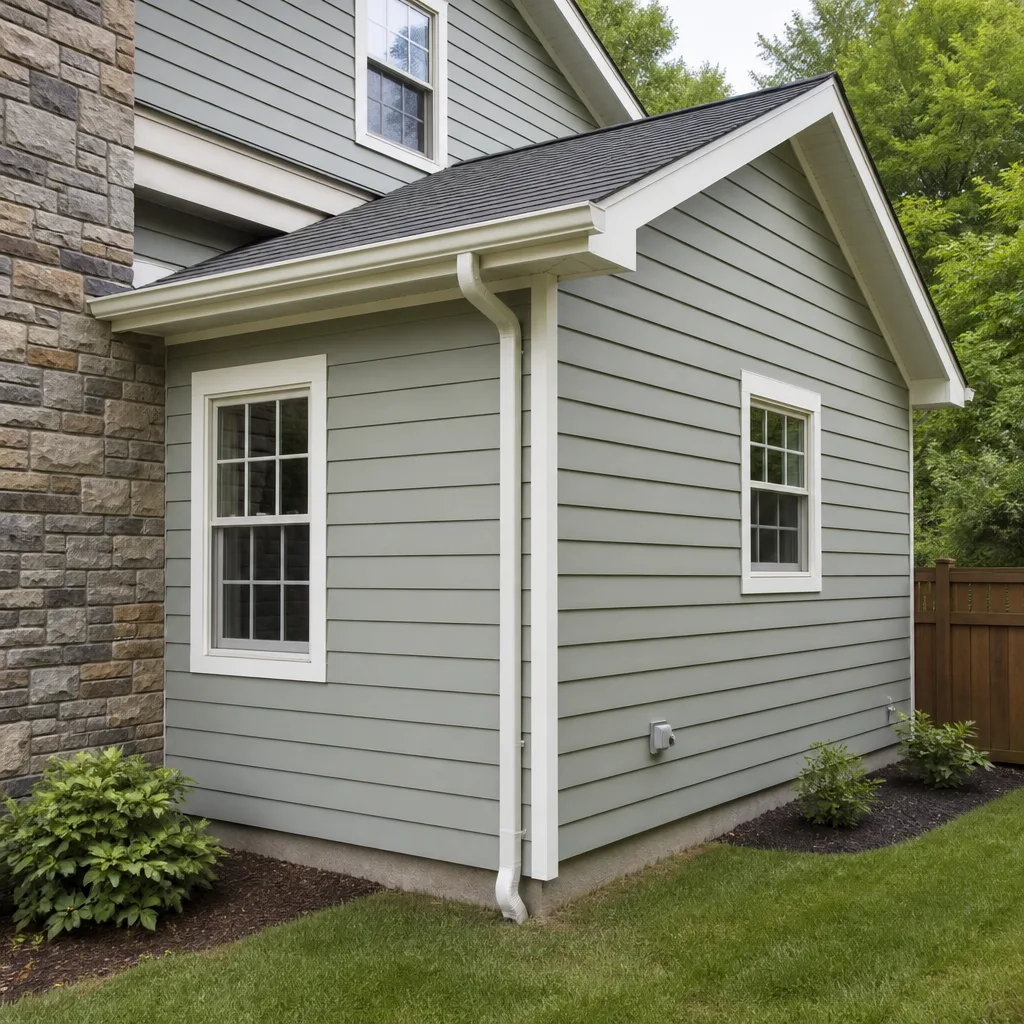
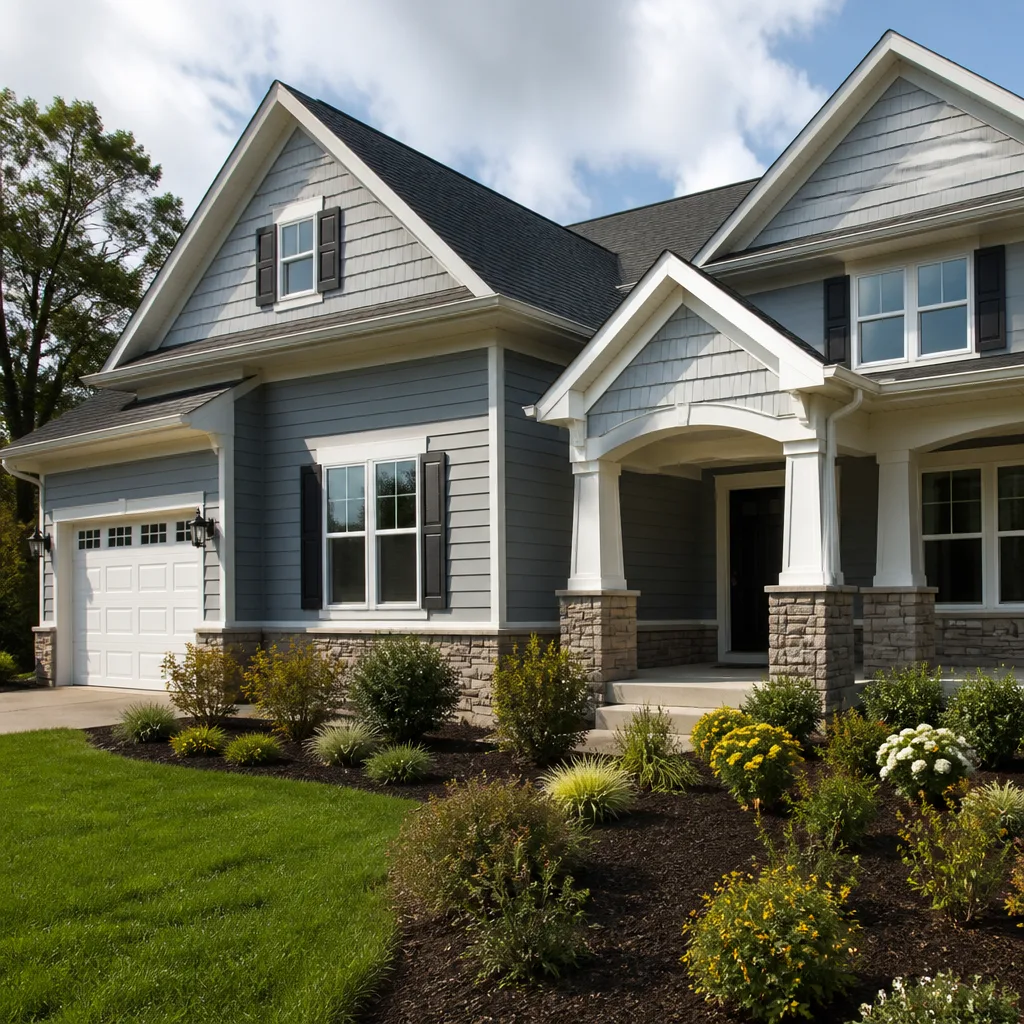
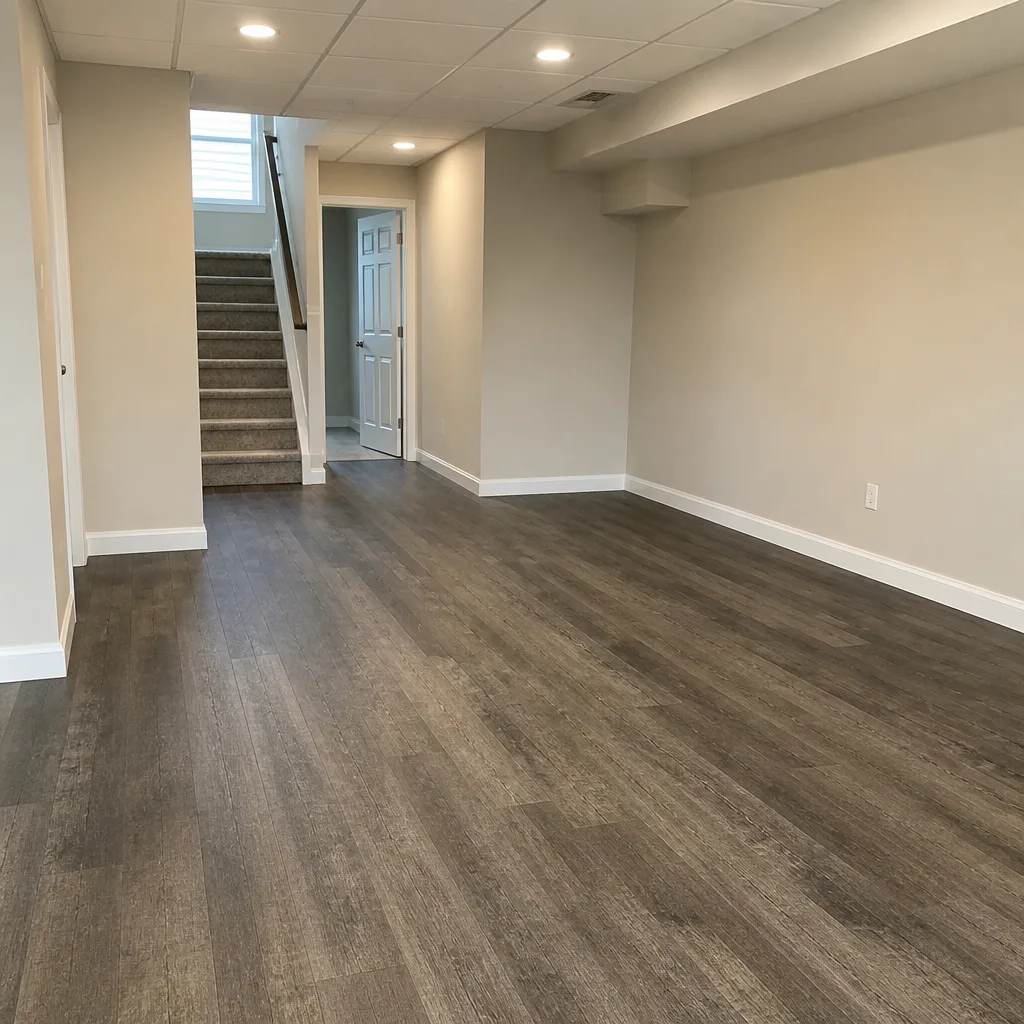
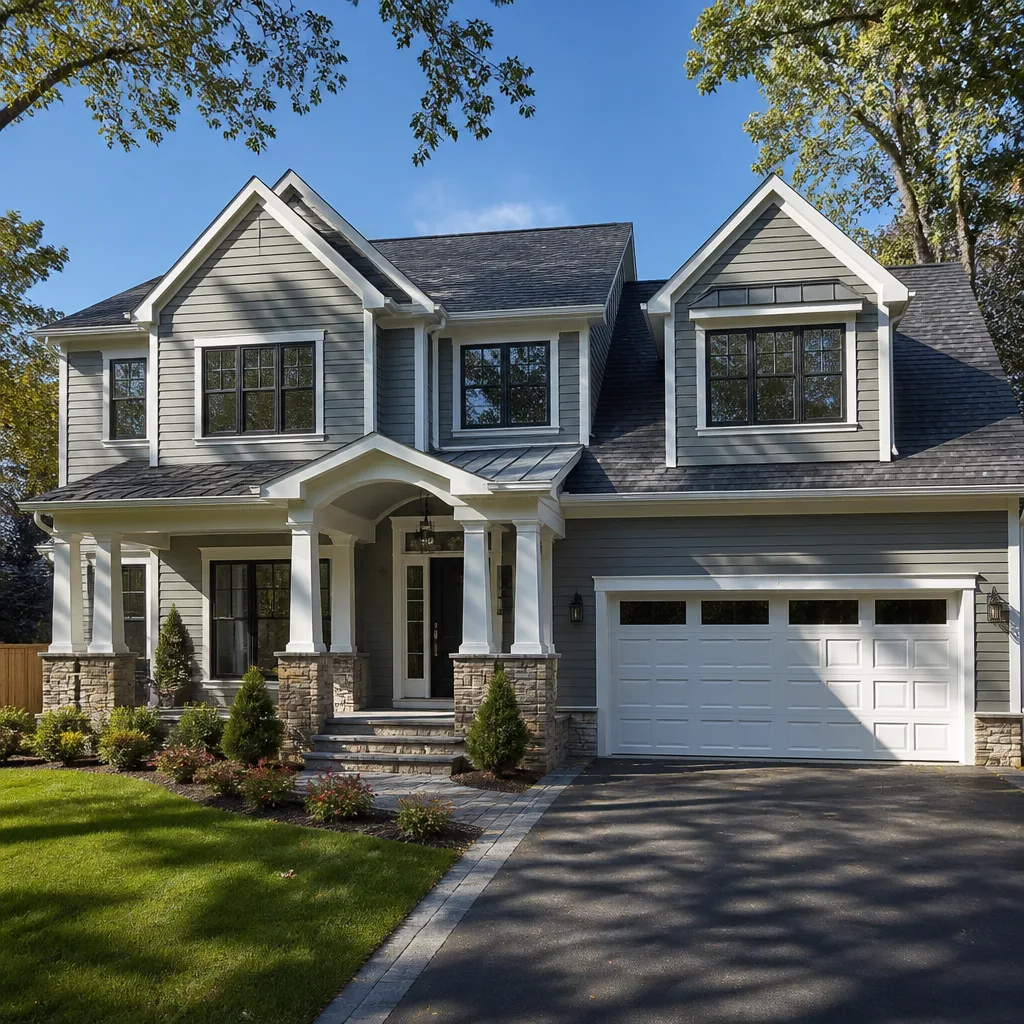
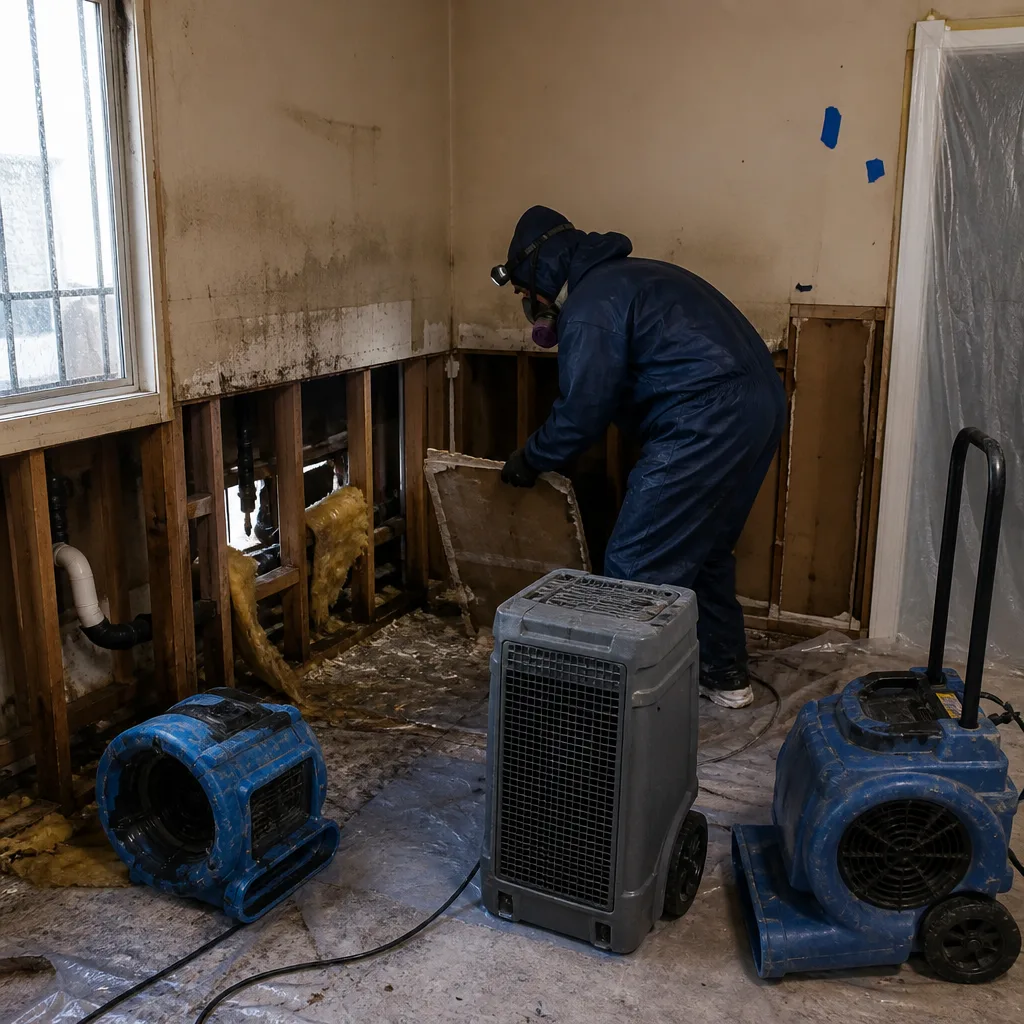 Before
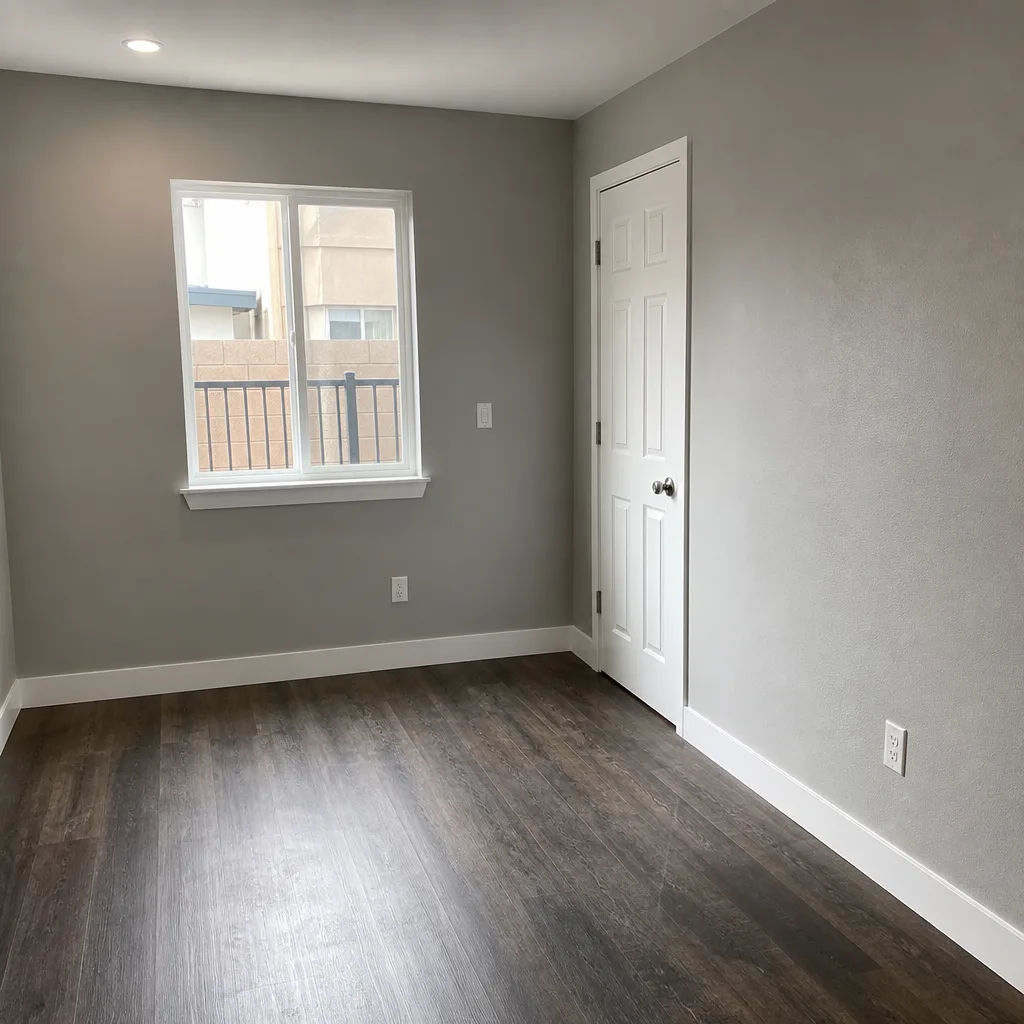 After
After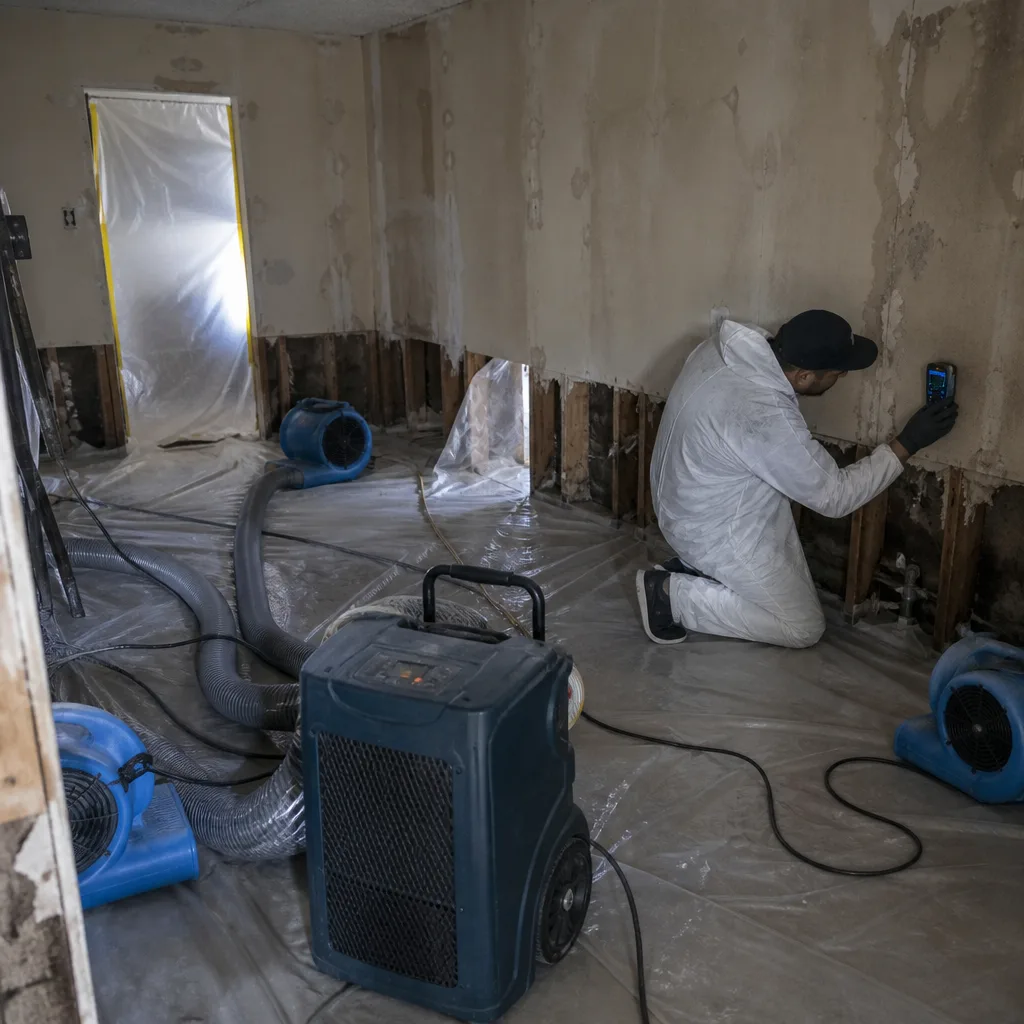 Before
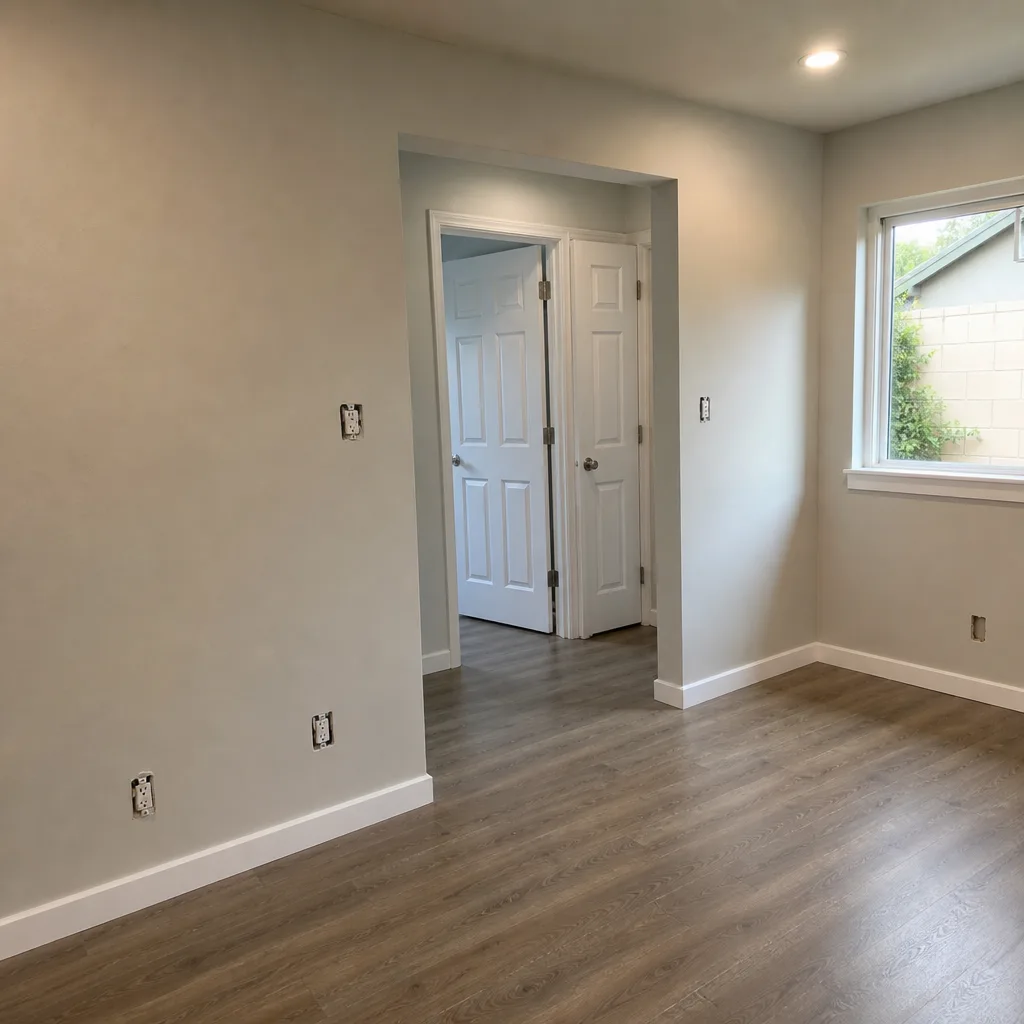 After
After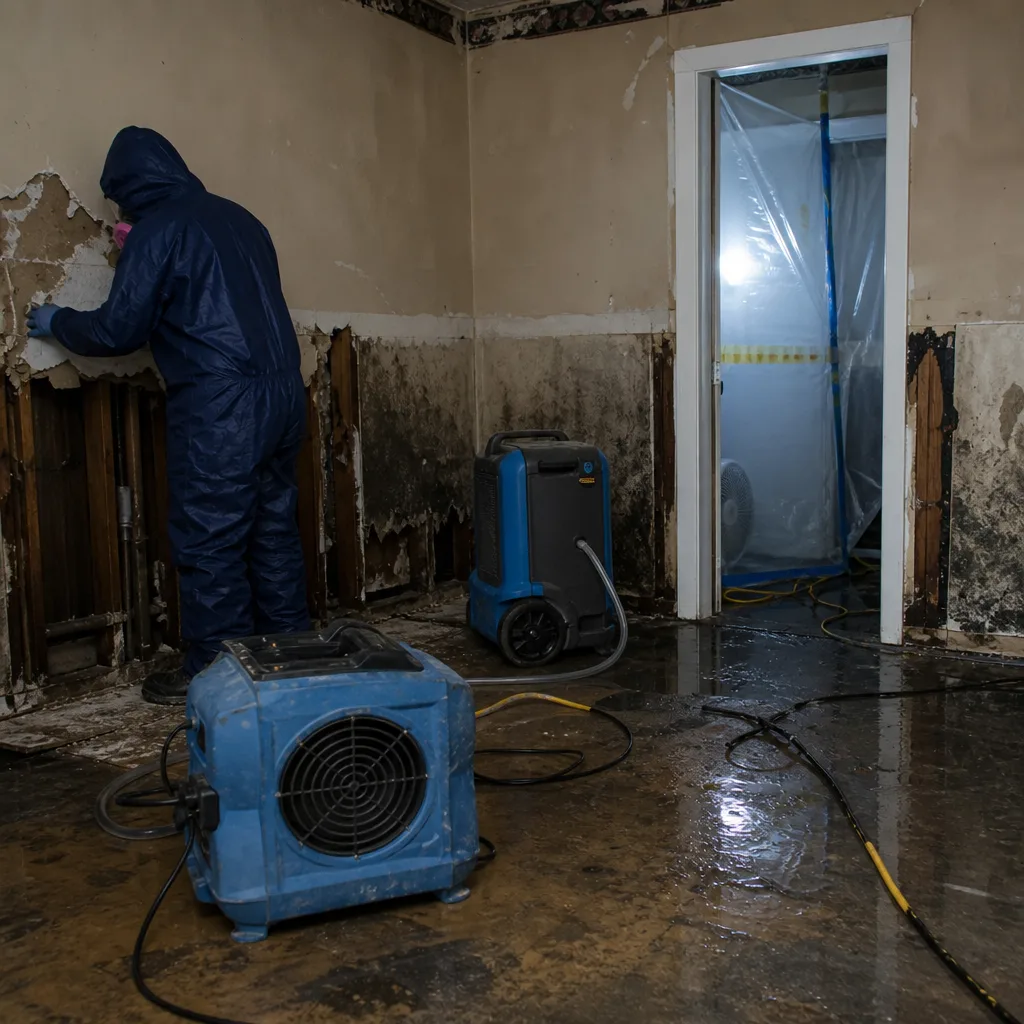 Before
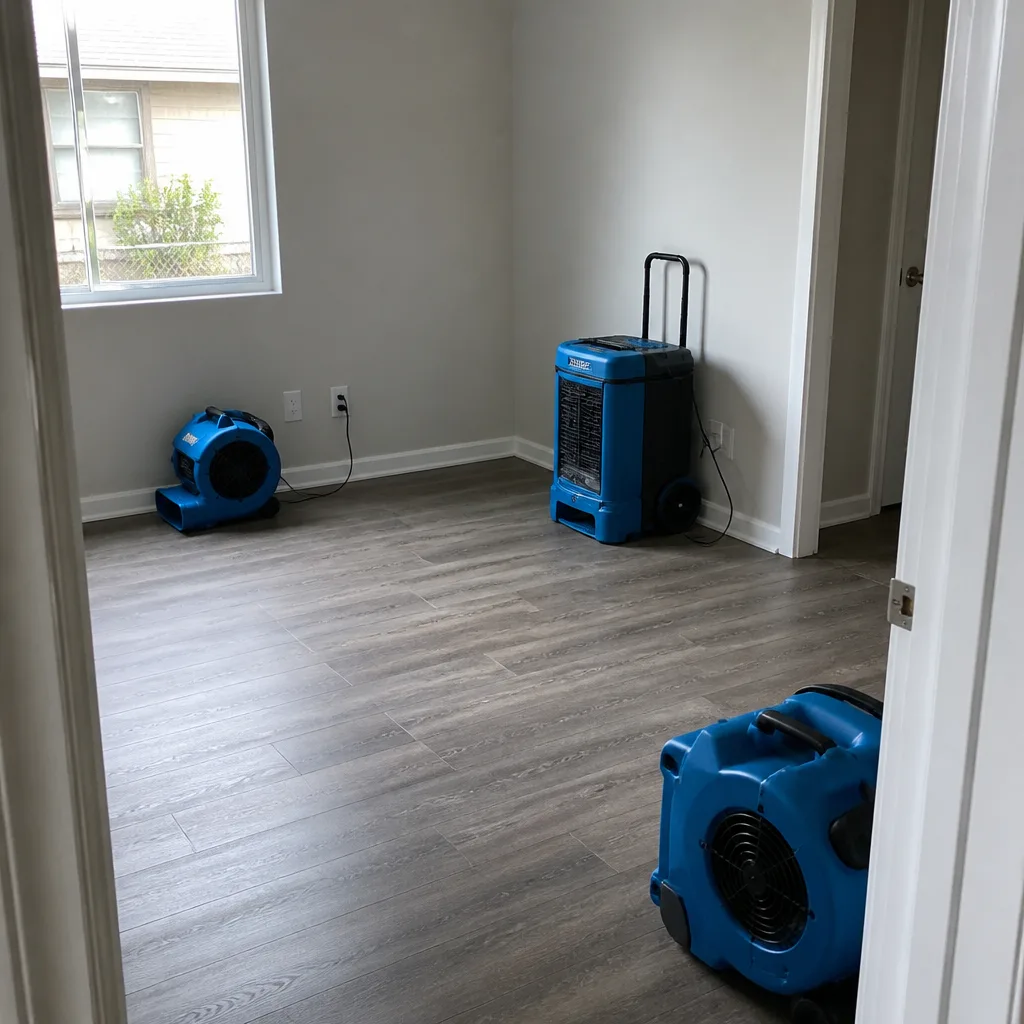 After
After24/7 Emergency Water Damage Restoration in Hawthorne
Water damage restoration in Hawthorne typically costs $2,800-$6,500 for a standard residential drying job, with emergency extraction running $500-$1,800 depending on affected square footage. Most Hawthorne properties need 3-5 days of structural drying, and our crews can be on-site within 45 minutes of your call. Phone (628) 226-1011 now - a live person answers, 24 hours a day, no voicemail trees.
The first hour matters more than most homeowners realize. Water moves through Hawthorne’s older stucco walls fast, especially where hairline fractures from aircraft vibration create capillary paths that pull moisture behind original drywall. By the time you see staining on a ceiling in Holly Park or Wiseburn, the insulation above may already be saturated. We dispatch from our Los Angeles office with thermal imaging, moisture meters, and extraction equipment loaded - no loading-time delays once we’re en route.
Every emergency call starts with a free visual inspection. We moisture-map the loss, photograph everything before anything moves, and deliver a written price before work begins. Haven Standard, Clause 1.
Understanding Water Damage Restoration Severity in Hawthorne Properties
Water damage falls into three categories that determine how we approach your property. Category 1 is clean water from a supply line - the most straightforward to dry, though in Hawthorne’s 1950s bungalows it rarely stays Category 1 for long once it hits original drywall with no vapor barrier. Category 2, gray water, carries enough contamination to require antimicrobial treatment - think dishwasher discharge or the standing water we find in Hawthorne basements after a failed galvanized line. Category 3, black water, demands full contamination protocol: sewage, groundwater intrusion, or any water that has passed through soil or building materials.
Moisture mapping tells us what the eye cannot. We use thermal imaging to find temperature differentials behind Hawthorne’s stucco exteriors, then confirm with pin and pinless moisture meters. Psychrometric data - temperature, relative humidity, and vapor pressure differential - drives our drying strategy. Vapor pressure differential is simply the force that moves moisture from wet materials to drier air; we engineer that force with dehumidifiers and air movers positioned to the inch.
Structural drying in Hawthorne faces a specific challenge: the persistent marine layer from May through July keeps ambient humidity elevated, slowing natural evaporation. Older stucco walls without modern vapor barriers trap that humidity inside wall cavities, creating tertiary drying conditions where moisture lingers in deep substrate layers long after surface materials read dry. Our crews extend drying protocols accordingly, logging daily moisture readings until we hit the dry standard for each material classification.
Why Hawthorne Property Owners Choose DryMark Restoration Compton
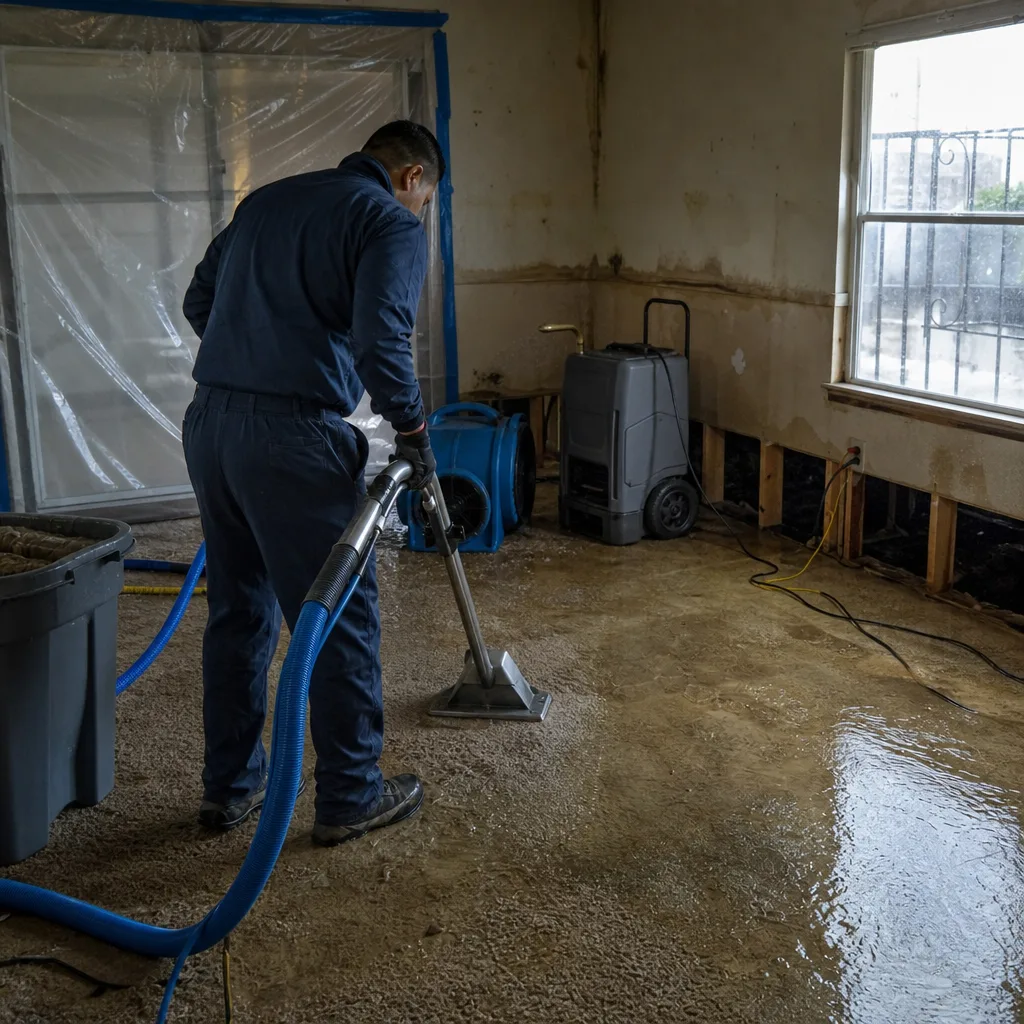
- 45-minute response commitment to Hawthorne addresses - we keep equipment staged and crews rotating through the 90250 corridor.
- 24/7 live answer by a real person, never an automated system; no voicemail trees while water is still moving through your walls.
- IICRC-certified crews holding WRT (Water Damage Restoration Technician) and AMRT (Applied Microbial Remediation Technician) credentials, with license numbers documented on every job file.
- Free visual inspection with moisture mapping and thermal imaging included - no charge to understand what you’re facing.
- Direct insurance billing with photo-documented estimates that adjusters recognize and pay without dispute.
- One team from extraction to reconstruction - no handoffs between contractors that lose scope continuity and fracture your warranty coverage.
BeforeAfterOur Water Damage Restoration Process
1. Inspection & Assessment
We arrive with thermal imaging cameras, hygrometers, and moisture meters to map the full extent of water migration. In Hawthorne’s older stucco bungalows, we pay particular attention to aircraft-vibration crack patterns that create hidden pathways behind walls. Every reading is logged, every damaged area photographed before anything is touched.
2. Extraction & Stabilization
Standing water comes out first with truck-mounted extraction systems and portable units for tight spaces. We remove saturated carpet pad and damaged materials that cannot be restored, documenting each decision with photos. If your sub-panel is original to a 1960s Hawthorne apartment, we calculate total electrical load before plugging in equipment - overloaded panels are a documented fire risk in this housing stock.
3. Drying & Dehumidification
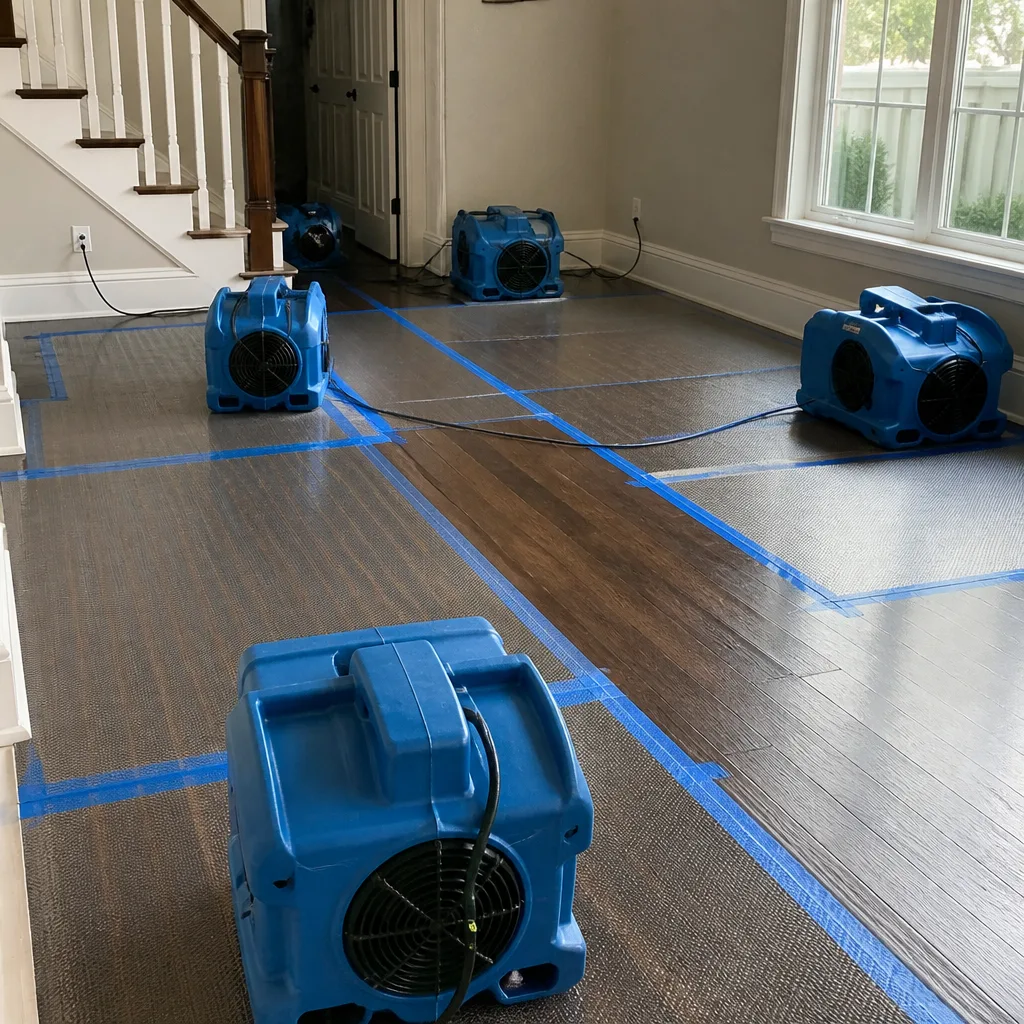
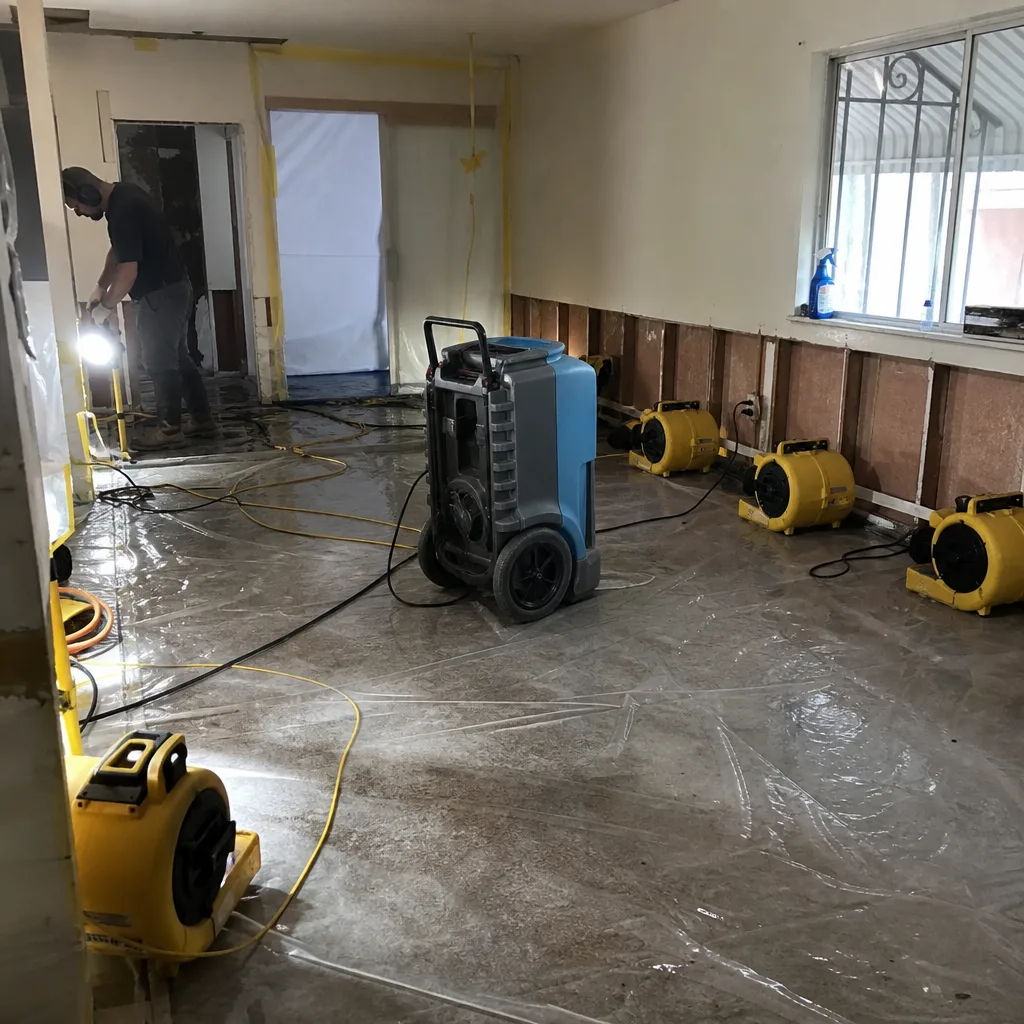
We deploy Dri-Eaz and Phoenix dehumidifiers alongside B-Air air movers positioned for optimal airflow patterns. In Hawthorne’s marine-layer climate, we run supplemental heat when vapor pressure differentials drop below effective drying thresholds. Daily moisture logs track every room’s progress toward the dry standard - the documentation your insurer needs to approve the invoice.
4. Cleaning & Sanitization
Category 2 and 3 losses receive antimicrobial treatment to EPA-registered standards. HEPA air scrubbers run during this phase to capture airborne particles disturbed by the drying process. We clean and treat salvageable materials; non-salvageable items are inventoried with photos for your insurance claim.
5. Vibration-Aware Structural Repair
Here’s where Hawthorne properties differ from anywhere else we serve. We inspect crack patterns in stucco, plaster, and grout for aircraft-vibration signatures - cyclical, hairline fractures that reopen regardless of patching quality. When we find them, we note the vibration-mitigation requirement in your scope of work, specifying flexible compounds and expansion joints that standard repair crews skip. This prevents the callback cycle that frustrates Hawthorne homeowners and insurers alike.
6. Repairs & Restoration
Our reconstruction team rebuilds to the documented scope - drywall, insulation, flooring, trim - with the same crew continuity from extraction through final walkthrough. The 365-Day Done Right Promise applies: if anything we restored fails, we make it right. Haven Standard, Clause 7. Your photo record and drying logs stay on file for reference.
Need Emergency Water Damage Restoration in Hawthorne Now?
Crews minutes away, answering live 24 hours a day. The sooner we start, the less it costs.
Working With Your Insurance Company
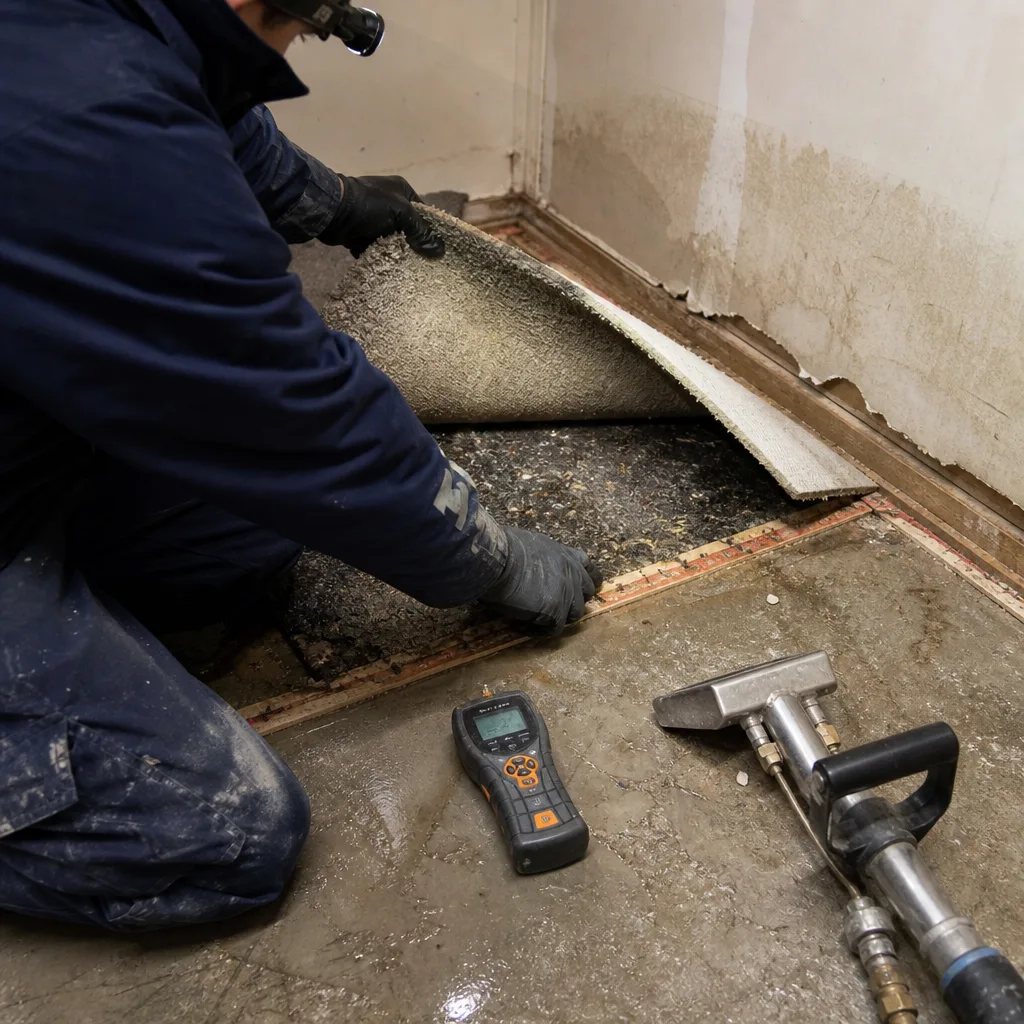
Insurance claims succeed or fail on documentation. We learned this from our founder’s years as a claims adjuster - the single most common reason a restoration invoice gets reduced or denied is insufficient evidence of what was damaged, how it was dried, and why each line item was necessary.
We start documenting from the first hour. Photos before extraction. Moisture readings before drying. Daily logs through the drying cycle. A detailed, line-item scope of work with material classifications and quantities. We speak adjuster language because we used to be adjusters, and we coordinate directly with your carrier’s representative so you are not stuck translating between two industries.
Our estimates follow industry-standard formats that carriers recognize. No scope creep. No surprise additions once the crew is inside. Haven Standard, Clause 1: written price before work begins, every time.
What We Provide Your Insurer
- Thorough documentation of the loss
- Photos of all damage, room by room
- Moisture readings and drying logs
- A detailed, line-item scope of work
- Direct coordination with your carrier
Built for Hawthorne’s Loss Calendar
Hawthorne’s water damage patterns follow rhythms that national franchise templates miss entirely. January through March brings the highest volume of burst galvanized supply lines - cold snaps are rare, but Hawthorne’s older homes lack insulation at hose bibs and crawl space penetrations, and a single night below 40 degrees is enough to split a corroded 1950s pipe. April and May see rising groundwater and the first sustained marine-layer humidity, which pushes indoor relative humidity above 60% in homes without mechanical ventilation.
June through August, the marine layer peaks. We find more hidden mold colonies during this period than any other - homeowners smell nothing, see nothing, until our moisture meters reveal 18% wood moisture content behind original drywall in a Del Aire bungalow. September and October bring Santa Ana wind events that dry surfaces fast while trapping moisture in wall cavities, creating false-dry conditions that trap homeowners into premature rebuilds.
November and December return to pipe-failure season, compounded by holiday cooking loads on aging electrical sub-panels. The panel trips, the refrigerator warms, the ice maker line leaks slowly into a cabinet for days before anyone notices. We have documented this exact loss pattern across Hawthorne’s apartment stock more than a hundred times since 2011.
Water Damage Restoration Across Hawthorne’s Neighborhoods
Our crews know the building stock by area because we have dried it all.
Holly Park and the blocks nearest HHR/Jack Northrop Field see the most severe aircraft-vibration damage. Post-war stucco bungalows here develop crack networks that standard contractors patch and repaint three times before calling us to find the water source underneath. We moisture-map first, repair second, and always note the vibration cycle in our scope.
Del Aire sits at slightly higher elevation with better drainage than areas closer to the Dominguez Channel, but its 1960s apartment buildings share the same galvanized line problems. We coordinate with property managers here for whole-building assessments when one unit’s burst pipe threatens four neighbors below.
Wiseburn and the corridors along Crenshaw Boulevard mix commercial and residential structures with varied foundation types. Slab-on-grade construction here traps water differently than raised-foundation bungalows; we adjust extraction access and drying port placement accordingly.
Hawthorne Boulevard corridor properties face a specific challenge: aging combined sewer lines that back up during heavy rain events. Category 3 losses here require full contamination protocol, and we coordinate with the city’s public works department when the source is municipal infrastructure rather than private plumbing.
Specialized Water Damage Restoration Services We Offer in Hawthorne
Emergency Water Extraction
Standing water comes out within minutes of our arrival, not hours. Truck-mounted extraction handles open areas; portable units access Hawthorne’s tight bathroom layouts and original closet configurations that newer homes don’t have. We extract carpet, pad, and hard surfaces, then moisture-map to find what escaped below.
Structural Drying & Dehumidification
Our Dri-Eaz and Phoenix systems generate the controlled airflow and dehumidification that Hawthorne’s marine-layer climate cannot provide naturally. We calculate equipment loads against your electrical service capacity - critical in Hawthorne’s original sub-panel stock - and log daily moisture readings until materials hit their dry standard.
Flood Cleanup
Whether from a failed water heater, backed-up sewer, or regional storm event, flood cleanup in Hawthorne requires category-appropriate treatment. We handle contaminated materials per IICRC protocol, document everything for your insurer, and restore only after clearance testing confirms the space is safe.
Burst Pipe Restoration
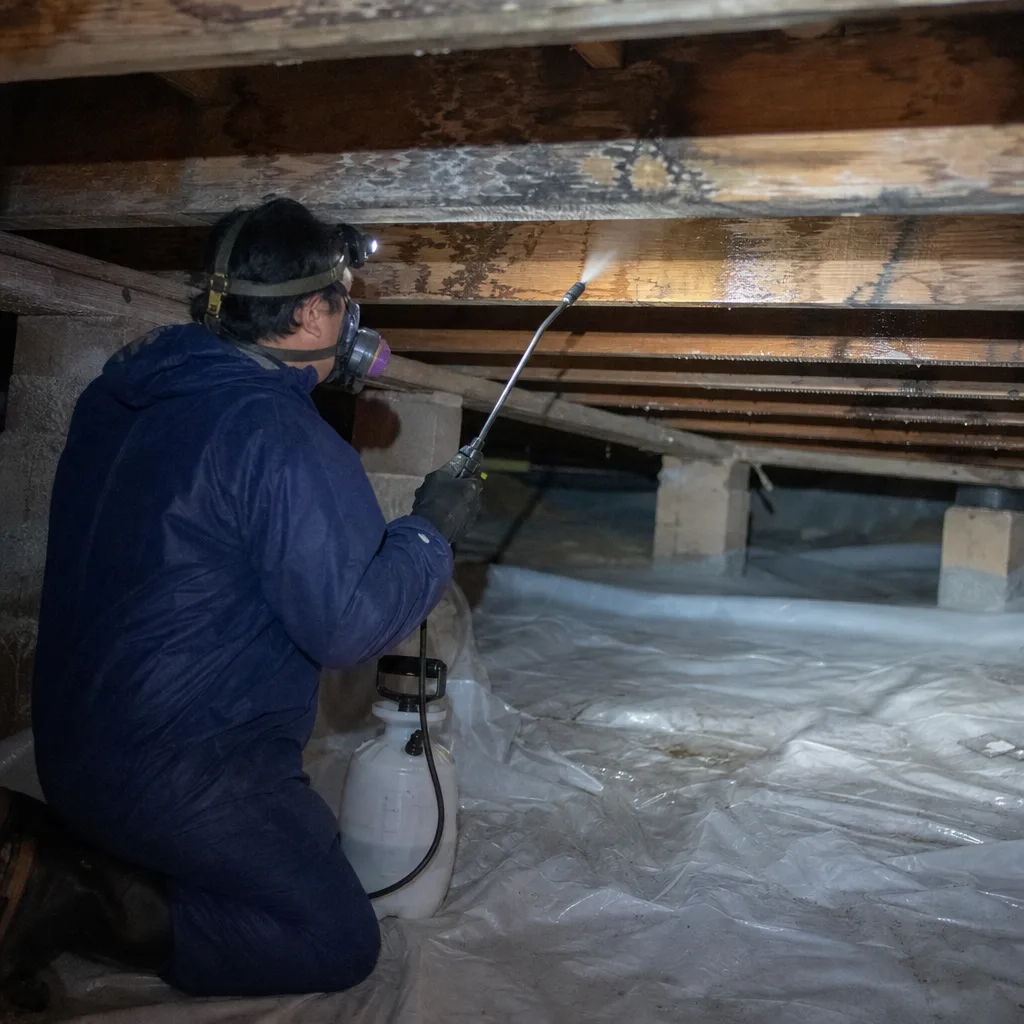
Hawthorne’s galvanized supply lines are past design life. When they fail behind stucco walls, the leak often runs for days before visible damage appears. We locate the source with thermal imaging, extract the water, dry the assembly, and coordinate repiping with licensed plumbers who understand Hawthorne’s older housing stock. Our scope includes the wall repair, properly sequenced.
Basement Water Removal
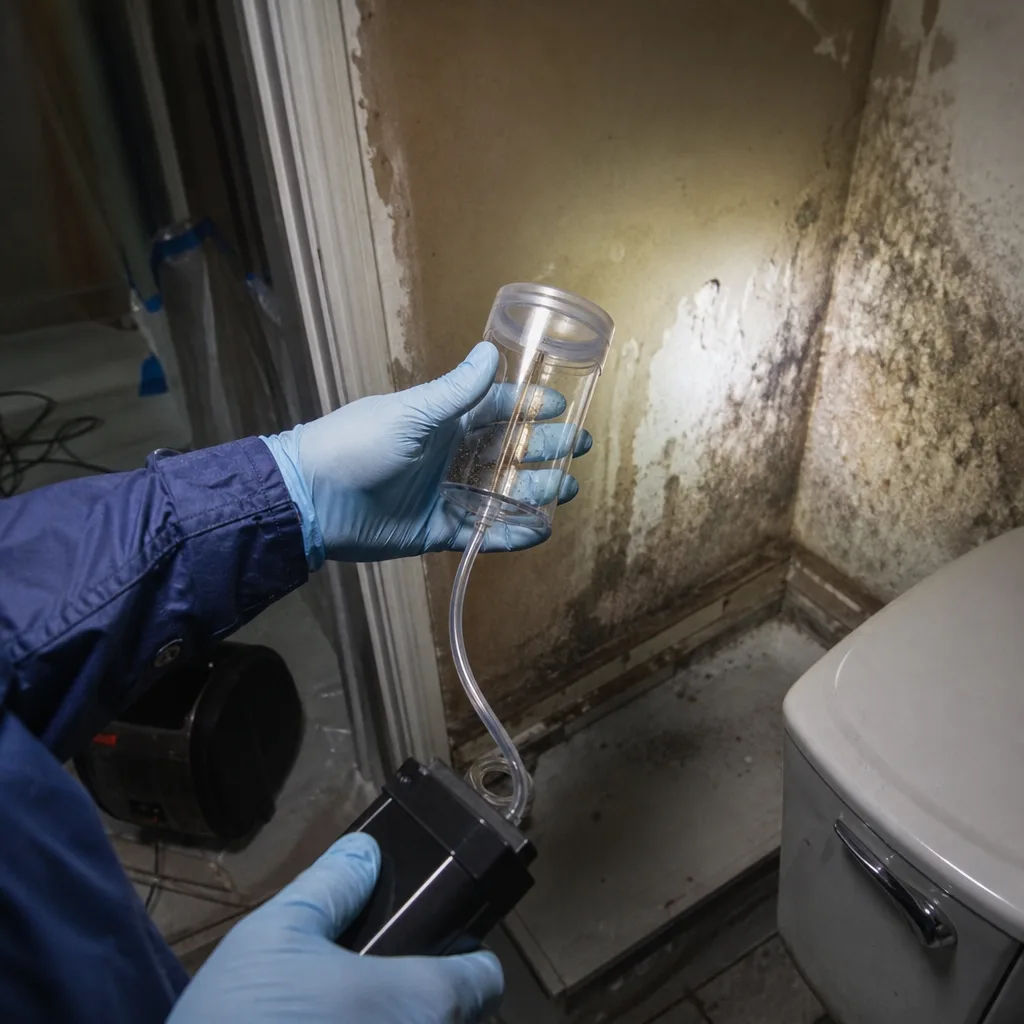
Few Hawthorne homes have full basements, but the partial and crawl-space configurations that exist face groundwater intrusion and failed perimeter drainage. We extract standing water, install temporary dehumidification, and document structural conditions for your insurer’s review.
Ceiling & Roof Leak Water Damage
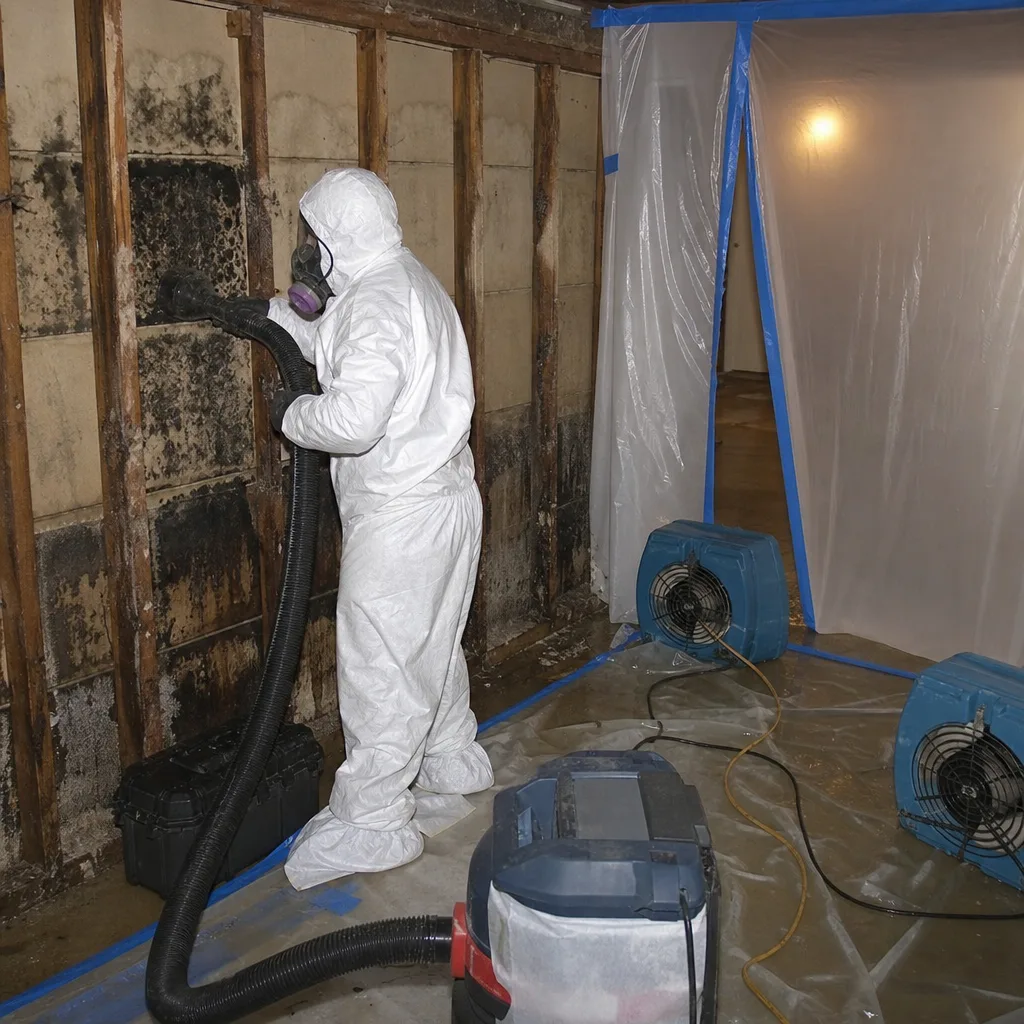
Roof leaks in Hawthorne often follow a specific path: vibration cracks in stucco parapets or flashing details allow water behind the exterior skin, which then migrates along ceiling joists to exit far from the entry point. We trace the full path with thermal imaging, dry the entire affected assembly, and specify repair details that address the source - not just the symptom.
What happens when you call
- 1
A real person answersNo phone trees - you reach a local pro.
- 2
You get an upfront price rangeHonest numbers before anyone is dispatched.
- 3
A background-checked tech heads outLicensed & insured, dispatched right away.
- 4
You approve before work beginsNothing starts until you say go.
Water Damage Restoration Costs in Hawthorne, CA
Water damage restoration in Hawthorne runs $2,800-$6,500 for most residential drying jobs, with pricing driven by three factors: category of water, affected square footage, and whether structural materials require removal. Emergency water extraction alone typically costs $500-$1,800 depending on volume and access. Category 3 losses with contamination protocol add 30-50% for protective equipment, antimicrobial treatment, and disposal requirements.
Structural drying in Hawthorne’s marine-layer climate often requires extended dehumidification runs compared to inland markets - we factor this into our equipment days, not as a surprise addition. Burst pipe restoration including wall repair and repiping coordination runs $4,200-$8,500 for a typical Hawthorne bungalow, with variation based on line length and stucco repair extent.
Insurance covers most sudden and accidental water damage, subject to your policy terms and deductible. We provide the documentation your adjuster needs to approve the full scope. Out-of-pocket costs typically apply to gradual leaks that went unreported, maintenance-related failures, or claims below your deductible threshold. Call (628) 226-1011 for a free inspection and written scope - Haven Standard, Clause 1. No charge to understand what you’re facing.
We Also Serve Cities Near Hawthorne
Our crews respond throughout the South Bay corridor. We regularly serve Water Damage Restoration in Hawthorne and the surrounding communities of Lawndale, Inglewood, Manhattan Beach, and Gardena from our Los Angeles office. Each city’s building stock and loss patterns differ - Hawthorne’s aircraft-vibration damage is distinct from Manhattan Beach’s newer construction, just as Gardena’s mid-century ranch stock faces its own galvanized line challenges. We adjust our approach to the property, not to a franchise template.
Serving Hawthorne, CA - Our Local Coverage Area
We’re based in the Hawthorne area and know this community well. Use the map below to see our service coverage - if you’re nearby, we can almost certainly help.
Hawthorne Water Damage Restoration Questions, Answered
Why do water-damaged drywall cracks in Hawthorne keep coming back after repair?
They reopen because standard repair crews patch the symptom without addressing the cause: chronic low-frequency vibration from LAX departures and HHR traffic cycles that flex Hawthorne’s stucco and plaster assemblies thousands of times daily. We document this vibration pattern in our scope of work and specify flexible repair compounds with expansion joints that accommodate the movement. Call (628) 226-1011 if you’re on your second or third repair - we moisture-map to find any hidden water behind the cracks.
How fast does mold grow after a burst galvanized pipe in a Hawthorne bungalow?
Mold colonization begins 24-48 hours after water intrusion in Hawthorne’s conditions, accelerated by the marine-layer humidity that keeps older stucco walls chronically damp. Original drywall with no vapor barrier is especially vulnerable - we have found active growth behind apparently dry surfaces within 36 hours of a burst pipe. Fast extraction and structural drying are the only prevention; antimicrobial treatment comes after, not instead of, proper drying. Call (628) 226-1011 for immediate response.
Does the source of the water change what our Hawthorne crew can dry?
Yes - the category of water determines our protocol, equipment, and whether materials can be restored or must be removed. Category 1 clean water allows more salvage options; Category 2 gray water requires antimicrobial treatment; Category 3 black water demands full contamination protocol with protective equipment and disposal documentation. We test and classify on arrival, then build the scope accordingly. Your insurer needs this classification to approve coverage - we document it in writing.
Will our drying equipment overload the original sub-panel in an older Hawthorne apartment?
We calculate total electrical load before placing a single air mover. Hawthorne’s 1940s-1970s sub-panels are frequently rated at 60-100 amps with limited breaker spaces, and we have documented panel failures during restoration when competitors skipped this step. If your service is inadequate, we coordinate temporary power or load-sequencing with your electrician - noted in the scope, never a surprise. Call (628) 226-1011 and we’ll assess your panel capacity during the free inspection.
Why do you check behind original drywall in Hawthorne instead of just drying the room?
Because Hawthorne’s post-war stucco bungalows were built without vapor barriers, and the marine layer keeps wall cavities humid even when interior air reads normal. We have found saturated insulation and active mold behind original drywall that surface readings completely missed. Our thermal imaging and pinless moisture meters detect this hidden moisture; skipping the check means leaving water that will destroy your repair from behind. The photo record we provide shows exactly what we found and where.
How quickly can you actually get to my Hawthorne property?
We commit to 45 minutes from call to on-site for Hawthorne addresses, with crews staged through the 90250 corridor. A live person answers every call, 24 hours a day - no voicemail, no callback queues while water spreads. The first hour of response often determines whether a job stays in the $3,000 range or grows to $15,000 with secondary damage. Call (628) 226-1011 now.
Will insurance cover my water damage restoration in Hawthorne?
Sudden and accidental water damage is covered under most standard homeowner policies, subject to your deductible and specific exclusions. Gradual leaks and maintenance-related failures are typically excluded - which is why documenting the sudden nature of the loss matters from the first hour. We provide insurers with dated photos, moisture readings, and a detailed scope that supports coverage approval. We also offer direct adjuster coordination and a Free Second Opinion on any competitor’s written estimate.
Can my family stay in the home during drying?
For Category 1 losses with limited affected area, often yes - with some noise and airflow disruption from equipment. Category 2 and 3 losses, or any situation with active mold growth, typically require temporary relocation for health and safety. We assess this during our initial inspection and document our recommendation in writing for your insurer, who may cover additional living expenses if displacement is medically necessary. Call (628) 226-1011 to discuss your specific situation.
Written by Alicia Brennan, Owner at Back to Dry Restoration, serving Hawthorne since 2011.
Water Damage Restoration in Nearby Areas