
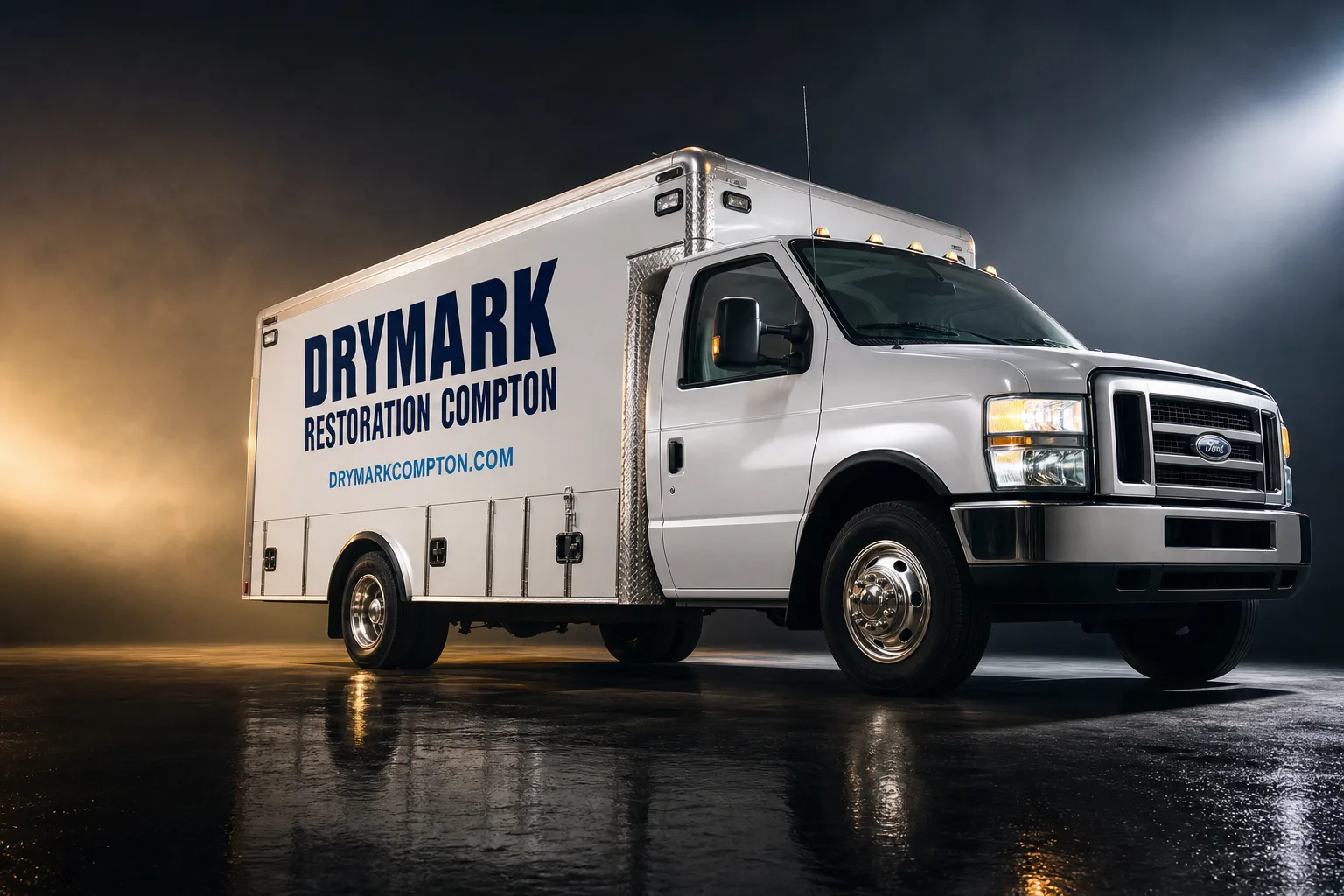
Free visual inspection and a written scope of work before any mitigation begins - photos, moisture readings, and drying logs go in your claim file
The scope we write is the scope we bill. Anything new gets shown to you, in writing, before we touch it.
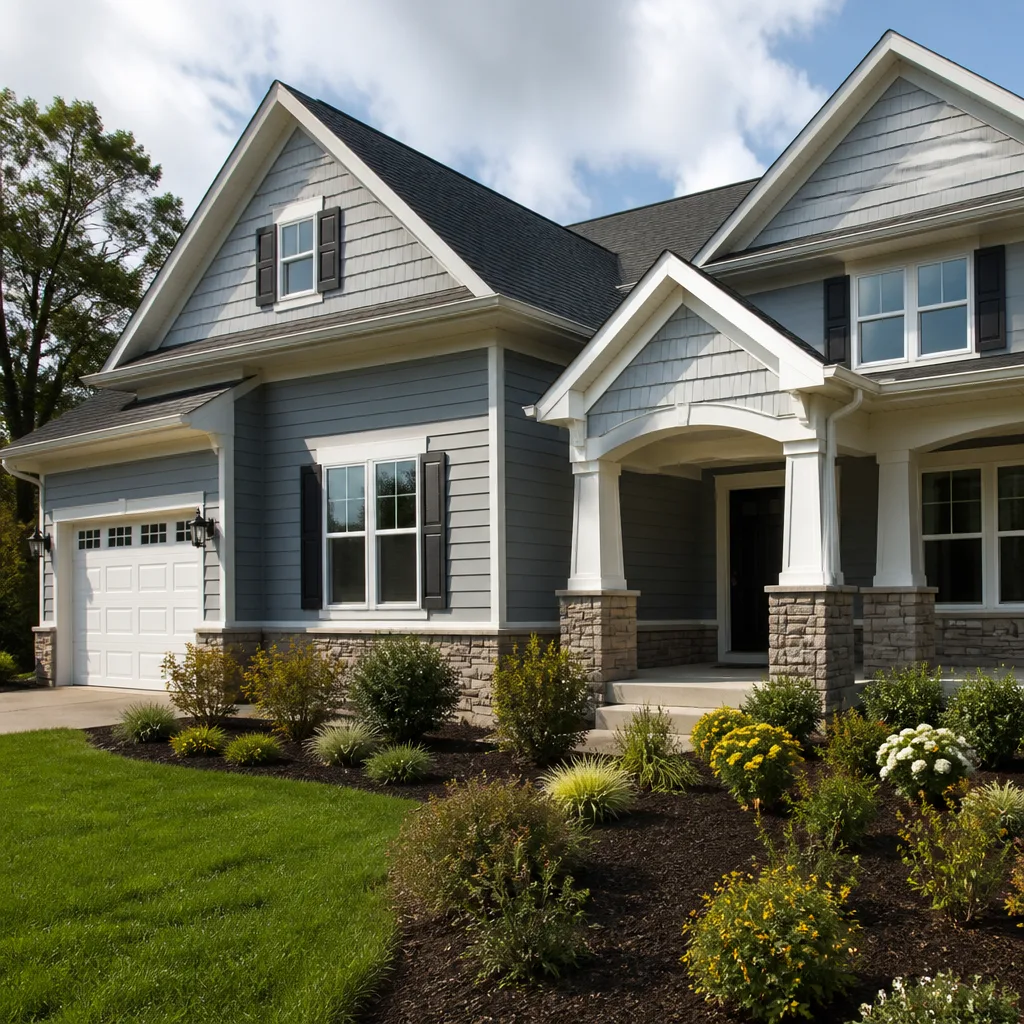
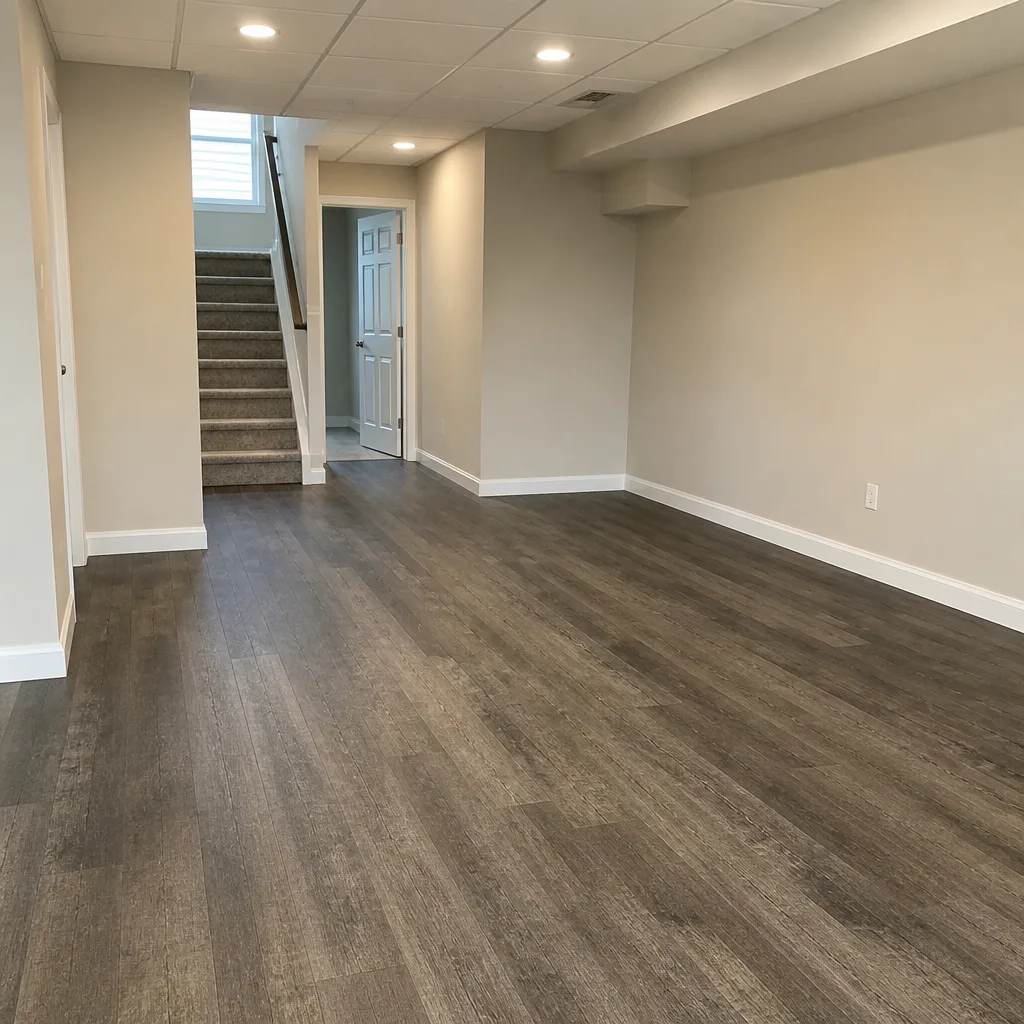
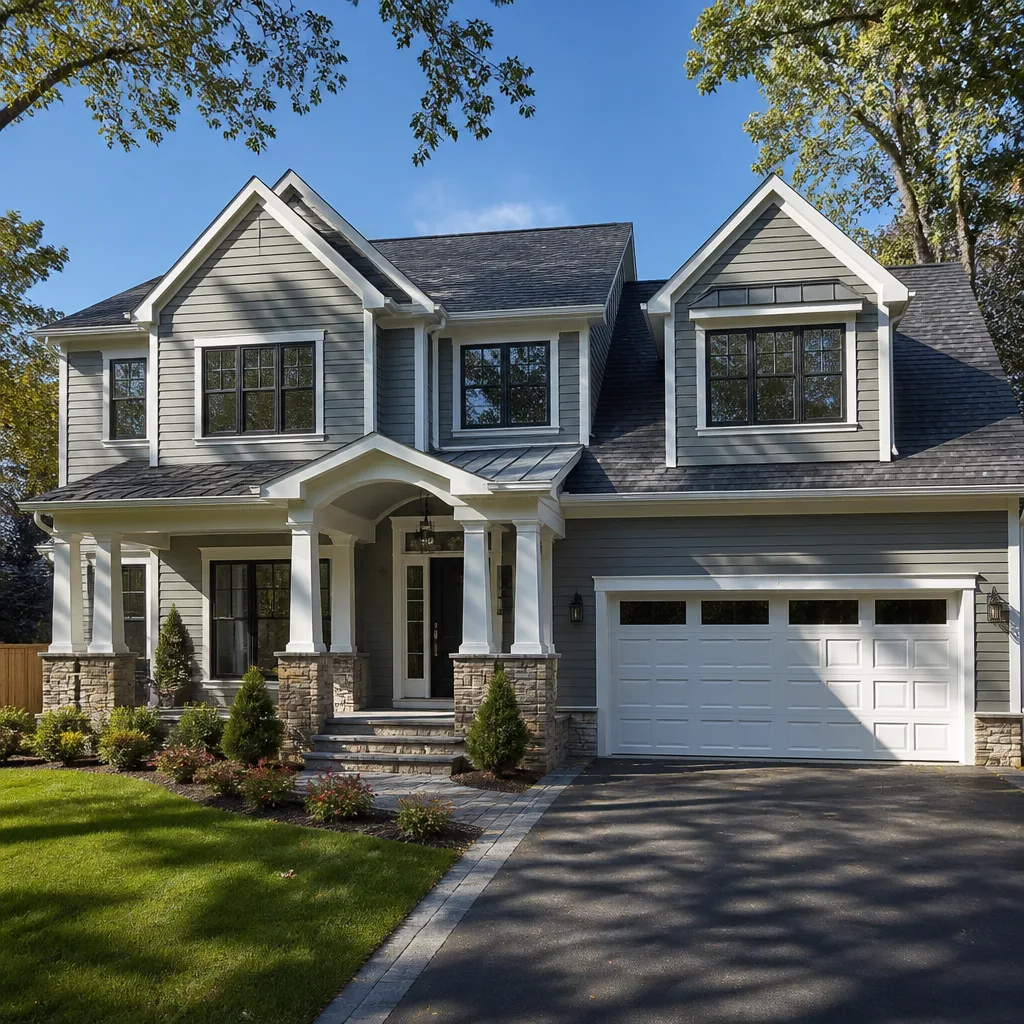
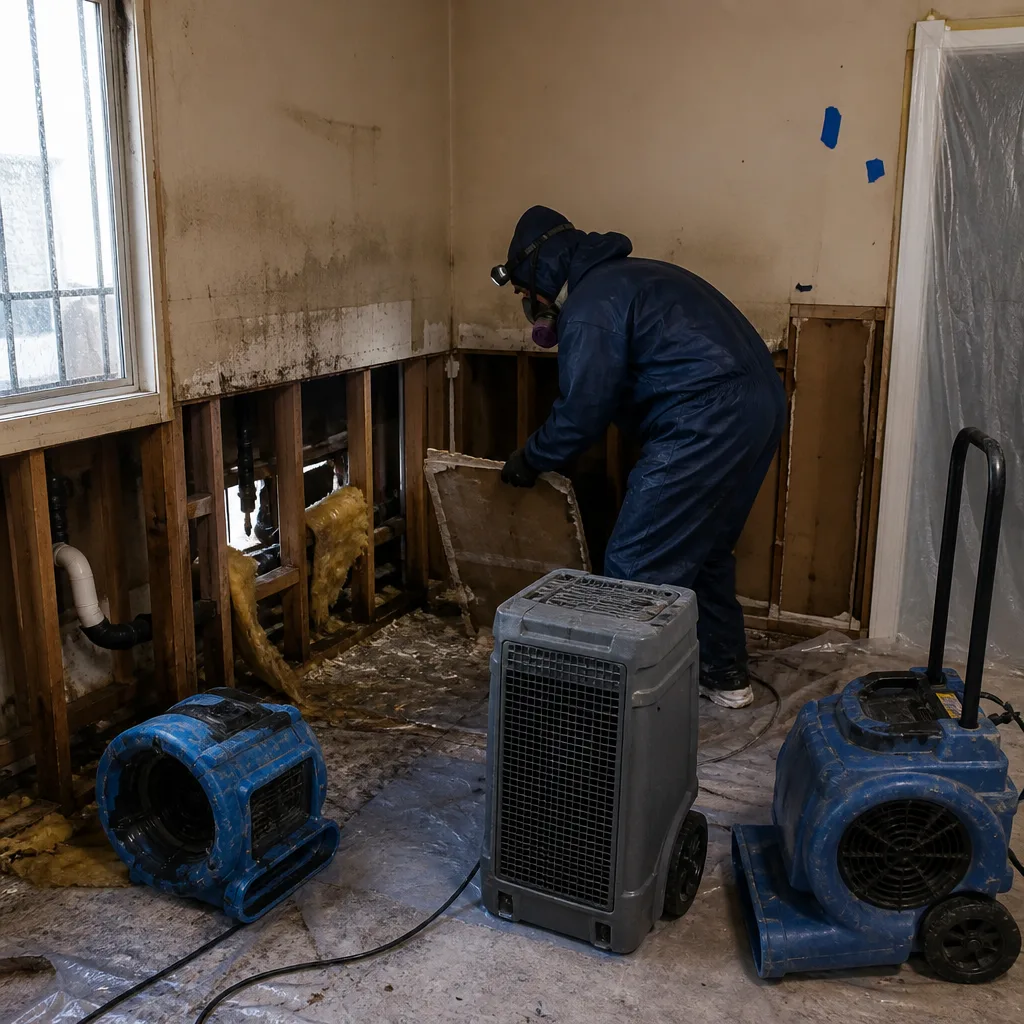 Before
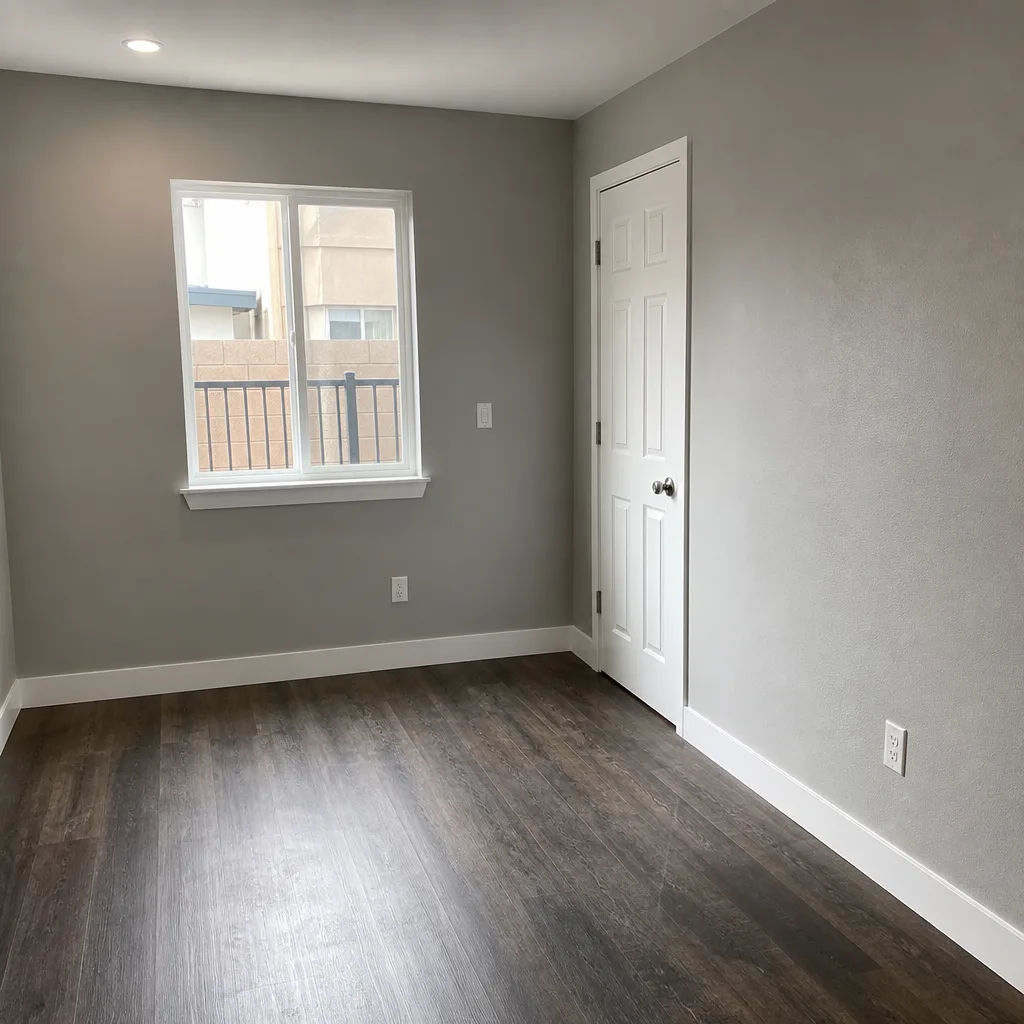 After
After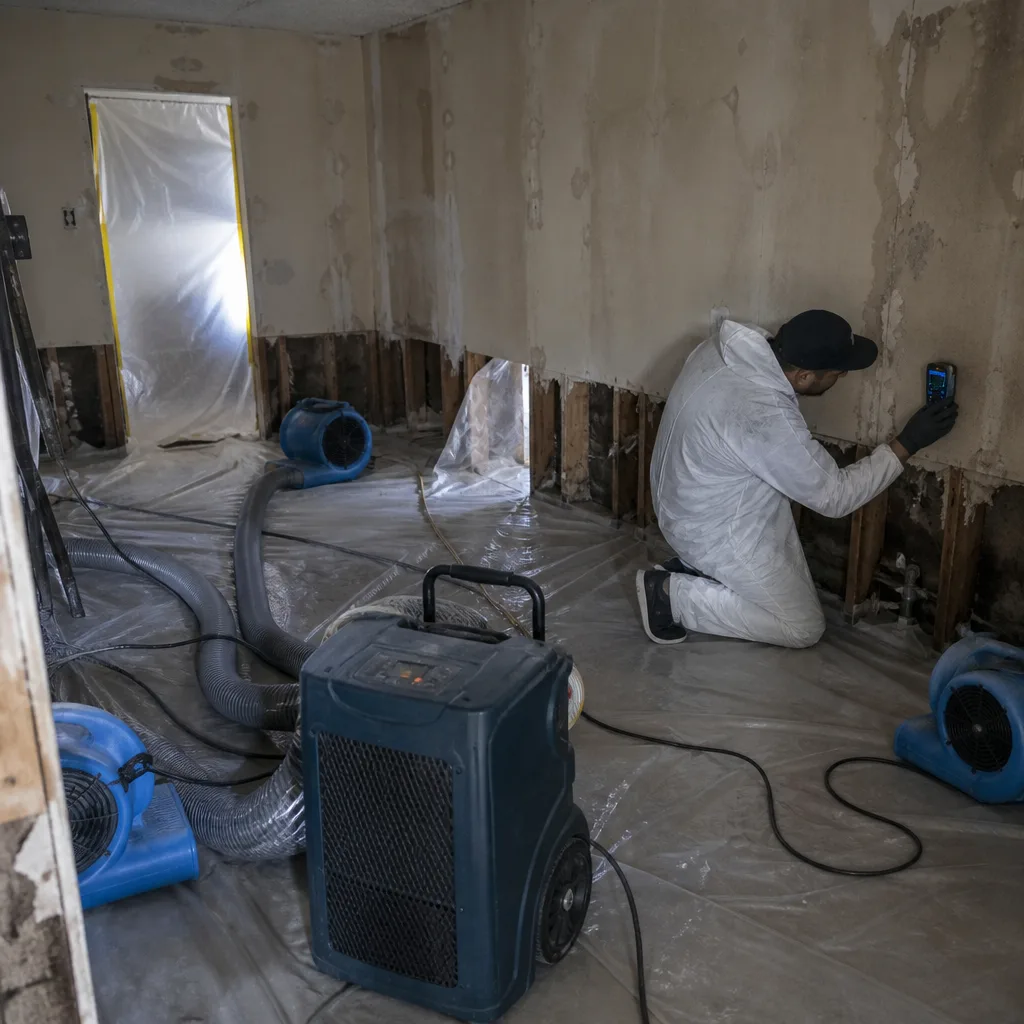 Before
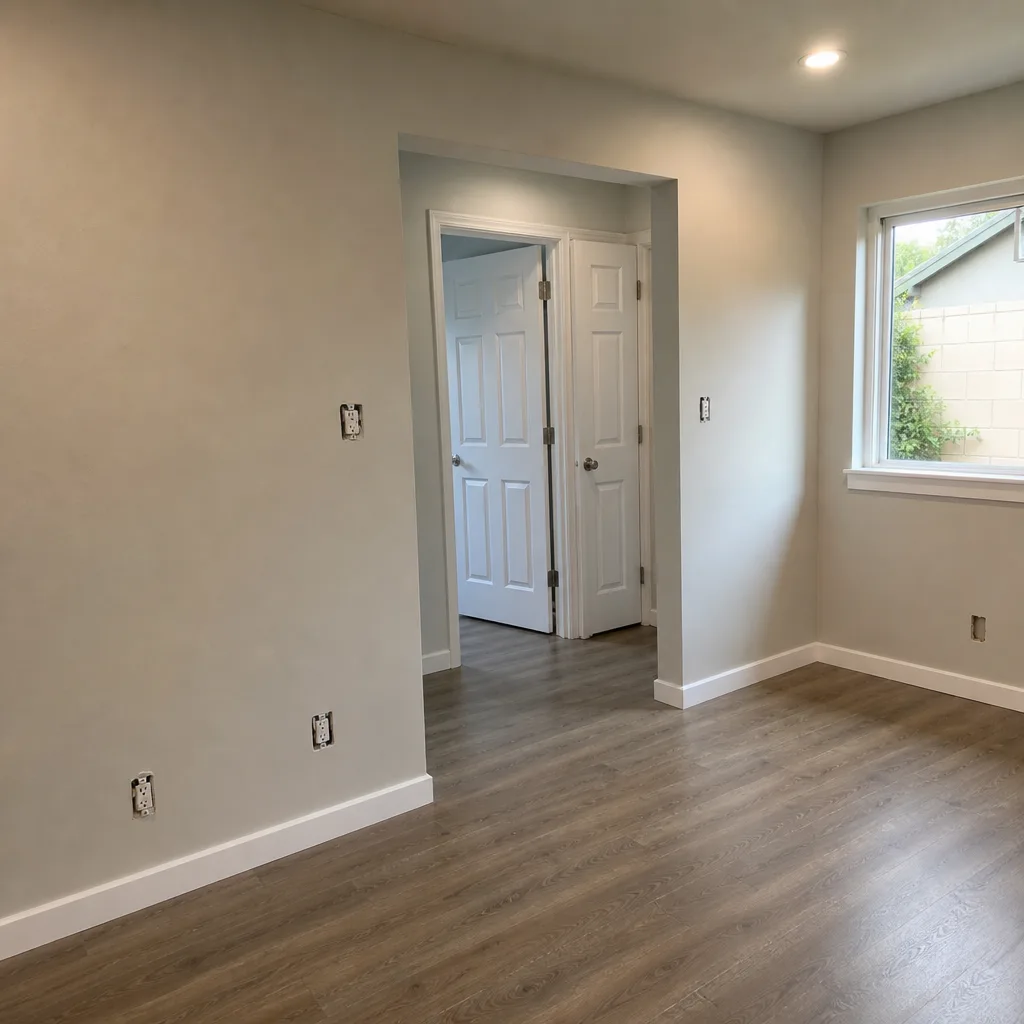 After
After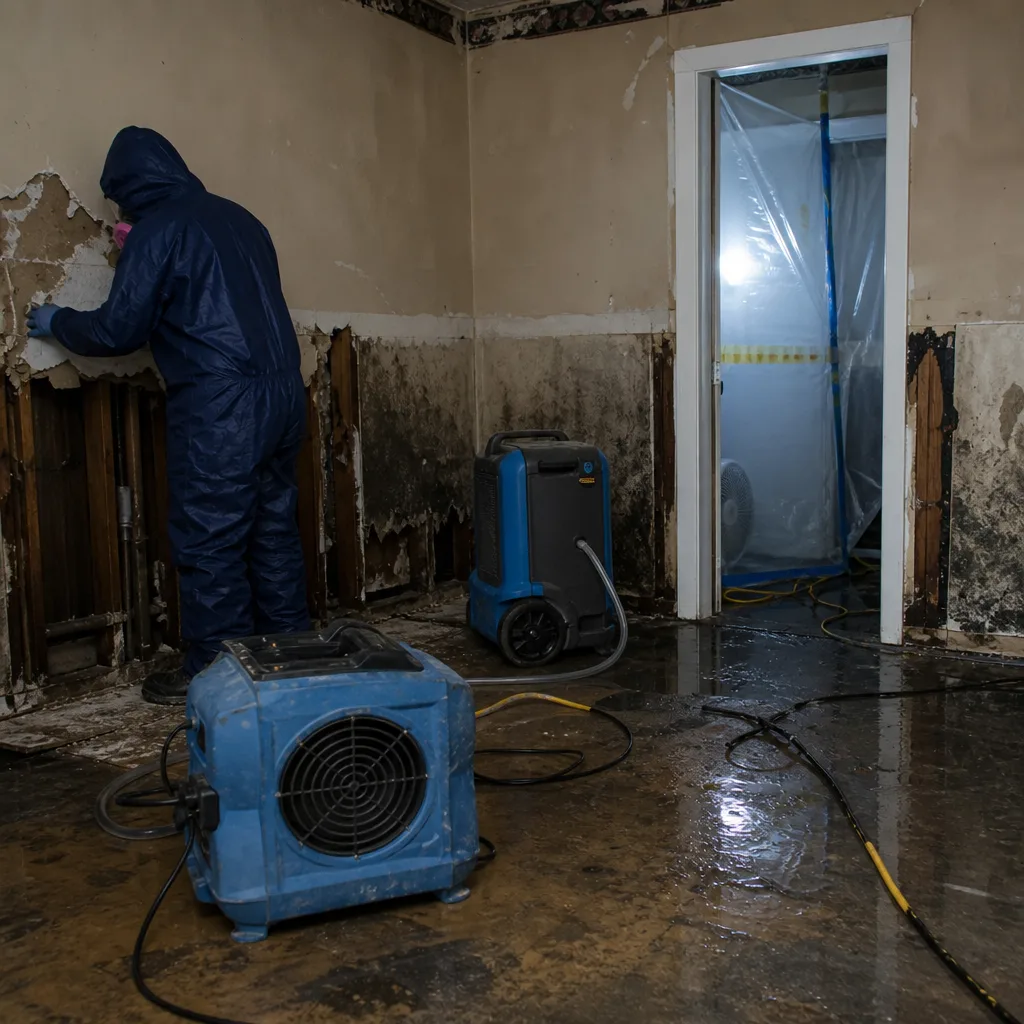 Before
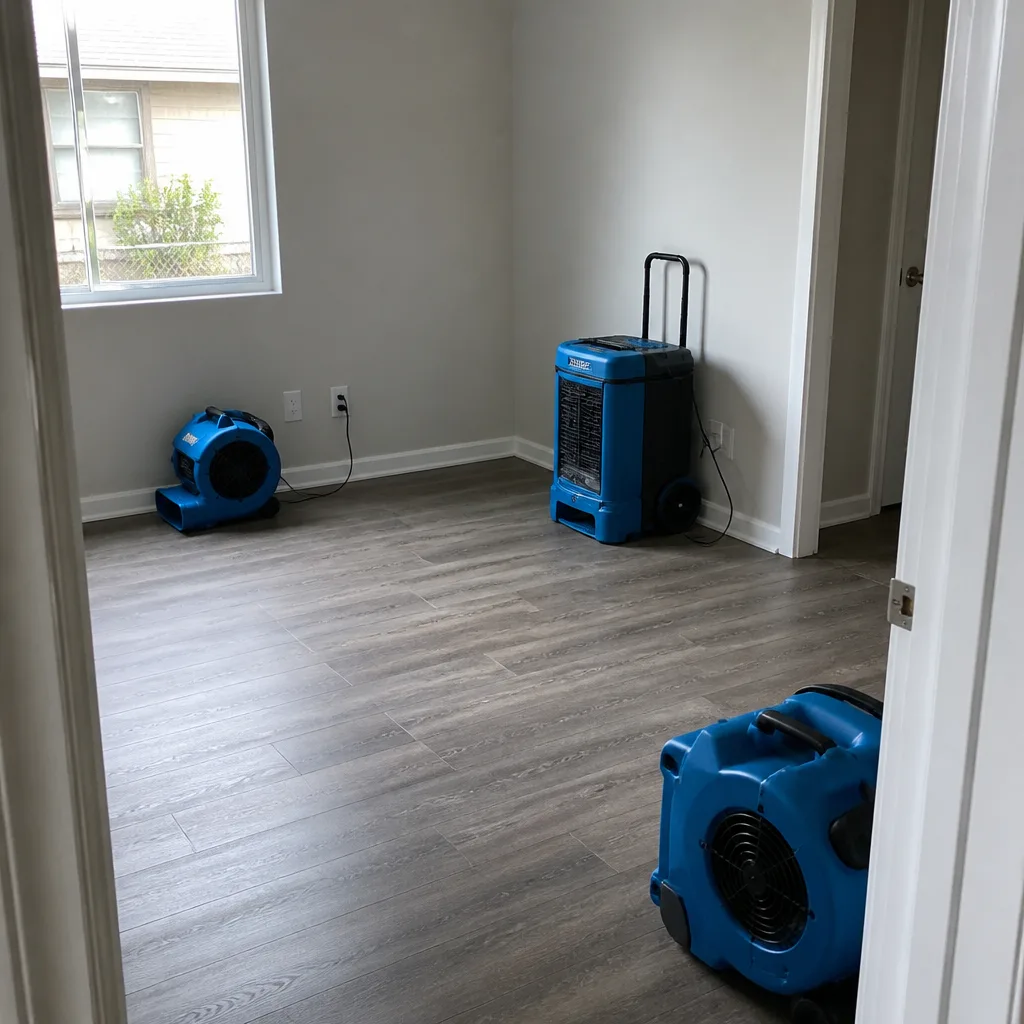 After
After24/7 Emergency Water Damage Restoration in Manhattan Beach
Water damage restoration in Manhattan Beach typically costs $2,800-$7,500 for a standard residential drying job, with emergency extraction adding $500-$1,200 depending on standing-water volume. Most Manhattan Beach properties require 3-5 days of active structural drying, though Sand Section homes with zero exterior access often run longer due to interior-only equipment staging. Call (628) 226-1011 now and a live person will answer, 24 hours a day, 7 days a week - no voicemail, no callback queue.
We’re minutes from Manhattan Beach with crews ready to roll. The first hour determines whether water wicks into drywall, subfloors, and wall cavities or gets stopped at the surface. Our Water Damage Restoration team arrives with thermal imaging cameras, moisture meters, and truck-mounted extraction units to find what you can’t see and remove what you can. Every visit starts with a free visual inspection and a written price before any work begins - Haven Standard, Clause 1.
Understanding Water Damage Restoration Severity in Manhattan Beach Properties
Water damage breaks into three categories by contamination level. Category 1 is clean water from a supply line - the pinhole leaks we find behind Sand Section bathroom walls where salt air has corroded 1950s galvanized pipe. Category 2 carries significant contamination, like dishwasher discharge or sump seepage. Category 3 is grossly contaminated: sewage, rising groundwater, or storm surge that breaches the Sand Section’s shallow foundations during El Niño cycles.
Moisture mapping tells us the real scope. We measure moisture content in drywall, studs, and subfloors with calibrated pin and pinless meters, then track vapor pressure differential - the force that drives moisture from wet materials into dry air - to set our drying strategy. In Manhattan Beach’s marine-layer climate, ambient humidity stays elevated year-round, so we can’t rely on natural air exchange. Psychrometric data, the relationship between temperature, humidity, and dew point, governs every equipment placement.
Structural drying in Manhattan Beach homes often reveals tertiary drying zones: wall cavities, insulation voids, and the gap between slab and flooring where marine-layer condensation accumulates for weeks before any visible stain appears. Our crews document every reading, every day, in drying logs formatted to IICRC S500 standards - the documentation that turns restoration invoices into payable insurance claims.
Why Manhattan Beach Property Owners Choose DryMark Restoration Compton
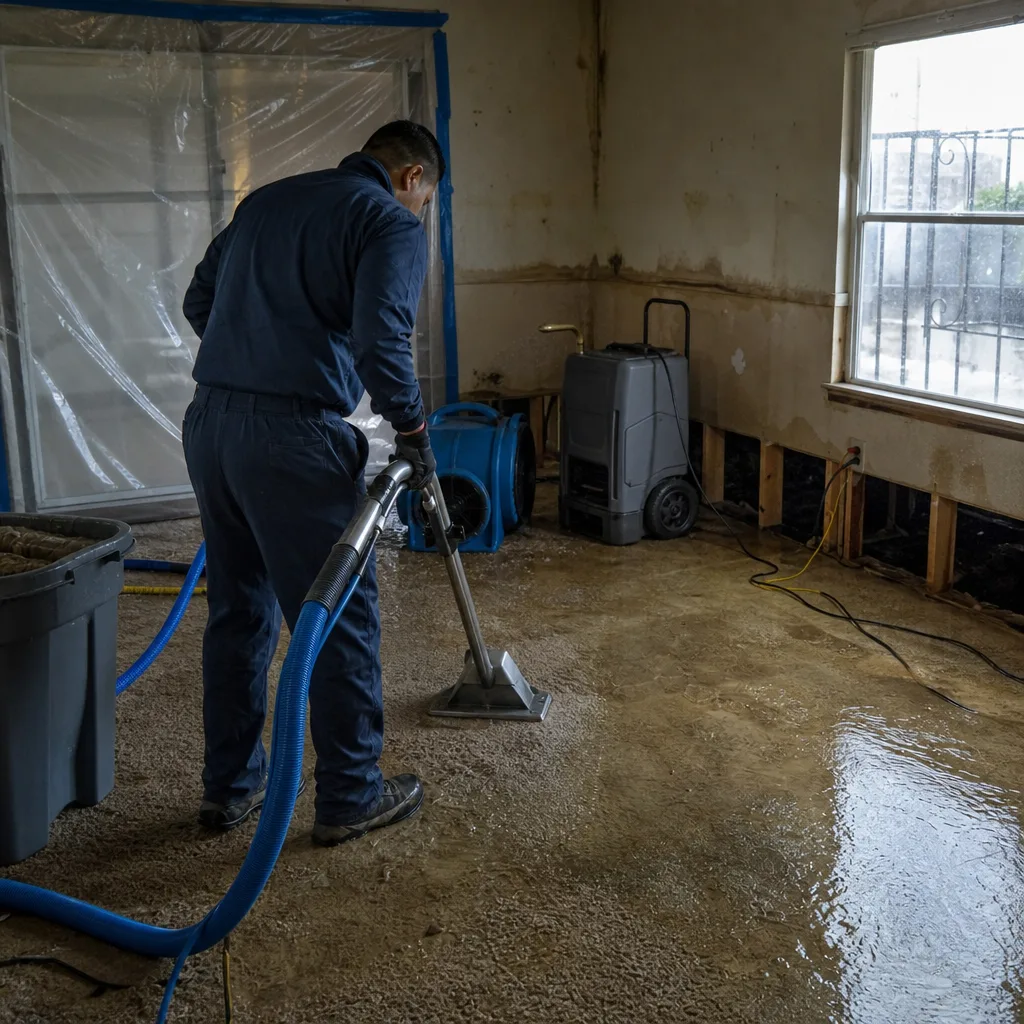
- 45-minute response commitment to Manhattan Beach from our Los Angeles dispatch office, with crews carrying extraction and drying equipment pre-loaded for coastal humidity conditions.
- 24/7 live answer - a real person picks up every call, never an automated system or voicemail tree, because water doesn’t wait for business hours and neither do we.
- IICRC-certified crews holding WRT (Water Damage Restoration Technician) and AMRT (Applied Microbial Remediation Technician) certifications, with license numbers provided on request.
- Free visual inspection on every call - we assess the loss, map moisture readings, and deliver a written scope before you decide.
- Direct insurance billing with photo-documented estimates, daily drying logs, and direct adjuster coordination - no chasing paperwork while your walls stay wet.
- One team from extraction to reconstruction - same crew, same documentation standard, same accountability start to finish.
BeforeAfterOur Water Damage Restoration Process
1. Inspection & Assessment
We arrive with thermal imaging cameras, borescopes for wall-cavity inspection, and calibrated moisture meters. In Manhattan Beach’s Sand Section, we specifically check for salt-air corrosion on visible plumbing and moisture accumulation in zero-ventilation crawl spaces. Every finding is photographed and logged before any equipment moves.
2. Water Extraction & Stabilization
Truck-mounted extraction units remove standing water at 25+ gallons per minute. For Sand Section homes with no exterior access, we run hoses through the living space to street-level pump trucks. We deploy weighted extraction tools on carpet and use squeegee wands on hard surfaces to remove every gallon possible before drying begins - less water means less drying time, less demolition, and lower cost.
3. Structural Drying & Dehumidification
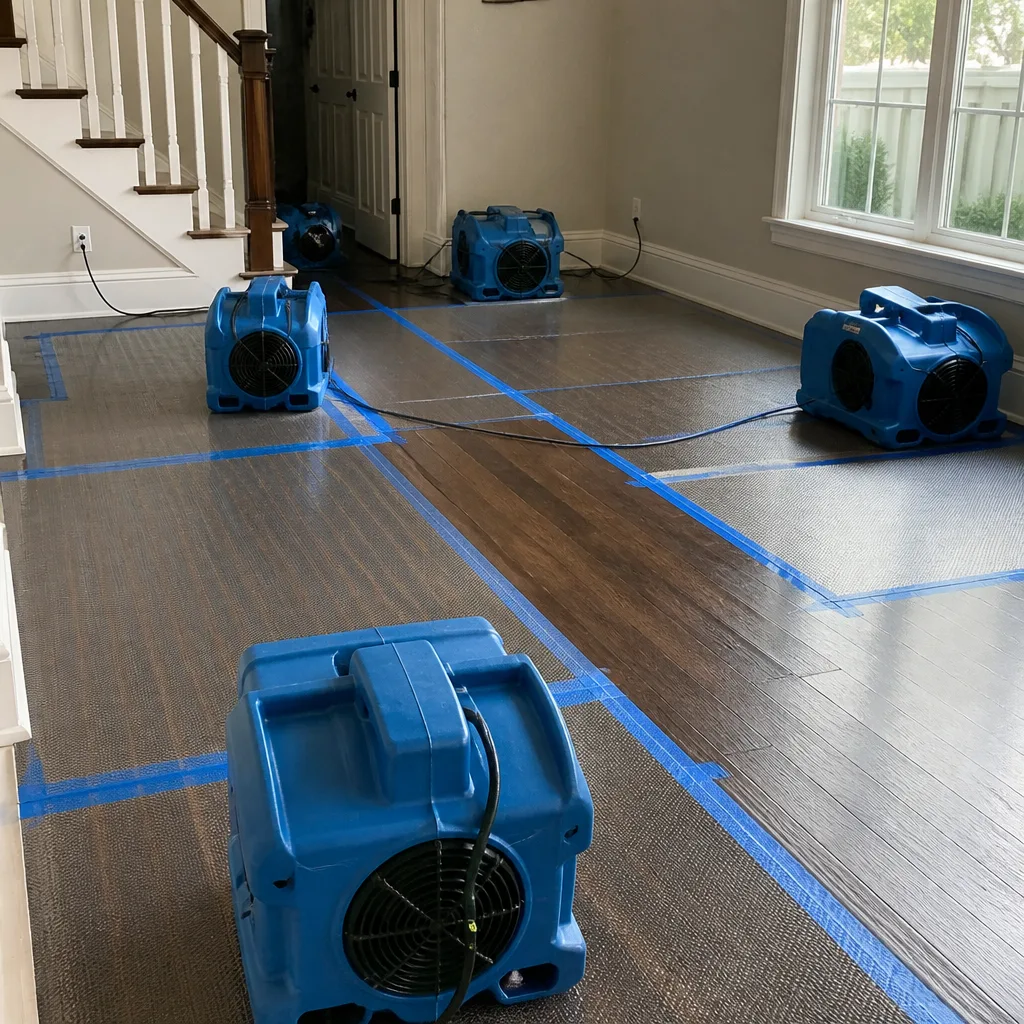
We calculate the exact cubic footage and place low-grain refrigerant dehumidifiers from Phoenix and Dri-Eaz alongside axial and centrifugal air movers from XPOWER and B-Air. In Manhattan Beach’s high-humidity environment, we size equipment aggressively and monitor dew point depression daily. For wall cavities with no exterior access, we deploy Injectidry systems that force dry air through small injection ports, drying from inside without removing drywall.
4. Cleaning & Sanitization
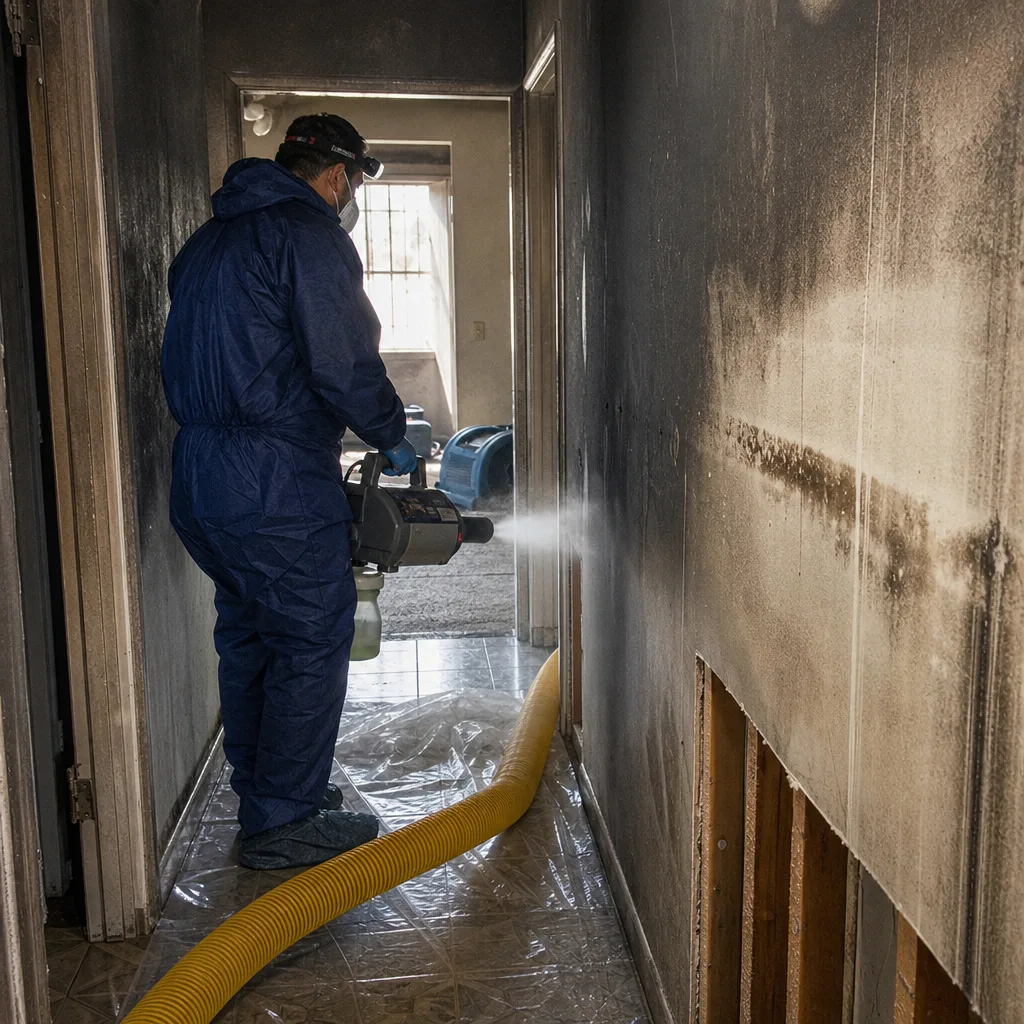
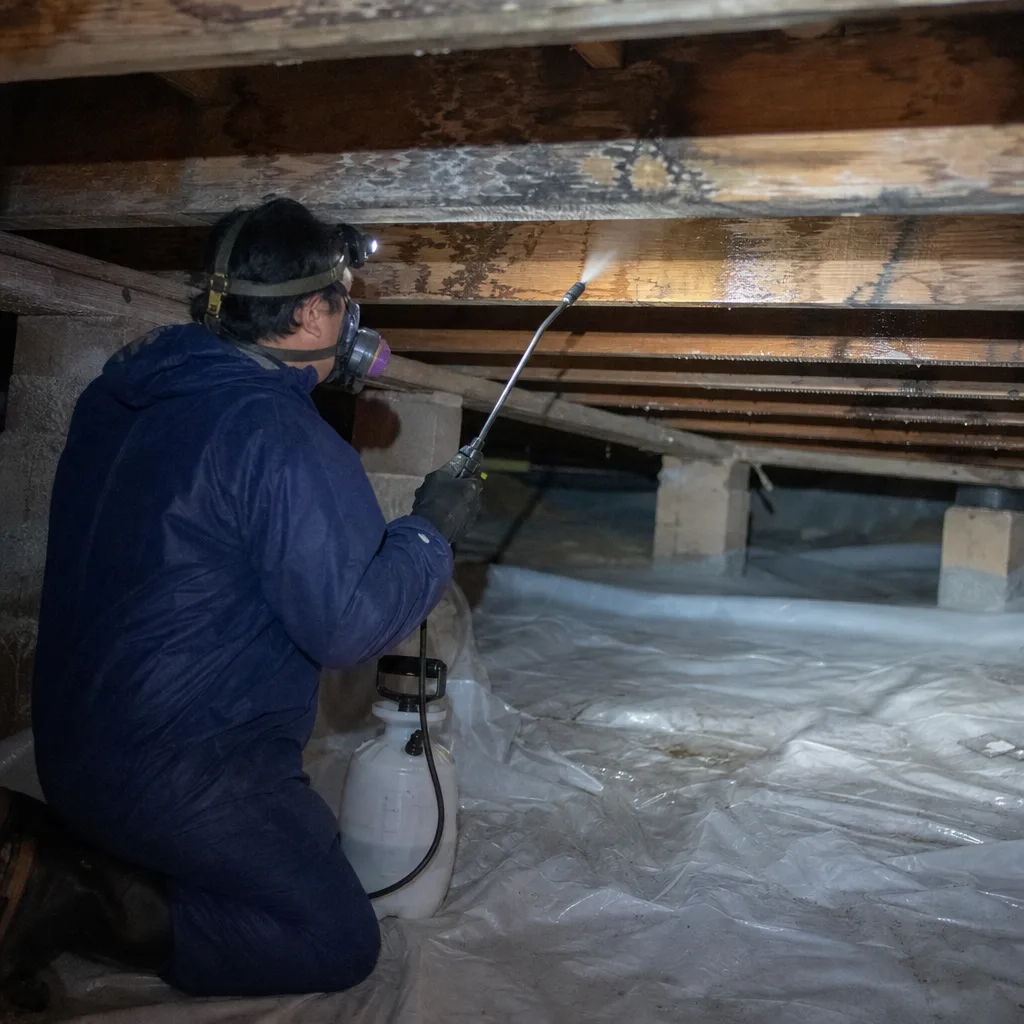
All affected surfaces receive antimicrobial treatment to Category 1, 2, or 3 protocol. HEPA air scrubbers run continuously during this phase, capturing 99.97% of particles 0.3 microns and larger - critical in Sand Section homes where demolition dust has nowhere to vent except through interior filtration.
5. Moisture Verification & Documentation
We don’t guess when drying is complete. Daily moisture readings are recorded against dry-standard benchmarks for each material class - 12% for wood framing, 4% for drywall, specific gravities for concrete. Tertiary drying zones get special attention. The final drying log, with all readings, photos, and equipment run-time documentation, becomes part of your insurance submission.
6. Repairs & Restoration
Our reconstruction team replaces removed materials to match existing finishes. In Manhattan Beach’s high-value market, we coordinate with your preferred finish contractor or handle everything in-house - always from a written scope, always with the 365-Day Done Right Promise stamped on the contract.
Need Emergency Water Damage Restoration in Manhattan Beach Now?
Crews minutes away, answering live 24 hours a day. The sooner we start, the less it costs.
Working With Your Insurance Company
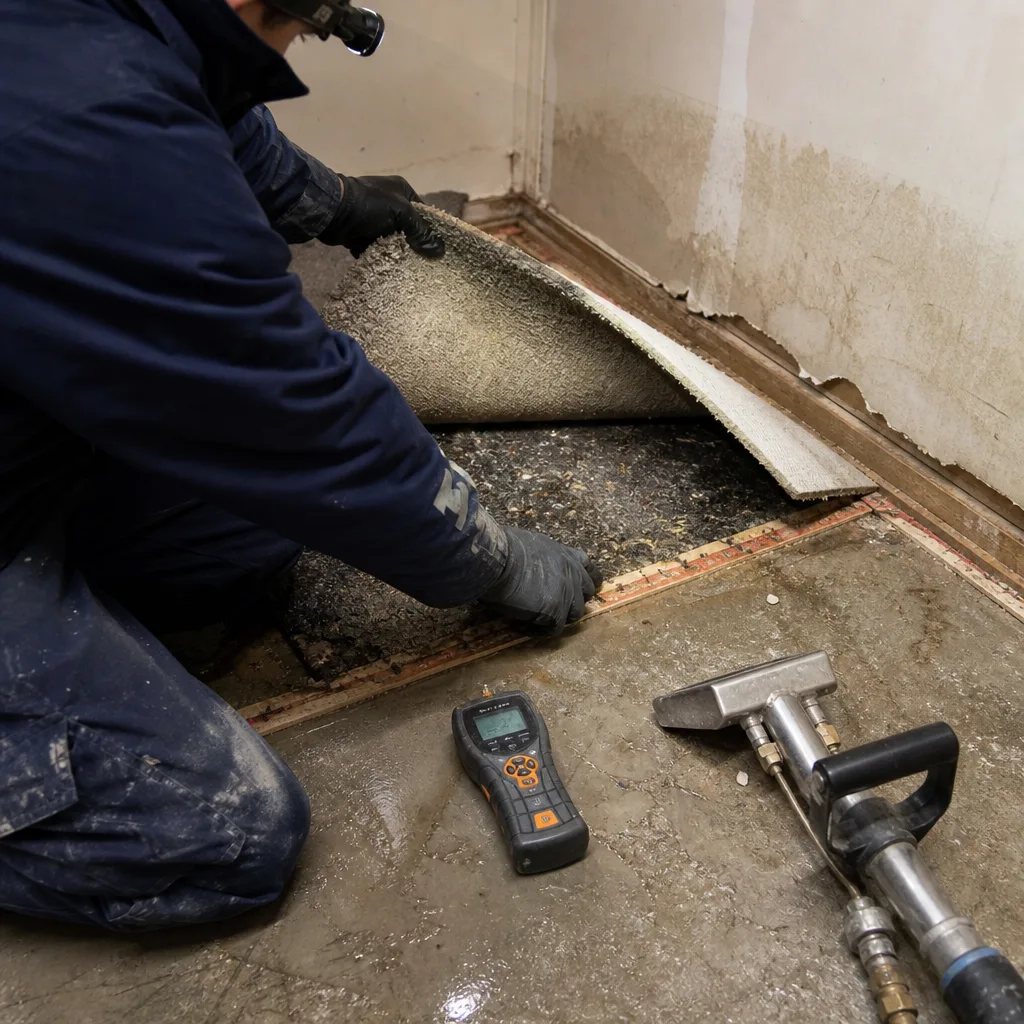
Insurance claims succeed or fail on documentation. We know because Alicia Brennan founded Back to Dry in 2011 after years as a claims adjuster watching homeowners lose coverage over missing photos, incomplete moisture logs, and scopes that didn’t match the damage.
From the first hour on your Manhattan Beach property, we build a claim file that holds up. Every visit produces timestamped photos, room-by-room moisture readings, and equipment placement maps. Our estimates line-item every action to industry-standard pricing databases. We speak directly with your adjuster, answer their documentation requests same-day, and don’t get paid until you understand exactly what was done and why.
What We Provide Your Insurer
- Thorough documentation of the loss
- Photos of all damage, room by room
- Moisture readings and drying logs
- A detailed, line-item scope of work
- Direct coordination with your carrier
Built for Manhattan Beach’s Loss Calendar
January through March brings the heaviest rain, and El Niño cycles push that into serious territory. The Sand Section’s shallow water table and near-sea-level elevation turn storm runoff into standing-water events that overwhelm storm drains designed for Southern California’s typical dry climate. We’ve extracted inches of water from homes on The Strand after drains backed up, not from roof leaks but from groundwater rising through slab seams.
April to June, marine-layer humidity peaks. Without rain, we still get calls - musty smells, mysterious stains, mold behind bathroom vanities. The moisture source isn’t a leak; it’s condensation inside wall cavities where cool Pacific air meets warm interior spaces. July through October stays relatively dry but sees spike calls from failed air conditioning condensate lines and corroded washing machine hoses. November and December bring the next rain cycle, and with it, the year’s second wave of intrusion losses.
Year-round, salt-air corrosion keeps our burst pipe restoration crews busy. Galvanized supply lines in original Sand Section cottages don’t fail dramatically - they weep slowly, feeding mold colonies that grow for weeks before any visible sign appears.
Water Damage Restoration Across Manhattan Beach’s Neighborhoods
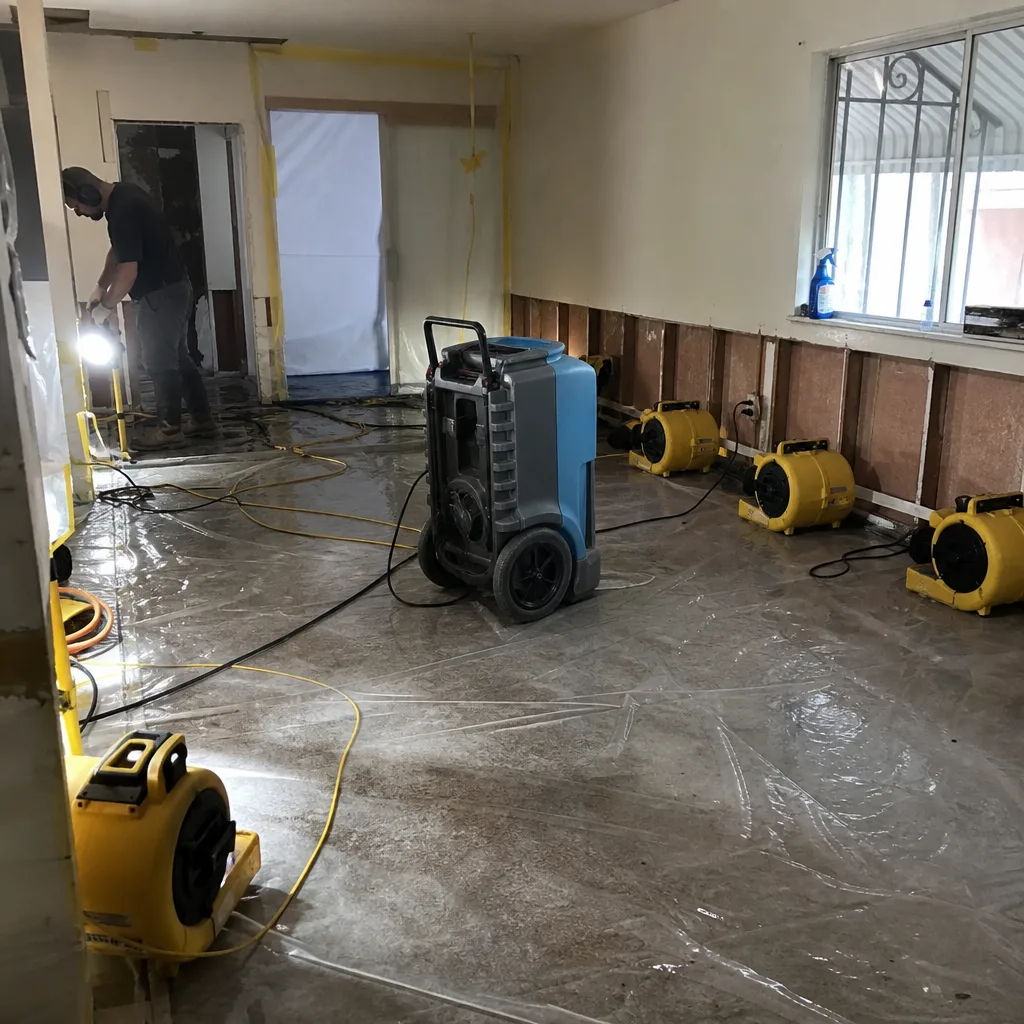
The Sand Section, west of Sepulveda Boulevard and stretching from El Porto to the Hermosa Beach border, is where Manhattan Beach’s water damage restoration gets most complex. Those 27-foot-wide lots with zero side-yard clearance mean every air mover, dehumidifier, and containment barrier must pass through the front door. Demo debris comes out the same way. We coordinate with homeowners on staging plans that preserve livable space during drying, and we size equipment for the constraint - more powerful units, fewer of them, placed precisely.
The Hill Section, east of Sepulveda and rising toward Aviation Boulevard, holds larger 1950s-1970s ranch homes with more conventional setbacks. These properties allow exterior equipment access and easier venting, but aging original plumbing and the same marine-layer humidity create similar chronic moisture issues. Response routes up Highland Avenue or from the 405 via Rosecrans let us reach these homes quickly.
The Tree Section, south of Manhattan Beach Boulevard and east of Sepulveda, mixes original construction with extensive renovation. Here we often find updated interiors hiding original galvanized branch lines - the cosmetic work looks great, but the corrosion continues behind new drywall. Our moisture mapping catches these before they become full demolition jobs.
El Porto, the northernmost beach neighborhood, sits lowest and closest to the water. Storm surge risk is real, and we’ve done flood cleanup here after high tides coincided with heavy rain. The small commercial strip along Highland Avenue includes mixed-use buildings with unique access challenges - we carry equipment up exterior stairs to second-floor residential units when interior stairways are compromised.
We got a call from a homeowner on The Strand in the Sand Section about a musty smell and a water stain that had nothing to do with any recent rain. Our tech found marine-layer condensation had been feeding mold inside the wall cavity for weeks, and salt air had already corroded the original galvanized supply lines behind the bathroom wall. Because there was no side-yard access, we staged every air mover, dehumidifier, and containment barrier through the living room, completed moisture mapping on all four walls, and ran structural drying entirely indoors before scheduling remediation.
Specialized Water Damage Restoration Services We Offer in Manhattan Beach
Emergency Water Extraction
Standing water gets more expensive by the hour as it wicks upward into drywall and laterally into subfloors. Our truck-mounted extractors pull 25+ gallons per minute, and for Sand Section homes with no exterior hose access, we run discharge lines through living space to street-level pump trucks. Typical emergency extraction in Manhattan Beach runs $500-$1,200 depending on volume and access constraints.
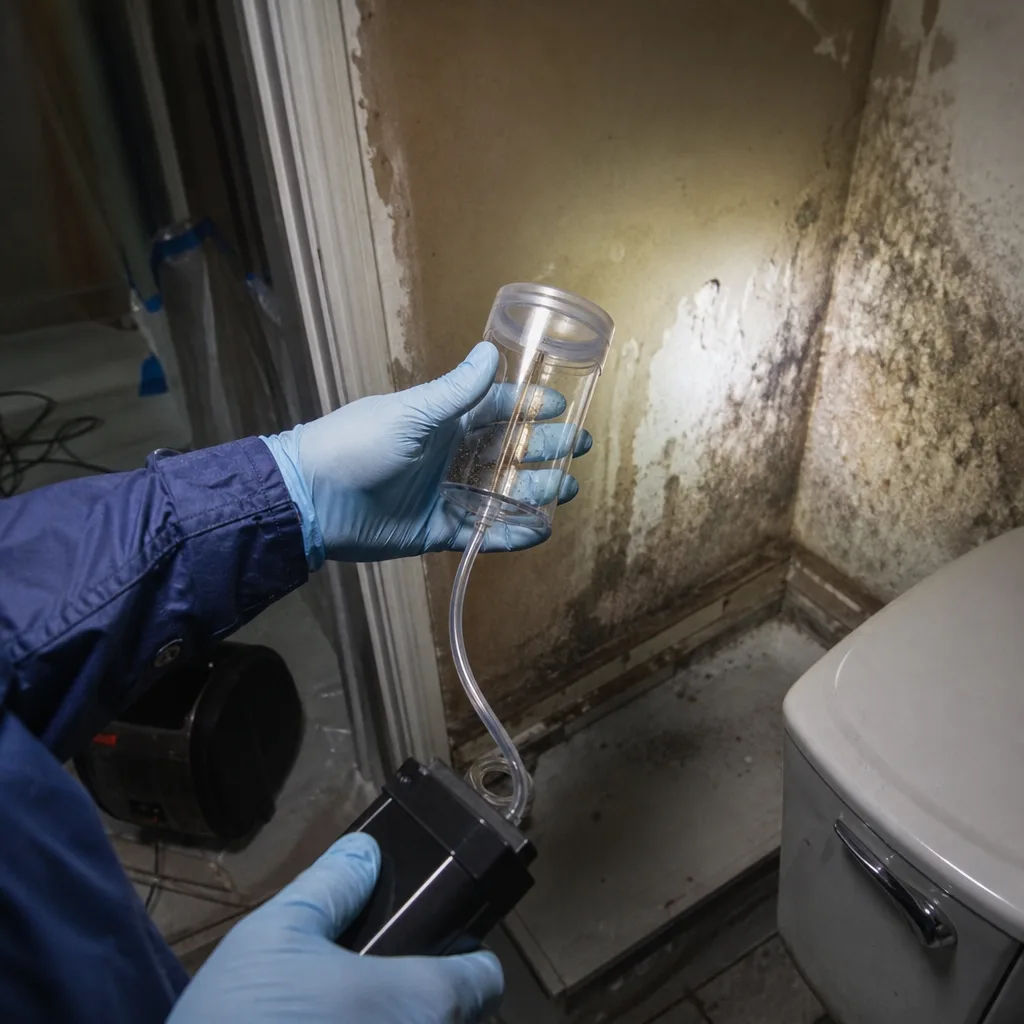
Structural Drying & Dehumidification
This is where Manhattan Beach’s climate demands specialized approach. Marine-layer humidity means ambient air can’t absorb moisture naturally, so we size dehumidification capacity aggressively - often 1.5x standard load calculations for inland properties. We deploy Phoenix 200 HT dehumidifiers and Dri-Eaz Revolution units sized to the space, with daily psychrometric logging. Sand Section projects with interior-only access typically run $3,200-$6,800 for 4-6 days of active drying.
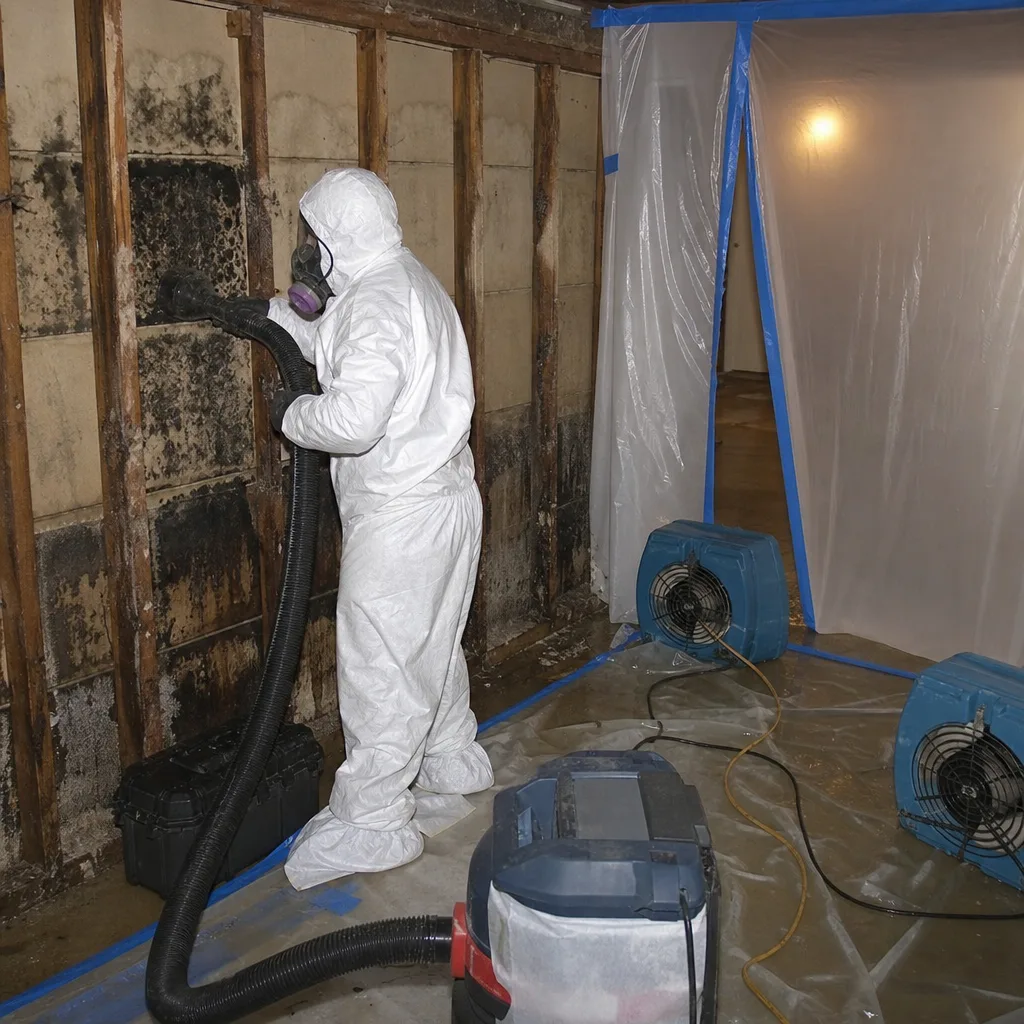
Flood Cleanup
El Niño flooding in the Sand Section brings Category 3 water - grossly contaminated with street debris, fuel residue, and biological material. Full personal protective equipment, negative-air containment, and antimicrobial treatment to EPA-registered protocols are mandatory. These jobs require more extensive removal and longer drying cycles, typically $5,500-$12,000 depending on affected square footage.
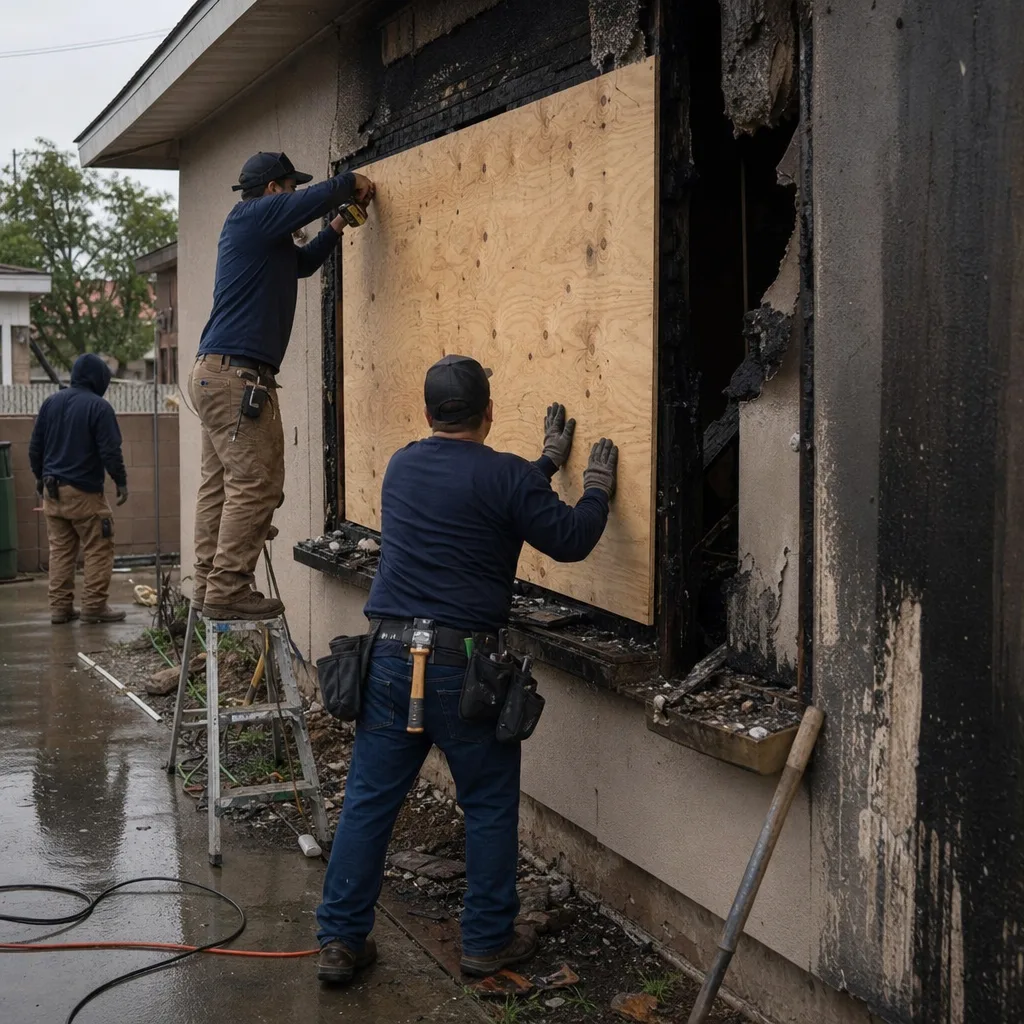
Burst Pipe Restoration
Galvanized supply lines in 1940s-1960s Sand Section cottages corrode from year-round salt air and marine-layer humidity, so pinhole leaks emerge behind walls long before any visible water stain appears. We locate the failure with thermal imaging and borescopes, document the corrosion pattern for insurance, extract standing water, dry affected cavities, and coordinate licensed plumber replacement of failed sections. Burst pipe restoration in Manhattan Beach typically ranges $2,800-$7,500 for drying and repair, with plumbing replacement quoted separately.
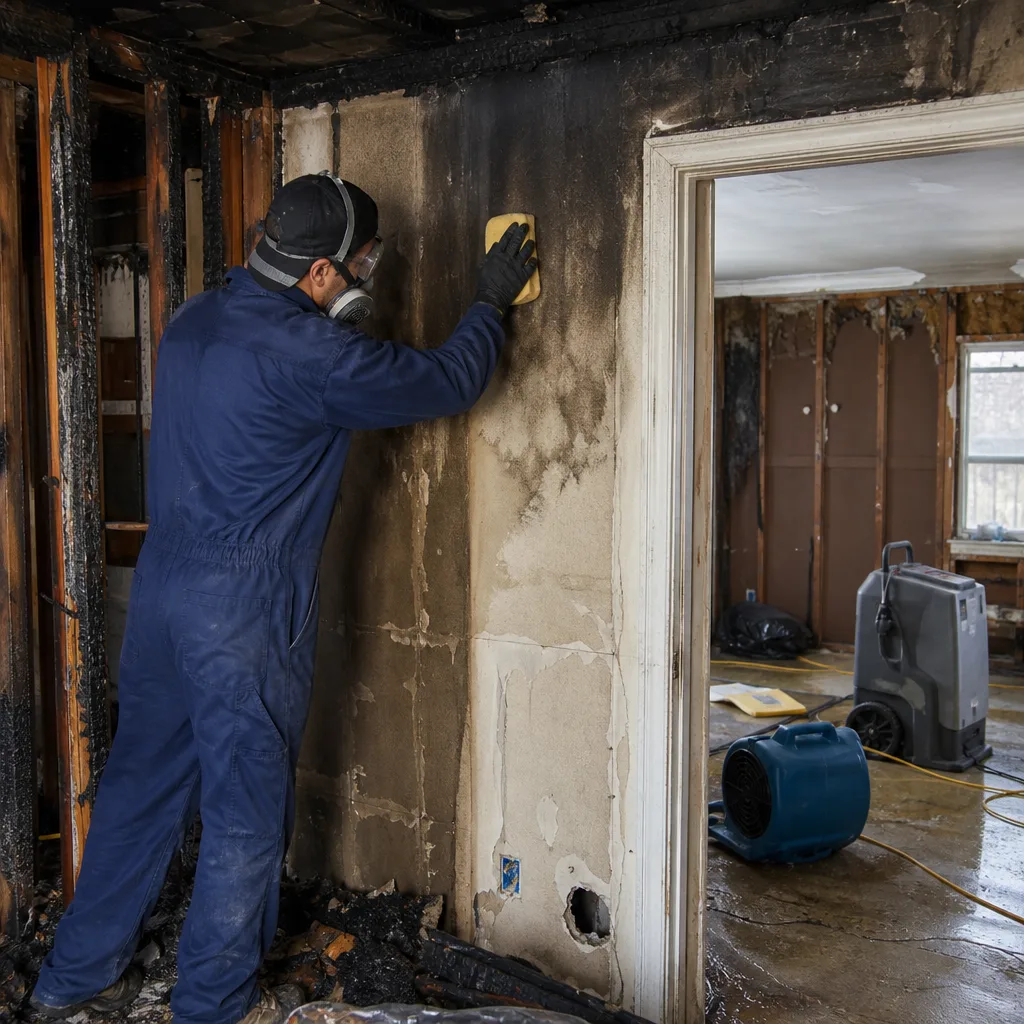
Basement Water Removal
True basements are rare in Manhattan Beach’s shallow water table, but lower-level living spaces in hillside homes and converted garages in the Tree Section see similar issues. We extract, dry, and address the hydrostatic pressure or drainage failure that caused the intrusion.
Ceiling & Roof Leak Water Damage
Flat roof sections on modern Sand Section rebuilds and aging shake roofs in the Hill Section both leak, but differently. We trace water migration paths - ceiling stains rarely mark the actual breach - and dry insulation cavities without unnecessary drywall removal when possible.
What happens when you call
- 1
A real person answersNo phone trees - you reach a local pro.
- 2
You get an upfront price rangeHonest numbers before anyone is dispatched.
- 3
A background-checked tech heads outLicensed & insured, dispatched right away.
- 4
You approve before work beginsNothing starts until you say go.
Water Damage Restoration Costs in Manhattan Beach, CA
| Service | Typical Range in Manhattan Beach |
|---|---|
| Emergency water extraction | $500 - $1,200 |
| Structural drying & dehumidification (standard home) | $2,800 - $5,500 |
| Structural drying (Sand Section, interior-only access) | $3,200 - $6,800 |
| Category 3 flood cleanup | $5,500 - $12,000 |
| Burst pipe restoration (drying + repair) | $2,800 - $7,500 |
| Full reconstruction after removal | $75 - $150 per sq ft |
What moves the price: affected square footage, water category, access constraints, and whether materials can be dried in place or must be removed. Sand Section homes with zero side-yard access run 15-25% higher than comparable detached homes due to interior-only equipment staging and extended labor hours. Insurance typically covers sudden and accidental water damage; gradual leaks from corroded pipes may be partially excluded depending on your policy language. We document everything and coordinate directly with your adjuster to maximize covered scope. Call (628) 226-1011 for a free visual inspection and written price - Haven Standard, Clause 1, no exceptions.
We Also Serve Cities Near Manhattan Beach
Our crews respond throughout the South Bay from our Los Angeles dispatch office. We regularly handle Water Damage Restoration in Manhattan Beach and neighboring communities including Lawndale, Hawthorne, Redondo Beach, and Inglewood - same documentation standard, same live-answer dispatch, same written price before work begins.
Serving Manhattan Beach, CA - Our Local Coverage Area
We’re based in the Manhattan Beach area and know this community well. Use the map below to see our service coverage - if you’re nearby, we can almost certainly help.
Manhattan Beach Water Damage Restoration Questions, Answered
Why do Manhattan Beach Sand Section homes get water damage even when it hasn’t rained?
Marine-layer humidity keeps relative moisture elevated year-round, and salt-air corrosion attacks galvanized plumbing from the inside out, creating pinhole leaks that seep behind walls for weeks before any visible stain appears. In the Sand Section, zero side-yard clearance traps moisture in wall cavities with no natural ventilation. If you’re noticing musty smells or unexplained stains, call (628) 226-1011 - we’ll map the moisture and show you exactly what’s happening.
What’s different about water damage restoration in a lot-line-to-lot-line Sand Section home?
Every piece of equipment, every bag of demo debris, and every containment barrier must move through the front door - there is no exterior access whatsoever. This interior-only constraint means fewer, more powerful dehumidifiers placed precisely, longer setup and breakdown times, and higher labor costs than standard detached-home work anywhere else in the South Bay. We plan the staging before we arrive and communicate the scope adjustment clearly in your written price.
How fast does mold grow after water damage in Manhattan Beach?
Mold colonization begins in 24-48 hours under favorable conditions, and Manhattan Beach’s year-round humidity is favorable. In Sand Section wall cavities with chronic condensation, we’ve found active mold growth in homes where the visible water event was days old but the underlying moisture issue was weeks or months established. We deploy HEPA air scrubbers and antimicrobial treatment immediately upon extraction completion, with moisture verification before any rebuild. Speed matters - call (628) 226-1011 now.
How do you determine what can be dried versus what has to be removed?
We use IICRC S500 standards: material classification, contamination level, and moisture penetration depth. Category 1 water on clean drywall dried within 24 hours often saves the material. Category 2 or 3 water, or any water that sat longer than 48 hours, usually requires removal of porous materials. Our moisture meters give objective readings; we show you the numbers and explain the standard that governs the decision. Nothing gets removed without documentation and your approval.
Do you use drying logs and documentation for insurance in Manhattan Beach?
Yes - daily drying logs with timestamped moisture readings, equipment run-time records, and room-by-room photos are standard on every job, never an upsell. This documentation, formatted to IICRC and RIA standards, is the same evidence that Alicia Brennan used to approve or deny claims as an adjuster. We know what insurers need because we built the company around that gap. Your adjuster gets complete documentation without you chasing it.
How fast can your crew actually get to Manhattan Beach?
We commit to 45 minutes from call to arrival for emergency water damage, with crews pre-loaded for coastal conditions and dispatched from our Los Angeles office. Live answer 24/7 means no voicemail delay. The sooner we extract standing water and begin drying, the less demolition required and the lower your total cost. Call (628) 226-1011 - we’re already rolling.
Will my insurance cover water damage restoration in Manhattan Beach?
Sudden and accidental water damage - burst pipes, appliance failures, storm intrusion - is typically covered under standard homeowners policies. Gradual damage from corroded pipes or long-term leaks may be excluded or limited. We document the loss cause, provide photo evidence, and coordinate directly with your adjuster to establish coverage scope. Our estimates line-item every action to industry-standard pricing. Call (628) 226-1011 and we’ll review your situation at no charge.
Can we stay in the home during water damage restoration?
It depends on contamination level, equipment noise, and extent of demolition. Category 1 drying with minimal removal often allows occupancy. Category 2 or 3 losses, or any job requiring extensive demolition, typically require temporary relocation for health and safety. In Sand Section homes with interior-only equipment staging, living space compression may make staying impractical regardless of contamination. We discuss this honestly in your written scope so you can plan.
Written by Alicia Brennan, Owner at Back to Dry Restoration, serving Manhattan Beach since 2011.
Water Damage Restoration in Nearby Areas