

Free visual inspection and a written scope of work before any mitigation begins - photos, moisture readings, and drying logs go in your claim file
The scope we write is the scope we bill. Anything new gets shown to you, in writing, before we touch it.
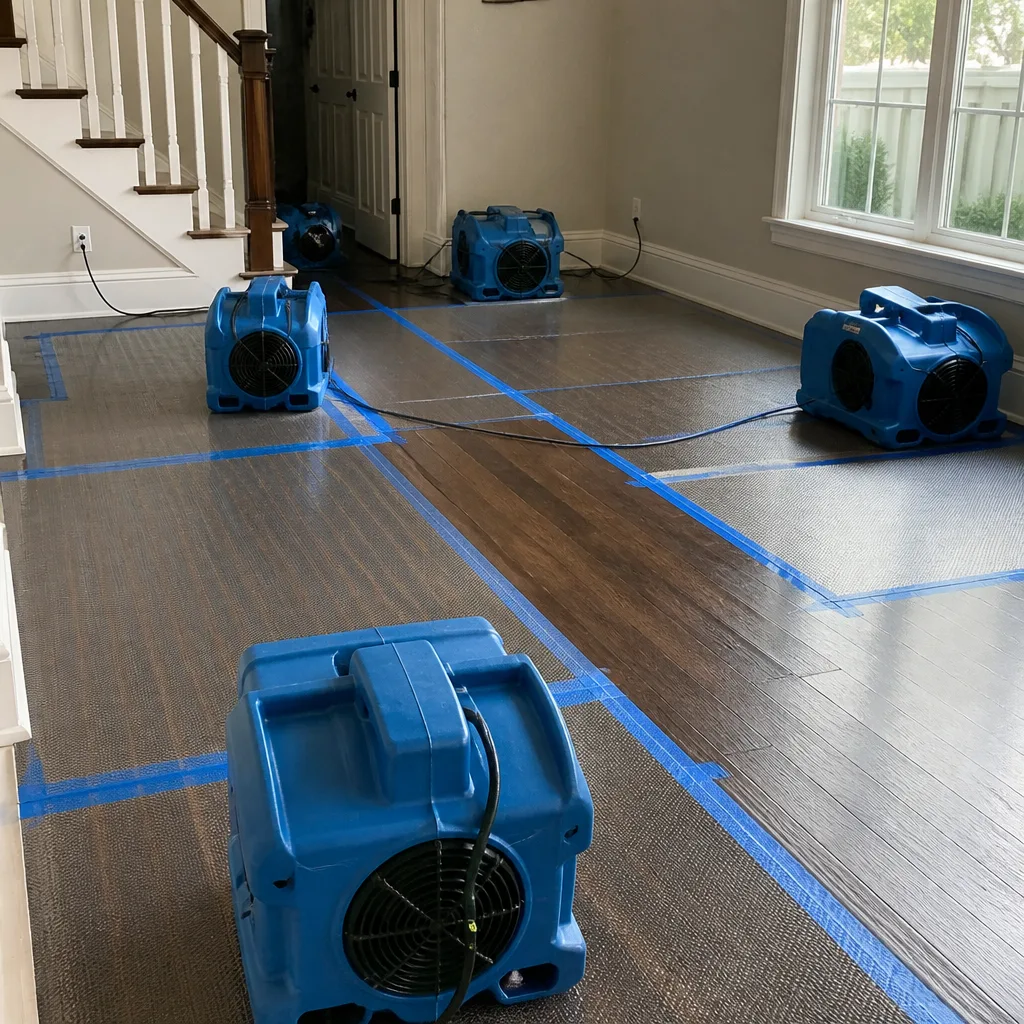
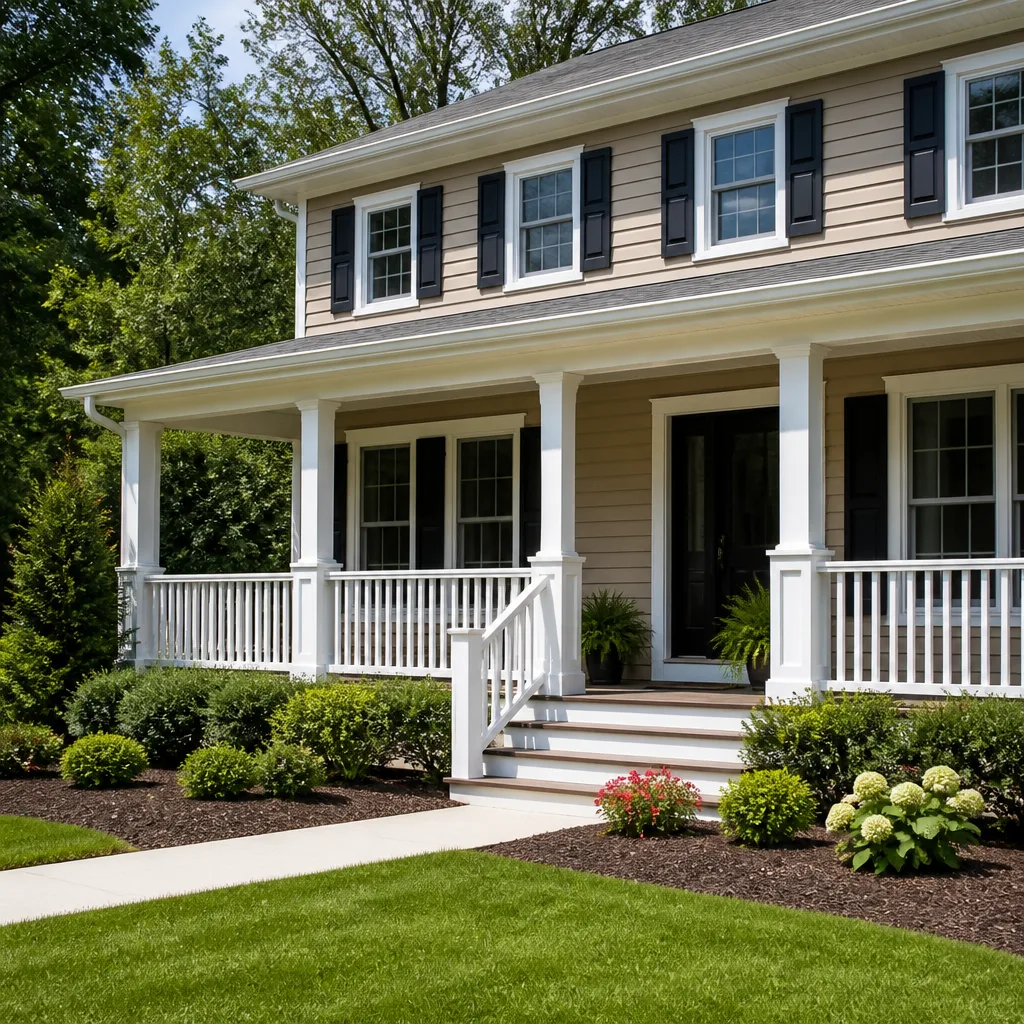
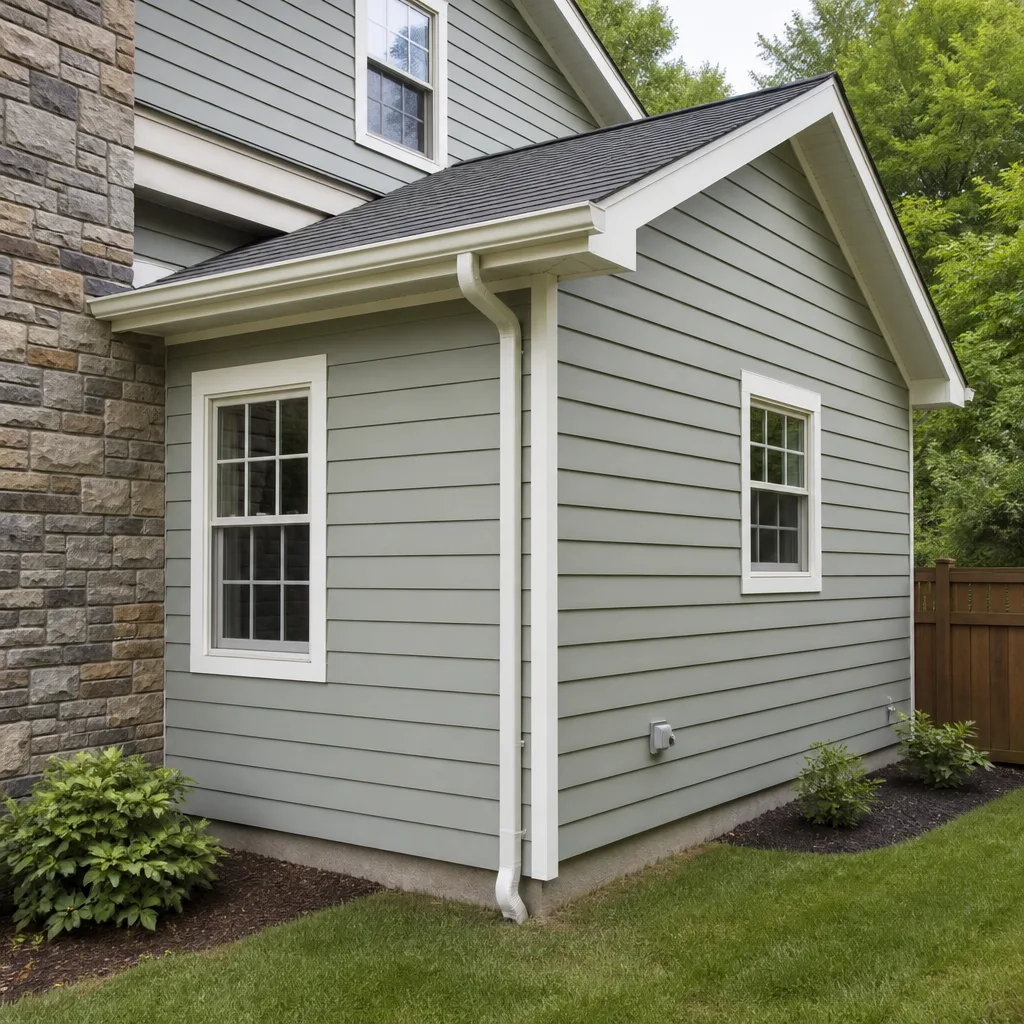
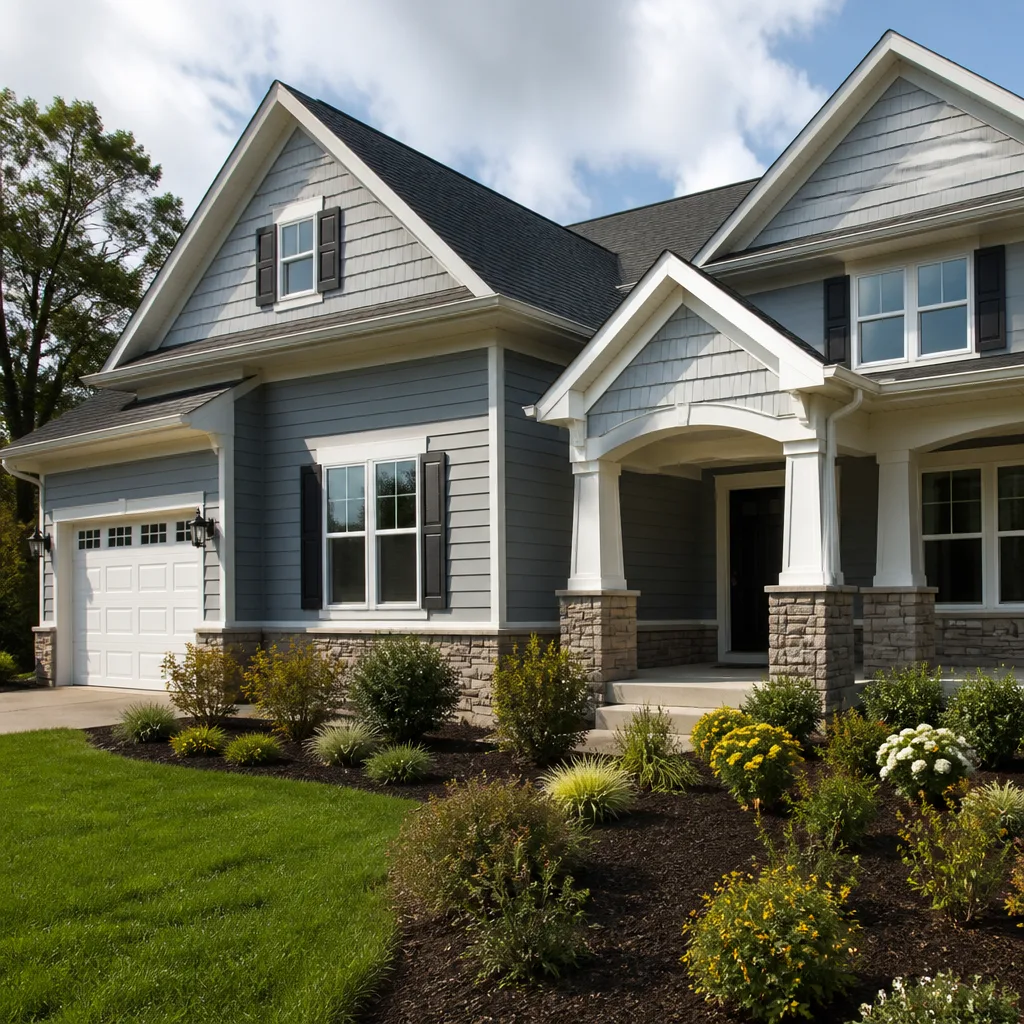
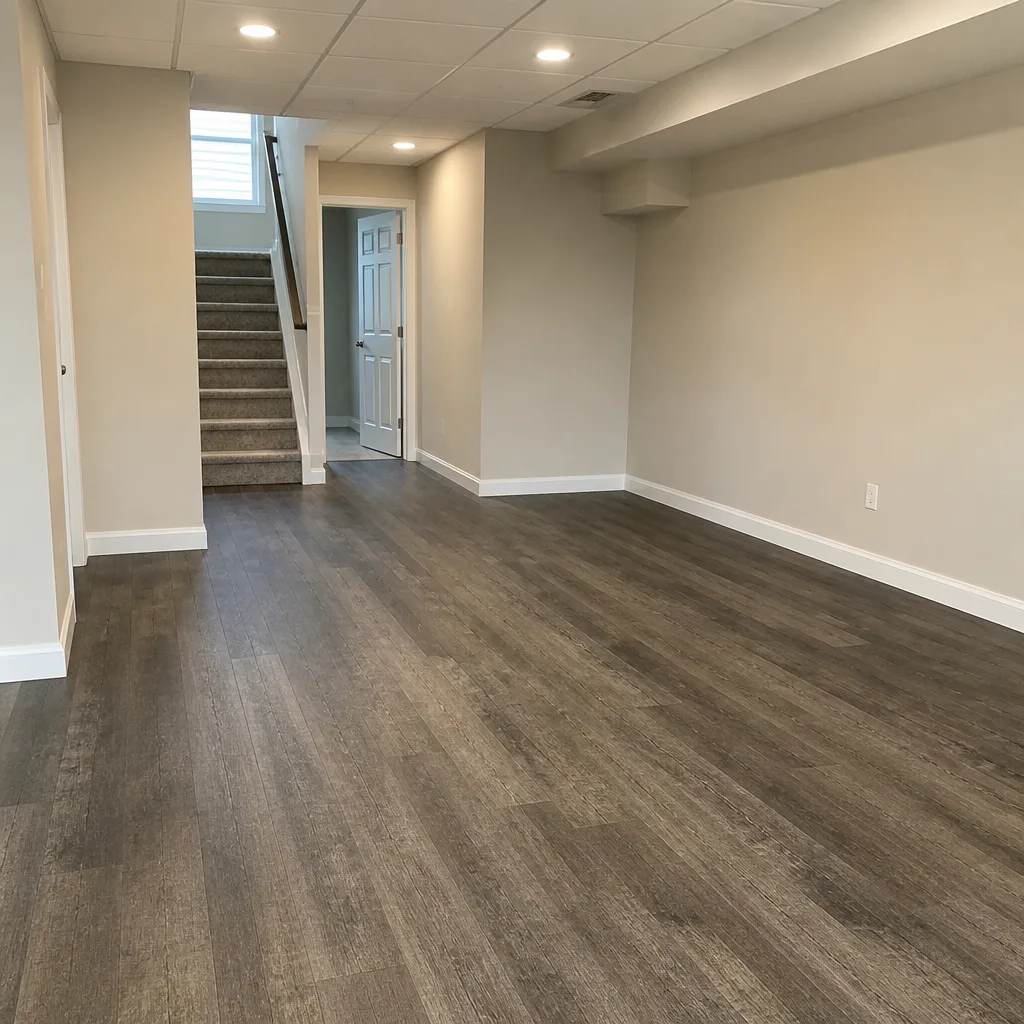
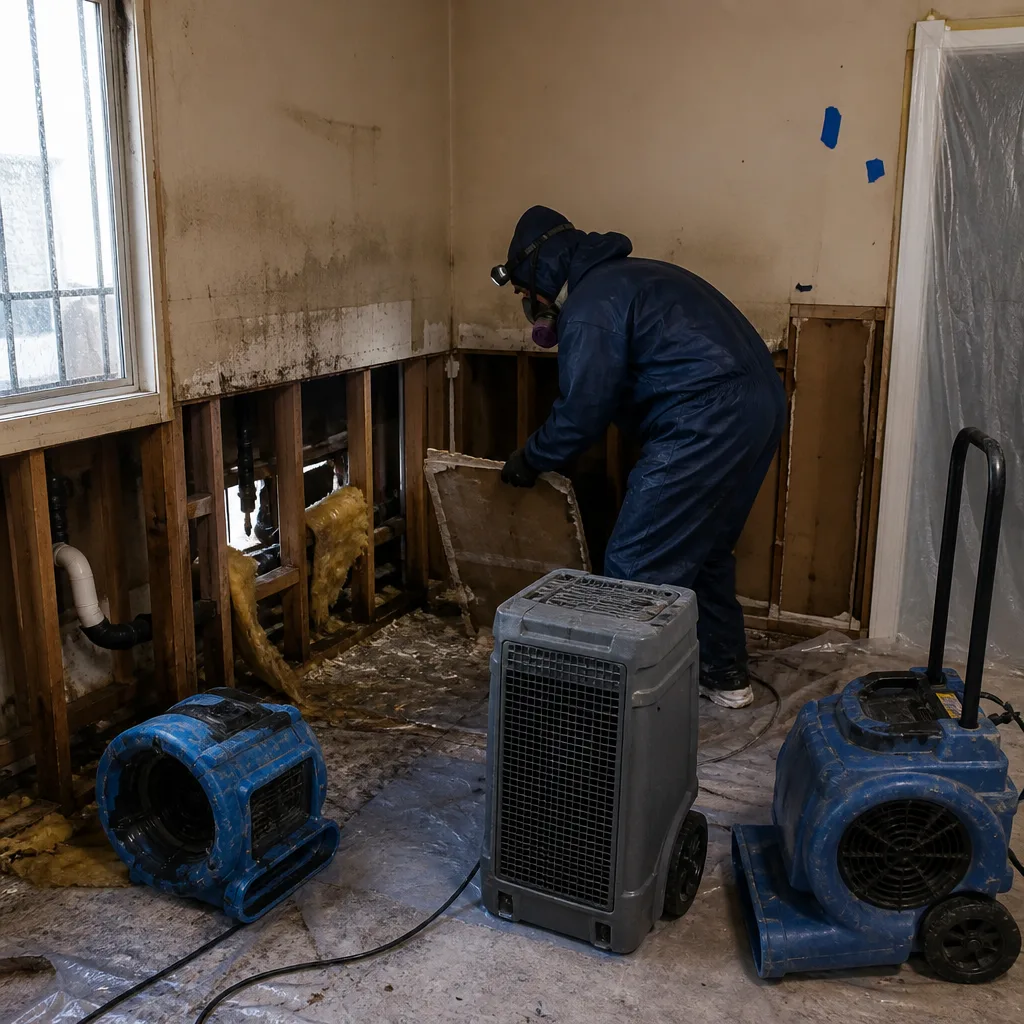 Before
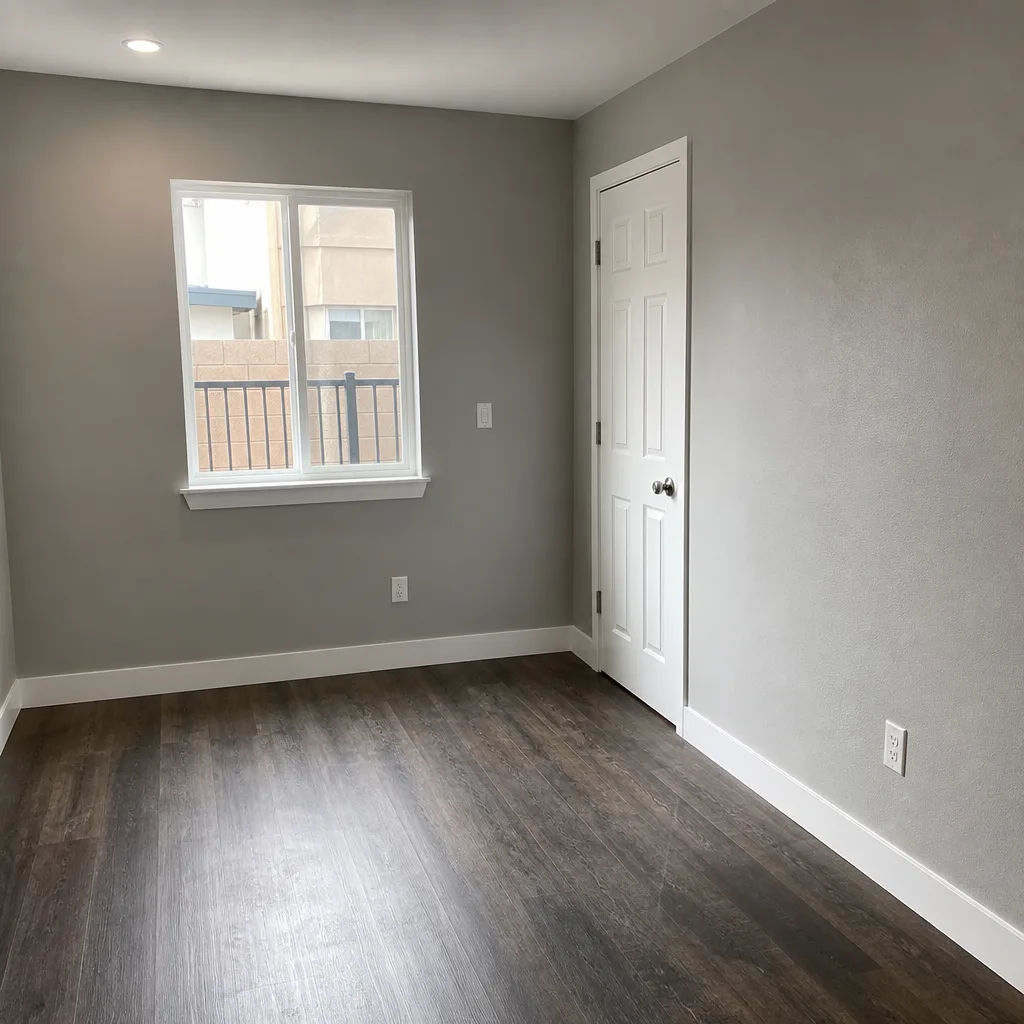 After
After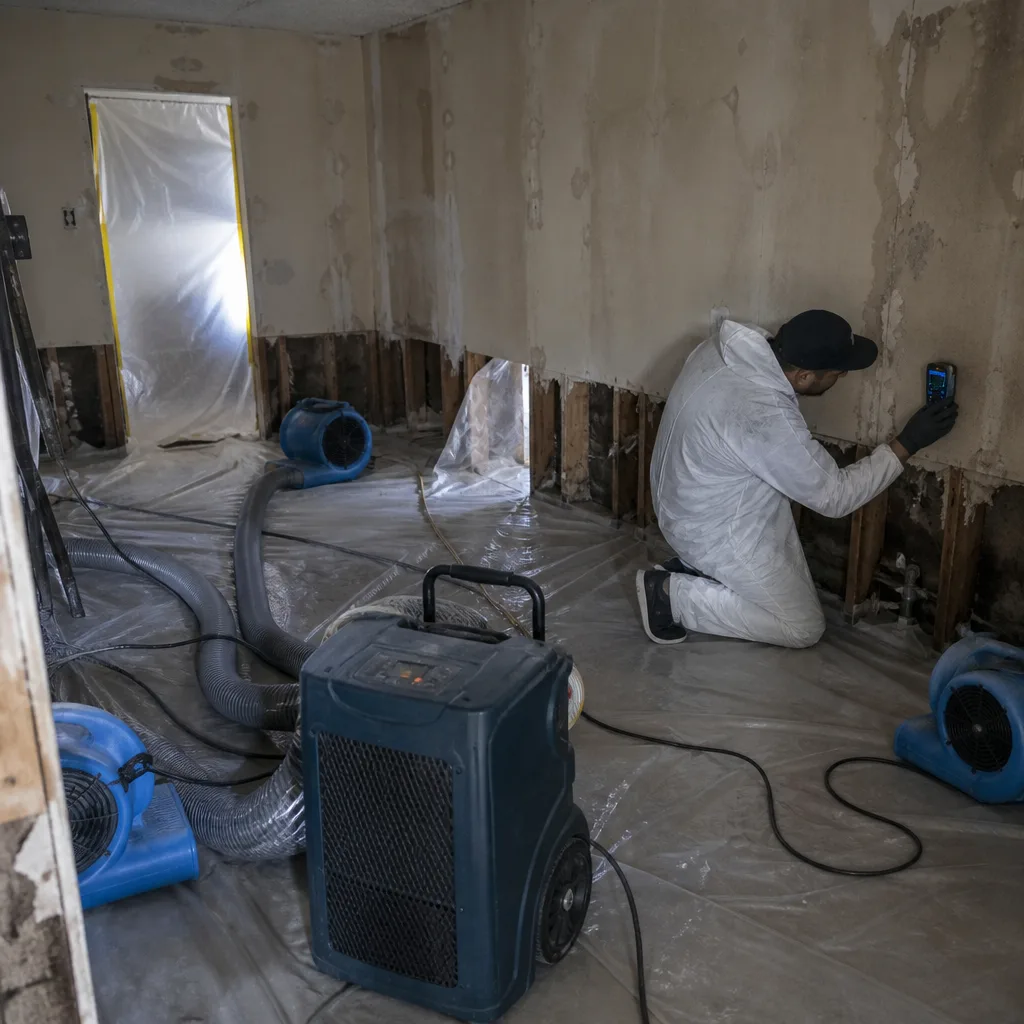 Before
 After
After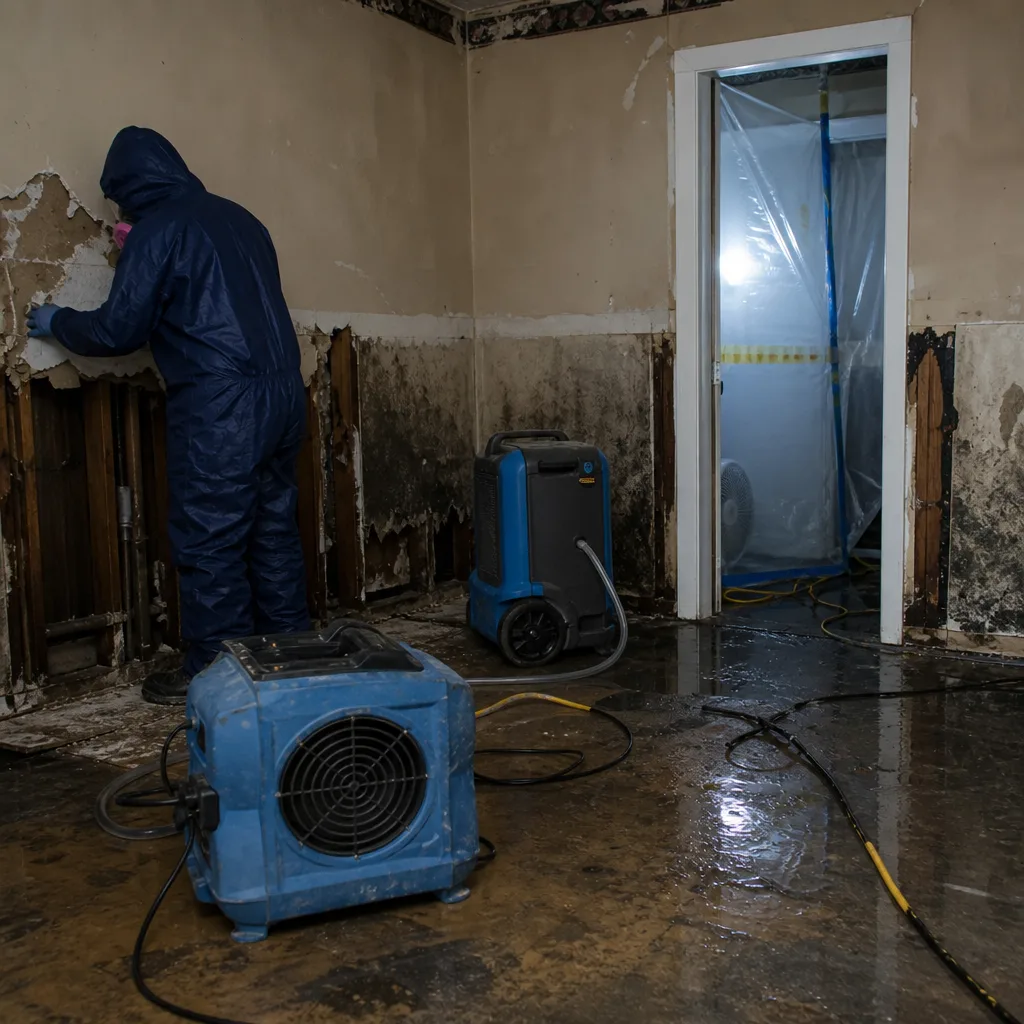 Before
 After
After24/7 Emergency Water Damage Restoration in Redondo Beach
Water damage in Redondo Beach typically costs $2,800-$7,500 for mitigation and drying, with most emergency extractions starting same-day. Call (628) 226-1011 now and a live person will answer, 24 hours a day, 7 days a week. Crews dispatch from our Los Angeles office and reach Redondo Beach properties within 45 minutes.
The first hour determines whether a water loss stays a Category 1 cleanup or degrades into Category 2 or 3 contamination. In Redondo Beach’s 1970s-era stacked-flat condos, water moves horizontally through shared walls faster than it descends, meaning a single pipe failure can affect three or four units before anyone on the ground floor notices staining. We provide a free visual inspection, document moisture readings room by room, and deliver a written price before any equipment runs - Haven Standard, Clause 1.
Understanding Water Damage Restoration Severity in Redondo Beach Properties
Water damage falls into three categories measured by contamination level, and Redondo Beach’s coastal conditions push losses across categories faster than inland cities. Category 1 water originates from a clean source - a broken supply line or overflowing sink. Category 2 contains significant contamination from dishwasher discharge or washing machine overflow. Category 3 is grossly contaminated sewage, seawater intrusion, or water that has stagnated long enough to support bacterial growth.
Here’s where Redondo Beach differs from Torrance or Gardena just a few miles east. The marine layer keeps wall-cavity relative humidity above 70% for much of the year even without any active leak. A Category 1 supply-line break behind original 1970s drywall in a North Redondo stacked-flat condo can sit for 48 hours, the humidity prevents natural evaporation, and what started as clean water becomes Category 2 as it picks up mold spores and construction dust. Our crews use thermal imaging and penetrating moisture meters to map the full extent before that degradation happens. We document psychrometric data - temperature, relative humidity, and vapor pressure differential, which is the force that actually moves moisture out of materials - to prove to adjusters that drying continued until materials reached their dry standard, not just until they felt dry.
Why Redondo Beach Property Owners Choose DryMark Restoration Compton
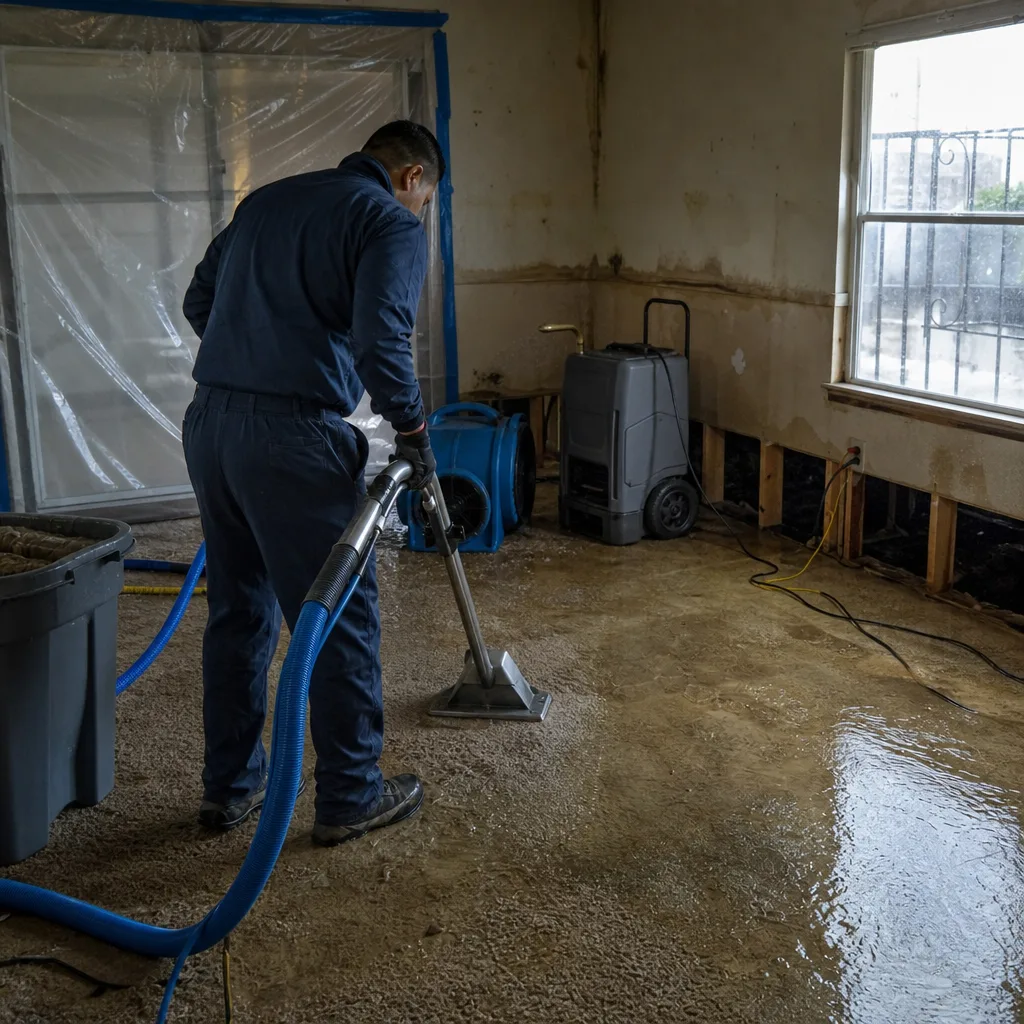
- 45-minute response commitment to Redondo Beach addresses, because water moves through shared walls in North Redondo’s condo complexes faster than standalone single-family homes.
- 24/7 live answer by a real person, never an automated system or voicemail tree - emergency lines are staffed around the clock.
- IICRC-certified crews holding WRT (Water Damage Restoration Technician) and AMRT (Applied Microbial Remediation Technician) credentials, with license numbers documented on every job file.
- Free visual inspection with moisture readings, photos, and a written scope delivered before any work begins.
- Direct insurance billing and adjuster coordination, including multi-party claims involving HOA master policies and individual HO-6 carriers.
- One team from extraction through reconstruction, so the crew that documented your pre-loss condition manages the rebuild with no handoff gaps.
BeforeAfterOur Water Damage Restoration Process
1. Inspection & Assessment
We arrive with thermal imaging cameras, penetrating and non-penetrating moisture meters, and hygrometers to map the full water perimeter. In Redondo Beach’s older condos, this means checking every shared wall above and below the source unit, because cast-iron stacks and galvanized supply lines fail in sections, not points. You receive a written scope and firm price before any equipment starts - Haven Standard, Clause 1.
2. Extraction & Stabilization
Truck-mounted extractors and portable flood pumper units remove standing water from flooring, carpet, and pad. For hardwood or tile in South Redondo’s mid-century bungalows, we use weighted extraction tools that squeeze water from the subfloor without forcing it deeper into the structure.
3. Drying & Dehumidification
We deploy low-grain refrigerant dehumidifiers from Dri-Eaz and Phoenix, plus air movers and Injectidry cavity-drying systems that force dry air into wall voids through small injection ports. In Redondo Beach’s marine-layer climate, dehumidification runs longer than inland jobs - we document daily moisture logs until wood framing reads below 16% moisture content and relative humidity stabilizes below 60%.
4. Cleaning & Sanitization
All affected surfaces receive antimicrobial treatment appropriate to the water category. For Category 2 or 3 losses, we use HEPA air scrubbers to capture airborne particles during cleaning. Containment barriers isolate work areas in multi-unit buildings to protect neighboring Redondo Beach residents.
5. Mold Prevention & Tertiary Drying
Tertiary drying targets residual moisture in dense materials like plaster, concrete, and engineered wood subfloors that primary drying cannot reach. We monitor vapor pressure differential - the measurable force that drives moisture from wet materials into dry air - until the building envelope reaches equilibrium. This step is critical in Redondo Beach, where ambient humidity fights against drying even after visible water is gone.
6. Repairs & Restoration
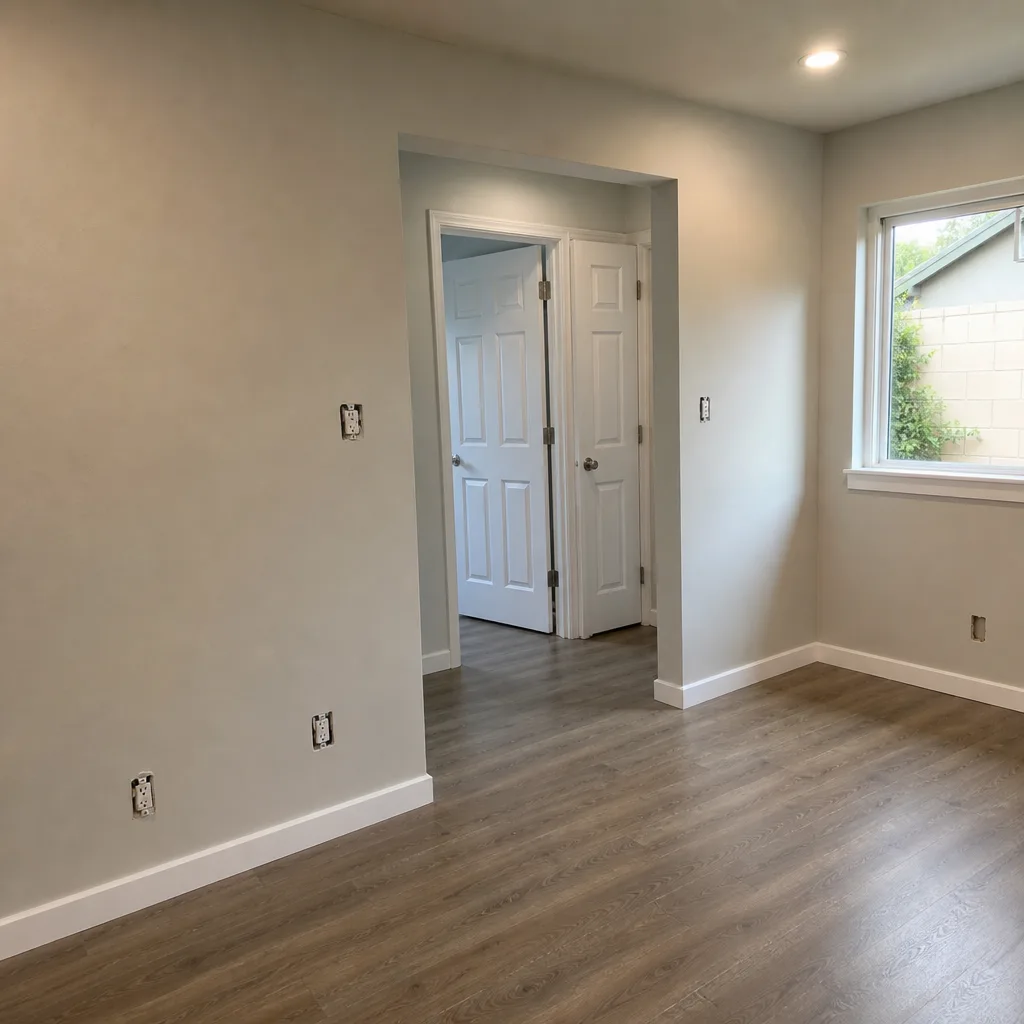
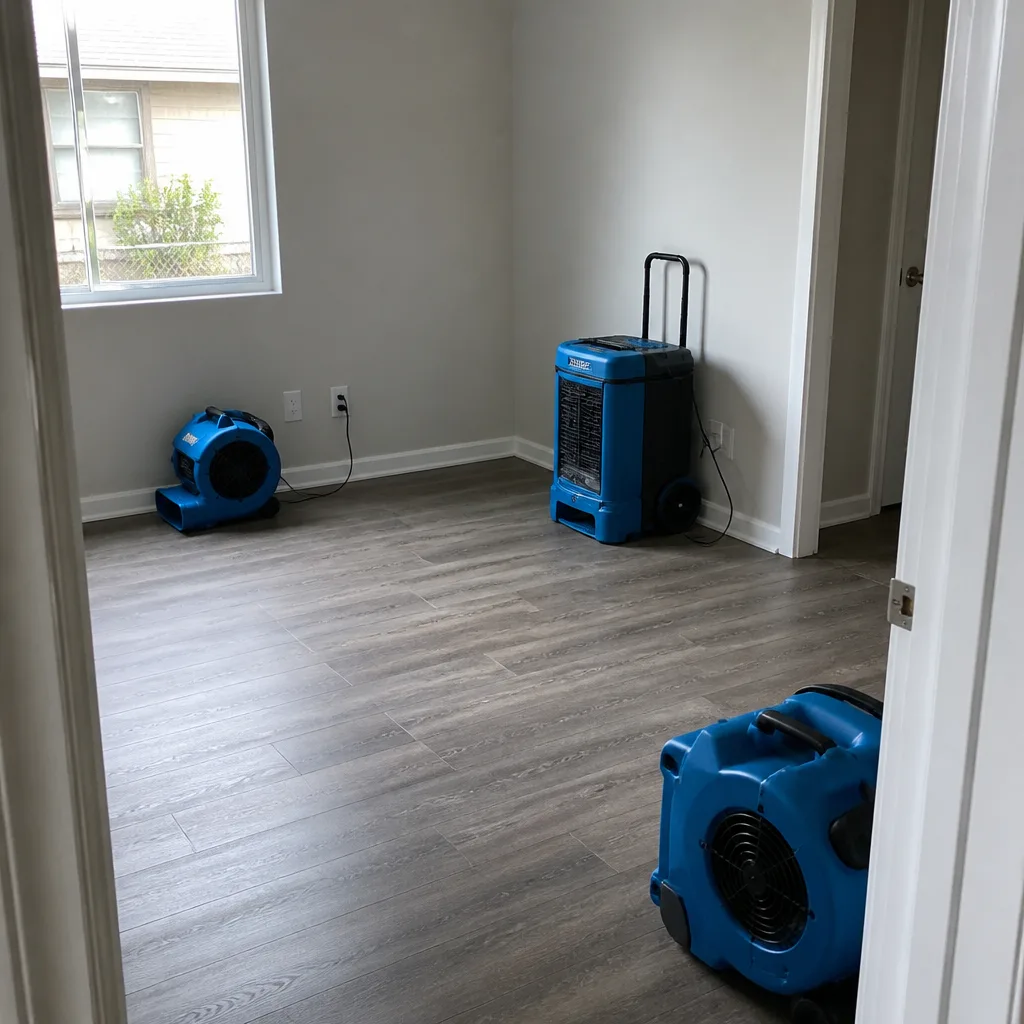
Our crew replaces drywall, insulation, flooring, and finish materials to match pre-loss condition. On multi-unit claims in North Redondo, we coordinate with the HOA’s preferred vendors or perform the rebuild directly, with every invoice tied to the original documented scope and photo record.
Need Emergency Water Damage Restoration in Redondo Beach Now?
Crews minutes away, answering live 24 hours a day. The sooner we start, the less it costs.
Working With Your Insurance Company
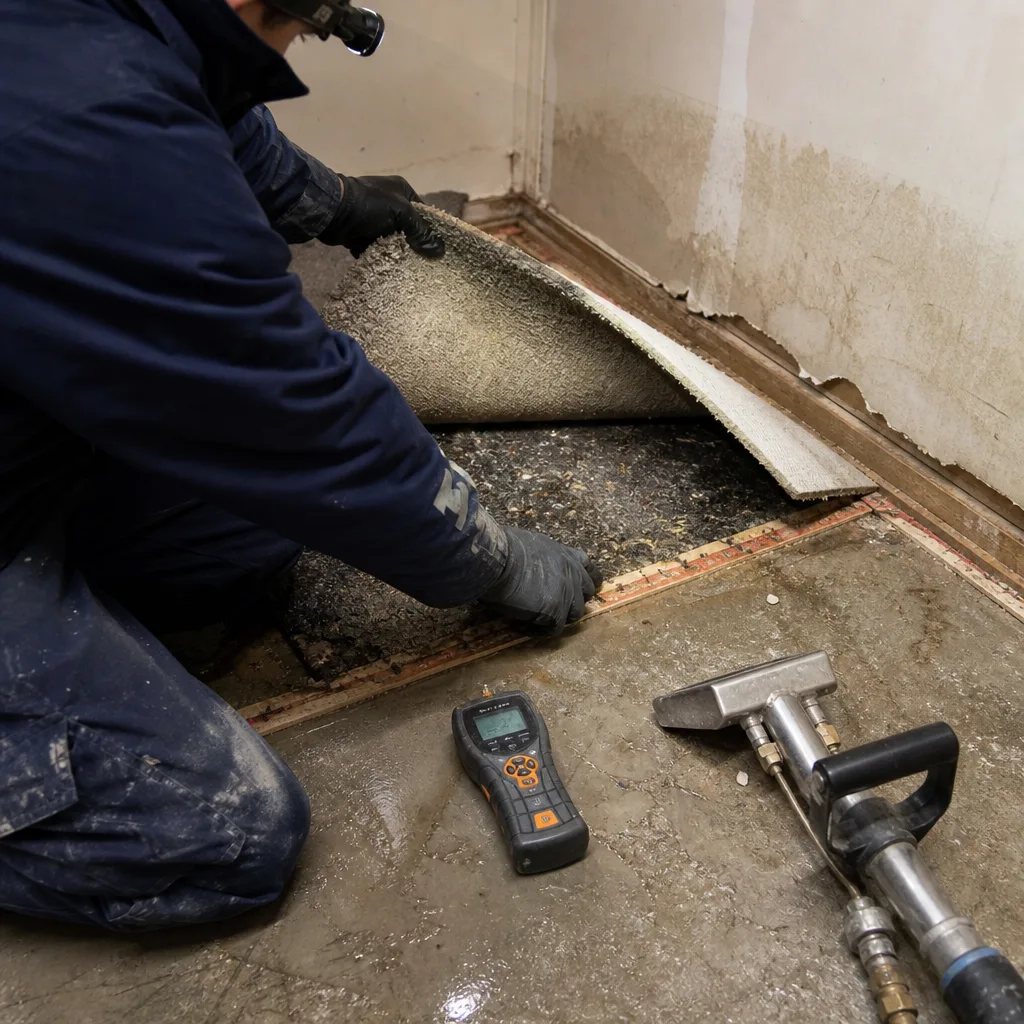
Documentation starts at the front door. Our crew photographs every room before touching anything, records moisture readings on every affected surface, and maintains a daily drying log that tracks equipment placement, psychrometric conditions, and material progress. This file becomes the evidence that turns a restoration invoice into a payable claim.
Redondo Beach claims get complicated fast. A burst pipe in a North Redondo stacked-flat condo triggers the HOA’s master policy for common elements, the unit owner’s HO-6 policy for interior finishes, and sometimes neighboring units’ carriers for shared-wall damage. We speak directly with each adjuster, provide line-item scopes formatted to industry-standard estimating platforms, and use our photo record to establish the sequence of damage and responsibility. Our Water Damage Restoration team has handled hundreds of multi-party claims since 2011.
What We Provide Your Insurer
- Thorough documentation of the loss
- Photos of all damage, room by room
- Moisture readings and drying logs
- A detailed, line-item scope of work
- Direct coordination with your carrier
Built for Redondo Beach’s Loss Calendar
January through March brings the heaviest marine-layer saturation, when fog sits on North Redondo’s Artesia Boulevard corridor for weeks and exterior wall cavities never fully dry. This is when slow leaks behind stucco or siding accelerate into visible damage. April and May see the first supply-line failures as temperature swings stress aging galvanized pipes in 1970s complexes.
June through August rarely brings rain, but air conditioning systems in South Redondo’s hillside homes work overtime. Clogged condensate lines and corroded HVAC drain pans - accelerated by salt-laden onshore air - produce attic and ceiling leaks that homeowners mistake for roof failures. September and October bring the highest risk of catastrophic stack failures, when summer thermal expansion has stressed cast-iron joints to their limit.
November and December deliver the first Pacific storms, testing flashing and roof penetrations on mid-century bungalows near the Esplanade. Year-round, the salt air corrodes copper fittings and brass valves faster than inland cities, shortening service life and increasing the frequency of pinhole leaks that spray inside walls for days before detection.
Water Damage Restoration Across Redondo Beach’s Neighborhoods
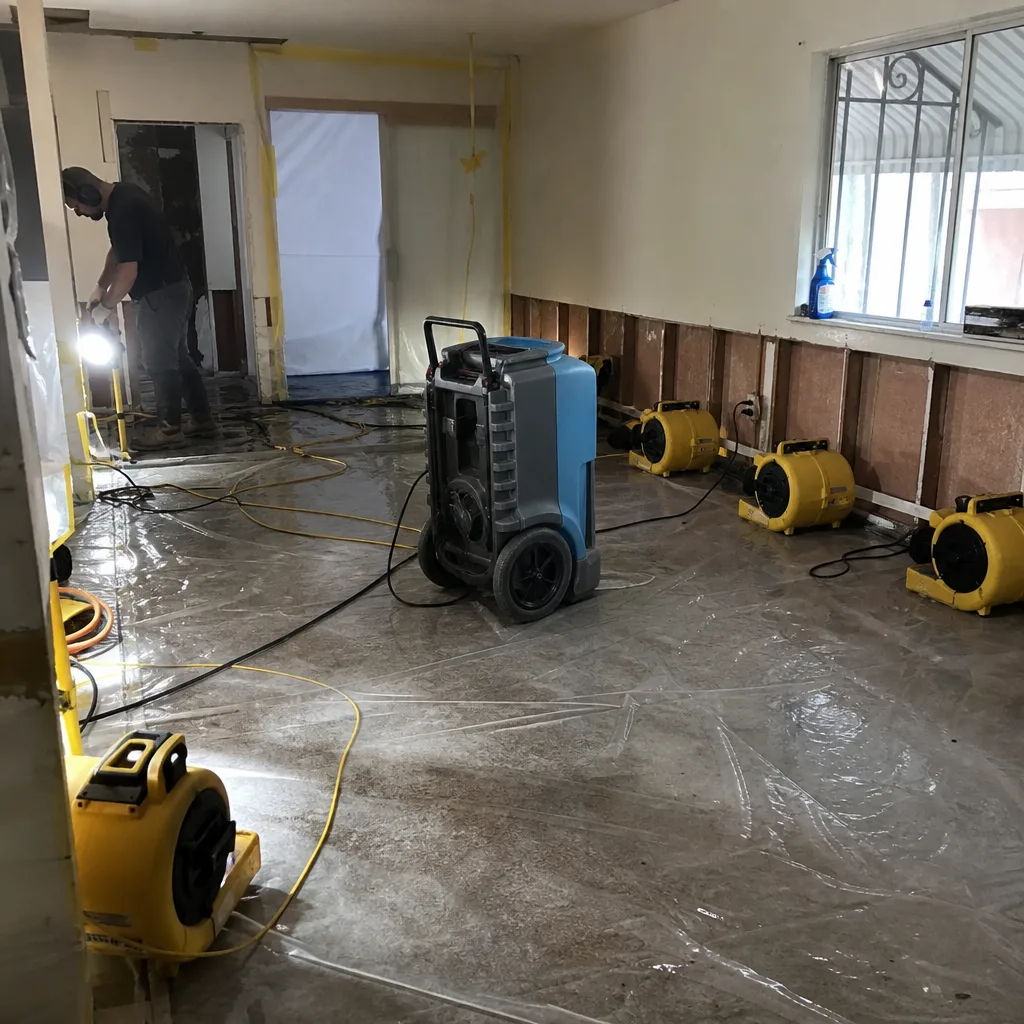
North Redondo Beach, the “flats” between Artesia Boulevard and 190th Street, is defined by wood-framed stacked-flat condos and townhomes built from 1965 to 1985. The shared plumbing stacks and party-wall construction mean our crews almost never treat a single unit. We respond to the 90278 zip with extra moisture-mapping equipment and pre-printed documentation packets for multi-carrier claims. The original galvanized supply lines in these buildings are now 40-60 years old, and when one lets go, we inspect the entire stack.
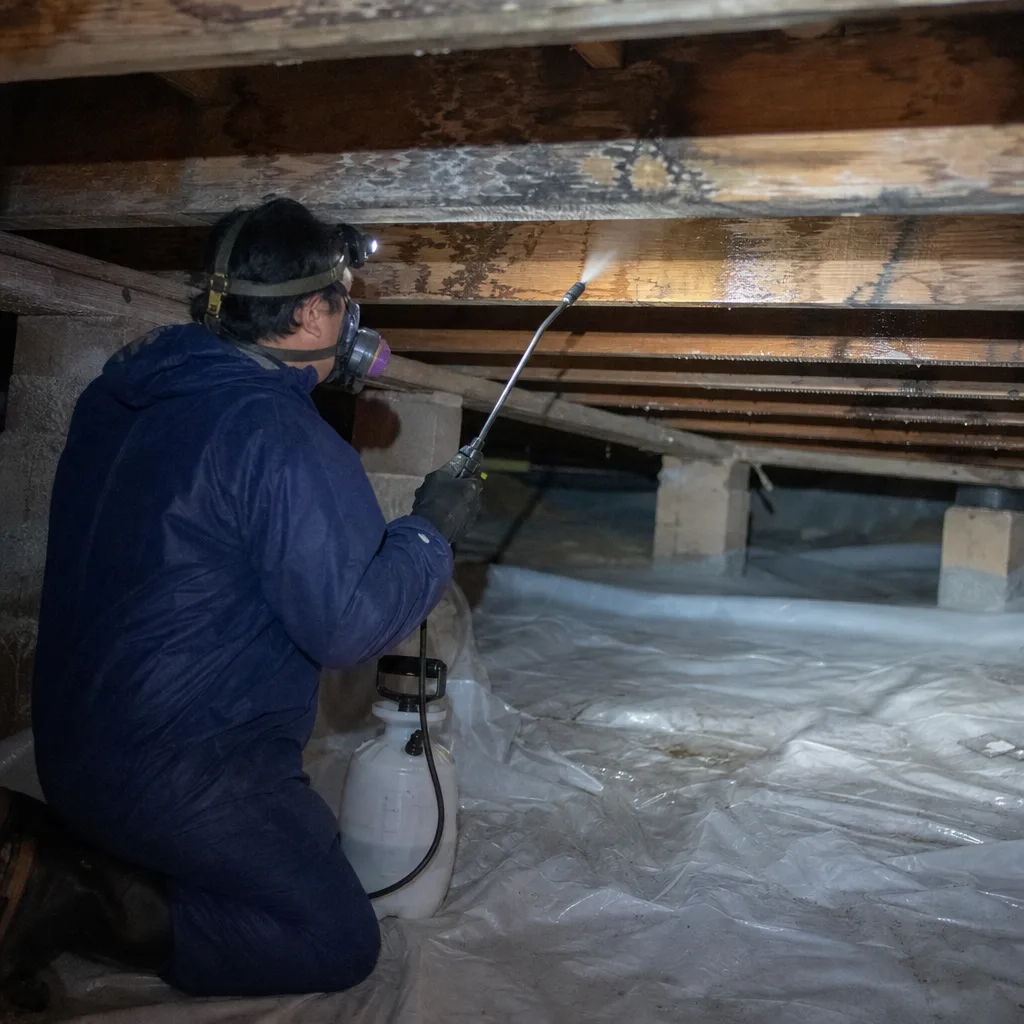
South Redondo, climbing from the Esplanade up to the Palos Verdes border, mixes 1950s beach bungalows with newer luxury construction on Avenida del Sol and Calle de Aragon. The hillside drainage patterns here push water toward foundations during heavy rain, and older homes with unsealed crawlspaces need subfloor extraction and crawlspace dehumidification that flatland properties rarely require. Our crews carry portable flood pumpers and crawlspace-specific drying mats for these calls.
The Riviera Village area along Catalina Avenue sees concentrated commercial and mixed-use buildings with flat roofs and built-up HVAC systems. Roof leak water damage here often involves tenant improvements, grease-vent penetrations, and aging membrane roofing that fails at seams. We coordinate with property managers and multiple business-interruption carriers.
The Esplanade and waterfront streets face a unique risk: wave-driven spray and overtopping during high surf events, which can introduce Category 3 seawater into ground-floor units. These losses require full sanitation protocols and specialized documentation for flood insurance carriers separate from standard homeowners policies.
Specialized Water Damage Restoration Services We Offer in Redondo Beach
Emergency Water Extraction
Standing water extracts in hours, not days. Our truck-mounted systems pull 25 gallons per minute from carpet, pad, and hard surfaces. In North Redondo’s condos, we prioritize extraction over the stack to prevent vertical migration into lower units.
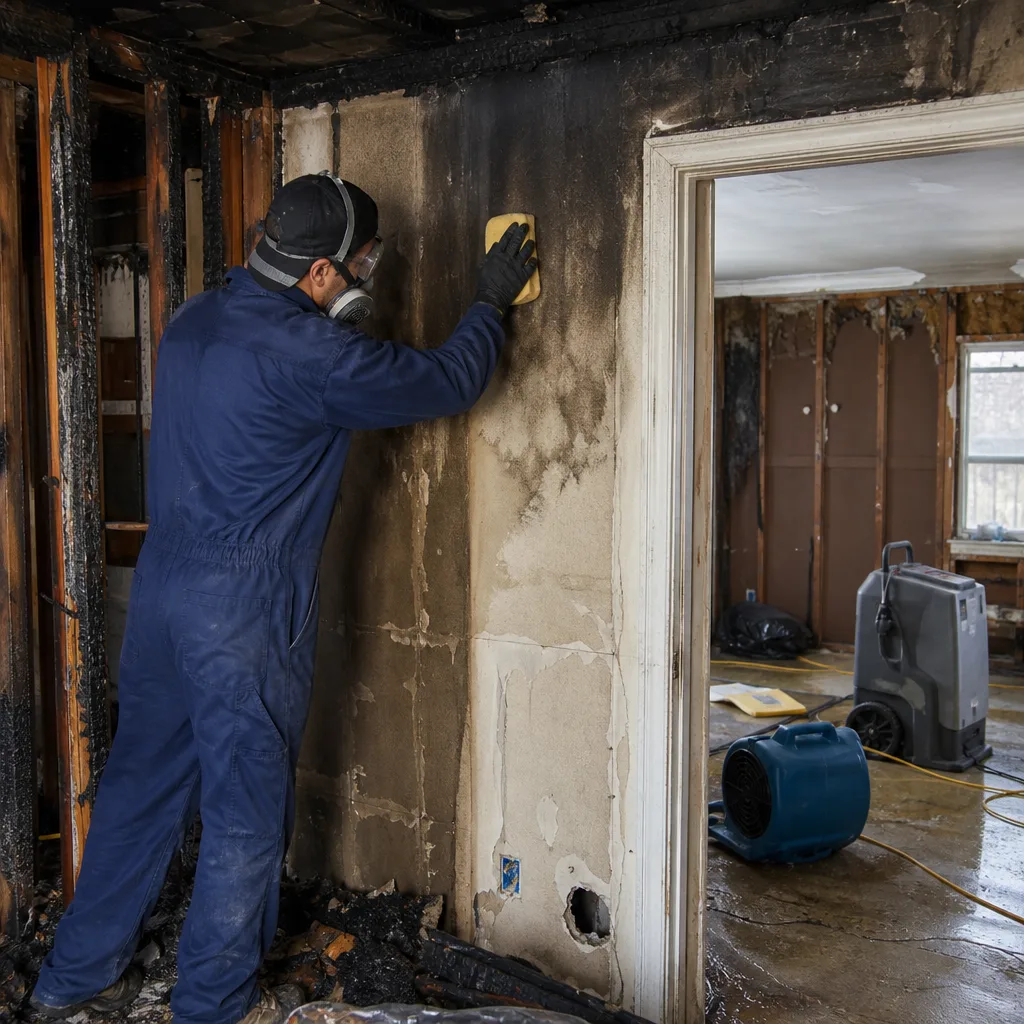
Structural Drying & Dehumidification
Low-grain refrigerant dehumidifiers and Injectidry cavity systems dry wall voids without removing all drywall. In Redondo Beach’s marine-layer climate, we run dehumidification until moisture content readings prove dry, not until the equipment timer expires. Daily logs go to your adjuster automatically.
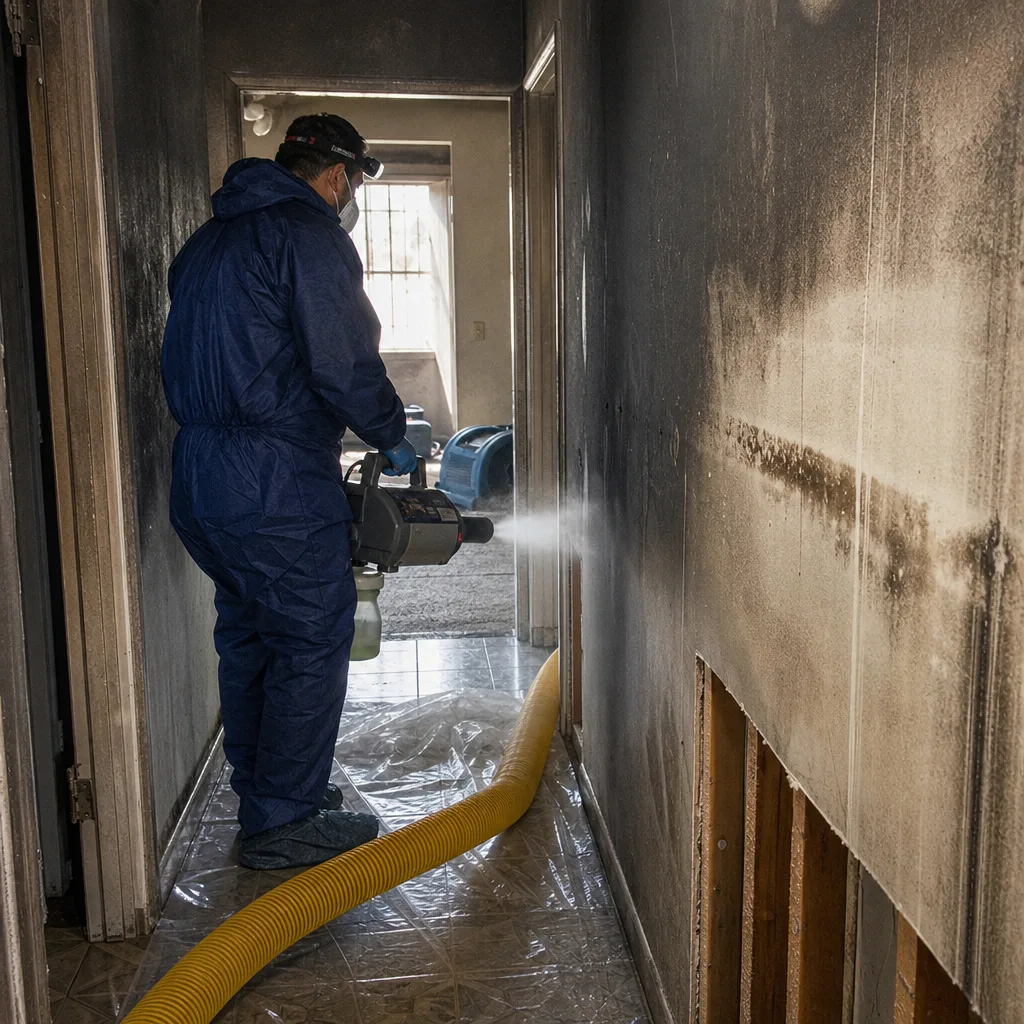
Flood Cleanup
Whether from storm surge, failed sump pump, or irrigation backflow, flood losses in Redondo Beach require category-appropriate sanitation. We test water contamination levels on arrival and adjust our protocol accordingly.
Burst Pipe Restoration
Galvanized supply lines and cast-iron stacks in North Redondo’s 1970s complexes fail predictably now. We extract, dry, and document the full affected area, then scope pipe replacement through licensed plumbers with our photo record attached for carrier approval.
Basement Water Removal
Few Redondo Beach homes have true basements, but the lower levels of hillside homes on South Redondo’s slopes and the parking structures beneath North Redondo’s condo complexes require submersible pumps and specialized extraction for below-grade water.
Ceiling & Roof Leak Water Damage
From failed Esplanade flat-roof membranes to wind-lifted shingles on Palos Verdes-adjacent homes, we map the full water trail - ceiling damage is often the last place water shows, not the first. Thermal imaging finds the true entry point before we open anything.
What happens when you call
- 1
A real person answersNo phone trees - you reach a local pro.
- 2
You get an upfront price rangeHonest numbers before anyone is dispatched.
- 3
A background-checked tech heads outLicensed & insured, dispatched right away.
- 4
You approve before work beginsNothing starts until you say go.
Water Damage Restoration Costs in Redondo Beach, CA
Water damage mitigation in Redondo Beach runs $2,800-$7,500 for typical residential losses, with burst pipe restoration in North Redondo condos often reaching $8,500-$14,000 when multi-unit drying and pack-outs are required. Emergency water extraction alone starts at $450-$950 for the first two hours of truck-mounted extraction. Structural drying and dehumidification averages $1,800-$4,200 depending on affected square footage and days of equipment rental. Ceiling and roof leak water damage repair, including drywall and paint, typically adds $1,200-$3,800 after mitigation is complete.
What moves the price: the water category (Category 3 losses require full sanitation and personal protective equipment), the number of affected rooms, whether wall cavities need injection drying, and whether contents must be packed out and stored. Insurance typically covers sudden and accidental water damage from plumbing failures; gradual leaks and maintenance-related issues often fall to the homeowner. We provide a free visual inspection, a written scope, and a firm price before any work begins - then coordinate directly with your carrier. Call (628) 226-1011 for an exact quote on your specific loss.
We Also Serve Cities Near Redondo Beach
Our crews respond throughout the South Bay from our Los Angeles office. We regularly handle Water Damage Restoration in Redondo Beach and the surrounding communities of Torrance, Manhattan Beach, Lawndale, and Lomita. Each city’s building stock and loss patterns differ, and our documentation protocols adapt accordingly.
Serving Redondo Beach, CA - Our Local Coverage Area
We’re based in the Redondo Beach area and know this community well. Use the map below to see our service coverage - if you’re nearby, we can almost certainly help.
Redondo Beach Water Damage Restoration Questions, Answered
Why does a small water leak in a North Redondo Beach stacked-flat condo often turn into a multi-unit restoration job?
Shared plumbing stacks and party-wall construction mean water moves horizontally through wall cavities into adjacent units before it shows as a ceiling stain below.
In a 1978 stacked-flat complex off Artesia Boulevard in North Redondo, a corroded galvanized supply line let go behind a kitchen wall and sent water down through three units; we pulled moisture readings on every shared wall, set up containment and air movers to dry the wood framing before mold could take hold, and documented the pre-loss condition for each HO-6 carrier. When the cast-iron stack below showed the same pitting, our scope of work expanded to a full stack replacement and a multi-unit pack-out, and drying logs helped the HOA and adjusters agree on responsibility within days instead of weeks. The building’s original 1970s construction simply has no firebreaks or water stops between units. Call (628) 226-1011 and we’ll map the full extent with moisture meters before opening any walls.
How does Redondo Beach’s marine layer affect water damage restoration compared to inland cities?
Redondo Beach receives substantially more marine-layer fog hours than Torrance or Gardena just a few miles inland, keeping exterior and attic humidity chronically elevated and pushing wall-cavity moisture levels above mold-threshold relative humidity for much of the year.
This means a small supply-line leak behind original 1970s drywall in North Redondo’s stacked-flat condos often reads as an acute Category 1 loss until moisture mapping reveals chronic mold that would not develop in drier inland cities. Our dehumidification runs longer here, and we document daily psychrometric data to prove to adjusters that drying continued until materials reached their dry standard, not just until they felt dry. Salt-laden onshore air also accelerates corrosion of copper fittings and HVAC drain pans, increasing the frequency of slow-leak losses. The equipment and duration are different here; the documentation proves why.
What are Category 1, 2, and 3 water losses, and why does the category matter in Redondo Beach?
Category 1 is clean water from a broken supply line or overflowing sink; Category 2 contains significant contamination from appliances or sump pump failures; Category 3 is grossly contaminated sewage, seawater, or stagnant water supporting bacterial growth.
In Redondo Beach, the category matters because the marine layer accelerates degradation. A Category 1 loss can become Category 2 within 48 hours if wall cavities stay above 70% relative humidity, which they do here naturally for much of the year. Category 3 losses on the Esplanade from wave overtopping require full sanitation protocols and separate flood insurance documentation. Our crew tests contamination on arrival and adjusts the protocol before extraction starts. The category determines everything: equipment, personal protective equipment, disposal requirements, and what your carrier will cover.
How fast does mold grow after water damage in Redondo Beach homes?
Mold can begin colonizing within 24 to 48 hours of water intrusion, and Redondo Beach’s chronically elevated humidity often pushes that timeline shorter.
In North Redondo’s 1970s condos with original drywall and no vapor barriers, we’ve documented active mold growth in wall cavities within 36 hours of a supply-line break. The marine layer means these cavities rarely dry naturally. This is why our emergency response includes thermal imaging and penetrating moisture meters on every call, not just the ones that look severe. We also run dehumidification longer than inland standards, with daily moisture logs proving materials reached below 16% wood moisture content before equipment removal. If you suspect water intrusion, call (628) 226-1011 for a free moisture inspection.
Why is multi-party insurance coordination so common on Redondo Beach water damage claims?
Shared-wall construction in North Redondo’s condo complexes creates automatic multi-party claims when a plumbing stack or supply line fails.
The HOA’s master policy covers common elements like the stack itself and structural walls. Each unit owner’s HO-6 policy covers interior finishes, personal property, and temporary living expenses. When water moves through three or four units, three or four carriers dispute where the building’s responsibility ends and the unit owner’s begins. Our documentation - pre-loss photos, moisture maps, drying logs, and line-item scopes - gives each adjuster the evidence they need to assign responsibility without weeks of negotiation. We speak directly with every carrier and provide the same file to all parties. The alternative is wet materials sitting while adjusters argue, and a Category 1 loss degrading to Category 2 or 3.
How fast can your crew actually get to my Redondo Beach property?
We commit to a 45-minute response time for Redondo Beach addresses, 24 hours a day, 7 days a week.
Our crews dispatch from the Los Angeles office with equipment pre-loaded for the building type - extra moisture meters and multi-party documentation packets for North Redondo condo calls, crawlspace gear for South Redondo hillside homes. A live person answers every call; no voicemail trees, no next-business-day callbacks while water is still moving. The first hour determines whether a loss stays contained. Call (628) 226-1011 and we’ll be en route with a written scope process that starts at your front door.
Will my insurance cover the full water damage restoration, or will I pay out of pocket?
Sudden and accidental water damage from plumbing failures is typically covered by standard homeowners and HO-6 policies; gradual leaks, maintenance issues, and flood damage from outside sources often are not.
Redondo Beach’s multi-unit claims add complexity: your carrier may pay for your unit’s interior while disputing the HOA’s responsibility for the stack that caused it. We document everything from hour one, provide line-item scopes in industry-standard formats, and coordinate directly with adjusters to minimize your out-of-pocket exposure. Our Free Second Opinion on any competitor’s written estimate helps you verify that scopes are complete before carriers approve partial payments. Every estimate we deliver is written and firm before work begins - Haven Standard, Clause 1 - so there are no surprise bills after the fact. Call (628) 226-1011 to review your specific policy situation.
Can my family stay in the home during water damage restoration?
For contained Category 1 losses affecting one or two rooms, most families remain in the home with containment barriers and air scrubbers running.
For Category 2 or 3 losses, multi-unit claims in North Redondo condos where utilities must be shut off to the stack, or any loss requiring extensive demolition, temporary relocation is usually necessary and often covered under the “loss of use” or “additional living expenses” portion of your policy. We document the conditions that make the home uninhabitable - air quality readings, utility status, safety hazards - and provide that file to your adjuster for living-expense approval. Our crew can coordinate pack-out and contents storage as part of the documented scope. The decision is never guesswork; it’s supported by measurable data in your claim file.
Written by Alicia Brennan, Owner at Back to Dry Restoration, serving Redondo Beach since 2011 under The Haven Standard.
Water Damage Restoration in Nearby Areas