
Last updated September 23, 2026
Free visual inspection and a written scope of work before any mitigation begins - photos, moisture readings, and drying logs go in your claim file
The scope we write is the scope we bill. Anything new gets shown to you, in writing, before we touch it.


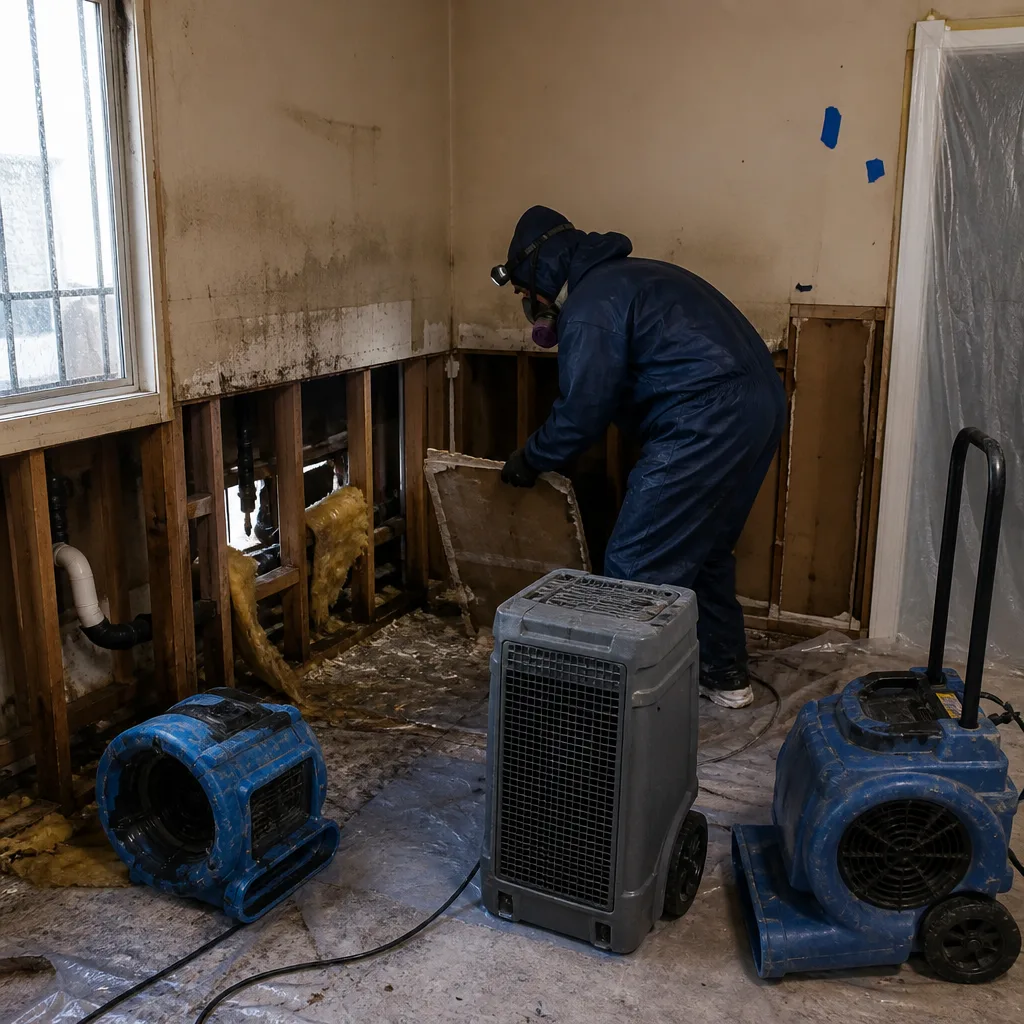 Before
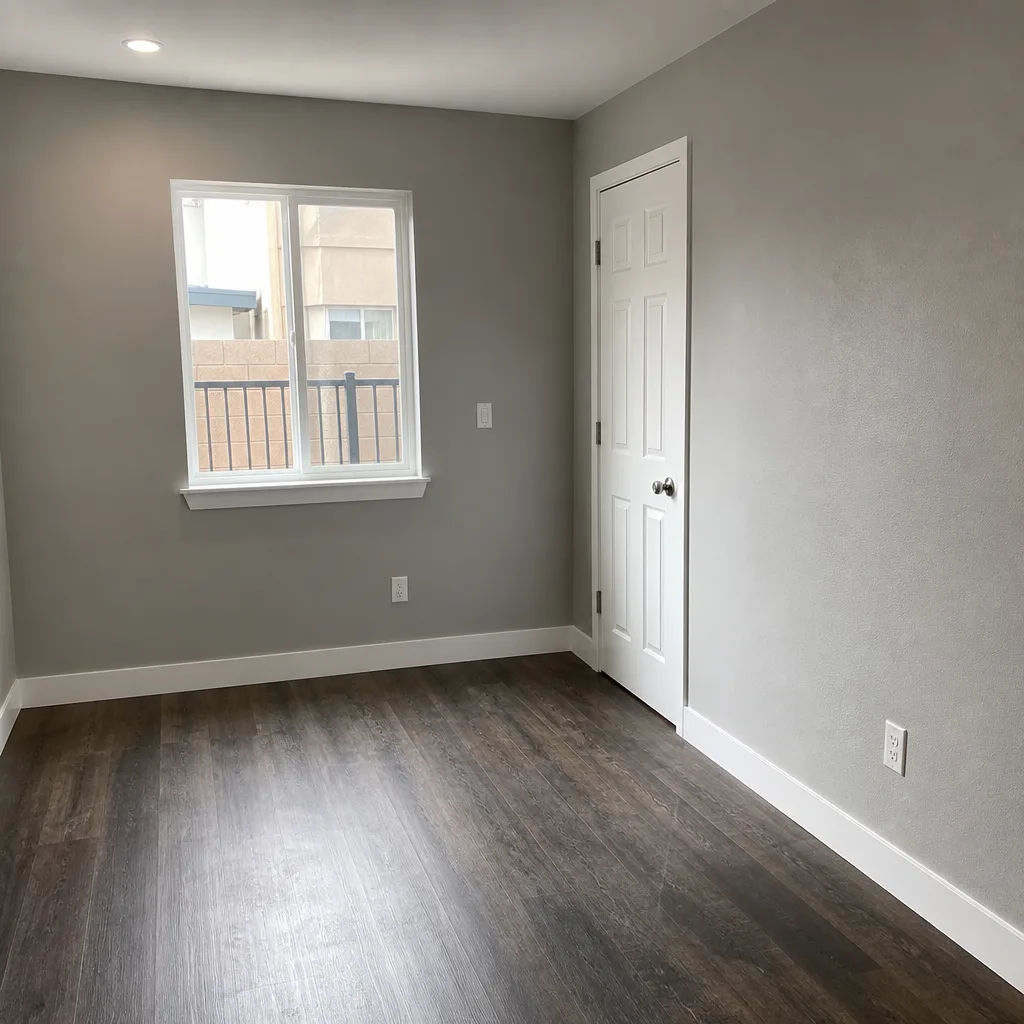 After
After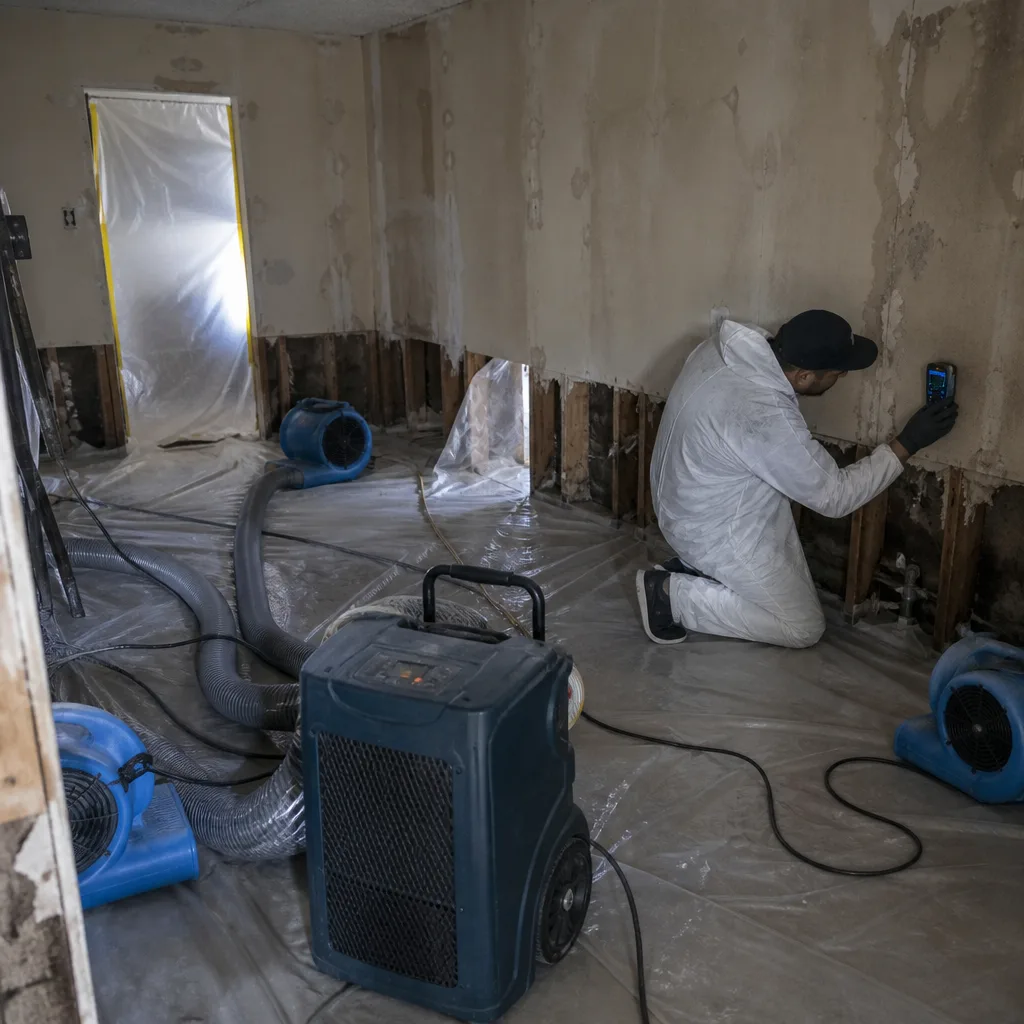 Before
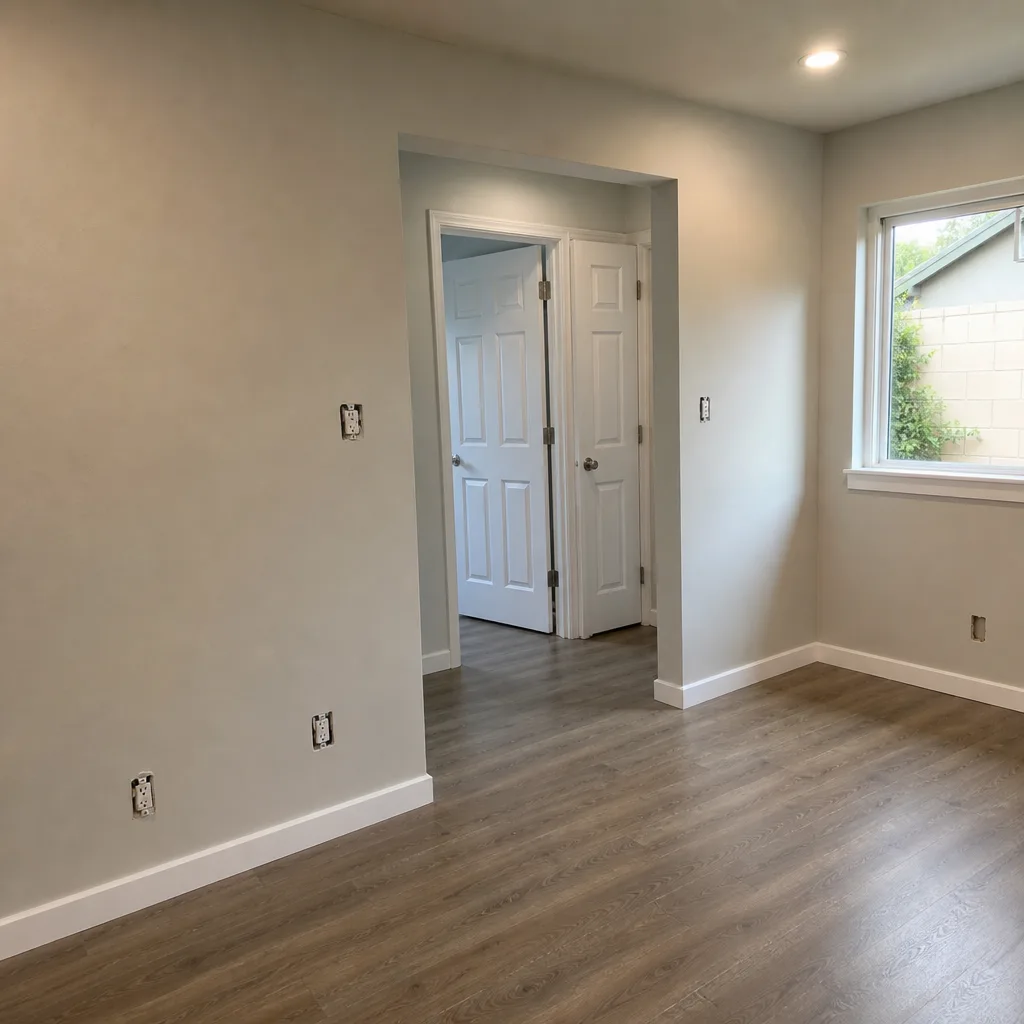 After
After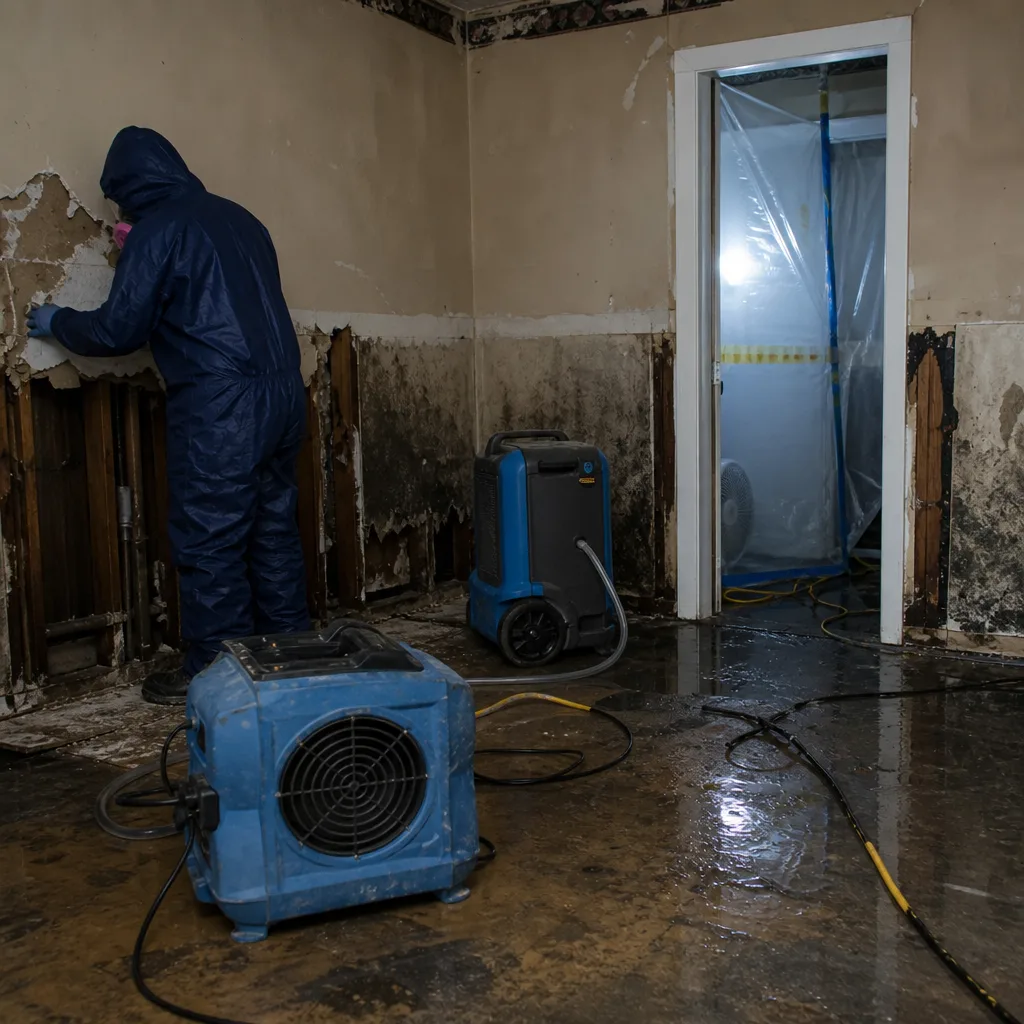 Before
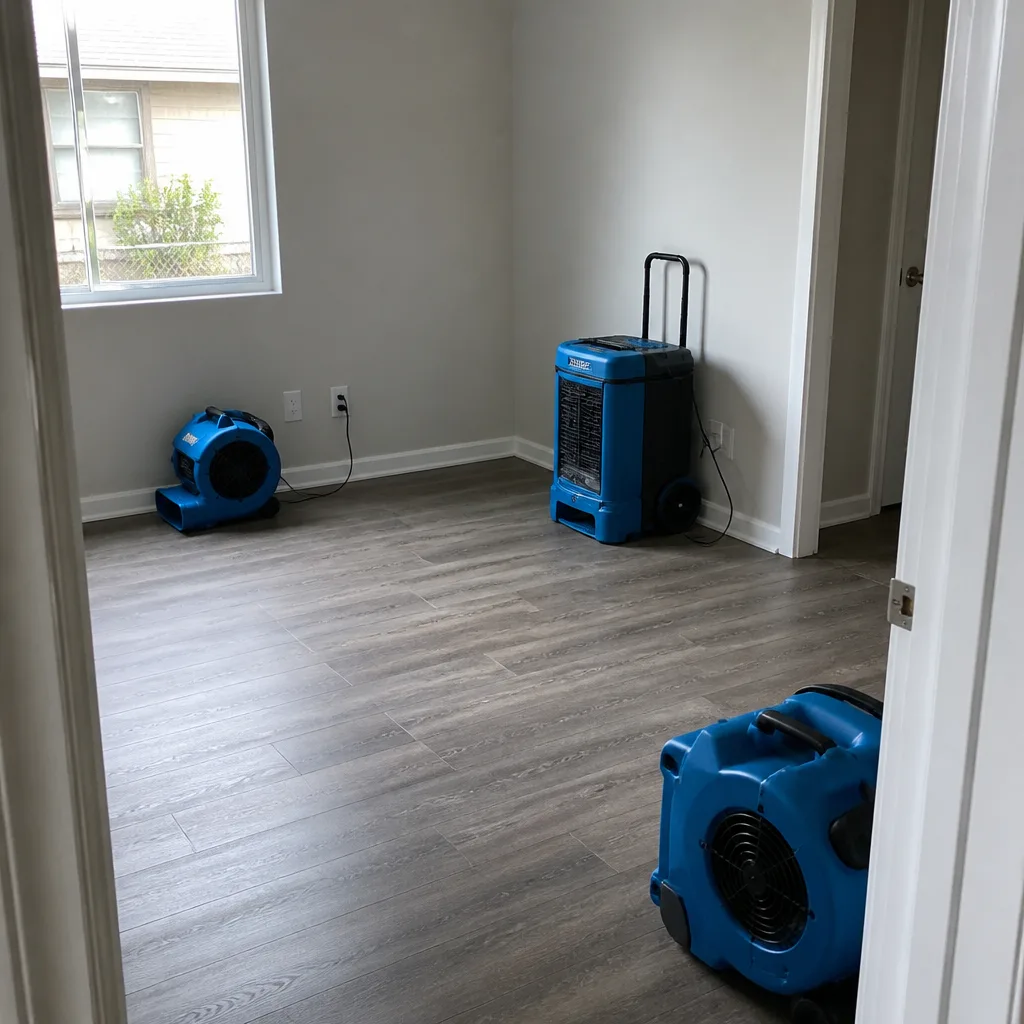 After
AfterWater Damage Restoration Maintenance Checklist for Compton Homeowners
A moisture content reading above 17% in a wood subfloor is the number most Compton homeowners never take - and the number a mold remediation contractor will cite six months later when the bill is three times the original repair. In Compton’s mix of 1950s tract housing, post-war slab construction, and newer builds near the 91 corridor, water damage rarely announces itself with a flood. It accumulates: a pinhole leak behind a galvanized tee, condensation in a crawl space during marine layer season, or a failed wax ring that saturates particleboard over weeks. Our Water Damage Restoration services and this guide give you the specific measurements, threshold numbers, and documentation methods that separate a house running normally from one building a hidden mold condition. You’ll learn how to read your own home like a drying log, how Compton’s two distinct moisture seasons change what you inspect, and how to create a paper trail that protects you if a future claim is disputed.
Quick Answer
Compton homeowners should inspect and document baseline moisture readings annually: below 12% for drywall, 13-16% for hardwood, and below 19% for concrete slab. A reading above 17% in any wood structural member, or visible mold growth exceeding 10 square feet, triggers California’s requirement for licensed professional assessment. The complete checklist below covers room-by-room protocols tailored to Compton’s marine-influenced humidity cycles and the specific plumbing vulnerabilities found in local post-war construction, and links to The Complete Guide to Damage Restoration in Compton for deeper reading.
Table of Contents
- Why Baseline Moisture Readings Matter More Than Visual Checks
- How Compton’s Two Moisture Seasons Change Your Inspection Protocol
- Room-by-Room Maintenance Checklist with Threshold Numbers
- High-Risk Plumbing in Compton’s 1950s-1970s Housing Stock
- Documenting Your Inspection for Claims Protection
- California Legal Thresholds: When DIY Ends and Licensed Work Begins
- Tools and Equipment for Accurate Self-Assessment
- Common Mistakes to Avoid
- When to Call a Professional
- Frequently Asked Questions
BeforeAfterWhy Baseline Moisture Readings Matter More Than Visual Checks
We’ve restored over 12,000 homes since 2011, and the pattern is consistent: the most expensive jobs started with a homeowner who “checked for water damage” by looking for stains. Water moves through capillary action, wicks along framing members, and pools in cavities where drywall hides it completely. By the time you see discoloration, the moisture content in adjacent materials has often exceeded the threshold for mold colonization for days or weeks.
A baseline reading is a documented moisture content percentage taken when the house is in a known dry state, typically during a low-humidity period in late fall before the winter rain season. Without this number, every future reading is just a guess. With it, you have objective evidence of change.
Here’s what we measure and why:
- Wood structural members (framing, subfloor, sill plates): Baseline 10-14% in Compton’s climate. Above 17% sustained for 48+ hours, mold spores activate on cellulose surfaces. We document to IICRC S500 standards, which define “dry” as within 4 percentage points of unaffected reference material.
- Drywall and gypsum board: Baseline below 12%. Drywall is highly absorbent; at 16% moisture content, paper facing delaminates and becomes a food source. In Compton’s older homes with unventilated wall cavities, we’ve found readings of 20% with no visible exterior sign.
- Concrete slab (common in Compton’s 1950s-60s ranch tracts): Baseline 15-19% depending on season. Slabs wick groundwater; a reading above 22% with efflorescence (white powdery deposits) indicates vapor drive that can destroy flooring adhesives.
- Crawl space joists and subfloor: Baseline matching interior framing. Crawl spaces in Compton’s flat terrain near the Los Angeles River basin collect moisture; readings here often run 6-8 points above interior framing in homes without vapor barriers.
The Haven Standard requires our technicians to record these same readings on every job, with a written price before work begins under Clause 1. A homeowner who maintains their own baseline log is doing the same documentation work that turns restoration invoices into payable insurance claims.
How Compton’s Two Moisture Seasons Change Your Inspection Protocol
Compton sits at the edge of Southern California’s coastal plain, close enough to the Pacific for marine layer influence but far enough inland to experience sharp Santa Ana wind events. This creates two distinct moisture stress seasons that require different inspection priorities.
Season One: Marine Layer Dominance (May through October)
During these months, overnight relative humidity in Compton frequently exceeds 85% as the marine layer pushes inland. The danger is not dramatic flooding but chronic condensation in cooler spaces: crawl spaces, garages with concrete slabs, north-facing exterior walls, and attics with inadequate intake ventilation. We’ve documented cases in the Rancho Dominguez area where crawl space humidity held above 70% for 90 consecutive days, producing subfloor moisture readings of 24% with no plumbing leak present.
Inspection protocol for marine layer season:
- Check crawl space vapor barrier integrity. A 6-mil polyethylene sheet with gaps or tears is worse than none, as it traps condensation. Look for standing water on the barrier surface.
- Run a hygrometer in the crawl space for 48 hours. Sustained readings above 65% relative humidity require mechanical dehumidification or improved ventilation.
- Inspect garage slab perimeters for efflorescence. In Compton’s 1960s slab homes, we’ve found vapor drive so severe that it delaminated vinyl flooring from the concrete.
- Check attic sheathing for mold staining. Marine layer moisture enters through soffit vents and condenses on cooler north-facing sheathing in early morning hours.
Season Two: Santa Ana Wind Cycle (October through April)
The Santa Ana winds drop relative humidity to 10-20% and create extreme vapor pressure differentials. This sounds like dry conditions, but the rapid desiccation actually damages water-compromised materials by accelerating warping and cracking. More critically, the wind pressure forces air infiltration through any exterior penetration, driving rain into wall cavities during the winter storm season that follows.
Inspection protocol for Santa Ana/winter season:
- Inspect all exterior penetrations: hose bibs, AC lines, dryer vents, electrical service entries. Caulk failure is common in Compton’s sun-exposed stucco; wind-driven rain exploits these gaps directly.
- Check roof penetrations and flashing. The combination of Santa Ana gusts and winter rain produces the highest leak volume we see in Compton’s older neighborhoods.
- Test interior humidity. Forced-air heating without humidification drops indoor relative humidity below 30%, causing hardwood shrinkage and gaps that reveal pre-existing water damage.
- Inspect irrigation backflow preventers and hose bibs for freeze damage after the first cold snap. Compton’s mild climate means many homeowners skip winterization, then discover cracked copper when they turn water on in spring.
Your annual baseline readings should be taken during the transition between these seasons, typically late October or early November, when conditions are most stable.
Room-by-Room Maintenance Checklist with Threshold Numbers
This checklist is designed to be executed annually, with readings recorded in a format that can be submitted to an insurer or adjuster if needed. All moisture percentages refer to readings taken with a pin-type moisture meter on unaffected reference material for baseline, and on suspect areas for comparison.
Kitchen
- Sink cabinet base: Read subfloor through access panel or by removing items. Baseline: match interior framing (10-14%). Action if above 17%: inspect P-trap, supply lines, and dishwasher drain hose connection. In Compton’s 1960s-70s tract homes, we’ve replaced dozens of failed brass supply risers that pinhole from the inside.
- Dishwasher: Check adjacent cabinet toe-kick and side panels for swelling. Run dishwasher on empty; inspect drain connection and floor pan during drain cycle. A moisture reading above 15% in the toe-kick after normal use suggests slow leak.
- Refrigerator icemaker line: Inspect saddle valve (common in older Compton homes) or dedicated shutoff. Plastic tubing develops stress cracks at compression fittings. Document with photo; replace every 5 years regardless of appearance.
- Range hood vent: Verify damper operates freely. Grease buildup prevents closure; marine layer moisture enters duct and condenses on cold surfaces.
Bathrooms
- Toilet flange and wax ring: Read subfloor around flange from crawl space or through access. Above 17% indicates failed wax ring. In Compton’s slab homes, there’s no crawl space access; look for tile discoloration, loose flooring, or odor. This is one of the most common sources of hidden damage we find in post-war construction.
- Shower/tub surround: Check grout and caulk integrity at all changes of plane. Use moisture meter on adjacent drywall or plaster. Readings above 12% in drywall 12 inches from enclosure indicate water migration behind tile.
- Vent fan: Verify CFM rating matches room volume (1 CFM per square foot minimum). Run timer test: mirror should clear in 5 minutes. In Compton’s humidity, inadequate ventilation produces chronic condensation that reads as elevated moisture in ceiling drywall.
- Under-sink plumbing: Same protocol as kitchen. Galvanized drain lines in pre-1970 Compton homes corrode from the interior; we’ve extracted lines with 80% flow restriction that appeared fine externally.
Laundry Room
- Washing machine hoses: Replace rubber hoses with braided stainless every 5 years. Document replacement date. The burst pressure of aged rubber in Compton’s heat-exposed garages drops significantly.
- Drain standpipe: Verify height (18-30 inches) and air gap. Overflow events saturate wall cavities rapidly; we’ve documented 40+ gallon releases in single cycles.
- Dryer vent: Clean lint accumulation quarterly. Check exterior damper for insect blockage, common in Compton’s mild climate. A blocked vent forces moist air into the room, elevating readings in surrounding materials.
Water Heater Location
- TPR valve discharge: Verify pipe terminates visibly, not into a drain where failure is hidden. Test valve annually; mineral buildup from Compton’s moderately hard water prevents proper seating.
- Pan and drain: In garage or exterior closet installations, verify pan has drain to exterior. Read pan base: any standing water indicates tank seam failure or fitting leak.
- Age documentation: Record serial number and install date. Tanks over 10 years in Compton’s water chemistry have elevated failure rates; proactive replacement is cheaper than remediation.
Crawl Space or Slab Perimeter
- Crawl space (if applicable): Record humidity, temperature, and wood moisture at 4 points. Sustained readings above 17% wood moisture or 65% relative humidity require intervention. Vapor barrier should cover 100% of soil with 6-inch overlaps sealed with tape.
- Slab perimeter (slab homes): Read concrete at exterior walls where grade meets slab. Above 22% with visible efflorescence indicates failed perimeter drainage or rising damp. In Compton’s flat terrain with high water tables in some areas, this is a recurring pattern in 1950s-60s construction.
Attic
- Sheathing moisture: Read multiple points on north and south facing slopes. Baseline 10-14%. Above 19% indicates active leak or severe condensation. In Compton, we’ve found readings of 30%+ in homes with blocked soffit vents and bathroom fans vented into attic space.
- Insulation condition: Document compression, displacement, or staining. Wet insulation loses R-value and holds moisture against framing.
- Ventilation calculation: 1 square foot net free area per 150 square feet of attic floor (1:300 with vapor barrier). Compton’s marine layer makes this calculation more critical than in drier inland climates.
High-Risk Plumbing in Compton’s 1950s-1970s Housing Stock
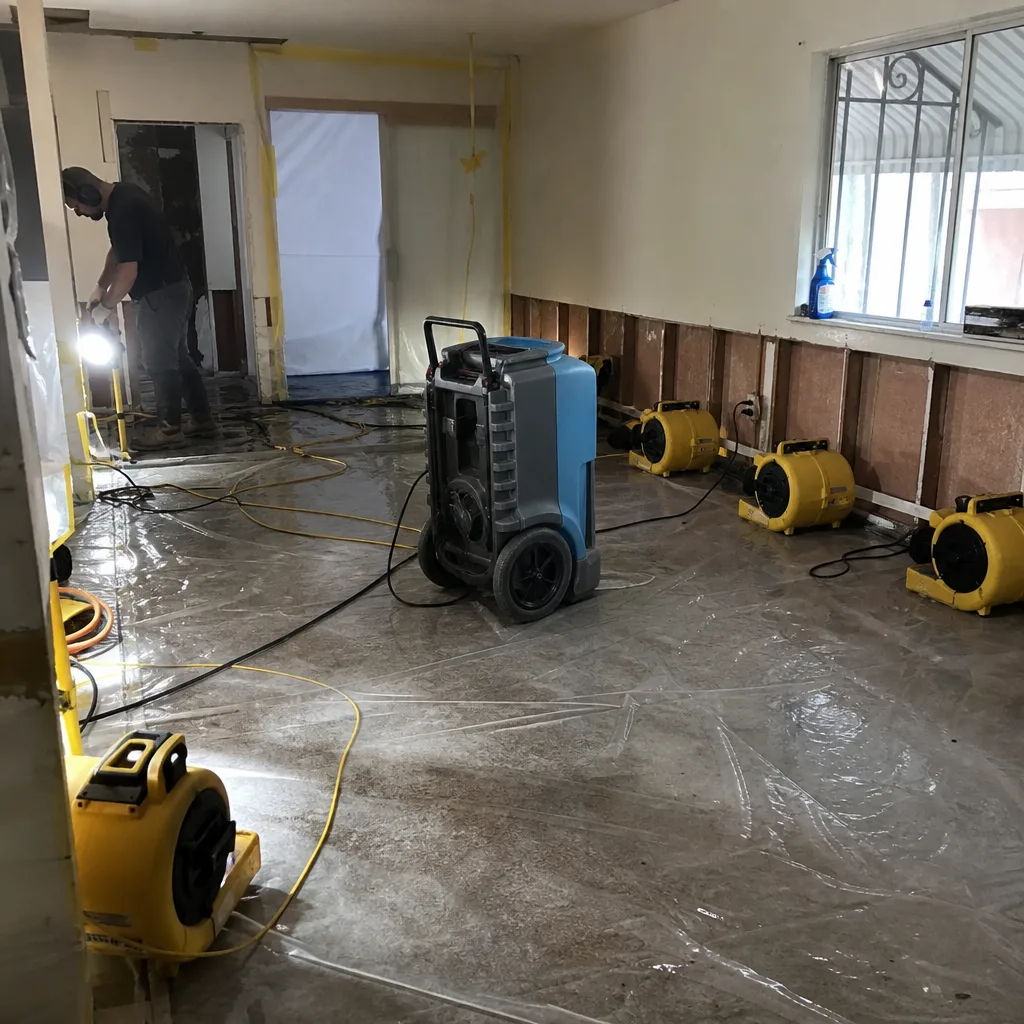
Compton’s residential construction falls heavily into two eras with distinct plumbing vulnerabilities. Understanding which applies to your home focuses inspection effort where failure is most likely.
Post-War Tract (1945-1960): Galvanized Steel and Early Copper
These homes typically have galvanized steel supply lines with brass fixtures, and cast iron or galvanized drains. The supply lines corrode internally; flow restriction precedes visible failure. We’ve opened walls in Compton’s older neighborhoods to find galvanized pipe with 1/4-inch remaining bore in 3/4-inch nominal pipe. The failure mode is sudden pinhole or split, not slow drip.
Key inspection points:
- Water pressure at hose bib: below 40 PSI with 3/4-inch meter suggests supply restriction. Compare to neighbor’s reading if possible.
- Hot water recovery time: excessive time suggests sediment-choked water heater or restricted supply.
- Visible galvanized in accessible areas: document with photo; plan proactive replacement.
Tract Expansion (1960-1980): Copper with Problematic Joints
This era brought copper supply lines but often with problematic soldering or dissimilar metal connections. We’ve found excessive solder flux residue causing pinhole corrosion, and direct copper-to-steel connections without dielectric unions that fail galvanically. The 1970s also saw early flexible supply lines with neoprene cores that degrade.
Key inspection points:
- Green staining at copper joints: indicates active corrosion, not age patina.
- Dielectric unions at water heater: verify present and intact.
- Flexible toilet and faucet supplies: replace if original; modern braided lines are more reliable.
Slab Foundation Complications
Compton’s flat terrain and post-war construction boom produced extensive slab-on-grade construction. Copper lines embedded in slab develop pinholes from soil chemistry interaction; the leak manifests as warm spot, sound, or unexplained water use. We’ve used acoustic detection and thermal imaging to locate slab leaks with minimal demolition, but early detection depends on homeowner awareness of subtle signs.
Document your water meter reading before and after a 2-hour period of no use. Any movement indicates leak; in slab homes, this test should be monthly, not annual.
Documenting Your Inspection for Claims Protection
The documentation gap costs homeowners their claims. We’ve seen it from both sides - Alicia Brennan founded Back to Dry Restoration in 2011 after working as a claims adjuster and watching homeowners lose coverage disputes for lack of contemporaneous evidence. The insurer’s position is simple: if you can’t prove the condition existed before the policy period, or that damage resulted from a covered sudden event rather than long-term maintenance neglect, the claim is denied or reduced.
Your self-inspection documentation should meet the same standard we apply on every job: dated, photographed, measured, and stored redundantly.
Minimum documentation standard:
- Date and weather conditions: Record inspection date, recent rainfall, and indoor/outdoor temperature and humidity. This establishes environmental context.
- Moisture readings with location photos: For each reading, photograph the meter display with the probe location visible. Use a reference object (tape measure, labeled card) for scale and location identification.
- Written condition notes: Describe what you observed, not what you suspect. “Discoloration 3 inches diameter, ceiling drywall, northwest corner of master bedroom” not “probably a leak from upstairs.”
- Baseline reference readings: Include readings from known-dry areas for comparison. This is what transforms a number into evidence.
- Cloud storage with date verification: Upload to a service with automatic timestamp (Google Drive, Dropbox). Email copies to yourself for additional timestamp verification.
- Wood structural members above 20% moisture content with visible microbial growth: requires IICRC-compliant remediation protocol.
- Category 2 or 3 water intrusion (gray water or black water): legally requires professional remediation with proper containment and disposal. This includes sewage backup, which we handle under separate biohazard protocols.
- Any water damage in a rental property or multi-unit building: California habitability standards require licensed contractor documentation for tenant protection.
- Using “touch test” instead of meter readings. Drywall can feel dry to touch at 18% moisture content, well above the 12% baseline and approaching mold activation threshold. Only a meter produces admissible evidence.
- Inspecting only after visible signs appear. In Compton’s climate, a leak can saturate a wall cavity for 3-4 weeks before reaching the visible surface. Annual baseline readings catch the pre-visible phase.
- Ignoring the crawl space in “clean” homes. We’ve found active mold conditions in crawl spaces of meticulously maintained Compton homes where the homeowner never looked below grade. The crawl space is part of the building envelope.
- Documenting with phone photos that lack context. A photo of a moisture meter display without location reference is useless for claims. Include identifying features in every frame.
- Applying bleach to mold and considering it remediated. Bleach does not penetrate porous materials; it bleaches color while leaving viable hyphae. This creates false confidence and spreads spores when disturbed. Above 10 square feet, this approach violates California remediation standards.
- Assuming new construction is exempt. Compton’s newer infill construction, particularly near the 91 corridor, has produced homes with improper flashing, reversed vapor barriers, and unsealed penetrations. We’ve documented water damage in homes less than 5 years old.
- Waiting for “enough damage” to justify a claim. Delayed reporting is the leading cause of claim denial. Document early, report promptly, and let the adjuster determine coverage scope.
If you later file a claim, this documentation becomes pre-existing condition evidence. It can establish that a wall was dry at a documented date, that a reading was already elevated (supporting sudden event causation), or that you maintained reasonable inspection frequency. We’ve used homeowner documentation in Compton claims to secure full coverage where initial adjuster assignments suggested partial denial.
The photo record on every visit is standard at DryMark Restoration Compton, not an upsell. We recommend homeowners adopt the same discipline.
California Legal Thresholds: When DIY Ends and Licensed Work Begins
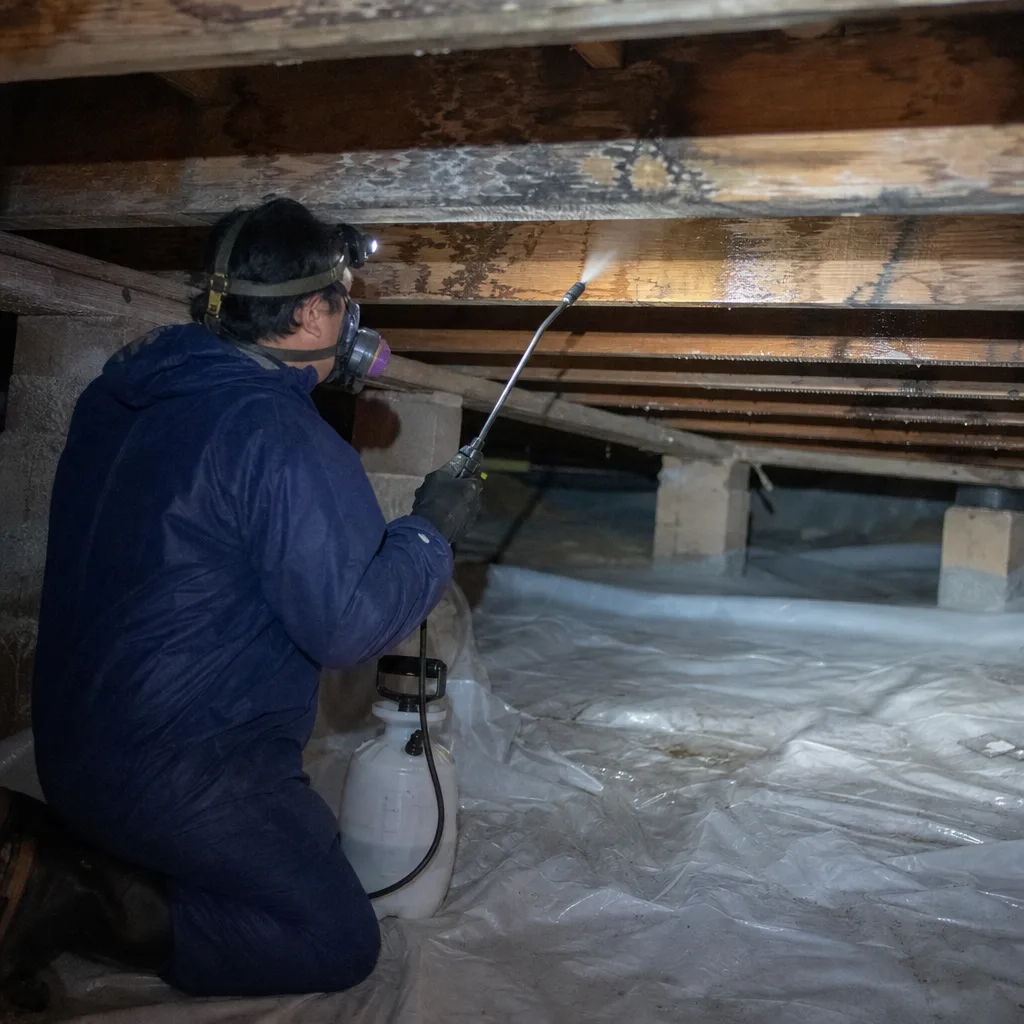
California’s mold regulations create clear legal boundaries that Compton homeowners need to understand. Crossing them without proper licensing exposes you to liability, voids insurance coverage, and may violate local health codes.
The 10 Square Foot Rule (California Labor Code and CDPH guidance)
Visible mold growth exceeding 10 contiguous square feet requires assessment by a licensed mold assessor or remediation contractor, and in many jurisdictions, notification to the local health department. This is not a suggestion; it’s the threshold at which DIY remediation becomes a reportable event. We’ve been called to Compton properties where well-meaning homeowners bleached extensive mold, spread spores through HVAC systems, and turned a contained $3,000 remediation into a $15,000 whole-house project.
Moisture Content Thresholds That Trigger Professional Requirements
The Documentation Requirement
Professional remediation in California must include: written scope of work, moisture mapping with psychrometric data (temperature, relative humidity, vapor pressure differential), daily drying logs, and post-remediation verification with clearance sampling. A homeowner who begins DIY and later needs professional completion often finds that early work must be undone to establish proper documentation chain.
Our recommendation: at the first reading above 17% in structural wood, or any visible mold regardless of size, document and call for assessment. Water Damage Restoration in Compton from DryMark Restoration Compton includes free moisture mapping and written scope under Haven Standard, Clause 1.
Tools and Equipment for Accurate Self-Assessment
You don’t need professional-grade equipment to establish meaningful baselines, but you do need tools that produce repeatable, verifiable numbers. Here’s what we recommend for Compton homeowners, with budget and accuracy considerations.
Pin-Type Moisture Meter ($50-$150)
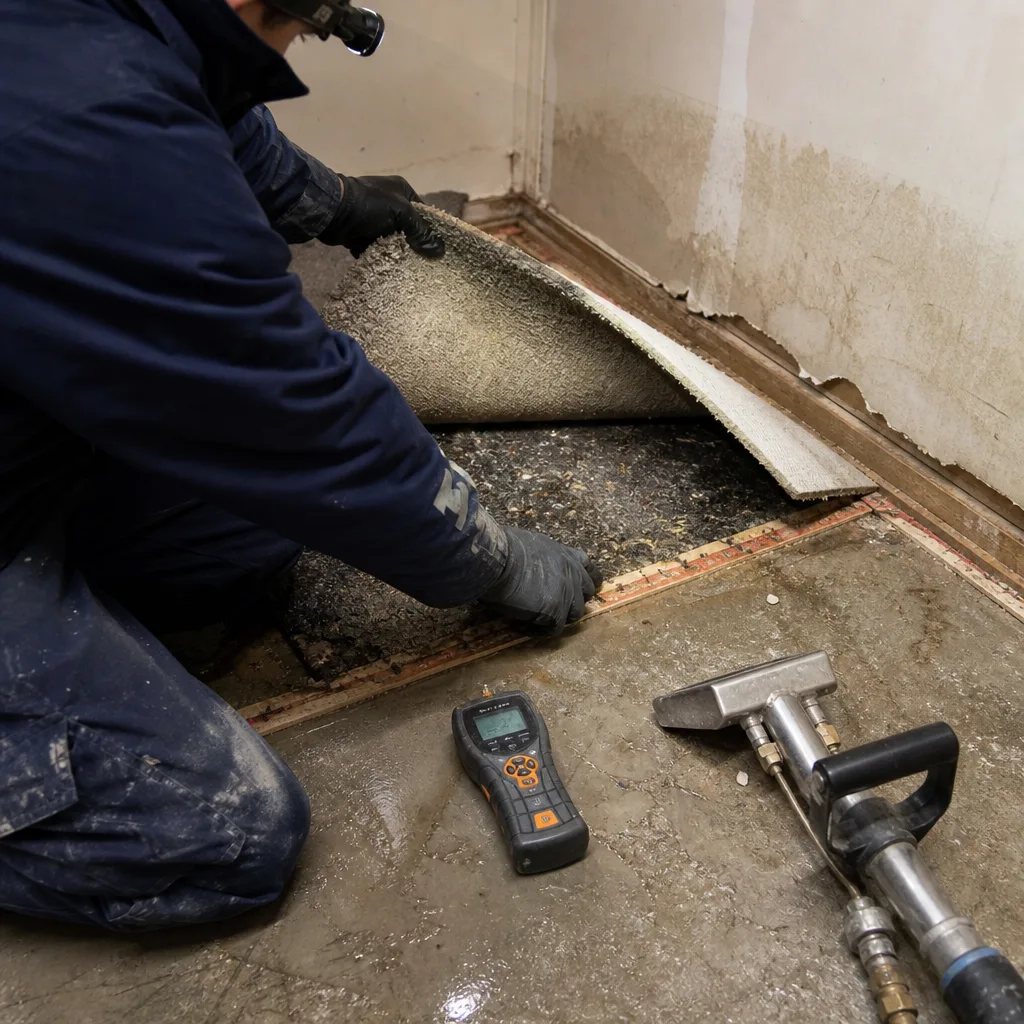
A pin-type meter with wood scale (5-50%) and reference scale for drywall and masonry is essential. We use professional meters from Delmhorst and Protimeter on jobs, but homeowner-grade meters from Wagner or General Tools produce sufficiently accurate readings for baseline documentation. The key is using the same meter consistently; different meters vary by 2-3 percentage points.
Operating protocol: calibrate on known-dry material before each use. Insert pins parallel to grain for wood, perpendicular to surface for drywall. Take 3 readings and average. Record the meter model with your data for future reference.
Thermo-Hygrometer ($30-$80)
Measures temperature and relative humidity. Place in suspect area for 48 hours to capture cycle variation. In Compton’s marine layer season, a single reading is misleading; we’ve seen crawl space humidity swing from 55% to 85% in 24 hours. Data-logging models (e.g., SensorPush, Govee) record continuous data via smartphone app, producing the time-series evidence that insurers and adjusters find most persuasive.
Infrared Thermometer ($25-$60)
Not a moisture detector, but a rapid screening tool. Wet materials change temperature more slowly than dry materials. An 8-degree differential between a suspect area and known-dry reference on the same surface suggests elevated moisture worthy of pin-meter verification. We use FLIR thermal imaging on professional assessments, but a basic IR thermometer catches obvious anomalies.
Inspection Camera/Borescope ($40-$120)
USB or WiFi models with 6-foot probes allow visual inspection inside wall cavities, under cabinets, and in crawl spaces without demolition. Document video with timestamp. In Compton’s slab homes with no crawl space access, this is often the only way to inspect toilet flange areas and tub drain connections.
Professional-Grade Drying Equipment (Rental or Service)
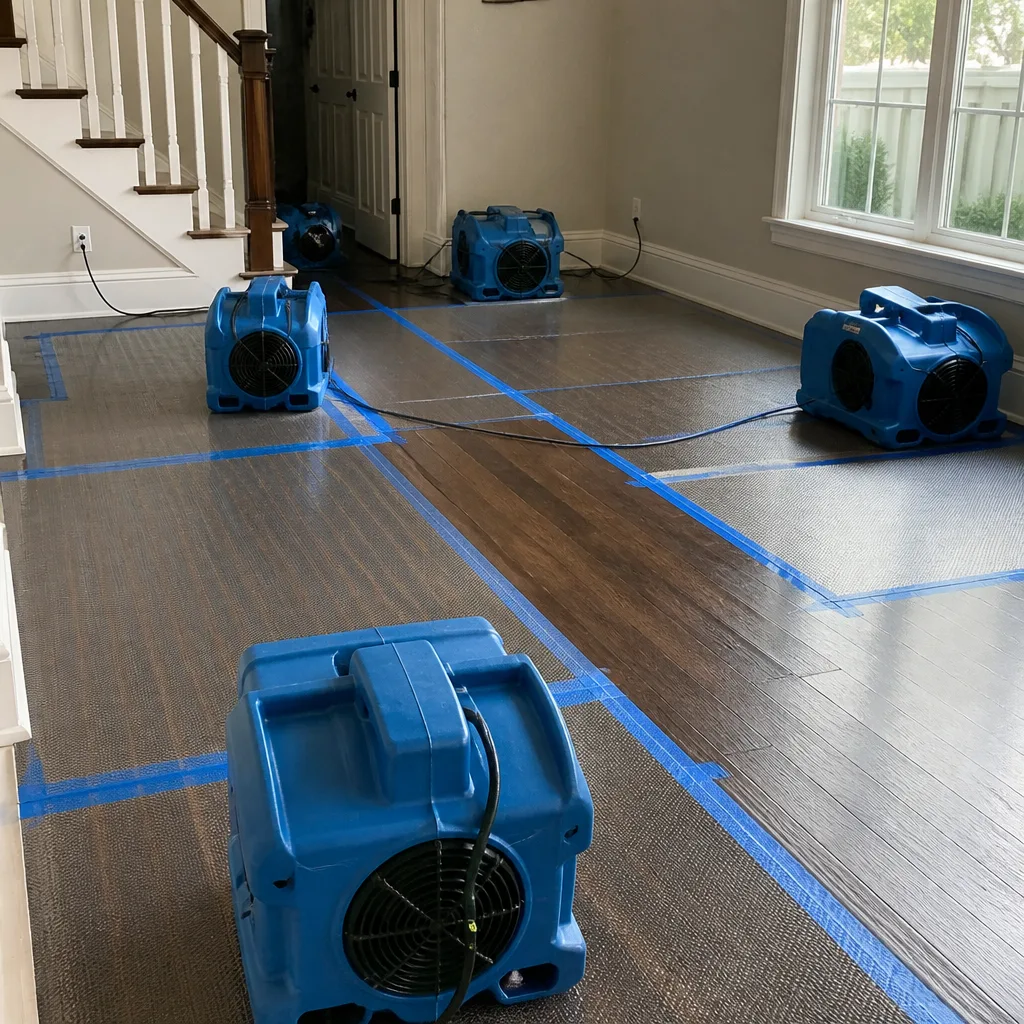
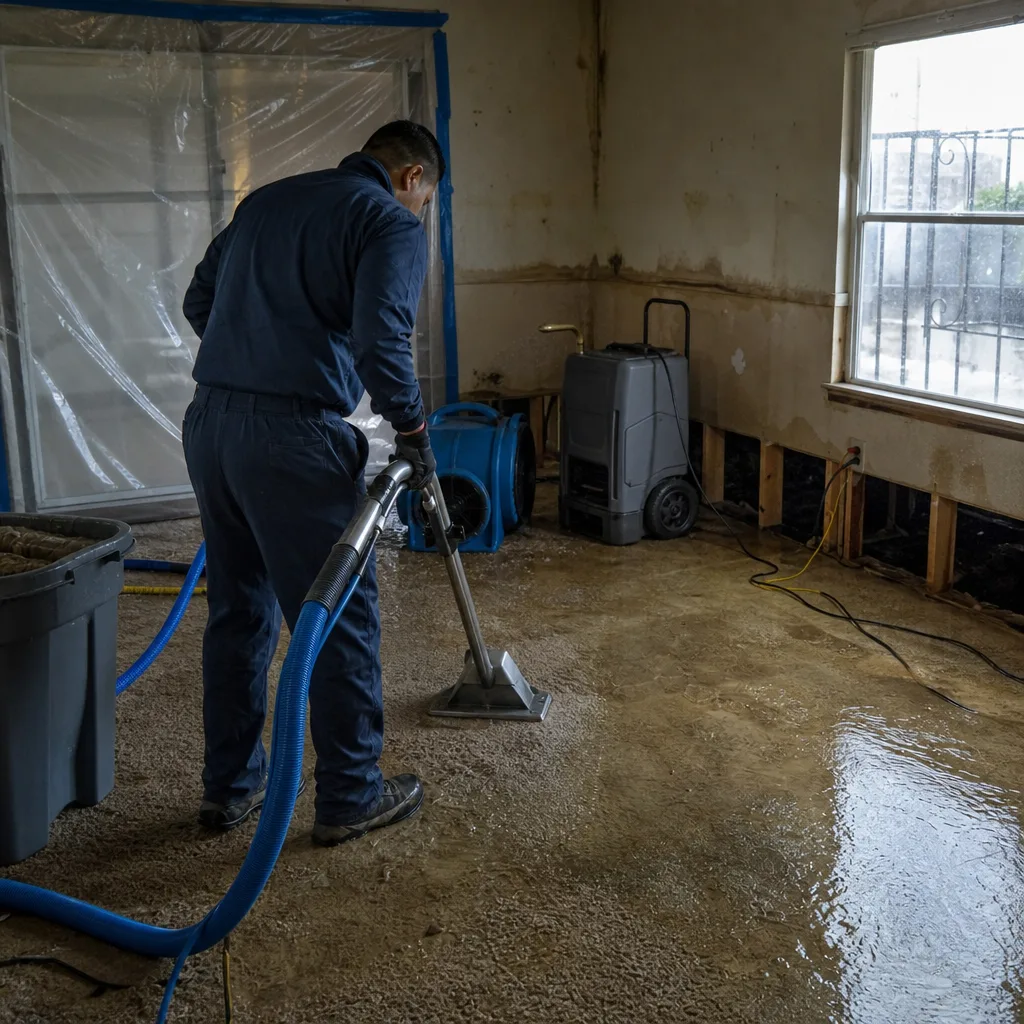
If your inspection reveals elevated readings but not yet emergency levels, controlled drying may prevent escalation. Professional-grade equipment from manufacturers like XPOWER, B-Air, and Injectidry produces air movement, dehumidification, and targeted drying that consumer units cannot match. We deploy these systems with daily moisture logging to IICRC standards; rental units lack the documentation component but can address minor elevations if used with your own logging discipline. See our Damage Restoration Cost Breakdown: The Compton Homeowner’s Reference for 2026 to compare professional and DIY approaches.
Common Mistakes to Avoid
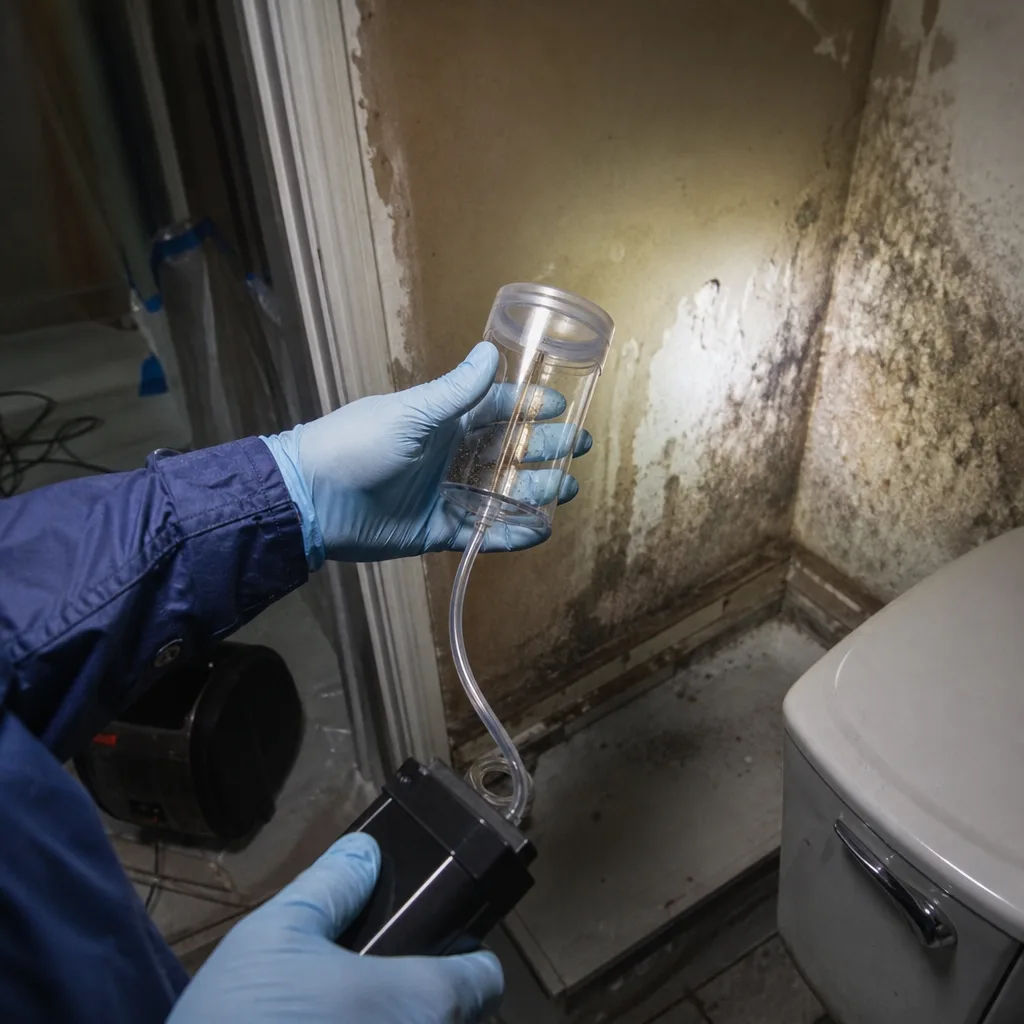
When to Call a Professional
Call immediately for standing water of any depth, sewage intrusion, water contacting electrical panels or outlets, or visible mold exceeding 10 square feet. Call within 24 hours for moisture readings above 17% in structural wood, saturated insulation, or water migration between floors in multi-level homes.
For assessment and baseline documentation, DryMark Restoration Compton offers free estimates in Compton. Our technicians arrive with pin meters, thermal imaging, and moisture mapping protocols documented to IICRC standards. You’ll receive a written price before work begins, every time, under Haven Standard, Clause 1. Explore more guides & resources on our blog for ongoing home protection. Call (628) 226-1011 for scheduling.
Frequently Asked Questions
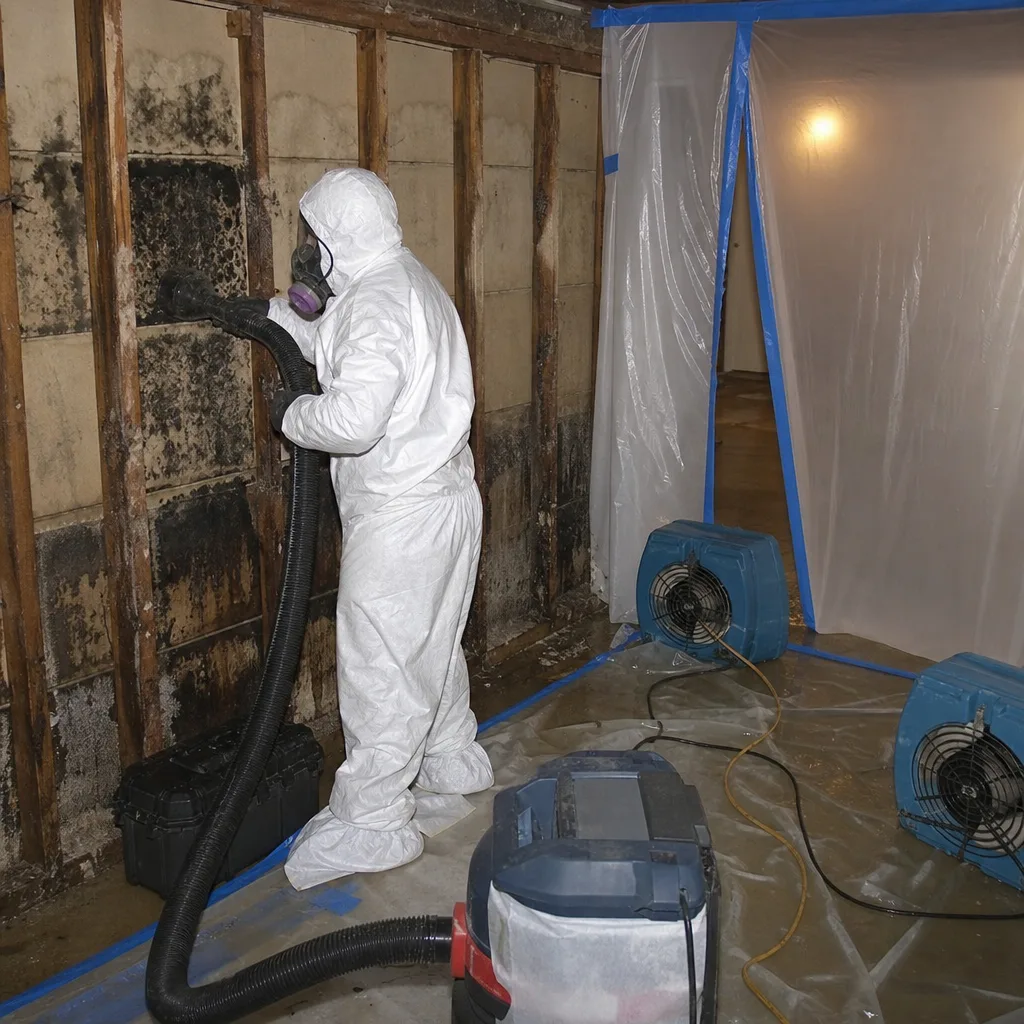
DryMark Restoration Compton provides free moisture mapping and written estimates for homeowners in Compton. The assessment includes pin-meter readings, thermal imaging scan, and a documented scope with line-item pricing before any work begins. Call (628) 226-1011 to schedule.
Standard homeowners policies typically exclude long-term maintenance neglect but cover sudden and accidental discharge. Your documentation of regular inspections and baseline readings strengthens the argument for sudden event causation. We coordinate directly with adjusters and provide the photo-documented drying logs that support coverage determinations.
DryMark Restoration Compton maintains live phone coverage 24 hours a day, 7 days a week with no voicemail on emergency lines. Dispatch times vary by current volume, but our documentation-first protocol means we can begin moisture mapping and temporary stabilization immediately upon arrival, with full equipment deployment following written scope approval.
California’s 10 square foot threshold determines the regulatory requirement, but health considerations may justify professional remediation at smaller areas if occupants have respiratory sensitivity, the location is an HVAC return, or the water source was Category 2 or 3. We provide free second opinions on any competitor’s written estimate to help you evaluate scope appropriateness.
Mold can activate on wood surfaces at sustained moisture content above 17%, and on drywall paper facing above 16%. However, mold requires both moisture and organic food source; a reading above these thresholds does not guarantee visible growth, but it does indicate conditions that require intervention within 48-72 hours to prevent colonization.
The Santa Ana wind cycle creates extreme vapor pressure differentials that force air infiltration through any exterior gap. During winter storm sequences, this drives rain into wall cavities around penetrations that appear sealed in calm conditions. Inspect all exterior penetrations annually, with particular attention after the first significant Santa Ana event each season.
The Bottom Line
A maintenance checklist without numbers is just a to-do list. Compton homeowners who record annual baseline moisture readings, understand their home’s construction-era vulnerabilities, and document findings with dated photos create the evidence foundation that protects both their property and their insurance coverage. The thresholds matter: 17% in wood, 12% in drywall, 22% in slab concrete, and 10 square feet of visible mold. Below these, disciplined monitoring and targeted maintenance maintain control. Above them, California law and sound practice require professional intervention with documented protocols. The investment in a $100 moisture meter and 4 hours of annual inspection is negligible against the cost of undetected water damage or a disputed claim.
Written by Alicia Brennan, Owner at DryMark Restoration Compton, serving Compton since 2011.