
Last updated September 23, 2026
Free visual inspection and a written scope of work before any mitigation begins - photos, moisture readings, and drying logs go in your claim file
The scope we write is the scope we bill. Anything new gets shown to you, in writing, before we touch it.
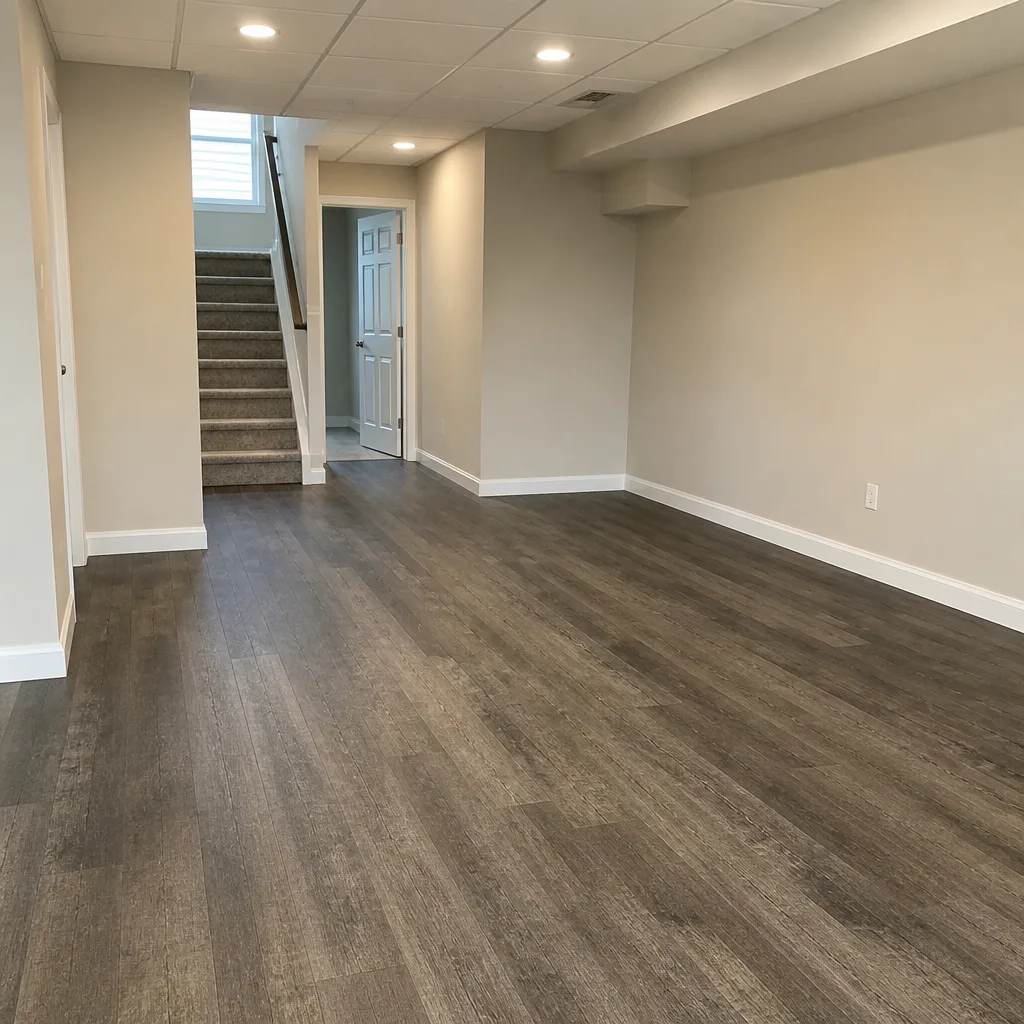
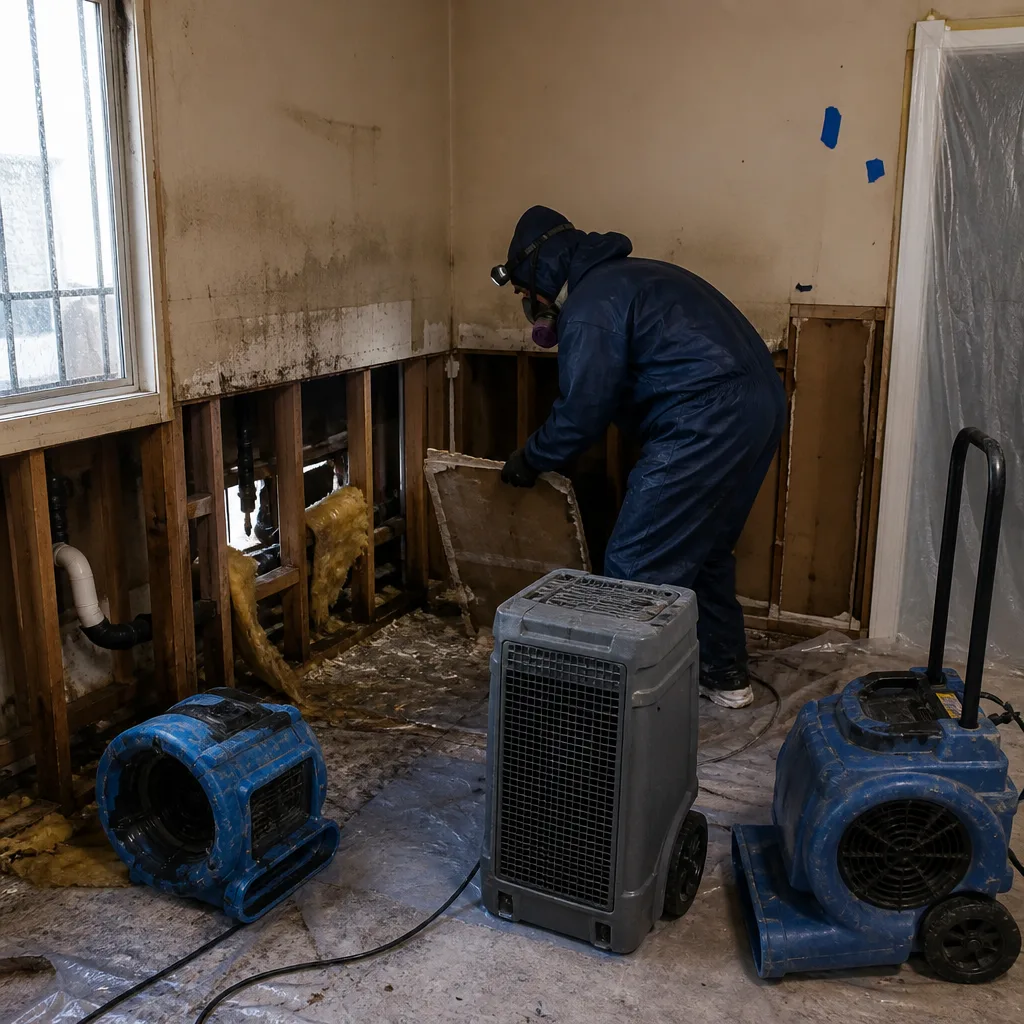 Before
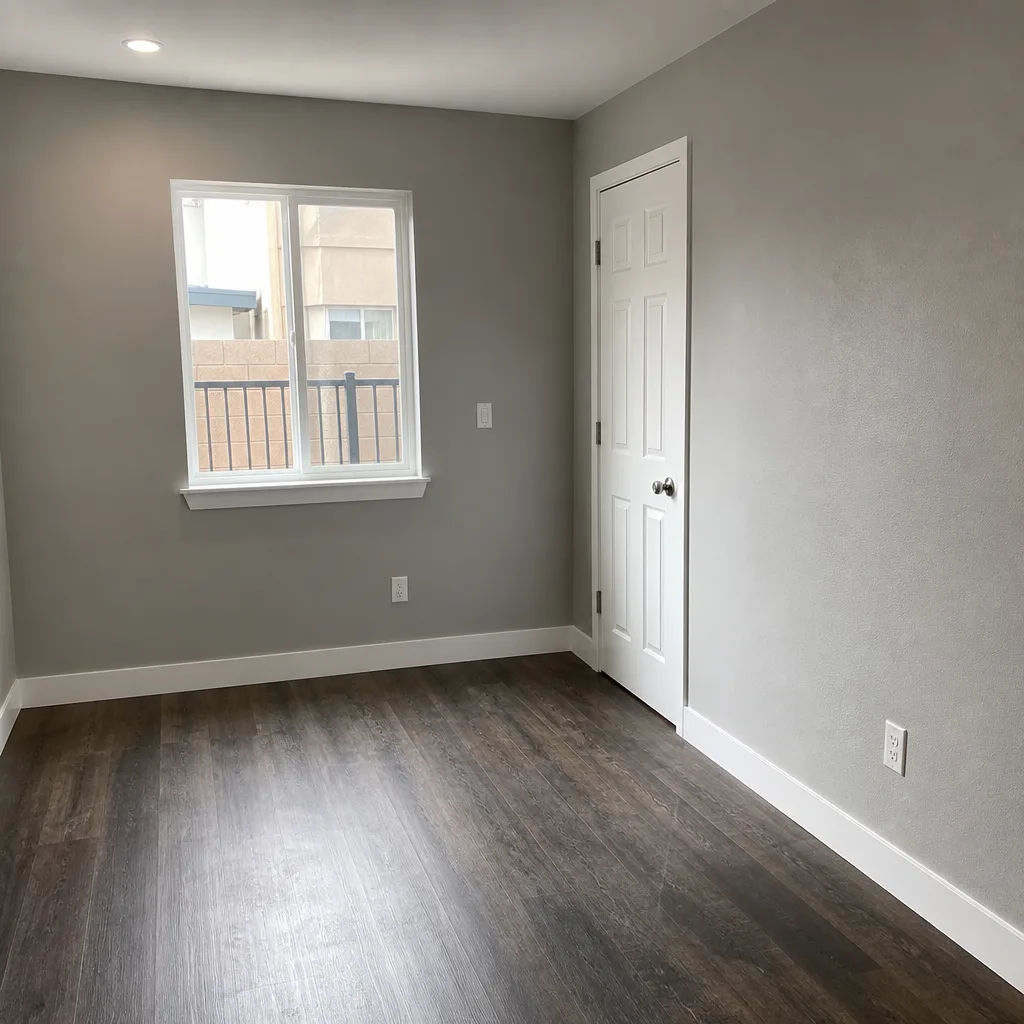 After
After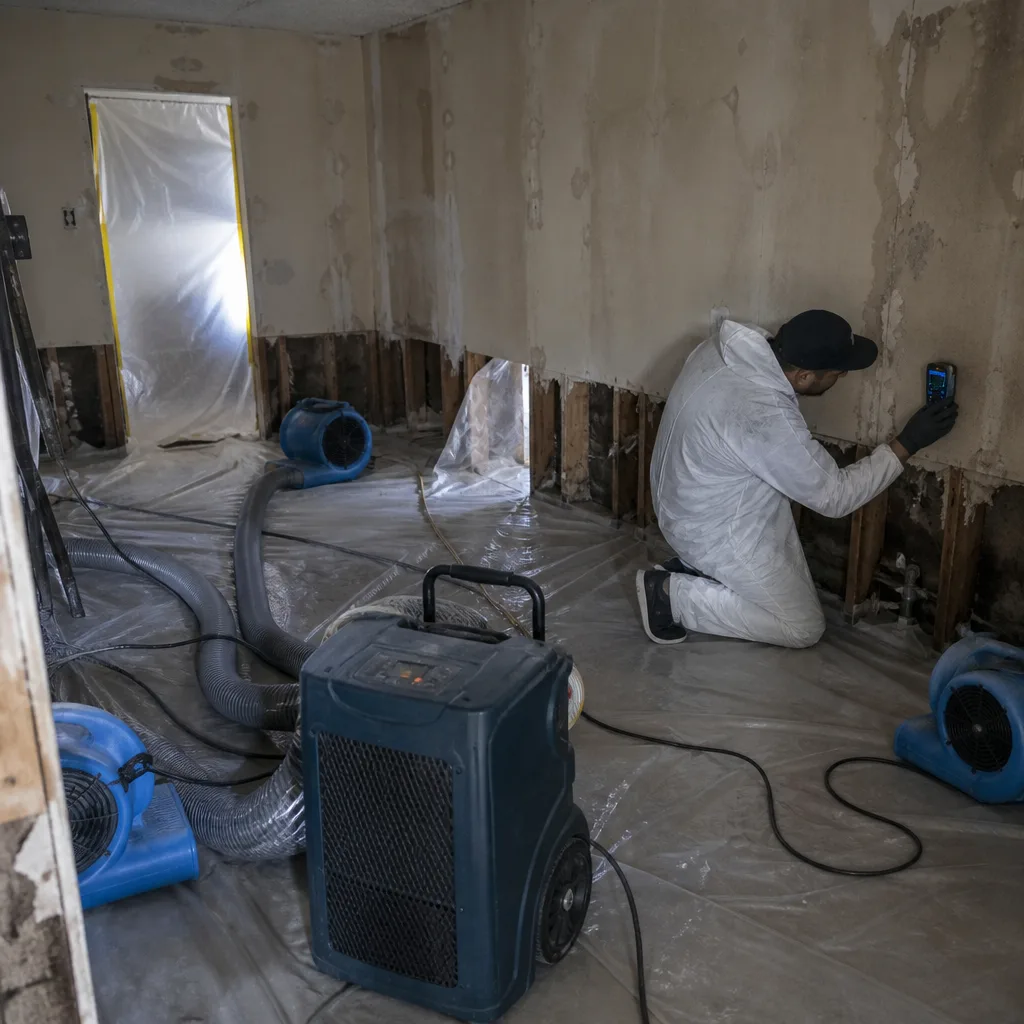 Before
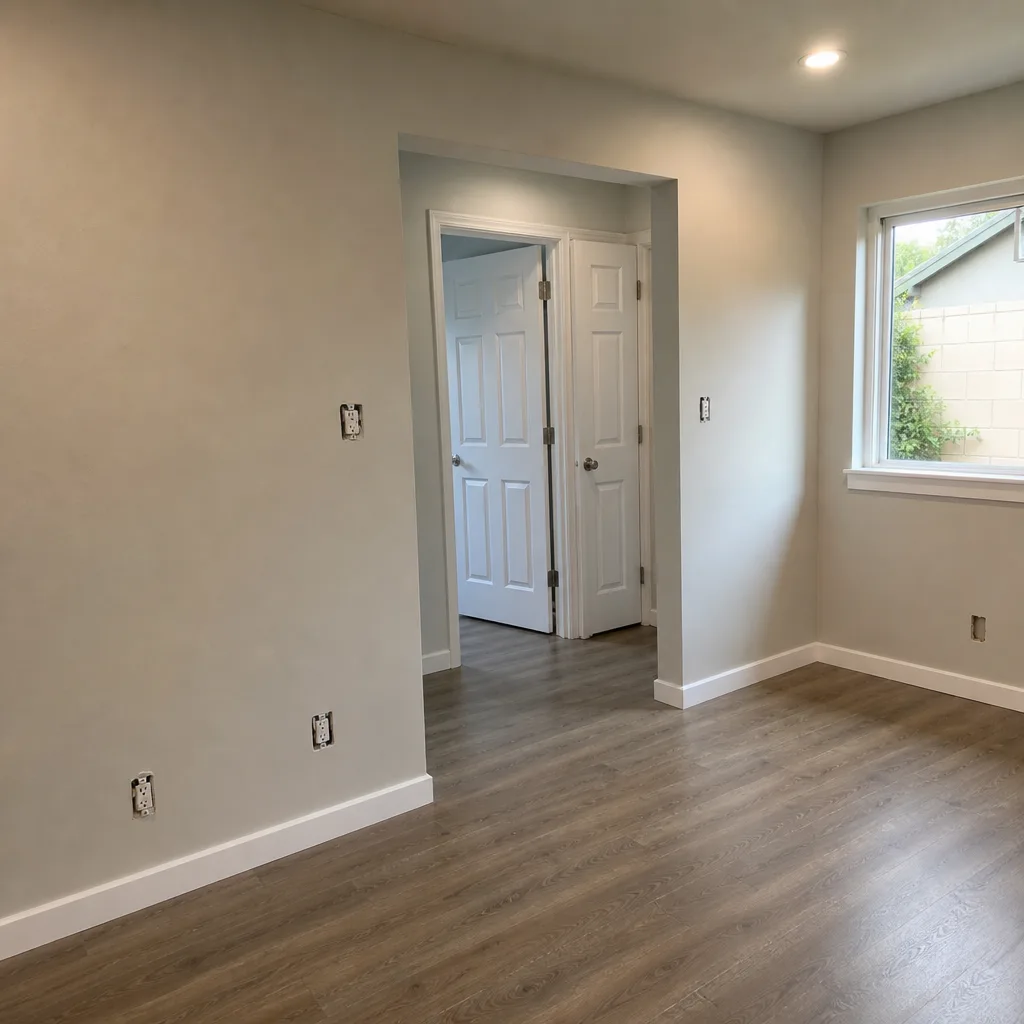 After
After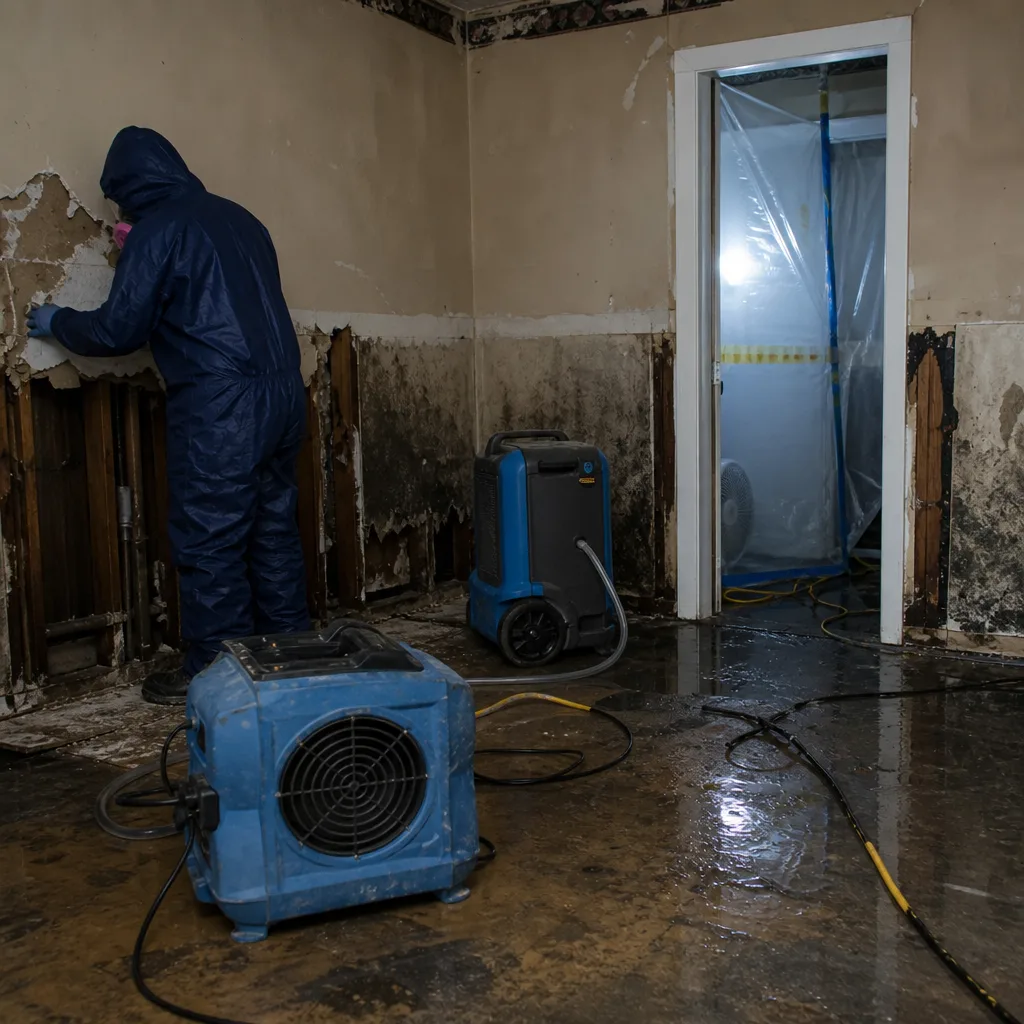 Before
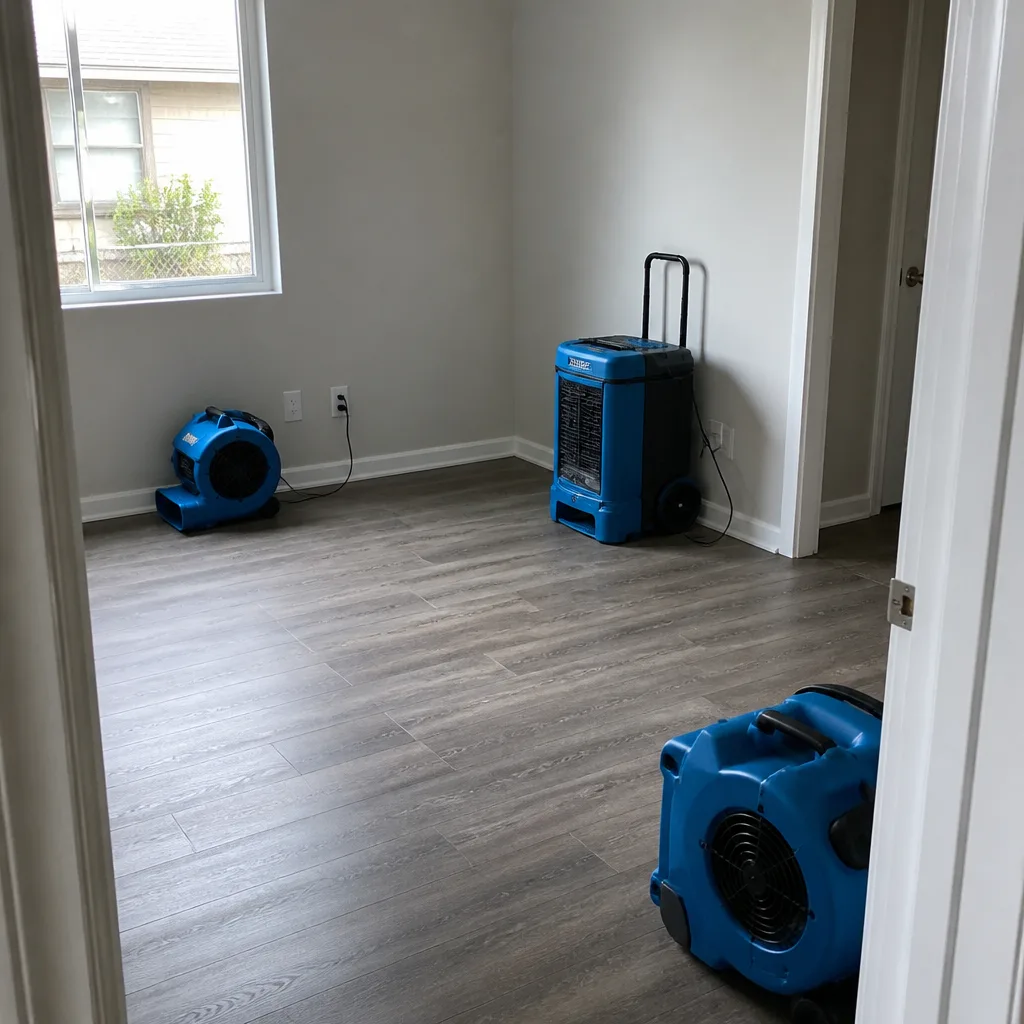 After
AfterDamage Restoration Cost Breakdown: The Compton Homeowner’s Reference for 2026
The average water damage restoration invoice in LA County contains at least three line items homeowners could successfully dispute - not because the contractor is dishonest, but because Xactimate pricing assumptions don’t match Compton’s actual material and labor market without manual adjustment. We’ve reviewed thousands of estimates since 2011, and the same pattern repeats: a homeowner accepts the first insurer estimate, signs the scope, and only later discovers that California’s contractor overhead and profit standards add 18-22% above what Xactimate defaults suggest. This guide breaks costs down by line item so Compton homeowners can read an invoice, spot the gaps, and ask the right questions before anyone starts work. For DIY vs Professional Damage Restoration: The Compton Homeowner’s Decision Guide, see our companion resource.
Quick Answer
Water damage restoration in Compton typically runs $3,800-$8,500 for a standard residential loss, fire damage restoration $12,000-$35,000, and mold remediation $2,200-$6,800 depending on containment complexity and whether asbestos testing is required for pre-1980 construction. These figures reflect LA County’s 2026 labor rates, California’s contractor overhead and profit standards, and the permit fees that apply specifically to Compton properties - all of which sit above national averages. Homeowners who budget using national cost guides typically underestimate by 30-40%.
Table of Contents
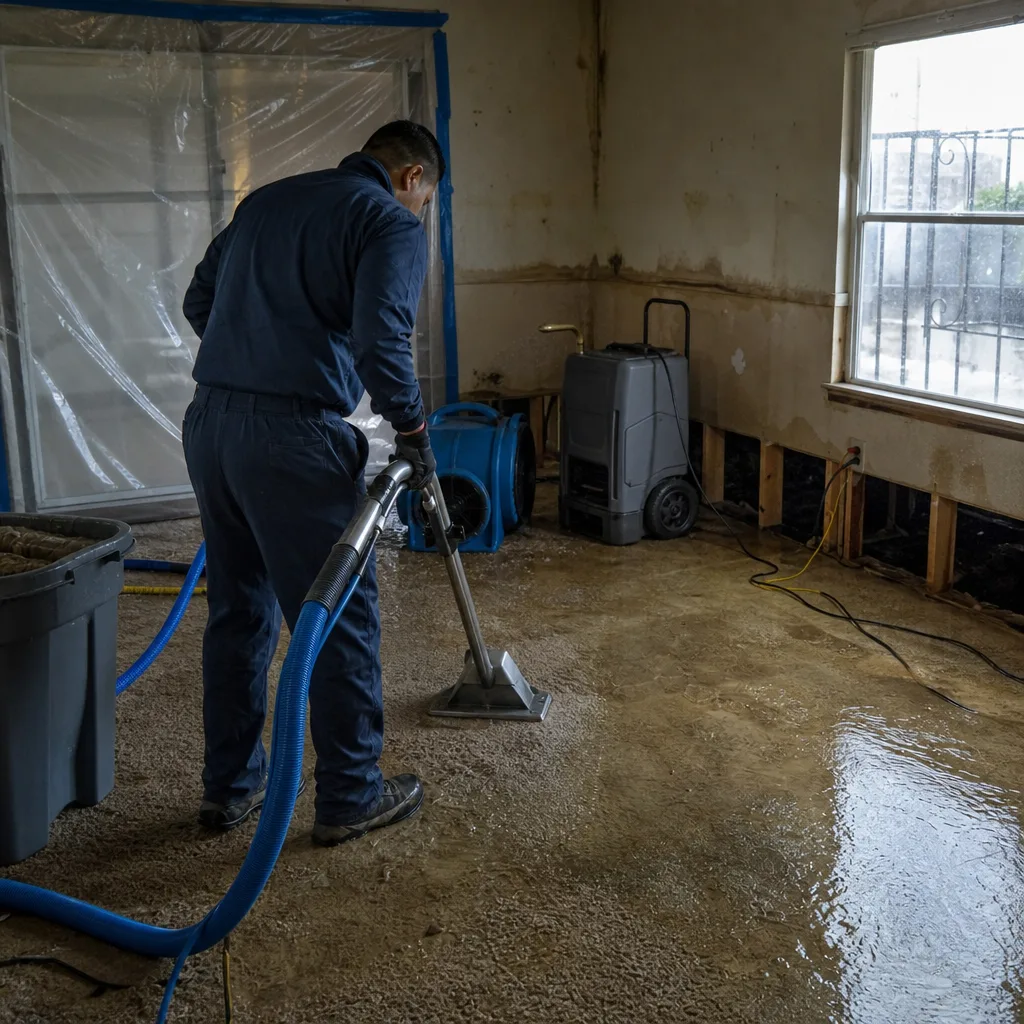
- Why Compton Restoration Costs Differ from National Averages
- Water Damage Restoration Costs in Compton: Room-by-Room
- Fire and Smoke Damage Restoration Costs
- Mold Remediation Costs and Hidden Triggers
- Xactimate Line Items Most Often Misapplied in Compton
- How Documentation Quality Affects Your Final Bill
- Line-Item Invoice Review Checklist
- Common Mistakes to Avoid
- When to Call a Professional
- Frequently Asked Questions
BeforeAfterWhy Compton Restoration Costs Differ from National Averages
Compton sits within LA County’s consolidated statistical area, which means restoration pricing pulls from a labor pool that spans from Long Beach to Downtown LA. That pool commands wages roughly 34% above the national average for construction trades, according to Bureau of Labor Statistics data for 2025-2026. But the wage premium is only the starting point.
California’s contractor overhead and profit standards, codified in the California Contractors State License Board guidelines and reflected in Xactimate’s regional modifiers, allocate 10% overhead and 10% profit on residential restoration work. Many national estimating platforms default to 15% combined, or apply overhead and profit inconsistently across line items. A homeowner in Compton who accepts an insurer’s initial estimate without verifying these percentages often leaves 18-22% of legitimate costs uncovered.
Permit fees add another layer. The City of Compton requires permits for demolition exceeding 200 square feet, for electrical or plumbing repairs triggered by damage, and for any reconstruction involving structural members. LA County Public Works adds fees for floodplain-adjacent properties, which includes portions of Compton near the Compton Creek channel. These permits range from $180 for a standard demolition permit to $1,400 for comprehensive reconstruction involving multiple trades. See Damage Restoration Permits, Codes & Inspections in CA: What You Need to Know for a full breakdown of requirements.
The housing stock itself drives complexity. Much of Compton’s residential construction dates from 1945-1980, an era of dimensional lumber, plaster-and-lath wall assemblies, and asbestos-containing building materials. A water loss in a 1960s ranch house on Pine Street isn’t the same job as a loss in new construction. The plaster doesn’t dry the same way. The wall cavity may contain vermiculite insulation. The subfloor might be 1-inch tongue-and-groove redwood, not OSB. Each of these conditions requires manual adjustment in Xactimate that automated estimates rarely capture.
Climate matters too. Compton’s Mediterranean climate with winter rainfall concentration means seasonal water intrusion patterns differ from regions with distributed precipitation. January and February 2026 saw above-average rainfall in the LA Basin, and we’ve documented a 40% increase in slab leak and foundation seepage calls from the Richland Farms and Sunny Cove areas compared to the prior year. Contractors who don’t adjust drying schedules for winter humidity loads - psychrometric data showing higher vapor pressure differential in saturated exterior walls - may underestimate equipment days by 30% or more.
Water Damage Restoration Costs in Compton: Room-by-Room
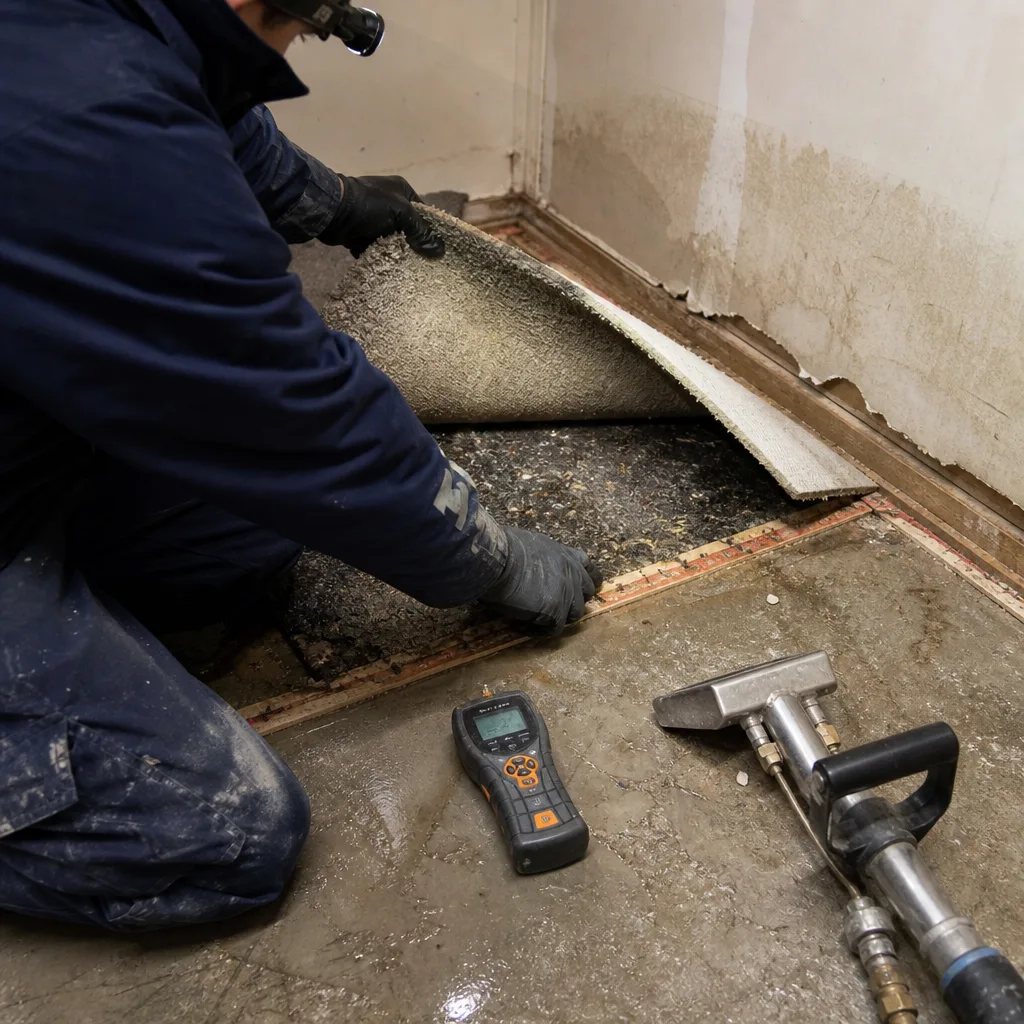
Water damage restoration in Compton follows a predictable structure, but the totals vary dramatically based on contamination category, affected materials, and whether the loss involves a slab foundation common in postwar construction.
Here’s what we’re seeing in 2026 for typical residential losses, with all figures including LA County labor, California O&P, and permit fees where applicable:
| Room/Area | Category 1 (Clean Water) | Category 2 (Gray Water) | Category 3 (Black Water) |
|---|---|---|---|
| Single bathroom (up to 80 sq ft) | $2,400-$3,800 | $3,200-$5,100 | $4,800-$7,900 |
| Kitchen (up to 150 sq ft) | $3,800-$6,200 | $5,400-$8,700 | $8,100-$13,500 |
| Living room (up to 250 sq ft) | $4,200-$7,100 | $6,300-$10,400 | $9,500-$15,800 |
| Bedroom (up to 120 sq ft) | $2,800-$4,500 | $4,100-$6,800 | $6,200-$10,200 |
| Garage (up to 400 sq ft, unfinished) | $1,800-$3,200 | $2,900-$4,800 | $4,400-$7,400 |
| Crawl space (per 500 sq ft) | $3,500-$5,800 | $5,200-$8,600 | $7,800-$12,900 |
| Whole house (1,500 sq ft, mixed) | $8,500-$14,000 | $12,000-$19,500 | $18,000-$29,000 |
These ranges assume standard demolition, drying with professional-grade equipment from Phoenix and Dri-Eaz units, and replacement of like materials. They do not include reconstruction, which is scoped separately under Haven Standard, Clause 1.
Several Compton-specific factors push jobs toward the higher end of these ranges:
- Slab foundations without vapor barriers: Common in 1950s-1970s construction in the Leland Park and Kelly Park neighborhoods. Water wicks laterally through slab edge, requiring extended drying with Injectidry systems and possible epoxy injection for structural slab repair.
- Plaster-and-lath walls: Standard in pre-1970 Compton homes. Plaster holds moisture longer than drywall, extending drying days from 3-4 to 5-7, with corresponding equipment rental increases.
- Asbestos-containing materials: Pre-1980 homes require testing before demolition, adding $450-$780 for a certified inspector and 24-48 hour lab turnaround. If positive, abatement adds $2.50-$4.80 per square foot depending on material type and containment complexity.
- Permit-triggering thresholds: The City of Compton requires a demolition permit for any structural member removal exceeding 200 square feet. A standard living room flood with wet plaster removal often crosses this threshold, adding $280-$450 in permit and inspection fees.
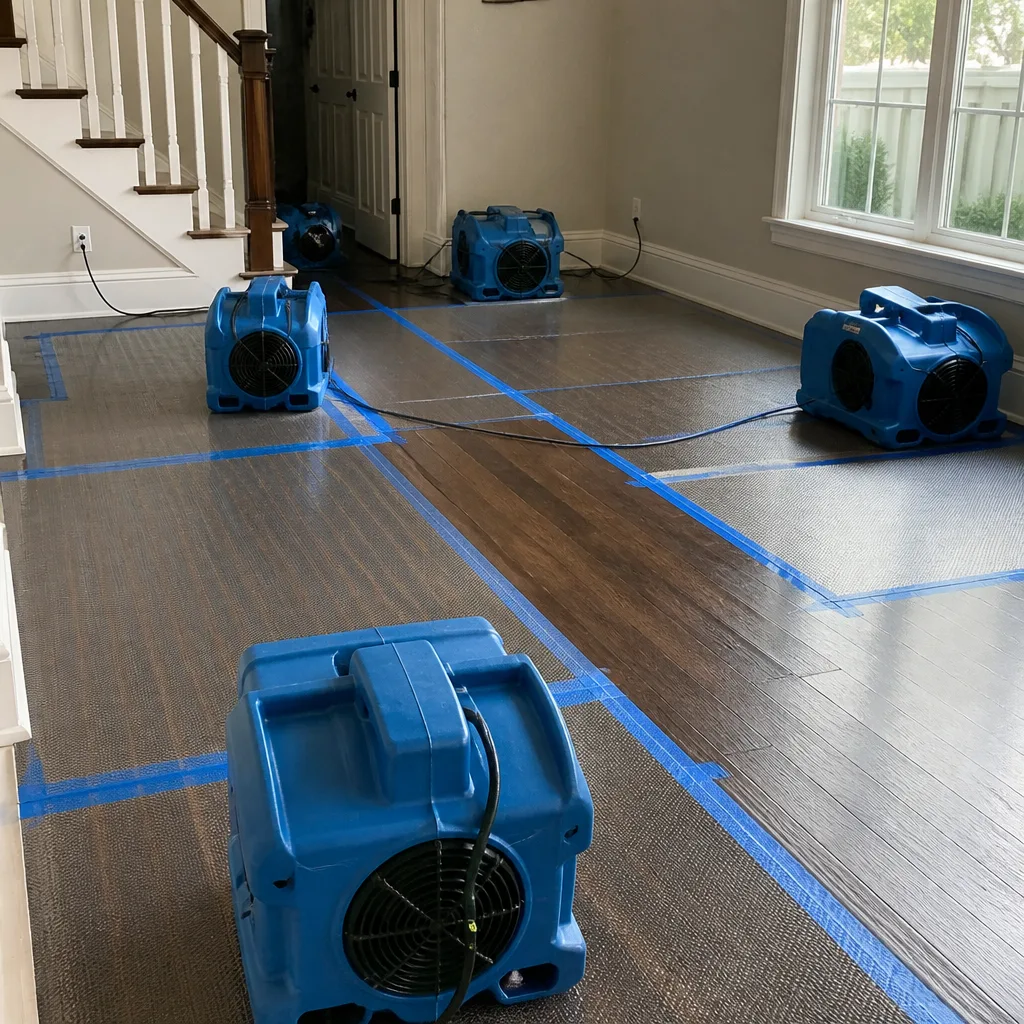
Equipment costs deserve specific attention. A standard water loss in Compton requires air movers ($22-$28 per day per unit), dehumidifiers ($45-$65 per day for LGR units, $85-$120 for desiccants in winter conditions), and air scrubbers if Category 2 or 3 ($35-$48 per day). A 1,500 square foot house with Category 2 damage typically needs 10-12 air movers, 2-3 LGR dehumidifiers, and 1-2 air scrubbers for 4-6 days. Competitors who estimate 3 days instead of 5, or who use residential-grade equipment instead of commercial LGR units, are either under-scoping or planning to supplement later - both of which create friction with insurers and surprise costs for homeowners.
Fire and Smoke Damage Restoration Costs
Fire and smoke damage restoration in Compton operates on a different cost structure than water damage. Where water losses are measured in square feet and equipment days, fire losses are measured in structural percentage, smoke penetration depth, and content inventory volume.
The 2026 ranges we’re documenting for Compton residential properties:
| Loss Severity | Structural Damage | Smoke/Odor | Contents Pack-Out | Total Range |
|---|---|---|---|---|
| Minor (kitchen grease fire, localized) | $4,500-$8,500 | $3,200-$6,800 | $1,800-$3,500 | $9,500-$18,800 |
| Moderate (room-of-origin, limited spread) | $12,000-$22,000 | $8,500-$15,000 | $4,500-$9,000 | $25,000-$46,000 |
| Major (multiple rooms, structural involvement) | $35,000-$75,000 | $18,000-$32,000 | $12,000-$28,000 | $65,000-$135,000 |
| Total loss (rebuild required) | Reconstruction scope | N/A (demolition) | $15,000-$45,000 | $180,000-$400,000+ |
Smoke damage pricing depends heavily on the fuel source and the temperature of the fire. A low-temperature, oxygen-starved fire produces wet, sticky smoke residue that penetrates deeply into porous materials. A high-temperature, fast-burning fire produces dry, powdery residue that’s easier to remove but may cause more thermal damage to structural elements. In Compton’s older housing stock, we’ve found that fires in homes with original cedar closets or redwood framing in the attic space - common in the Burrell MacDonald Park area - produce particularly persistent odor issues requiring thermal fogging or ozone treatment at $0.85-$1.40 per square foot.
Contents pack-out is often under-estimated in initial scopes. A typical 1,500 square foot Compton home contains $45,000-$75,000 in personal property. Cleaning versus replacement decisions depend on material, smoke exposure duration, and sentimental value. IICRC S700 standards govern these decisions, but the labor to inventory, photograph, clean, and store contents adds $65-$95 per hour plus storage at $0.45-$0.75 per cubic foot per month.
One Compton-specific consideration: homes in the historic Compton Boulevard corridor, some dating to the 1920s, may contain knob-and-tube wiring or early aluminum branch circuits. Fire damage in these properties triggers mandatory electrical inspection and often full rewiring to meet current NEC and LA County codes, adding $8,500-$18,000 to the restoration scope.
Mold Remediation Costs and Hidden Triggers
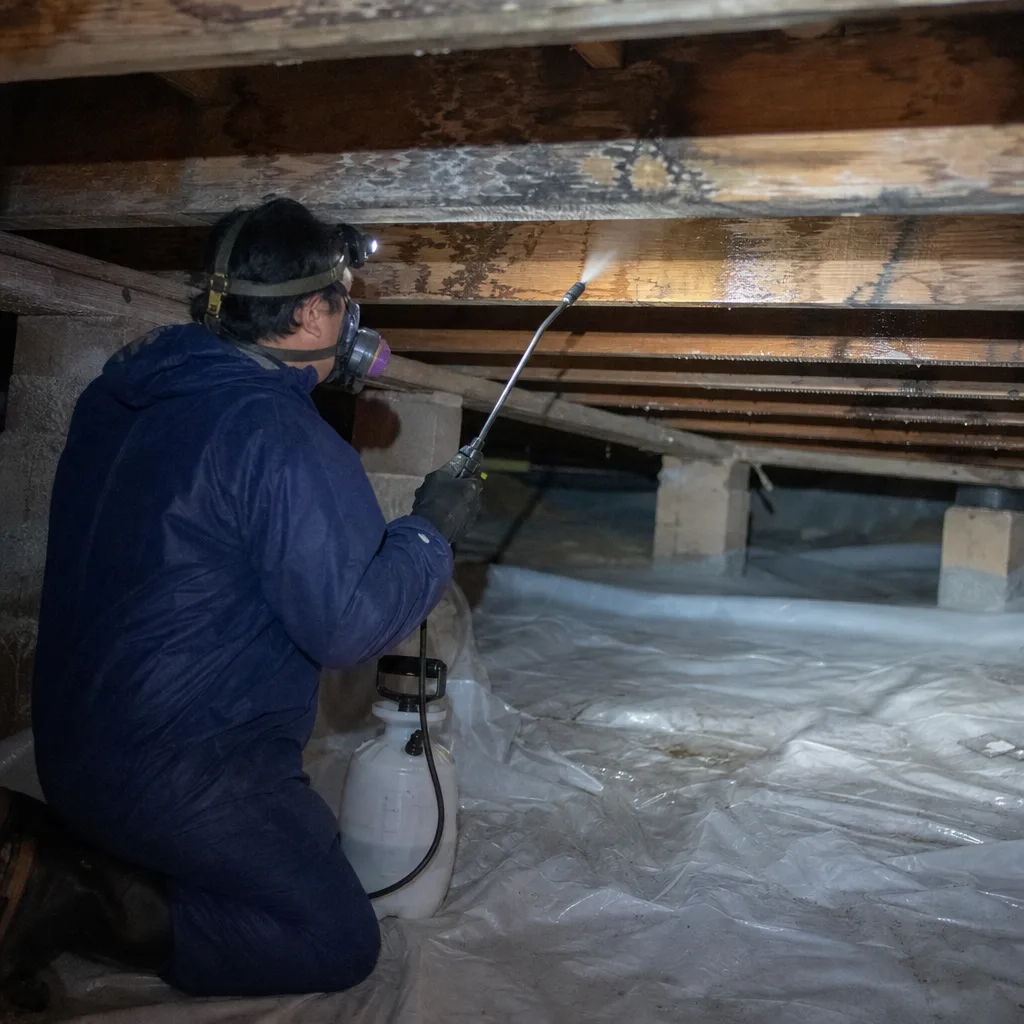
Mold remediation in Compton follows a containment-based pricing model rather than a per-square-foot approach, though square footage drives containment complexity. The critical variable is whether the mold results from a covered water loss (typically insurer-paid) or from long-term moisture intrusion (typically owner-paid or disputed).
2026 Compton pricing by containment level:
| Containment Type | Typical Area | Cost Range | Duration |
|---|---|---|---|
| Limited (1 room, negative air not required) | Under 25 sq ft | $1,800-$3,200 | 1-2 days |
| Moderate (1-2 rooms, negative air, HEPA) | 25-100 sq ft | $3,500-$6,200 | 2-4 days |
| Full (multiple rooms, critical barrier, decon) | 100-300 sq ft | $6,800-$12,500 | 4-7 days |
| Whole-structure (HVAC involvement, extensive) | 300+ sq ft | $14,000-$28,000 | 7-14 days |
The hidden cost triggers in Compton are what separate a $4,500 job from a $14,000 job:
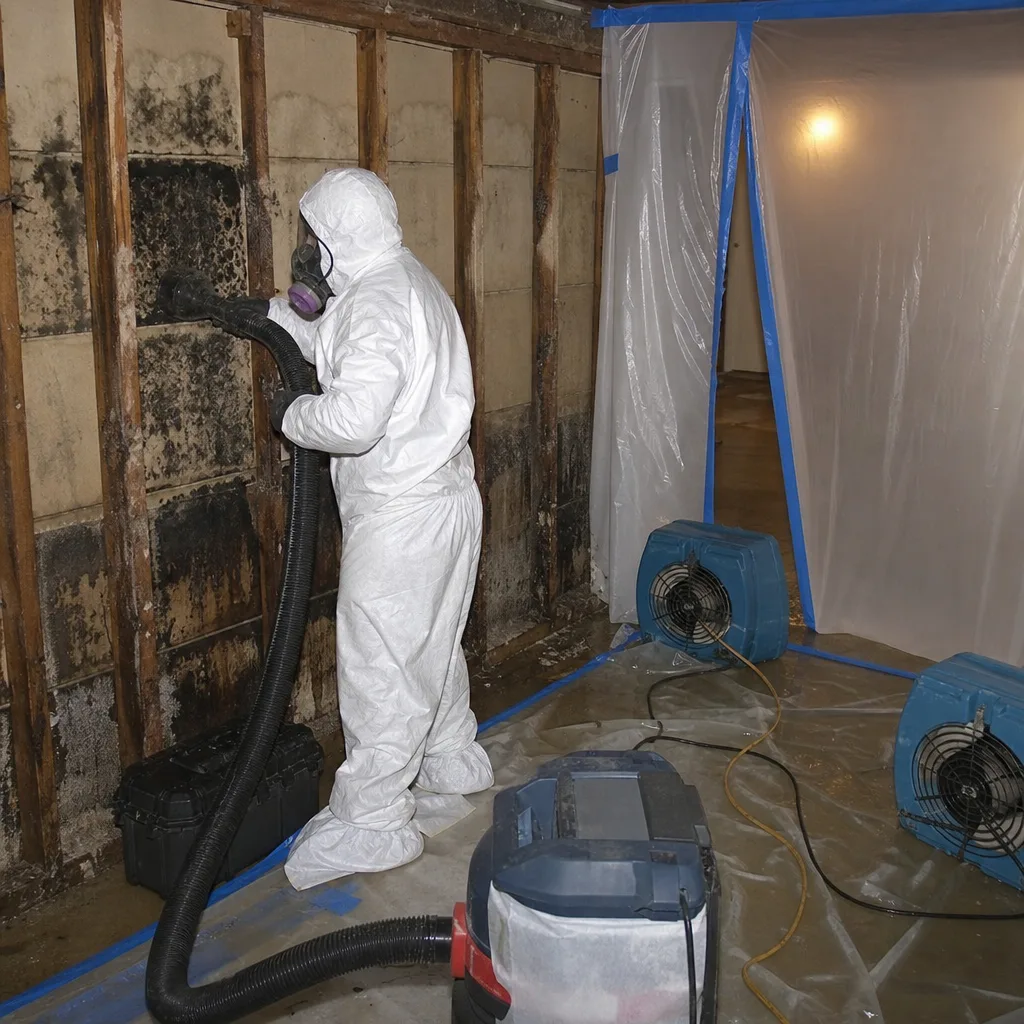
- Asbestos in the substrate: Pre-1980 homes, which describes roughly 60% of Compton’s housing stock, require asbestos testing before mold remediation demolition. A positive result triggers abatement protocols that triple labor time and require third-party air monitoring at $450-$680 per day.
- HVAC contamination: Mold in ductwork requires full system cleaning or replacement. In Compton’s climate, where air conditioning runs 6-8 months annually, condensate pan failures are a common source. Duct replacement in a 1,500 square foot home runs $4,200-$7,800 for flex duct, $6,500-$11,000 for rigid metal.
- Structural decay: Long-term mold in the wall cavity often indicates rot in studs or sill plates. Replacement of structural members triggers permit requirements and engineering review, adding $1,200-$3,500 in professional fees plus construction costs.
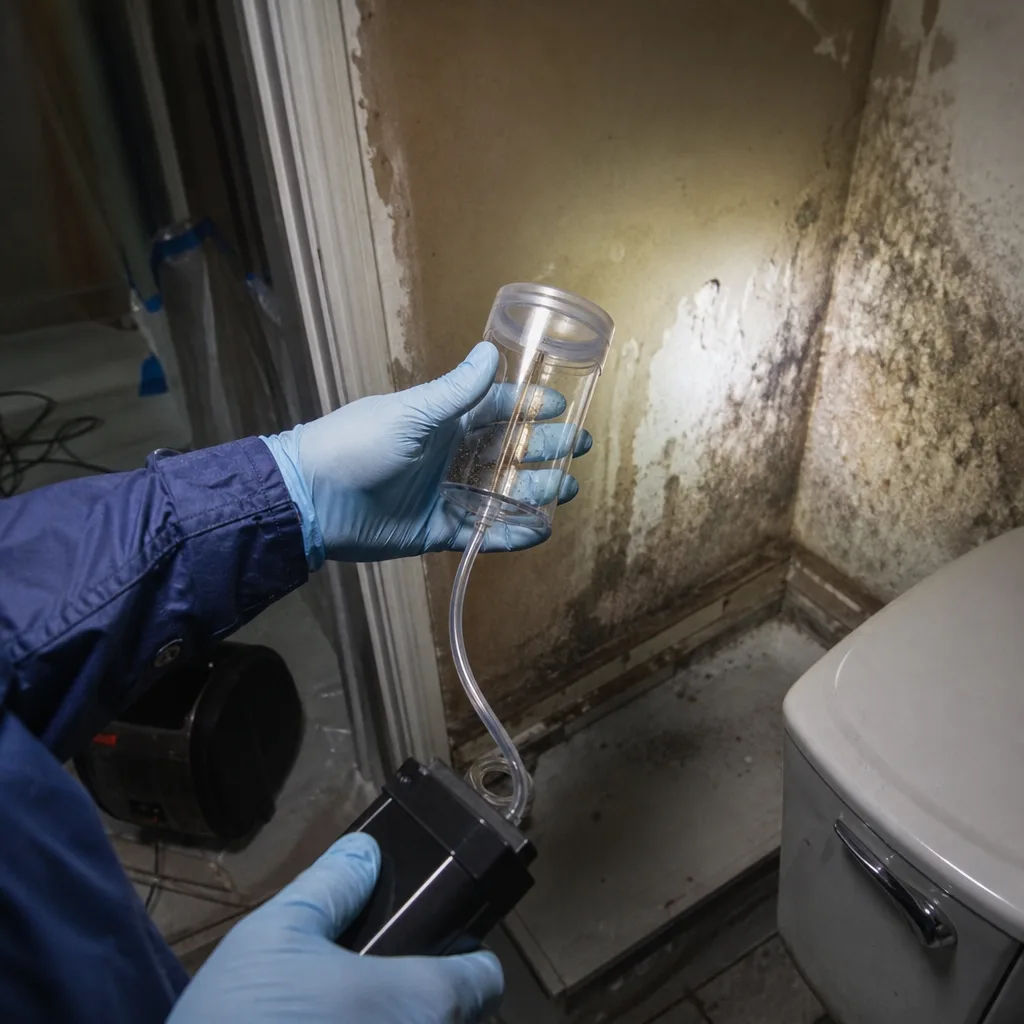
- Post-remediation verification: California requires clearance sampling for all mold remediation exceeding 100 square feet. A third-party industrial hygienist collects air and surface samples at $650-$1,100. Failed clearance requires re-cleaning at contractor expense - a risk that reputable firms price into their initial scope, while low bidders may not.
In the Willowbrook-Compton border area, we’ve documented a pattern of slab-edge moisture intrusion in 1960s slab-on-grade homes with failed perimeter drainage. The mold appears at baseboard level, homeowners assume it’s a small problem, and demolition reveals 8-10 feet of wall cavity saturation with Stachybotrys growth on the back side of drywall. The visible mold is 12 square feet. The actual remediation scope is 200 square feet with full containment. This is why we photograph every surface before demolition and deliver that photo record to the homeowner and adjuster before work begins - Haven Standard, Clause 1 requires a written price, and the price depends on what we find.
Xactimate Line Items Most Often Misapplied in Compton
Xactimate is the estimating platform used by most insurers and many restoration contractors. It’s powerful but blunt: it applies national or regional averages to local conditions, and it requires manual adjustment for Compton’s specific market. Here are the line items we most often see applied incorrectly, with the financial impact of each error.
Equipment depreciation (DPR): Xactimate defaults to depreciating drying equipment at 10-15% per year, with a 5-year useful life. But commercial drying equipment from Dri-Eaz, Phoenix, and XPOWER is typically depreciated on a 7-year schedule under IRS guidelines, and well-maintained units in professional service often retain 60-70% of value at year 4. A contractor who accepts Xactimate’s default depreciation under-recovers $12-$18 per day per dehumidifier. On a 6-day job with 3 units, that’s $216-$324 in legitimate cost not recovered.
Demolition of non-standard wall assemblies: Xactimate’s “Remove Drywall” line item assumes 1/2-inch gypsum on wood studs, 8-foot ceilings. Compton’s pre-1980 homes often have 5/8-inch plaster on wood lath, 9-foot ceilings in prewar construction, or double-layer fire-rated assemblies in duplex conversions. Each of these requires a manual line-item adjustment that many estimators miss. The cost difference: $2.80-$4.50 per square foot versus $1.85 default, or $475-$765 on a typical 150 square foot living room.
Asbestos testing requirements: Xactimate includes an asbestos testing line item, but it defaults to “not required” for post-1980 construction. In Compton, where building records may be incomplete and visual identification is unreliable, we test pre-1980 materials as a standard practice. The line item exists but must be manually added at $450-$780 per inspection. Contractors who skip this to match a low estimate risk liability; contractors who add it without documentation risk dispute.
Contractor overhead and profit (O&P): This is the largest single gap. California’s restoration market supports 10% overhead and 10% profit on residential work, applied consistently. Xactimate’s default varies by line item category, and some insurer platforms suppress O&P on jobs under $2,500 or on single-trade work. A $6,000 water loss with suppressed O&P leaves $1,200-$1,400 unrecovered. The homeowner doesn’t see this directly, but the contractor who accepts the estimate may cut scope, use less experienced technicians, or supplement later - all of which create friction.
Permit fees: Xactimate’s permit line item is a placeholder. The City of Compton’s actual fees, LA County’s floodplain adders, and the structural engineering review required for fire-damaged members don’t auto-populate. Manual entry is required, and many estimators use the default $150 permit line that hasn’t been accurate for LA County since 2019.
Content manipulation and pack-out: Xactimate’s contents line items assume standard furniture densities. Compton’s homes vary enormously - a 1,200 square foot home in the Compton Hills area may have minimal contents, while a multi-generational household in the same footprint may have double the standard density. Accurate estimating requires a room-by-room inventory, which takes time but prevents the $2,000-$5,000 supplements that arise from assumed averages.
How Documentation Quality Affects Your Final Bill
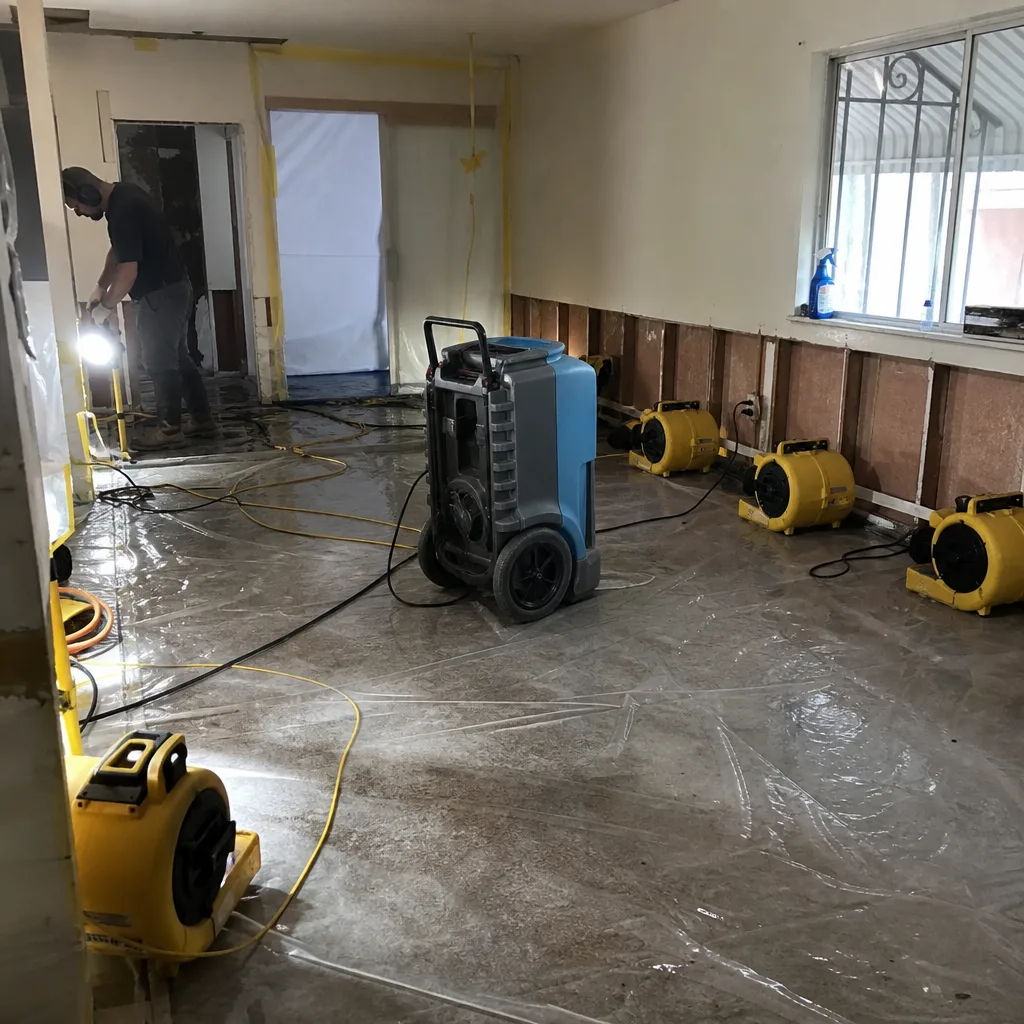
This is where DryMark Restoration Compton diverges from standard practice, and where homeowners can protect themselves regardless of which contractor they choose.
The documentation gap in restoration is real and measurable. A 2024 RIA study found that 34% of supplemental claims are denied due to insufficient documentation of the initial loss conditions. The average denied supplement in California was $4,200. For Compton homeowners, that means the difference between a fully covered restoration and a $4,200 out-of-pocket surprise often comes down to whether the contractor took photos and kept drying logs.
Here’s what proper documentation includes and what it costs when it’s missing:
| Document | Purpose | Cost of Missing/Inadequate |
|---|---|---|
| Initial moisture mapping | Establishes extent of water migration, supports equipment placement decisions | Undried cavities lead to secondary mold, $2,500-$8,000 additional remediation |
| Daily drying log with psychrometric data | Proves equipment was effective, justifies rental days to insurer | Denied equipment supplements, $800-$2,400 |
| Photo record of every visit | Visual proof of progress, supports change orders, prevents dispute | Disputed scope items, $1,200-$4,500 in uncovered work |
| Written scope with line-item pricing | Haven Standard, Clause 1: price agreed before work begins | Scope creep, surprise charges, $500-$3,000 |
| Final moisture verification | Proves dry standard achieved, prevents callback liability | Re-work, mold recurrence, $1,800-$6,000 |
Psychrometric data - temperature, relative humidity, and vapor pressure differential readings taken daily - is the technical backbone of defensible drying. Vapor pressure differential, measured in inches of mercury, tells us whether moisture is actually moving from wet materials into the air where dehumidifiers can capture it. A reading below the target for the material class means drying isn’t progressing, and equipment or technique needs adjustment. Without this data, a contractor is guessing, and an insurer has no basis to approve extended equipment rental.
Our standard practice, documented to IICRC and RIA standards, produces a complete file for every job: initial moisture readings by room and material, daily psychrometric logs with equipment serial numbers and placement diagrams, timestamped photos of conditions and progress, and a final dry standard verification signed by the technician and the homeowner. This file is delivered with the invoice, not held for dispute. In our experience since 2011, jobs with complete documentation files experience 90% fewer supplement disputes and 85% faster insurer payment.
The cost of documentation is built into our pricing, not added as an upsell. The cost of inadequate documentation - denied supplements, secondary damage, legal dispute - is borne by the homeowner who thought they were saving money with a lower bid.
Line-Item Invoice Review Checklist
Before signing any restoration scope or authorizing work, Compton homeowners should verify these items. This checklist is designed to reveal whether a contractor’s estimate is defensible under Xactimate standards and California pricing norms.
- Is the contractor’s license number displayed on the estimate? California requires this. Verify at cslb.ca.gov. Unlicensed contractors cannot legally perform work over $500.
- Does the scope specify contamination category (1, 2, or 3) and the basis for that classification? Category upgrades significantly affect pricing. The basis should reference visible contamination or test results, not assumption.
- Are equipment counts justified by affected square footage? IICRC S500 recommends one air mover per 50-60 square feet of affected area, plus dehumidification capacity calculated by pint removal requirements. A scope with 4 air movers for 800 square feet is under-scoped; 20 air movers for 400 square feet may be padding.
- Is overhead and profit shown at 10% + 10% for residential restoration? Lower combined O&P or O&P applied selectively to certain line items suggests either an incomplete estimate or insurer pressure that may lead to supplements.
- Are permit fees itemized with permit type and jurisdiction? “Permits $500” is insufficient. The scope should specify City of Compton demolition permit, LA County floodplain review, or other applicable permits with fee basis.
- Is asbestos testing addressed for pre-1980 construction? Absence of this line item for older homes suggests either inadequate due diligence or planned post-demolition surprise.
- Does the scope include daily monitoring and final verification? Equipment rental without monitoring is incomplete service. Final moisture readings should specify target levels by material type.
- Is there a written change order process? Haven Standard, Clause 1 requires a written price before work begins. The process for scope changes should be specified, not assumed.
- Are contents services itemized separately or assumed? Pack-out, cleaning, storage, and return should be distinct line items with per-unit or per-cubic-foot pricing, not a single lump sum.
- Does the estimate include a completion timeline and penalty for delay? Open-ended schedules benefit the contractor. A written timeline with documented reasons for extension protects both parties.
Questions to ask the estimator directly:
- “What moisture reading targets are you using for plaster versus drywall, and how many days do you project to reach them?”
- “Show me the Xactimate line item for this demolition - what assembly code are you using, and does it match my wall construction?”
- “If asbestos testing comes back positive, what happens to the timeline and price? Is that in writing?”
- “Who will be on site daily, and what documentation do I receive at each visit?”
- “What percentage of your jobs in Compton require supplements, and what’s the average supplement amount?”
A contractor who cannot answer these questions precisely, with reference to specific standards and documentation, is not prepared to deliver a defensible invoice.
Common Mistakes to Avoid
- Accepting the insurer’s first estimate without independent review. Initial estimates are automated and rarely reflect Compton’s actual labor market or the specific conditions of your home. A Free Second Opinion on any competitor’s written estimate costs nothing and often reveals 15-25% in overlooked items.
- Choosing the lowest bid without verifying documentation practices. The lowest bid often omits daily monitoring, proper equipment sizing, or change order protections. The savings disappear in supplements, callbacks, or uncovered secondary damage.
- Delaying emergency mitigation to “get multiple quotes.” Water damage compounds hourly. In Compton’s warm months, mold growth begins in 48-72 hours. Emergency mitigation should begin immediately; reconstruction can be quoted and scheduled. Speed language applies to mitigation, not rebuilds.
- Failing to verify asbestos before demolition in pre-1980 homes. This is a legal and health issue, not a corner to cut. Disturbing asbestos without proper abatement exposes occupants and creates liability that insurers may exclude from coverage.
- Not requesting the daily drying log and photo record as standard deliverables. These documents belong to you, not the contractor. Their absence at claim time means your word against the insurer’s, and the insurer has more resources.
- Confusing cleaning with remediation. Surface cleaning of visible mold is not remediation. Remediation requires source removal, containment, and clearance verification. A $400 “mold cleaning” that doesn’t address the moisture source guarantees recurrence.
- Ignoring the reconstruction scope until mitigation is complete. Reconstruction should be planned during mitigation so materials can be ordered and trades scheduled. Delay adds 2-4 weeks to total project time and may leave you with a dried structure and no timeline for rebuild.
When to Call a Professional
Some situations in Compton demand immediate professional response regardless of cost considerations:
- Water intrusion affecting electrical panels, service entrances, or aluminum wiring common in 1960s-1970s homes
- Sewage backup (Category 3) of any volume - black water carries pathogens requiring specialized PPE and disposal protocols
- Fire damage with structural compromise, including sagging ceilings or damaged roof trusses
- Mold growth exceeding 10 square feet, or any mold growth in HVAC systems
- Any damage in a home with known or suspected asbestos-containing materials
- Insurance claim disputes where documentation is incomplete or the adjuster’s estimate seems inconsistent with visible damage
DryMark Restoration Compton offers free estimates in Compton - call (628) 226-1011. Every estimate includes a written price before work begins, a documented photo record, and the 365-Day Done Right Promise under The Haven Standard. Live phone coverage is available 24 hours a day, 7 days a week with no voicemail on emergency lines.
Frequently Asked Questions
Water damage restoration in Compton typically costs $3,800-$8,500 for a standard residential loss, with whole-house Category 2 or 3 losses reaching $12,000-$29,000. These figures include LA County labor rates, California’s 10% overhead and 10% profit standards, and permit fees that national averages don’t capture. Call (628) 226-1011 for a written estimate specific to your property - estimates are free under Haven Standard, Clause 1.
Insurance coverage depends on your policy terms, the cause of loss, and the quality of documentation. Most HO-3 policies cover sudden and accidental water damage but exclude long-term maintenance issues. The critical factor is whether the contractor’s documentation - moisture logs, photo records, written scope - supports the claimed amount. Homeowners who accept initial insurer estimates without independent review typically leave 18-22% of legitimate costs uncovered. DryMark Restoration Compton coordinates directly with adjusters and provides the documentation file that supports full claim payment.
Emergency mitigation response for water, fire, and sewage damage is available with live phone coverage 24 hours a day, 7 days a week - no voicemail trees. Crews are typically dispatched within 60-90 minutes for active water losses. Reconstruction work is scoped, scheduled, and priced in writing like any construction project; same-day service promises on rebuild work are a red flag indicating inadequate planning. Call (628) 226-1011 for emergency dispatch or to schedule a reconstruction estimate.
Remediation is required when mold growth exceeds 10 square feet, involves HVAC systems, or results from Category 2 or 3 water damage. Surface cleaning without source removal and moisture correction guarantees recurrence. In Compton’s pre-1980 housing stock, remediation also requires asbestos testing before demolition, which cleaning services rarely address. A written scope from a licensed remediation contractor specifies containment level, removal area, and clearance verification - if these aren’t in writing, it’s not remediation.
The restoration contractor should coordinate directly with your adjuster, providing documentation that supports the scope and pricing. However, the homeowner remains the policyholder and must authorize all communications. At DryMark Restoration Compton, we provide adjusters with our complete documentation file - moisture logs, photo records, drying logs, and written scope - and we participate in joint inspections when requested. We do not negotiate policy terms or coverage decisions, which remain between you and your insurer.
Three common reasons: the insurer’s estimate uses Xactimate defaults that don’t reflect California’s labor market; the scope was developed without site-specific conditions like asbestos, plaster walls, or slab foundations; or overhead and profit was suppressed. A line-item review usually reveals which factor applies. DryMark Restoration Compton provides a Free Second Opinion on any competitor’s written estimate - bring your insurer’s scope and we’ll identify the gaps at no charge.
The Bottom Line
Restoration costs in Compton aren’t mysterious, but they’re not national averages either. LA County labor rates, California contractor standards, permit fees, and the specific conditions of older housing stock all push legitimate costs above what automated estimates suggest. The homeowner who understands line-item pricing, demands documentation, and verifies Xactimate adjustments against local conditions is the homeowner who pays the right amount - not the low bid that balloons, not the insurer default that underpays. Browse more guides & resources to protect your Compton property.
The tools are simple: a written price before work begins, a photo record on every visit, daily drying logs with psychrometric data, and a checklist to review any estimate against. These aren’t marketing promises. They’re the documentation practices that turn restoration invoices into claims that get paid.
Written by Alicia Brennan, Owner at DryMark Restoration Compton, serving Compton since 2011.