
Last updated September 23, 2026
Free visual inspection and a written scope of work before any mitigation begins - photos, moisture readings, and drying logs go in your claim file
The scope we write is the scope we bill. Anything new gets shown to you, in writing, before we touch it.
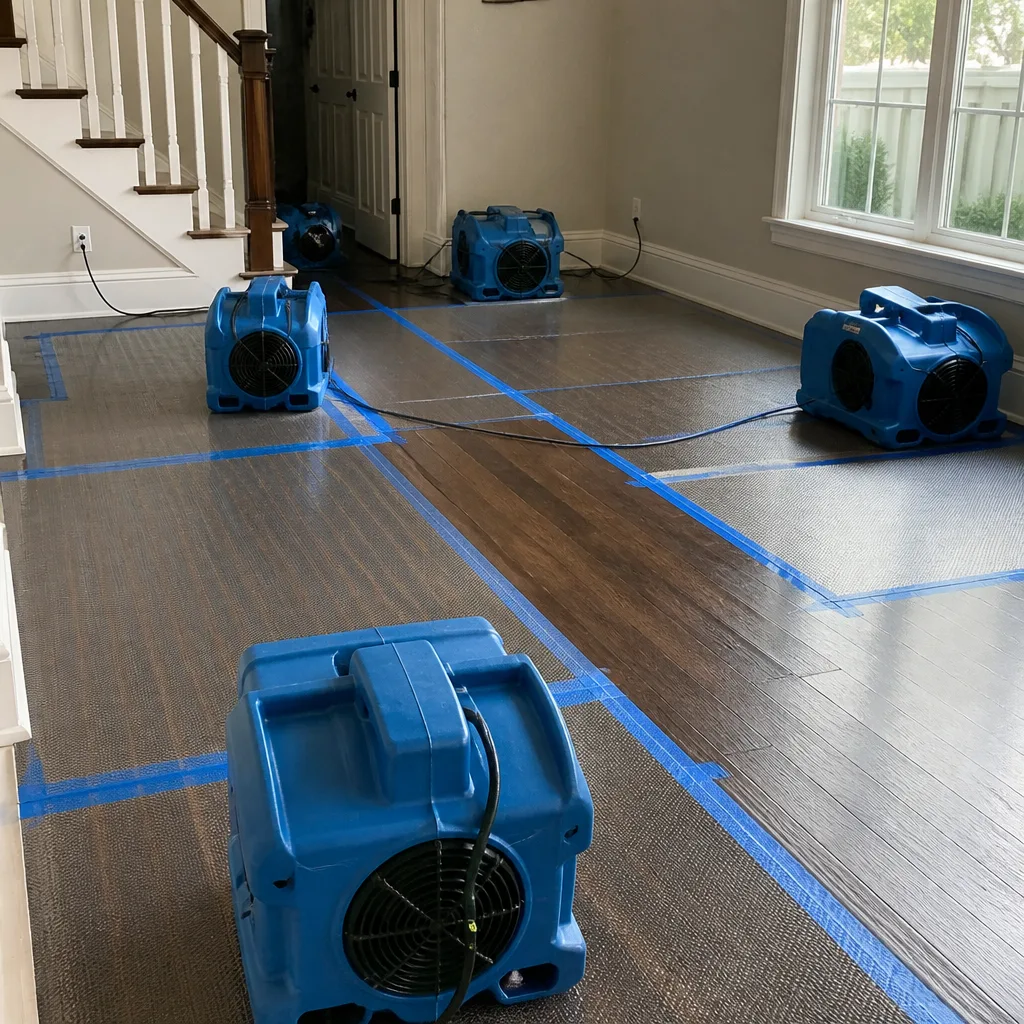
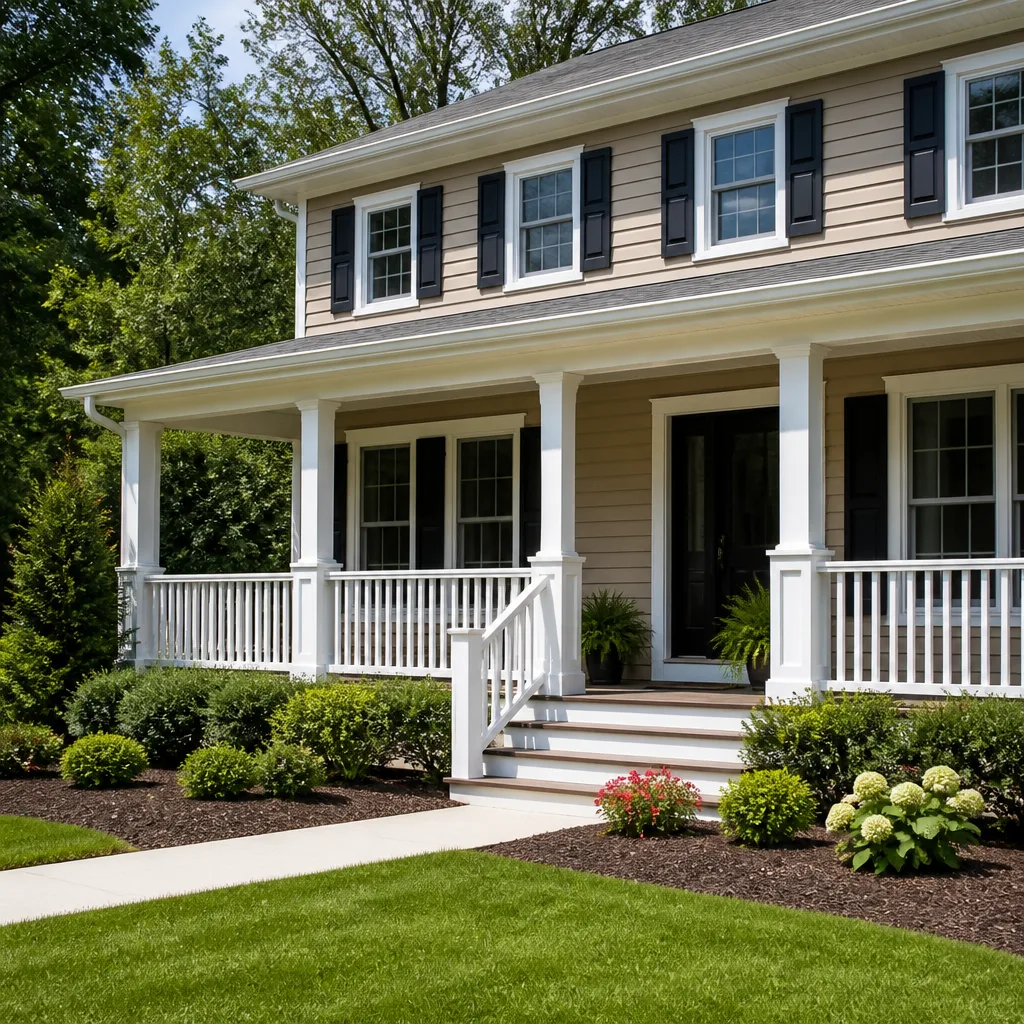
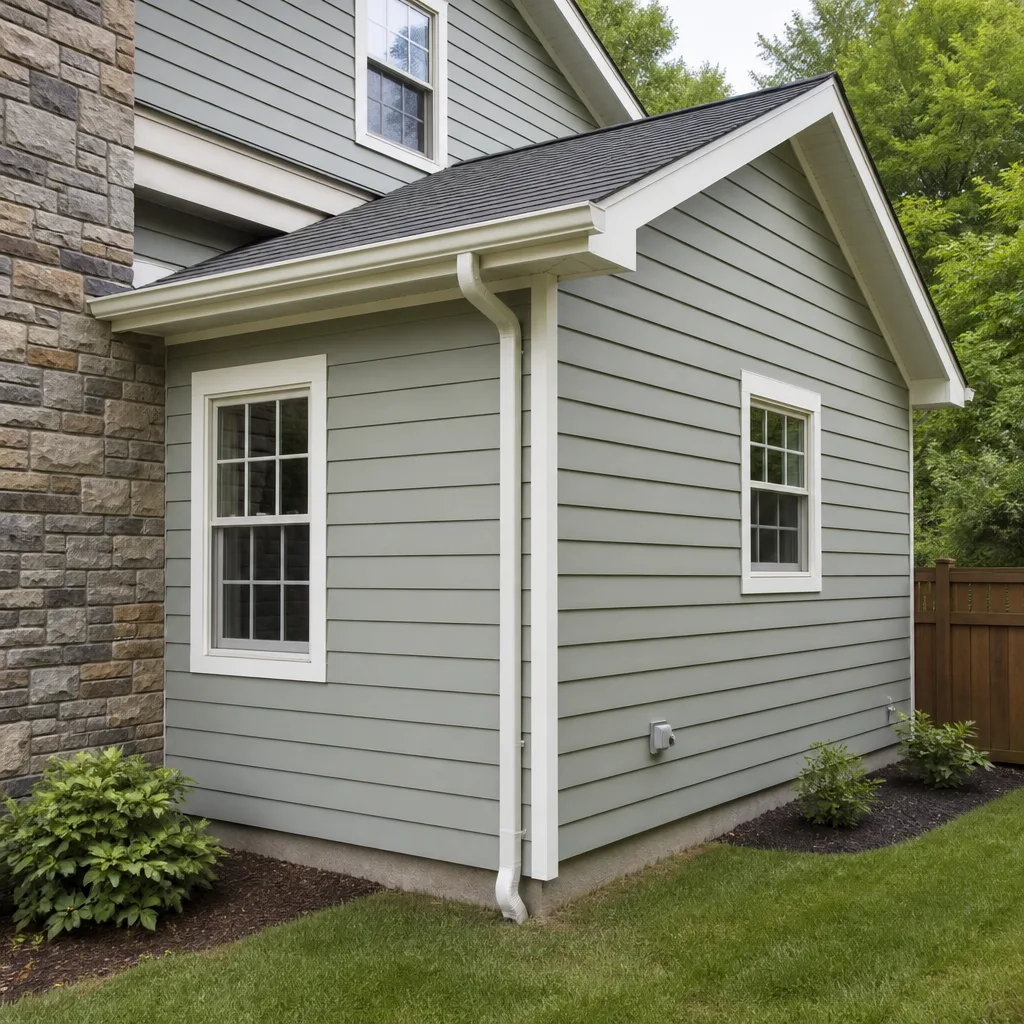
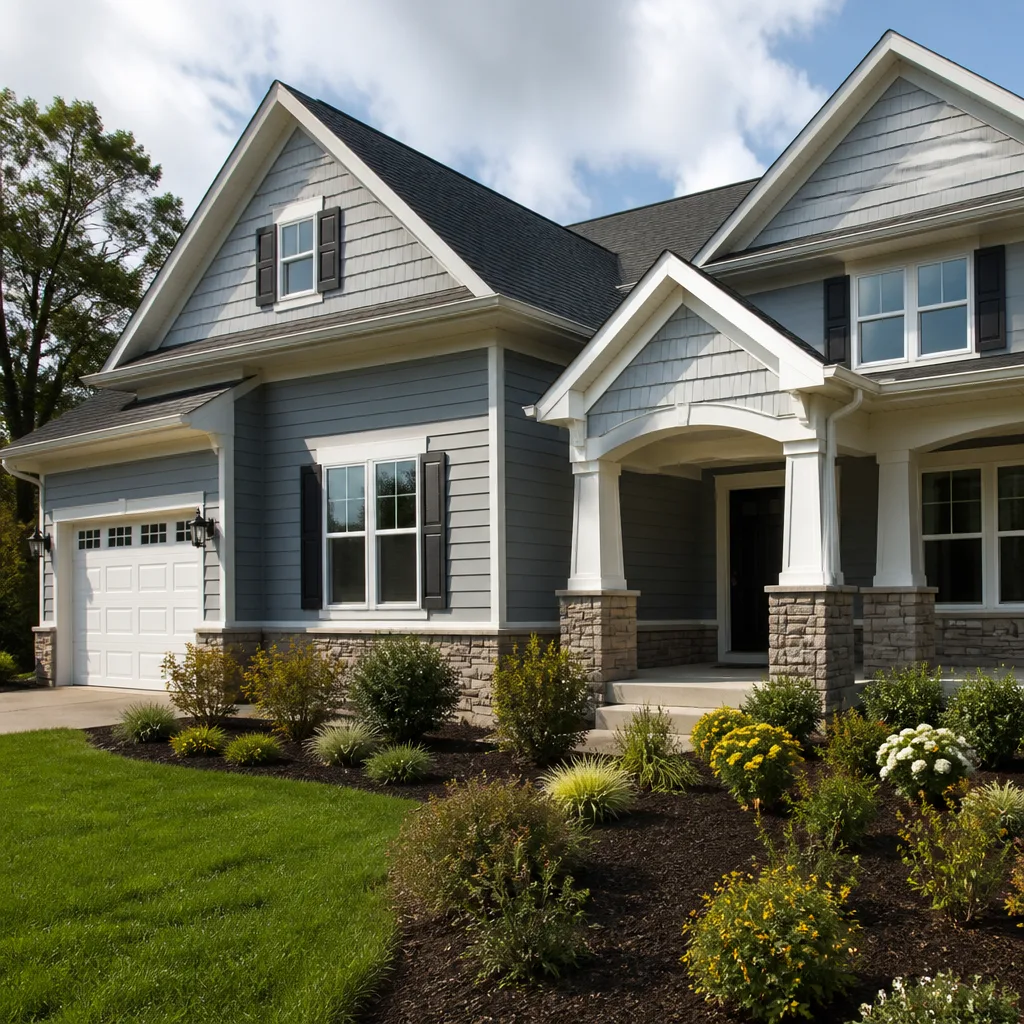
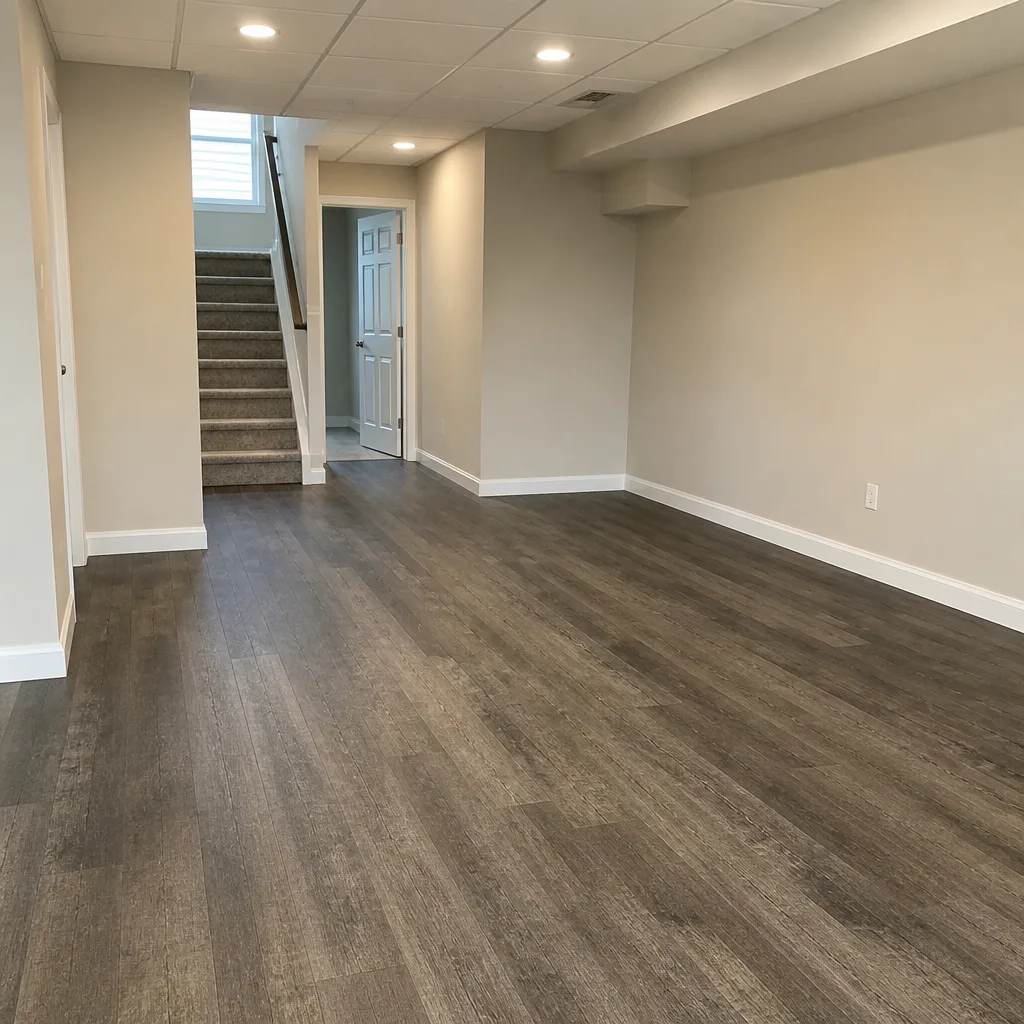
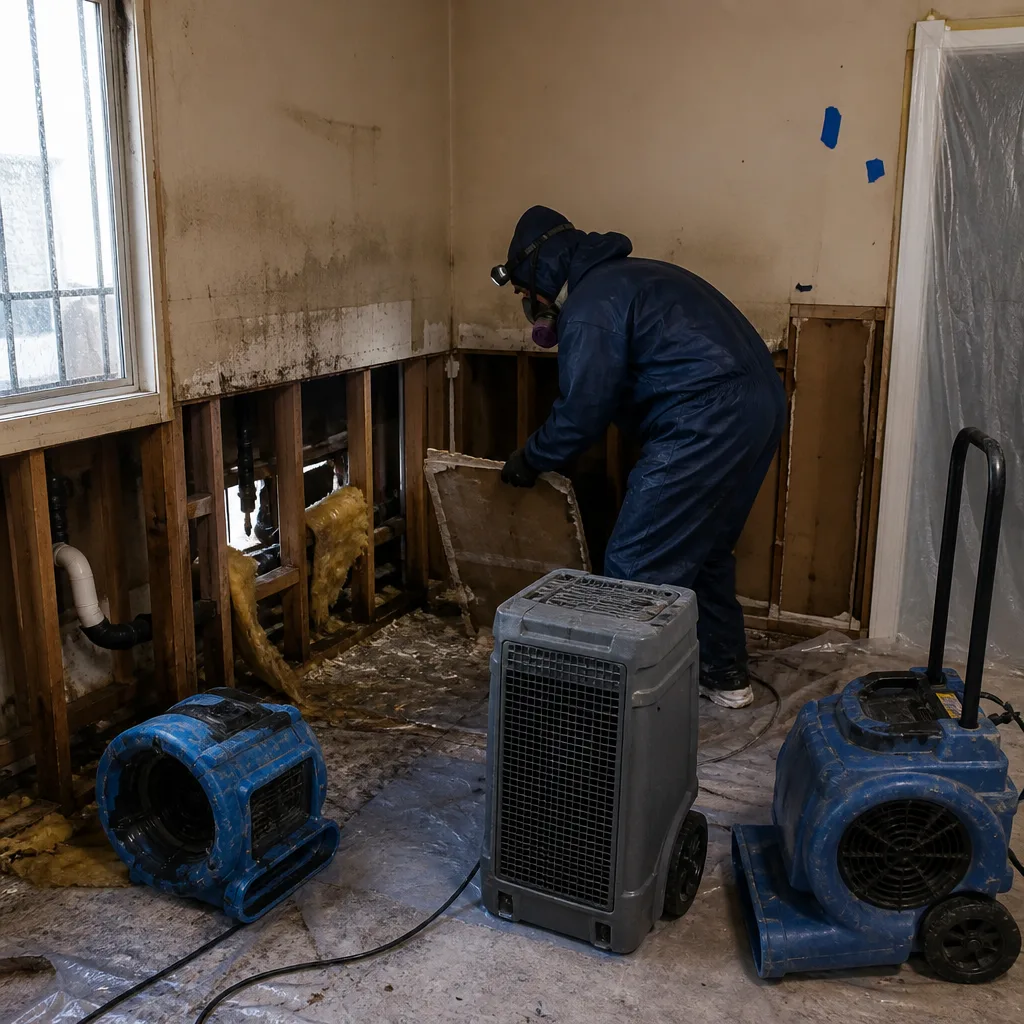 Before
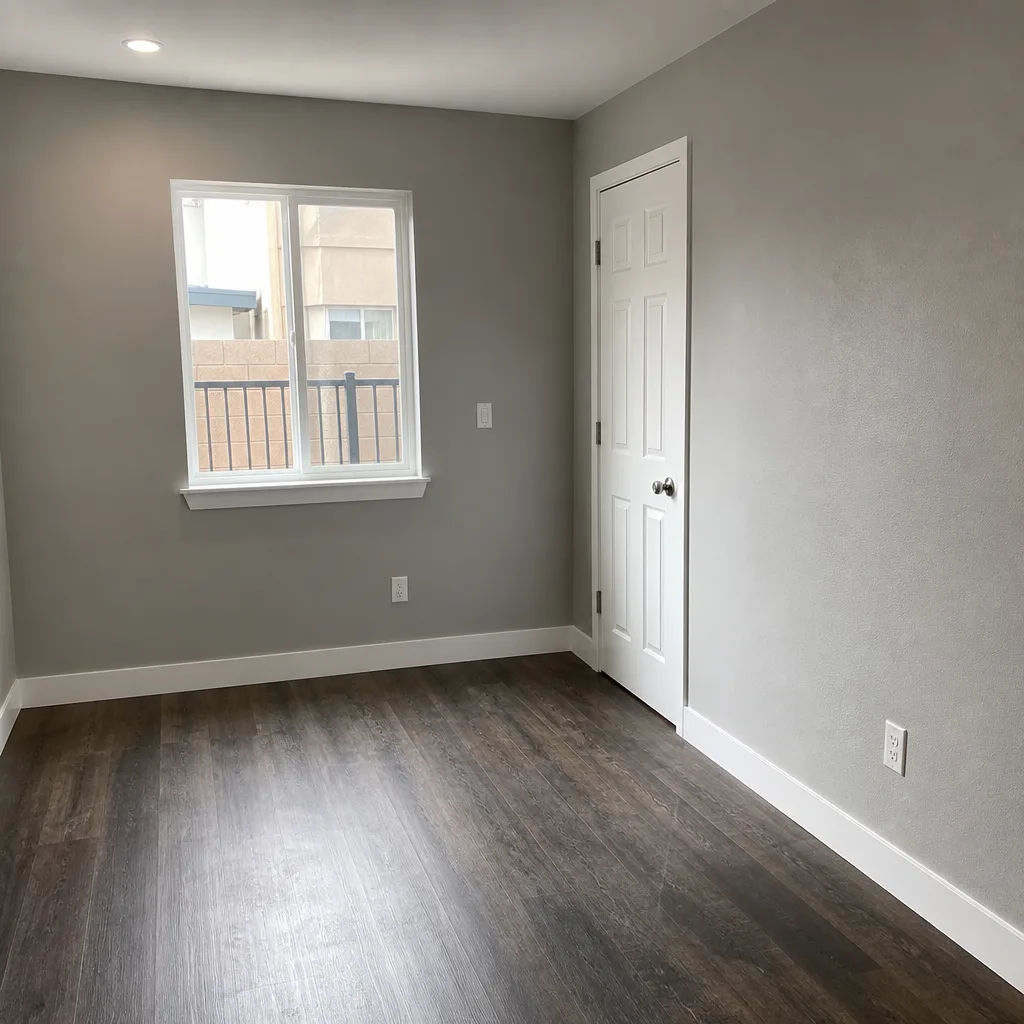 After
After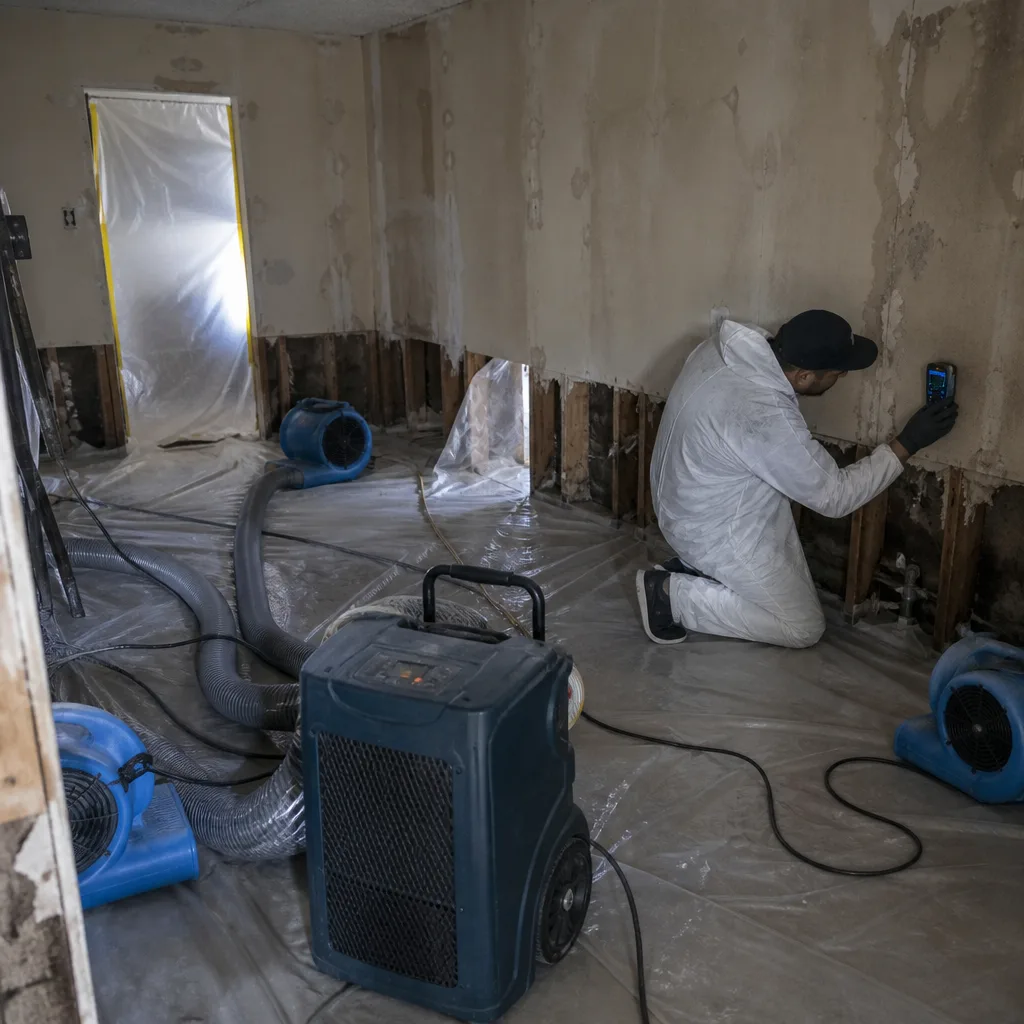 Before
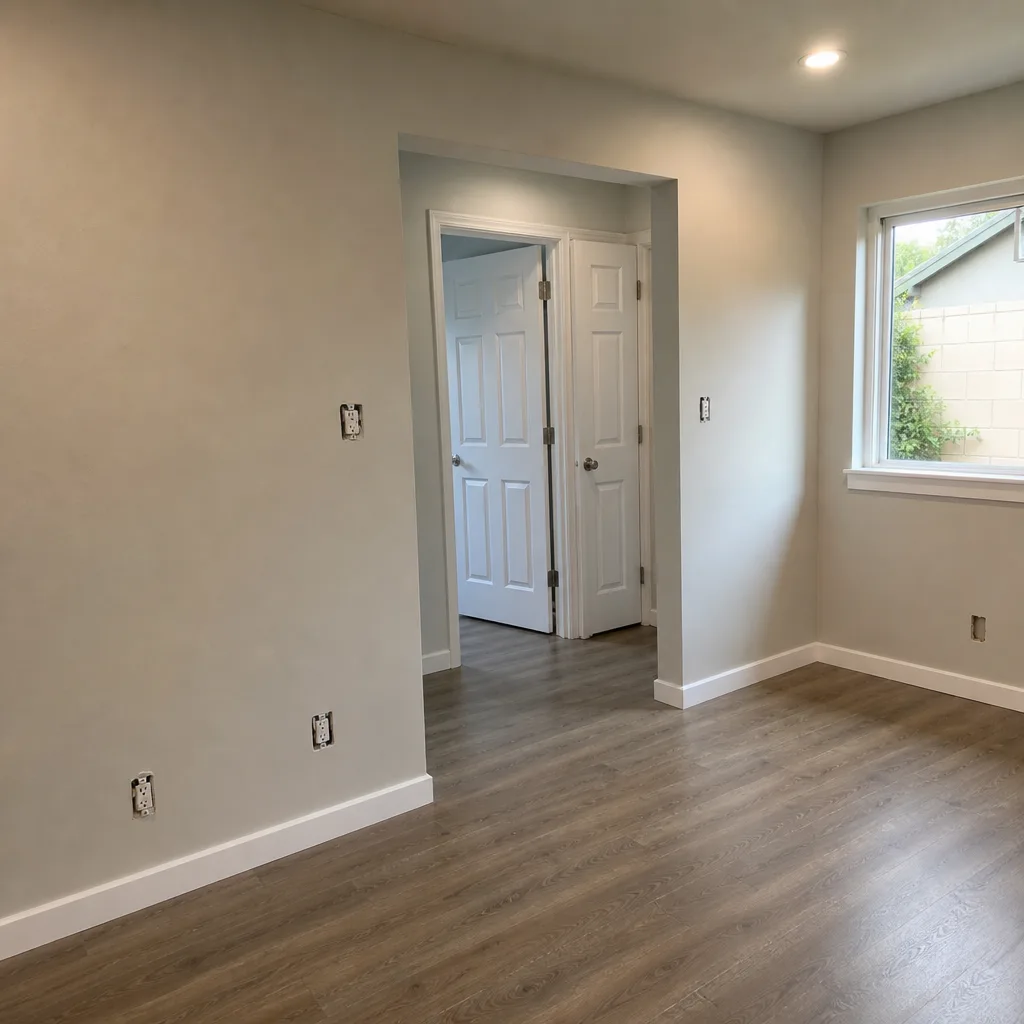 After
After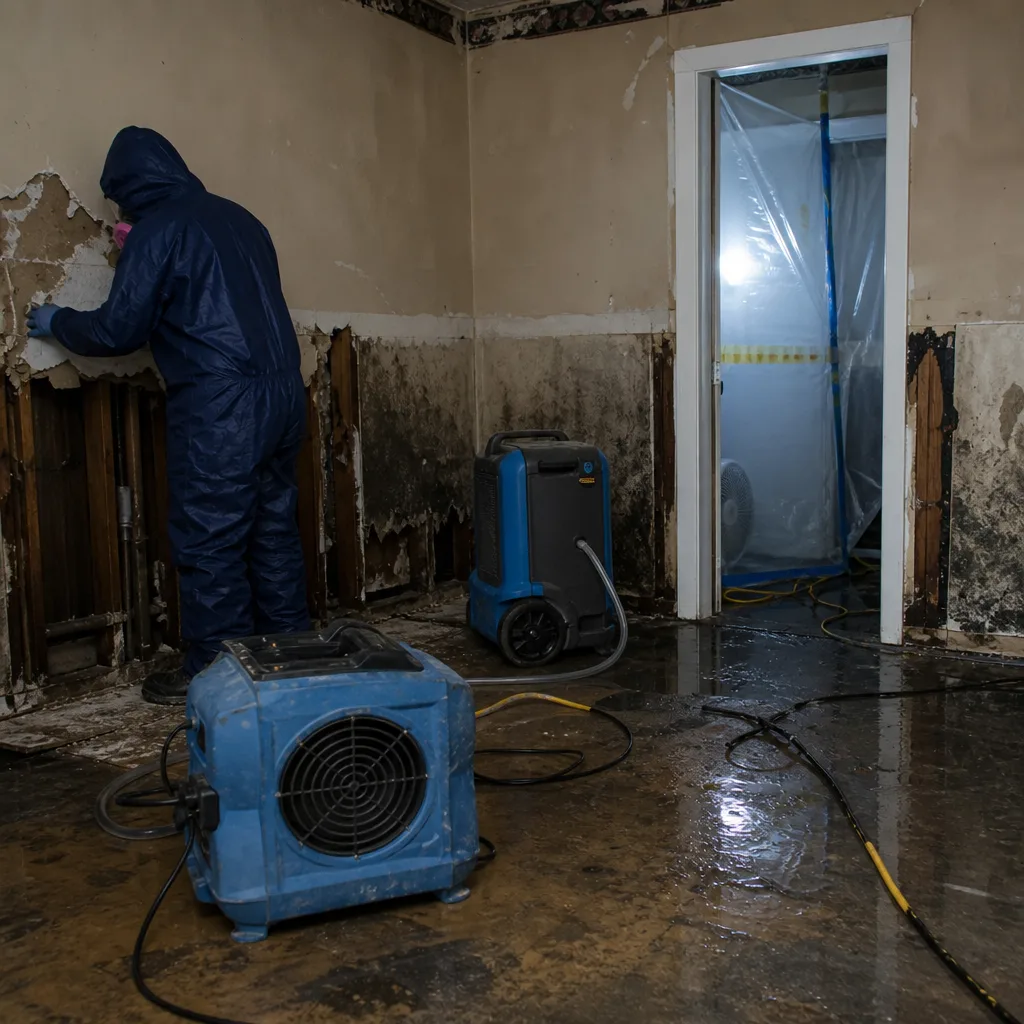 Before
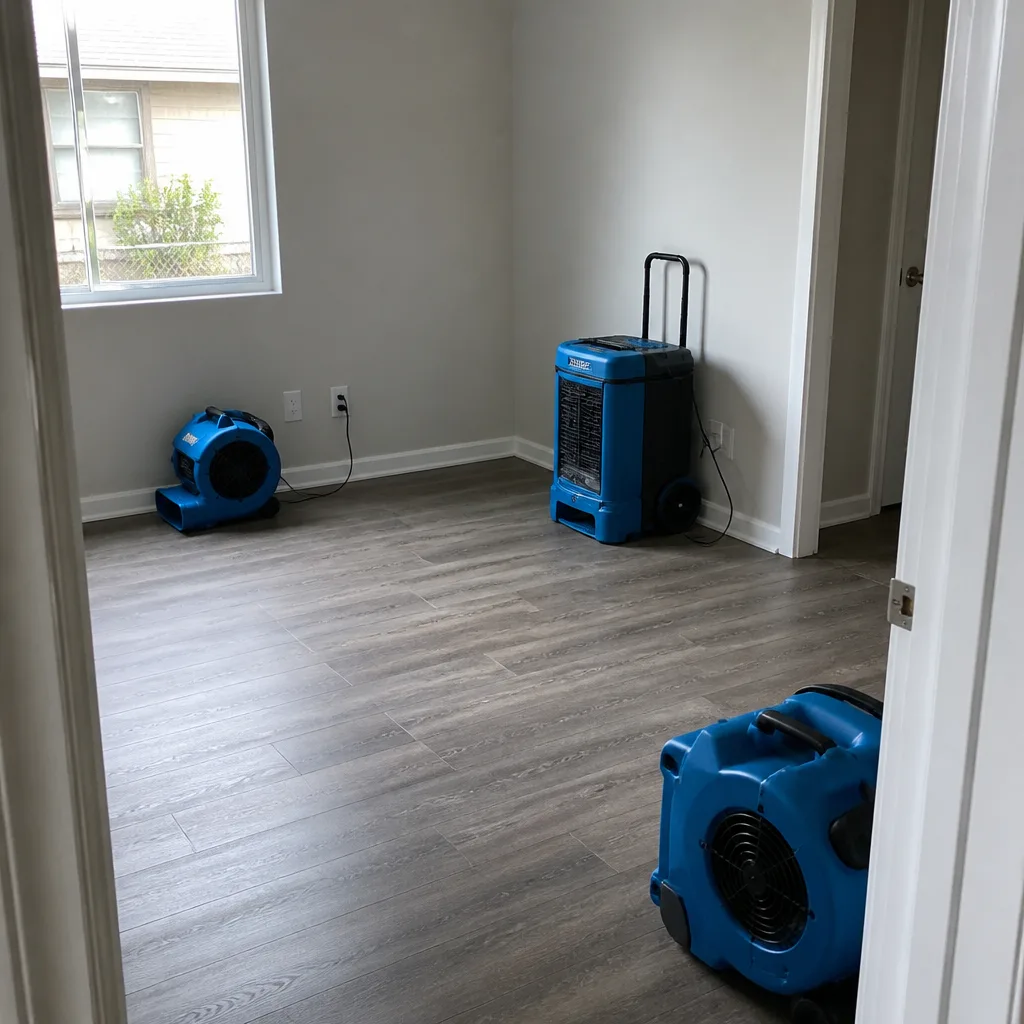 After
AfterDamage Restoration Warning Signs: A Compton Homeowner’s Reference Guide
A brown ceiling stain is an observation. A moisture meter reading of 19% in the drywall above that stain is evidence - and only one of those two things moves an insurance claim forward without a fight. In Compton, where concrete block foundations, galvanized plumbing, and post-war framing meet seasonal Santa Ana dryness followed by winter atmospheric rivers, damage often hides in the gap between what a homeowner sees and what an adjuster can pay for. We’ve restored over 12,000 homes since 2011, and the claims that close fastest share one trait: the homeowner documented a measurement, not just a symptom. This guide ranks twelve warning signs by progression speed and gives you the exact thresholds - moisture percentages, particle counts, structural deflection limits - that turn your smartphone into a first-notice-of-loss recorder. For seasonal damage restoration care for Compton, timing your inspections with weather patterns improves accuracy.
Quick Answer
The most critical damage restoration warning signs in Compton homes are moisture readings above 16% in wood framing, airborne mold spore counts exceeding 1,000 spores per cubic meter, and subfloor deflection greater than 1/360 of the span length. Document each with a timestamped photograph showing the measurement device in frame, and you create an evidence record that satisfies both IICRC documentation standards and California insurance claim requirements.
Table of Contents
- Twelve Warning Signs Ranked by Progression Speed
- Compton-Specific Warning Signs: Local Housing Stock Risks
- How to Document Warning Signs as Insurance Evidence
- California Habitability Law and Your Documentation Obligations
- Warning Signs Contractors Commonly Miss or Defer
- Common Mistakes to Avoid
- When to Call a Professional
- Frequently Asked Questions
BeforeAfterTwelve Warning Signs Ranked by Progression Speed
Not all warning signs move at the same speed. A sagging roofline takes months to develop. A water heater supply line failure can saturate 400 square feet in four hours. We rank these by how quickly observable becomes structural, with the measurement threshold that defines each stage.
Category 1: Hours to Days (Emergency Response Required)
1. Active water intrusion with moisture content above 20% in structural wood
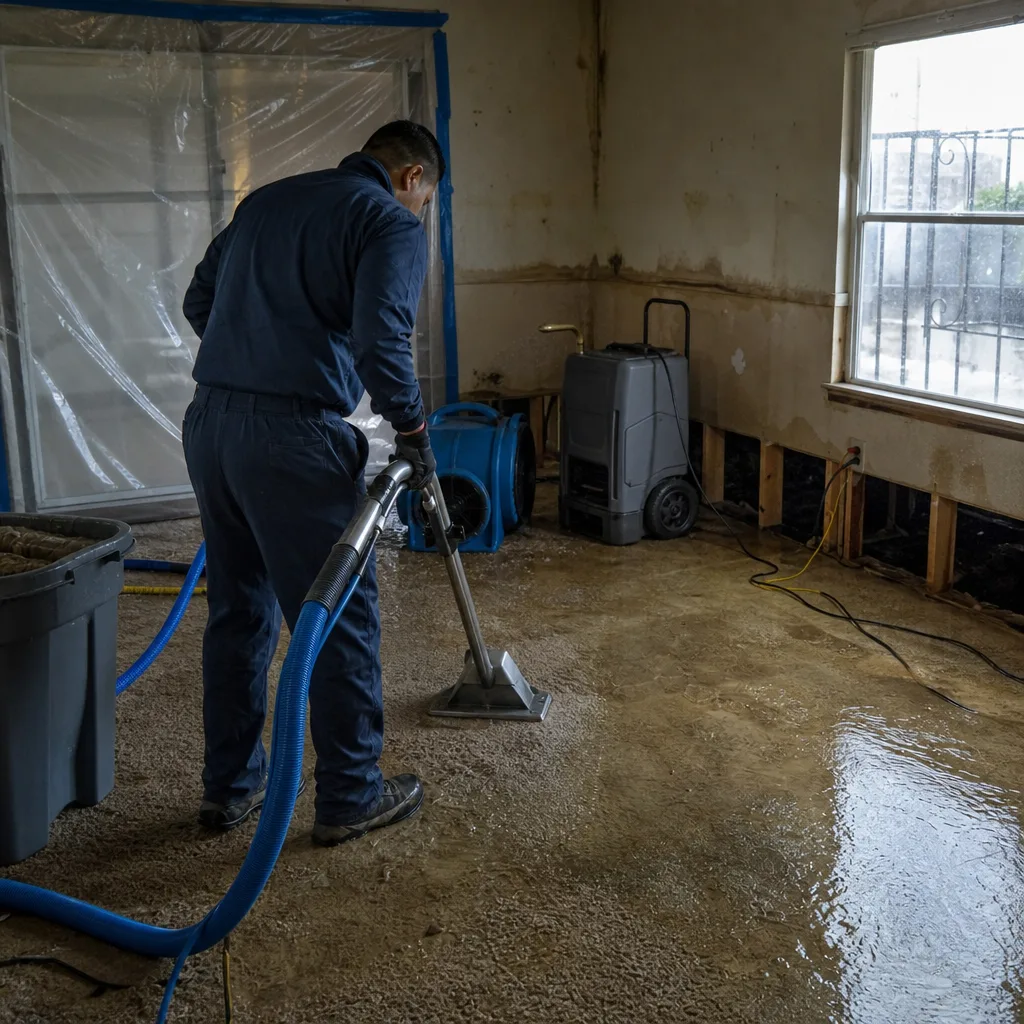
Wood framing at 20% moisture content enters the zone where fungal growth becomes possible within 48 to 72 hours under standard indoor temperatures. At 28%, wood rot organisms activate. The threshold for emergency extraction and structural drying is 16% - that’s the target we set on every water damage restoration in Compton job, documented daily with psychrometric readings until the drying curve flattens.
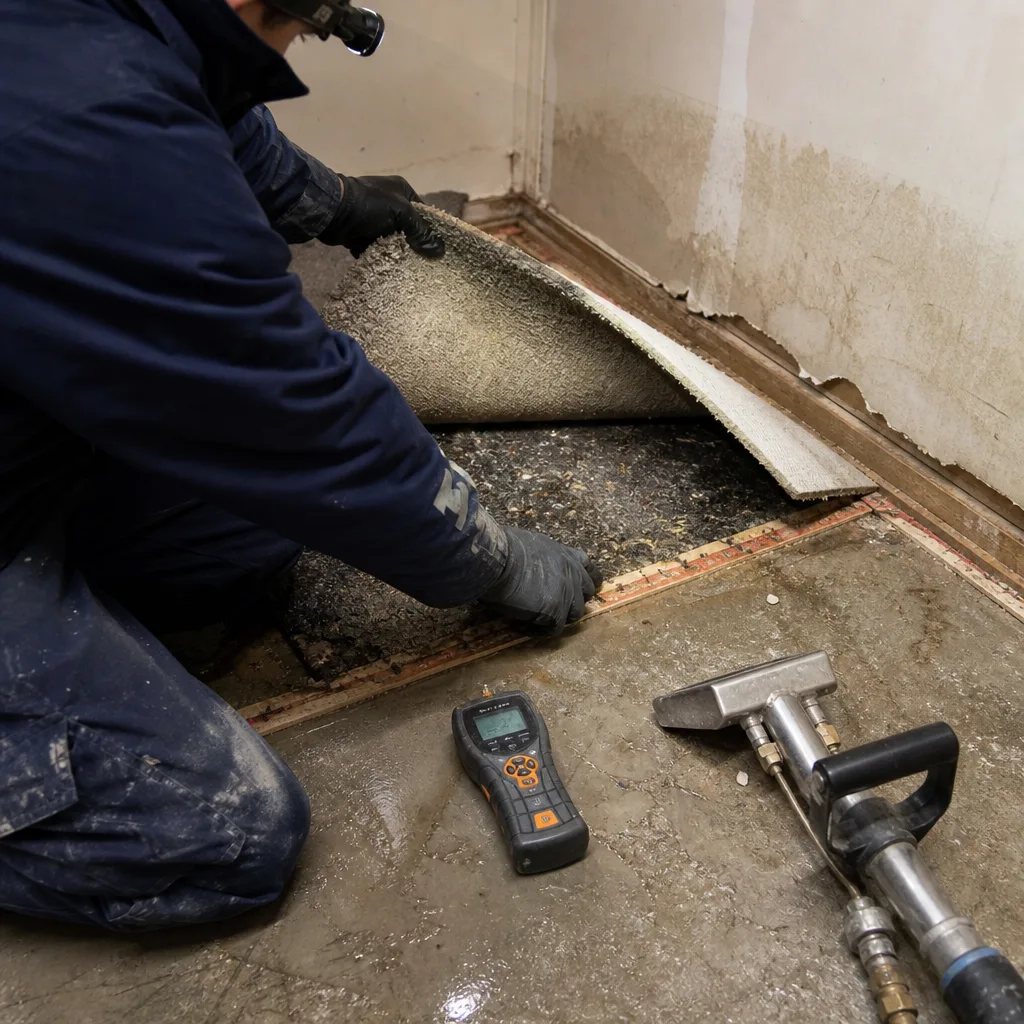
What to measure: Use a pin-type moisture meter on exposed framing. Photograph the meter display with the date stamp visible. At 20% or above, water is still moving through the material and the loss is still developing.
2. Standing water with electrical panel proximity within 6 feet
No moisture meter needed. California Electrical Code requires GFCI protection within 6 feet of water sources, but many Compton homes built before 1993 lack this protection. The measurement here is distance, not moisture. Document with a tape measure in frame.
3. Sewage backup with Category 3 water classification
IICRC S500 defines Category 3 water as “grossly contaminated.” The warning sign is visible: gray or black water with particulate matter. The measurement is bacterial load, which requires lab testing, but the classification triggers immediate evacuation of porous materials. Don’t wait for a lab result.
Category 2: Days to Weeks (Rapid Deterioration)
4. Mold growth with visible colonization exceeding 10 square feet
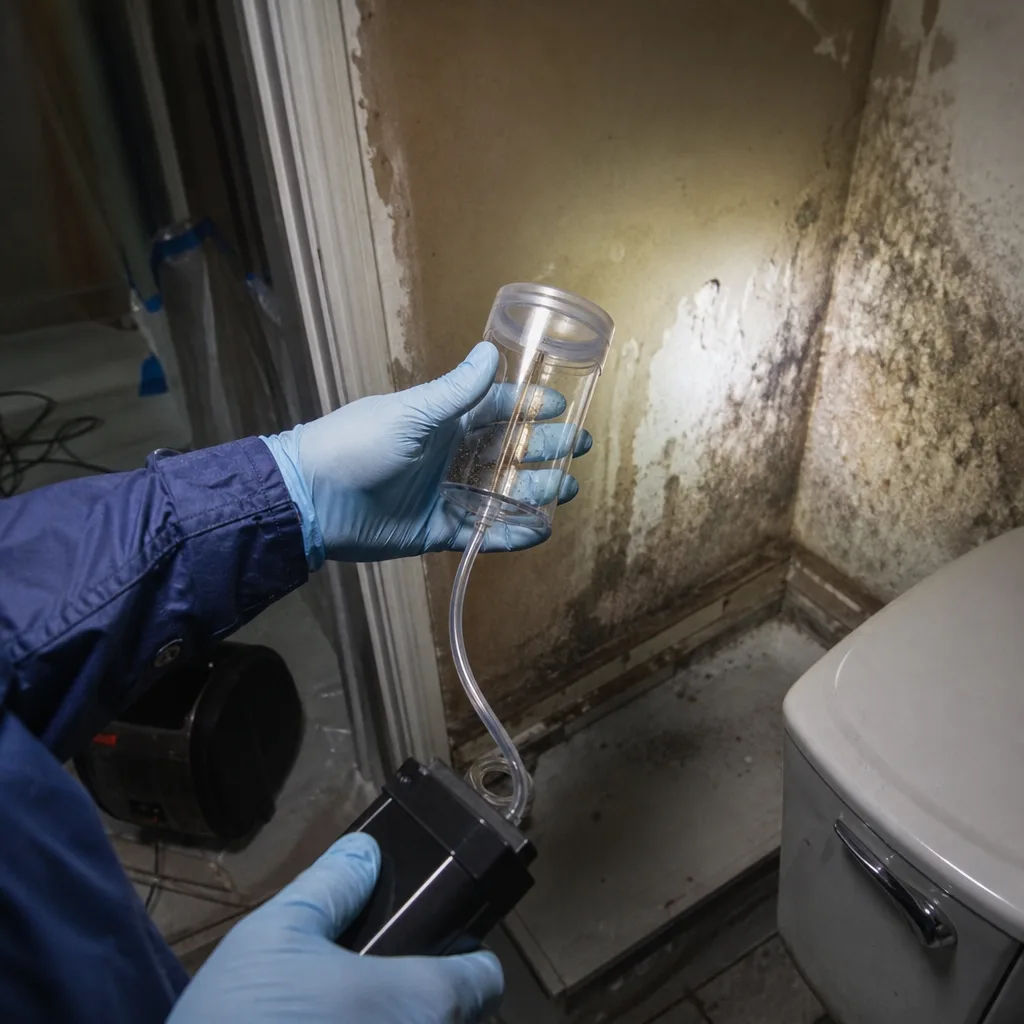
The EPA action threshold is 10 square feet of visible mold. Below this, a homeowner can clean with detergent and water. Above it, professional remediation with containment and negative air pressure is indicated. But the more precise measurement is airborne spore count. In Compton’s climate, where Santa Ana winds drop humidity to 15% and winter storms push it past 80%, mold can aerosolize rapidly when conditions shift.
We use spore trap sampling with laboratory analysis. A reading above 1,000 spores per cubic meter of air, with Aspergillus or Penicillium species dominant, indicates active growth requiring mold remediation in Compton. The outdoor baseline in Compton typically runs 200-500 spores per cubic meter; indoor counts should match or fall below this.
5. Subfloor moisture above 18% with deflection exceeding L/360
L/360 means the floor deflects (sags) more than one three-hundred-sixtieth of the span length under load. For a 12-foot span, that’s 0.4 inches. Combine this with moisture above 18%, and you’re looking at joist fiber saturation. The bounce you feel when walking is structural compromise in progress.
6. Drywall with moisture content above 1% above baseline
Drywall baseline in Southern California is typically 0.5% to 1.0% moisture content. A reading of 2% indicates active water migration. At 5%, the paper facing delaminates. At 10%, gypsum core saturation begins and the material loses structural integrity. We remove drywall above 5% and document the reading with a non-invasive meter on every visit.
Category 3: Weeks to Months (Progressive Damage)
7. Efflorescence on concrete or block walls with moisture readings above 4% in CMU
Concrete masonry unit (CMU) walls, common in Compton’s 1950s-1970s construction, show efflorescence - white crystalline deposits - when moisture migrates through the block and evaporates at the surface. The salt deposits themselves are cosmetic. The moisture driving them is not. A CMU moisture reading above 4% indicates active hydrostatic pressure or capillary wicking, often from failed perimeter drainage.
8. Galvanized pipe corrosion with wall moisture spikes at fixture locations
Galvanized steel supply lines, standard in Compton homes built before 1970, have a functional lifespan of 40-50 years. Interior corrosion reduces flow and eventually breaches the pipe wall. The warning sign is a moisture meter reading that spikes specifically at pipe chase locations - typically 15-25% in drywall adjacent to the pipe, while surrounding areas read normal. This pattern, repeated at multiple fixtures, predicts systemic failure.
9. Fire damage with char depth exceeding 1/8 inch on structural members
Charring depth correlates directly with structural capacity loss. At 1/8 inch char, wood loses approximately 20% of its load-bearing capacity. At 1/4 inch, capacity drops 40%. The visual warning is alligator-pattern charring. The measurement requires probing with an awl or chisel to determine depth. Fire and smoke damage restoration in Compton requires this documentation for structural engineering review.
Category 4: Months to Years (Chronic Conditions)
10. Vapor pressure differential exceeding 0.3 inches of mercury between interior and crawl space
Vapor pressure differential drives moisture migration through seemingly intact barriers. We measure this with digital psychrometers in the living space and crawl space simultaneously. A differential above 0.3″ Hg means moisture is being pulled into the structure continuously, even without a liquid water source. This explains musty odors in dry weather and persistent mold recurrence after remediation.
11. Attic temperature exceeding ambient by more than 20°F with moisture accumulation
Poor attic ventilation creates a solar oven effect. In Compton’s summer, attic temperatures can reach 150°F. When nighttime cooling occurs, this hot, moisture-laden air contacts cooler sheathing and condenses. The warning sign is rusted nail points on the roof deck underside - condensation droplets form on the steel first. The measurement is temperature differential plus relative humidity above 70% in the attic space.
12. Foundation settlement with crack width progression exceeding 1/16 inch per year
Not all cracks are equal. Measure crack width at its widest point with a crack monitor gauge. Document monthly. Progression of 1/16 inch or more annually indicates active settlement, often from soil moisture cycling - exactly what Compton’s clay-heavy soils experience between winter saturation and summer desiccation.
Compton-Specific Warning Signs: Local Housing Stock Risks
Compton’s housing stock carries specific vulnerability patterns that shape what we find on initial inspection. Understanding these local signatures helps homeowners distinguish normal aging from active loss development.
Concrete Block Foundation Efflorescence Patterns
Compton’s Richmond Farms, Sunny Cove, and Leland neighborhoods contain significant concentrations of slab-on-grade and CMU stem wall construction from the 1940s through 1960s. In these homes, efflorescence appears in characteristic patterns:
- Base-of-wall banding: White deposits forming a continuous line 4-8 inches above slab level indicate capillary rise through the block course in contact with soil. The moisture source is usually absent or failed dampproofing on the exterior.
- Corner concentration: Efflorescence clustering at exterior corners signals gutter downspout discharge or grade sloping toward the foundation - both correctable, both commonly missed in standard home inspections.
- Random patch distribution: Scattered deposits without pattern suggest intermittent plumbing leaks within the wall, often from galvanized supply lines embedded in the block cores.
In the Rosecrans corridor, we’ve documented cases where homeowners treated efflorescence as cosmetic for years - a common DIY vs professional damage restoration mistake - only to discover that capillary wicking had saturated the sill plate to 24% moisture content, well into the wood rot activation zone. The repair required partial wall reconstruction, not just cleaning.
Galvanized Pipe Corrosion Signatures
Galvanized supply lines in Compton’s pre-1970 housing develop corrosion in predictable progression. Early stage: reduced flow at fixtures, especially hot water taps, where galvanic corrosion accelerates with temperature. Middle stage: rust-colored water on first morning draw, clearing after 30 seconds of flow. Late stage: wall moisture spikes at multiple fixture locations, indicating pinhole breaches in the pipe wall.
The measurement that matters is flow rate, not just color. A bathroom sink faucet should deliver 1.5 gallons per minute. Below 1.0 GPM with galvanized supply, we recommend camera inspection and prepare documentation for insurance review - because the eventual failure mode is typically a wall cavity flood, not a dripping faucet.
Subfloor Bounce in Post-War Framing
Compton’s rapid post-war construction often used 2×8 joists at 24-inch spacing for spans that current code would require 2x10s at 16 inches. This was standard practice and not defective - until moisture enters the equation. At 18% moisture content, wood loses approximately 2% of its modulus of elasticity for every 1% moisture gain above fiber saturation point. A floor that felt solid at 12% moisture becomes bouncy at 20%.
The homeowner test: place a full cup of water on the floor and walk past it at normal pace. Significant ripple indicates deflection exceeding L/360. Combine this with access to a crawl space or subfloor, and a moisture meter reading above 18% confirms structural compromise requiring drying and potentially sistering or replacement.
How to Document Warning Signs as Insurance Evidence
Insurance adjusters pay for documented events, not suspected conditions. The homeowner who presents a timestamped photograph showing a moisture meter reading of 22% in saturated subflooring has a fundamentally different claim than one who describes “a wet smell in the bathroom.” Here’s how to build that record.
Step 1: Enable Smartphone Metadata
- Open camera settings and confirm GPS tagging is enabled. On iPhone: Settings > Privacy & Security > Location Services > Camera > “While Using App.” On Android: Camera app > Settings > Location tags > On.
- Set date and time to automatic network sync. Manual time settings create authentication challenges.
- For critical documentation, take a screenshot of the phone’s clock display immediately before photographing the damage. This creates a secondary timestamp record.
Step 2: Compose the Evidence Frame
Every documentation photograph should contain three elements: the measurement device showing the reading, the material being measured, and a reference object establishing scale and location. Example: moisture meter probes embedded in baseboard drywall, meter display reading 18.7%, with a recognizable electrical outlet visible for location reference.
Photograph the same location from three angles: close-up of the reading, medium shot showing surrounding context, wide shot establishing room location. This sequence takes 30 seconds and prevents adjuster disputes about what was actually measured.
Step 3: Record the Measurement Log
Create a simple text note for each location documented:
- Date and time
- Room and specific location (north wall, 3 feet from window)
- Device used and measurement type (pin moisture meter, non-invasive meter, humidity sensor)
- Reading obtained
- Environmental conditions if relevant (indoor temperature, recent weather)
Email this note to yourself immediately. The sent timestamp creates an immutable record of when the observation was made. We provide this template to every homeowner who calls us before we’ve arrived on site - it’s that important to claim integrity.
Step 4: Preserve the Physical Evidence
Before any cleanup or drying begins, photograph removed materials with the measurement location visible. A piece of baseboard with a dated moisture reading marked on the back, photographed before disposal, proves the condition at the time of loss. We bag and label such materials on every job, with the photo record cross-referenced to the physical sample.
This documentation protocol, applied consistently, produces the daily drying logs and photo records that turn restoration invoices into payable claims. It’s the foundation of The Haven Standard, and it’s why we can offer Haven Standard, Clause 1: a written price before work begins - because the scope is defined by evidence, not guesswork. See our more guides & resources for additional homeowner protection strategies.
California Habitability Law and Your Documentation Obligations
California Civil Code Section 1941 defines minimum standards for habitability in residential rental properties. Several damage warning signs trigger statutory obligations that affect how restoration must be documented - particularly for landlords, property managers, and sellers.
Habitability Thresholds Relevant to Restoration
Section 1941.1 specifies effective waterproofing and weather protection, plumbing in good working order, heating facilities, and sanitary maintenance. Courts have interpreted these standards to require:
- Structural roofs, walls, and floors that exclude weather and pests
- Hot and cold running water, connected to a sewage disposal system
- Heating capable of maintaining 70°F in habitable rooms under normal winter conditions
- Absence of mold conditions that affect health
When any of these conditions fail, the property is deemed uninhabitable, and specific notice and remedy timelines apply. For restoration documentation, this means:
Mold exceeding 10 square feet in a rental unit: The landlord must provide notice of remediation to tenants under Health and Safety Code 26147. The restoration contractor’s documentation becomes part of that required notice. Incomplete or inaccurate documentation exposes the landlord to tenant claims.
Water damage affecting heating systems: If a furnace or wall heater is inoperable due to water damage, the 30-day repair timeline for habitability begins. Restoration documentation must establish when the system became inoperable and when functional heating was restored.
Sewage backup rendering plumbing unusable: This is an immediate habitability issue. The restoration scope must document not just cleanup but restoration of functional plumbing, with timestamps for each phase.
Seller Disclosure Implications
California Civil Code Section 1102 requires sellers to disclose material defects affecting value or desirability. Water damage, mold, and fire damage are explicitly listed. The warning signs documented by a homeowner - moisture readings, spore counts, char depths - become part of the property’s disclosure history if not fully remediated.
We provide a Certificate of Restoration to every homeowner upon completion, documenting pre-loss condition, scope of work, drying logs or remediation verification, and post-restoration condition. This certificate satisfies disclosure obligations and protects property value. Without it, a future buyer’s inspector who finds residual moisture or concealed mold can reopen a resolved issue.
In Compton’s market, where 2015-2025 purchase prices represent significant equity positions, this documentation protects the investment that the damage threatened.
Warning Signs Contractors Commonly Miss or Defer
Not every contractor assesses comprehensively. Scope limitations - whether from pricing pressure, scheduling constraints, or simple oversight - leave warning signs unaddressed. Homeowners can cross-check any assessment against this list.
The Five Most Common Omissions
1. Moisture in double-stud walls or insulated cavities
Standard moisture meters read surface conditions. A wall with 8% exterior drywall can conceal 35% moisture in the cavity insulation, especially with fiberglass batts that wick and hold water. We use borescopic inspection and thermal imaging to verify cavity conditions, then document with Injectidry system drying when indicated. A contractor who doesn’t open the wall or use thermal imaging hasn’t assessed the cavity.
2. HVAC contamination after water or fire events
Air handlers, ductwork, and evaporator coils collect particulate during loss events. Post-fire, soot and smoke residue in the HVAC system recirculates until cleaned. Post-water, mold colonizes the dark, humid interior of ductwork. We inspect and document HVAC condition on every job; contractors who exclude this from scope leave a contamination reservoir in place.
3. Subfloor conditions under “dry” surface flooring
Tile and luxury vinyl plank can feel dry to touch while the subfloor beneath saturates. We see this frequently after slow leaks from refrigerator supply lines or dishwasher drains. The surface reads normal; the subfloor reads 25%. Only removal of finish flooring or subfloor access from below reveals the true condition. A contractor who won’t verify subfloor moisture is guessing.
4. Vapor barrier integrity in crawl spaces
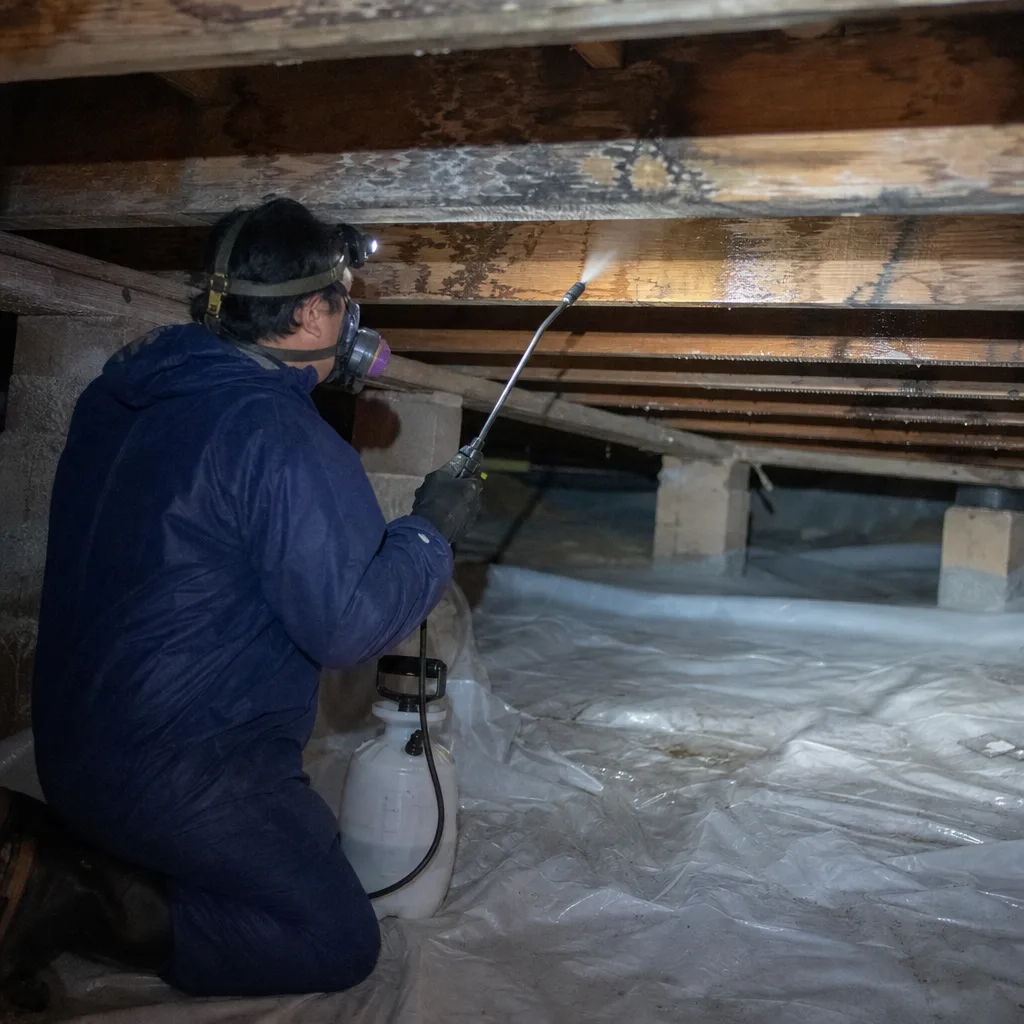
The 6-mil polyethylene vapor barrier on crawl space soil is invisible, easily displaced, and critical to moisture control. We photograph barrier condition, seam integrity, and perimeter sealing on every crawl space inspection. Displacement or deterioration explains recurrent moisture that surface drying doesn’t resolve.
5. Secondary damage from initial drying methods
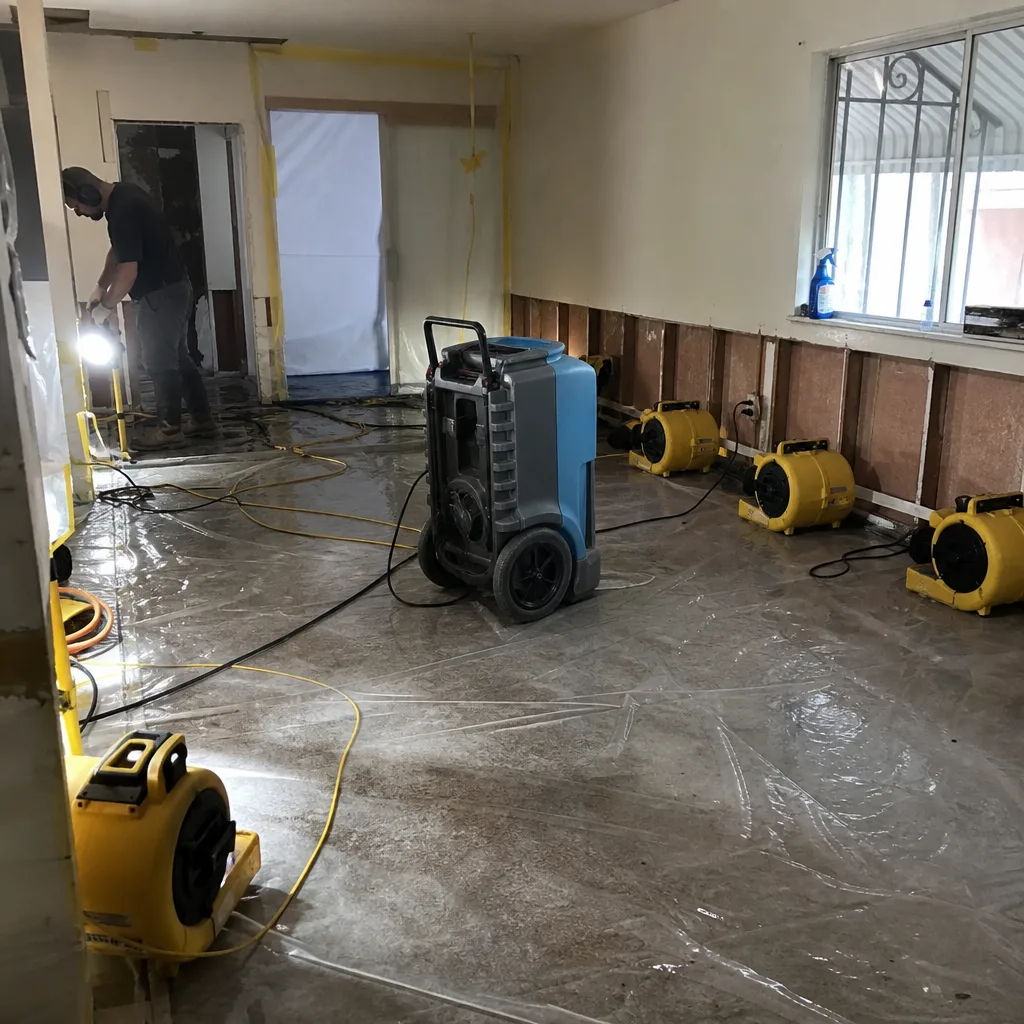
High-velocity air movers, essential for drying, can drive moisture into previously dry materials if not properly positioned and monitored. We document moisture readings in unaffected adjacent areas daily during drying, catching this migration before it becomes a new loss. Contractors without daily logging can’t demonstrate that secondary damage didn’t occur on their watch.
How to Cross-Check Your Contractor
Ask three questions:
- “What was the moisture reading in the cavity, not just the surface?” The answer should be a number, not “it felt dry.”
- “What did the thermal imaging show?” Every water damage assessment should include thermal imaging documentation; temperature differentials reveal moisture patterns invisible to the eye.
- “Show me the drying log from the last job like mine.” A contractor with IICRC-compliant documentation will have this readily available.
At DryMark Restoration Compton, our assessments include all of the above, with the photo record and written scope delivered before any work begins. Haven Standard, Clause 1 exists precisely because we’ve seen what happens when scope is verbal and documentation is absent.
Common Mistakes to Avoid
- Waiting for visible mold before calling. Mold becomes visible at 10 square feet, but colonization begins at 48-72 hours of moisture exposure. By the time you see it, the remediation scope has expanded significantly. Call at the moisture event, not the mold sighting.
- Using bleach on mold. Bleach kills surface growth but leaves roots intact in porous materials. It also adds moisture to the substrate. The correct response is physical removal of affected porous materials and HEPA vacuuming, not chemical treatment.
- Assuming insurance covers gradual damage. Most policies exclude long-term leaks and maintenance issues. The distinction between “sudden and accidental” and “gradual” depends on documentation. A moisture reading log showing rapid spike supports sudden loss; absence of documentation supports denial.
- Accepting a verbal scope or estimate. California contractors must provide a written contract for work exceeding $500. More importantly, a written scope with line-item pricing is the only protection against expansion once work begins. Haven Standard, Clause 1: written price before work starts, every time, no exceptions.
- Ignoring Compton’s soil conditions. The clay-heavy soils in Compton’s older neighborhoods expand when wet and contract when dry. Foundation cracks that open in August and close in February are often dismissed as seasonal, but the cyclic stress damages waterproofing and creates entry paths for moisture. Measure crack width monthly, seasonally, to distinguish movement from progression.
- Discarding damaged materials before documentation. Insurance adjusters need to see what was removed to verify scope. Photograph everything before disposal, with measurements visible. We provide disposal documentation as a standard deliverable; contractors who don’t are creating future claim problems.
When to Call a Professional
Call when any Category 1 warning sign appears: moisture above 20% in structural wood, standing water near electrical, or Category 3 water contamination. These conditions progress in hours, not days, and delay increases scope exponentially.
Call when you cannot access the moisture source or affected cavity. Surface drying without cavity verification leaves hidden damage in place.
Call when the warning sign involves habitability: heating failure, sewage backup, or mold exceeding 10 square feet in a rental unit. Statutory timelines apply, and documentation requirements are specific.
Call when you have documentation that doesn’t match your contractor’s assessment. A second opinion is free - we review any competitor’s written estimate at no charge, and we’ll show you what we find with the same meters, the same thermal imaging, and the same written scope we use on every job.
DryMark Restoration Compton offers free estimates in Compton. Our live phone coverage has no voicemail trees and no next-business-day callbacks while water is still moving. Call (628) 226-1011.
Frequently Asked Questions
Initial assessment and written estimate are free at DryMark Restoration Compton. The assessment includes moisture mapping with pin and non-invasive meters, thermal imaging documentation, and a written scope with line-item pricing before any work begins. Haven Standard, Clause 1 requires this; we do not charge for the evaluation that produces it.
Coverage depends on whether the damage was “sudden and accidental” versus gradual. Your documentation determines which category applies. Timestamped moisture readings showing a rapid spike support sudden loss; absence of documentation supports the inference of gradual damage. We document every job to IICRC and RIA standards specifically to support this distinction. Call (628) 226-1011 and we’ll review your policy language with your documentation.
Our emergency response targets arrival within 90 minutes for active water intrusion, Category 3 contamination, or fire damage with structural compromise. Live dispatch answers every call, 24 hours a day, 7 days a week. For non-emergency assessments, we schedule within 24 hours. The speed of response should match the speed of damage progression - emergency for Category 1, scheduled for Category 3 and 4 conditions.
At 10 square feet or less of visible mold on a hard surface, detergent cleaning is adequate. Above 10 square feet, or any mold on porous material (drywall, carpet, insulation), professional remediation with containment and air filtration is indicated. The more precise answer comes from air sampling: spore counts exceeding 1,000 per cubic meter with indoor levels significantly above outdoor baseline require professional intervention regardless of visible area. We provide both surface and air assessment to answer this definitively.
We coordinate directly with adjusters as part of our standard service. This includes photo documentation formatted for claim submission, daily drying logs, written scope revisions if hidden damage is found, and direct communication about coverage questions. Our documentation is built to the standards that adjusters recognize - IICRC, RIA, and IFA - because the company was founded by a former adjuster who understood what makes a claim payable.
Photograph the water source or damage origin, the extent of visible water or staining, any damaged personal property with identifying features, and the surrounding unaffected areas for comparison. Enable GPS tagging and date stamping. If you have a moisture meter, photograph the reading with the measurement location visible. This creates your first-notice-of-loss record before any work alters the scene. We preserve and supplement this documentation; we never replace it.
The Bottom Line
Warning signs are only useful when they produce action and documentation. In Compton’s specific housing stock, the critical thresholds are: 16% moisture in wood framing as the drying target, 20% as the emergency threshold; 1,000 spores per cubic meter as the mold remediation trigger; L/360 floor deflection as the structural compromise indicator; and 1/16 inch annual crack progression as the active settlement threshold. Document every reading with timestamped photographs, preserve physical samples, and demand written scopes with line-item pricing before any work begins. The claims that close fastest and the homes that restore completely share one trait: evidence preceded action, and action was documented throughout.
Written by Alicia Brennan, Owner at DryMark Restoration Compton, serving Compton since 2011.