
Last updated September 23, 2026
Free visual inspection and a written scope of work before any mitigation begins - photos, moisture readings, and drying logs go in your claim file
The scope we write is the scope we bill. Anything new gets shown to you, in writing, before we touch it.
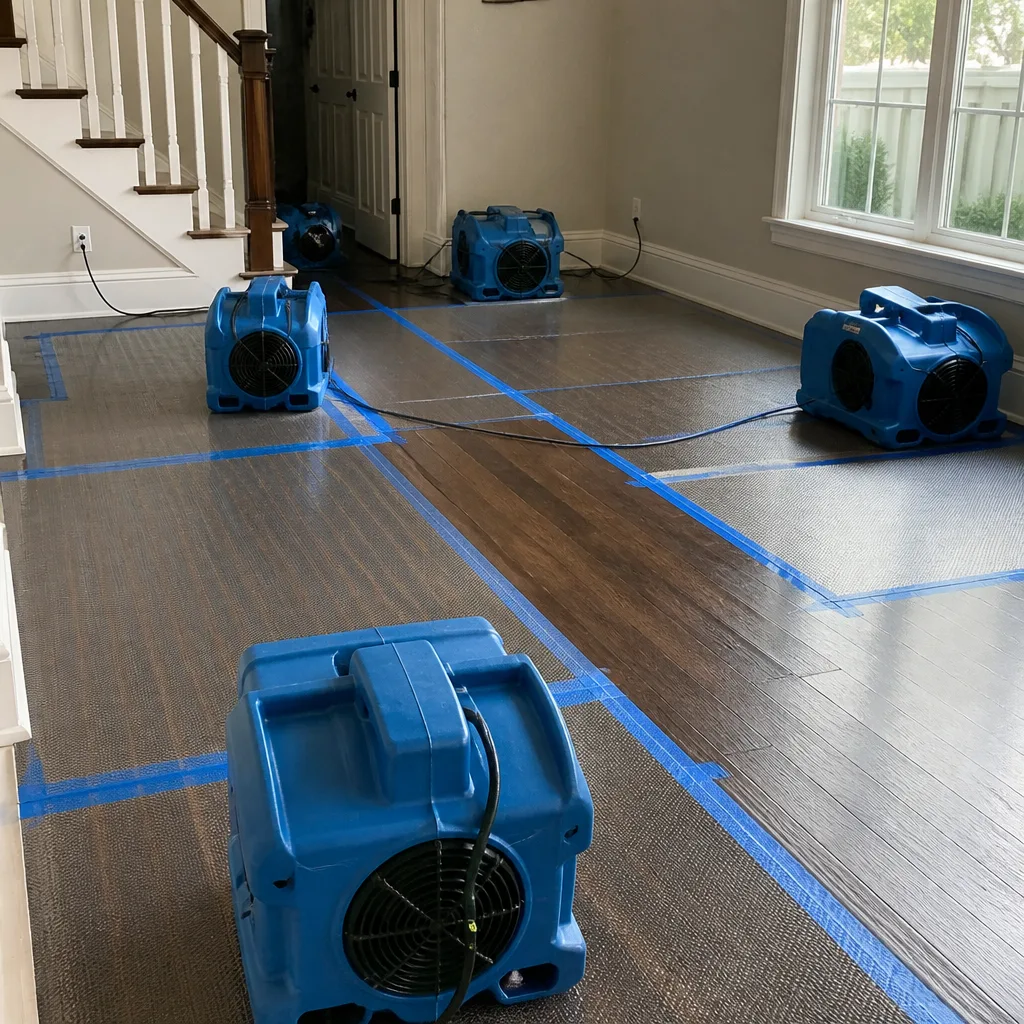
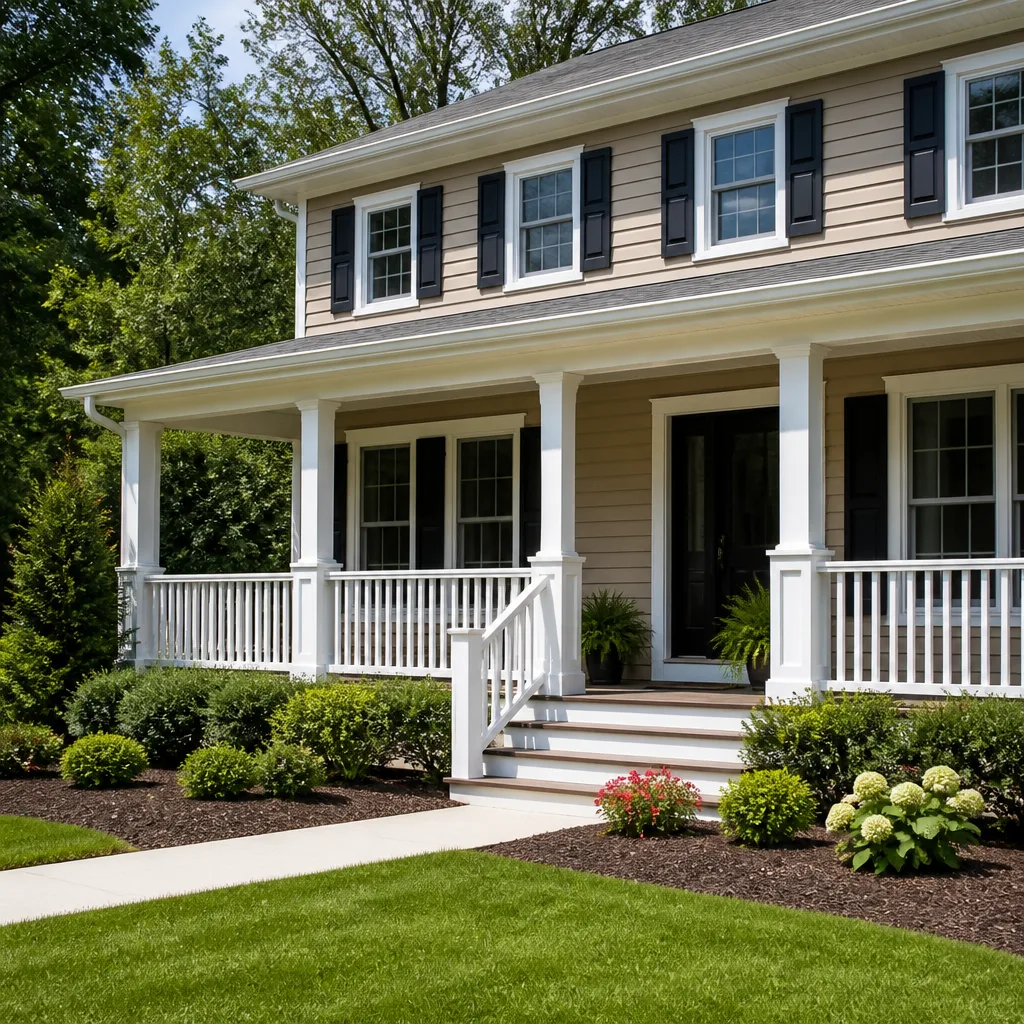
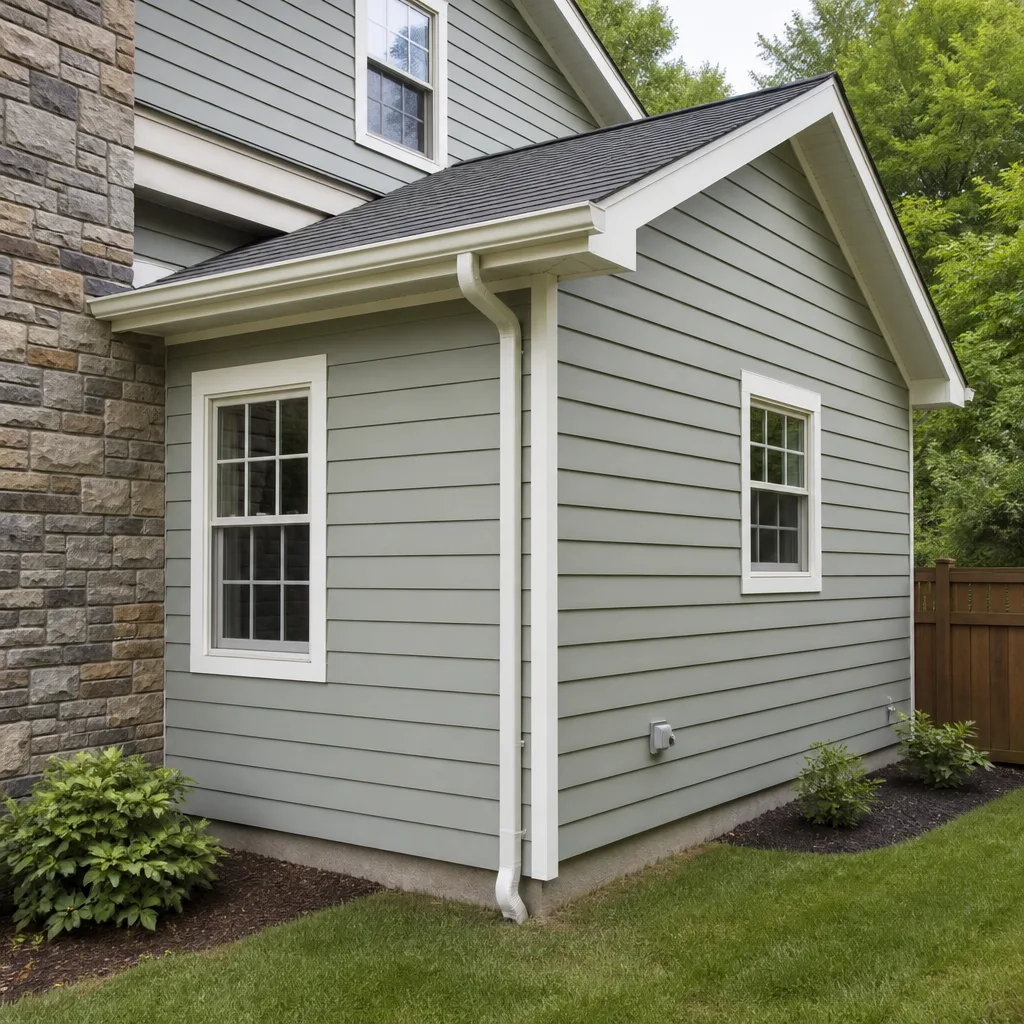
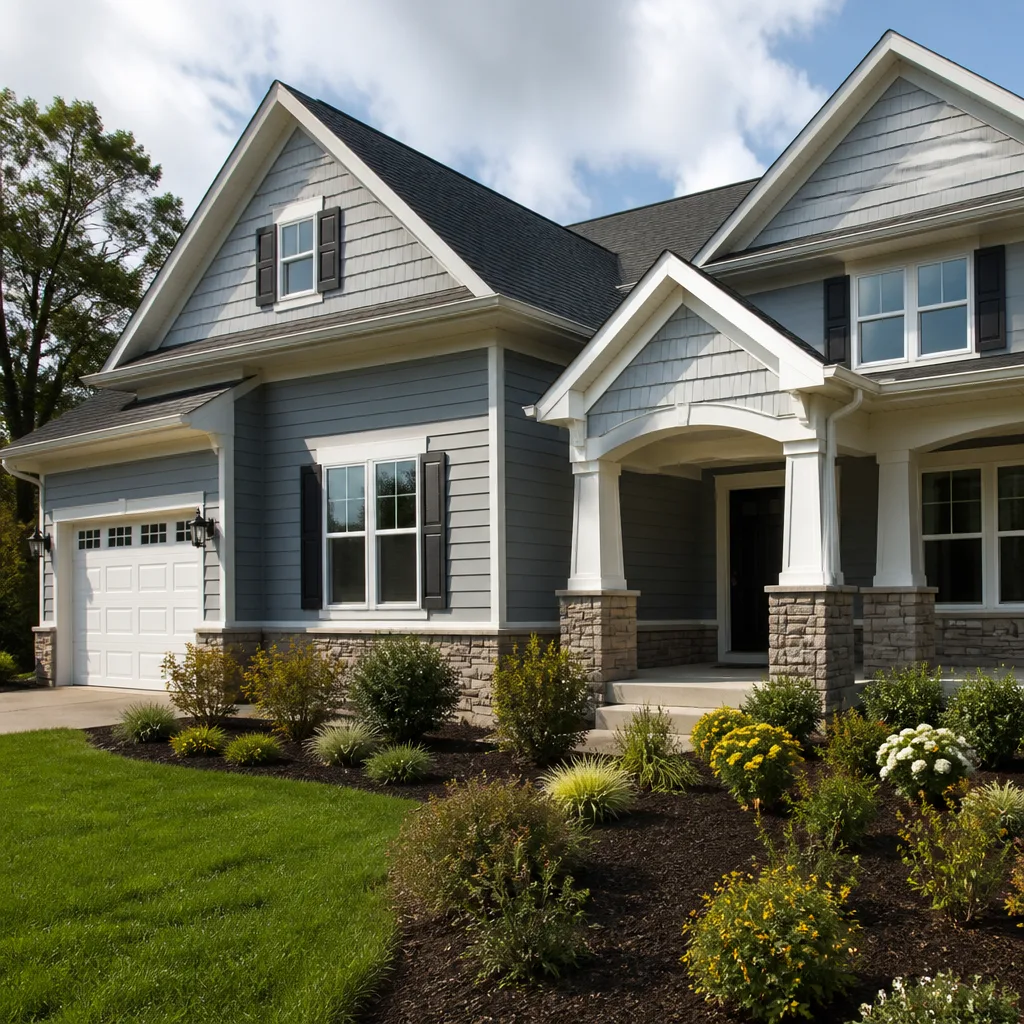
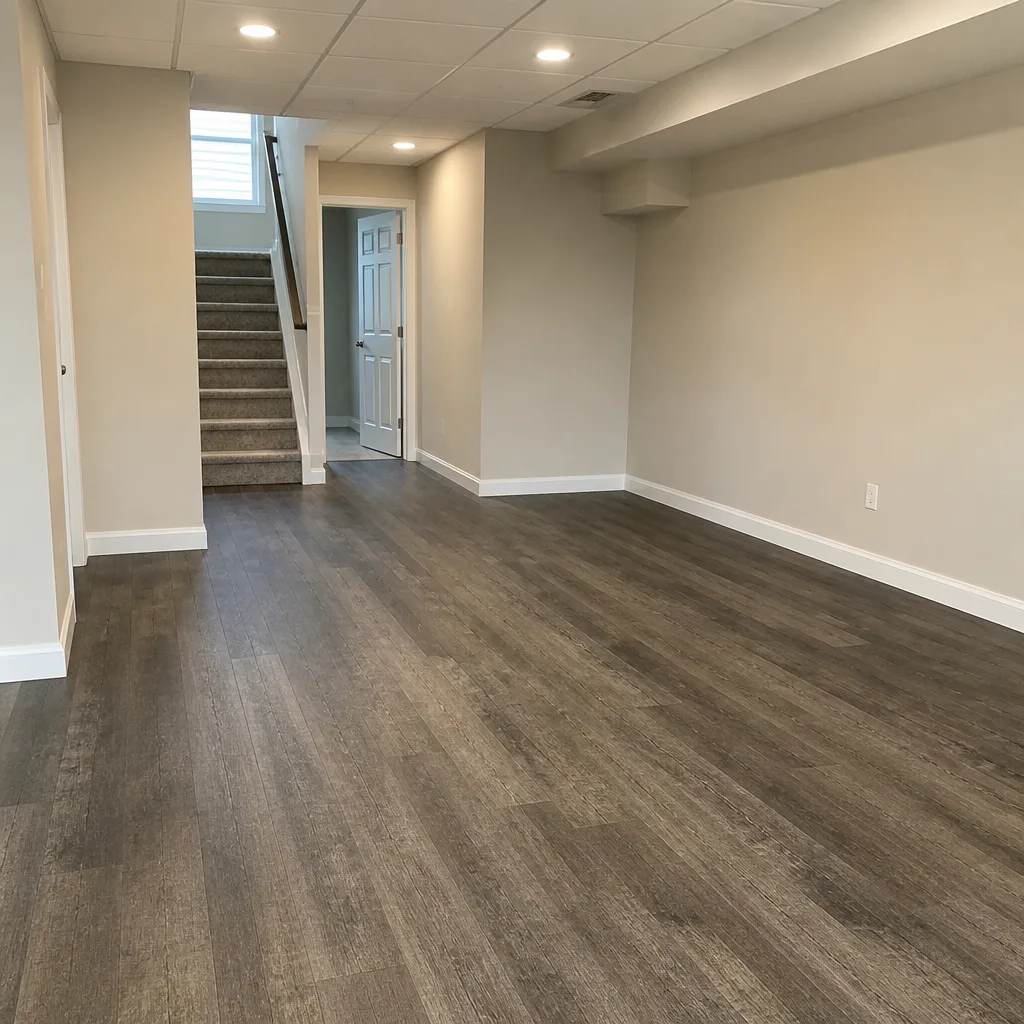
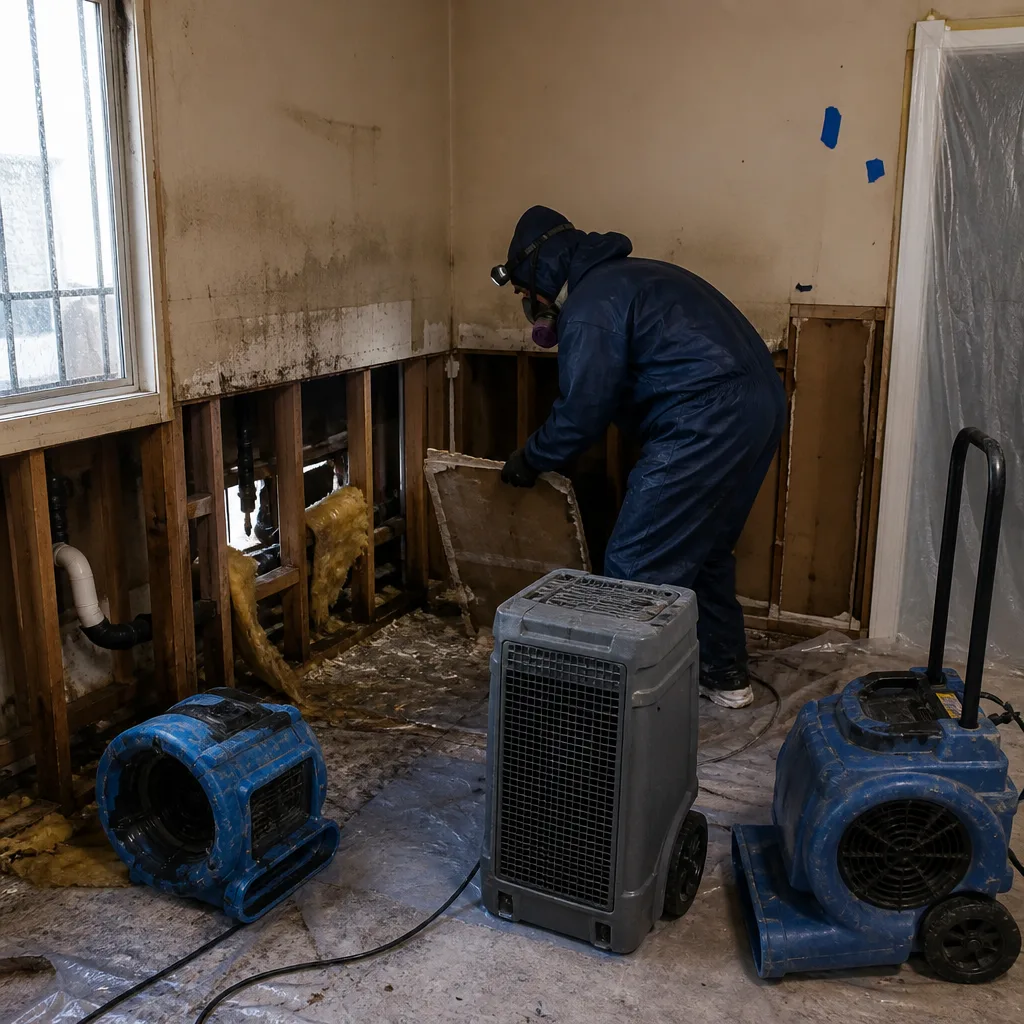 Before
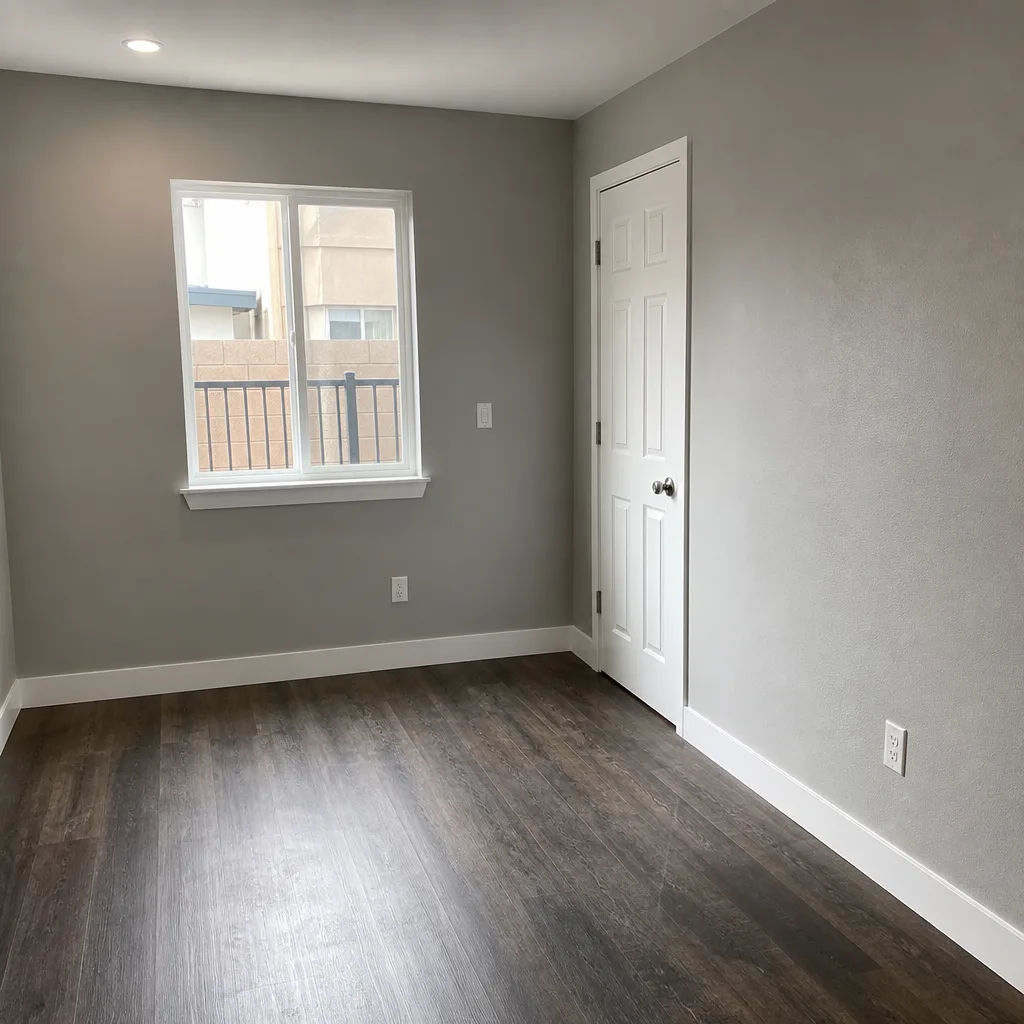 After
After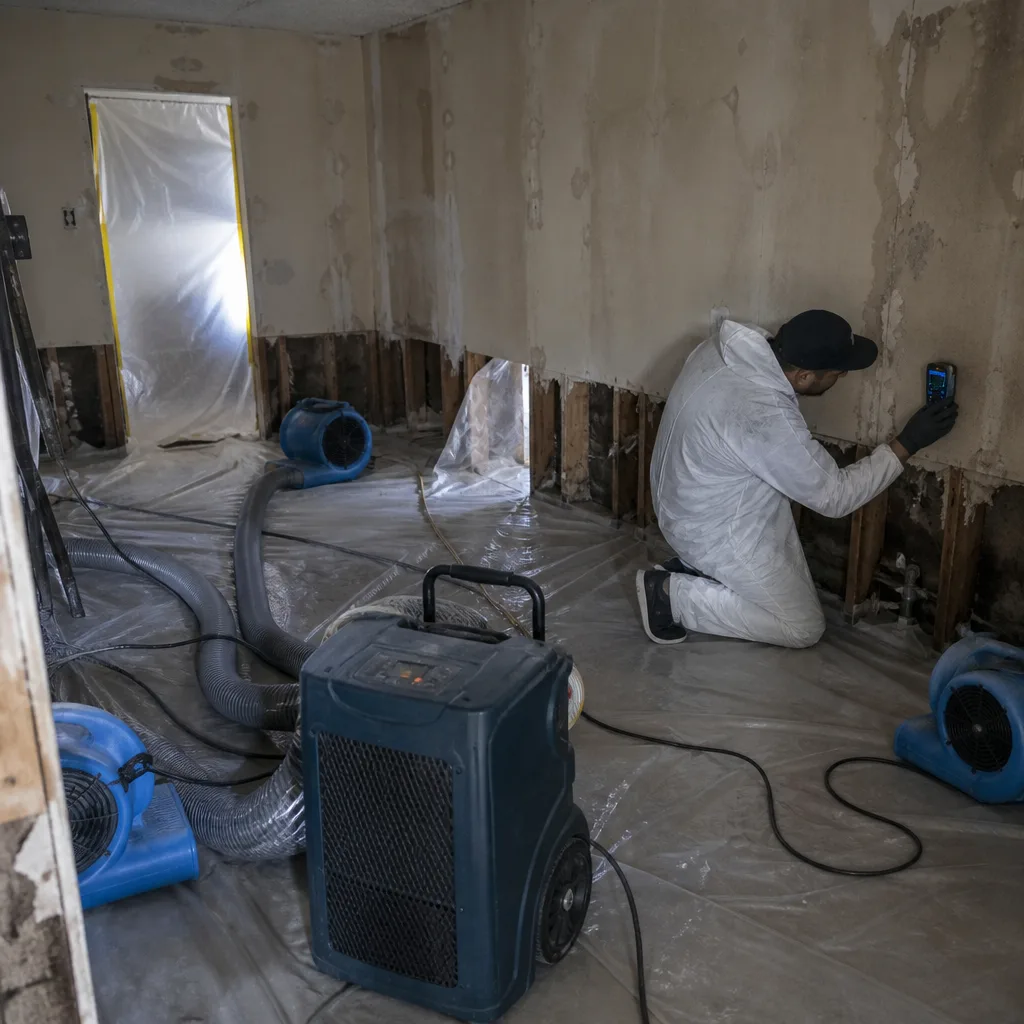 Before
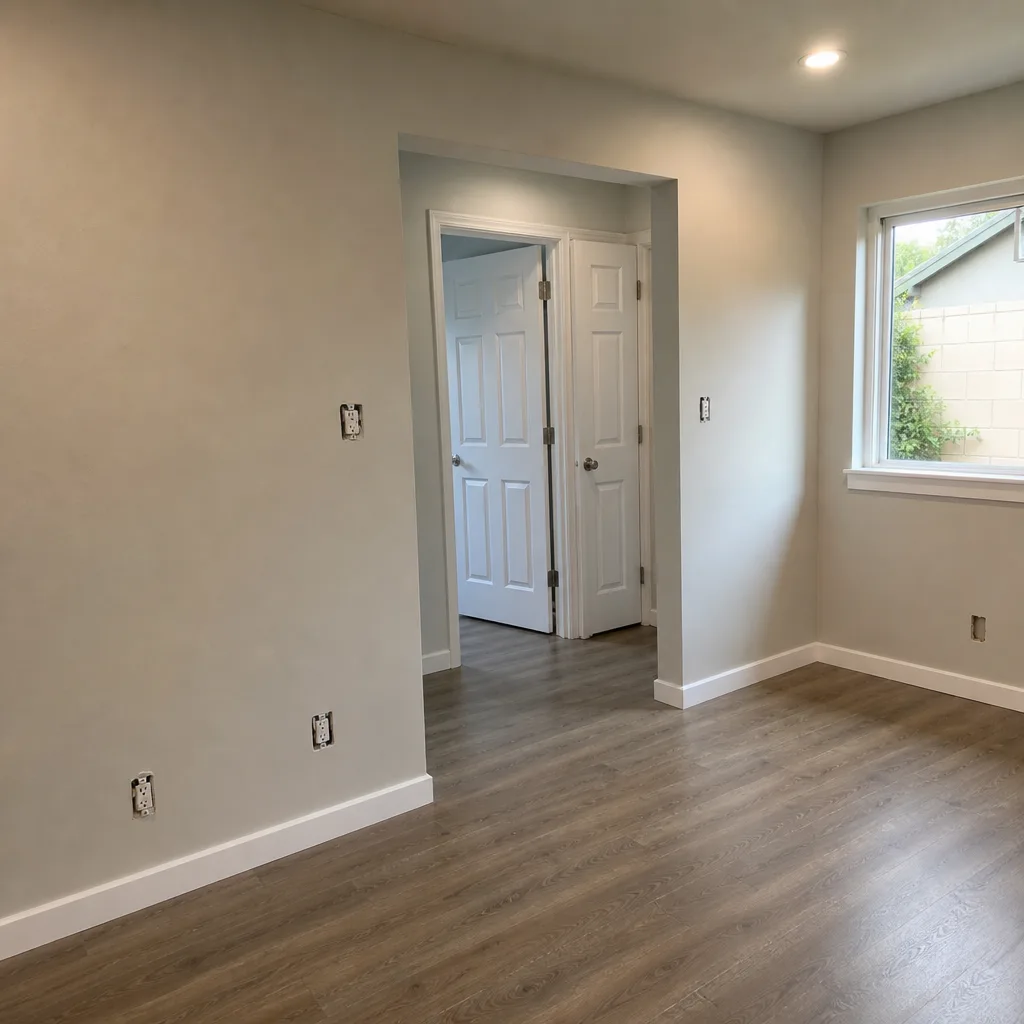 After
After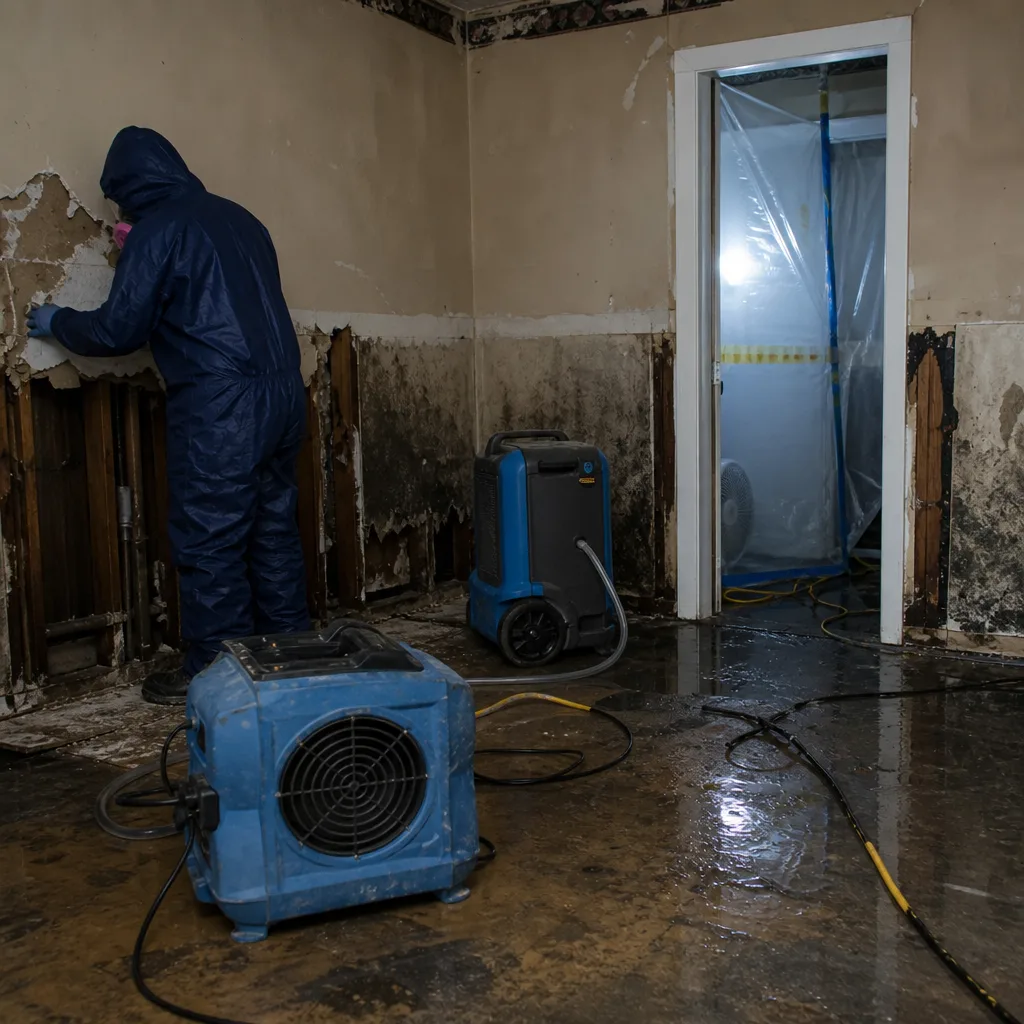 Before
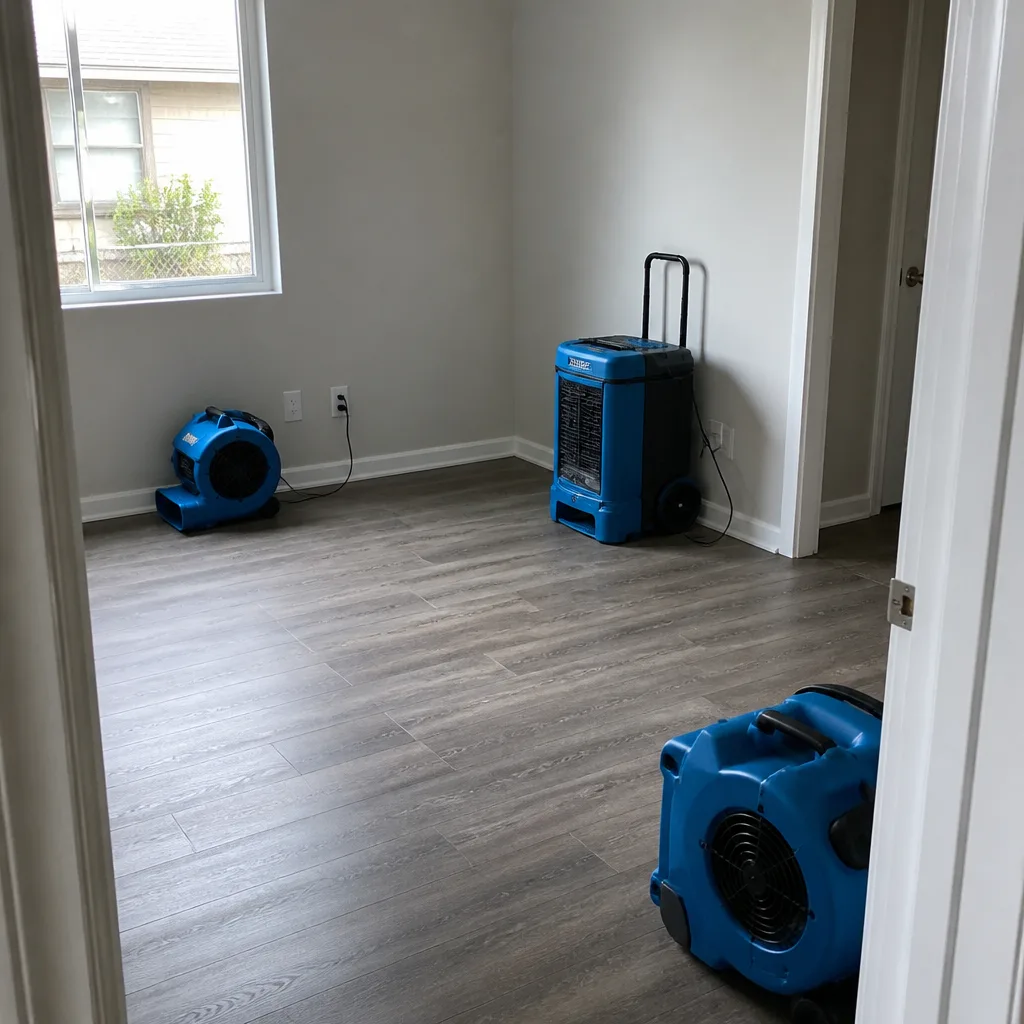 After
AfterDIY vs Professional Damage Restoration: The Compton Homeowner’s Decision Guide
A homeowner in Compton who dries their own water-damaged floor and documents nothing has created a future mold problem with no paper trail. When that mold surfaces 18 months later, the insurer’s position is simple: the original water event was inadequately mitigated, which is an exclusion, not a claim. We’ve reviewed thousands of claim files since 2011, and the pattern is stark - DIY restoration that lacks professional moisture verification, daily drying logs, and photo documentation fails the evidentiary threshold California insurers require. This guide draws the exact line where self-repair becomes a documented liability rather than a savings, with Compton-specific factors that shift the calculus.
Quick Answer
Most Compton homeowners can safely handle water damage under 10 square feet on non-porous surfaces with no insurance claim involved. Everything else - structural drying, mold over 10 square feet, fire or smoke damage, sewage, or any claim you intend to file - requires professional documentation to avoid claim denial or policy exclusion.
Table of Contents
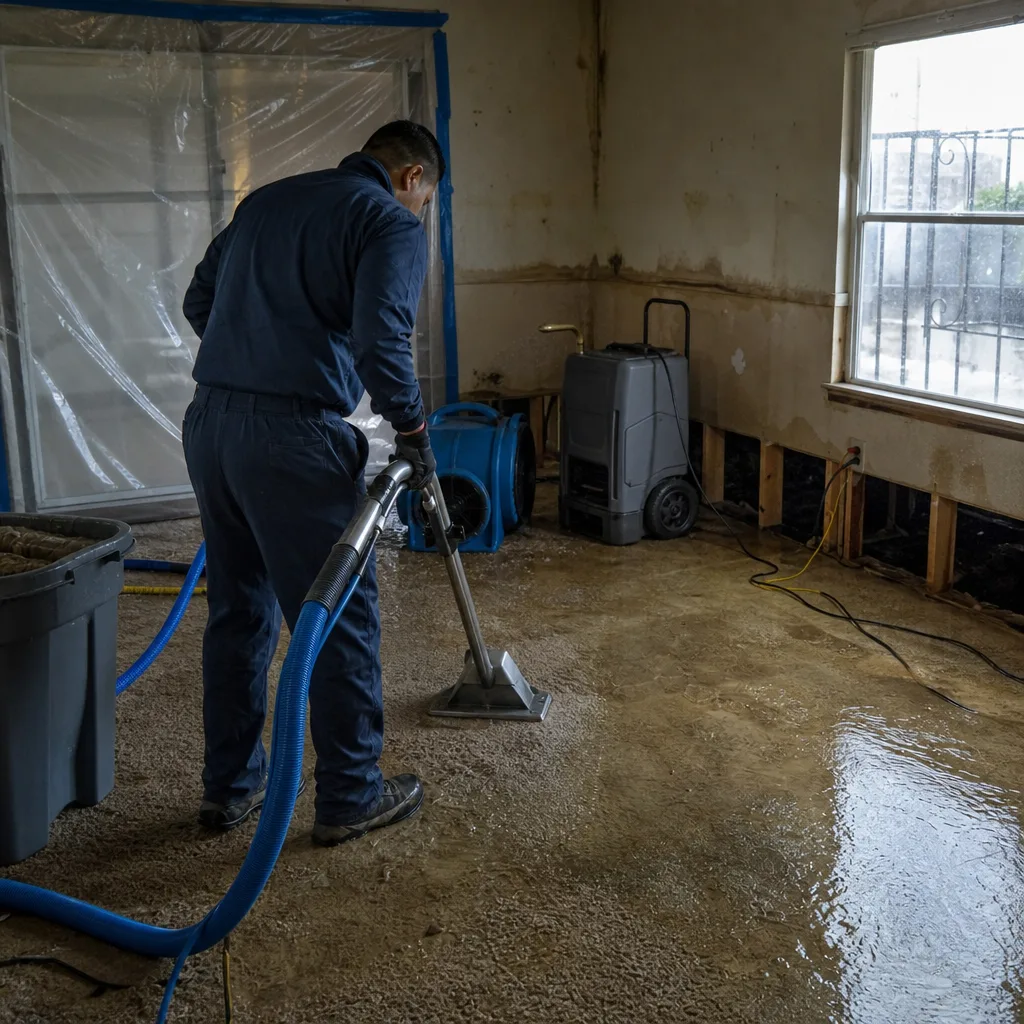
- California Regulatory Lines: What You Can Legally DIY
- The Documentation Gap: Why DIY Repairs Become Uninsurable
- Cost Comparison: Upfront Savings vs. Risk-Adjusted Reality
- Compton-Specific Factors That Shift the Calculus
- How to Document a Legitimate DIY Repair
- The Decision Matrix: Four Variables That Decide
- When Professional Work Is Required by Law
BeforeAfterCalifornia Regulatory Lines: What You Can Legally DIY
California draws sharp regulatory boundaries around restoration work, and crossing them without a license doesn’t just risk claim denial - it risks citation.
The Contractors State License Board (CSLB) requires a license for any structural, hazardous, or specialized restoration work. Here’s where the line falls:
- No license required: Surface water extraction from hard floors, minor drywall patching under 10 square feet, running a consumer dehumidifier, removing and replacing non-structural baseboards
- License required (B-General or C-61/D-64): Structural drying with wall cavity injection, subfloor drying, any demolition affecting load-bearing elements, reconstruction of wall or floor assemblies
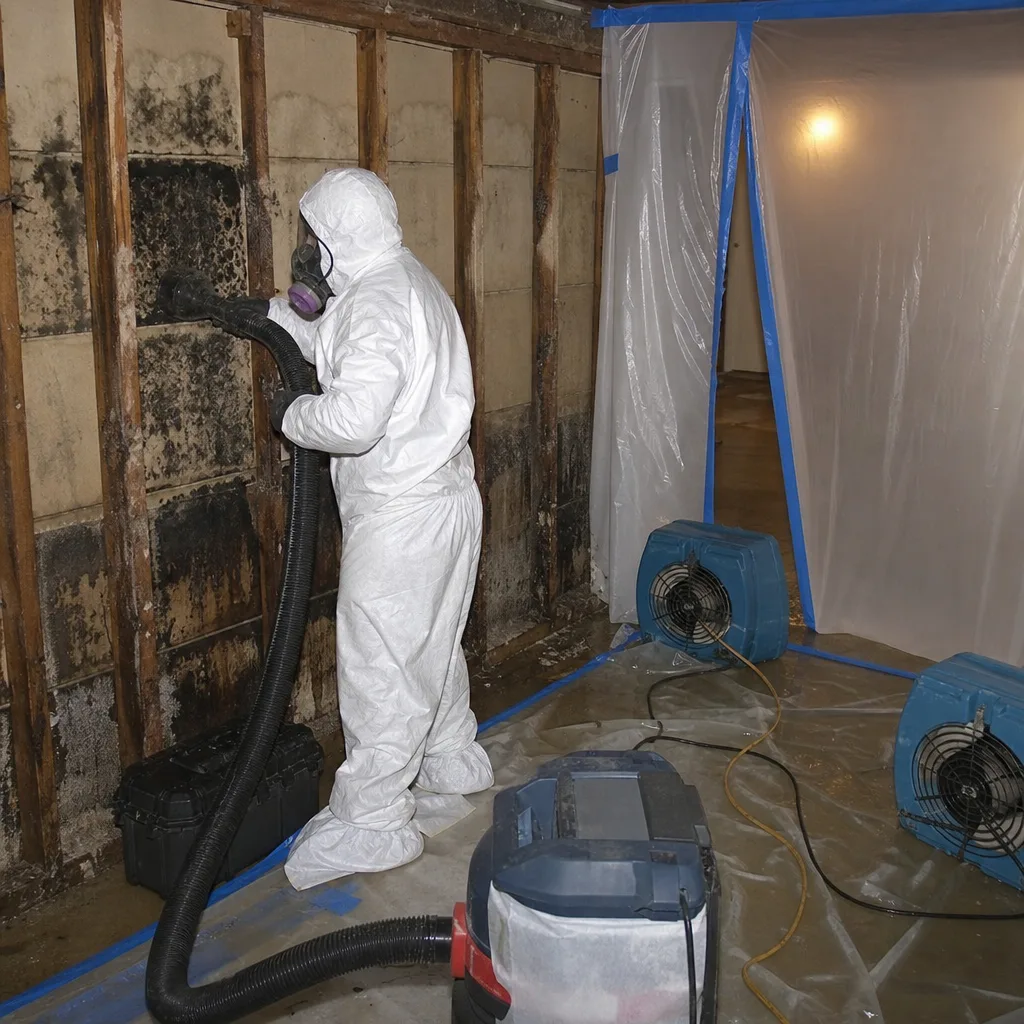
- License required (C-61/D-49): Mold remediation exceeding 10 contiguous square feet, any mold work involving HVAC contamination, post-remediation verification sampling
- License required (specialized): Asbestos abatement (C-22), lead-safe renovation (EPA RRP certification), biohazard cleanup (OSHA Bloodborne Pathogens compliance)
The 10-square-foot mold threshold is the most commonly misunderstood. A patch of mold behind a Compton bathroom vanity that spreads 11 square feet across the drywall and stud cavity has crossed into licensed-only territory. Homeowners who proceed anyway face two problems: no insurer will accept self-performed mold remediation as adequate mitigation, and the CSLB can issue citations for unlicensed contracting.
Fire and smoke damage is almost entirely licensed territory. Soot removal from structural framing, thermal fogging of wall cavities, and ozone treatment of HVAC systems each require equipment and certifications that fall under C-61/D-64 or specialized restoration credentials. The homeowner who rents a carpet cleaner and scrubs smoke residue from drywall has likely driven particulates deeper into porous materials, creating a secondary damage issue that professionals must now remediate at higher cost.
Sewage backup presents the clearest case for professional handling. California Health and Safety Code categorizes Category 3 water (sewage, flooding from drainage channels, standing water exceeding 72 hours) as a biohazard. Self-cleanup without OSHA-compliant PPE, proper disposal documentation, and post-cleaning verification testing violates multiple statutes and creates absolute claim exclusion.
The Documentation Gap: Why DIY Repairs Become Uninsurable
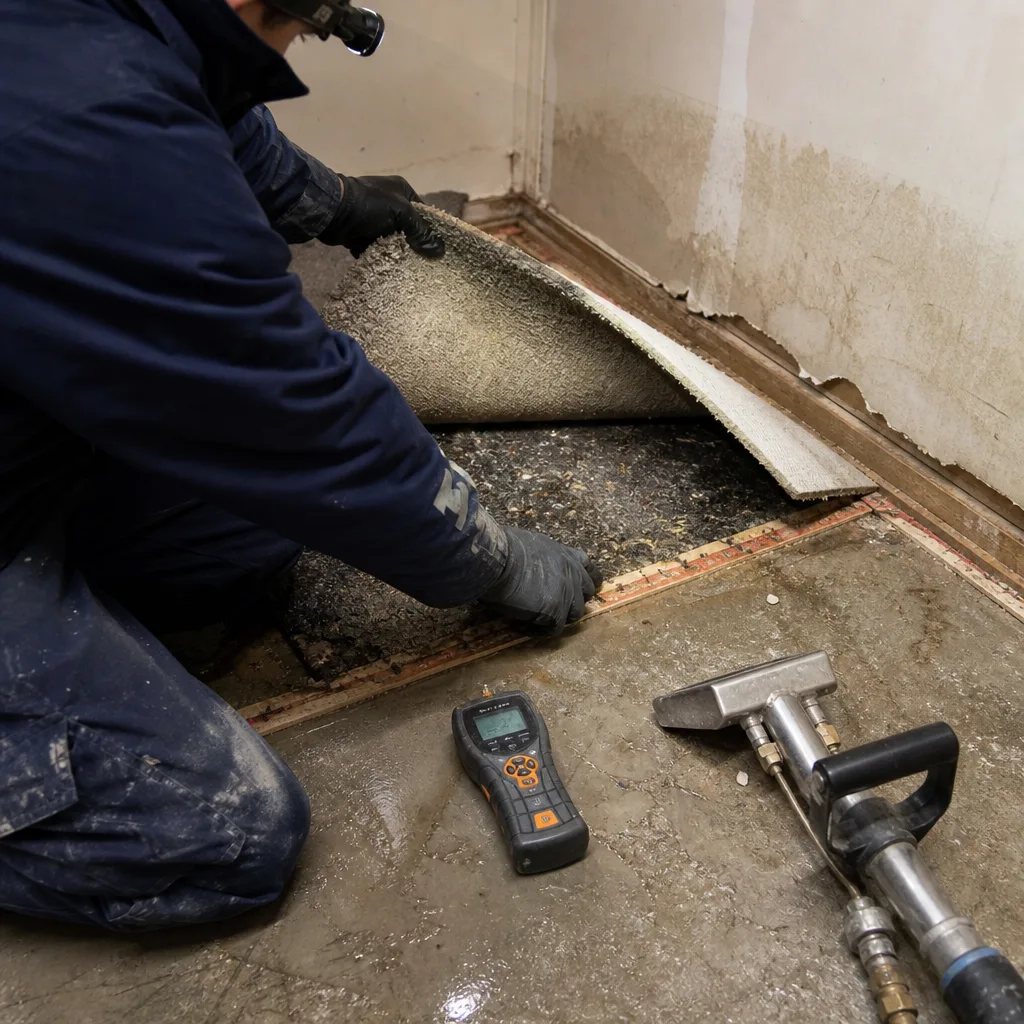
Insurance claims operate on evidence, not assertion. The gap between “I fixed it” and “here’s the proof” is where most DIY restoration efforts fail.
California insurance policies contain a standard clause requiring the policyholder to mitigate damage “in a reasonable manner” and to document that mitigation. The interpretation of “reasonable manner” has tightened significantly. Where insurers once accepted homeowner statements at face value, claim files now require:
- Pre-mitigation moisture readings - documented in percentage of moisture content (MC%) or grains per pound (GPP), with equipment calibration dates
- Daily drying logs - psychrometric data showing temperature, relative humidity, and specific humidity at consistent intervals, with equipment placement maps
- Equipment specification and runtime records - dehumidifier pint capacity, air mover CFM, runtime hours with timestamps
- Post-mitigation verification - moisture readings at or below dry standard (typically 12-16% MC for wood, <4% for drywall), with photo documentation
- Photo record with timestamps - before, during, and after, with identifiable room features and measurement tools visible
The homeowner who rents a dehumidifier from a big-box store and runs it for three days has none of this. No psychrometric data. No calibration record. No verification that drying reached completion rather than merely surface dryness. When mold appears later, the insurer’s position is predictable: the original water event was not properly mitigated, the resulting mold is a consequence of that failure, and the policy’s mold sublimit or exclusion applies.
We’ve seen this exact scenario in Compton claim files. A homeowner in the Rancho Dominguez area dried a kitchen floor after a refrigerator supply line failure, using fans and a consumer dehumidifier. Eighteen months later, mold appeared in the wall cavity behind the cabinets. The insurer denied the $14,000 mold remediation claim, citing lack of professional moisture verification and the homeowner’s failure to meet the policy’s mitigation documentation requirement. The “savings” of DIY drying: approximately $800 in equipment rental. The cost of the documentation gap: full out-of-pocket remediation plus potential policy non-renewal.
The Water Damage Restoration in Compton page details how professional documentation builds a claim file an insurer pays without dispute. The key distinction: professional work produces a record that meets the policy’s evidentiary threshold; DIY work typically does not.
Cost Comparison: Upfront Savings vs. Risk-Adjusted Reality
The cost comparison most homeowners make is incomplete. It compares equipment rental to professional service invoice, ignoring the risk-adjusted cost of claim denial, secondary damage, and policy consequences.
Here’s the structure for a proper calculation:
| Cost Category | DIY Approach | Professional Approach |
|---|---|---|
| Upfront outlay | $150-$600 (equipment rental, fans, dehumidifiers, cleaning supplies) | $1,200-$4,500 (typical Compton water damage mitigation, Class 1-2) |
| Documentation produced | Minimal or none | Written scope, daily drying logs, photo record, equipment specs, verification readings |
| Claim acceptance probability | 15-30% for self-performed mitigation without professional verification | 90-95% with complete documentation package |
| Secondary damage risk (mold, structural) | Elevated - no vapor pressure differential monitoring, no cavity drying | Controlled - psychrometric data guides equipment placement and duration |
| Policy impact | Potential non-renewal or rate increase if claim denied for inadequate mitigation | Clean claim file, no adverse underwriting action |
The risk-adjusted calculation changes the picture. A $400 DIY effort with 70% claim denial probability and 25% secondary damage risk carries an expected cost of $400 + (0.70 × average claim value) + (0.25 × average secondary damage cost). For a typical Compton water claim of $8,000 and secondary mold remediation of $12,000, the expected DIY cost exceeds $13,000 - against a professional invoice of $2,500 with 90% claim acceptance.
This is why Haven Standard, Clause 1 exists: a written price before work begins eliminates the uncertainty that drives homeowners toward incomplete DIY solutions. You know the professional cost before deciding, not after discovering the documentation gap.
Compton-Specific Factors That Shift the Calculus
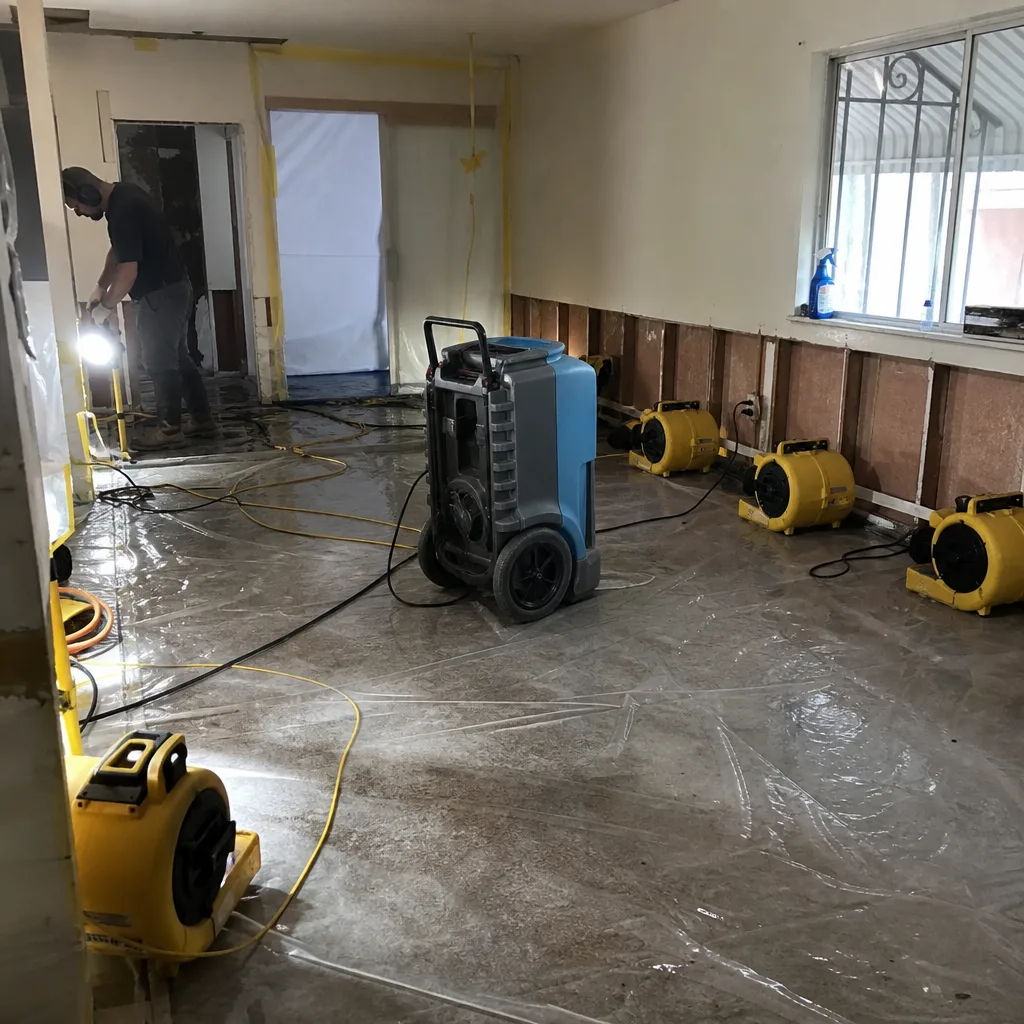
Compton’s housing stock, climate, and infrastructure create conditions where DIY restoration faces higher failure risk than in many comparable markets, as detailed in our Seasonal Damage Restoration Care for Compton: Year-Round Homeowner’s Guide.
Concrete slab construction predominates. Most Compton homes built from 1950-1985 sit on concrete slabs with no subfloor air gap. Water migrates horizontally through slab perimeter and expansion joints rather than draining downward. A homeowner with a wet/dry vacuum and fans addresses surface water while migration continues beneath flooring. Professional slab drying requires negative air pressure systems, Injectidry panel systems, or desiccant dehumidification to extract bound moisture from concrete - equipment unavailable at consumer rental outlets.
Galvanized plumbing remains common in pre-1980 homes. Compton’s older neighborhoods, particularly east of Alameda Street, contain significant galvanized steel supply lines. These corrode from the interior, producing pinhole leaks that spray intermittently and may run unnoticed for days inside walls. The visible damage is often 30-40% of the actual affected area. DIY scope assessment based on visible water almost certainly underestimates the problem, leaving saturated wall cavities that become mold substrates.
Asbestos probability in pre-1978 homes. California’s asbestos regulations are among the nation’s strictest. Compton’s housing stock includes thousands of homes built during peak asbestos use (1940-1978). Disturbing vinyl asbestos tile, popcorn ceiling texture, or asbestos-containing drywall joint compound during DIY demolition triggers mandatory abatement requirements and creates serious health exposure. A homeowner who cuts into a water-damaged wall and encounters suspect material must stop, test, and potentially abate - turning a $200 DIY project into a $3,000+ regulated operation.
Climate patterns extend drying time. Compton’s marine layer influence produces morning relative humidity of 75-85% for significant portions of the year. Consumer dehumidifiers rated for 30 pints per day operate at 50-60% efficiency in these conditions. Professional-grade Dri-Eaz and Phoenix LGR (low-grain refrigerant) dehumidifiers maintain extraction capacity at lower specific humidity, achieving dry standard in 3-5 days versus 10-14 days with consumer equipment. Extended drying time equals extended mold risk.
Insurance market conditions. California’s homeowners insurance market has contracted significantly, with non-renewals increasing across Los Angeles County. A denied or disputed claim on record makes replacement coverage harder to obtain and more expensive. The documentation gap from DIY restoration carries consequences beyond the immediate claim.
How to Document a Legitimate DIY Repair
Some water damage scenarios legitimately permit DIY handling. When they do, documentation transforms self-repair from an evidentiary liability into a defensible record - our Water Damage Restoration Maintenance Checklist for Compton Homeowners covers what to track.
Eligible scenarios: clean water (Category 1), under 10 square feet, non-porous materials only (tile, sealed concrete, vinyl plank), no insurance claim involved, no structural elements affected, and no mold visible.
Here’s the documentation protocol:
- Establish baseline moisture readings. Purchase or rent a pin-type moisture meter ($40-$80 purchase, $15/day rental). Record readings in affected areas and in unaffected control areas. Document: date, time, room location, material type, reading in MC%. Example: “Kitchen floor, ceramic tile, 2 feet from refrigerator: 28% MC. Control reading, living room tile: 8% MC.”
- Photograph everything before touching anything. Timestamped photos showing water extent, source, affected materials, and adjacent unaffected areas. Include a measuring tape or ruler in frame for scale. Store in cloud backup with date-stamped folder.
- Retain all equipment receipts. Rental agreements, purchase receipts, delivery timestamps. These establish when drying began and what capacity was deployed.
- Log daily conditions. Temperature and relative humidity in the affected room, equipment runtime hours, any visible changes. Simple notebook entries suffice: “Day 2, 7 AM, 72°F, 68% RH, dehumidifier ran 18 hours, no visible moisture on tile surface.”
- Verify completion with post-drying readings. Return to affected areas at 48-hour intervals until readings match control areas. Document final readings with timestamps.
- Photograph completed condition. Same angles as original photos, showing dry materials and any repairs made.
- Retain records for 5 years. California’s statute of limitations on construction defect claims is 4 years; insurance claim reopening requests can occur within 3 years of the original event.
Without this documentation, a DIY repair is an undocumented repair. With it, you have a defensible record - though still not the professional verification that insurers prefer.
The Decision Matrix: Four Variables That Decide
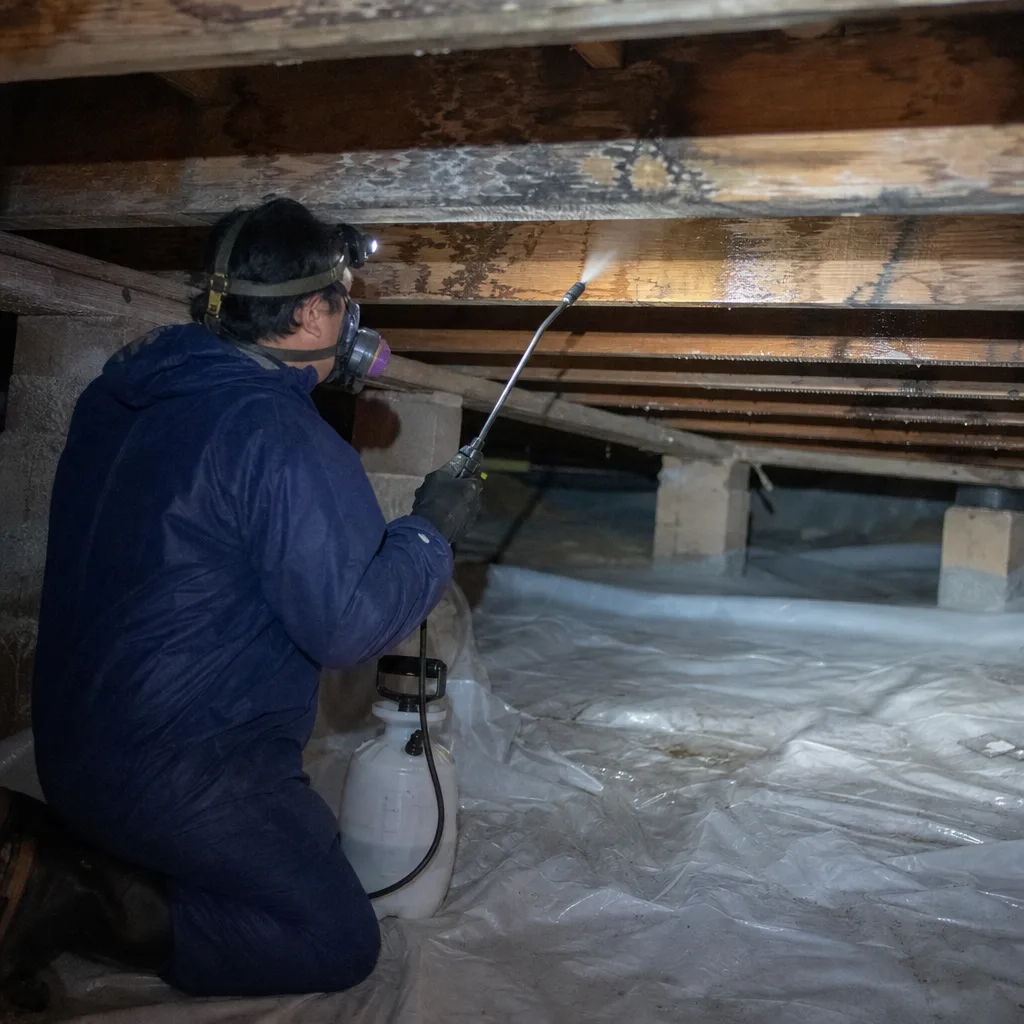
We’ve refined this matrix across 12,000+ restoration jobs. It produces a clear recommendation without sentiment or sales pressure.
| Variable | DIY Appropriate | Professional Required |
|---|---|---|
| Damage square footage | Under 10 sq ft, single room | 10+ sq ft, multiple rooms, or wall cavities involved |
| Affected material type | Non-porous: tile, sealed concrete, vinyl plank, metal | Porous or semi-porous: drywall, plaster, hardwood, subfloor, insulation, carpet pad |
| Insurance claim involvement | No claim, no intention to claim | Any claim filed or anticipated, or policy requires professional mitigation |
| Hazardous materials present | None suspected; home built 1980+ with no known asbestos | Pre-1978 home with suspect materials, Category 2 or 3 water, mold visible, fire/smoke damage, sewage |
Scoring: Any “Professional Required” response indicates professional service. Two or more “DIY Appropriate” responses with zero “Professional Required” responses may permit documented DIY. The matrix is conservative by design - the cost of unnecessary professional service is predictable; the cost of inadequate DIY is not.
Compton homeowners in the Lueders Park or Sunny Cove areas with 1960s-era homes should default to professional assessment even for apparently minor water events. The combination of galvanized plumbing, probable asbestos-containing materials, and concrete slab construction makes accurate DIY scope assessment unreliable.
When Professional Work Is Required by Law
Certain scenarios carry legal mandates that override the decision matrix entirely.
Mold remediation exceeding 10 contiguous square feet. California’s Mold Remediation Licensing Act requires licensure for this threshold. Self-remediation is unlicensed contracting, with CSLB penalties and absolute insurance exclusion.
Asbestos disturbance of any amount. Title 8, California Code of Regulations, Section 1529 mandates specific work practices, training, and notification for asbestos-containing material disturbance. Homeowners are not exempt.
Category 3 water (sewage, flooding, standing water >72 hours). OSHA Bloodborne Pathogens Standard (29 CFR 1910.1030) and California Health and Safety Code require trained personnel with appropriate PPE, exposure control plans, and documented disposal.
Fire and smoke damage involving structural elements. CSLB licensing required for any structural repair or reconstruction. Soot and smoke residue on structural framing also falls under specialized restoration credentials.
Biohazard and crime scene cleanup. California requires compliance with multiple OSHA standards, DOT hazardous materials transport regulations, and medical waste disposal protocols. No DIY pathway exists.
The Fire & Smoke Damage Restoration in Compton page details how professional fire restoration addresses particulate contamination that DIY methods cannot reach. Similarly, Mold Remediation in Compton covers the licensed protocols that protect both health and claim validity.
Common Mistakes to Avoid
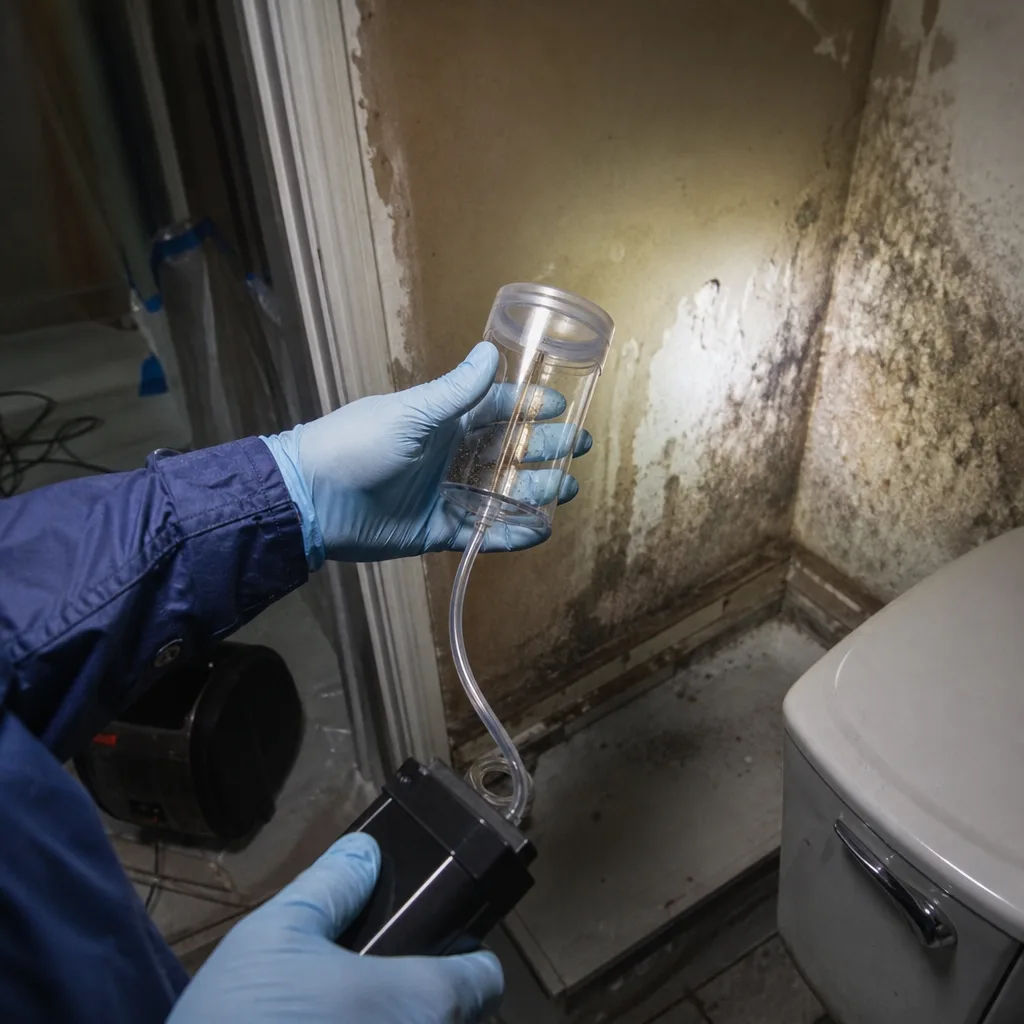
- Assuming surface dryness equals complete drying. A tile floor that feels dry to touch may conceal 20%+ moisture content in the mortar bed and subfloor. Only pin-meter readings verify completion.
- Using bleach on mold. Bleach evaporates faster than it penetrates, leaving water behind that feeds deeper mold growth. It also damages drywall paper facing, creating more porous substrate. This mistake is particularly common in Compton’s older homes with repeated minor leaks.
- Failing to identify the water category. Clean water from a supply line becomes Category 2 after 48 hours and Category 3 after 72. The homeowner who starts DIY on day one and doesn’t finish documentation by day three may be handling biohazard without knowing it.
- Removing baseboards without checking for asbestos. Pre-1978 homes in Compton often have asbestos-containing joint compound behind baseboards. Disturbance during “minor” water damage repair triggers regulatory requirements.
- Not photographing the source and extent before cleanup. Insurers require evidence of cause and origin. The homeowner who cleans first and documents second has destroyed the evidence their claim requires.
- Renting inadequate equipment. A consumer dehumidifier rated for 500 square feet in optimal conditions cannot handle a 1,200 square foot Compton home with slab construction and marine layer humidity. Undersized equipment runs continuously without achieving dry standard.
- Assuming no claim means no documentation needed. Future buyers, future insurers, and future damage events all may require evidence of prior proper mitigation. The undocumented repair becomes a disclosure problem at sale or a pre-existing condition exclusion later.
When to Call a Professional
Call a professional when any variable in the decision matrix reads “Professional Required,” when mold exceeds 10 square feet, when water has stood more than 48 hours, when any hazardous material is suspected, when an insurance claim is involved, or when you cannot produce the documentation protocol described above - see How to Hire a Damage Restoration Contractor in Compton: A Step-by-Step Guide for what to ask before hiring.
In Compton, the combination of concrete slab construction, aging galvanized plumbing, and pre-1978 housing stock means professional assessment is the conservative default for water damage beyond the most minor spills.
DryMark Restoration Compton offers free estimates in Compton - call (628) 226-1011. Every estimate includes a written scope and price before any work begins, per Haven Standard, Clause 1. We also provide free second opinions on any competitor’s written estimate.
Frequently Asked Questions
Typical Compton water damage mitigation runs $1,200-$4,500 for Class 1-2 damage (limited to one or two rooms, no structural involvement). Class 3-4 damage affecting multiple rooms, wall cavities, or requiring specialty drying equipment ranges $4,500-$12,000. These figures include extraction, professional-grade drying with Dri-Eaz or Phoenix LGR dehumidifiers, daily moisture logging, and photo documentation. Call (628) 226-1011 for a written estimate specific to your situation - estimates are free and include no obligation.
Generally no. California insurers increasingly require professional moisture verification and documentation for claim acceptance. Self-performed mitigation without daily drying logs, equipment specifications, and post-drying verification readings is frequently cited as “inadequate mitigation,” triggering exclusion rather than coverage. Some policies explicitly require “licensed restoration professional” for water damage claims above a threshold (often $1,000-$2,500). Check your policy’s conditions section.
You can clean mold under 10 contiguous square feet on non-porous surfaces without a license. Above 10 square feet, California requires a C-61/D-49 licensed mold remediator. Disturbing mold during DIY repair without proper containment can spread spores to HVAC systems and unaffected areas, converting a localized problem into a whole-house issue. The Mold Remediation in Compton page details licensed protocols.
DryMark Restoration Compton maintains live phone coverage 24 hours a day, 7 days a week with no voicemail on emergency lines. Dispatch for water damage emergencies typically occurs within 60-90 minutes during business hours and 90-120 minutes overnight in the Compton service area. Fire, storm, and sewage damage follow similar dispatch protocols. Reconstruction and non-emergency work is scheduled, not dispatched.
At minimum: written scope and price before work begins (Haven Standard, Clause 1), equipment placement map, daily psychrometric readings (temperature, relative humidity, specific humidity), moisture content readings at multiple points, photo record with timestamps on every visit, equipment runtime logs, and post-mitigation verification showing dry standard achievement. This documentation package is what converts a restoration invoice into a payable insurance claim.
Fans move air but don’t remove moisture - they accelerate evaporation into the room air, which without dehumidification actually increases humidity and can drive moisture into unaffected porous materials. Professional drying requires controlled dehumidification to maintain vapor pressure differential, drawing moisture from materials into the air and then removing it from the air. In Compton’s humid climate, fans alone often extend drying time beyond the 72-hour window where mold risk becomes significant.
Stop work immediately and document what you’ve done: photos, equipment used, time spent. Continuing beyond your capability without documentation compounds the problem. Contact a professional for assessment. Be transparent about what DIY work was performed - concealment is worse than honest disclosure. DryMark Restoration Compton provides free estimates and can assess whether your partial DIY work has created documentation issues or secondary damage.
The Bottom Line
The DIY versus professional question is not about your competence with tools. It’s about whether your repair produces a record that meets California’s evidentiary threshold for insurance acceptance and legal compliance. Most Compton homeowners can handle minor, contained, Category 1 water events on non-porous surfaces with proper documentation. Everything else - structural drying, mold, fire, smoke, sewage, hazardous materials, or any insurance claim - requires professional service with documented protocols. The cost of professional restoration is predictable and insurable. The cost of a documentation gap is neither.
Start with a written price. Know what you’re facing before deciding. That’s Haven Standard, Clause 1, and it’s how we approach every home in Compton.
Written by Alicia Brennan, Owner at DryMark Restoration Compton, serving Compton since 2011.