
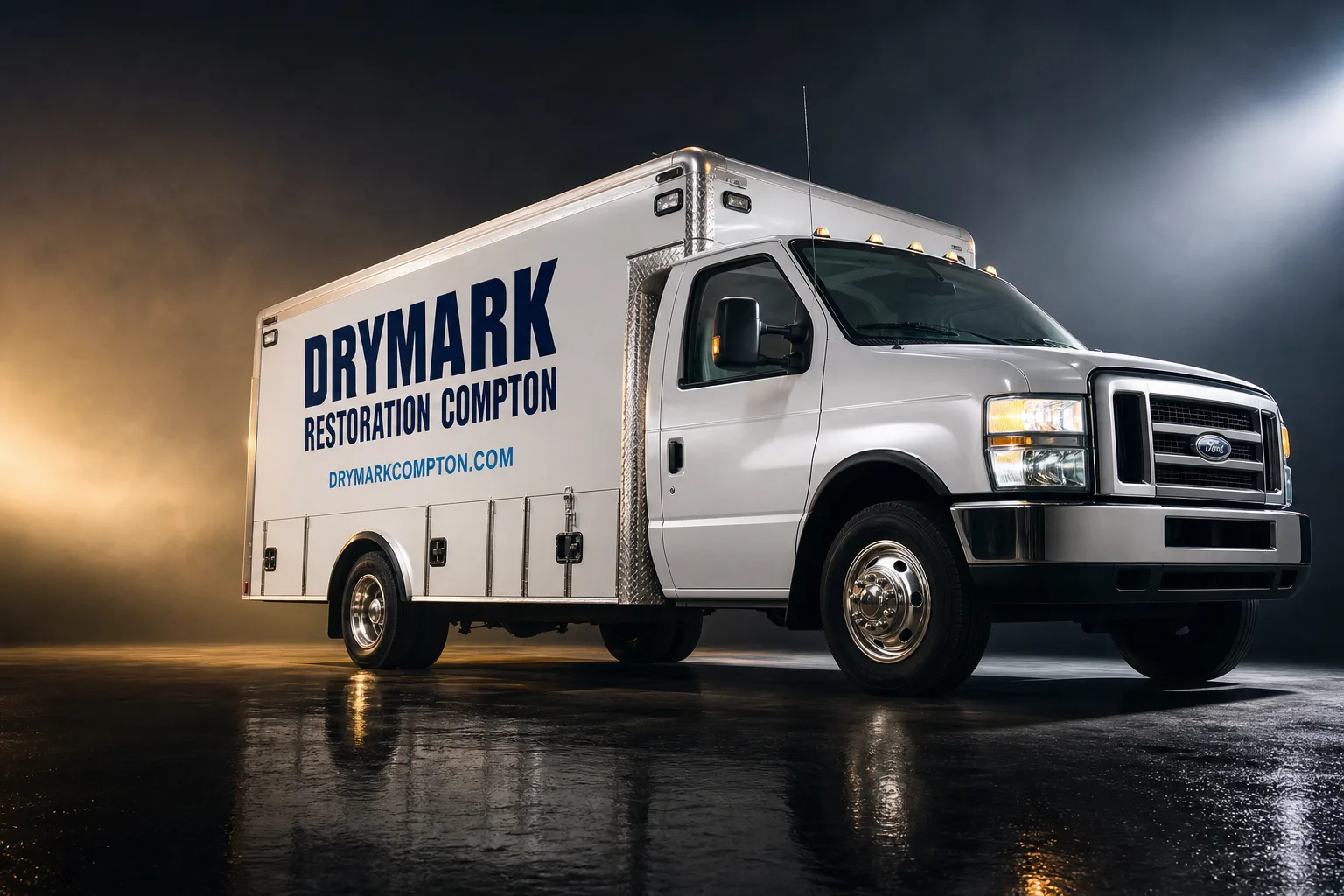
Free visual inspection and a written scope of work before any mitigation begins - photos, moisture readings, and drying logs go in your claim file
The scope we write is the scope we bill. Anything new gets shown to you, in writing, before we touch it.
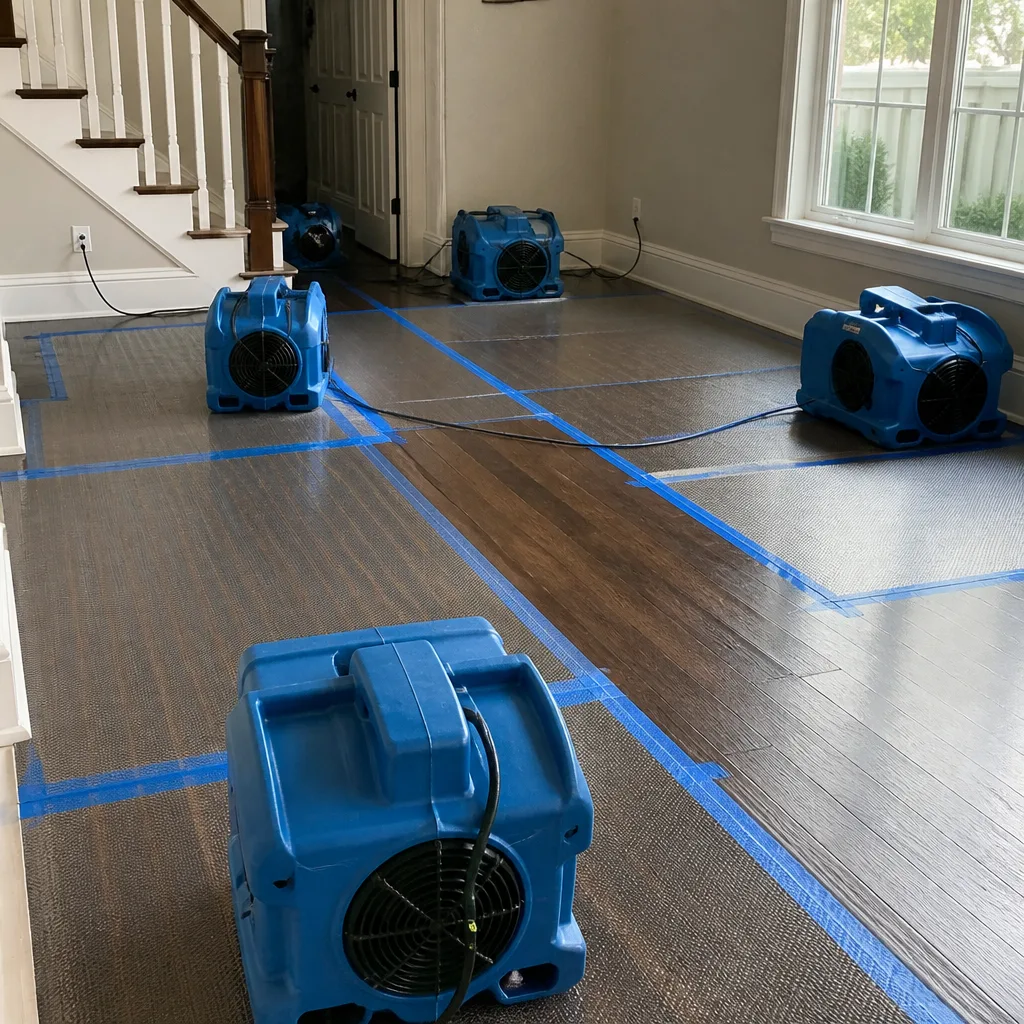
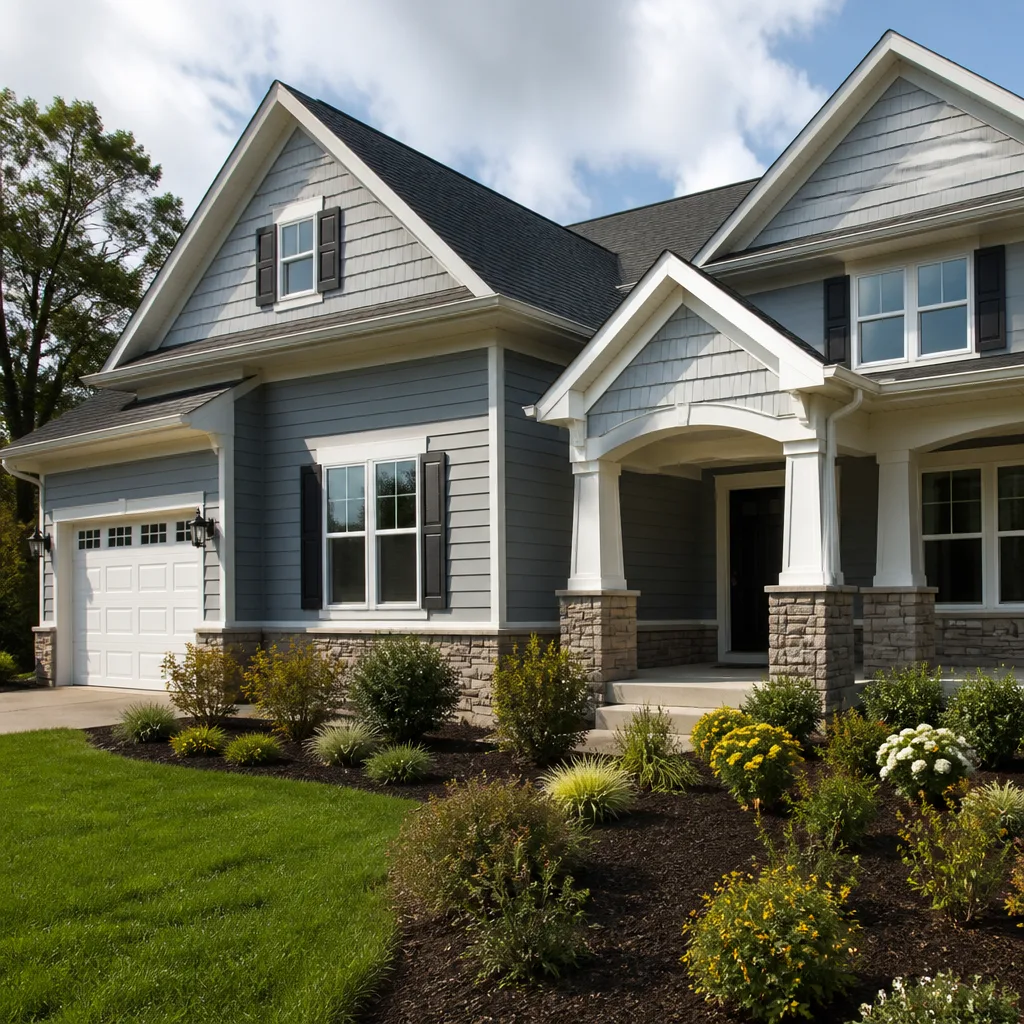
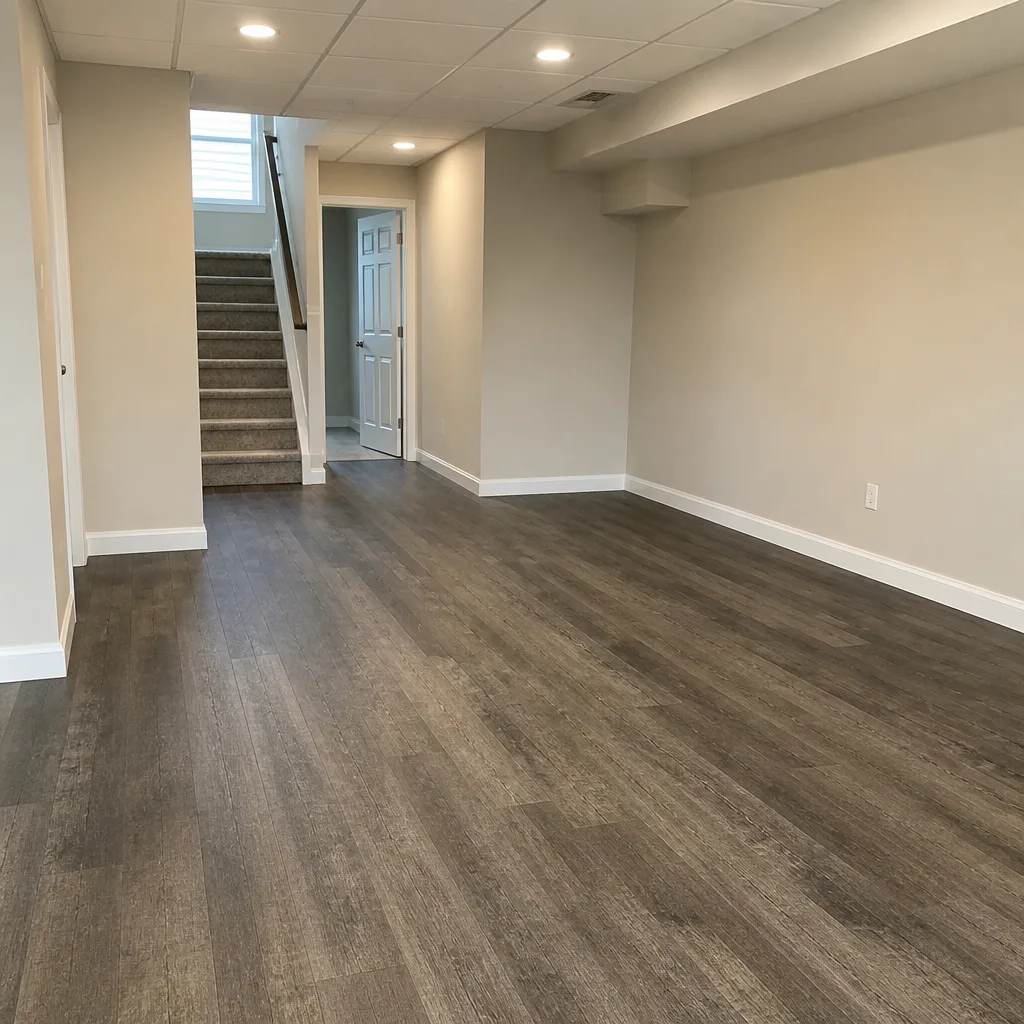
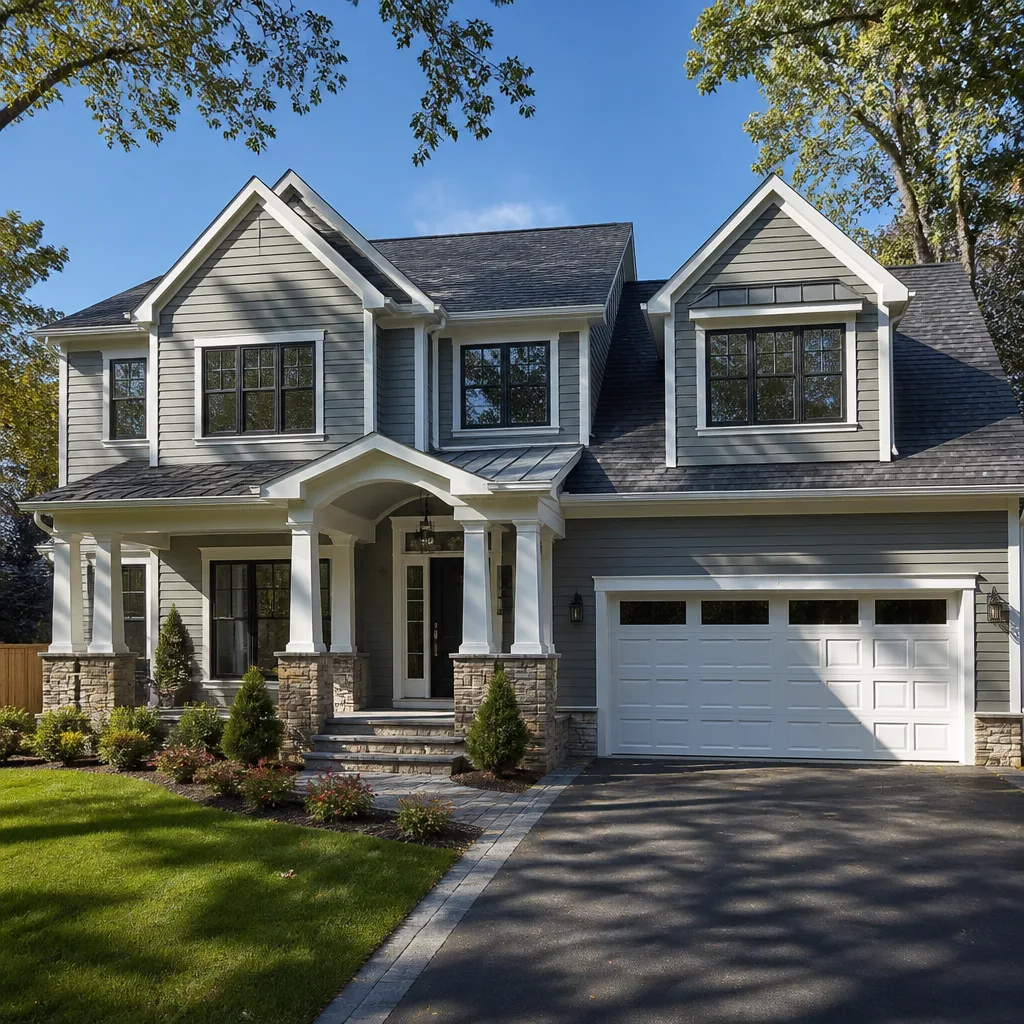
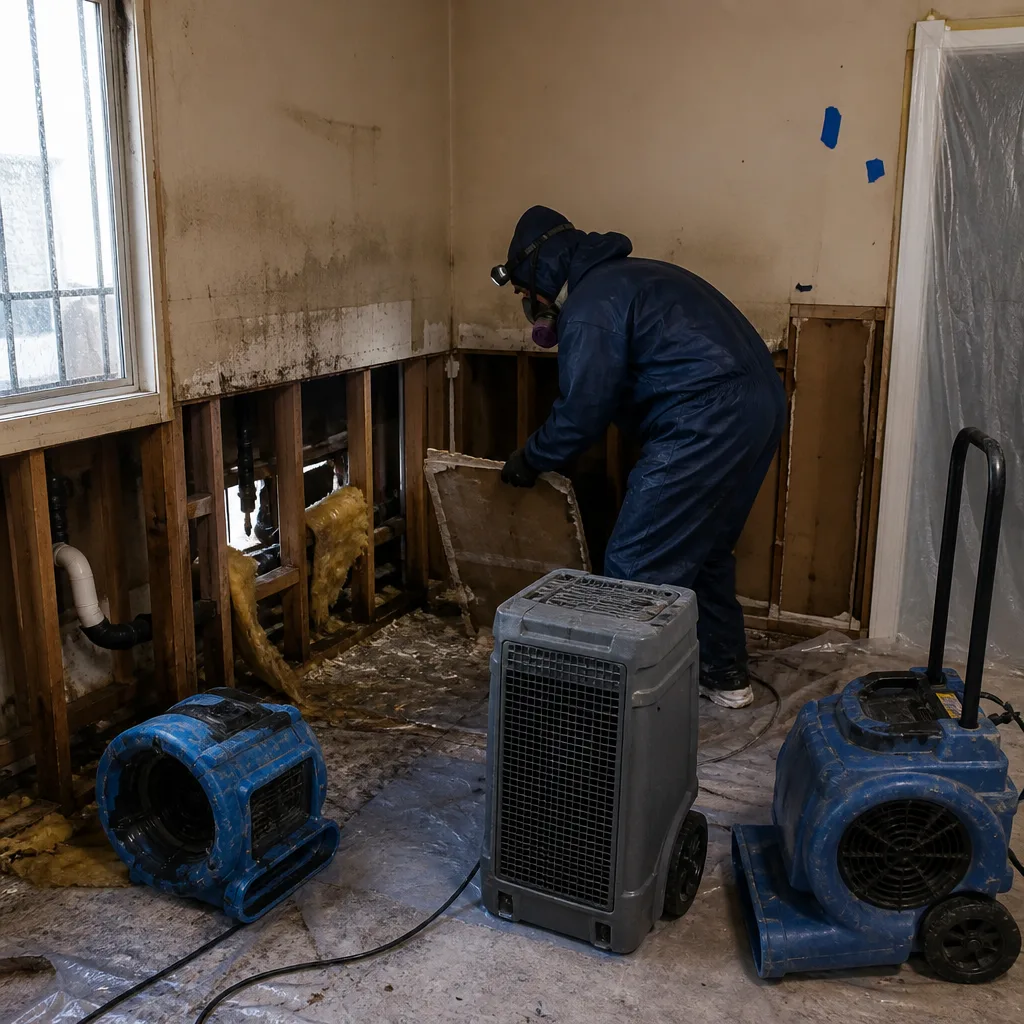 Before
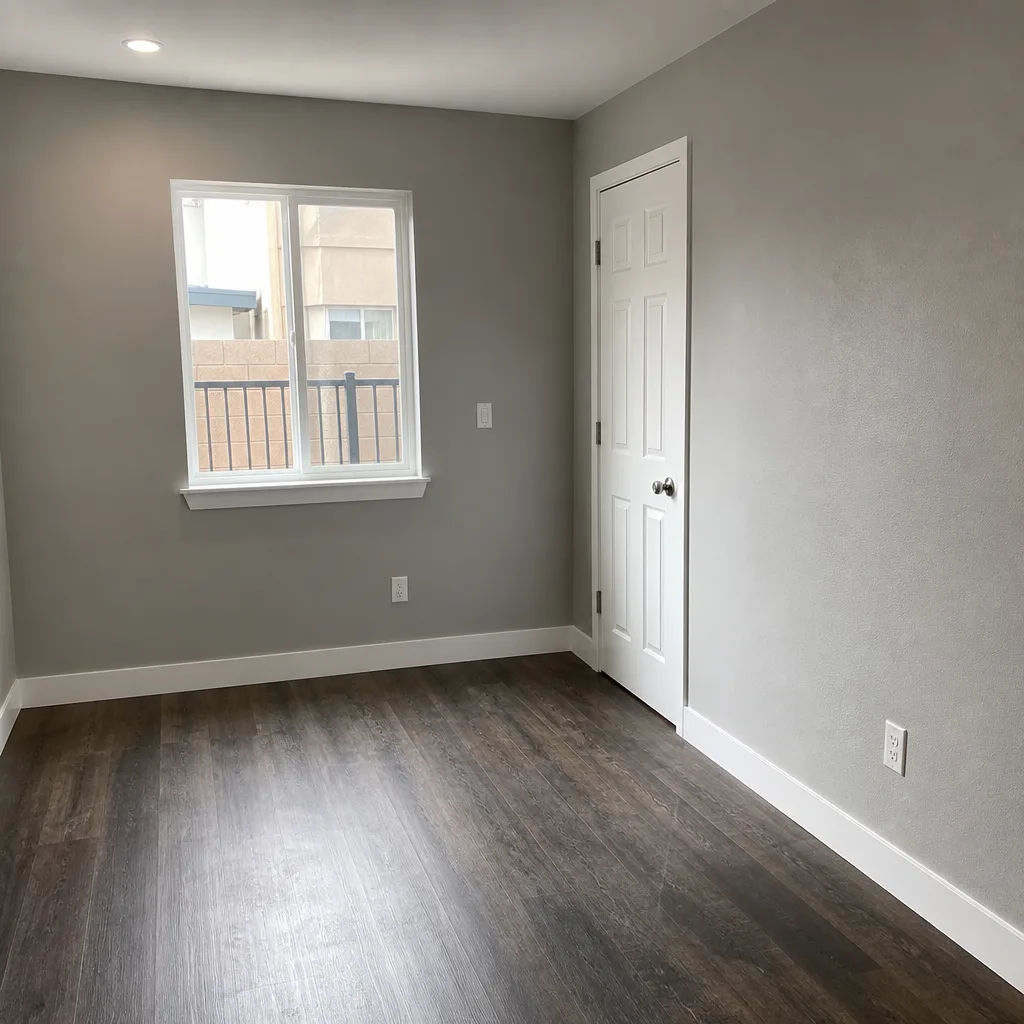 After
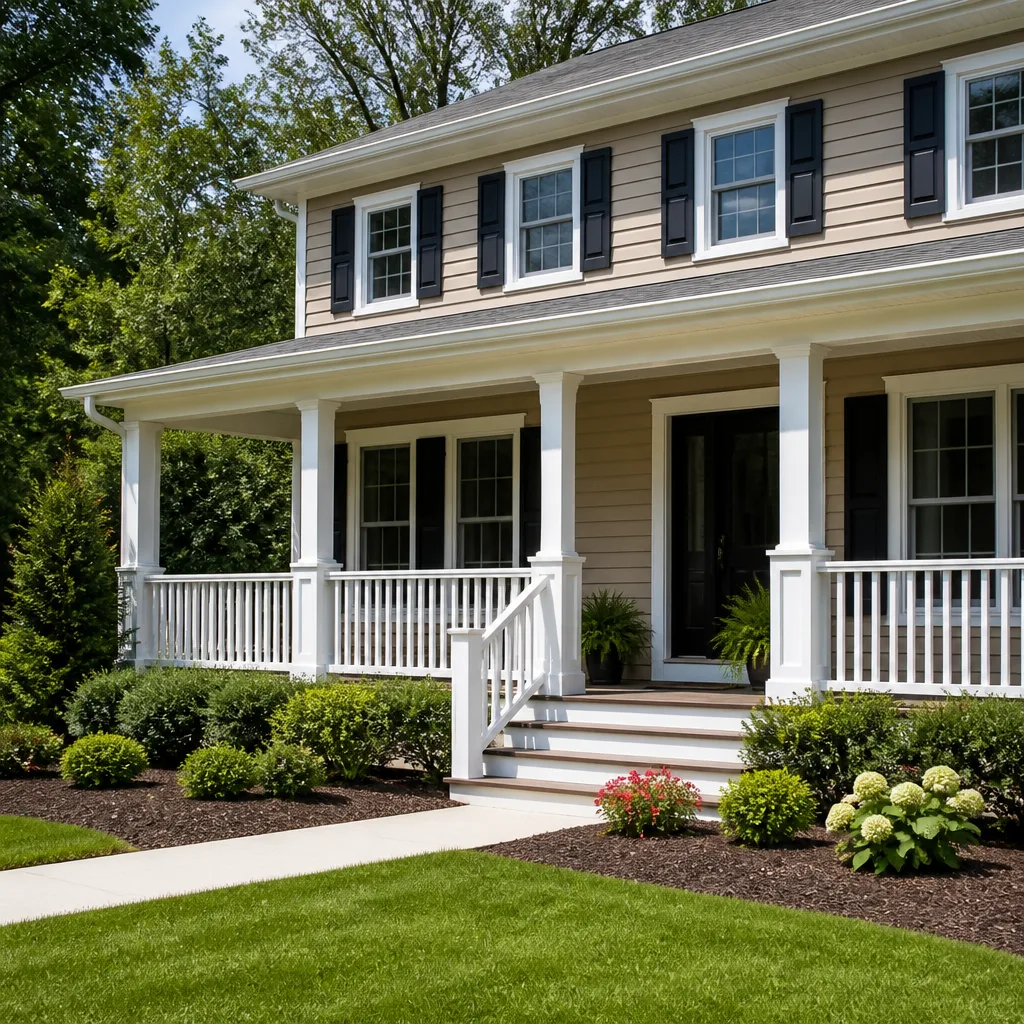
After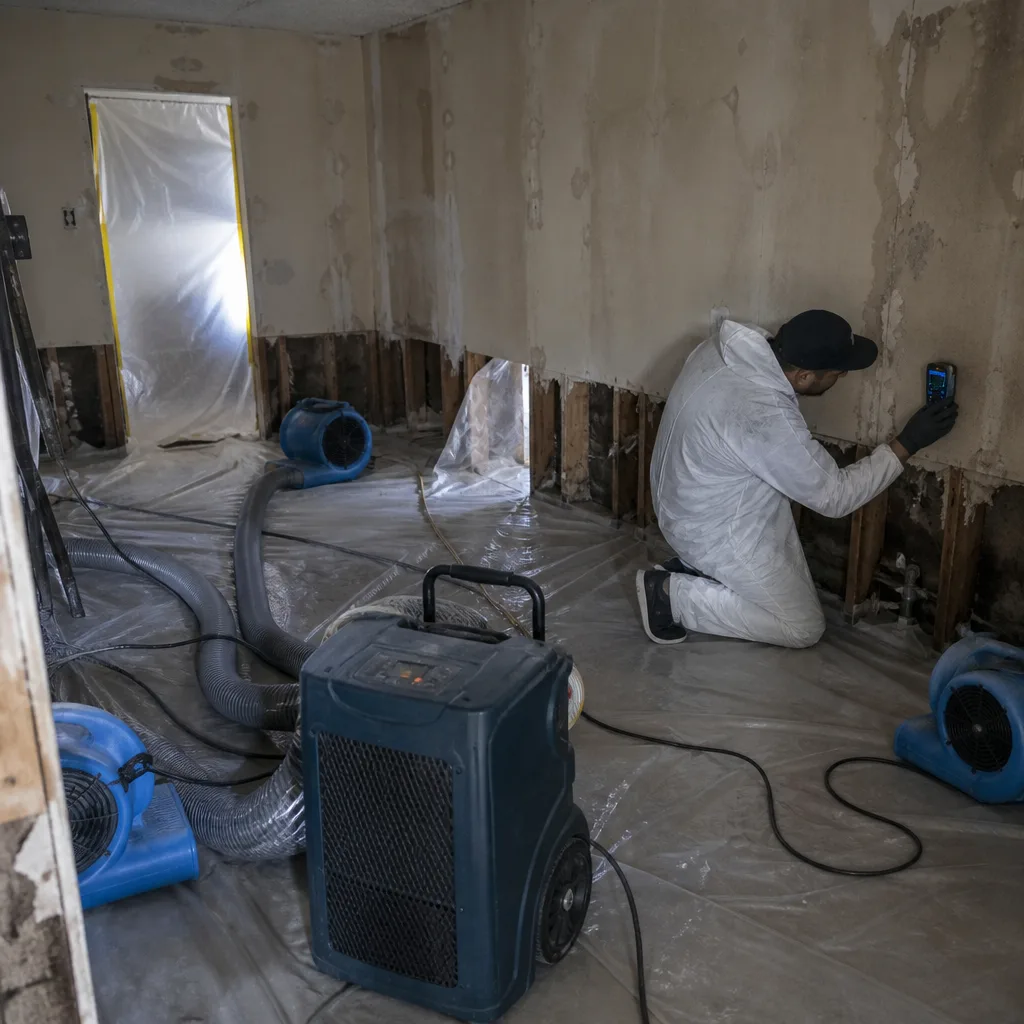 Before
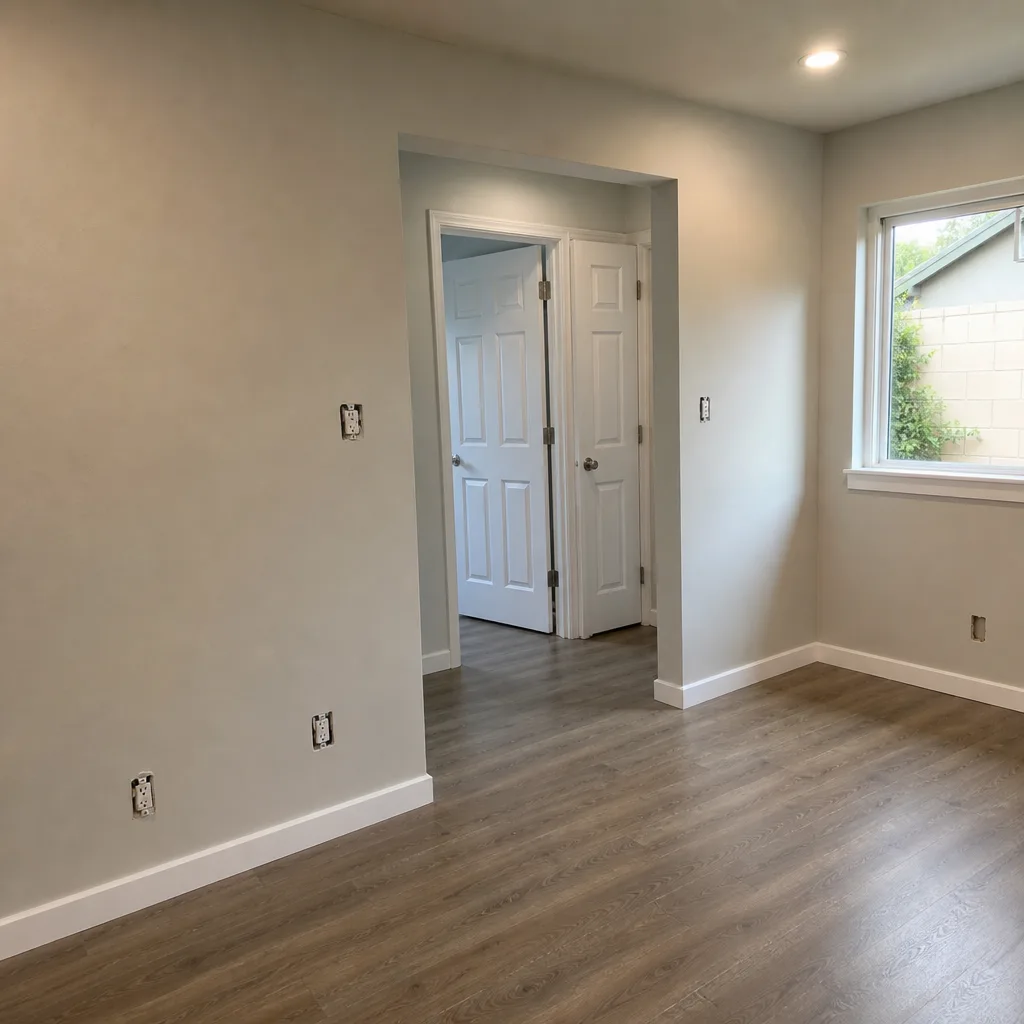 After
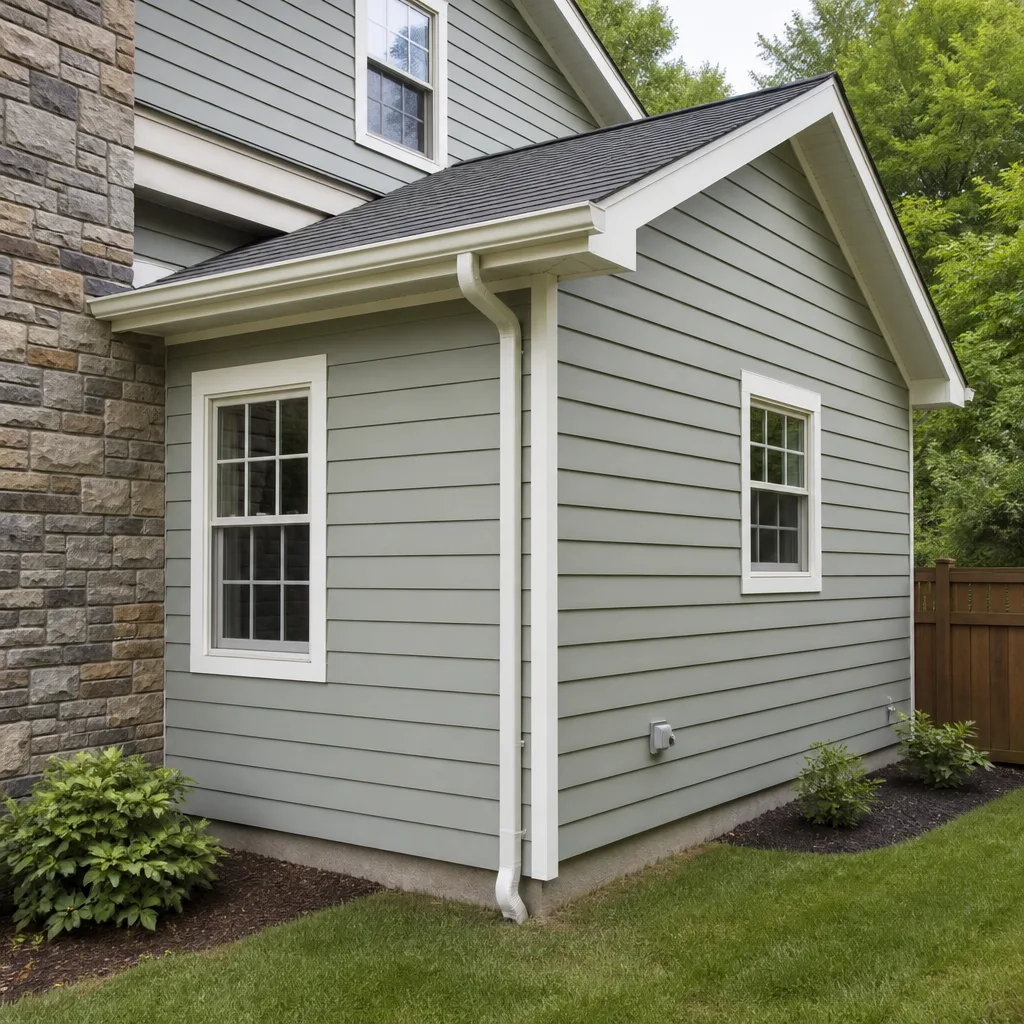
After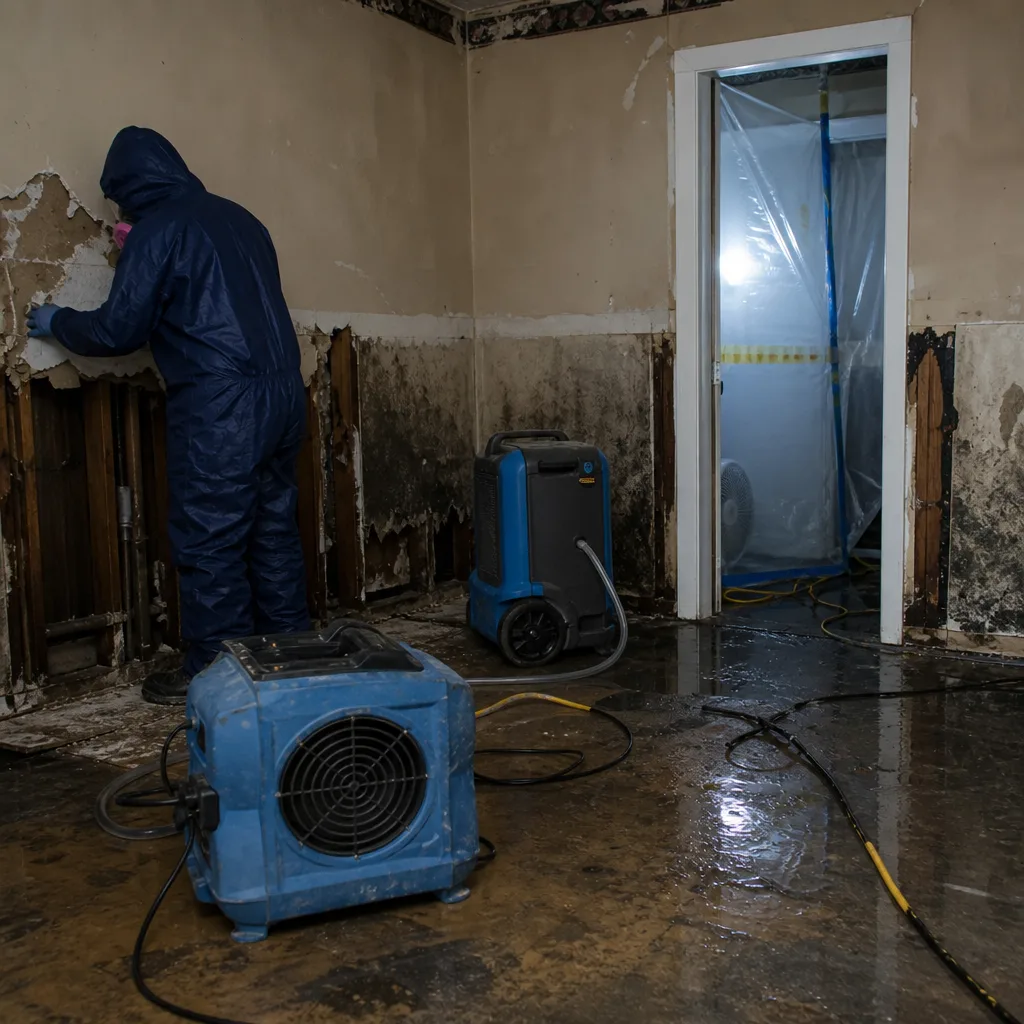 Before
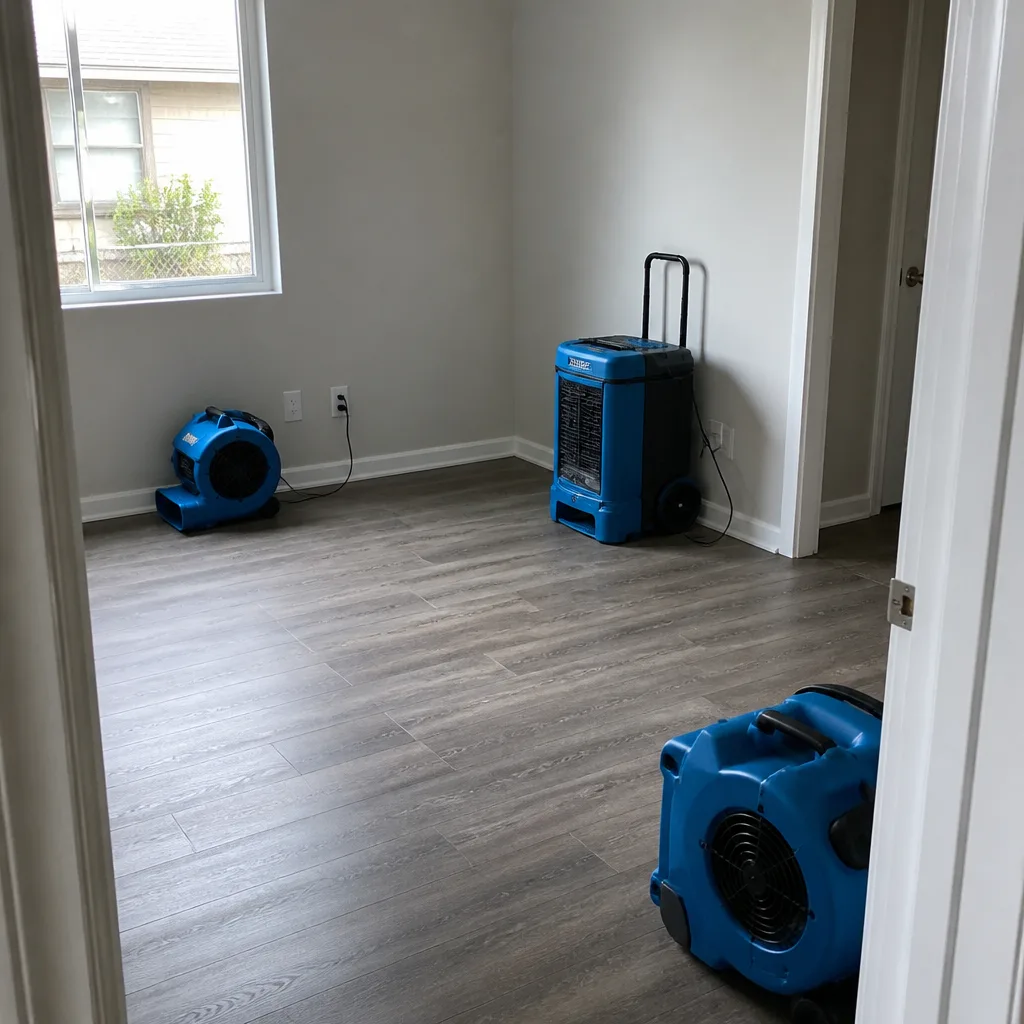 After
After24/7 Emergency Fire & Smoke Damage Restoration in Bellflower
A kitchen fire in a Bellflower ranch home can push smoke through 1950s fir ceiling joists and drop soot into every wall cavity before the first truck rolls. Crews from our Fire & Smoke Damage Restoration in Bellflower team answer live 24 hours a day at (628) 226-1011, with crews dispatched from our Los Angeles office to Bellflower neighborhoods inside 45 minutes. The first hour determines whether we’re cleaning surface soot or remediating hidden smoke damage inside lath-and-plaster wall cavities. We provide a free visual inspection, document every room with photos before anything moves, and deliver a written price before work begins - Haven Standard, Clause 1.
Understanding Fire & Smoke Damage Restoration Severity in Bellflower Properties
Bellflower’s housing stock shapes every fire job we take. The city’s single-story ranch homes, built 1950-1970 on concrete slab-on-grade foundations, carry original tight-grain fir ceiling joists and roof sheathing that wick smoke faster than modern engineered lumber. A “small” kitchen fire on the east side near the 605 corridor can migrate across the attic plane and saturate wall cavities before occupants finish calling 911.
We classify fire damage by residue type and migration path, not just burn area. Dry smoke residues from fast-burning, high-heat fires powder across surfaces and embed in porous plaster. Wet smoke residues from slow, smoldering fires - common in Bellflower’s older upholstered furniture and synthetic carpet - smear and require solvent-based cleaning. Protein fires from kitchen grease leave nearly invisible, pungent films that etch painted surfaces over 72 hours.
The slab foundation adds a second severity vector: firefighting water pools against concrete with nowhere to drain, creating category 3 water conditions within 24 to 48 hours. Without moisture mapping and documented drying logs, that hidden moisture fuels mold growth inside wall cavities while the visible soot gets wiped away. We run thermal imaging and hygrometer readings on every Bellflower fire job, regardless of apparent water volume.
Why Bellflower Property Owners Choose DryMark Restoration Compton
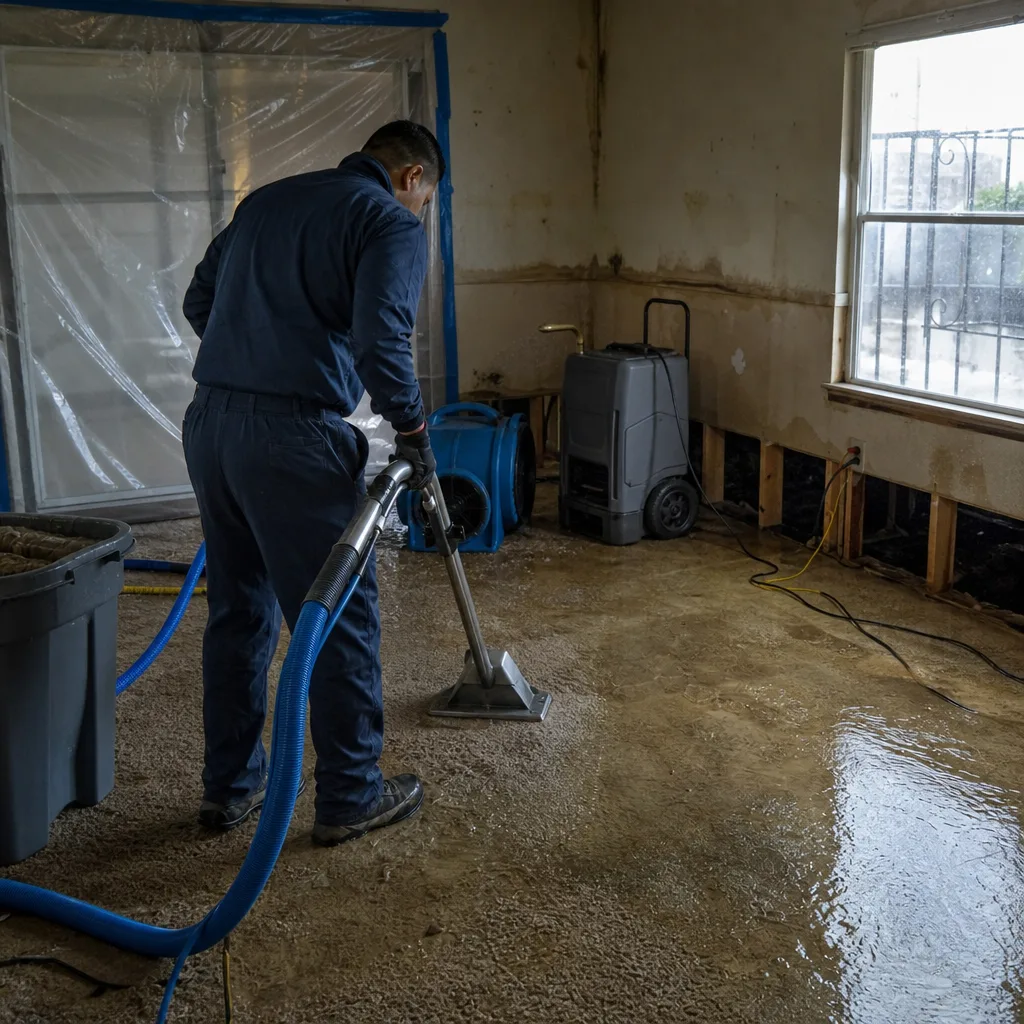
- 45-minute response commitment to Bellflower addresses, with crews staged for the east-side 605 corridor where post-storm and fire calls cluster.
- 24/7 live answer - a real person picks up every call, never an automated system or next-business-day callback while smoke residue continues etching your surfaces.
- IICRC-certified crews holding FSRT (Fire and Smoke Restoration Technician) and WRT (Water Damage Restoration Technician) certifications, with license numbers documented on every job file.
- Free visual inspection with photo documentation of all affected areas before any equipment is placed or any item is moved.
- Direct insurance billing with adjuster coordination starting from the first hour, including line-item scopes that match carrier documentation requirements.
- One team from emergency stabilization through reconstruction - no handoffs between vendors that lose context about your 1950s lath-and-plaster walls or detached workshop contents.
BeforeAfterOur Fire & Smoke Damage Restoration Process
1. Inspection & Assessment
We document the burn area, trace smoke migration through attic joists and wall cavities with thermal imaging, and identify firefighting water pooling on the slab. Every room gets photo documentation before anything is touched. Moisture readings establish a baseline for the drying log that follows.
2. Emergency Board-Up & Tarping
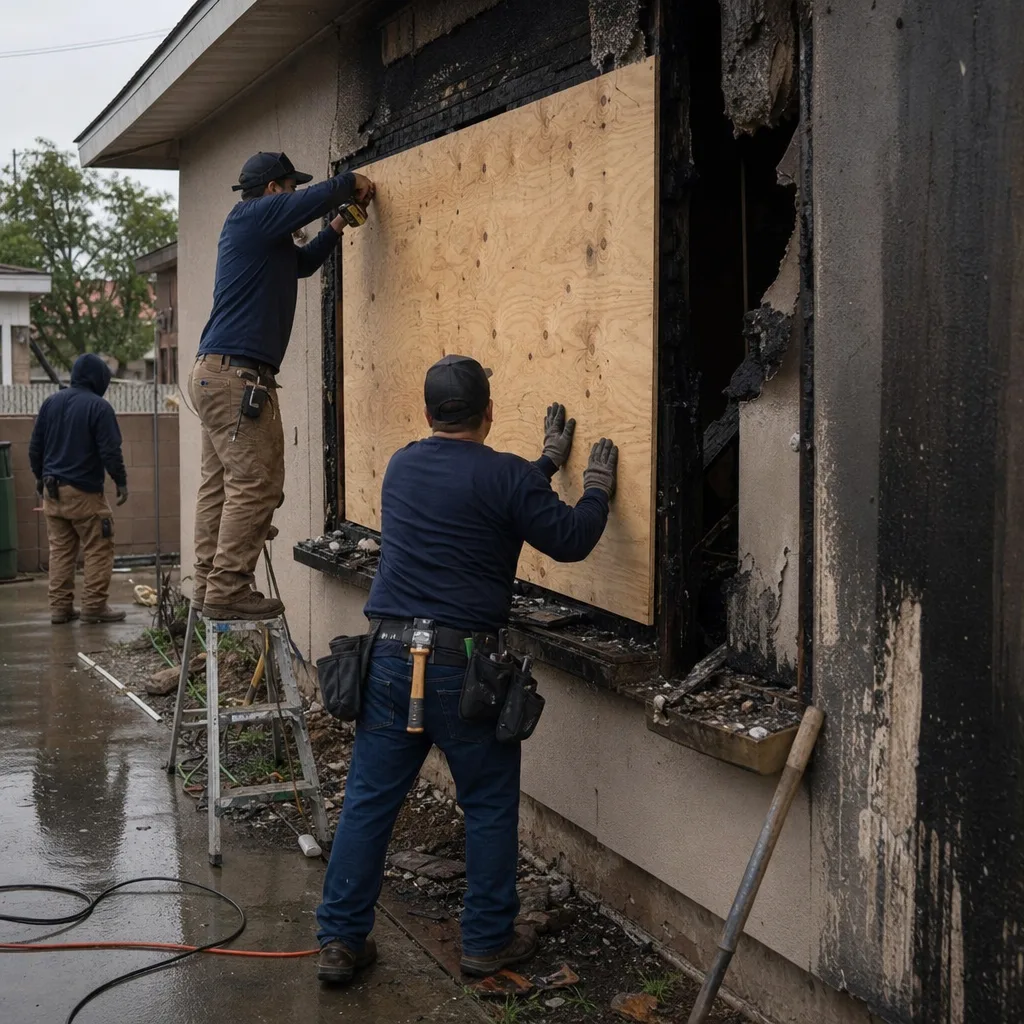
Broken windows, compromised roof sections, and damaged doors get secured immediately. On Bellflower properties with detached workshops or oversized rear doors, we size materials for the actual opening - not the standard residential kit - so one trip covers every entry point.
3. Water Extraction & Structural Drying
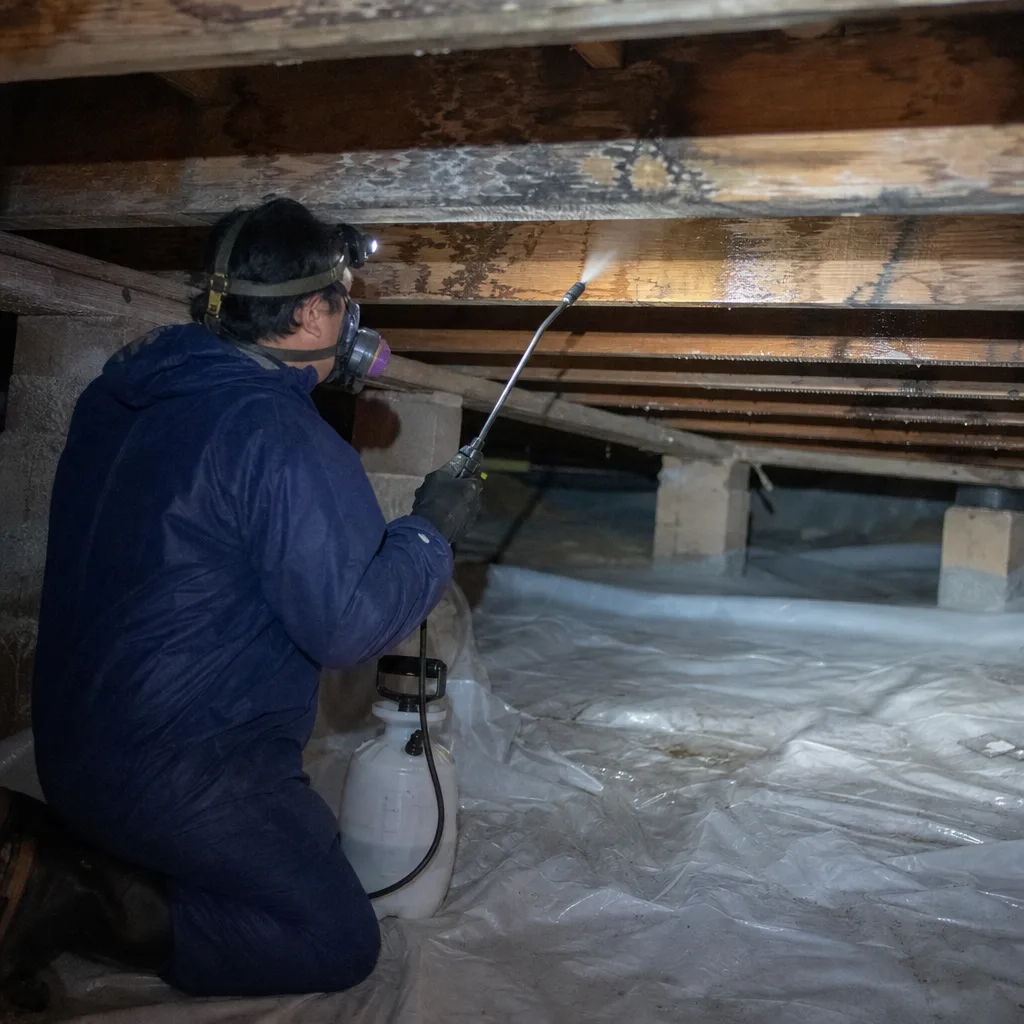
Firefighting water is extracted from flooring, wall cavities, and slab perimeters. We deploy Dri-Eaz and XPOWER air movers with LGR dehumidifiers, running vapor pressure differential calculations to pull moisture from the slab and old-growth framing. Daily moisture logs track progress to IICRC S500 standards.
4. Smoke & Soot Removal
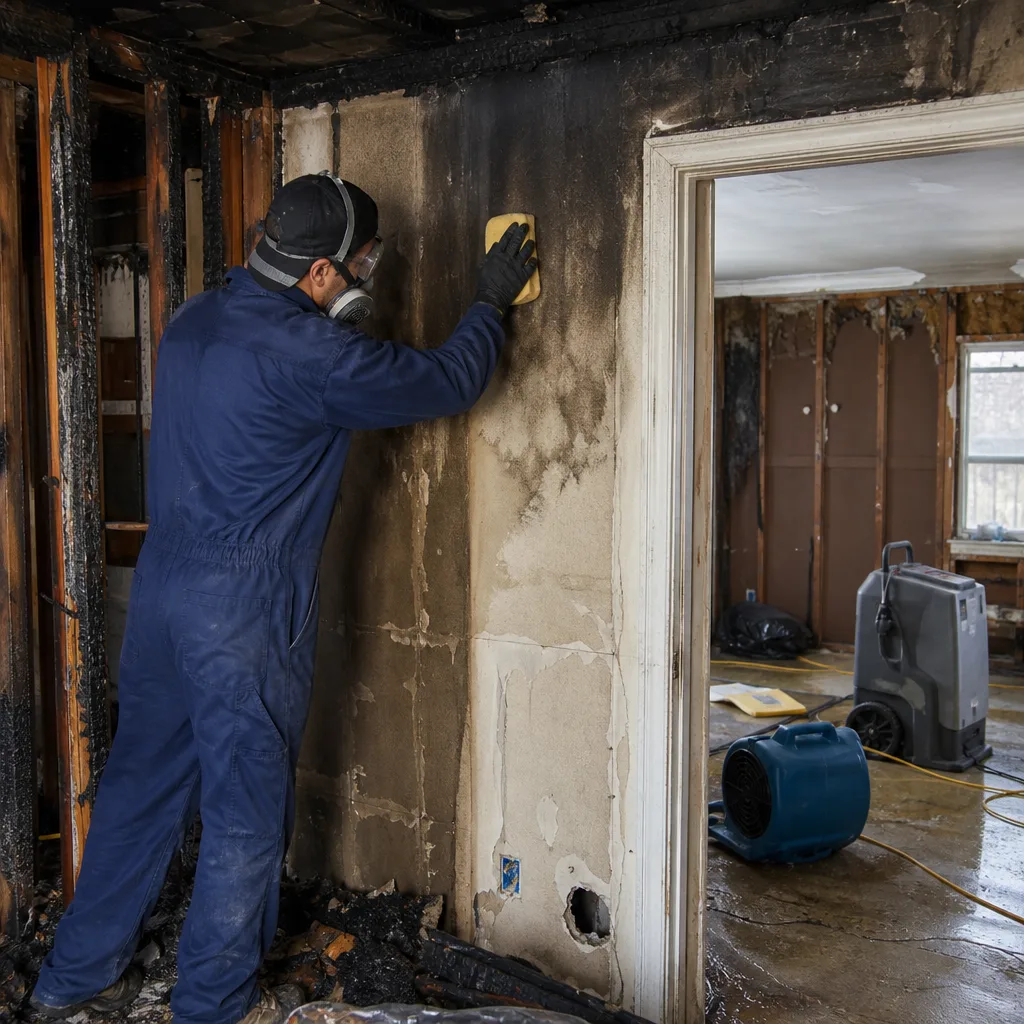
Soot is chemically matched to residue type: dry smoke gets HEPA vacuuming and dry-sponge cleaning; wet smoke requires solvent-based agents on non-porous surfaces; protein residues need alkaline cleaners. On Bellflower’s original lath-and-plaster walls, we avoid aggressive agitation that fractures the keys holding plaster to lath.
5. Odor Removal & Deodorization
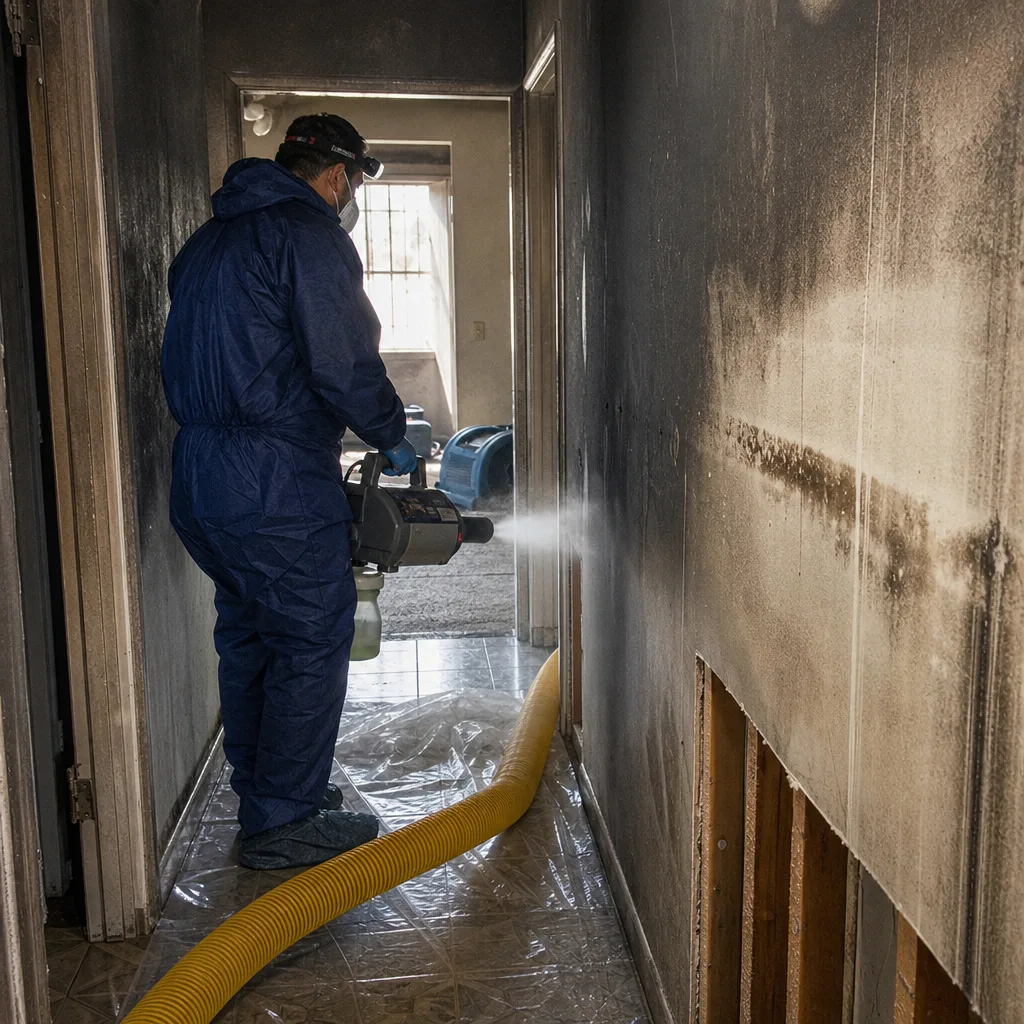
Airborne odor molecules embed in porous materials at the molecular level. We run thermal fogging or ozone treatment based on occupancy status, paired with HEPA-scrubbed negative air containment. Contents receive separate deodorization in our pack-out facility, not masking agents that fail in 30 days.
6. Contents Cleaning, Pack-Out & Restoration
Salvageable items are inventoried, photographed, and packed in one coordinated trip - tools from the detached workshop, family photos from the hallway, textiles from bedrooms. Unsalvageable items are documented for insurance replacement value. Reconstruction returns the property to pre-loss condition with a written scope and the 365-Day Done Right Promise.
Need Emergency Fire & Smoke Damage Restoration in Bellflower Now?
Crews minutes away, answering live 24 hours a day. The sooner we start, the less it costs.
Working With Your Insurance Company
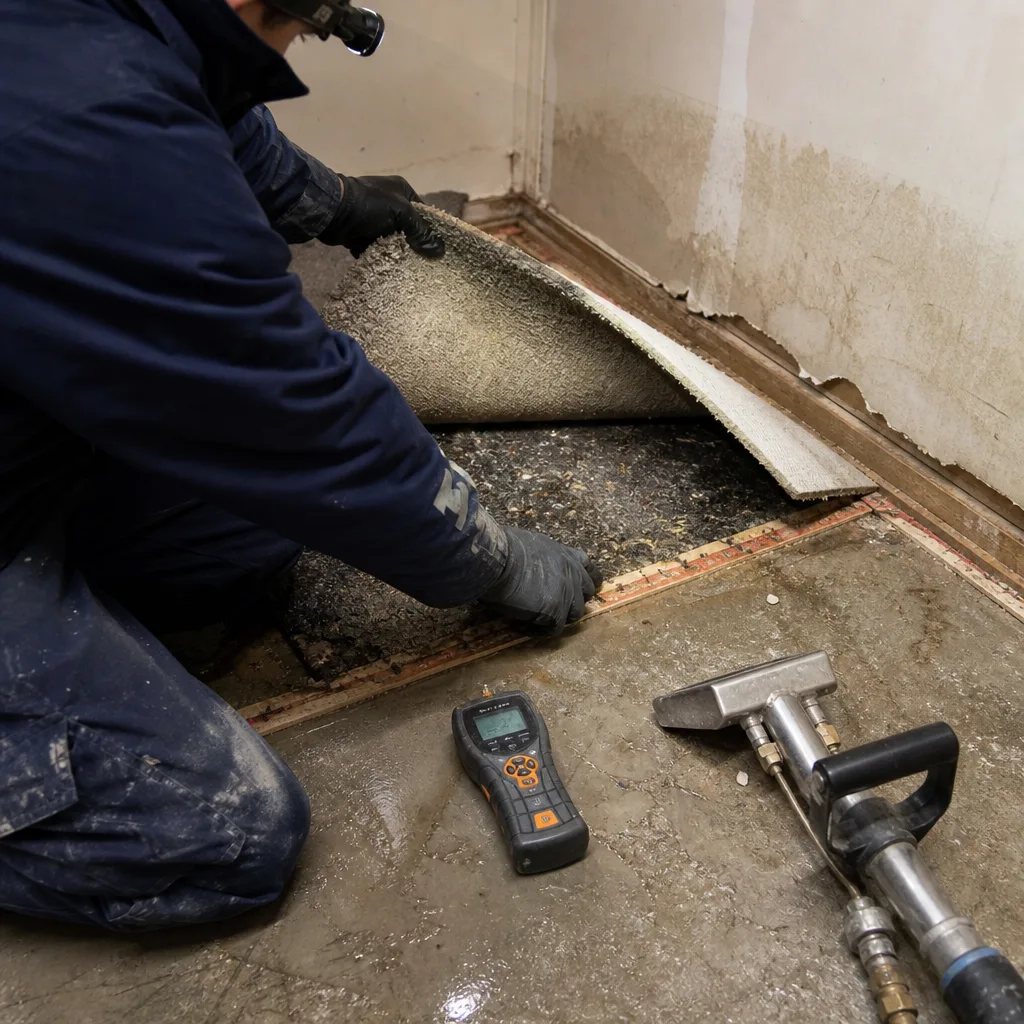
Fire claims fail on documentation gaps. Adjusters deny line items they cannot verify, and homeowners eat costs that should have been covered. We close that gap from the first hour.
Our Fire & Smoke Damage Restoration team produces industry-standard estimates in Xactimate format, with photo evidence supporting every line. We speak directly with your adjuster, provide supplemental documentation when scope expands, and never begin work without a written price that both you and the carrier have seen - Haven Standard, Clause 1. Alicia Brennan built this company in 2011 after watching claims adjuster files collapse under missing photos and verbal promises.
What We Provide Your Insurer
- Thorough documentation of the loss, including origin determination and migration path mapping
- Photos of all damage, room by room, with date and time stamps
- Moisture readings and daily drying logs from slab and wall cavity monitoring
- A detailed, line-item scope of work with trade-specific pricing
- Direct coordination with your carrier, including supplemental claim support
Built for Bellflower’s Loss Calendar
Bellflower’s fire risk runs on two overlapping calendars. The holiday cooking season, November through January, brings grease fires in kitchens with original 1950s ventilation - underpowered range hoods that never exhausted smoke effectively even when new. July through October, the Santa Ana wind pattern dries already-aged fir framing to ignition-ready moisture content below 10 percent. A smoldering electrical fault in an attic junction box can fully involve the roof structure before occupants smell smoke.
The atmospheric river events that hit Southern California in 2023 and recur periodically add a secondary pattern: lightning strikes on the flat coastal plain, and post-storm electrical surges that spark fires in aging panels. Eastern Bellflower, near the San Gabriel River channel, sees localized flooding that compounds fire damage when waterlogged electrical systems short after the flames are out. Our crews carry both fire residue and water damage protocols on every truck from October through April.
Fire & Smoke Damage Restoration Across Bellflower’s Neighborhoods
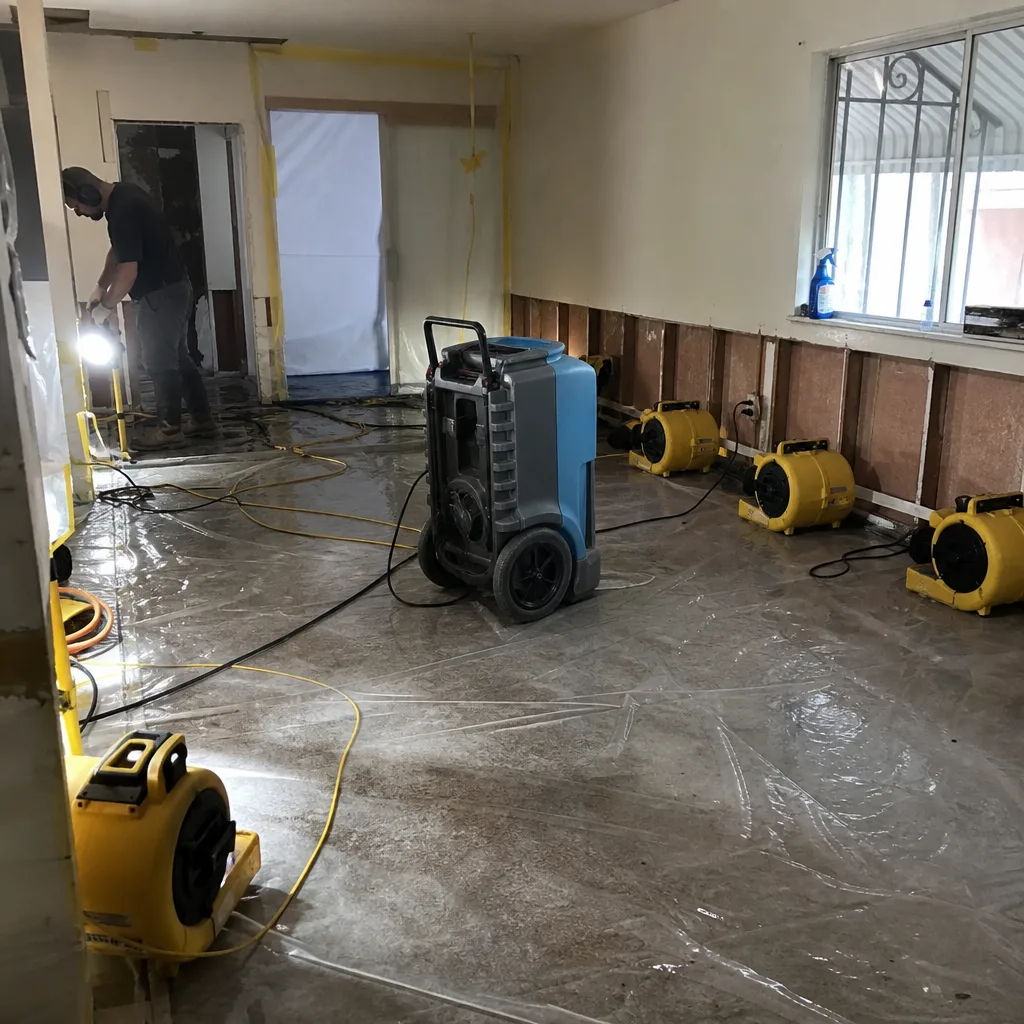
The east side of Bellflower, blocks west of the 605 freeway near the San Gabriel River channel, presents our most complex fire jobs. These streets sit inches above the floodplain grade on slab foundations with no drainage path. A fire here means smoke migration through old fir framing plus firefighting water pooling against concrete, often with storm-drain backup from the channel adding contaminated water to the mix. We stage extra dehumidification capacity and run moisture mapping grid patterns tighter than the IICRC minimum.
Central Bellflower along Bellflower Boulevard carries the city’s original 1950s commercial corridor, now mixed with residential conversions. These buildings have brick chimney chases shared between units, and smoke wicks inside the cavity between lath and brick in ways that miss visual inspection. We run borescope cameras on every central Bellflower job with an active chimney.
The neighborhoods north of Alondra Boulevard and west of Woodruff Avenue hold larger ranch lots with detached workshops and oversized rear doors - exactly the properties where a single-trip pack-out matters. Homeowners here are self-reliant. They want the job scoped completely on arrival, not a second call when the workshop gets opened two days later.
South Bellflower, toward Artesia Boulevard, has denser 1960s tract development with lower roof pitches and less attic ventilation. Smoke lingers longer in these spaces. We adjust our thermal fogging protocols and extend HEPA scrubber runtime accordingly.
Specialized Fire & Smoke Damage Restoration Services We Offer in Bellflower
Fire Damage Cleanup
Structural cleaning after burn damage, including char removal from 1950s fir joists, debris disposal, and preparation for reconstruction. We document salvageable framing with photos for the adjuster before any material is removed.
Smoke & Soot Removal
Chemically-specific cleaning for dry, wet, and protein residues on Bellflower’s original lath-and-plaster surfaces. We test-clean a 1-square-foot section first, document the result with photos, and match the agent to the substrate - aggressive chemistry that works on modern drywall destroys plaster keys.
Odor Removal & Deodorization
Thermal fogging, ozone, and hydroxyl treatment based on occupancy status and material sensitivity. On Bellflower jobs with detached workshops, we run separate deodorization protocols for the main structure and the outbuilding, since cross-contamination paths differ.
Contents Cleaning & Pack-Out
Inventory, photo documentation, and single-trip removal of salvageable items to our cleaning facility. For Bellflower’s workshop-heavy properties, we bring specialized crating for tools and equipment, not just household furniture blankets. Everything is logged to item-level detail for insurance replacement valuation.
Emergency Board-Up & Tarping
Immediate security of all openings, including oversized doors and non-standard workshop entries. We measure on arrival, cut to fit, and secure with materials sized for the actual opening - no plywood sheets leaning against a 10-foot roll-up door waiting for a second trip.
What happens when you call
- 1
A real person answersNo phone trees - you reach a local pro.
- 2
You get an upfront price rangeHonest numbers before anyone is dispatched.
- 3
A background-checked tech heads outLicensed & insured, dispatched right away.
- 4
You approve before work beginsNothing starts until you say go.
Fire & Smoke Damage Restoration Costs in Bellflower, CA
Fire restoration pricing in Bellflower reflects the city’s specific housing stock and the dual-clock nature of most jobs. A typical smoke and soot cleanup on a 1,200-square-foot ranch with limited water damage runs $3,800-$6,500. Jobs requiring full pack-out, contents cleaning, and detached workshop stabilization range $8,500-$15,000. Reconstruction after structural burn damage, including ceiling joist replacement and plaster repair, starts around $12,000 and scales with square footage and finish matching.
What moves the price: the extent of smoke migration into wall cavities (requiring opened walls and lath-and-plaster repair), firefighting water volume and subsequent drying days, contents volume requiring pack-out and specialized cleaning, and whether the detached workshop or outbuildings are involved. Insurance typically covers direct fire and smoke damage, plus water damage from firefighting, under standard HO-3 policies. We provide the documented scope that makes those claims payable.
Every job starts with a free visual inspection and written price before work begins - no exceptions. Call (628) 226-1011 for an exact scope on your property.
We Also Serve Cities Near Bellflower
Our crews respond throughout the southeast Los Angeles County corridor, including Cerritos to the east with its newer construction and different smoke migration patterns, Signal Hill on the elevated bluff with distinct wind exposure, Compton to the west, and Long Beach to the south with its coastal humidity variations that change drying calculations. Each city gets the same documented approach, adjusted for local building stock.
Serving Bellflower, CA - Our Local Coverage Area
We’re based in the Bellflower area and know this community well. Use the map below to see our service coverage - if you’re nearby, we can almost certainly help.
Bellflower Fire & Smoke Damage Restoration Questions, Answered
How fast does a fire in a Bellflower ranch home need attention before the damage gets worse?
Within 24 hours, and ideally within the first 4 to 6. The 1950s fir ceiling joists in Bellflower’s ranch homes are already dry and porous; smoke residue etches painted surfaces in 72 hours, and protein films from kitchen fires become chemically bonded to plaster in that same window. Meanwhile, firefighting water on the slab starts the mold clock. Call (628) 226-1011 and we’ll have a crew en route with containment and drying equipment.
Why does a small kitchen fire in Bellflower sometimes mean a full pack-out?
Because the original fir joists and minimal attic ventilation in these 1950s homes wick smoke into every wall cavity before the fire department leaves. Surface cleaning misses the soot inside lath-and-plaster walls, and that hidden residue continues off-gassing. A full pack-out lets us establish containment, run negative air with HEPA scrubbers, and access wall cavities without exposing your contents to secondary contamination. We inventory and photograph everything before it moves.
Do you handle the detached workshop or oversized rear door on Bellflower properties?
Yes, and we scope it on the first trip. Bellflower’s larger lots, especially north of Alondra and in the Woodruff Avenue corridor, often have detached workshops with roll-up doors that standard board-up kits don’t fit. We measure and cut materials on arrival, pack out workshop contents with the main house inventory, and run separate deodorization protocols. One trip. One scope. That’s the standard we hold to.
What does ‘containment’ look like in a Bellflower fire job?
Physical barriers of 6-mil polyethylene sheeting, sealed with fire-rated tape, isolating the affected area from clean spaces. Negative air machines with HEPA filtration maintain pressure differential so airborne particles exit through filtration, not into occupied rooms. On Bellflower’s open-plan ranch layouts, we often erect multiple containment zones - kitchen, attic access, and any attached or detached structure with smoke intrusion - each with independent air scrubbing.
How do you decide what gets cleaned versus what comes out after a Bellflower fire?
We test-clean a representative sample and document the result with photos. Porous items - upholstered furniture, mattresses, stuffed toys, unsealed wood - typically absorb smoke and protein residues beyond economical restoration and are inventoried for replacement value. Non-porous items - metal tools, glass, sealed ceramics, most hard plastics - clean successfully and return after deodorization. The decision is documented item by item, with photos, for your insurance file.
Will my insurance cover fire and smoke damage restoration in Bellflower?
Standard HO-3 policies cover direct fire damage, smoke damage, and water damage from firefighting efforts, minus your deductible. Coverage disputes usually arise from documentation gaps, not policy language. We provide the photo record, moisture logs, line-item scope, and adjuster coordination that turns a restoration invoice into a payable claim. Bring any competitor’s written estimate and we’ll review it free - Haven Standard, Clause 1 applies to second opinions too.
How long does the full fire restoration process take in Bellflower?
Smoke and soot cleanup with limited water damage: 3 to 5 days. Jobs with significant firefighting water extraction and slab drying: 7 to 10 days. Full reconstruction with lath-and-plaster repair, finish matching, and contents return: 3 to 6 weeks depending on material lead times. We provide a written schedule with the scope, updated daily with moisture log data, so you have evidence of progress, not promises.
Can my family stay in the home during fire damage restoration?
Usually not during the first 48 to 72 hours. Airborne particulate levels from soot and residue work exceed safe occupancy standards until HEPA scrubbers complete initial filtration. Once containment is established and air quality tests clear, limited occupancy of unaffected zones may be possible. We document air quality readings and share them with your adjuster if temporary housing coverage is in your policy.
When a fire hits your Bellflower property, two clocks start. We’re built to beat both: the fast-wicking smoke through 1950s fir framing, and the hidden water on a slab with nowhere to drain. Every job gets a written price before work begins, a photo record on every visit, and the 365-Day Done Right Promise under The Haven Standard. Call (628) 226-1011 - a live person answers, 24 hours a day.
Written by Alicia Brennan, Owner at Back to Dry Restoration, serving Bellflower since 2011.
Fire & Smoke Damage Restoration in Nearby Areas