
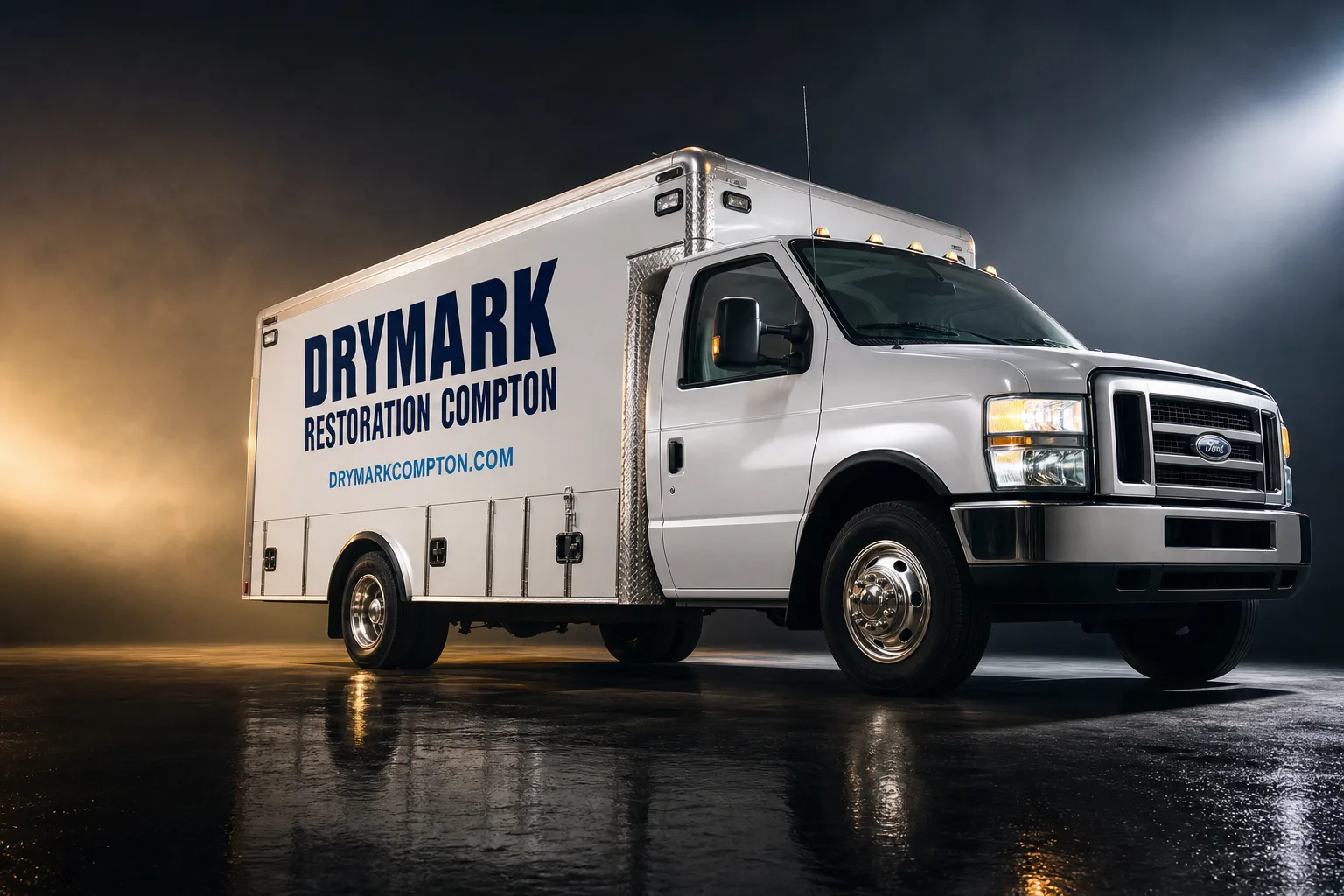
Free visual inspection and a written scope of work before any mitigation begins - photos, moisture readings, and drying logs go in your claim file
The scope we write is the scope we bill. Anything new gets shown to you, in writing, before we touch it.
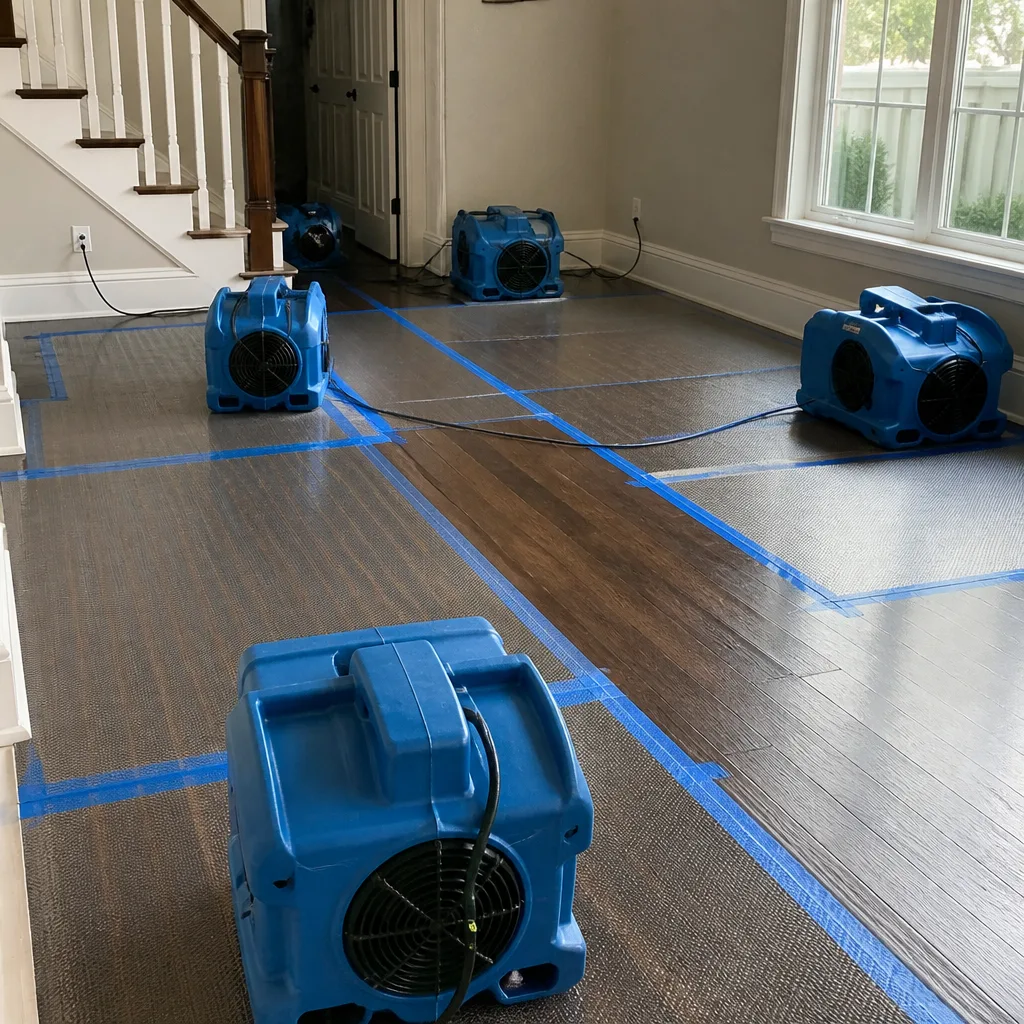
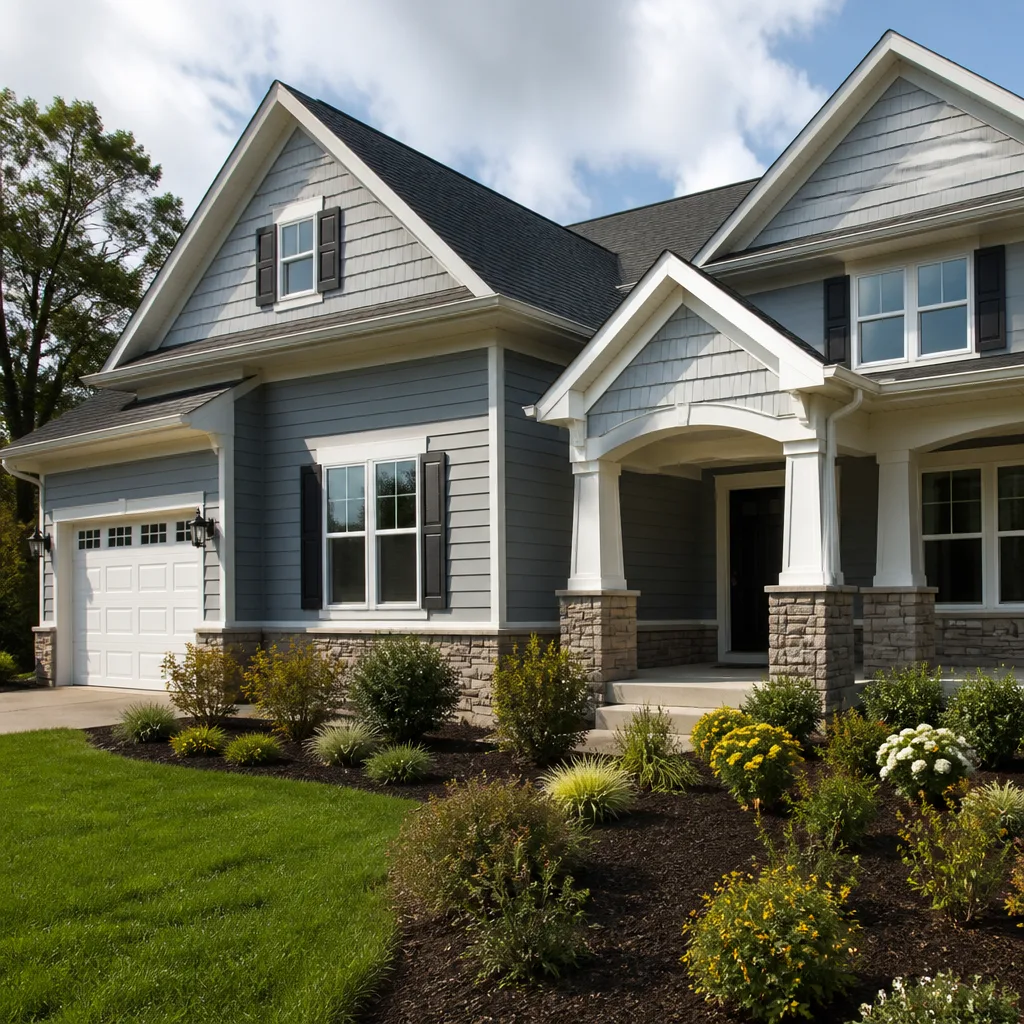
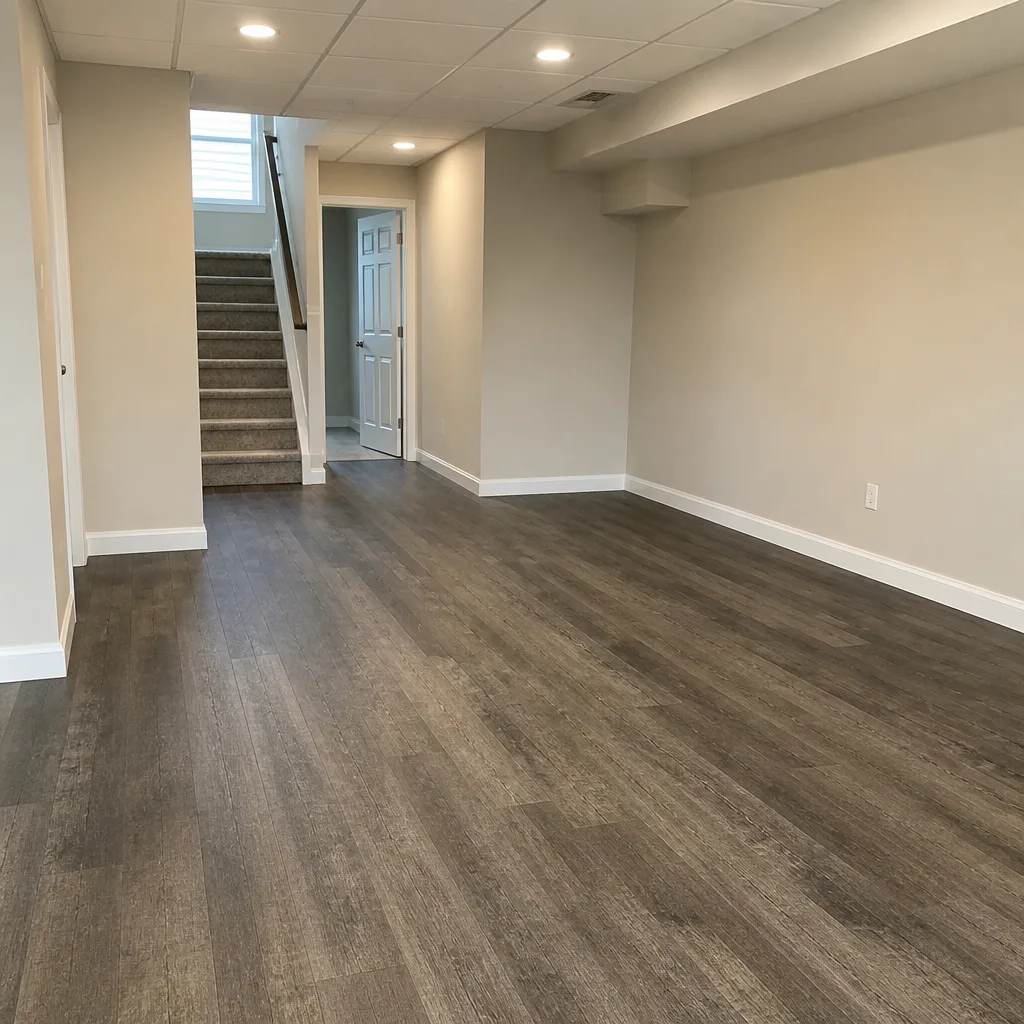
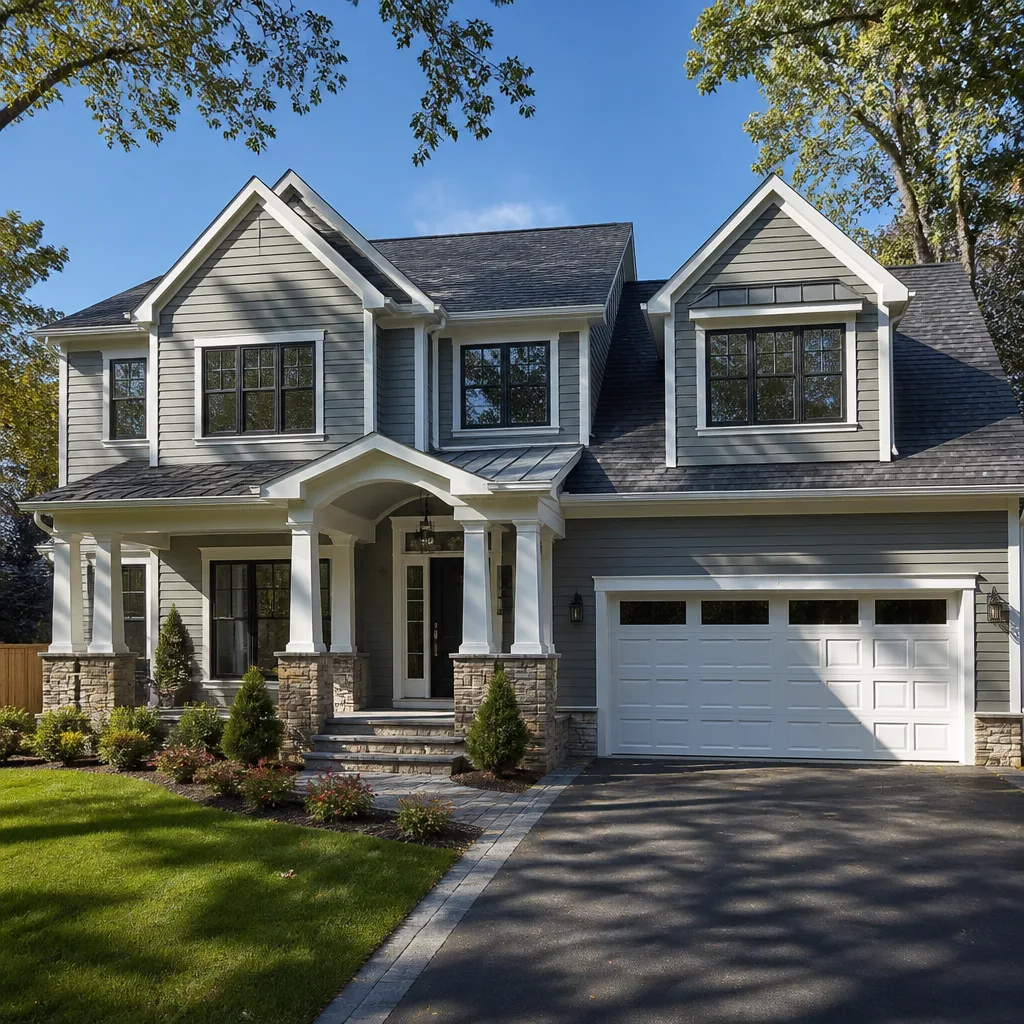
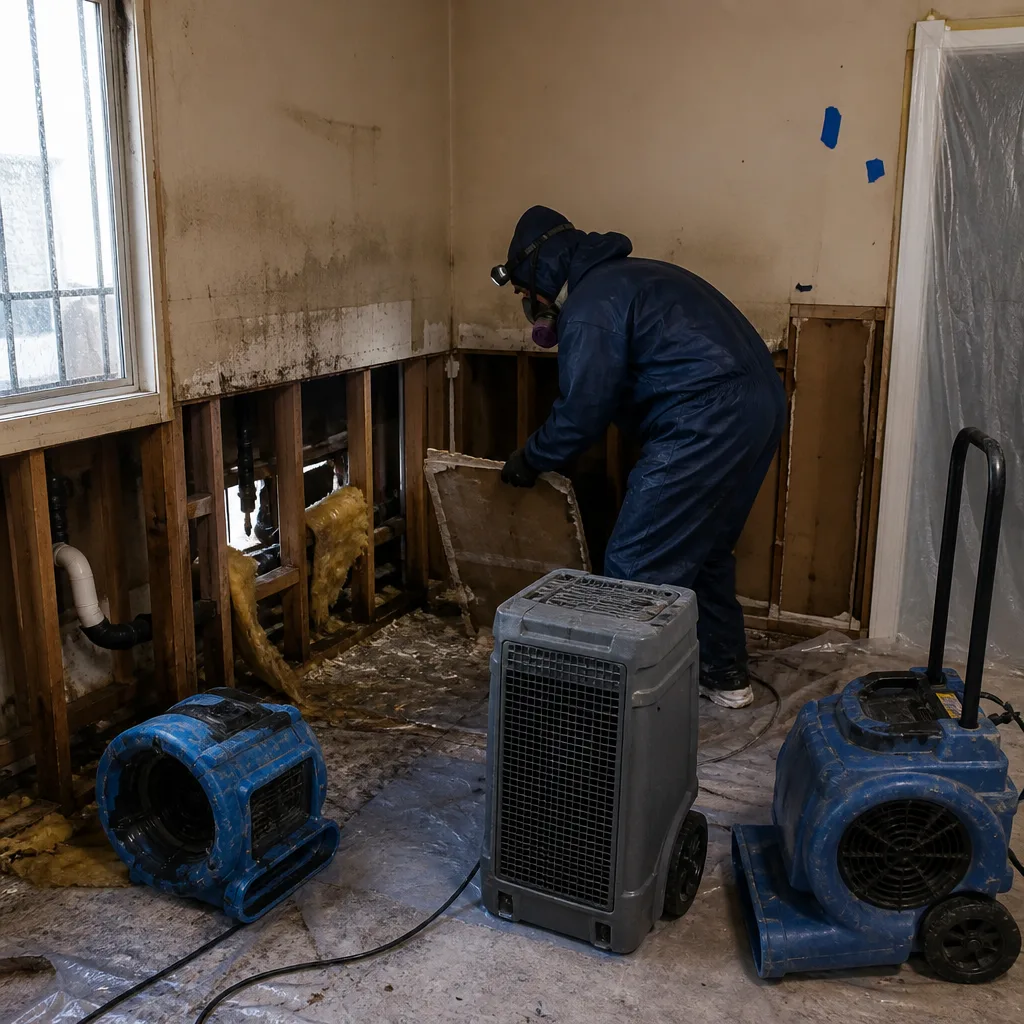 Before
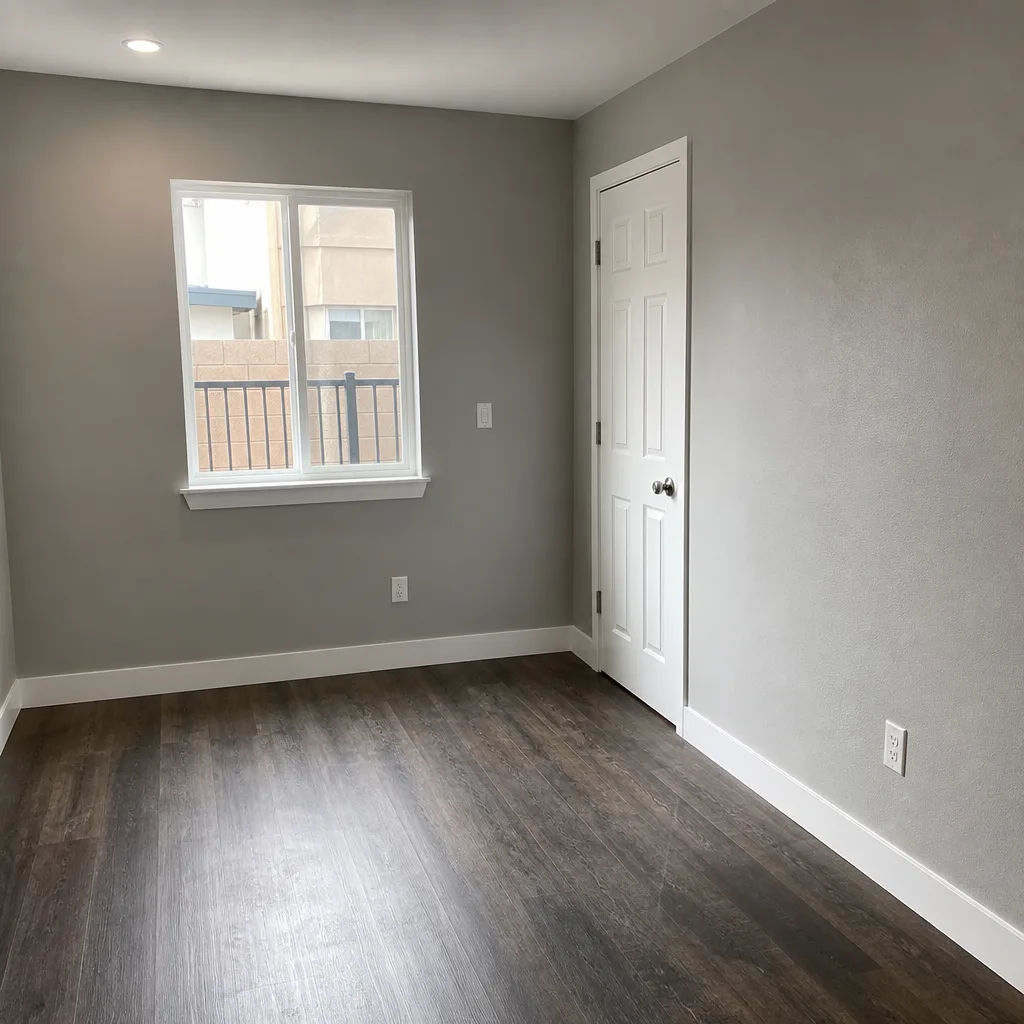 After
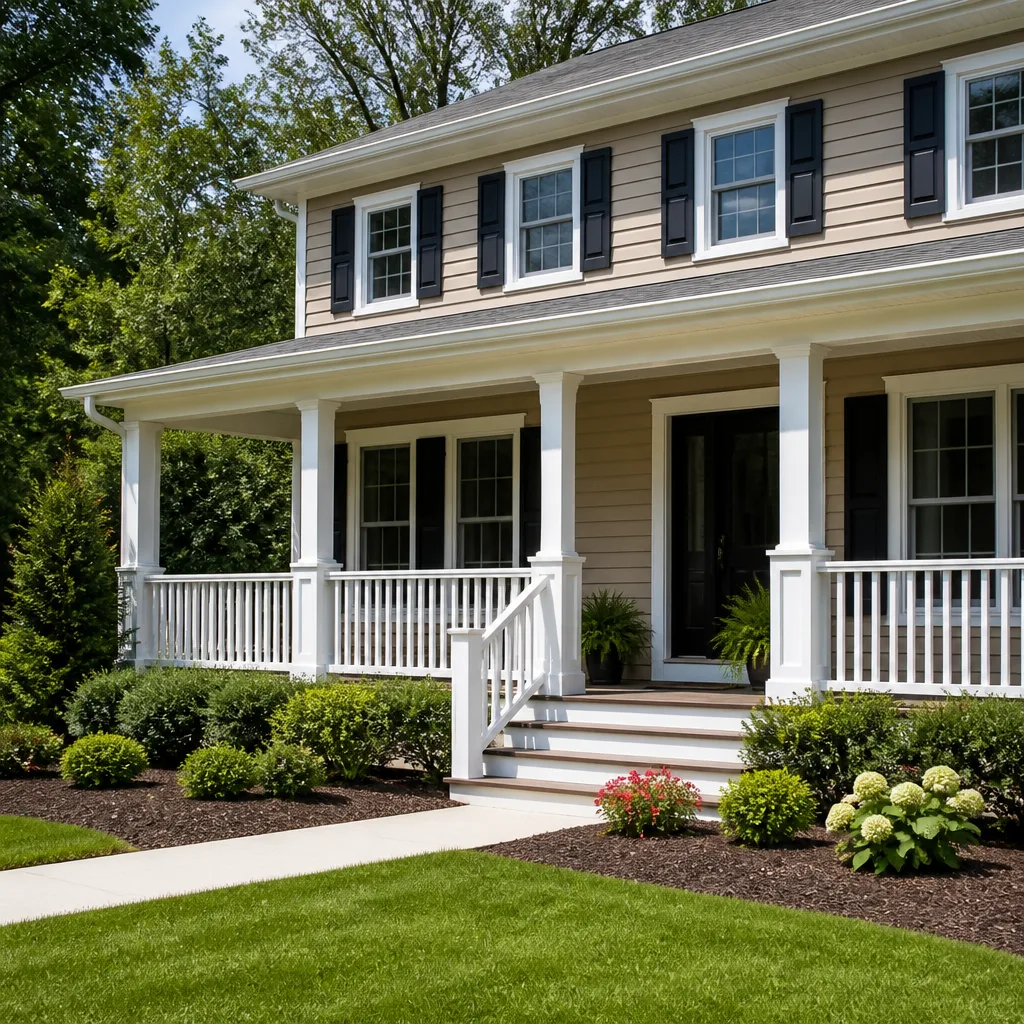
After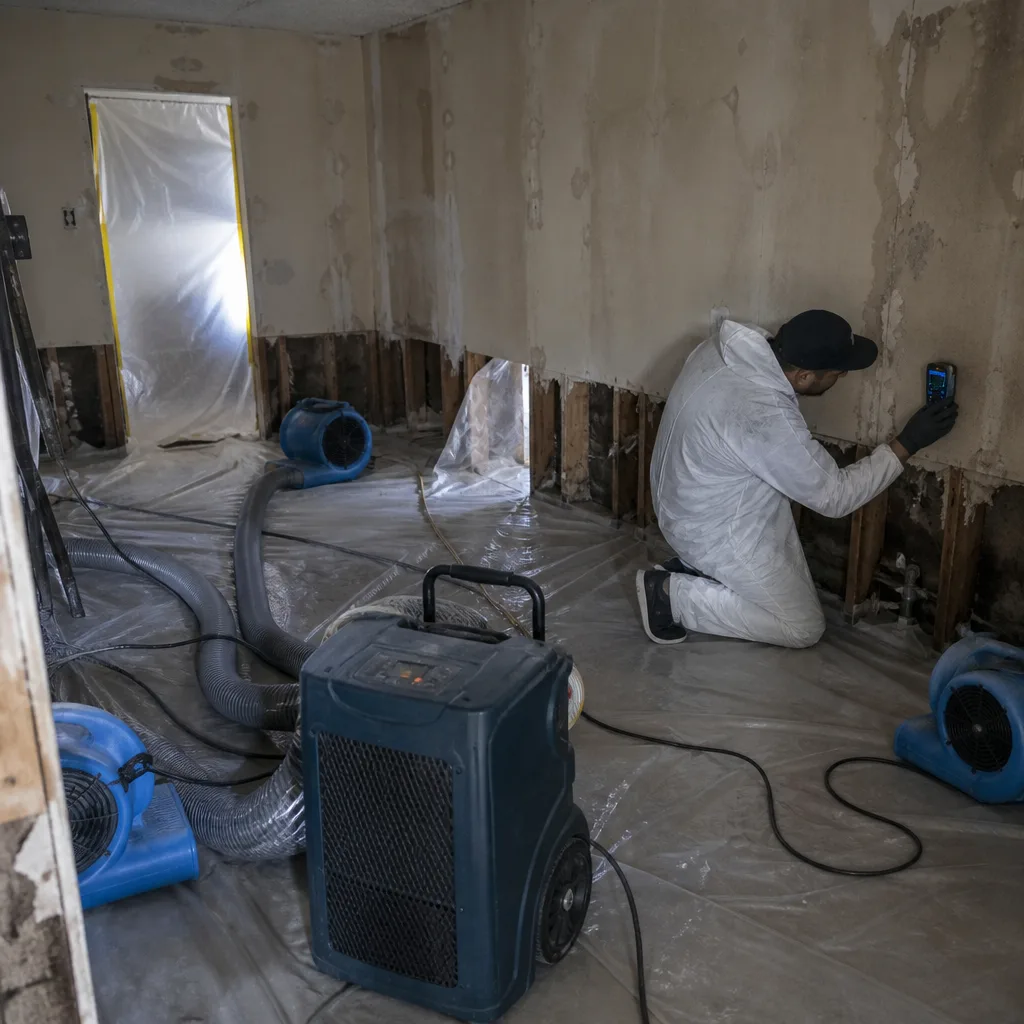 Before
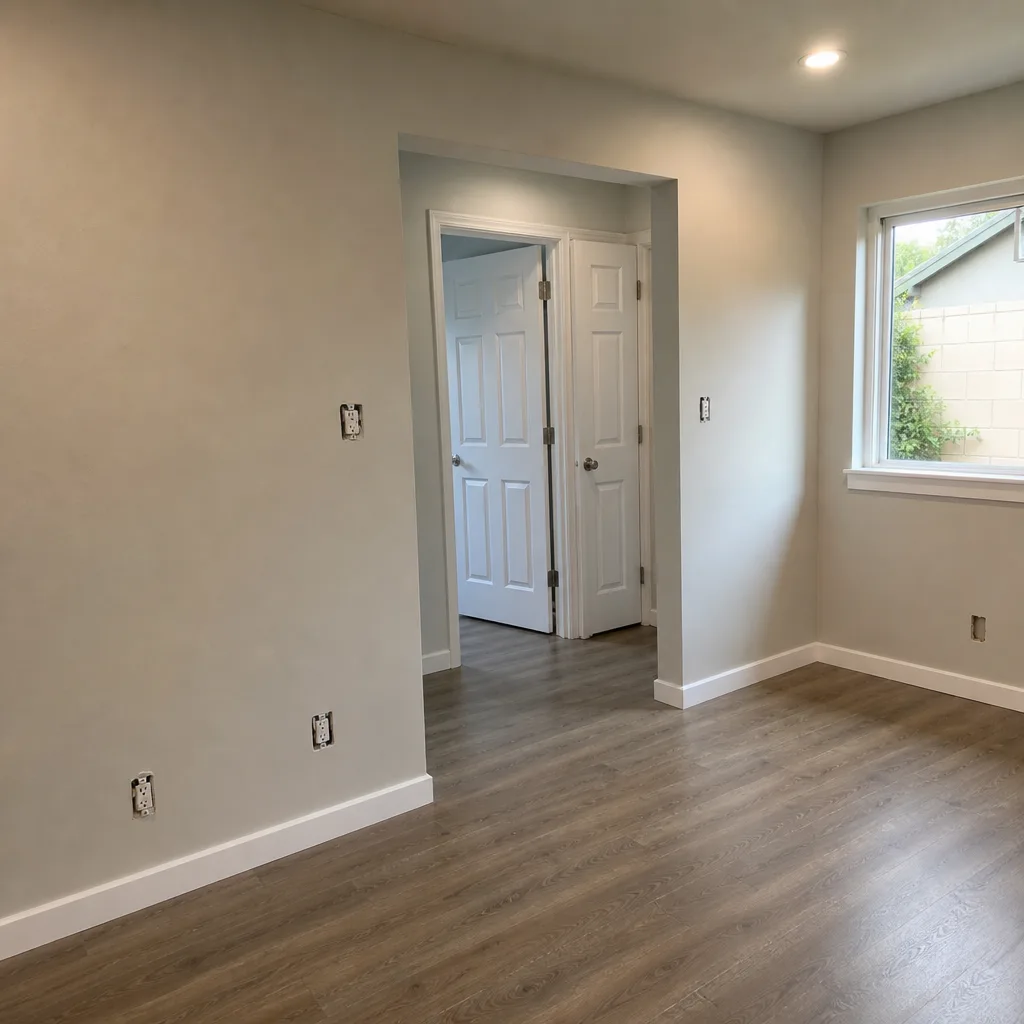 After
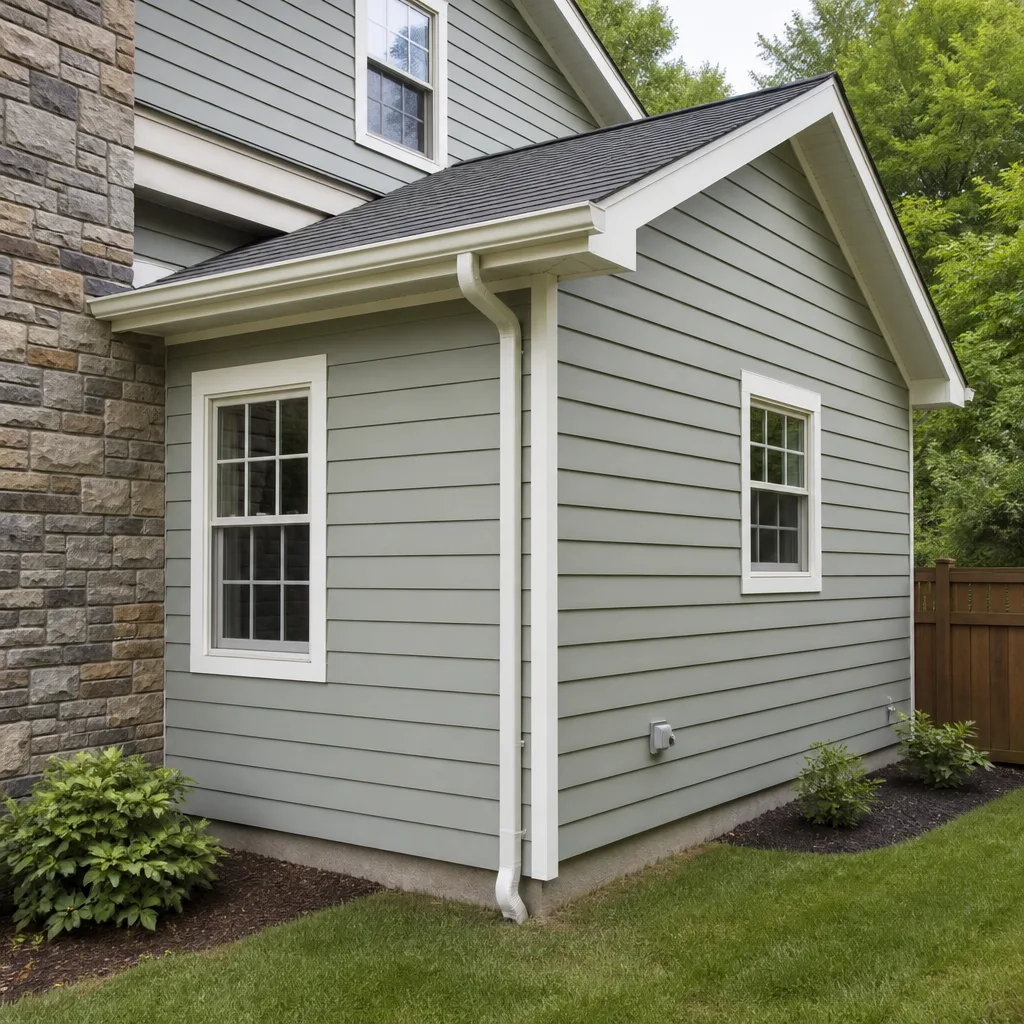
After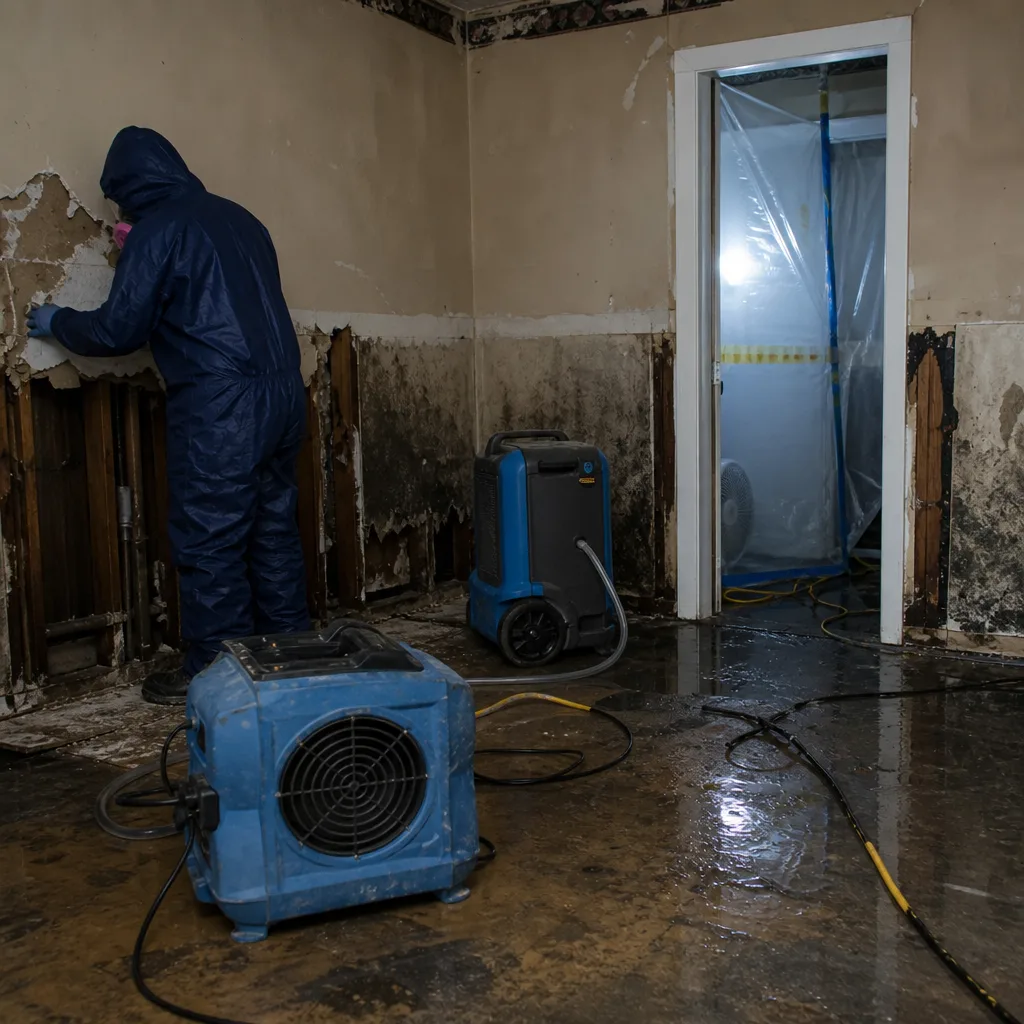 Before
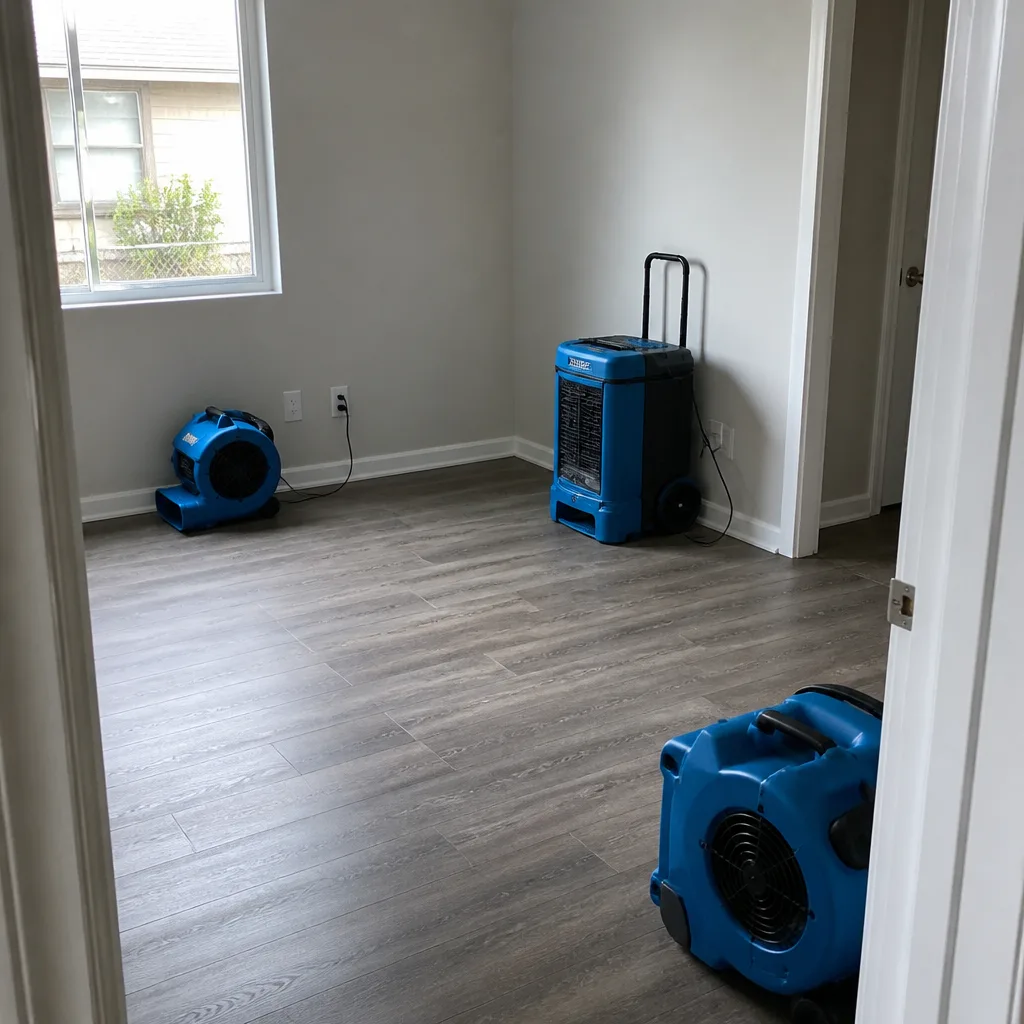 After
After24/7 Emergency Fire & Smoke Damage Restoration in Long Beach
Fire and smoke damage restoration in Long Beach typically costs $4,200-$18,500 depending on the affected square footage and whether structural repairs are needed, with emergency board-up and stabilization usually completed same day. Crews from DryMark Restoration Compton are dispatched across Long Beach within 45 minutes of your call to (628) 226-1011, and every job starts with a free visual inspection and written scope before any work begins. The first hour after a fire is extinguished determines whether smoke residues set permanently into plaster and framing, whether water from suppression causes secondary mold growth, and whether hidden damage in wall cavities gets documented for your claim - or missed entirely.
We answer live, 24 hours a day, 7 days a week. No voicemail trees. No next-business-day callbacks while smoke continues to etch your finishes and moisture breeds mold behind lath walls.
Understanding Fire & Smoke Damage Restoration Severity in Long Beach Properties
Fire damage in Long Beach follows a severity ladder that starts with dry smoke residue - powdery, fast-settling soot from fast-burning materials - and escalates through wet smoke (sticky, smeary residue from slow, oxygen-starved burns), protein residue (nearly invisible but pungent, common in kitchen fires), and finally to fire suppression water damage that compounds the loss. Smoke migration is the hidden multiplier: superheated smoke pressurizes during the fire and forces itself through every crack, conduit penetration, and wall cavity, depositing acidic soot far from the flames.
Long Beach’s housing stock intensifies this dynamic. The 1920s-1940s Craftsman bungalows in California Heights, Wrigley, and Bixby Knolls still carry original lath-and-plaster walls with no fire-blocking in stud cavities. Smoke travels vertically through those channels for full stories. The 1950s-1960s soft-story “dingbat” apartment buildings common along Pacific Coast Highway and Anaheim Street have minimal shear walls; a fire that compromises one load path may require structural engineering review before any cosmetic repair can proceed. And in the subsidence zone bounded by the harbor, downtown, and the 710 corridor, fire crews routinely find that the suppression water has reactivated chronic slab leaks from shifted foundations - a secondary loss pattern that generic scopes miss.
Why Long Beach Property Owners Choose DryMark Restoration Compton
- 45-minute response commitment to any Long Beach address from Signal Hill to the harbor.
- 24/7 live answer - a real person, never an automated system, picks up every call.
- IICRC-certified crews trained to FSRT (Fire and Smoke Restoration Technician) and WRT (Water Damage Restoration Technician) standards.
- Free visual inspection with a written price before any work starts, every time, per Haven Standard, Clause 1.
- Direct insurance billing with photo-documented estimates and daily drying logs your adjuster can read.
- One team from emergency board-up through structural repair - no handoffs between subcontractors that lose the job’s history.
BeforeAfterOur Fire & Smoke Damage Restoration Process
Inspection & Assessment
We document the full perimeter with thermal imaging to find hidden fire extension, test soot residue type by surface, and map smoke migration paths through wall cavities. In Long Beach’s older bungalows, we specifically inspect for corroded galvanized supply lines and slab cracks that suppression water may have exposed. You receive a written scope and price before we start.
Emergency Board-Up & Stabilization
Broken windows, compromised roofs, and fire-damaged doors are secured with plywood and weatherproof tarps to prevent intrusion and further weather damage. For soft-story apartment buildings, we coordinate with the city’s building department to verify structural stability before crews enter.
Water Extraction & Drying
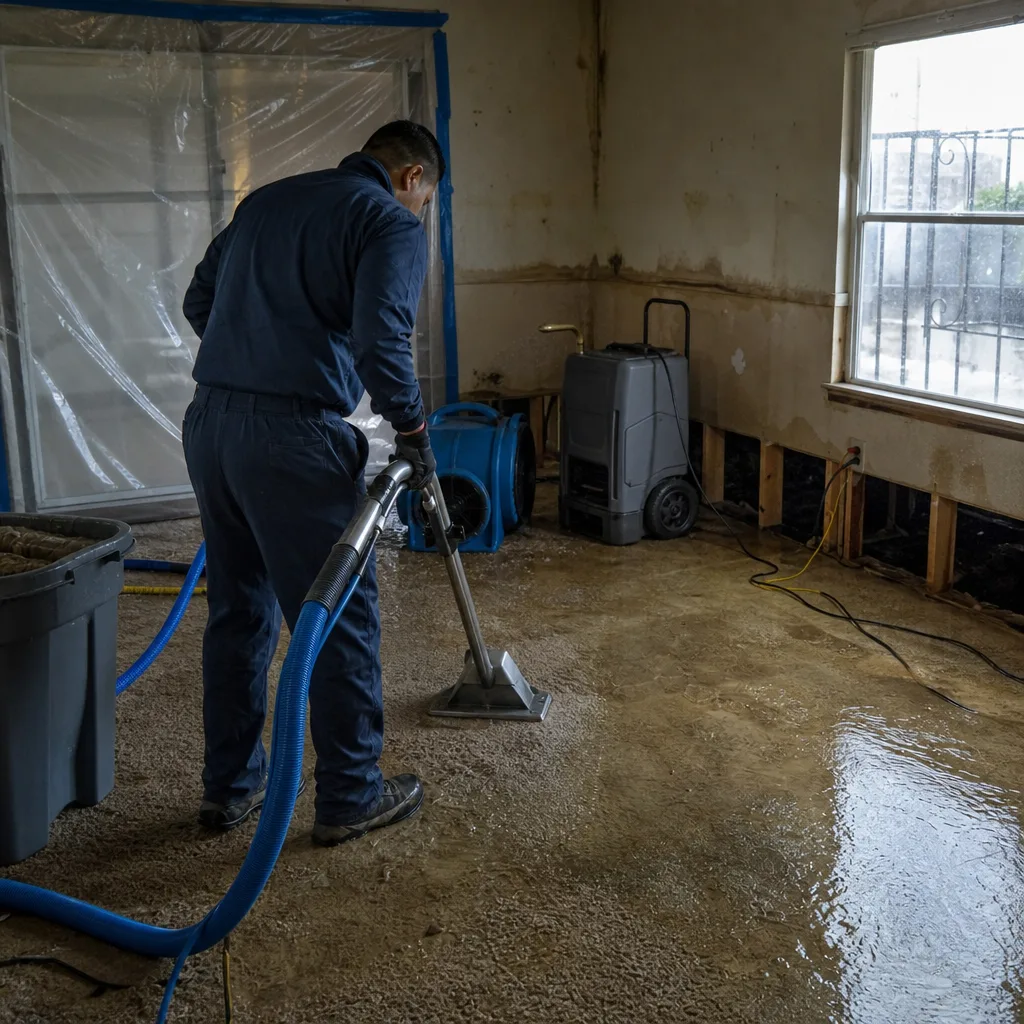
Fire suppression leaves Category 1, 2, or 3 water depending on what it contacted. We extract standing water, deploy air movers and dehumidifiers from Dri-Eaz and Phoenix, and establish psychrometric drying targets - specific temperature and humidity readings documented daily. In harbor-adjacent neighborhoods like Naples and Belmont Shore, we account for elevated baseline humidity from salt-laden marine air that extends drying timelines.
Smoke & Soot Cleaning
Dry smoke gets HEPA-vacuumed; wet smoke requires solvent-based cleaning on non-porous surfaces and media blasting on brick and framing. We clean room by room, photograph every stage, and test cleanability before committing to full restoration - some finishes are cheaper to replace than restore.
Odor Removal & Deodorization
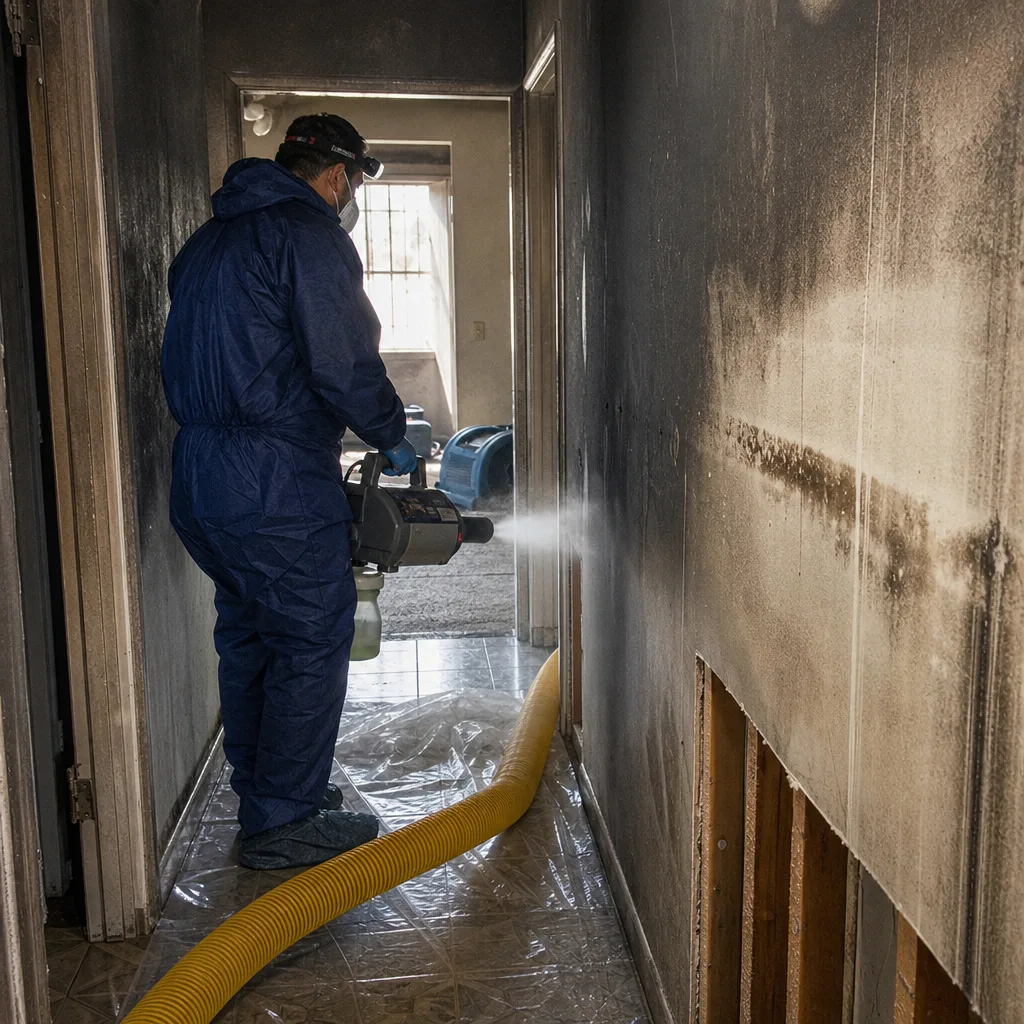
Surface cleaning removes visible soot; odor removal requires neutralizing compounds that have penetrated porous materials. We deploy hydroxyl generators for safe occupied-space treatment and thermal fogging for severe penetration, matching the method to the odor source and the space’s occupancy constraints.
Repairs & Restoration
From drywall and paint to full structural reconstruction, our crew completes the rebuild with the same documentation standard: photo record, written scope, moisture verification, and the 365-Day Done Right Promise under The Haven Standard. No handoff to outside contractors who don’t know the job’s history.
Need Emergency Fire & Smoke Damage Restoration in Long Beach Now?
Crews minutes away, answering live 24 hours a day. The sooner we start, the less it costs.
Working With Your Insurance Company
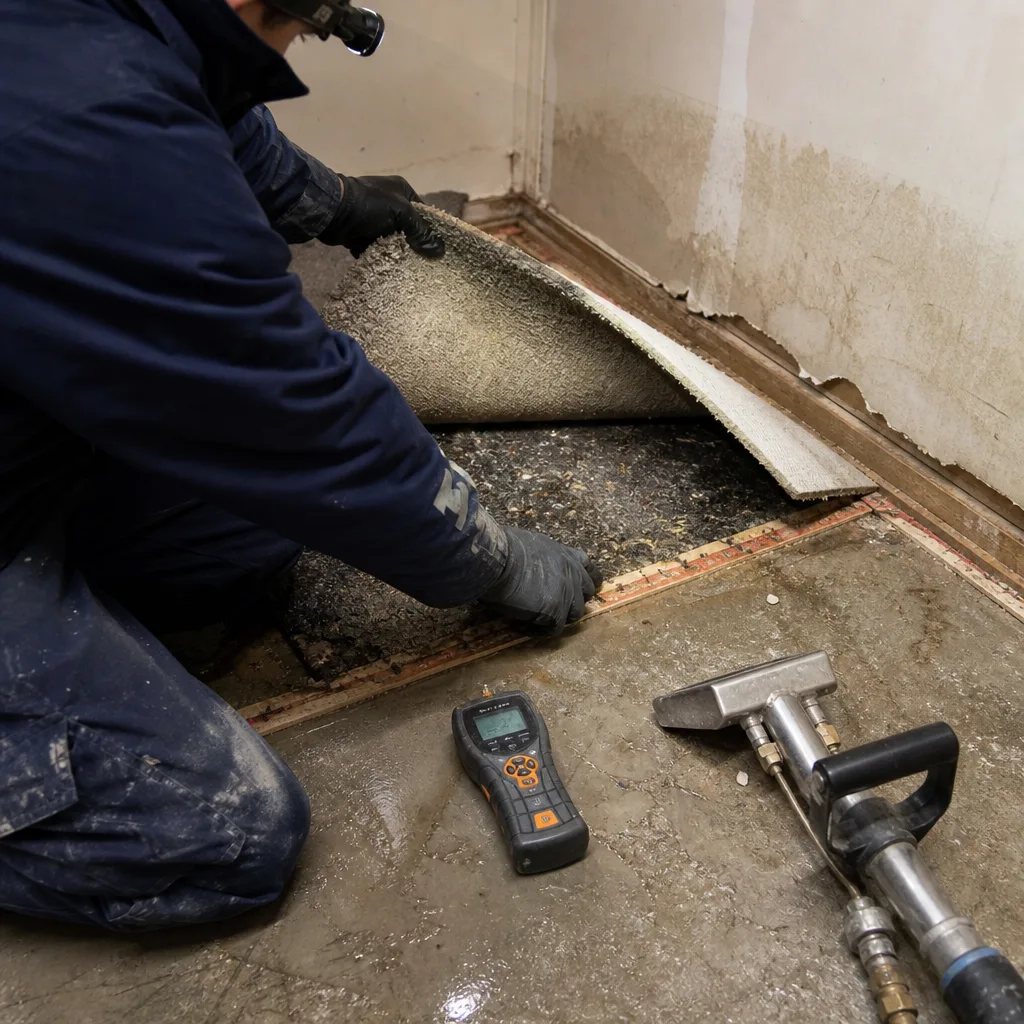
Insurance claims on fire losses fail when documentation gaps let adjusters dispute the scope. We close those gaps from the first hour. Our crew chief photographs every room before touching anything, records moisture readings on every visit, and produces daily drying logs that translate restoration work into line-item justification your adjuster can approve without back-and-forth.
We write estimates to industry-standard formats and coordinate directly with your carrier’s assigned adjuster. If you’ve received a competitor’s estimate, we provide a Free Second Opinion at no charge - we’ll review their scope against what we find and document the difference.
What We Provide Your Insurer
- Thorough documentation of the loss
- Photos of all damage, room by room
- Moisture readings and drying logs
- A detailed, line-item scope of work
- Direct coordination with your carrier
Built for Long Beach’s Loss Calendar
Fire losses in Long Beach peak in winter when portable heaters, space heaters, and overloaded holiday circuits ignite in older wiring systems. The 1920s-1940s bungalows in California Heights and Bixby Knolls still carry ungrounded or cloth-insulated branch circuits that can’t handle modern loads. Summer brings lightning risk and dry-vegetation fires that threaten hillside-adjacent properties near Signal Hill. Year-round, kitchen fires dominate - grease fires in restaurants along Pine Avenue and Second Street, residential cooking fires in apartments and single-family homes alike.
The harbor’s salt-laden marine air is the silent accelerator. Exposed metal components corrode faster here than inland. After a fire, that means galvanized supply lines fail sooner, electrical boxes degrade faster, and the decision between repair and replacement tilts toward replacement more often than in drier climates. Our scopes account for this local condition, not generic depreciation tables.
Fire & Smoke Damage Restoration Across Long Beach’s Neighborhoods
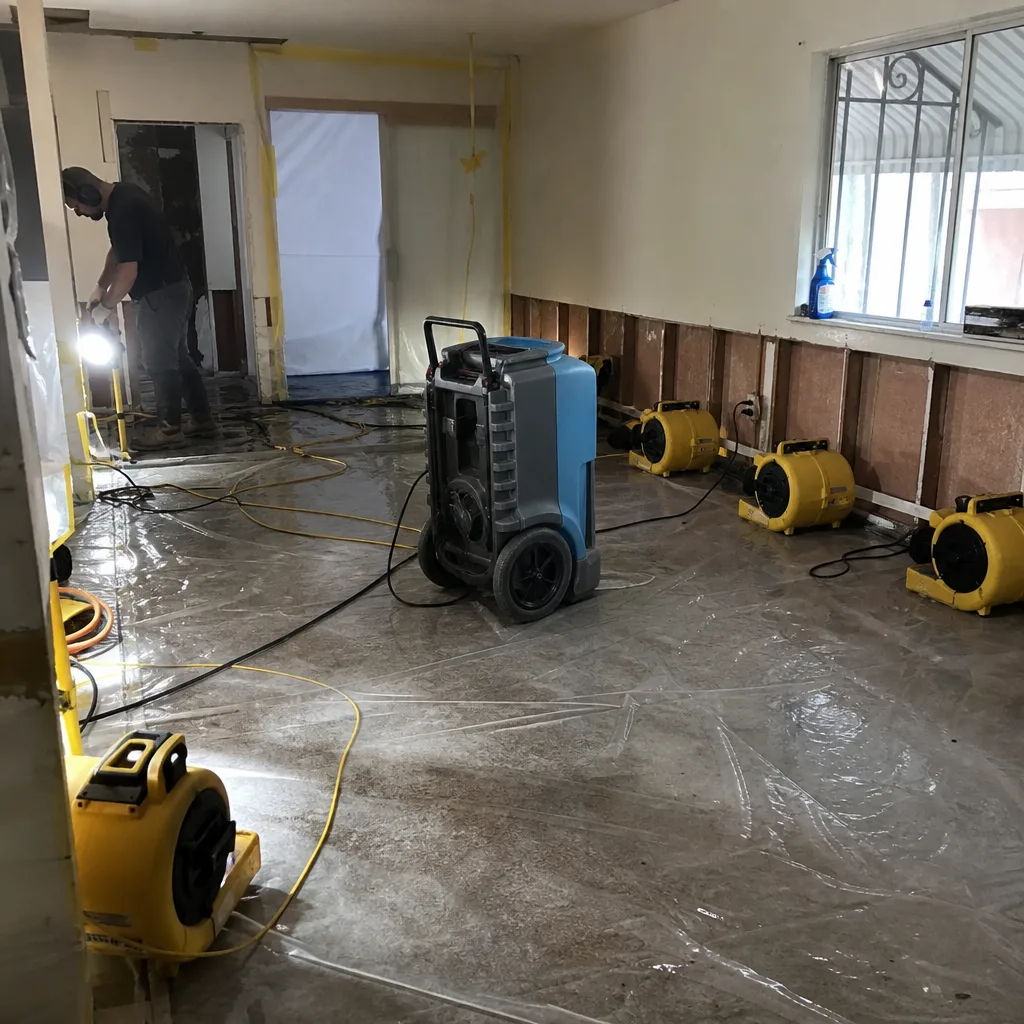
In California Heights, the 1920s-1940s Craftsman bungalows present our most complex fire jobs. Original lath-and-plaster walls, knob-and-tube wiring remnants, and corroded galvanized supply lines create layered damage that a surface repair misses. After a kitchen fire in a 1930s bungalow off Atlantic Avenue, our crew pulled charred lath-and-plaster, found the fire had tracked along a corroded galvanized supply run, and then discovered the slab beneath the stove had cracked from ongoing subsidence - so we flex-coupled the supply repair rather than welding it rigid. We contained the work zone, ran moisture mapping and drying logs on the smoke-wetted framing, and used hydroxyl and thermal fogging for odor after a full pack-out of the family’s contents. The homeowner’s recurring “new” water intrusion stopped because we addressed the slab shift, not just the burned pipe.
Bixby Knolls shares the same vintage housing stock with similar legacy systems. Fire restoration here requires the same cavity inspection protocol - smoke travels through balloon framing and unblocked stud bays, depositing acidic soot on insulation and wiring that will corrode if left.
Belmont Shore and Naples, closer to the harbor, face elevated indoor humidity from marine air. Drying timelines extend 15-25% compared to inland Long Beach. Mold amplification begins faster on water-damaged materials. Our crews deploy additional dehumidification capacity and shorten moisture-check intervals.
The downtown core and 710 corridor sit in the deepest subsidence zone. Fire suppression water here finds existing slab cracks and compromised drain lines with predictable regularity. We scope for these pre-existing conditions so your claim documentation separates fire damage from long-term maintenance issues - a distinction that protects your coverage.
Specialized Fire & Smoke Damage Restoration Services We Offer in Long Beach
Fire Damage Cleanup
Structural cleaning after fire requires residue-type identification before chemical selection. We test and document, then clean from top to bottom to avoid recontaminating finished surfaces. In Long Beach’s historic districts, we match cleaning aggression to the substrate - original plaster tolerates different chemistry than modern drywall.
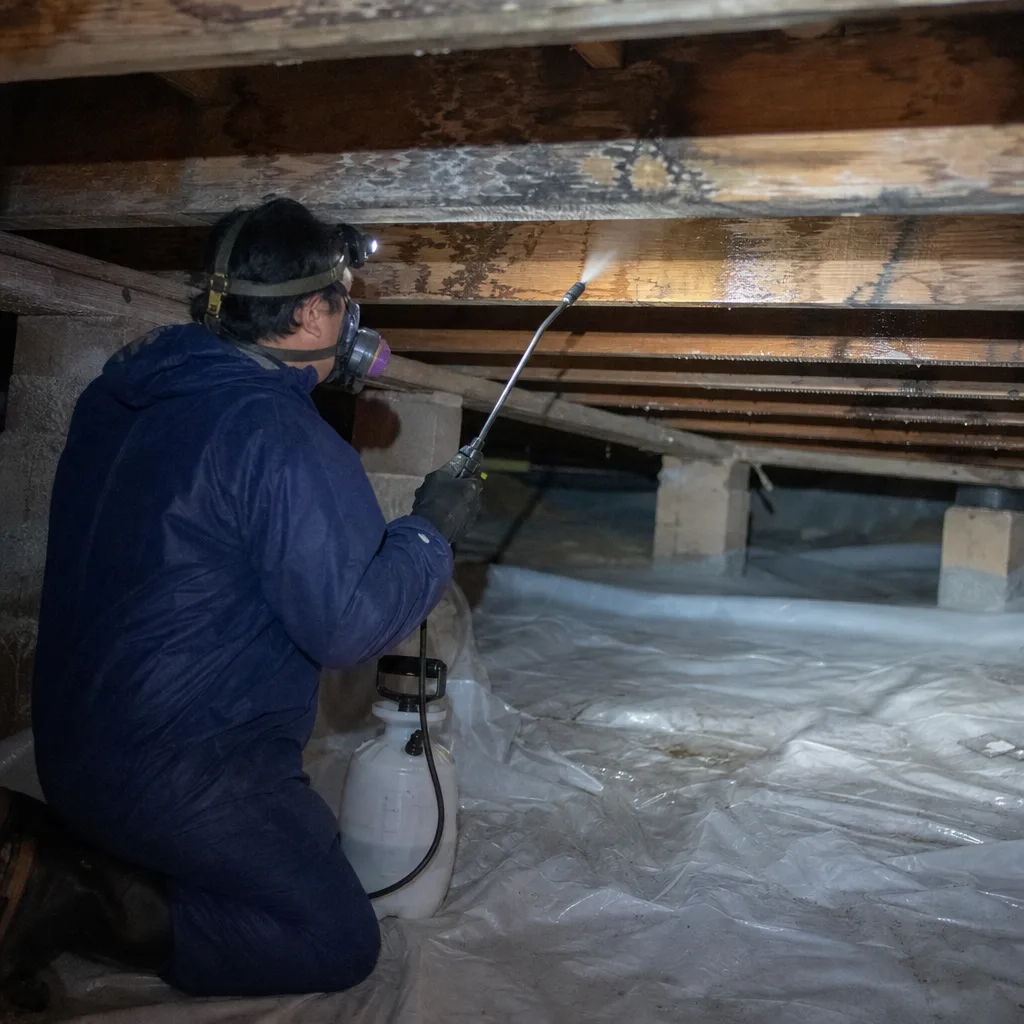
Smoke & Soot Removal
Soot is acidic and becomes more damaging with time. Within 72 hours, it can permanently etch glass and metal. Our crews begin HEPA vacuuming and dry-sponge cleaning on arrival, then escalate to solvent cleaning or soda blasting as surfaces require. Every step is photo-documented.
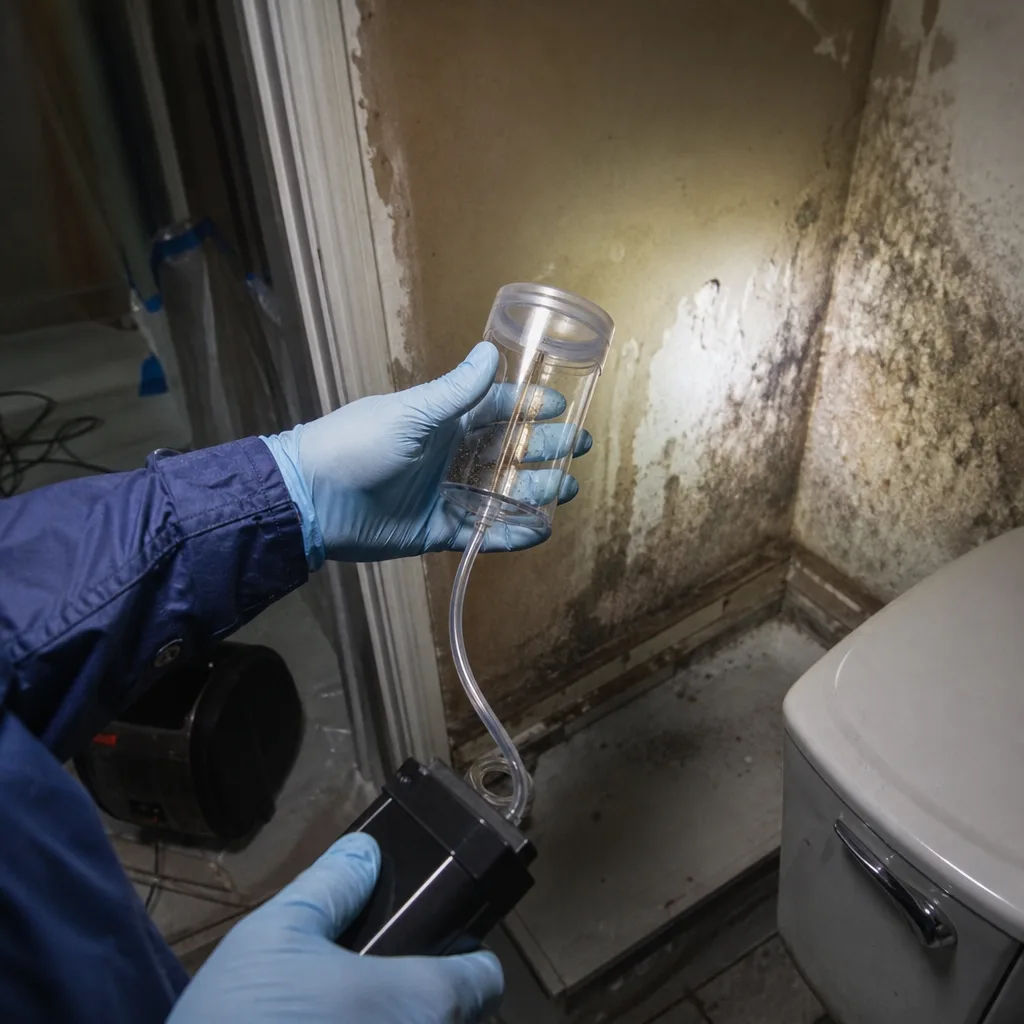
Odor Removal & Deodorization
Smoke odor that returns after “completion” usually means the source was never found. We trace odor to its origin - charred framing, soot-filled HVAC ducts, or smoke-impacted insulation - and treat it there. Hydroxyl generators break odor molecules in occupied spaces safely; thermal fogging penetrates where the smoke itself penetrated. In harbor-humid Long Beach, we also verify that elevated moisture isn’t reactivating odor compounds.
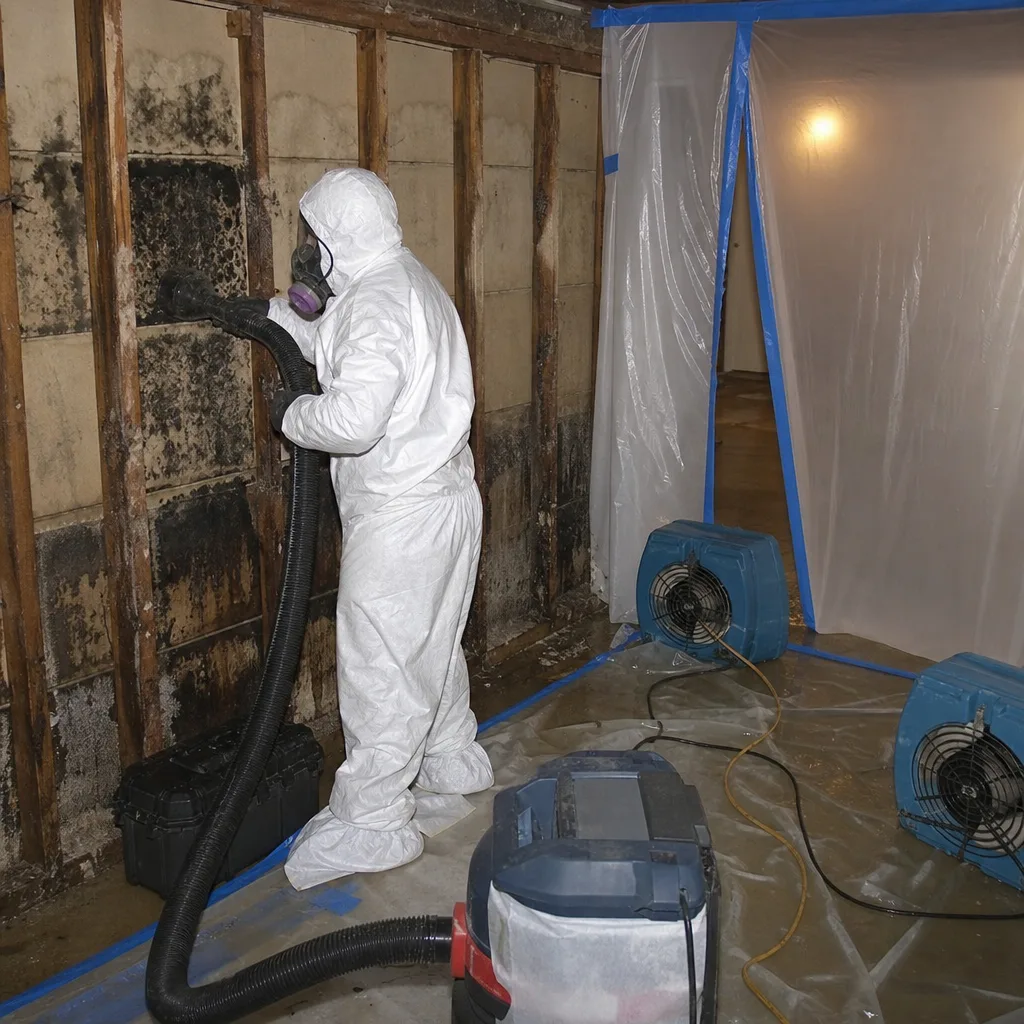
Contents Cleaning & Pack-Out
Your belongings are inventoried, photographed, and packed to our facility for specialized cleaning - ultrasonic for non-porous items, ozone for odor-impacted textiles, hand-cleaning for delicate or high-value pieces. The pack-out itself is documented for your claim. Nothing disappears into an unmarked box.
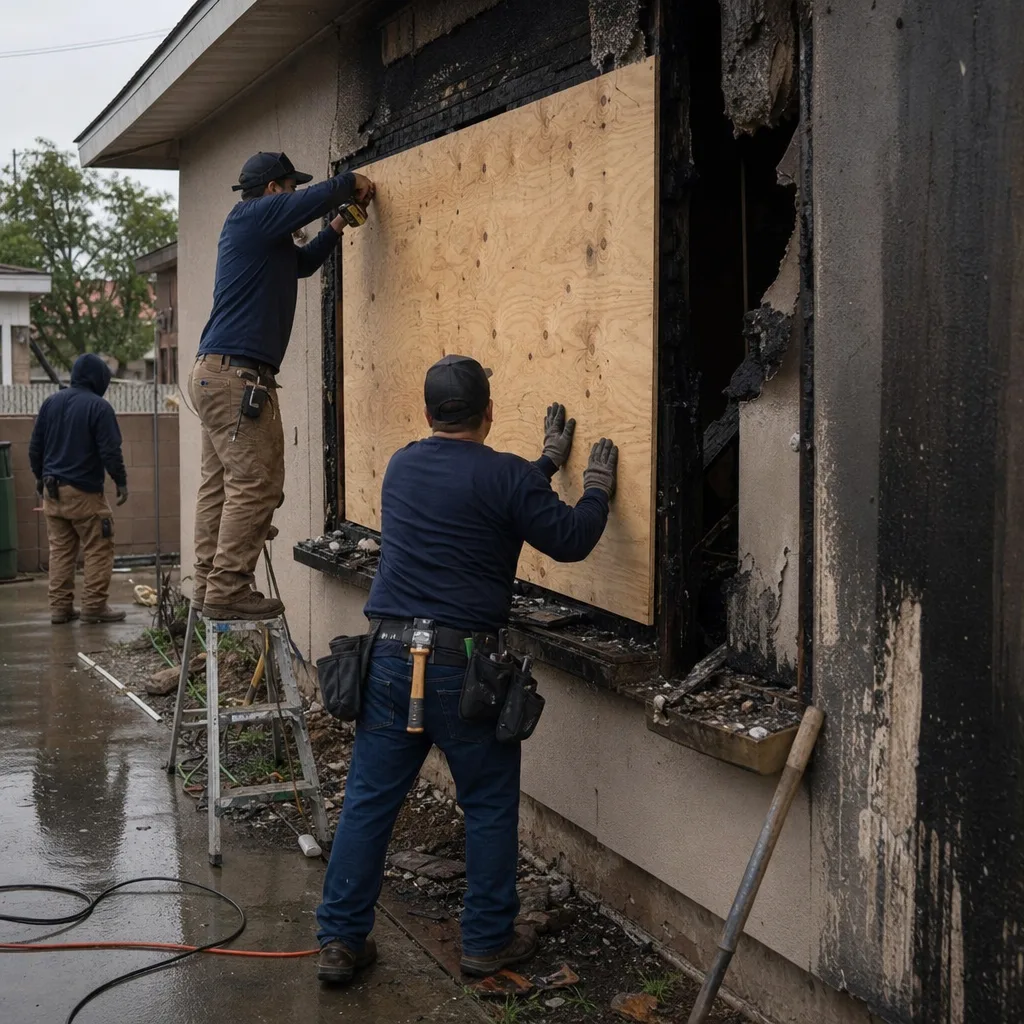
Emergency Board-Up & Tarping
Broken windows, compromised roofs, and fire-damaged entry points are secured immediately to prevent weather intrusion and vandalism. For soft-story apartment buildings, we coordinate structural assessment before full crew entry - a safety step that also protects your liability exposure.
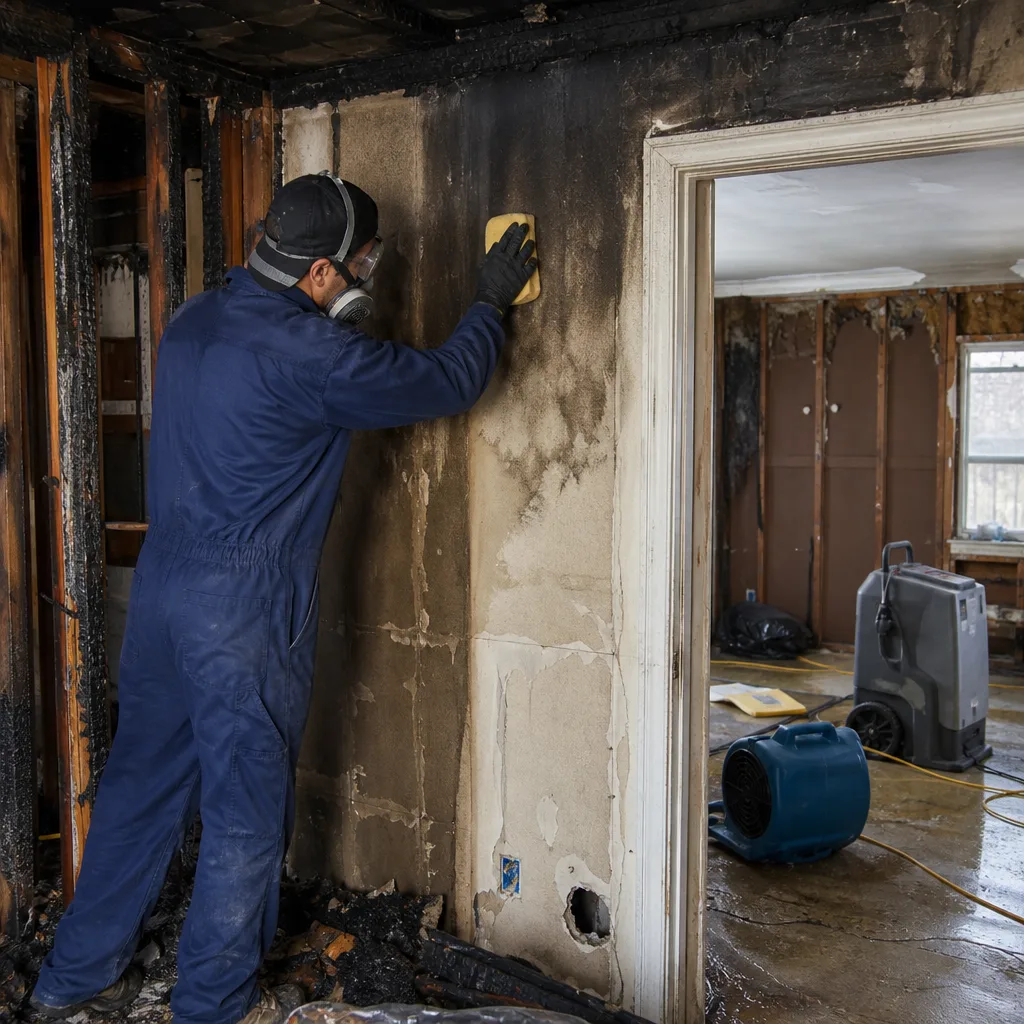
Structural Fire Repair
When fire compromises load-bearing elements, we engineer and execute repairs with permit coordination through the City of Long Beach. For 1950s-1960s soft-story buildings, we specifically document whether the fire affected shear walls or soft-story retrofit elements - a scope detail that generic contractors often miss, leaving the building vulnerable to the next seismic event.
What happens when you call
- 1
A real person answersNo phone trees - you reach a local pro.
- 2
You get an upfront price rangeHonest numbers before anyone is dispatched.
- 3
A background-checked tech heads outLicensed & insured, dispatched right away.
- 4
You approve before work beginsNothing starts until you say go.
Fire & Smoke Damage Restoration Costs in Long Beach, CA
Emergency board-up and stabilization in Long Beach typically runs $800-$2,400. Smoke and soot cleanup for a single room with no structural damage ranges $3,500-$7,500. Whole-home odor removal, contents pack-out, and structural repair on a fire-damaged bungalow starts around $12,000 and can exceed $35,000 if load-bearing elements or slab repairs are involved.
What moves the price: affected square footage, soot residue type (dry smoke cleans faster than wet smoke), whether suppression water requires full drying and mold prevention, and whether the subsidence zone reveals pre-existing slab or plumbing damage that must be addressed to prevent recurrence. Insurance typically covers direct fire and smoke damage plus necessary water damage from suppression; gradual wear or pre-existing maintenance issues are excluded, which is why our documentation separates the two.
Every job begins with a free visual inspection and written price before work starts - Haven Standard, Clause 1. No exceptions. Call (628) 226-1011 for your scope.
We Also Serve Cities Near Long Beach
DryMark Restoration Compton dispatches crews throughout the surrounding area, including Signal Hill with its hillside homes and elevated fire exposure, Wilmington and its industrial-residential mix, Carson with its mid-century housing stock, and Lakewood‘s planned-community neighborhoods with uniform construction types that let us scope efficiently.
Serving Long Beach, CA - Our Local Coverage Area
We’re based in the Long Beach area and know this community well. Use the map below to see our service coverage - if you’re nearby, we can almost certainly help.
Long Beach Fire & Smoke Damage Restoration Questions, Answered
Why does smoke odor keep coming back in my California Heights bungalow after a fire?
Returning smoke odor almost always means hidden soot in wall cavities, HVAC ducts, or insulation was never removed. California Heights bungalows have original lath-and-plaster walls with no fire blocking in stud bays; smoke travels vertically and horizontally through these channels, depositing acidic residue on everything inside. Surface cleaning and repainting don’t reach it. We open cavities where thermal imaging shows temperature anomalies, remove contaminated insulation, and treat framing with odor-neutralizing agents before close-up. Call (628) 226-1011 for an inspection that finds the real source.
Does Long Beach’s subsidence problem affect fire restoration on my older home?
Yes, directly. In the subsidence zone - roughly the harbor, downtown, and 710 corridor - slabs continue to shift from decades of oil-field extraction, re-cracking repaired plumbing and creating chronic moisture paths. After a fire, suppression water finds these cracks, and the moisture that remains behind walls feeds mold while also reactivating smoke odor compounds. Our scopes include slab and supply-line inspection so we don’t restore over a foundation problem that will reopen within months. The flex-coupling repair we used on Atlantic Avenue is standard practice for us in this zone. Call (628) 226-1011 for a scope that addresses both the fire and the substrate.
How fast does mold start after a fire is put out in a Long Beach home?
Mold colonization begins 24-72 hours after water contact on organic materials in Long Beach’s harbor-adjacent neighborhoods, where baseline humidity runs higher than inland LA County. In a fire-damaged structure, that timeline shortens because smoke residues provide additional nutrient material and suppression water has already saturated wall cavities. We establish drying targets within hours of arrival, deploy dehumidification capacity scaled to the marine climate, and document moisture readings daily until materials return to dry standard. Call (628) 226-1011 for immediate dispatch.
What’s the difference between a Category 1 and Category 3 loss if my fire was extinguished with water?
Category 1 water is clean, from a supply line; Category 3 is grossly contaminated, from sewage, ground flooding, or fire suppression that flowed through hazardous debris. Fire suppression water starts as Category 1 or 2 but can become Category 3 if it contacted burned materials, chemicals, or structural contaminants. The category determines cleaning protocol, disposal requirements, and whether materials can be restored or must be removed. We test and document the category on arrival so your scope and claim are defensible. Call (628) 226-1011 for assessment.
Can you handle a fire in a 1950s ‘dingbat’ apartment building without displacing all the tenants?
Partial occupancy is possible with proper containment and air management. We establish negative air pressure in the work zone with HEPA-scrubbed exhaust, seal shared HVAC penetrations, and schedule noisy or disruptive work during agreed hours. For soft-story buildings, we first verify that the fire did not compromise a load path or shear wall - if it did, partial occupancy may be unsafe until structural repair. We document this determination for the property owner and the city’s building department. Call (628) 226-1011 to discuss your building’s specific layout.
Will my insurance cover the full cost of fire and smoke restoration?
Most homeowner and commercial policies cover direct fire damage, smoke damage, and water damage from suppression, minus your deductible. Exclusions apply for gradual wear, pre-existing maintenance issues, and unpermitted work. Our documentation separates covered fire-related damage from excluded pre-existing conditions - like a slab crack from subsidence that existed before the fire - so your claim is presented accurately. We coordinate directly with your adjuster and provide the photo record, drying logs, and line-item scope they need to approve promptly. Call (628) 226-1011 for a free inspection and written estimate you can submit to your carrier.
How long does the full fire restoration process take?
Emergency board-up happens same day. Smoke and soot cleanup runs 3-7 days for a single-room fire, 2-4 weeks for whole-home damage with contents pack-out. Structural repairs add 2-8 weeks depending on permit timelines and material availability. Drying after suppression water typically completes in 3-5 days with proper dehumidification, though harbor-humid neighborhoods like Belmont Shore may need an extra 1-2 days. We provide a written timeline with your scope and update it as conditions change. Call (628) 226-1011 for a schedule specific to your loss.
What should I do in the first 30 minutes after the fire is out?
Ensure everyone’s safety and do not re-enter until the fire department clears the structure. Then call (628) 226-1011 for immediate board-up and assessment. Do not touch soot-covered surfaces - the oils in your skin will set the residue permanently. Do not attempt to clean or discard anything; your insurance claim requires documentation of the pre-restoration condition. If utilities are off, leave them off. Our crew will arrive within 45 minutes to secure the property, begin documentation, and provide your written scope and price before any work starts.
Written by Alicia Brennan, Owner at Back to Dry Restoration, serving Long Beach since 2011.
Fire & Smoke Damage Restoration in Nearby Areas