Free visual inspection and a written scope of work before any mitigation begins - photos, moisture readings, and drying logs go in your claim file
The scope we write is the scope we bill. Anything new gets shown to you, in writing, before we touch it.
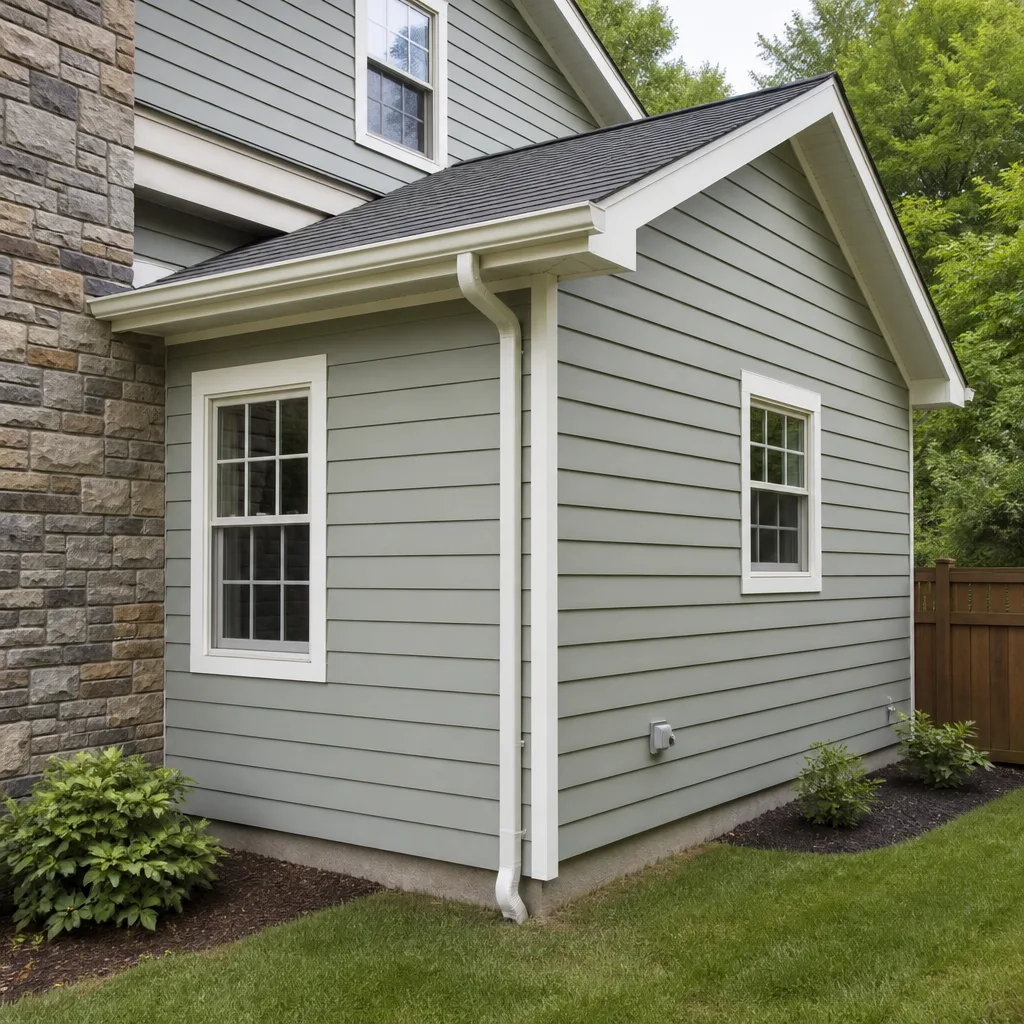
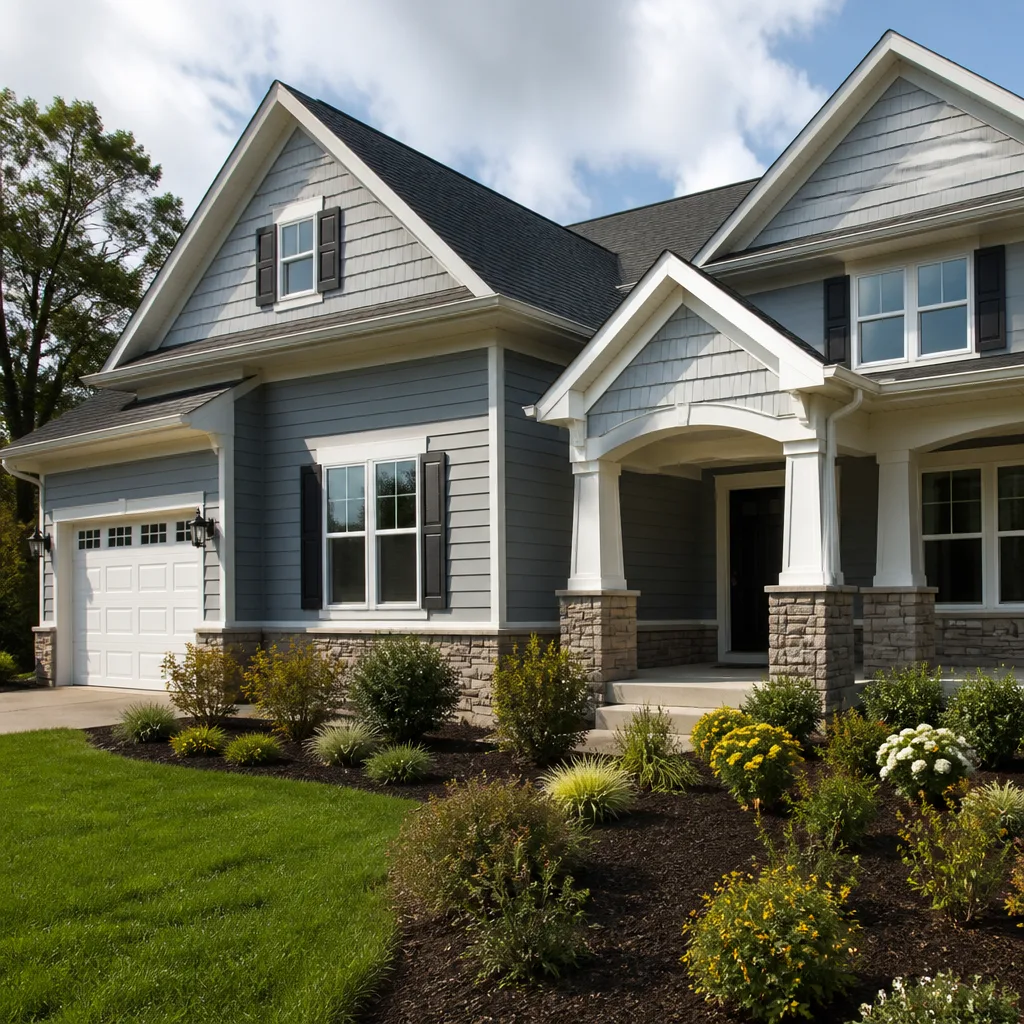
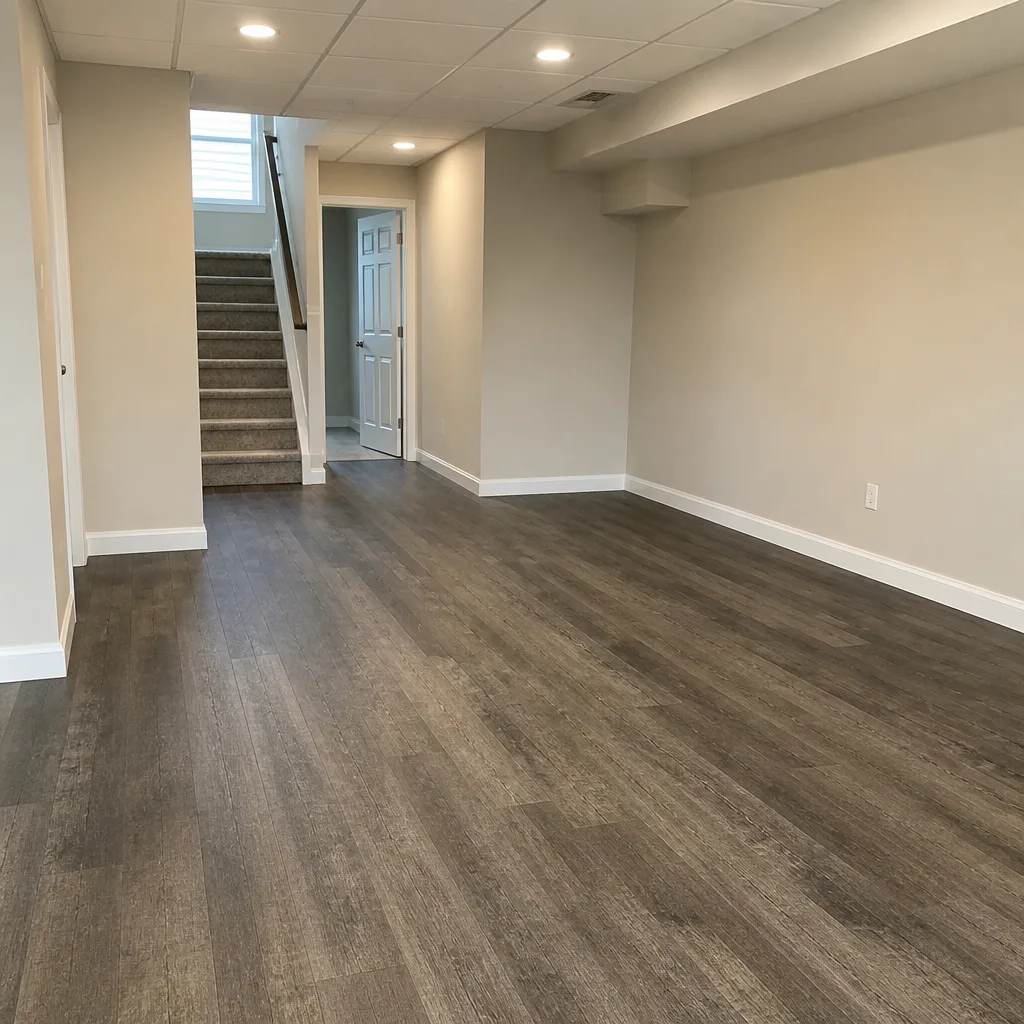
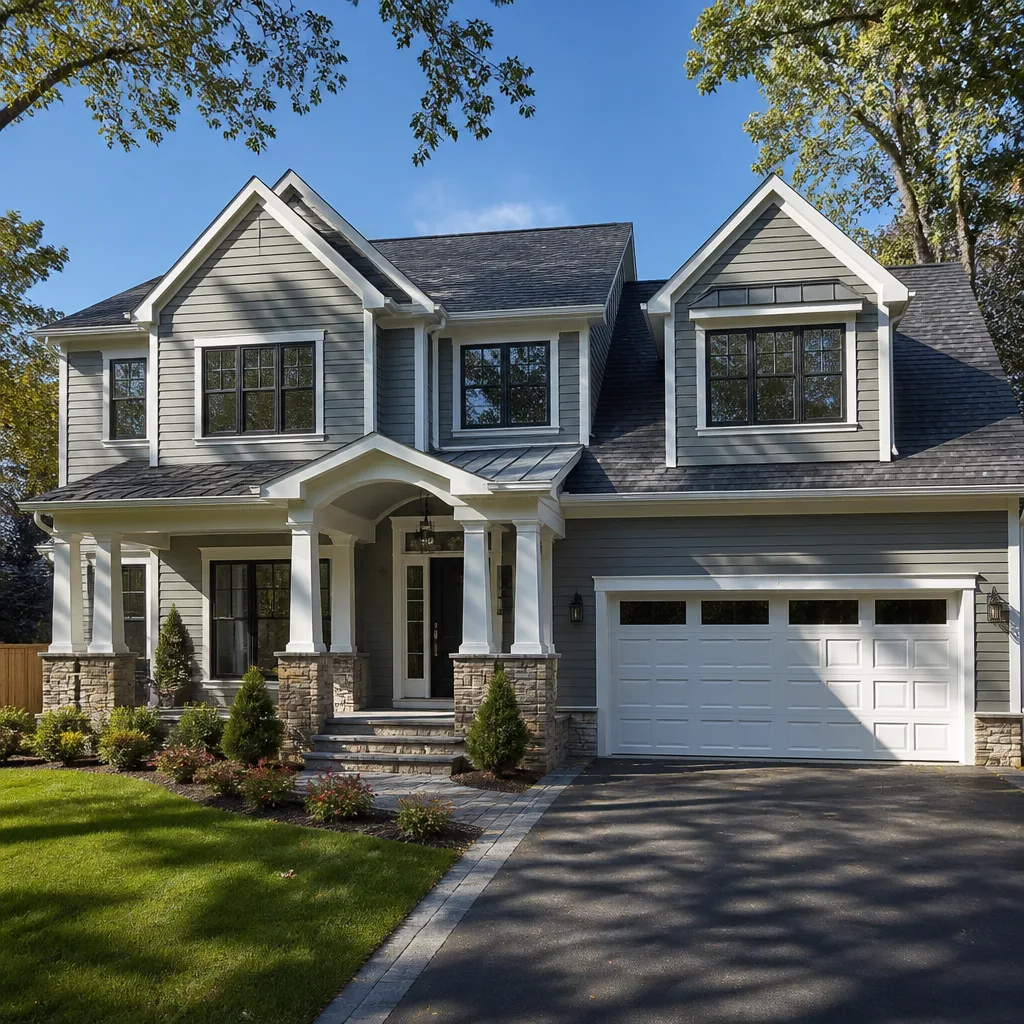
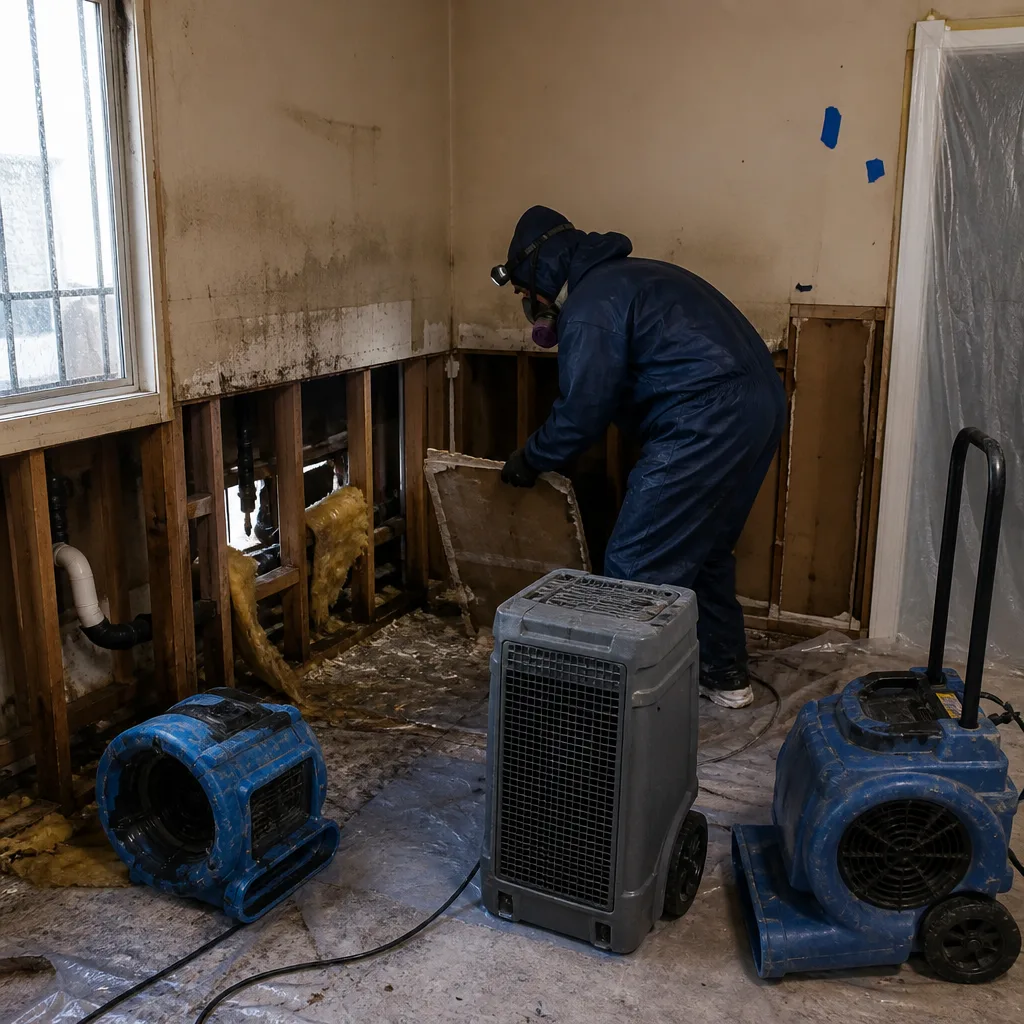 Before
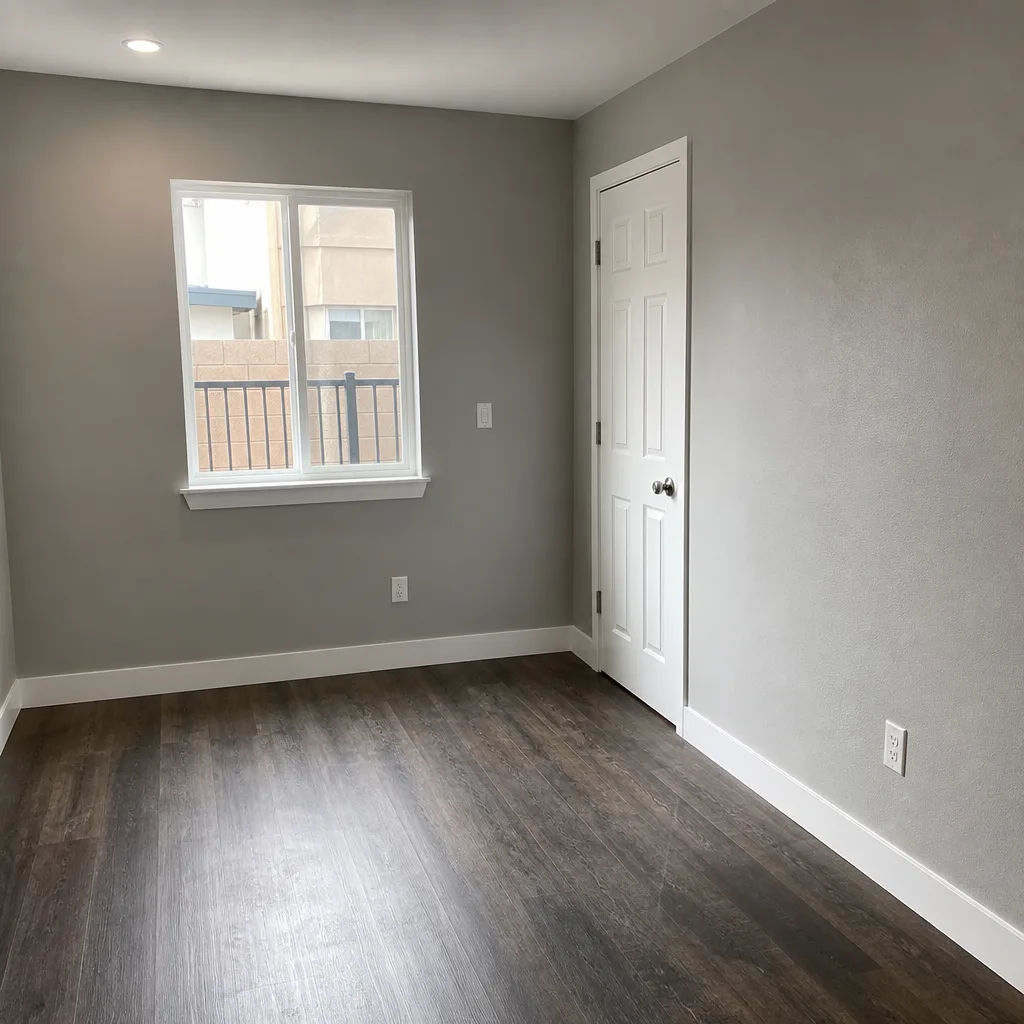 After
After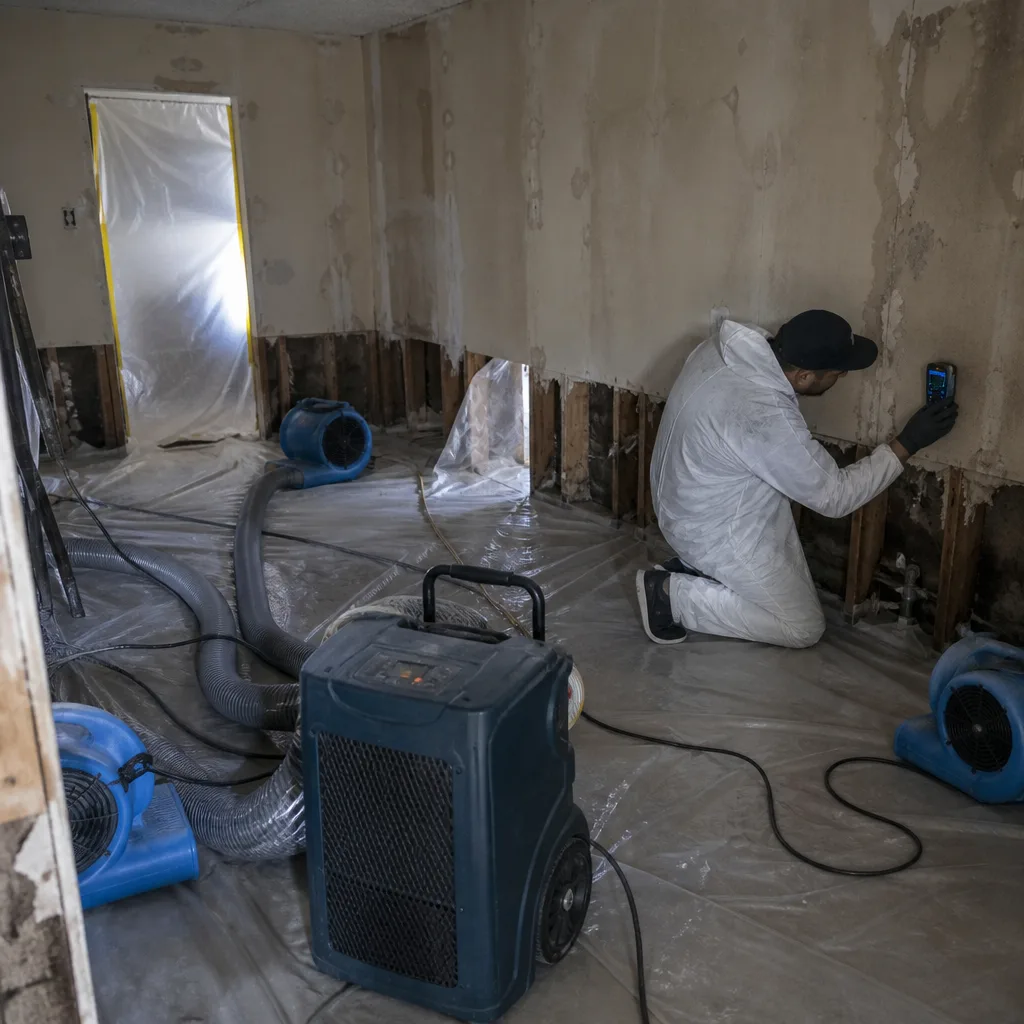 Before
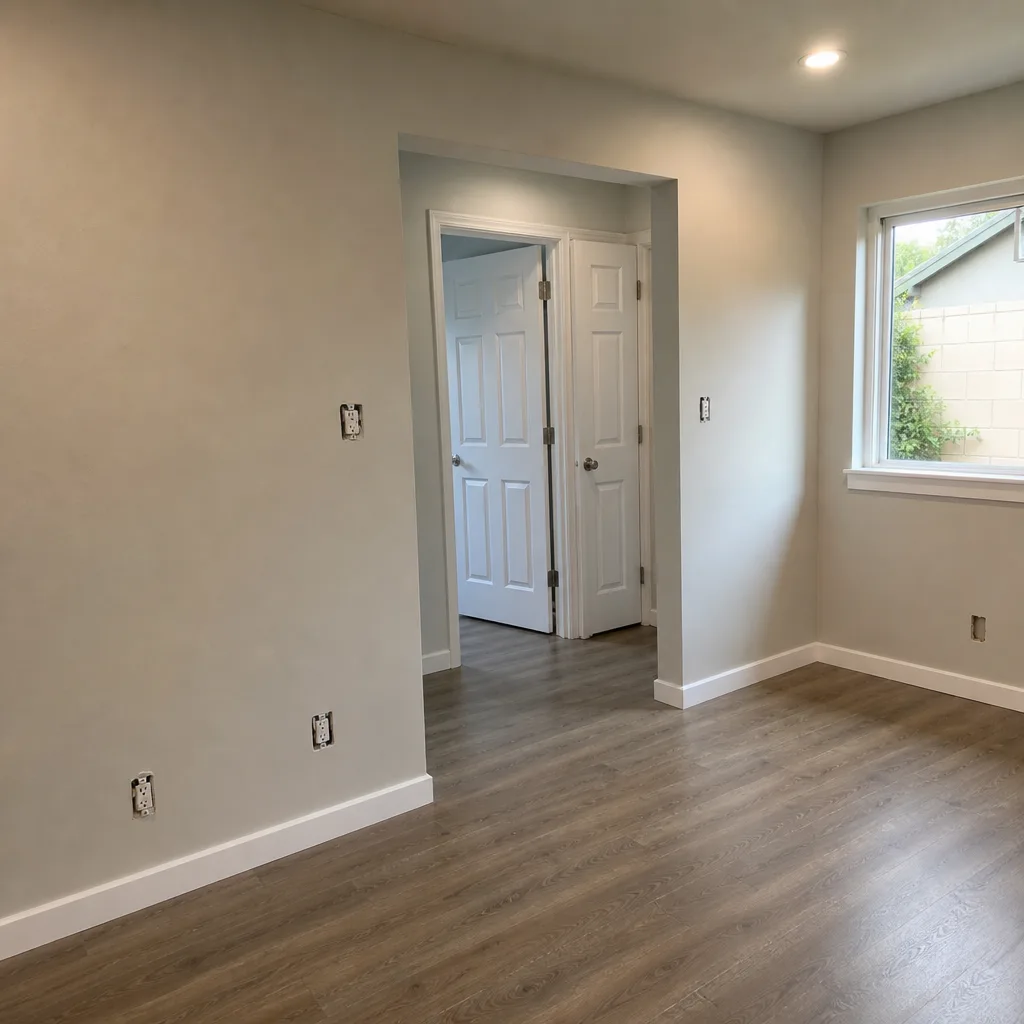 After
After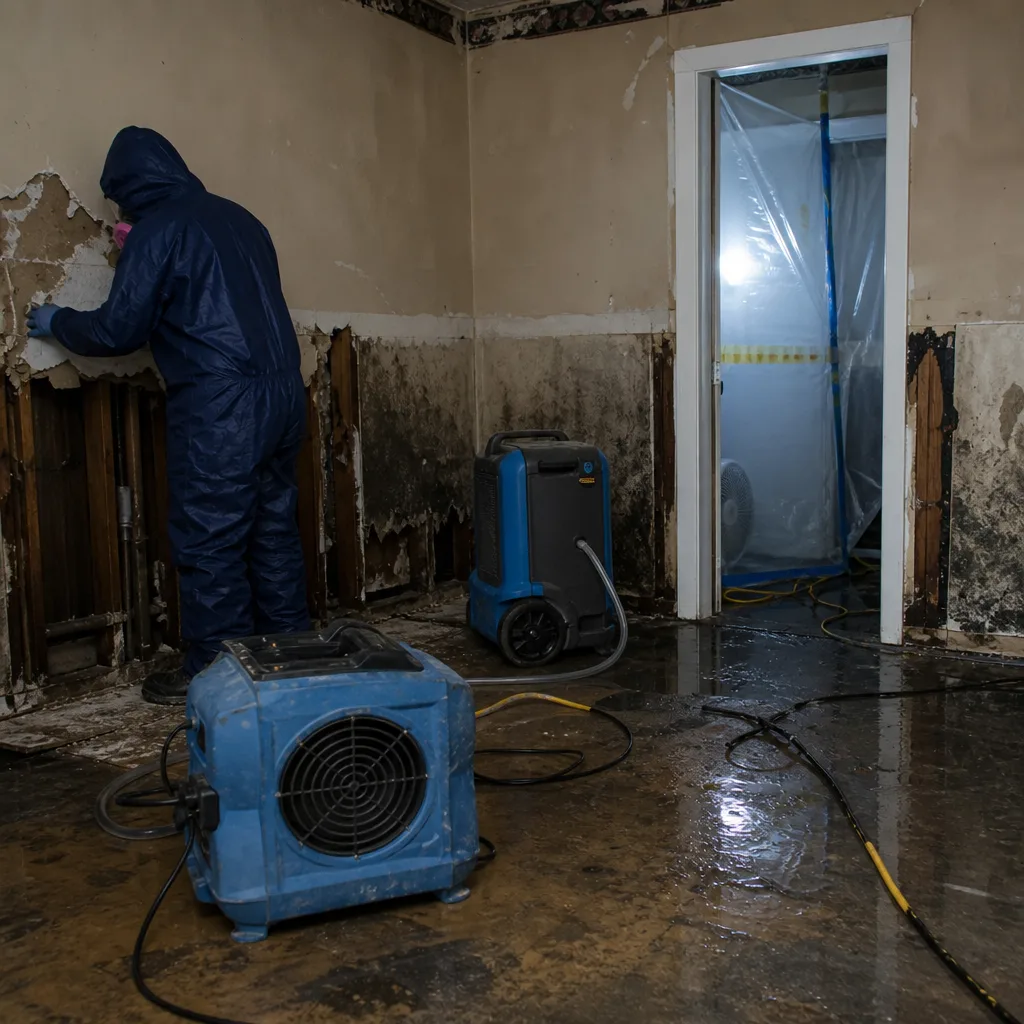 Before
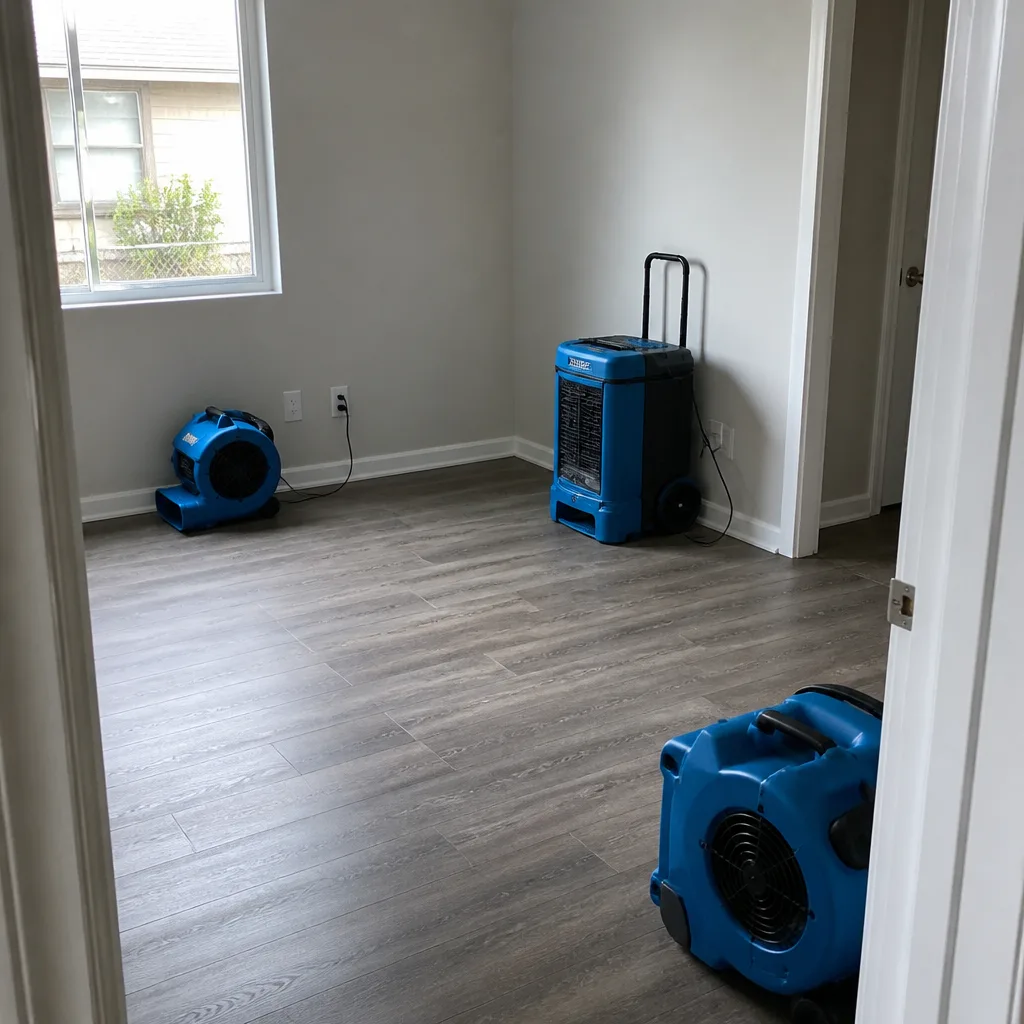 After
After24/7 Emergency Fire & Smoke Damage Restoration in Wilmington
Fire and smoke damage in Wilmington typically costs $4,200-$18,500 to restore, depending on whether the fire was contained to one room or spread through multiple floors, and whether the home requires environmental testing before rebuild. Our crews answer live at (628) 226-1011, 24 hours a day, with no voicemail trees, and can be on-site anywhere in Wilmington within 45 minutes. The first hour after a fire is controlled by the fire department determines how far acidic soot residue migrates into porous materials and how deeply smoke odor embeds in wall cavities; starting mitigation before that residue sets can reduce total restoration cost by 30% or more.
We dispatch from our Los Angeles office and coordinate crews serving Wilmington locally, including the neighborhoods around E Street, the Avalon corridor, and the residential streets near Banning Park. Every emergency call begins with a free visual inspection, a written scope of work, and a firm price before any equipment is unloaded.
Understanding Fire & Smoke Damage Restoration Severity in Wilmington Properties
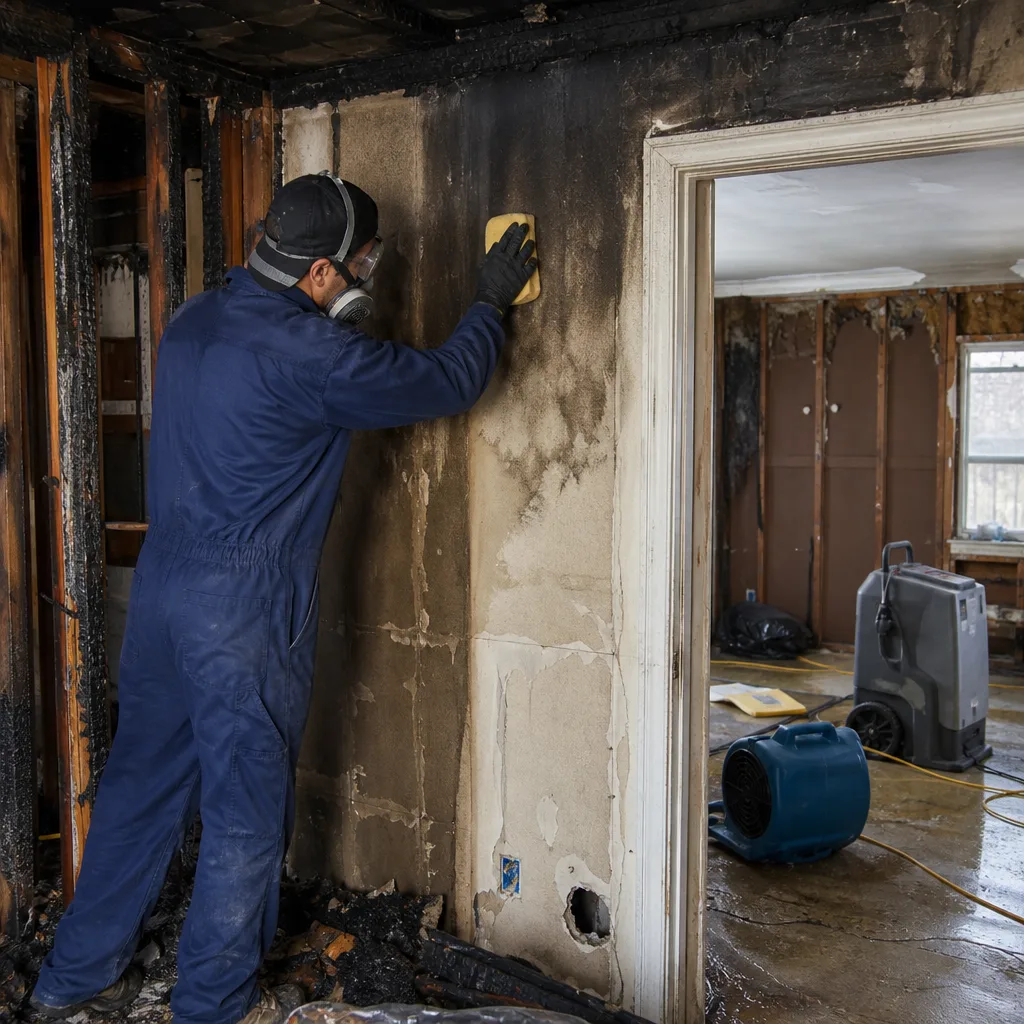
Fire damage in Wilmington’s housing stock falls into three severity tiers, each demanding different documentation and equipment. A light smoke event, such as a contained kitchen grease fire with no structural charring, produces dry soot (carbon particulate) on horizontal surfaces and requires HEPA vacuuming and thermal fogging. Moderate damage involves charred framing, compromised drywall, and wet smoke from slow-burning synthetic materials; this demands controlled demolition, air-scrubber deployment, and psychrometric monitoring of the drying environment. Heavy damage, where fire has penetrated roof assemblies or load-bearing walls, triggers full structural assessment and often reveals the hidden conditions common to Wilmington’s older homes.
Wilmington’s 1940s-1960s wood-frame bungalows and small stucco rentals, built for the port and refinery workforce, complicate every severity level. Original solid-sawn joists burn differently than modern engineered lumber, and the asbestos-containing floor tiles, textured ceilings, and pipe insulation found in these homes require abatement before standard restoration proceeds. Galvanized plumbing, corroded by the area’s hard water, often fails during firefighting or the thermal stress of a blaze, adding water damage to the fire scope. Our crews document each material classification by trade name and explain the finding in plain language on the written scope.
Why Wilmington Property Owners Choose DryMark Restoration Compton
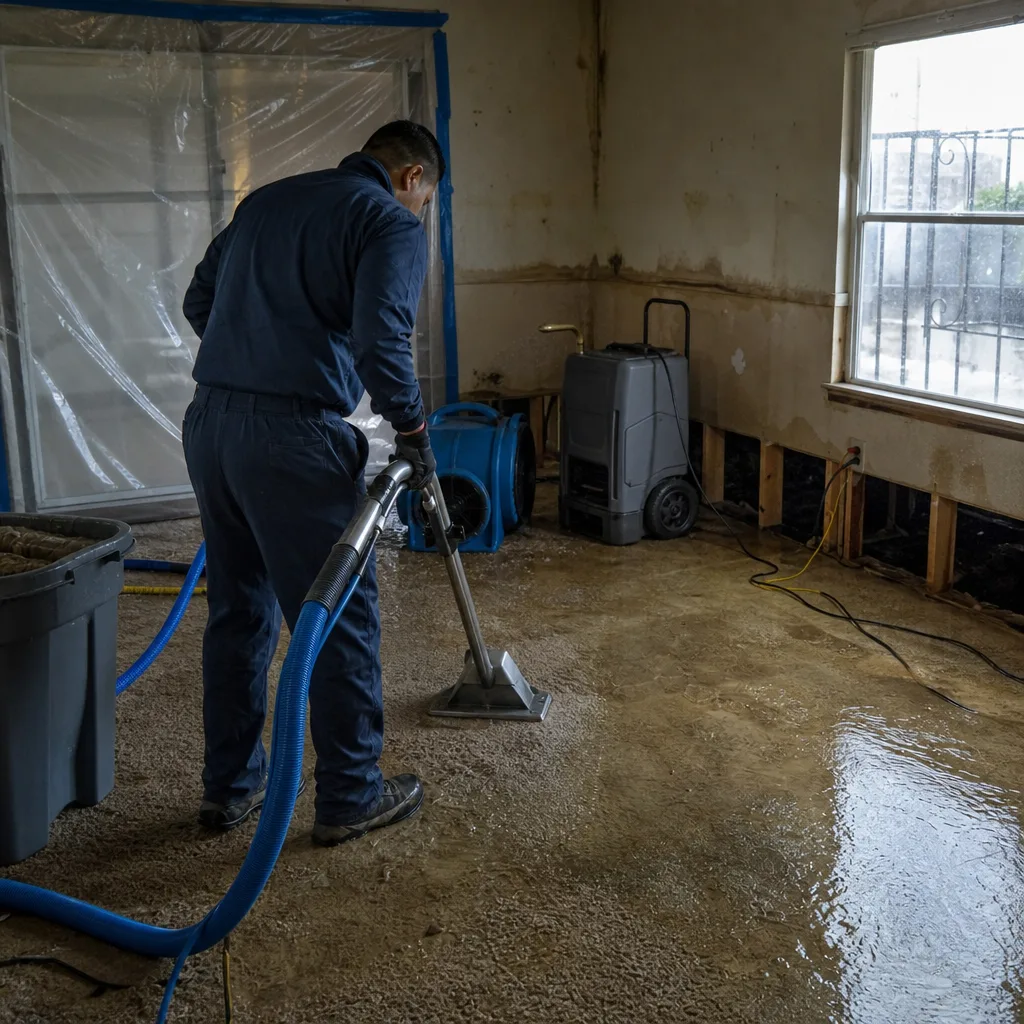
- 45-minute response commitment to any Wilmington address, with crews staged to reach the neighborhoods near the Port of Los Angeles, the refineries, and Banning Park without crossing freeway traffic.
- 24/7 live answer - a real person picks up every call, never an automated system or next-business-day callback, because fire damage doesn’t wait for business hours.
- IICRC-certified crews holding FSRT (Fire and Smoke Restoration Technician) and WRT (Water Damage Restoration Technician) certifications, with AMRT (Applied Microbial Remediation Technician) cross-training for the mold that follows firefighting water in Wilmington’s humid coastal climate.
- Free visual inspection with a written scope and firm price delivered before work begins, every time, with no exceptions - Haven Standard, Clause 1.
- Direct insurance billing with photo-documented estimates, room-by-room damage logs, and daily drying records that turn restoration invoices into payable claims.
- One team from board-up to reconstruction - no handoffs between mitigation contractors and rebuild crews that lose continuity on petroleum-sheen findings or asbestos abatement boundaries.
BeforeAfterOur Fire & Smoke Damage Restoration Process
1. Inspection & Assessment
We walk the property with thermal imaging to identify hidden fire damage in wall cavities and ceiling plenums, test for asbestos in pre-1978 materials, and check standing water for petroleum sheening where homes sit near legacy oil-field infrastructure. Every finding is photographed and logged before any equipment is placed.
2. Emergency Board-Up & Tarping
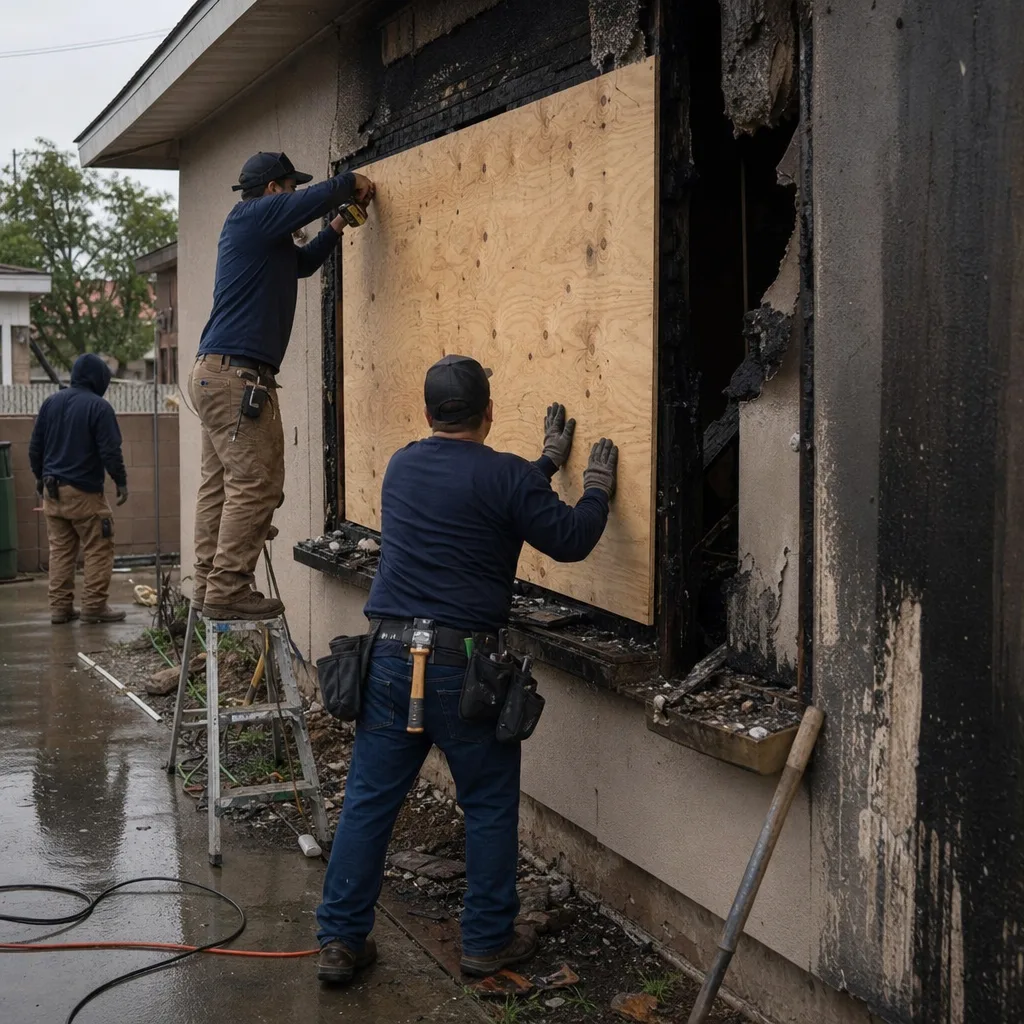
Broken windows, compromised roof decking, and damaged exterior doors are secured with plywood and weatherproof tarps to prevent secondary water intrusion from Wilmington’s marine-layer precipitation. We document the pre-existing condition of all openings with photos for the insurance file.
3. Water Extraction & Structural Drying
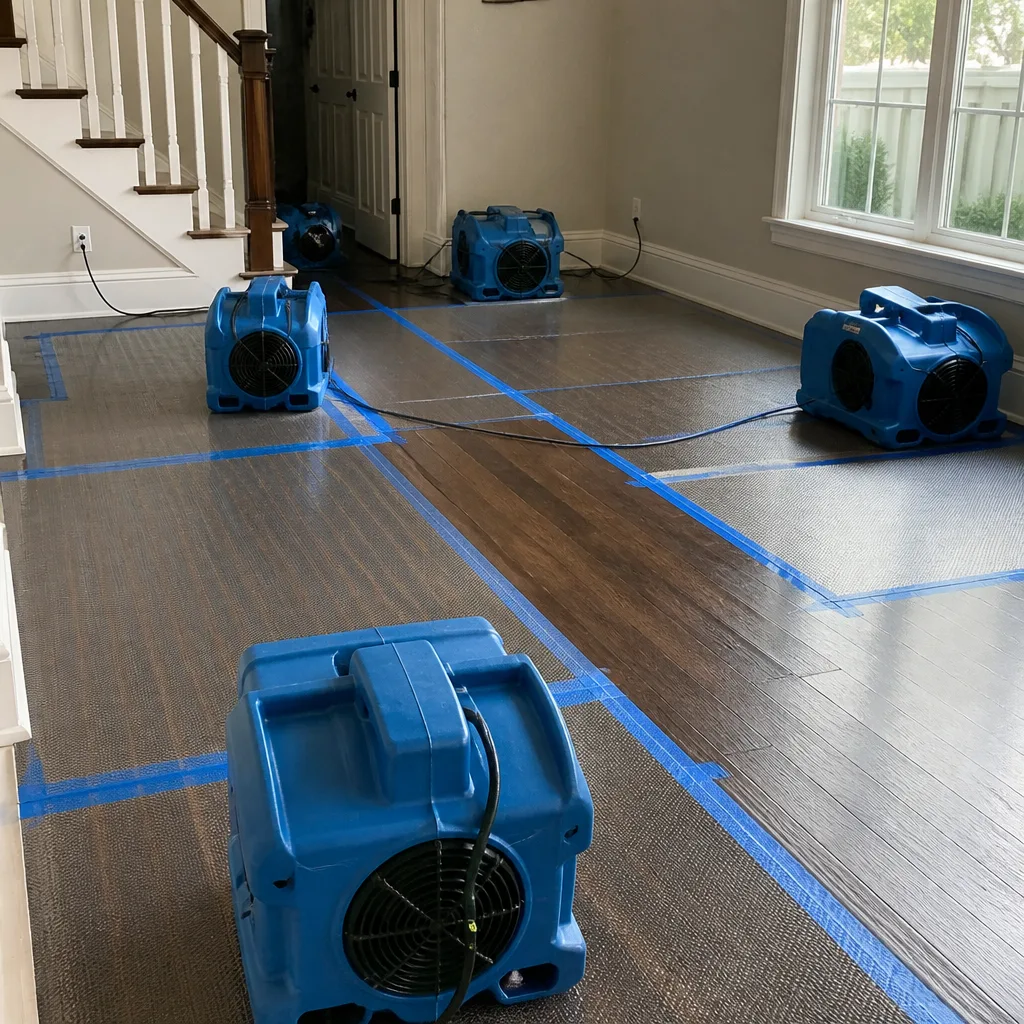
Firefighting water is extracted with truck-mounted systems, then air movers and LGR dehumidifiers from Dri-Eaz and Phoenix are positioned to achieve a vapor pressure differential that pulls moisture from saturated framing. Daily moisture readings are logged to IICRC standards until materials reach dry standard.
4. Smoke & Soot Removal
Dry soot is HEPA-vacuumed before wet-cleaning to prevent smearing; wet smoke from synthetic combustion requires alkaline-based cleaners and agitation. We deploy hydroxyl generators and ozone treatment where odor has penetrated porous materials, with containment barriers to protect unaffected areas.
5. Odor Removal & Deodorization
Thermal fogging recreates the smoke’s penetration path with deodorizing particles that neutralize odor at the molecular level. In Wilmington’s older bungalows with original plaster and lath, we may inject deodorant directly into wall cavities through Injectidry systems to reach spaces standard surface treatment cannot.
6. Repairs & Restoration
Charred framing is sistered or replaced, drywall is restored to pre-loss condition, and finishes are matched. Where original windows and doors were damaged, we provide repair-versus-retrofit guidance with written pricing for each option, accounting for lead-safe work practices on pre-1978 homes.
Need Emergency Fire & Smoke Damage Restoration in Wilmington Now?
Crews minutes away, answering live 24 hours a day. The sooner we start, the less it costs.
Working With Your Insurance Company
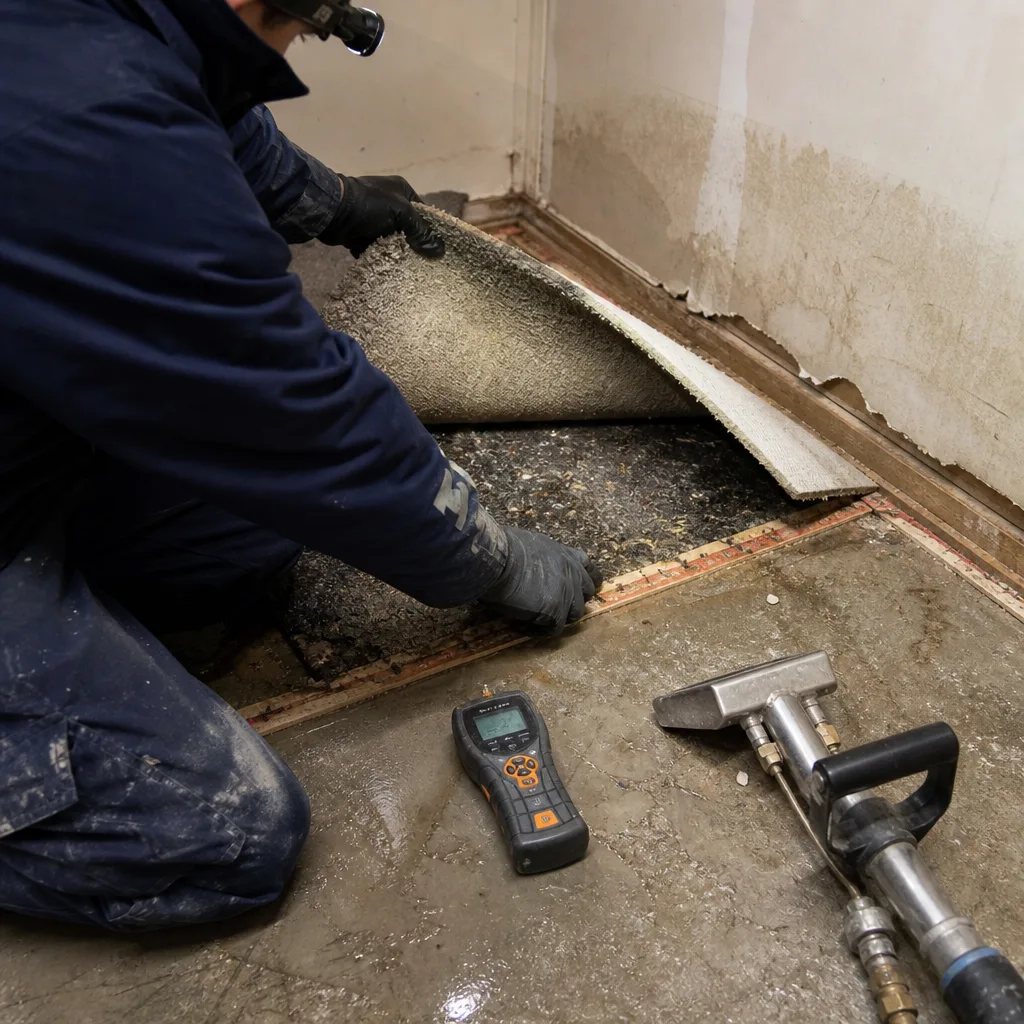
Fire claims are documentation battles. Adjusters deny or reduce payment when scopes lack photo evidence, moisture logs, or clear material classifications. We build the file from the first hour: every damaged item is photographed in place, every moisture reading is time-stamped, and every scope line item references a specific room and material. Our estimates follow industry-standard pricing databases that carriers recognize, and we coordinate directly with your adjuster to resolve questions before they become disputes.
Our Fire & Smoke Damage Restoration team has handled claims with every major carrier serving Wilmington properties. We know which adjusters require third-party asbestos documentation and which carriers accept our certified testing. The photo record we deliver is included as standard, never sold as an upsell.
What We Provide Your Insurer
- Thorough documentation of the loss
- Photos of all damage, room by room
- Moisture readings and drying logs
- A detailed, line-item scope of work
- Direct coordination with your carrier
Built for Wilmington’s Loss Calendar
Fire damage in Wilmington follows patterns tied to its housing stock and industrial adjacency. January through March brings space-heater fires in poorly insulated bungalows, especially in rentals where landlords have deferred electrical upgrades. The original knob-and-tube wiring still hidden in some 1940s homes overheats under modern load demands. April through June sees kitchen grease fires spike as windows stay closed against spring marine-layer chill, trapping smoke and accelerating soot migration. Summer brings the highest-risk period: aging electrical panels in stucco rentals fail under air-conditioning load, and the combination of dry Santa Ana conditions with industrial emissions raises ambient particulate levels that complicate indoor air quality post-fire. Fall brings the refinery maintenance cycle, when transient contractor housing sees elevated fire incidence from improvised cooking and overloaded circuits.
The San Pedro Bay marine layer pushes persistent coastal humidity directly into Wilmington’s older, poorly insulated housing stock, accelerating mold colonization after even minor water intrusion events. The combination of harbor moisture and trapped industrial air pollutants means indoor air quality readings post-water-damage routinely show compounded contaminant profiles that extend drying and remediation timelines beyond what nearby inland cities require.
Fire & Smoke Damage Restoration Across Wilmington’s Neighborhoods
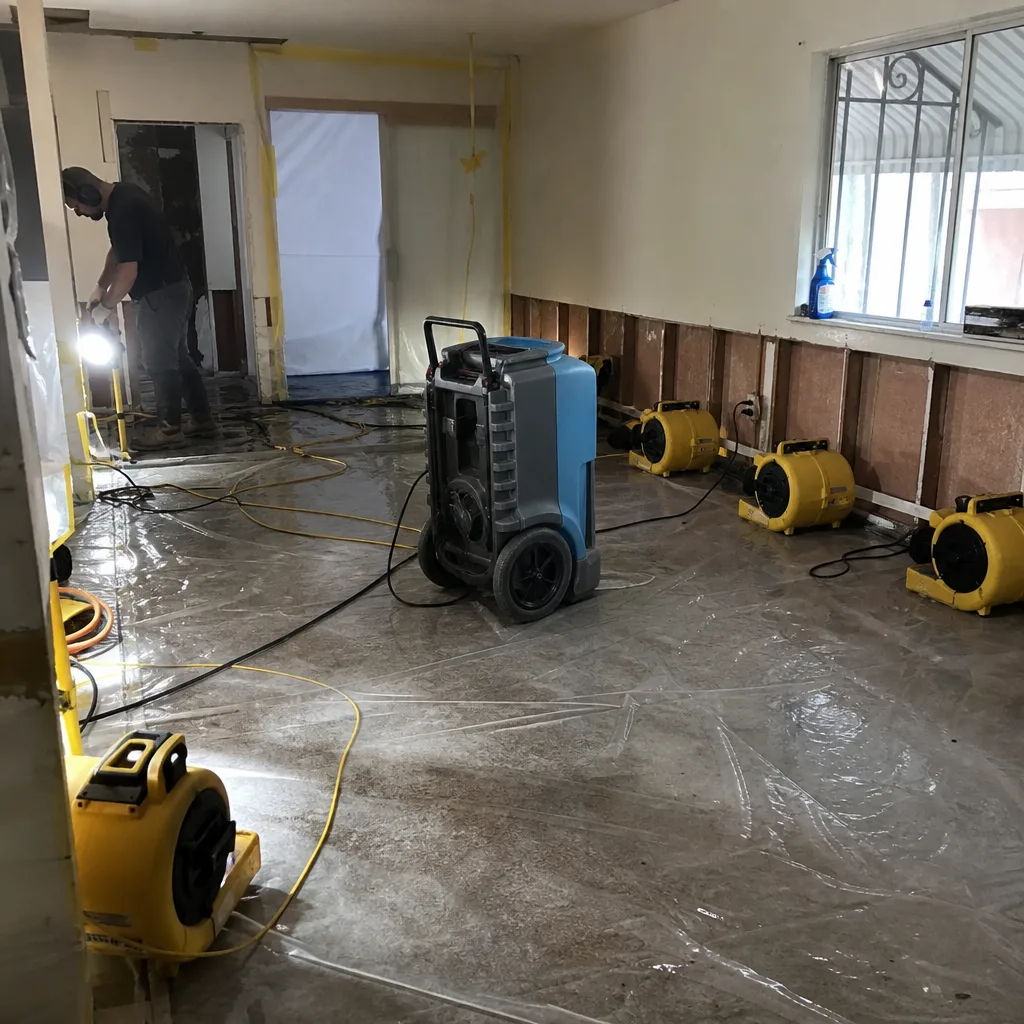
We respond throughout Wilmington’s distinct residential zones, each with its own fire-damage profile. Near Banning Park, the 1940s-1950s bungalows on compact lots often have original cedar shingle roofs that burn fast and drop embers into attic spaces; our crews know to check for hidden ignition points in eaves and soffits. The Avalon corridor, with its denser rental stock, sees more electrical-panel fires and faster smoke migration between units, requiring coordinated multi-unit containment and documentation for multiple insurers.
The neighborhoods east of E Street, closest to the refineries, are where our petroleum-sheen protocol activates most often. On a 1950s stucco bungalow off E Street near the refineries, a kitchen fire left charred framing and heavy soot; our techs treated the char, set containment and air movers, and logged moisture readings in the original 1940s solid-sawn joists beneath the burned floor, which the homeowner had never touched. While extracting water after the firefight, the standing water showed petroleum sheening - we flagged the soil odor and added environmental testing, delaying rebuild but ensuring the sub-slab wasn’t disturbed without a vapor barrier plan.
West of the 110 Freeway, toward Harbor City, the housing stock shifts slightly newer but still carries the same galvanized plumbing and asbestos risks. Response routes from our staging avoid the Vincent Thomas Bridge bottleneck during port-traffic hours. We serve Wilmington from these corridors daily and know which streets flood in winter storms, which blocks have the oldest electrical infrastructure, and which properties sit above legacy oil-field easements.
Specialized Fire & Smoke Damage Restoration Services We Offer in Wilmington
Emergency Board-Up & Tarping
After the fire department vents the structure and departs, exposed openings invite marine-layer moisture and industrial particulates that compound damage. We secure properties within the hour, photographing every pre-existing condition for the insurance file, and we check for petroleum odors at the slab level before driving temporary posts into soil that may be contaminated.
Smoke & Soot Removal
Acidic soot begins etching glass and corroding metal within hours. In Wilmington’s humid air, this timeline compresses. We classify soot by combustion source - protein fires from kitchen grease, dry smoke from natural materials, wet smoke from synthetics - and match cleaning chemistry to each. Original plaster walls in pre-1960 bungalows demand gentler agitation than modern drywall to avoid surface damage.
Odor Removal & Deodorization
Smoke odor in Wilmington’s older homes embeds in horsehair plaster, original hardwood flooring, and the gaps in balloon-framed wall cavities that modern construction doesn’t have. Thermal fogging and hydroxyl generation reach these spaces; for severe cases, we seal surfaces with odor-blocking primers and recommend replacement of porous materials that cannot be deodorized to completion.
Contents Cleaning & Pack-Out
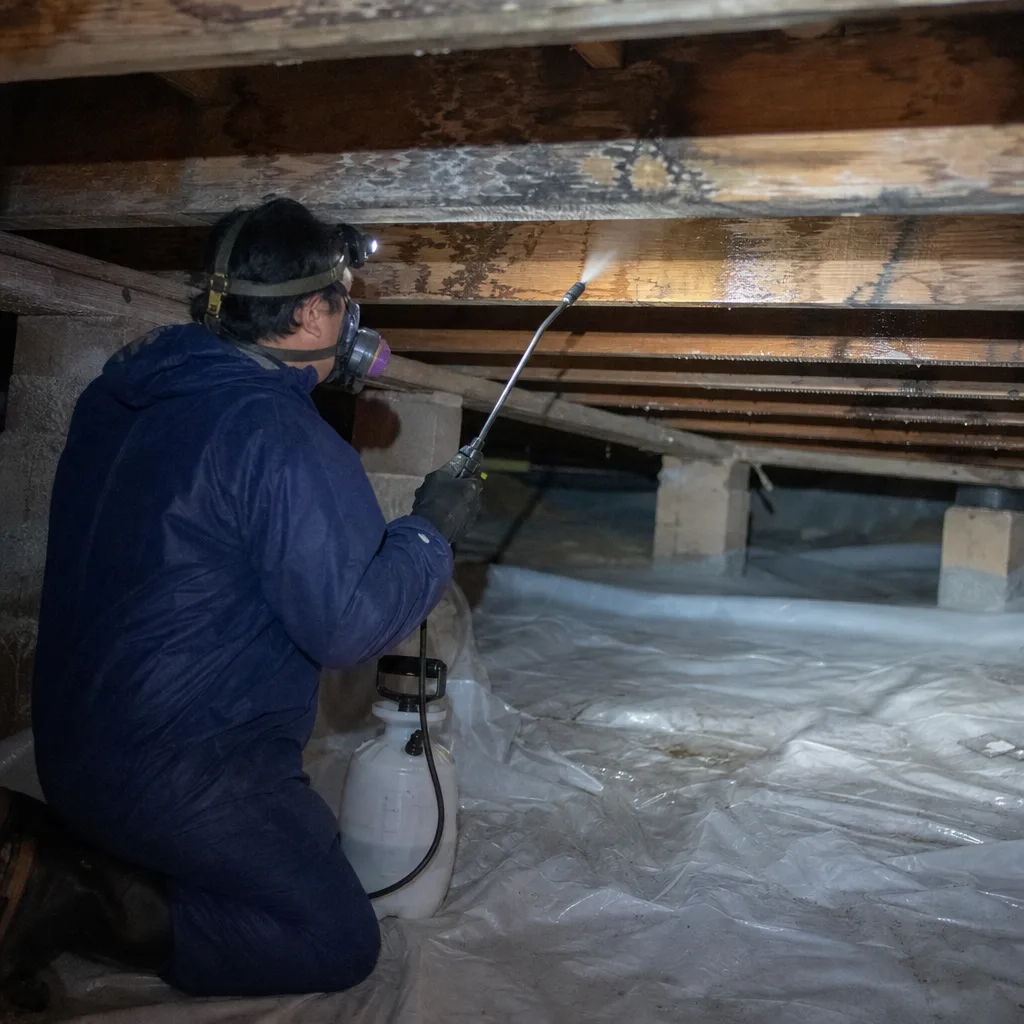
Personal property is inventoried, photographed, and packed to our facility for ultrasonic cleaning, ozone treatment, or textile restoration. We document condition at pack-out to distinguish fire damage from pre-existing wear, a step that prevents insurer disputes and protects the homeowner’s recoverable depreciation.
Structural Fire Repair
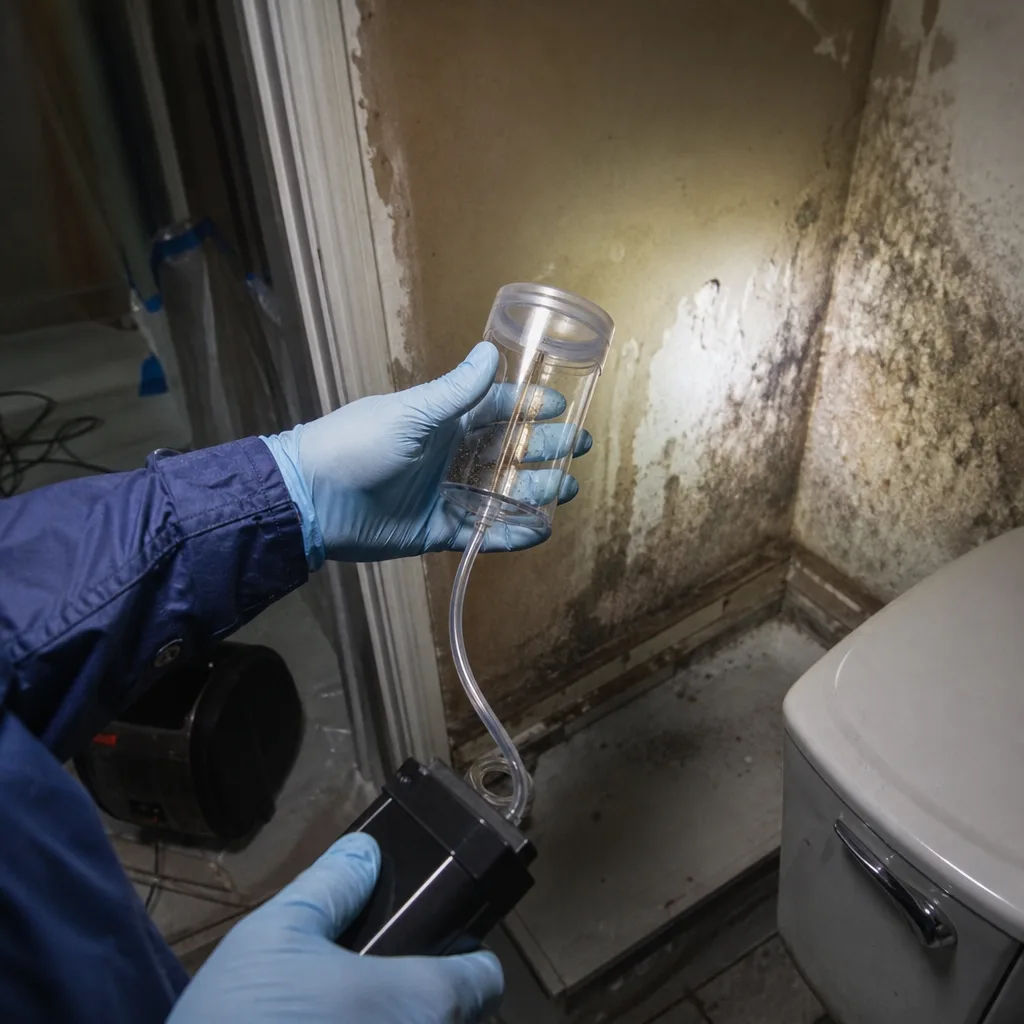
Charred framing is assessed for structural integrity; sistering is preferred over full replacement where load paths allow. Every repair scope in Wilmington’s legacy housing includes asbestos and lead testing, and we flag galvanized plumbing for corrosion inspection before closing walls. Repair-versus-retrofit decisions on original windows and doors are priced both ways in writing.
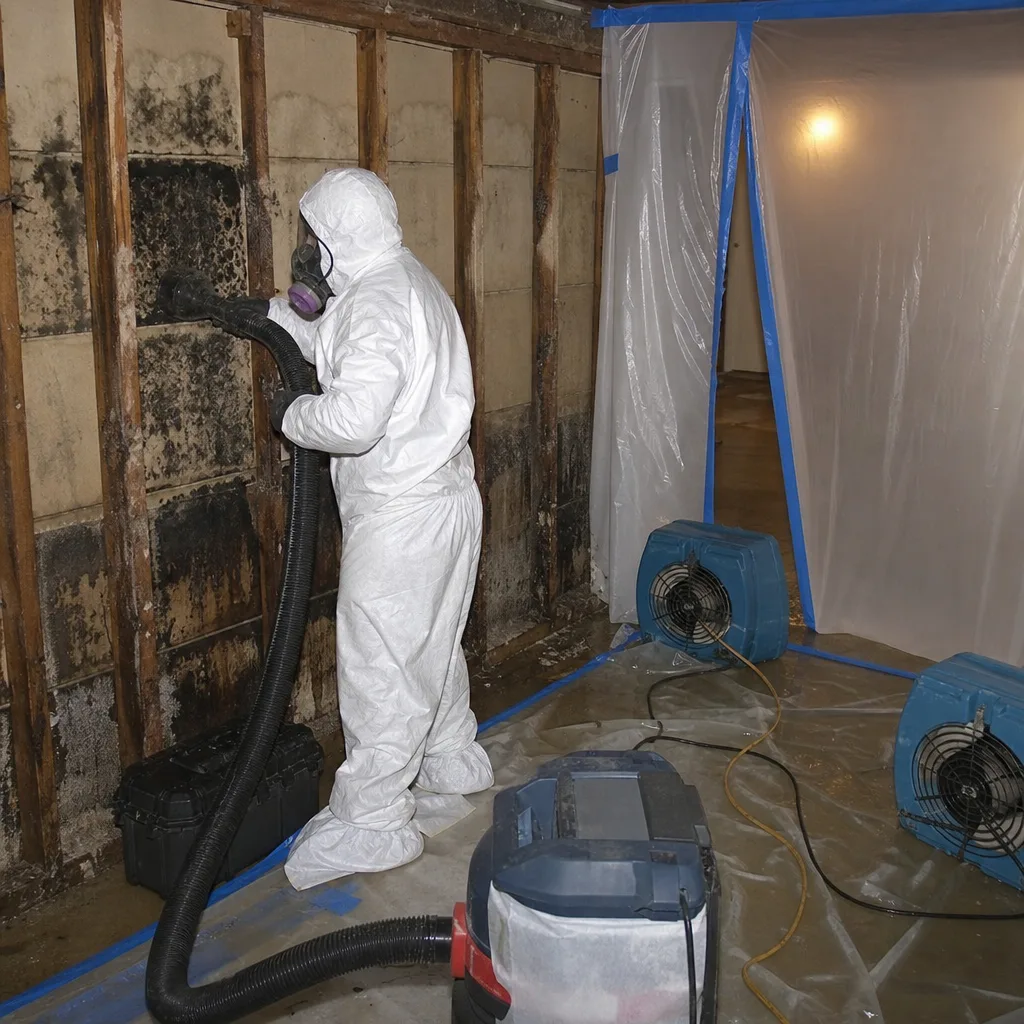
What happens when you call
- 1
A real person answersNo phone trees - you reach a local pro.
- 2
You get an upfront price rangeHonest numbers before anyone is dispatched.
- 3
A background-checked tech heads outLicensed & insured, dispatched right away.
- 4
You approve before work beginsNothing starts until you say go.
Fire & Smoke Damage Restoration Costs in Wilmington, CA
Typical fire and smoke restoration in Wilmington runs $4,200 for a contained single-room kitchen fire with light smoke damage, up to $18,500 for multi-room damage with structural charring, asbestos abatement, and petroleum-soil testing. Most Wilmington homeowners fall in the $7,800-$12,400 range for moderate damage requiring board-up, content pack-out, soot removal, drying, and reconstruction of two to three rooms.
| Service | Typical Range in Wilmington |
|---|---|
| Emergency board-up & tarping | $380-$920 |
| Smoke & soot removal (per room) | $1,200-$2,800 |
| Odor removal & deodorization | $850-$2,400 |
| Contents pack-out & cleaning | $1,500-$4,200 |
| Structural repairs & reconstruction | $3,400-$11,500 |
| Asbestos abatement (if required) | $2,200-$5,800 |
| Environmental soil testing (petroleum) | $680-$1,400 |
What moves the price: the square footage affected, the combustion source (protein fires require more intensive cleaning), whether asbestos is present, whether petroleum testing is triggered, and whether the home requires full reconstruction or surface restoration. Insurance typically covers direct fire and smoke damage plus water damage from firefighting; our written scope separates covered from non-covered items before work begins. Call (628) 226-1011 for a free inspection and firm written price - Haven Standard, Clause 1.
We Also Serve Cities Near Wilmington
Our crews respond daily to fire and smoke damage throughout the harbor area, including Lakewood, Harbor City, Carson, and Lomita. Each city has distinct housing stock and environmental conditions; our scopes are written for the specific property, never templated across zip codes.
Serving Wilmington, CA - Our Local Coverage Area
We’re based in the Wilmington area and know this community well. Use the map below to see our service coverage - if you’re nearby, we can almost certainly help.
Wilmington Fire & Smoke Damage Restoration Questions, Answered
Why does a fire-damaged Wilmington bungalow sometimes require soil testing that nearby Torrance jobs don’t?
Because Wilmington sits within walking distance of active oil pump jacks and legacy oil-field infrastructure, standing water in crawlspaces or sub-slab areas can show petroleum sheening that indicates contaminated soil. Our crews flag soil odors and recommend environmental testing before disturbing the sub-slab, a due-diligence step that almost never occurs across the freeway in Harbor City or in Torrance’s more residential neighborhoods. Call (628) 226-1011 if your Wilmington property has standing water after a fire - we’ll assess whether testing is warranted at no charge.
How fast does mold grow after a firefighting water intrusion in Wilmington’s coastal climate?
Mold colonization can begin within 24 to 48 hours in Wilmington’s conditions, where the marine layer maintains ambient humidity above 60% and poorly insulated older homes retain moisture in wall cavities. We deploy dehumidification and air movement immediately after water extraction, with daily moisture logs to prove materials are drying to IICRC standards. Delaying mitigation in this climate almost guarantees secondary mold damage. Call (628) 226-1011 for immediate response.
What’s the first thing we check when boarding up a fire-damaged rental near the Port of LA?
We check for petroleum odors at ground level and in any standing water before driving temporary posts or anchors into the soil, and we photograph the pre-existing condition of all openings for the insurance file. Rentals in this corridor often have deferred maintenance and older electrical systems, so we also note any visible code violations that could affect the restoration scope. Our board-up includes written documentation of every step, delivered to your adjuster. Call (628) 226-1011 for emergency board-up.
Does smoke odor removal differ in Wilmington’s 1940s bungalows versus newer stucco homes?
Yes. Original plaster and lath construction has more surface area and hidden cavities than modern drywall, and the organic binders in old plaster absorb smoke differently. Balloon framing, common in pre-1960 Wilmington homes, allows smoke to travel vertically inside walls for multiple stories. We use Injectidry systems to push deodorant through wall cavities and often recommend sealing original plaster with odor-blocking primer where thermal fogging alone won’t suffice. Newer stucco homes with platform framing and drywall respond faster to standard surface treatment. Call (628) 226-1011 for an assessment of your specific construction type.
When should we retrofit versus repair original windows and doors after a fire in Wilmington?
Repair is viable when frames are sound and only sashes or glazing need replacement; retrofit becomes necessary when fire or heat warping has compromised the frame’s weather seal or structural integrity. Original single-pane windows in Wilmington bungalows often lack the fire-resistant rating of modern units, and retrofitting to dual-pane improves both safety and energy performance in a climate where marine-layer cold penetrates poorly insulated walls. We price both options in writing, with lead-safe work practices included for pre-1978 homes. Call (628) 226-1011 for repair-versus-retrofit guidance on your specific property.
How quickly can you actually get to my Wilmington address?
We commit to 45 minutes from call to on-site anywhere in Wilmington, including the neighborhoods near Banning Park, the Avalon corridor, and the E Street area near the refineries. Our dispatch is coordinated from the Los Angeles office with crews staged for harbor-area response. Live answer at (628) 226-1011, 24 hours a day.
Will my insurance cover the full restoration, including asbestos abatement?
Most homeowner policies cover direct fire and smoke damage, water damage from firefighting, and the additional cost to comply with current building codes, which can include asbestos abatement when required by law. Petroleum-soil testing and remediation may fall under environmental coverage, which varies by policy. We document every line item with photos and material classifications, then coordinate directly with your adjuster to establish coverage before work begins. Our written scope separates covered from potentially non-covered items so there are no surprises. Call (628) 226-1011 for a free inspection and insurance review.
What should I do in the first 30 minutes after the fire department leaves?
Do not re-enter until the fire department clears the structure; then call (628) 226-1011 immediately. Do not touch soot-covered surfaces, as oils from skin will set stains permanently. If the power is off, do not attempt to restore it yourself. If windows are broken, avoid standing near them where marine-layer moisture and industrial particulates are entering. Our emergency board-up team will secure the property and begin documentation for your insurance claim. The faster we start, the less secondary damage occurs.
Written by Alicia Brennan, Owner at Back to Dry Restoration, serving Wilmington since 2011 under The Haven Standard.
Fire & Smoke Damage Restoration in Nearby Areas