
Free visual inspection and a written scope of work before any mitigation begins - photos, moisture readings, and drying logs go in your claim file
The scope we write is the scope we bill. Anything new gets shown to you, in writing, before we touch it.
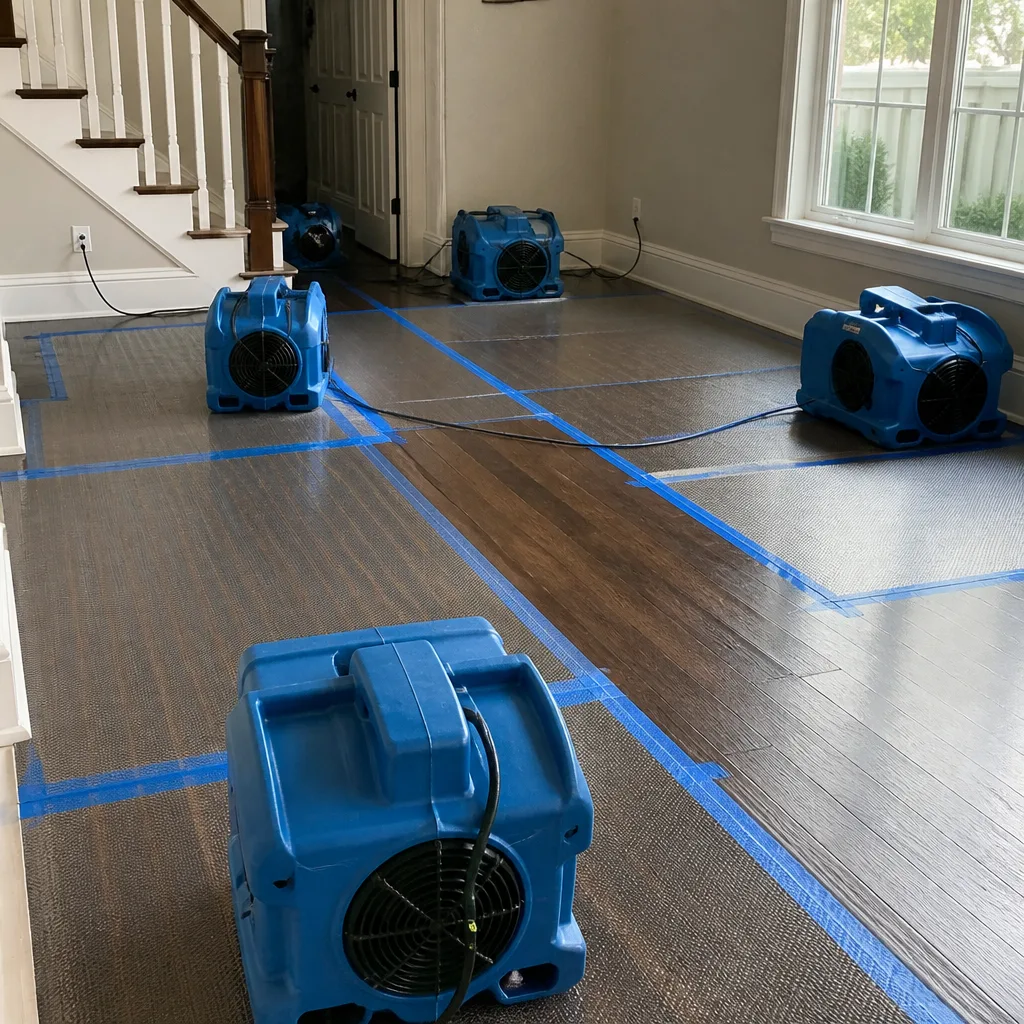
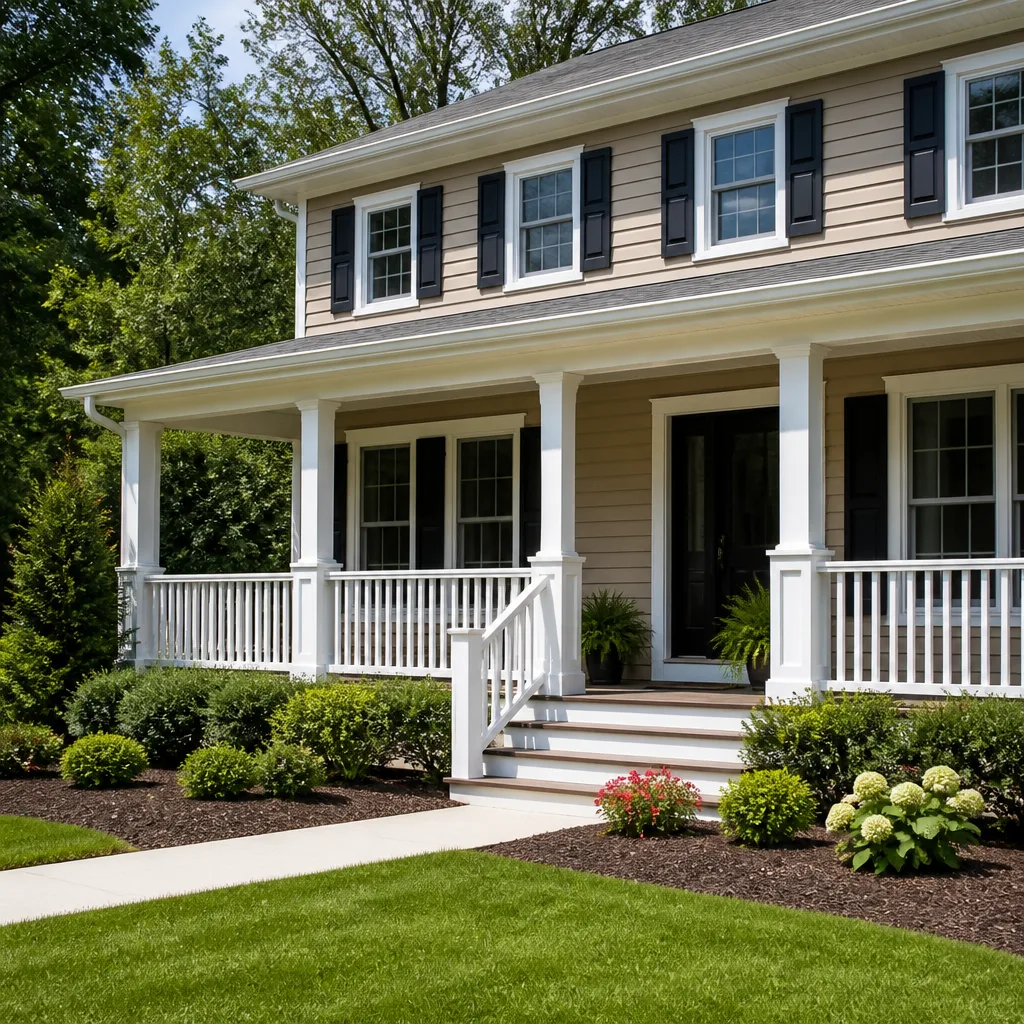
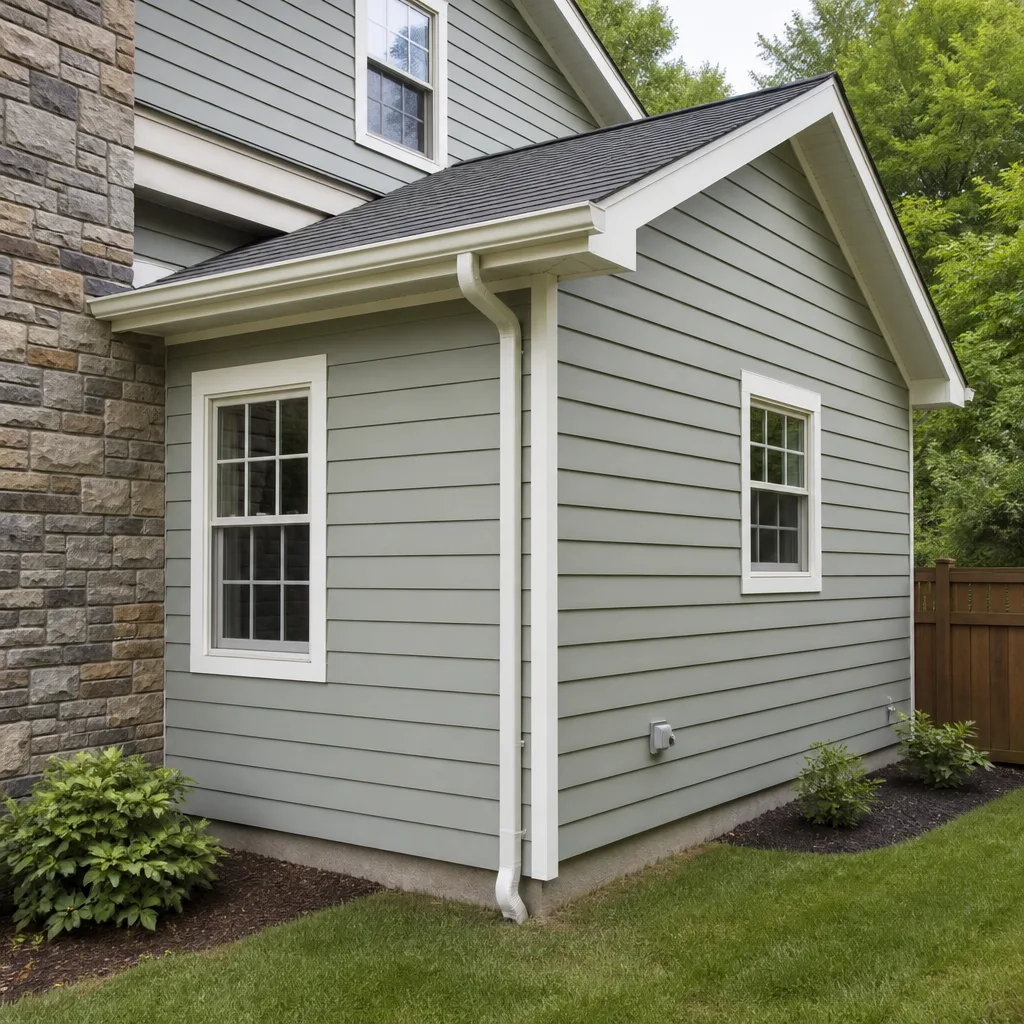
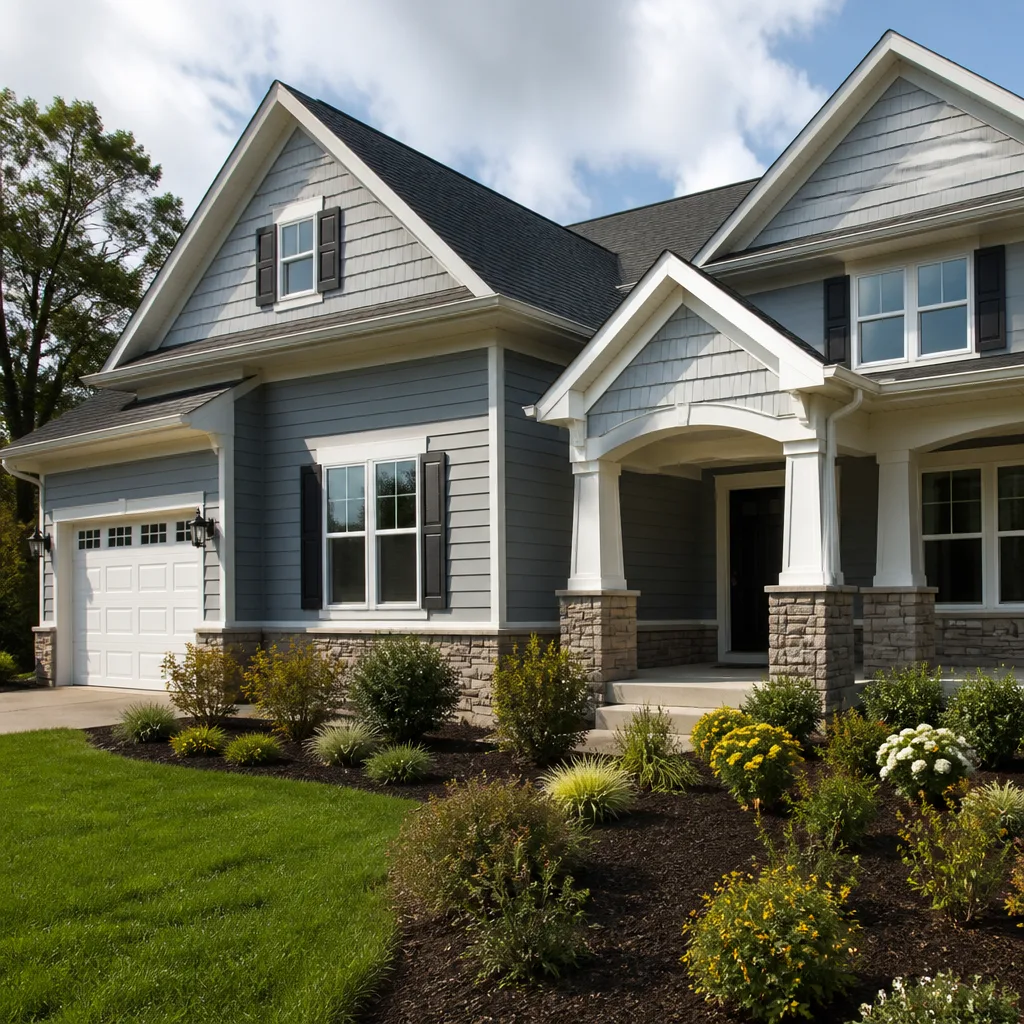
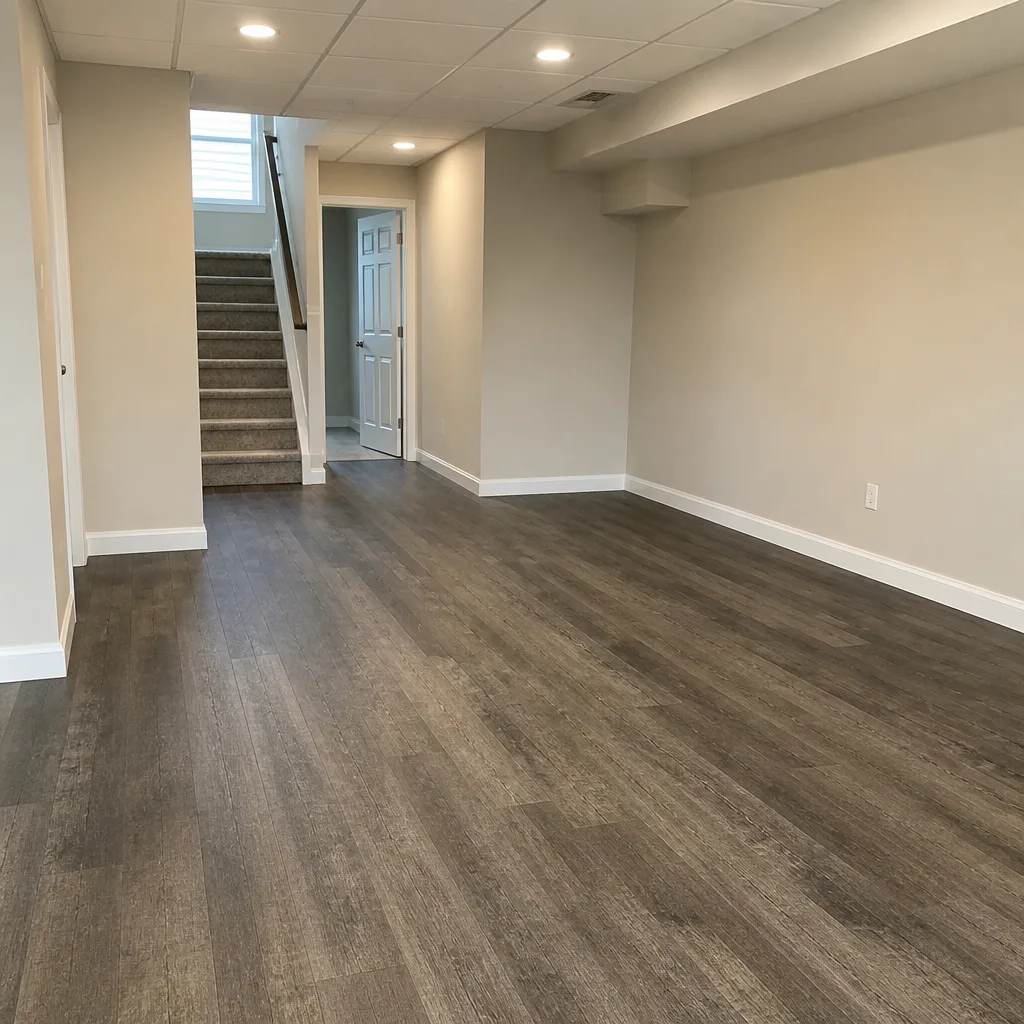
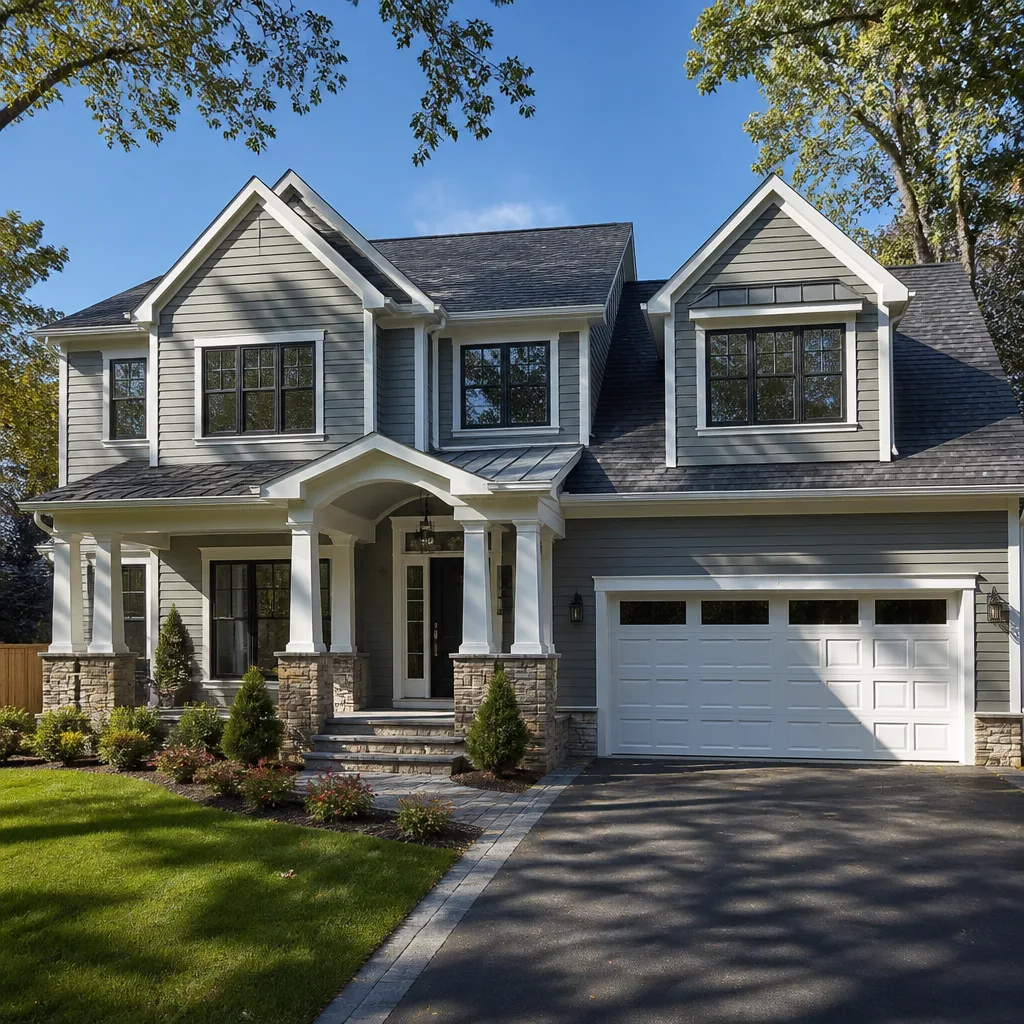
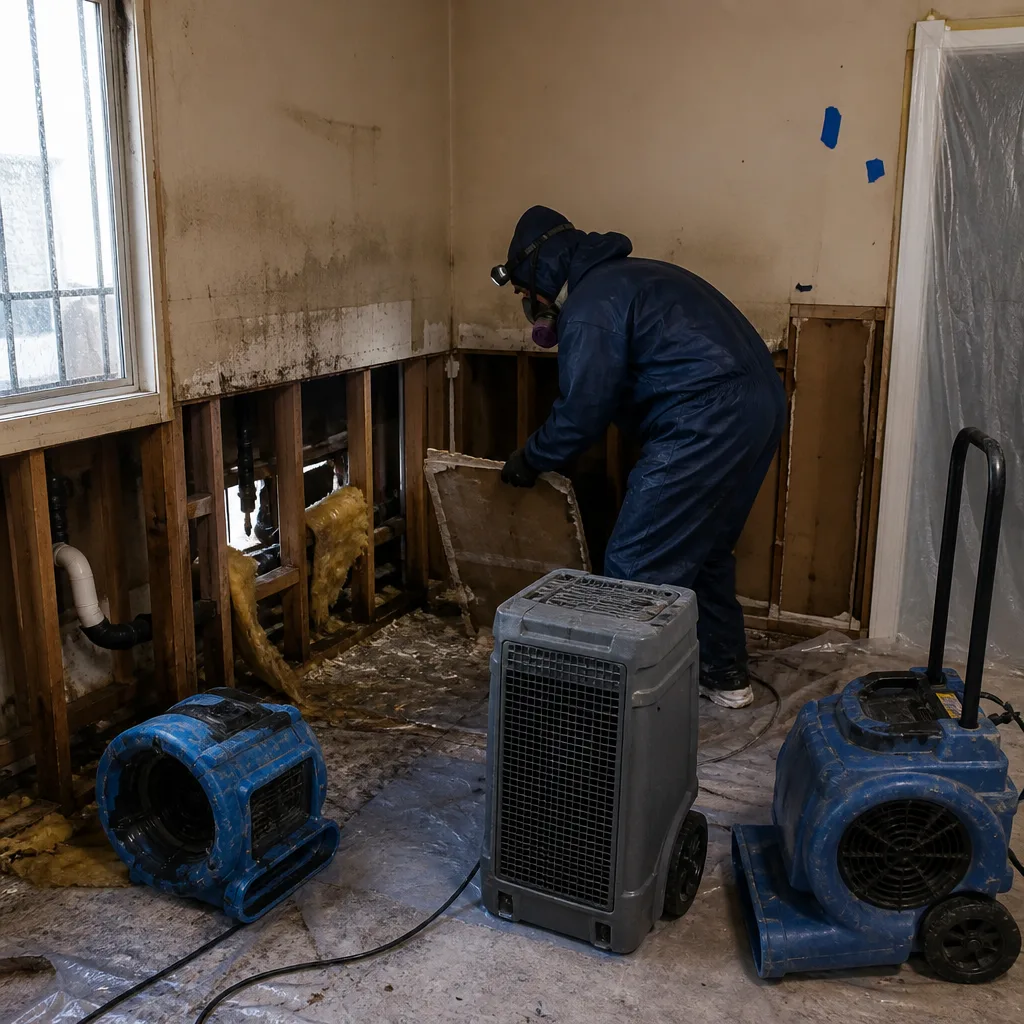 Before
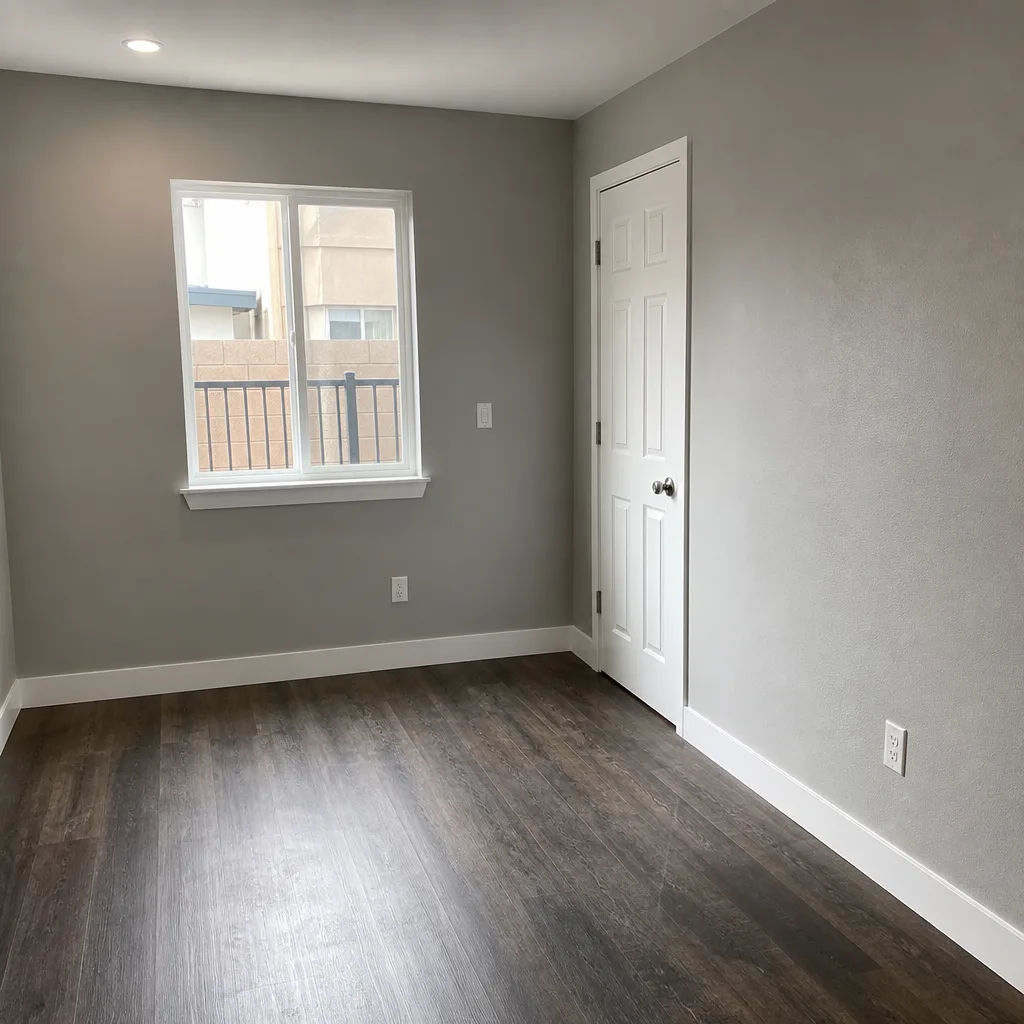 After
After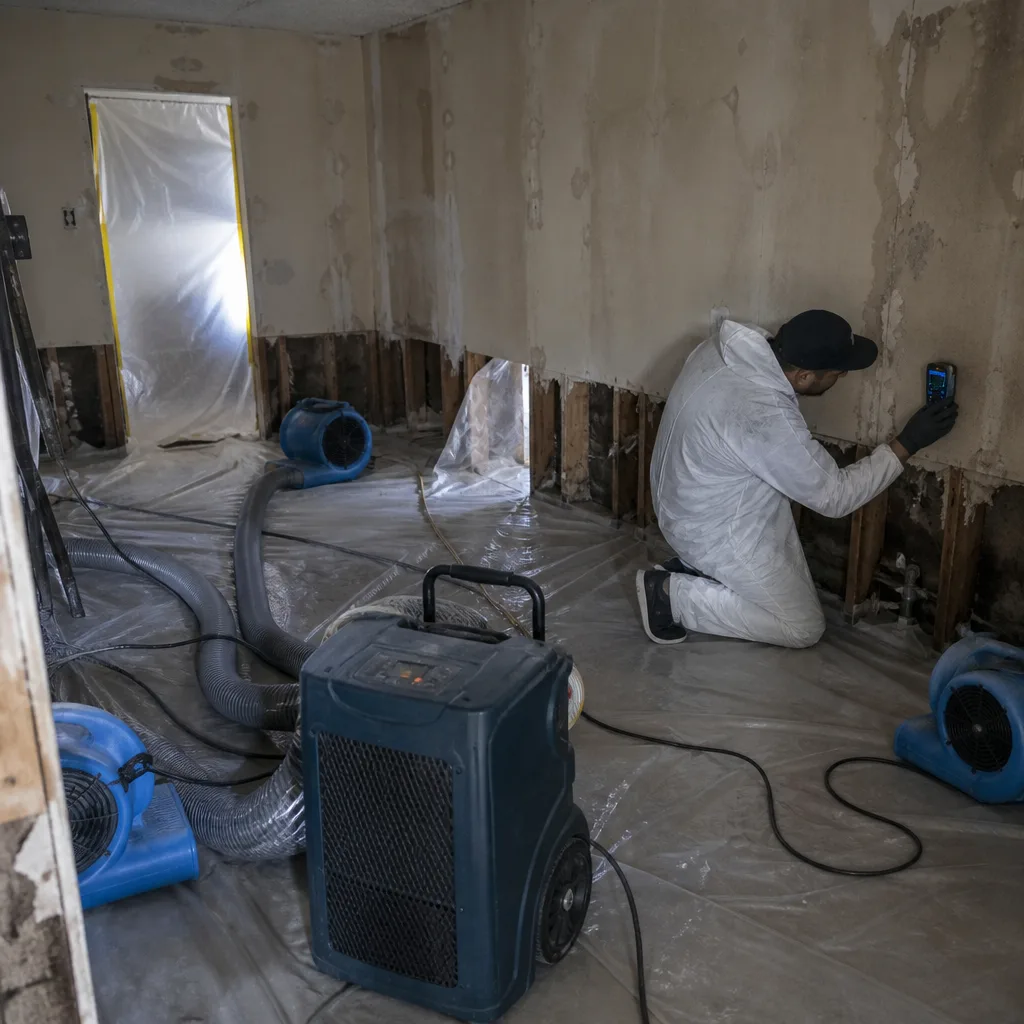 Before
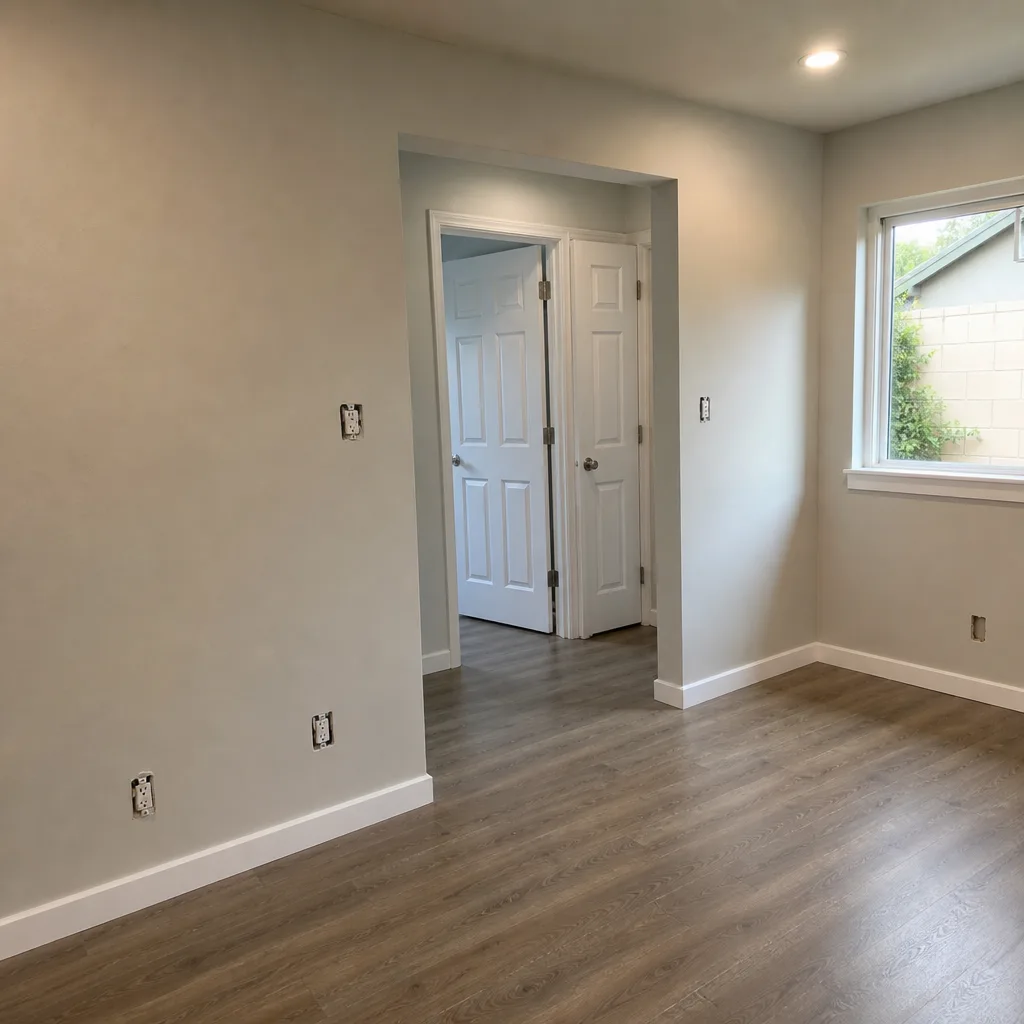 After
After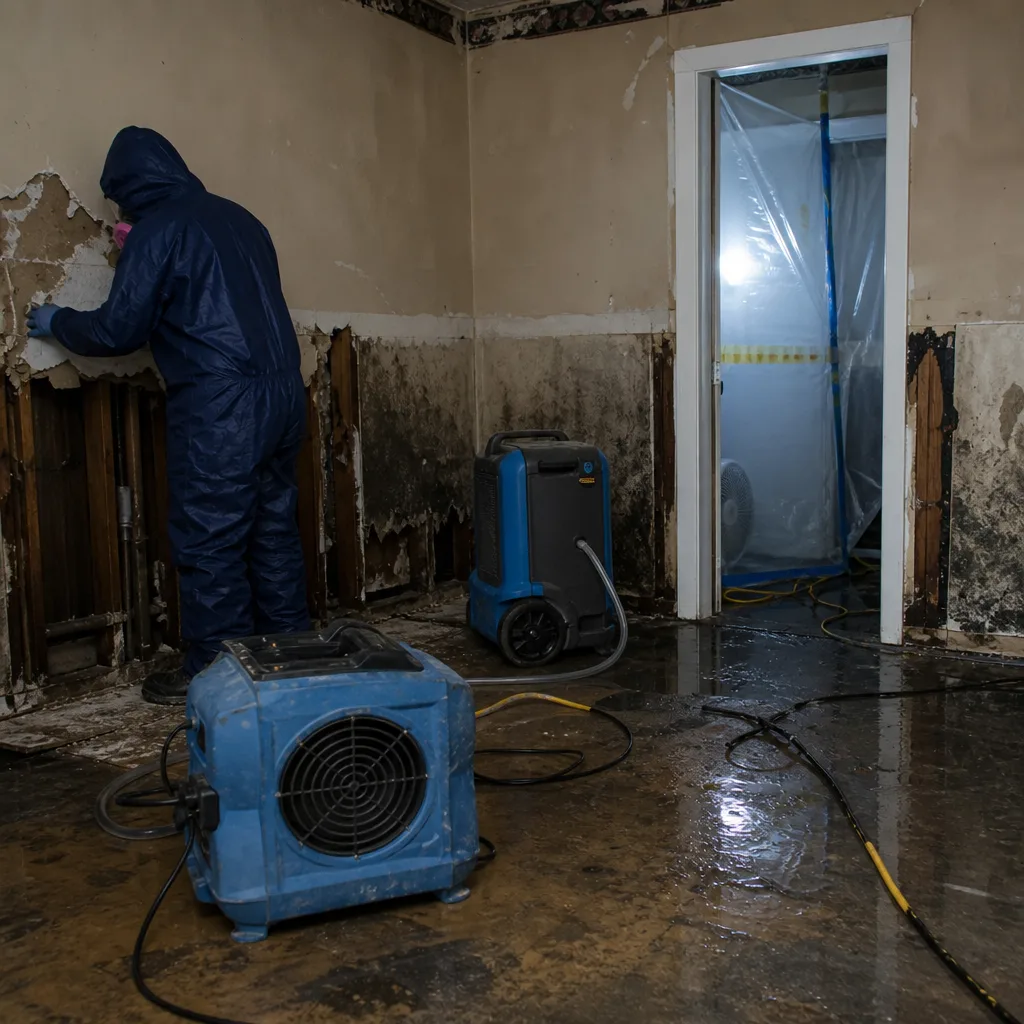 Before
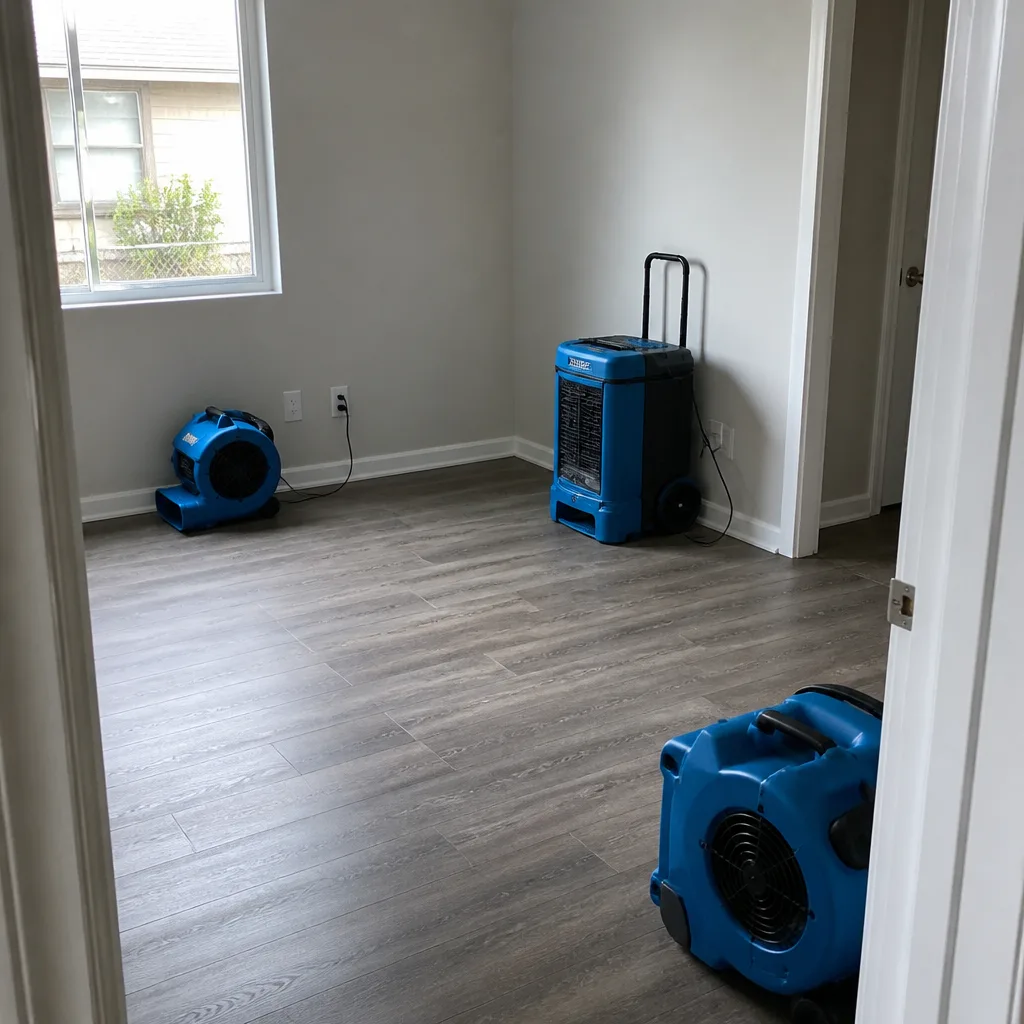 After
After24/7 Emergency Fire & Smoke Damage Restoration in Lomita
Fire and smoke damage restoration in Lomita typically costs $3,200-$8,500 for a moderate kitchen or single-room fire, with emergency board-up and stabilization starting at $450-$1,200. Crews from our Lomita response area can be on-site within 45 minutes, and a live person answers every call at (628) 226-1011 - no voicemail, no callback queue. The first hour after a fire is extinguished determines whether soot acids permanently etch glass and metal fixtures, whether smoke odor migrates into HVAC ducts, and whether water from suppression becomes a secondary mold problem in walls already holding marine-layer moisture.
We dispatch from our Los Angeles office with crews staged for Lomita’s dense 1940s-1960s neighborhoods. Every emergency response includes a free visual inspection, a written scope before any work begins, and photo documentation from arrival. Haven Standard, Clause 1: the price is delivered in writing before the first tool is unpacked.
Understanding Fire & Smoke Damage Restoration Severity in Lomita Properties
Fire damage in Lomita’s housing stock breaks into three severity tiers, each demanding different documentation and drying protocols. A minor fire - contained to a single appliance or stovetop - produces dry soot (carbon particulate) and light protein residue. Moderate fires involve structural charring, wet soot from suppression water, and smoke migration through wall cavities. Major fires compromise roof assemblies, load-bearing walls, or electrical panels, requiring engineered shoring and permitted rebuilds.
The critical variable in Lomita is the age of the structure. Post-WWII bungalows here were built with unsealed wall cavities, minimal vapor barriers, and original 9×9 vinyl floor tiles containing chrysotile asbestos. When a fire occurs, smoke wicks into those same cavities that already hold elevated moisture from the South Bay marine layer. Our crews moisture-map every fire job in Lomita, because the damp framing we find is often pre-existing, not fire-related - and drying it properly determines whether odor returns in three weeks.
Soot residue types matter for cleaning protocol selection. Dry smoke (fast-burning, high-heat fires) produces powdery carbon that HEPA vacuums and dry sponges remove. Wet smoke (slow-burning, low-oxygen fires) leaves sticky, smeary residue requiring solvent-based cleaning. Protein fires (kitchen grease) leave nearly invisible but pungent residue that demands enzyme digesters and thermal fogging. We identify residue type under IICRC FSRT protocol before selecting chemistry, so we don’t drive soot deeper into porous plaster or original lath.
Why Lomita Property Owners Choose DryMark Restoration Compton
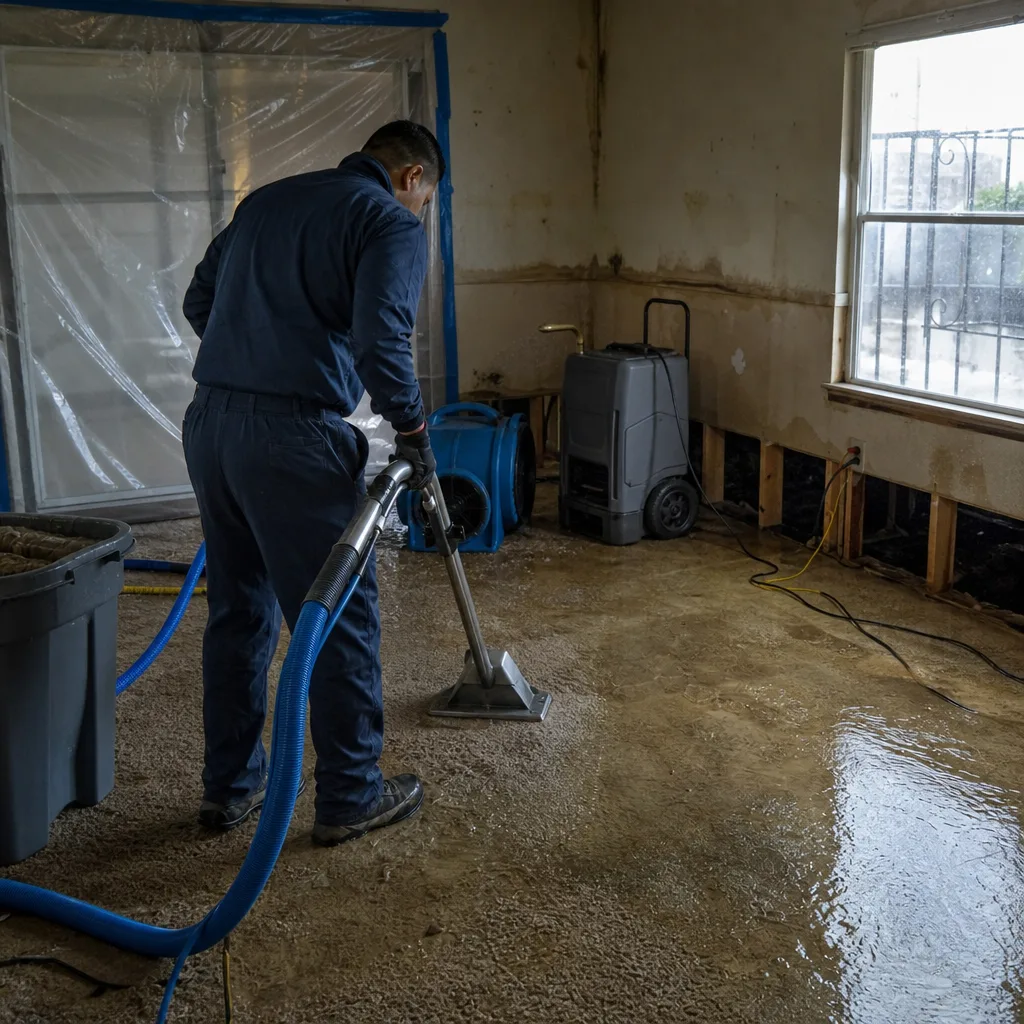
- 45-minute response commitment to Lomita addresses and surrounding corridors including Eshelman Avenue and Narbonne Avenue.
- 24/7 live answer - a real person, never an automated system or voicemail tree, on every call to (628) 226-1011.
- IICRC-certified crews holding FSRT (Fire and Smoke Restoration Technician) and WRT (Water Damage Restoration Technician) credentials, with license numbers verified before arrival.
- Free visual inspection and written scope delivered before any work begins, every time, with no exceptions per Haven Standard, Clause 1.
- Direct insurance billing with photo-documented estimates, daily drying logs, and adjuster coordination included as standard.
- One team from emergency board-up through structural repair - no handoffs between mitigation and reconstruction contractors.
BeforeAfterOur Fire & Smoke Damage Restoration Process
1. Inspection & Assessment
We arrive with thermal imaging cameras, moisture meters, and hygrometers to map fire, smoke, and water damage across every affected surface. In Lomita’s older homes, we specifically test wall cavity moisture and flag original building materials for asbestos and lead testing before any demolition begins.
2. Emergency Board-Up & Stabilization
Broken windows, compromised doors, and damaged roof sections get secured with plywood and weatherproof tarps to prevent intrusion and further weather damage. We document every board-up with photos for your insurance file.
3. Water Extraction & Structural Drying
Suppression water is extracted with truck-mounted or portable systems, then we deploy air movers, dehumidifiers from Dri-Eaz and Phoenix, and Injectidry cavity-drying systems to pull moisture from wall voids and subfloors. Daily psychrometric readings track progress until materials reach dry standard.
4. Smoke & Soot Removal
HEPA vacuums capture loose particulate before wet or dry cleaning methods are selected by residue type. We clean from top to bottom - attic spaces, HVAC ducts, light fixtures, then vertical and horizontal surfaces - to prevent recontamination of cleaned areas.
5. Odor Removal & Deodorization
HEPA air scrubbers run continuously during work. For deep odor in Lomita’s moisture-laden wall cavities, we deploy hydroxyl generators and thermal fogging with odor-counteractant chemistry that penetrates where smoke migrated. Antimicrobial treatment follows on any damp framing to prevent mold colonization.
6. Repairs & Restoration
Charred structural members are replaced per engineered specification. We rebuild with matching materials, coordinate final inspections, and deliver a 365-Day Done Right Promise under The Haven Standard - if it’s not done right, we make it right.
Need Emergency Fire & Smoke Damage Restoration in Lomita Now?
Crews minutes away, answering live 24 hours a day. The sooner we start, the less it costs.
Working With Your Insurance Company
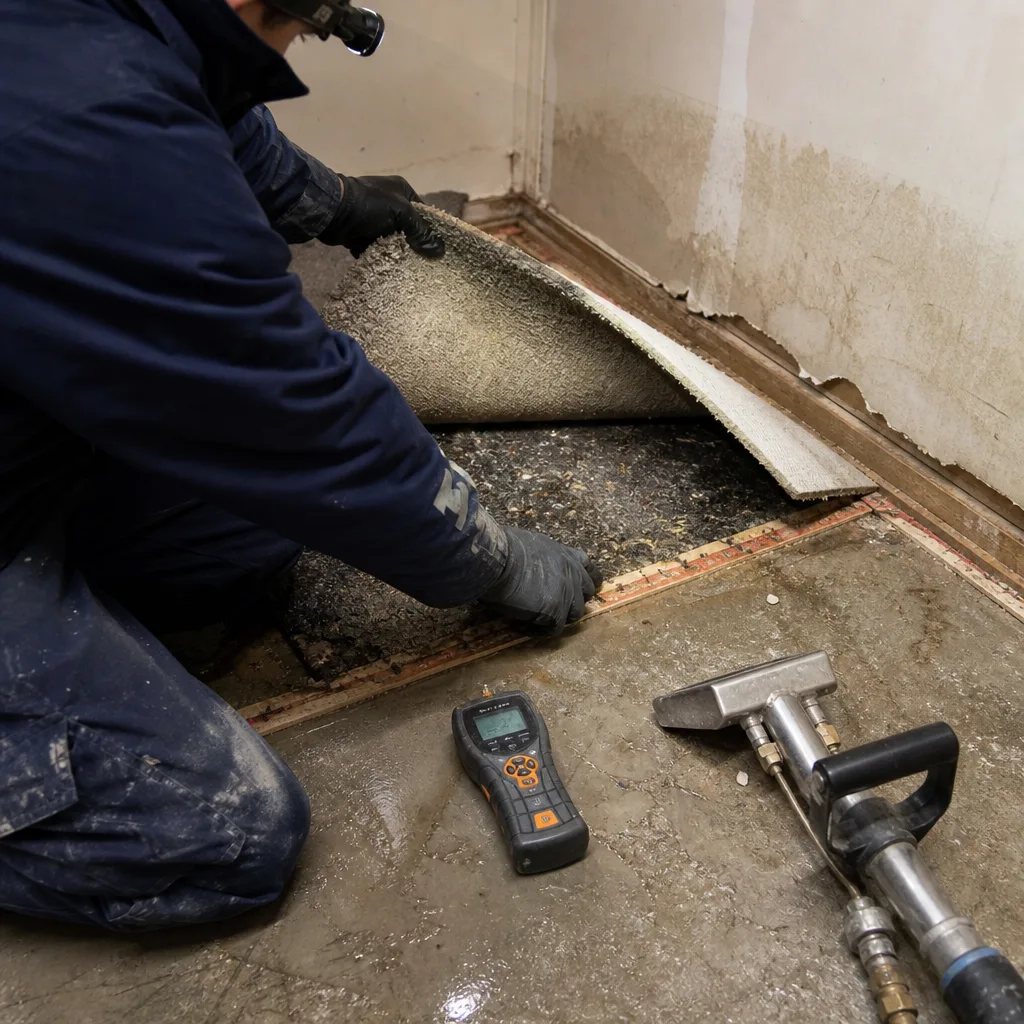
Fire claims fail on documentation gaps. Our process starts photo-recording from the first arrival and produces the line-item scope, moisture logs, and material classifications that adjusters need to approve payment without dispute. We write estimates to Xactimate standards, the same platform your carrier uses, and we coordinate directly with your assigned adjuster rather than handing you a bill to submit alone.
Most Lomita fire losses involve multiple coverage lines: dwelling coverage for structure, personal property coverage for contents, and additional living expenses if the home is uninhabitable. We separate scopes accordingly so nothing gets coded to the wrong bucket. If your carrier disputes a line item - common with asbestos abatement or specialized odor treatment - we provide the supporting documentation, moisture readings, and IICRC reference standards to justify the work.
What We Provide Your Insurer
- Thorough documentation of the loss with date-stamped arrival photos
- Photos of all damage, room by room, with directional indicators
- Moisture readings and daily drying logs to prove structural dry standard
- A detailed, line-item scope of work written to industry estimate standards
- Direct coordination with your carrier’s adjuster, including supplemental requests
Built for Lomita’s Loss Calendar
Lomita’s fire damage patterns follow the South Bay climate and housing age, not a generic national calendar. Winter brings space-heater and fireplace incidents in original bungalows with unlined chimneys and aging electrical panels. The marine layer’s persistent moisture means every winter fire also carries suppression-water recovery and cavity-drying work.
Spring and fall see the most kitchen grease fires - windows open for ventilation, cooking oils at temperature, and the same cross-breezes that pull smoke through unsealed wall cavities. Summer adds electrical fire risk from window AC units and aging knob-and-tube remnants in pre-1960 homes still standing near Lomita Boulevard.
El Niño years amplify everything. The flat or low-slope roofs common on 1950s ranch homes near San Pedro Bay leak during rare heavy rain, and homeowners run supplemental heat sources in damp conditions. When those sources ignite, crews arrive to fire damage compounded by chronic moisture intrusion - two loss types in one structure, both requiring full documentation for separate coverage considerations.
Fire & Smoke Damage Restoration Across Lomita’s Neighborhoods
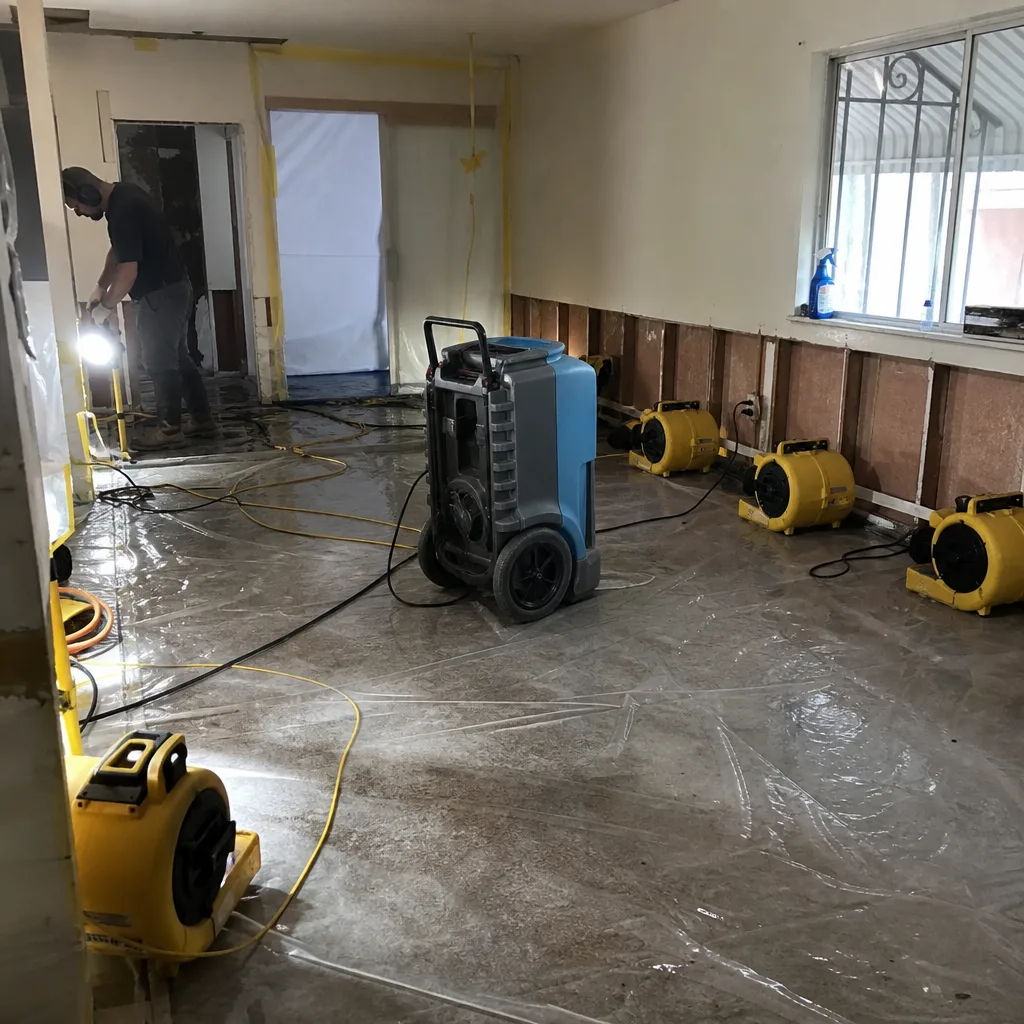
Our crews know Lomita’s built environment block by block, and response routes vary by the housing stock we’re entering.
Near Lomita Boulevard and Eshelman Avenue, the 1940s-1950s bungalows sit on small lots with minimal setbacks. These homes have original plaster walls, unsealed stud cavities, and galvanized supply lines. A kitchen fire here almost always means smoke migration into adjacent rooms through wall chases, and the plaster requires gentle dry-sponge cleaning rather than wet methods that drive residue deeper. We stage HEPA scrubbers in hallways to create negative pressure and prevent cross-contamination.
The Narbonne Avenue corridor mixes 1960s ranch homes with some 1970s split-level additions. Ranches here have larger footprints but the same minimal vapor barriers and, frequently, original popcorn ceilings with asbestos content. Smoke odor in these homes often concentrates in attic spaces above central hallways, so we access through attic hatches rather than cutting drywall when possible - less invasive, less asbestos risk.
Properties west of Crenshaw Boulevard toward the Harbor Freeway corridor include some of Lomita’s oldest 1940s construction, with cast-iron drains and original cloth-wrapped wiring. Fire damage in these homes demands electrical safety lockout before any water extraction begins, and we frequently find that soot-acid residue has begun pitting galvanized supply lines by the time we’re called. Our scope notes flag this for adjuster review, because the repipe may be claimable as consequential damage.
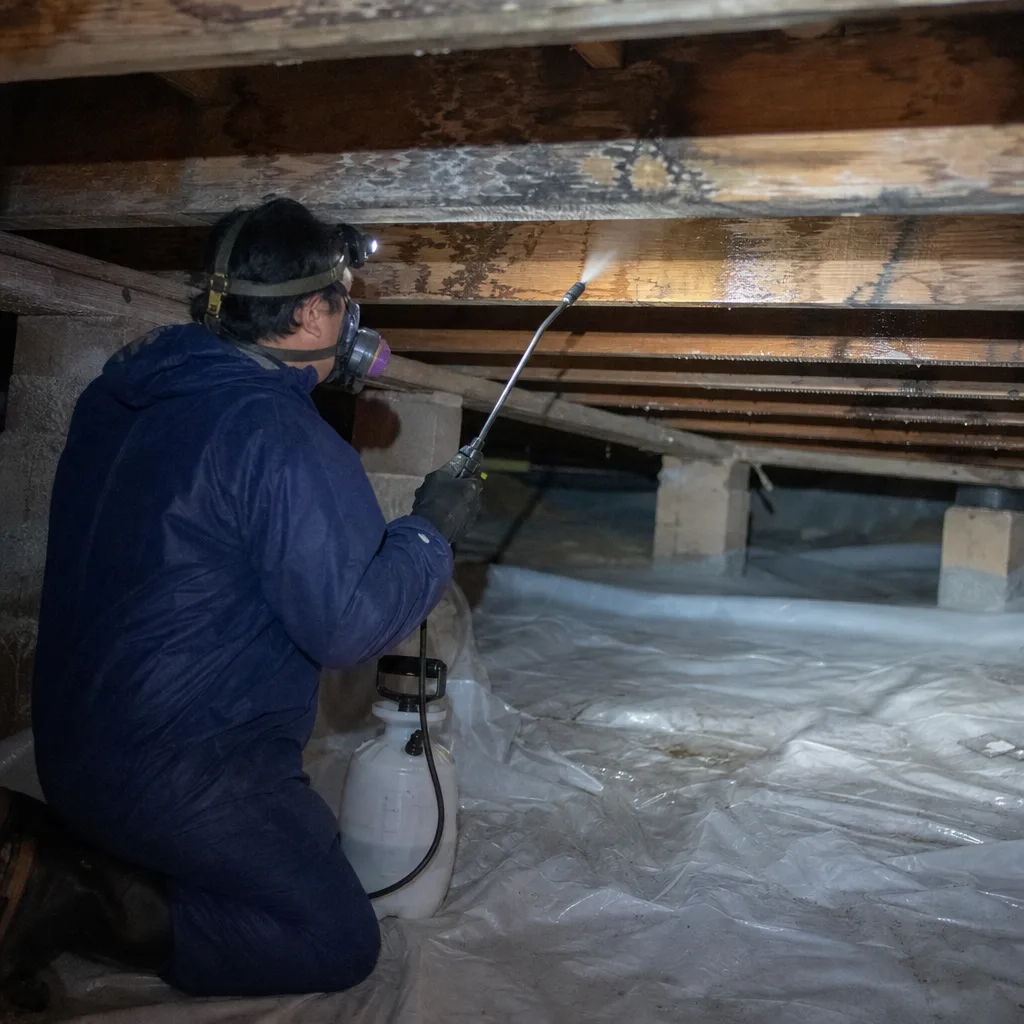
The area near Lomita Park and the city’s eastern edge includes homes with more recent additions, but the original structures remain 1950s-1960s core with the same asbestos-era materials. Crawl spaces here sit close to the water table and hold marine-layer moisture year-round; fire suppression water in these crawl spaces doesn’t drain naturally and requires active extraction and dehumidification with B-Air and XPOWER equipment.
Specialized Fire & Smoke Damage Restoration Services We Offer in Lomita
Fire Damage Cleanup
We remove charred debris, damaged contents, and compromised structural materials with asbestos and lead testing coordinated before any demolition. In Lomita’s post-war housing, this means stopping for California-licensed consultant clearance when original 9×9 tile or popcorn ceiling is involved - not optional, and not something to discover mid-tearout.
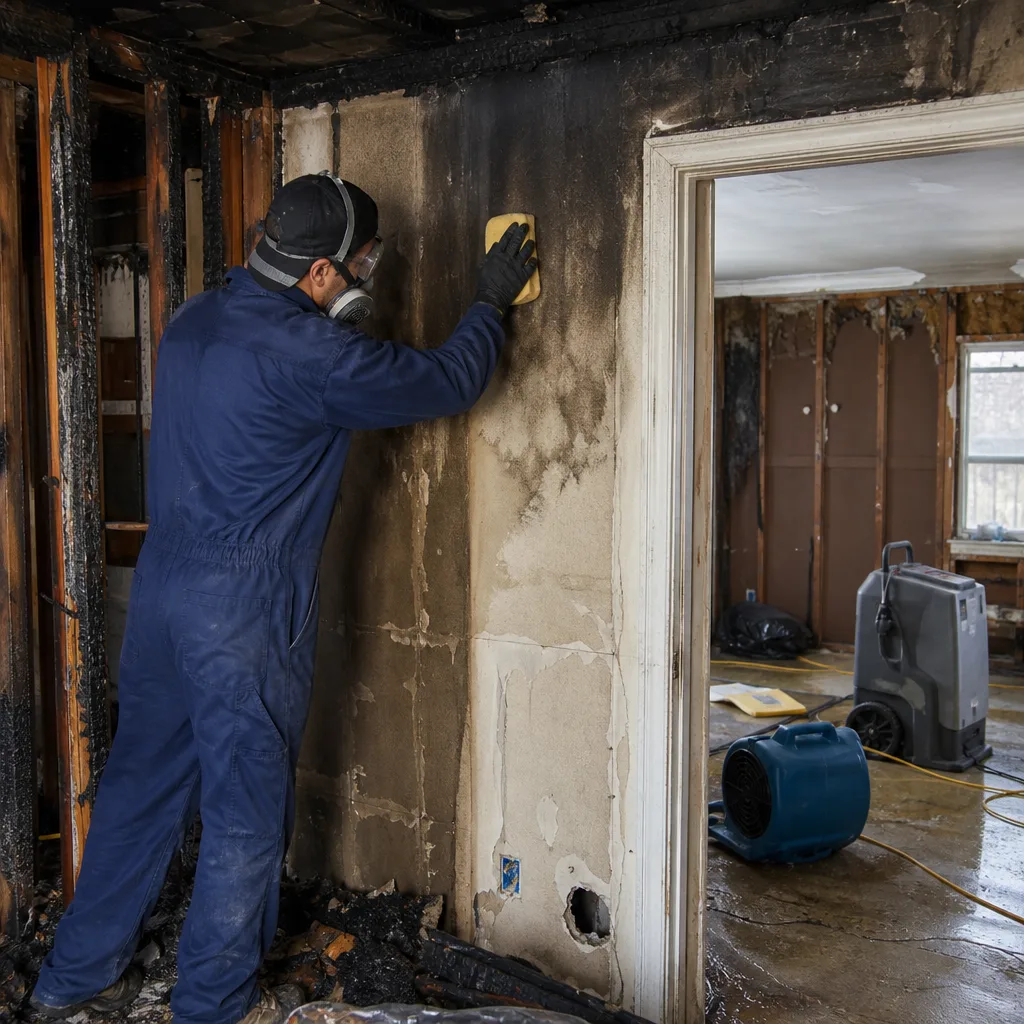
Smoke & Soot Removal
Different soot types demand different chemistry. We identify residue under IICRC FSRT protocol, then select dry sponging, solvent cleaning, or ultrasonic methods for contents. On Lomita’s original plaster and lath, aggressive wet cleaning can drive soot into porous surfaces; we test in an inconspicuous corner first, document the result, and proceed methodically.
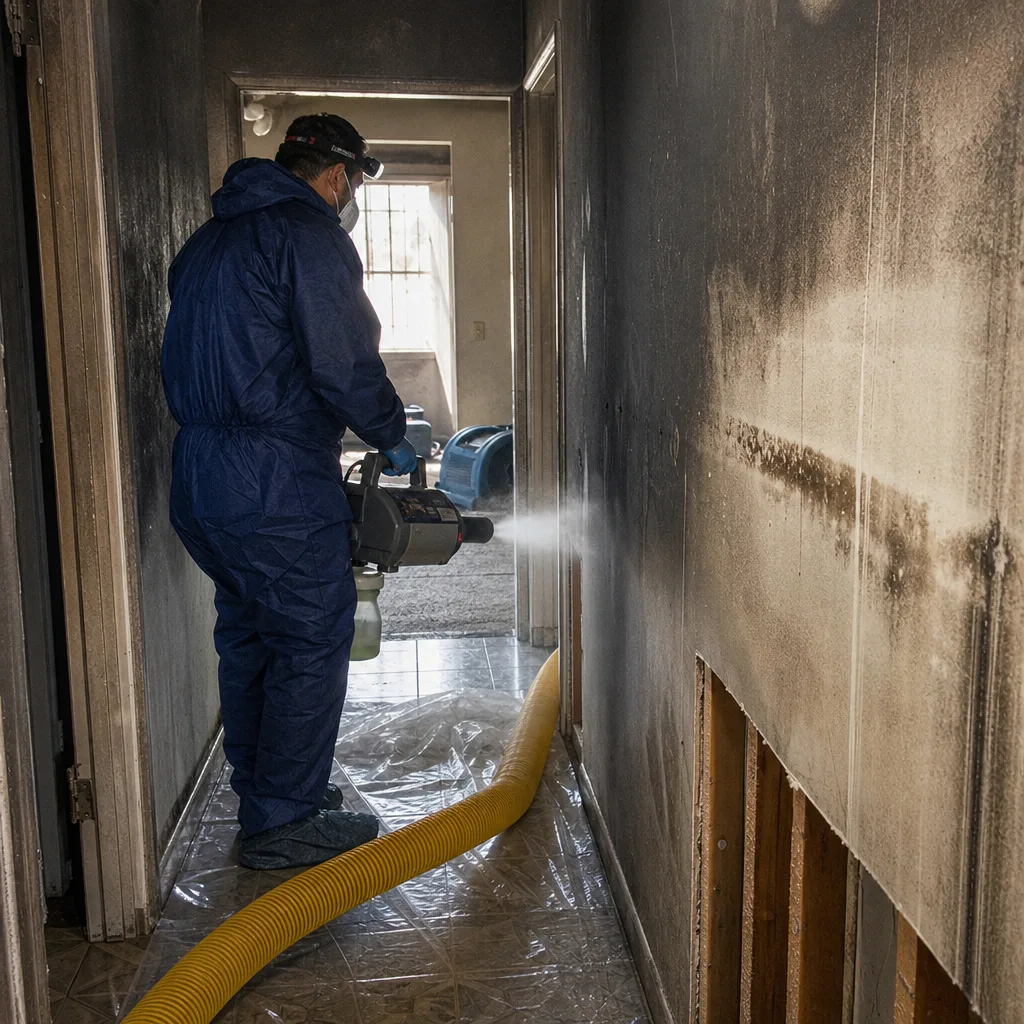
Odor Removal & Deodorization
Smoke odor that returns after initial cleaning usually means the source moisture was never dried. In Lomita’s marine-layer environment, damp wall cavities and crawl spaces re-release odor molecules even after surface cleaning. We run hydroxyl generators and thermal fogging, but we also moisture-map and dry the cavities - otherwise we’re deodorizing a wet sponge.
Contents Cleaning & Pack-Out
Salvageable items are inventoried, photographed, and transported to our cleaning facility for ultrasonic, ozone, or specialized textile treatment. Non-salvageable items are documented for personal property claims with replacement cost research. For Lomita homeowners in 1,200-square-foot bungalows, a full pack-out may mean nearly the entire household; we provide detailed room-by-room inventories.
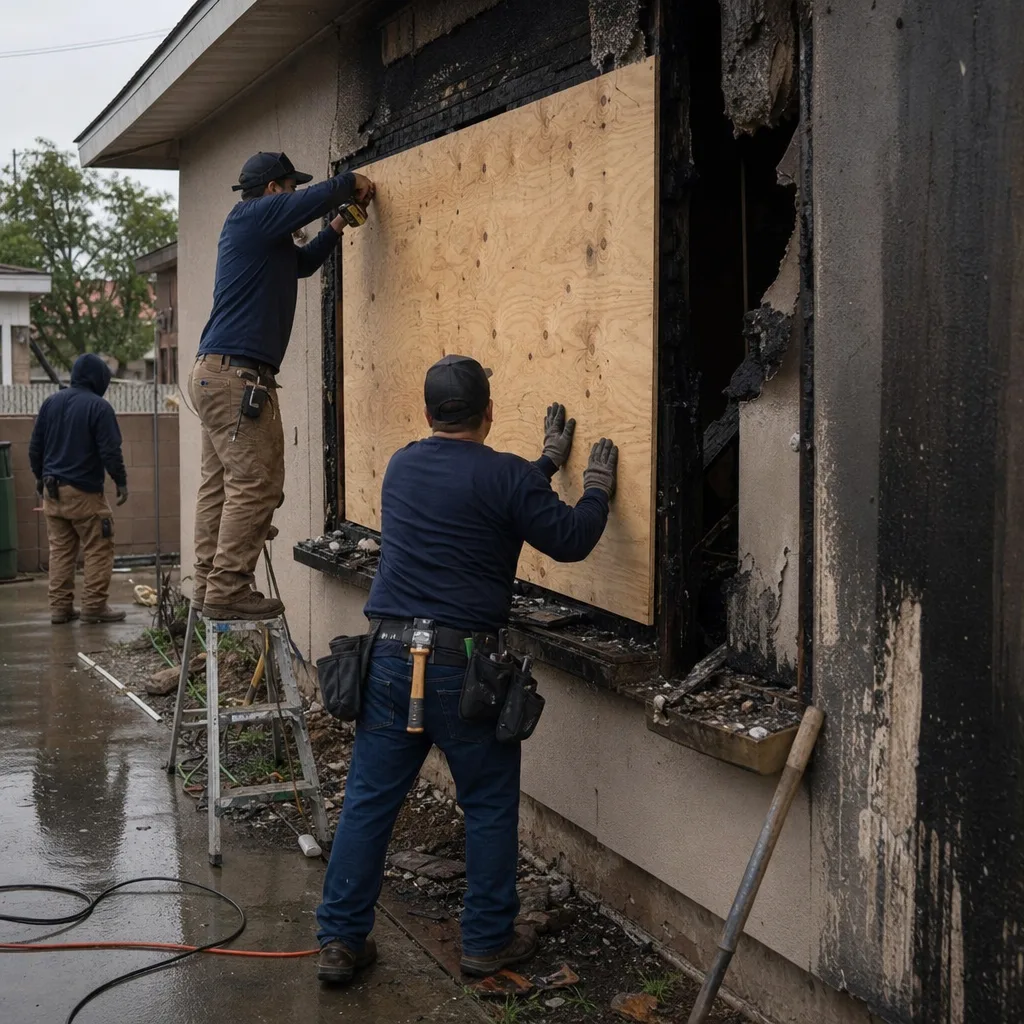
Emergency Board-Up & Tarping
Broken windows, damaged roof sections, and compromised doors get secured within hours of our arrival. We use plywood and weather-rated tarps, photograph every installation, and note structural conditions that may affect rebuild scope. This documentation goes directly to your insurance file.
Structural Fire Repair
Charred framing, compromised roof assemblies, and damaged electrical systems are rebuilt to current code with matching materials where feasible. In Lomita’s older homes, this frequently means upgrading ungrounded electrical, adding vapor barriers where none existed, and replacing galvanized supply with copper or PEX - work we scope and price in writing before starting, per Haven Standard, Clause 1.
What happens when you call
- 1
A real person answersNo phone trees - you reach a local pro.
- 2
You get an upfront price rangeHonest numbers before anyone is dispatched.
- 3
A background-checked tech heads outLicensed & insured, dispatched right away.
- 4
You approve before work beginsNothing starts until you say go.
Fire & Smoke Damage Restoration Costs in Lomita, CA
These ranges reflect actual Lomita-area jobs we’ve scoped and completed. Every project gets a written, line-item price before work begins.
- Emergency board-up and stabilization: $450-$1,200
- Smoke and soot cleanup, single room: $1,800-$3,500
- Full-structure odor removal with cavity drying: $2,400-$5,200
- Contents pack-out and cleaning: $1,200-$4,000 depending on volume
- Structural repair and rebuild, moderate fire: $8,500-$25,000+
- Asbestos testing and abatement coordination (when required): $800-$3,500 additional
What moves the price: the square footage affected, whether smoke reached HVAC ducts, whether suppression water requires full structural drying, whether asbestos or lead testing adds steps, and whether rebuild involves code upgrades. Insurance typically covers direct fire and smoke damage, plus consequential water damage from suppression; our documentation separates these for clean claim coding. Call (628) 226-1011 for a free inspection and exact written scope - estimates are free, and Haven Standard, Clause 1 means the price you approve is the price you pay.
We Also Serve Cities Near Lomita
Our crews respond throughout the South Bay and Harbor area, including Harbor City to the west, Lakewood to the north, Torrance to the east, and Wilmington to the south along the harbor corridor. Each city carries distinct housing stock and local conditions; our Fire & Smoke Damage Restoration teams adjust protocols accordingly.
Serving Lomita, CA - Our Local Coverage Area
We’re based in the Lomita area and know this community well. Use the map below to see our service coverage - if you’re nearby, we can almost certainly help.
Lomita Fire & Smoke Damage Restoration Questions, Answered
Why does smoke smell come back a few weeks after a kitchen fire in a Lomita bungalow?
The odor returns because the source moisture in your wall cavities was never dried, not because the soot cleaning failed. Lomita’s marine layer keeps original unsealed wall cavities damp year-round; smoke molecules bind to that moisture and re-release when humidity rises. Our crews moisture-map every fire job, run Injectidry cavity drying where readings are elevated, and verify dry standard before sealing walls. Call (628) 226-1011 if you’re dealing with returning odor - we can assess whether the original mitigation missed the moisture source.
Do you have to test for asbestos before tearing out fire-damaged flooring in Lomita?
Yes, if the home was built before 1980 and has original flooring or ceiling materials. Lomita’s 1940s-1960s housing stock almost universally contains chrysotile asbestos in 9×9 vinyl floor tiles and popcorn ceiling texture. California mandates testing before disturbance, and LA County enforcement near the Harbor corridor is active. We stop work and coordinate a California-licensed asbestos consultant before any demo that might disturb these materials - unpermitted disturbance triggers stop-work orders and liability exposure. Call (628) 226-1011 and we’ll walk through the testing timeline.
How fast can mold start after a fire is put out in a Lomita home?
Mold colonization can begin in 48 to 72 hours on damp organic materials, and Lomita’s elevated ambient humidity accelerates that timeline. The combination of suppression water and pre-existing marine-layer moisture in wall cavities means mold risk is immediate, not theoretical. We deploy dehumidification and antimicrobial treatment during the fire mitigation phase, not as a separate later step. Call (628) 226-1011 for same-day assessment - drying started today prevents mold remediation needed next month.
Can you dry out a fire-damaged Lomita crawl space without pulling the whole floor?
Yes, in many cases. We use Injectidry negative-air drying systems and targeted dehumidification with B-Air and XPOWER equipment to pull moisture from crawl spaces through existing access points. If the crawl space has standing water or visible mold growth, limited access cuts may be needed, but full floor removal is rare. The key is moisture-mapping to confirm dry standard, not surface appearance. Call (628) 226-1011 for a free inspection and we’ll show you the readings.
What does a fire and smoke pack-out actually cover for a Lomita homeowner?
We inventory, photograph, and transport salvageable contents to our facility for specialized cleaning: ultrasonic for hard goods, ozone or hydroxyl for odor-impregnated items, textile restoration for clothing and upholstery. Non-salvageable items are documented with replacement cost research for your personal property claim. The pack-out includes protective wrapping, transport, storage during rebuild, and return delivery. For Lomita’s typically compact bungalows, a full pack-out may mean most household contents; we provide room-by-room inventories that match your insurer’s format. Call (628) 226-1011 to discuss what’s salvageable on your specific loss.
How fast can someone actually get here in Lomita?
Our commitment is 45 minutes to Lomita addresses, with crews staged for the South Bay and Harbor corridor. A live person answers at (628) 226-1011 24 hours a day - no voicemail, no callback queue. The first crew arrives with board-up materials, extraction equipment, and documentation tools; we don’t send a sales estimator first and technicians later.
Will insurance cover this, or am I paying out of pocket?
Most homeowner policies cover direct fire and smoke damage, suppression water damage, and additional living expenses if the home is uninhabitable. Coverage disputes usually arise around code-upgrade requirements or whether mold prevention is part of the fire claim or a separate issue. We document everything to Xactimate standards, separate scopes by coverage line, and coordinate directly with your adjuster to justify each item. Call (628) 226-1011 with your policy details and we’ll review what’s typically covered for your loss type.
What should I do in the first 30 minutes after the fire is out?
Ensure everyone is safe and accounted for, then call (628) 226-1011 before touching anything. Don’t enter until the fire department clears the structure. Don’t attempt to clean soot yourself - improper methods drive residue deeper and can void insurance coverage for professional remediation. If safe, open windows for ventilation, but don’t run HVAC systems that could distribute smoke throughout ducts. Our crew will guide you through immediate steps when you call.
Written by Alicia Brennan, Owner at Back to Dry Restoration, serving Lomita since 2011.
Fire & Smoke Damage Restoration in Nearby Areas