Free visual inspection and a written scope of work before any mitigation begins - photos, moisture readings, and drying logs go in your claim file
The scope we write is the scope we bill. Anything new gets shown to you, in writing, before we touch it.
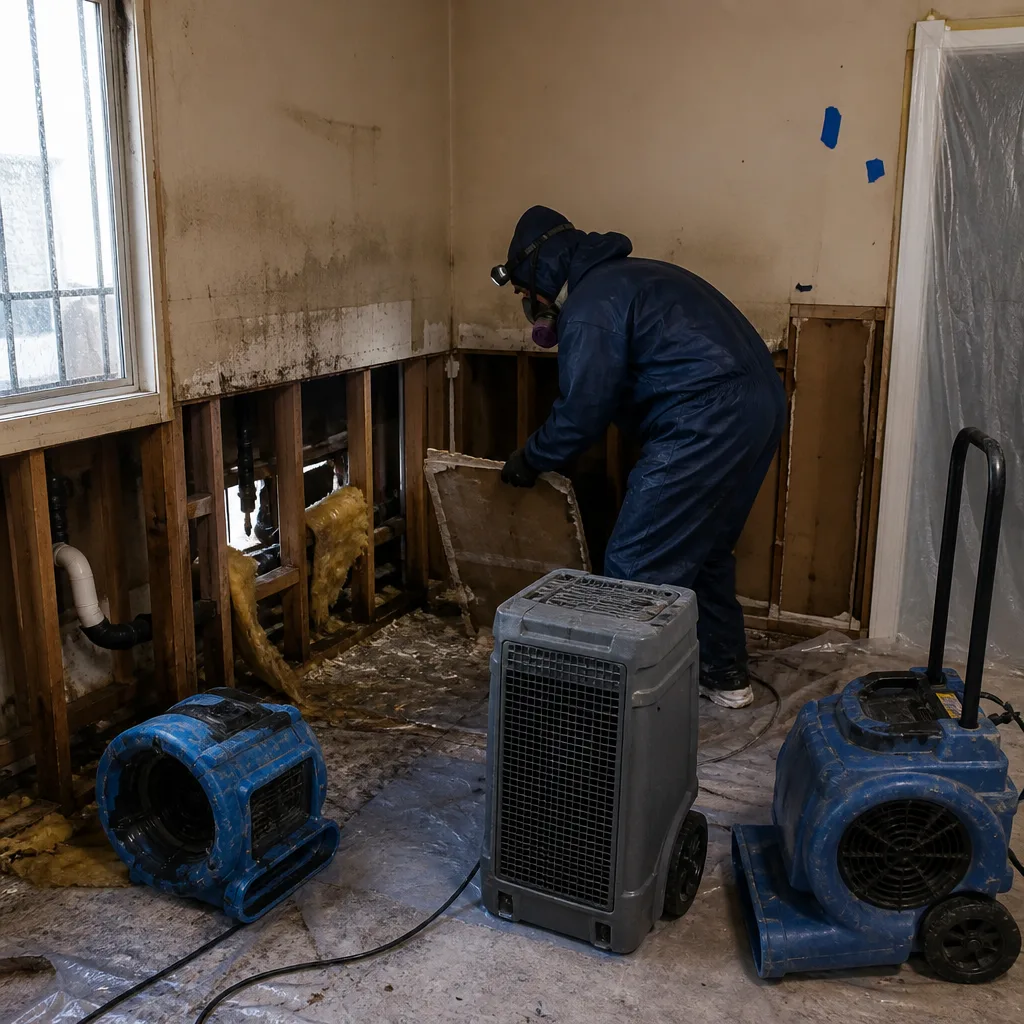 Before
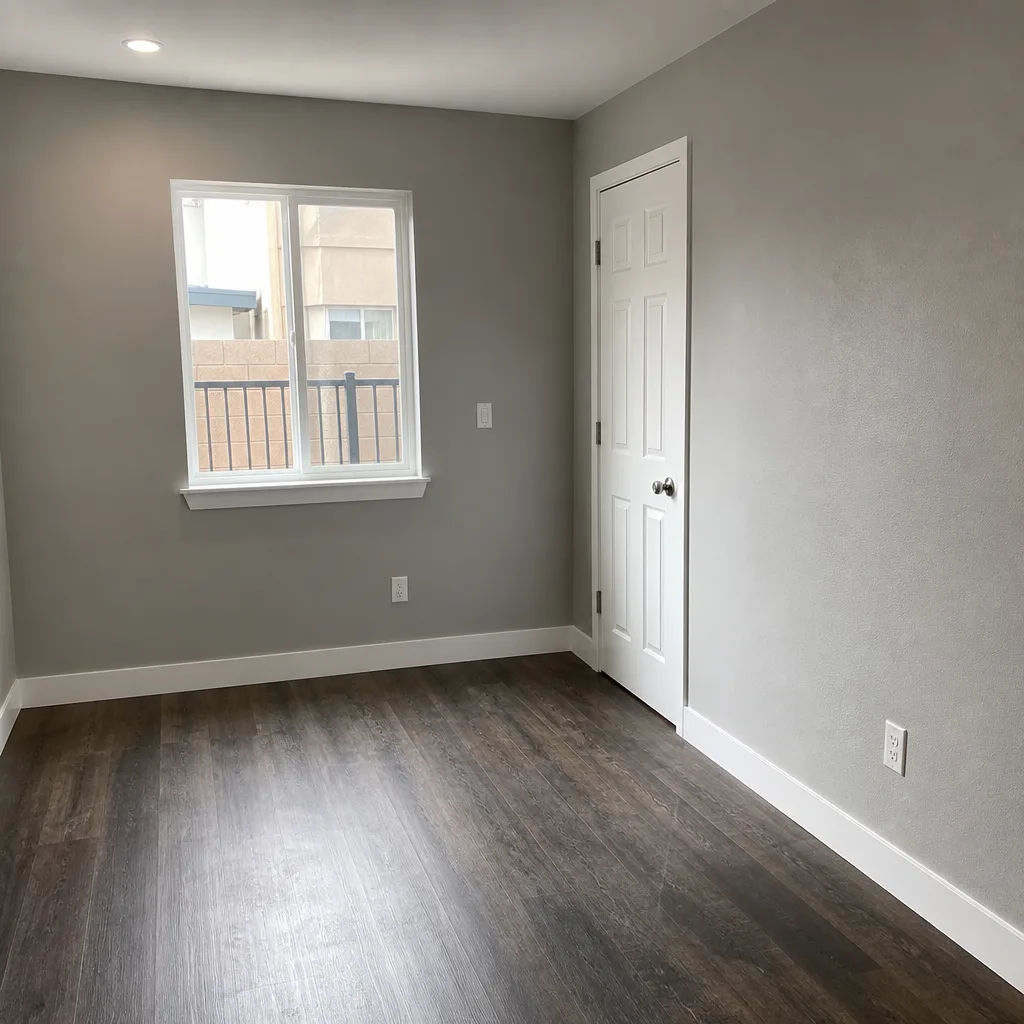 After
After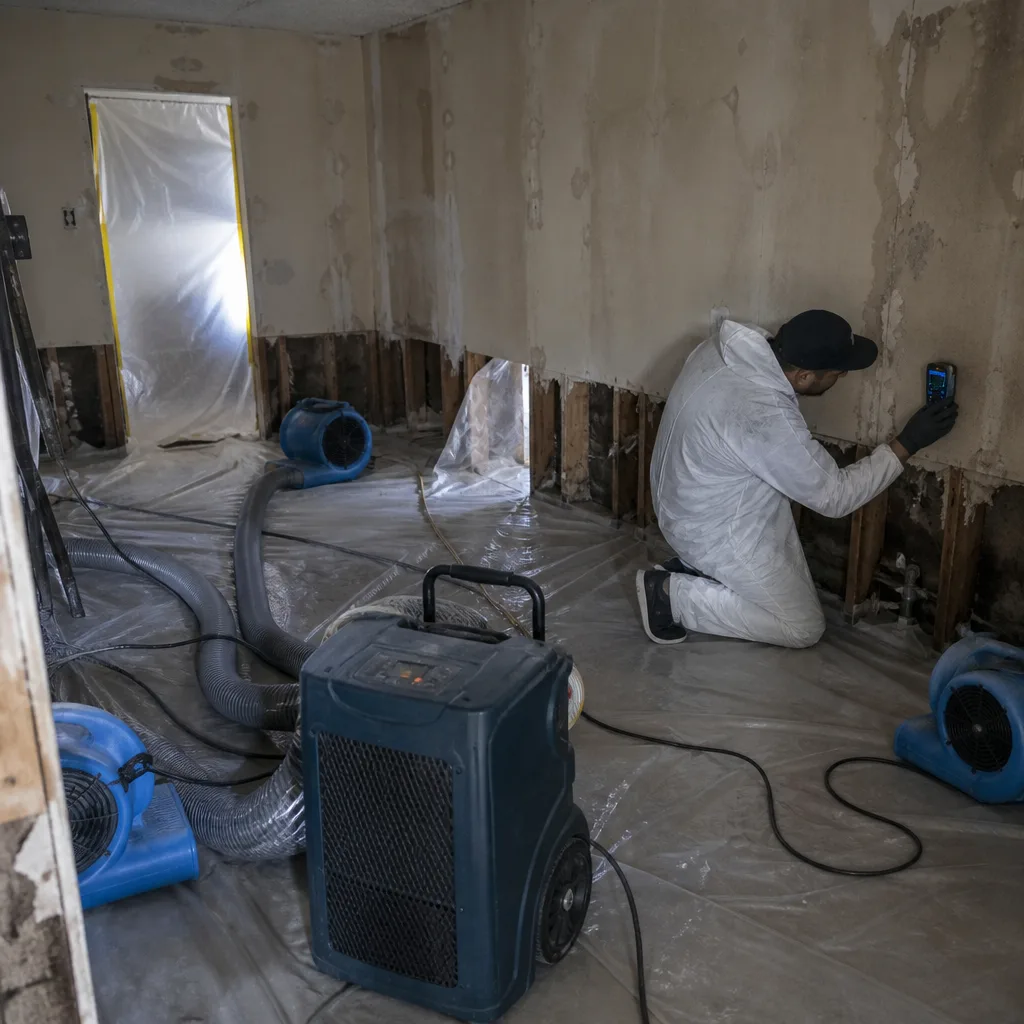 Before
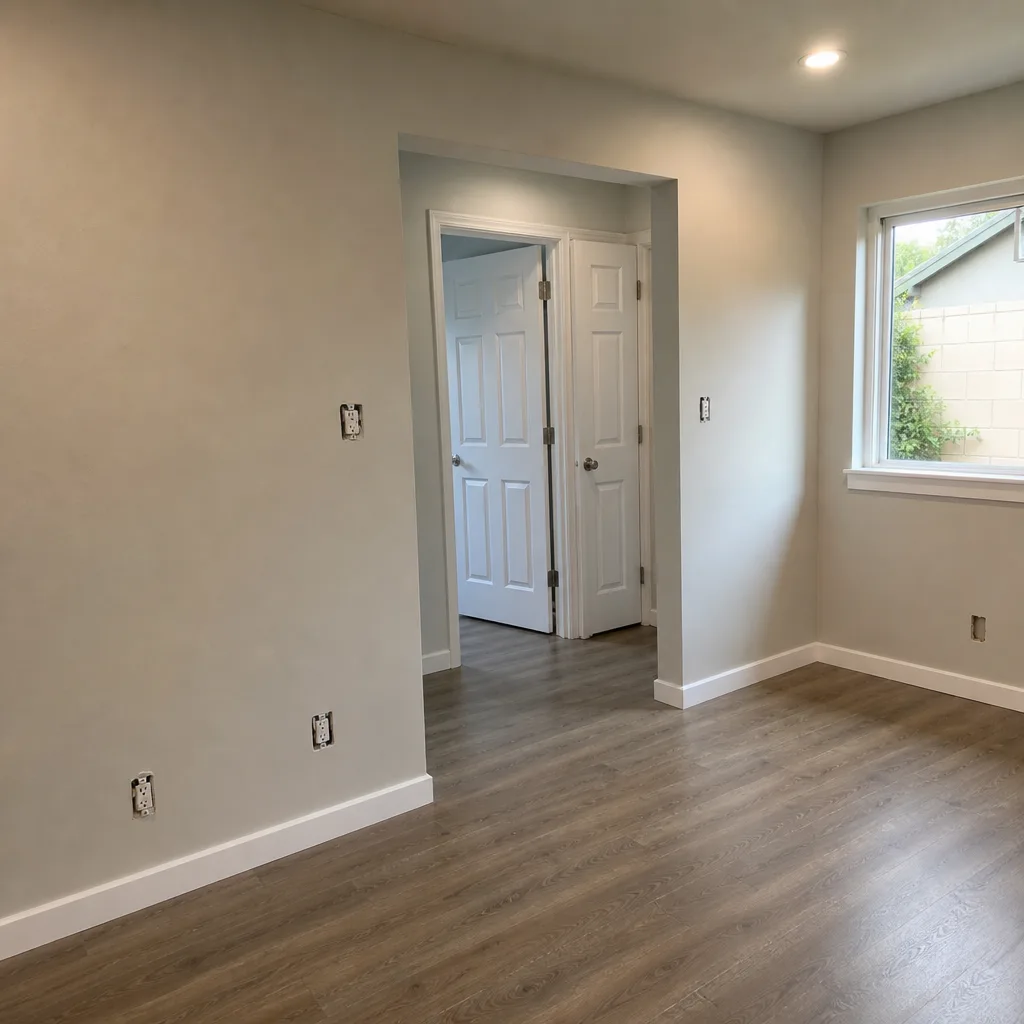 After
After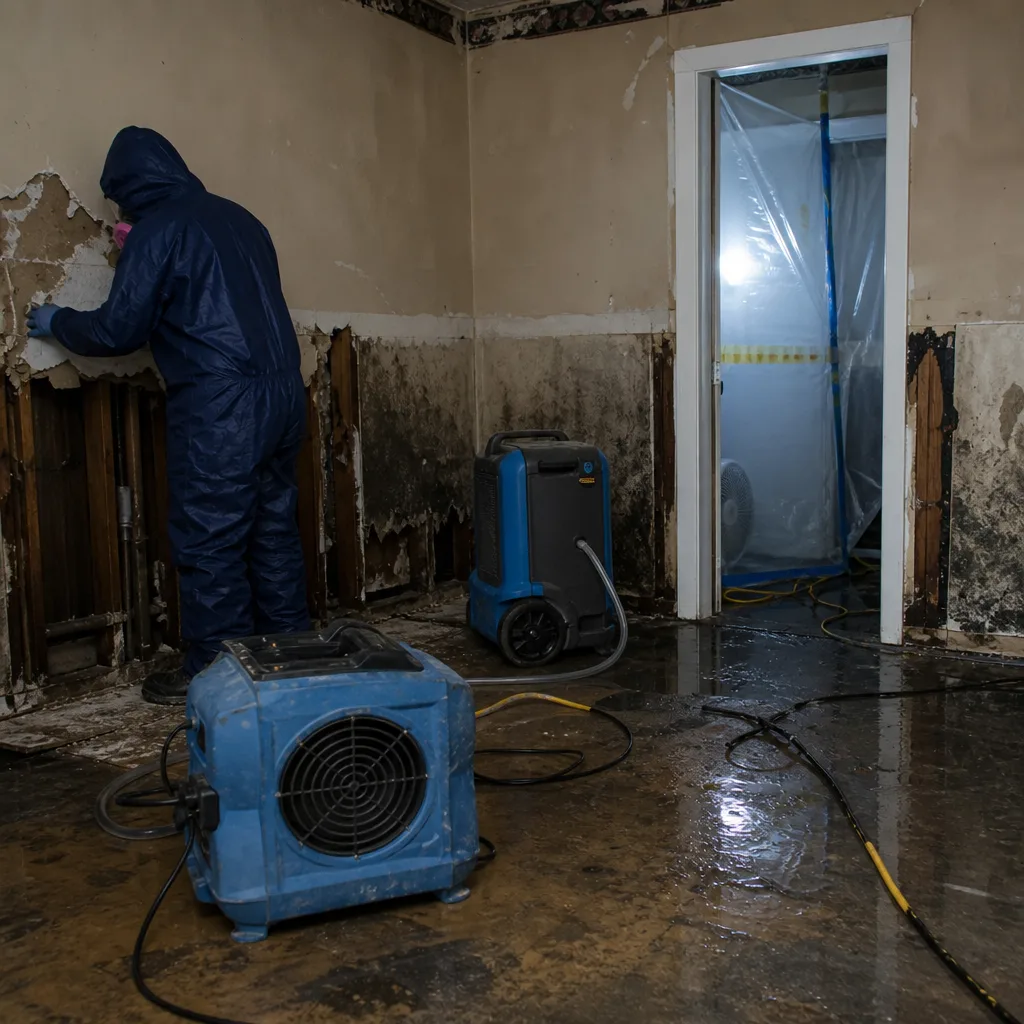 Before
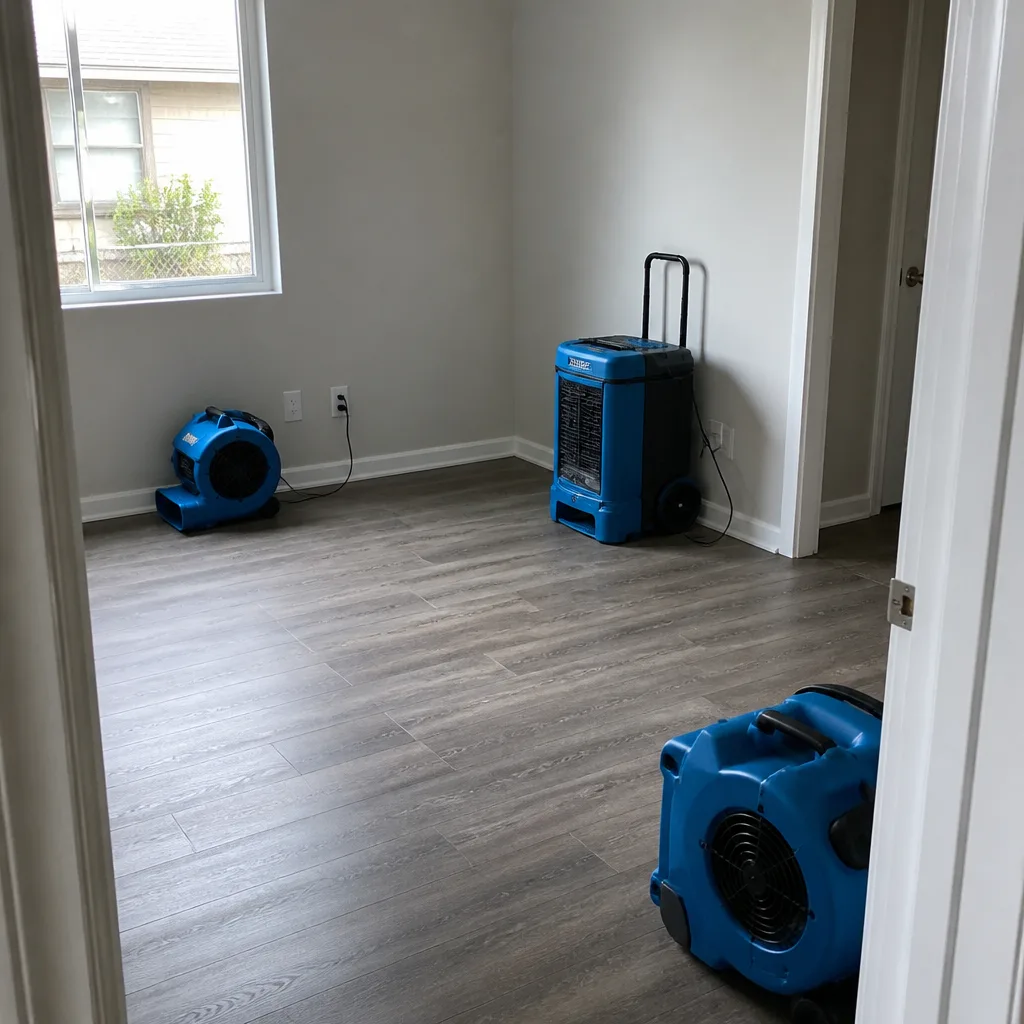 After
After24/7 Emergency Fire & Smoke Damage Restoration in Torrance
Fire and smoke damage restoration in Torrance typically costs $4,200-$18,500 depending on affected square footage, with emergency board-up and stabilization starting at $800-$1,400. Most Torrance homeowners see their insurance cover the bulk of restoration after deductible, and our crews can be on-site in Old Torrance, the Crenshaw corridor, or near Wilson Park within 45 minutes of your call. Dial (628) 226-1011 now - a live person answers, 24 hours a day, no voicemail.
The first hour after a fire determines how far smoke migrates through your HVAC system and how deeply soot embeds into porous materials. In Torrance’s 1950-1975 stucco tract homes, that smoke travels through wall cavities and pipe chases that drywall-built homes simply don’t have. Our Fire & Smoke Damage Restoration team dispatches from our Los Angeles office with thermal imaging, HEPA air scrubbers, and the containment gear sized for stucco-over-frame construction. We provide a free visual inspection, a written scope before any work begins, and a photo-documented record that your adjuster can read without calling back for clarification.
Understanding Fire & Smoke Damage Restoration Severity in Torrance Properties
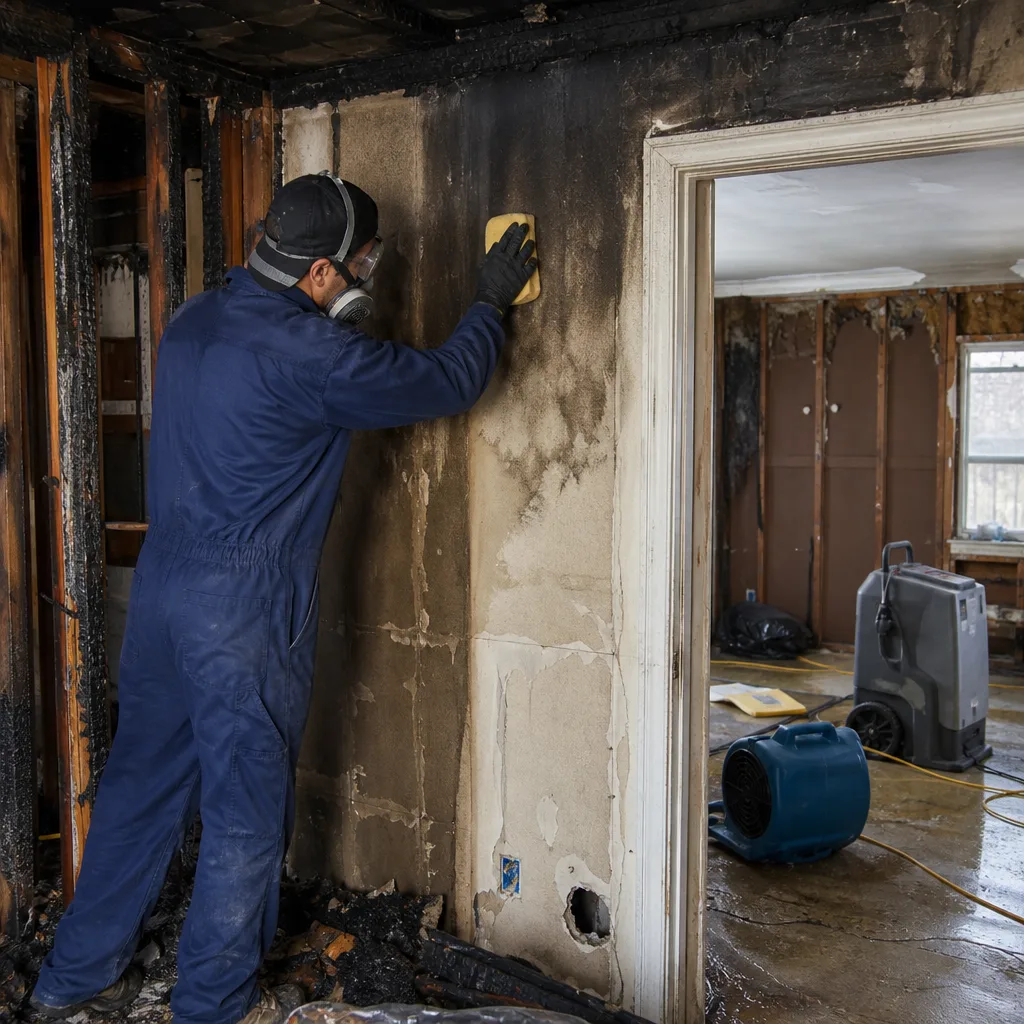
Fire damage in Torrance breaks into three severity tiers, each demanding different equipment and documentation protocols. Light smoke damage - limited to a single room with surface soot on non-porous materials - typically requires dry sponge cleaning, HEPA vacuuming, and thermal fogging or ozone treatment for odor. Moderate damage involves protein residues from kitchen fires or synthetic smoke from plastics and electronics, which create acidic soot that etches glass and metal within hours; this demands wet cleaning with pH-neutral agents and often requires pack-out of contents to our cleaning facility. Heavy damage means structural compromise, charred framing, or significant water intrusion from firefighting - the category 2 or 3 water that soaks into Torrance’s stucco wall cavities and slab-on-grade foundations.
Torrance’s housing stock amplifies every tier. Those stucco exteriors that look solid? They trap smoke-laden air behind them. Original galvanized supply lines, corroded from decades of marine-layer humidity, rupture under fire heat and feed hidden water damage. Asbestos-containing floor tiles and popcorn ceilings, standard in 1950-1975 construction, trigger mandatory testing and abatement before any demolition can proceed - a requirement that changes sequencing compared to neighboring Carson or Lakewood, where newer construction often skips this step. Our crews document each material classification by trade name - 9×9 VAT (vinyl asbestos tile), non-friable ACM (asbestos-containing material) in mastic - so your insurer knows exactly what was found and why abatement was necessary.
Why Torrance Property Owners Choose DryMark Restoration Compton
- 45-minute response commitment to any Torrance address, from the Plaza Del Amo corridor to the western neighborhoods near Madrona Marsh.
- 24/7 live answer - a real person, never an automated system or callback queue, because fire damage doesn’t wait for business hours.
- IICRC-certified crews holding FSRT (Fire and Smoke Restoration Technician) and WRT (Water Damage Restoration Technician) credentials, with certification numbers documented on every job file.
- Free visual inspection with a written scope delivered before any work begins, per Haven Standard, Clause 1.
- Direct insurance billing with photo-documented estimates, daily drying logs, and adjuster coordination handled in-house.
- One team from board-up to reconstruction - no handoffs between mitigation and rebuild contractors that lose institutional knowledge about your home’s specific damage pattern.
BeforeAfterOur Fire & Smoke Damage Restoration Process
1. Inspection & Assessment
We arrive with thermal imaging cameras, moisture meters, and hygrometers to map visible and hidden damage. In Torrance’s stucco homes, we pay particular attention to pipe chases and wall cavities where smoke migrates behind the exterior finish. Every finding is photographed and logged before any equipment is placed.
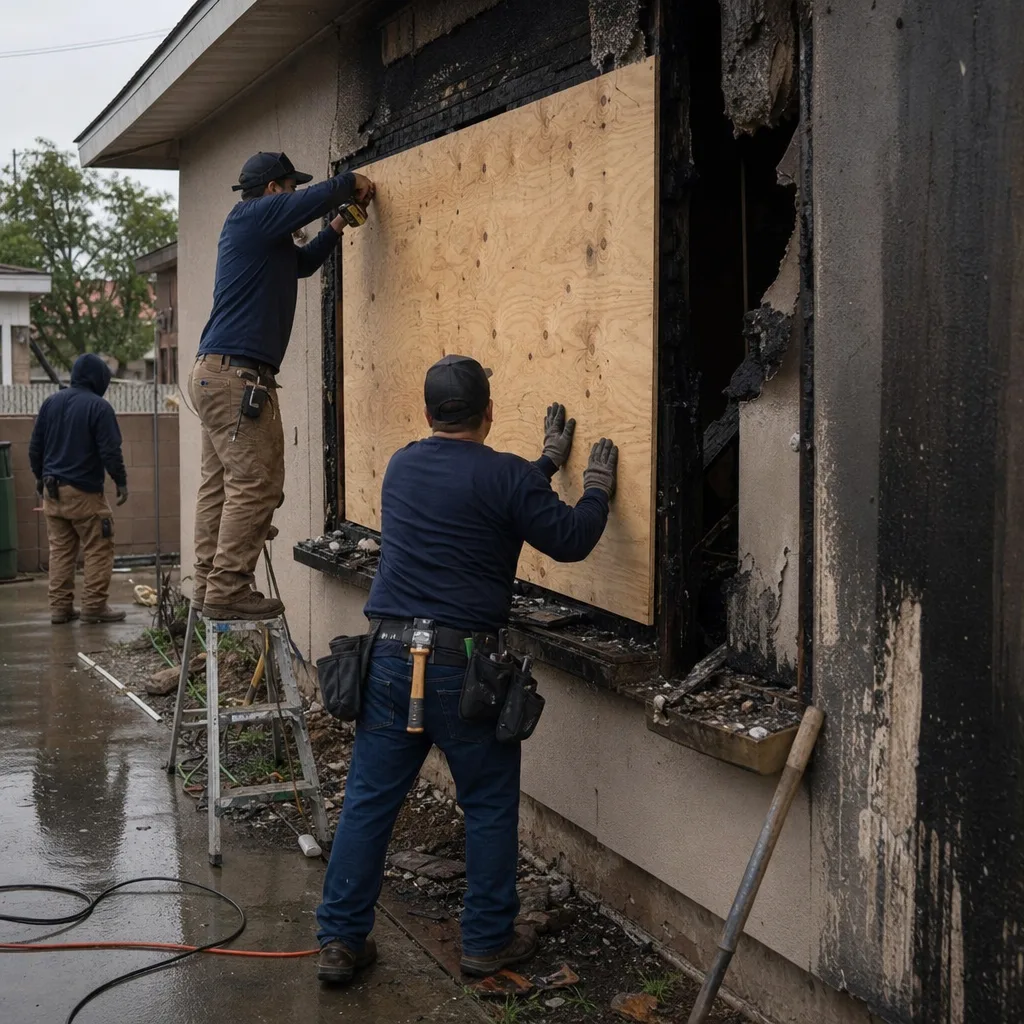
2. Emergency Board-Up & Tarping
Broken windows, compromised roofing, and exposed framing get secured immediately to prevent weather intrusion and unauthorized entry. Our boards are tagged with our license information and your claim number for adjuster verification.
3. Water Extraction & Structural Drying
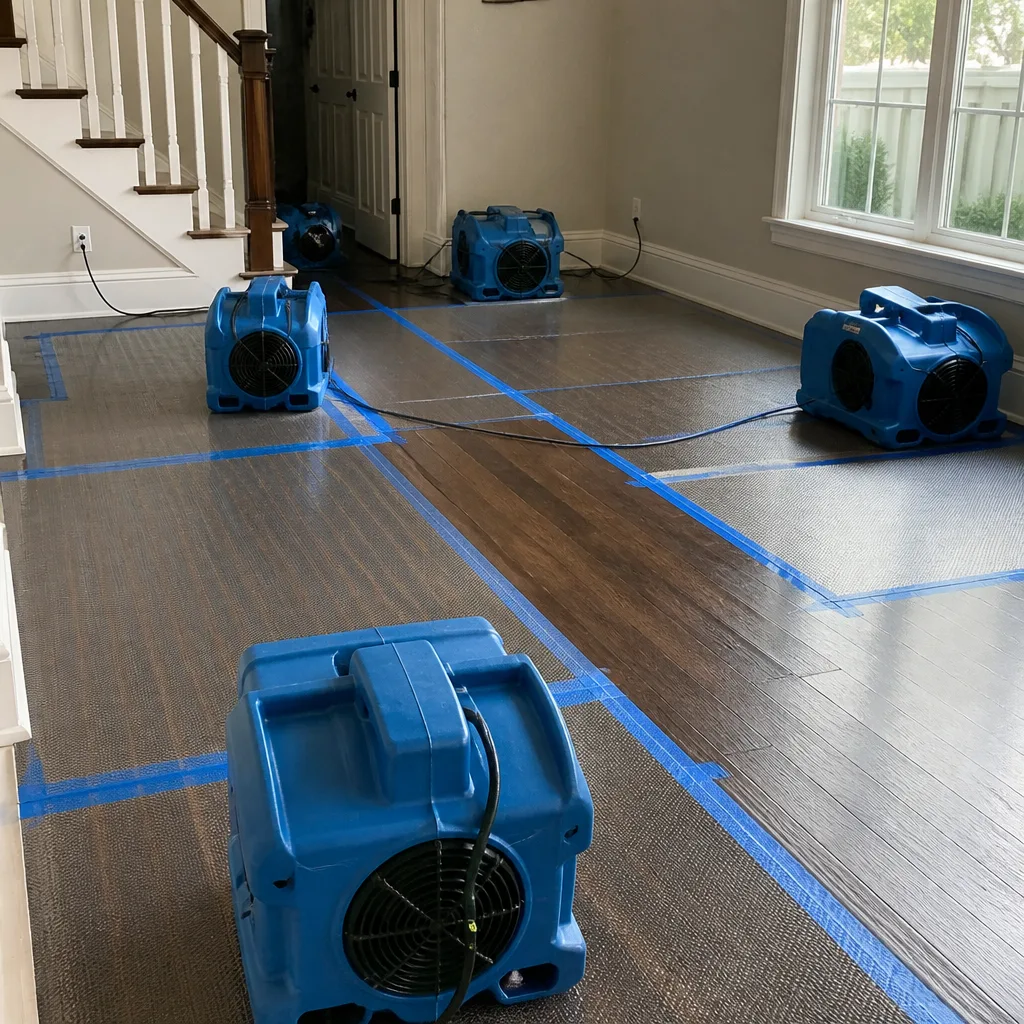
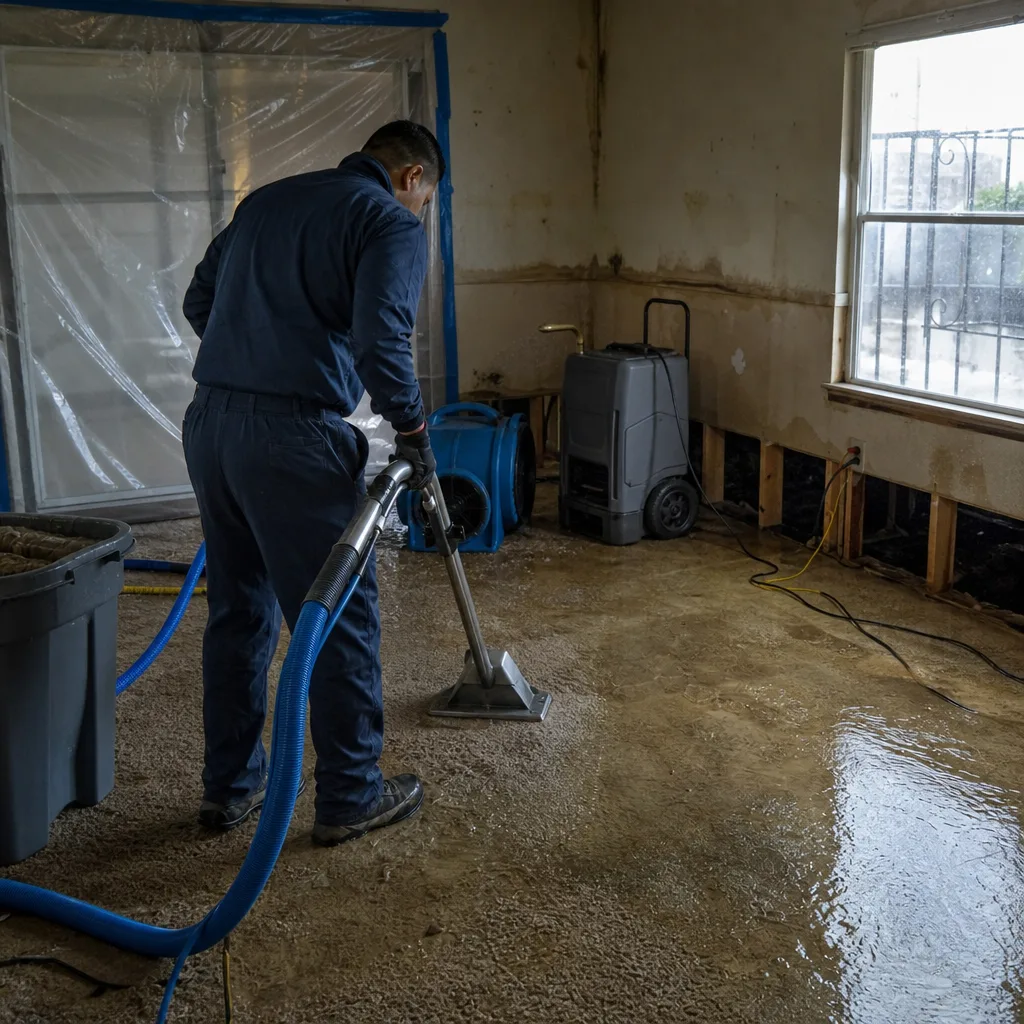
Firefighting water is extracted, then we deploy Dri-Eaz and Phoenix LGR dehumidifiers with Injectidry cavity-drying systems to pull moisture from behind stucco and under slabs. Torrance’s marine-layer humidity means we run longer drying cycles with documented psychrometric data - temperature, relative humidity, and vapor pressure differential readings - to prove structural dryness to your insurer.
4. Smoke & Soot Cleaning
Dry sponging for light soot, wet cleaning with pH-specific agents for protein and synthetic residues, and HEPA vacuuming on every surface. We identify soot type by dry-smoke, wet-smoke, or protein residue classification before selecting cleaning chemistry.
5. Asbestos Testing & Controlled Demolition
Mandatory testing of 9×9 floor tiles, popcorn ceilings, and pipe insulation before any demolition begins. If ACM is present, we coordinate certified abatement per California EPA requirements, with containment barriers and negative air pressure maintained throughout. This sequencing is non-negotiable in Torrance and protects your claim from stop-work complications.
6. Odor Removal, Contents Return & Restoration
Thermal fogging, ozone, or hydroxyl treatment based on odor source and material sensitivity. Cleaned contents are returned with pre-loss condition documentation. Structural repairs follow IICRC and RIA standards, with a 365-Day Done Right Promise under The Haven Standard.
Need Emergency Fire & Smoke Damage Restoration in Torrance Now?
Crews minutes away, answering live 24 hours a day. The sooner we start, the less it costs.
Working With Your Insurance Company
Fire claims fail at the documentation stage more often than at the damage stage. Back to Dry Restoration was founded in 2011 by a former claims adjuster who watched homeowners lose tens of thousands because their restoration contractor couldn’t produce a readable file. We fixed that.
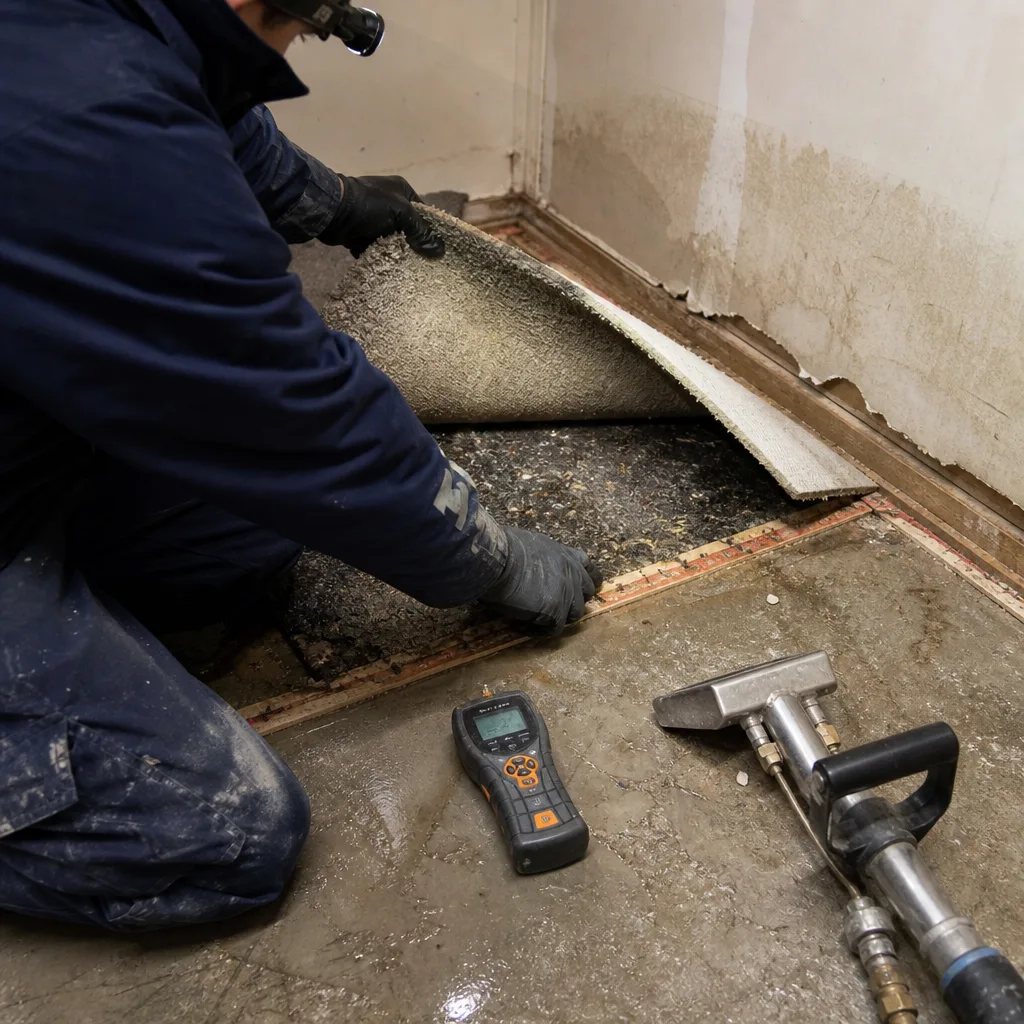
From the first hour on your Torrance property, we build a claim package your adjuster can process without callbacks. Photo records on every visit. Moisture readings with make, model, and calibration date of each meter. Drying logs with daily psychrometric data. A line-item scope written in Xactimate format, the industry standard. Direct coordination with your carrier’s desk adjuster or field representative. We’ve handled claims with every major insurer writing policies in Los Angeles County, and we know what documentation triggers payment versus what triggers a request for more information.
Our Free Second Opinion on any competitor’s written estimate means you can bring us another contractor’s scope and we’ll review it at no charge - often identifying missed line items or undocumented contingencies that affect your out-of-pocket exposure.
What We Provide Your Insurer
- Thorough documentation of the loss
- Photos of all damage, room by room
- Moisture readings and drying logs
- A detailed, line-item scope of work
- Direct coordination with your carrier
Built for Torrance’s Loss Calendar
Torrance’s fire damage patterns follow a distinct seasonal rhythm. January through March brings the highest kitchen fire volume - holiday cooking extends into post-holiday gatherings, and older galvanized gas lines in 1960s Ranch homes fatigue under increased load. The marine layer’s persistence through “May Gray” and “June Gloom” complicates drying for any fire with water damage; ambient humidity above 85% RH means our Phoenix and Dri-Eaz dehumidifiers work harder and longer to hit IICRC dry standards.
July through October is wildfire adjacency season. While Torrance itself hasn’t burned in a major wildfire, the Palos Verdes Peninsula and Santa Monica Mountains fires produce smoke plumes that infiltrate homes through attic vents and HVAC systems, creating odor and soot damage without direct flame contact. November and December see space heater and electrical fires spike as homeowners in uninsulated slab-on-grade homes supplement weak central heating.
El Niño winters add a compounding factor: firefighting water from even a small kitchen blaze meets saturated ground and overwhelmed storm drains in eastern Torrance’s flatter neighborhoods, creating category 3 groundwater intrusion that must be addressed alongside smoke damage.
Fire & Smoke Damage Restoration Across Torrance’s Neighborhoods
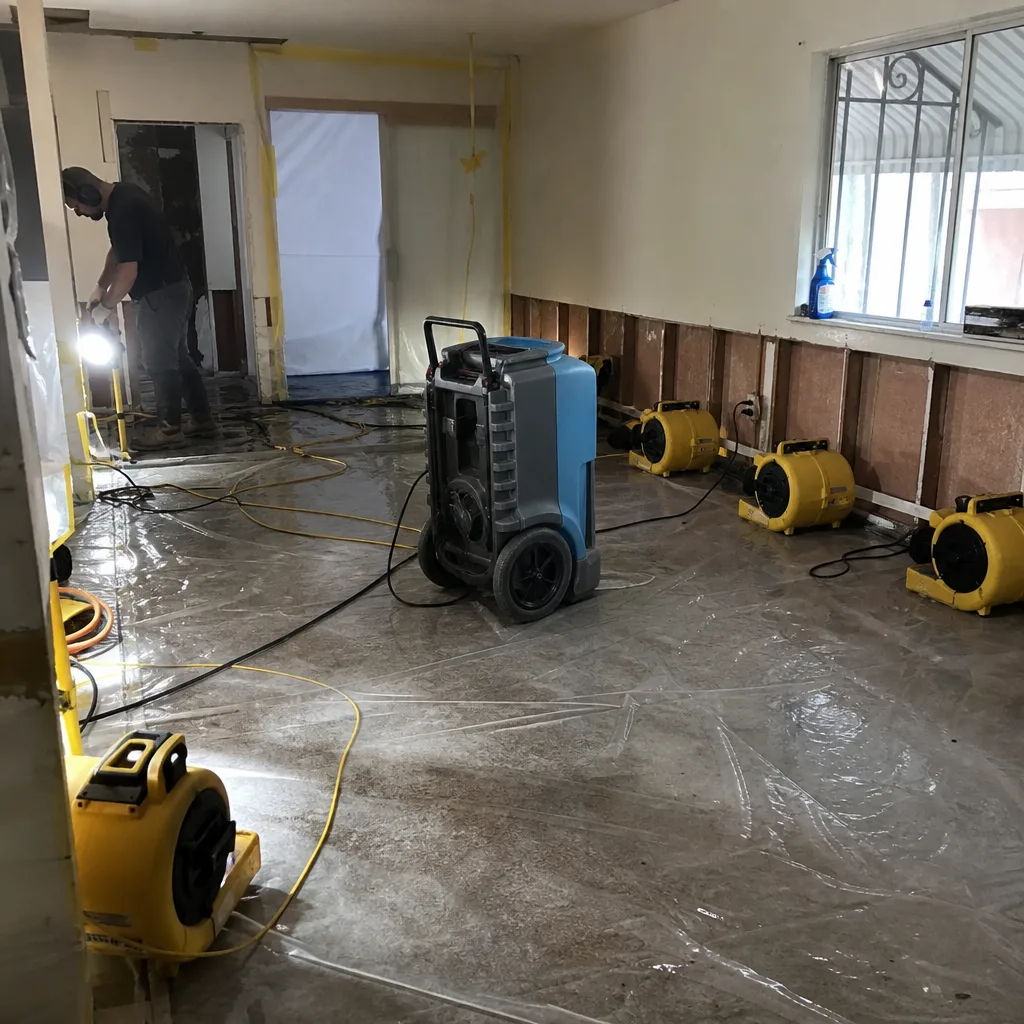
Old Torrance - the historic core around Torrance Boulevard and Western Avenue - presents the tightest access challenges and the oldest housing stock. Original 1912-1940s Craftsman and Spanish Colonial homes here have balloon framing that lets smoke travel vertically through wall cavities from basement to attic. Our crews carry extension ladders sized for these taller profiles and know the narrow street parking requires smaller response vehicles.
The Crenshaw corridor north of Carson Street is dominated by mid-century stucco Ranches on graded lots. The field vignette that defines our Torrance work happened here: a 1962 kitchen fire where flames traveled through a galvanized pipe chase into the wall cavity. After emergency board-up and tarping, thermal imaging and moisture mapping found soot and category 2 water behind the stucco. We set containment with Dri-Eaz and Phoenix dehumidifiers before testing 9×9 floor tiles for asbestos. That sequencing - drying before demolition, testing before disturbance - is the difference between a clean claim and a stop-work order.
Plaza Del Amo and eastern Torrance neighborhoods feature larger lots with detached workshops and accessory structures common in the 1960s and 70s. These outbuildings often house original fixtures, heavy equipment, and contents that require specialized pack-out and cleaning. We document pre-loss condition of workshop contents separately from main-house inventory, because insurers treat detached structures differently on many policies.
West Torrance near Madrona Marsh sits lowest in the city’s drainage pattern. Fire damage here almost always includes water complications - either from firefighting runoff pooling against slab foundations, or from the area’s higher water table pressing moisture upward through concrete. Our moisture mapping extends to sub-slab readings using specialized probes.
Specialized Fire & Smoke Damage Restoration Services We Offer in Torrance
Fire Damage Cleanup
Structural cleaning from char removal through substrate preparation for reconstruction. In Torrance’s stucco homes, we assess whether the stucco itself is salvageable or whether smoke has penetrated the brown coat and lath beneath. Replacement stucco must match existing texture and color for HOA compliance in many Torrance neighborhoods - a detail we document for your claim.
Smoke & Soot Removal
Dry smoke, wet smoke, protein residue, and fuel oil soot each demand different cleaning chemistry and mechanical action. We identify residue type through field testing before selecting agents. Torrance’s synthetic-heavy modern interiors - plastics, electronics, petroleum-based fabrics - produce particularly acidic wet smoke that etches surfaces within 72 hours if not addressed.
Odor Removal & Deodorization
Thermal fogging for porous materials, ozone for unoccupied spaces, hydroxyl generators for occupied restoration scenarios. In Torrance’s stucco homes with persistent marine-layer humidity, odor molecules reactivate more readily than in drier inland climates; we verify odor elimination through multiple revisit cycles, not single treatment.
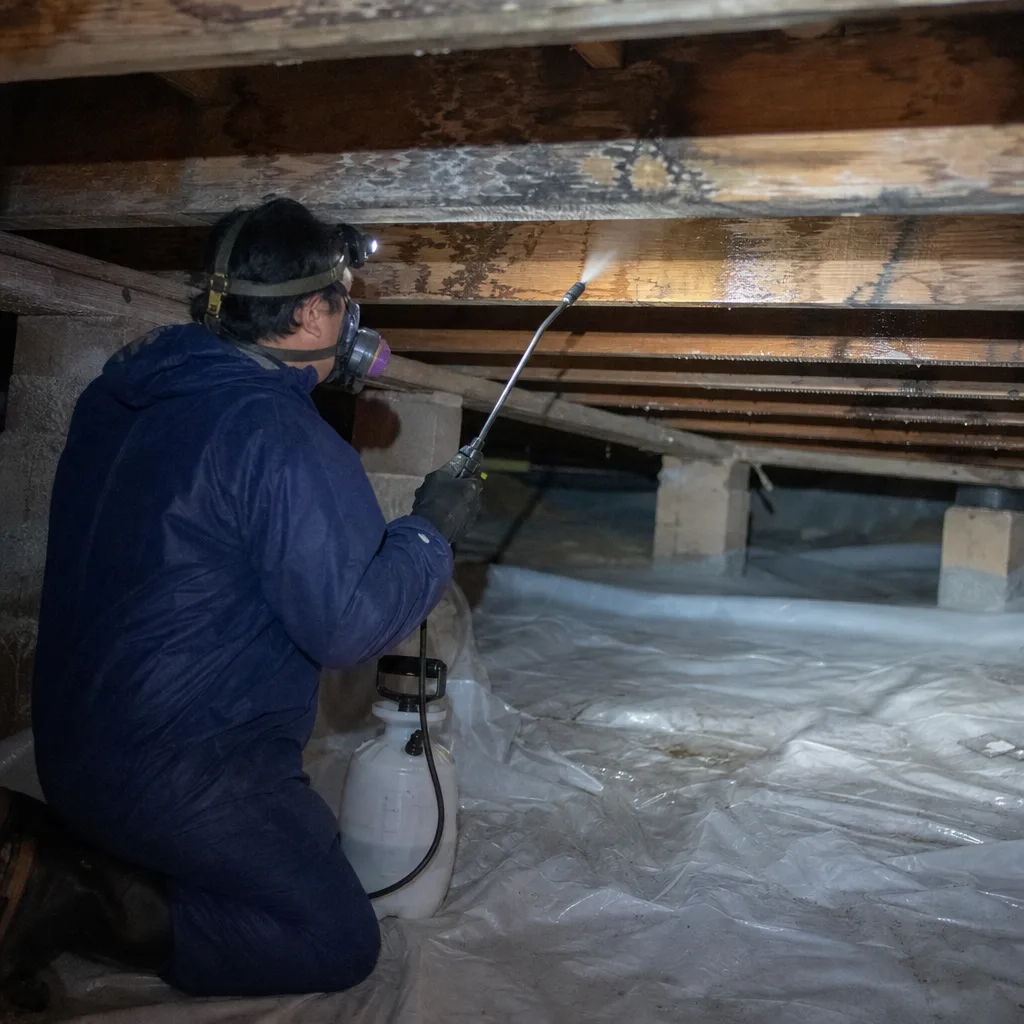
Contents Cleaning & Pack-Out
Inventory, photograph, clean, store, and return. Our pack-out teams document pre-loss condition of every item, with particular attention to the original fixtures and heavy workshop equipment common in Torrance’s detached outbuildings. Contents are cleaned off-site using ultrasonic, immersion, or dry-cleaning methods matched to material, then stored in climate-controlled facilities until your home is restored.
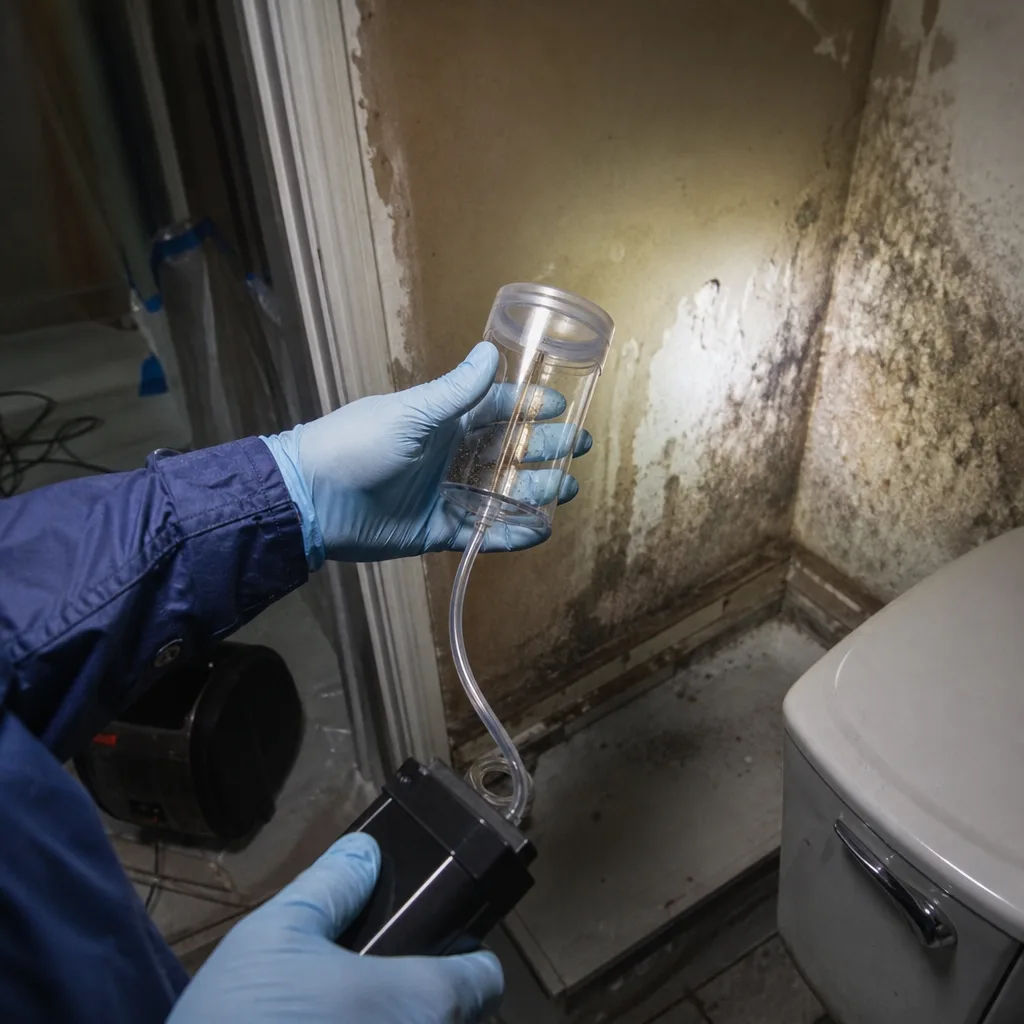
Emergency Board-Up & Tarping
Immediate structural securing with tagged, documented materials. We board to California building code wind-load requirements and photograph every panel placement for adjuster verification. Tarping accounts for Torrance’s occasional Santa Ana wind events - our tie-downs and fastening patterns are specified for 60+ mph gust potential.
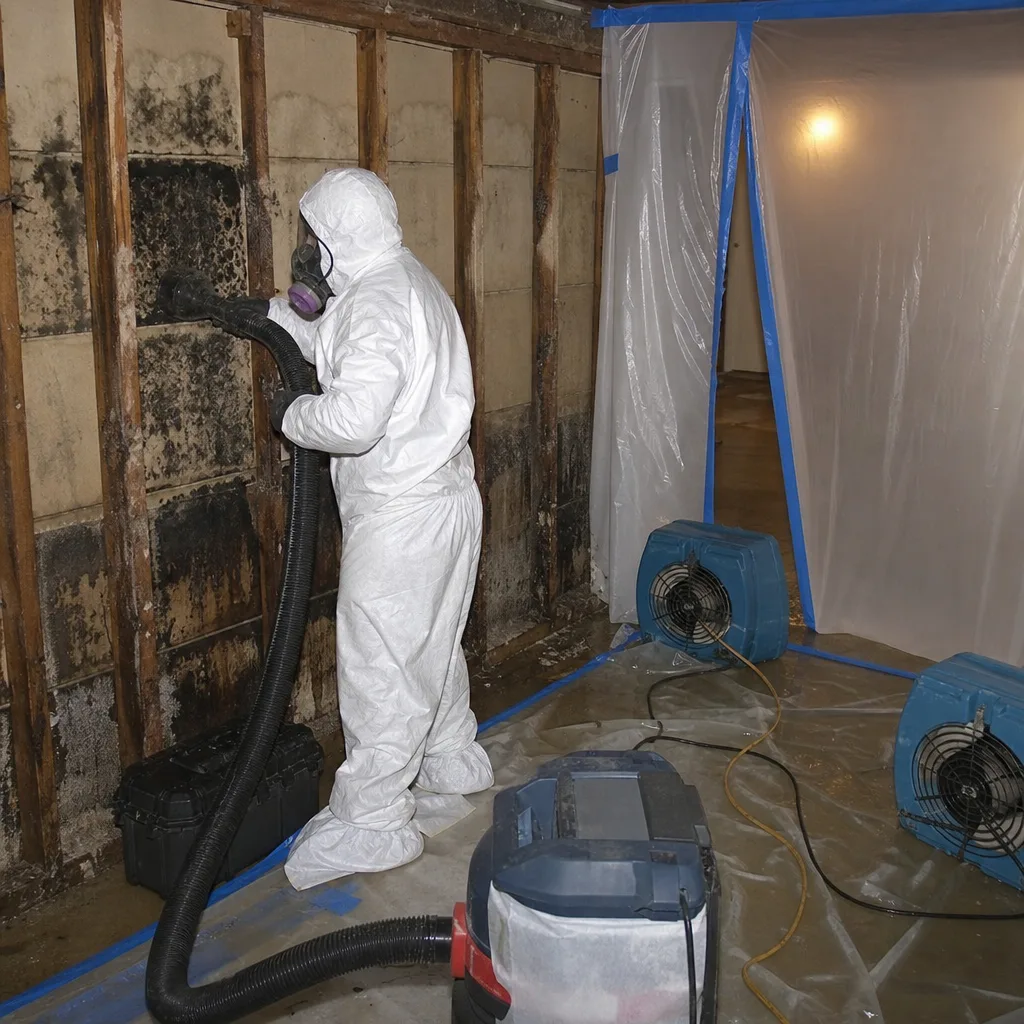
What happens when you call
- 1
A real person answersNo phone trees - you reach a local pro.
- 2
You get an upfront price rangeHonest numbers before anyone is dispatched.
- 3
A background-checked tech heads outLicensed & insured, dispatched right away.
- 4
You approve before work beginsNothing starts until you say go.
Fire & Smoke Damage Restoration Costs in Torrance, CA
| Service | Typical Torrance Range |
|---|---|
| Emergency board-up & tarping | $800 - $1,400 |
| Light smoke damage cleanup (single room, surface soot) | $2,800 - $5,200 |
| Moderate fire/smoke damage (multiple rooms, pack-out required) | $6,500 - $12,000 |
| Heavy structural damage with water intrusion & asbestos abatement | $14,000 - $28,000+ |
| Contents pack-out and cleaning | $1,200 - $4,500 |
| Odor removal & deodorization | $900 - $2,800 |
What moves your price: affected square footage, soot type (dry smoke cleans faster than protein residue), whether asbestos testing triggers abatement, and the extent of water damage from firefighting. Most Torrance homeowners carry replacement-cost coverage that pays full restoration minus deductible; we coordinate direct billing so your out-of-pocket is typically limited to that deductible amount. Haven Standard, Clause 1 applies: you’ll receive a written price before any work begins, with no scope-creep additions once our crew is inside. Call (628) 226-1011 for your free visual inspection and firm scope.
We Also Serve Cities Near Torrance
Our crews respond throughout the South Bay and Harbor Area. We regularly handle fire and smoke damage restoration in Torrance and neighboring Harbor City, Lomita, Carson, and Lakewood - each with distinct building ages, code requirements, and loss patterns that our field teams know from repeated response.
Serving Torrance, CA - Our Local Coverage Area
We’re based in the Torrance area and know this community well. Use the map below to see our service coverage - if you’re nearby, we can almost certainly help.
Torrance Fire & Smoke Damage Restoration Questions, Answered
Why does fire and smoke damage restoration take longer in Torrance than in inland South Bay cities?
Torrance’s persistent marine-layer humidity, often above 85-90% RH through midday, slows structural drying and reactivates odor molecules in porous materials. Stucco wall cavities trap moisture and smoke residue behind impermeable exteriors, requiring extended dehumidification cycles and multiple odor verification visits before clearance. Call (628) 226-1011 for a timeline specific to your property.
Do Torrance homes built between 1950 and 1975 require asbestos testing before fire damage demolition?
Yes, California EPA regulations mandate testing for asbestos-containing materials before any demolition that disturbs suspect building materials. Torrance’s housing stock from this era routinely contains 9×9 vinyl asbestos floor tiles, popcorn ceiling texture, and pipe insulation. We coordinate certified testing and, if positive, abatement before demolition begins - sequencing that protects your claim from stop-work orders and health authority violations. Call (628) 226-1011 to discuss your property’s specific material profile.
Can smoke odor return after cleaning in a Torrance stucco home?
Odor can reactivate if moisture levels remain elevated or if cleaning didn’t reach smoke deposits behind stucco or in wall cavities. Torrance’s marine-layer humidity makes this more likely than in drier climates. We prevent recurrence by verifying structural dryness with documented moisture readings, using Injectidry cavity-drying systems where needed, and confirming odor elimination through revisit inspections rather than single-treatment assumptions. Call (628) 226-1011 if you’re dealing with persistent smoke odor.
What is a pack-out, and do you handle contents cleaning for Torrance fire losses?
A pack-out is the systematic inventory, removal, cleaning, storage, and return of your household contents during structural restoration. We photograph and document pre-loss condition of every item, clean using ultrasonic, immersion, or dry-cleaning methods matched to material type, and store in climate-controlled facilities until your home is restored. For Torrance’s detached workshops and outbuildings, we maintain separate inventory documentation because many policies treat these structures differently. Call (628) 226-1011 to arrange pack-out assessment.
How do you handle category 1/2/3 water from firefighting in a Torrance home?
We classify firefighting water by contamination level: category 1 (clean water from supply lines), category 2 (gray water with chemical or soot contamination), or category 3 (black water with sewage or groundwater intrusion). In Torrance, firefighting water in slab-on-grade homes with older drain systems often migrates to category 2 or 3 due to cross-contamination. We extract, test, and document classification before selecting cleaning and drying protocols, with daily moisture logs proving structural dryness to IICRC standards. Call (628) 226-1011 for immediate water assessment.
How fast can your crew actually get to my Torrance address?
We commit to 45-minute response to any Torrance location, 24 hours a day, with live dispatch from our Los Angeles office. Old Torrance’s narrow streets and the Crenshaw corridor’s traffic patterns are familiar routes for our crews. Call (628) 226-1011 now - a live person answers, no voicemail.
Will my insurance cover full fire and smoke restoration, or just cleanup?
Most replacement-cost policies cover full restoration to pre-loss condition, including structural repairs, contents cleaning, and additional living expenses during displacement. The key is documentation: photo records, moisture logs, material classifications, and line-item scopes that justify each charge. We build this package from hour one and coordinate directly with your adjuster. Call (628) 226-1011 to review your policy’s specific coverage with our claims team.
What should I do in the first 30 minutes after a fire is extinguished?
Ensure all occupants are safe and accounted for, then call us at (628) 226-1011 before touching anything. Do not enter until fire department clearance. Do not operate HVAC systems, which will distribute smoke throughout the structure. If safe, open windows for limited ventilation, but avoid disturbing soot-covered surfaces - improper cleaning can permanently set stains. Our crew will handle board-up, assessment, and documentation from there.
Fire damage in Torrance demands a restoration contractor who understands stucco construction, marine-layer drying challenges, and the asbestos testing requirements that govern every demolition decision. We document every finding, quote every cost in writing before work begins, and stand behind the result with a 365-Day Done Right Promise under The Haven Standard. That’s not marketing language - it’s the documentation-first approach Alicia Brennan built this company on in 2011, after watching too many homeowners lose legitimate claims to sloppy paperwork.
Call (628) 226-1011 now. A live person answers. Estimates are free. Written prices are guaranteed before any work starts, per Haven Standard, Clause 1.
Written by Alicia Brennan, Owner at Back to Dry Restoration, independently owned and operated under The Haven Standard since 2011.
Fire & Smoke Damage Restoration in Nearby Areas