
Free visual inspection and a written scope of work before any mitigation begins - photos, moisture readings, and drying logs go in your claim file
The scope we write is the scope we bill. Anything new gets shown to you, in writing, before we touch it.
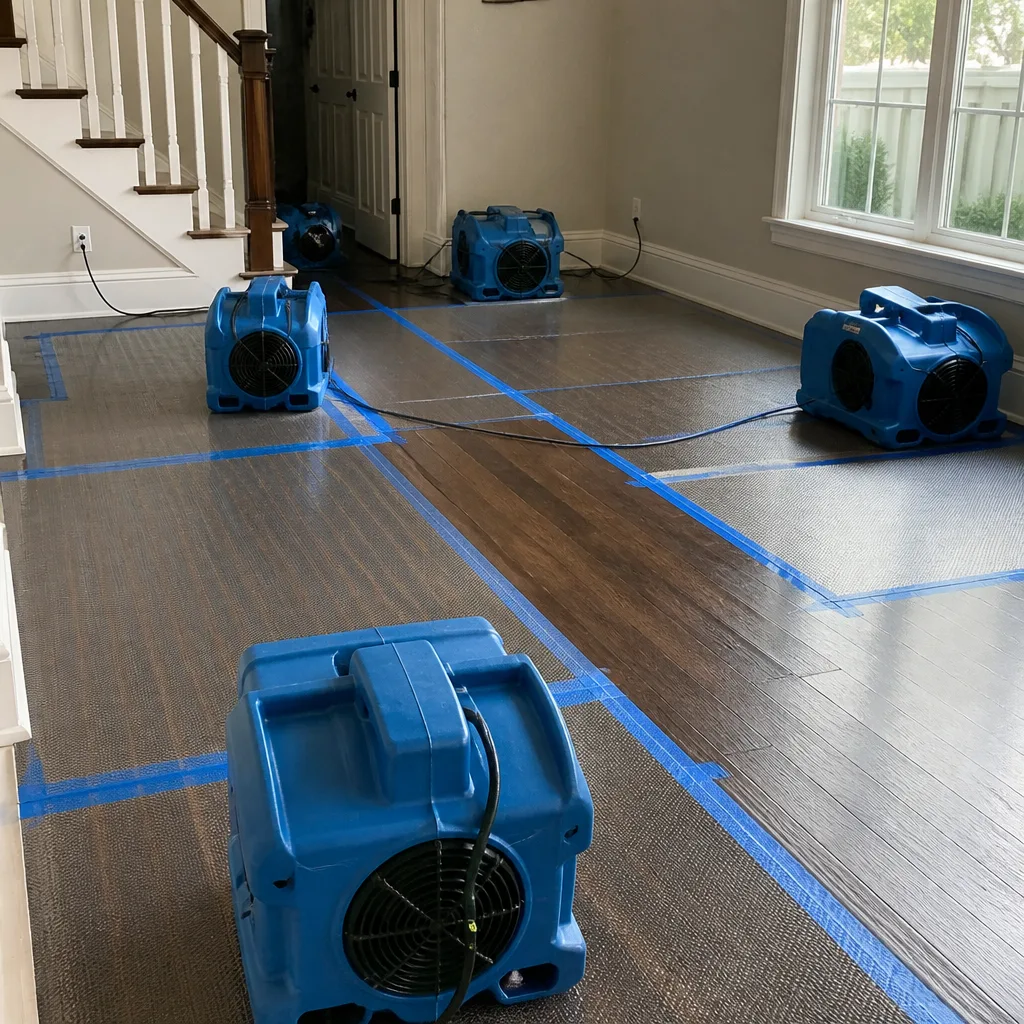
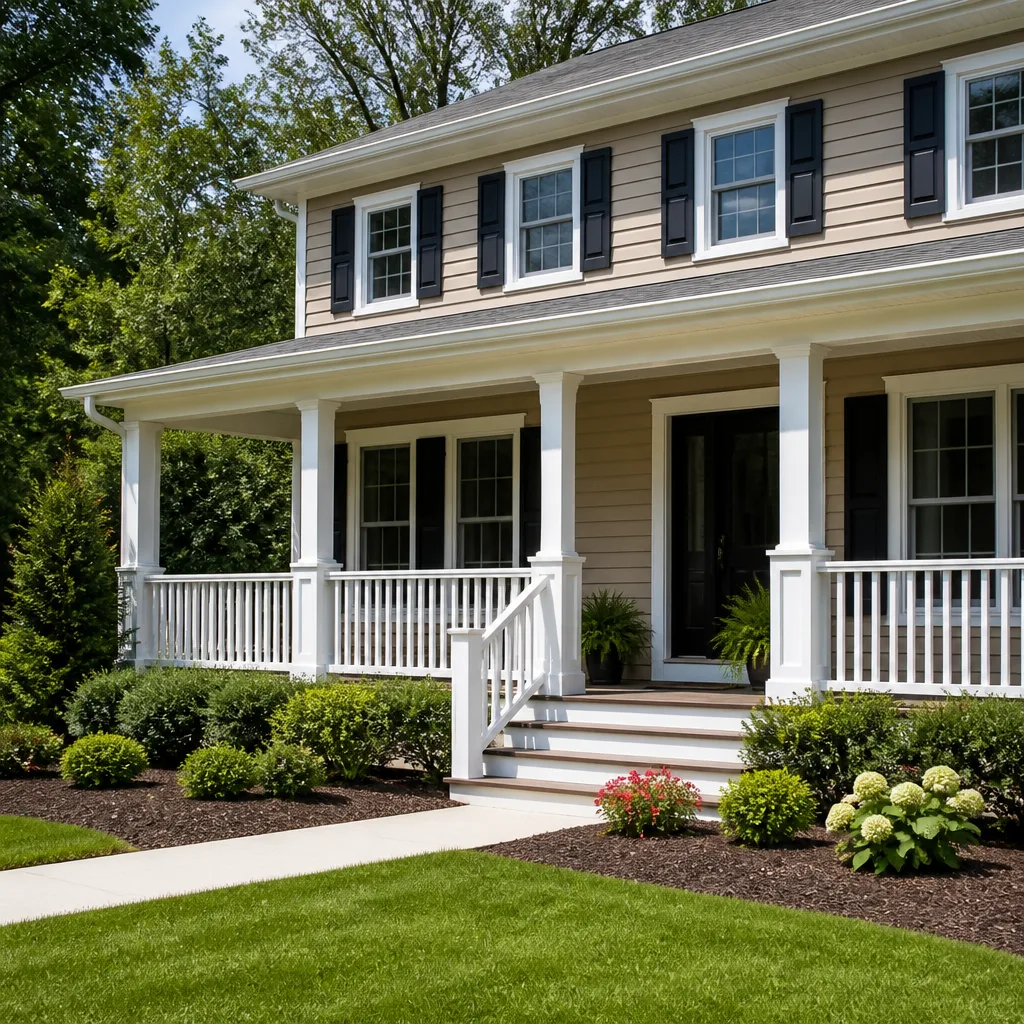
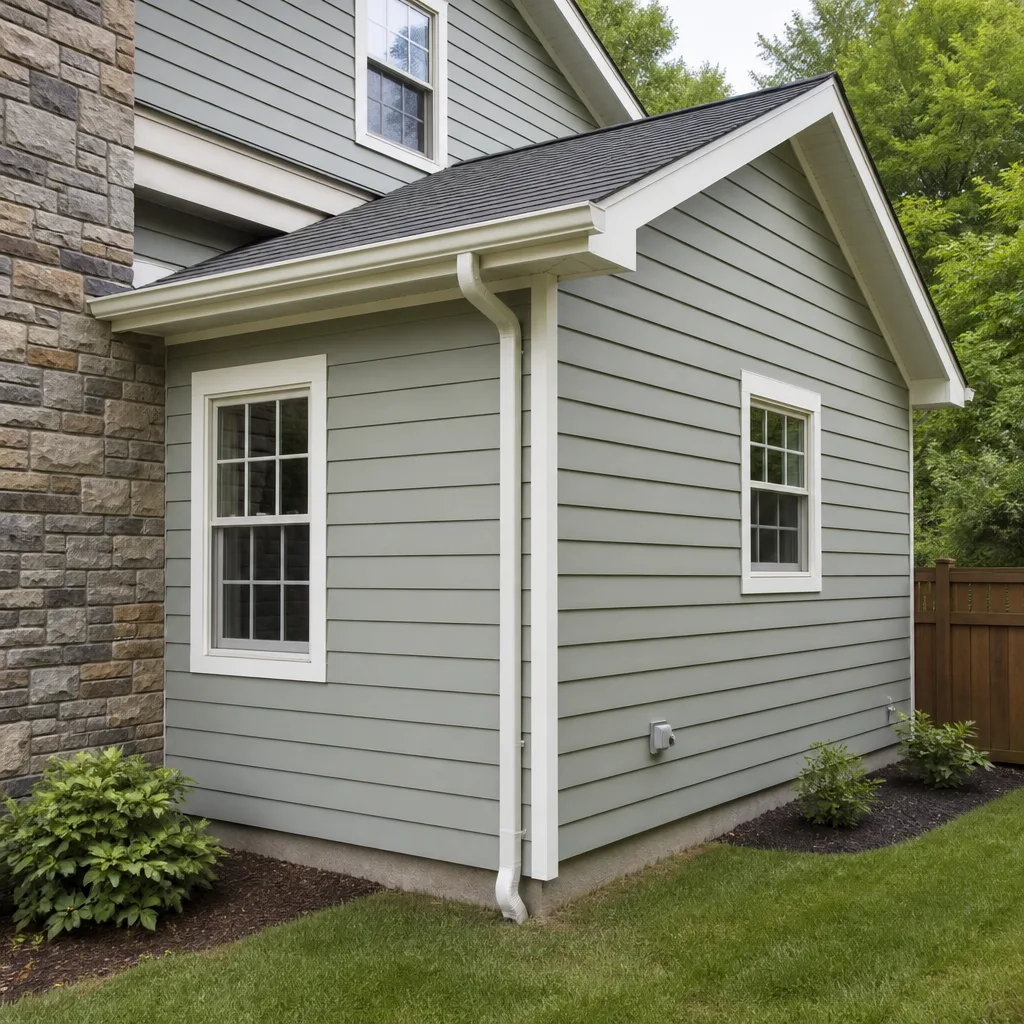
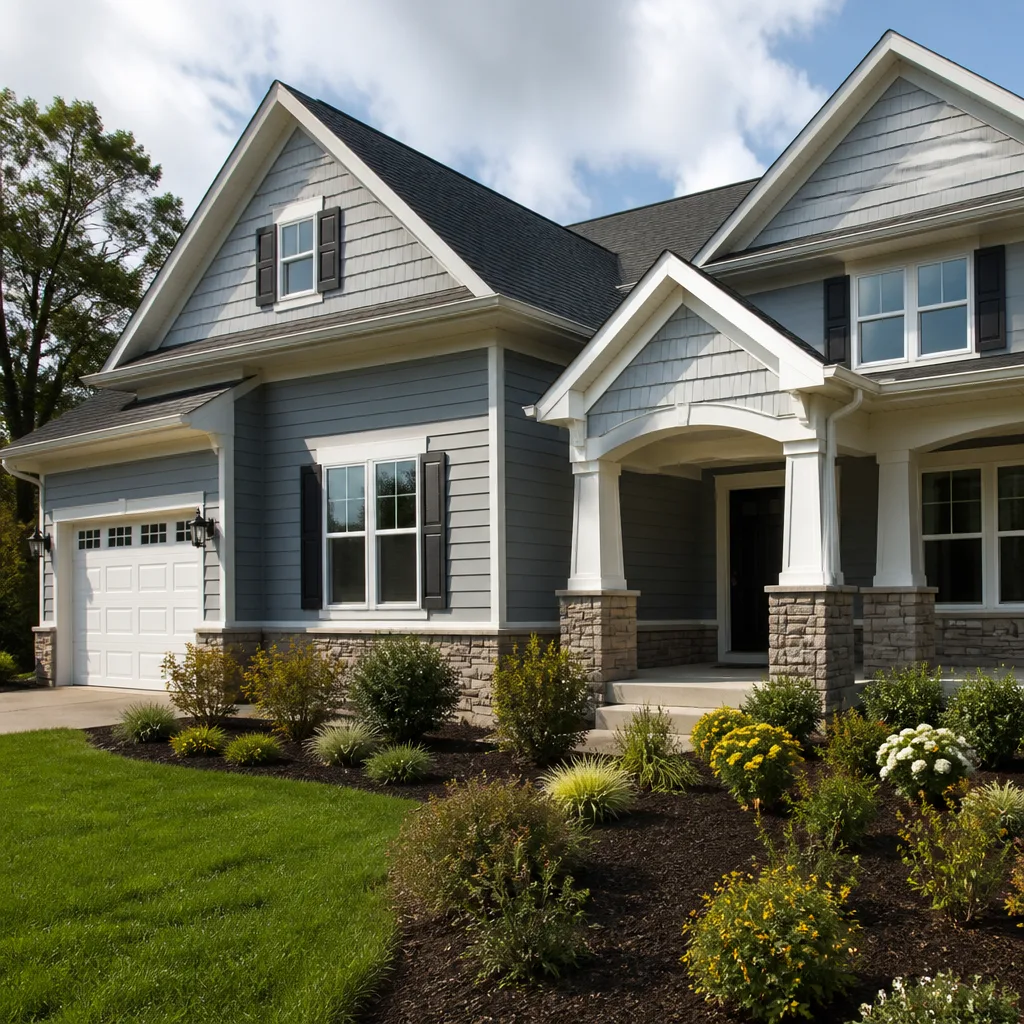
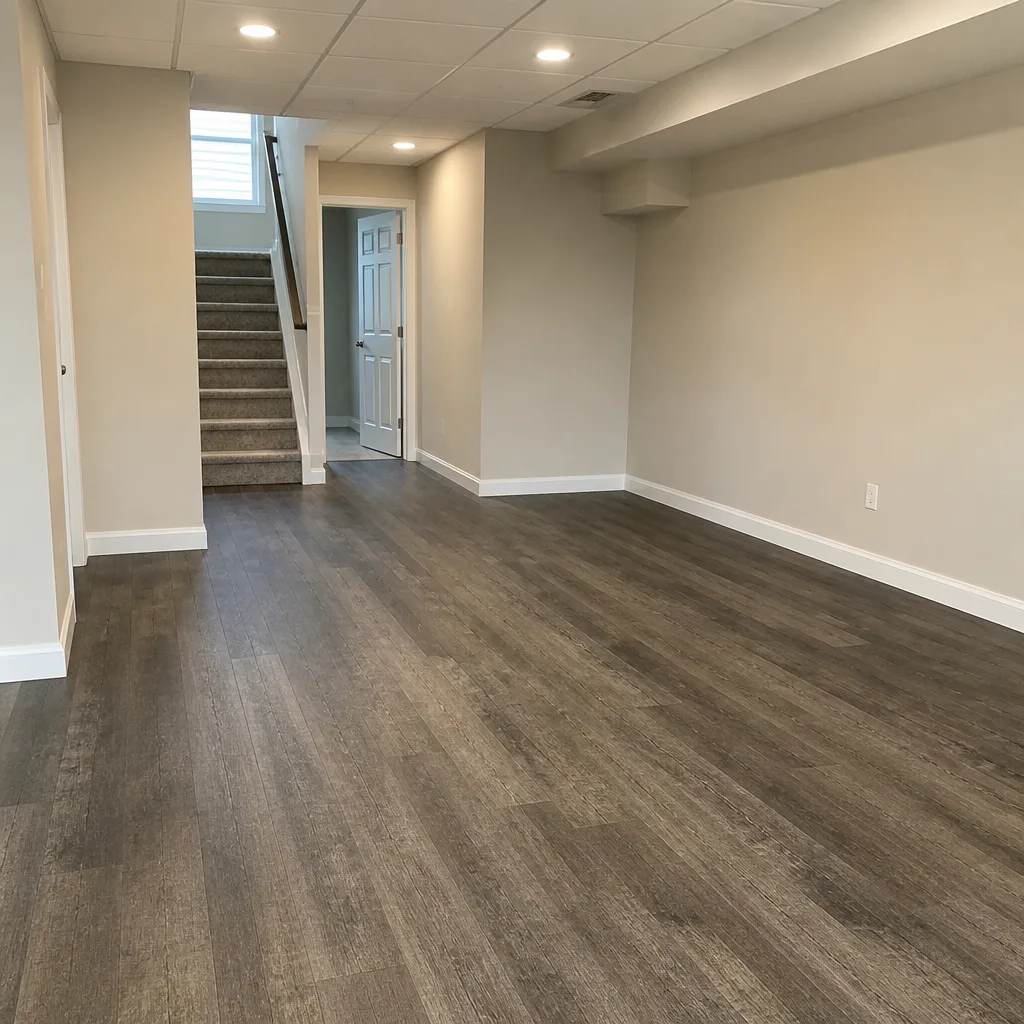
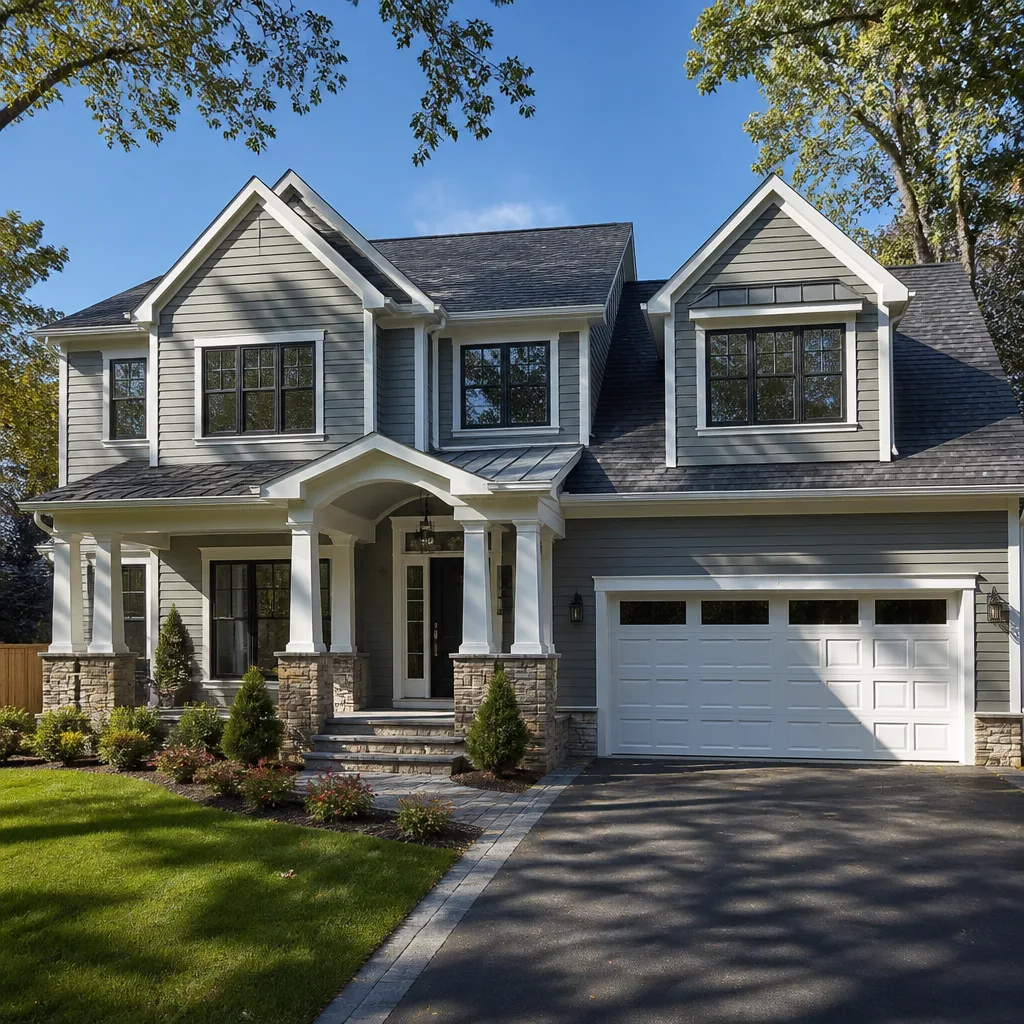
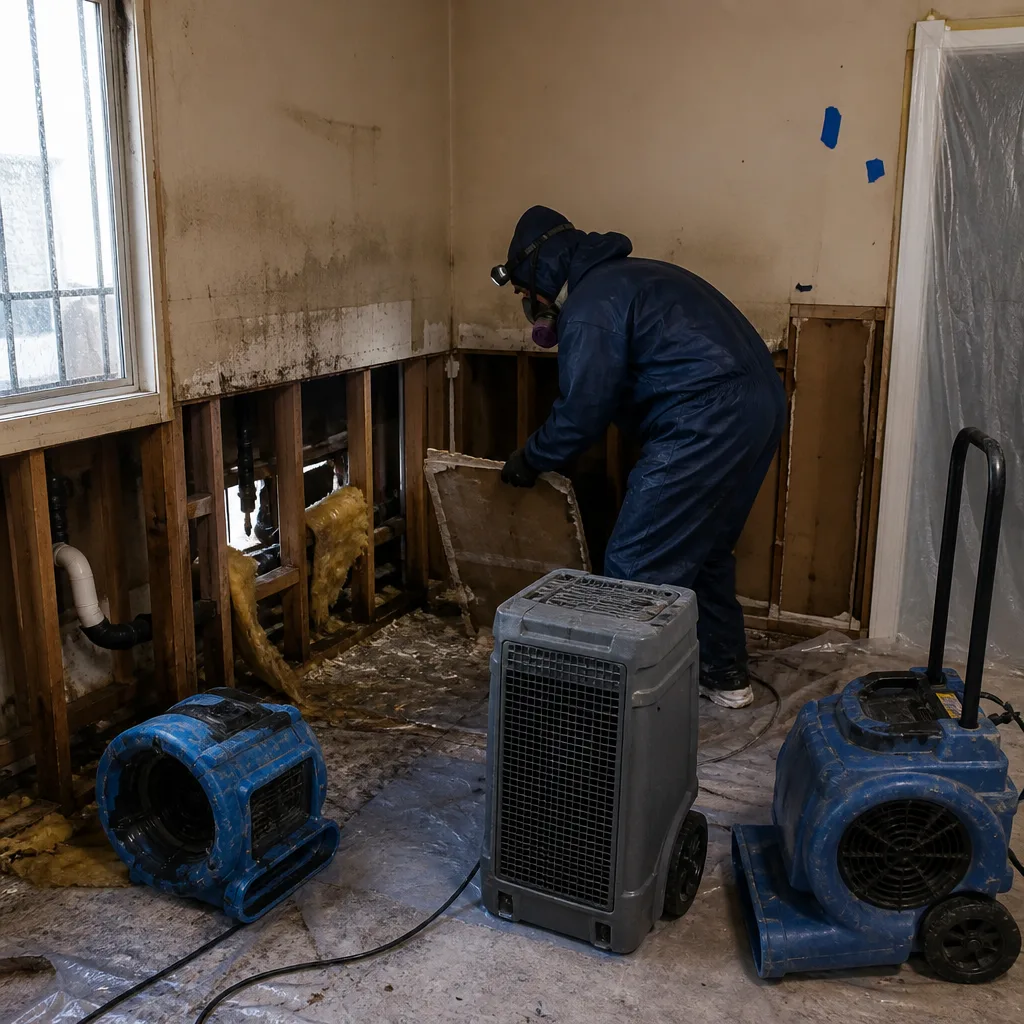 Before
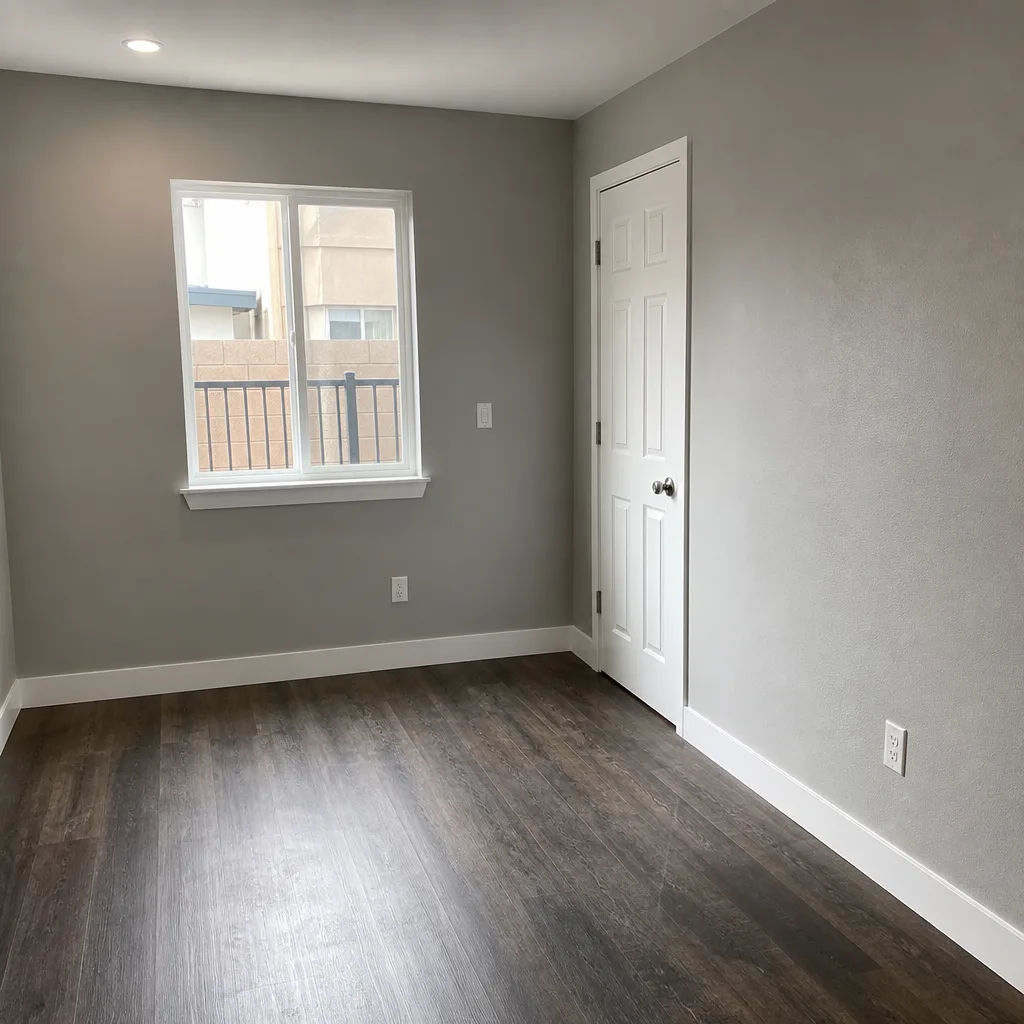 After
After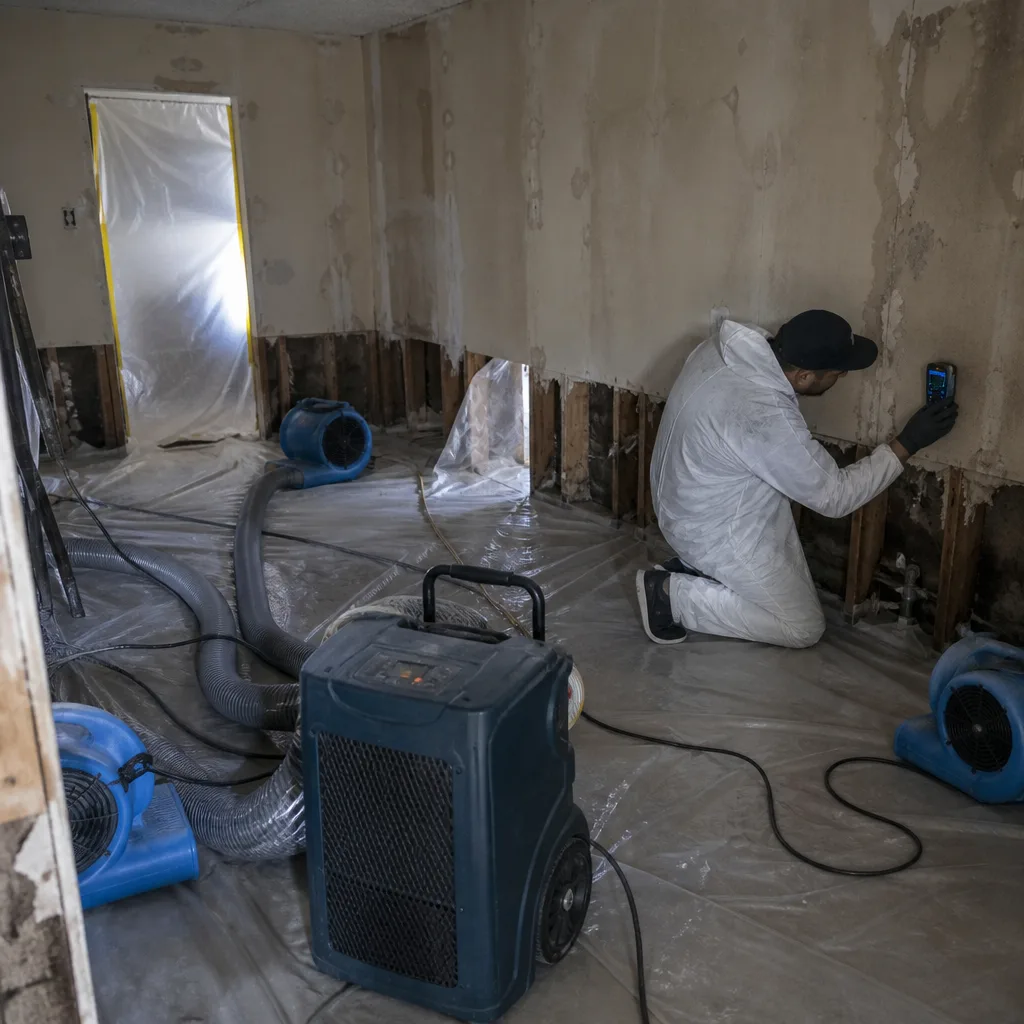 Before
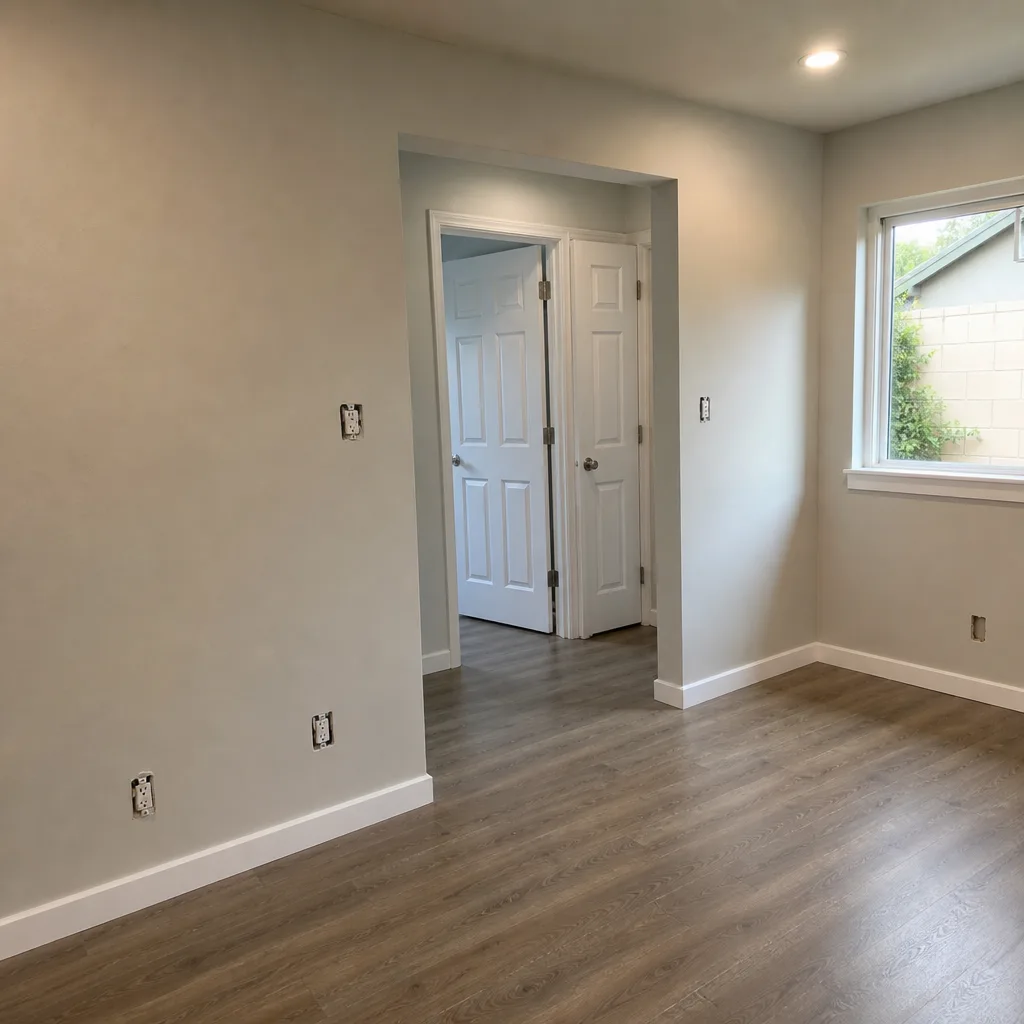 After
After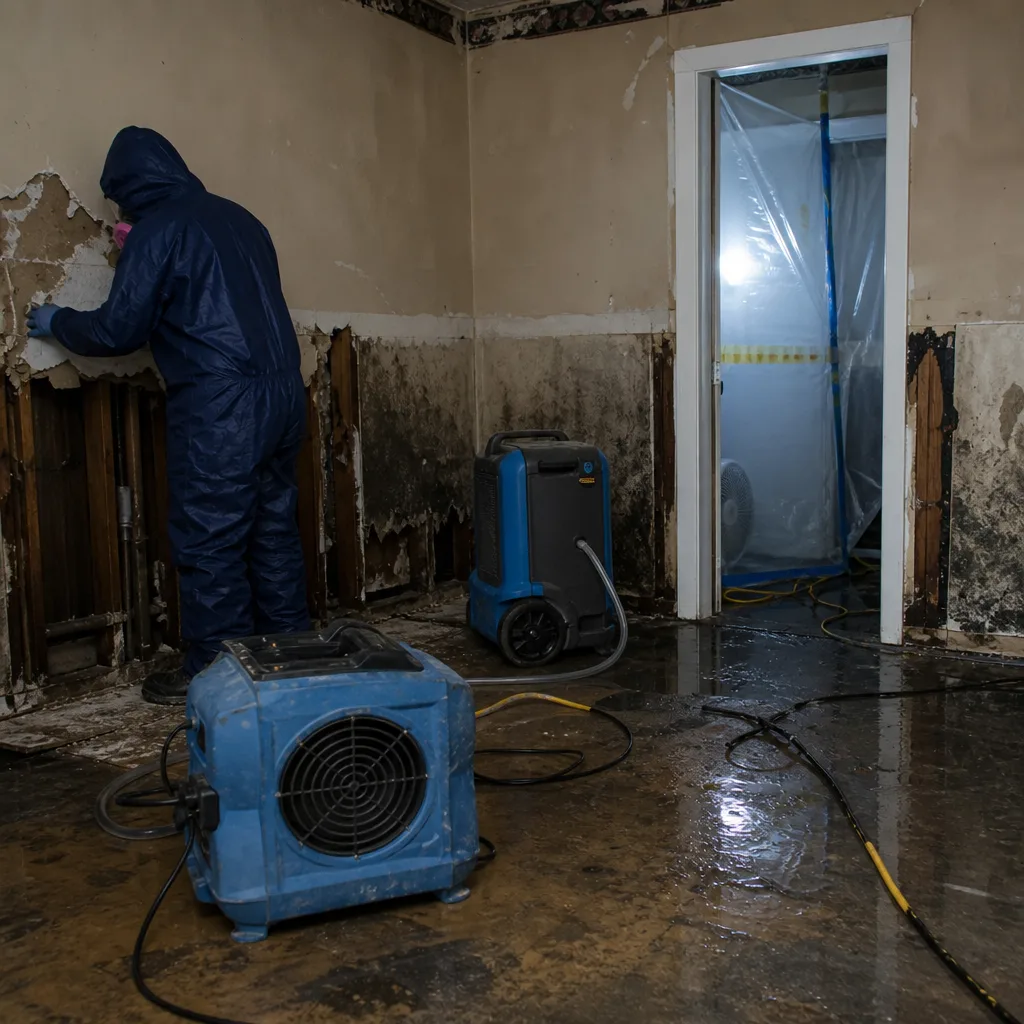 Before
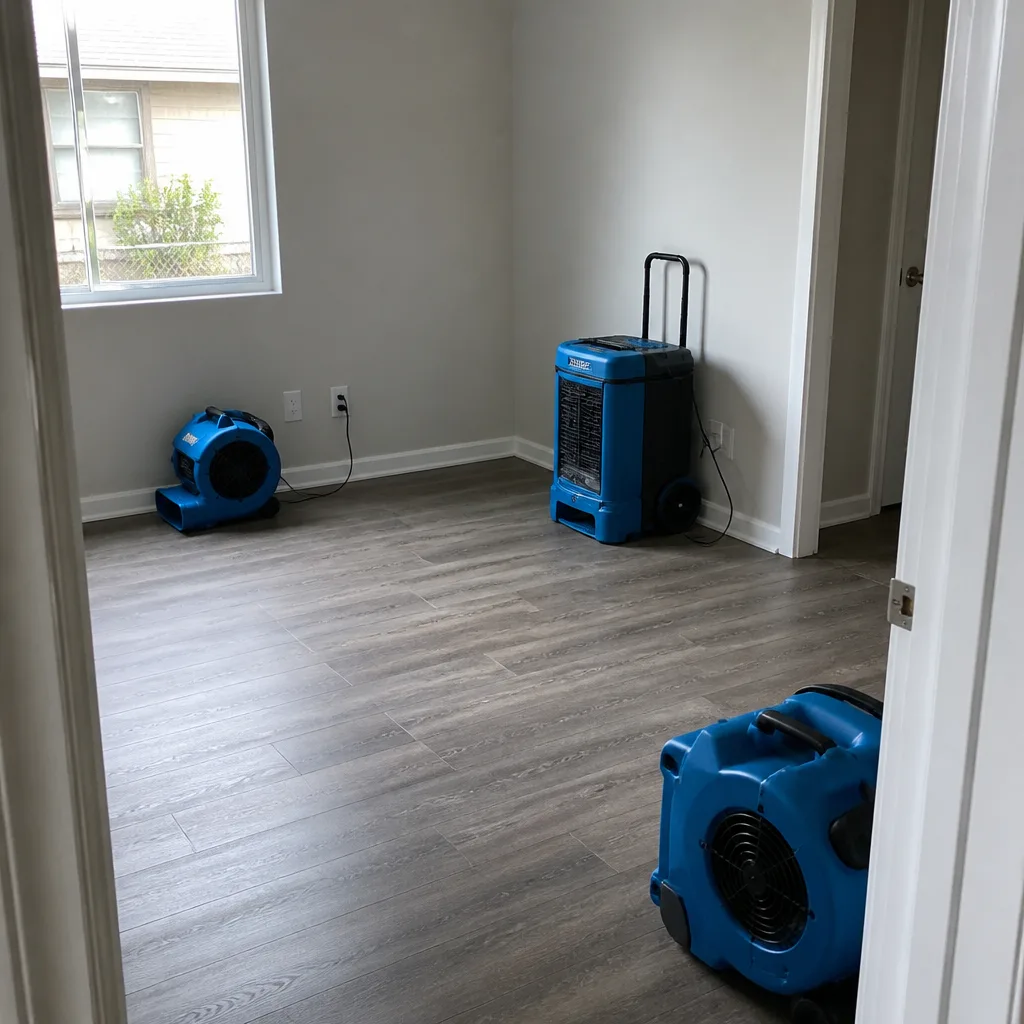 After
After24/7 Emergency Water Damage Restoration in Signal Hill
Water damage restoration in Signal Hill typically costs between $2,800 and $7,500 for a standard residential mitigation, with emergency extraction starting around $950 and full structural drying running $1,800-$4,200 depending on square footage and contamination level. Most water losses in Signal Hill’s stacked townhomes require same-day response to prevent cascade damage into neighboring units. Call (628) 226-1011 now and a live person will answer, 24 hours a day, no voicemail. Our crews dispatch from our Los Angeles office and can be on-site in Signal Hill within 45 minutes. The first hour matters because water follows shared wall cavities in these 1980s-2000s buildings, and every minute of delay multiplies the affected units and the documentation complexity for your HOA and your insurer.
Understanding Water Damage Restoration Severity in Signal Hill Properties
Water damage in Signal Hill falls into three categories under IICRC standards, and the local building stock makes each one more complicated than the flatland norm. Category 1 water, or clean water from a supply line, becomes Category 2 within 24-48 hours on Signal Hill’s hilltop because the persistent marine-layer dampness slows natural evaporation and keeps organic materials wet long enough for bacterial amplification. Category 2, gray water with chemical or biological contaminants, degrades to Category 3 black water faster here for the same reason. The real Signal Hill variable is concealed intrusion: stucco-clad townhomes built during the 1980s-2000s redevelopment frequently lack properly lapped building paper behind the exterior finish, so water enters at window flanges and balcony ledgers and travels horizontally through shared wall cavities before any interior stain appears. By the time a homeowner sees bubbling paint, the adjacent unit may already have elevated moisture readings. Our crews use thermal imaging and non-penetrating moisture meters to map the full extent without tearing into walls blind, then document every reading for the insurance file.
Why Signal Hill Property Owners Choose DryMark Restoration Compton
- 45-minute response commitment to Signal Hill addresses, with crews staged from our Los Angeles office for immediate dispatch.
- 24/7 live answer by a real person, never an automated system or voicemail tree, because water doesn’t wait for business hours and neither do we.
- IICRC-certified crews holding WRT (Water Damage Restoration Technician) and ASD (Applied Structural Drying) certifications, with AMRT (Applied Microbial Remediation Technician) on-call for mold secondary damage.
- Free visual inspection and moisture assessment before any equipment is placed or any price is discussed.
- Direct insurance billing with photo-documented estimates formatted to carrier standards, plus direct adjuster coordination from day one.
- One team from extraction through reconstruction, so no handoff gaps, no blame-shifting, and a single point of accountability under The Haven Standard.
BeforeAfterOur Water Damage Restoration Process
1. Inspection & Assessment
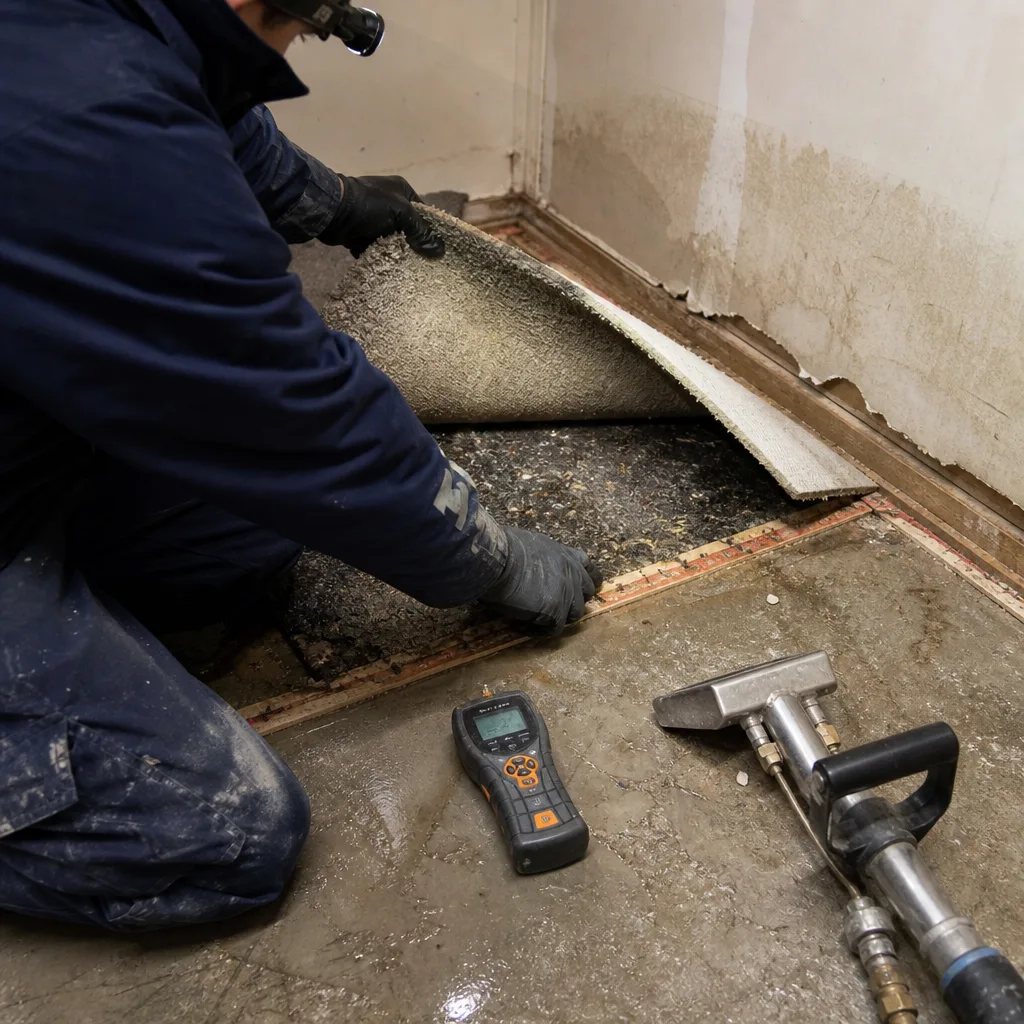
We arrive with thermal imaging cameras, penetrating and non-penetrating moisture meters, and hygrometers to map the full water perimeter. In Signal Hill townhomes, this includes the neighboring unit’s shared wall because building paper failures here routinely hide cross-unit migration. Every reading is photographed and logged.
2. Extraction & Stabilization
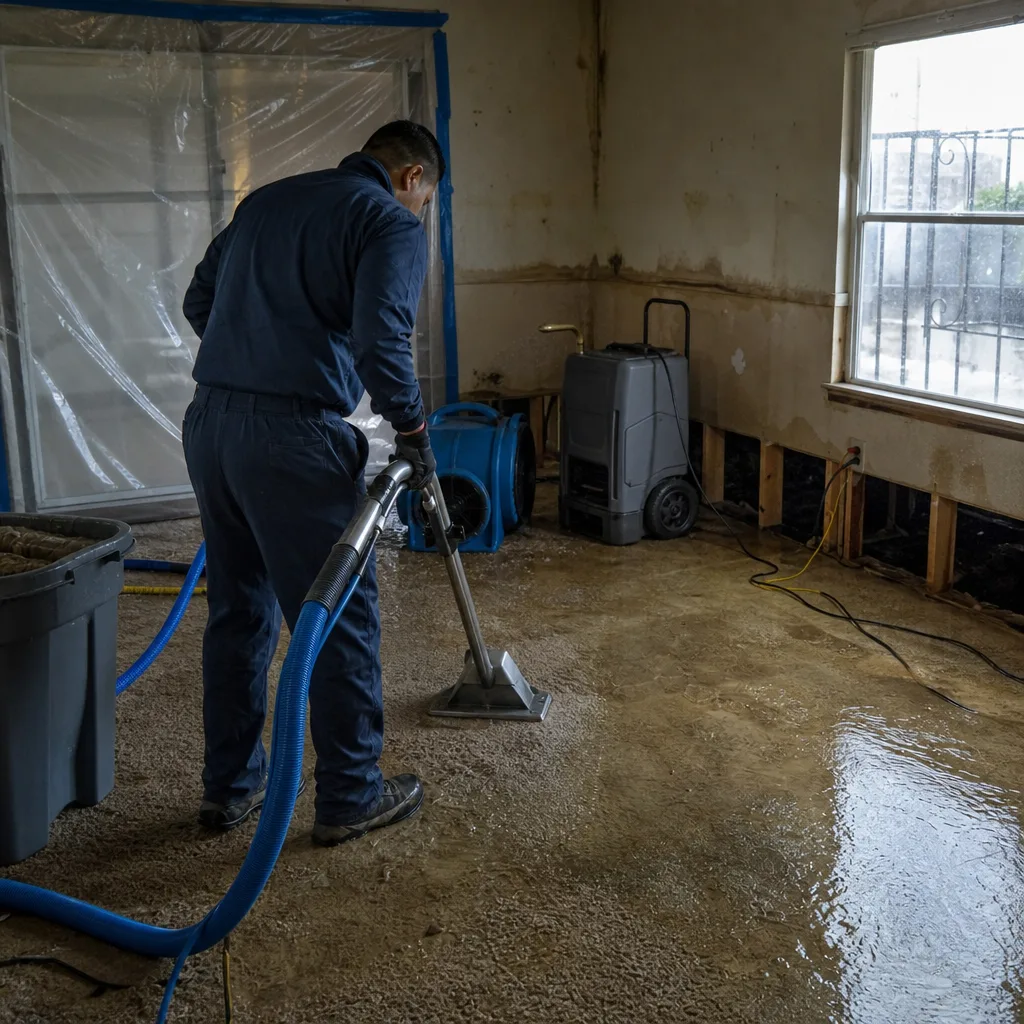
Standing water comes out first with truck-mounted extraction systems, then portable units for tight garage levels and below-grade entries where the hill’s runoff pools. We deploy weighted extraction tools on saturated carpet and use squeegee wands on hard surfaces to remove the bulk water that extends dry times.
3. Drying & Dehumidification
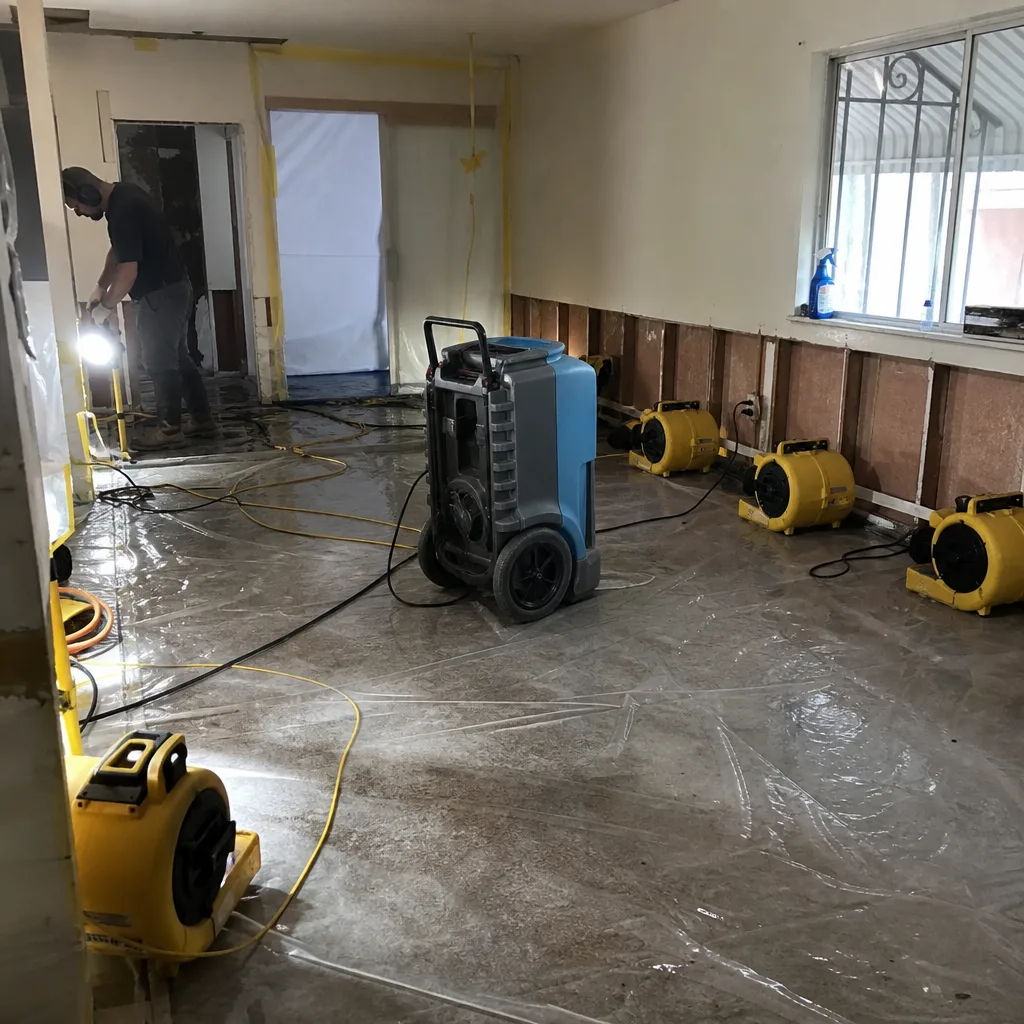
We calculate the exact psychrometric conditions, the vapor pressure differential between wet materials and the air, then place air movers and dehumidifiers to force evaporation. Equipment typically includes Dri-Eaz and Phoenix LGR dehumidifiers, XPOWER and B-Air air movers, and Injectidry cavity drying systems for wall voids.
4. Cleaning & Sanitization
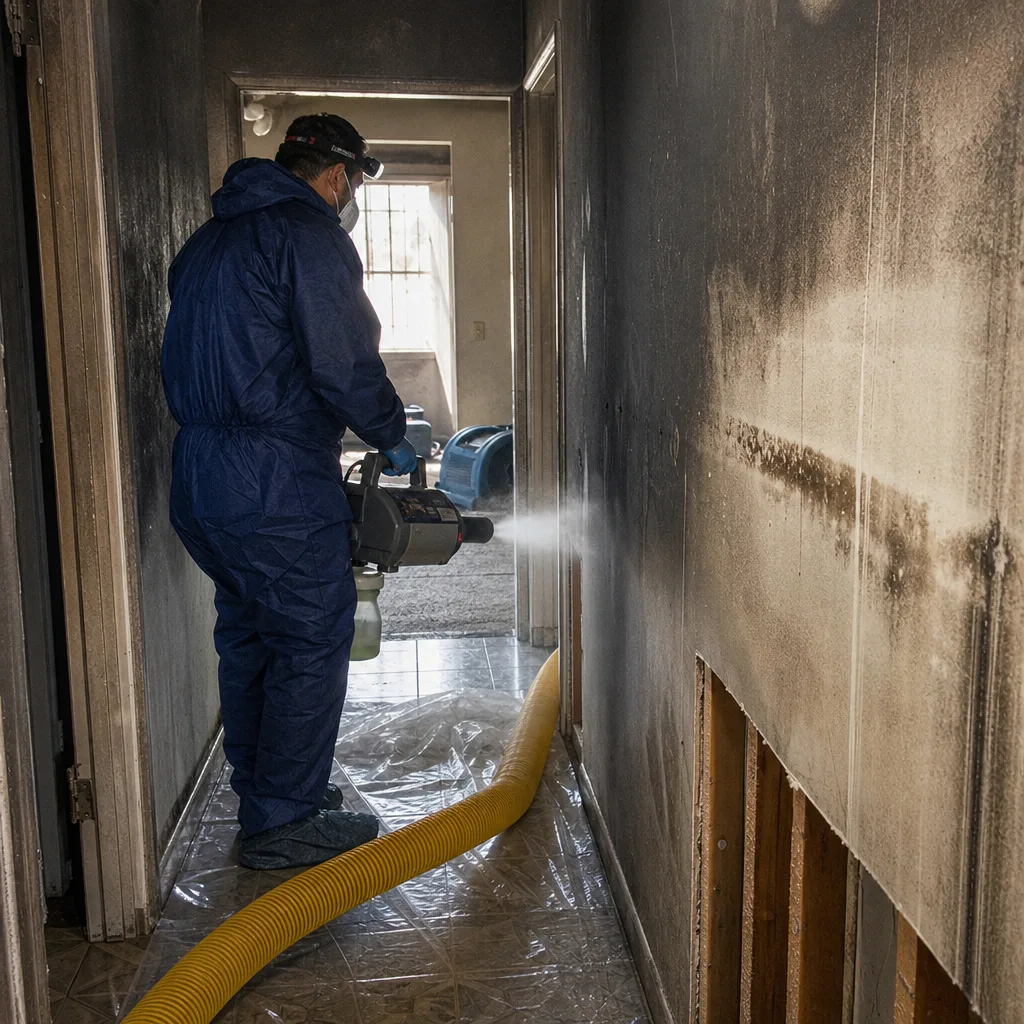
All affected surfaces receive antimicrobial treatment appropriate to the water category. In Signal Hill’s marine-layer climate, where surfaces stay damp longer, we pay particular attention to organic load on wood framing and drywall paper that can support mold colonization before drying completes.
5. Methane & Petroleum Safety Check
Before any slab penetration, excavation, or significant material removal near foundation elements, we run a combustible gas indicator check for methane migration from legacy oil infrastructure. This is unique to Signal Hill and adjacent oil-field areas, a step flatland Long Beach properties simply don’t need.
6. Repairs & Restoration
Once moisture readings confirm the structure is dry to IICRC standards, we repair or replace damaged materials with a written scope agreed in advance. For Signal Hill townhomes, this often includes stucco remediation, window-flange sealing, and balcony-ledger flashing correction to prevent recurrence.
Need Emergency Water Damage Restoration in Signal Hill Now?
Crews minutes away, answering live 24 hours a day. The sooner we start, the less it costs.
Working With Your Insurance Company
Every water damage claim in Signal Hill involves at least two parties, often more: your HO-6 or HO-3 policy, the HOA’s master policy, and sometimes the neighboring unit’s carrier when shared walls are involved. We document from the first hour with photographs, moisture readings, and written observations formatted to the estimate standards your adjuster expects. Our team speaks directly with carriers, submits through industry-standard platforms, and provides the drying logs that turn restoration invoices into payable claims. We do not ask you to mediate between us and your insurance company.
What We Provide Your Insurer
- Thorough documentation of the loss
- Photos of all damage, room by room
- Moisture readings and drying logs
- A detailed, line-item scope of work
- Direct coordination with your carrier
Built for Signal Hill’s Loss Calendar
Signal Hill’s water damage season runs differently than inland Southern California. January through March brings the heaviest Pacific storm systems, and the hill’s 365-foot elevation catches more orographic rainfall than flatland Long Beach. The steep grade sheds runoff fast, overwhelming downspout systems and flooding downslope garage levels and below-grade townhome entries. April through June, the marine layer thickens and lingers, keeping stucco and deck membranes damp enough that slow leaks from winter damage continue propagating mold. July through October is dry but not safe: aging galvanized plumbing in the remaining 1920s-1940s bungalows fails from decades of mineral buildup, and HOA irrigation systems over-pressurize, flooding units through exterior walls. November brings the first Santa Ana wind events, which dry surfaces rapidly and mask ongoing interior moisture problems until the next storm cycle reveals them. We staff for this calendar and keep equipment positioned for hilltop response.
Water Damage Restoration Across Signal Hill’s Neighborhoods
Signal Hill’s compact geography contains distinct loss patterns by area. The hilltop core around Signal Hill Park and the civic center, where 1980s-1990s condo towers and townhome clusters dominate, sees the most complex multi-unit claims. A single balcony ledger failure or roof membrane breach here routinely involves three to six units, multiple HOAs, and overlapping insurance policies. The northeast slope along Temple Avenue and the corridors toward Cherry Avenue features more of the 1920s-1940s bungalows with original galvanized plumbing and minimal subfloor ventilation; burst pipe restoration here often includes crawlspace drying and structural reinforcement. The south and west flanks toward Pacific Coast Highway and the Long Beach border contain the densest concentration of 2000s-era townhomes, where stucco installation quality varies widely and concealed water intrusion behind the finish is the single most common call we receive. The downslope areas near Willow Street and the 405 interchange flood first in heavy rain, with garage-level water extraction and sump pump failure restoration making up the bulk of emergency calls. Our crews know these routes and these building vintages without checking a map.
Specialized Water Damage Restoration Services We Offer in Signal Hill
Emergency Water Extraction
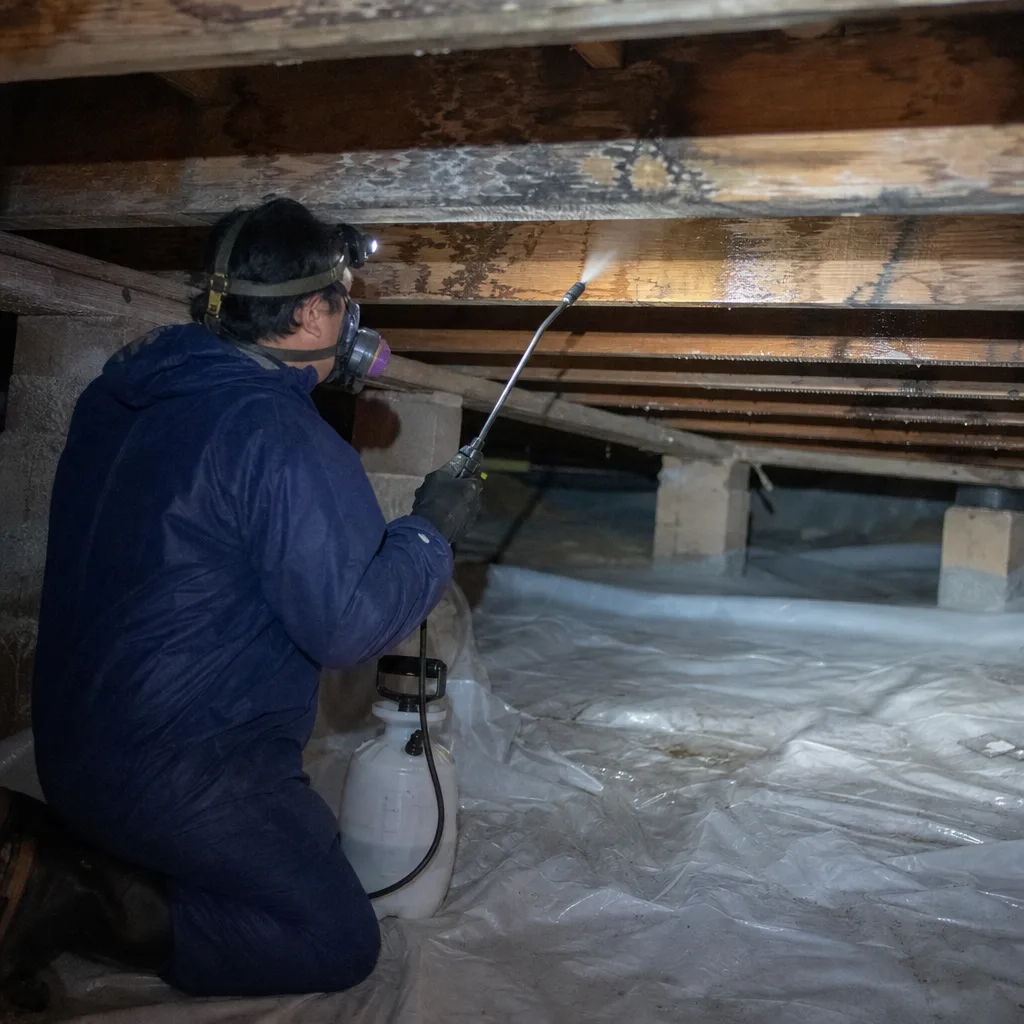
Standing water comes out within hours of your call, using truck-mounted and portable extraction systems sized to the space. In Signal Hill’s below-grade garages and entries, where the hill’s runoff concentrates, we deploy submersible pumps and high-volume extractors to clear water fast enough to prevent category escalation.
Structural Drying & Dehumidification
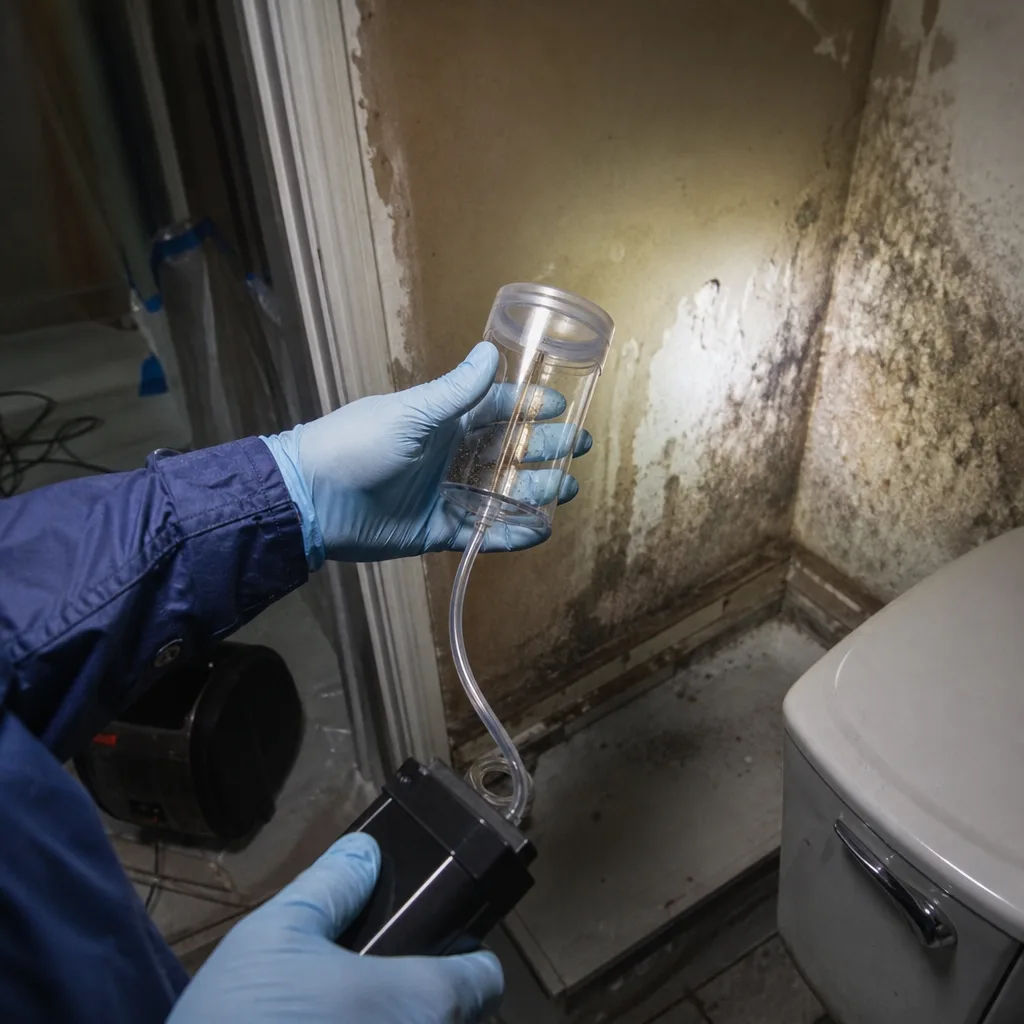
We calculate the specific psychrometric conditions, the relationship between air temperature, relative humidity, and vapor pressure, then engineer a drying environment that pulls moisture from structural materials rather than just the air. In Signal Hill’s marine-layer climate, this means more aggressive dehumidification than inland jobs because ambient humidity works against natural evaporation. Our Dri-Eaz and Phoenix LGR units, documented to IICRC and RIA standards, produce the daily drying logs your insurer requires.
Flood Cleanup
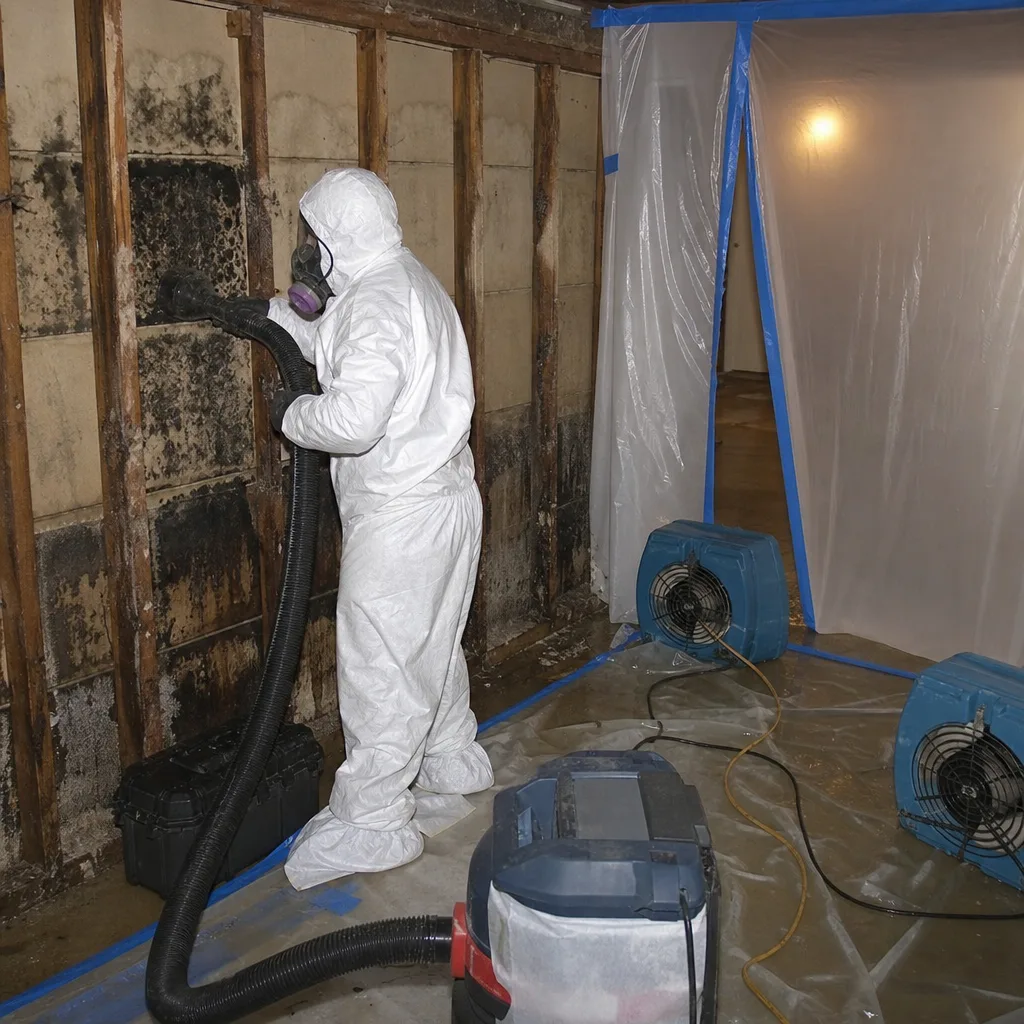
Flood damage in Signal Hill combines hilltop runoff with the unique risk of petroleum-contaminated groundwater near legacy well sites. We test for hydrocarbon indicators before disposal decisions and document chain-of-custody for contaminated materials that standard landfill acceptance criteria may reject.
Burst Pipe Restoration
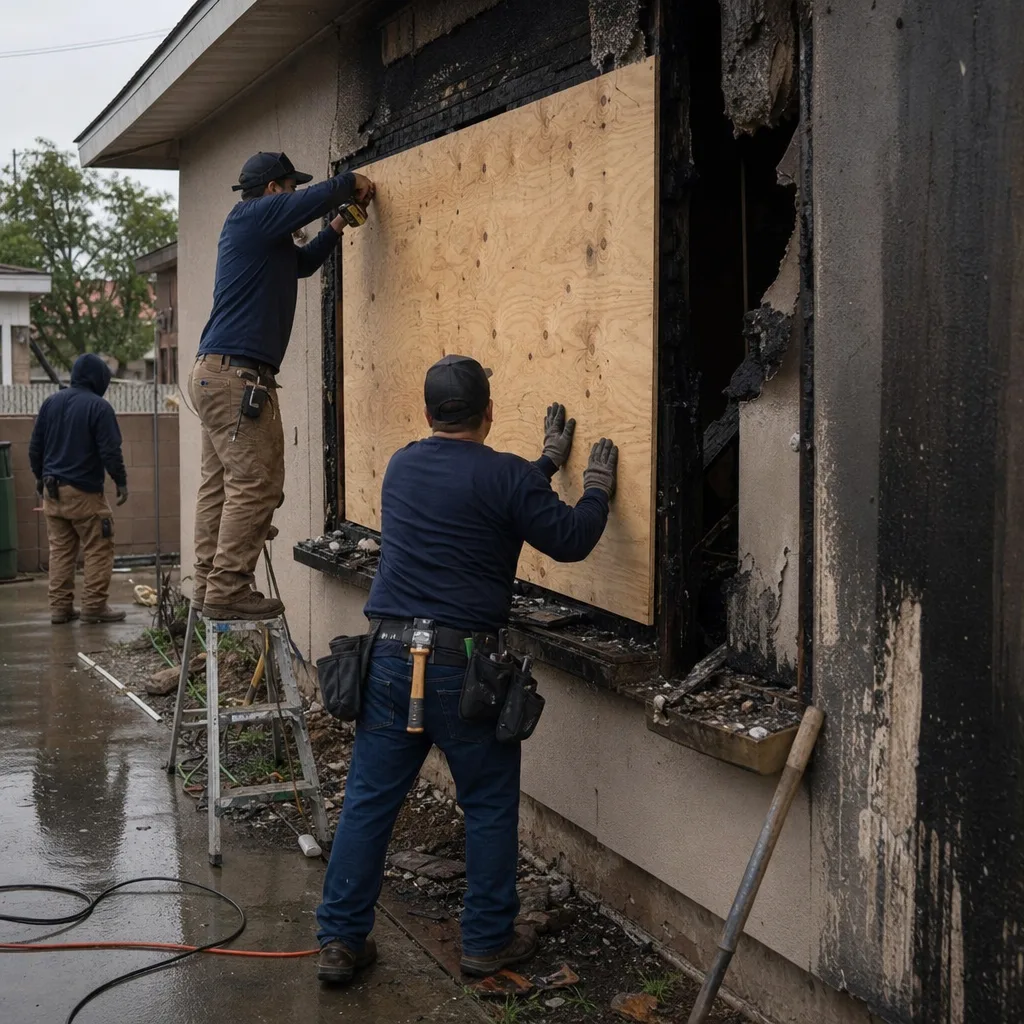
Signal Hill’s remaining pre-war bungalows on the hill’s flanks still run original galvanized supply lines that fail without warning, often at threaded joints corroded from decades of mineral deposition. We extract, dry, and document the full extent, including concealed wall cavity damage that the initial flood may have missed.
Basement Water Removal
Below-grade spaces in Signal Hill townhome complexes, particularly on the downslope edges near Willow Street and Pacific Coast Highway, take water from both surface runoff and failed sump systems. We pump, extract, and dry these spaces with specialized low-grain refrigerant dehumidifiers and cavity injection drying where block walls hold moisture.
Ceiling & Roof Leak Water Damage
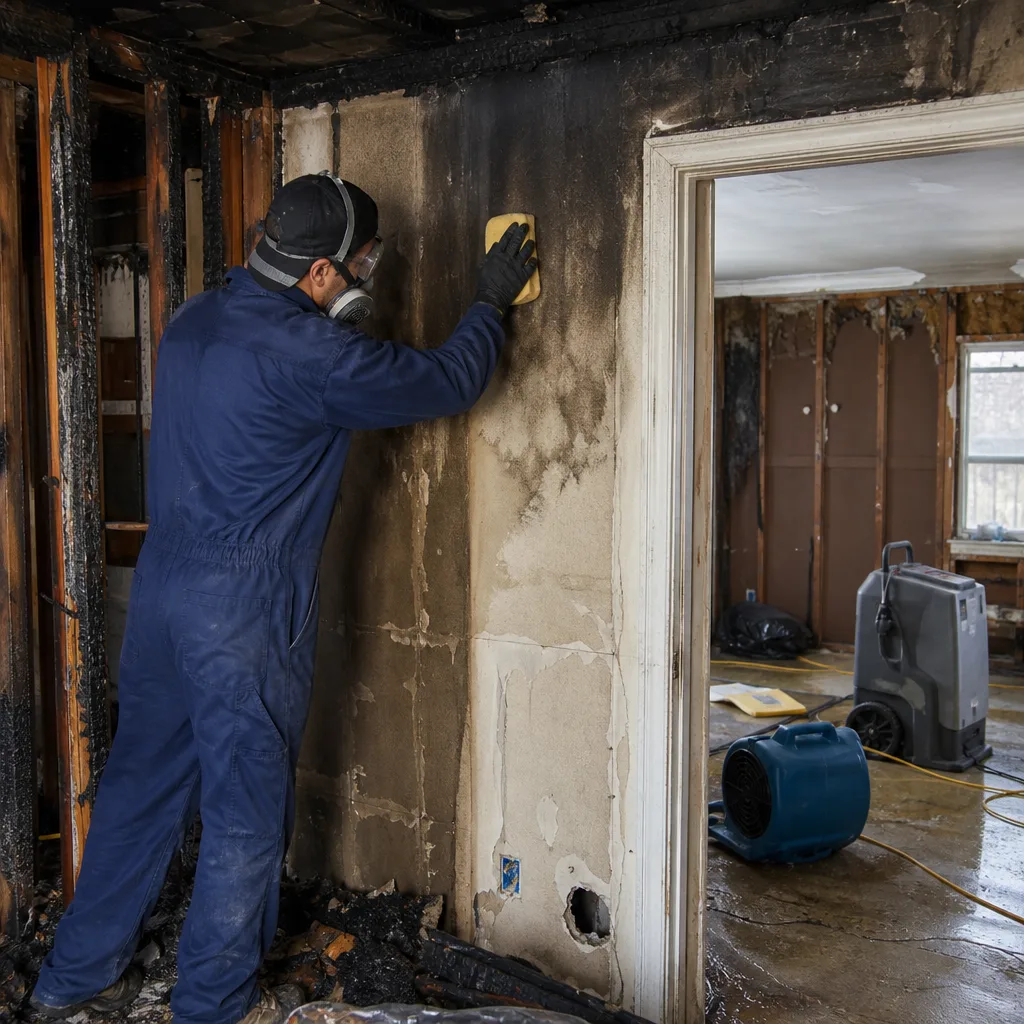
Flat and low-slope roofs on Signal Hill’s 1980s-2000s townhomes collect water at scuppers and drains that clog with hilltop debris. We trace the leak path, document the ceiling assembly damage, and dry the cavity with Injectidry systems that force air through the plenum without tearing down the entire ceiling.
What happens when you call
- 1
A real person answersNo phone trees - you reach a local pro.
- 2
You get an upfront price rangeHonest numbers before anyone is dispatched.
- 3
A background-checked tech heads outLicensed & insured, dispatched right away.
- 4
You approve before work beginsNothing starts until you say go.
Water Damage Restoration Costs in Signal Hill, CA
Honest pricing for Signal Hill’s market, delivered in writing before any work starts, every time, with no exceptions. Haven Standard, Clause 1.
| Service | Typical Range in Signal Hill |
|---|---|
| Emergency water extraction (up to 1,000 sq ft) | $950 - $1,800 |
| Structural drying & dehumidification (3-5 day cycle) | $1,800 - $4,200 |
| Category 1 clean water mitigation (full service) | $2,800 - $5,500 |
| Category 2 gray water mitigation | $3,500 - $6,800 |
| Category 3 black water / sewage cleanup | $5,500 - $12,000+ |
| Multi-unit HOA claim (shared wall, 2-3 units) | $8,000 - $18,000 |
What moves the price: square footage affected, water category, contamination level, accessibility (crawlspaces and below-grade spaces cost more), and whether asbestos or petroleum testing is required near legacy oil infrastructure. Most residential water damage in Signal Hill is insurance-covered; your out-of-pocket typically runs your deductible plus any coverage limits on the HOA master policy. We provide a free visual inspection that produces a firm, written scope and price before you commit. Bring a competitor’s written estimate and we’ll review it at no charge.
We Also Serve Cities Near Signal Hill
Our crews respond daily from our Los Angeles office to Water Damage Restoration in Signal Hill and the surrounding communities: Long Beach to the west and south, Wilmington to the east, Carson to the northeast, and Bellflower to the north. Each city has its own building stock, its own loss patterns, and its own documentation requirements, and we adjust our response accordingly.
Serving Signal Hill, CA - Our Local Coverage Area
We’re based in the Signal Hill area and know this community well. Use the map below to see our service coverage - if you’re nearby, we can almost certainly help.
Signal Hill Water Damage Restoration Questions, Answered
Does living near Signal Hill’s old oil wells affect water damage restoration in my townhome?
Yes, it can add a safety and documentation step that flatland properties don’t face. Before our crew cuts into a slab or excavates near a foundation in Signal Hill, we run a combustible gas indicator check for methane migration from legacy capped wells or active pumping infrastructure. If petroleum odors or elevated methane readings appear, work halts until South Coast AQMD clears the site for environmental assessment. This delay is uncommon but real, and it’s why we build contingency time into Signal Hill scopes. Call (628) 226-1011 and we’ll explain how this applies to your specific address.
Why does water damage in Signal Hill stucco townhomes often reach multiple units?
Shared wall construction and missing or improperly lapped building paper behind the stucco finish allow horizontal water migration that single-family homes simply don’t experience. A leak at a third-floor balcony ledger or window flange can travel through the wall cavity into the adjacent unit’s drywall before either homeowner sees interior damage. Our moisture mapping protocol includes the neighboring unit’s shared wall as standard practice. We document both units for the respective HOAs and insurers from day one. Call (628) 226-1011 for a free inspection if you suspect concealed migration.
How fast does mold grow after a water leak in Signal Hill’s damp hilltop climate?
Mold colonization can begin on wet drywall and organic framing materials within 24-48 hours under normal conditions, but Signal Hill’s persistent marine-layer dampness extends that window of risk because surfaces stay wet longer than they would inland. The hilltop elevation keeps relative humidity elevated even when the sun is out, so evaporation slows and mold gets more time to establish. We deploy antimicrobial treatment and aggressive dehumidification within hours of extraction to compress that timeline. Call (628) 226-1011 for emergency response.
What’s the difference between Category 1, 2, and 3 water in a Signal Hill flood cleanup?
Category 1 is clean water from a supply line, Category 2 is gray water with chemical or biological contamination from sources like dishwasher discharge or sump pump failures, and Category 3 is black water containing sewage, ground surface water, or petroleum contaminants. In Signal Hill, Category 1 degrades to Category 2 faster than inland because the marine layer slows drying, and flood events near legacy oil infrastructure can introduce petroleum compounds that push clean water toward Category 3 regardless of original source. We test and document the actual category, not assume it. Call (628) 226-1011 for proper classification.
Do you handle both the water damage and the HOA documentation for Signal Hill condo associations?
Yes. Multi-unit water losses in Signal Hill’s townhome and condo stock routinely involve two or more HOAs, each with its own master policy, deductible, and documentation requirements. We produce separate moisture logs, photo records, and written scopes for each affected unit and coordinate directly with each HOA’s property manager and insurer. Our Water Damage Restoration team has processed hundreds of these overlapping claims since 2011. Call (628) 226-1011 and we’ll outline the documentation path for your specific association.
How quickly can your crew actually get to my Signal Hill property?
We commit to 45 minutes from call to on-site for Signal Hill addresses, with crews dispatched from our Los Angeles office. A live person answers every call, 24 hours a day, 7 days a week, no voicemail. The first truck carries extraction equipment, moisture detection tools, and the initial dehumidification capacity to stabilize most residential losses on arrival. Call (628) 226-1011 now and we’ll confirm current dispatch status.
Will my insurance cover the full cost of water damage restoration in Signal Hill?
Most sudden and accidental water damage is covered under standard HO-3 and HO-6 policies, subject to your deductible and any specific exclusions for gradual leaks or flood. The complication in Signal Hill is the HOA master policy overlap: your unit policy may cover interior finishes while the master policy covers the building envelope, and disputes between carriers are common when shared walls are involved. We document for both policies from hour one and coordinate directly with adjusters to minimize coverage gaps. Call (628) 226-1011 and we’ll review your situation at no charge.
What should I do in the first 30 minutes after discovering water damage?
Shut off the water source if it’s a supply line, turn off electrical breakers to affected areas if safe to do so, and call (628) 226-1011. Do not enter standing water if electrical outlets are submerged. Move small valuables and documents to dry areas if you can do so safely. Do not start tearing out walls or flooring; improper documentation of the original damage state can complicate your insurance claim. Our crew will arrive with the equipment and protocols to secure the scene properly. Call (628) 226-1011 and a live person will guide you through immediate steps while the truck is en route.
Water damage in Signal Hill doesn’t follow the standard playbook. The combination of legacy oil-field methane risk, stacked 1980s-2000s stucco townhomes with shared walls, and a marine-layer climate that keeps materials damp longer than the flatlands means every job requires specific local knowledge, specific safety protocols, and documentation that accounts for multiple insurers and HOAs. We were called to a stacked townhome on Temple Avenue after a third-floor balcony ledger failed, letting rain wick behind stucco and soak the shared wall into two adjacent units. Our crew ran moisture mapping and found elevated readings in the balcony ledger and subfloor; we set up containment, air movers, and Dri-Eaz dehumidification for structural drying, then used antimicrobial treatment on the saturated wood. Because the address sat near a legacy well, we did a methane check before breaking the slab - no readings triggered AQMD, and we completed the dry-down with full drying logs for both HOAs.
That’s the standard we apply to every Signal Hill job: documented, written, and done right from the first hour. If you’re facing water damage now, or if you’ve discovered staining, soft drywall, or a musty odor that suggests concealed intrusion behind your stucco, call (628) 226-1011. A live person will answer, we’ll dispatch within 45 minutes, and you’ll have a written price before any work starts. Haven Standard, Clause 1. No exceptions.
Written by Alicia Brennan, Owner at DryMark Restoration Compton, serving Signal Hill since 2011.
Water Damage Restoration in Nearby Areas