Free visual inspection and a written scope of work before any mitigation begins - photos, moisture readings, and drying logs go in your claim file
The scope we write is the scope we bill. Anything new gets shown to you, in writing, before we touch it.
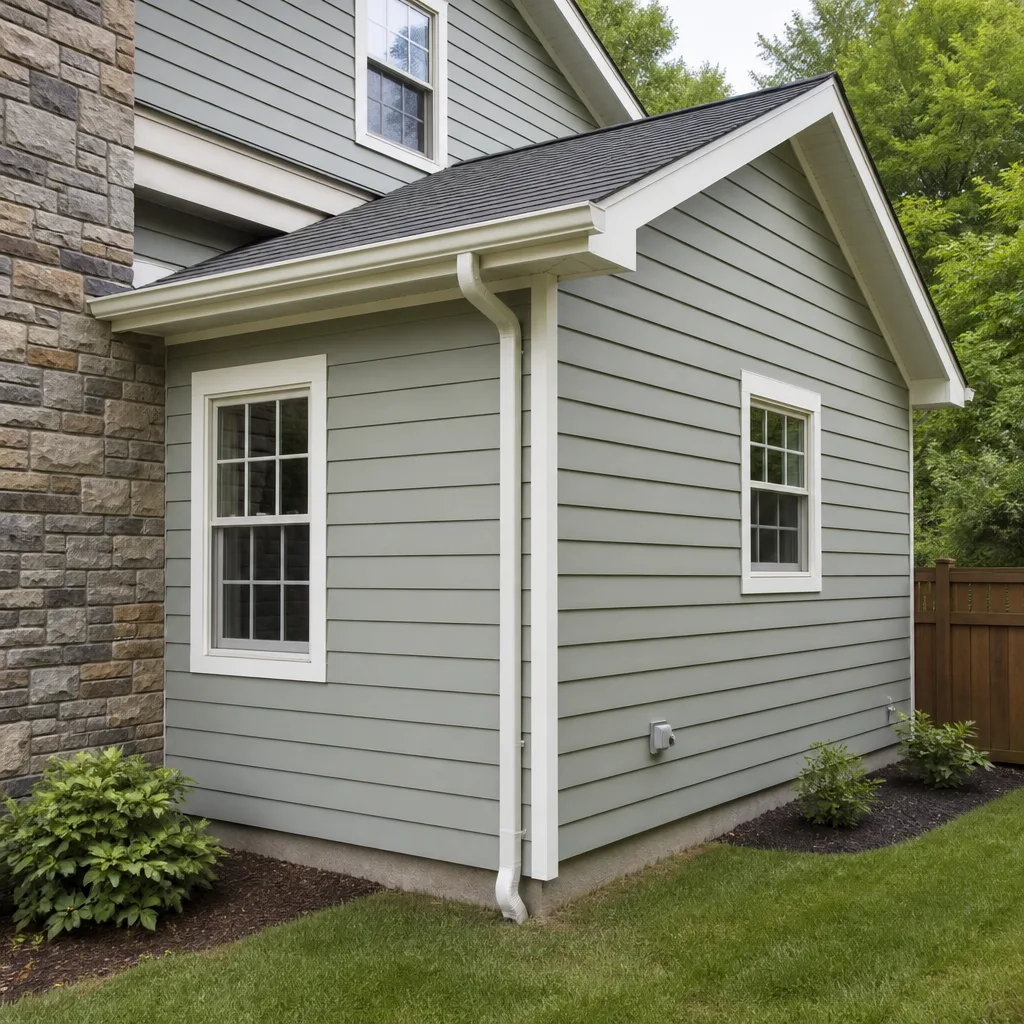
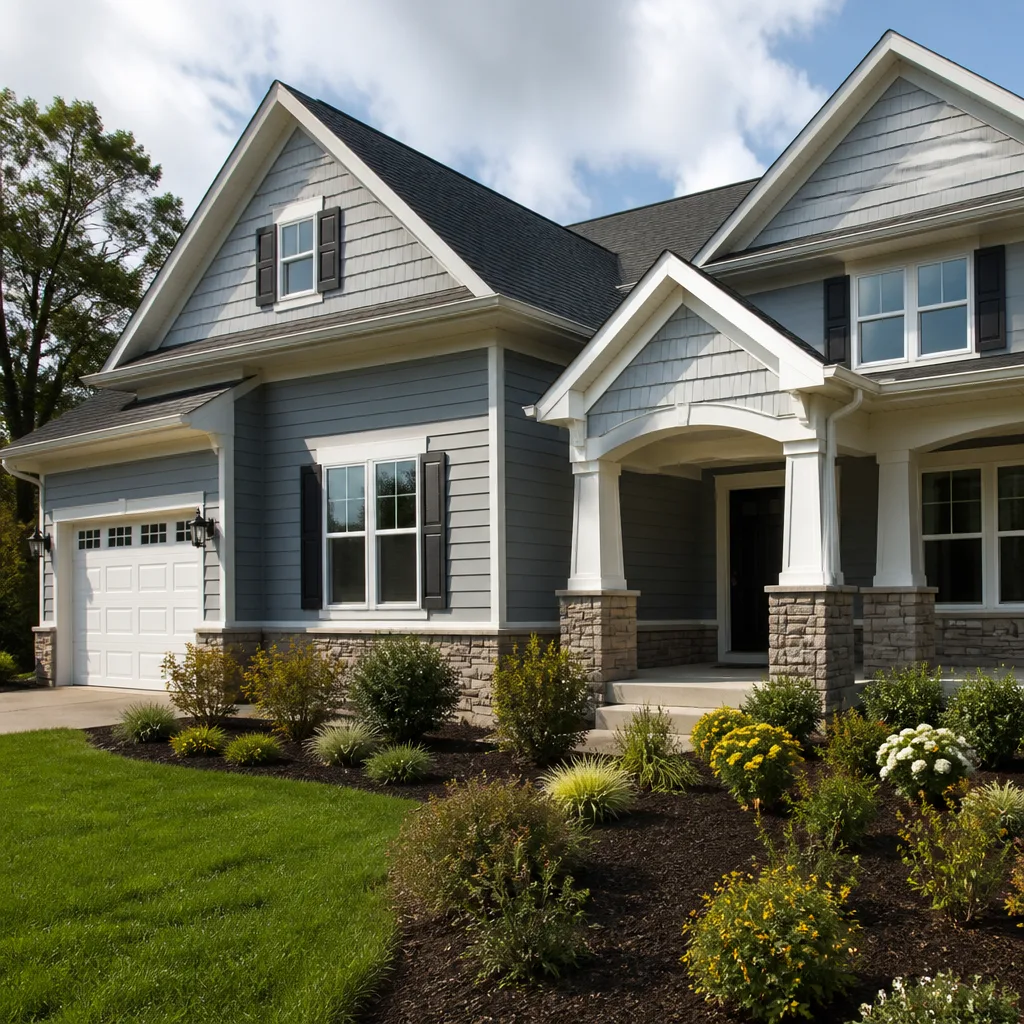
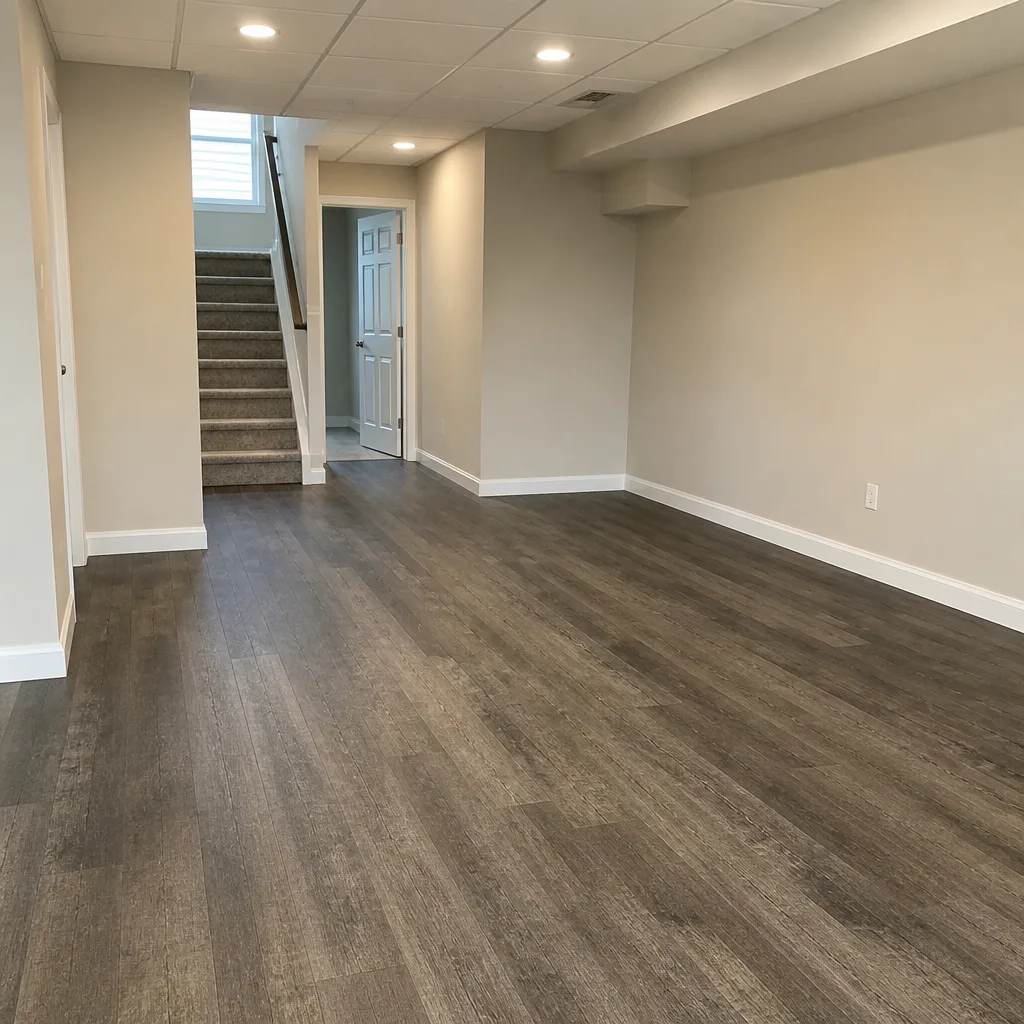
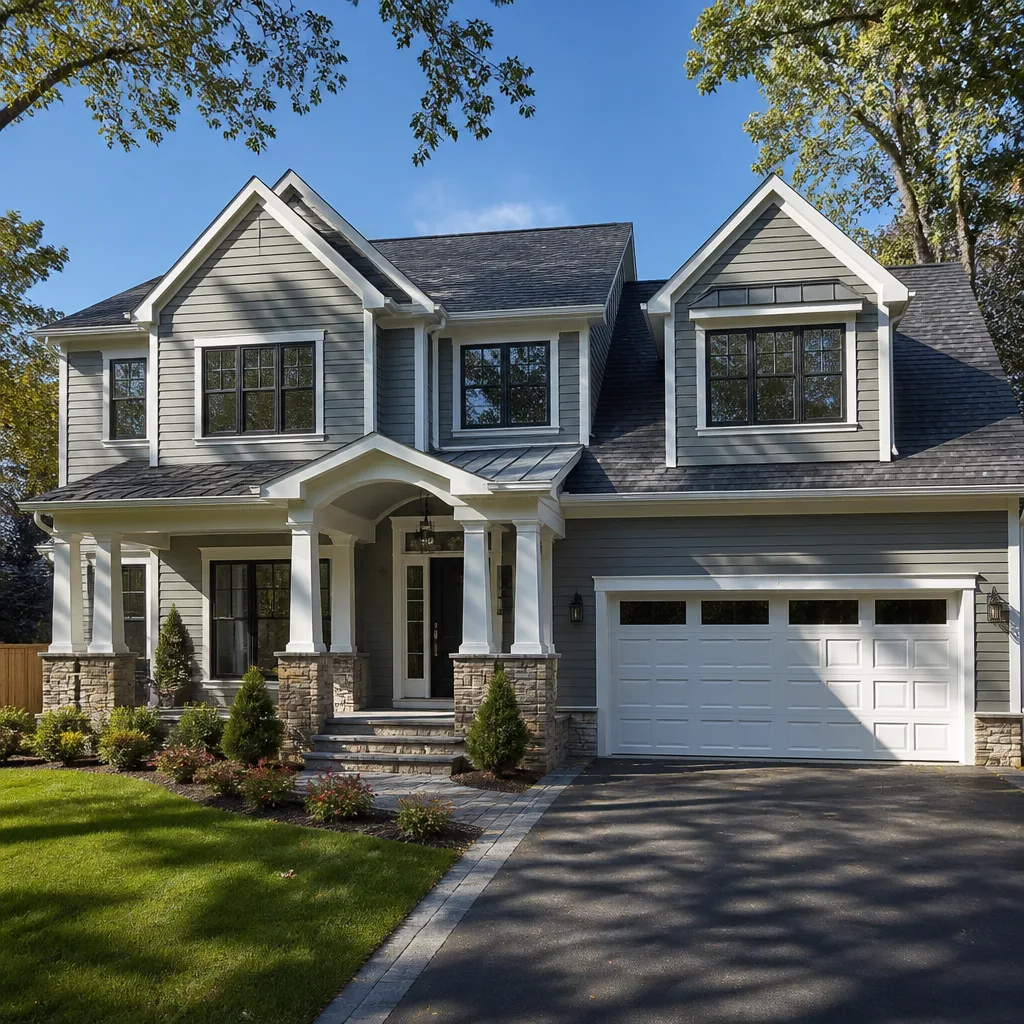
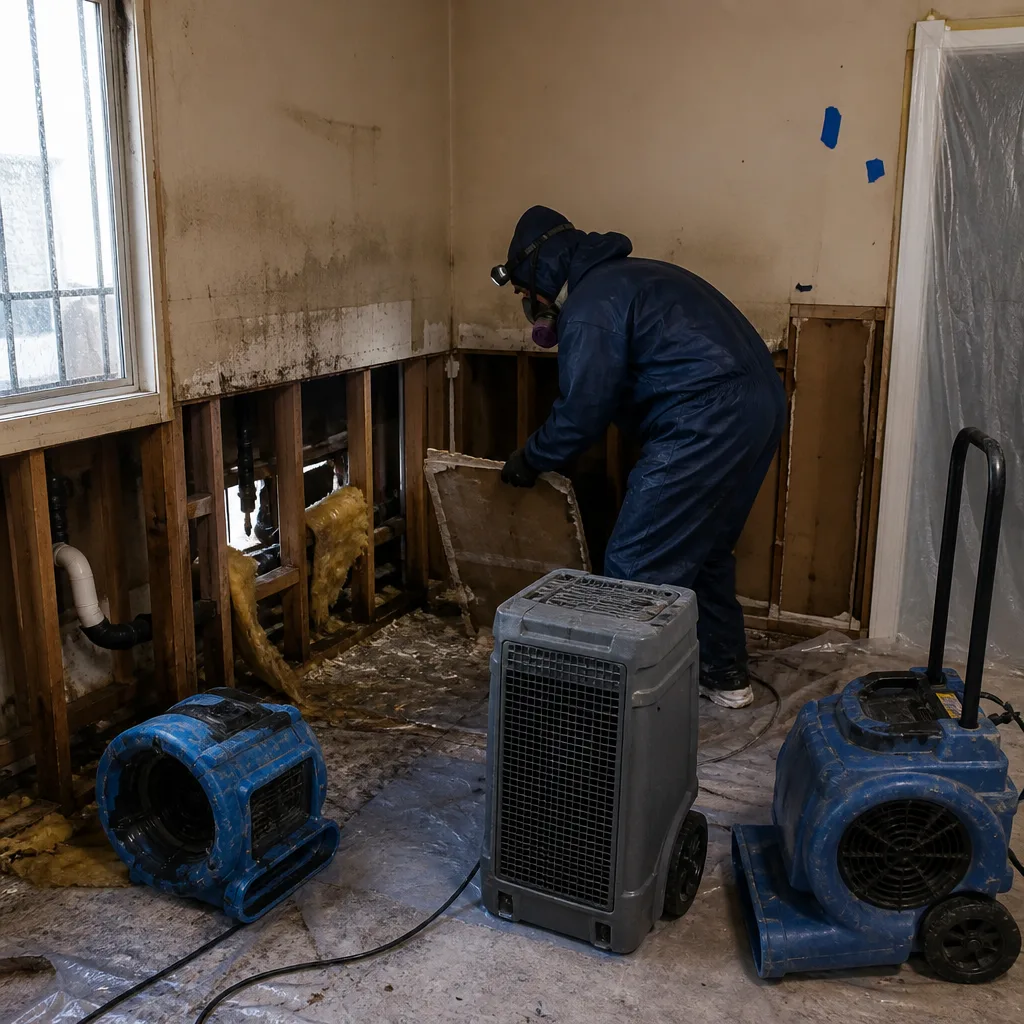 Before
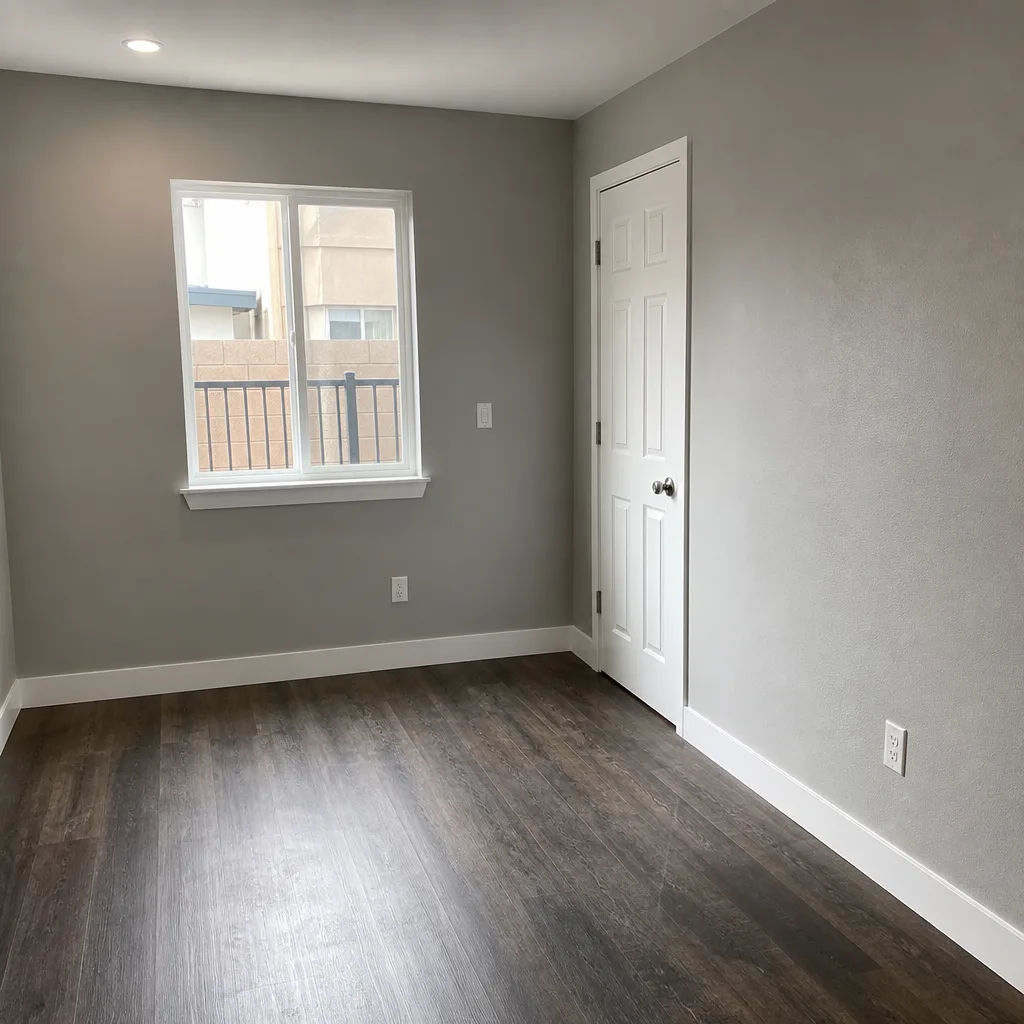 After
After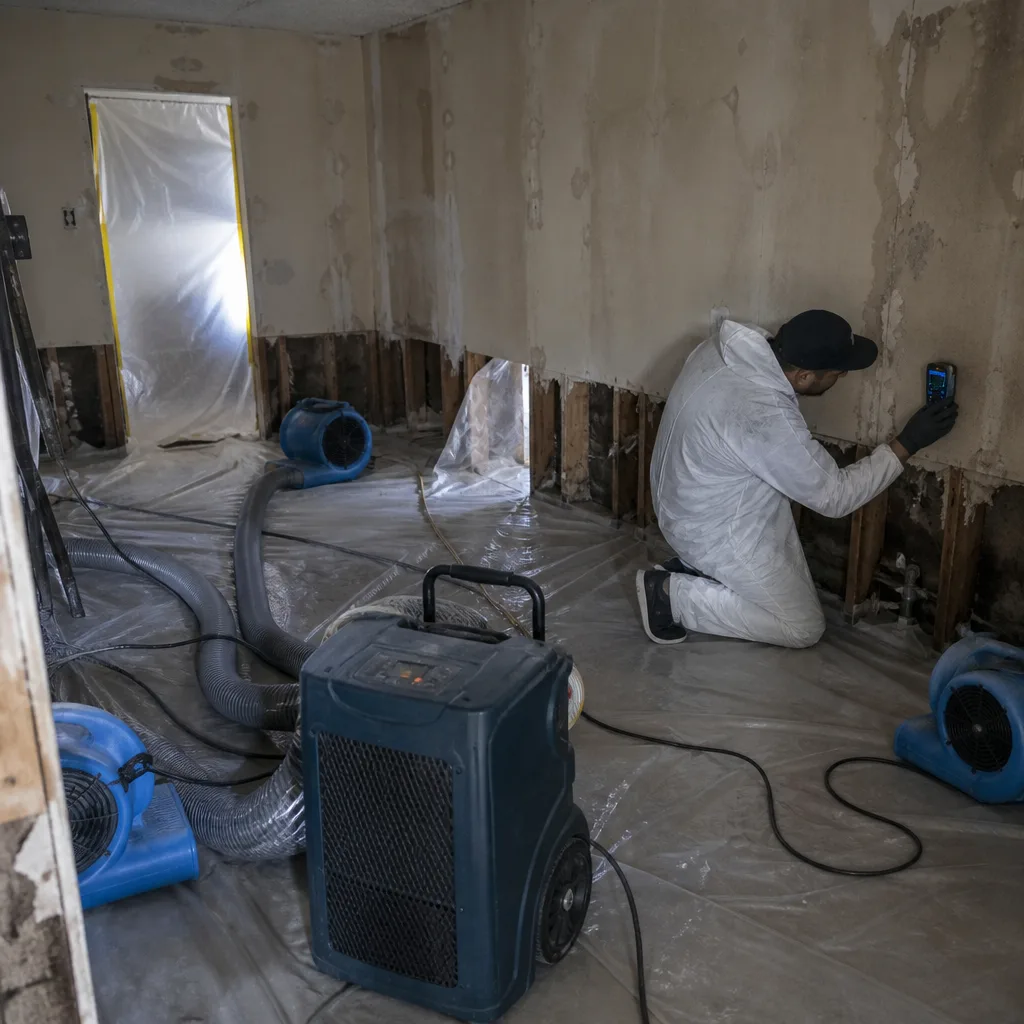 Before
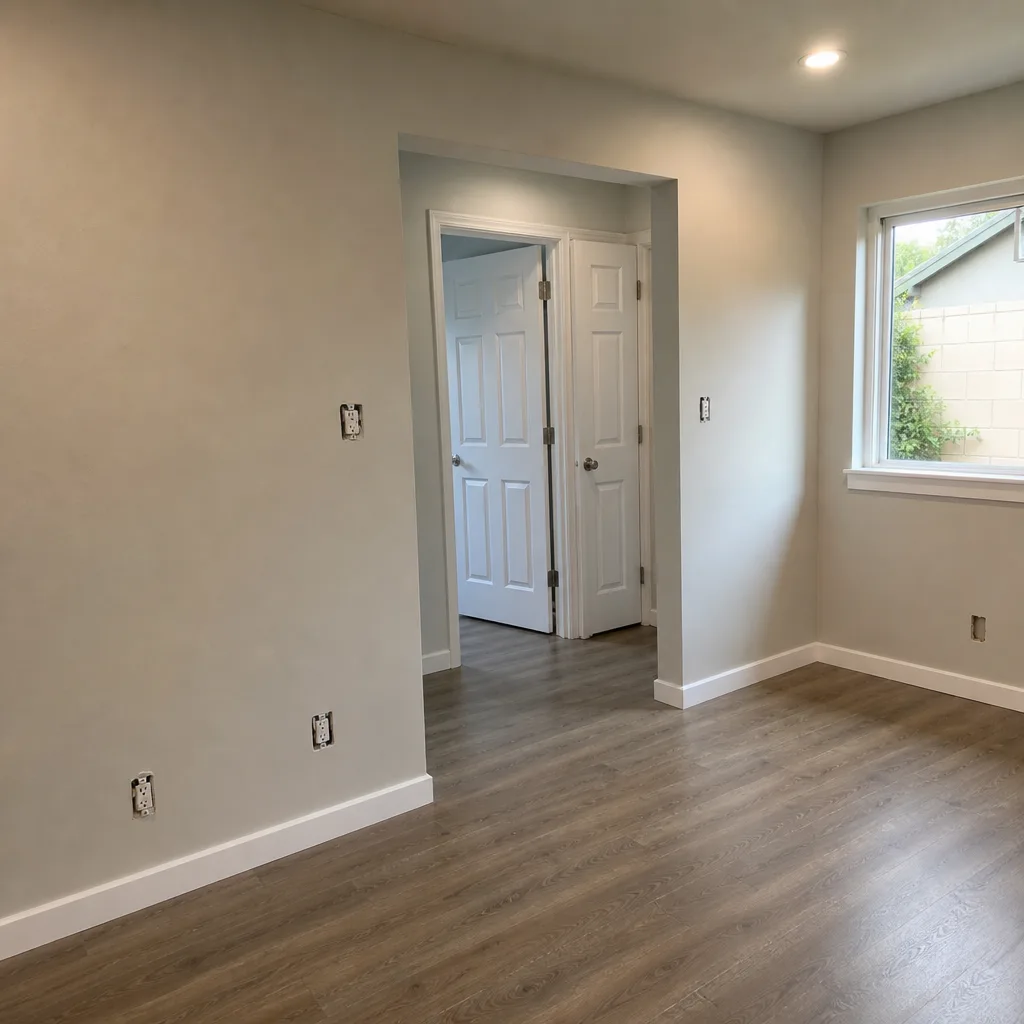 After
After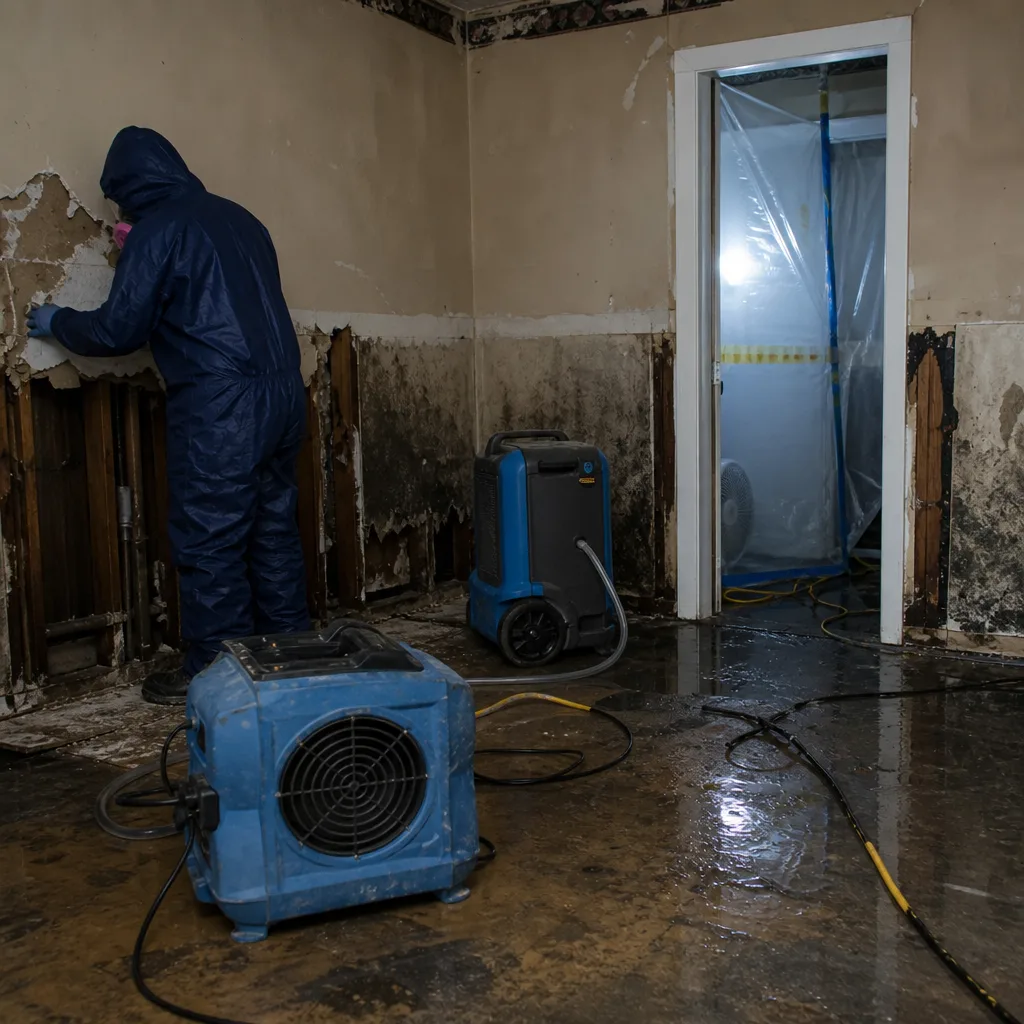 Before
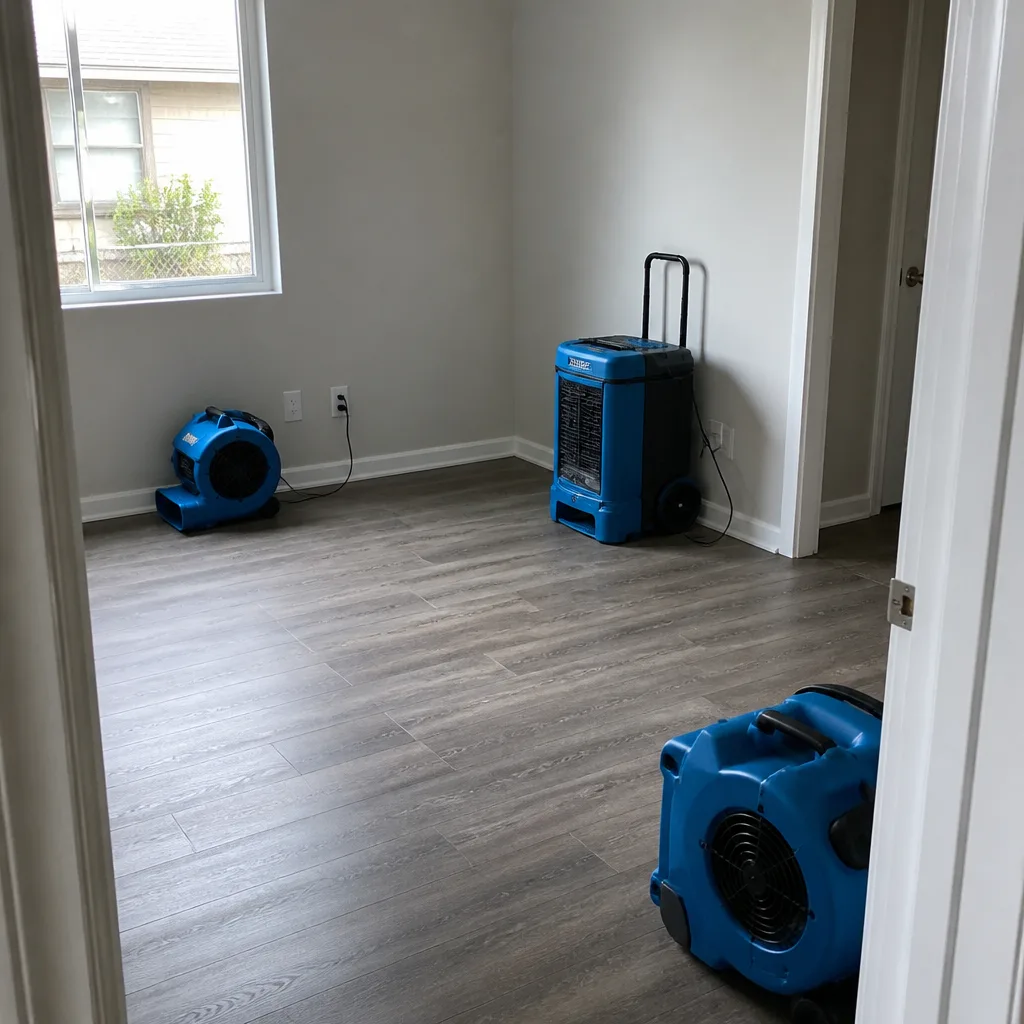 After
After24/7 Emergency Mold Remediation in Compton
Mold remediation in Compton typically costs $1,800-$6,500 depending on affected square footage and whether asbestos abatement is triggered, with most creek-corridor jobs falling in the $2,800-$4,200 range due to persistent slab moisture. Call (628) 226-1011 now and a live person will answer, 24 hours a day, with crews dispatched to Compton neighborhoods inside 45 minutes. The first hour matters because mold colonies double in roughly 24-48 hours under damp conditions, and Compton’s post-flood slab homes along the creek corridor often hide active colonization behind baseboards long after surface water is gone. We start every emergency call with a free visual inspection and moisture mapping, then deliver a written price before any work begins - Haven Standard, Clause 1.
Understanding Mold Remediation Severity in Compton Properties
Mold severity in Compton is graded by affected square footage, material porosity, and the water category that initiated growth. Category 1 water - clean supply line breaks - typically produces limited colonization on hard surfaces, manageable with HEPA vacuuming and antimicrobial application. Category 2, gray water from appliance overflows or sump failures, demands removal of porous materials within 48 hours. Category 3 black water, which includes Compton Creek backflow and sewage intrusion, requires full removal of saturated drywall, insulation, and carpet pad, plus mandatory antimicrobial treatment of framing and subfloors.
Compton’s housing stock intensifies every severity classification. The pre-1960 wood-frame bungalows and ranch homes that dominate neighborhoods from Richland Farms to Compton Boulevard were built with gypsum lath and plaster, cellulose insulation, and original popcorn ceilings that are presumed asbestos-containing until tested. When mold follows creek flooding, the remediation scope must account for abatement holds on demo work, extending timeline and cost. Our crews carry IICRC WRT (Water Restoration Technician) and AMRT (Applied Microbial Remediation Technician) certifications and document moisture readings in every wall cavity, not just visible surfaces.
Why Compton Property Owners Choose DryMark Restoration Compton
- 45-minute response commitment to Compton addresses, with dispatch coordinated from our Los Angeles office and crews already staged near the 91 and 710 corridors.
- 24/7 live answer - a real person picks up every call, never an automated system or voicemail tree, because mold doesn’t wait for business hours and neither do we.
- IICRC-certified crews holding WRT, AMRT, and FSRT credentials, with background-checked, uniformed technicians named and verified before they arrive at your Compton property.
- Free visual inspection and moisture mapping on every call, with no obligation and no pressure to proceed beyond the assessment.
- Direct insurance billing and adjuster coordination, including photo-documented daily drying logs that turn restoration invoices into payable claims without dispute.
- One team from containment through reconstruction, so your Compton job isn’t handed off to unknown subcontractors mid-stream.
BeforeAfterOur Mold Remediation Process
Inspection & Assessment
We moisture-map the full affected area using thermal imaging and penetrating hygrometers, paying special attention to slab edges and wall cavities in creek-adjacent Compton homes where hidden dampness persists. Air and surface samples are collected when visual identification is ambiguous, with lab results typically returned within 48 hours.
Containment & Air Filtration
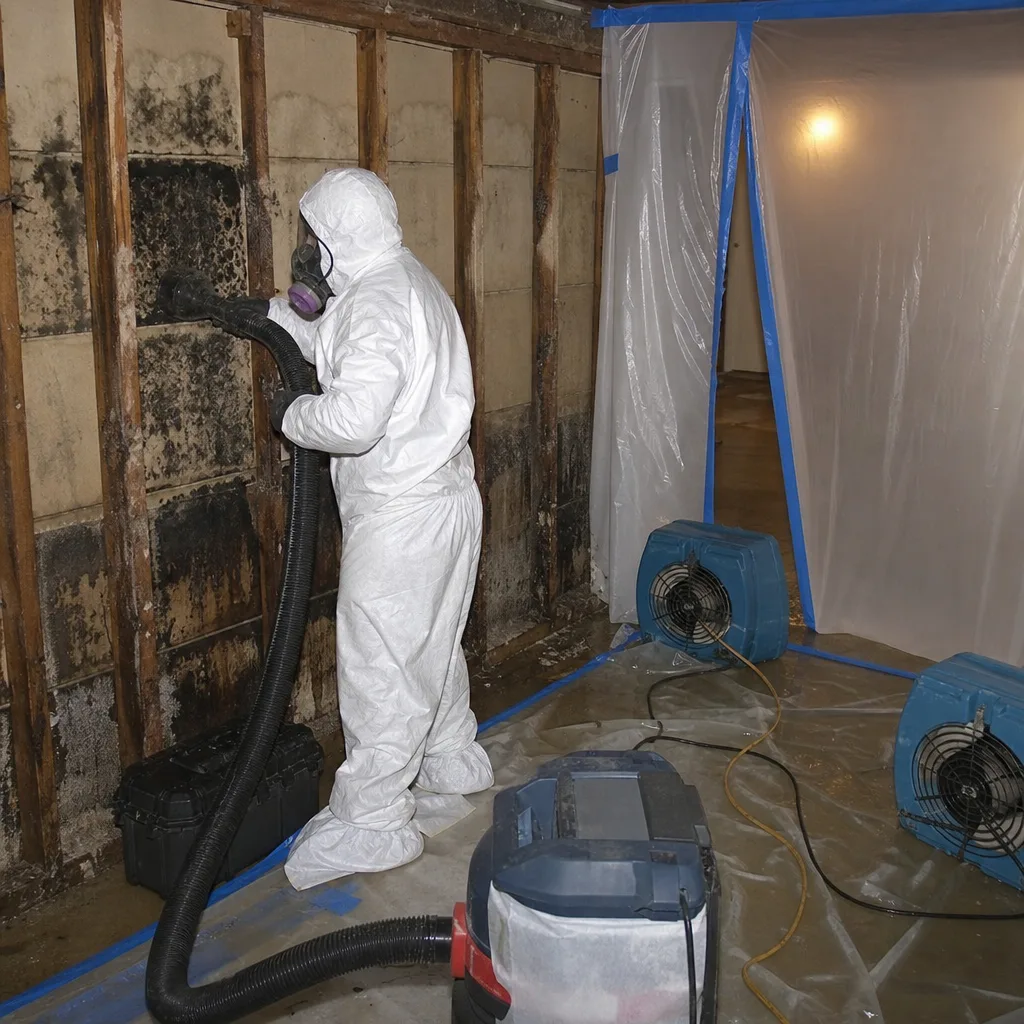
Negative-pressure containment is erected around the work zone with 6-mil polyethylene barriers and HEPA-filtered air scrubbers running continuously. This prevents cross-contamination to unaffected areas of your Compton home, particularly important in the compact floor plans common to post-WWII ranch construction.
Moisture Control & Drying
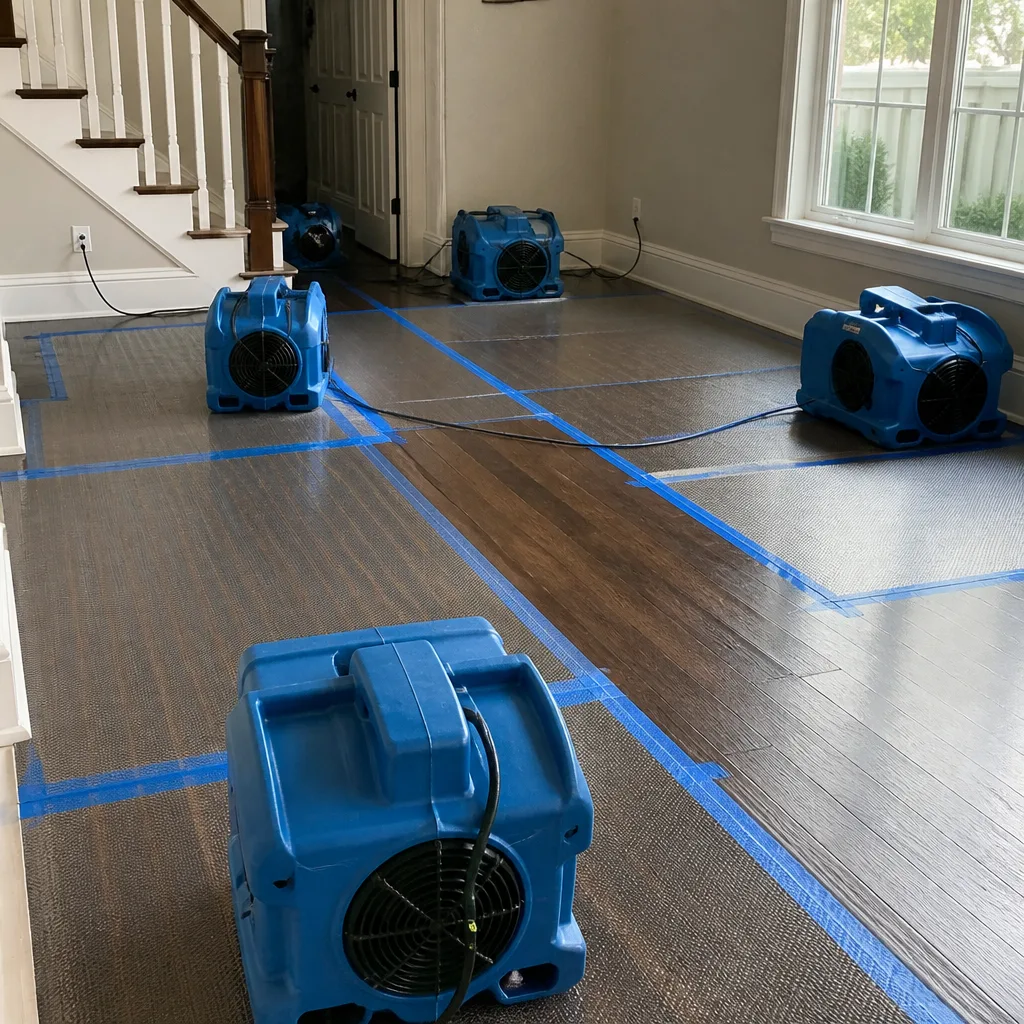
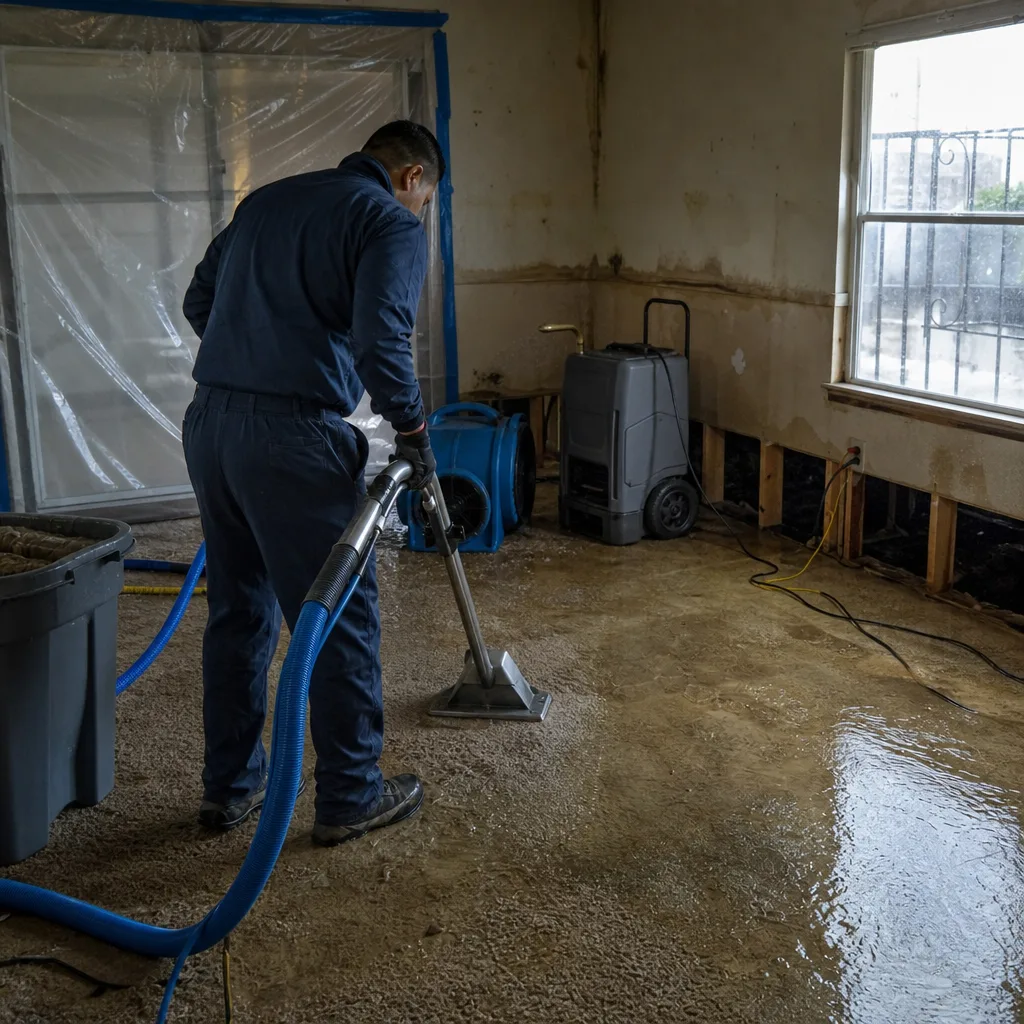
We deploy Dri-Eaz dehumidifiers and XPOWER air movers to establish vapor pressure differential, drawing moisture from deep within wall assemblies and slab concrete. Injectidry systems dry inside cavities without full demo when materials are salvageable and asbestos testing permits in-place treatment.
Removal of Contaminated Materials
Porous materials with confirmed mold growth are removed per IICRC S520 standards, with all demo work preceded by asbestos and lead paint testing in Compton’s pre-1960 housing stock. Category 3 water losses require full removal of saturated insulation, carpet pad, and lower drywall.
Antimicrobial Treatment & Cleaning
Remaining structural materials receive HEPA vacuuming followed by EPA-registered antimicrobial application. We document application coverage and dwell times, then run post-treatment moisture readings to confirm materials have returned to pre-loss equilibrium before closing the containment.
Repairs & Restoration
Our reconstruction team replaces removed materials to match existing finishes, with all work scoped in writing before commencement. The 365-Day Done Right Promise under The Haven Standard covers every Compton remediation and rebuild, backed by documented photo records from every visit.
Need Emergency Mold Remediation in Compton Now?
Crews minutes away, answering live 24 hours a day. The sooner we start, the less it costs.
Working With Your Insurance Company
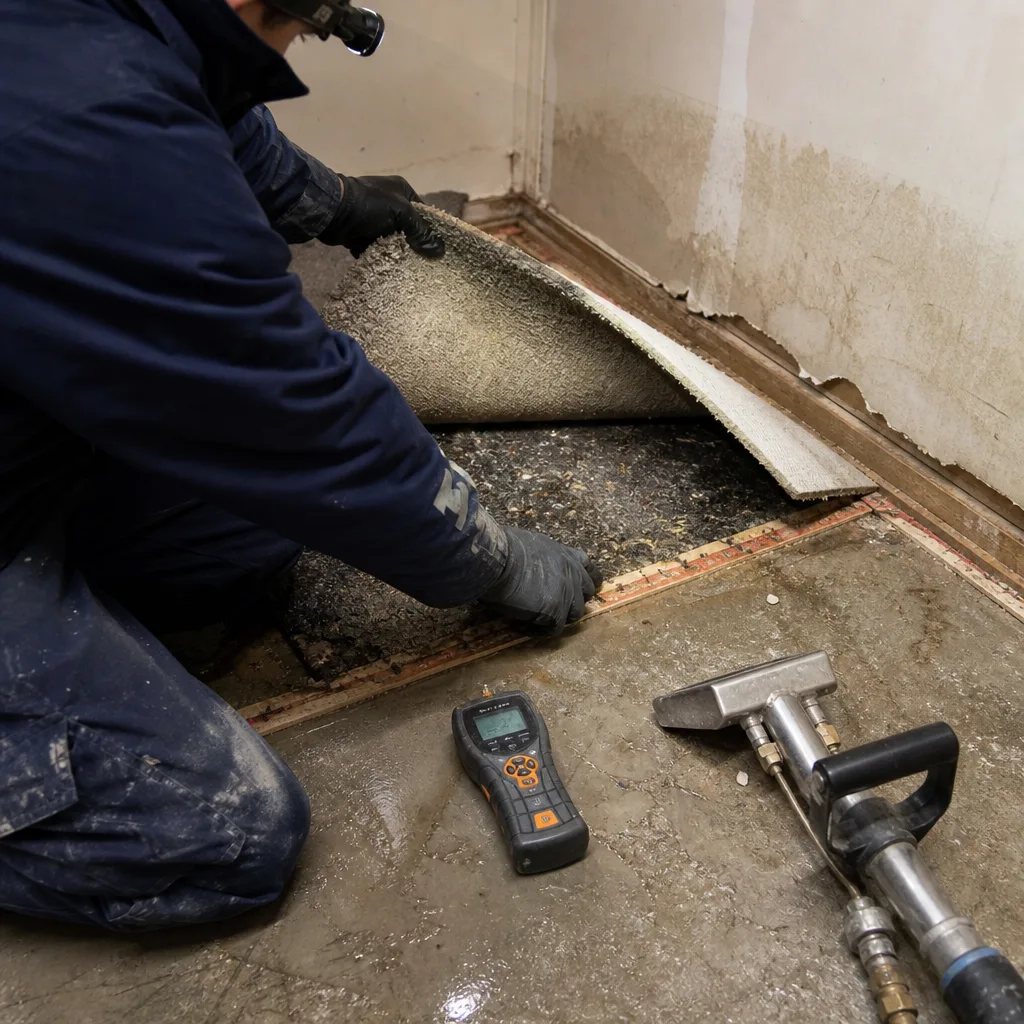
Insurance claims for mold damage fail most often on documentation gaps, not coverage exclusions. From the first hour on your Compton property, we build a claim file that adjusters can read and approve without back-and-forth. Every moisture reading is logged with date, time, equipment serial number, and psychrometric conditions. Every photo is geotagged and sequenced room by room. Our estimates follow Xactimate industry standards, and we coordinate directly with your carrier’s adjuster rather than handing you a bill to dispute alone.
Many Compton homeowners don’t realize that mold following a covered water loss is itself covered under most HO-3 policies, provided the initial water damage was sudden and accidental. The documentation we produce - daily drying logs, moisture mapping reports, and photo records - establishes that causal chain. We also provide a Free Second Opinion on any competitor’s written estimate, reviewing scope and pricing at no charge.
What We Provide Your Insurer
- Thorough documentation of the loss origin and category classification
- Photos of all damage, room by room, with date and time stamps
- Moisture readings and daily drying logs with equipment documentation
- A detailed, line-item scope of work following Xactimate standards
- Direct coordination with your carrier’s adjuster, including field meetings when required
Built for Compton’s Loss Calendar
Compton’s mold season doesn’t follow a simple calendar. The concentrated winter rain period from December through March drives the highest volume of creek-backup flooding, but the mold calls peak four to eight weeks later, when homeowners discover that slab moisture never actually dried. El Niño years amplify this pattern dramatically - the 2023-24 event produced recurring overtopping along Compton Creek that kept our crews in Richland Farms and Dominguez neighborhoods through May.
Fall Santa Ana wind events, typically September through November, create a secondary pattern: fire and smoke damage that compromises roofing and exterior envelope, followed by winter rain intrusion through damaged structures. The flat, low-lying LA Basin topography gives stormwater almost nowhere to drain during intense events, and Compton’s slab-on-grade construction offers no basement buffer. By summer, we shift to humidity-driven attic and crawl space mold in homes where deferred roof maintenance has created slow leaks. Our Mold Remediation team schedules proactive moisture and humidity control assessments during these quieter months for Compton properties with known vulnerability.
Mold Remediation Across Compton’s Neighborhoods
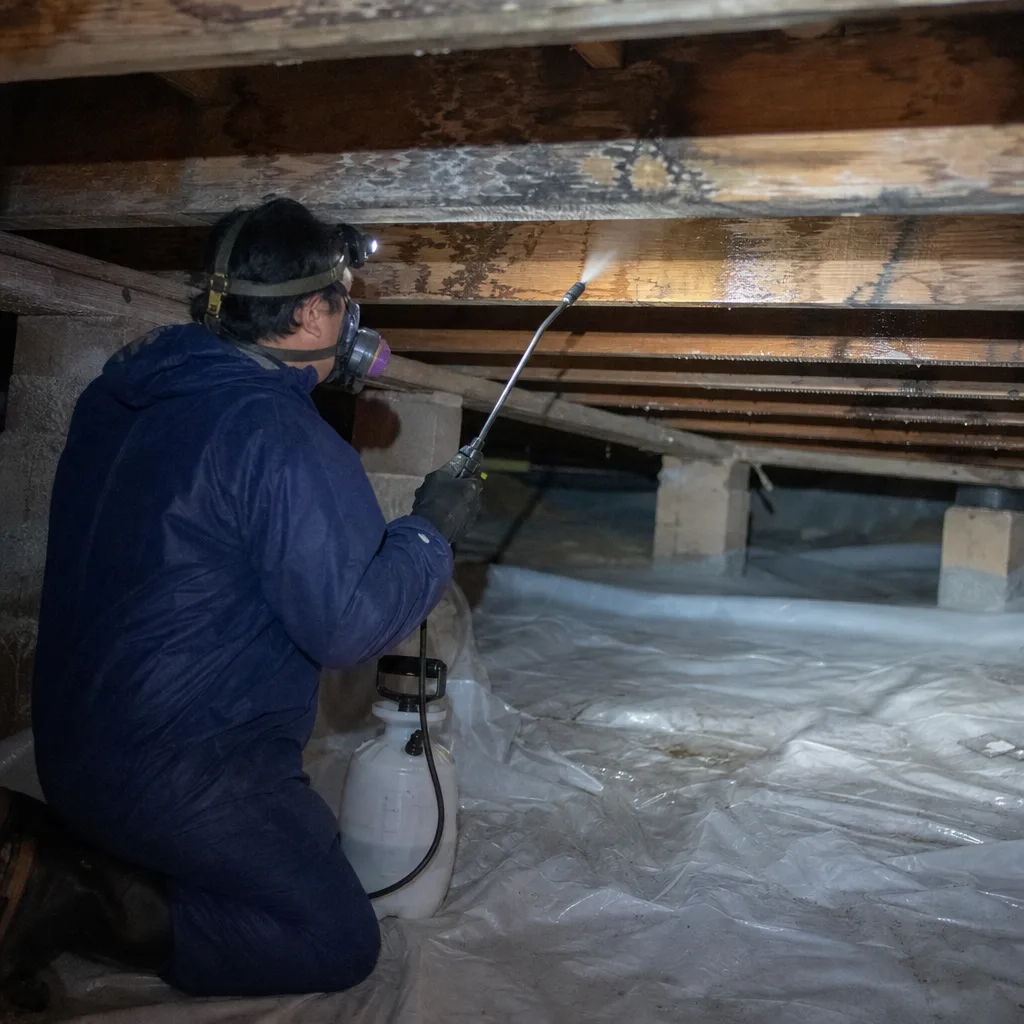
Richland Farms presents a distinct profile: larger lots with older outbuildings and agricultural-adjacent structures where humidity control is minimal and mold follows seasonal irrigation as often as structural leaks. The wood-frame construction here dates heavily to the 1940s and 1950s, with original materials that test positive for asbestos more consistently than almost anywhere in our service area. We route crews with abatement-certified technicians to Richland Farms calls by default.
The residential blocks flanking Compton Boulevard between Alondra and Rosecrans see the highest concentration of creek-corridor slab moisture jobs. Homeowners here often report “musty smells” months after winter flooding, and our moisture mapping regularly finds readings above 17% wood moisture content in baseplate lumber that appeared dry to touch. The compact ranch floor plans mean a single slow leak can colonize multiple rooms before visible growth appears.
Dominguez-area properties near the 91 corridor include more mid-century apartment complexes and small multi-family buildings, where shared wall cavities complicate containment and require coordination with neighboring units. We’ve developed specific protocols for these buildings, including hallway negative-pressure isolation and coordinated access agreements.
West Compton and Willowbrook-adjacent blocks feature some of the city’s most deferred maintenance, with original galvanized supply lines, deteriorated roof flashing, and unvented crawl spaces that produce chronic humidity loads. Our Mold Inspection & Testing calls here often reveal multiple concurrent moisture sources rather than a single initiating event.
Specialized Mold Remediation Services We Offer in Compton
Mold Inspection & Testing
We don’t guess. Air sampling, surface tape lifts, and ERMI dust analysis identify species and concentration, with results from accredited labs in 24-48 hours. In Compton’s creek-corridor homes, we always pair testing with slab moisture mapping - the visible mold is rarely the full extent of colonization.
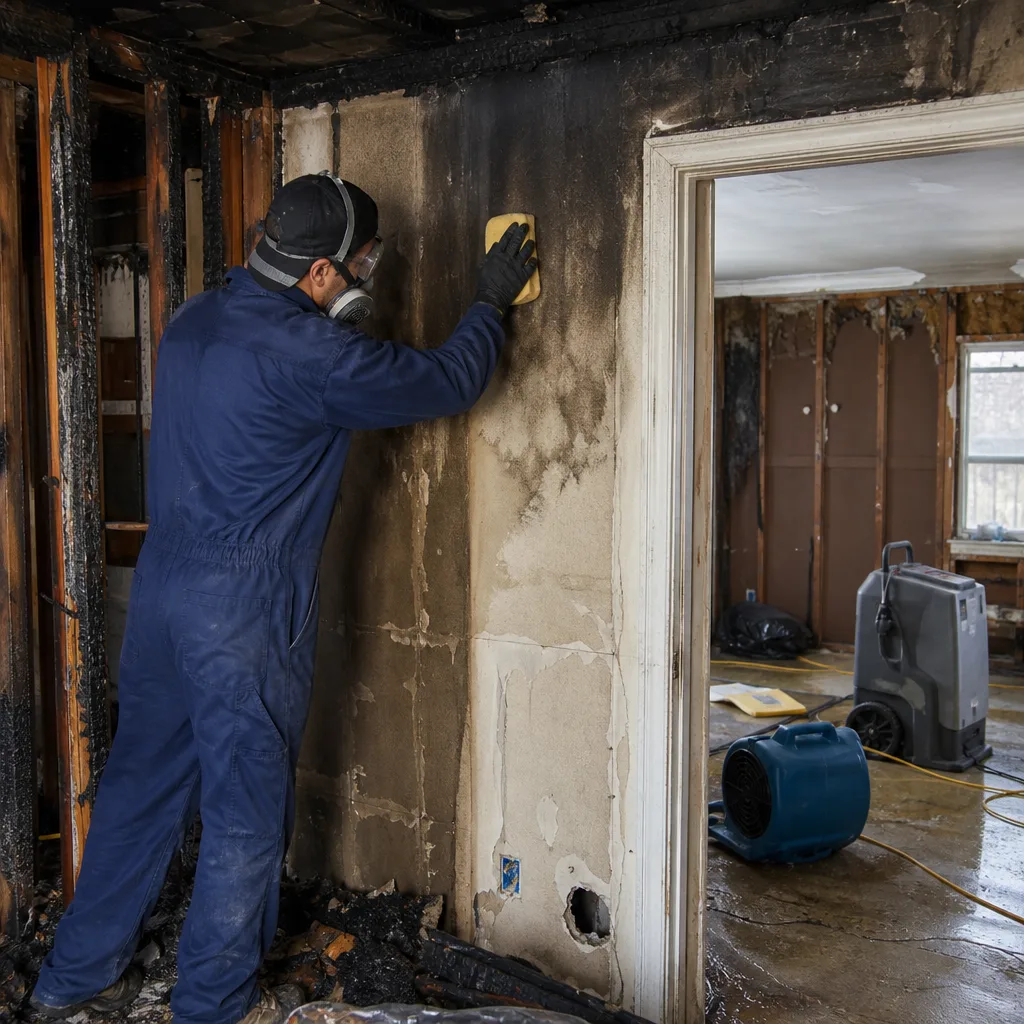
Mold Removal
Physical removal of contaminated materials per IICRC S520, with containment and negative air pressure protecting unaffected spaces. In Compton’s pre-1960 housing, removal is preceded by asbestos and lead testing, with abatement sequencing built into the project timeline from day one.
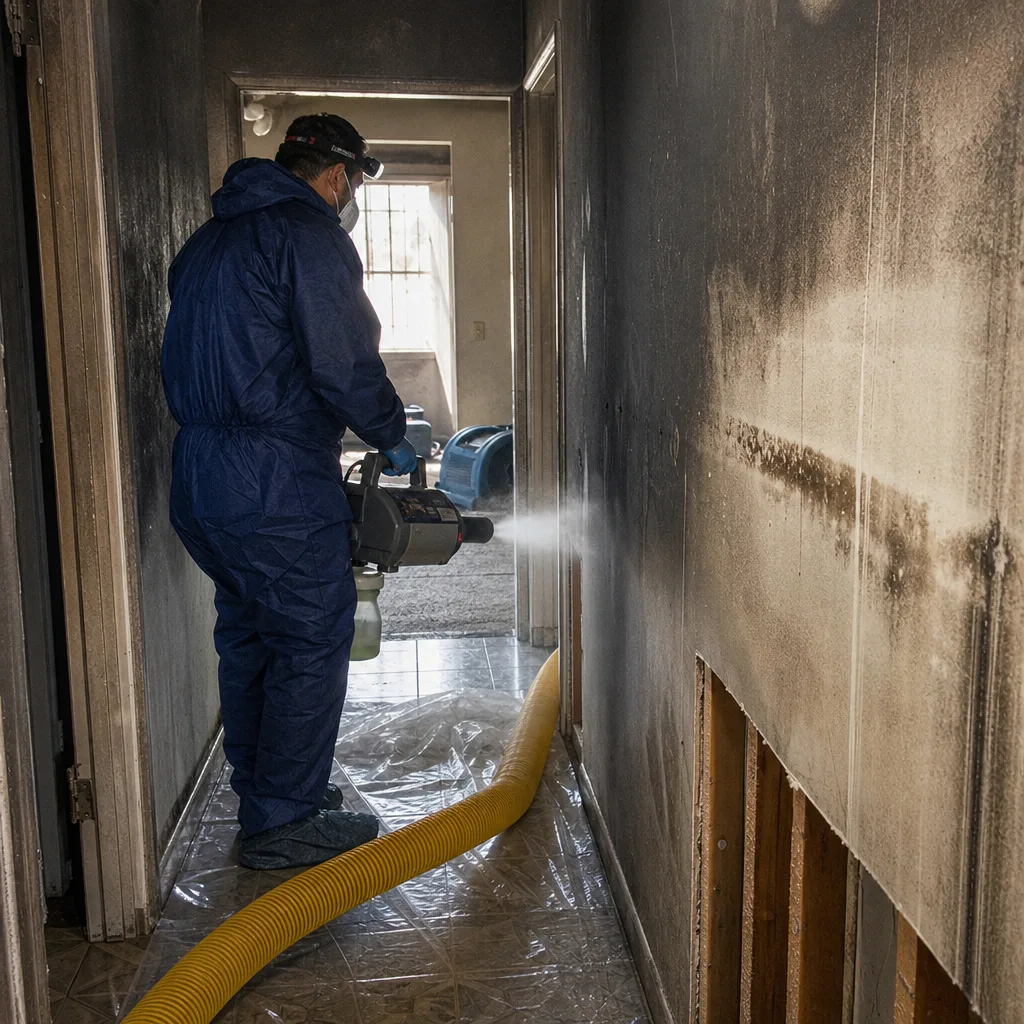
Black Mold Remediation
Stachybotrys and other toxigenic species require enhanced containment, full PPE, and specialized disposal. Category 3 water origins - Compton Creek backflow, sewage - increase likelihood of these species and mandate more aggressive material removal protocols.
Air Quality Restoration
Post-remediation clearance testing confirms airborne spore counts have returned to background levels before containment is removed. We document this with third-party lab results, not internal assessments, providing the independent verification that Compton insurers and property managers require.
Crawl Space Treatment
Compton’s limited crawl space construction is concentrated in pockets of Richland Farms and select Dominguez blocks. Where present, these spaces often lack vapor barriers and proper ventilation, creating chronic humidity that supports mold growth on joists and subflooring. We install sealed vapor barriers and mechanical dehumidification where appropriate.
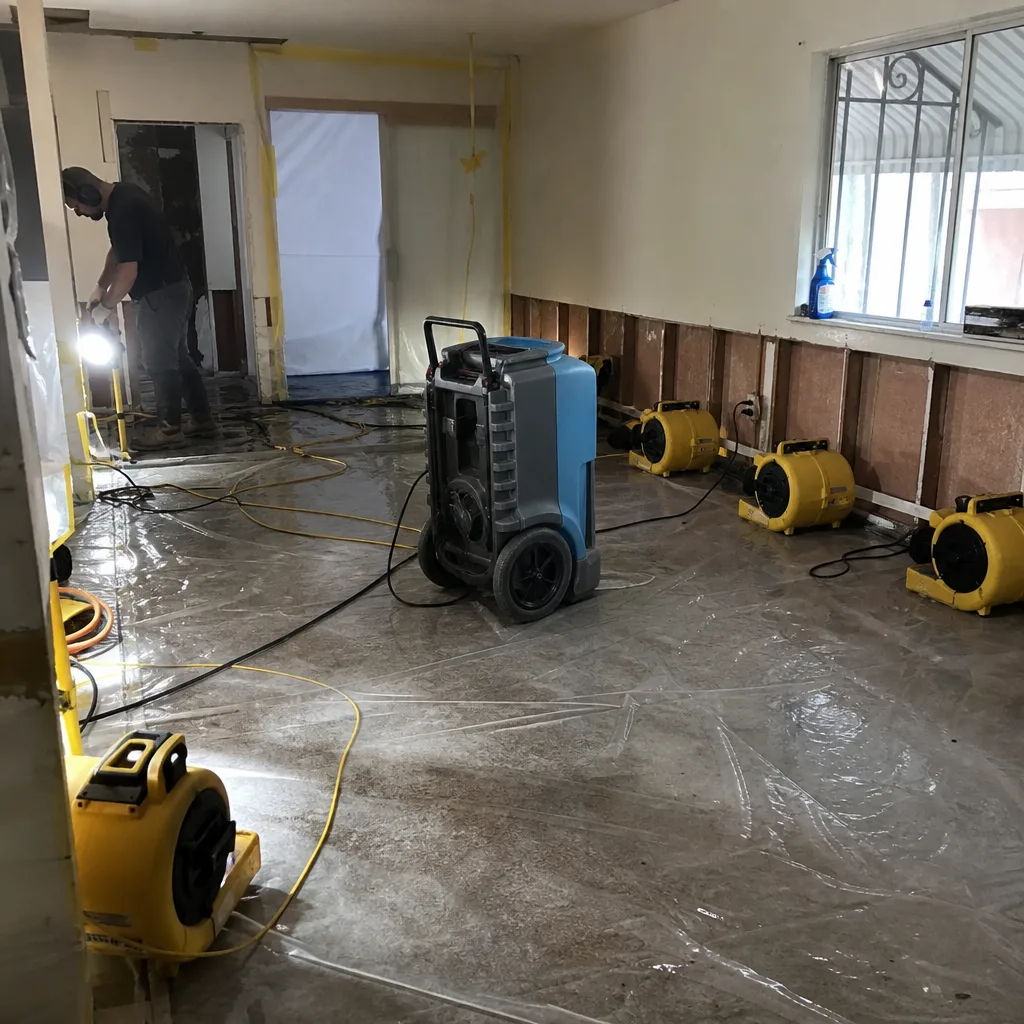
Moisture & Humidity Control
The critical service for creek-corridor Compton properties. We install permanent dehumidification, improve ventilation pathways, and establish monitoring protocols that catch slab moisture elevation before mold colonizes. This is prevention, not remediation, and it’s how we stop repeat losses.
What happens when you call
- 1
A real person answersNo phone trees - you reach a local pro.
- 2
You get an upfront price rangeHonest numbers before anyone is dispatched.
- 3
A background-checked tech heads outLicensed & insured, dispatched right away.
- 4
You approve before work beginsNothing starts until you say go.
Mold Remediation Costs in Compton, CA
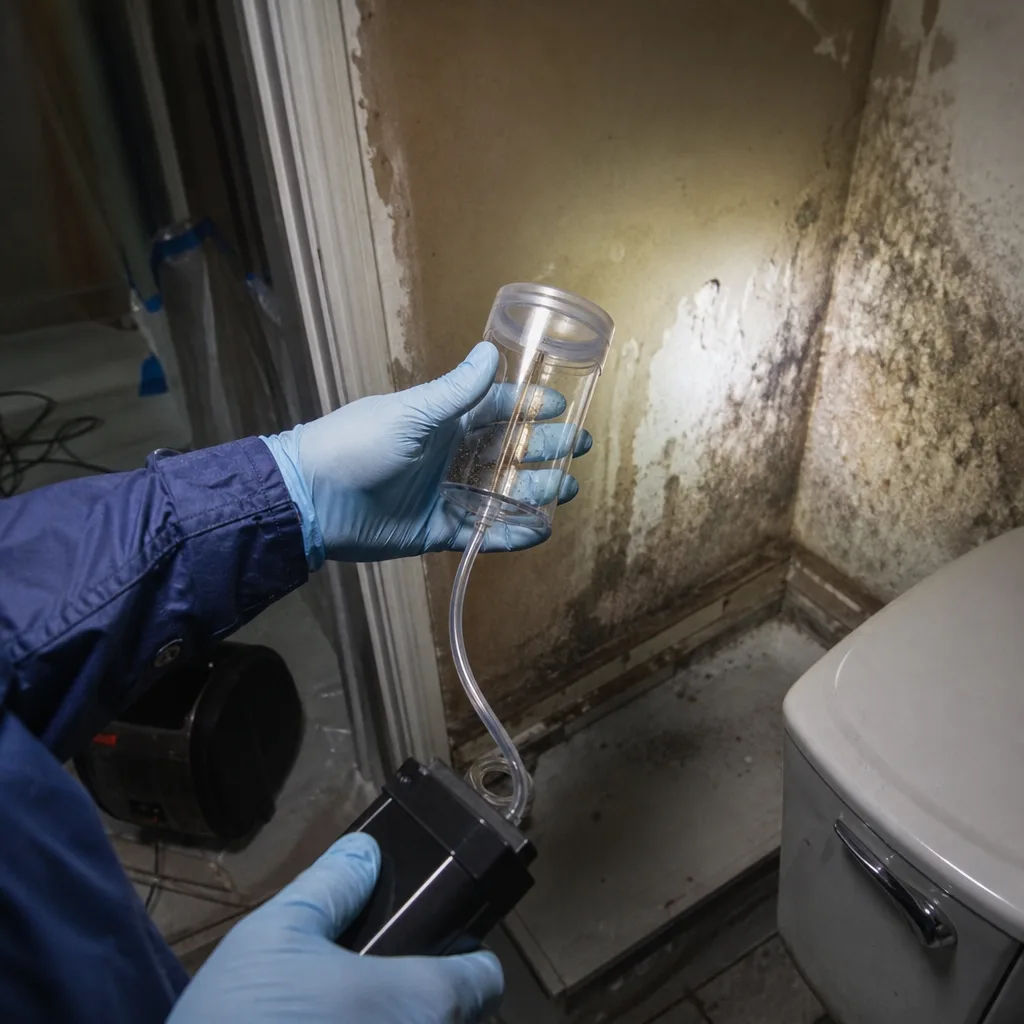
Mold inspection and testing in Compton runs $350-$650 for a standard residential assessment, with lab fees included for up to four samples. Containment and remediation of a single contained area, roughly 50-150 square feet, typically costs $1,800-$3,200. Whole-room or multi-room jobs involving drywall removal, antimicrobial treatment, and reconstruction range $3,500-$6,500, with creek-corridor slab jobs trending toward the higher end due to extended drying requirements.
Pre-1960 Compton homes add asbestos testing at $400-$800 and potential abatement at $15-$25 per square foot of affected material - popcorn ceilings, 9×9 vinyl tiles, or duct insulation that must be removed before mold demo proceeds. This is not optional; it’s a regulatory requirement that derails scopes when discovered mid-job by unprepared crews. We test first and scope accordingly, so your written price reflects full compliance.
Insurance coverage varies by policy and loss origin. Mold following a covered sudden water event is typically included; mold from long-term maintenance neglect is often excluded. We review your policy language, document the causal chain, and coordinate directly with your adjuster. Call (628) 226-1011 for a free inspection and written scope - estimates carry no obligation, and our Free Second Opinion applies to any competitor’s written estimate.
We Also Serve Cities Near Compton
Our crews respond daily to mold emergencies in Gardena, where the similar post-war housing stock produces comparable abatement requirements; Carson, with its industrial-adjacent residential blocks and groundwater issues; Torrance, where newer construction shifts the failure mode to envelope and HVAC-related moisture; and Wilmington, which shares Compton’s creek-corridor vulnerability and pre-1960 housing concentration. Mold Remediation in Compton remains our core focus, with dispatch and scheduling coordinated to reach these neighboring communities without delay.
Serving Compton, CA - Our Local Coverage Area
We’re based in the Compton area and know this community well. Use the map below to see our service coverage - if you’re nearby, we can almost certainly help.
Compton Mold Remediation Questions, Answered
Do I really need mold testing if I can already see black mold on my Compton wall?
Yes. Visible growth confirms presence but not species, concentration, or hidden extent. In Compton’s creek-corridor homes, we’ve regularly found additional colonization in adjacent wall cavities and beneath slabs that showed no surface sign. Testing guides remediation scope and provides documentation for insurance claims. Call (628) 226-1011 to schedule - estimates are free.
How fast can mold start after my Compton home floods from the creek backing up?
Mold colonization begins 24-48 hours after water intrusion on organic materials at temperatures above 60°F. Compton Creek backflow is category 3 black water, so material removal should start within that window, not just surface drying. The bigger risk in Compton is mold that starts weeks later, when persistently damp slab concrete re-humidifies wall cavities that appeared dry. Call (628) 226-1011 for immediate moisture mapping.
Why do Compton mold jobs keep coming back along the creek?
Surface drying without slab moisture verification. The channelized creek corridor maintains a high water table that keeps concrete damp for weeks after visible water recedes. Baseboards go back on, walls get repainted, and mold colonizes the cavity from the still-wet slab upward. Our protocol includes slab moisture mapping to documented dry standard before reconstruction begins. Call (628) 226-1011 for an assessment that finds the real source.
Does the age of my Compton house affect the mold remediation scope?
Significantly. Pre-1960 construction triggers mandatory asbestos and lead paint testing before any demolition, with abatement requirements that extend timeline and cost. Original popcorn ceilings, 9×9 vinyl floor tiles, and duct insulation are presumed asbestos-containing until tested negative. We build this sequencing into every Compton scope from the first visit. Call (628) 226-1011 for a written price that includes full compliance.
What does mold remediation look like in a Compton crawl space versus a slab home?
Crawl spaces allow direct access to joists and subflooring for cleaning and treatment, but require vapor barrier installation and ventilation correction to prevent recurrence. Slab homes hide moisture at the wall-slab interface, demanding more invasive investigation - baseboard removal, cavity inspection, and often Injectidry drying from inside the wall. Compton’s housing is predominantly slab, so most of our jobs follow that more complex path. Call (628) 226-1011 to discuss your specific construction.
How long does mold remediation take in Compton?
Contained single-area jobs: 3-5 days. Multi-room remediation with reconstruction: 1-2 weeks. Pre-1960 homes requiring asbestos abatement: add 3-7 days for testing, permitting, and licensed removal before mold work proceeds. Creek-corridor slab jobs may need extended drying time before reconstruction. We provide a written timeline with every scope. Call (628) 226-1011 for your specific schedule.
Can my family stay in the home during mold remediation?
Often yes for limited, contained work in non-sleeping areas, with HVAC isolation and negative air pressure protecting occupied zones. For whole-room remediation, toxigenic species, or immunocompromised residents, temporary relocation is recommended. We discuss this during assessment and can adjust containment intensity to your situation. Call (628) 226-1011 to review your specific layout and health factors.
What certifications do your Compton mold technicians hold?
IICRC WRT (Water Restoration Technician), AMRT (Applied Microbial Remediation Technician), and FSRT (Fire & Smoke Restoration Technician) where fire preceded water damage. All work is documented to IICRC, RIA, and IFA standards, with daily moisture logs and photo records produced as standard deliverables. Call (628) 226-1011 to verify current credentials for your assigned crew.
On a post-WWII ranch home off Compton Boulevard near the creek, we ran moisture mapping across a slab that still read elevated weeks after a winter flood loss, then pulled baseboards and found mold colonizing the wall cavities in the room the homeowner thought had dried. Our containment and antimicrobial treatment were scoped off category 3 water from the creek backflow, and we used Injectidry to dry inside the wall assemblies while running XPOWER air movers and Dri-Eaz dehumidification to bring the slab and framing back to pre-loss condition.
Written by Alicia Brennan, Owner at Back to Dry Restoration, serving Compton since 2011.
Mold Remediation in Nearby Areas