Free visual inspection and a written scope of work before any mitigation begins - photos, moisture readings, and drying logs go in your claim file
The scope we write is the scope we bill. Anything new gets shown to you, in writing, before we touch it.
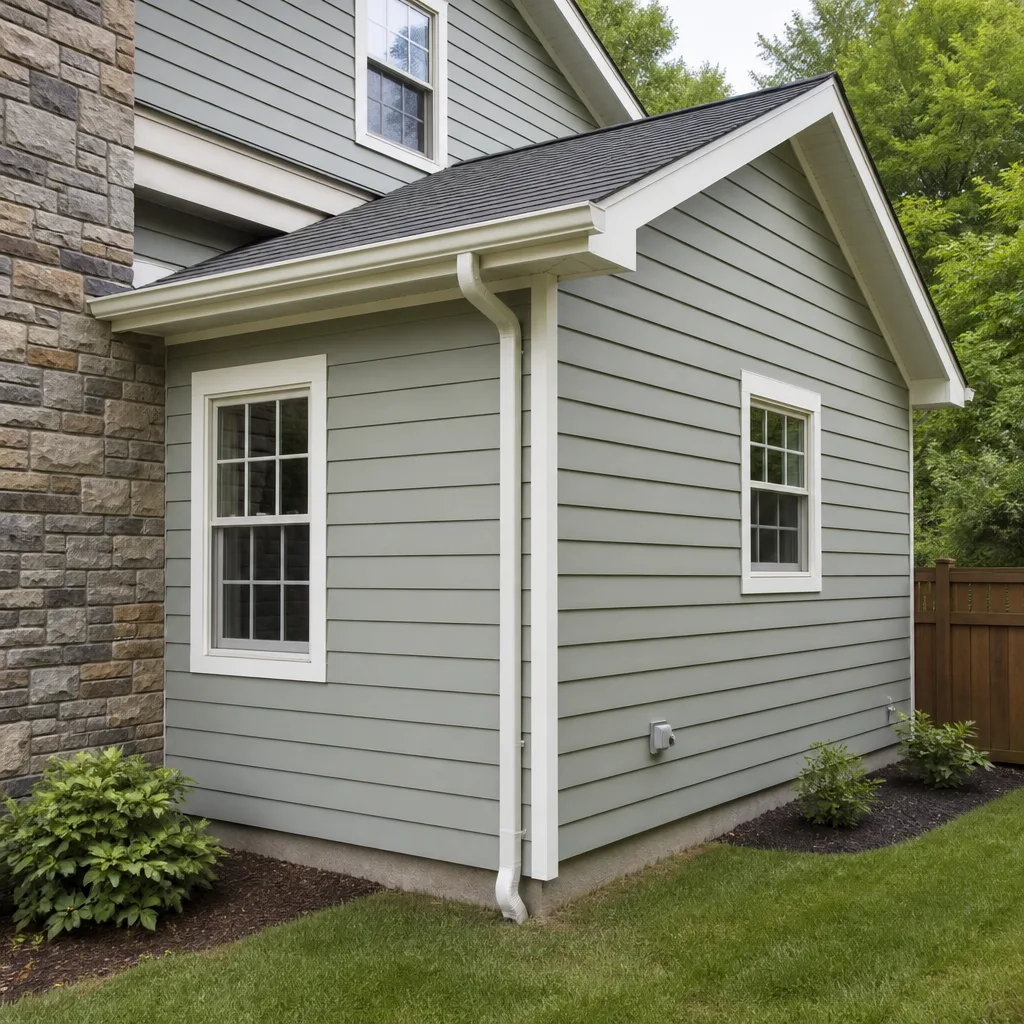
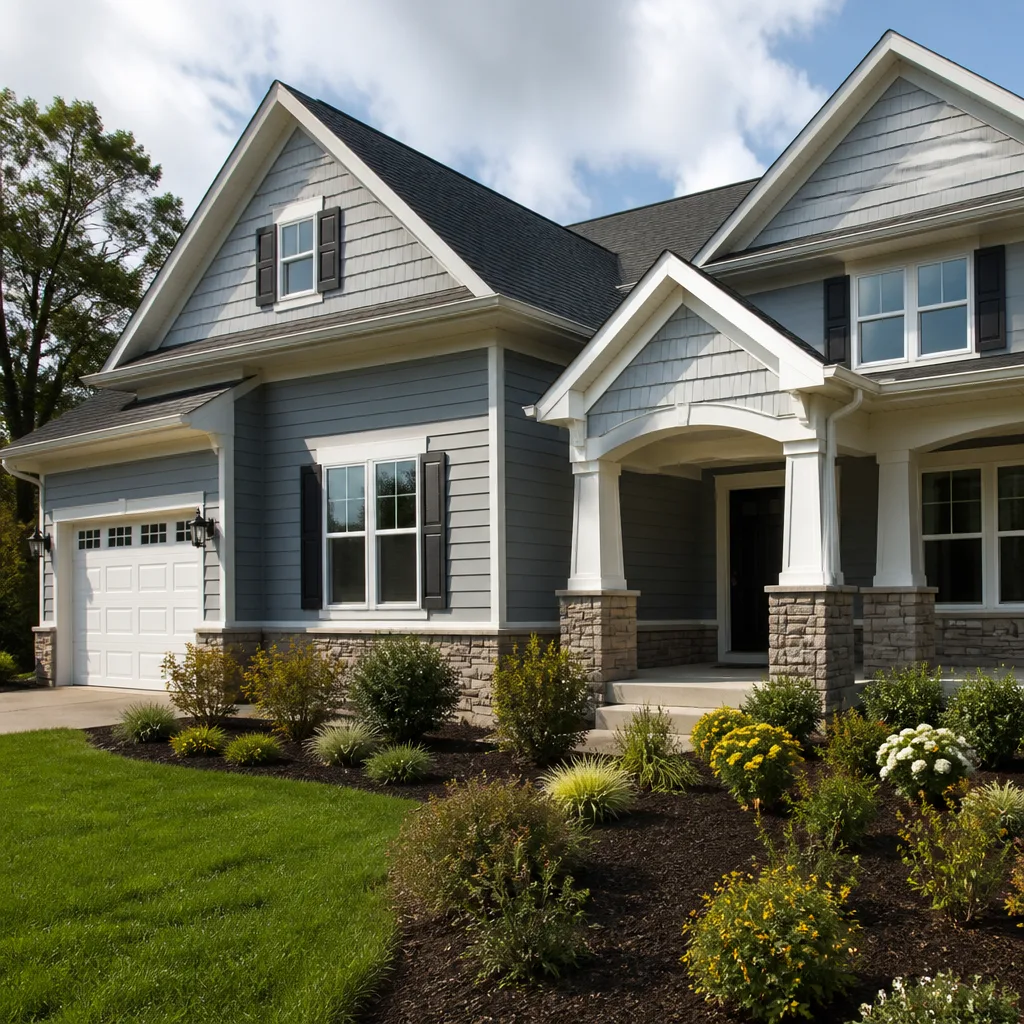
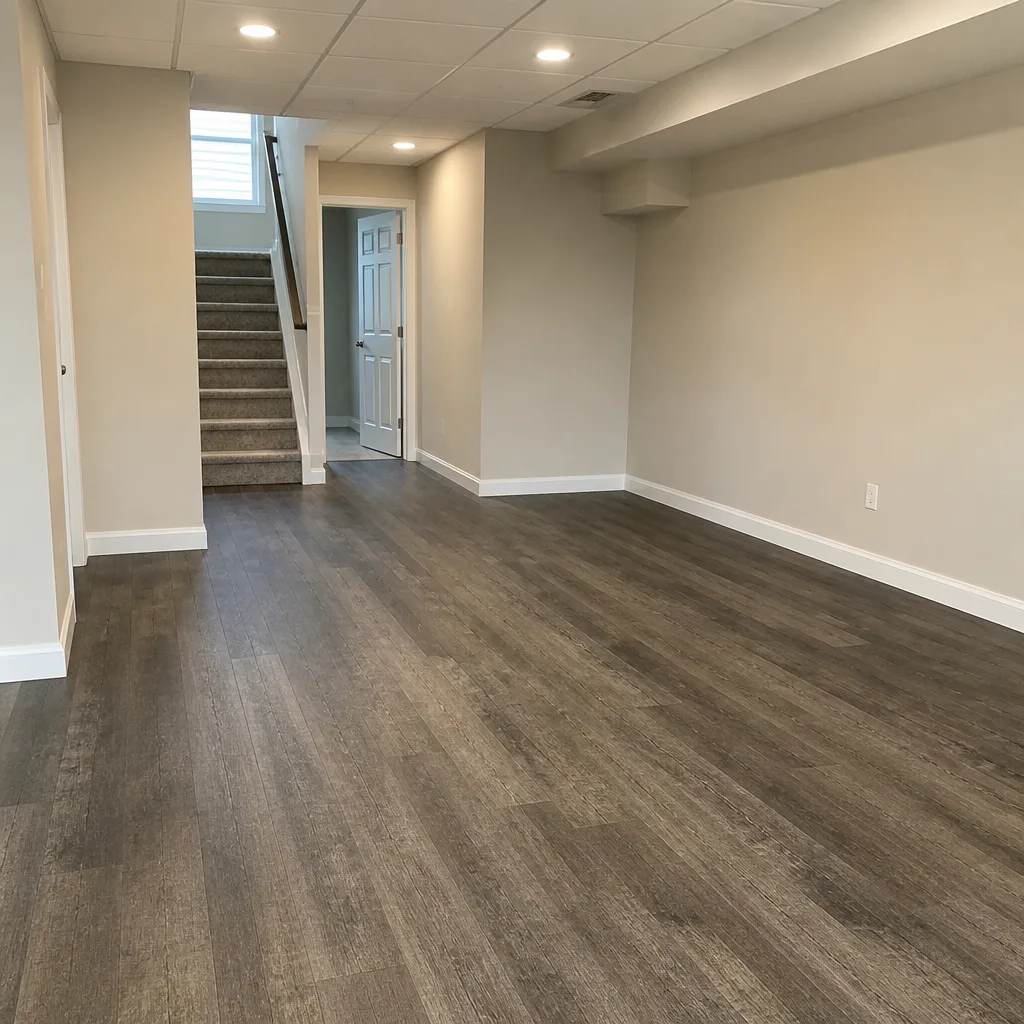
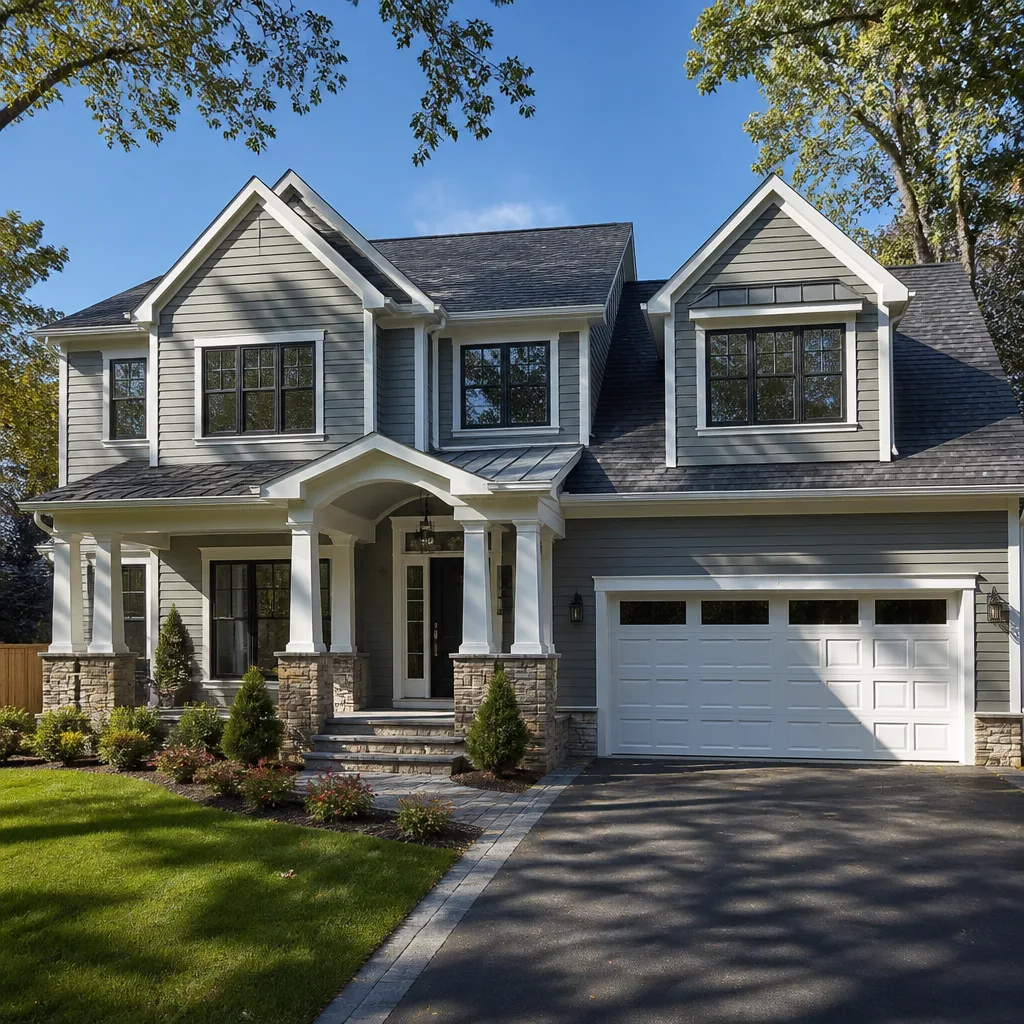
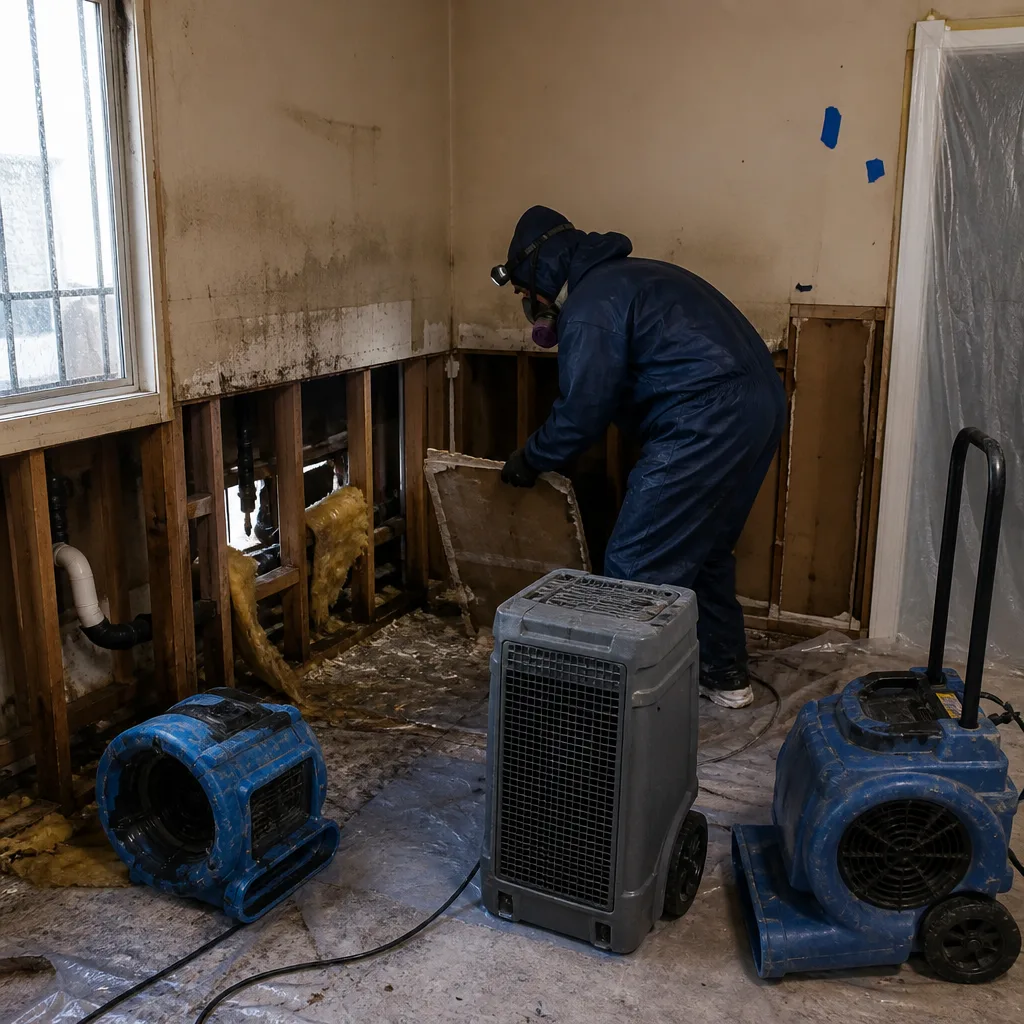 Before
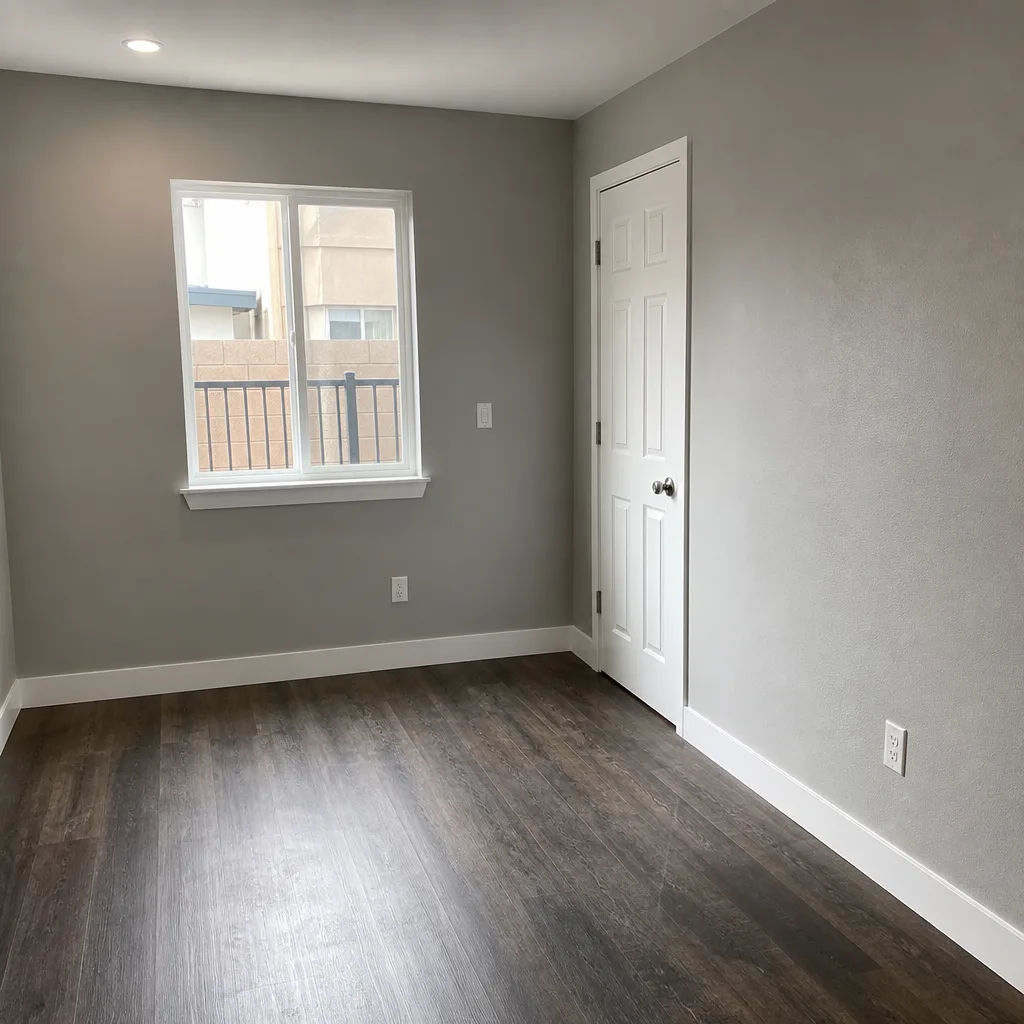 After
After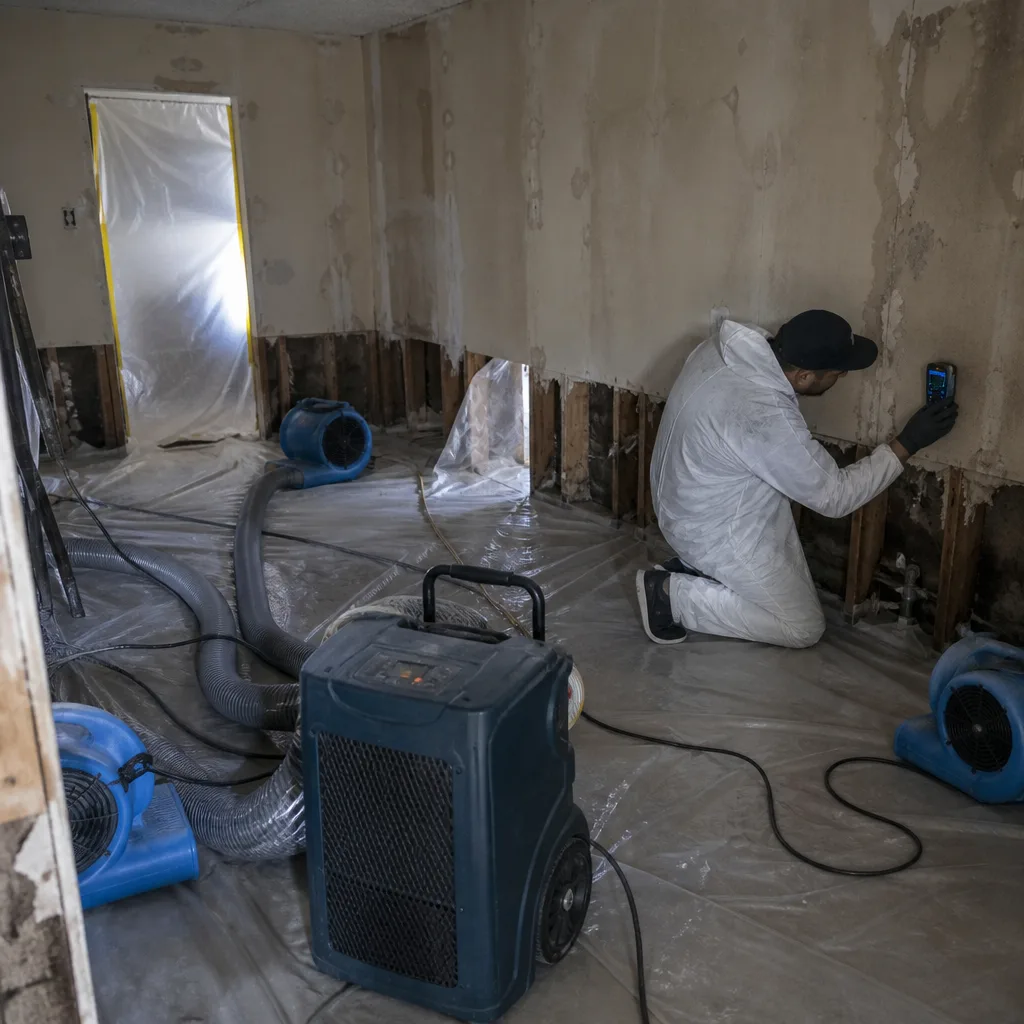 Before
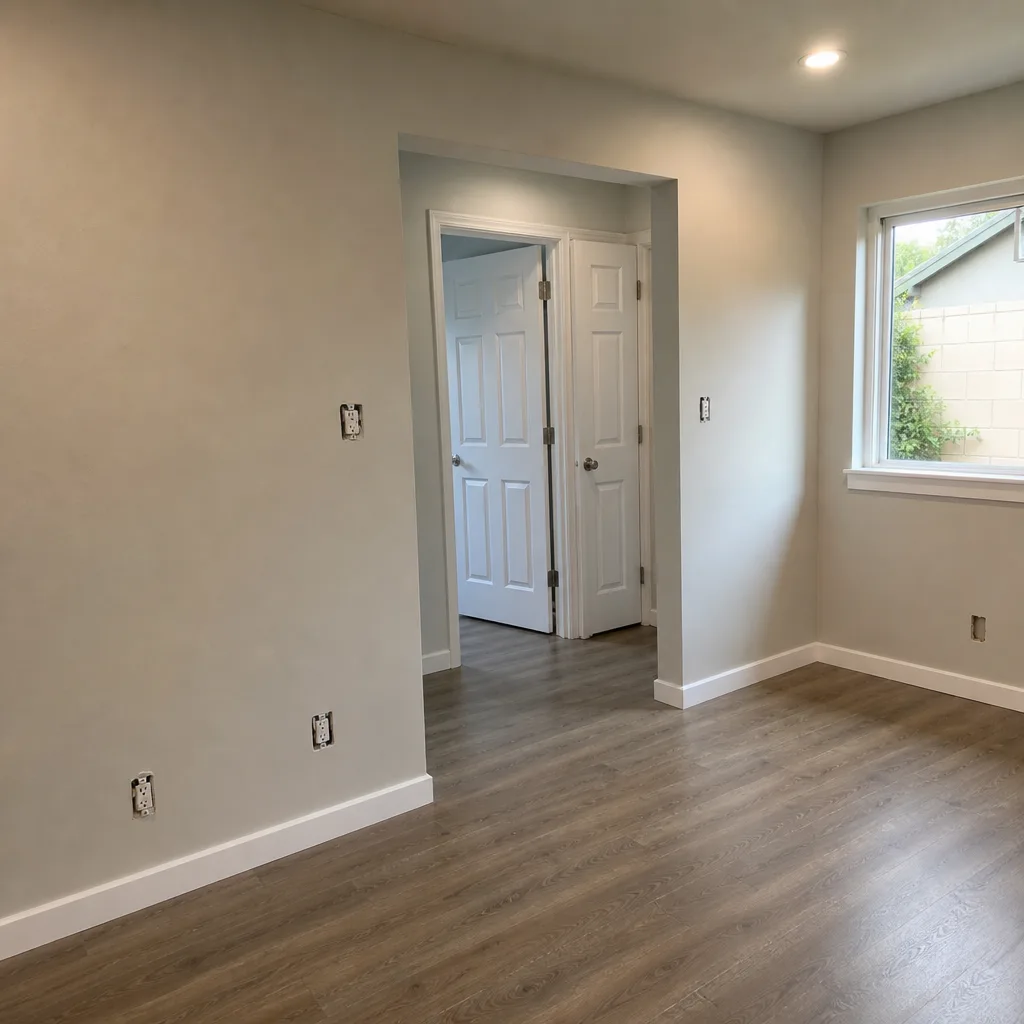 After
After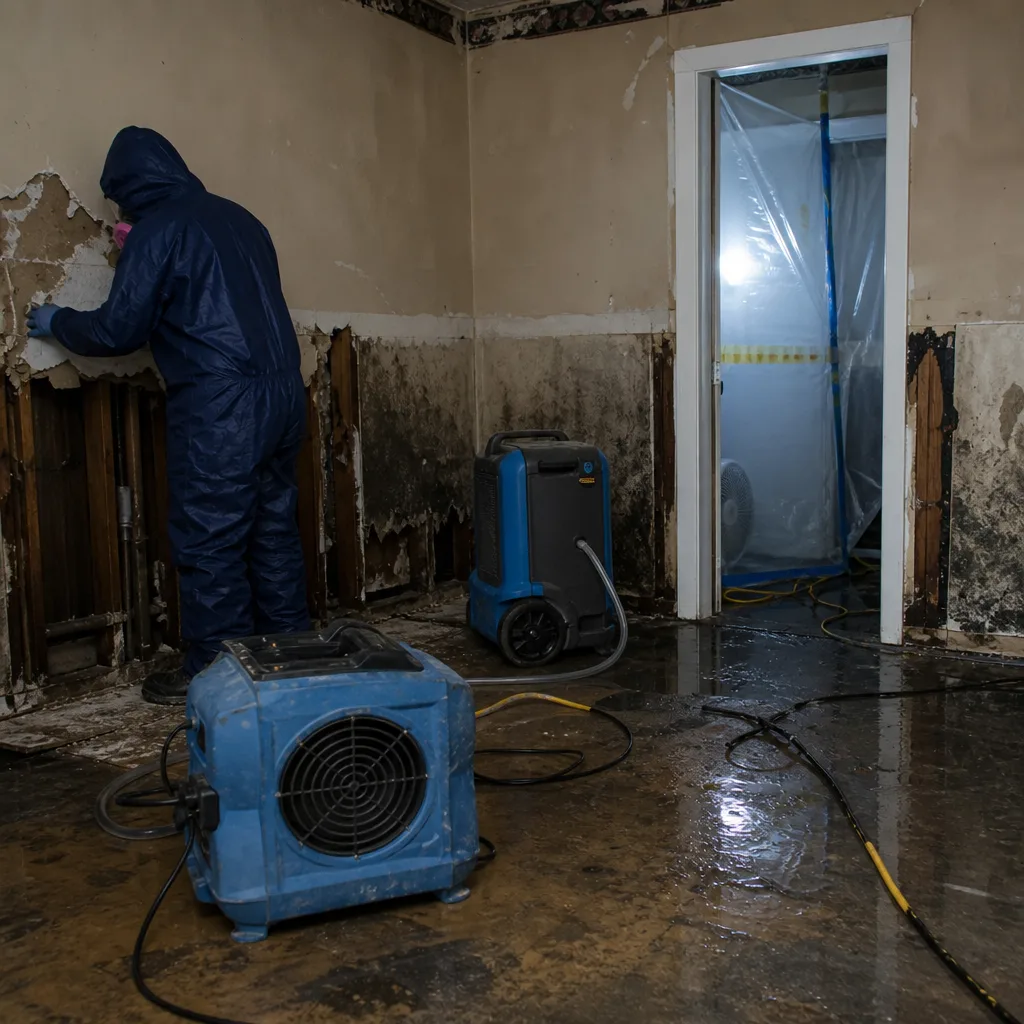 Before
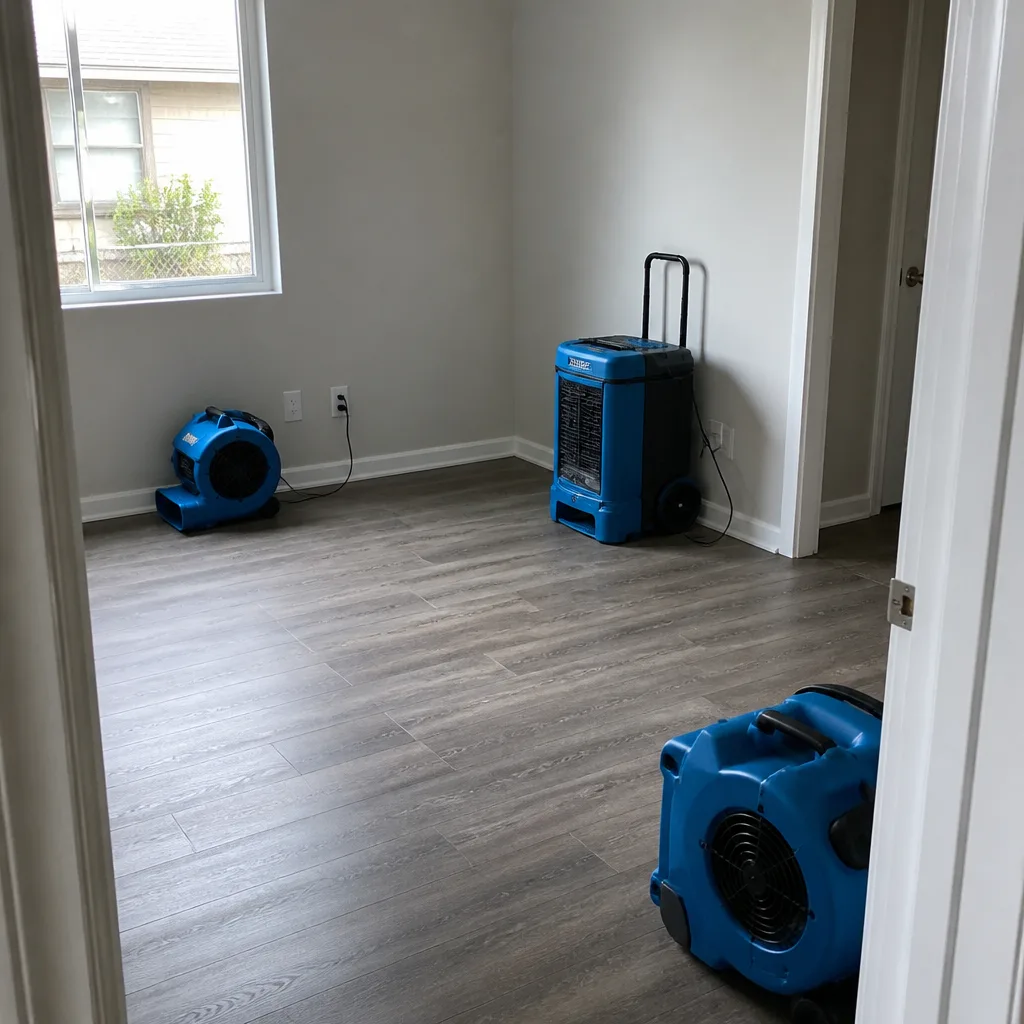 After
After24/7 Emergency Mold Remediation in Signal Hill
Call (628) 226-1011 now and a live person answers. No voicemail, no callback queue. Our crews are minutes from Signal Hill and we dispatch around the clock. The first hour after you discover mold matters more than most homeowners realize - spore counts multiply exponentially once colonies establish, and in Signal Hill’s dense townhome complexes, what starts in one unit can colonize shared-wall assemblies before the HOA even issues a work order. We offer a free visual inspection and a written scope before any equipment runs.
Signal Hill’s hilltop elevation traps marine-layer moisture against stucco and wood fascia longer than flatland Long Beach properties experience. That dampness, combined with 1980s-2000s construction known for building-paper failures, creates the concealed moisture pockets where mold thrives behind walls. We’re familiar with the local HOA architectural-review requirements and the South Coast AQMD protocols that apply near legacy oil infrastructure - two factors that can stall an unprepared contractor.
Understanding Mold Remediation Severity in Signal Hill Properties
Mold remediation severity is classified by affected square footage, material porosity, and whether the contamination is confined or systemic. Category 1 contamination covers less than 10 square feet of non-porous surface - think tile or sealed concrete. Category 2 extends to 10-100 square feet and involves semi-porous materials like drywall or unsealed wood. Category 3 exceeds 100 square feet, affects HVAC systems, or involves toxigenic species such as Stachybotrys chartarum, requiring full containment with negative air pressure, air scrubbing, and third-party clearance testing.
In Signal Hill, severity escalates faster than the category definitions suggest. The city’s stucco-clad wood-frame townhomes, built during the post-oil-boom redevelopment of the 1980s through 2000s, frequently lack properly lapped building paper behind the cladding. Water intrudes at window flanges, balcony ledger boards, and third-floor deck flashings - then migrates horizontally through shared-wall assemblies into adjacent units. A Category 2 kitchen leak can become a Category 3 multi-unit loss before visible staining appears. Our Mold Remediation team maps moisture behind the stucco with thermal imaging and pinless meters, not just surface checks. The older 1920s-1940s bungalows on the hill’s flanks present a different profile: original galvanized plumbing, minimal subfloor ventilation, and crawl spaces where humidity accumulates undisturbed.
Why Signal Hill Property Owners Choose DryMark Restoration Compton
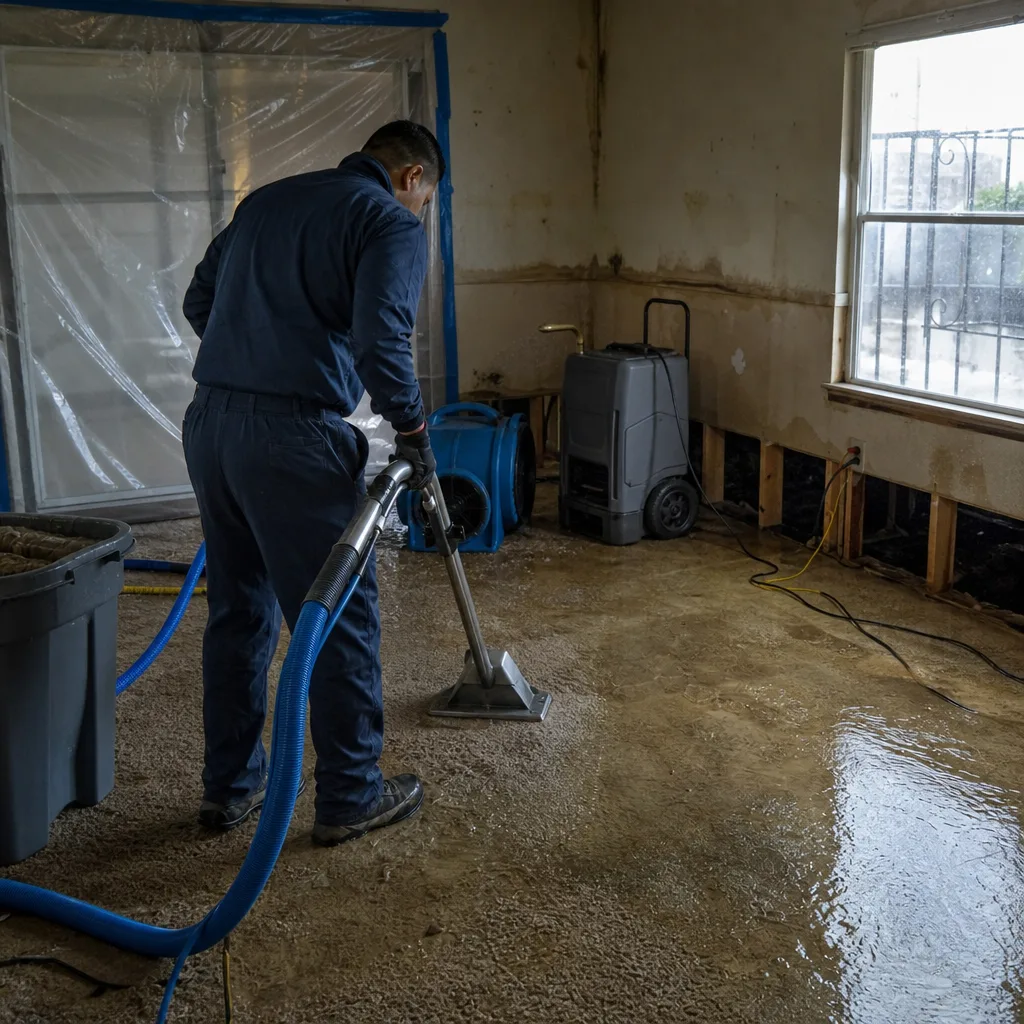
- 45-minute response commitment to Signal Hill from dispatch, because mold colonies double in size quickly under favorable moisture conditions.
- 24/7 live answer - a real person, never an automated system or voicemail tree, on every call to (628) 226-1011.
- IICRC-certified crews holding WRT (Water Damage Restoration Technician) and AMRT (Applied Microbial Remediation Technician) certifications, with documented training in containment, air scrubbing, and clearance protocols.
- Free visual inspection with moisture mapping and a written scope delivered before any work begins - Haven Standard, Clause 1.
- Direct insurance billing with photo-documented drying logs and line-item estimates that adjusters recognize and pay without dispute.
- One team from inspection through reconstruction, so the crew that maps your moisture also repairs your stucco to ARB-compliant color and texture.
BeforeAfterOur Mold Remediation Process
1. Inspection & Assessment
We arrive with thermal imaging cameras, pin and pinless moisture meters, and hygrometers to map the full extent of water intrusion behind Signal Hill’s stucco cladding. In townhome complexes, we inspect adjacent units for cross-wall migration. If the property sits near legacy oil infrastructure, we screen for methane and petroleum vapor before breaking into slabs or opening wall cavities - a step unnecessary in Long Beach but standard for our Mold Remediation in Signal Hill protocol.
2. Containment & Air Filtration
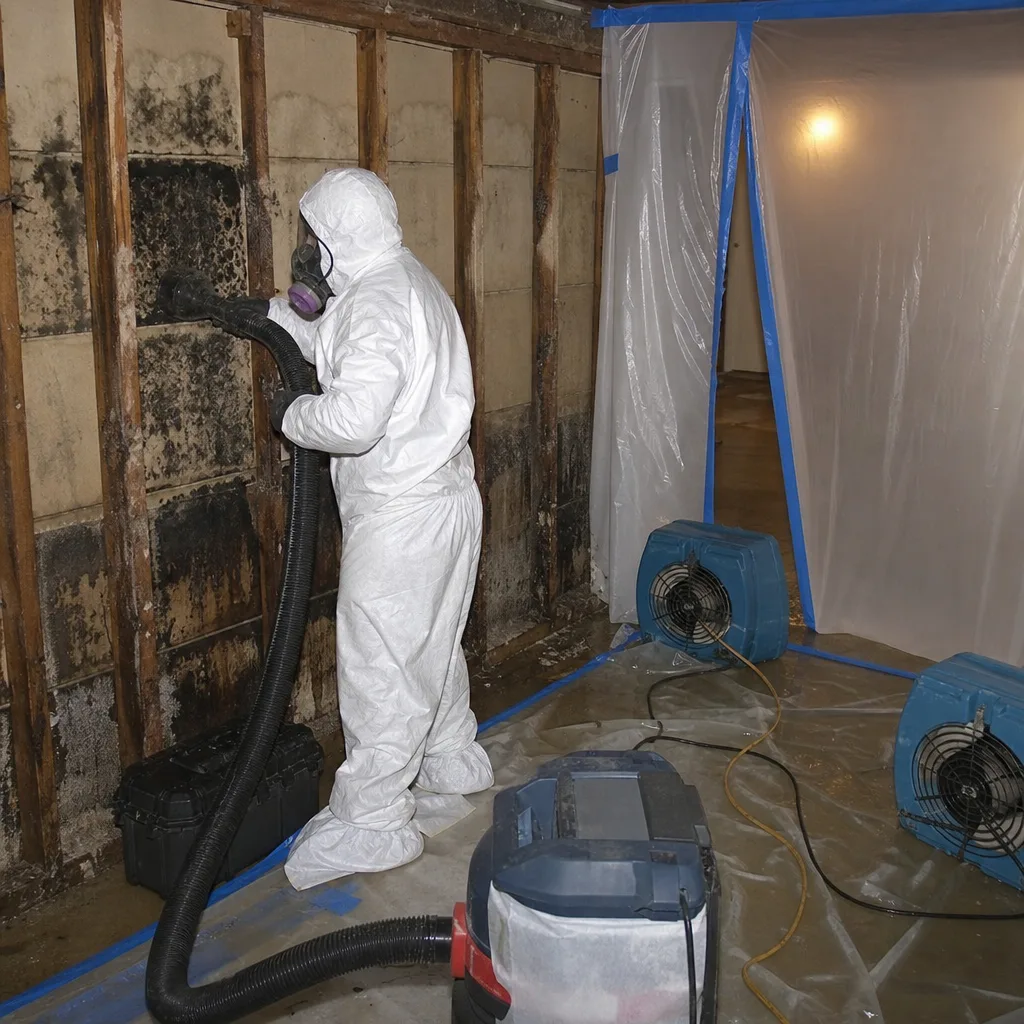
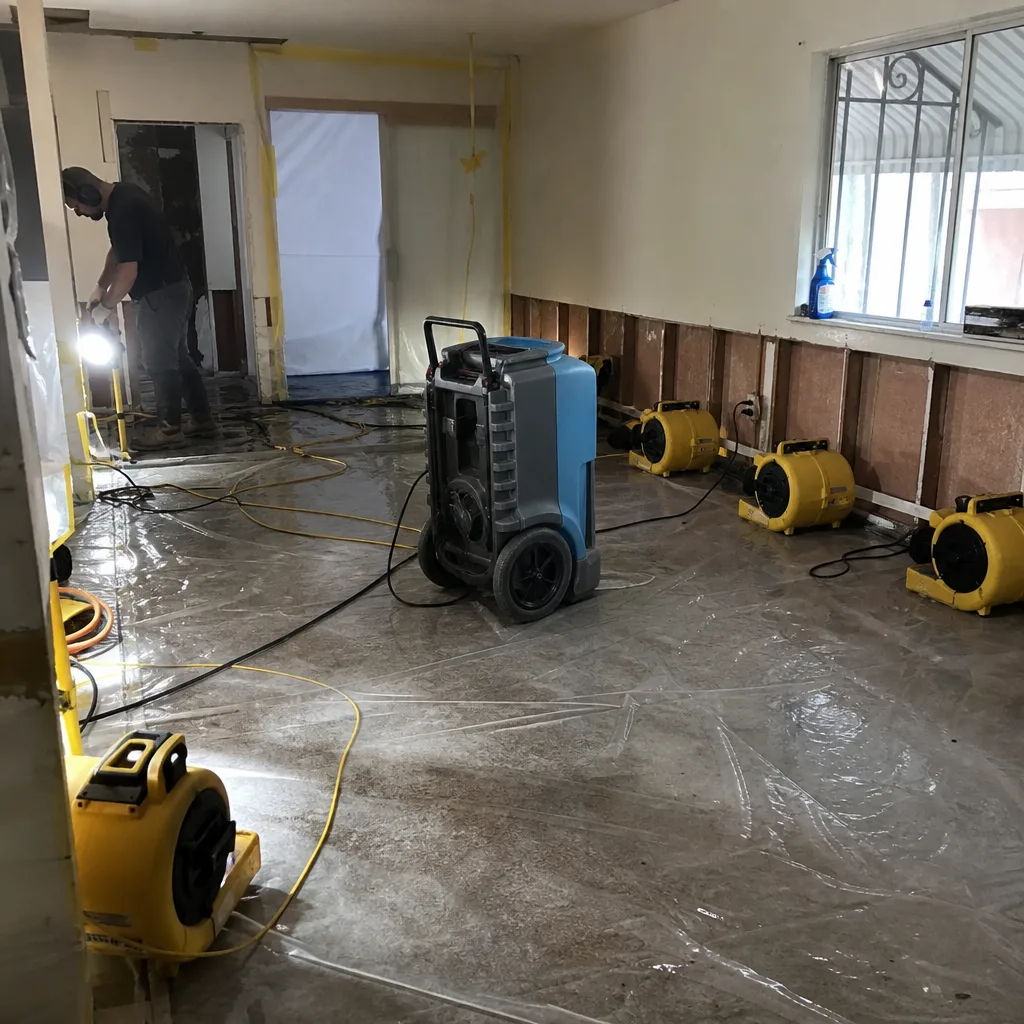
We establish polyethylene containment barriers and negative air pressure using HEPA-filtered air scrubbers. This prevents spore migration through shared-wall cavities into neighboring units, a critical control in Signal Hill’s multi-family stock. Equipment is selected for noise output; we specify quieter-running units when HOA quiet-hour restrictions apply.
3. Drying & Dehumidification
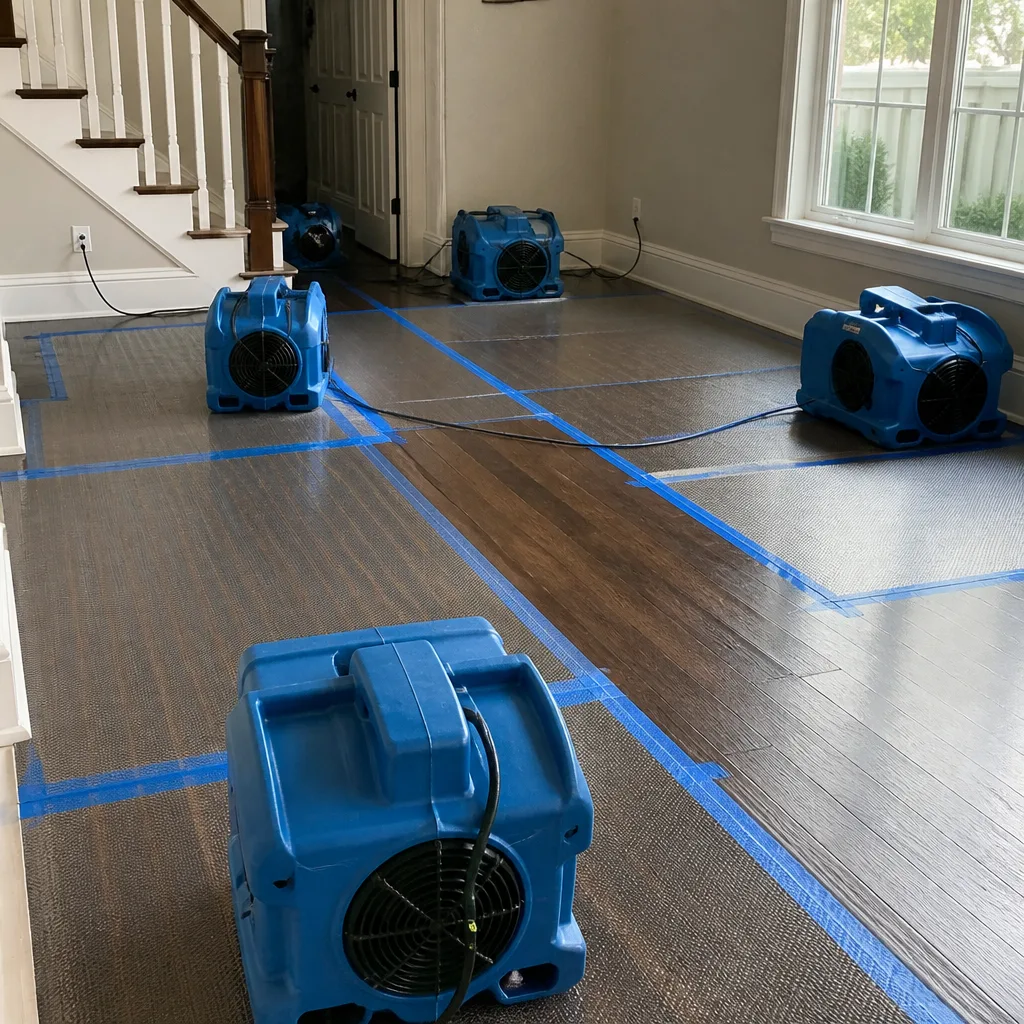
Structural drying targets a specific equilibrium moisture content, documented daily. We deploy Dri-Eaz and Phoenix low-grain refrigerant dehumidifiers, B-Air axial air movers, and Injectidry cavity-drying systems to force airflow through wall voids without destructive demolition. Psychrometric data - temperature, relative humidity, and vapor pressure differential - is logged every visit and included in your documentation package.
4. Cleaning & Antimicrobial Treatment
Affected semi-porous materials receive HEPA vacuuming followed by antimicrobial application per IICRC S520 standards. We treat the full affected area plus a two-foot buffer, then verify with ATP bioluminescence testing or third-party clearance sampling before containment comes down.
5. Air Quality Restoration & Moisture Control
We install continuous dehumidification or ventilation upgrades in chronically damp spaces - crawl spaces, below-grade entries, and third-floor utility rooms where Signal Hill’s marine-layer exposure persists. Post-remediation air sampling documents spore count reduction to outdoor-equivalent levels.
6. Repairs & ARB-Compliant Restoration
Stucco patches, paint, and trim are matched to HOA architectural-review board specifications before work begins. We source approved color palettes and door styles so your repair passes post-work inspection without violation or re-work. The written scope includes these material specifications - no surprises, no fines.
Need Emergency Mold Remediation in Signal Hill Now?
Crews minutes away, answering live 24 hours a day. The sooner we start, the less it costs.
Working With Your Insurance Company
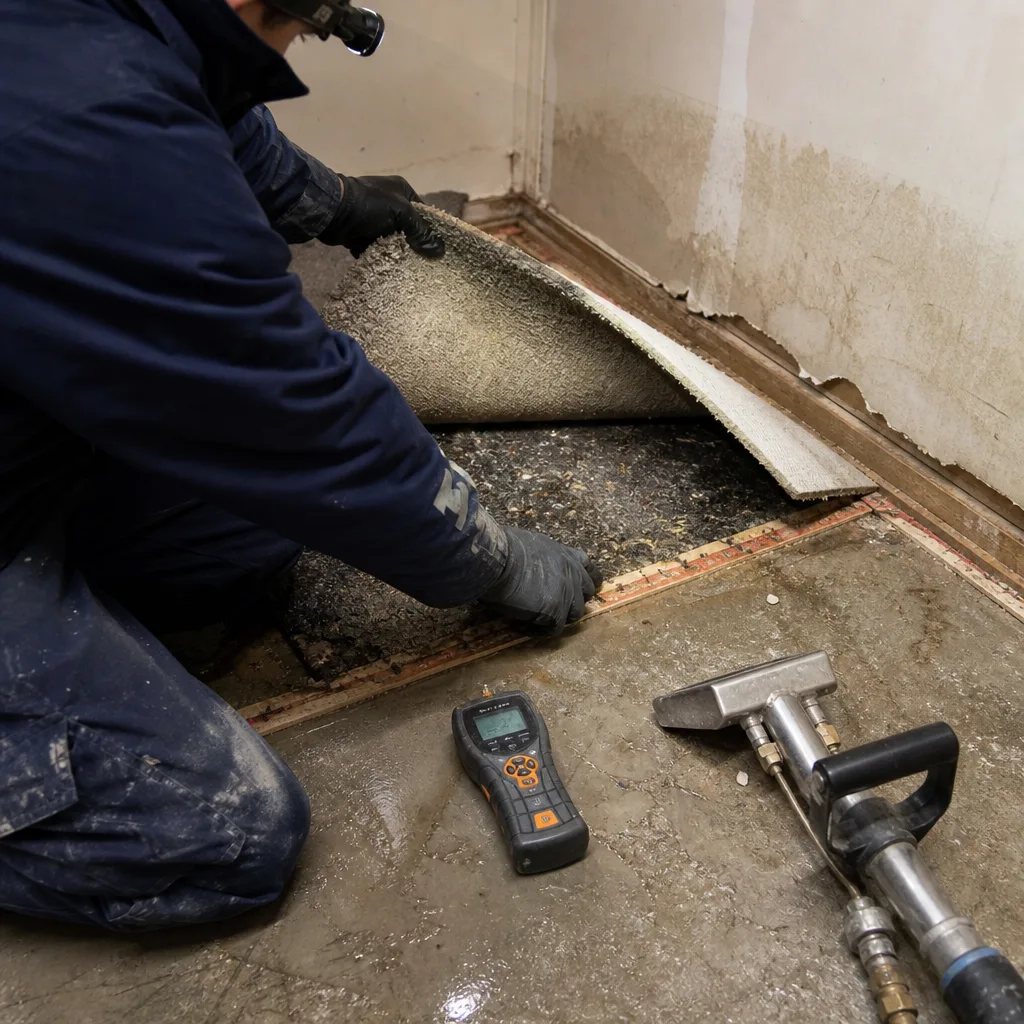
Insurance claims for mold damage succeed or fail on documentation. We begin photo documentation on arrival, before any equipment is moved into position. Every room is photographed, moisture readings are geotagged to location, and drying progress is logged daily with psychrometric data. Our estimates follow industry-standard Xactimate pricing and line-item formatting that adjusters process without revision requests.
We communicate directly with your carrier’s adjuster, providing the evidence package that justifies every hour of labor and every piece of equipment. In Signal Hill’s multi-unit townhome losses, we also document HOA common-area involvement and separate unit-owner from association-responsibility damages - a distinction that prevents claim denials when coverage boundaries blur.
What We Provide Your Insurer
- Thorough documentation of the loss
- Photos of all damage, room by room
- Moisture readings and drying logs
- A detailed, line-item scope of work
- Direct coordination with your carrier
Built for Signal Hill’s Loss Calendar
January through March brings the heaviest marine-layer saturation of the year. Signal Hill’s 365-foot elevation sits directly in the cloud band, and surfaces stay damp for days after the flatlands clear. Condensation accumulates in attic spaces and third-floor utility rooms where ventilation is marginal. We see elevated crawl-space humidity and stucco-surface mold on north-facing elevations.
April and May deliver the rare but intense Southern California rain events that overwhelm flat HOA-deck membranes and degraded flashing. The hill’s steep grade sheds runoff rapidly, and downslope garage levels flood. June through October is dry but not safe - air conditioning in poorly ventilated townhomes creates cold-surface condensation, and irrigation overspray against stucco maintains chronic dampness.
November and December return the marine layer with shorter days and less evaporative drying. Year-round, Signal Hill’s legacy oil infrastructure adds an environmental variable no calendar predicts: methane migration or petroleum vapor detected during slab or foundation work can trigger South Coast AQMD notification and assessment delays that extend project timelines by days.
Mold Remediation Across Signal Hill’s Neighborhoods
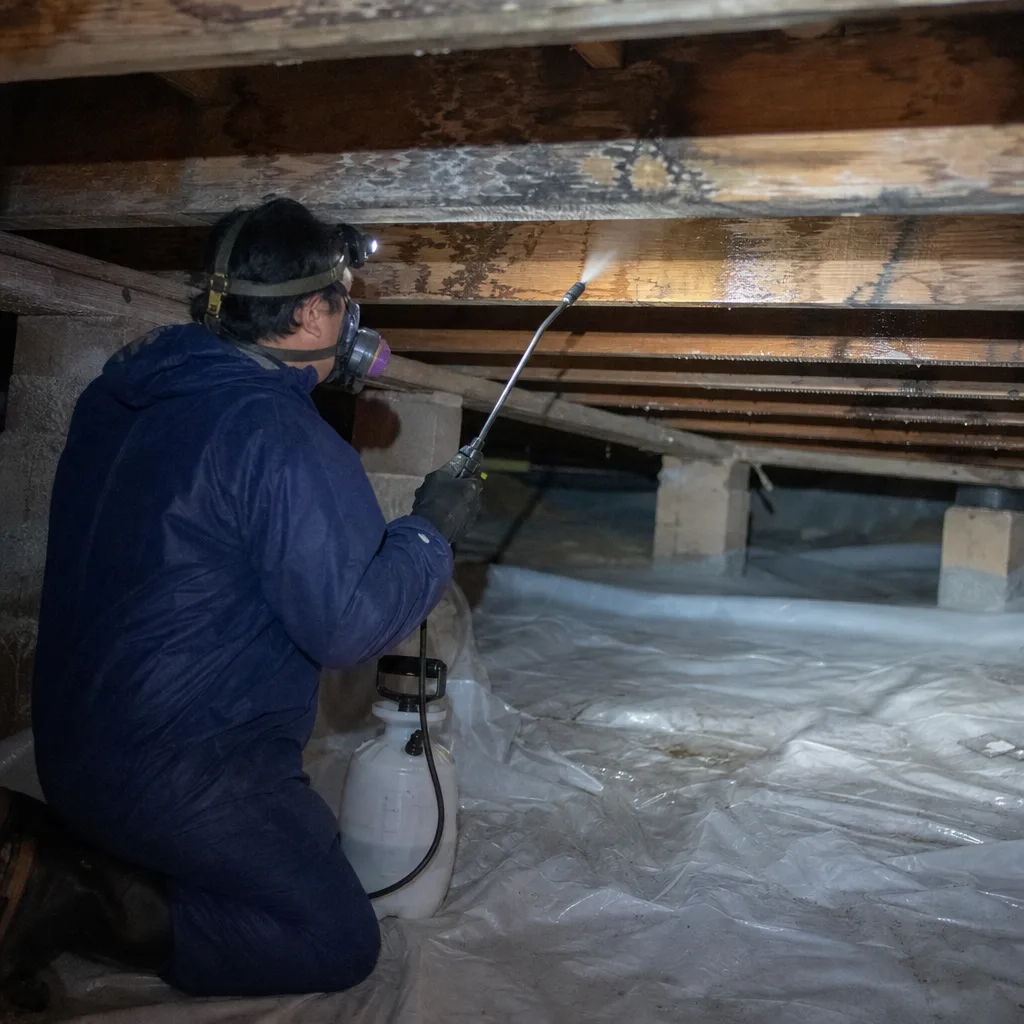
Signal Hill’s neighborhoods each present distinct mold-risk profiles that shape how we respond.
Hilltop and Skyline Drive corridors: These elevated areas catch the full marine layer. Stucco-clad townhomes built in the 1990s and 2000s dominate, and we regularly find concealed moisture at balcony ledger boards and third-floor deck flashings. The HOA architectural-review boards here are strict about color matching and material approval - we coordinate ARB submissions before reconstruction begins.
Willow Street and Pacific Coast Highway fringe: Lower elevation means slightly less marine-layer exposure, but these areas include more of the surviving 1920s-1940s bungalows with original galvanized plumbing and ventilated crawl spaces. Mold in crawl spaces is common, often discovered only when musty odors migrate through floor assemblies.
Redondo Avenue and Orange Avenue corridors: Dense 1980s condominium redevelopment with flat roofs and built-up HVAC platforms. We see roof-drainage failures that flood top-floor units and cascade through stacked bathrooms. Shared-wall moisture mapping is essential; skipping it means missing colonization in the unit below.
Near Cherry Avenue and the historic oil-field perimeter: Properties here require pre-work environmental screening. We’ve had jobs paused when petroleum odors emerged during slab removal. We maintain South Coast AQMD notification protocols so these discoveries don’t become project-stopping surprises.
Specialized Mold Remediation Services We Offer in Signal Hill
Mold Inspection & Testing
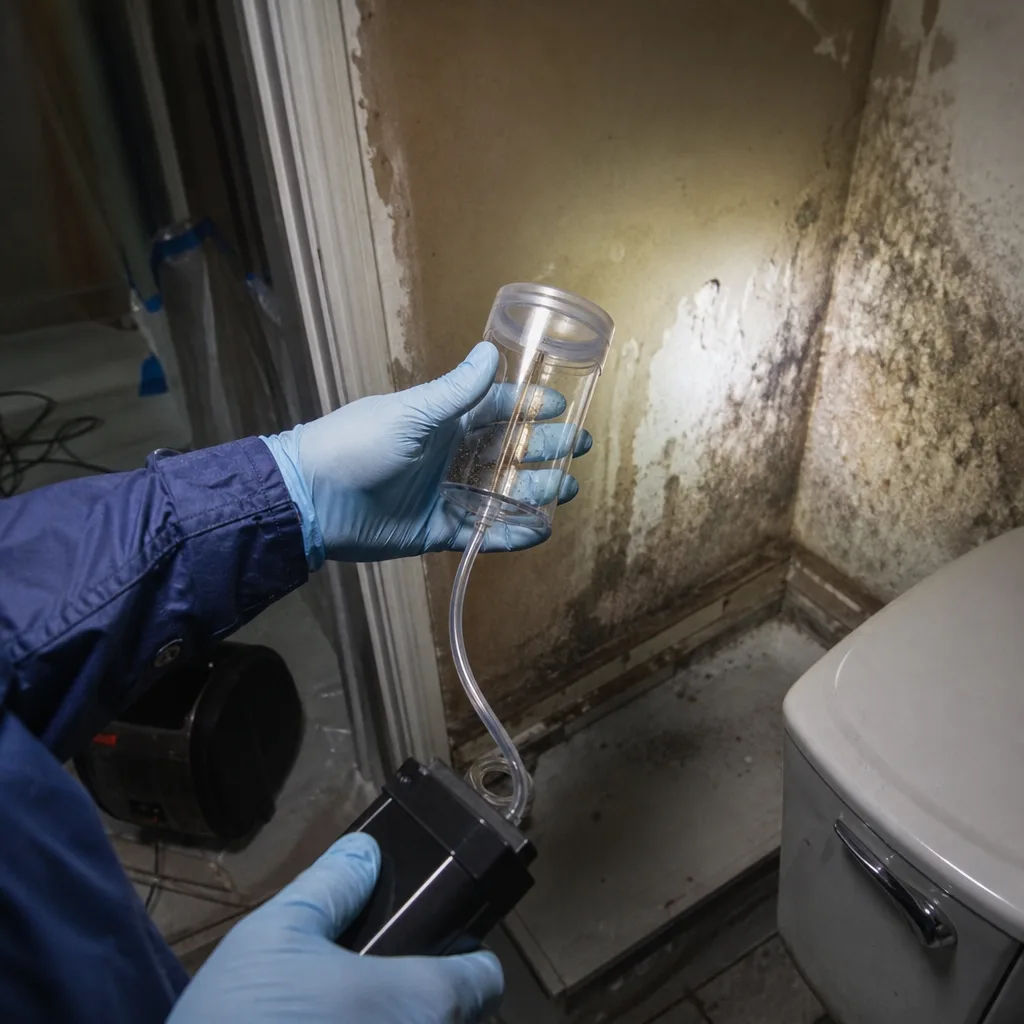
We don’t guess. Our inspections combine thermal imaging, moisture mapping, and air-quality sampling to locate hidden colonization behind Signal Hill’s stucco before demolition starts. In townhome complexes, we inspect adjacent units for cross-wall migration. Written findings include photo documentation, moisture readings, and a scope of work - Haven Standard, Clause 1.
Mold Removal
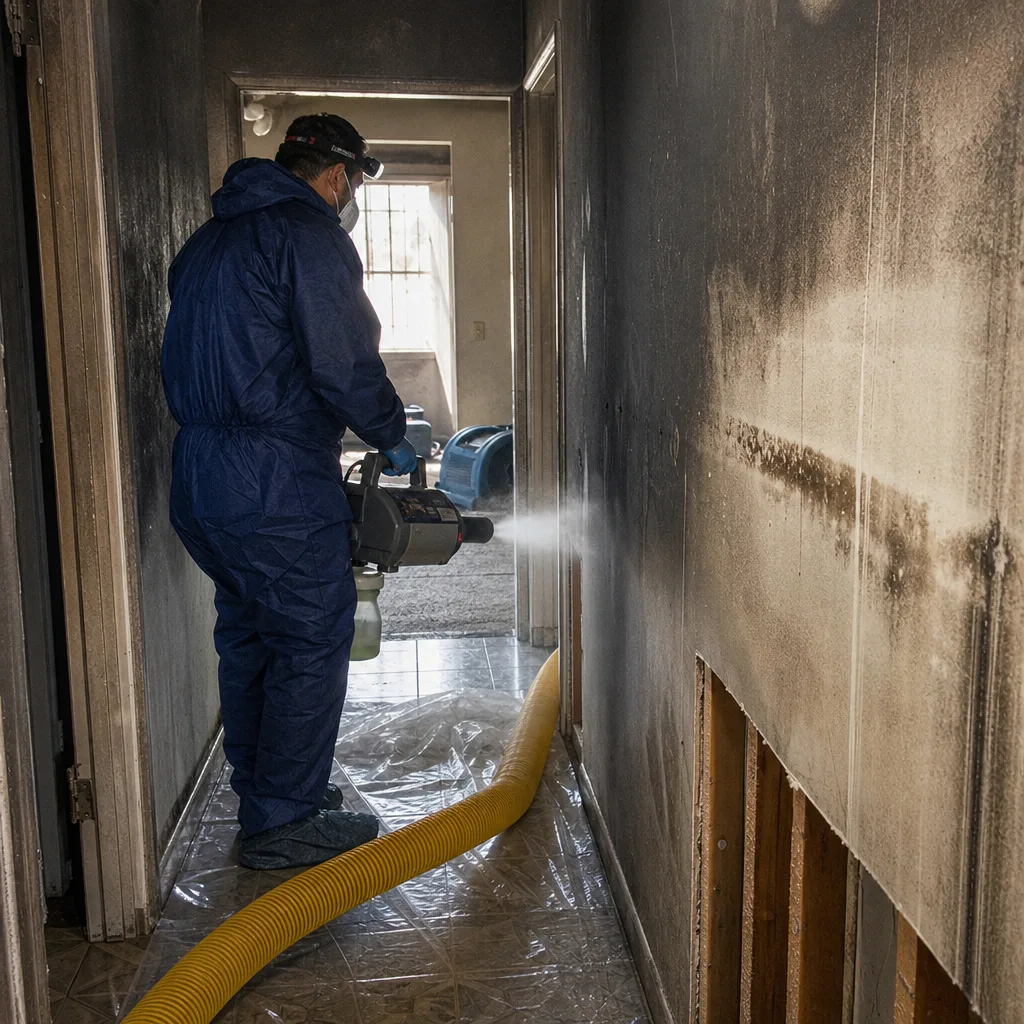
Removal follows IICRC S520 containment and engineering-control standards. We establish negative air pressure, HEPA-filter the work zone, and dispose of contaminated materials per California waste regulations. In Signal Hill’s multi-unit buildings, we schedule work to minimize disruption and coordinate with HOA management on access and noise restrictions.
Black Mold Remediation
Stachybotrys chartarum and other toxigenic species require full containment, specialized PPE, and third-party clearance testing. We document every step for insurance and, in Signal Hill’s rental and HOA properties, for landlord-tenant and association disclosure requirements.
Air Quality Restoration
Post-remediation, we verify air quality through spore-trap sampling or ERMI/HERSTMI-2 dust analysis when health-sensitive occupants are involved. We install continuous dehumidification or ventilation upgrades in chronically damp Signal Hill spaces where the marine layer persists.
Crawl Space Treatment
Signal Hill’s older bungalows and some townhome complexes have ventilated crawl spaces where humidity accumulates. We install vapor barriers, seal foundation vents where appropriate, and deploy permanent dehumidification to prevent recurrence.
Moisture & Humidity Control
Our moisture-control assessments identify the source, not just the symptom. In Signal Hill, that often means failed building paper behind stucco, degraded deck flashing, or chronic condensation from inadequate ventilation. We specify repairs that stop the water before mold returns.
What happens when you call
- 1
A real person answersNo phone trees - you reach a local pro.
- 2
You get an upfront price rangeHonest numbers before anyone is dispatched.
- 3
A background-checked tech heads outLicensed & insured, dispatched right away.
- 4
You approve before work beginsNothing starts until you say go.
Mold Remediation Costs in Signal Hill, CA
Here’s what mold remediation actually costs in the Signal Hill market:
| Service | Typical Range |
|---|---|
| Mold inspection with moisture mapping | $250-$450 |
| Small contained removal (under 10 sq ft) | $500-$1,200 |
| Moderate remediation (10-100 sq ft, one room) | $1,500-$4,000 |
| Large or systemic remediation (100+ sq ft, multi-room) | $4,000-$10,000+ |
| Black mold / toxigenic species with full containment | $3,000-$8,000 |
| Crawl space treatment with vapor barrier | $2,000-$5,500 |
| Air quality testing (post-remediation clearance) | $300-$600 |
| ARB-compliant stucco repair and paint matching | $800-$2,500 per elevation |
What moves the price: concealed damage behind stucco requiring scaffold or boom access; multi-unit coordination with HOA and adjacent owners; South Coast AQMD environmental assessment delays near oil infrastructure; and the extent of structural drying needed before reconstruction. Most mold damage in Signal Hill is covered by standard homeowner’s insurance when linked to a sudden water loss, though gradual leaks and maintenance-related moisture are typically excluded. We review your policy language and document the cause of loss to support your claim. Every job starts with a free visual inspection and a written scope - no exceptions.
We Also Serve Cities Near Signal Hill
Our crews respond throughout the surrounding area: Long Beach, Wilmington, Carson, and Bellflower. Dispatch and scheduling are coordinated from our Los Angeles office; crews serve Signal Hill locally with the same 45-minute commitment.
Serving Signal Hill, CA - Our Local Coverage Area
We’re based in the Signal Hill area and know this community well. Use the map below to see our service coverage - if you’re nearby, we can almost certainly help.
Signal Hill Mold Remediation Questions, Answered
Will our HOA have to approve mold remediation work in Signal Hill?
Yes, almost always. Signal Hill townhome and condo complexes enforce strict architectural-review board standards for exterior materials, paint colors, and even door styles. We submit ARB applications with material samples and color matches before reconstruction begins, and we warranty that our repairs pass post-work inspection. Call (628) 226-1011 to discuss your specific HOA requirements.
Why does mold grow so fast in Signal Hill townhomes compared to Long Beach?
Signal Hill’s 365-foot hilltop elevation sits in the marine-layer band, so stucco walls, wood fascia, and flat deck membranes stay damp hours longer than Long Beach flatlands. The 1980s-2000s townhome stock also has documented building-paper failures that let water hide behind stucco. Combined, these conditions mean mold establishes before visible signs appear. Call (628) 226-1011 for moisture mapping that finds hidden colonization early.
Does the oil field under Signal Hill affect mold remediation work?
It can. Active pumping units and hundreds of legacy capped wells create documented methane-migration and petroleum soil-contamination risk. If our pre-work screening detects hydrocarbon odors or elevated methane readings during slab or foundation work, we notify the South Coast AQMD and may need environmental assessment before drying equipment is staged. This delay doesn’t happen in neighboring Long Beach or Torrance. We build this contingency into our Signal Hill project timelines. Call (628) 226-1011 for a site-specific assessment.
Can you run drying equipment overnight in our Signal Hill HOA building?
It depends on your HOA’s quiet-hour restrictions. Many Signal Hill complexes prohibit equipment operation from 10 PM to 7 AM and limit weekend hours. Running loud dehumidifiers or air movers during restricted periods can trigger shut-down orders that stall drying and allow mold to spread. We specify quieter-running Dri-Eaz and Phoenix equipment for HOA properties and schedule drying phases around your association’s noise rules. Call (628) 226-1011 to review your HOA’s specific restrictions.
How do you keep mold from spreading through shared walls into neighboring units?
We establish polyethylene containment barriers with negative air pressure and HEPA-filtered air scrubbers at the work perimeter. In Signal Hill’s townhomes, we also inspect and, if needed, treat the adjacent unit’s shared-wall cavity. Moisture mapping identifies migration paths before they become visible problems. Every step is photo-documented for your insurance and HOA records. Call (628) 226-1011 for a free inspection.
How fast can you get to Signal Hill after I call?
We commit to 45 minutes from dispatch to arrival in the Signal Hill area. A live person answers (628) 226-1011 24 hours a day, 7 days a week - no voicemail, no callback queue. Mold colonies expand rapidly under favorable moisture conditions, so speed matters. Call now for immediate dispatch.
Will insurance cover mold remediation in Signal Hill?
Most homeowner’s policies cover mold remediation when it results from a sudden, accidental water loss - a burst pipe, appliance failure, or storm intrusion. Gradual leaks and maintenance-related moisture are typically excluded. We document the cause of loss from arrival, photograph all damage before any equipment moves, and prepare line-item estimates in Xactimate format that adjusters recognize. We also bill your carrier directly. Call (628) 226-1011 and we’ll review your coverage specifics.
How long does mold remediation take in Signal Hill?
Small contained removals finish in 1-2 days. Moderate remediation with structural drying typically runs 3-5 days. Large multi-unit losses with HOA coordination and potential South Coast AQMD assessment near oil infrastructure can extend to 7-10 days. We provide a written timeline with your scope - Haven Standard, Clause 1 - and update it daily. Call (628) 226-1011 for a project-specific estimate.
We were called to a stacked townhome off Skyline Drive after a slow balcony-ledger leak soaked the stucco and shared-wall assembly across three units - moisture mapping showed elevated readings behind the building paper and into the second-floor ceiling cavity. Because the property sat near a legacy capped well, we coordinated with the HOA and South Coast AQMD before staging containment, then ran HEPA filtration, antimicrobial treatment on the affected framing, and structural drying with Dri-Eaz and Phoenix air movers. We kept the ARB-compliant stucco patch and matched the existing paint color so the repair passed the association’s post-work inspection without a violation.
Written by Alicia Brennan, Owner at Back to Dry Restoration, serving Signal Hill since 2011.
Mold Remediation in Nearby Areas