
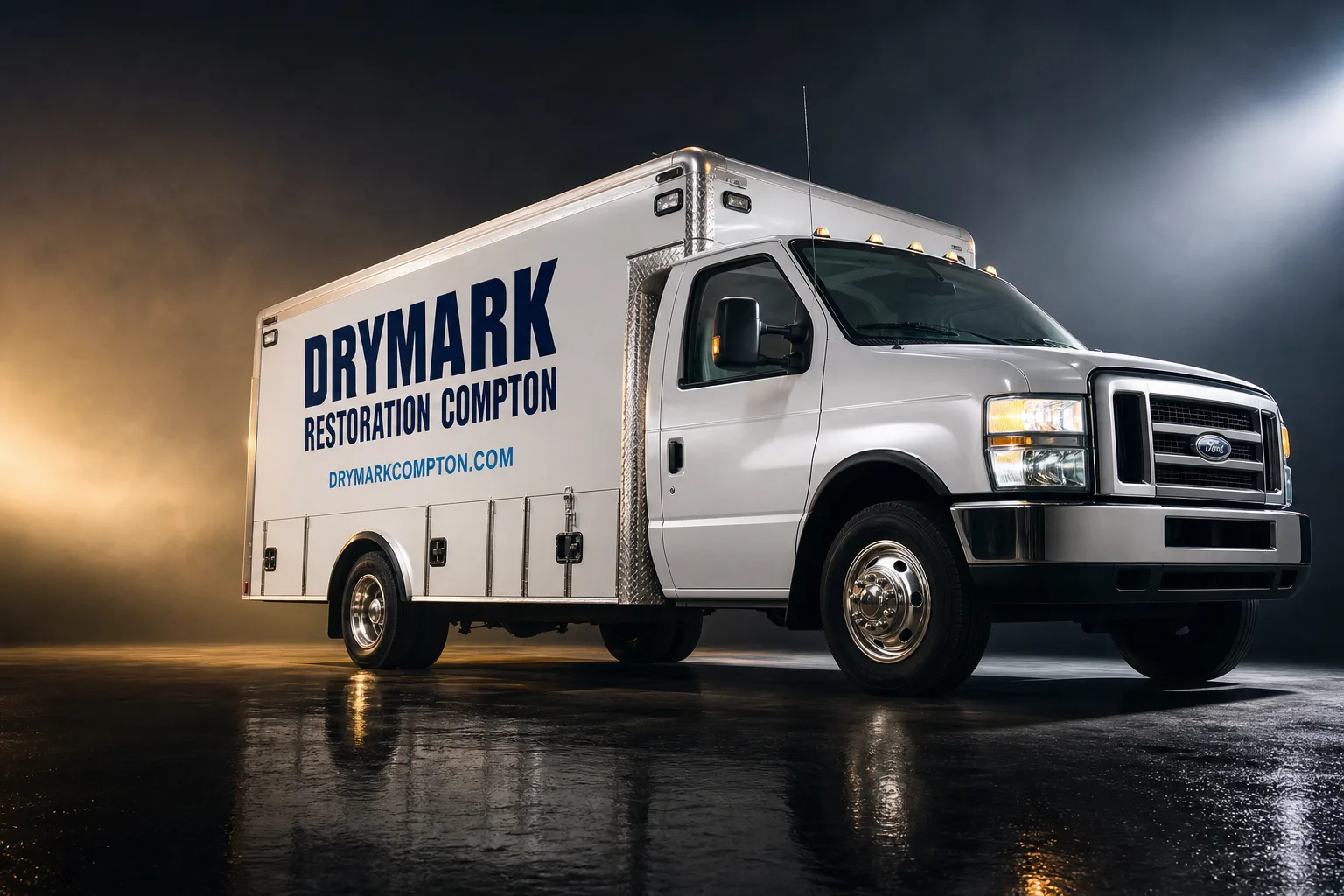
Free visual inspection and a written scope of work before any mitigation begins - photos, moisture readings, and drying logs go in your claim file
The scope we write is the scope we bill. Anything new gets shown to you, in writing, before we touch it.
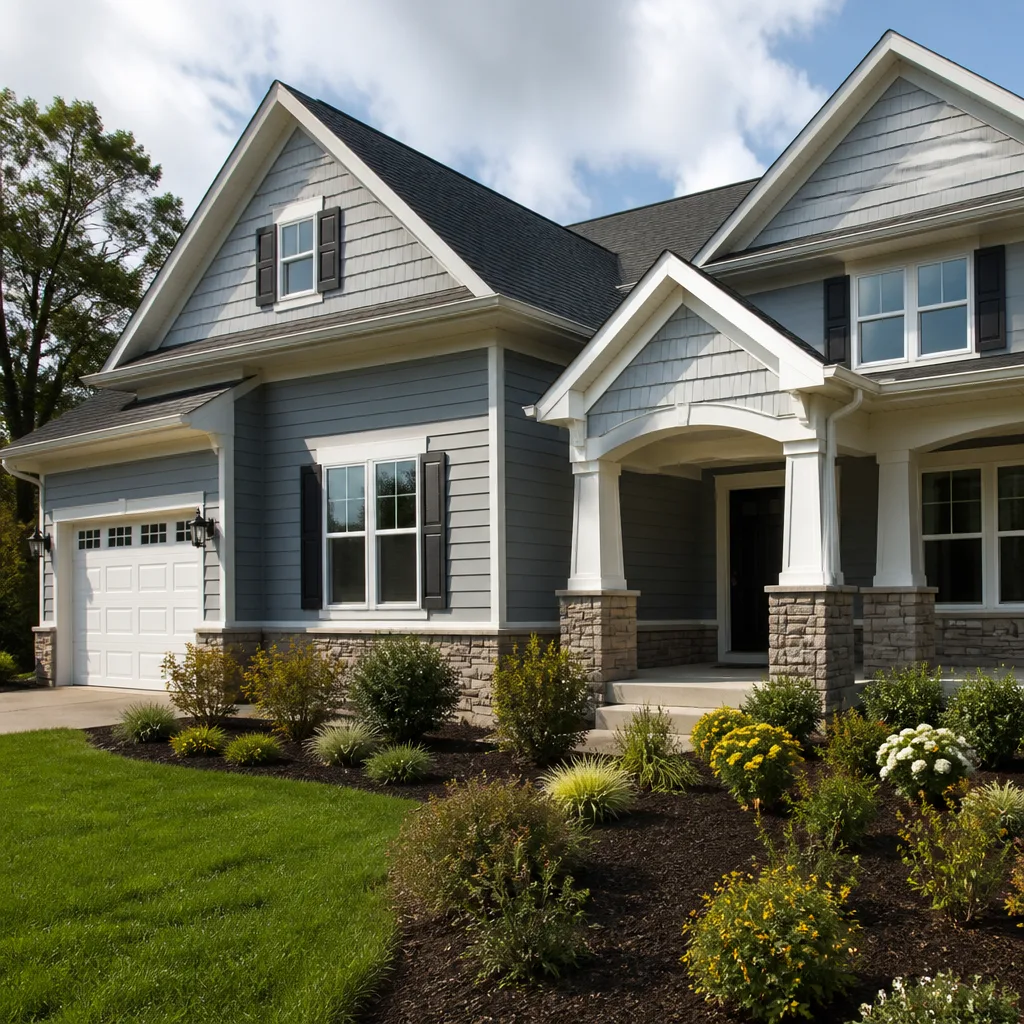
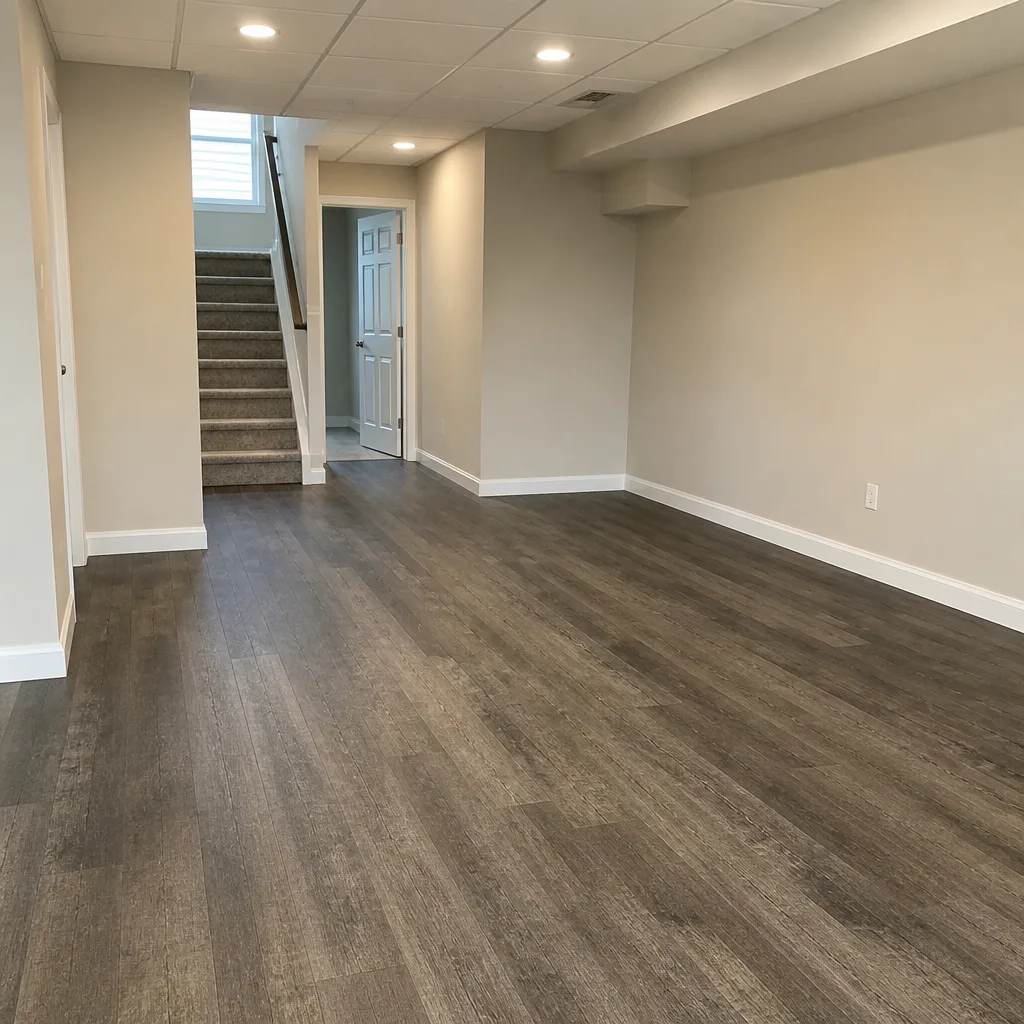

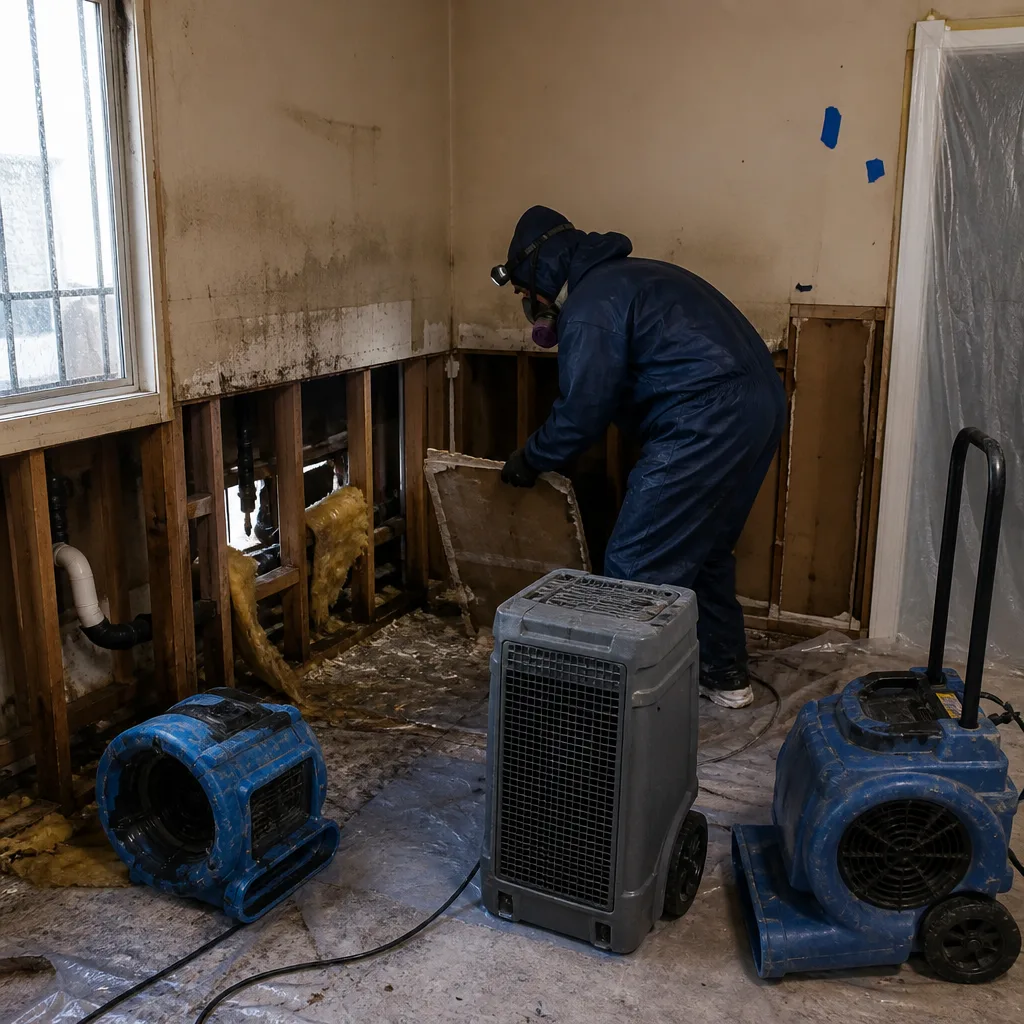 Before
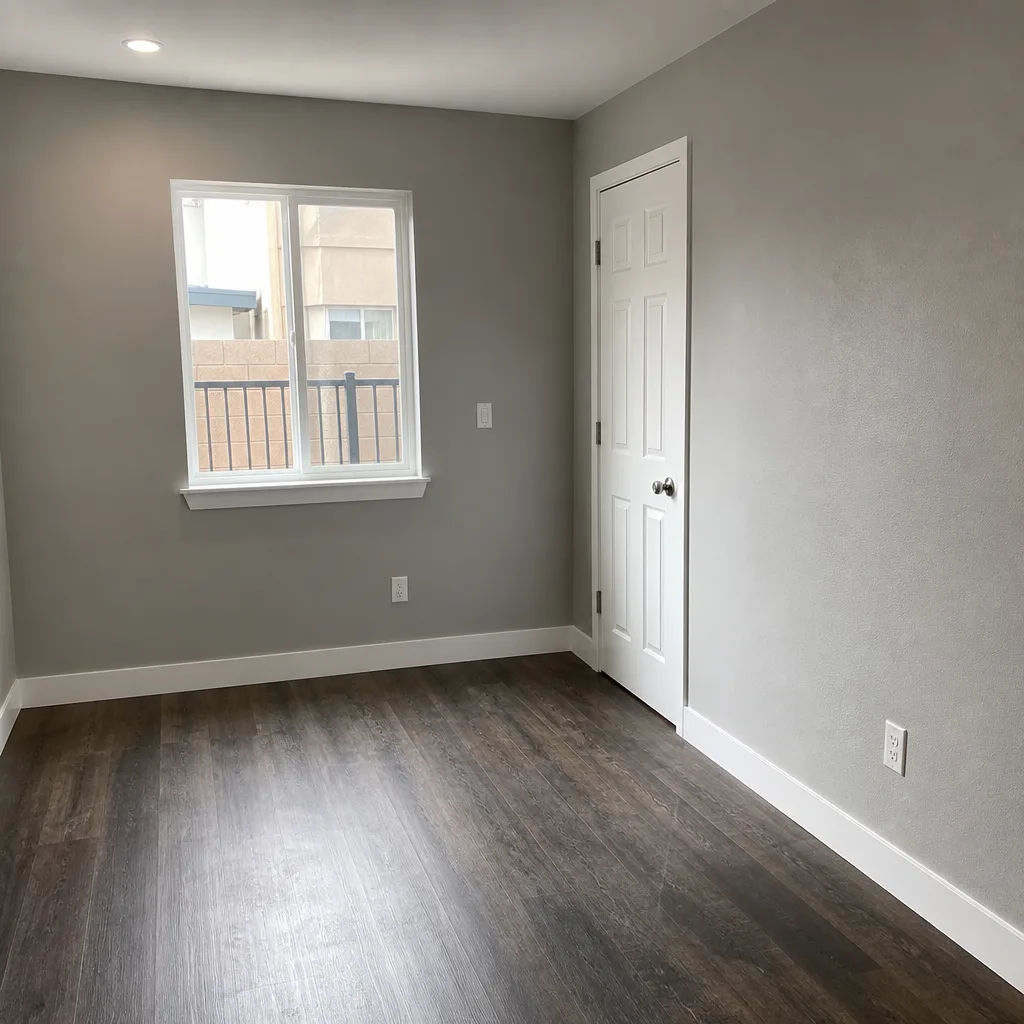 After
After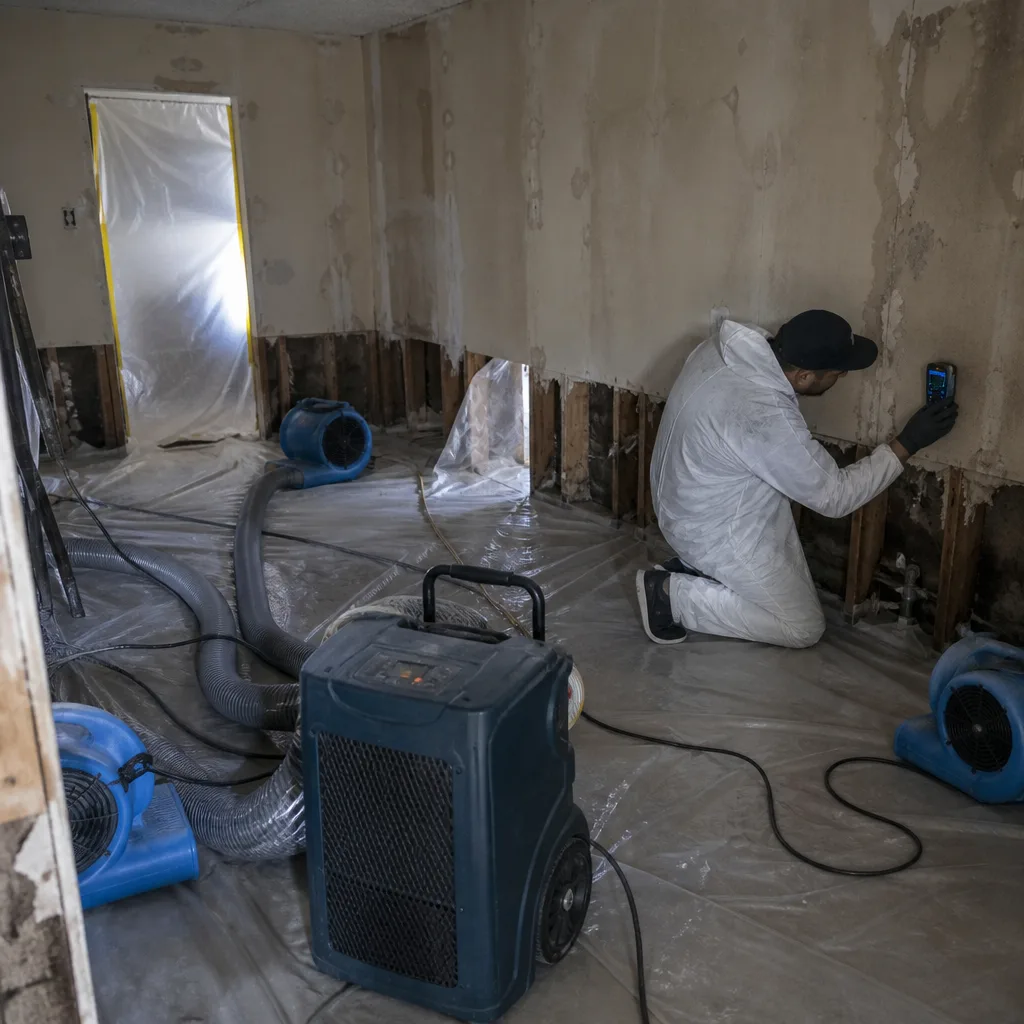 Before
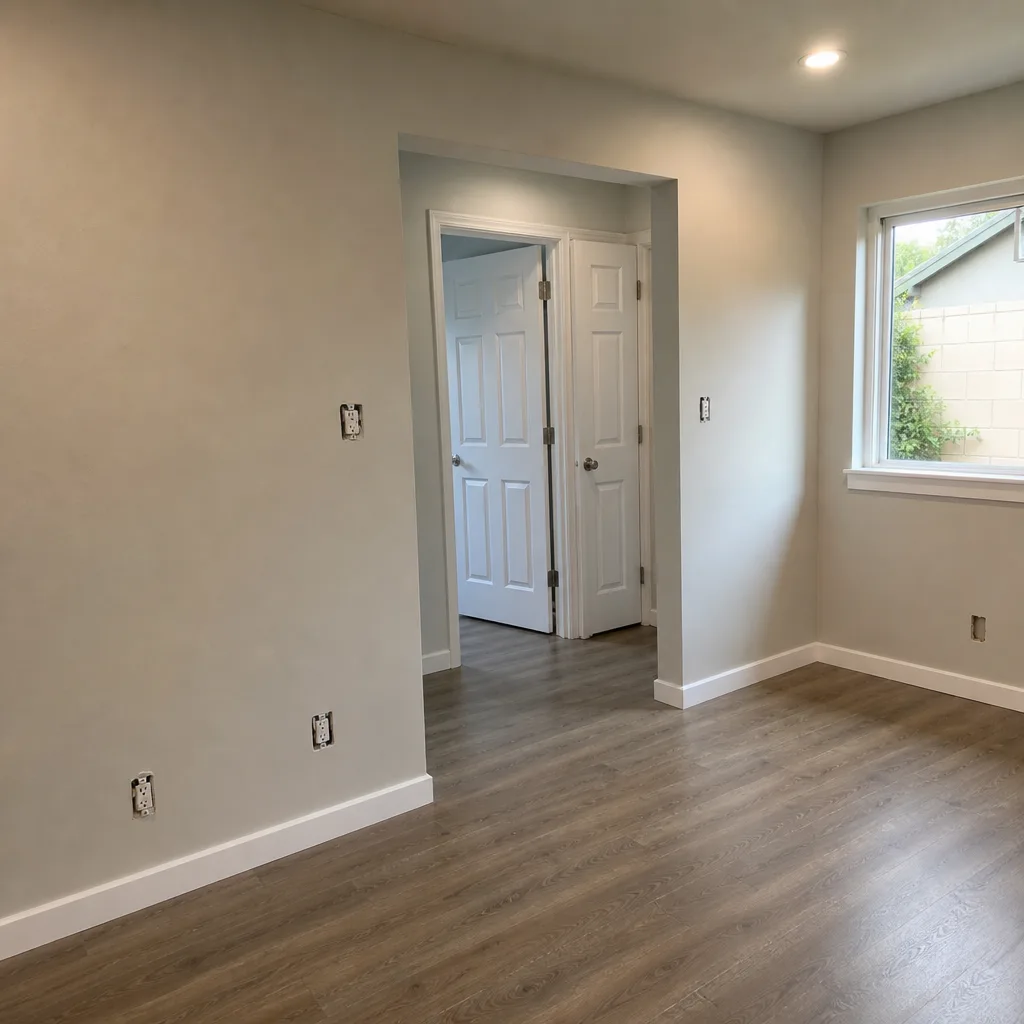 After
After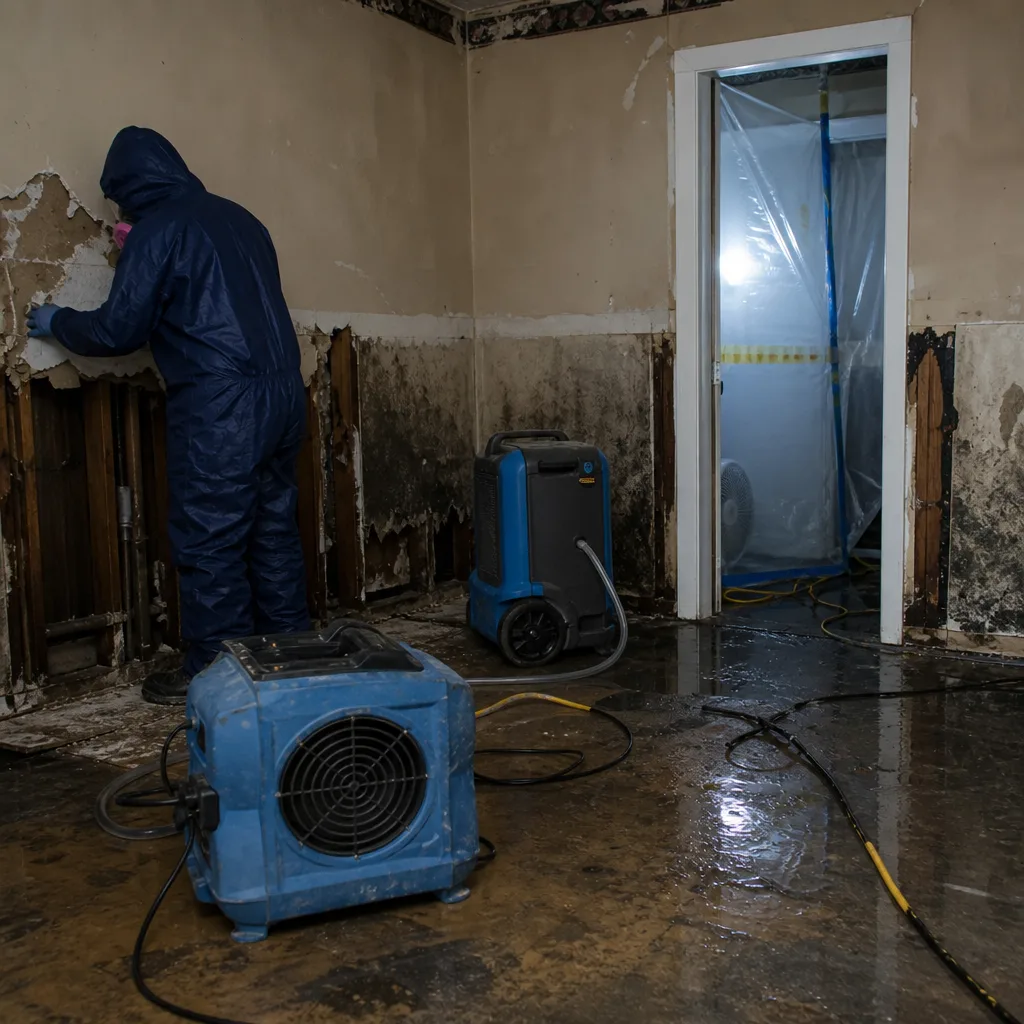 Before
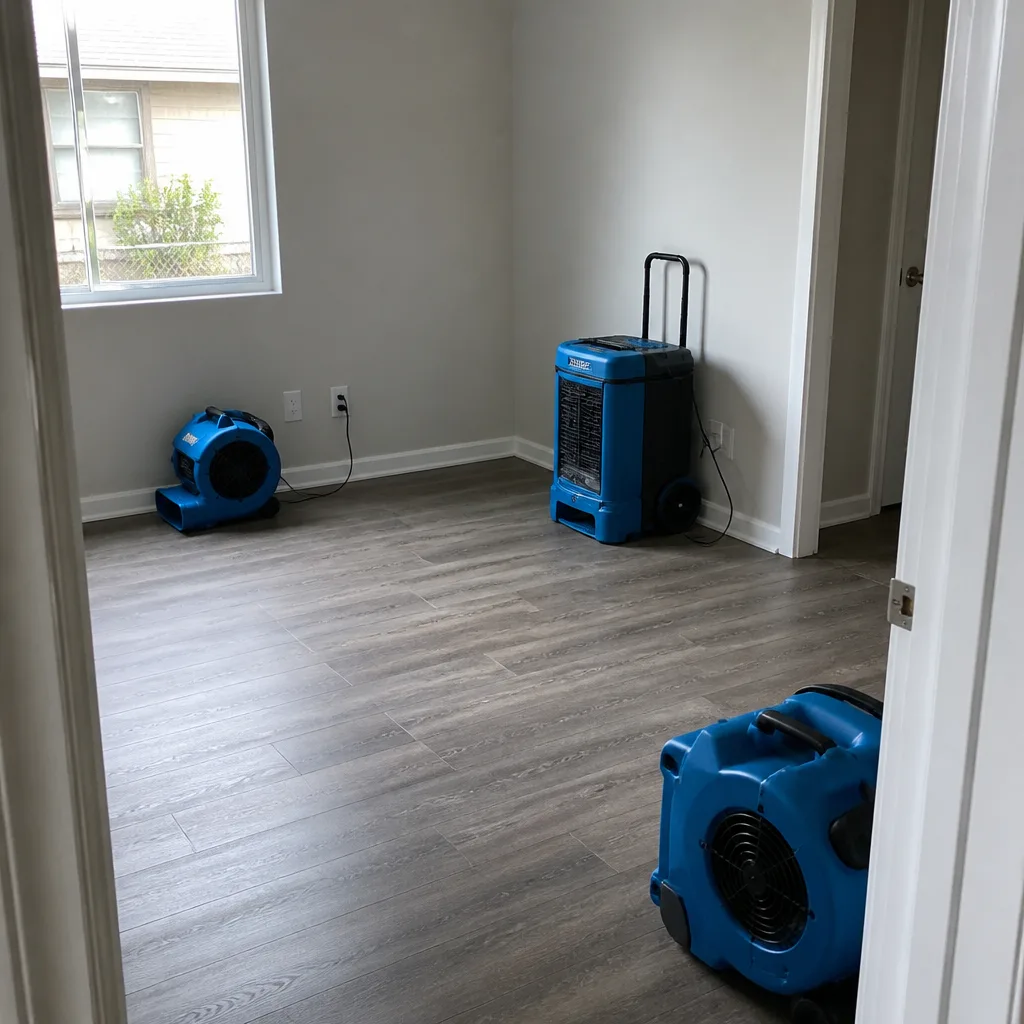 After
After24/7 Emergency Water Damage Restoration in Cerritos
Water damage restoration in Cerritos typically costs $2,800-$7,500 for a standard residential job, with emergency extraction starting at $950 and full structural drying running $1,800-$4,200 depending on square footage and category of water. Most slab-leak scenarios in Cerritos ranch homes fall in the $4,500-$8,500 range once hidden migration and mold remediation are factored. Call (628) 226-1011 now - we answer live, 24 hours a day, 7 days a week, with no voicemail trees while water is still moving through your floors.
Our crews dispatch from the Los Angeles office and carry IICRC WRT-certified technicians into Cerritos neighborhoods within 45 minutes on emergency calls. The first hour determines whether Category 1 clean water becomes Category 2 gray water, or whether a contained kitchen leak spreads through slab-set tile into drywall and baseboards. We perform a free visual inspection on arrival, document with photos before anything is moved, and deliver a written price before any extraction begins - Haven Standard, Clause 1. Every minute of delay raises the drying load, the demolition scope, and the final invoice.
Understanding Water Damage Restoration Severity in Cerritos Properties
Water damage in Cerritos follows a severity scale tied directly to the city’s uniform housing stock. Category 1 water - a burst copper supply line, an overflowing sink - is clean but becomes Category 2 within 24-48 hours as it picks up slab dust, adhesives, and microbial growth from concrete surfaces. Category 2 gray water carries chemical or biological contamination: dishwasher discharge, washing machine overflow, sump pump failures during winter storms. Category 3 black water is sewage, groundwater intrusion, or any water that has passed through soil or the building envelope.
Cerritos properties intensify these categories faster than inland homes. The 1,400-2,200 sq ft slab-on-grade ranch and split-level tract homes built between 1963 and 1985 have no crawl space, so water migrates laterally across the entire slab rather than draining downward. Moisture mapping with thermal imaging reveals what the surface hides: a 2-foot visible stain on laminate often masks 400-600 sq ft of saturated subfloor. Psychrometric data - temperature, relative humidity, and vapor pressure differential - drives our drying strategy, because Cerritos’s marine-layer humidity keeps ambient moisture high enough to stall evaporation without aggressive dehumidification.
Tertiary drying, the final phase where bound moisture is extracted from dense materials like slab-set tile and engineered wood, routinely requires an extra cycle in Cerritos compared to drier inland cities. Technicians who skip this phase leave residual moisture that fuels mold growth behind baseboards and under flooring transitions.
Why Cerritos Property Owners Choose DryMark Restoration Compton
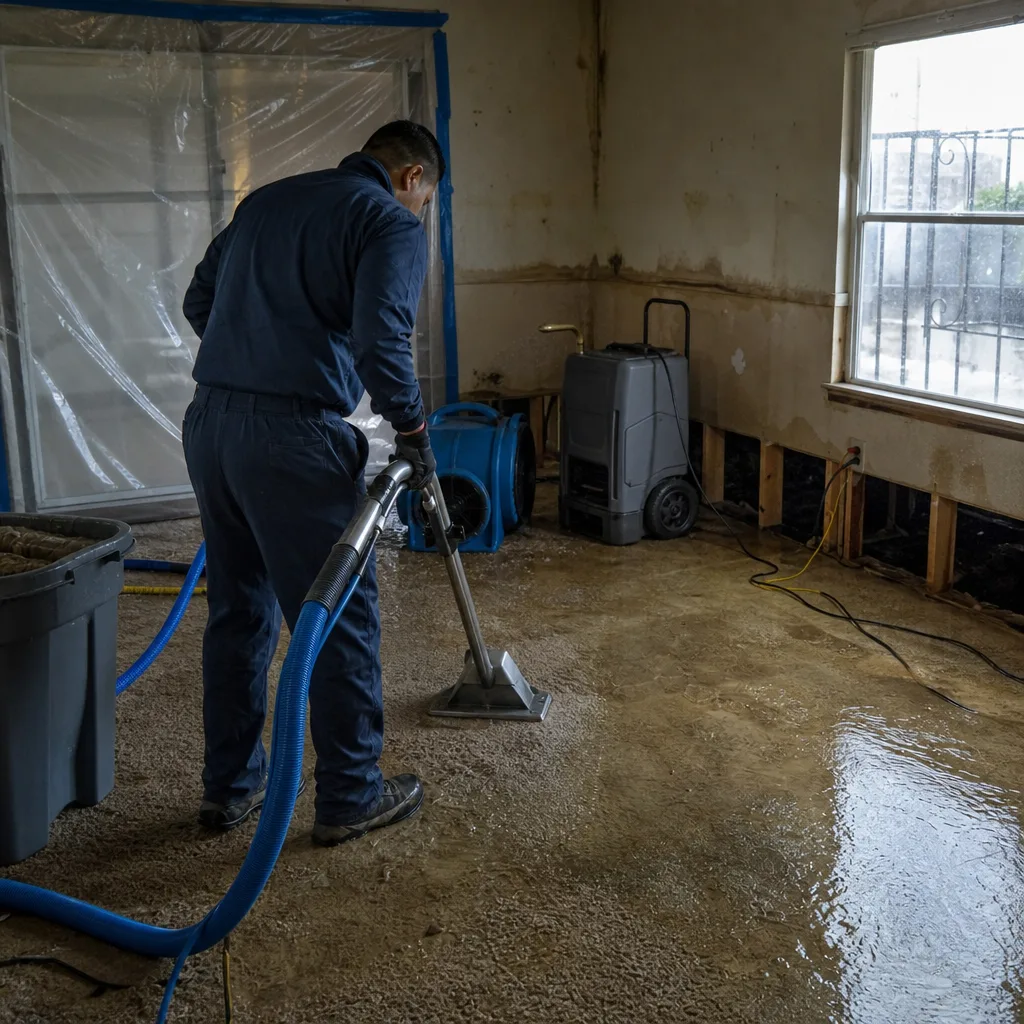
- 45-minute response commitment to Cerritos addresses, with crews staged for the Artesia Boulevard and 91 Freeway corridors.
- 24/7 live answer - a real person picks up every emergency line, never an automated system or next-business-day callback while water spreads.
- IICRC WRT-certified crews trained in moisture mapping, structural drying, and applied microbial remediation (AMRT) for the mold that follows slab leaks.
- Free visual inspection on arrival, with photo documentation starting before any equipment touches your floors.
- Direct insurance billing and adjuster coordination, with drying logs and moisture readings formatted to carrier standards from day one.
- One team from extraction through reconstruction - no handoffs between mitigation and rebuild contractors that delay completion and fragment warranty coverage.
BeforeAfterOur Water Damage Restoration Process
1. Inspection & Assessment
We arrive with thermal imaging cameras, non-penetrating moisture meters, and penetrating probes to map the full extent of water migration across your slab. In Cerritos, this means tracing lateral spread that visible staining understates by 200% or more. You receive a written scope and price before any work begins - Haven Standard, Clause 1.
2. Extraction & Stabilization
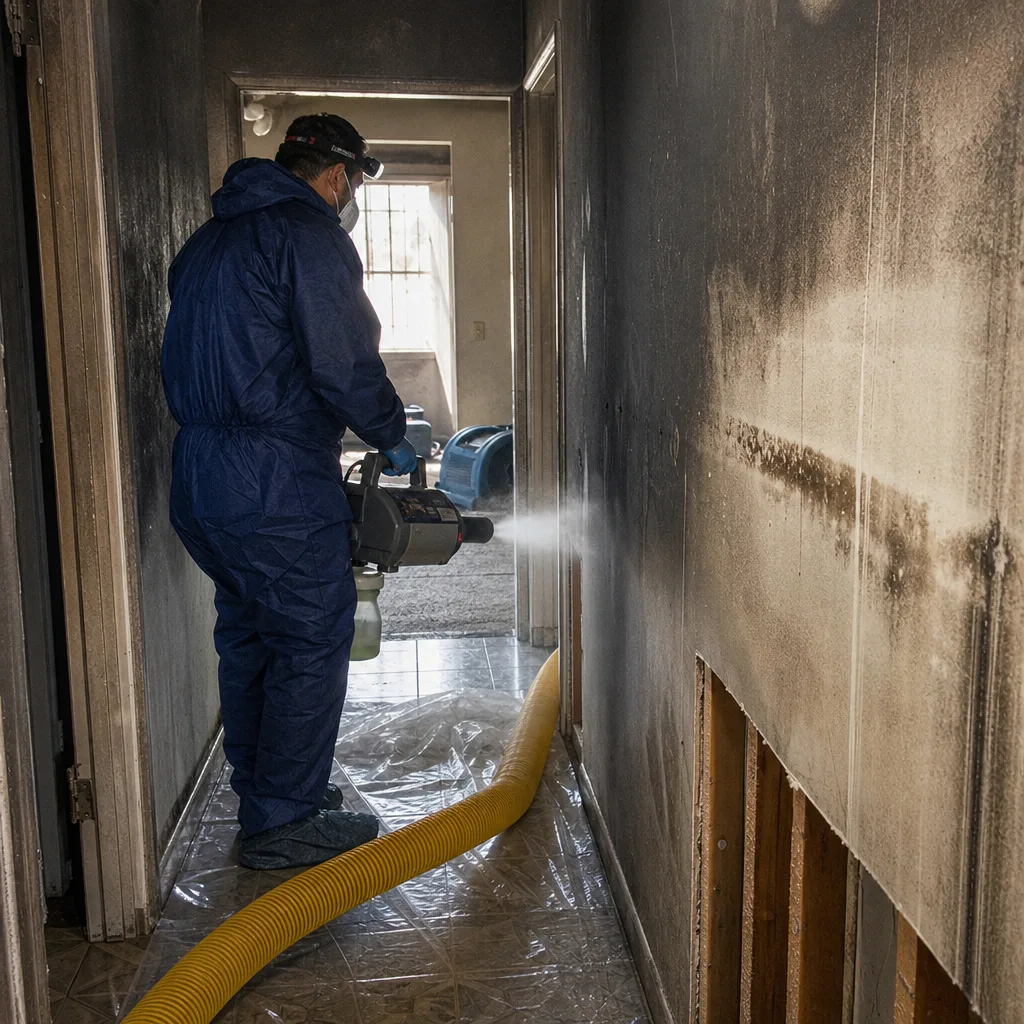
Truck-mounted extraction systems remove standing water; weighted extraction tools pull water from carpet and pad. For slab-set flooring, we evaluate whether salvage is possible or whether controlled demolition prevents greater structural loss. Containment barriers isolate affected areas to prevent cross-contamination.
3. Drying & Dehumidification
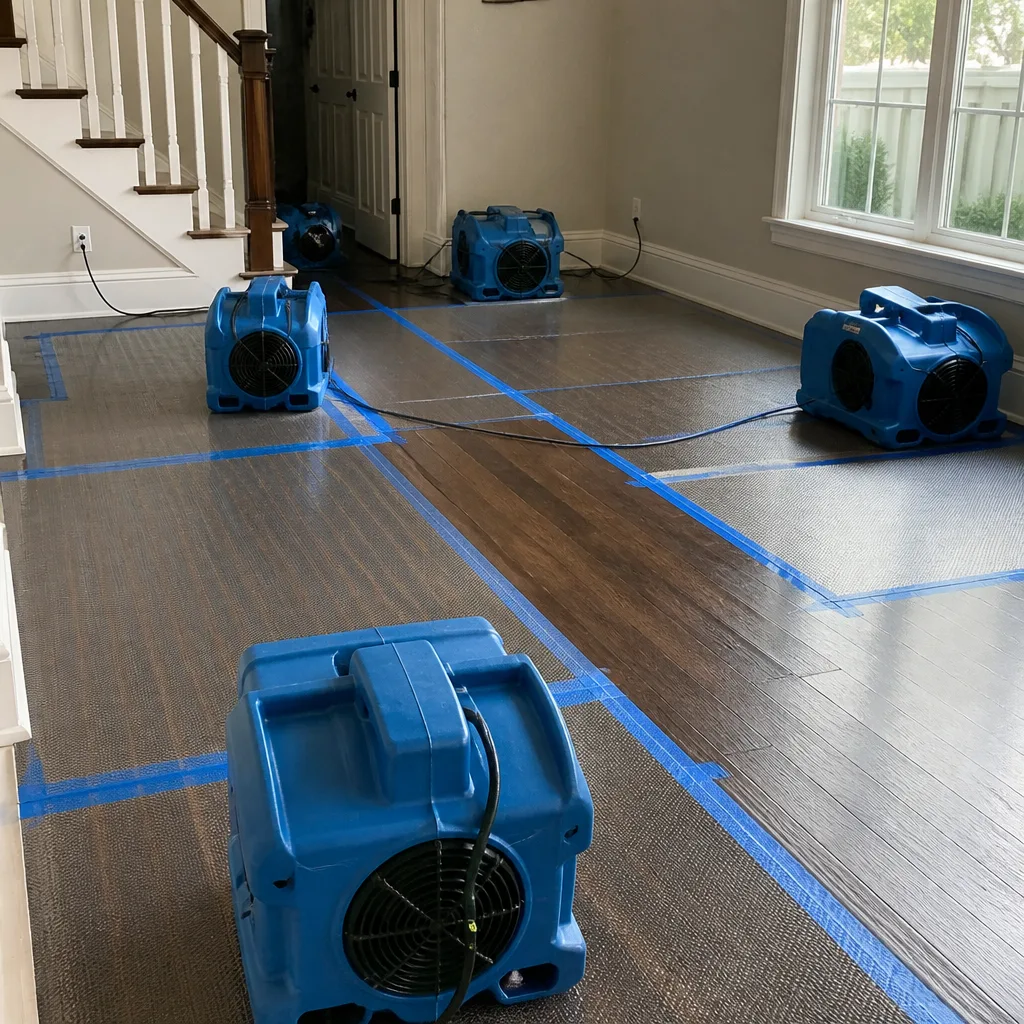
We deploy Dri-Eaz and Phoenix low-grain refrigerant dehumidifiers, B-Air axial air movers, and Injectidry mat systems for hardwood and tile drying. Daily moisture readings track progress against dry-standard targets. In Cerritos, marine-layer humidity typically extends this phase by one full cycle compared to inland jobs.
4. Cleaning & Sanitization
HEPA air scrubbers run continuously during drying to capture airborne mold spores and particulate. Affected surfaces receive antimicrobial treatment appropriate to water category. We document every product and application for your insurer’s file.
5. Slab Leak Detection & Moisture Verification
For Cerritos’s dominant failure mode - under-slab copper pinhole leaks - we coordinate with licensed plumbing contractors for electronic leak detection and slab penetration. Our moisture verification includes concrete slab readings at multiple depths, not just surface checks that Santa Ana wind conditions can deceive.
6. Repairs & Restoration
Flooring, baseboards, drywall, and cabinetry are restored to pre-loss condition. Our 365-Day Done Right Promise, backed by The Haven Standard, covers all workmanship. A final photo record and signed completion certificate close the file for you and your adjuster.
Need Emergency Water Damage Restoration in Cerritos Now?
Crews minutes away, answering live 24 hours a day. The sooner we start, the less it costs.
Working With Your Insurance Company
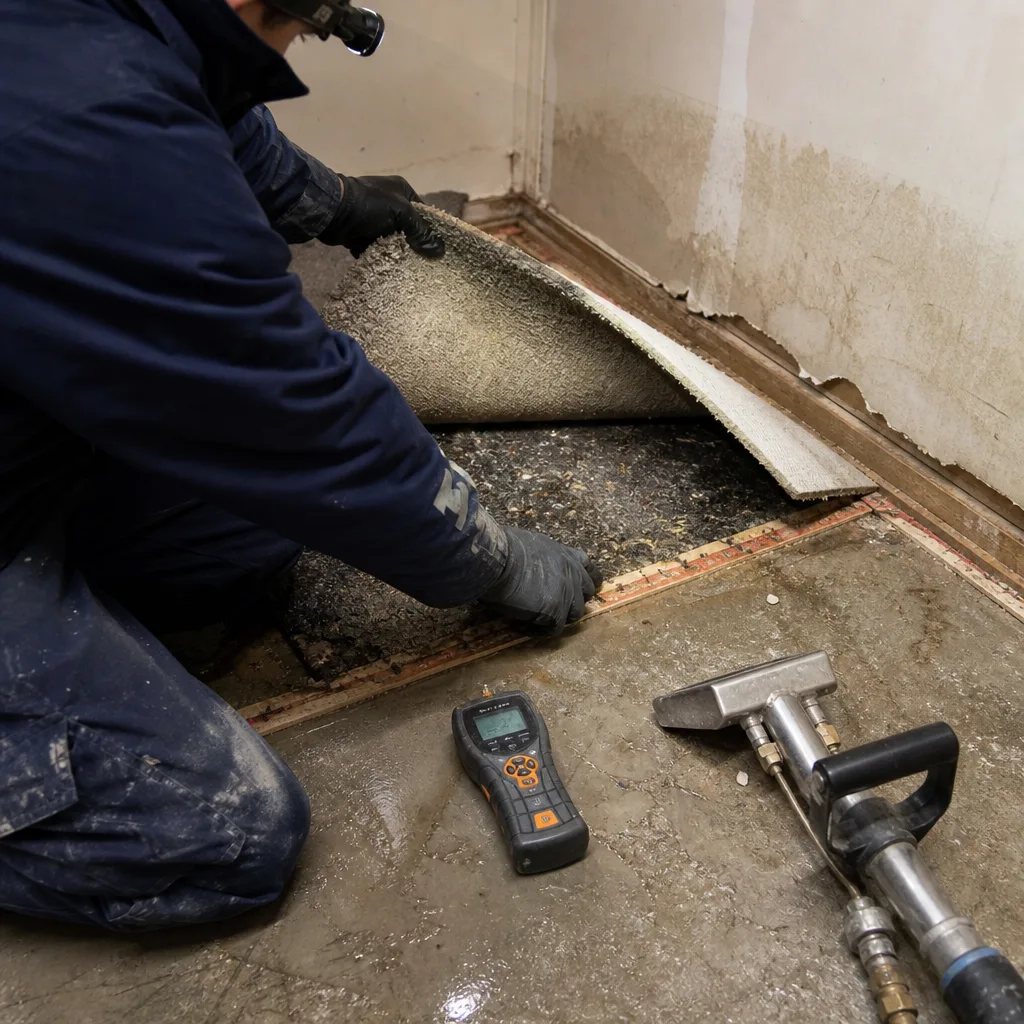
Documentation gaps kill claims. Alicia Brennan founded Back to Dry Restoration in 2011 after years as a claims adjuster watching homeowners lose coverage because mitigation contractors failed to photograph pre-existing conditions, log daily moisture readings, or separate water damage from long-term maintenance issues. We built our Water Damage Restoration process to close that gap.
From the first hour on your Cerritos property, we photograph every room, every angle, every material classification. Our estimates follow Xactimate or Symbility industry standards, line-itemed by trade, with no lump-sum scopes that adjusters reject. We speak directly with your carrier, submit drying logs with psychrometric data, and defend our scope against low-ball adjustments. You are copied on every communication. The goal is an invoice that clears without dispute, not a supplement battle that delays your rebuild.
What We Provide Your Insurer
- Thorough documentation of the loss
- Photos of all damage, room by room
- Moisture readings and drying logs
- A detailed, line-item scope of work
- Direct coordination with your carrier
Built for Cerritos’s Loss Calendar
January through March brings the heaviest rain months to Cerritos, with Pacific storm systems pushing water against aging slab foundations and overwhelming original 1960s-1980s drainage. Slab leaks spike in this period as thermal expansion and contraction stress already-thinning copper. April through June, the marine layer thickens and lingers until midday, keeping ambient relative humidity above 65% and extending drying times for any winter losses that were not fully remediated.
July through September brings dry heat and occasional monsoonal flows; Santa Ana wind events in October and November create the most deceptive conditions of the year. Surface moisture evaporates rapidly, but slab and subfloor moisture remains trapped. Homeowners and inexperienced contractors alike call jobs “dry” based on touch, only to find mold blooming behind baseboards by February. December cools and wets again, and the cycle repeats. We schedule follow-up moisture readings for all Cerritos jobs completed during Santa Ana periods, because the building tells a different story than the air.
Water Damage Restoration Across Cerritos’s Neighborhoods
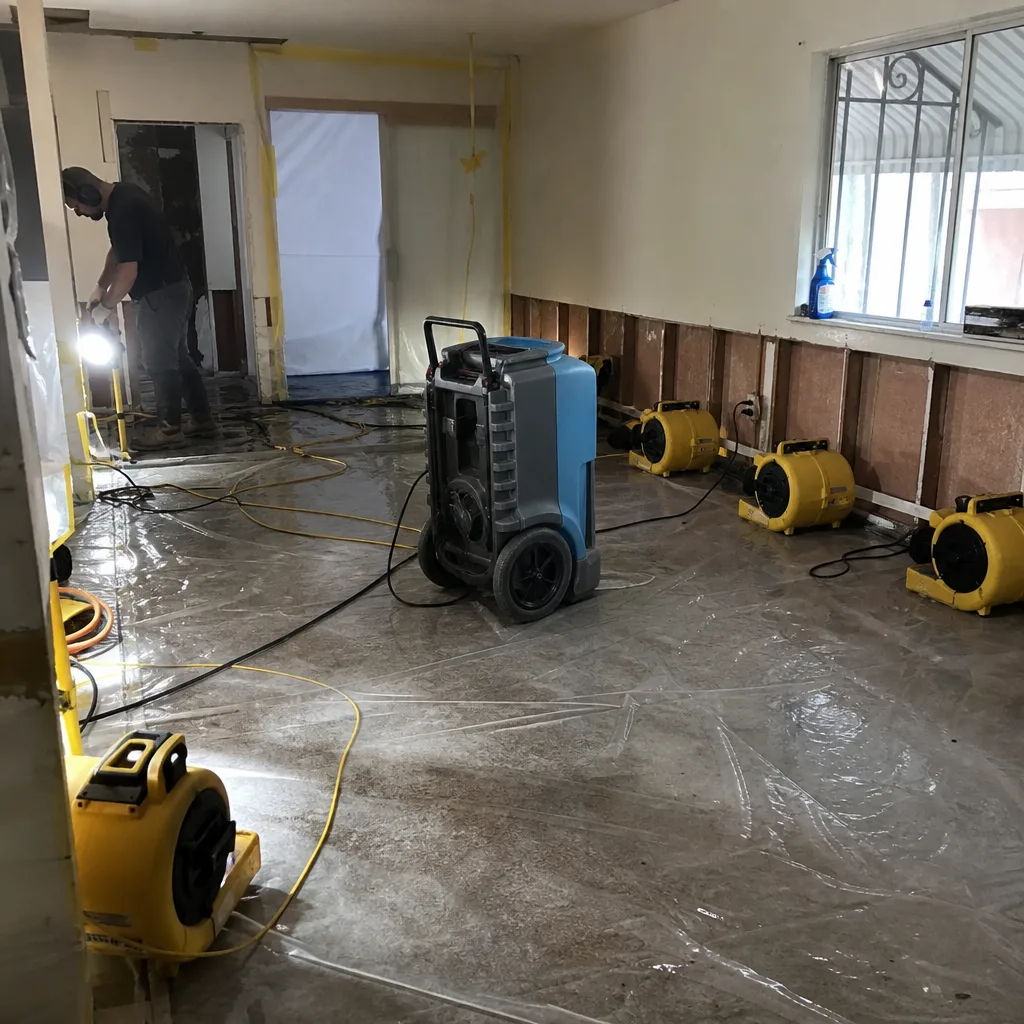
Near the Cerritos Towne Center and along South Street, 1970s ranch tracts dominate. These are ground zero for the slab-leak cohort: original copper embedded in alluvial soil, now at peak failure age. We ran a slab-leak job off a tract block near the Cerritos Towne Center, where a 1970s ranch home on a slab foundation had been quietly leaking under the concrete for weeks before a buckled laminate edge gave it away. After water extraction and moisture mapping with thermal imaging, our tech traced the under-slab copper pinhole leak and set up structural drying with Dri-Eaz and Phoenix air movers plus dehumidification through a containment bay. Because Cerritos’ marine-layer humidity slows drying, we logged an extra drying cycle before moisture readings of the slab and baseboards hit dry standard and wrote the drying logs into the scope of work.
Along Bloomfield Avenue and the western edge near the San Gabriel River channel, homes sit lower and closer to the water table. Post-rain groundwater intrusion through hairline slab cracks is common here, especially after seismic events. Our crews probe for foundation shift that outside adjusters miss - damage that reads as cosmetic settling but creates chronic moisture paths.
The area around Cerritos High School and the eastern residential grid, built slightly later in the 1975-1985 window, sees more split-level variations with partial second stories. Water damage here travels vertically through wall cavities and stairwell chases, requiring Injectidry hose systems for cavity drying that slab-only ranch homes rarely need.
Near the Los Cerritos Center and the 605 Freeway corridor, commercial and mixed-use properties add flat-roof membrane failures and HVAC condensate line backups to the risk profile. We coordinate with roofing and mechanical contractors for source repair before closing any mitigation file.
Specialized Water Damage Restoration Services We Offer in Cerritos
Emergency Water Extraction
Truck-mounted and portable extraction units remove standing water within hours of your call. For Cerritos slab homes, speed matters most in the first 4-6 hours before water reaches the full lateral spread pattern typical of concrete foundations. We extract, then map, then scope - never guess.
Structural Drying & Dehumidification
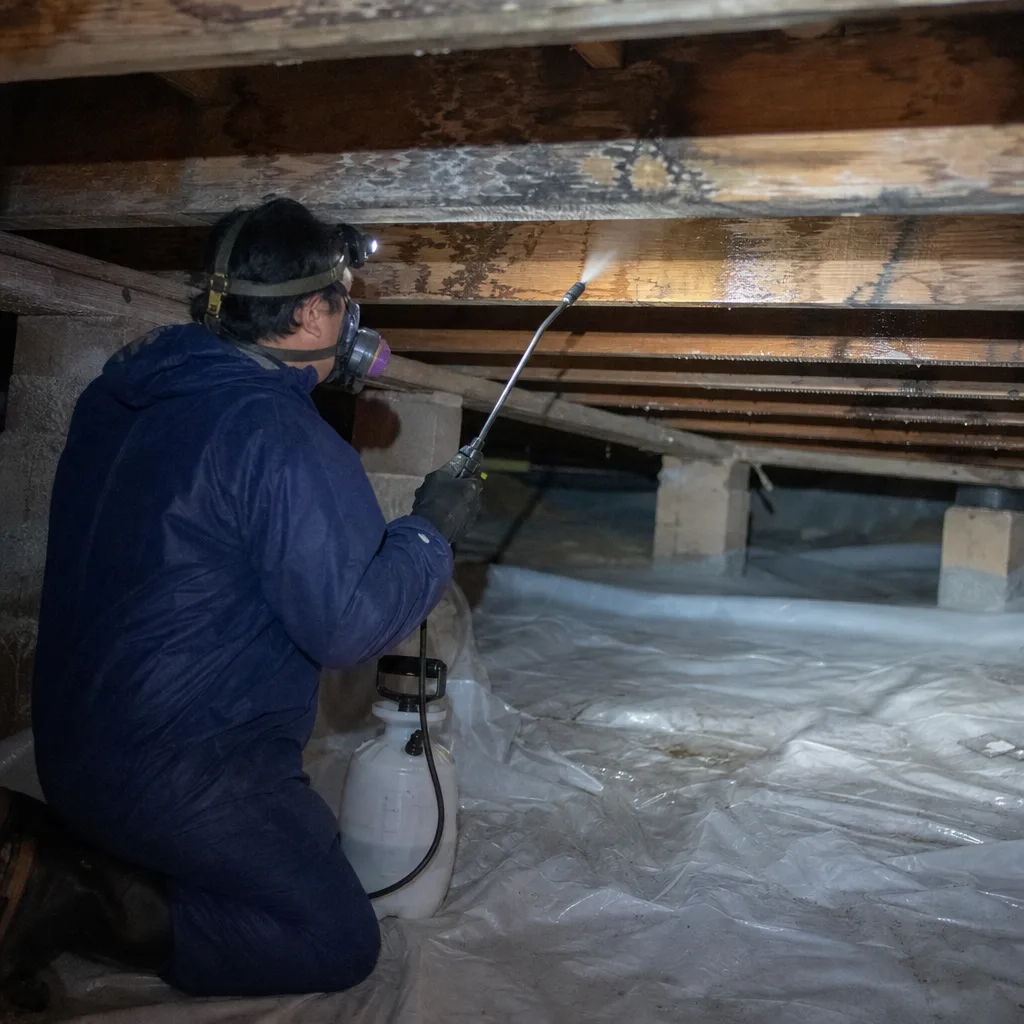
Low-grain refrigerant dehumidifiers and high-velocity air movers create vapor pressure differential that pulls moisture from materials into the air, then strips it from the air. In Cerritos, marine-layer ambient conditions mean we size equipment 20-30% above standard calculations and run longer cycles. Daily moisture logs prove dry standard to your insurer.
Flood Cleanup
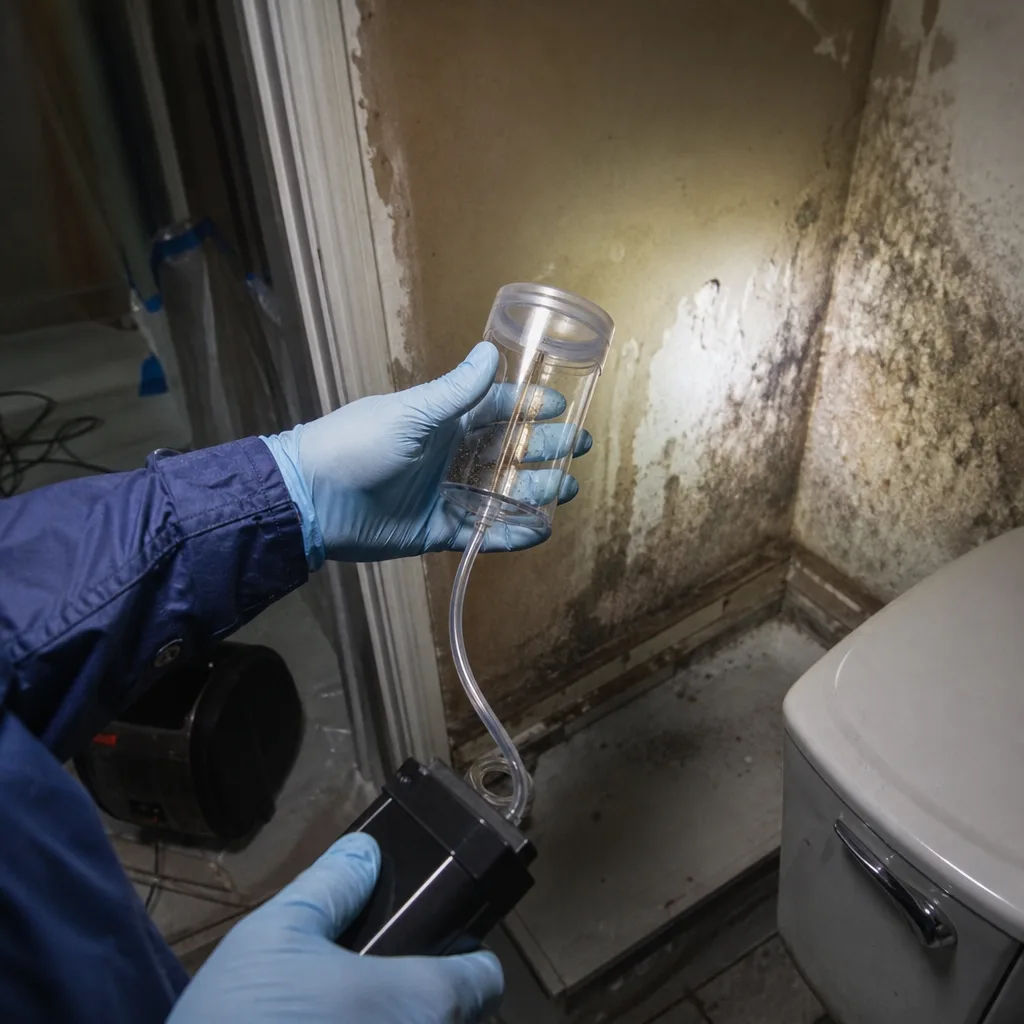
Category 3 flood events - river channel overflow, sewage backup, or groundwater intrusion - require full PPE, antimicrobial washdown, and controlled disposal of porous materials. Cerritos properties in the San Gabriel River floodplain and low-lying pockets near Bloomfield Avenue face elevated risk. We document contamination levels and disposal manifests for insurance and regulatory compliance.
Burst Pipe Restoration
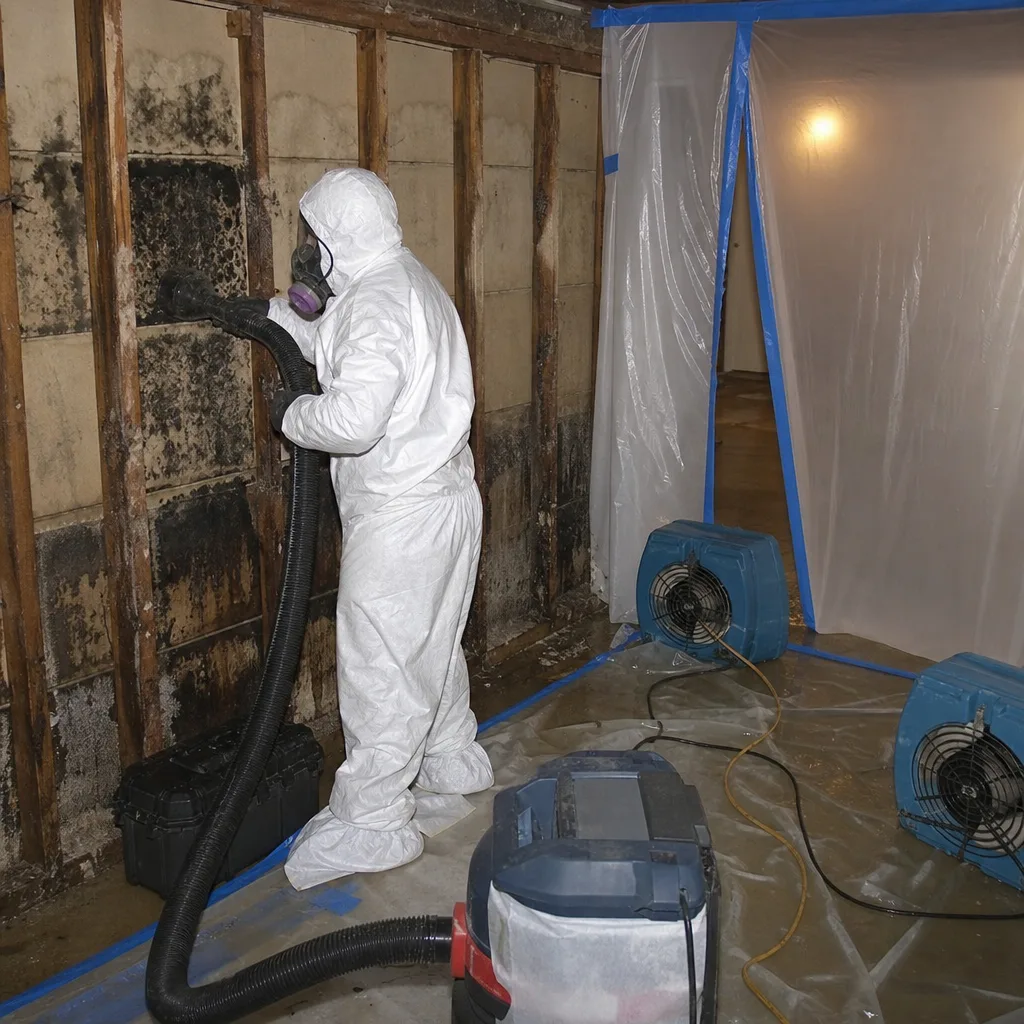
Cerritos’s 40-60-year-old copper supply lines fail as a cohort, not individually. A burst pipe in one 1975 ranch often signals pinhole thinning across the entire system. We extract and dry the immediate damage, then document the pipe condition for your plumber and adjuster, with photos of corrosion patterns that support replacement-over-repair coverage arguments.
Basement Water Removal
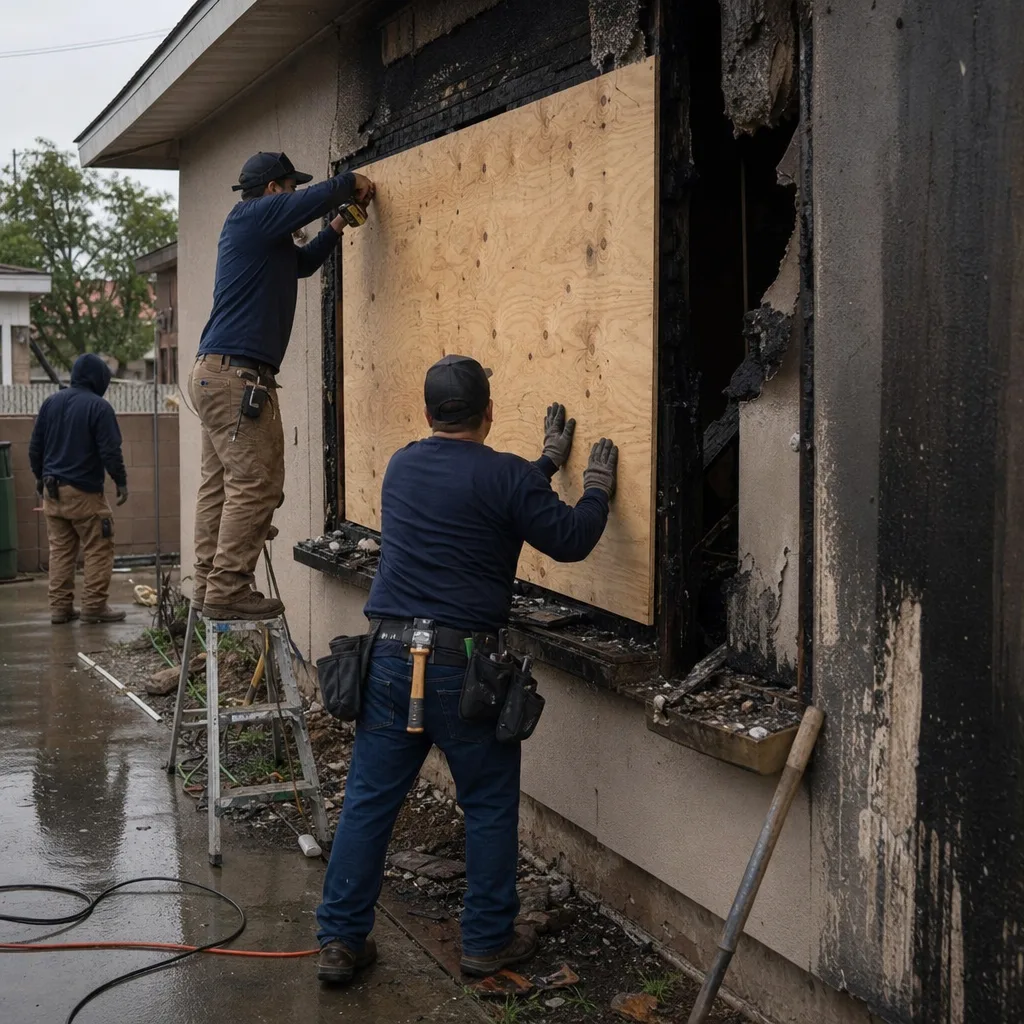
True basements are rare in Cerritos’s slab-on-grade stock, but partial daylight basements and converted garage spaces in split-levels require submersible pumping and specialized cavity drying. We evaluate structural risk in these atypical footprints before committing to salvage strategies.
Ceiling & Roof Leak Water Damage
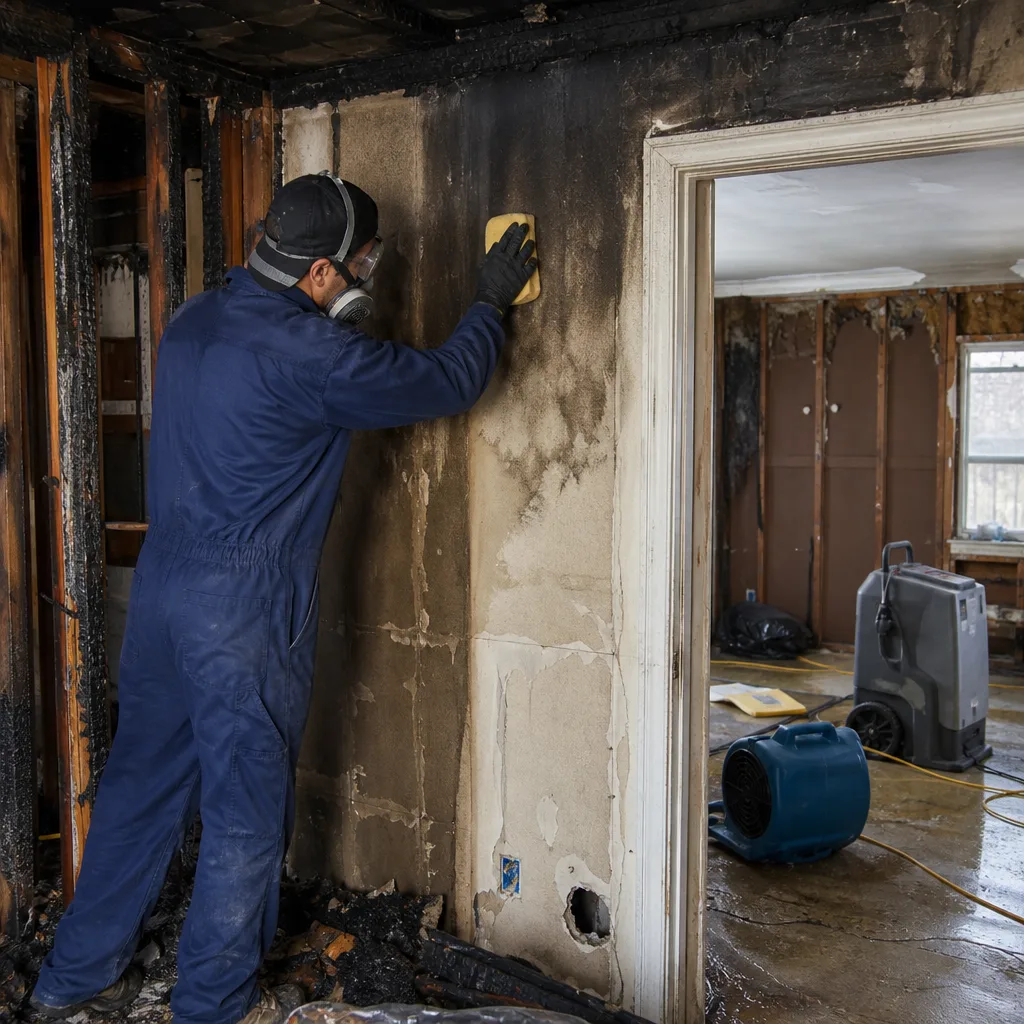
Flat and low-slope roofs in Cerritos’s commercial zones and some 1980s split-level additions suffer membrane fatigue and flashing failures. Water tracks along joist bays and can emerge far from the penetration point. Thermal imaging traces the true source before destructive testing.
What happens when you call
- 1
A real person answersNo phone trees - you reach a local pro.
- 2
You get an upfront price rangeHonest numbers before anyone is dispatched.
- 3
A background-checked tech heads outLicensed & insured, dispatched right away.
- 4
You approve before work beginsNothing starts until you say go.
Water Damage Restoration Costs in Cerritos, CA
Emergency water extraction in Cerritos runs $950-$1,800 for residential properties up to 2,500 sq ft. Structural drying and dehumidification adds $1,800-$4,200 depending on equipment count and cycle duration; Cerritos jobs typically hit the upper half of this range due to marine-layer humidity extending drying time. Full Category 1 restoration with minimal demolition: $2,800-$5,500. Category 2 with controlled demolition and antimicrobial treatment: $4,500-$8,500. Category 3 flood cleanup with full porous removal and sanitization: $7,500-$15,000+.
Slab-leak scenarios, Cerritos’s dominant loss type, average $4,500-$8,500 once hidden migration, flooring removal, and mold remediation are included. Insurance typically covers sudden and accidental discharge; long-term leaks may be denied if the carrier argues reasonable discovery time passed. Our photo documentation and moisture logs establish timeline and causation for your adjuster. We also provide a Free Second Opinion on any competitor’s written estimate - bring their scope and we will review it at no charge.
Every price is written before work starts. Haven Standard, Clause 1. No exceptions.
We Also Serve Cities Near Cerritos
Our crews respond throughout the corridor: Water Damage Restoration in Cerritos is coordinated from our Los Angeles office with local dispatch to Bellflower, Signal Hill, Long Beach, and Compton. Each city carries distinct building stock and climate patterns; our scopes account for the difference rather than applying a regional template.
Serving Cerritos, CA - Our Local Coverage Area
We’re based in the Cerritos area and know this community well. Use the map below to see our service coverage - if you’re nearby, we can almost certainly help.
Cerritos Water Damage Restoration Questions, Answered
Why do water damage jobs in Cerritos take longer to dry than neighboring inland cities?
The marine layer lingers through midday much of the year, keeping ambient relative humidity above 65% and slowing evaporation from wet materials. Our crews size dehumidification equipment 20-30% above standard psychrometric calculations and routinely run an extra drying cycle before moisture readings hit dry standard. Fall Santa Ana winds then create the opposite risk: rapid surface drying that masks trapped subfloor moisture. We verify with penetrating probes, not touch. Call (628) 226-1011 for a free inspection and written scope.
My Cerritos home is on a slab with no crawl space - how do you find a leak under the concrete?
We start with thermal imaging and non-invasive moisture mapping to trace the lateral spread pattern, then coordinate with licensed plumbers for electronic leak detection and slab penetration. The copper pinhole leaks common in Cerritos’s 1963-1985 housing stock typically migrate 10-20 feet across the slab before surfacing, so the visible stain is rarely the leak location. Our documentation maps the full path for your insurer. Call (628) 226-1011 to schedule detection and extraction.
How fast does mold start after a slab leak in a Cerritos ranch home?
mold colonization begins 48-72 hours after water intrusion on organic materials like drywall, baseboards, and subflooring. In Cerritos, slab leaks often run unseen for 2-6 weeks before detection, by which time mold load far exceeds the original water damage. Our AMRT-certified technicians assess contamination during initial inspection and scope remediation concurrently with structural drying when needed. Call (628) 226-1011 for immediate assessment.
Can post-earthquake slab damage in Cerritos actually cause water damage later?
Yes. Cerritos sits on state-mapped liquefaction-zone soils, and even minor seismic events can produce hairline slab cracks that adjusters from outside the area dismiss as cosmetic. These cracks become groundwater intrusion paths during winter rains, creating chronic moisture conditions that standard drying protocols miss. Our inspections probe for foundation shift and document crack patterns that support coverage arguments for structural mitigation. Call (628) 226-1011 for post-earthquake water damage assessment.
What is the difference between Category 1, 2 and 3 water in a Cerritos flood cleanup?
Category 1 is clean water from a burst supply line or overflowing sink; it degrades to Category 2 within 24-48 hours on Cerritos concrete slabs due to adhesive and soil contamination. Category 2 carries chemical or biological load from dishwashers, washing machines, or sump failures. Category 3 is sewage, groundwater, or any water that has passed through the building envelope or soil, requiring full PPE, antimicrobial treatment, and porous material disposal. We classify on arrival and document the basis for your insurer. Call (628) 226-1011 for immediate response and classification.
Will my insurance cover a slab leak that was leaking for weeks before I noticed?
Coverage hinges on whether the leak was “sudden and accidental” versus long-term damage excluded under gradual deterioration clauses. Our documentation - moisture mapping, thermal imaging, corrosion pattern photos, and drying logs - establishes timeline and causation to support your claim. We have successfully argued coverage for Cerritos homeowners where carriers initially denied based on assumed age of loss. We also coordinate directly with your adjuster. Call (628) 226-1011 for documentation support and a Free Second Opinion on any carrier estimate.
Do I need to move out during water damage restoration?
Most Category 1 and contained Category 2 jobs allow occupants to stay with containment barriers and air scrubbers in place. Category 3 losses, extensive demolition, or mold remediation requiring negative air pressure typically require temporary relocation for health and safety. We discuss this during initial scope and can document displacement costs for your claim. Call (628) 226-1011 to discuss your specific situation and receive a written plan.
What should I do in the first 30 minutes after discovering water damage?
Shut off the water source if identifiable and safe to access; do not enter standing water if electrical outlets are submerged. Remove small valuables and electronics from the affected area. Then call (628) 226-1011 - we answer live 24/7 and dispatch crews within 45 minutes to Cerritos addresses. Do not attempt DIY extraction on slab-set flooring; improper technique drives water deeper into subflooring and voids coverage for subsequent mold damage. Our free visual inspection includes immediate source identification and a written price before any work begins.
Written by Alicia Brennan, Owner at DryMark Restoration Compton, serving Cerritos since 2011 under The Haven Standard.
Water Damage Restoration in Nearby Areas