
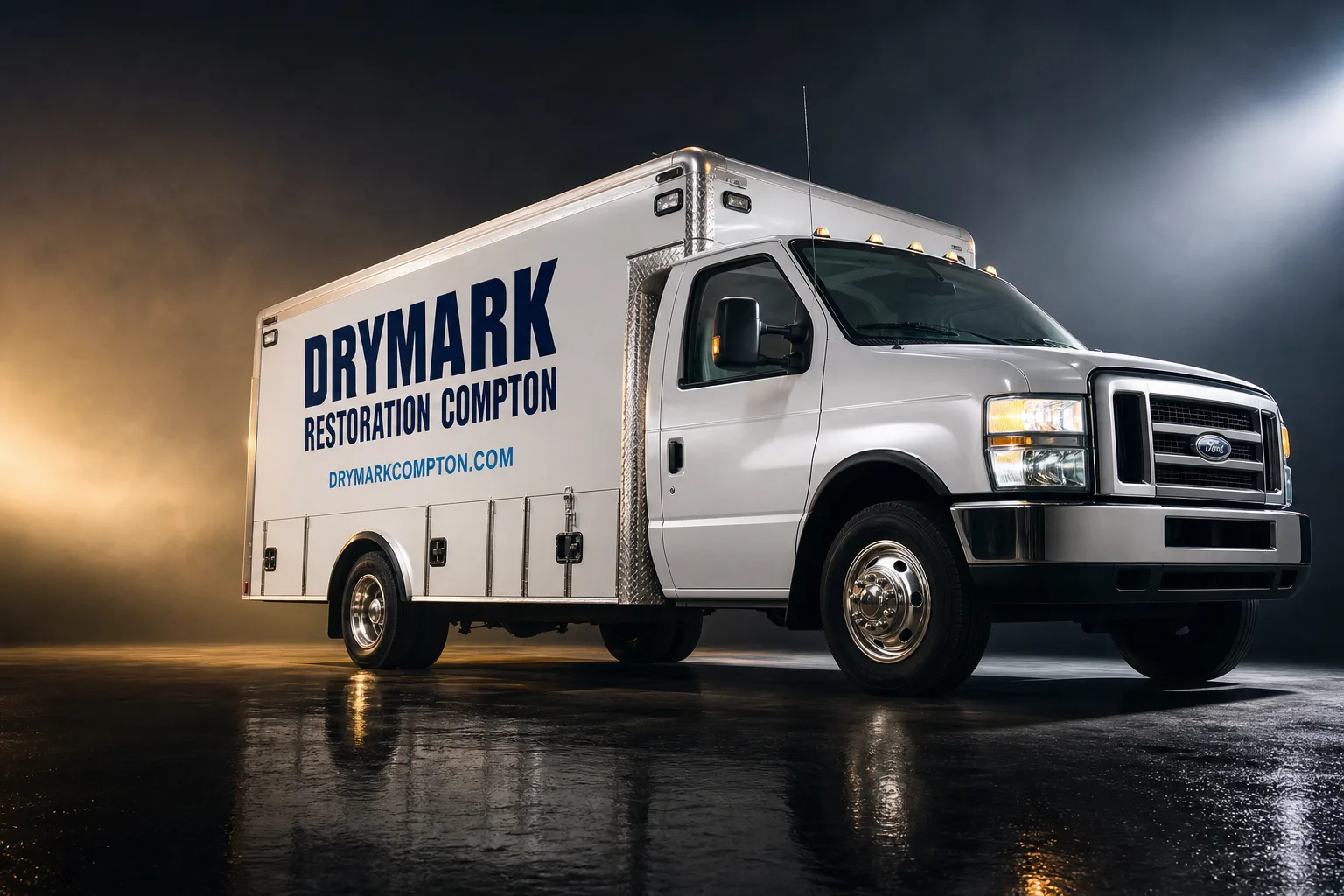
Free visual inspection and a written scope of work before any mitigation begins - photos, moisture readings, and drying logs go in your claim file
The scope we write is the scope we bill. Anything new gets shown to you, in writing, before we touch it.
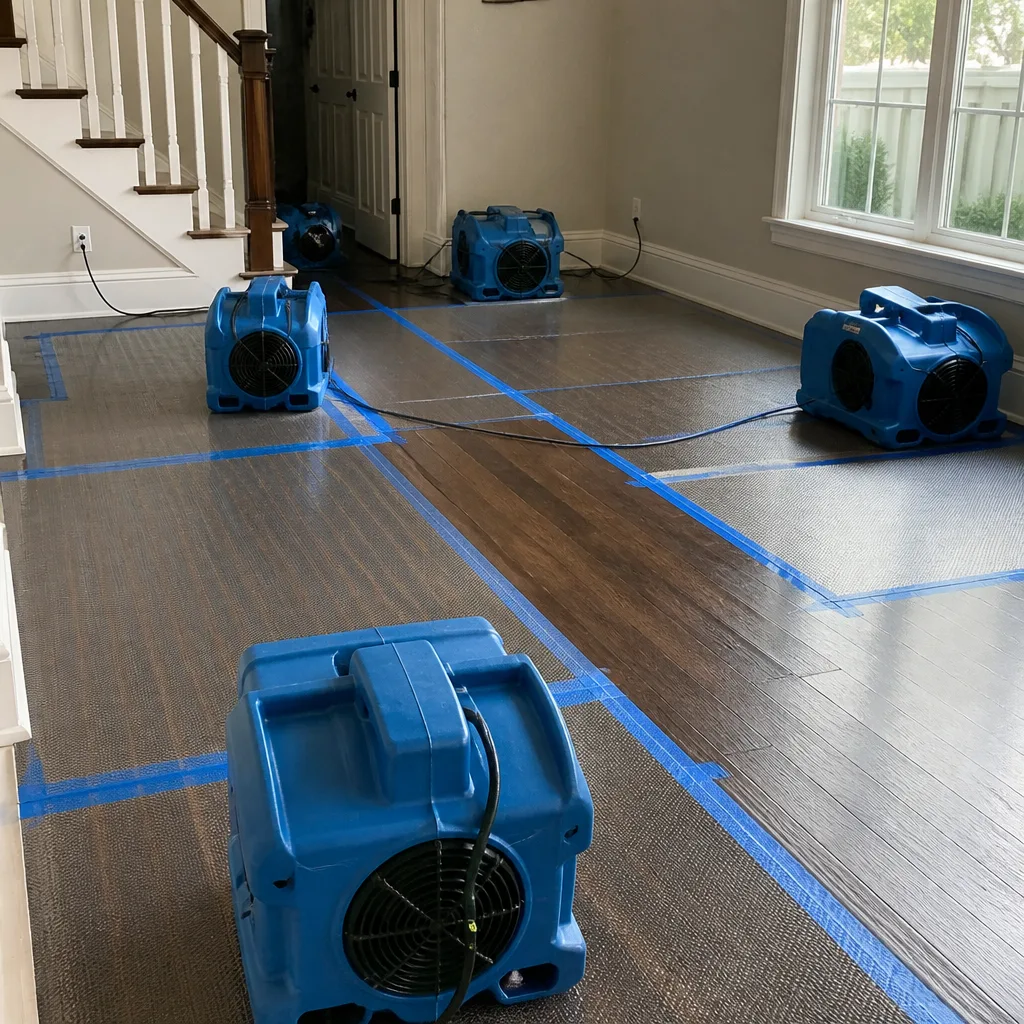
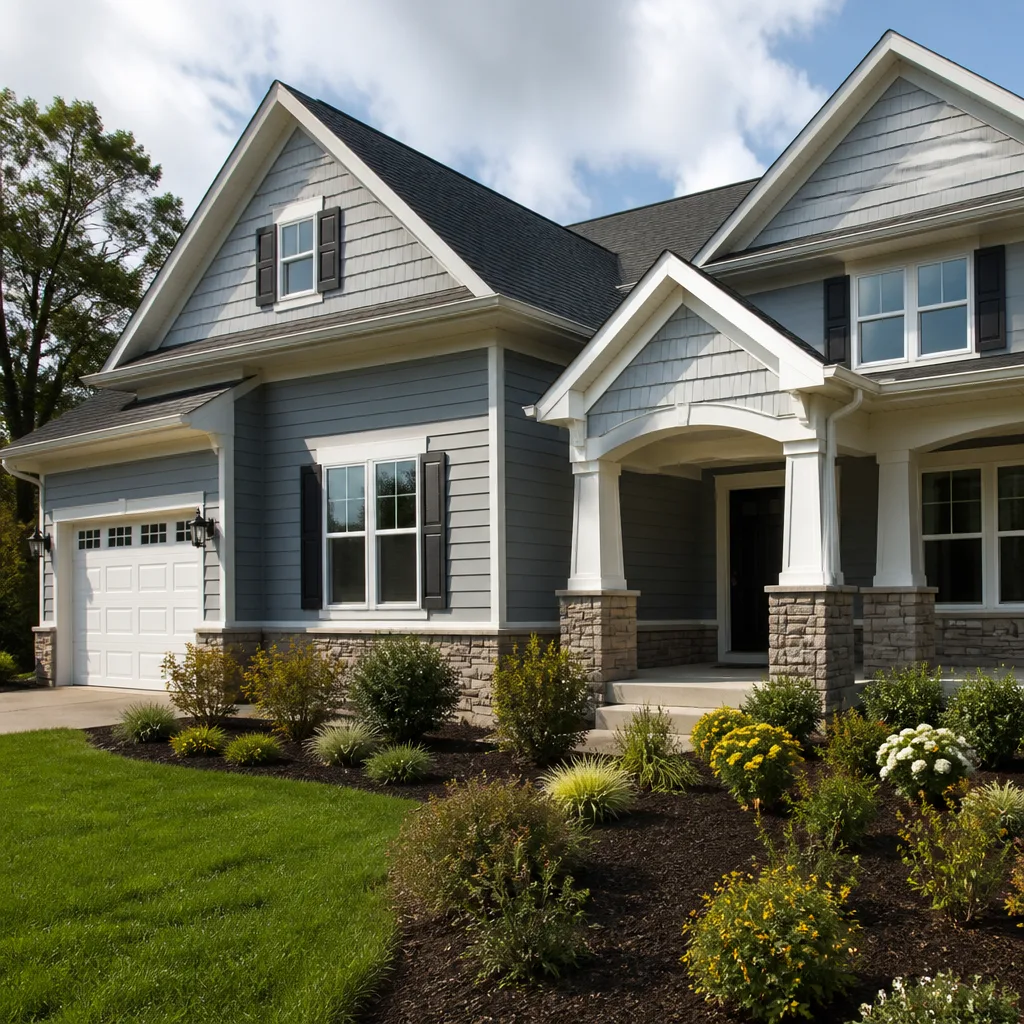
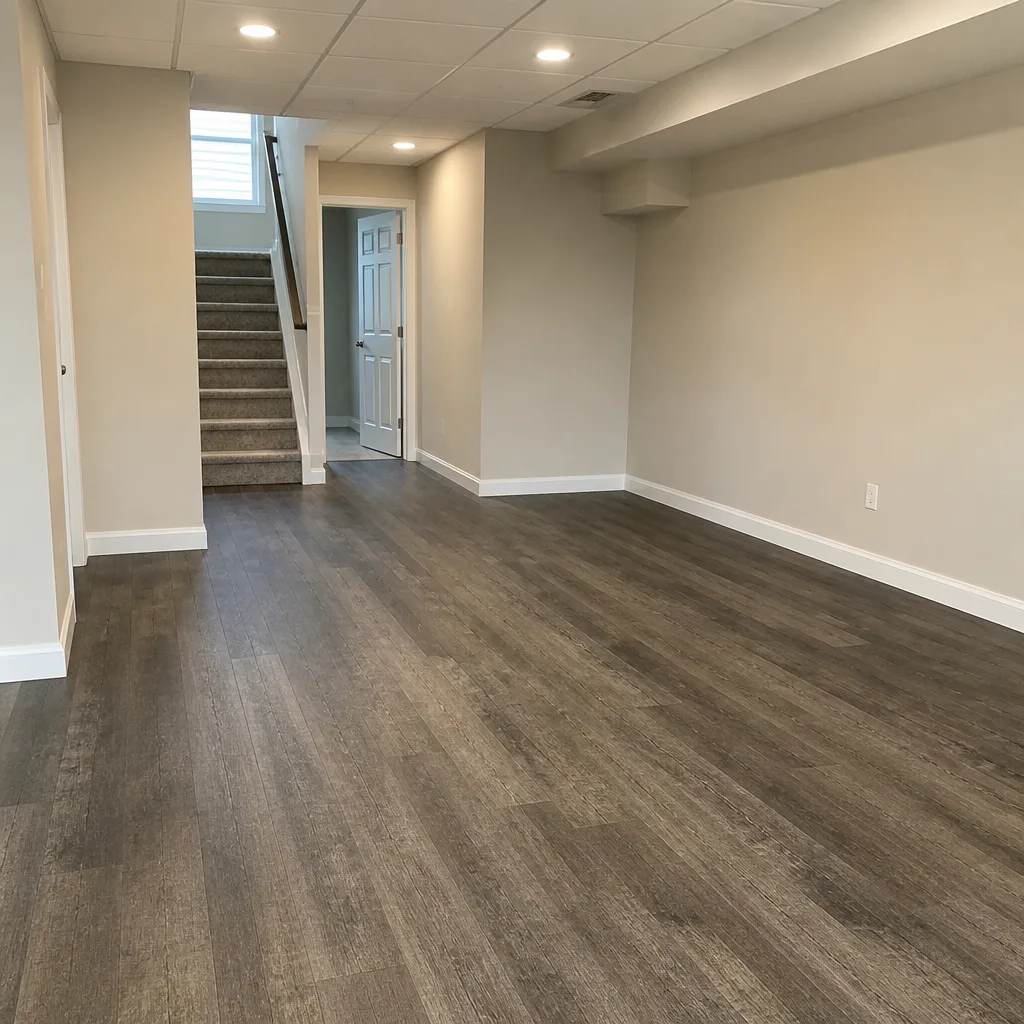
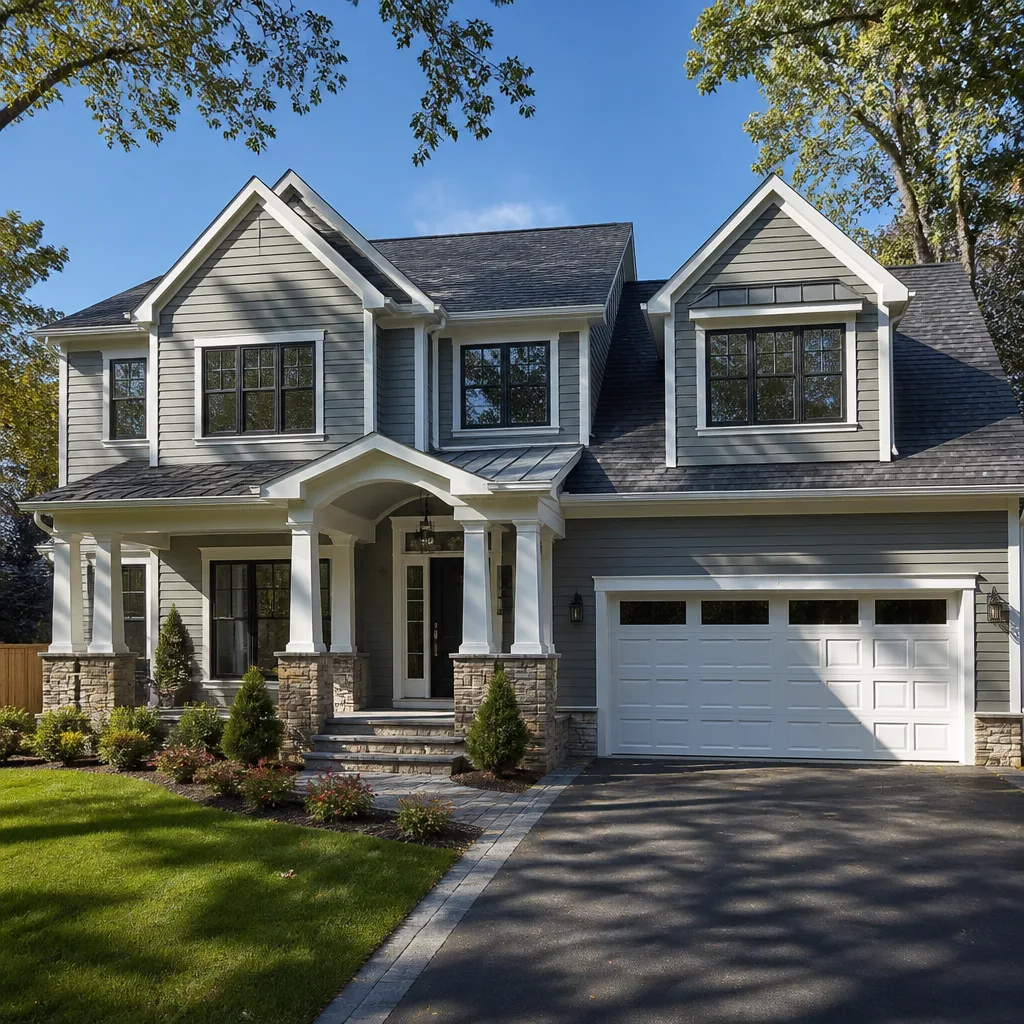
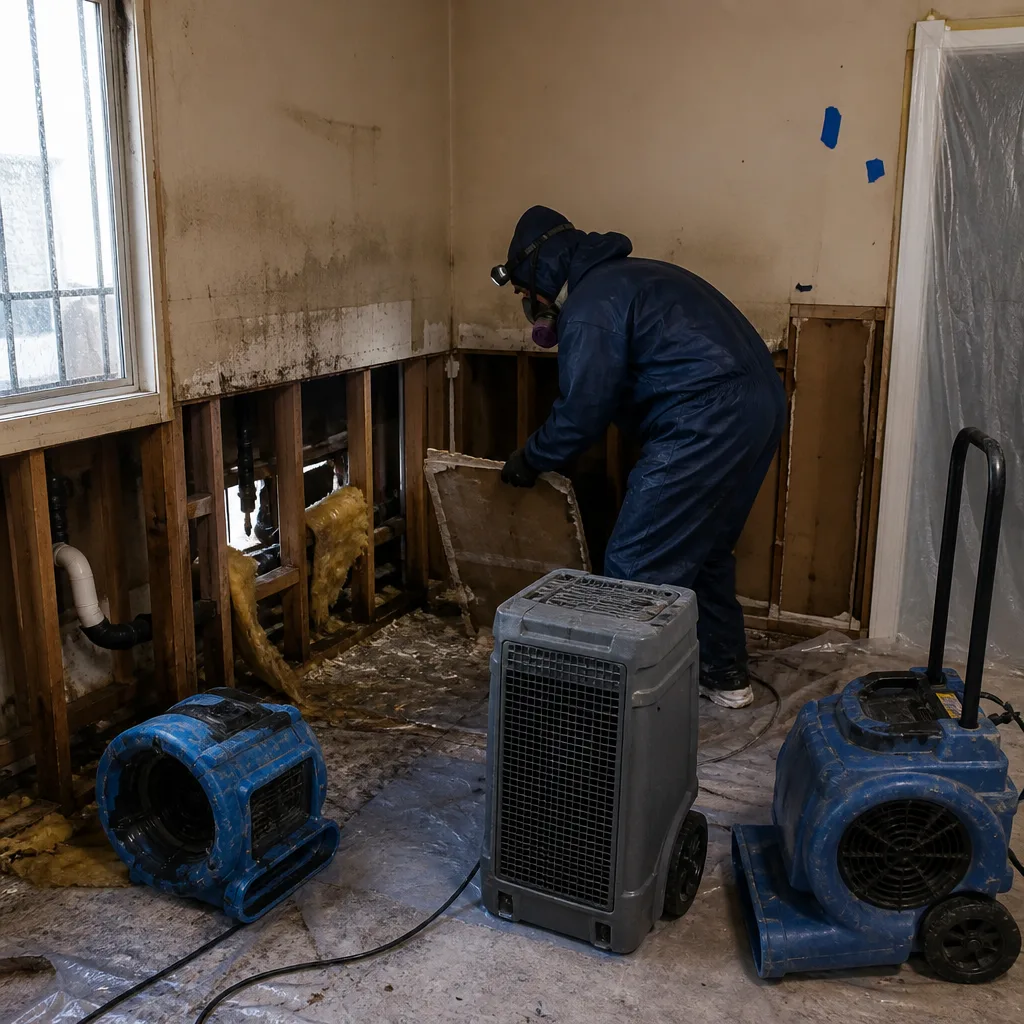 Before
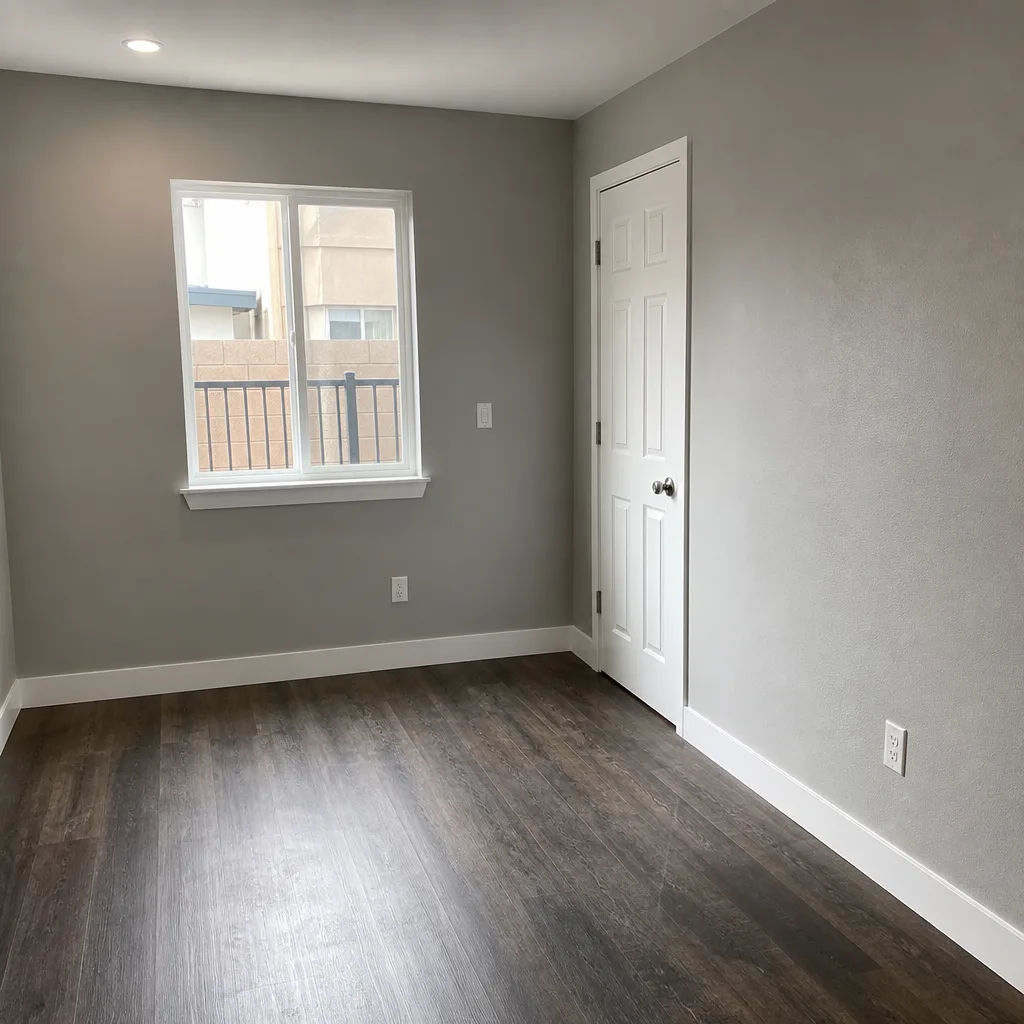 After
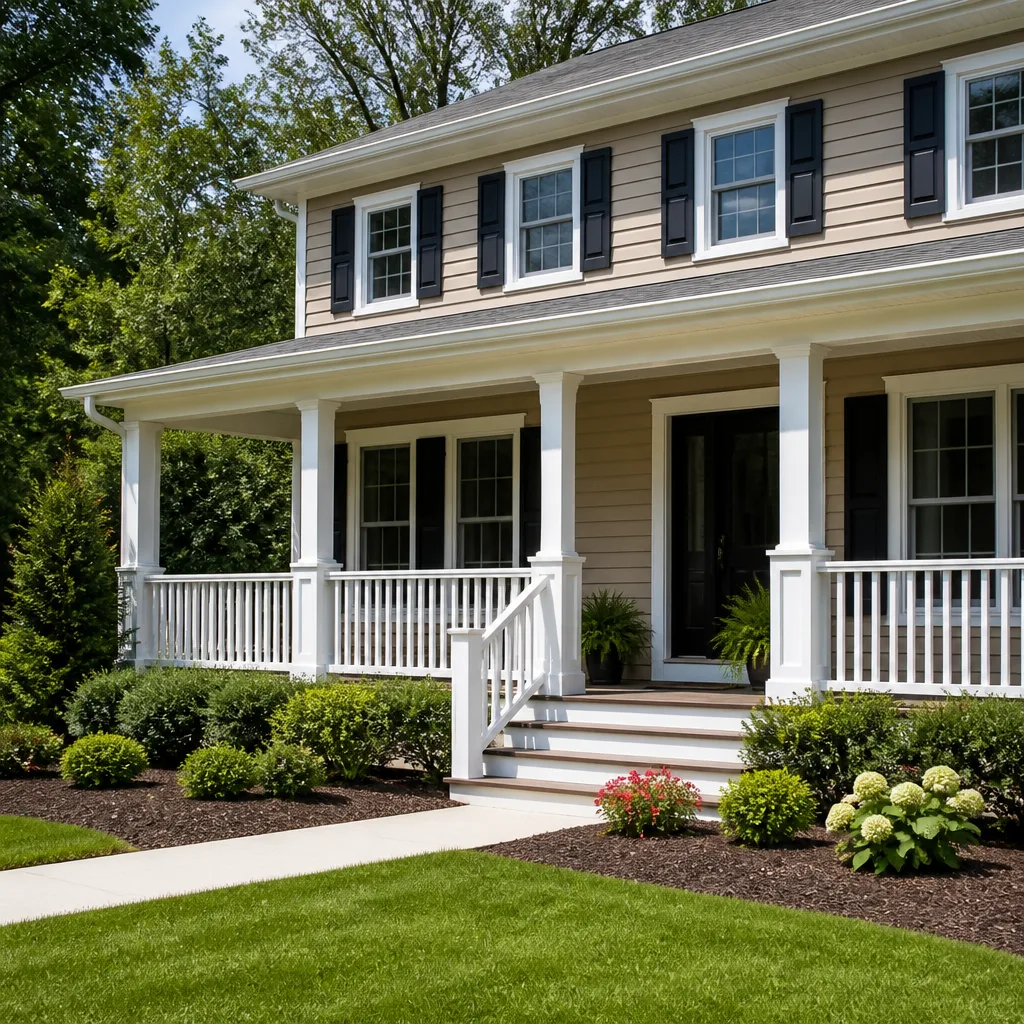
After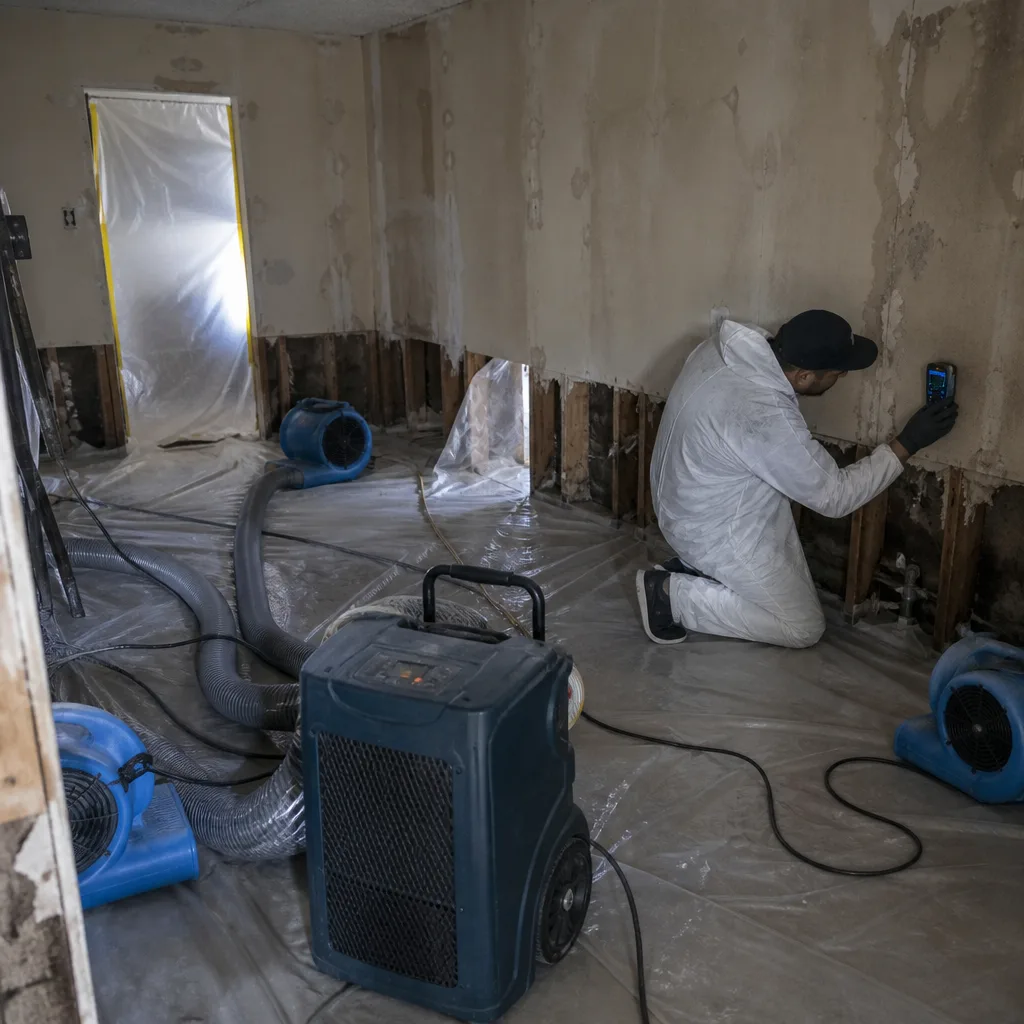 Before
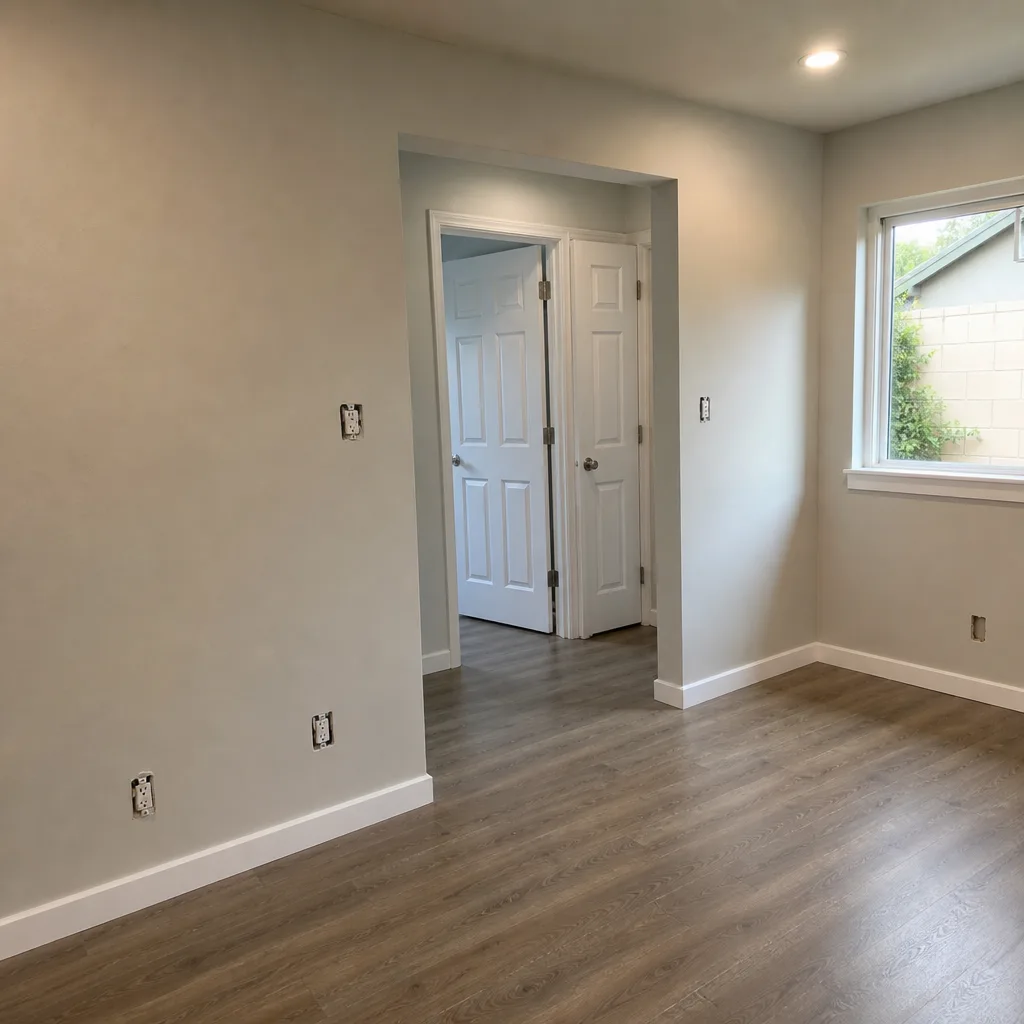 After
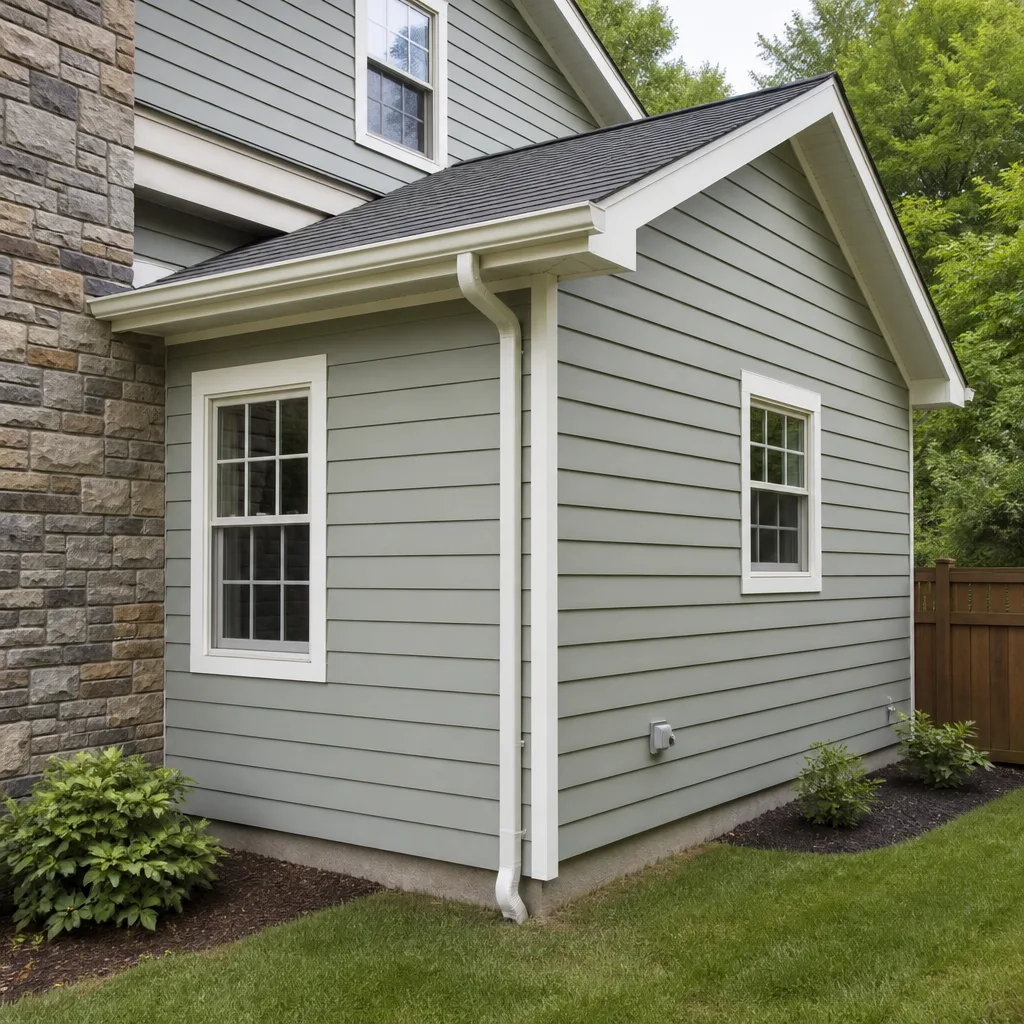
After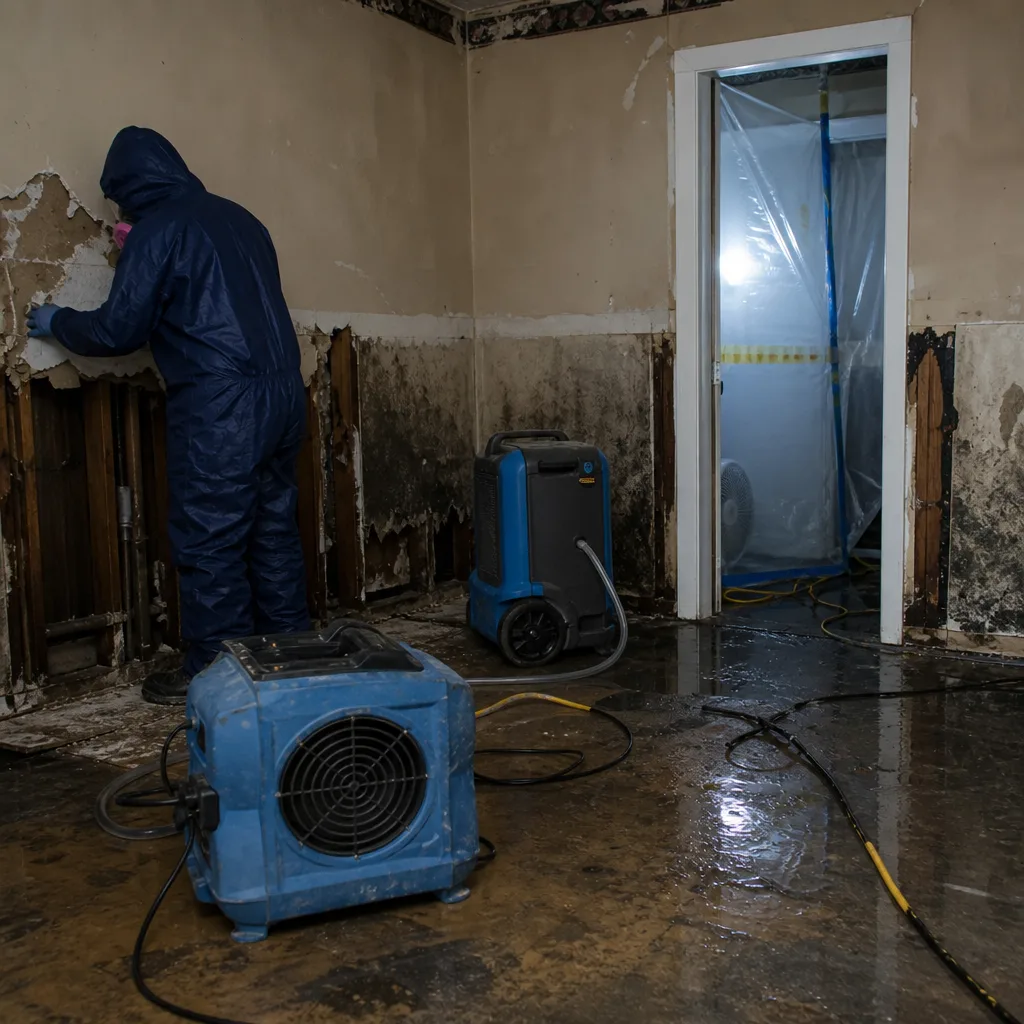 Before
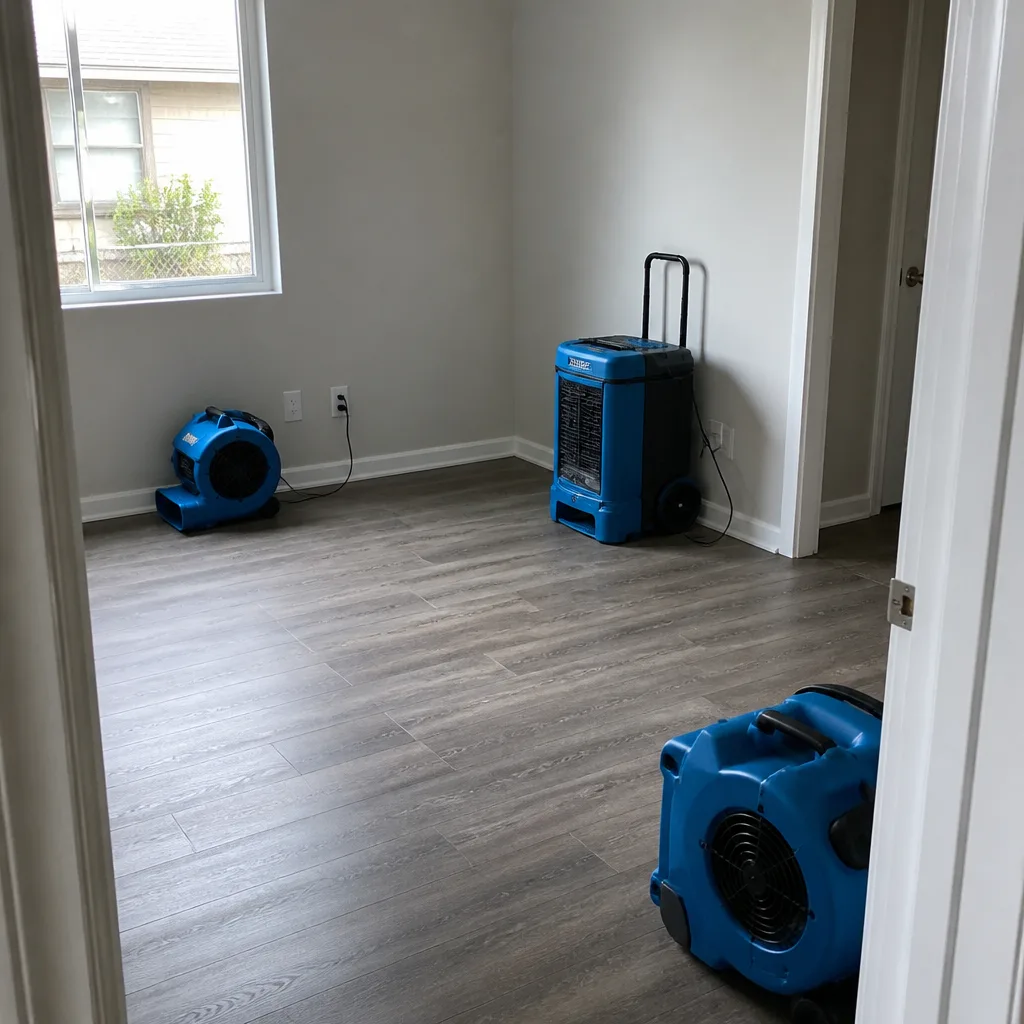 After
After24/7 Emergency Water Damage Restoration in Lomita
Water damage restoration in Lomita typically runs $1,800-$6,500 depending on affected square footage and water classification, and our crews are dispatched within 45 minutes of your call to (628) 226-1011. A live person answers every emergency line, 24 hours a day, 7 days a week - no voicemail trees, no next-business-day callbacks while water is still moving through your walls. The first hour determines whether we’re extracting standing water or tearing out saturated drywall; every minute of delay lets moisture wick deeper into 1940s-1960s plaster and original oak flooring that dominates Lomita’s post-war housing stock. Our Water Damage Restoration team arrives with moisture meters, thermal imaging, and extraction equipment already loaded. The inspection is free. The written price comes before any work begins, every time, under Haven Standard, Clause 1.
Understanding Water Damage Restoration Severity in Lomita Properties
Water damage in Lomita falls into three IICRC-defined categories that dictate both safety protocol and restoration cost. Category 1 water - a broken supply line or overflowing sink - is clean at source but degrades to Category 2 within 24-48 hours of contact with Lomita’s original building materials. Category 2, or gray water, carries chemical or biological contaminants; think dishwasher discharge or sump pump failures in homes with original galvanized drainage. Category 3, black water, includes sewage backup or ground flooding, and in Lomita’s older homes with compromised vapor barriers, this often requires full gutting of affected wall cavities.
Moisture mapping reveals what visible inspection cannot. Our technicians document psychrometric data - temperature, relative humidity, and vapor pressure differential - to establish drying goals. In Lomita’s marine-layer climate, ambient humidity often exceeds 70% on summer mornings, which means dehumidification capacity must be oversized relative to drier inland markets. Structural drying plans here account for tertiary drying phases that Torrance tract homes rarely need. The 9×9 vinyl floor tiles and popcorn ceilings common in Lomita’s 1950s bungalows add a critical layer: California-mandated asbestos testing before any demolition of water-damaged materials, with county enforcement particularly active near the LA Harbor corridor.
Why Lomita Property Owners Choose DryMark Restoration Compton
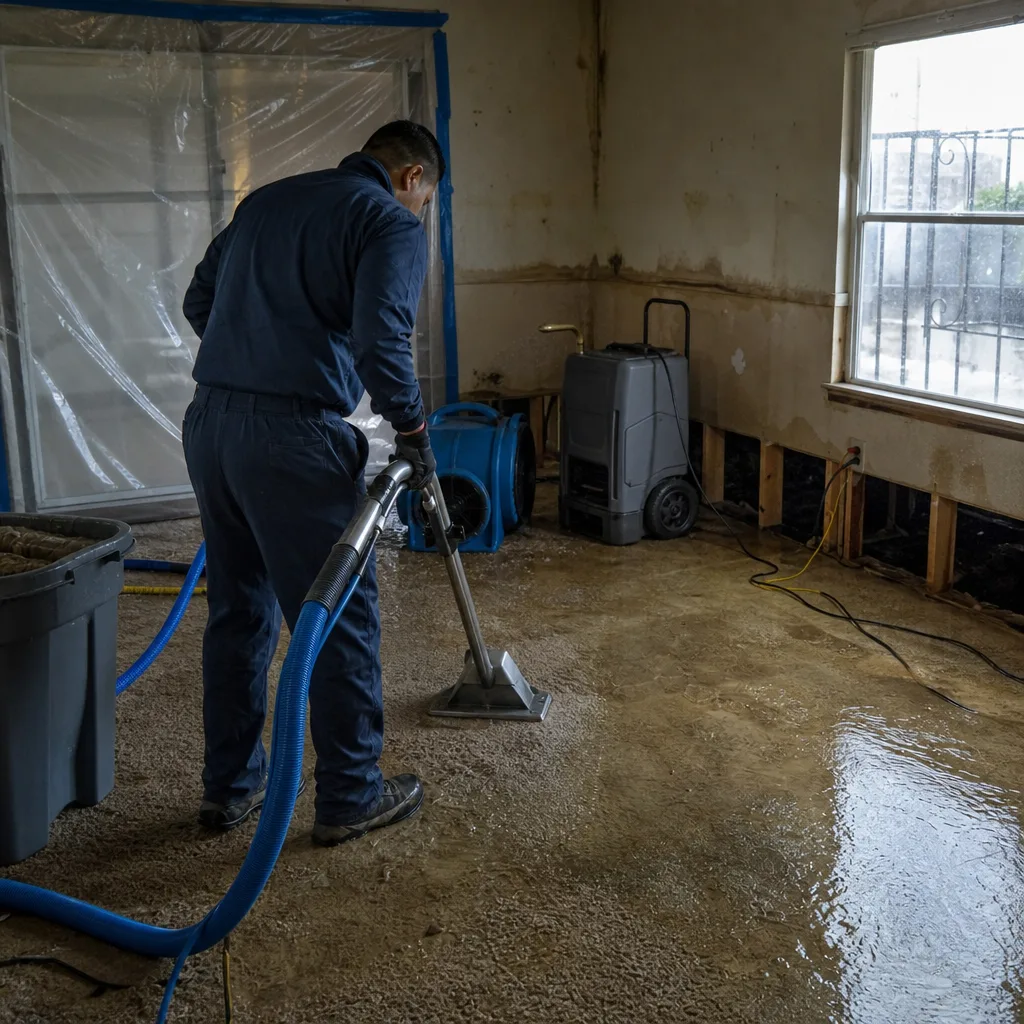
- 45-minute response commitment to Lomita addresses, with crews staged from our Los Angeles office for South Bay coverage.
- 24/7 live answer: a real person, never an automated system or voicemail tree, on every emergency call.
- IICRC-certified crews holding WRT (Water Damage Restoration Technician) and AMRT (Applied Microbial Remediation Technician) credentials, with license numbers documented on every job file.
- Free visual inspection and moisture mapping before any commitment or charge.
- Direct insurance billing with photo-documented estimates formatted to carrier standards - we speak adjuster, not sales.
- One team from extraction through reconstruction: no handoffs between mitigation and rebuild contractors.
BeforeAfterOur Water Damage Restoration Process
1. Inspection & Assessment
We arrive with FLIR thermal imaging, penetrating and non-penetrating moisture meters, and hygrometers. In Lomita, we pay particular attention to slab perimeter readings and crawl space vapor conditions, where marine-layer condensation creates chronic moisture that masks active leaks. Every reading is logged to your job file.
2. Extraction & Stabilization
Standing water is removed with truck-mounted extraction systems and weighted carpet wands. For Category 2 or 3 events, we establish containment barriers and deploy HEPA air scrubbers immediately. In Lomita’s older homes, we test for asbestos before disturbing any suspect materials - this is non-negotiable under California law.
3. Drying & Dehumidification
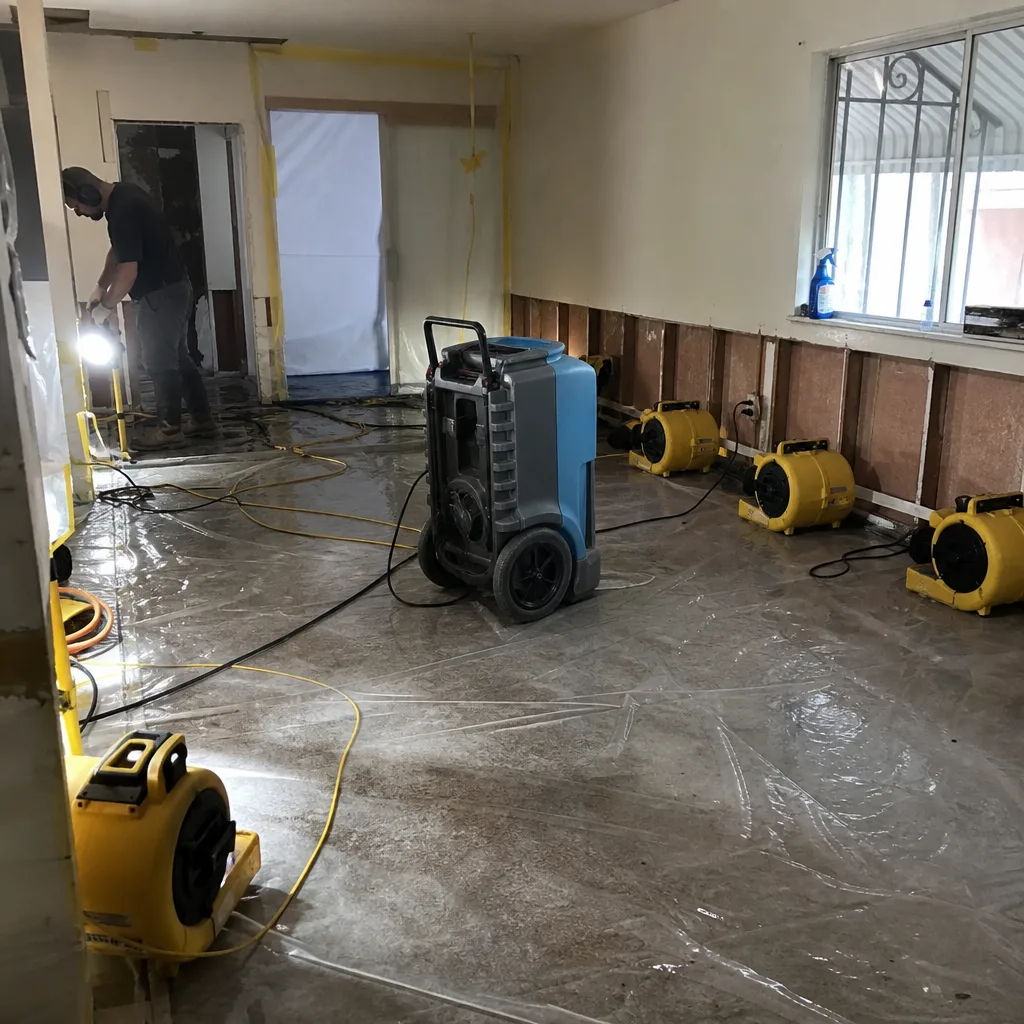
We deploy Dri-Eaz and Phoenix LGR dehumidifiers alongside Injectidry cavity drying systems and high-velocity air movers. Drying logs are updated daily with specific grain depression readings, not vague “progress” notes. In Lomita’s humid climate, we often run equipment 20-30% longer than inland jobs to reach target equilibrium moisture content.
4. Cleaning & Sanitization
Antimicrobial application follows IICRC S520 standards for water-damaged structures. We document product names, application rates, and dwell times. For Category 3 losses in Lomita’s older homes with compromised subflooring, this phase includes detailed inspection of crawl space framing for residual contamination.
5. Asbestos & Lead-Safe Demolition Coordination
When pre-demolition testing returns positive for chrysotile in 9×9 vinyl tiles or popcorn ceiling texture, we coordinate directly with California-licensed asbestos consultants for proper abatement sequencing. This specialty step, nearly universal in Lomita’s 1940s-1960s housing stock, is documented in your scope and submitted to your carrier as a line item.
6. Repairs & Restoration
Reconstruction follows a written scope with material specifications, not verbal promises. We match original trim profiles where possible and upgrade to modern moisture-resistant materials where code allows. The 365-Day Done Right Promise under The Haven Standard covers all workmanship.
Need Emergency Water Damage Restoration in Lomita Now?
Crews minutes away, answering live 24 hours a day. The sooner we start, the less it costs.
Working With Your Insurance Company
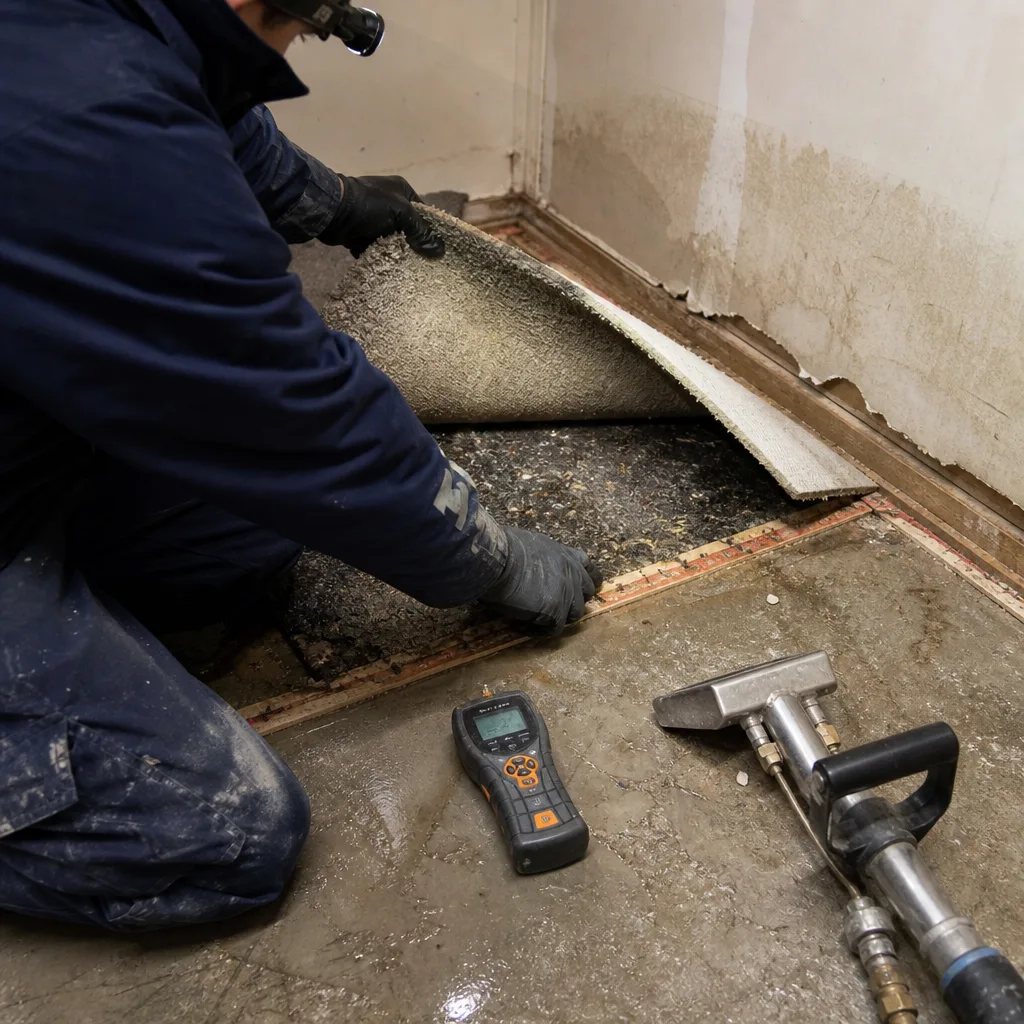
Insurance claims succeed or fail on documentation. We begin building your file from the first moisture reading, knowing that adjusters deny what they cannot verify. Every photo is timestamped and geotagged. Every drying log shows specific equipment placement, daily psychrometric readings, and material moisture content percentages. Our estimates follow Xactimate or Symbility formatting depending on your carrier’s preference, and we coordinate directly with your adjuster - no passing you between departments.
We provide direct billing to most major carriers, which means you’re not floating thousands in mitigation costs while waiting for claim resolution. For disputed scopes, our Free Second Opinion on any competitor’s written estimate gives you documented grounds to challenge a low initial offer. Haven Standard, Clause 1 applies regardless of payment source: the written price arrives before work starts, with no scope-creep additions once our crew is inside your home.
What We Provide Your Insurer
- Thorough documentation of the loss
- Photos of all damage, room by room
- Moisture readings and drying logs
- A detailed, line-item scope of work
- Direct coordination with your carrier
Built for Lomita’s Loss Calendar
Lomita’s water damage calendar runs on three rhythms, none of which match inland Southern California. January through March brings El Niño-driven rain events that overwhelm flat and low-slope roofs on post-war bungalows; ceiling and attic intrusion is the dominant loss type, often discovered only when stains bloom on original popcorn ceiling texture. April through June, the marine layer thickens and crawl space condensation peaks - we see a surge in pinhole leaks from corroded galvanized supply lines, usually found during moisture mapping rather than reported as visible flooding. July through October, the pattern inverts: drier air above means homeowners ventilate less, trapping humidity in wall cavities where secondary mold colonizes within 72 hours of any undetected moisture.
We got a call to a 1952 ranch home on 253rd Street where the homeowner noticed a musty smell but no visible water. Our tech ran moisture readings across the original oak floors, found elevated readings near the hallway, and traced it to a pinhole leak in the original galvanized supply line behind the wall. Before we could open the wall, we had to stop and coordinate with a California-licensed asbestos consultant because the adjacent 9×9 vinyl tiles tested positive for chrysotile - then we completed water extraction, set containment, and ran Dri-Eaz dehumidifiers and air movers for four days of structural drying.
Water Damage Restoration Across Lomita’s Neighborhoods
North Lomita, between Pacific Coast Highway and Lomita Boulevard, holds the city’s densest concentration of 1940s-1950s bungalows on raised foundations with accessible crawl spaces. These homes see chronic supply line corrosion in the damp subfloor environment; our crews carry extra PPE for confined-space entry and coordinate asbestos testing before any subfloor work. The corridor near Narbonne Avenue features slightly later 1960s ranches on slab foundations, where slab leaks are harder to trace and often require Injectidry mat systems for drying concrete perimeter zones.
South of Lomita Boulevard toward the Palos Verdes border, homes on 255th Street and 257th Street sit closer to the ridgeline with better natural drainage but older roof systems. El Niño seasons bring repeated ceiling damage here, and we’ve documented the same homes needing structural drying three years running when owners delay full roof replacement. Near the commercial corridor on Pacific Coast Highway, mixed-use buildings with residential above retail present unique containment challenges - water migration through shared walls requires coordination with neighboring businesses and often extended drying timelines.
The area around Lomita Park and the civic center represents the city’s newest construction, though “new” here means 1970s-1980s. These homes have copper supply lines and modern roof pitches that perform better, but they’re not immune - we’ve extracted water from failed water heaters in the park-adjacent townhomes and documented mold behind vinyl siding where improper flashing meets marine-layer humidity.
Specialized Water Damage Restoration Services We Offer in Lomita
Emergency Water Extraction
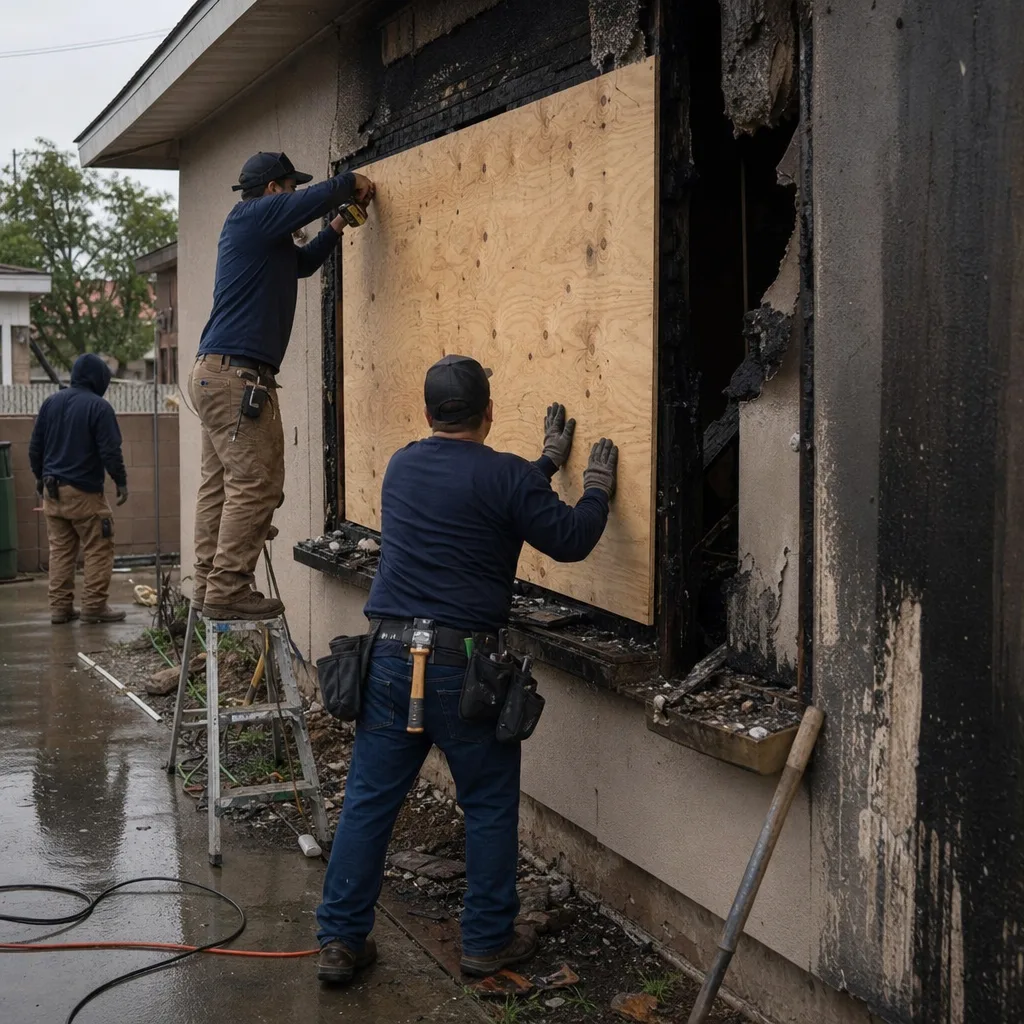
Standing water is removed within hours, not days. Our truck-mounted systems extract from carpet, pad, and hard surfaces at rates exceeding portable equipment by 300%. In Lomita’s older homes with original oak or terrazzo flooring, controlled extraction prevents buckling that aggressive drying alone cannot reverse. Call (628) 226-1011 for immediate dispatch.
Structural Drying & Dehumidification
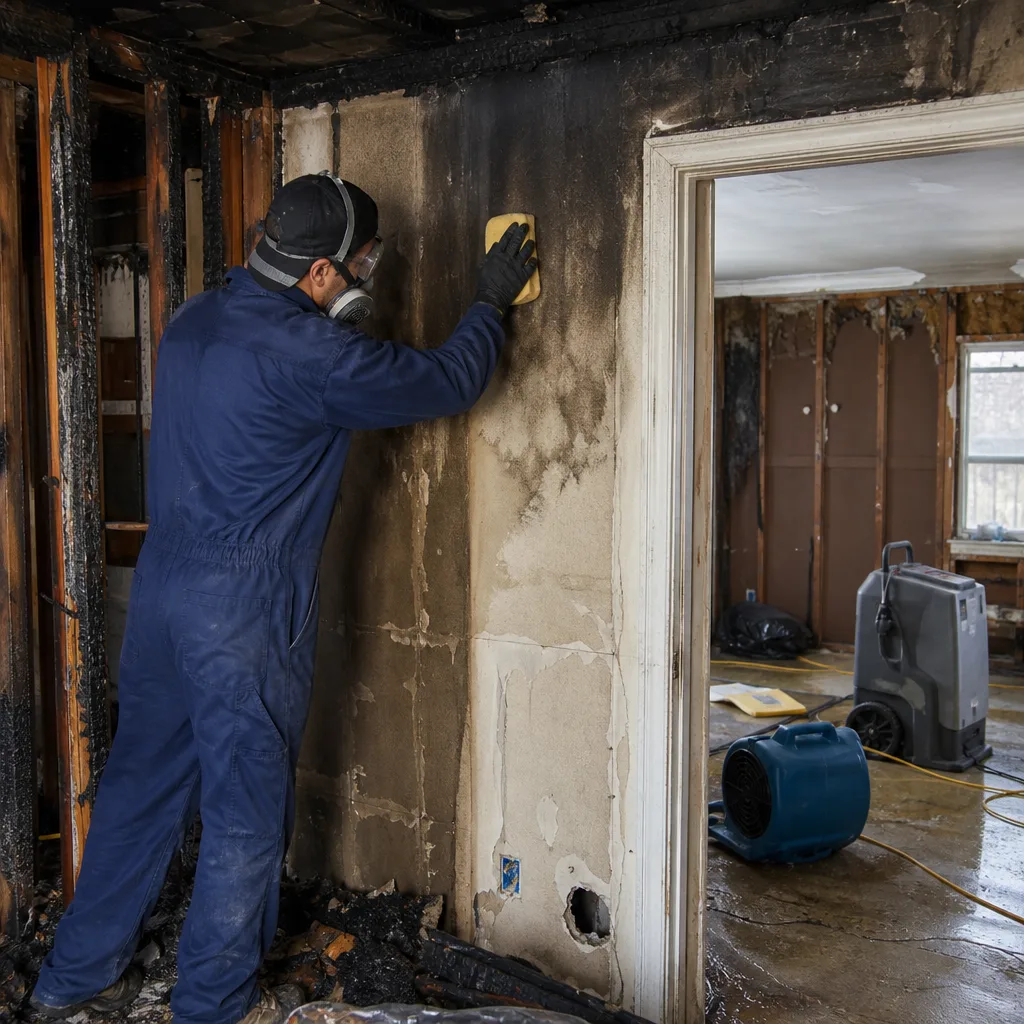
Drying plans are engineered to specific equilibrium moisture content targets, not guesswork. We deploy Phoenix 200 HT dehumidifiers and Injectidry HP-Plus systems for wall cavity drying, with daily logs showing grain depression and vapor pressure differential. Lomita’s marine-layer humidity means equipment runs longer here; we size capacity accordingly and document every reading to IICRC and RIA standards.
Flood Cleanup
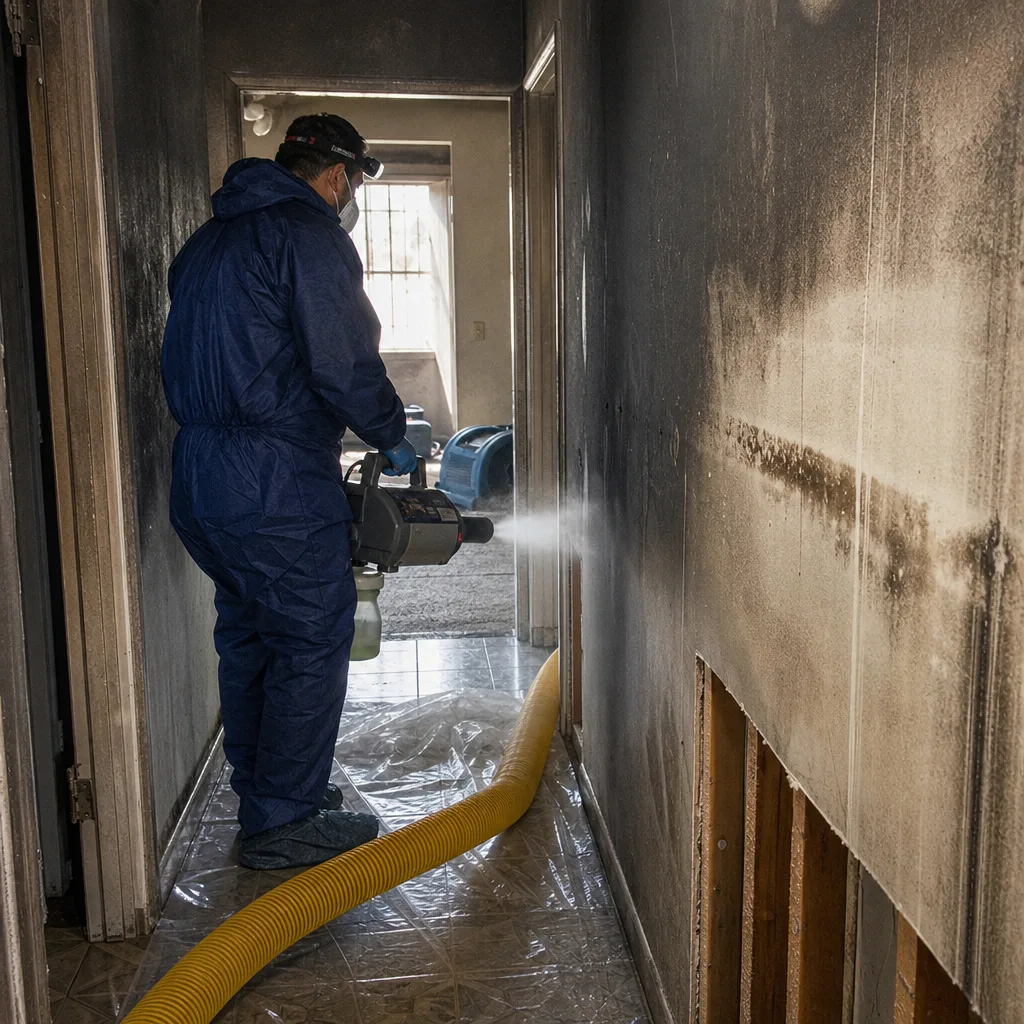
Ground flooding and storm surge are rare in Lomita proper, but overwhelmed drainage systems during El Niño events can backflow into low-lying properties near the Pacific Coast Highway corridor. Category 3 flood cleanup requires full PPE, antimicrobial application, and often removal of porous materials that cannot be sanitized. We coordinate with your adjuster from hour one.
Burst Pipe Restoration
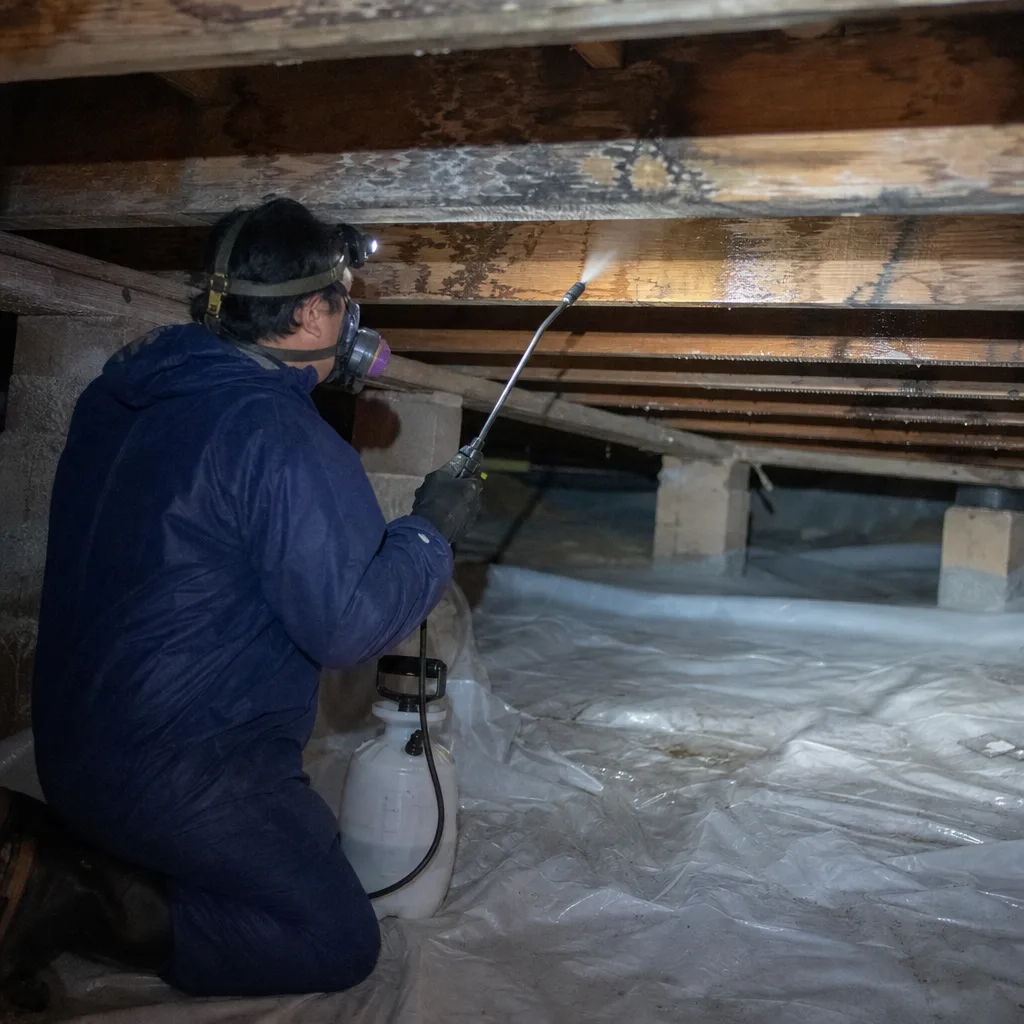
Galvanized supply lines in Lomita’s 1940s-1960s housing stock corrode from the inside out, producing pinhole leaks rather than dramatic bursts. The damage is often extensive by the time it’s visible. We trace the full extent with thermal imaging, document affected materials for your claim, and coordinate asbestos testing before any wall or ceiling opening.
Ceiling & Roof Leak Water Damage
Flat and low-slope roofs on Lomita’s post-war homes shed rain poorly, and the marine layer keeps roof decks perpetually damp. We address ceiling damage with weighted extraction from above, cavity drying through drilled injection points, and full documentation of insulation saturation for carrier submission. Recurring leaks in the same location get a written scope for permanent roof repair or replacement.
Basement Water Removal
True basements are uncommon in Lomita’s post-war construction, but partial daylight basements and converted crawl spaces exist near the city’s northern edge. These below-grade areas require submersible pumps, sealed dehumidification, and careful monitoring for hydrostatic pressure damage to foundation walls. We assess structural integrity before declaring drying complete.
What happens when you call
- 1
A real person answersNo phone trees - you reach a local pro.
- 2
You get an upfront price rangeHonest numbers before anyone is dispatched.
- 3
A background-checked tech heads outLicensed & insured, dispatched right away.
- 4
You approve before work beginsNothing starts until you say go.
Water Damage Restoration Costs in Lomita, CA
Honest pricing for Lomita’s market, delivered in writing before work begins under Haven Standard, Clause 1:
| Service | Typical Range in Lomita |
|---|---|
| Emergency water extraction (up to 500 sq ft) | $1,800 - $3,200 |
| Structural drying & dehumidification (3-5 day cycle) | $2,400 - $4,800 |
| Category 1 loss, full mitigation (avg. 1,200 sq ft home) | $3,500 - $6,500 |
| Category 2 loss with limited material removal | $5,500 - $9,000 |
| Category 3 loss / sewage backup | $8,000 - $15,000+ |
| Asbestos testing coordination (mandatory pre-demo) | $450 - $850 |
| Roof leak ceiling drying (single room) | $1,200 - $2,800 |
What moves the price: water classification, affected square footage, material type (original plaster vs. modern drywall), asbestos testing requirements, and whether the loss involves a slab leak requiring specialized detection. Insurance typically covers sudden and accidental water damage; gradual leaks from corroded supply lines may be contested depending on your policy language and documentation quality. Our photo record and drying logs strengthen your position. Call (628) 226-1011 for a free inspection and written scope - estimates are free, and Haven Standard, Clause 1 guarantees the price you see is the price you pay.
We Also Serve Cities Near Lomita
Our Water Damage Restoration in Lomita coverage extends throughout the South Bay and Harbor Area. We maintain 45-minute response commitments to Harbor City, Lakewood, Torrance, and Wilmington, with crews staged from our Los Angeles office for regional coverage. Each city’s housing stock and climate patterns inform our equipment loadout - Torrance’s east side tracts have newer construction and drier microclimates, while Harbor City and Wilmington share Lomita’s marine-layer challenges with additional industrial-source moisture concerns.
Serving Lomita, CA - Our Local Coverage Area
We’re based in the Lomita area and know this community well. Use the map below to see our service coverage - if you’re nearby, we can almost certainly help.
Lomita Water Damage Restoration Questions, Answered
Why does my 1950s Lomita home keep getting musty even without a visible leak?
The South Bay marine layer keeps your crawl space and wall cavities near condensation year-round, and original galvanized supply lines in 1940s-1960s Lomita bungalows corrode from the inside out, producing pinhole leaks that release moisture slowly behind walls. Most water damage in Lomita is found during moisture mapping, not after a visible flood. Call (628) 226-1011 for a free moisture inspection - we’ll show you the readings.
Do you have to test for asbestos before drying out my water-damaged Lomita home?
California law requires asbestos testing before disturbing building materials in homes built before 1981, and Lomita’s housing stock is overwhelmingly from the 1940s-1960s with original 9×9 vinyl tiles and popcorn ceilings that almost always contain chrysotile. We coordinate testing with a California-licensed asbestos consultant before any demolition; skipping this step risks unpermitted disturbance and serious liability near the LA Harbor corridor. The cost is documented in your scope and typically covered by insurance as part of the loss.
How do you classify the water damage in my Lomita home?
We follow IICRC S500 standards: Category 1 is clean water from a supply line; Category 2 is gray water with chemical or biological load from appliances or sump failures; Category 3 is black water from sewage or ground flooding. In Lomita’s older homes, Category 1 degrades to Category 2 within 24-48 hours of contact with original building materials, and the humid climate accelerates this timeline. Classification determines PPE, antimicrobial protocol, and whether materials can be dried in place or must be removed. Call (628) 226-1011 for same-day classification and scope.
My Lomita bungalow has a low-slope roof and leaks every rainy season. What should I do?
Recurring leaks indicate failed roof drainage or compromised flashing, not just bad luck. We document each incident with photo records and moisture logs that establish pattern-of-loss for your carrier - critical if you’re building a case for roof replacement coverage. Between El Niño events, we can install temporary containment and drying protocols, but the permanent fix is a written scope for roof repair or replacement. Our Free Second Opinion reviews any roofer’s estimate at no charge.
What does the restoration process look like from start to finish in Lomita?
Free inspection with moisture mapping and thermal imaging; written price before work begins under Haven Standard, Clause 1; water extraction and stabilization; asbestos testing if needed; structural drying with daily logged readings; cleaning and sanitization; reconstruction with material specifications; final documentation including photo record and drying logs for your insurer. The 365-Day Done Right Promise covers all workmanship. Most Lomita jobs run 3-7 days for mitigation, with reconstruction scheduled separately.
How fast can you actually get to Lomita?
Our commitment is 45 minutes from call to arrival for emergency water damage. A live person answers at (628) 226-1011, 24 hours a day, 7 days a week - no voicemail, no callback queues while water spreads. Crews are staged from our Los Angeles office for South Bay coverage.
Will insurance cover my water damage restoration in Lomita?
Sudden and accidental water damage is typically covered; gradual damage from corroded supply lines or deferred maintenance may be contested. Our documentation - photo records, moisture logs, written scopes formatted to carrier standards - strengthens your claim from the first hour. We bill most major carriers directly and coordinate with your adjuster. Bring any competitor’s estimate for our Free Second Opinion if your carrier disputes scope or pricing.
Can my family stay in the home during water damage restoration?
Category 1 losses with limited affected area often allow occupancy with containment barriers and air scrubbers running. Category 2 or 3 losses, or any job involving asbestos abatement, typically require temporary relocation for safety. We tell you clearly at inspection, document the recommendation in writing, and work with your adjuster on additional living expense coverage when applicable. Call (628) 226-1011 to discuss your specific situation.
Water damage in Lomita doesn’t announce itself with a flood. It arrives as a musty hallway, a soft spot in original oak flooring, a stain blooming on popcorn ceiling texture that hasn’t been disturbed since 1957. The South Bay marine layer and the city’s post-war housing stock create a specific damage profile - chronic pinhole leaks, asbestos-era materials, and seasonal roof intrusion - that generic restoration crews miss or mishandle. We document every reading, test every suspect material, and put the price in writing before anyone starts work. That’s Haven Standard, Clause 1. That’s how a former adjuster built a company in 2011, and how we’ve restored 12,000+ homes since.
Call (628) 226-1011 now for 24/7 live answer and 45-minute response to any Lomita address. Free inspection. Written price before work begins. 365-Day Done Right Promise.
Written by Alicia Brennan, Owner at Back to Dry Restoration, serving Lomita since 2011 under The Haven Standard.
Water Damage Restoration in Nearby Areas