
Last updated September 23, 2026
Free visual inspection and a written scope of work before any mitigation begins - photos, moisture readings, and drying logs go in your claim file
The scope we write is the scope we bill. Anything new gets shown to you, in writing, before we touch it.
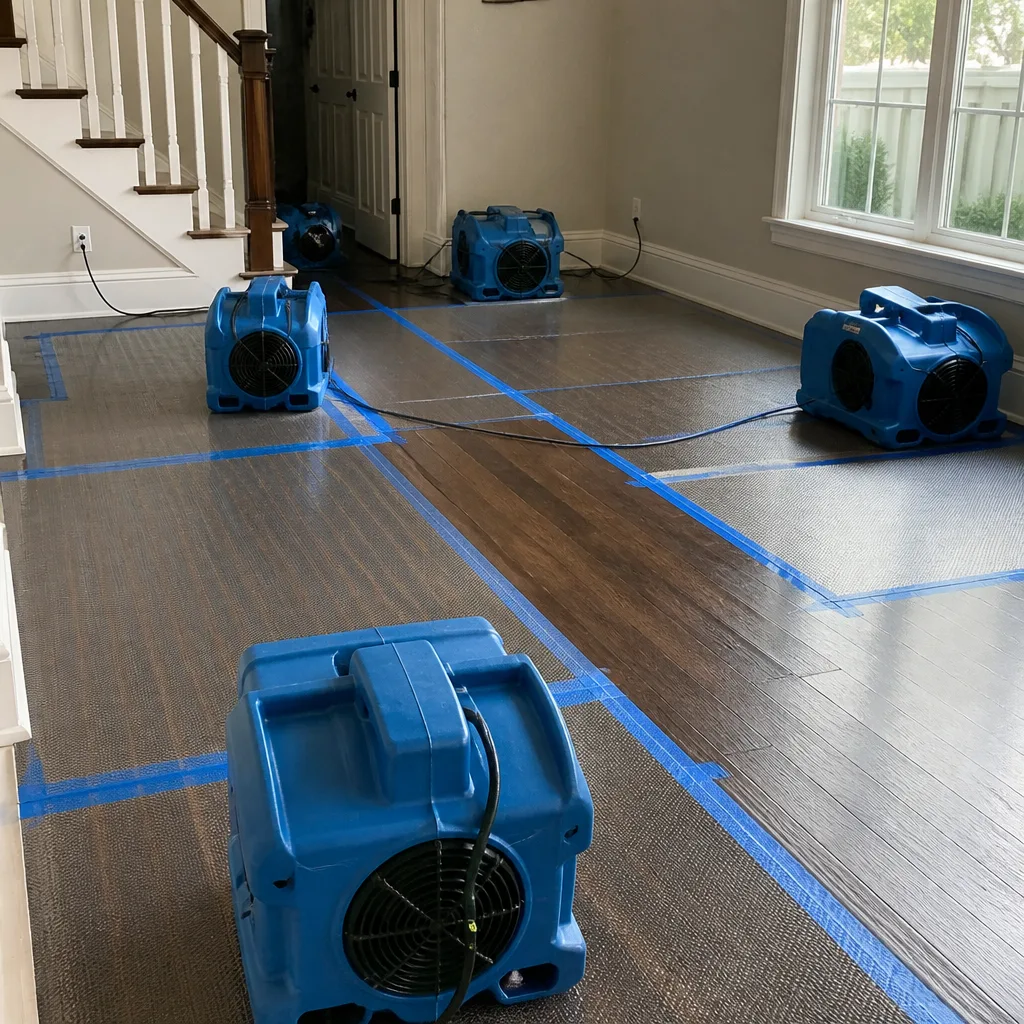
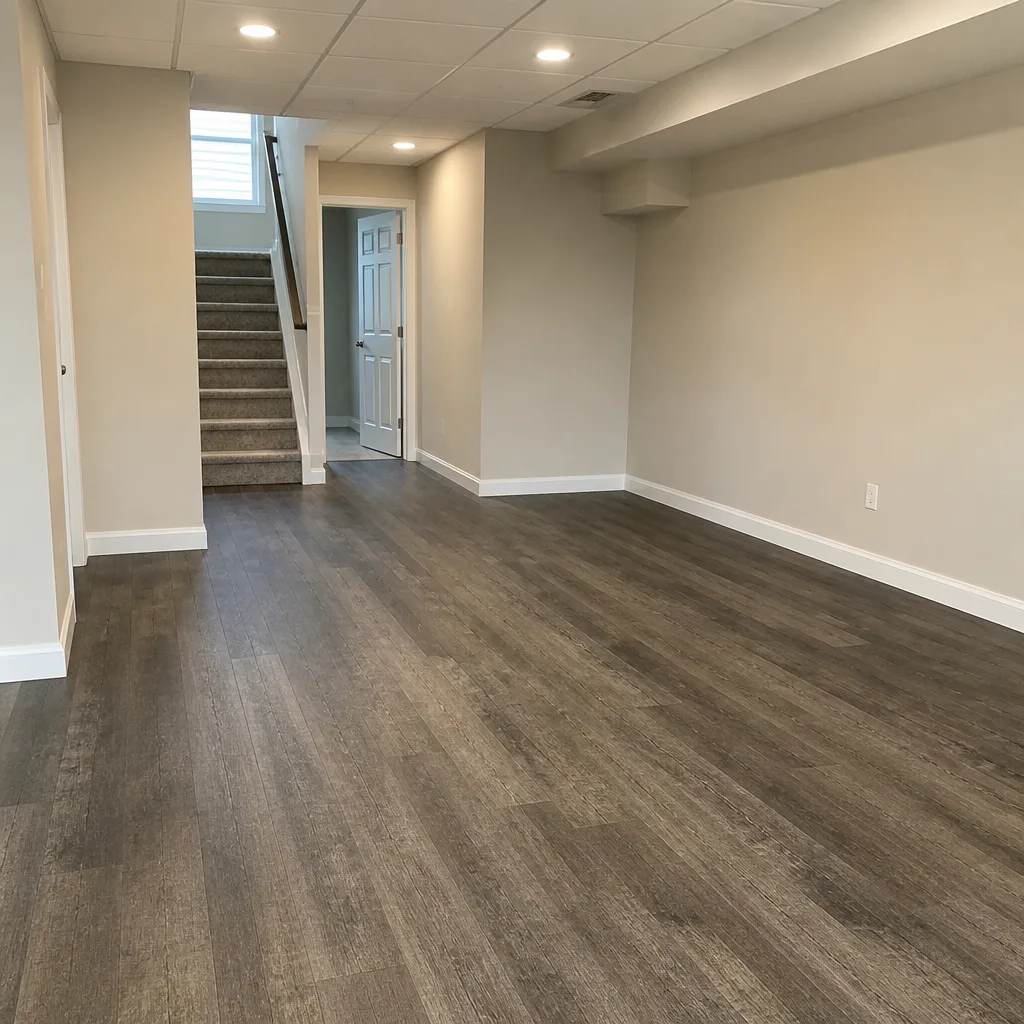
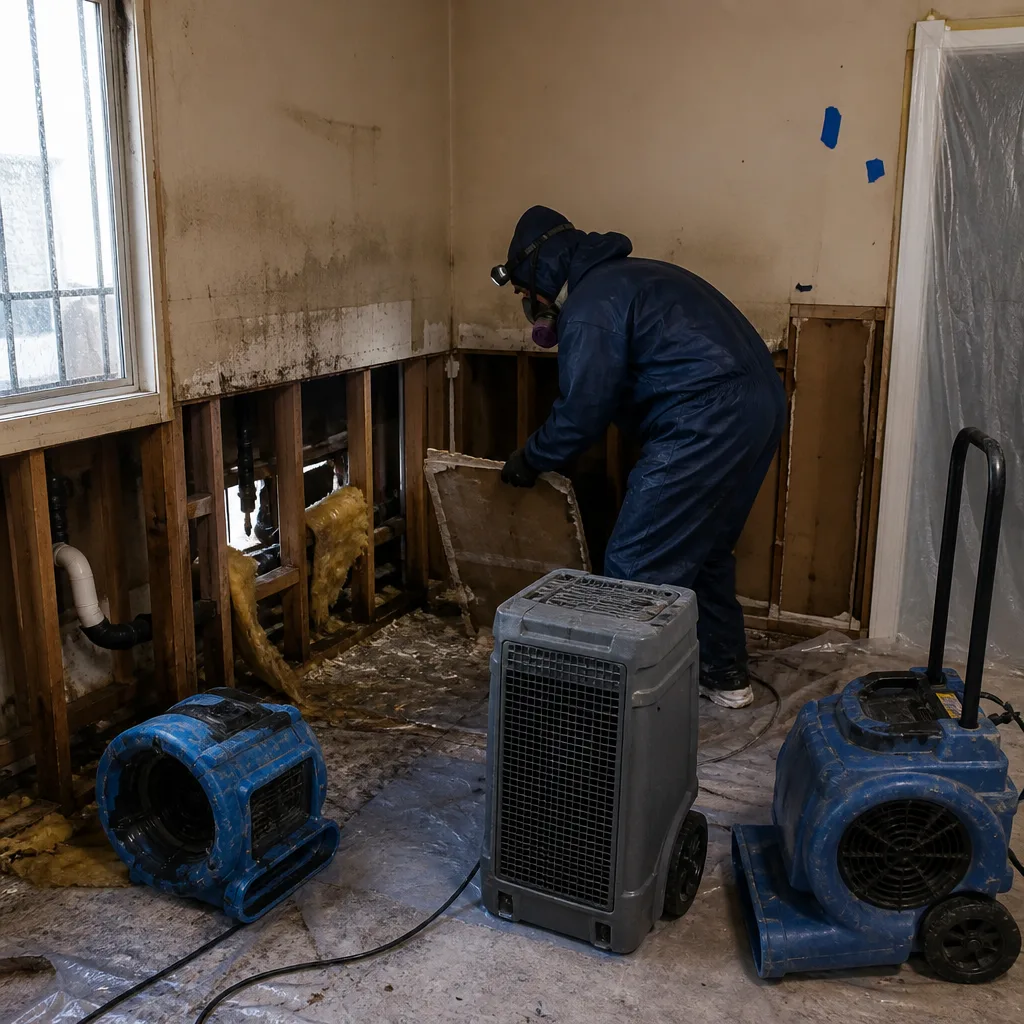 Before
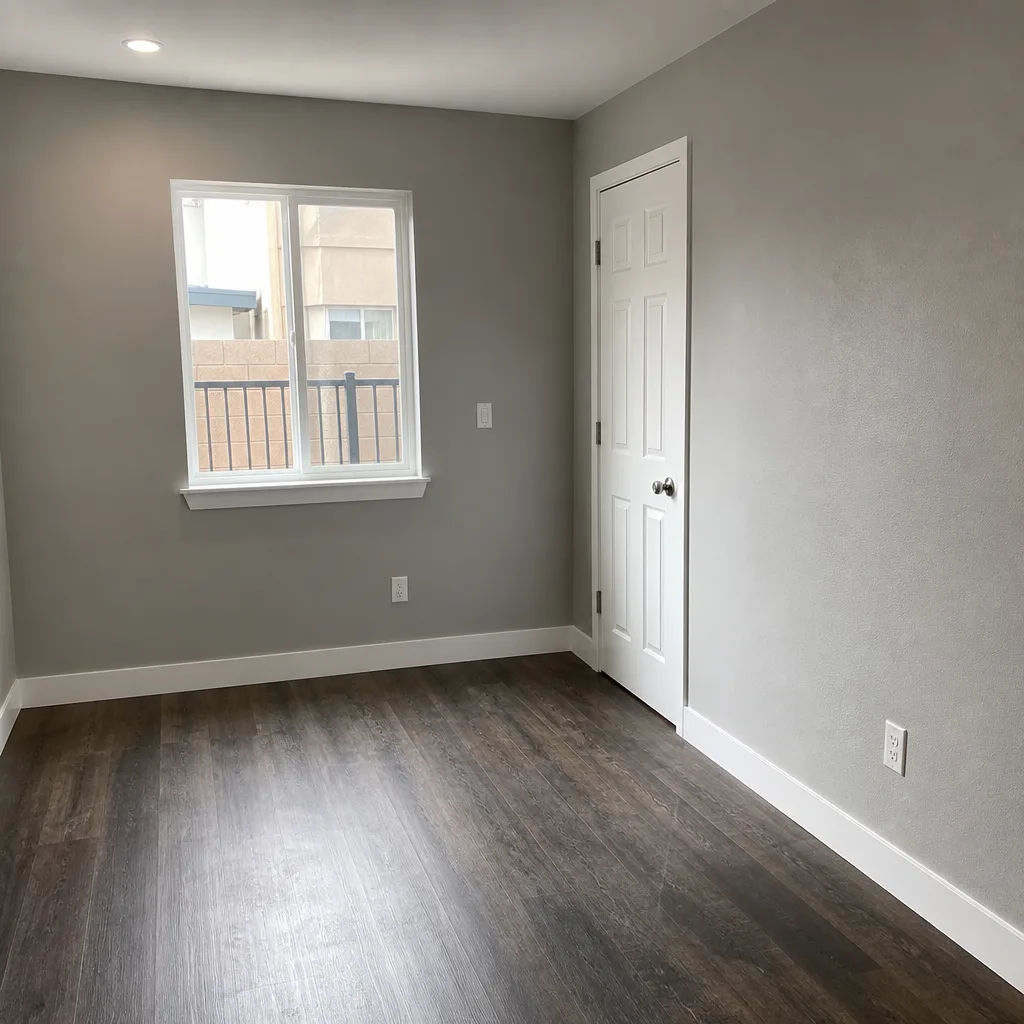 After
After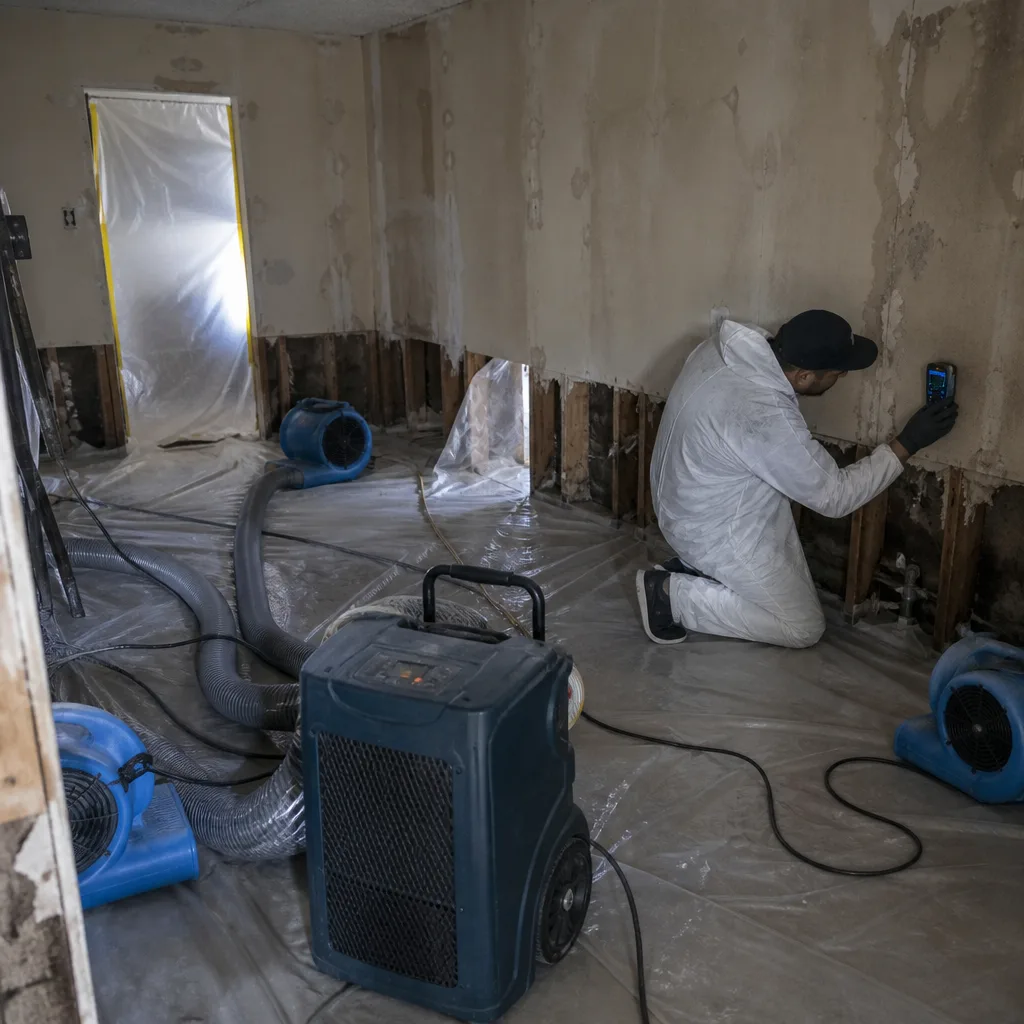 Before
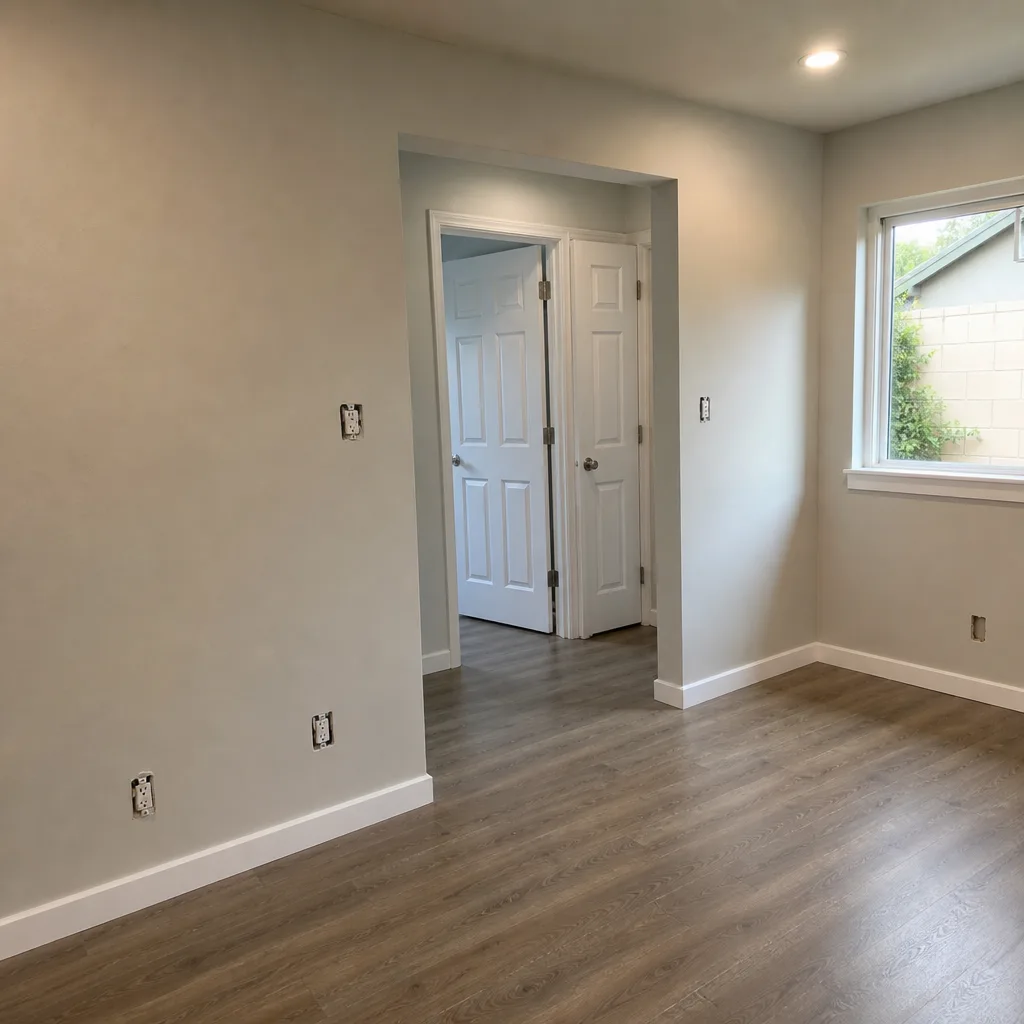 After
After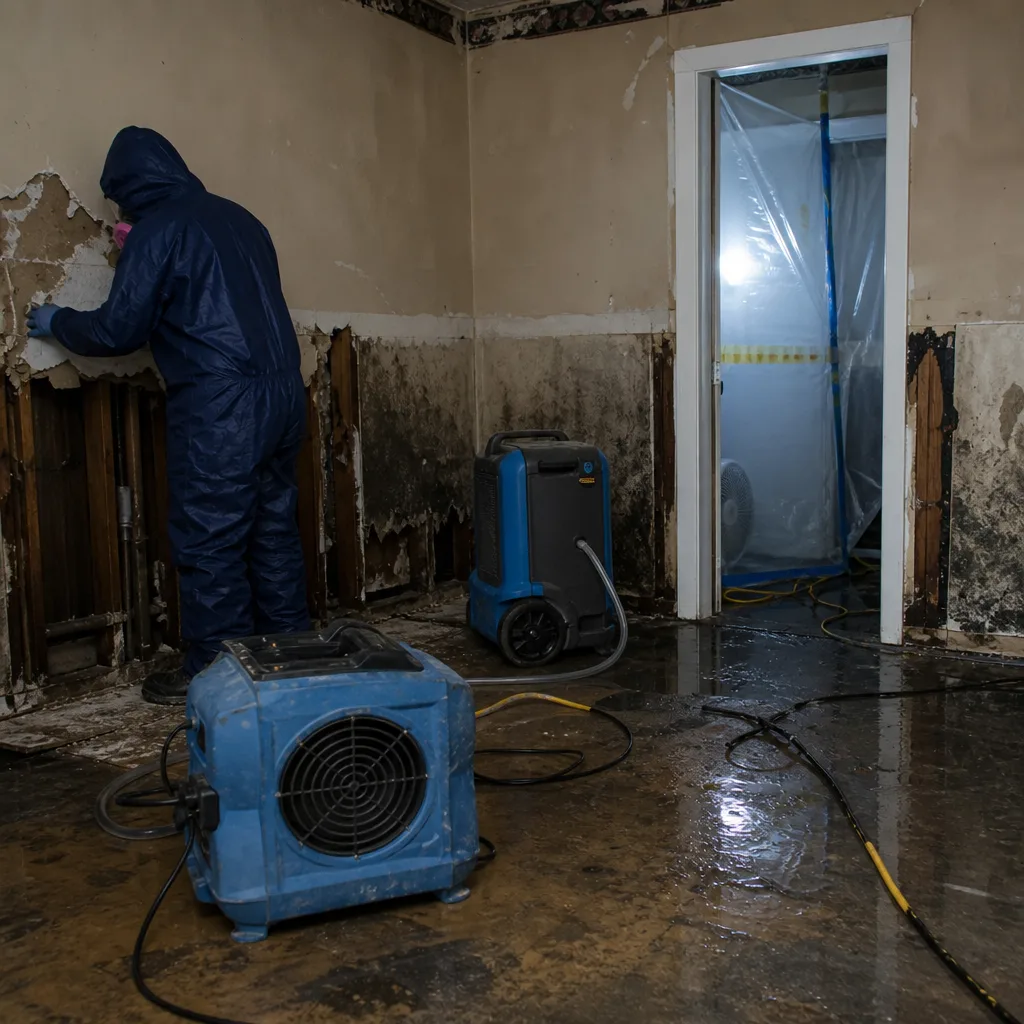 Before
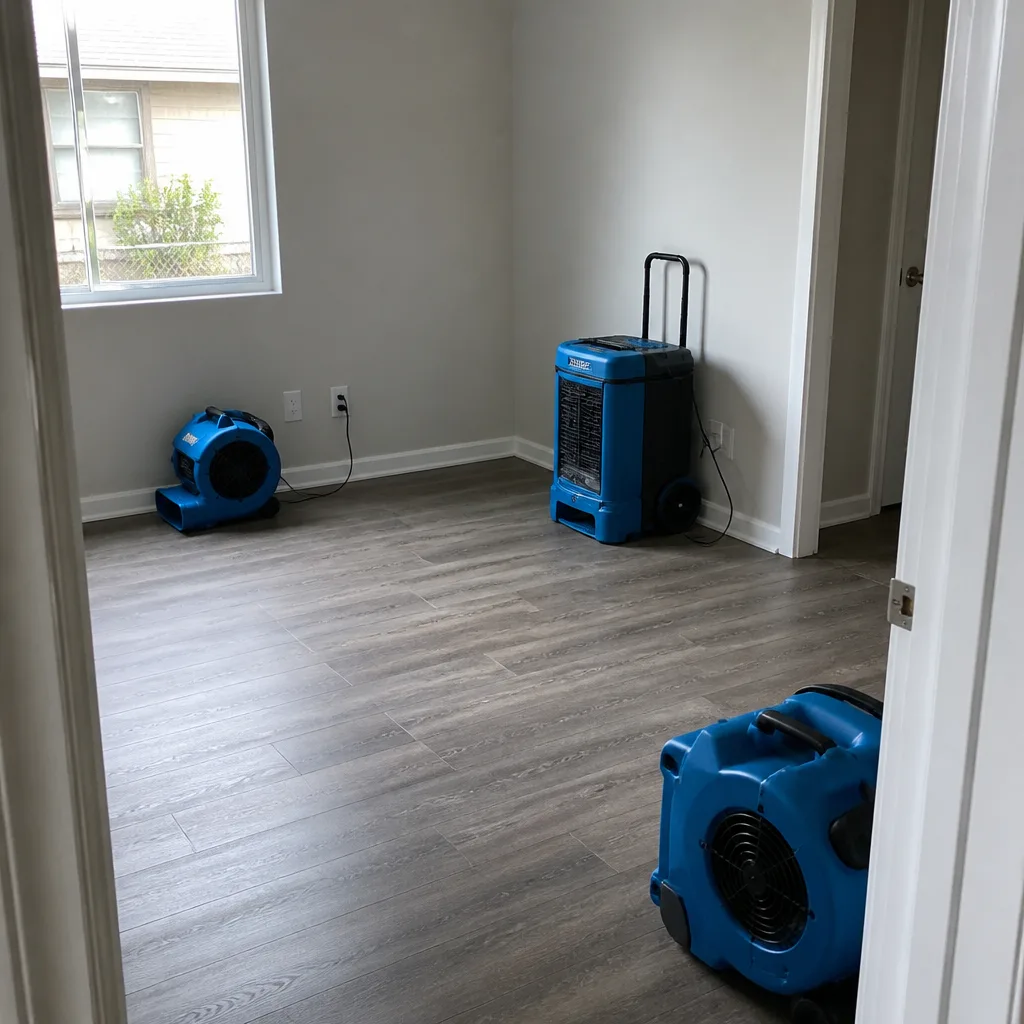 After
AfterThe Complete Guide to Damage Restoration in Compton
A restoration job without a daily drying log is, to an insurance adjuster, a restoration job that may as well not have happened - and Compton’s older housing stock makes that documentation gap more expensive than most homeowners realize. In the 12,000+ homes we’ve restored since 2011, the single largest source of out-of-pocket loss isn’t the damage itself. It’s the gap between what a contractor documented and what an insurer will actually pay. Compton’s pre-1980 construction, its position within FEMA flood zone panels, and its specific contractor licensing requirements create documentation pitfalls that standard restoration playbooks simply don’t address. This guide maps every stage of restoration through the lens of what a claims adjuster needs to see, not what a contractor’s brochure promises. For more guides & resources, visit our blog.
Quick Answer
Damage restoration in Compton is the process of returning a property to its pre-loss condition after water, fire, mold, or structural damage, documented through written scopes, daily moisture logs, and photo records that satisfy both California contractor licensing requirements and insurance adjuster review. In Compton specifically, restoration must account for pre-1980 construction methods, FEMA flood zone designations, and the Long Beach fault zone’s impact on structural sequencing. A properly documented restoration in Compton produces the paper trail that turns a claim into a payable invoice - without it, homeowners absorb costs that insurance should cover.
Table of Contents
- Why Documentation Beats Speed in Compton Restoration
- How Compton’s Older Construction Changes the Math
- The Adjuster’s Documentation Checklist (Stage by Stage)
- California Licensing Tiers and Why the Wrong Class Voids Your Claim
- FEMA Flood Zones, the Long Beach Fault, and Coverage Triggers
- Your Stage-by-Stage Homeowner Audit Checklist
- What Professional-Grade Equipment Documentation Actually Means
- Common Mistakes to Avoid
- When to Call a Professional
- Frequently Asked Questions
BeforeAfterWhy Documentation Beats Speed in Compton Restoration
Most homeowners call a restoration company because water is moving, smoke is settling, or mold is spreading. The natural impulse is to hire whoever arrives fastest. In our experience across Compton and surrounding Los Angeles County markets, speed without documentation is the fastest route to an unpaid claim.
Here’s why. Insurance adjusters review claims in reverse chronological order. They start with the final invoice and work backward through the documentation. If they find a gap - no moisture reading on day three, no photo timestamp proving equipment placement, no written scope signed before demolition - they deny the line item. Not the whole claim. Just the undocumented portion. In practice, that means the homeowner pays for everything the contractor did but failed to record.
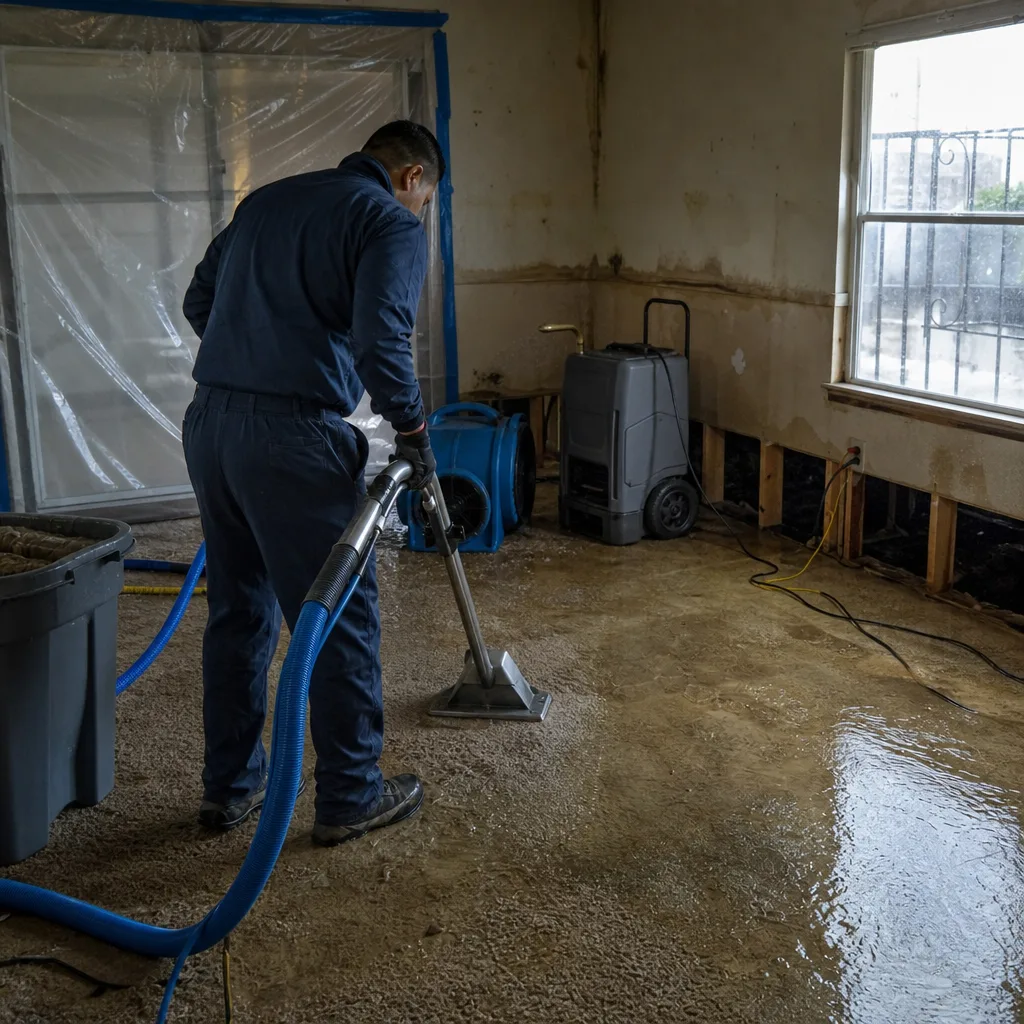
At DryMark Restoration Compton, we built our process around this reality. Every job starts with Haven Standard, Clause 1: a written price delivered before any work begins. Every visit produces a photo record with timestamps. Every drying day generates a psychrometric log - that’s the measurement of temperature, relative humidity, and specific humidity that proves the equipment is actually changing conditions, not just running. These aren’t marketing promises. They’re the specific documents adjusters request, and their absence is the specific reason claims get reduced.
The 365-Day Done Right Promise under The Haven Standard exists because documentation gaps often don’t surface until months later, when finish materials fail or odor returns. A warranty without a written, signed guarantee is a verbal assurance, and verbal assurances don’t survive adjuster review.
How Compton’s Older Construction Changes the Math
Compton’s housing stock skews heavily pre-1980, with significant pockets of 1940s-1960s construction in neighborhoods like Richland Farms, Compton Woodley Airport vicinity, and the older central core. These aging structures often show Damage Restoration Warning Signs: A Compton Homeowner’s Reference Guide before major failure occurs. These aren’t cosmetic differences. They fundamentally alter how damage moves through a structure and how long restoration actually takes.
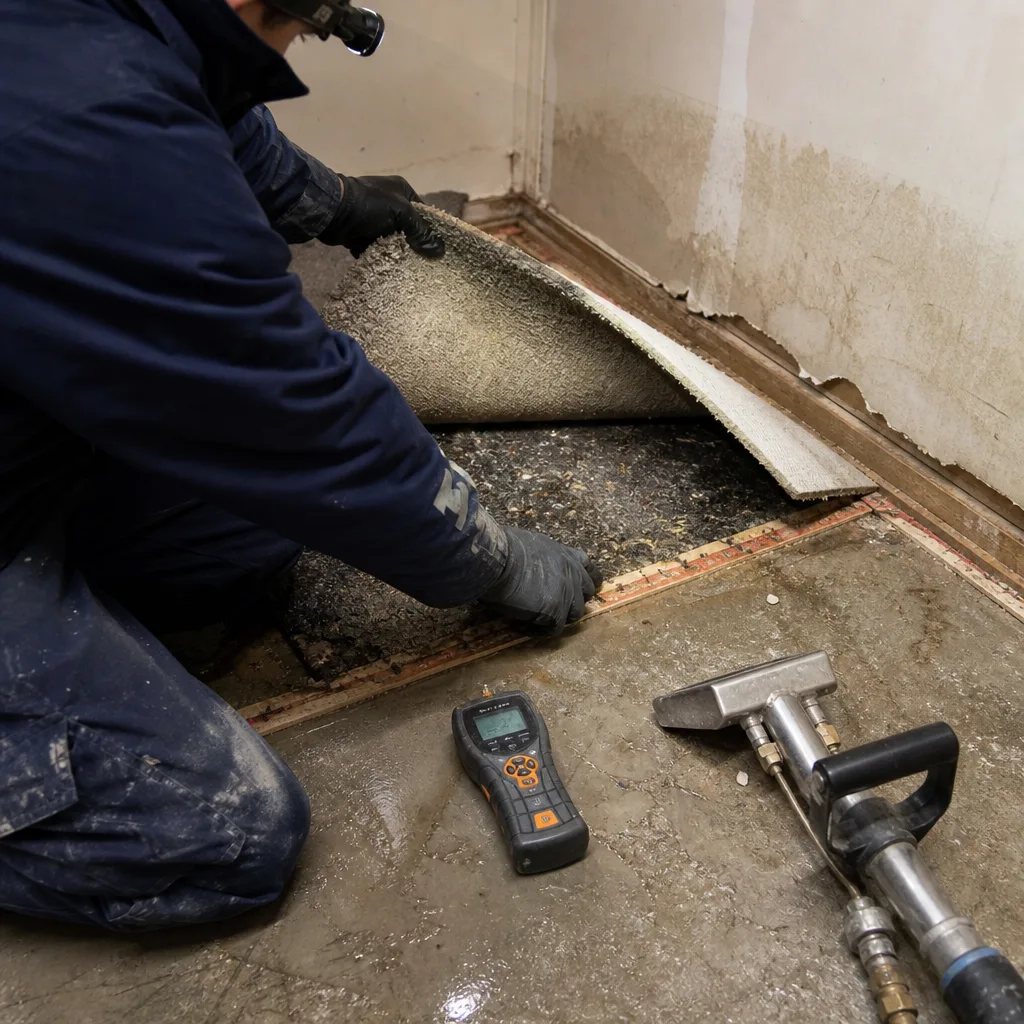
Pier-and-beam foundations are common in Compton’s older neighborhoods. Unlike slab-on-grade construction, which creates a single moisture barrier, pier-and-beam allows air circulation beneath the floor - but also allows water to pool undetected. We’ve found standing water beneath Compton homes three weeks after a homeowner believed the issue was “dried out.” Standard moisture meters reading the subfloor from above miss this entirely. Proper documentation requires readings from the crawl space, with vapor pressure differential measurements - that’s the difference in moisture pressure between the crawl space and the living area - to prove whether moisture is still migrating upward.
Original plaster walls present a separate challenge. Plaster is hygroscopic, meaning it absorbs moisture from air even after the liquid source is removed. A contractor who declares a plaster wall “dry” based on surface meter readings is documenting incorrectly. Plaster requires deep-probe readings and often extended tertiary drying - that’s the final phase of drying where low-grain refrigerant dehumidifiers or desiccant systems pull residual moisture from dense materials. Standard timelines underestimate this by 30-50% in Compton’s older homes.
Knob-and-tube wiring remnants and galvanized plumbing in some Compton neighborhoods add complexity. Water damage near these systems requires documentation of electrical safety clearance before restoration proceeds, and mold remediation near old plumbing must account for the porous scale buildup inside galvanized pipes that can harbor contamination.
The practical impact: a restoration company using standard drying timelines developed for modern slab-and-drywall construction will under-document Compton jobs. The homeowner pays the difference when the adjuster denies the supplemental claim.
The Adjuster’s Documentation Checklist (Stage by Stage)
We’ve reviewed thousands of claims files. The adjuster’s request list is predictable. What varies is whether the contractor produced these documents at the time of work, or tried to reconstruct them after the fact. Reconstructed documentation fails scrutiny.
Emergency Response Phase (Hours 0-24)
- Initial scope of work - signed by homeowner before any demolition or equipment placement. Haven Standard, Clause 1: written price before work starts.
- Photo record - dated, with room identifiers, showing pre-work conditions, moisture meter readings with make/model visible, and equipment placement.
- Moisture mapping - affected materials identified by trade name (OSB subfloor, lath-and-plaster, etc.) with starting moisture content percentages.
- Category and class determination - IICRC S500 standard: Category 1 (clean water), 2 (gray), or 3 (black); Class 1-4 describing evaporation load. This determines equipment allocation and timeline.
Active Drying Phase (Days 1-5+)
- Daily psychrometric logs - temperature, relative humidity, specific humidity, and dew point for each affected area, plus outdoor readings for comparison.
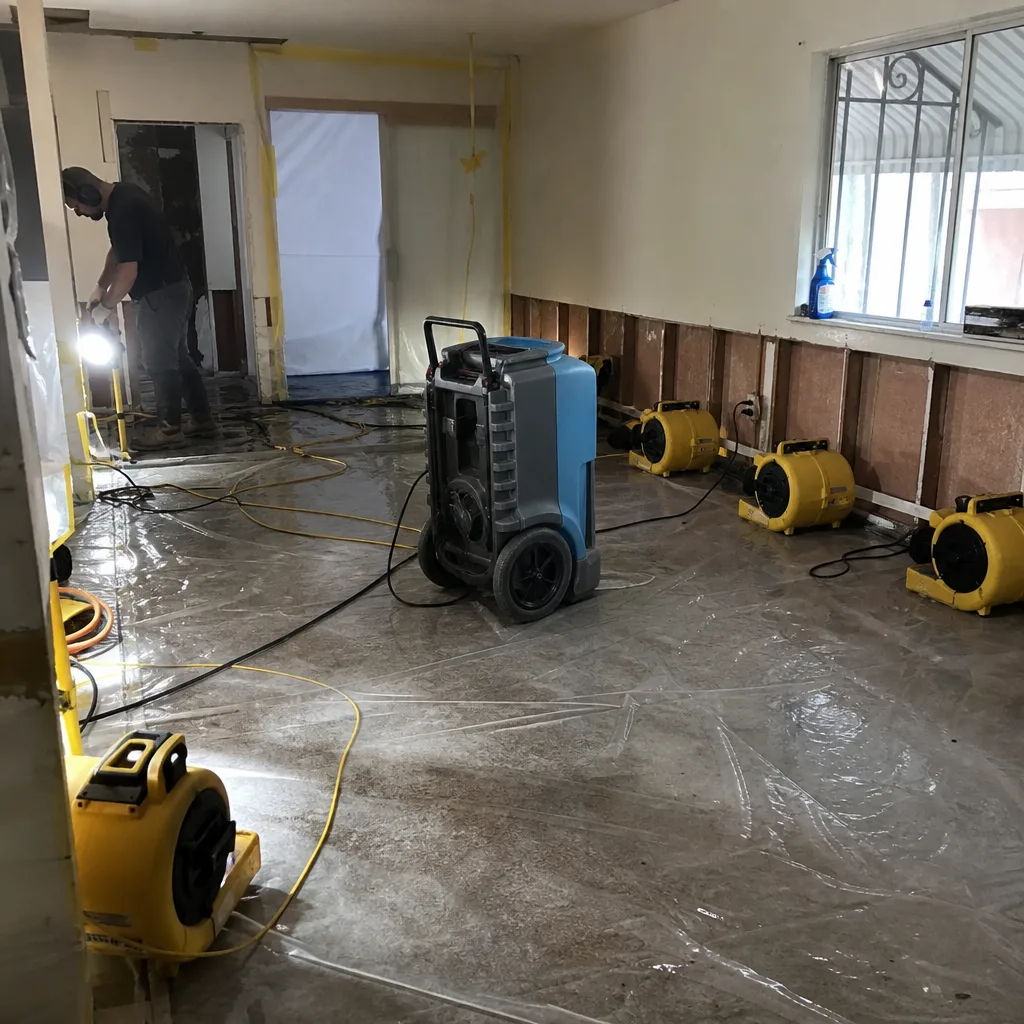
- Equipment inventory - serial numbers or asset tags for each Dri-Eaz, Phoenix, or XPOWER unit, with placement diagrams.
- Progress photos - same angles as initial photos, with visible moisture reading changes.
- Material removal documentation - what was removed, why (unsalvageable per IICRC criteria), square footage, and disposal receipts.
Completion and Billing Phase
- Final moisture readings - proving affected materials returned to within 4% of dry standard.
- Clearance documentation - for mold, this means third-party lab verification; for water, moisture equilibrium documentation.
- Final photo record - post-restoration condition.
- Signed completion certificate - with the 365-Day Done Right Promise attached under The Haven Standard.
Missing any single item from this list gives the adjuster a defensible reason to reduce payment. We’ve seen $8,000 water damage claims reduced to $3,200 because the contractor had daily photos but no psychrometric data. The work was done correctly. It simply couldn’t be proven.
California Licensing Tiers and Why the Wrong Class Voids Your Claim
California’s Contractors State License Board (CSLB) divides restoration work across multiple license classifications, and performing work outside your classification is unlicensed contracting - which voids insurance coverage and exposes the homeowner to liability. Learn more in our guide to Damage Restoration Permits, Codes & Inspections in CA: What You Need to Know.
B-General Building Contractor can perform structural repairs, reconstruction, and any trade work if it’s part of a larger project. This is the license class for full reconstruction after major fire or structural damage.
C-36 Plumbing Contractor handles water damage source repair, sewage backup remediation, and any work on plumbing systems. A general restoration company performing sewage cleanup without a C-36 license (or a C-36 subcontractor properly documented) is performing unlicensed work.
C-20 Warm-Air Heating, Ventilating and Air-Conditioning Contractor handles HVAC contamination, duct cleaning after fire or mold, and system restoration. Post-fire smoke damage to HVAC requires this classification.
C-57 Water Well Contractor - relevant for properties with private wells affected by flood or contamination.
Asbestos Certification (CSLB C-22 or DOSH) - pre-1980 construction in Compton has elevated asbestos risk. Disturbing suspect materials without proper certification triggers regulatory violations and claim denial.
The documentation requirement: your contractor’s license number must appear on every invoice, scope, and permit application. If the adjuster discovers the contractor performed C-36 work under a B license without proper subcontractor documentation, the entire invoice becomes uncollectible. We’ve reviewed competitor estimates in Compton where this exact issue appeared - a “restoration company” performing sewage cleanup with no C-36 license on file.
At DryMark Restoration Compton, every technician’s license classification is verified before dispatch, and the license number appears on every document. It’s not a formality. It’s the difference between a paid claim and a denied one.
FEMA Flood Zones, the Long Beach Fault, and Coverage Triggers
Compton’s geography creates restoration scenarios that standard playbooks don’t address. Understanding these factors helps homeowners anticipate what documentation their specific situation will require.
FEMA Flood Zone Designations: Compton sits within multiple FEMA flood zone panels, with significant areas classified as Zone A (100-year floodplain, no base flood elevation determined) and Zone X (0.2% annual chance). Properties in Zone A with federally backed mortgages carry mandatory flood insurance through NFIP. Standard homeowner’s policies exclude flood damage. This creates a documentation bifurcation: water damage from a burst pipe (covered by HO policy) versus water damage from rising groundwater during a storm (NFIP or uninsured). The restoration documentation must clearly establish the water source - through photo evidence, weather data, and moisture pattern analysis - or both insurers will deny.
We’ve restored homes in Compton’s Dominguez Creek watershed area where the water source was ambiguous: heavy rain plus a foundation crack. The documentation determined which policy paid. Photos showing water pattern (rising from floor versus dripping from ceiling), combined with moisture readings showing gradient direction, established the primary source.
The Long Beach Fault Zone: Compton lies within the zone of influence of the Newport-Inglewood fault system, with the Long Beach fault segment creating seismic risk that affects restoration sequencing. After any significant seismic event, structural restoration must include seismic damage assessment - documented by a structural engineer - before cosmetic repairs proceed. We’ve seen contractors in Compton repair drywall cracks after minor earthquakes without this assessment, only to have the same cracks reappear within months. The homeowner paid twice because the initial scope didn’t address the underlying structural movement.
Earthquake-triggered water damage from shifted slab foundations or separated pipe joints also requires specific documentation: pre-event photos (if available), post-event damage mapping, and engineer clearance before standard water restoration protocols apply.
Your Stage-by-Stage Homeowner Audit Checklist
Use this to evaluate any restoration contractor’s documentation compliance. If they can’t produce these items on request, your claim is at risk.
Before Signing Any Agreement
- Written scope of work with line-item pricing, signed by both parties before work begins
- Contractor license number verified on CSLB website (check classification matches work type)
- Certificate of insurance with your property named as additional insured
- Photo record of pre-work conditions with timestamps
- Moisture mapping with specific readings and material identifications
During Active Work
- Daily psychrometric logs with equipment inventory
- Progress photos in same locations as initial photos
- Change orders in writing, with price impact, before any scope modification
- Material removal documentation with disposal receipts
- Subcontractor licenses and insurance certificates (if applicable)
At Completion
- Final moisture readings proving dry standard achievement
- Third-party clearance testing (mold) or moisture equilibrium documentation (water)
- Final photo record of restored areas
- Signed completion certificate with written warranty (365-Day Done Right Promise or equivalent)
- Complete invoice with license number, matching the written scope
Request these items at each stage. A contractor who treats this as adversarial is a contractor with documentation gaps. The Haven Standard exists precisely because these requests should be routine, not confrontational.
What Professional-Grade Equipment Documentation Actually Means
Restoration equipment specifications matter because they determine whether the documented conditions are achievable. A contractor running inadequate equipment produces inadequate documentation - the numbers don’t lie, but they also don’t improve.
Refrigerant dehumidifiers (Dri-Eaz LGR series, Phoenix 200 MAX) remove moisture by cooling air below dew point. Their capacity is measured in pints per day at AHAM conditions (80°F, 60% RH). In Compton’s summer conditions, actual performance often exceeds rated capacity; in winter, it underperforms. Documentation must account for this seasonal variation.
Desiccant dehumidifiers (using silica gel or molecular sieve media) perform better in cooler conditions and are essential for Compton’s older plaster walls that require low-grain drying. A contractor documenting plaster drying with only refrigerant dehumidifiers is using insufficient equipment for the material.
Air movers (XPOWER, B-Air) create vapor pressure differential - the pressure difference that drives evaporation from wet materials into the air. Placement matters: one air mover per 50-70 square feet of affected area, positioned to create airflow across all wet surfaces. Documentation should show placement diagrams, not just equipment counts.
Injectidry systems provide directed drying inside wall cavities, essential for Compton’s lath-and-plaster construction where surface drying leaves internal moisture. Without cavity drying documentation, a contractor can’t prove the wall is actually dry.
The IICRC S500 standard specifies equipment calculations based on class of water loss. A contractor running three air movers in a Class 3 loss (greatest evaporation load, water from overhead) is under-equipped regardless of what the photos show. The daily psychrometric log will reveal this - if it’s being kept honestly.
Common Mistakes to Avoid
- Accepting verbal estimates. Haven Standard, Clause 1 exists because verbal pricing disappears when the bill arrives. Every Compton homeowner we’ve worked with who started with a verbal estimate ended up with a dispute. Written price before work starts, always.
- Assuming “dry” means dry. Surface meters on plaster or subfloors give false readings. Deep-probe verification and cavity inspection are essential in Compton’s older homes. We’ve found 18% moisture content in plaster that read “dry” on surface meters.
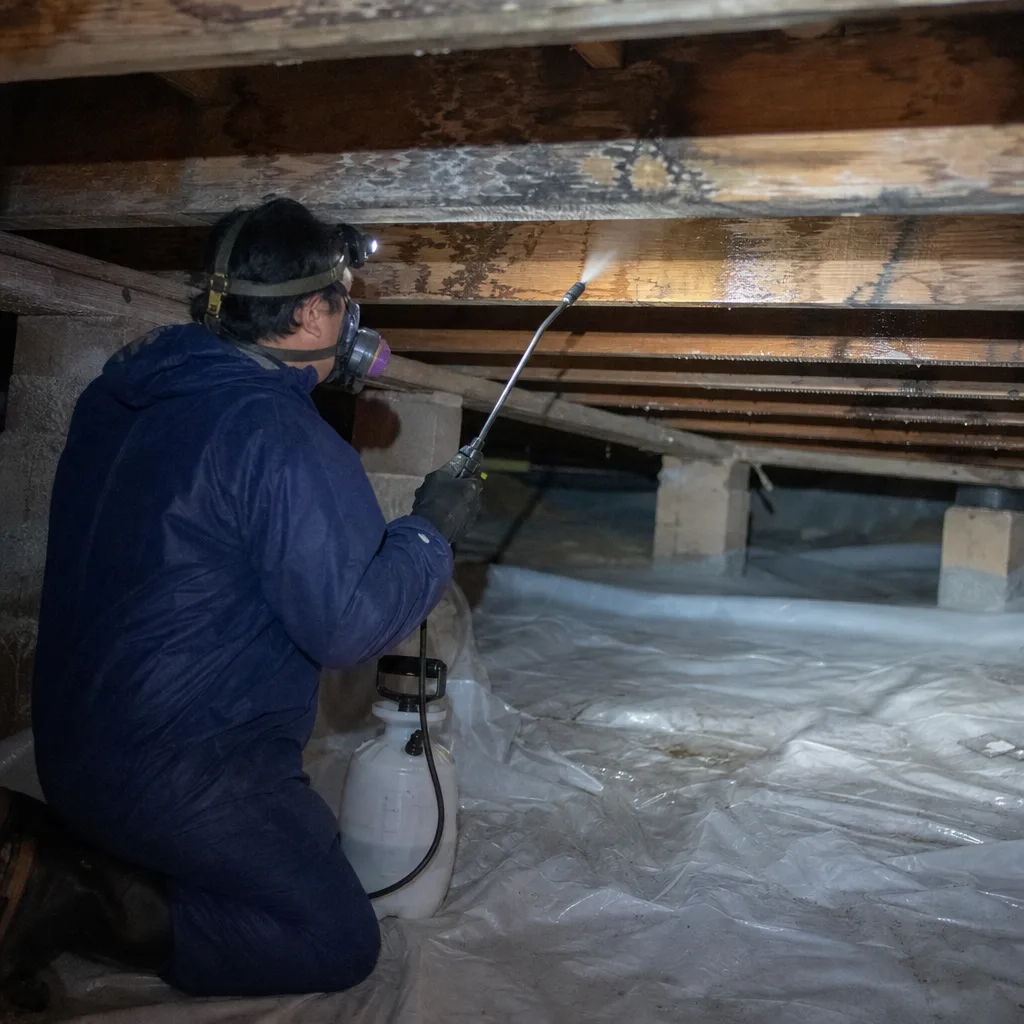
- Neglecting crawl space documentation. Pier-and-beam foundations in Compton’s Richland Farms and central neighborhoods hide moisture that surface readings miss. Any water damage restoration without crawl space moisture mapping is incomplete documentation.
- Hiring based on speed alone. Same-day response matters for water mitigation, but reconstruction should never be rushed. A contractor who promises same-day reconstruction is cutting documentation corners or planning change-order pricing.
- Failing to verify license classification. A B-General contractor performing sewage cleanup without C-36 documentation is performing unlicensed work. Your claim dies if the adjuster checks, and they increasingly do.
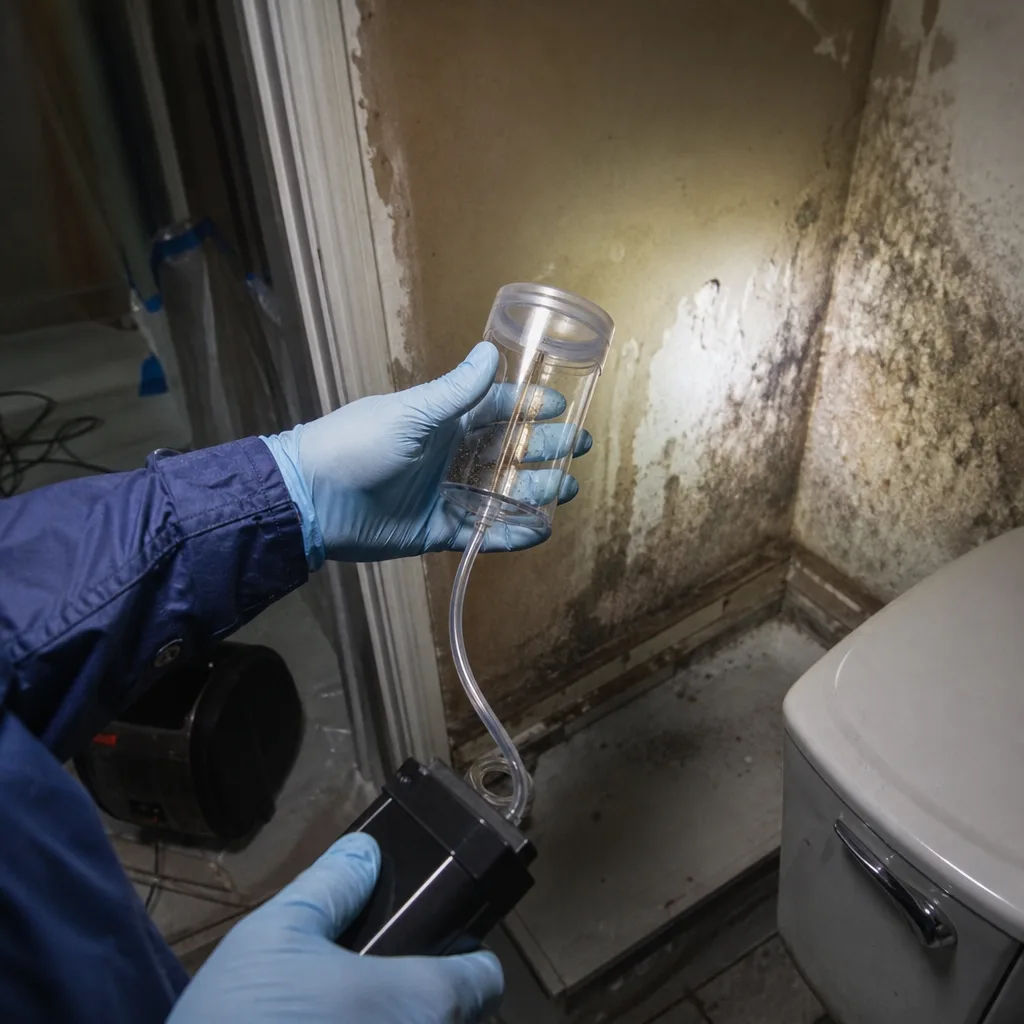
- Skipping the final clearance. Mold remediation without third-party post-clearance testing is documentation without verification. The Haven Standard requires this for all mold work, not as an upsell but as standard deliverable.
- Not photographing everything yourself. Your own photo record, timestamped, provides backup documentation if the contractor’s records are incomplete. We encourage this; it doesn’t offend us.
When to Call a Professional
Call immediately when water is actively spreading, when you smell smoke or see soot, when mold covers more than 10 square feet, or when sewage is present. These situations compound quickly and create documentation gaps that grow with delay. For structural damage after seismic activity, obtain engineer assessment before cosmetic repair. For any situation where insurance coverage is involved, professional documentation from day one determines whether your claim is paid in full.
DryMark Restoration Compton offers free estimates in Compton - call (628) 226-1011. We also provide a Free Second Opinion on any competitor’s written estimate, reviewing their scope and documentation for the gaps that cost homeowners money.
Frequently Asked Questions
Water damage mitigation in Compton typically ranges from $1,200 for contained Class 1 losses to $8,500+ for Class 3 or 4 whole-house drying, with reconstruction adding $15-$45 per square foot depending on finishes and structural involvement. For a detailed breakdown, see our Damage Restoration Cost Breakdown: The Compton Homeowner’s Reference for 2026. Mold remediation runs $15-$30 per square foot of affected area, with containment and air scrubbing adding fixed costs. Fire and smoke restoration is highly variable, from $3,000 for localized kitchen fires to $50,000+ for structural involvement. Every job at DryMark Restoration Compton receives a written price before work begins under Haven Standard, Clause 1 - call (628) 226-1011 for a specific estimate.
Most sudden and accidental water damage, fire damage, and mold resulting from covered perils is covered by standard homeowner’s policies, but flood damage from rising groundwater requires separate NFIP coverage common in Compton’s Zone A areas. Coverage denial typically stems from documentation gaps, not damage type. A properly documented claim with written scope, daily moisture logs, and photo timestamps gets paid. The same damage with missing documentation gets reduced or denied. We coordinate directly with adjusters and provide the documentation package that supports full payment.
For active water mitigation, Water Damage Restoration in Compton requires same-day response to prevent secondary damage. Our live dispatch answers 24 hours a day, 7 days a week with no voicemail on emergency lines. Reconstruction and non-emergency mold remediation are scheduled after written scope and pricing, typically within 48-72 hours. Speed belongs to mitigation; reconstruction requires proper planning and documentation.
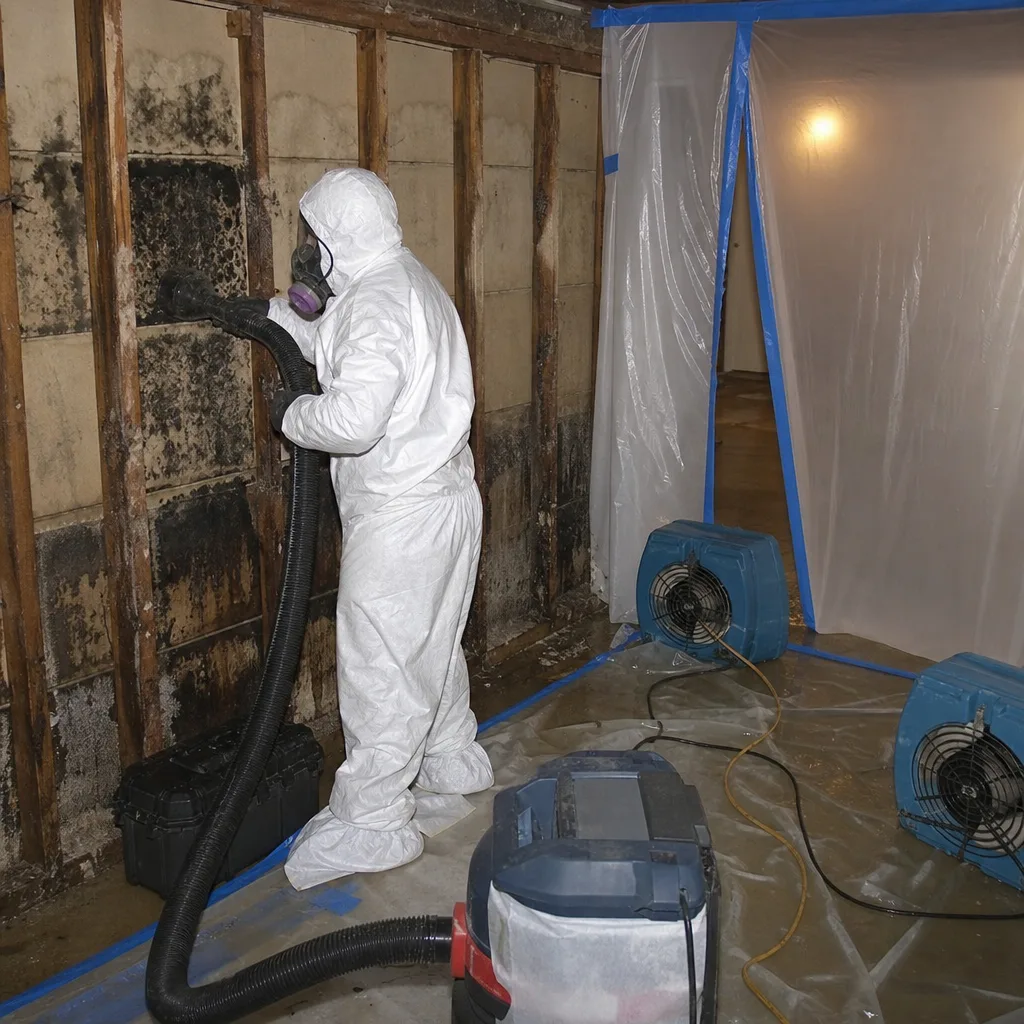
Visible mold exceeding 10 square feet, mold in HVAC systems, or mold resulting from Category 2 or 3 water damage requires full remediation with containment, negative air pressure, and post-clearance testing per IICRC S520. Surface cleaning without containment spreads spores and creates documentation that fails adjuster review. In Compton’s older homes with plaster walls, mold often extends beyond visible areas - cavity inspection with borescopes determines actual scope. We provide free second opinions on competitor mold scopes to identify under-documentation.
We coordinate directly with adjusters, providing the documentation package they request: written scope, daily psychrometric logs, photo records with timestamps, equipment inventory, and final clearance documentation. Our founder’s background as a claims adjuster means we understand their review process and build documentation that answers their questions before they ask. You remain the policyholder and approve all scope changes, but you don’t need to manage documentation delivery.
Compton’s concentration of pre-1980 construction, its specific FEMA flood zone designations, and its position within the Long Beach fault zone create documentation requirements that standard restoration playbooks miss. Pier-and-beam foundations, original plaster walls, and potential asbestos-containing materials require specialized equipment and extended timelines. Contractors using slab-on-grade drying protocols in Compton’s older homes under-document by 30-50%, producing the gaps that trigger supplemental denials.
The Bottom Line
Most Compton homeowners don’t lose money on the damage itself. They lose it on documentation gaps: moisture logs that weren’t kept, photos without timestamps, scopes that weren’t written before work started, or license classifications that didn’t match the work performed. This guide gives you the adjuster’s perspective and the specific checklist to audit any contractor’s compliance. The restoration industry sells speed and reassurance; what actually protects your investment is evidence. Written price before work begins. Daily documentation during work. Signed warranty at completion. Anything less is a gamble with your claim.
Written by Alicia Brennan, Owner at DryMark Restoration Compton, serving Compton since 2011.