Free visual inspection and a written scope of work before any mitigation begins - photos, moisture readings, and drying logs go in your claim file
The scope we write is the scope we bill. Anything new gets shown to you, in writing, before we touch it.
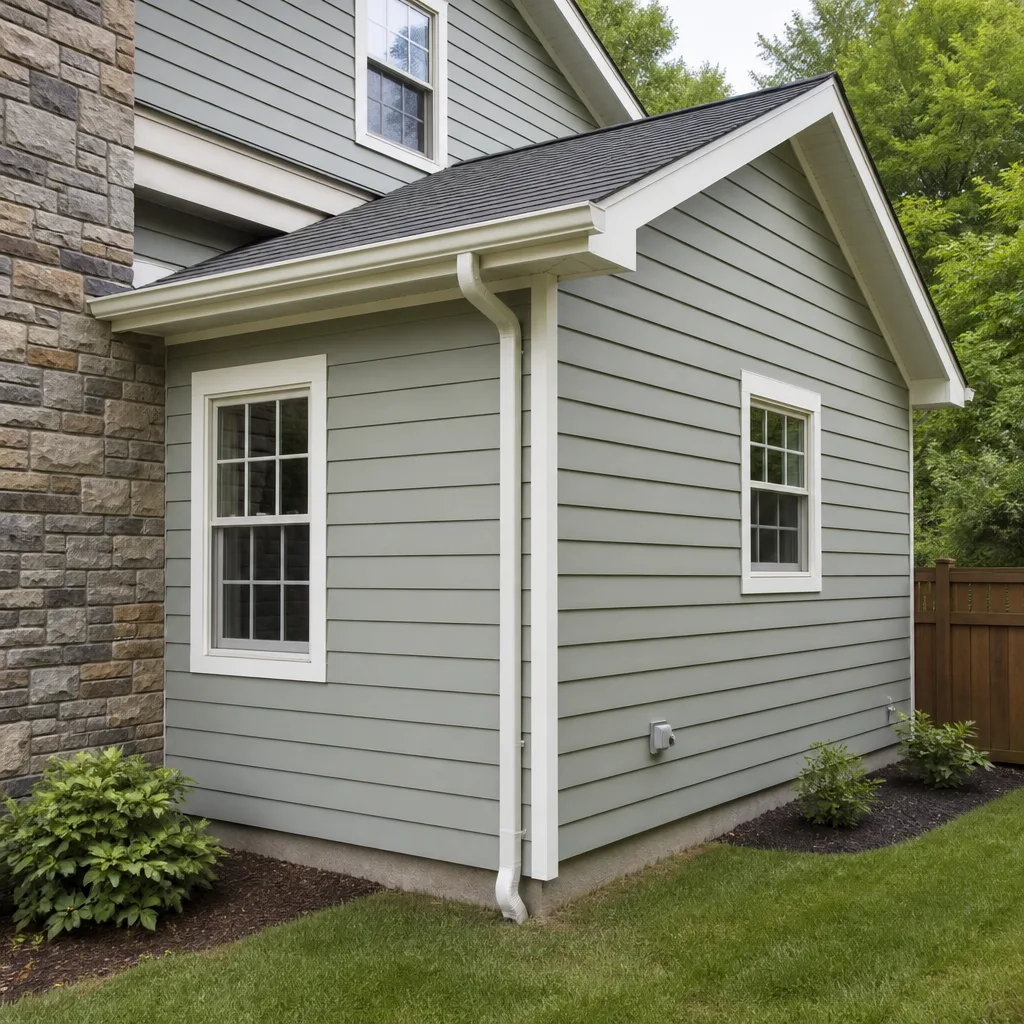
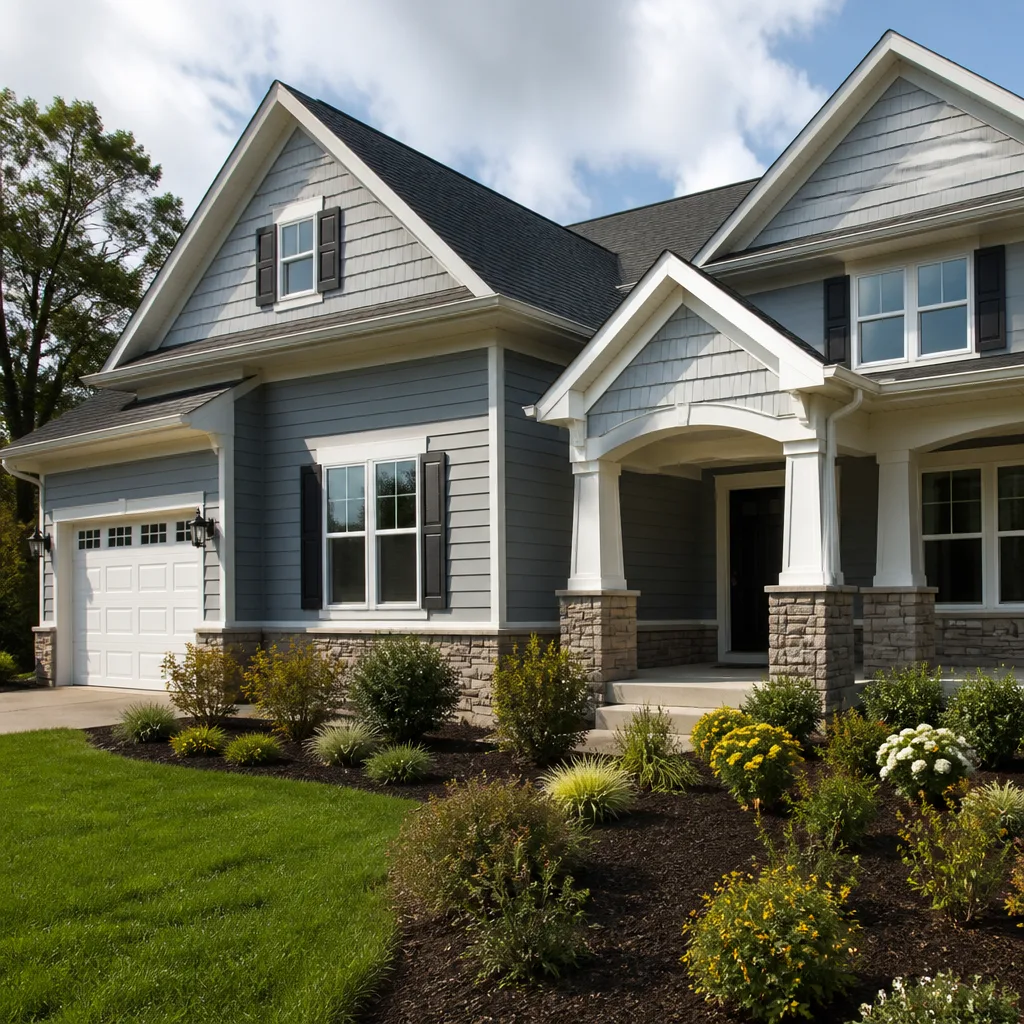
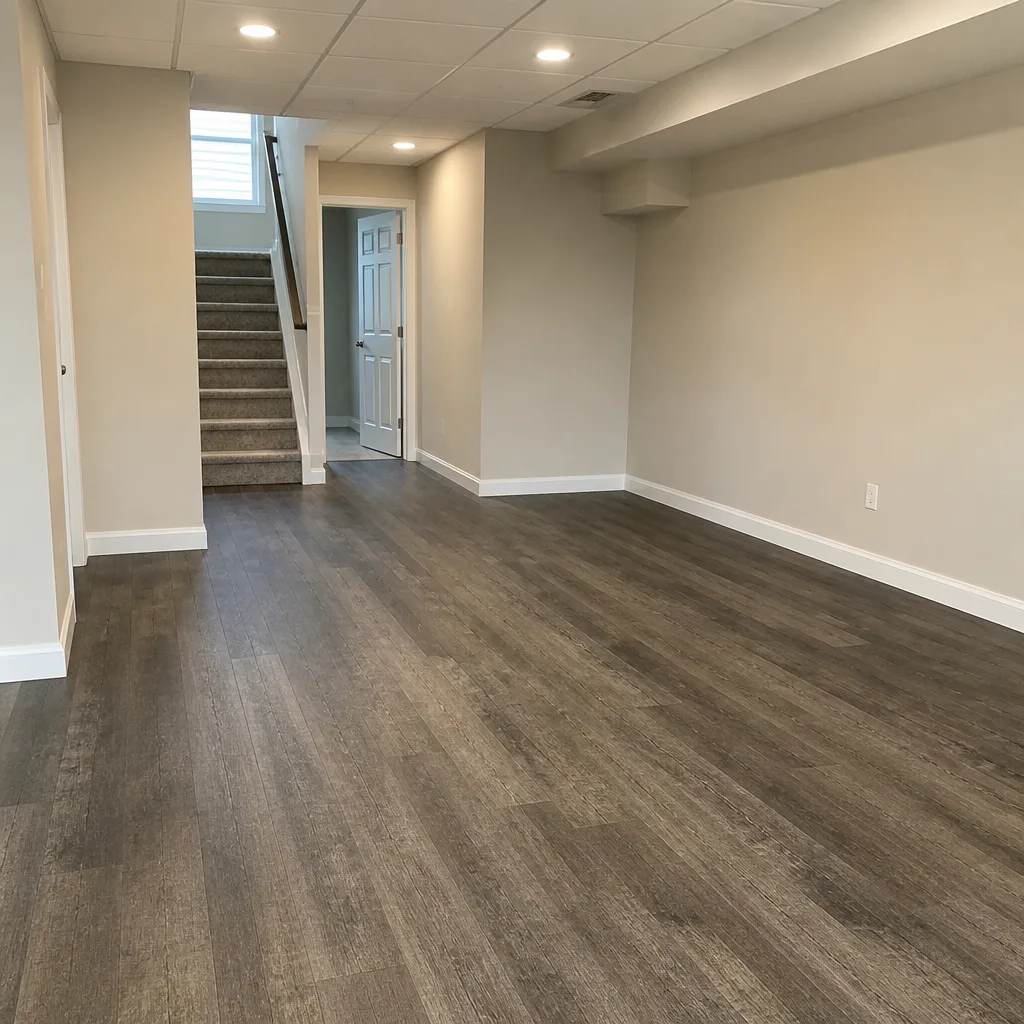
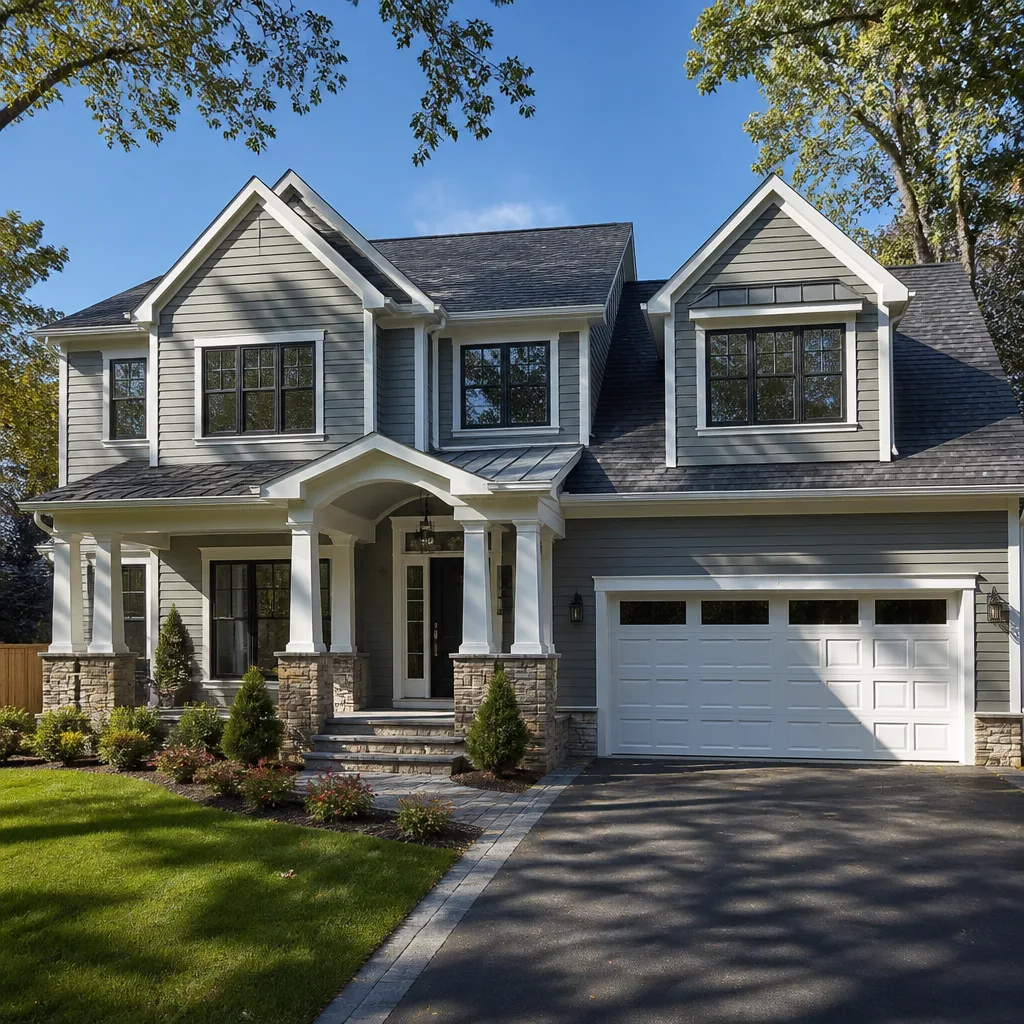
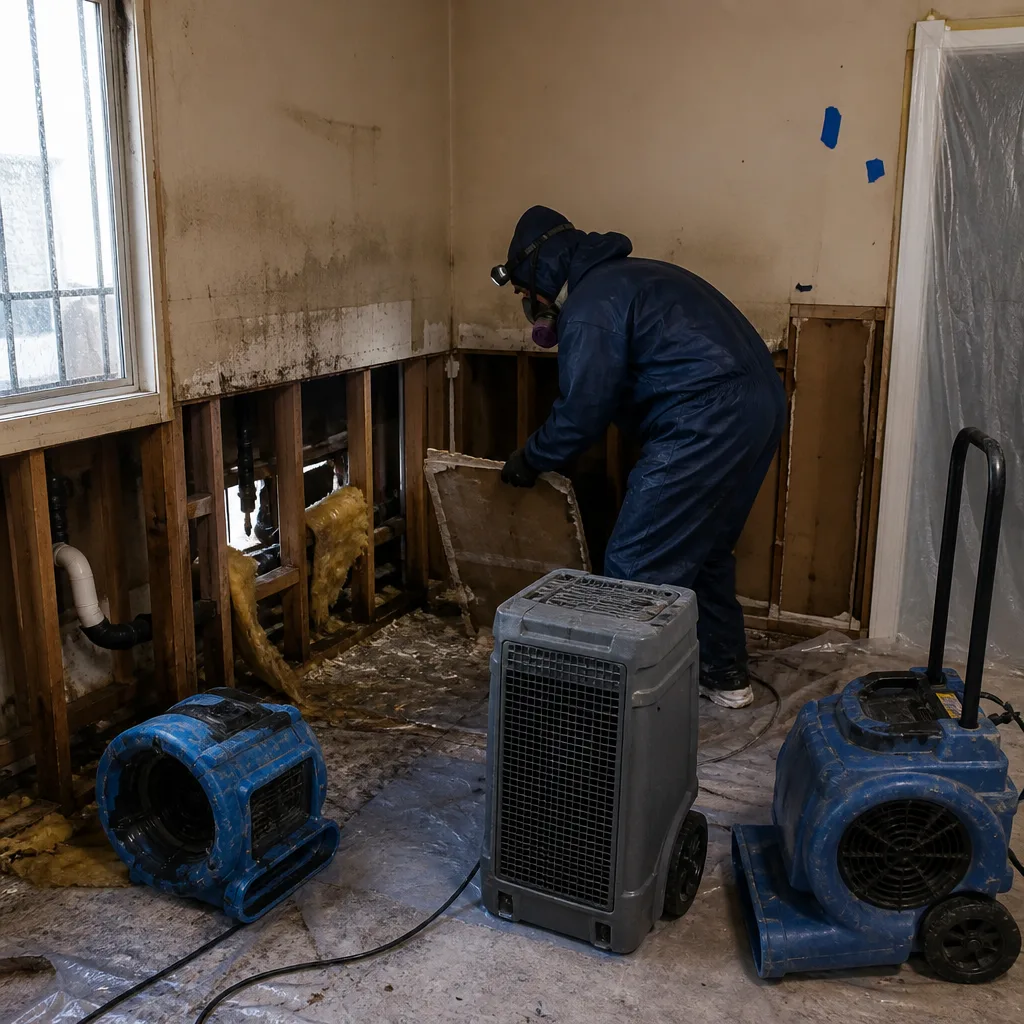 Before
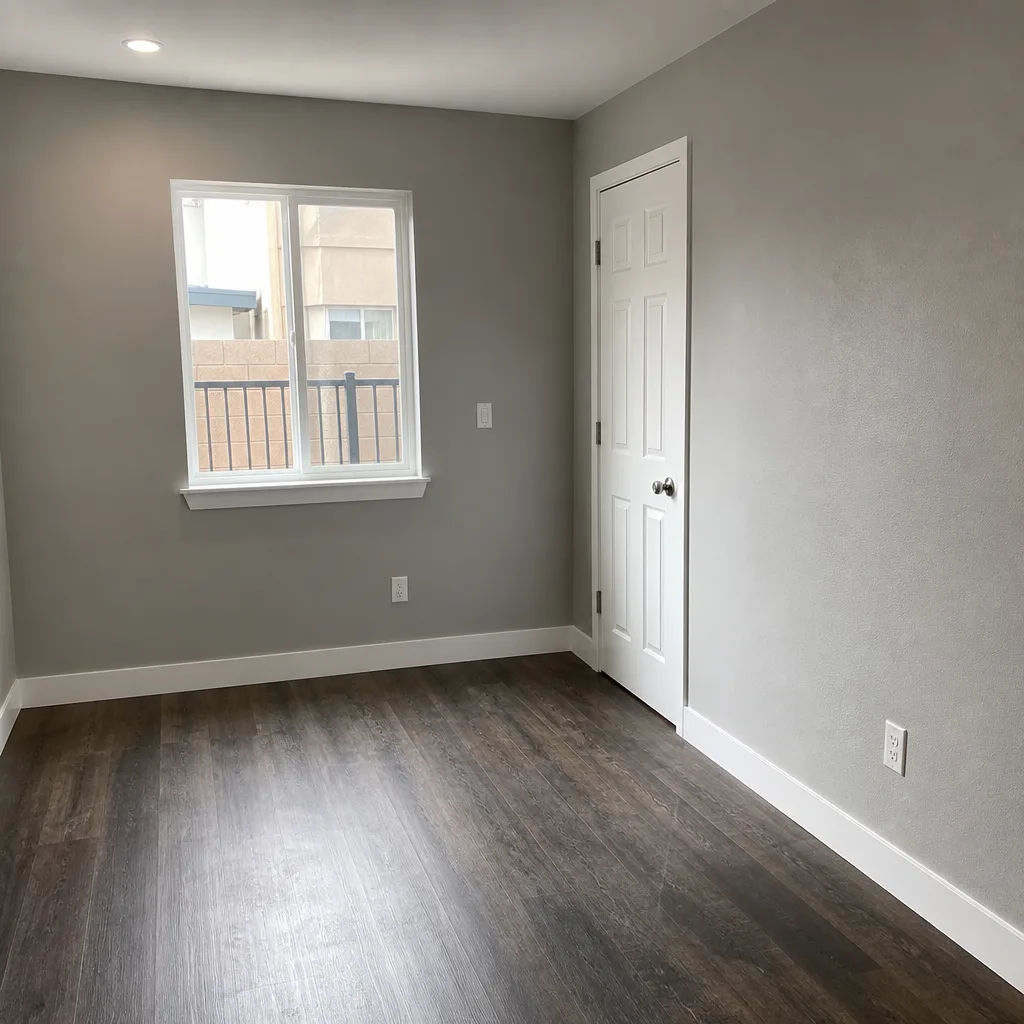 After
After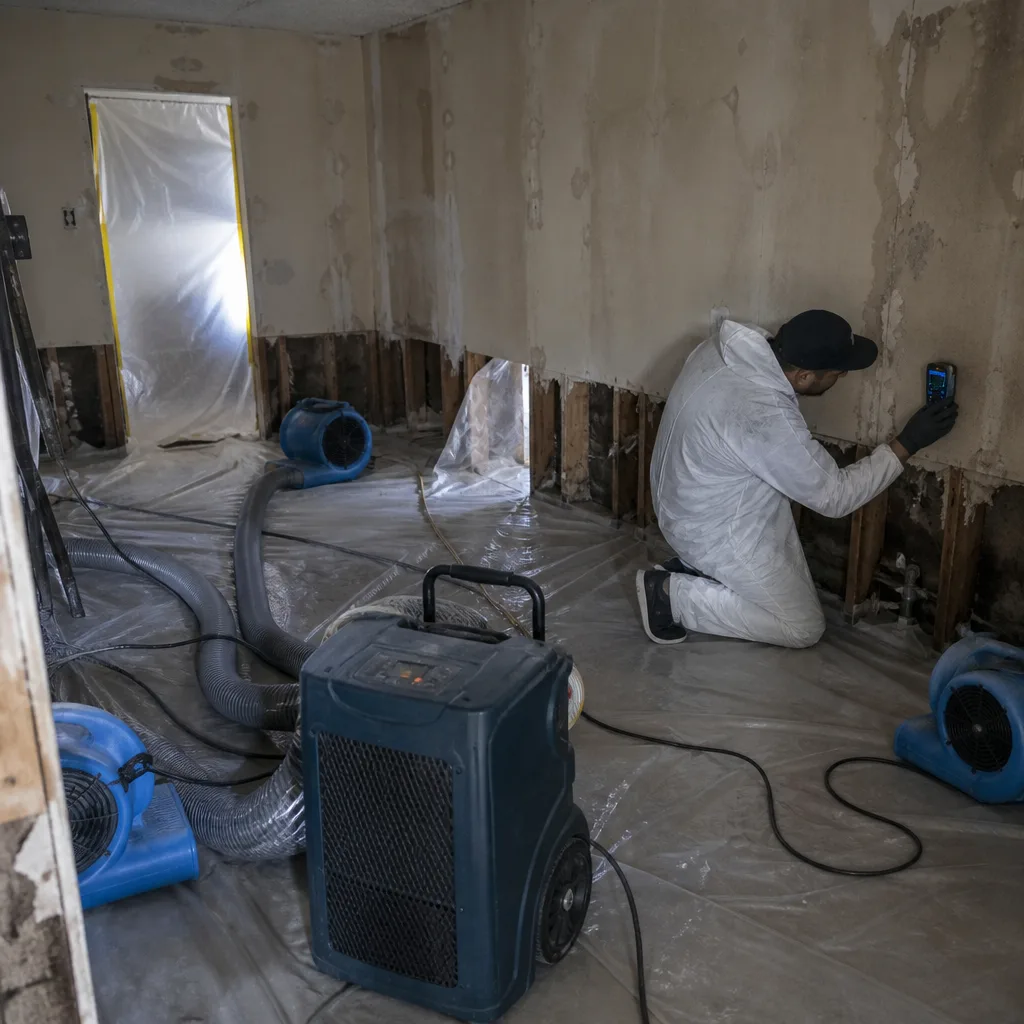 Before
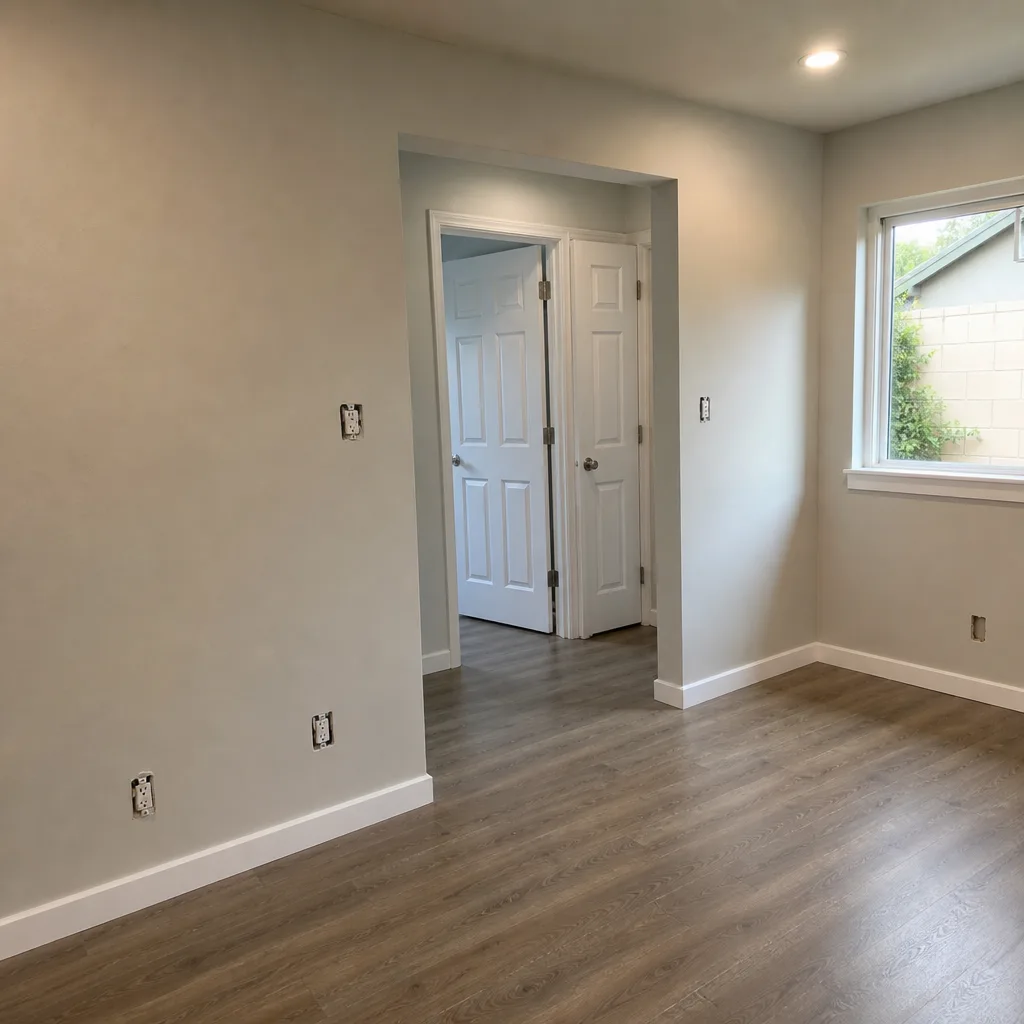 After
After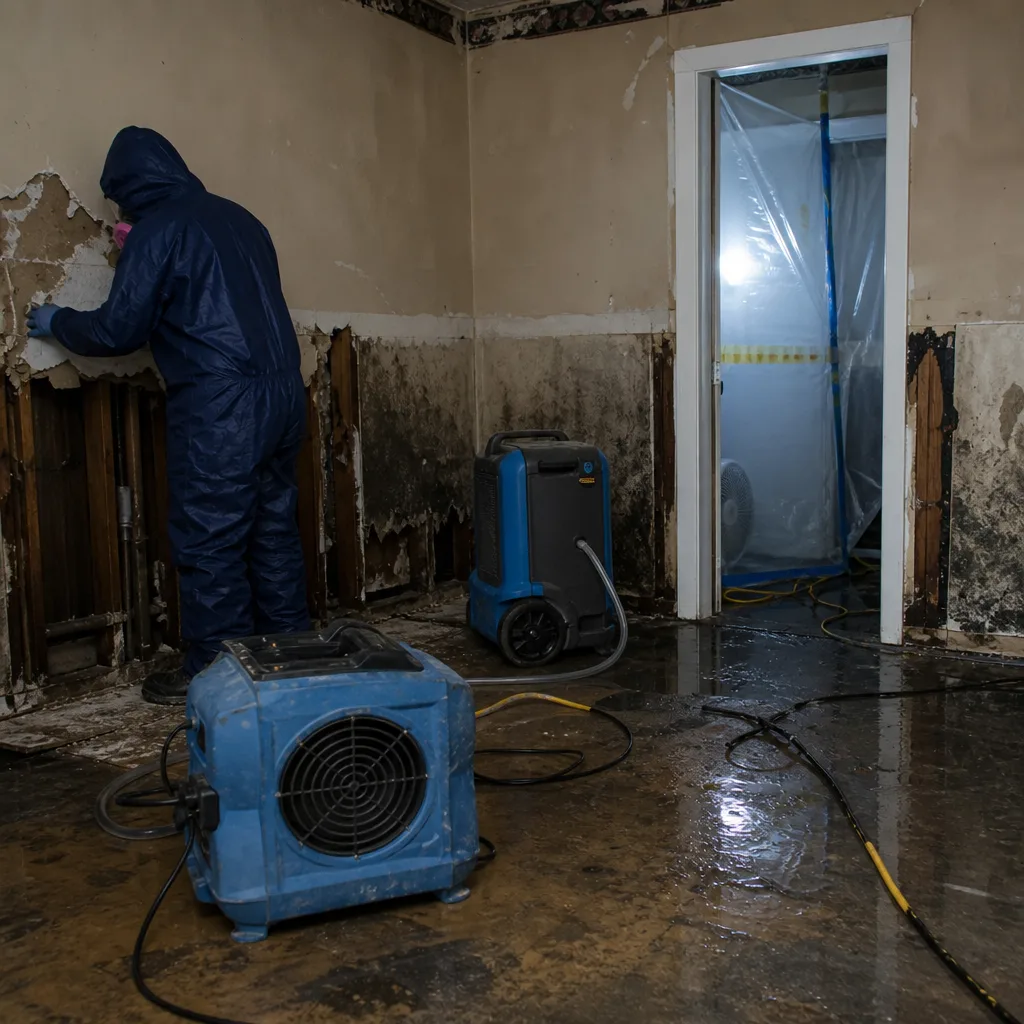 Before
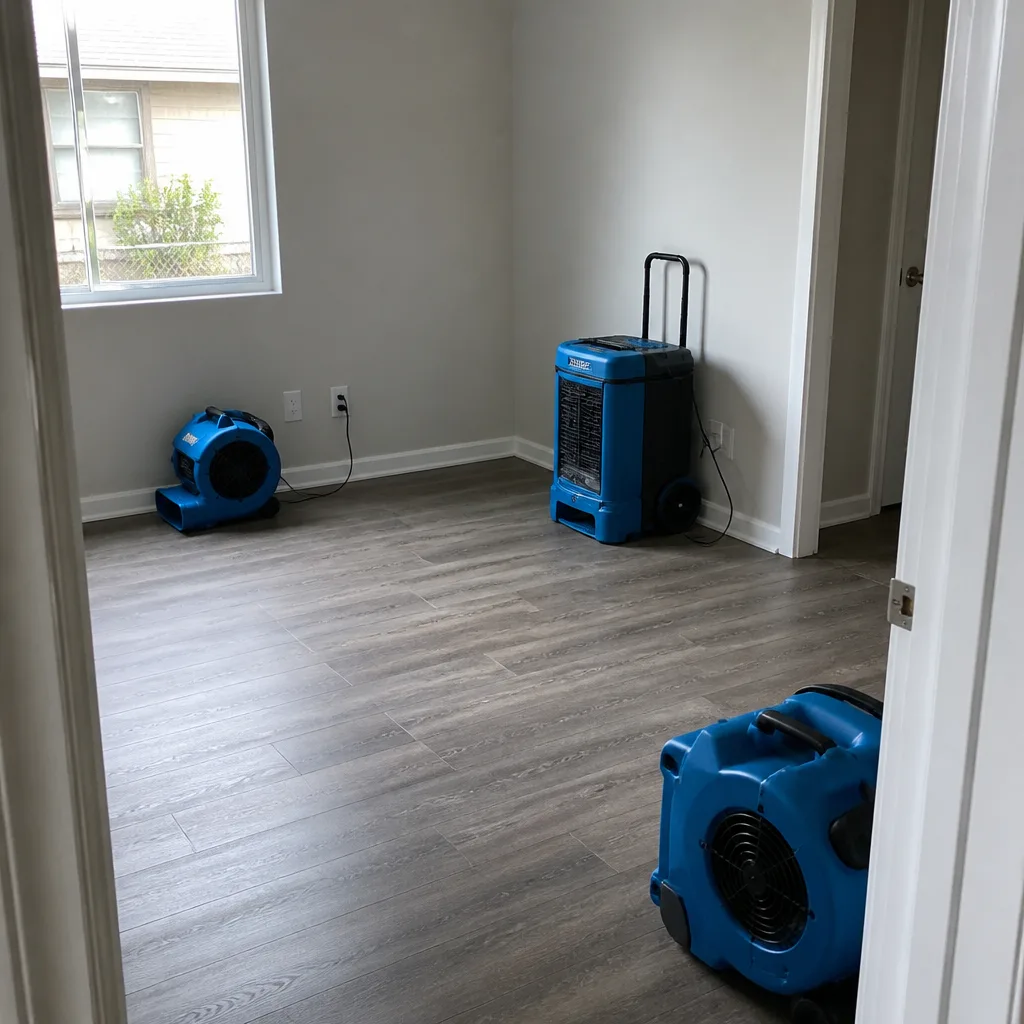 After
After24/7 Emergency Fire & Smoke Damage Restoration in Compton
Fire and smoke damage restoration in Compton typically costs $3,200-$18,500 depending on severity, with emergency board-up and stabilization available within 45 minutes of your call. Our crews answer live at (628) 226-1011 - no voicemail, no callback queues - because smoke keeps migrating and water from suppression keeps soaking into drywall and slab edges while you wait. We dispatch from our Los Angeles office with technicians already routed through Compton’s corridors, from Rosecrans to Alondra and north toward the 91. The first hour determines whether soot residues set into plaster and lath permanently, whether smoke odor penetrates balloon-frame cavities beyond reach, and whether standing suppression water triggers secondary mold behind baseboards. We arrive with thermal imaging, moisture meters, and HEPA containment equipment to stop both problems at once.
Understanding Fire & Smoke Damage Restoration Severity in Compton Properties
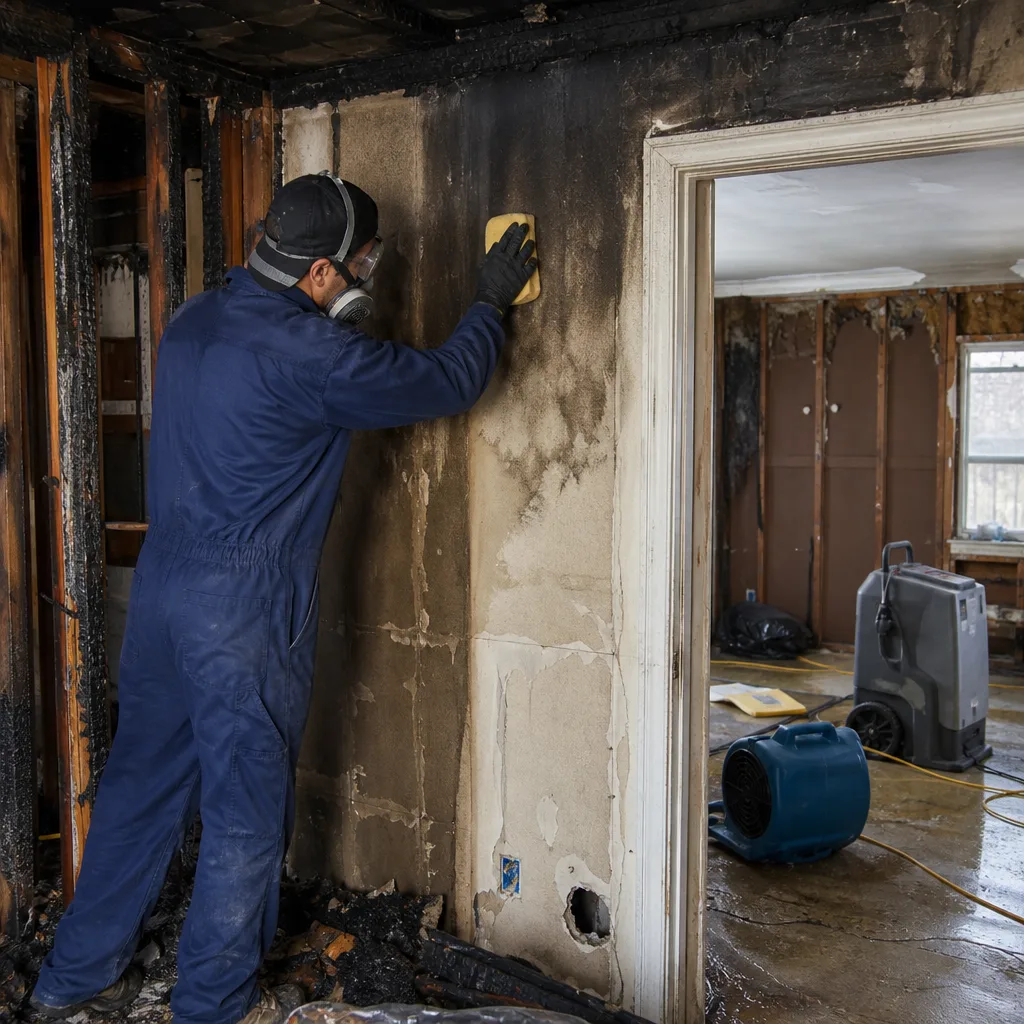
Fire damage in Compton breaks into three severity tiers, each demanding different documentation and equipment. Light smoke damage - localized kitchen or electrical fires with no structural involvement - produces dry soot (carbon particulate) on surfaces and protein residues on appliances and cabinetry. We clean with HEPA vacuuming, chemical sponges, and thermal fogging, then seal affected substrates. Moderate damage involves active flame spread through a room or two, with wet smoke from slow-burning synthetics creating thick, oily residues that smear on contact. This tier requires wet-cleaning with pH-specific detergents, soda blasting on charred framing, and aggressive deodorization through hydroxyl generators or controlled ozone. Severe damage means structural compromise: compromised roof decking, collapsed ceilings, or burned-through floor joists.
Compton’s housing stock intensifies every tier. Those post-WWII wood-frame bungalows near Compton Creek - the ones with balloon-frame walls and original lath-and-plaster - let smoke travel vertically through stud cavities into attics and horizontally into adjoining rooms before anyone notices. The same homes harbor original 9×9 vinyl floor tiles, popcorn ceilings, and duct insulation that California law presumes asbestos-containing until proven otherwise. So a moderate fire in a 1954 ranch on Pine Street or a 1952 bungalow near Greenleaf Drive triggers mandatory containment and testing before we remove so much as a charred baseboard. That regulatory gate adds sequencing days that newer cities with mixed housing rarely face uniformly. We build that timeline into our written scope from the first inspection.
Why Compton Property Owners Choose DryMark Restoration Compton
- 45-minute response commitment to Compton addresses - our crews are pre-staged along the 710 and 91 corridors during high-risk Santa Ana wind periods.
- 24/7 live answer by a real person, never an automated system; our dispatchers can initiate insurance notification and crew routing while you’re still on the line.
- IICRC-certified crews holding FSRT (Fire and Smoke Restoration Technician) and WRT (Water Damage Restoration Technician) certifications, with AMRT (Applied Microbial Remediation Technician) cross-training for the mold that follows suppression water.
- Free visual inspection with thermal imaging and moisture mapping included - we document pre-loss conditions and compounding damage before any work begins.
- Direct insurance billing with adjuster coordination handled by our in-house claims team; we speak Xactimate and provide line-item scopes that match carrier pricing databases.
- One team from board-up to structural repair - no handoffs between mitigation and reconstruction contractors, no gaps in documentation or warranty coverage.
BeforeAfterOur Fire & Smoke Damage Restoration Process
1. Inspection & Assessment
We walk the loss with thermal imaging cameras, moisture meters, and a photo rig. In Compton’s pre-1960 stock, we specifically flag balloon-frame wall cavities, original plaster surfaces, and any 9×9 tile or popcorn ceiling for presumptive asbestos testing. We deliver a written scope with line-item pricing before any work starts - Haven Standard, Clause 1.
2. Emergency Board-Up & Stabilization
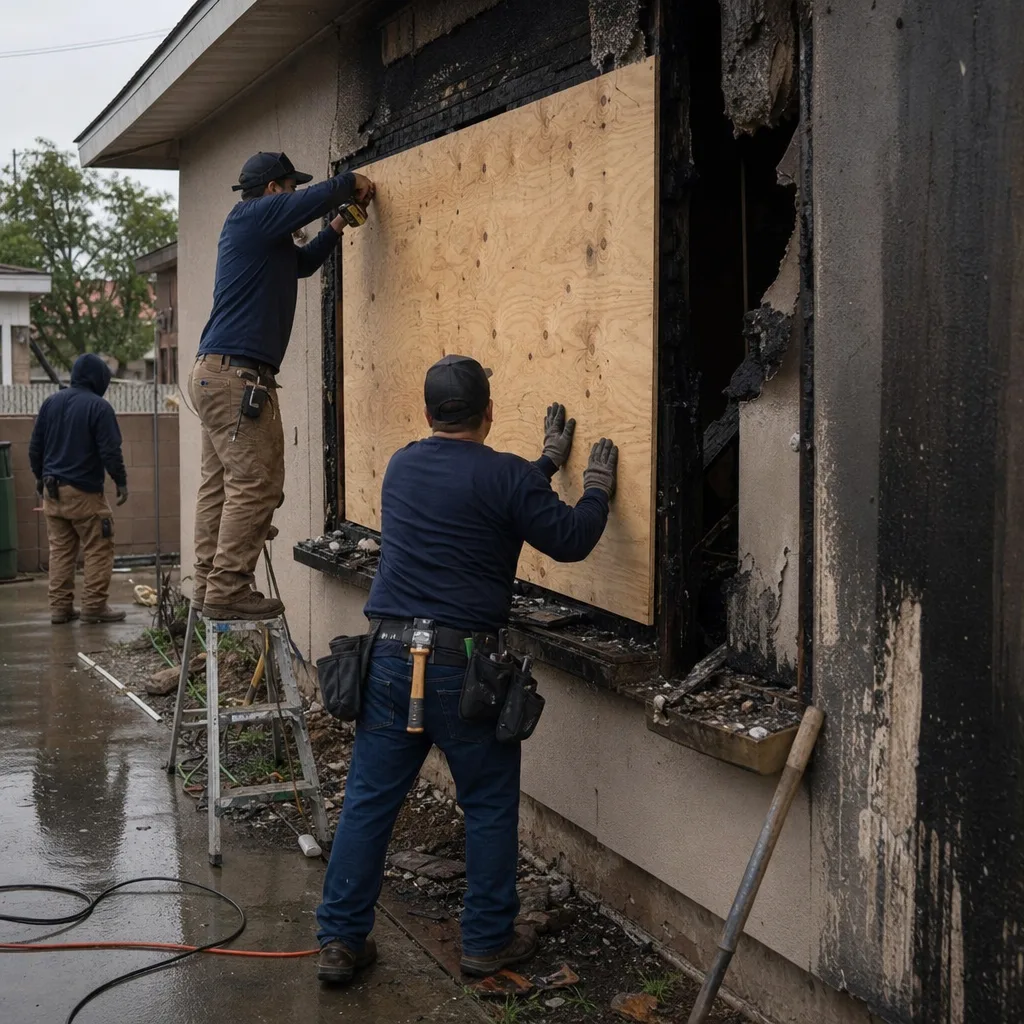
Fire-damaged roofs, windows, and doors get secured with plywood and weatherproof tarps to prevent secondary water intrusion. During Compton’s winter rain season, this step is non-negotiable - a compromised roof during an El Niño event turns smoke damage into a compound flood loss within hours.
3. Water Extraction & Drying
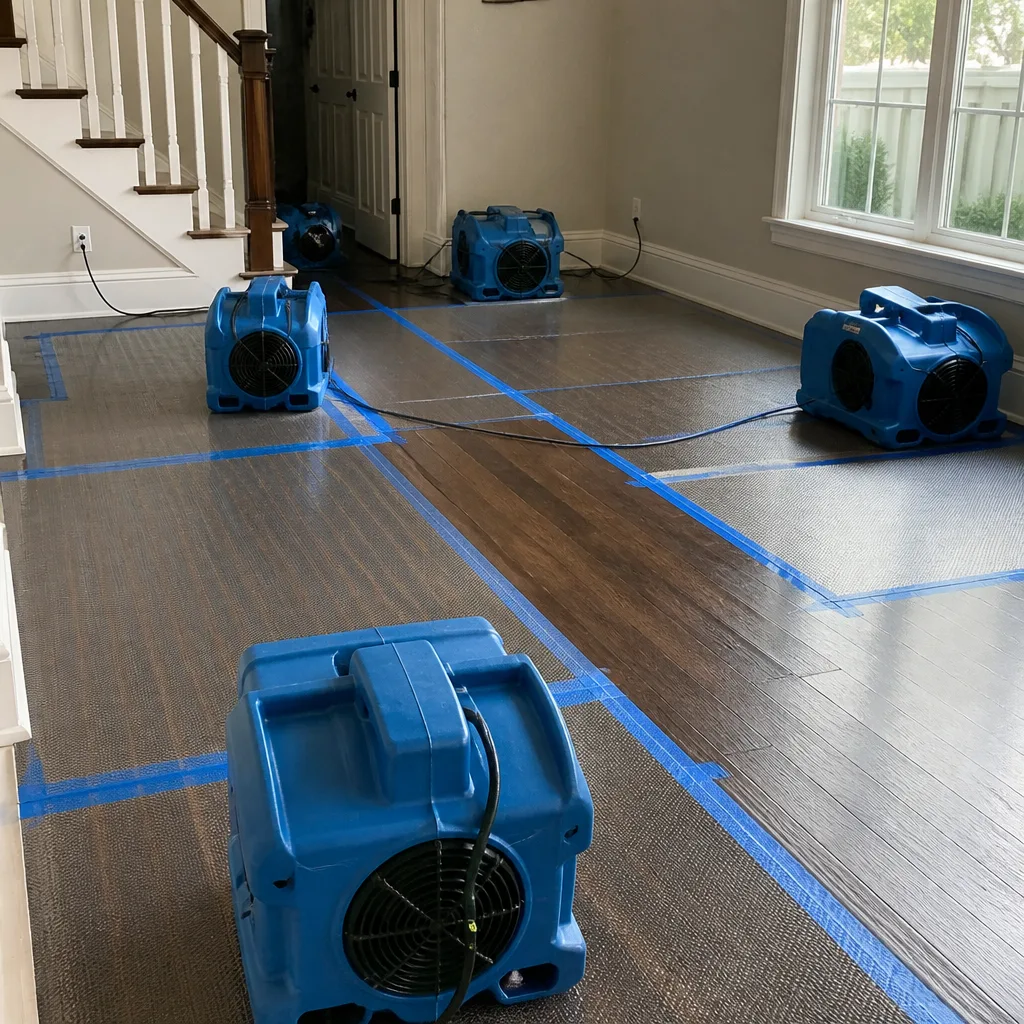
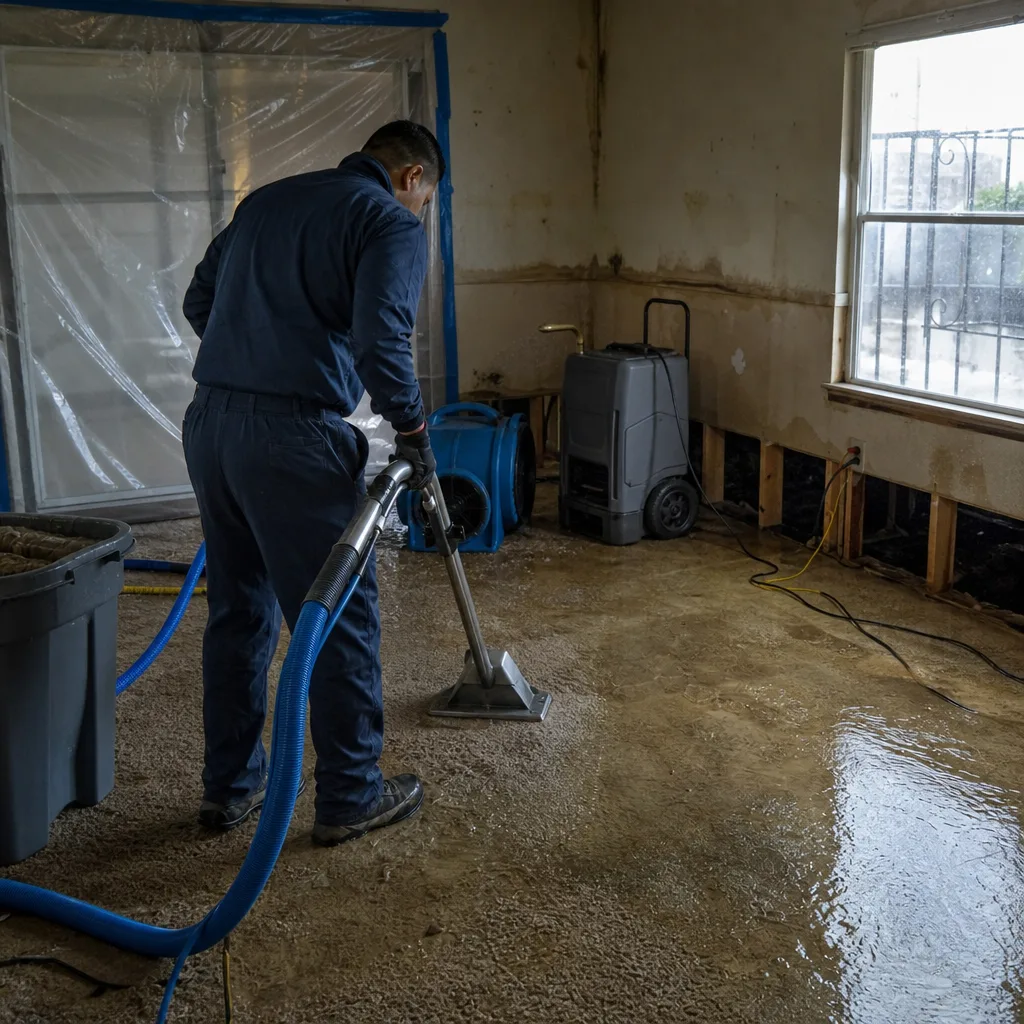
Suppression water gets extracted with truck-mounted systems, then we deploy Dri-Eaz and Phoenix dehumidifiers with Injectidry cavity-drying systems to pull moisture from inside balloon-frame walls. Moisture mapping extends to slab edges, especially near Compton Creek, where the low water table keeps concrete damp long after surface water disappears.
4. Smoke & Soot Cleaning
Dry soot gets HEPA-vacuumed first; wet smoke residues require pH-specific detergents and sometimes soda blasting on charred framing. We clean room by room, documenting each surface with before-and-after photography. On original lath-and-plaster, we test cleaning agents on hidden patches first - old plaster is porous and can lock in residues permanently if treated incorrectly.
5. Odor Removal & Deodorization
Surface cleaning never reaches smoke odor trapped in wall cavities, attic chases, and HVAC ductwork. We run hydroxyl generators and, where appropriate, controlled ozone treatments with containment barriers. Thermal fogging with solvent-based deodorizers penetrates the same pathways smoke traveled, neutralizing odor at the molecular level rather than masking it.
6. Structural Fire Repair & Rebuild
Charred or compromised framing gets sistered or replaced. We coordinate lead-safe and asbestos abatement sequencing through certified subcontractors, then rebuild to current code. Every repair is documented to IICRC and RIA standards, with a 365-Day Done Right Promise stamped on the final invoice.
Need Emergency Fire & Smoke Damage Restoration in Compton Now?
Crews minutes away, answering live 24 hours a day. The sooner we start, the less it costs.
Working With Your Insurance Company
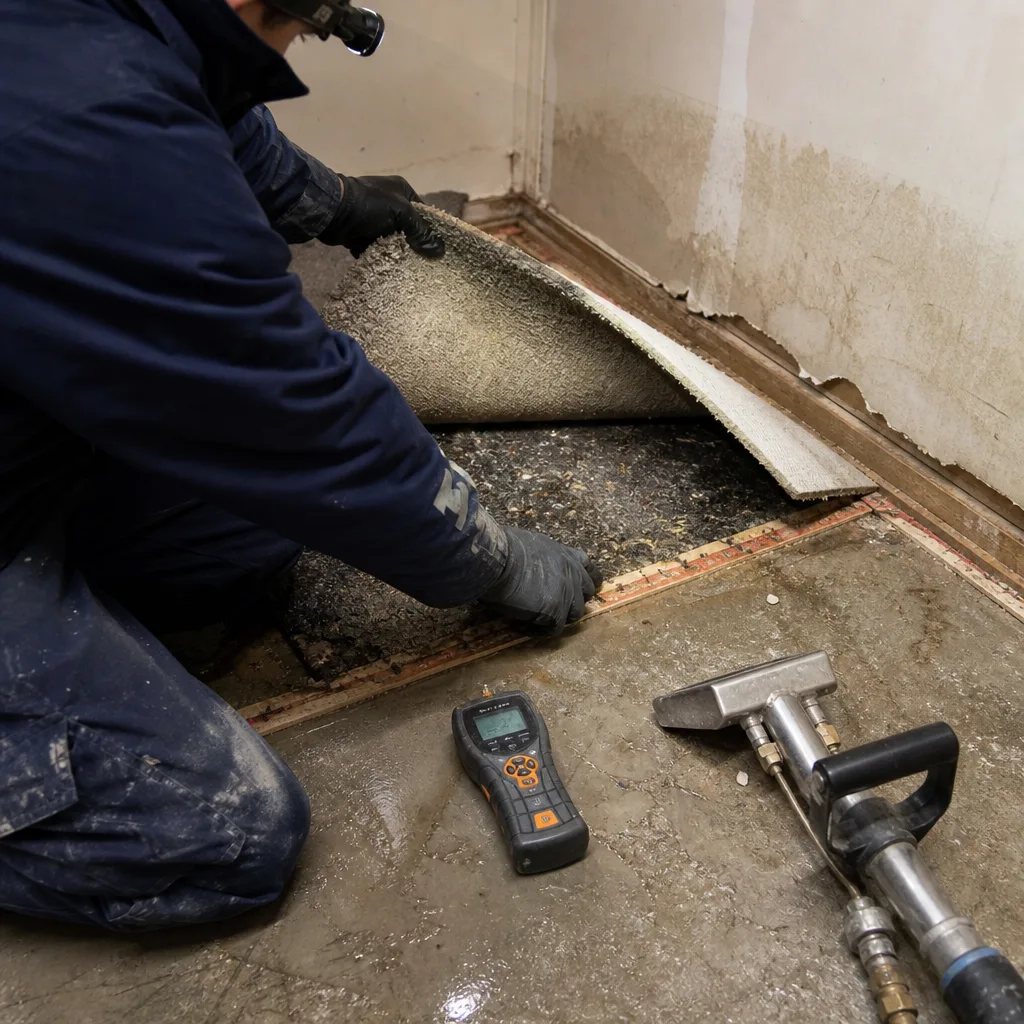
Insurance claims on fire losses live or die on documentation. Adjusters need to see the chain of damage from initial loss through final repair, with no gaps that let them dispute causation or scope. We start building that file the moment we arrive: date-stamped photos of every room, moisture readings with psychrometric data (temperature, relative humidity, vapor pressure differential - the measurable forces that drive drying), and a written scope that separates mitigation from reconstruction.
Our in-house claims team speaks directly with your adjuster, using Xactimate pricing and IICRC-standard line items that match what carriers expect to see. We don’t inflate scopes, and we don’t leave items off that should be there. The result is faster approval, fewer supplement rounds, and a claim that closes without the disputes that delay rebuilds by months.
What We Provide Your Insurer
- Thorough documentation of the loss
- Photos of all damage, room by room
- Moisture readings and drying logs
- A detailed, line-item scope of work
- Direct coordination with your carrier
Built for Compton’s Loss Calendar
Compton’s fire and smoke damage calendar runs on two engines: Santa Ana wind events and the compounding geography of its creek corridor.
Fall Santa Ana winds, typically October through January, drive the highest fire risk. Dry conditions, low humidity, and ember-carrying gusts turn small ignition sources - electrical faults, cooking accidents, improperly discarded materials - into structure-threatening events. The city’s densely built wood-frame blocks, many with minimal setbacks between structures, allow fire spread that suburban cities with larger lots rarely see. We pre-stage crews along the 91 corridor during red-flag warnings.
Winter brings the secondary problem: El Niño-driven rain events that overtop Compton Creek and flood homes already compromised by fire damage. A kitchen fire in December often becomes a compound loss - smoke and char in the structure, then rainwater through the compromised roof before board-up completes. Our crews carry both fire restoration and water mitigation equipment on every truck during winter months. The creek corridor’s low elevation means slab-level homes have no gravity drainage; water sits until we extract it, and it keeps wicking upward through concrete edges for weeks.
Spring and summer see fewer fire losses but more deferred-maintenance ignitions: aging electrical panels, corroded wiring in original conduit, and DIY repairs that fail under load. Those calls often reveal the compounding damage hiding behind walls - the slow slab leaks and deteriorated roofing that our inspection process is designed to catch and document.
Fire & Smoke Damage Restoration Across Compton’s Neighborhoods
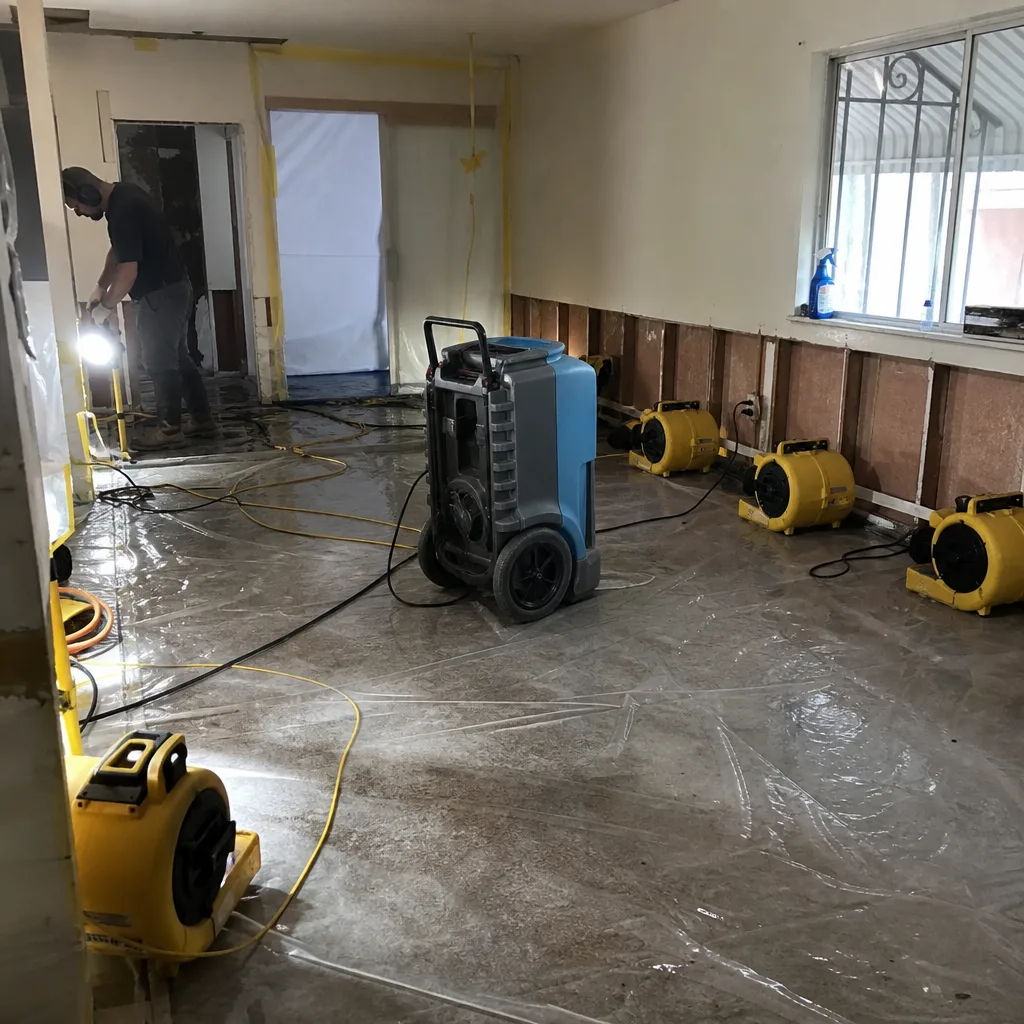
Our Fire & Smoke Damage Restoration team knows Compton’s blocks by their building stock and their typical loss patterns.
Compton Creek corridor - the residential streets flanking the channelized creek from Alondra north toward Rosecrans - presents the most complex fire jobs. The 1940s and 1950s bungalows here have balloon-frame walls, original plaster, and the persistent sub-slab moisture that complicates every drying plan. When a fire hits, we moisture-map slab edges as standard practice; the baseboards read wet even when the fire itself never touched water. Asbestos presumption is universal.
North Compton toward the 91 freeway includes slightly later ranch homes from the late 1950s and very early 1960s, with more slab-on-grade construction and original popcorn ceilings still intact. Fires here tend to be kitchen and electrical in origin, with smoke migration into attics through the original ductwork. We see fewer balloon-frame cavity issues but more HVAC contamination requiring full duct cleaning or replacement.
Downtown Compton and the corridors along Compton Boulevard and Atlantic Avenue mix older commercial structures with residential conversions. Commercial kitchen fires, electrical panel failures in mixed-use buildings, and the tighter construction that traps smoke in shared walls. Board-up here requires coordination with building management and sometimes city inspectors for occupancy safety.
West Compton toward Wilmington and the industrial edge sees more garage and outbuilding fires, often involving stored solvents, paints, or vehicle-related ignition. Smoke from these fires carries petroleum-based residues that demand specialized cleaning chemistry and extended deodorization.
Specialized Fire & Smoke Damage Restoration Services We Offer in Compton
Fire Damage Cleanup
We remove charred debris, damaged contents, and compromised building materials with full photo documentation for your insurance claim. In Compton’s pre-1960 homes, this step waits on asbestos and lead-safe clearance - we never demo first and test later. That sequencing protects your health and your claim.
Smoke & Soot Removal
Dry soot, wet smoke, and protein residues each demand different chemistry and technique. We identify residue type on site, test cleaning agents on hidden plaster patches, and document every surface treated. On original lath-and-plaster walls, incorrect cleaning can drive residues deeper instead of removing them.
Odor Removal & Deodorization
Surface cleaning fails on smoke odor. We deploy hydroxyl generators for occupied spaces, controlled ozone for unoccupied containment zones, and thermal fogging to chase smoke paths through balloon-frame cavities and attic chases. The goal is molecular neutralization, not perfume masking. In Compton bungalows, this step often runs longer than in newer construction because of the wall cavity complexity.
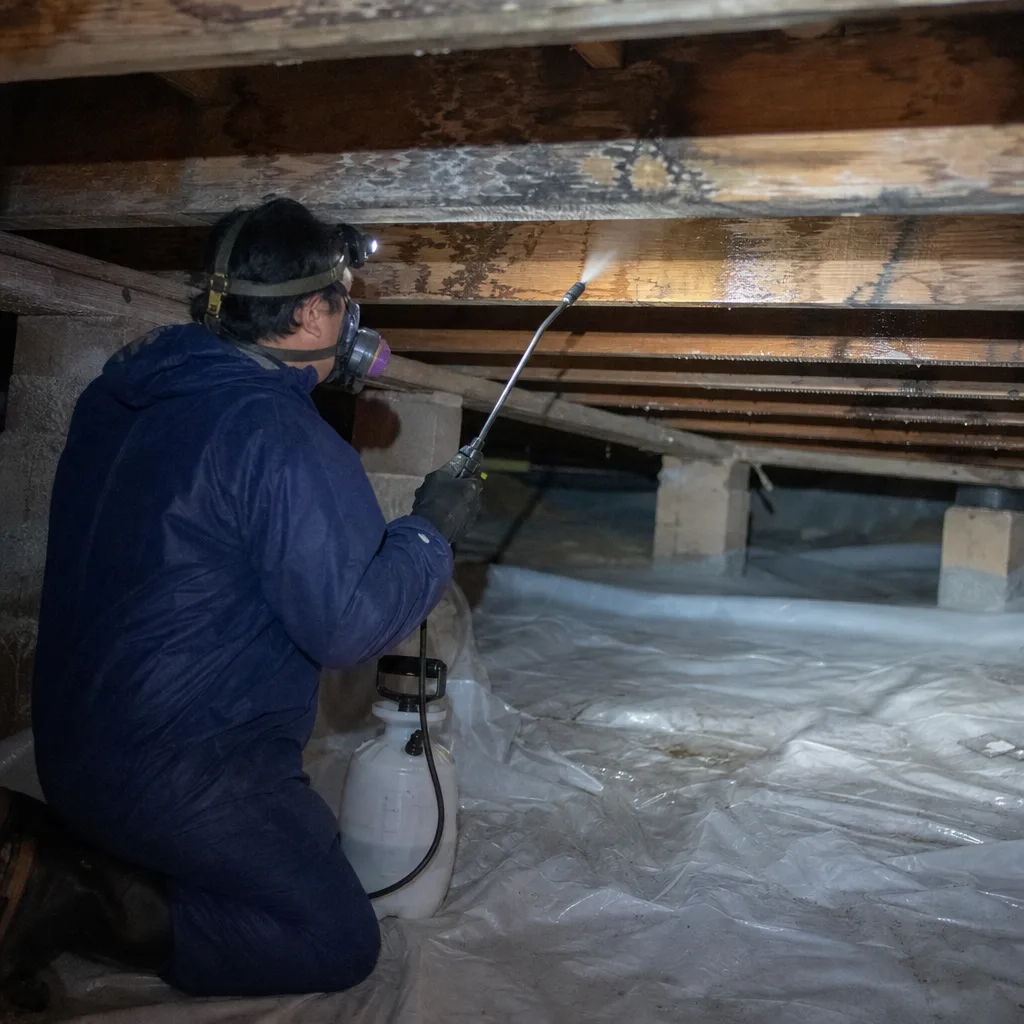
Contents Cleaning & Pack-Out
Salvageable contents get inventoried, photographed, and transported to our cleaning facility for ultrasonic, ozone, or specialized textile treatment. Non-salvageable items get documented for replacement-value claims with detailed descriptions and depreciation calculations. We handle the inventory so you don’t have to sort through fire-damaged belongings while processing the loss.
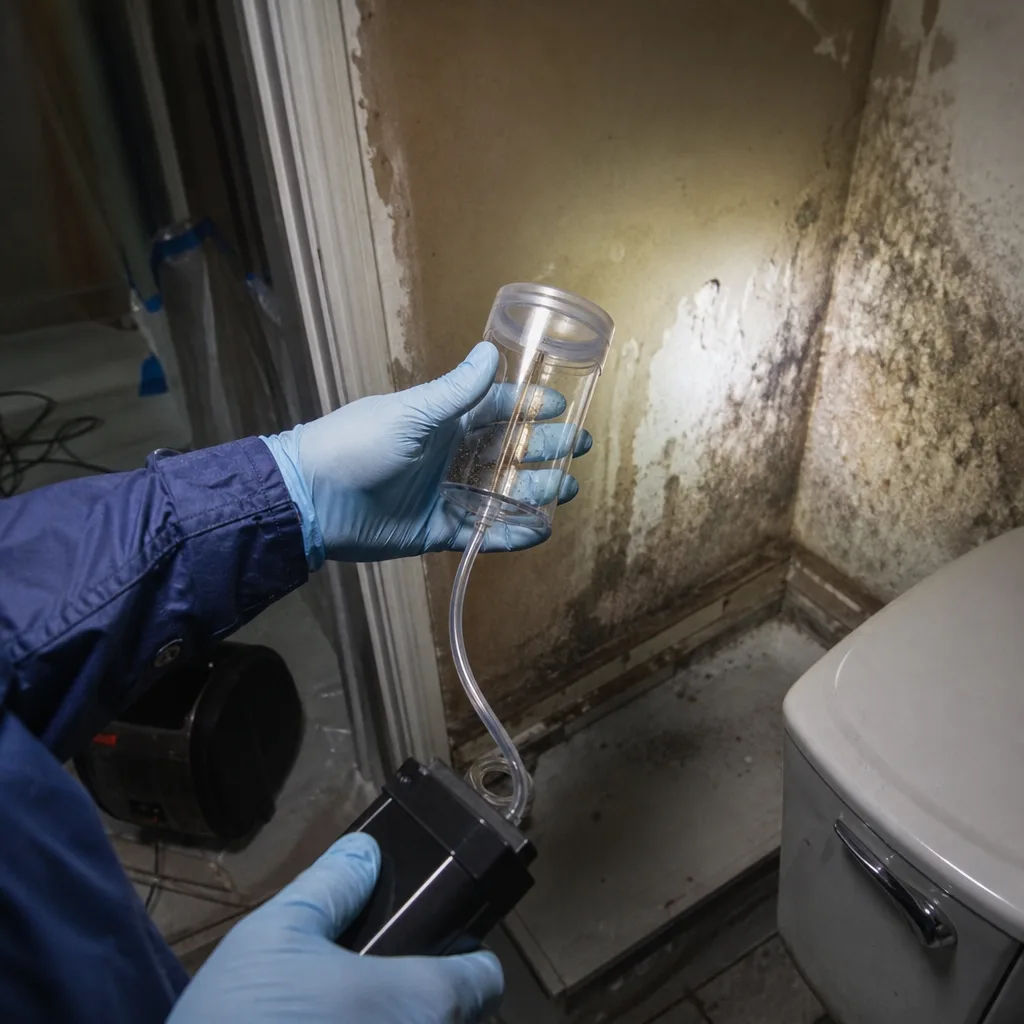
Emergency Board-Up & Tarping
Securing the structure against weather and intrusion is immediate and mandatory. We use plywood, roof tarps, and temporary fencing as needed, with photo documentation of pre-existing damage to prevent dispute. During Compton’s winter rain season, a compromised roof without board-up becomes a secondary flood loss within hours.
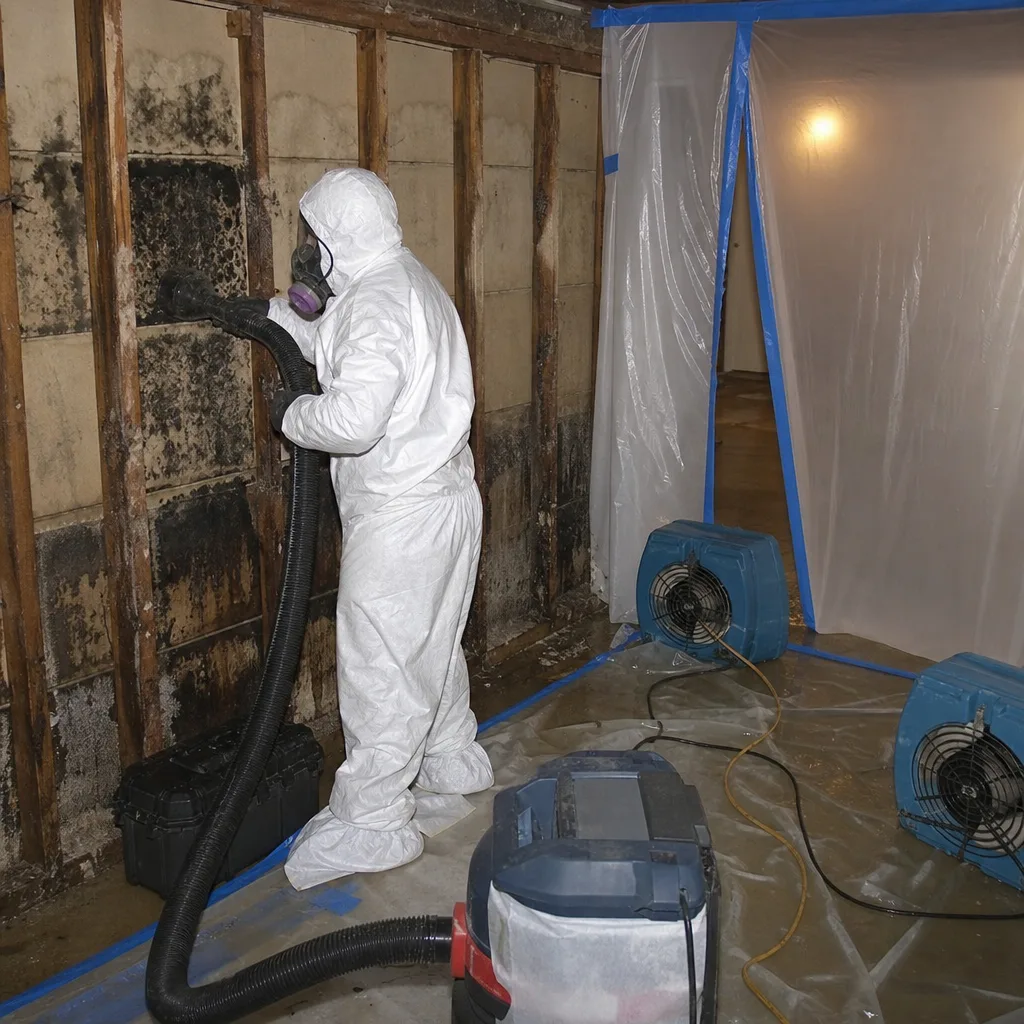
What happens when you call
- 1
A real person answersNo phone trees - you reach a local pro.
- 2
You get an upfront price rangeHonest numbers before anyone is dispatched.
- 3
A background-checked tech heads outLicensed & insured, dispatched right away.
- 4
You approve before work beginsNothing starts until you say go.
Fire & Smoke Damage Restoration Costs in Compton, CA
Fire restoration pricing in Compton reflects the regulatory reality of the city’s housing stock. Here are the ranges we see on written scopes delivered under Haven Standard, Clause 1:
| Service | Typical Range in Compton |
|---|---|
| Emergency board-up and stabilization | $850 - $2,400 |
| Light smoke damage cleanup (single room, no structural) | $3,200 - $6,500 |
| Moderate fire/smoke damage (2-3 rooms, some char) | $7,500 - $14,000 |
| Severe structural fire repair (rebuild required) | $15,000 - $45,000+ |
| Asbestos/lead abatement sequencing (if triggered) | $2,800 - $8,500 |
| Contents pack-out and cleaning | $1,200 - $5,500 |
| Odor removal and deodorization (whole-structure) | $2,500 - $7,000 |
What moves the price: the square footage affected, the residue type (dry soot vs. wet smoke vs. protein), whether asbestos/lead abatement is triggered, and whether suppression water demands full drying and mold prevention. Insurance typically covers sudden accidental fire damage including smoke remediation, board-up, and structural repair; gradual maintenance issues discovered during restoration are usually out-of-pocket. We provide a free visual inspection with written scope before you commit to anything. Call (628) 226-1011 to schedule.
We Also Serve Cities Near Compton
Our crews respond throughout the corridor: Gardena to the northwest, Carson to the southwest, Torrance along the western edge, and Wilmington to the south. Each city has its own building stock and loss patterns; our written scopes account for local conditions rather than applying a metro-wide template.
Serving Compton, CA - Our Local Coverage Area
We’re based in the Compton area and know this community well. Use the map below to see our service coverage - if you’re nearby, we can almost certainly help.
Compton Fire & Smoke Damage Restoration Questions, Answered
Does a fire in an older Compton home mean mandatory asbestos or lead abatement before cleanup?
Yes, if the home was built before 1960 and contains original 9×9 vinyl floor tiles, popcorn ceilings, or duct insulation, California law presumes these materials asbestos-containing until laboratory testing proves otherwise. Lead-safe work practices are similarly mandated for pre-1978 housing. We treat these as regulatory boundaries, not optional steps: containment, testing, and abatement sequencing happen before any demo begins. This adds time and cost, but skipping it exposes you to health liability and voids your insurance coverage for improper remediation. Call (628) 226-1011 and we’ll walk through the specific timeline for your property.
Why do smoke odors keep coming back in Compton bungalows?
Balloon-frame wall cavities and original lath-and-plaster construction let smoke penetrate deep into structural voids that surface cleaning cannot reach. Without aggressive deodorization through the same pathways - hydroxyl or ozone treatment with proper dwell time, plus thermal fogging - residues remain active and re-emit odor when humidity or temperature shifts. Compton’s slab-level homes near the creek corridor add another variable: persistent sub-slab moisture keeps wall cavities humid, which reactivates dormant smoke residues. We moisture-map and dry before final deodorization to prevent this cycle. Call (628) 226-1011 for an inspection if odors have returned after a previous cleanup.
Can Compton Creek flooding affect a home we’re already restoring for fire damage?
Yes, and it happens more often than property owners expect. During El Niño winters, the channelized creek overtops into adjacent residential streets, flooding slab-level homes with little elevation above grade. If your roof or structure is already compromised from fire, rainwater enters unimpeded and compounds the loss. We build flood contingency into every winter fire restoration: board-up is weatherproofed, not just secured, and we monitor creek levels during active jobs. If flooding occurs mid-restoration, we document the new water intrusion separately for insurance purposes and adjust the drying plan immediately. Call (628) 226-1011 if you’re in the creek corridor and concerned about weather during your restoration.
How do you handle contents and pack-out after a Compton fire?
We inventory, photograph, and pack out salvageable contents to our cleaning facility for specialized treatment - ultrasonic cleaning for hard goods, ozone or textile-specific processes for fabrics and upholstery. Non-salvageable items get detailed documentation with replacement-value descriptions for your insurance claim. In Compton’s older homes, we often find contents with pre-existing wear or damage from deferred maintenance; we photograph these conditions before moving anything to prevent claim disputes. You receive a complete inventory list with cleaning status and disposal documentation. Call (628) 226-1011 to discuss pack-out timing that works with your schedule.
Will my insurance cover board-up and structural fire repair separately from smoke cleaning?
Most homeowner policies cover all phases of sudden accidental fire damage as a single claim, including emergency board-up, smoke and soot remediation, contents cleaning, deodorization, and structural repair. The key is documentation that links each phase to the original fire loss. We provide that documentation: dated photos, moisture logs, line-item scopes, and direct adjuster coordination. Where carriers try to separate mitigation from reconstruction across different adjusters or vendors, our single-team approach keeps the claim unified and the documentation continuous. Call (628) 226-1011 and we’ll review your policy language with you.
How fast can your crew actually get to my Compton address?
We commit to 45 minutes from call to arrival for Compton addresses, with crews pre-staged along the 710 and 91 corridors during high-risk periods. Our dispatchers answer live 24 hours a day - no voicemail, no callback delays. The first truck carries board-up materials, HEPA containment, extraction equipment, and initial drying gear so we can start stabilization immediately. Response to remote Compton addresses or during major regional events may extend slightly, but we communicate estimated arrival in real time. Call (628) 226-1011 and we’ll confirm current crew location.
How long does the full fire restoration process take in Compton?
Light smoke damage with no structural involvement: 3-7 days. Moderate damage with charred framing and wet smoke: 2-4 weeks, including drying and deodorization. Severe structural damage requiring rebuild: 6-16 weeks, with asbestos/lead abatement sequencing adding 1-3 weeks in Compton’s pre-1960 stock. The creek-corridor moisture variable can extend drying by several days if sub-slab humidity is elevated. We provide a written timeline with the initial scope and update it weekly. Call (628) 226-1011 for a specific estimate based on your loss.
Can my family stay in the home during fire restoration?
Usually not during active remediation. Smoke residues and airborne particulates create unhealthy conditions, and HEPA scrubbers and ozone generators require controlled containment. For light, localized damage with no HVAC contamination, we may establish a clean zone with air scrubbing that allows limited occupancy. We assess this during the initial inspection and document our recommendation for your insurance if temporary relocation coverage applies. Call (628) 226-1011 to discuss your specific situation.
On a 1950s bungalow near Compton Creek, a kitchen fire had pushed smoke through original lath-and-plaster walls and into the attic, so we set containment, ran HEPA scrubbing and hydroxyl/ozone deodorization, and moisture-mapped the slab edge because the creek-corridor water table keeps concrete persistently damp - the baseboards read wet weeks after the water receded. Because the home’s 9×9 tiles and duct insulation were presumed asbestos-containing, we treated the pre-loss condition as a regulatory boundary, packed out contents, documented drying logs, and completed structural fire repair only after clearance.
Fire & Smoke Damage Restoration in Compton demands more than standard soot removal. The combination of pre-1960 construction, mandatory abatement sequencing, and persistent sub-slab moisture means every job requires documentation discipline and trade-specific expertise. That’s what we deliver.
Written by Alicia Brennan, Owner at DryMark Restoration Compton, serving Compton since 2011 under The Haven Standard.
Fire & Smoke Damage Restoration in Nearby Areas