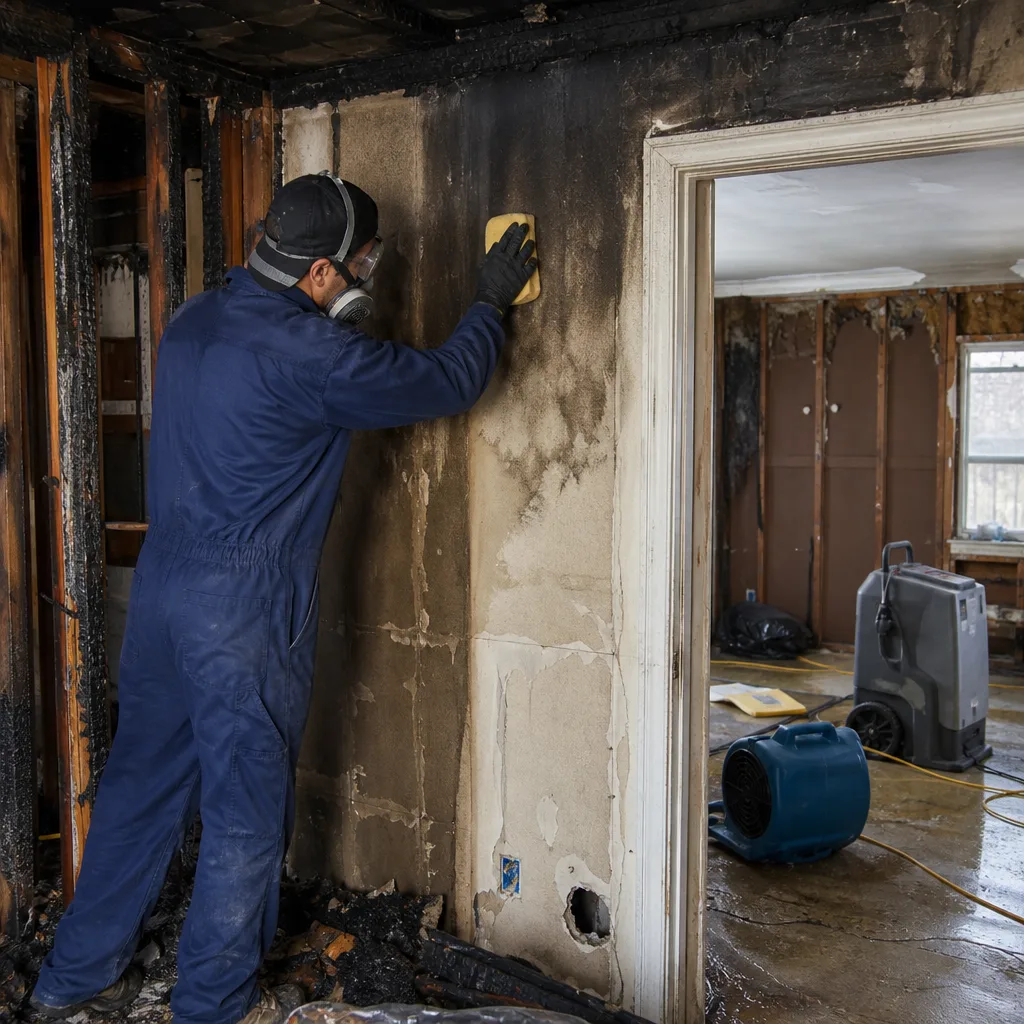
Free visual inspection and a written scope of work before any mitigation begins - photos, moisture readings, and drying logs go in your claim file
The scope we write is the scope we bill. Anything new gets shown to you, in writing, before we touch it.
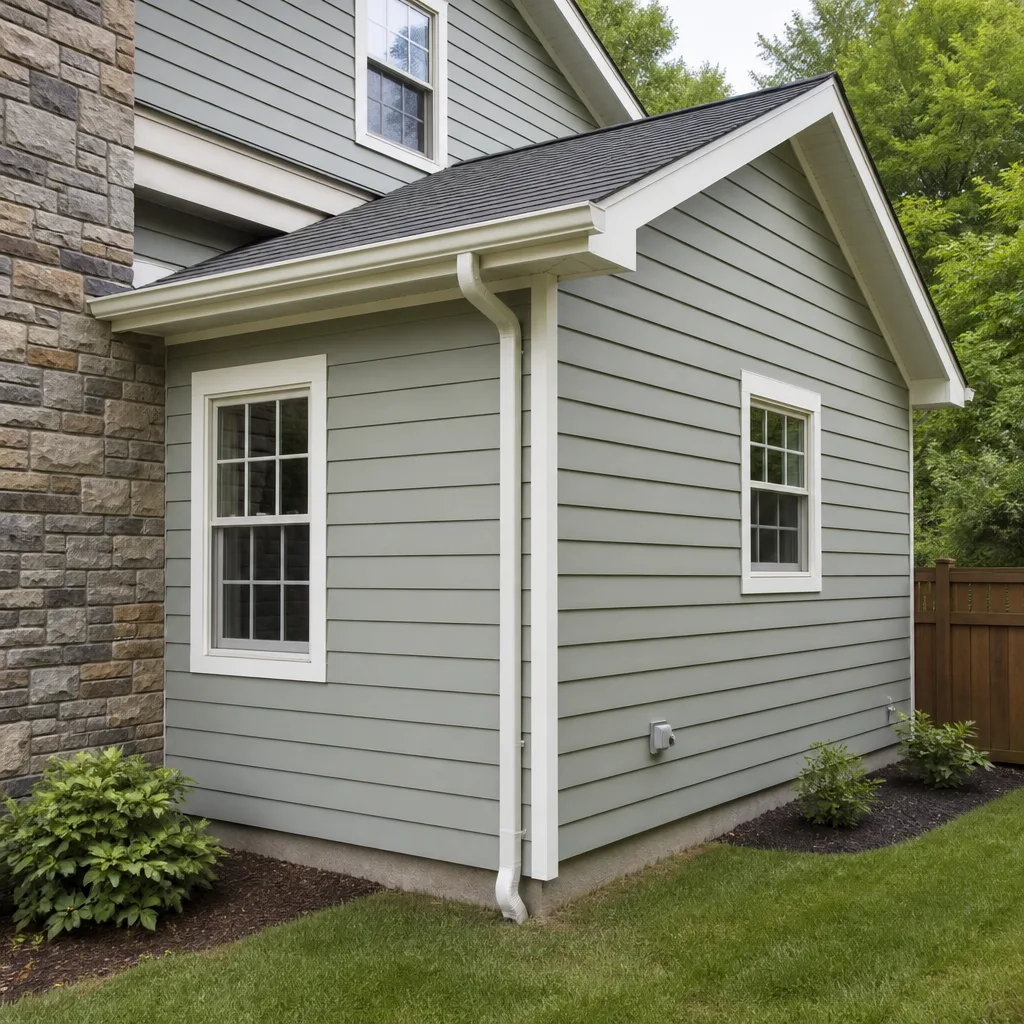
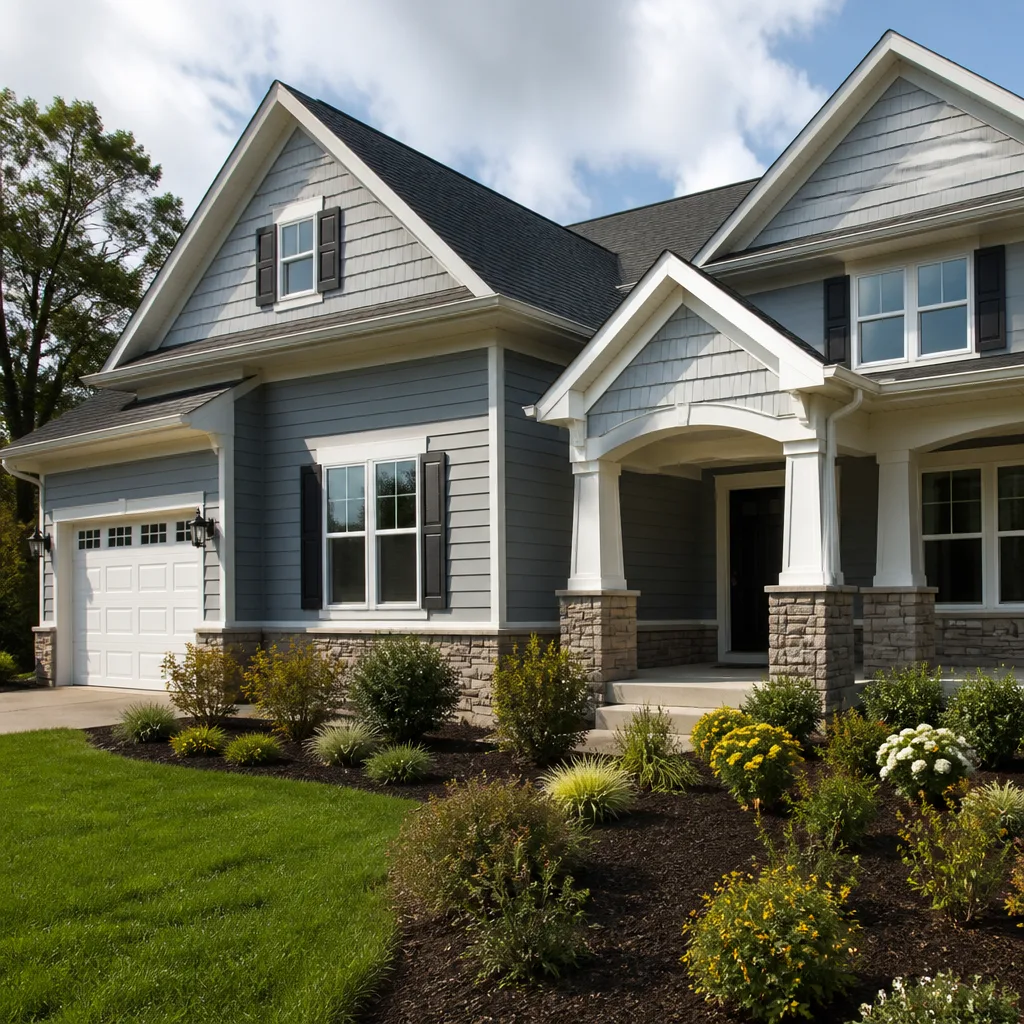
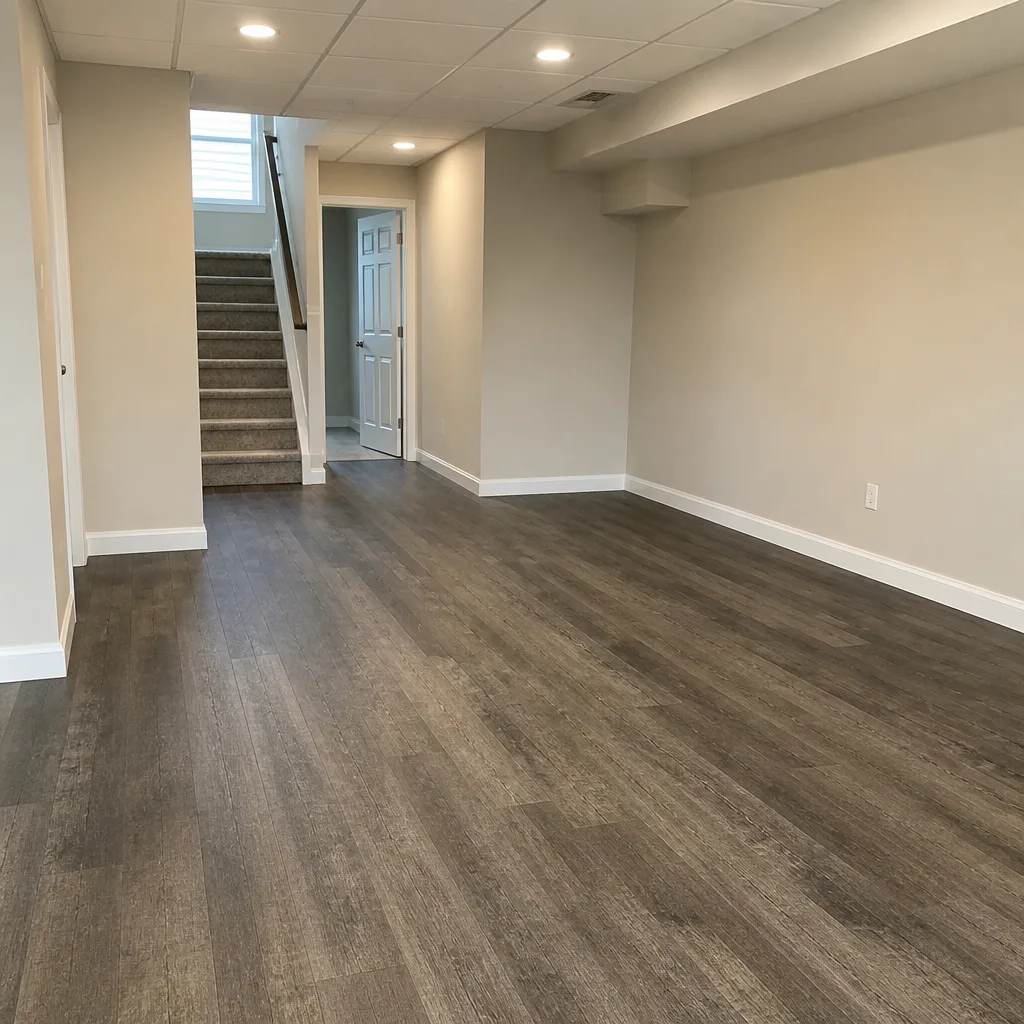
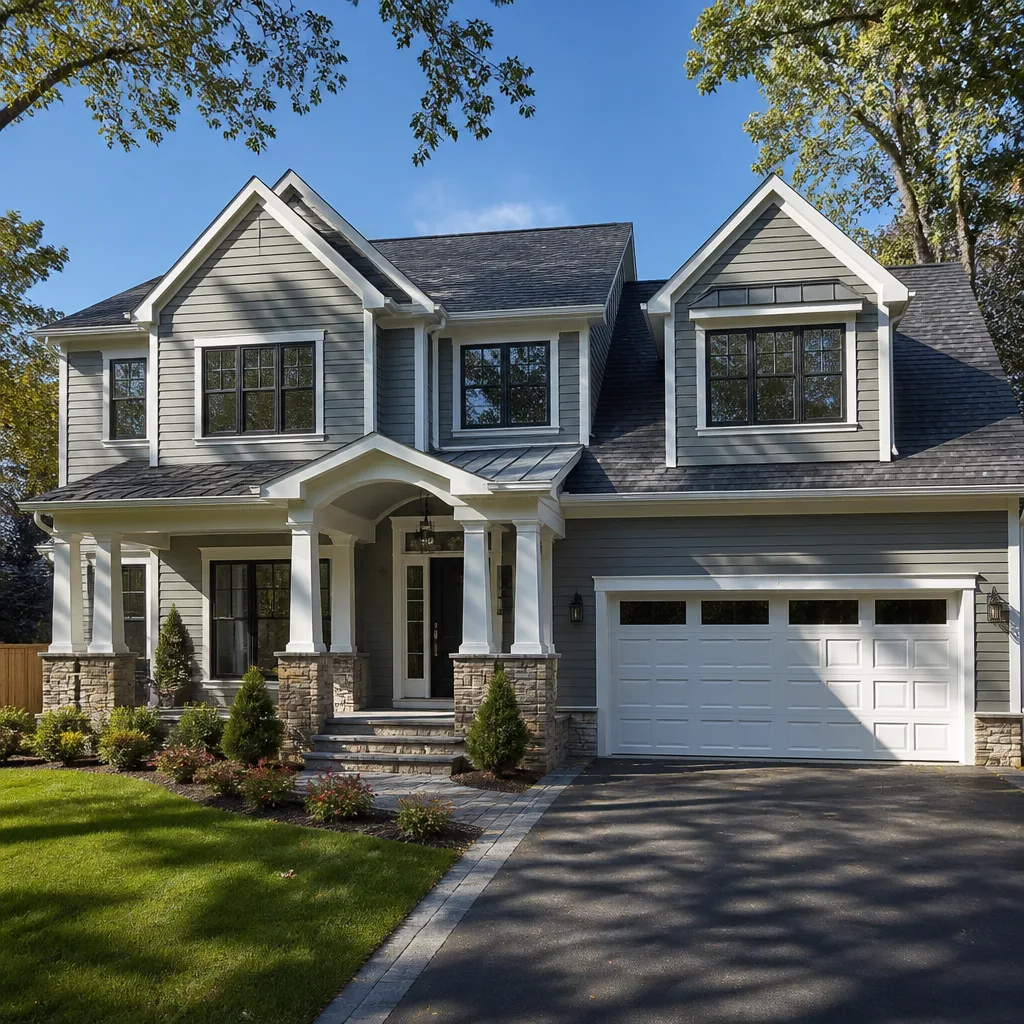
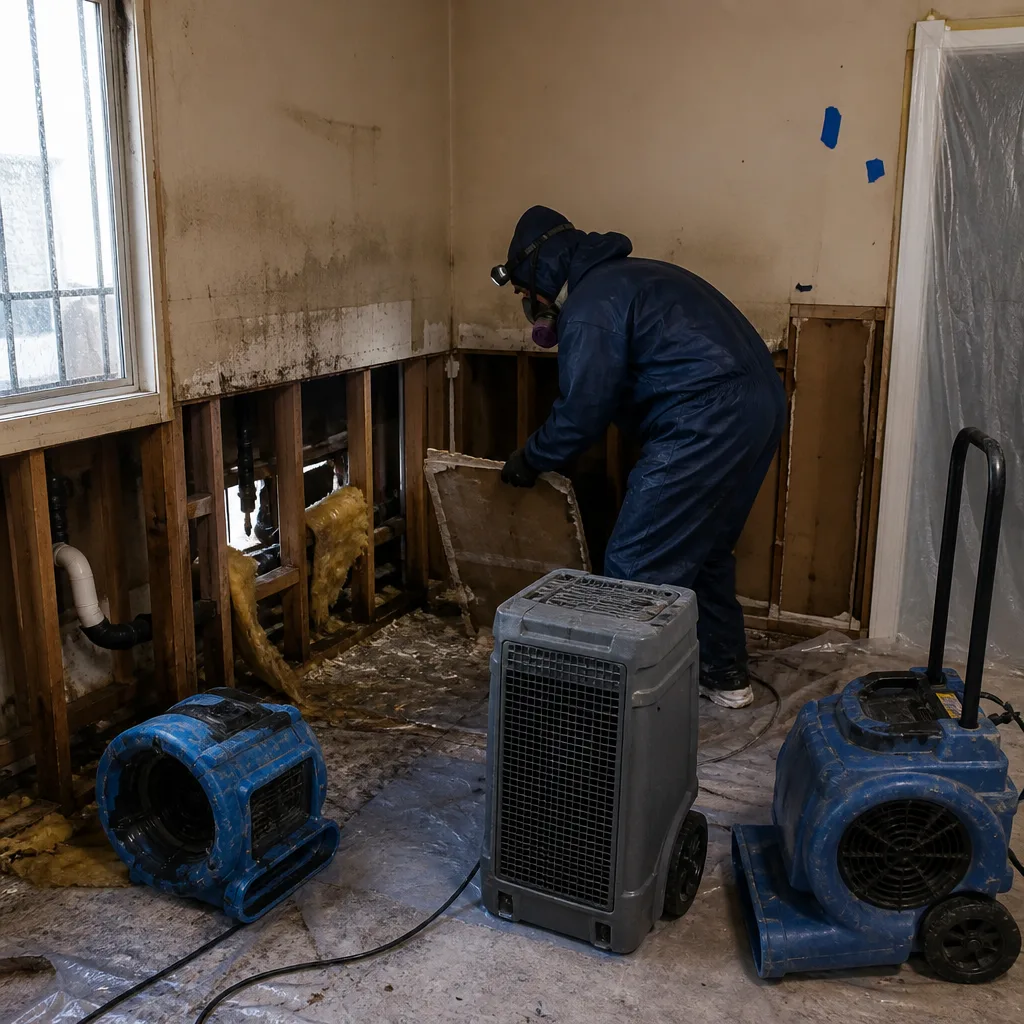 Before
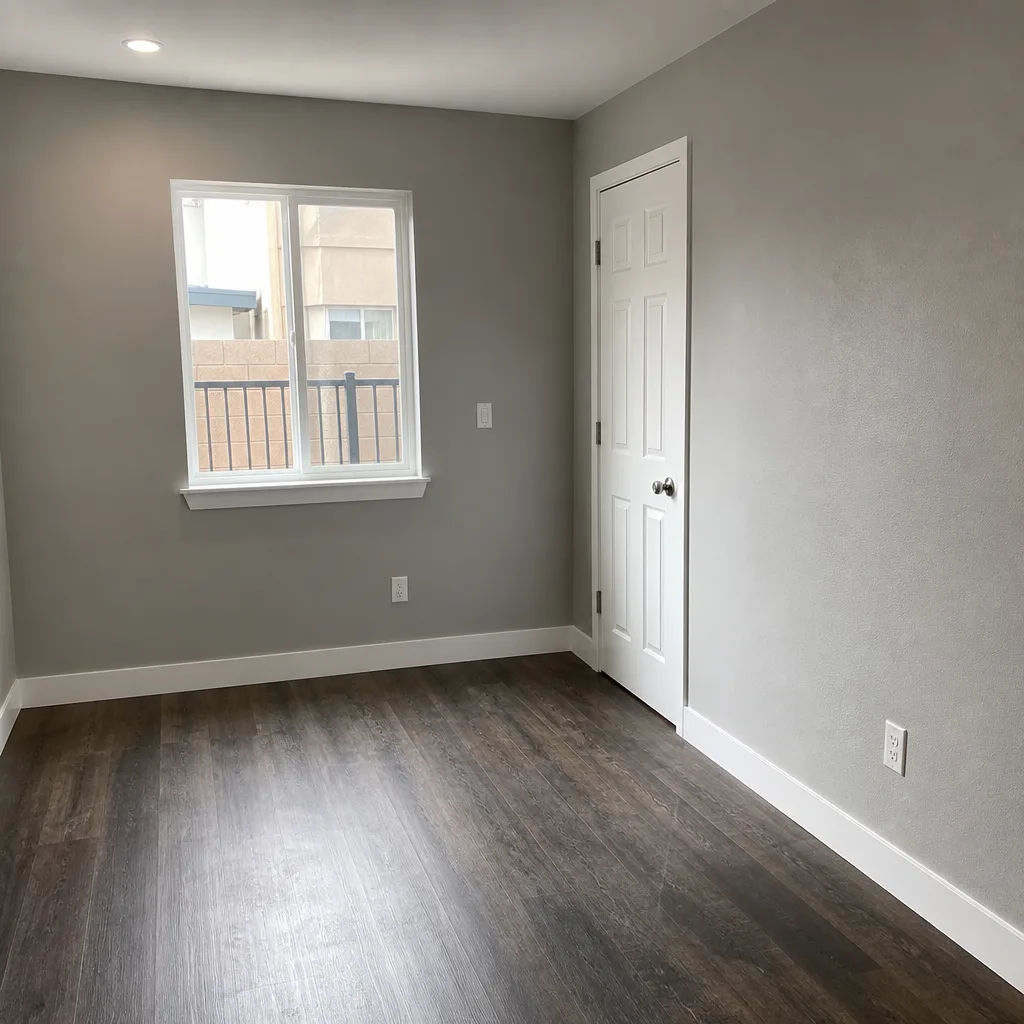 After
After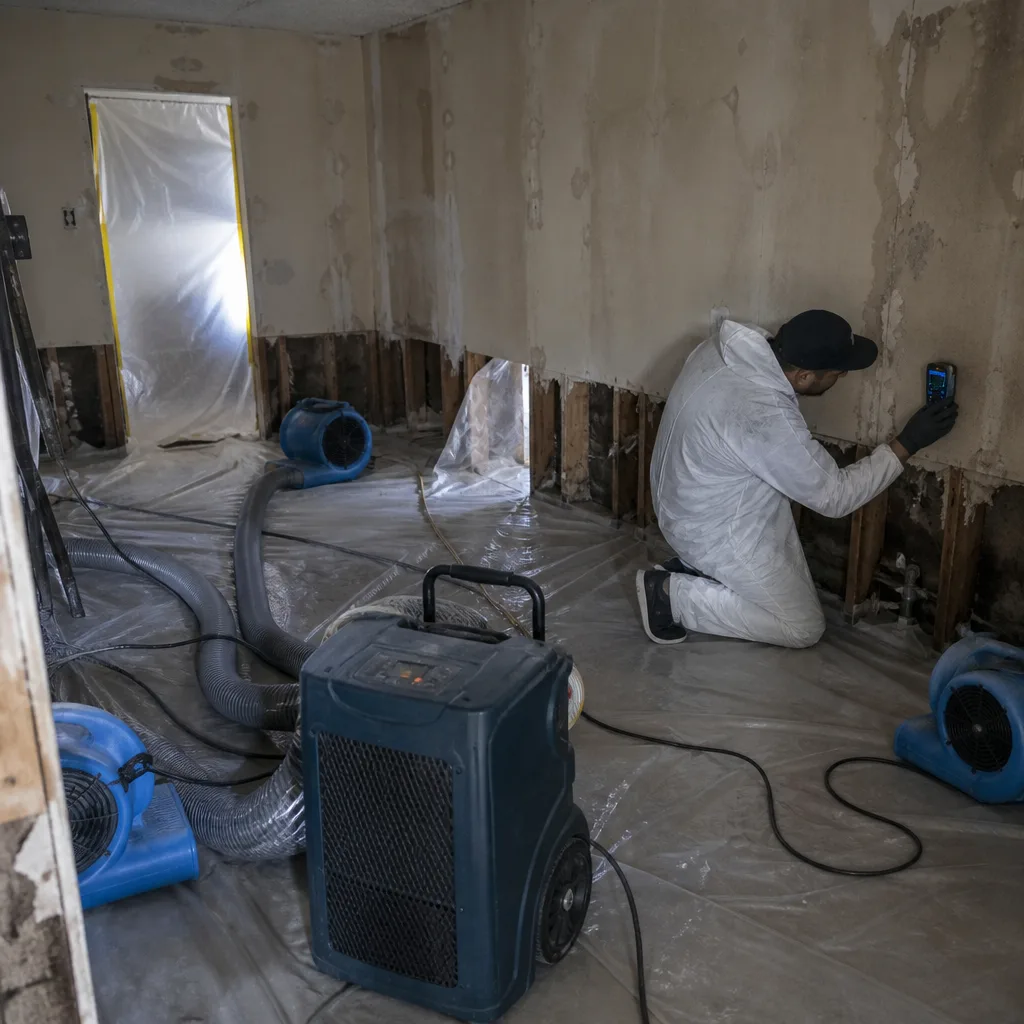 Before
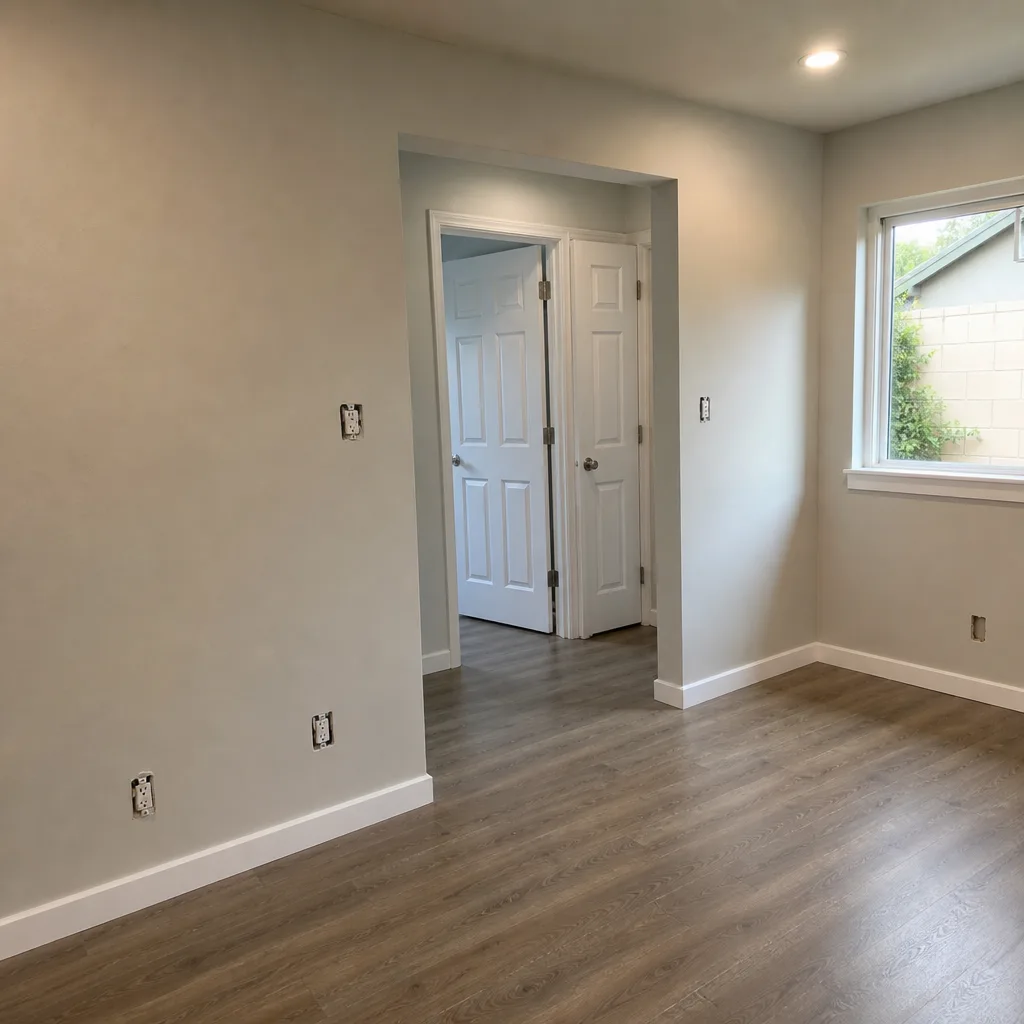 After
After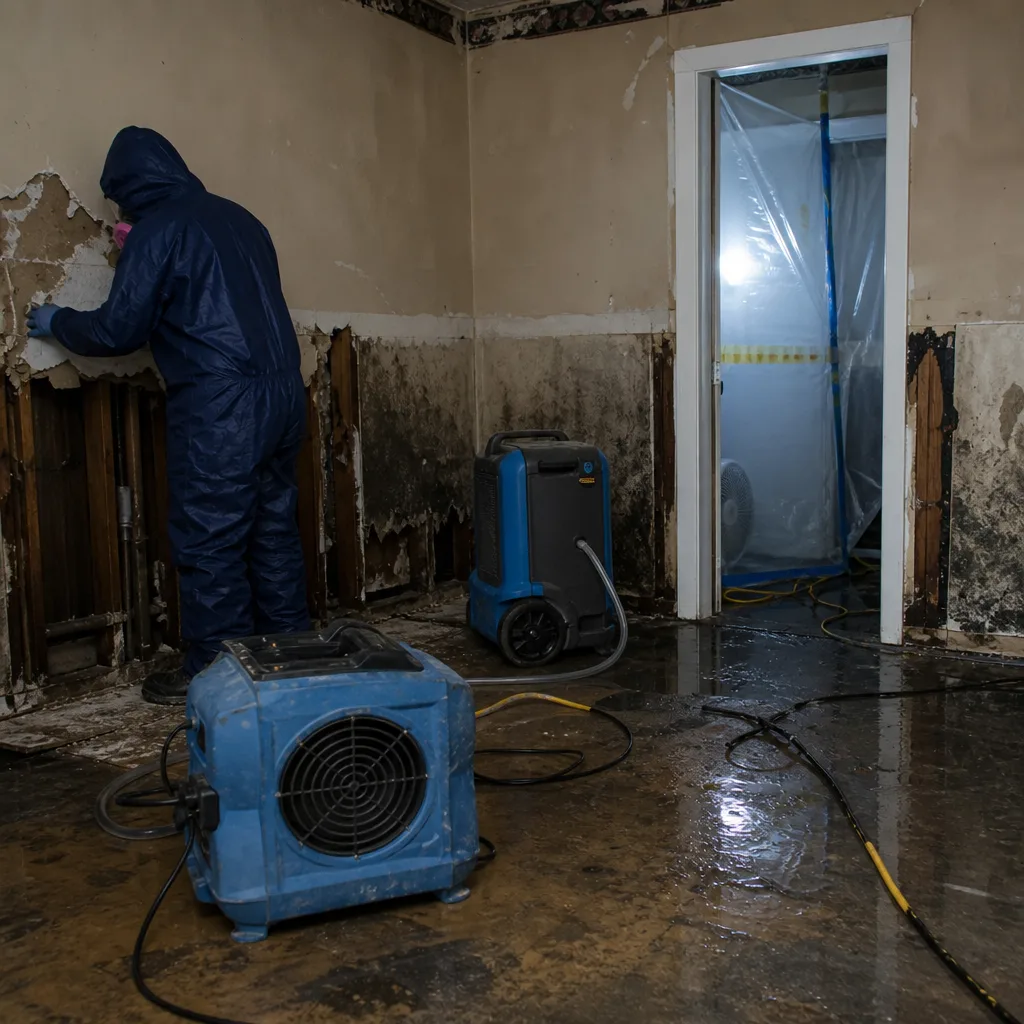 Before
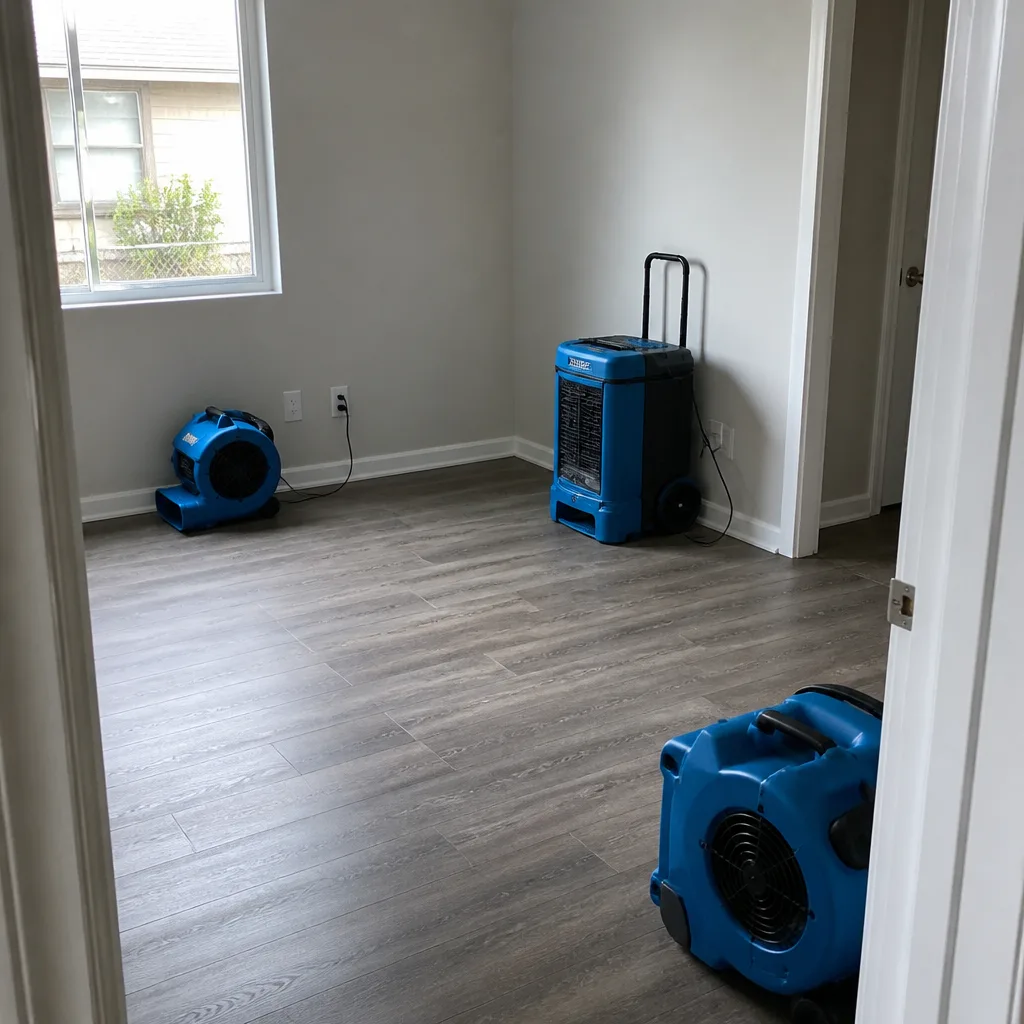 After
After24/7 Emergency Water Damage Restoration in Bellflower
Water damage restoration in Bellflower typically costs $2,800-$7,500 for a standard residential loss, with emergency extraction starting at $450-$950 and structural drying running $1,200-$3,200 depending on square footage and category. Most slab-leak and burst-pipe scenarios in Bellflower’s 1950s-1960s ranch homes require same-day response to prevent subfloor rot and mold amplification. Call (628) 226-1011 now - a live person answers every emergency line, 24 hours a day, with crews dispatched from our Los Angeles office to Bellflower properties in under 45 minutes. The first hour determines whether you’re looking at extraction and drying or full reconstruction; water moves fast through slab-on-grade construction with nowhere to drain.
Understanding Water Damage Restoration Severity in Bellflower Properties
Water damage in Bellflower falls into three categories under IICRC standards. Category 1 is clean water from a broken supply line - common when those aging galvanized pipes finally fail beneath the slab. Category 2 carries significant contamination from washing machine overflows or dishwasher drain lines, and in Bellflower’s tight ranch layouts it wicks into baseboards and bottom plates within hours. Category 3 is grossly contaminated - sewage backups from municipal line failures or storm-drain overflows in low-lying blocks near the San Gabriel River channel.
Moisture mapping with thermal imaging finds what eyes miss. In Bellflower’s slab-on-grade homes, water doesn’t pool in a basement; it spreads laterally through the slab perimeter and up wall cavities. We document vapor pressure differential - the force that drives moisture from wet materials into dry air - and adjust our dehumidification strategy daily. Psychrometric data, the relationship between temperature, humidity, and air moisture capacity, tells us when the structure is actually dry, not just surface-dry. Tertiary drying targets the last trapped moisture in dense materials like tile beds and hardwood that standard equipment misses.
Severity also depends on contact time. A slab leak running for three weeks before buckling laminate appears on Dunrobin Avenue has already compromised the bottom plates and created a Category 2 scenario from microbial growth. That’s why we treat every Bellflower call as a documentation project from minute one.
Why Bellflower Property Owners Choose DryMark Restoration Compton
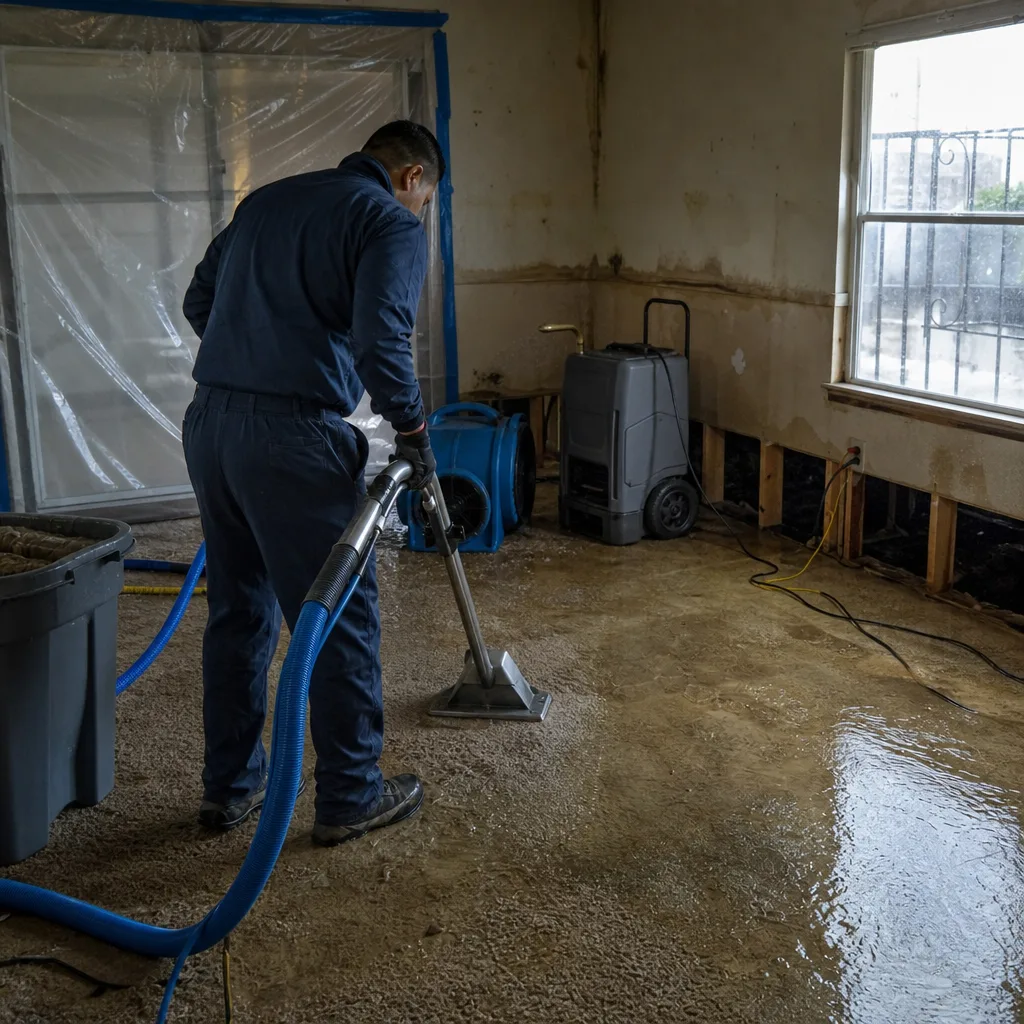
- 45-minute response commitment to Bellflower addresses - our dispatch team at the Los Angeles office routes the nearest IICRC-certified crew the moment you describe the loss.
- 24/7 live answer, no exceptions - a real person picks up every emergency call; no voicemail trees, no “press 1 for water damage” while your slab keeps saturating.
- IICRC WRT and ASD-certified technicians - Water Damage Restoration Technician and Applied Structural Drying credentials, with license numbers provided on request before anyone enters your home.
- Free visual inspection - we arrive, assess, and deliver a written scope with line-item pricing before any equipment runs or demolition starts.
- Direct insurance billing - we photograph every room, log every moisture reading, and coordinate with your adjuster so your claim pays without dispute.
- One team from extraction to reconstruction - no handoffs between contractors, no blame-shifting if something doesn’t match.
BeforeAfterOur Water Damage Restoration Process
1. Inspection & Assessment
We arrive with thermal imaging cameras, non-penetrating moisture meters, and penetrating probes to map the full extent of water migration. In Bellflower’s slab-on-grade homes, we pay special attention to perimeter walls and the joint between slab and foundation where water tracks unseen. Every reading is photographed and logged.
2. Water Extraction & Stabilization
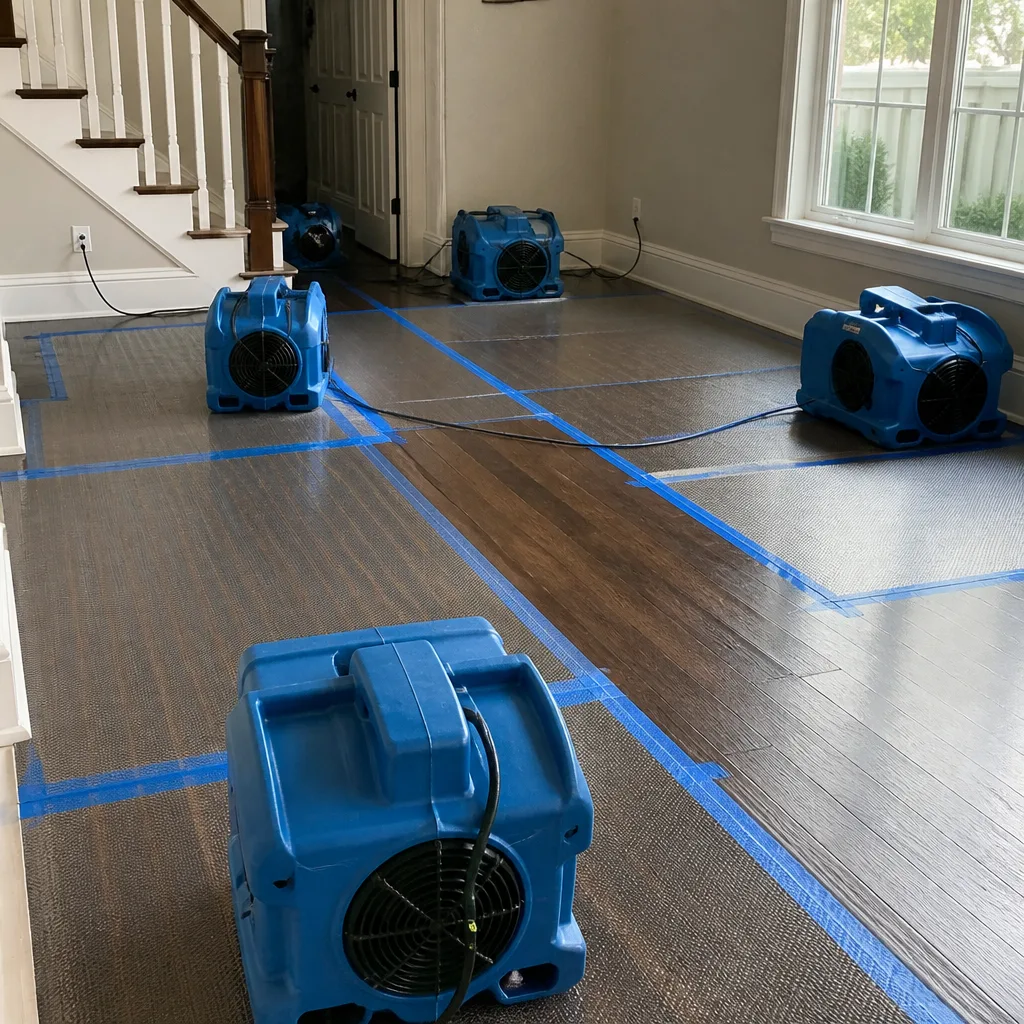
Truck-mounted extraction units remove standing water; weighted extraction tools pull moisture from carpet and pad. For slab leaks, we deploy Injectidry systems with floor mats that create negative pressure directly against the slab surface, pulling trapped water from beneath flooring materials that can’t be removed without demolition.
3. Structural Drying & Dehumidification
We calculate equipment loads using IICRC drying standards: air movers create evaporation at the wet surface, while LGR dehumidifiers from Dri-Eaz and Phoenix remove that moisture from the air. In Bellflower’s closed ranch floorplans, containment chambers and targeted airflow prevent moisture from migrating to dry rooms.
4. Cleaning & Sanitization
Category 2 and 3 losses receive antimicrobial treatment to non-salvageable surfaces; HEPA air scrubbers run during all demolition to protect air quality. We document every treated area with before-and-after photos for your insurer.
5. Moisture Verification & Documentation
Daily moisture readings continue until all materials return to pre-loss equilibrium moisture content, typically 12-16% for wood framing in Bellflower’s climate. Our drying logs - date-stamped with psychrometric data - become the evidence your insurance company needs to approve the invoice.
6. Repairs & Restoration
Once dry, we deliver a written reconstruction scope with firm pricing. Drywall, flooring, baseboards, and paint match existing finishes. The same crew that dried your home completes the rebuild, so nothing gets lost in translation.
Need Emergency Water Damage Restoration in Bellflower Now?
Crews minutes away, answering live 24 hours a day. The sooner we start, the less it costs.
Working With Your Insurance Company
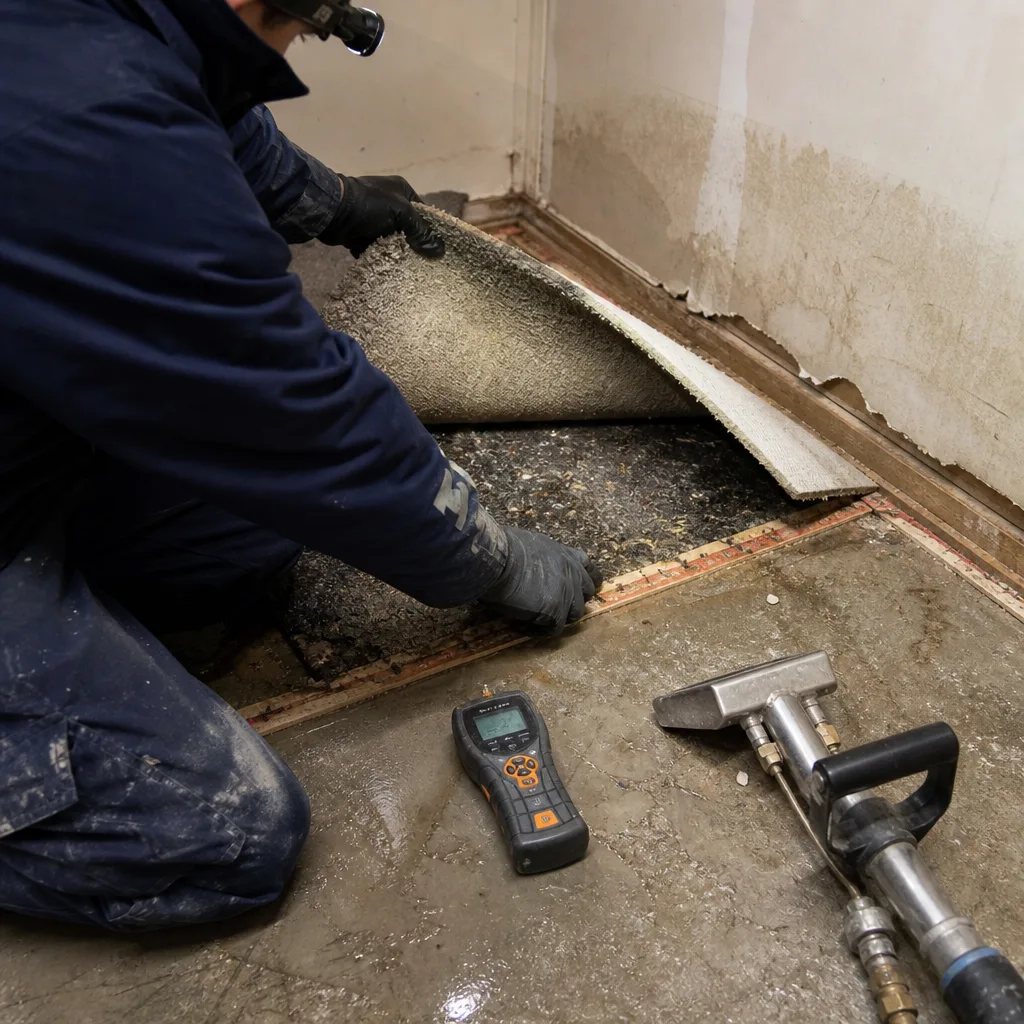
Insurance claims fail on documentation gaps. We know because our founder, Alicia Brennan, spent years as a claims adjuster watching homeowners lose coverage over missing photos, undocumented moisture readings, and scopes that didn’t match the actual damage. Every Water Damage Restoration job we handle in Bellflower starts with a photo record in the first hour and ends with a complete file your adjuster can process without callbacks.
We write industry-standard estimates using the same pricing databases your carrier recognizes. Direct adjuster coordination means we answer their questions before they slow your claim. Our documentation package has supported thousands of payable claims since 2011.
What We Provide Your Insurer
- Thorough documentation of the loss
- Photos of all damage, room by room
- Moisture readings and drying logs
- A detailed, line-item scope of work
- Direct coordination with your carrier
Built for Bellflower’s Loss Calendar
January through March brings atmospheric river events to Southern California. When those storms hit, Bellflower’s eastern neighborhoods - the blocks just west of the 605 Freeway near the San Gabriel River channel - flood while the rest of the city stays dry. Storm-drain capacity fails at the low point; water backs through floor drains and foundation penetrations. Post-storm triage here is block-by-block, not city-wide.
April through June, slab leaks spike. The winter rains stress already-corroded galvanized supply lines, and homeowners notice warm spots, buckling floors, or unexplained water bills. July through October, near-zero humidity creates a false sense of security - but that same dry air accelerates hidden mold growth inside wall cavities where slow slab leaks maintain 70%+ relative humidity in isolated pockets.
November through December, holiday gatherings strain aging plumbing. Washing machine overflows from extra loads, dishwasher drain lines fail, and guests who don’t know the house’s water quirks create the kind of Category 2 losses that need immediate extraction before Thanksgiving dinner can happen.
Water Damage Restoration Across Bellflower’s Neighborhoods
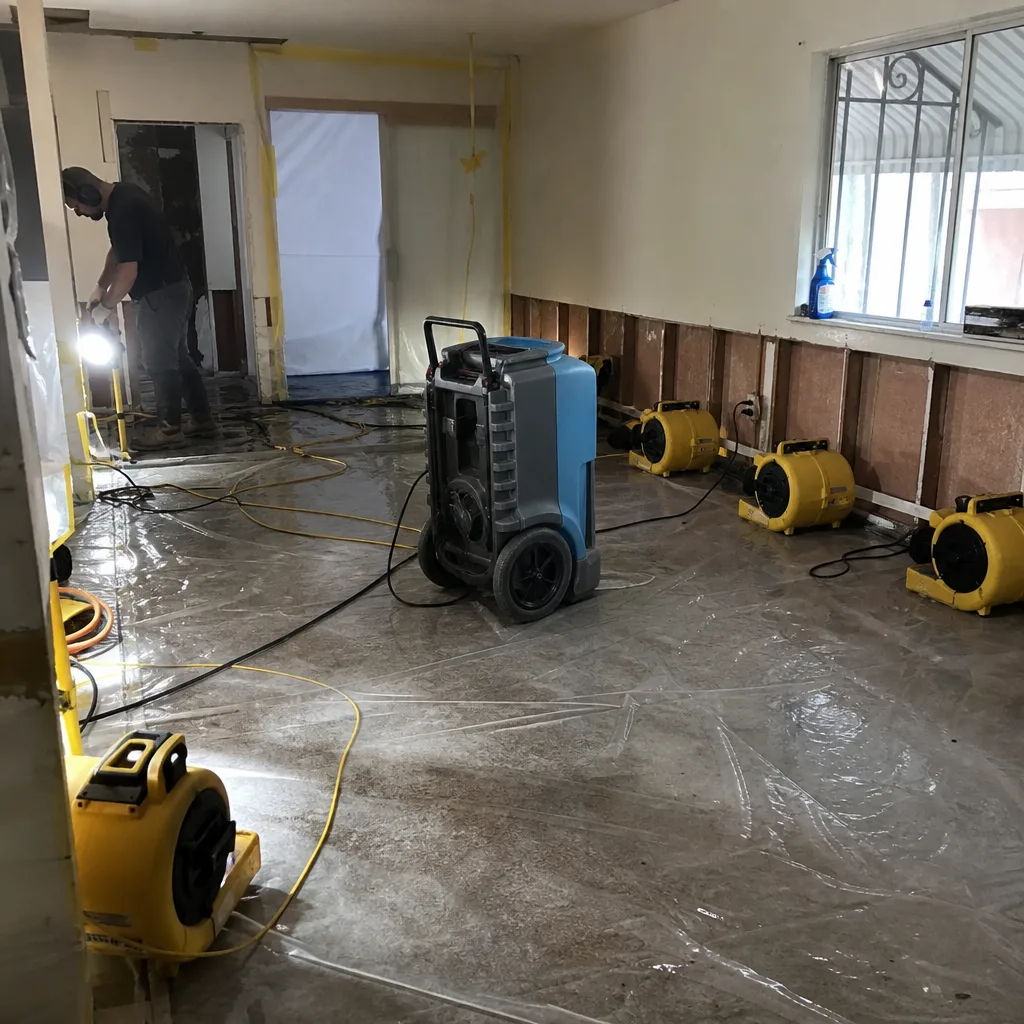
East Bellflower, the corridor running from the 605 Freeway west to Woodruff Avenue, sits lowest in the floodplain. Our crews know which streets flood first during channel overflows - Dunrobin, Rosecrans, and the blocks between - and we stage equipment accordingly when storms track toward the LA Basin. These homes, built in the 1950s and 1960s on the original tract layout, share the same slab-on-grade construction and aging galvanized plumbing that make hidden leaks the dominant loss type.
North Bellflower toward Somerset Boulevard and the Cerritos border sees more mature landscaping and established trees. Root intrusion into sewer laterals causes Category 3 backups that require full sanitation protocols. The homes here, slightly newer on average, sometimes have copper repipes - but the original galvanized still runs under many slabs, and our thermal imaging finds the same slow leaks.
Central Bellflower around Bellflower Boulevard and the civic center corridor mixes commercial and residential, with older apartment complexes and duplexes built in the same post-WWII boom. Multi-unit losses compound fast: one slab leak in a downstairs unit creates Category 2 migration through shared walls. We coordinate with property managers and multiple insurers simultaneously, documenting each unit separately.
South Bellflower toward Artesia Boulevard and the Long Beach border includes some of the city’s 1970s construction - marginally newer, but still slab-on-grade, still vulnerable to the same imported water chemistry that corrodes supply lines from the inside out. The Alondra Park corridor catches runoff from higher ground during heavy rain, creating localized foundation seepage that homeowners mistake for plumbing failures.
Specialized Water Damage Restoration Services We Offer in Bellflower
Emergency Water Extraction
Standing water on a Bellflower slab has no drainage path. Our truck-mounted extraction systems remove thousands of gallons per hour; for confined spaces in ranch-style homes, portable XPOWER and B-Air units reach where truck mounts can’t. We extract first, then decide what stays and what goes.
Structural Drying & Dehumidification
Slab-on-grade construction in Bellflower’s tight floorplans demands calculated air mover placement and LGR dehumidifier sizing. We contain wet areas, create negative pressure where needed, and run daily moisture logs until wood framing reads dry. Four extra days of drying beats four weeks of mold remediation.
Flood Cleanup
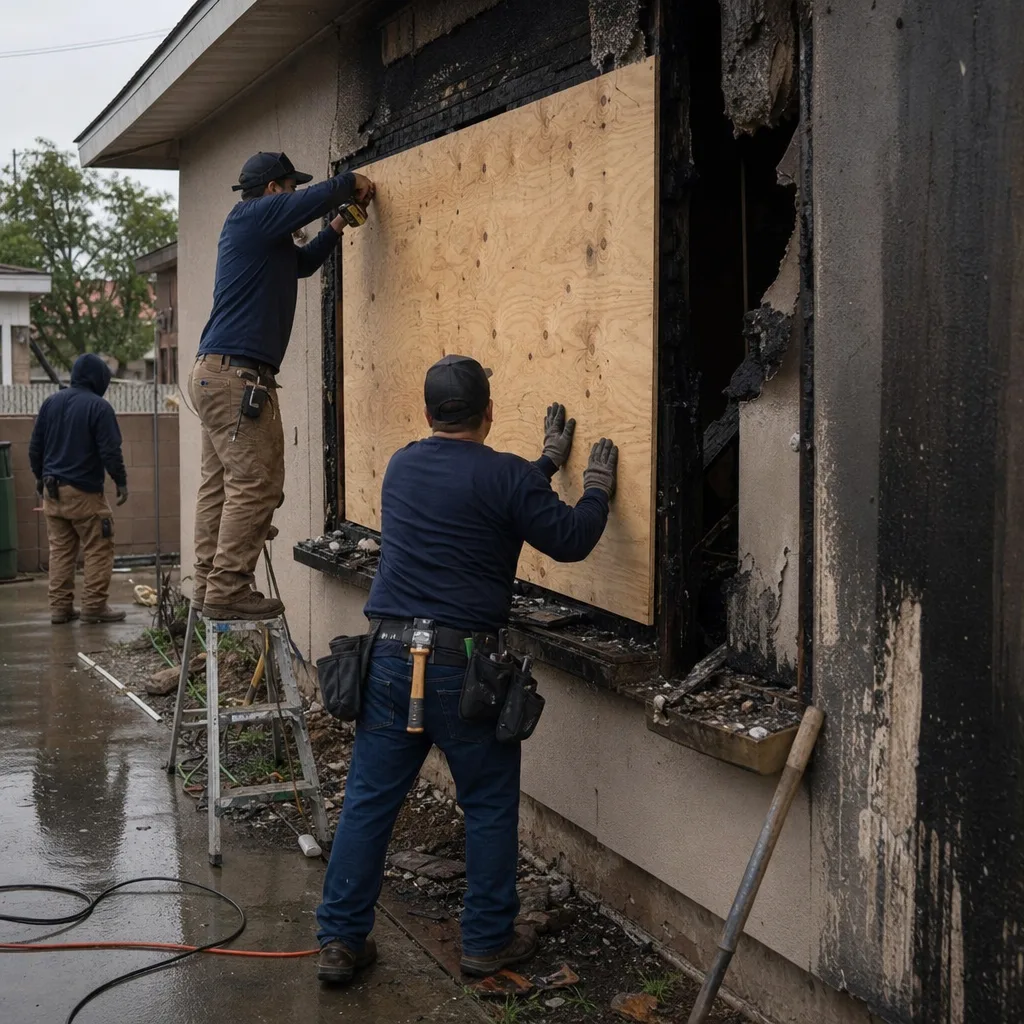
Post-storm flooding in east Bellflower near the 605 brings sediment, contaminants, and Category 3 classification. We remove porous materials that can’t be sanitized, HEPA-scrub the air, and document every decision for your flood insurance or FEMA claim.
Burst Pipe Restoration
When galvanized lines fail beneath the slab, we coordinate with licensed plumbers for access and repair while managing the water damage restoration. Our scope includes the extraction, drying, and rebuild - you don’t hire twice, and nothing falls between contractors.
Basement Water Removal
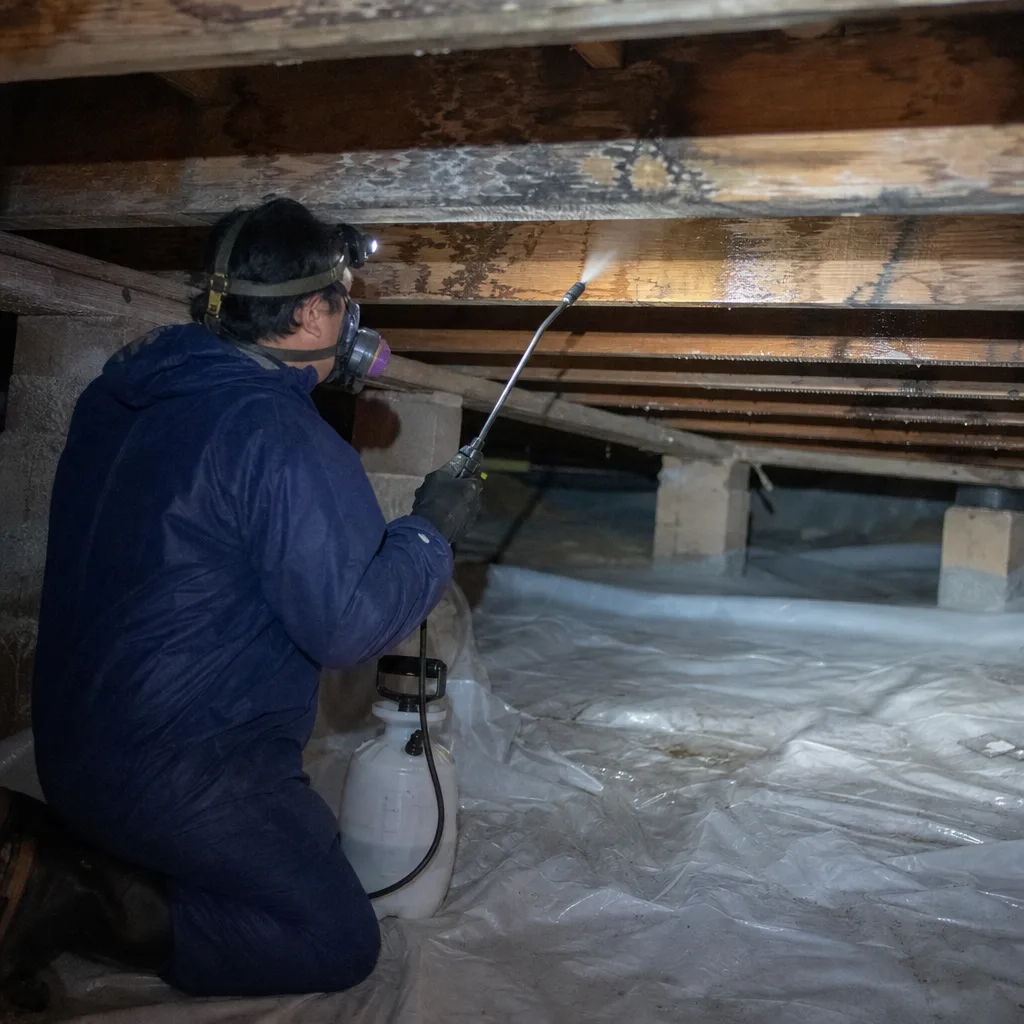
True basements are rare in Bellflower, but partial daylight basements and converted crawl spaces exist in pockets near the San Gabriel River. These below-grade spaces flood first when groundwater rises; we pump, extract, and dry with equipment rated for continuous operation in high-humidity conditions.
What happens when you call
- 1
A real person answersNo phone trees - you reach a local pro.
- 2
You get an upfront price rangeHonest numbers before anyone is dispatched.
- 3
A background-checked tech heads outLicensed & insured, dispatched right away.
- 4
You approve before work beginsNothing starts until you say go.
Water Damage Restoration Costs in Bellflower, CA
| Service | Typical Range in Bellflower |
|---|---|
| Emergency water extraction | $450 - $950 |
| Structural drying & dehumidification (per day) | $1,200 - $3,200 |
| Slab-leak water damage restoration (full job) | $3,500 - $8,500 |
| Storm/flood cleanup (Category 3) | $5,000 - $12,000+ |
| Content cleaning & pack-out | $800 - $2,400 |
What moves the price: category of water (Category 1 costs less than Category 3), square footage affected, whether demolition is needed, and how long water sat before extraction started. A slab leak caught in week one costs significantly less than one that ran for a month and rotted subflooring.
Insurance typically covers sudden and accidental water damage from burst pipes and storm intrusion; slow leaks over time may face coverage limits. We provide a free visual inspection and written scope before any work begins - Haven Standard, Clause 1 - so you know exactly what’s covered and what isn’t before making decisions. Call (628) 226-1011 for your written estimate.
We Also Serve Cities Near Bellflower
Our crews respond daily throughout the surrounding area: Water Damage Restoration in Bellflower is coordinated from our Los Angeles office, with direct routes to Cerritos, Signal Hill, Compton, and Long Beach. Same documentation standards, same live-answer dispatch, same written price before work begins.
Serving Bellflower, CA - Our Local Coverage Area
We’re based in the Bellflower area and know this community well. Use the map below to see our service coverage - if you’re nearby, we can almost certainly help.
Bellflower Water Damage Restoration Questions, Answered
Why do so many slab leaks happen in Bellflower compared to nearby cities?
Bellflower’s housing stock is dominated by 1950s-1960s tract homes built with galvanized steel supply lines that corrode from the inside due to the region’s moderately hard Metropolitan Water District water.
Newer cities like Cerritos saw more copper and PEX installation in later decades. Bellflower’s original infrastructure is reaching end-of-life simultaneously, so pinhole leaks and split lines under slabs are now routine. The corrosion is invisible until water appears somewhere it shouldn’t. If you suspect a slab leak, call (628) 226-1011 - thermal imaging finds it before demolition becomes necessary.
How does the slab-on-grade foundation affect water damage restoration in Bellflower?
Slab-on-grade construction means water has no basement or crawl space to drain into; it spreads laterally across the slab and wicks up walls.
Without a raised subfloor, every gallon of water contacts finished materials directly. Extraction must be more aggressive, drying takes longer because the slab itself holds moisture, and moisture mapping is essential to find hidden pockets in wall cavities. Skipping extended structural drying in these homes guarantees mold within 48 hours. We document every reading until the structure is proven dry.
My street near the San Gabriel River channel flooded during the last big storm. What should I do first?
Do not enter standing water if electrical outlets or appliances are submerged; call (628) 226-1011 for emergency extraction.
Storm flooding near the 605 corridor in east Bellflower carries Category 3 contamination from street runoff, sewer backups, and channel overflow. Don’t attempt DIY cleanup - the health risks are significant, and improper documentation can void insurance coverage. Our crews arrive with protective equipment, pump out water, and begin HEPA air scrubbing and sanitation immediately. We photograph everything for your flood claim.
What equipment do you use for structural drying in Bellflower homes?
We deploy LGR dehumidifiers from Dri-Eaz and Phoenix, axial and centrifugal air movers from B-Air and XPOWER, and Injectidry systems for targeted slab drying.
Each job gets equipment calculated by square footage, material type, and Class of water damage under IICRC S500 standards. In Bellflower’s ranch homes, we often use containment to focus drying on affected rooms rather than the whole house. Daily psychrometric readings tell us when to adjust or remove equipment - never guesswork.
Can hidden mold grow even though Bellflower is so dry most of the year?
Yes - mold doesn’t need outdoor humidity, just a localized moisture source above 60% relative humidity for 24-48 hours.
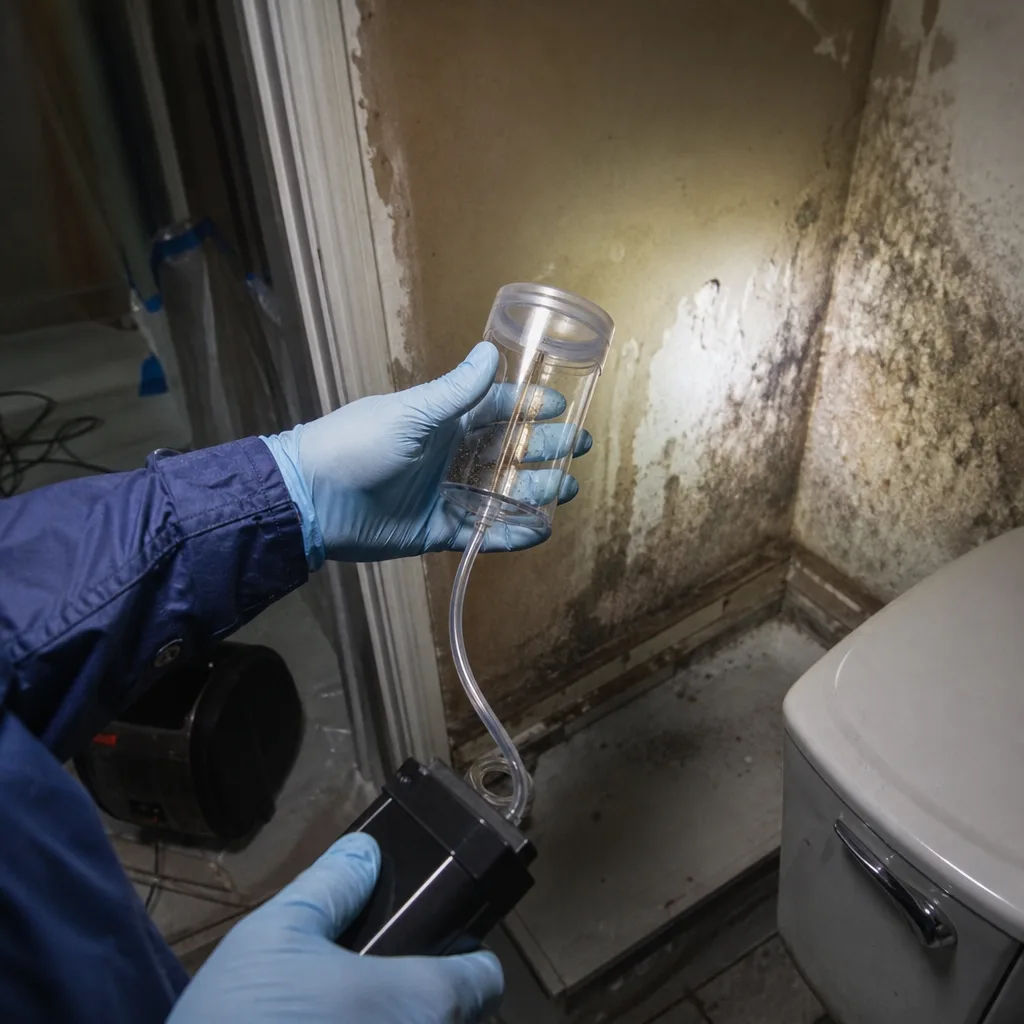
A slow slab leak inside a wall cavity creates exactly that microclimate, even when Bellflower’s outdoor humidity is 15%. We’ve found active mold growth behind perfectly dry-looking drywall in homes where the owner insisted “it can’t be mold, it’s so dry here.” Moisture mapping finds the source; air sampling confirms the type. Don’t assume dryness means safety.
Will my insurance cover water damage restoration in Bellflower?
Most standard homeowner policies cover sudden and accidental water damage from burst pipes, appliance failures, and storm intrusion.
Slow leaks over weeks or months may be excluded as maintenance issues. We document the loss as sudden and accidental when the evidence supports it, provide line-item scopes using industry-standard pricing, and coordinate directly with your adjuster. Our documentation package has supported thousands of payable claims. Bring us your policy; we’ll review coverage before any work starts.
How fast can someone actually get to my Bellflower home?
Our response commitment is 45 minutes to Bellflower addresses, with live dispatch from our Los Angeles office 24 hours a day.
East Bellflower near the 605 sometimes sees faster arrival during storm events because we pre-stage crews when atmospheric rivers are forecast. The first hour matters most: water migration slows significantly if extraction starts before it reaches unaffected rooms. Call (628) 226-1011 - a real person answers, and a crew is already moving.
Do I need full remediation or just a cleaning?
Category 1 water damage, caught quickly, often requires only extraction and drying with no demolition.
Category 2 or 3, any water that sat longer than 24-48 hours, or any visible mold means contaminated materials must be removed and the structure sanitized. We classify the water, map the moisture, and tell you exactly which category applies before any demolition starts. The written scope shows every line item; you approve it before work begins. No surprises, no scope creep.
Water damage in Bellflower doesn’t resolve itself, and the city’s unique combination of slab-on-grade construction and aging galvanized plumbing makes professional assessment essential. Every minute water sits beneath your slab, the repair scope grows. Call (628) 226-1011 now - a live person will answer, document your situation, and dispatch a crew with the equipment and certifications to stop the damage and prove the structure dry.
Written by Alicia Brennan, Owner at DryMark Restoration Compton, serving Bellflower since 2011.
Water Damage Restoration in Nearby Areas